
Is it Anxiety, Stress or PTSD?

By David Joel Miller, MS, Licensed Therapist & Licensed Counselor.
Stress person

Stress.
Photo courtesy of Pixabay.com

Just how stressed out are you?

Everyone experiences a little stress in their day-to-day life.  Having anxiety in your life is considered just a part of modern life.  But sometimes that stress and anxiety overwhelm people.  The things that get called trauma come in all shapes and sizes.  Many times these traumas resolve in a short period of time.  Traumas that don’t resolve, that hang on for long periods of time and interrupt your daily life, can turn into a serious mental illness such as an anxiety disorder a stress-related disorder, or even Posttraumatic Stress Disorder.

If you’re struggling with difficulties, anxieties, stress, or even some traumatic events it is helpful to know just what kind of problem you’re dealing with.  Some things will sort themselves out on their own.  Other times anxiety, stress, and trauma need professional help.  Here are some of the problems that you might be experiencing and some thoughts about how to tell the different problems apart.

Stress.

Stress is the reaction the body has to challenges from the environment.  Stress can be small and repeated or large and dramatic.  Even good things can be stressful.  That first day on a new job can be full of stress even when you really want that job.  Many people get sick the first week on a new job.  Weddings or the birth of a baby can be stressful also, even when these have been something you have looked forward to.

Most of the time people have stress and it goes away.  But over time people can accumulate a great deal of stress, and this can result in physical, emotional, and mental illnesses.  One very important life skill is learning how to manage and reduce stress.  Take a look at the other posts on counselorssoapbox.com about stress and stress management.

Animals get stressed and so do people.

Humans are not the only creatures to get stressed.  Animals in the wild can have a very stressful life.  Sapolsky wrote a very interesting book called Why Zebras Don’t Get Ulcers.”  The main difference between humans and animals seems to be how they adjust to stress after it has come and gone.  Animals who were stressed returned to a low-stress state very quickly.  Humans get stressed and years later they are still experiencing that stress.  For humans, this accumulation of stress over time can result in chronic illnesses.

Anxiety.

Anxiety is a normal human response.  But when it gets out of control it can become a disease.  If you’re in a dangerous situation, anxiety and even fear can help you stay safe.  If the volume on your anxiety is turned up too high, it can cause you to overreact to many everyday situations.  Sometimes people have what they call anxiety attacks.  For a brief period of time, they feel excessive anxiety but eventually, these anxieties attacks subside.

When this high anxiety continues too long and begins to interfere with your daily life, your job, or your relationships, it is excessive and may be diagnosed as an anxiety disorder.  There are a number of different recognized Anxiety disorders depending on the particular features of your anxiety.

Post-Traumatic Stress Disorder or PTSD.

Post-traumatic Stress Disorder or PTSD is a diagnosable mental illness.  Sometimes in life people experience overwhelming traumatic experiences.  They may witness a violent death, a tornado, hurricane, or other natural disasters.  In these events, the person may fear that they or someone close to them is going to die.

This condition was originally identified in the veterans returning from war zones.  It has since been identified in civilian populations who have been exposed to traumatic events and feared for their lives.

As a result of this trauma, people begin to develop difficulties functioning.  Some people will struggle with these problems for a short period of time, a month or so.  Other people will very quickly return to normal function.  In some cases, as a result of these traumatic experiences, people will continue to have symptoms for years afterward.  These continuing symptoms may be PTSD.

Complex trauma.

Repeated traumatization becomes more difficult to heal from.  There has been a good deal of research and writing about a condition that is sometimes called complex trauma.  While it’s not an official diagnosis, is helpful for many people to think about it this way.  Someone may be able to experience a trauma and recover from it.  If that same person experiences the same trauma repeatedly, each time it becomes more difficult to recover.

If you are struggling with anxiety, stress or PTSD consider getting professional help.

Staying connected with David Joel Miller

Seven David Joel Miller Books are available now!

My newest book is now available. It was my opportunity to try on a new genre. I’ve been working on this book for several years, but now seem like the right time to publish it.

Story Bureau.

Story Bureau is a thrilling Dystopian Post-Apocalyptic adventure in the Surviving the Apocalypse series.

Baldwin struggles to survive life in a post-apocalyptic world where the government controls everything.

As society collapses and his family gets plunged into poverty, Baldwin takes a job in the capital city, working for a government agency called the Story Bureau. He discovers the Story Bureau is not a benign news outlet but a sinister government plot to manipulate society.

Bumps on the Road of Life. Whether you struggle with anxiety, depression, low motivation, or addiction, you can recover. Bumps on the Road of Life is the story of how people get off track and how to get your life out of the ditch.

Dark Family Secrets: Doris wants to get her life back, but small-town prejudice could shatter her dreams.

Casino Robbery Arthur Mitchell escapes the trauma of watching his girlfriend die. But the killers know he’s a witness and want him dead.

Planned Accidents  The second Arthur Mitchell and Plutus mystery.

Letters from the Dead: The third in the Arthur Mitchell mystery series.

What would you do if you found a letter to a detective describing a crime and you knew the writer and detective were dead, and you could be next?

Sasquatch. Three things about us, you should know. One, we have seen the past. Two, we’re trapped there. Three, I don’t know if we’ll ever get back to our own time.

For these and my upcoming books; please visit my Author Page – David Joel Miller

Want the latest blog posts as they publish? Subscribe to this blog.

For videos, see: Counselorssoapbox YouTube Video Channel

Getting past the fear.

By David Joel Miller, MS, Licensed Therapist & Licensed Counselor.

What do you fear

Fear
Photo courtesy of Pixabay.com

Ways to overcome your fears and anxiety.

Fear and anxiety are terrible roommates. They can take over your life and make you miserable. Anxiety is like some nasty monster lurking about your life controlling your destiny. Fear is a bully whispering in your ear all manner of negativity. The more you try to ignore your fears, pacify them by avoiding all the scary things, the more they take over your life.

If you have decided that you are tired of letting your fears and anxieties control your life then now is the time to get this relationship with your fears under control. Like an annoying relative, you may not be able to cut your anxieties out of your life altogether, but you can set up some new rules and take back control of your life. Here are some ways to tame the anxiety monster.

Accept the fear, recognize it is in the room.

Hiding from your fears will not make them go away. Neither will trying to run away. You can’t get rid of fear by hiding. Drugs, alcohol, or other distracting behaviors will only make matters worse.

Take a good look at this fear. What does it look like? How is this interfering with your life? Consider how your life would be different if you listen to the fear less. You can’t work on a problem until you recognize it.

Name the fear – what are you really afraid of?

Think about this fear. What is it really? Fear of flying? Or is it fear of crashing? Flying happens way more than crashing. Fear of snakes? Or fear of being bitten by a snake? Maybe even fear of being bitten by a poisonous snake. Snakes are not really interested in biting you, not unless you look like a meal. They will run if they get the chance. They may even hiss or rattle to scare you away. The biting happens when you don’t recognize the snake for what it is and wants until after the bite.

What does your fear really want from you? Is this outcome something you will accept rather than live the life you want?

Some fears are protective and some are not.

If someone is shooting at you be afraid and take cover. Fear, in that case, is trying to protect you. But if you hear a car door slams down the block and your fear sends you running for cover, this fear is far bigger than the real danger.

Just because it scares you does not mean there is a danger.

Being afraid of your shadow is more than an expression. Many of our fears and anxieties in adult life are fears left over from childhood when we were smaller and more helpless. Reevaluate those fears. Are they valid today in the world you are living in?

You may need an objective opinion to evaluate the risk.

When you are frightened the whole world looks scary. It can help to talk about your fears with an objective person. Sometimes you know already that your fear is excessive. It may even be keeping you from having a life, talking to a professional can help you get past the fear.

Being perfect is not possible.

Are you afraid to make a mistake? Are you worried that others will judge you and think you are incapable? Not taking action will guarantee the result you fear. There are no perfect people. Everyone makes mistakes. No one hits a home run every time or wins every contest. Letting fear keep you out of the game will prevent what could have been. You will not get 100% of the jobs you do not apply for.

Don’t go around collecting other’s fears.

Fear, like misery, loves company. If you grew up in a fear-filled home or live with someone who is full of fear then you may have been infected by other’s fears. If you are struggling with other people’s fears, return that fear creature and get the refund of your life back.

What would be better if you did not have this fear?

When you stay focused on the fear you miss out on the other possibilities. Ask yourself what would be better if you did not have that fear. Act as if that fear was already gone and as you move towards the thing you used to fear you will see it shrink. Anxieties bully people, tell that bully no.

Avoid comparing up.

One way to keep anxiety a part of life is to constantly compare yourself to someone who has more than you. This “comparing up” results in a lot of depression and anxiety. You are not as famous as that person you saw on the awards show. You do not have 152,000 friends on social media like that other person. If you keep comparing up you will start feeling bad about yourself and magnify your fear of not measuring up.

Collect successes.

Most people ignore their successes and collect the memories of their shortfalls. This is precisely the wrong approach. Make sure that you recognize your life’s good times. Pick those happy memories up and hold onto them. If you do not save successes you will lose count of them and then your inventory will look like all you have ever had were failures.

Sneak up on the fear. Systematic desensitization.

You can conquer that fear or anxiety using a process called systematic desensitization. I have written elsewhere about this process. The trick here is to approach the fear as close as you can and then hold that position. If you begin to experience feeling the fear and yet nothing bad happens the fear will move away. Keep this up and you can stretch your comfort zone and reduce the circle that fear stays in. Eventful that fear will come to serve you not the other way around. Working with a professional on this process can pay great rewards.

Build a fear-busting team. Support system.

Fears are much scarier when you have to face them alone. One of the best ways to tackle life’s problems is to develop a good support system. You need to surround yourself with people who can stand with you when you face this fear down.

Which of these fear busting tools are you going to try?

Staying connected with David Joel Miller

Seven David Joel Miller Books are available now!

My newest book is now available. It was my opportunity to try on a new genre. I’ve been working on this book for several years, but now seem like the right time to publish it.

Story Bureau.

Story Bureau is a thrilling Dystopian Post-Apocalyptic adventure in the Surviving the Apocalypse series.

Baldwin struggles to survive life in a post-apocalyptic world where the government controls everything.

As society collapses and his family gets plunged into poverty, Baldwin takes a job in the capital city, working for a government agency called the Story Bureau. He discovers the Story Bureau is not a benign news outlet but a sinister government plot to manipulate society.

Bumps on the Road of Life. Whether you struggle with anxiety, depression, low motivation, or addiction, you can recover. Bumps on the Road of Life is the story of how people get off track and how to get your life out of the ditch.

Dark Family Secrets: Doris wants to get her life back, but small-town prejudice could shatter her dreams.

Casino Robbery Arthur Mitchell escapes the trauma of watching his girlfriend die. But the killers know he’s a witness and want him dead.

Planned Accidents  The second Arthur Mitchell and Plutus mystery.

Letters from the Dead: The third in the Arthur Mitchell mystery series.

What would you do if you found a letter to a detective describing a crime and you knew the writer and detective were dead, and you could be next?

Sasquatch. Three things about us, you should know. One, we have seen the past. Two, we’re trapped there. Three, I don’t know if we’ll ever get back to our own time.

For these and my upcoming books; please visit my Author Page – David Joel Miller

Want the latest blog posts as they publish? Subscribe to this blog.

For videos, see: Counselorssoapbox YouTube Video Channel
How Stress destroys your health.

By David Joel Miller, MS, Licensed Therapist & Licensed Counselor.

Stress person

Stress.
Photo courtesy of Pixabay.com

Your body stores up stress and then makes you sick.

Most of us know the effects that stress can have on our mental health but few people notice that the way they feel emotionally is affecting their physical health. We use that same word “feel” for both sensations in the body and emotions we attribute to the mind. This leads to lots of confusion. Your mind, by which most people mean their thinking, is not all that separate from your body.

What you think about can take its toll on your physical health.

Physical symptoms are often the first indicators of a serious mental illness. It is smart to get your health checked out by a medical doctor. Having physical illnesses that are caused by stress or trauma does not mean you are going crazy and it sure does not mean that your problems are “all in your head.” Your body participates in everything your mind experiences.

When we say someone is a pain in the neck, take that literally. That unpleasant experience has caused your neck muscles to tighten. That person who makes you sick to your stomach really is affecting your digestion. So if you have seen a doctor and they can’t find anything medically wrong with you, consider getting some emotional help.

Here are some of the physical signs and symptoms that you are under too much stress or that your feelings are signaling your body they need some attention.

Appetite changes reflect feelings.

Can’t eat? Constantly hungry? Changes in appetite that are not connected to physical activity and caloric needs are a common indicator of an emotional crisis. Changes in appetite along with a loss of pleasure are at the top of the list for symptoms of depression. Loss of appetite can signal an anxiety disorder. Relationship issues and all manner of other stresses change your appetite.

Sleep responds to emotions.

Sleep, too much or too little is another mental health indicator. Sleep changes are a feature of depression. Low need for sleep or not sleeping at all and having plenty of energy could be signs of Bipolar Disorder. Just because you have not been diagnosed with Bipolar in the past is no reason to ignore this. Many people have had only episodes of depression and the blues before that first big manic break.

Aches and pains can be from stress.

Stress impacts your nerves and your muscles. One study reported that more than half of those with Fibromyalgia also met the criteria for PTSD. Living with lots of stress or trauma extracts a price from your nervous system. Do not wait till your nerves quit to get that stress under control. While thinking things away will not cure physical illnesses alone, what you do about that stress can affect the course of your physical illness.

Cravings signal something is going on in your feelings life.

Cravings for foods could be a nutritional deficiency but it could also be the warning sign of depression coming. Craving for behaviors or chemicals are hallmarks of addiction. While most behavioral addictions have not yet made the list of recognized mental illness, counseling is helpful if you find yourself craving things that could be harmful to your health or your life.

Loneliness can cause or be caused by emotional issues.

Feeling lonely or emotionally needy is a sign that your feelings life is in need of help. You should not hesitate to get assistance for emotional cravings. Loneliness is a recognized cause of relapse for substance use disorders. What is often missed is that feelings of loneliness and neglect can be triggers for mental and emotional disorders.

Lowered resistance to colds and flu may have an emotional cause.

Depression, Trauma, and stressor-related disorders all lower your resistance to illness. Happy people have more resistance to physical illness and are more resilient to emotional letdowns. If you are having trouble getting over a physical illness, take another look and see if your emotions need mending also.

Temperature regulation – sweating could be anxiety or panic disorder.

Sweating and poor temperature regulation has been connected to anxiety and stress-related disorders. Learn deep breathing, meditation, and mindfulness. Cut back on the high rumination diet and see if your body does not stop sweating things.

Out of willpower – procrastination? Is it caused by stress?

Lack of energy, low willpower, and a general malaise are all signs of emotional disorders. Depression and anxiety are the chief suspects here but other mental disorders can result in low motivation and a lack of willpower.

Irritable – low blood sugar – the two are connected.

Low blood sugar makes people more irritable and leads to anger and conflict. The opposite connection can exist. Poor emotional regulation can play having with your efforts to regulate blood sugar and other hormones. Make sure you are taking care of your emotional health and see if that does not help you improve your physical health.

Panic happens more often when you are stressed.

Panic may be appropriate if they are shooting at you or if the lion is hunting you. Panic in the sense of a sudden mobilization of effort. But if you are having panic attacks on a regular basis, if the setting on your anxiety or panic meter is turned up way too high, your emotions are going to create a lot of physical symptoms that will not respond well to the doctor’s prescription of medication.

Is emotional stress having an impact on your physical health?

Anxiety

Depression

Emotions and Feelings.

Obsessive-Compulsive Disorders (OCD)

PTSD & Stress

Staying connected with David Joel Miller

Seven David Joel Miller Books are available now!

My newest book is now available. It was my opportunity to try on a new genre. I’ve been working on this book for several years, but now seem like the right time to publish it.

Story Bureau.

Story Bureau is a thrilling Dystopian Post-Apocalyptic adventure in the Surviving the Apocalypse series.

Baldwin struggles to survive life in a post-apocalyptic world where the government controls everything.

As society collapses and his family gets plunged into poverty, Baldwin takes a job in the capital city, working for a government agency called the Story Bureau. He discovers the Story Bureau is not a benign news outlet but a sinister government plot to manipulate society.

Bumps on the Road of Life. Whether you struggle with anxiety, depression, low motivation, or addiction, you can recover. Bumps on the Road of Life is the story of how people get off track and how to get your life out of the ditch.

Dark Family Secrets: Doris wants to get her life back, but small-town prejudice could shatter her dreams.

Casino Robbery Arthur Mitchell escapes the trauma of watching his girlfriend die. But the killers know he’s a witness and want him dead.

Planned Accidents  The second Arthur Mitchell and Plutus mystery.

Letters from the Dead: The third in the Arthur Mitchell mystery series.

What would you do if you found a letter to a detective describing a crime and you knew the writer and detective were dead, and you could be next?

Sasquatch. Three things about us, you should know. One, we have seen the past. Two, we’re trapped there. Three, I don’t know if we’ll ever get back to our own time.

For these and my upcoming books; please visit my Author Page – David Joel Miller

Want the latest blog posts as they publish? Subscribe to this blog.

For videos, see: Counselorssoapbox YouTube Video Channel
Do people with problems not want to change?

By David Joel Miller, MS, Licensed Therapist & Licensed Counselor.

Need to change

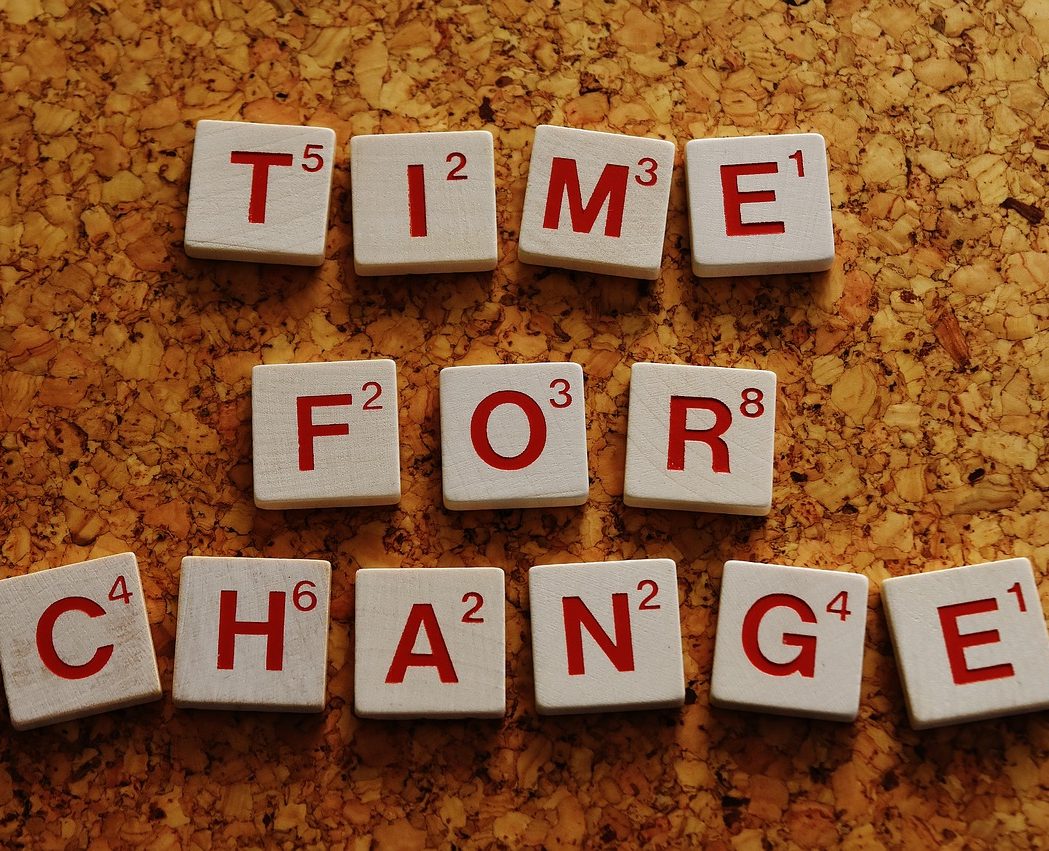
Time for you to make a change?
Photo courtesy of Pixabay.com

Why do they say that people with problems want to be that way?

Lots of people, with varying problems and disabilities, seem to be dismissed with the expression that the reason for their problems is that they do not want to change. Is there any truth to these claims and why do we hear this so often?

First, let me give you a list of the things I have heard recently. Some of this comes from professionals, some from the news media, and some from just average people. After the list let me tell you why I think we are hearing this more these days and lastly what we should be doing about this.

People with depression are using this illness to avoid doing anything.

Fat people don’t really want to lose weight.

There is no such thing as mental illness, those people just want to get on disability.

People who say they have anxiety are just trying to get other people to take care of them.

The homeless prefer to live out on the street.

Drug users do not quit because they want to use.

The unemployed are unemployed because they do not want to work.

There are many other forms of these statements, but mostly they seem to me to be ways of dismissing people with problems by blaming them for having those problems and then saying that they are unwilling to change.

So why if obesity, homelessness, unemployment, loneliness, drug addiction, and mental illness cause all that pain, do people seem to so strenuously avoid doing exactly the things that would change their situation? Doesn’t it look sometimes as if people with problems really do not want to change or they would?

Turns out that change is far harder most of the time than doing nothing.

I can see why society and people who work in the helping fields could start blaming the people with the problems for their lack of progress. As long as we can blame them we do not have to think that our programs and policies might be letting the suffering down. It is easier to think that the homeless like to be out there in the cold, the rain, or the snow than to really try to tackle those issues.

Why do we blame those with problems for those problems?

Turns out that change is hard for humans. We learn a certain way of coping and then we continue that coping style over and over. Even when we come to believe that what we are doing is not working, deciding to do something different and then carrying through on that decision is difficult. People in these situations sometimes have to give up everything they have to reach for something else. Here are some examples.

Unemployment is rarely a choice.

If I think that unemployment is caused by a lack of jobs, I might get scared I could end up out of work. If I can convince myself it is because they don’t want to work I can pretend it won’t happen to me.

For a huge stretch of time since World War II here in the United States, we have had growth and expanding employment. There have been ups and downs but overall more people work as time goes on. There was a time when any able-bodied person who wanted to work could find a job. Recently we have seen a trend, there are jobs available, but those jobs require advanced skills and are often in distant places.

Many who are unemployed lack the skills needed to get a good job, they may live in places with high unemployment and as a result, become seriously depressed. When you are depressed doing anything can be at the limits of your abilities.

For the homeless shelters may mean giving up all you have.

If you are homeless, most of your friends and partners are homeless also. If you have a boyfriend or girlfriend you need to leave them behind. Your pet? That dog that kept you warm and comforted you on that cold night? That animal goes to the pound. There are few places a homeless person can take their partner or their pet.

While in the homeless shelter you need to be there in the early afternoon and leave in the early morning. Getting to and from the shelter takes up the whole day. Your life begins to revolve around being a recipient of a place to sleep.

When you have next to nothing you use what tools you can find to cope. Many homeless people drink to dull the pain, physical and emotional. Without an address, it is hard to get into medical or psychiatric services.

Homeless programs often require that the people they house stop alcohol and drug use altogether to get housed. It is easy to say that the homeless do not want housing and harder to recognize that they may not be willing to give up friends, relationships, pets, or other coping mechanisms to fit into the requirements of a given program.

Obesity is about more than just eating less.

Once upon a time, we idolize the person with some meat on their bones. When food was scarce the healthy, those who were not emaciated, made it through the winter to live another year. Then times change, food became instantly available, and the ideal change.

Weight loss has become big business. Despite a quizillion diet books and weight loss programs, the rate of obesity in America continues to climb. Food is available on every corner. Fast food and food available 24 hours a day in any season. The result of this increased availability of food has not been better health but more unhealthy food.

Most dieters learn all too rapidly that the minute you relax your diet the weight returns and brings a few pounds of extra fat with it. With the weight gain comes physical ailments. Exercise is harder the more weight you need to lose. The modern solution? Surgery to reduce the body’s ability to hold and process food.

The mentally ill are likely to be told to just snap out of it.

For most people who have a mental illness snapping out of it is only slightly more difficult than growing a few inches because you should be taller.

When you have depression, severe major depression, getting out of bed in the morning is an all-day task. This is not laziness, it is horrific work to make yourself do something that you lack the ability to do.

If you have an anxiety disorder, the most common mental disorder in America, you are likely to be told to just not worry about it. If you go for treatment those of you who have social anxiety can look forward to spending hours in crowded waiting rooms with people you do not know and with whom you wish you did not have to spend time.

I know there are exceptions. Programs to treat anxiety that are small and personalized. But all too often treatment programs are organized to meet the needs of the system, not the individual.

The truth is that those with problems no not always use programs, not because they like things the way they are but because they are being asked to do more than they are able to in order to access those helps that most of the rest of us take for granted. We need to stop blaming the sufferers for their illness and look for solutions that work rather than create more programs that fail the people they are designed to serve.

Staying connected with David Joel Miller

Seven David Joel Miller Books are available now!

My newest book is now available. It was my opportunity to try on a new genre. I’ve been working on this book for several years, but now seem like the right time to publish it.

Story Bureau.

Story Bureau is a thrilling Dystopian Post-Apocalyptic adventure in the Surviving the Apocalypse series.

Baldwin struggles to survive life in a post-apocalyptic world where the government controls everything.

As society collapses and his family gets plunged into poverty, Baldwin takes a job in the capital city, working for a government agency called the Story Bureau. He discovers the Story Bureau is not a benign news outlet but a sinister government plot to manipulate society.

Bumps on the Road of Life. Whether you struggle with anxiety, depression, low motivation, or addiction, you can recover. Bumps on the Road of Life is the story of how people get off track and how to get your life out of the ditch.

Dark Family Secrets: Doris wants to get her life back, but small-town prejudice could shatter her dreams.

Casino Robbery Arthur Mitchell escapes the trauma of watching his girlfriend die. But the killers know he’s a witness and want him dead.

Planned Accidents  The second Arthur Mitchell and Plutus mystery.

Letters from the Dead: The third in the Arthur Mitchell mystery series.

What would you do if you found a letter to a detective describing a crime and you knew the writer and detective were dead, and you could be next?

Sasquatch. Three things about us, you should know. One, we have seen the past. Two, we’re trapped there. Three, I don’t know if we’ll ever get back to our own time.

For these and my upcoming books; please visit my Author Page – David Joel Miller

Want the latest blog posts as they publish? Subscribe to this blog.

For videos, see: Counselorssoapbox YouTube Video Channel
PTSD or Acute Stress?

By David Joel Miller, MS, Licensed Therapist & Licensed Counselor.

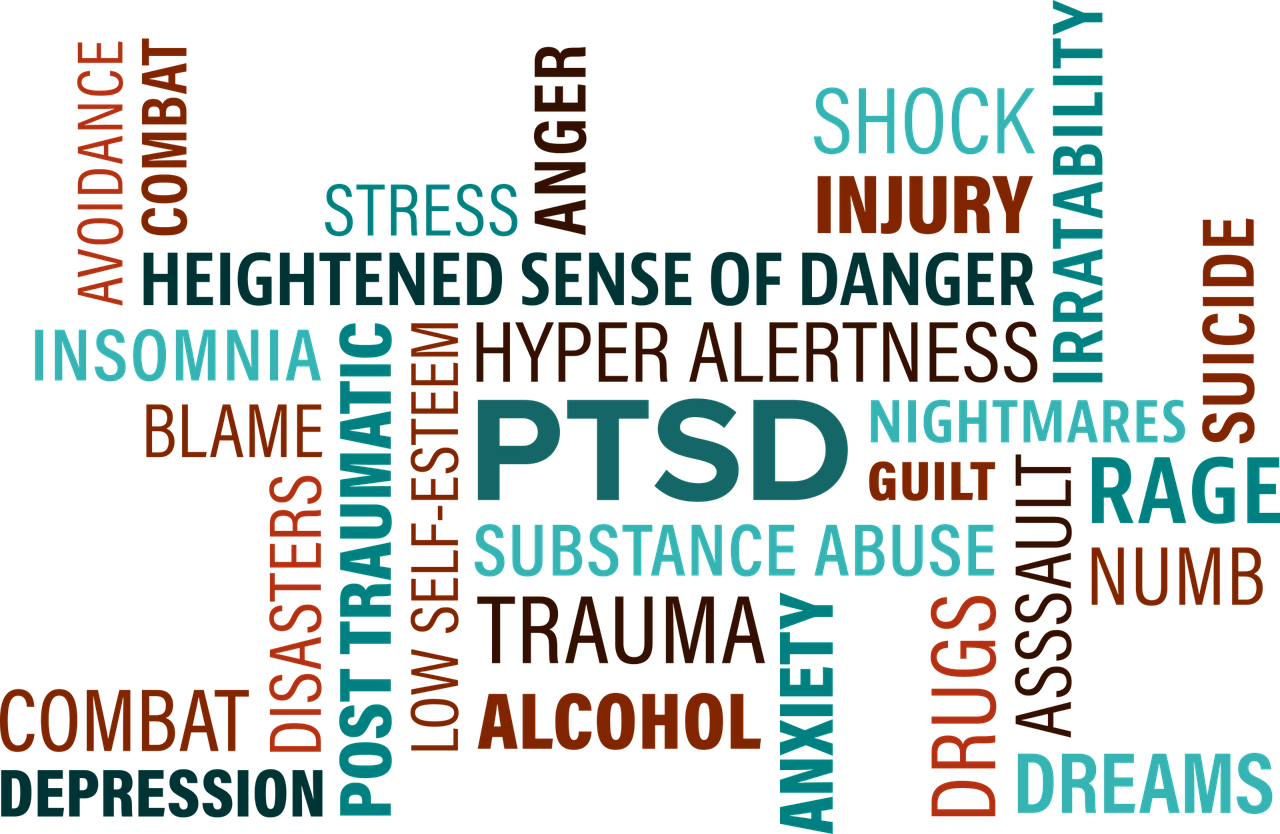
Words about PTSD

PTSD.
Photo courtesy of Pixabay.com

What’s the difference between PTSD and Acute Stress?

Stressed

Feeling stressed out?
Photo courtesy of Pixabay.com

PTSD, Post-Traumatic Stress Disorder has made the news a lot recently. This is a good thing. More recognition of PTSD should result in more treatment and less suffering from those who have PTSD. Stress caused problems may or may not be from a Trauma.

What hasn’t gotten as much notice and should have, is the role of Acute Stress Disorder in the events that knock people down and cause a lot of suffering. Acute Stress Disorder creates a lot of problems for a lot of people. Reactions to severe stress can cause long-term changes in people’s feelings and behaviors. Many of these changes go unrecognized and untreated. Acute Stress Disorder may be missed more often than it is diagnosed. More on that later in this blog post.

Stress can harm you.

We know stress is a problem a lot of the time, for a lot of people. Outside the field of mental health, there are lots of blog posts and books on stress, what it is, and how to deal with it.  I have written posts about stress and managing it for those of you who have too much stress in your life even if it does not get you a diagnosis or disability.

Stress, plain simple stress, can break people down even if they never meet the criteria for a mental illness. Think of stress like this:

Remember those spectacular car crashes at those televised car races? Some of those crashes were the result of car parts (or drivers) under stress. All-day, for hundreds of miles that car and that poor car part, ran hard and fast. The stress just kept coming, then suddenly that part breaks, that car goes all which way and the crash occurs.

Stress on people can be like that. Too much stress too long and the person develops mental health problems. Some of those problems need a day off, others become diagnosable illnesses. In the past, we tended to think of stress-related disorders like Post-Traumatic Stress Disorder (PTSD) as close cousins to Anxiety. That has started to change.

Beginning soon mental health professionals will begin to use new coding systems. The DSM-5 or the newer ICD codes. In those systems, Stress and Trauma-Related Disorders get their own chapter. While Stressor-Related Disorders can cause anxiety and have some symptoms in common with anxiety disorders they also have some differences.

Trauma- and Stressor-Related Disorders.

From the day you are born till the day you die too much stress can cause you a problem. One key factor in Trauma- and Stressor-Related Disorders is that there has to be a specific thing that happened to you, the stressor. Trauma is the king of all stressors.

So these things do not just suddenly happen for no reason and they are presumably not something you are born with. This fuzzes up the expression that mental illness is a brain disorder, in that the cause of these disorders are things that happen to you.

If life events result in acquiring a mental illness, then events, as in therapy and learning, can be helpful in treating that disorder.  Much of the treatments for stressor-related disorders are cognitive type therapies.

Trauma and Stressor-Related Disorders also can have features that are similar, we might even say overlap, depression, anxiety, obsessive-compulsive, and the often overlooked dissociation. Not every other mental illness is caused by stress or trauma. We just need to be aware that sometimes there can be connections. This similarity to other issues results in a lot of stress-related disorders not being diagnosed until years later when the person is severely mentally ill or disabled.

What is Acute Stress Disorder and why is it important?

Acute Stress Disorder has two sets of “symptoms,” the things people experience that are a problem for them and the technical things professionals use to give out the diagnosis.

Some of the things you might experience as a result of having Acute Stress Disorder are also symptoms of other mental health issues or other mental illnesses. There are a variety of diagnoses that someone might get as a result of injuries they sustained due to stress.

These symptoms can impact your life in long-term ways. People may find their personality has changed.

Poor or no sleep is a cause for worry. Poor sleep now, predicts mental health issues down the road. In the aftermath of stressors, many people report that they do not sleep well. Some report bad dreams, nightmares, or night terrors. A few days of bad sleep after you are stressed and you should get back to normal. If the sleep disturbance goes on for very long it starts to change your functioning and your life.

Panic attacks are common in the first month after a severe life stressor. The time period of thirty days becomes important when we try to separate Acute Stress Disorder from other problems. This panic attack may first be experienced immediately after a stressful incident and then go on to become Panic Disorder.

If you have been through a severely stressful incident it is not unusual for you to blame yourself for not expecting it, not doing something differently, and not being able to prevent it. Rationally you should know that it may not have been possible to prevent what happened, but people commonly experience guilt or even shame over not being able to stop that trauma.

After a trauma, some people report that happiness or joy has been sucked out of life. They stop caring about themselves or others. They may begin to take risks that they never took before. They drive too fast, gamble, take more sexual risks. Some trauma or stress survivors become angry, bitter, and more argumentative. They get in more fights, verbally, and physically. It is as if they have changed who they are and they no longer care.

If you knew about the traumatic experience you might understand why the changes in behavior occurred. If that trauma survivor kept the trauma a secret, and many do, you might think this was all bad behavior.

Trauma survivors, even those who do not go on to develop more serious mental health problems, may become confused or think they are losing their minds. They may get tested for or treated for concussions. They could have both a concussion and a longer-term mental illness.

After a trauma or a crisis from the buildup of long-term stress, you may find it difficult to go back to places that remind you of the trauma. People become unable to go back to work, visit certain places or they avoid social situations.

How do professionals diagnose Acute Stress Disorder and why is that diagnosis so rare?

The official criteria for Acute Stress disorder are found in the DSM-5 or DSM-4-TR if your agency is still using that one. The DSM’s are published by the APA and you can order the full text from them. Here is my oversimplified plain language version of that criteria. I hope I do not make errors in this explanation.

A warning

Self-diagnosis or diagnosing your family and friends is a risky behavior. If after reading all this you believe you or someone close to you has Acute Stress Disorder, another Trauma- and Stressor-Related Disorder, or any other mental health problem, go see a professional and get it checked out. There are treatments available for all of these conditions and there is no need to suffer alone.

There are 5 things the professional needs to look at for Acute Stress Disorder

  1. Did you experience a really bad Traumatic Stressor Recently?

There is a “waiting period” of 3 days. Most people have difficulty for a few days after a serious trauma. Then there is the requirement that the problems you are having must last UP TO 30 days. This is a huge thing for Acute Stress Disorder. If your problems go on more than 30 days the name we call this (diagnostic code) changes to something more long-term like Post-Traumatic Stress Disorder (PTSD.)

The result of this time factor is that a whole lot of people who have this problem do not ever get diagnosed. In outpatient settings, it can take 30 days to get your insurance settled and to get in for an appointment. In hospital settings this diagnosis may be found more often using “strict criteria” but in most other places the results of trauma do not show up till years later and the issues then get called something other than Acute Stress Disorder.

  1. You must have at least 9 of 14 possible symptoms.

This leads to lots of ifs. Depending on who is doing the evaluating some things get counted and not others. Another problem is that trauma victims do not like to talk about their trauma. One symptom is avoiding reminders of the trauma and talking about it again is a reminder. So not having said they have a symptom can rule people out who did, in fact, meet the criteria and do have Acute Stress Disorder.

I will not go through all the 14 criteria here, just a few of the big ones.

You can’t get the trauma or stressor out of your head.

This is sometimes called intrusive thoughts. You may also have dreams and things will trigger the memories so much you begin avoiding those emotional triggers. After the 30 days waiting period this may become PTSD.

From now on you are in a bad mood and can’t get out of it.

The happiness and joy get sucked out of your life. You are in a bad mood all the time for no apparent reason. Some people, kids, and men mostly, become irritable, angry, and possibly violent. In my view, Acute Stress Disorder and its aftermath are involved in a lot of these unexpected violent incidents.

People may “space out.”

Researchers have noted that zoning out, technically called dissociation, is common, almost universal in the first three days after a trauma. If that dissociation continues after the third day we think it indicates Acute Stress Disorder. After thirty days that dissociation gets diagnosed as something else. I believe that there are more cases of dissociation than gets recognized. Some are ignored and some get another name like Psychosis NOS (not otherwise specified.)

Acute Stress Disorder is time-limited.

Acute Stress Disorder must last more than three days and less than thirty. Beyond the thirty the name gets changed. Many people try their hardest to cope and do not report symptoms. They can’t work and go on disability for a while until that runs out. Some end up alone and homeless. They get angry, depressed, or anxious and their relationships suffer. They develop panic attacks or obsessive-compulsive disorders. Some get other mental illness diagnoses.

Having Acute Stress Disorder really matters.

This disorder, like most things we call mental illness, really makes a difference in people’s lives. It interferes with their ability to work or go to school. Having Acute Stress disorder can interfere with or destroy relationships with family and friends. It causes the people who have it a lot of suffering even when they can’t express how or why they are suffering. It can also damage other important areas of your life, such as religious observances, hobbies, and so forth.

Acute Stress Disorder is not something else.

Professionals are continually reminded to avoid putting the wrong label (diagnoses) on things. If you only have these symptoms because of a medical issue or because you are drunk or high when you have the symptoms then we do not say you have Acute Stress Disorder.

This does not mean that people with medical problems or who use drugs can’t get Acute Stress Disorder, we just want to be careful we do not get the diagnosis wrong and count as symptoms things that were not caused by the stressor.

One last thing to consider.

There are two other groups of mental health problems in the Trauma and Stressor-Related Disorder chapter. Attachments Disorders, those problems that begin in very early life and Adjustment Disorders, which are reactions to stress that may not be life-threatening but have a huge impact on your mental health. These groups of life problems, sometimes, they rise to the level of a mental illness or a mental health problem.

I have written elsewhere about how Attachment Disorders and Adjustment Disorders can wreck someone’s life if not attended to. I am out of time and space here to talk about these other groups of Trauma and Stressor-Related Disorders.

Hope this post did not run too long. I do not think I have written a post of this length in the past but this seemed like a topic that needed more space and discussion.

Staying connected with David Joel Miller

Seven David Joel Miller Books are available now!

My newest book is now available. It was my opportunity to try on a new genre. I’ve been working on this book for several years, but now seem like the right time to publish it.

Story Bureau.

Story Bureau is a thrilling Dystopian Post-Apocalyptic adventure in the Surviving the Apocalypse series.

Baldwin struggles to survive life in a post-apocalyptic world where the government controls everything.

As society collapses and his family gets plunged into poverty, Baldwin takes a job in the capital city, working for a government agency called the Story Bureau. He discovers the Story Bureau is not a benign news outlet but a sinister government plot to manipulate society.

Bumps on the Road of Life. Whether you struggle with anxiety, depression, low motivation, or addiction, you can recover. Bumps on the Road of Life is the story of how people get off track and how to get your life out of the ditch.

Dark Family Secrets: Doris wants to get her life back, but small-town prejudice could shatter her dreams.

Casino Robbery Arthur Mitchell escapes the trauma of watching his girlfriend die. But the killers know he’s a witness and want him dead.

Planned Accidents  The second Arthur Mitchell and Plutus mystery.

Letters from the Dead: The third in the Arthur Mitchell mystery series.

What would you do if you found a letter to a detective describing a crime and you knew the writer and detective were dead, and you could be next?

Sasquatch. Three things about us, you should know. One, we have seen the past. Two, we’re trapped there. Three, I don’t know if we’ll ever get back to our own time.

For these and my upcoming books; please visit my Author Page – David Joel Miller

Want the latest blog posts as they publish? Subscribe to this blog.

For videos, see: Counselorssoapbox YouTube Video Channel
Your thoughts making you anxious?

By David Joel Miller, MS, Licensed Therapist & Licensed Counselor.

Anxiety provoking.

Anxiety.
Photo courtesy of Pixabay.com

9 ways to tell if your thoughts are causing your anxiety.

Is anxiety a constant feature in your life? Anxiety has its place. It tells you if you are in a dangerous situation and keeps you alert. But if you are always in an anxious state you will wear yourself out and anxiety no longer becomes protective, it becomes your tormentor.

If you have a pattern of thinking anxious thoughts even when they are not necessary then you may be training your brain to maintain an anxious state at times you should be relaxed and calm.

How many of these over-anxious thoughts are you practicing?

1. Your negative thoughts have become a habit.

Is your default brain setting to look for the danger, for what could go wrong? Have you made looking for the negative a habit? Start looking for the good, the unexpected. Meditate on the positive things in your life and challenge yourself to stop ruminating on what could go wrong and begin looking for all the constructive things in your life.

Developing a list of things you are grateful for can increase the habit of seeing the good and reduce the tendency to look for the anxiety-provoking cues in your environment.

2. A recurring thought interferes with your life.

Do you have a recurring fear that you are or will get sick? Do you worry about finances and think you will go broke? Do you practice the thoughts you will have when something bad might happen?

Look for the facts in these situations. See a doctor. Get your health checked out. Work on your finances. Look for ways to earn more, spend less, and save some. Buy some insurance.

Stop practicing that fearful, anxious thought and begin to take action. Include in those actions learning to relax and to look for the positive. Give yourself credit for the things you have accomplished.

3. You worry about things that don’t really matter.

Do you worry that something will happen, somewhere, to someone, and you do not even know why? Do you worry that characters on shows will die or fictional couples will break up?

When you find yourself worrying, ask yourself, does this matter? Does it matter to you? Does it matter right now?

Do you worry about whether to buy one kind of vegetable or the other? Make a choice and the worry ends. For many of life’s choices, there is no correct answer. Pick the thing you want and move forward.

4. Your need for everything to be perfect makes you anxious.

You are a human, aren’t you? No human is perfect. We learn from our mistakes. Learn from your mistake and do better next time. Everything can never be perfect. Your perfect will not be someone else’s.

5. Your worry about things that are out of your control makes you anxious.

Some things are your job. Some things are not. Worrying about someone else’s job is unproductive. You may think about what would happen, you may even make contingency plans, but let others worry about their stuff.

Worrying about things over which you have no control does not protect you from danger. It diverts resources from doing the things you need to do into unproductive worrying.

6. You beat yourself up about things everyone does – normal behavior.

Accept your humanness, embrace it. Sometimes you will burp, sometimes you will pass gas, possible at the most embarrassing moment. All humans sometimes trip or fall.

We all make errors and do uncomfortable things. Try to minimize your number and the nature of your embarrassing moments but do not beat yourself up.

Hint here. Turn your cell phone off during church services and do not eat beans just before an important meeting. Do things proactively to reduce your embarrassing moments, but once they happen, accept that you to are blessed with those normal human moments.

7. Calling yourself names increases your anxieties.

Call a child stupid often enough and they believe you. Eventually, they will stop trying to learn. You can do the same thing to yourself. Calling yourself names is not helpful. It will result in anxiety over your self-worth. You are worthwhile simply because you are you.

8. Second-guessing decisions will paralyze you with anxiety.

Once a decision is made move forward. There are times when situations change when you get new information, and you need to reevaluate. If you find yourself rethinking every decision realize that this is wasting time looking back over your shoulder at the past and you should be living in the present.

9. Telling yourself that good things will never happen for you feeds the anxiety.

What you tell yourself over and over your brain believes. If you say you can’t your brain will avoid trying. If you repeatedly tell yourself things will never get better, they won’t. This is a negative affirmation. Negative affirmations like positive ones work. Try telling yourself that you can do things and good things become possible.

Do you practice any of those 9 thinking patterns that cause anxiety? Would you be willing to part with some of your fearfulness? Try practicing more positive and more helpful ways of thinking. Practice helpful thoughts over and over and see if your anxieties don’t melt away.

Staying connected with David Joel Miller

Seven David Joel Miller Books are available now!

My newest book is now available. It was my opportunity to try on a new genre. I’ve been working on this book for several years, but now seem like the right time to publish it.

Story Bureau.

Story Bureau is a thrilling Dystopian Post-Apocalyptic adventure in the Surviving the Apocalypse series.

Baldwin struggles to survive life in a post-apocalyptic world where the government controls everything.

As society collapses and his family gets plunged into poverty, Baldwin takes a job in the capital city, working for a government agency called the Story Bureau. He discovers the Story Bureau is not a benign news outlet but a sinister government plot to manipulate society.

Bumps on the Road of Life. Whether you struggle with anxiety, depression, low motivation, or addiction, you can recover. Bumps on the Road of Life is the story of how people get off track and how to get your life out of the ditch.

Dark Family Secrets: Doris wants to get her life back, but small-town prejudice could shatter her dreams.

Casino Robbery Arthur Mitchell escapes the trauma of watching his girlfriend die. But the killers know he’s a witness and want him dead.

Planned Accidents  The second Arthur Mitchell and Plutus mystery.

Letters from the Dead: The third in the Arthur Mitchell mystery series.

What would you do if you found a letter to a detective describing a crime and you knew the writer and detective were dead, and you could be next?

Sasquatch. Three things about us, you should know. One, we have seen the past. Two, we’re trapped there. Three, I don’t know if we’ll ever get back to our own time.

For these and my upcoming books; please visit my Author Page – David Joel Miller

Want the latest blog posts as they publish? Subscribe to this blog.

For videos, see: Counselorssoapbox YouTube Video Channel
Conquer Your Fears and Anxieties

By David Joel Miller, MS, Licensed Therapist & Licensed Counselor.

Fear.

Fear.
Photo courtesy of Pixabay.com

How do you get past those fear and anxiety feelings?

Fear likes you to think it is a roaring lion.

We all have our fears, but some people let fear stop them while others do things in spite of those fears. Here are some tips to help you manage your fears and anxieties. These are techniques you might use to go about shrinking those anxieties down to kitten size roars.

1. Take a close look at the fear – what are you really afraid of?

Many fears are vague fuzzy creatures. You feel if you do something or don’t do something else, then for sure, something bad will happen. Take another look. What are you really afraid of? If you can’t identify specific, high probability bad possibilities, the chances are that what you are really afraid of is change and the unknown.

What is the worst that could happen? What is the best that might happen? Is it worth the risk?

Take another look at that fear and you may find that it is nothing you really need to let stand in your way.

2. Make an inventory of your fears and anxieties.

If you find that you have lots of fears and anxieties you need to start by learning to identify them. Write them all down by name. What are you afraid of? Give them ratings. How much do you fear each item you have listed? Arrange them in order and start by challenging the least terrifying fear. As you work your way up the list you may find that you were fearing things that are not scary once you bring that fear out of its dark hiding place into the light.

3. Is anxiety telling you the truth?

Challenge each fear. Is it telling you the truth? Just because something seems scary does not mean it is really dangerous. Gather evidence about the real risks of this thing that scares you. Do your friends and other supporters have this same fear? How do they cope despite those fears?

Fear tries to manipulate you by telling you lies. Cross-examine that fear and present it the evidence you have gathered on why this thing is not the awful calamity it pretends to be.

4. Keep your eye on the goal of being fear-free.

When you have your mind set on getting something you will find that fear will get out of your way. Want to help or protect your child from danger, then you will have less difficulty with your anxiety.

How much do you want or need that job? Keep reminding yourself of your goal and the importance of getting where you need to go. Keeping your eye on the prize keeps you moving forward regardless of the fear.

5. Keep stretching your comfort zone.

Our anxieties are at their worst when you get too far outside your comfort zone. Think of the things that you have done in the past that you did not feel comfortable doing, but because of a friend’s encouragement or a real desire you did it anyway.

Having stepped a little outside your comfort zone and realizing things went well can stretch your confront zone.

Keep stretching out that comfort zone a little at a time and see how brave you will become.

6. Do not let fear steal your life.

Fear is a thief. Anxiety is a bully. They want to take your life away from you. Keep control of your life and let your fears and anxieties know that you are in charge. You can choose to do or not do something, but no fear or pint-size anxiety will keep you from having the life you want and deserve.

7. Use positive self-talk.

Keep telling yourself that you can. Remind yourself of what you want and why. Words matter. We humans think in words and what we think tends to come true. Tell yourself you can’t and you create the failure. Tell yourself that you will give it your best effort and see what happens.

Occasionally you will give it the best shot you have and something will still turn out badly. Do not take this as a confirmation of your fears. Believe that no one hits 100% but that if you keep on going despite those fears there is no limit to how far you will go.

What have you done recently to give your fears and anxieties the boot? Leave a comment and let the rest of us know what works to keep the anxiety beast at bay.

Staying connected with David Joel Miller

Seven David Joel Miller Books are available now!

My newest book is now available. It was my opportunity to try on a new genre. I’ve been working on this book for several years, but now seem like the right time to publish it.

Story Bureau.

Story Bureau is a thrilling Dystopian Post-Apocalyptic adventure in the Surviving the Apocalypse series.

Baldwin struggles to survive life in a post-apocalyptic world where the government controls everything.

As society collapses and his family gets plunged into poverty, Baldwin takes a job in the capital city, working for a government agency called the Story Bureau. He discovers the Story Bureau is not a benign news outlet but a sinister government plot to manipulate society.

Bumps on the Road of Life. Whether you struggle with anxiety, depression, low motivation, or addiction, you can recover. Bumps on the Road of Life is the story of how people get off track and how to get your life out of the ditch.

Dark Family Secrets: Doris wants to get her life back, but small-town prejudice could shatter her dreams.

Casino Robbery Arthur Mitchell escapes the trauma of watching his girlfriend die. But the killers know he’s a witness and want him dead.

Planned Accidents  The second Arthur Mitchell and Plutus mystery.

Letters from the Dead: The third in the Arthur Mitchell mystery series.

What would you do if you found a letter to a detective describing a crime and you knew the writer and detective were dead, and you could be next?

Sasquatch. Three things about us, you should know. One, we have seen the past. Two, we’re trapped there. Three, I don’t know if we’ll ever get back to our own time.

For these and my upcoming books; please visit my Author Page – David Joel Miller

Want the latest blog posts as they publish? Subscribe to this blog.

For videos, see: Counselorssoapbox YouTube Video Channel

19 Ways to manage your anxiety

By David Joel Miller, MS, Licensed Therapist & Licensed Counselor.

Anxiety provoking.

Anxiety.
Photo courtesy of Pixabay.com

Too much anxiety in your life?

You do not need to let the anxiety monster run your life.

Turn down the volume on that anxiety and take back control of your life.

Anxiety monsters come in all sizes but these tips may help you with the one you are living with. Here are some ways that can help you manage those anxious moments.

1. Make to-do lists.

Trying to remember all the things you need to do will keep your head full of little working memory to keep track of what still needs to be done. The result of all that anxiety in your head is that you will forget something, probably something really important.

Write it all down, prioritize, and start with the most important thing first. Cross things off the list as you get them done. This way you won’t forget to do something and if there is something left on the list at the end of the day it will be a less important thing.

2. Update your calendar.

Like daily list-making, try keeping a longer-term calendar to plan those important must do and must not forget projects. This can help reduce your anxiety over forgetting to do things.

3. Empty your mind – write it down.

Just remembered that you need some milk on the way home? Not sure if you sent the power bill in this month? A coworker mentioned a book and you are thinking you would like to stop on the way home and pick up a copy. Will you really remember all these things at the end of the day?

Writing down these things-to-remember frees more memory space and reduces your fear you will forget to do something important.

4. Be on time for things.

People who get to things on time and are well prepared have less anxiety. Show up late and your anxiety goes up. This is especially true if you are going somewhere for the first time.

Being on time is a skill most of us can learn. For more on being on time see the post about how those punctual people do things titled “How to be on time.”

5. Create routines and rituals.

Having a systematic way you are doing things can help take the stress and worry out of daily life. Clean out a place for something you do often. Have all the parts or ingredients necessary at your fingertips. Having a book bag for school books and a drawer in your desk for your writing things can reduce the last-minute frantic search.

You need rituals and routines, so does your family. See the post – Happy Families have routines and rituals for more on this topic.

6. Interview your anxiety and make it your friend.

Sit down and have a talk with your anxiety. What is it trying to protect you from? Why is it following you around? This may be the result of something that happened in your past that you are resolved to never let happen again. It might, however, be an effort to get total control over the world around you, something you should have left behind in middle school.

7. Sit and hold anxieties hand – learn to be comfortable with anxiety’s presence.

Sometimes anxiety, like fear, is justified. There may be risks involved. Anxiety can help you keep an eye out for unexpected events. Do not let the presence of your anxiety keep you from doing things you might enjoy or that might be beneficial for your life.

It is OK to feel anxious some of the time. Just feel what you are feeling. Say Hi to Mr. Anxiety and then move on.

8. See your doctor.

Some physical conditions can result in an increase in anxiety. Some medications turn up the volume on your anxiety. Worry about your health is a leading cause of needless anxiety.

Work with your doctor on managing your health and on being sure that your medications are not making your anxiety worse.

Finding out if that little pain, you know the one, is a real health challenge or just something common, can reduce your need to worry and feel anxious.

It there is something wrong with your health the sooner you face it the better.

9. Keep your body in good shape – exercise, eat, drink enough water.

A healthy body helps keep your mind running well. A poor diet makes it harder for you to cope with life.

Having energy and feeling healthy can reassure your anxiety that you are back in control and it does not need to protect you anymore. Low blood sugar from not eating right can increase your symptoms of anxiety. Dehydration can put you on edge.

Lack of exercise keeps your body in protection mode. It can’t cope if it never gets to do anything.

10. Prioritize dealing with those high risks issues.

High risk and high priority worries control you until you take control of them. The sooner you take action on these important issues the less time you have to spend worrying about the outcome. Rarely does putting off an important action make it come out better.

11. Discover what relaxes you.

Pay special attention to those times in your life when you feel genuinely relaxed. Where are you? Who are you with? What are you doing when you are at peace? Recreate those moments whenever possible throughout your day. Pay attention to those gifts of calmness. What you notice hangs around longer.

12. Reexamine your habits – caffeine, drugs, alcohol.

Excessive use of stimulants is a real problem for anyone who has an anxiety disorder. Cut out the caffeine and other stimulants. Avoid street drugs. Using drugs and alcohol to cope with your anxiety only makes the situation worse. They work for a while, but when they wear off the anxiety returns worse than ever.

Smoking damages your health, short-term, and long-term. Do not tell yourself that you will quit when you get the anxiety under control. Quitting smoking and those other habits will help turn down the volume on the anxiety.

13. Get more sleep.

Being chronically sleep-deprived makes you irritable and overwhelmed. Being well-rested gives you the confidence to tackle more of life’s challenges. Most of us do not get enough sleep and the sleep we do get is low quality. Work on the things that promote good sleep hygiene.

14. Deal with those nightmares.

Nightmares play a role in maintaining mental health issues. In a previous post “Getting rid of Nightmares that maintain Depression and PTSD,” I wrote about the role of nightmares in depression and PTSD, Nightmares can both reflect and magnify anxiety. The treatment for nightmares is very similar regardless of what your issue is.

15. Systematic Desensitization.

This is a specific treatment that has been shown to be effective in reducing the effects of fears in creating and maintaining anxiety. A similar treatment “Exposure and response prevention therapy” has been effective in treating Obsessive-Compulsive Disorder (OCD.) Generally, these treatments are done with a professional but there are self-help books based on these principles available.

16. Strengthen your support system.

Having a strong support system makes you less at risk to be overwhelmed by anxiety or any other disorder for that matter. There are several posts on counselorssoapbox.com about developing a good support system. The post – 11 rules for Making Friends & Creating a Support System is a good place to start.

17. Pray and meditate to clear out the worries.

Religious and spiritual practices can be helpful in managing your worries regardless of your particular faith. I try not to take sides in the debates on this subject. I am neither a religious expert nor a theologian. What I do know is that consistently clients have told me that religious and spiritual practices are helpful in managing their issues, whatever they chose to call those issues.

People who believe in something have better mental health, as a rule than those who believe in nothing.

19. Get professional help.

See the post – Anxiety – fears and phobias can be treated There are a number of treatments for excess anxiety, some better than others but seeing a professional counselor or therapist can be very helpful in managing your anxiety. Medication can be helpful for short-term or temporary control of anxiety also.

There were some of my suggestions for managing and reducing your anxiety. Have you found others that have been helpful to you?

Staying connected with David Joel Miller

Seven David Joel Miller Books are available now!

My newest book is now available. It was my opportunity to try on a new genre. I’ve been working on this book for several years, but now seem like the right time to publish it.

Story Bureau.

Story Bureau is a thrilling Dystopian Post-Apocalyptic adventure in the Surviving the Apocalypse series.

Baldwin struggles to survive life in a post-apocalyptic world where the government controls everything.

As society collapses and his family gets plunged into poverty, Baldwin takes a job in the capital city, working for a government agency called the Story Bureau. He discovers the Story Bureau is not a benign news outlet but a sinister government plot to manipulate society.

Bumps on the Road of Life. Whether you struggle with anxiety, depression, low motivation, or addiction, you can recover. Bumps on the Road of Life is the story of how people get off track and how to get your life out of the ditch.

Dark Family Secrets: Doris wants to get her life back, but small-town prejudice could shatter her dreams.

Casino Robbery Arthur Mitchell escapes the trauma of watching his girlfriend die. But the killers know he’s a witness and want him dead.

Planned Accidents  The second Arthur Mitchell and Plutus mystery.

Letters from the Dead: The third in the Arthur Mitchell mystery series.

What would you do if you found a letter to a detective describing a crime and you knew the writer and detective were dead, and you could be next?

Sasquatch. Three things about us, you should know. One, we have seen the past. Two, we’re trapped there. Three, I don’t know if we’ll ever get back to our own time.

For these and my upcoming books; please visit my Author Page – David Joel Miller

Want the latest blog posts as they publish? Subscribe to this blog.

For videos, see: Counselorssoapbox YouTube Video Channel

Seasonal Anxiety?

By David Joel Miller, MS, Licensed Therapist & Licensed Counselor.

Anxious woman

Seasonal anxiety?
Photo courtesy of Pixabay.

Is there seasonal anxiety?

Officially there is no diagnosis for any seasonal disorder, but the profession does recognize that there is a form of Major Depressive Disorder that is highly influenced by the seasons. We denote this by referring to it as Major Depressive Disorder with a seasonal pattern.

Researchers on a lot of other mental and emotional illnesses are reporting that they find seasonal patterns in their disorders also, so far no one seems to be considering these seasonal influences on disorders like Anxiety.

So what other effects might the weather and the change of seasons be having on Anxiety and other disorders?

People who regularly see their doctors and have their blood pressure checked are more likely to find that they have elevated blood pressure as a result of stress in the winter months than in the summer months.

Yes, we do get stressed out more in the winter than in those lazy days of summer even when we are well into our working lives.

Women, particularly those working as supervisors and in responsible positions, report more anxiety and stress during the winter months than in the summer. They also report more physical ailments at that time of year for which no medical problem is found. Researchers are apt to call those issues “Somatic symptoms even though actual physical illnesses can’t be ruled out.

The bottom line here is, however, you see these complaints, stress, and anxiety are causing these women more problems in the winter than the rest of the year.

Anxiety disorder is worse in winter but Panic Disorder gets worse in the summer.

Several researchers into Panic Disorders have reported that panic disorder gets worse in the summer months. This appears to be related to the heat more than the hours of light.

Dehydration has been reported as a cause of this heat-related panic attack. Some people when out in public avoid drinking water because of the need to find restrooms. Don’t drink enough water and you get dehydrated which can trigger panic attacks.

One corollary to this was an article that reported more people in America are “Sunbirds” than “Snowbirds” that is more people go up north to escape the heat in the summer than go to the south in the winter to escape the snow in that northern tier of states.

There is a season to anxiety disorders and for most people, that season is throughout the wintertime.

Staying connected with David Joel Miller

Seven David Joel Miller Books are available now!

My newest book is now available. It was my opportunity to try on a new genre. I’ve been working on this book for several years, but now seem like the right time to publish it.

Story Bureau.

Story Bureau is a thrilling Dystopian Post-Apocalyptic adventure in the Surviving the Apocalypse series.

Baldwin struggles to survive life in a post-apocalyptic world where the government controls everything.

As society collapses and his family gets plunged into poverty, Baldwin takes a job in the capital city, working for a government agency called the Story Bureau. He discovers the Story Bureau is not a benign news outlet but a sinister government plot to manipulate society.

Bumps on the Road of Life. Whether you struggle with anxiety, depression, low motivation, or addiction, you can recover. Bumps on the Road of Life is the story of how people get off track and how to get your life out of the ditch.

Dark Family Secrets: Doris wants to get her life back, but small-town prejudice could shatter her dreams.

Casino Robbery Arthur Mitchell escapes the trauma of watching his girlfriend die. But the killers know he’s a witness and want him dead.

Planned Accidents  The second Arthur Mitchell and Plutus mystery.

Letters from the Dead: The third in the Arthur Mitchell mystery series.

What would you do if you found a letter to a detective describing a crime and you knew the writer and detective were dead, and you could be next?

Sasquatch. Three things about us, you should know. One, we have seen the past. Two, we’re trapped there. Three, I don’t know if we’ll ever get back to our own time.

For these and my upcoming books; please visit my Author Page – David Joel Miller

Want the latest blog posts as they publish? Subscribe to this blog.

For videos, see: Counselorssoapbox YouTube Video Channel

Your emotional tape measure – scaling

By David Joel Miller, MS, Licensed Therapist & Licensed Counselor.

Emotional measurement.
Photo courtesy of Pixabay.com

What tool should we be using to measure emotions?

Most of us know that we can measure a board with a tape measure. There is a big difference between a shelf that is 6 inches long and one that is 72 inches long.

We can check a child’s fever with a thermometer. It matters if your child’s temperature is 98.6 or 106.

You can see if you’re overweight or underweight by standing on a scale. Please fill in the weights as needed.

Does it matter how much of an emotion you are feeling? It may be the difference between ignoring what was said to you and getting into a fight.

What tool do you use to measure the size and shape of your emotions?

Emotions like so many other things in life come in sizes and shapes. We get ourselves into a peck of trouble by equating all emotions as being the same size and importance.

Take anxiety for instance. Most of us are either anxious or we are not anxious. Anxiety is sneaky that way. There is that little kitten size anxiety and there is that big hungry lion size anxiety. It is important to know which is which.

If every time you feel the sound of hissing you run for your life you will be hiding from a lot of kittens. We talked a little about developing a scale of anxiety and learning to adjust the volume in a previous post on “selective desensitization.”

Anger is a similar creature. Lots of people have only two extremes when it comes to anger, not-angry, and violently angry. People caught in these two extreme modes of feeling anger jump from not-angry to furiously angry at the drop of a – well it could be a drop of almost anything.

One method used in anger management is to develop a scale. Say your anger is at zero when you are feeling happy and loved. When you “lose your temper” your anger is at a ten. How might you develop a scale of degrees of anger in-between?

One way of developing this scale or tape measure for your emotions is to find other similar words for your anger and place them on a scale. First, let’s scale the anger creature, and then our old sometimes-friend anxiety.

What other words might describe feeling sort of like anger but more or less intense?

How about – annoyance, irritation, fury, rage, antagonism, ire, wrath, dander, exasperation, rile, aggravate, provoke, and so on. While these words may not say anger to all of you, you can see that there is a lot of difference between rage and irritation. If you go looking I bet you can find more words that describe feelings similar to anger.

Take your list and arrange them by intensity from the most awful total feeling to a very mind form of anger.

Now comes the challenge. When you find yourself going from not-angry to furiously rage-full how can you turn the volume down on that anger and move from an anger rating of 10 to say a 6 or 5?

Learning to turn the volume up and down on emotions is a skill called emotional regulation. Being able to feel the necessary level of feelings when you need them can make your life a whole lot better.

Now, what about reducing anxiety?

Words for your scale might include nervousness, worry, concern, unease, apprehension, disquiet, fretful, angst, fear, terror, dread, horror, distress, panic, alarm, trepidation, and so on.

Again there is a lot of distance between being uneasy and being panicked-in-terror. Work out your own list and then consider – is this anxiety you have right now a 10 or a 9. How might you learn to turn your anxiety volume down?

It is worth noting here that we have talked about two scales, words and numbers. What most people find is that by changing the word they used to describe a feeling it also changes the number they would give it.

So if you are feeling panic but tell yourself well this is not really the worse panic I have ever had so maybe it is really worrying, you may find that the anxiety meter 10 turns down to a 5 or even a 4.

Try constructing an emotional tape measure and learning to scale your feelings and see if this does not help you learn to turn the volume down on negative feelings and turn the volume up on those happy positive feelings.

Staying connected with David Joel Miller

Seven David Joel Miller Books are available now!

My newest book is now available. It was my opportunity to try on a new genre. I’ve been working on this book for several years, but now seem like the right time to publish it.

Story Bureau.

Story Bureau is a thrilling Dystopian Post-Apocalyptic adventure in the Surviving the Apocalypse series.

Baldwin struggles to survive life in a post-apocalyptic world where the government controls everything.

As society collapses and his family gets plunged into poverty, Baldwin takes a job in the capital city, working for a government agency called the Story Bureau. He discovers the Story Bureau is not a benign news outlet but a sinister government plot to manipulate society.

Bumps on the Road of Life. Whether you struggle with anxiety, depression, low motivation, or addiction, you can recover. Bumps on the Road of Life is the story of how people get off track and how to get your life out of the ditch.

Dark Family Secrets: Doris wants to get her life back, but small-town prejudice could shatter her dreams.

Casino Robbery Arthur Mitchell escapes the trauma of watching his girlfriend die. But the killers know he’s a witness and want him dead.

Planned Accidents  The second Arthur Mitchell and Plutus mystery.

Letters from the Dead: The third in the Arthur Mitchell mystery series.

What would you do if you found a letter to a detective describing a crime and you knew the writer and detective were dead, and you could be next?

Sasquatch. Three things about us, you should know. One, we have seen the past. Two, we’re trapped there. Three, I don’t know if we’ll ever get back to our own time.

For these and my upcoming books; please visit my Author Page – David Joel Miller

Want the latest blog posts as they publish? Subscribe to this blog.

For videos, see: Counselorssoapbox YouTube Video Channel