
Bipolar Disorder, Alcoholism and Addiction

By David Joel Miller, MS, Licensed Therapist & Licensed Counselor.

Bipolar.
Photo courtesy of Pixabay.com

HUGE connection between Bipolar Disorder and Substance Disorders.

There are so many connections between having Bipolar Disorder and having a Substance Use Disorder. In treatment facilities that screen for mental illness, it is not uncommon for Bipolar to be the single most common co-occurring mental illness. Anti-social disorders are common in court order referrals and sometimes you might see a lot of clients with PTSD but most often it is the combination of Bipolar Disorder and a Substance Use Disorder that really stands out.

Drugs and alcohol can mask psychiatric symptoms, can create them and both intoxication and withdrawal can look like mental illness, but the combination of Bipolar Disorder and a substance use disorder is so common it is an expectation.

Bipolar Disorder coexists with substance abuse more often than with all the Depressions put together. All mood disorders other than Bipolar Disorder are sometimes labeled unipolar depression to separate them from the bipolar condition.

The overlap between these two conditions is huge. The Epidemiological Catchment Area Study reported that more than 60% of people with Bipolar also had a substance use disorder.

Alcohol was the drug of choice for both people with Bipolar Disorder and unipolar depression.

Because many people with Bipolar Disorder report liking the mania or hypomania they most often go undetected and untreated for long periods of time. Most of the time they come in for treatment because of an episode of depression. Many also escape detection until they have legal consequences that send them to a treatment program.

Most people who finally do arrive at the diagnosis of Bipolar Disorder have seen five or more health care professionals and have spent ten or more years on the process before getting diagnosed with Bipolar Disorder.

The extreme fluctuations in mood in Bipolar Disorder interact with drugs and alcohol. The reported rate of Bipolar Disorder is 1-2 % though it seems likely that many subclinical cases go undetected for prolonged periods of time.

Cyclothymia is another diagnosis related to Bipolar Disorder that has low highs and not so low lows. It is sometimes described as on the bipolar spectrum. For a full diagnosis of Cyclothymia, you need to have had the condition for at least two years.

This disorder is rarely diagnosed and treated as it does not cause the huge impairment or legal consequences of the more severe forms of Bipolar Disorder. People with Cyclothymia have periods of feeling better and stop treatment. They only come in when depressed and hide the hypomania well. In my own clinical experience, this condition is probably vastly underdiagnosed.

When we talk about having a substance use disorder most people will respond that they are not drug addicts or alcoholics. There are forms of the disease of addiction that stop short of physical addiction but result in ruined lives, broken relationships, and periods of time incarcerated.

The hallmarks of a substance use disorder are:

Obsessions – you can’t stop thinking about it.

Cravings – repeated urges to use

Loss of control – using more and more often than planned.

Increased tolerance – Needing more to get the same high or getting less of a result from the same amount of drug.

Withdrawal effects when you run out of the drug.

Psychological addiction or dependence occurs long before physical addiction.

Bipolar Disorder may have existed before the substance abuse but did not get diagnosed because there had been no severe mania. Some people with Bipolar begin using to cover up the symptoms or to help themselves cope. We think of this as “self-medicating.

Drugs and alcohol may increase the risk of developing Bipolar Disorder.

People with Bipolar disorder and substance abuse issues are hospitalized more often and for longer. They are more likely to have rapid cycling Bipolar Disorder and to have developed the symptoms at a younger age. They are also much more likely to have mixed episodes of both mania and depression at the same time.

Co-occurring Bipolar Disorder and substance abuse are much more resistant to treatment and people with both conditions at the same time are far more likely to drop out of or fail to complete treatment.

Alcoholism is more often a result of having Bipolar Disorder rather than a risk factor and those with alcohol as their primary drug of choice do better in treatment than many other co-occurring disorders.

Further complicating this picture we should know that any alcoholic with or without a mental illness is likely to have severe mood swings. Alcohol withdrawal and alcohol intoxication can mimic many mental illnesses and it can take some period of sobriety before a baseline for diagnoses is clear.

Alcohol and illicit drug use will also interfere with getting the medication right resulting in many med changes that might otherwise not have been needed.

So there are some brief thoughts about the connections between Bipolar disorder and substance abuse, especially alcohol abuse.

If you or someone you care about has a problem with drugs, alcohol, or may have a mental illness please encourage them to go for professional assessment and treatment.

Other articles about Bipolar Disorders and related conditions can be found at:

Bipolar or Major Depression?

Bipolar – misdiagnosed or missing diagnosis?

Am I Bipolar?

Bipolar doesn’t mean moody

Are you Hyperthymic?

New Bipolar Drug Trial

Bipolar Disorder Genetics research study – Come one come all

Staying connected with David Joel Miller

Seven David Joel Miller Books are available now!

My newest book is now available. It was my opportunity to try on a new genre. I’ve been working on this book for several years, but now seem like the right time to publish it.

Story Bureau.

Story Bureau is a thrilling Dystopian Post-Apocalyptic adventure in the Surviving the Apocalypse series.

Baldwin struggles to survive life in a post-apocalyptic world where the government controls everything.

As society collapses and his family gets plunged into poverty, Baldwin takes a job in the capital city, working for a government agency called the Story Bureau. He discovers the Story Bureau is not a benign news outlet but a sinister government plot to manipulate society.

Bumps on the Road of Life. Whether you struggle with anxiety, depression, low motivation, or addiction, you can recover. Bumps on the Road of Life is the story of how people get off track and how to get your life out of the ditch.

Dark Family Secrets: Doris wants to get her life back, but small-town prejudice could shatter her dreams.

Casino Robbery Arthur Mitchell escapes the trauma of watching his girlfriend die. But the killers know he’s a witness and want him dead.

Planned Accidents  The second Arthur Mitchell and Plutus mystery.

Letters from the Dead: The third in the Arthur Mitchell mystery series.

What would you do if you found a letter to a detective describing a crime and you knew the writer and detective were dead, and you could be next?

Sasquatch. Three things about us, you should know. One, we have seen the past. Two, we’re trapped there. Three, I don’t know if we’ll ever get back to our own time.

For these and my upcoming books; please visit my Author Page – David Joel Miller

Want the latest blog posts as they publish? Subscribe to this blog.

For videos, see: Counselorssoapbox YouTube Video Channel

Millions about to catch a mental illness – The DSM-5

By David Joel Miller, MS, Licensed Therapist & Licensed Counselor.

Medical record

Diagnosis.
Photo courtesy of Pixabay.com

UPDATE – changes in the DSM-5

You can erase some of this post from your memory. Non-suicidal self-injury, Cutting did not make it and is stuck in the back – maybe section. During the process of updating the Diagnostic and Statistical Manual of Mental Disorders (DSM) from the DSM-IV to the DSM-5 a lot of things were proposed. Some of those suggested changes were instituted and others were left out. This post includes mostly ideas that did make it to the final DSM-5. Because these ideas were included in a lot of research articles and other blog posts I have left the post up but need to tell you that some of this information is now out of date.

Will you be cured or struck with a new mental illness next year?

The way we understand mental illness is about to change. When the DSM-5 is published about May of 2013, millions of people will find their mental health diagnosis suddenly shuffled. Several conditions that bring clients to therapy every day, that didn’t used to be disorders, will suddenly appear. Some old disorders will disappear or become merged with others. This happened before when Manic Depressive Disorder disappeared and the Bipolar Disorders in all their shades took its place.

We Counselors don’t write the book so we don’t get much say on these changes but in order to get our clients the help they need we have to play along with the changes the Psychiatrists make in the rule book. These new rules include the latest research and hopefully refine and improve the system we use to figure out what mental, emotional or behavior problems the client has.

The new book, DSM-5 is still under review but from the version on-line we can see a lot of the directions the new version will take. There is still time for some revisions to the new DSM, but most of these changes look pretty certain.  I have been reading the new version on-line trying to get myself mentally prepared for the changes. Here are some trends I see.

Anger becomes a Disease – sort of

We know that anger and the loss of control that comes with excess anger is a serious problem. There is a huge group of people who have been required to take an anger management class. So far anger has not been a diagnosis. We have tried to force the angry client into other existing diagnoses. Some people with anger are depressed, some are anxious some are just bad people, and so on.

Cognitive therapists have been saying for years, and I agree with this, that most anger management classes fail because they seek to teach clients how to control their anger after they are already angry. Having the person who is furious count to ten only delays the explosion. The time to intervene is teaching the client not to “anger themselves” in the first place. You read that right. Others do not “make us angry” we “anger ourselves” when they don’t do what we want them to.

So we need a specific diagnosis for people who anger themselves too much and then lose control.  With kids we were calling this “Disruptive Behavior Disorder” or “Oppositional Defiant Disorder” sometimes this means blaming them as in “bad kid” diagnoses. We need to try to find ways to help kids learn new approaches. With adults, they became “depressed or anti-social, or worse.

The new label for this problem will become “Disruptive Mood Dysregulation Disorder”

Cutting and Self Mutilation becomes a disorder.

Cutting and all the other self-mutilating behaviors are a huge problem. Parents call or bring their kids in because of this all the time. There are hundreds of books on the subject and lots of research that says this is a distinct, separate disorder. But up till the DSM-5 we had to shoehorn this into something else.

The confounding issue here is that most self mutilators do not want to die. This is most often not a suicide attempt. It is also most often, though not always, not an attention-seeking behavior. Self mutilators do it repeatedly and in places where others can’t see. They use this behavior to regulate emotions.

The confounding problem, self mutilators feel bad and sometimes they do decide to commit suicide.

This problem seems destined to soon become a disorder all on its own called “Non-suicidal Self Injury.”

In the future, you won’t outgrow your diagnosis

We have had separate names for the problems that children get. Sometimes the problem stays the same but every few years we change the diagnosis. We have had a whole chapter of problems that get first diagnosed in infancy, childhood, and adolescence.  This will go away. Yes, kids can be depressed. I have seen video footage of a new-born in the hospital who showed significant sadness when mom and dad stopped paying attention to him. So if parents were to neglect a child, could the child become depressed? Sure they could. The more the parents neglect the more depressed the child becomes.

So rather than separating childhood depression and anxiety, we can think of them as the same as grown-up mental illnesses only in children the symptoms may look a little different. When they are sad the child cries and dad drinks, two different behaviors but the same emotion.

Asperger’s is about to be cured.

Suddenly in one day, everyone with Asperger’s will stop having Asperger’s. The same thing will happen to Pervasive Developmental Disorder NOS. Don’t get too excited. Within minutes they will all have caught Autism.

Why this change? Researchers have come to doubt this pigeonhole approach. The characteristics of lots of the mental illnesses we think of as separate conditions are in fact just varying degrees of symptoms of the same disorder. So rather than splitting hairs on which name we call this, we are going to think of this as a continuum and say all these people have more or less similar symptoms just some are more serious and profound than others.

So in the future, all these people will have one diagnosis but we will look at the way the symptoms affect the individual. We hope this is progress. One problem though. In the past, the treatment, especially who would pay for treatment, depended on the label. Schools, insurance companies, and regulators may need to figure this one out. How will they decide how severe your autism needs to be before someone will pay to get you treated? We think we know that the sooner this condition gets treated, even mild cases, the better the child will do throughout their whole life.

That’s enough of this for one post, more about the DSM-5 to come in the future.

Bottom line, the DSM-5 in mid-2013 will make some changes to the way we think about mental illnesses and possible the way they get treated.

Staying connected with David Joel Miller

Seven David Joel Miller Books are available now!

My newest book is now available. It was my opportunity to try on a new genre. I’ve been working on this book for several years, but now seem like the right time to publish it.

Story Bureau.

Story Bureau is a thrilling Dystopian Post-Apocalyptic adventure in the Surviving the Apocalypse series.

Baldwin struggles to survive life in a post-apocalyptic world where the government controls everything.

As society collapses and his family gets plunged into poverty, Baldwin takes a job in the capital city, working for a government agency called the Story Bureau. He discovers the Story Bureau is not a benign news outlet but a sinister government plot to manipulate society.

Bumps on the Road of Life. Whether you struggle with anxiety, depression, low motivation, or addiction, you can recover. Bumps on the Road of Life is the story of how people get off track and how to get your life out of the ditch.

Dark Family Secrets: Doris wants to get her life back, but small-town prejudice could shatter her dreams.

Casino Robbery Arthur Mitchell escapes the trauma of watching his girlfriend die. But the killers know he’s a witness and want him dead.

Planned Accidents  The second Arthur Mitchell and Plutus mystery.

Letters from the Dead: The third in the Arthur Mitchell mystery series.

What would you do if you found a letter to a detective describing a crime and you knew the writer and detective were dead, and you could be next?

Sasquatch. Three things about us, you should know. One, we have seen the past. Two, we’re trapped there. Three, I don’t know if we’ll ever get back to our own time.

For these and my upcoming books; please visit my Author Page – David Joel Miller

Want the latest blog posts as they publish? Subscribe to this blog.

For videos, see: Counselorssoapbox YouTube Video Channel

Is it Complex Grief, Depression or Bereavement?

Bereavement

Bereavement, grief, and loss.
Picture courtesy of Pixabay.

By David Joel Miller, MS, Licensed Therapist & Licensed Counselor.

Just what is Complex Grief, compound grief and why have people been asking about them recently?

Complex grief is also called complicated grief, traumatic grief, prolonged grief, chronic grief, or extreme grief.

The Idea behind Compound grief and its many other labels is that while most everyone experiences grief at some point in their life, sometimes that grief becomes debilitating and people with these issues need help. The questions become, is this a mental illness and how should people with severe grief issues be helped.

One thing therapy shouldn’t do is turn everyone into a mental patient and start requiring treatment for all. In professional lingo, this is called pathologizing clients. There is plenty to do helping people who genuinely need help so we don’t need to enlarge the number of disorders just to keep counselors busy.

Grief is a normal part of life. People we love die. The loss of a close family member should make you sad. When does this move from a normal part of life to a disorder requiring treatment? And who should pay for this? Insurance companies may cover necessary treatment but they will draw the line if normal human emotions become the subject of treatment. The more diseases we create the more health care will cost. Besides if someone really has an extreme impairment as a result of bereavement that becomes Major Depression and gets treated right? Not exactly.

Currently, grief is excluded from the DSM-4 criteria for depression. The reasoning for this was that if everyone is likely to experience this sooner or later, then it is not a mental illness. Just how much the death of a family member is expected to affect us is mostly a result of culture. Some cultures mourn for a year or more. The widow or widower wears black and is granted time to grieve their loss.

In western society, we limit grief to 60 days. Many other acute life events are limited to 30 days. After that, you are supposed to get back to work and living. Since the DSM guide to mental illnesses is published by the American Psychiatric Association it reflects American and western values. That may not be appropriate for people of other cultures regardless of where they live.

Currently, the loss of a close person is included in the DSM as V62.82 Bereavement. V codes normally are not covered by most insurance plans. At least two factions are working to change this.

Those who are working on the new DSM-5 report that Complex grief is a disorder proposed by groups outside the APA which is being considered. Additionally, people within the APA have suggested removing the exclusion for grief from the definition of Major Depressive Disorder. That would result in more people who have severe symptoms as a result of grief getting treatment under the Depression code. I suspect that in practice most clinicians, after a while, go ahead and give the diagnosis of depression, grief, or no, after the client has had problems for a while.

But there is another problem with all this increasing of treatment for grieving people. A specialty is growing up of practitioners who say they specialize in “grief counseling.” The research has not been kind to some of those “Grief counselors.” Some grief counseling seems to do more harm than good.

Personally, I am all for helping people who need help but the idea that we might evolve a subspecialty of counselors who are doing harm not good worries me. Complex grief is not the only area where we have a risk of doing more harm than good.

Some of the treatments for PTSD and other trauma counseling have the potential to make the victim relive the experience, rather than allowing them to heal. The repeated exposure to the trauma may retraumatize the client and makes them worse.

Not everyone who experiences the loss of a loved one has symptoms we might call complex grief. People with a past history of Major Depression are more likely to become depressed again if someone close to them dies. So is this a new disorder “complex grief” or is this a reemergence of Major Depression? Add a second stressor like financial problems, divorce, alcoholism, or addiction and the loss of a loved one is more likely to affect people’s functioning.

People with multiple losses are more at risk and so are people who have a loss in early life and then experience a loss again. If you lose a parent as a child, are you more likely to feel sad when someone else dies in your life? Does that make the second loss a mental illness?

Men and women differ in the way they show grief, so do people of different cultures. We would want to avoid creating a mental illness that only one sex or culture gets diagnosed with. But then we already have several that are more likely to be given to women than men.  Does that mean that there is a difference in the mental health of one sex or the other or only that we are defining the emotions of women and ways they express them as a mental illness?

Professionals don’t all agree on this.

So what do I think will happen? Wish my crystal ball was clearer. My guess is that we will not add complex grief as a new disorder. The APA looks poised to soften the criteria for Major Depression and let some people who are suffering from depression as a result of a traumatic loss get more help.

I also expect to see more peer and self-help groups with or without professional assistance.

So what do you think? Is complex different from normal grief? Should it be a separate diagnosed mental illness or is it a normal human emotion?

This post was featured in “Best of Blog – May 2012

Staying connected with David Joel Miller

Seven David Joel Miller Books are available now!

My newest book is now available. It was my opportunity to try on a new genre. I’ve been working on this book for several years, but now seem like the right time to publish it.

Story Bureau.

Story Bureau is a thrilling Dystopian Post-Apocalyptic adventure in the Surviving the Apocalypse series.

Baldwin struggles to survive life in a post-apocalyptic world where the government controls everything.

As society collapses and his family gets plunged into poverty, Baldwin takes a job in the capital city, working for a government agency called the Story Bureau. He discovers the Story Bureau is not a benign news outlet but a sinister government plot to manipulate society.

Bumps on the Road of Life. Whether you struggle with anxiety, depression, low motivation, or addiction, you can recover. Bumps on the Road of Life is the story of how people get off track and how to get your life out of the ditch.

Dark Family Secrets: Doris wants to get her life back, but small-town prejudice could shatter her dreams.

Casino Robbery Arthur Mitchell escapes the trauma of watching his girlfriend die. But the killers know he’s a witness and want him dead.

Planned Accidents  The second Arthur Mitchell and Plutus mystery.

Letters from the Dead: The third in the Arthur Mitchell mystery series.

What would you do if you found a letter to a detective describing a crime and you knew the writer and detective were dead, and you could be next?

Sasquatch. Three things about us, you should know. One, we have seen the past. Two, we’re trapped there. Three, I don’t know if we’ll ever get back to our own time.

For these and my upcoming books; please visit my Author Page – David Joel Miller

Want the latest blog posts as they publish? Subscribe to this blog.

For videos, see: Counselorssoapbox YouTube Video Channel

What is Reactive Depression?

By David Joel Miller, MS, Licensed Therapist & Licensed Counselor.

Depressed person

Depression.
Photo courtesy of Pixabay.com

Do you have Reactive Depression?

Reactive depression is one of those terms, like Manic-Depressive Disorder, that still gets used even though we have come up with new, presumably more precise names. The underlying assumption, which is often hiding here, is that if we could find ways to categorize the various mental, emotional and behavioral problems, we should be able to find precise treatments, medication, or therapy for your specific ailment. If only it was that simple.

The Reactive Depression terms meaning has changed over time. Most recently it was in use to describe times when a person became depressed as a result of a specific stressor. Say you lose your job, that loss might make you sad. A small amount of sadness for a while is normal. Staying a lot sad for a long time is excessive and so you are sort of depressed. In this view reactive depression is depression caused by your specific reaction to an identifiable event. That event might be a one-time thing or it might be repeated exposure to the same sorts of events. Some people have called this Situational Depression.

This is not the same thing as Posttraumatic Stress Disorder (PTSD.) A person with PTSD may or may not have depression but Depression is not part of the definition of PTSD. People with PTSD can’t get the thoughts of the event out of their heads. It is as if they are continually re-experiencing the trauma. Anything that reminds them of the trauma is upsetting and they will try to avoid things that trigger those reminders. PTSD usually disturbs sleep. Other symptoms include disturbing dreams, nightmares, trouble falling asleep and more trouble staying asleep. PTSD is an ANXIETY disorder as opposed to an Anxiety disorder. It also includes a lot of stress and trauma-related features.

There is another idea, similar to reactive depression, currently called Minor Depressive Disorder which is currently listed as a disorder listed for further study. While Reactive Depression is in response to something that happened to you, Minor Depressive Disorder is a sad or depressed period with some symptoms but it is just not as deep or severe a depression as a Major Depressive Disorder. So far neither of these ideas is an accepted diagnosis under the current text, the DSM-4-TR. Some of these ideas will change when the DSM-5 comes out but that is very controversial at this time.

There is another name and criteria set that we are currently using to cover both of these issues. We call this disorder or group of six disorders – Adjustment Disorders. There are good reasons why people might suffer from adjustment disorders and need treatment but still not have all the symptoms of Major Depressive Disorder or Bipolar Disorder.

In my experience, Adjustment Disorders result in more people in crisis than most of the other disorders. By definition, Adjustment Disorders should be time-limited. If it goes on too long after the event or if the symptoms continue to be severe or worsen, then the diagnosis will get increased to Major Depressive Disorder.

That does not mean that a Reactive Depression or Adjustment Disorder is not dangerous. People, who find out their partner is leaving them or has cheated or those who lose a job or house they love, can and sometimes do get violent towards themselves and others.

So let’s return to the person who just lost their job, or spouse or has a sick family member. Might that make them sad? Might they be scared and anxious? Hey, what if they got both depressed and anxious?

This is why we have diagnoses of Adjustment Disorder with Depressed Mood, with Anxiety, and with Anxiety and Depressed Mood. What else might happen?

Could a person who lost their spouse start drinking and get arrested?  Maybe a teen that fails a class or gets in trouble might run away from home or get mad and break windows? So one reaction to a problem, one adjustment difficulty, could be to behave in ways that make society disapprove of you. We would call that Adjustment Disorder with Disturbance of Conduct.

Think about this for a moment. That teen, might he be depressed, anxious, and act badly? What about his unemployed father who gets scared he won’t find another job, starts drinking, and gets into a fight. We call these sets of behavior Adjustment Disorder with Disturbance of Emotions and Conduct. Lots of names for the ways in which adjusting to a problem could affect someone.

If you have been counting that is only five diagnoses and I promised you six.

We always need a loophole. We call that Adjustment Disorder Unspecified when we can’t figure out which other one it is.

Regardless of the name the preferred treatment for these issues in counseling. Cognitive Behavioral Therapy or solution-focused counseling is recommended. The main direction of this kind of therapy is on problem-solving and changing the ways in which you think about your problems.

So whether you call it Reactive Depression, Minor Depression, or an Adjustment Disorder, the way we react to life’s stresses can result in crises that require and often bring people to counseling.

Staying connected with David Joel Miller

Seven David Joel Miller Books are available now!

My newest book is now available. It was my opportunity to try on a new genre. I’ve been working on this book for several years, but now seem like the right time to publish it.

Story Bureau.

Story Bureau is a thrilling Dystopian Post-Apocalyptic adventure in the Surviving the Apocalypse series.

Baldwin struggles to survive life in a post-apocalyptic world where the government controls everything.

As society collapses and his family gets plunged into poverty, Baldwin takes a job in the capital city, working for a government agency called the Story Bureau. He discovers the Story Bureau is not a benign news outlet but a sinister government plot to manipulate society.

Bumps on the Road of Life. Whether you struggle with anxiety, depression, low motivation, or addiction, you can recover. Bumps on the Road of Life is the story of how people get off track and how to get your life out of the ditch.

Dark Family Secrets: Doris wants to get her life back, but small-town prejudice could shatter her dreams.

Casino Robbery Arthur Mitchell escapes the trauma of watching his girlfriend die. But the killers know he’s a witness and want him dead.

Planned Accidents  The second Arthur Mitchell and Plutus mystery.

Letters from the Dead: The third in the Arthur Mitchell mystery series.

What would you do if you found a letter to a detective describing a crime and you knew the writer and detective were dead, and you could be next?

Sasquatch. Three things about us, you should know. One, we have seen the past. Two, we’re trapped there. Three, I don’t know if we’ll ever get back to our own time.

For these and my upcoming books; please visit my Author Page – David Joel Miller

Want the latest blog posts as they publish? Subscribe to this blog.

For videos, see: Counselorssoapbox YouTube Video Channel

Think yourself sick – Nocebo Effect

By David Joel Miller, MS, Licensed Therapist & Licensed Counselor.

Woman thinking

Thinking.
Photo courtesy of Pixabay.com

The Nocebo Effect.

Did you know that thinking you will get sick, can make it so? Most of us are familiar with the Placebo effect in which someone who thinks they are taking powerful medication will get better even if the pill has nothing in it. There is an opposite but not so equal effect called the Nocebo effect in which we can make ourselves sick when the risk factors say we should not have gotten ill.

In one study of women with a family history of heart disease, women who expected to have heart problems – eventually developed them.  Thinking they were prone to heart disease made them four times more likely to develop the disease than those who did not think they would get it. That difference persisted even when we compared the results of diet, exercise, weight, blood pressure, and cholesterol.

This does not mean you should give up efforts to control your weight or improve your health. What it does tell us is that while positive thoughts can make you happier, negative thoughts can kill you.

Doctors have known about the existence of the Nocebo effect for a long time. Surgeons know that people who do not expect to survive an operation are much more likely to die. If the patient has had a loved one who died recently and they want to be with that loved one, the risk of death increases dramatically even when the operation is not that risky. Still, it is hard to measure something that makes the body sick but is centered in the mind, not the body.

Is this a new idea? No, not really. We have all talked or thought about someone who “makes me sick.” Brian Reid wrote an interesting article called The Nocebo Effect: Placebo’s Evil Twin for The Washington Post on April 30, 2002. He is not the only one to tackle this subject. Penny Sarchet discussed research on the ‘Nocebo’ effect in her winning essay for the Wellcome Trust science writing prize in November of 2001. There have been lots of other references to this phenomenon but it hasn’t been widely noticed.

One reason is that we like to give people credit for healing themselves through their beliefs or positive thinking but we are reluctant to criticize someone for having negative thoughts. Depressed people, for example, can’t be positive. Acknowledging the Nocebo effect feels like blaming the victim.

Many of the side-effects reported for medications may be the result of Nocebo effects. Burns, Meichenbaum, and others have talked about the way in which beliefs about the effectiveness of a medication or negative beliefs about the med can change the results of studies even when there are no active ingredients in the pill. For example, always buy multi-colored capsules if you can; they work better than white tablets regardless of what is in them.

Reid also pointed out in his article that doctors don’t like to warn patients about potential side effects because telling the patient about that side-effect makes the patient much more likely to have that side effect.

We know that thoughts are transmitted in the brain chemically. Now with various sorts of brain scans, we can see what happens in the brain. Tell someone that the medication they are taking will have a painful effect and the parts of the brain that process pain will light up.

We also know that what you are thinking, good or bad has an effect not just on your thoughts and mood but also on the production of chemicals that make you better or worse.

Have you ever awakened one morning and thought you were going to have a bad day? Have you known someone who was always negative and expected the worst? How does it usually turn out? Expecting the worst increases the chances that you will experience it.

Thinking is not a substitute for proper medical treatment, but your attitude towards that treatment may influence the effectiveness of the treatment no matter what your doctor does. Your thoughts can influence the results.

So how do you banish Nocebo?

Try to keep your thoughts positive. Read inspirational books. Spend time with friends. Having positive people around you can make you more positive. If you don’t have a positive support system, develop one. Go to religious services, do hobbies and activities where you might see people and make friends. Having good friends can lengthen your life.

Pay more attention to the benefits of things than the negative. Whatever you focus on you will get more of. Constantly worrying about side effects will make them larger. Focusing on any progress no matter how small will magnify that progress.

If something is concerning you, capture that thought, write it down, type it on the computer whatever it takes to get it recorded, and then out of your head. Trying to remember for a month all the things you need to discuss with your doctor will keep you focused on your pain and symptoms. Writing it down gets the disturbing thought out of your head and gives you something to take with you when you talk to your provider.

Work with a counselor or therapist on improving your outlook. Self-help groups, religious leaders, and trustworthy friends can also be helpful in banishing negative thoughts.

Be aware of the Nocebo effect and don’t become its next victim.

Staying connected with David Joel Miller

Seven David Joel Miller Books are available now!

My newest book is now available. It was my opportunity to try on a new genre. I’ve been working on this book for several years, but now seem like the right time to publish it.

Story Bureau.

Story Bureau is a thrilling Dystopian Post-Apocalyptic adventure in the Surviving the Apocalypse series.

Baldwin struggles to survive life in a post-apocalyptic world where the government controls everything.

As society collapses and his family gets plunged into poverty, Baldwin takes a job in the capital city, working for a government agency called the Story Bureau. He discovers the Story Bureau is not a benign news outlet but a sinister government plot to manipulate society.

Bumps on the Road of Life. Whether you struggle with anxiety, depression, low motivation, or addiction, you can recover. Bumps on the Road of Life is the story of how people get off track and how to get your life out of the ditch.

Dark Family Secrets: Doris wants to get her life back, but small-town prejudice could shatter her dreams.

Casino Robbery Arthur Mitchell escapes the trauma of watching his girlfriend die. But the killers know he’s a witness and want him dead.

Planned Accidents  The second Arthur Mitchell and Plutus mystery.

Letters from the Dead: The third in the Arthur Mitchell mystery series.

What would you do if you found a letter to a detective describing a crime and you knew the writer and detective were dead, and you could be next?

Sasquatch. Three things about us, you should know. One, we have seen the past. Two, we’re trapped there. Three, I don’t know if we’ll ever get back to our own time.

For these and my upcoming books; please visit my Author Page – David Joel Miller

Want the latest blog posts as they publish? Subscribe to this blog.

For videos, see: Counselorssoapbox YouTube Video Channel
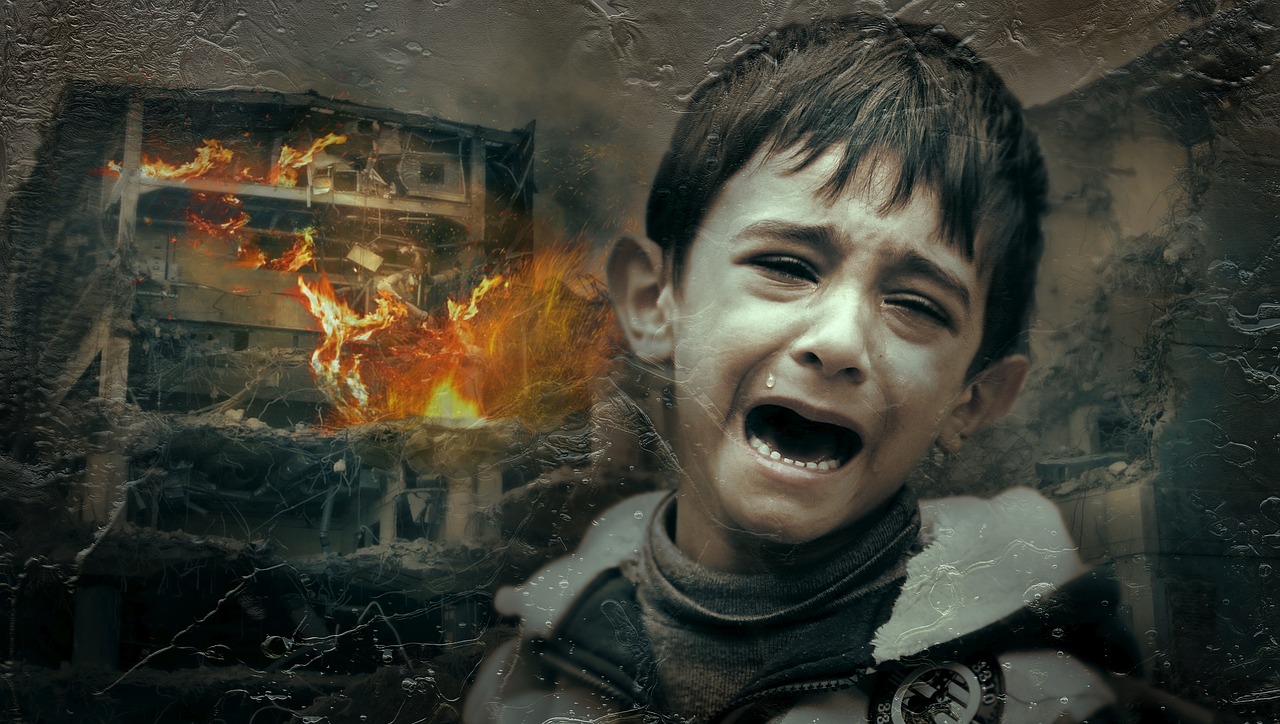
Why can’t we forget the painful past?

By David Joel Miller, MS, Licensed Therapist & Licensed Counselor.

Why can’t we forget the painful past?
Photo courtesy of pixabay

Are there some things you just can’t get over?

Why is it so hard to forget the pain of the past and so hard to remember times when things go well? Your brain is hard at work here, reminding you of your mistakes, not letting you get over the past. Why can’t we forget?

It is as if the brain stores memories in two different ways. Pleasant experiences, our successes in life get filed in boxes somewhere in the back of the brain. They take work to find. Not so with the pain.

Pain is grooved into the brain, great deep gashes in our consciousness. That one argument, that one mistake, and your mind just won’t let you forget. The unhappiness just doesn’t want to let you go.

There are good reasons for the brain to store memories that way. By emphasizing pain, keeping it close to the surface where it can be easily found again, your brain is trying to protect you from making the same mistake again. We should learn from our mistakes. Learn from what happened but not be controlled by the past.

This also means that if you are under the influence of drugs or alcohol you may not remember the pain, your brain was anesthetized.

Say you eat a hot-fudge-sundae. You will probably eat a number of those or some similar treat, in your lifetime. Think back on the times you ate one. Can you remember which one was better? How did the tenth one taste? The eleventh?  Pleasure is stored in the brain in a general way.

Unfortunately, most of us store our successes in the same way. We can’t seem to remember anything positive about our lives. It takes work to find that happy life events file.

What if something bad happens? Say you are driving along the freeway that takes you to work. You have driven this way every day for years. Can’t remember which day was sunny and when was that day you saw the deer up on the hill as you drove by. But one day there is an accident, you see people hurt, maybe killed. Will you forget that day? Not likely.

Painful memories are stored in extra easy to find files. Sometimes they aren’t filed away at all. They lay there open. You see that accident over and over in your mind. Some small details you may never be able to forget even when you try.

Your mind may remind you of that one day and the crash so much the memories intrude on your sleep. Some people will become so fearful that they will no longer take that freeway. They may decide to avoid freeways altogether. They may only use surface streets. Some people give up driving altogether. These extreme reactions to trauma take on a life of their own. If the fear and efforts to avoid things that remind you of the event last a long time this may become Posttraumatic Stress Disorder.

If you were in a war zone, were abused or neglected as a child, this makes sense. Treatment for PTSD is available but it is not a one size fits all treatment. Some people need to talk it out, some people get worse when forced to talk about horrific experiences. This calls for professional help.

But if this constant negative thought is the result of your focusing only on the pain and forgetting the positive then there are many things you can do about it.

In marriages, we believe that the couple needs seven or more positive experiences for every negative one. The brain has trouble remembering the good times. For children we tell parents to “catch your child doing something right” you won’t spoil them and they need that much positive attention from you to offset the times you will need to tell them they did something wrong.

What if your parents didn’t tell you that you had ever done something right? How about those who are their own worst enemies and never give themselves a break? Being over hard on yourself is not likely to make you try harder. Constant criticism can cause people to give up and stop trying, even when the blame comes from within.

Give yourself a pat on the back for anything you do well. Keep a list in a journal of all the things in your life large or small you have done well. Say positive self-affirming things to yourself every day. Post those affirmations in places you will see.

If you can’t remember a time you succeeded, when it is really hard to give yourself credit, ask yourself what would your best friend say? Don’t discount the praise you get. Accept the compliments and praise without discounting it.

While you may never be able to forget the pain of the past completely, focusing on the positive in the present and future will shrink those old memories.

This post was featured in “Best of Blog – May 2012

Staying connected with David Joel Miller

Seven David Joel Miller Books are available now!

My newest book is now available. It was my opportunity to try on a new genre. I’ve been working on this book for several years, but now seem like the right time to publish it.

Story Bureau.

Story Bureau is a thrilling Dystopian Post-Apocalyptic adventure in the Surviving the Apocalypse series.

Baldwin struggles to survive life in a post-apocalyptic world where the government controls everything.

As society collapses and his family gets plunged into poverty, Baldwin takes a job in the capital city, working for a government agency called the Story Bureau. He discovers the Story Bureau is not a benign news outlet but a sinister government plot to manipulate society.

Bumps on the Road of Life. Whether you struggle with anxiety, depression, low motivation, or addiction, you can recover. Bumps on the Road of Life is the story of how people get off track and how to get your life out of the ditch.

Dark Family Secrets: Doris wants to get her life back, but small-town prejudice could shatter her dreams.

Casino Robbery Arthur Mitchell escapes the trauma of watching his girlfriend die. But the killers know he’s a witness and want him dead.

Planned Accidents  The second Arthur Mitchell and Plutus mystery.

Letters from the Dead: The third in the Arthur Mitchell mystery series.

What would you do if you found a letter to a detective describing a crime and you knew the writer and detective were dead, and you could be next?

Sasquatch. Three things about us, you should know. One, we have seen the past. Two, we’re trapped there. Three, I don’t know if we’ll ever get back to our own time.

For these and my upcoming books; please visit my Author Page – David Joel Miller

Want the latest blog posts as they publish? Subscribe to this blog.

For videos, see: Counselorssoapbox YouTube Video Channel

Five Axes Diagnosis Esoterica

By David Joel Miller MS, Licensed Therapist & Licensed Counselor.

Medical record

Diagnosis.
Photo courtesy of Pixabay.com

Five Axes Diagnosis Esoterica.

Update

With the release of the DSM-5 using 5 axes may soon be a thing of the past.

Professionals will be looking for this information or most of it. We just won’t be separating it and reporting it this way. I left this post up for those who would like to see the way things used to be.

So in a previous post, we talked about some of the reasons clinicians might be reluctant to tell you about your diagnosis, how the diagnosis is based on the DSM-4 (soon to be the DSM-5) from the APA and how diagnosis are categories while people are on a continuum so sometimes people do not fit the diagnosis neatly. We left off with the ideas that there are 5 axis and that most people stop after knowing more or less their diagnosis on Axis one.

Axis One.

The DSM has over 400 diagnoses. Not just mental illnesses but all sorts of other problems that might take you in to see a counselor. They include mental illnesses, emotional and behavioral problems. This section covers about 750 pages of the DSM. My list below is VERY oversimplified

The major sections, not in order are things most of us have heard about:

1. Adjustment Disorders – life’s problems grown large.

2. Anxiety.

3. Mood disorders meaning Depression and Bipolar.

4. Psychosis, like Schizophrenia and Schizoaffective.

5. Disorders first seen in childhood – like ADHD, learning disorders, and Autism. (But NOT mental retardation!)

6. Sex, eating, and sleeping.

7. Substance abuse.

8. Dementia, physical stuff caused by emotions.

There is a section in the back where other codes, mostly the “V” codes are listed. “V” codes are largely about relationships like parent-child conflicts and partner conflicts. While counselors work in these areas many insurance plans to not pay to treat these things.

Axis Two.

The things we put on axis two are things that we used to think were untreatable – that is just the way you are stuff. This includes personality disorders and mental retardation, a strange mix. Both issues now have appropriate treatments.

Personality disorders are treated using therapies like DBT. Most women in prison are diagnosed with Borderline Personality Disorder. Sometimes in practice, the boundary between Borderline and Bipolar gets fuzzy.

Most men in prison get a diagnosis of Antisocial Personality Disorder. This is also generally treatable if the client wants to change.

Mental retardation can be treated using behavioral techniques as long as we have realistic expectations. The distinction between mental retardation and developmental delays can get fuzzy. Some people call all of these delays and avoid the politically sensitive issue of saying someone has mental retardation. It is also possible for someone with mental retardation to have an axis one problem like depression.

Axis Three

Did you know that medical conditions can cause symptoms that look like a mental illness? All good therapists like to have clients see a primary care doctor, specialists if needed, to make sure this the problem is not a brain tumor or hormone issue. Things like pregnancy, brain injury and poisoning all get confused with mental illness. In seniors, a lot of this dementia and cognitive decline is the result of the side effects of medications the senior is taking. Please, however, do not start or stop meds without talking with your doctor first. Ideally, your doctor and your therapist should be talking and on the same page if you have any medical conditions that may affect your mental state.

Axis Four – Psychosocial and environmental problems

Stressors for short. Not having friends or a family or having a poor relationship with them can cause lots of emotional problems. We also include people with social and educational problems. Being arrested or a victim of crime might get you an Axis Four diagnosis, as would not having medical care or living in poverty. We don’t always talk with clients about these issues as much as we should but these issues are at the core of client’s problems a lot of the time. Note that no matter how severe your unemployment problems are if you can’t qualify for an Axis One diagnosis like Depression you may have difficulty getting counseling for your employment or other problem.

If stressors are interacting with your mental health you might want to see a professional or clinician counselor who specializes in individual therapy centered on both these areas. In California, we call this specialty Licensed Professional Clinical Counselors (LPCC’s.)

Axis Five.

This is a summary scale. Imagine how hard it is, to sum up, a client’s whole life on a 0-100 scale. Imagine getting a pass-fail grade on your life. Imagine trying to grade someone’s life. Lots of other scales have been suggested for this. Insurance types like it because if your GAF number goes up it shows the therapy is working. This makes them happier about paying. Mostly we use this in making decisions about hospitalization or urgent care.

I don’t ever remember telling a client their GAF because it does not much matter unless there is something that needs doing right now and in that case, I want to talk about what it is we need to do now.

So there we have it in two brief posts a very simplified look at the process of diagnoses.

Staying connected with David Joel Miller

Seven David Joel Miller Books are available now!

My newest book is now available. It was my opportunity to try on a new genre. I’ve been working on this book for several years, but now seem like the right time to publish it.

Story Bureau.

Story Bureau is a thrilling Dystopian Post-Apocalyptic adventure in the Surviving the Apocalypse series.

Baldwin struggles to survive life in a post-apocalyptic world where the government controls everything.

As society collapses and his family gets plunged into poverty, Baldwin takes a job in the capital city, working for a government agency called the Story Bureau. He discovers the Story Bureau is not a benign news outlet but a sinister government plot to manipulate society.

Bumps on the Road of Life. Whether you struggle with anxiety, depression, low motivation, or addiction, you can recover. Bumps on the Road of Life is the story of how people get off track and how to get your life out of the ditch.

Dark Family Secrets: Doris wants to get her life back, but small-town prejudice could shatter her dreams.

Casino Robbery Arthur Mitchell escapes the trauma of watching his girlfriend die. But the killers know he’s a witness and want him dead.

Planned Accidents  The second Arthur Mitchell and Plutus mystery.

Letters from the Dead: The third in the Arthur Mitchell mystery series.

What would you do if you found a letter to a detective describing a crime and you knew the writer and detective were dead, and you could be next?

Sasquatch. Three things about us, you should know. One, we have seen the past. Two, we’re trapped there. Three, I don’t know if we’ll ever get back to our own time.

For these and my upcoming books; please visit my Author Page – David Joel Miller

Want the latest blog posts as they publish? Subscribe to this blog.

For videos, see: Counselorssoapbox YouTube Video Channel
What is wrong with me?

By David Joel Miller, MS, Licensed Therapist & Licensed Counselor.

What is wrong with me?
Photo courtesy of Pixabay.com

Ever wonder what is wrong with you?

Lots of clients ask me that question. Occasionally they want to know their diagnoses. Most of the time they are asking a whole lot more.

Discussing a diagnosis with a client is a controversial thing. Some clinicians feel that a diagnosis is a label and the client is a whole lot more than their label. What a client needs right now may have very little to do with their long-term diagnosis. Someone who has the symptoms of schizophrenia may come to see the counselor because they can’t get along with their spouse. The schizophrenia may make the situation more complicated but what they need right now is relationship counseling just like any other person. I see the point of avoiding labels but don’t always agree about withholding the diagnosis.

Other people tell me that knowing their diagnosis is empowering. If you can put a name on your problem and you know there are treatments for this problem, then you have some hope of recovery. If the professionals can’t tell you what is wrong you may start to think there is no hope for you. Alcoholics Anonymous encourages its members to admit they are alcoholics. If you know that you have this disease then you know what or do. Don’t drink! But if you think you have a “lack of control” or poor willpower you can keep on trying to control your drinking while racking up more DUI’s.

I take the approach that if the client asks me what the diagnosis is then I owe them an answer and an explanation. Personally, I don’t think “Why is it important for you to know that?” is an answer. It annoys me when clinicians do that. Lots of clients tell me it annoys them when their counselor says things like that. So how do therapists come up with these diagnoses that end up in the client’s charts?

A warning here. Diagnosis is not a do it yourself program. What I am saying here is meant as general information, not a personal assessment. That said, if you have questions ask your provider. If you don’t like the answer ask for a second opinion.

Some basics first. The way in which mental illness is diagnosed keeps changing as research and our understanding changes. There are also some gray areas in which the clinician needs to make a judgment call.

Diagnosis of mental illness is most often made by using a book called the DSM-4-TR. This stands for the “Diagnostic and Statistical Manual of Mental Disorders, fourth edition, text revision. The DSM-5 is due out soon but so far there is lots of disagreement about the changes that may be made. This book is published by the American Psychiatric Association (NOT the American Psychological Association type APA) so while we all have to go by their book, the psychiatrists get to write the book.

There are a lot of complicated rules about who gets to hand out Diagnoses and whether or not they need to be cosigned by a Psychiatrist. I won’t try to explain all that just now.

Therapists and counselors have to take at least one master’s level class, sometimes two in using the DSM and they get thousands of hours of supervised training while pursuing their license. You would think that would take all the guess-work out of diagnoses – it doesn’t. Let me explain why.

Diagnoses are categories. The client gets a named diagnosis like Depression. People don’t always come in nice discrete categories. Everyone gets sad or depressed sometimes. When is it severe enough that we say you have depression, not just normal sadness? We have 32 different shades of mood disorders (296.xx’s) plus specifiers for each and say 6 or more other flavors tucked away in other places. (Cyclothymic, Dysthymic, Adjustment Disorder with Depressed Mood etc.)  See why your psychiatrist might have a headache even before you get to their office? See why we might each have a few “favorite diagnosis” that we use more than others? But the problem doesn’t end there.

Let’s take one diagnosis category – Major Depressive Disorder.  To hand this one out the client must meet criteria A, B, C, D, and E. AND under criteria A there are 9 “Notes.” The client needs to have note one or two and at least four other of the noted characteristics. So we interview you and you sort of have note one but not note two. Then we see you have the three of the others, but we are just not sure if you have the fourth one or not. Now we have a problem.

If we say no to either of the maybe’s you are out. You do not have depression. But if we say yes to the two questionable calls you are in – you get the diagnosis. This makes me want to scream.

In research studies, they use “strict” criteria. Any doubt and they do not give out the diagnosis. In practice, if you come close and we think you need help and that you might get worse, then you are in. If you are suicidal, does it matter how many times a week you are able to feel pleasure or how much you sleep?

We should be done now but we are not. Not by a long shot. There is a hierarchy of diagnosis. Sometimes one diagnosis trumps another, sometimes not.  You can have depression and anxiety but not depression and Bipolar disorder.

Stop screaming.

Lots of people come in and tell me they have been diagnosed with Depression, Manic Depression, and Bipolar. I nod my head yes and let it go.

Bipolar is the new name for manic depression, the same thing, new name, mostly to confuse us. Bipolar may not be any better a name than manic depression. Both make it sound like you are either manic or depressed. Kay Redfield Jamison says, and I very much agree, that it is possible to have both at once, we call this mixed states. Some psychiatrists want to take it out of the next DSM. I think it needs to stay, but who am I to argue.

Why can’t you have depression and Bipolar? Because the description of bipolar includes having one manic or hypomanic episode! Most people start out diagnosed with depression but once you have even one teensy weensy bit of hypomanic episode we change the diagnosis to Bipolar.

I want to thank DeeDee whose post suggested the idea for this post. Her post on the GAF got me started about how we keep the diagnosis a secret. It is now clear I will not get this all into one post. So watch for a future post in which we tackle the mysteries of five-axis diagnosis and other esoterica.

Staying connected with David Joel Miller

Seven David Joel Miller Books are available now!

My newest book is now available. It was my opportunity to try on a new genre. I’ve been working on this book for several years, but now seem like the right time to publish it.

Story Bureau.

Story Bureau is a thrilling Dystopian Post-Apocalyptic adventure in the Surviving the Apocalypse series.

Baldwin struggles to survive life in a post-apocalyptic world where the government controls everything.

As society collapses and his family gets plunged into poverty, Baldwin takes a job in the capital city, working for a government agency called the Story Bureau. He discovers the Story Bureau is not a benign news outlet but a sinister government plot to manipulate society.

Bumps on the Road of Life. Whether you struggle with anxiety, depression, low motivation, or addiction, you can recover. Bumps on the Road of Life is the story of how people get off track and how to get your life out of the ditch.

Dark Family Secrets: Doris wants to get her life back, but small-town prejudice could shatter her dreams.

Casino Robbery Arthur Mitchell escapes the trauma of watching his girlfriend die. But the killers know he’s a witness and want him dead.

Planned Accidents  The second Arthur Mitchell and Plutus mystery.

Letters from the Dead: The third in the Arthur Mitchell mystery series.

What would you do if you found a letter to a detective describing a crime and you knew the writer and detective were dead, and you could be next?

Sasquatch. Three things about us, you should know. One, we have seen the past. Two, we’re trapped there. Three, I don’t know if we’ll ever get back to our own time.

For these and my upcoming books; please visit my Author Page – David Joel Miller

Want the latest blog posts as they publish? Subscribe to this blog.

For videos, see: Counselorssoapbox YouTube Video Channel
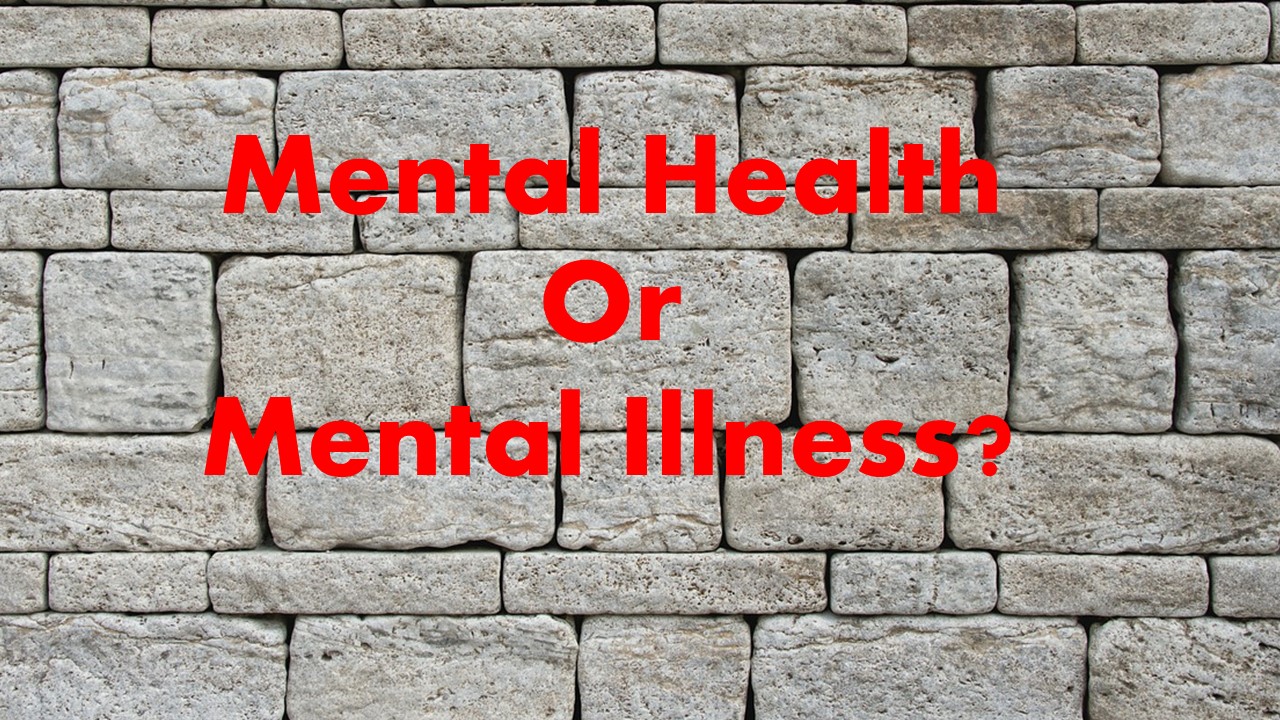
Happy enough to make the bed?

By David Joel Miller, MS, Licensed Therapist & Licensed Counselor.

Happy faces

Happiness.
Photo courtesy of Pixabay.com

So how do you know when you are happy?

What things say for you “today I am doing well; today my recovery is on track?” It is most often not the big things, the jobs or relationships. It is easy to feel happy when something great, new, and novel happens. People, most of the time, get happy when something good happens. Not being able to take joy or pleasure out of something that used to make you happy is a sure sign of depression setting in.

Not being able to feel pleasure, professional counselors call that anhedonia is one of the things we look for in diagnosing depression. Happiness is about more than just not being clinically depressed. How do you tell if you are really happy deep down? If someone were visiting with you how would they know today was one of those happy days?

In interviews, I ask clients “What makes you happy.” They tell me not about big things, but mostly about little things, everyday things, that results in them feeling happy. Those things also reflect happiness. Most times it is those little things that are making them happy.

When someone is functioning well, when life is worth living, they take better care of themselves. One way we as outsiders looking in can tell if someone is happy is to look at how they care for themselves. We call these self-care habits “activities of daily life.” Someone who is able to do their “activities of daily life” is headed in a good direction. They are having a good day.

Someone who is unable to do those same activities, we worry about them.

So did you make your bed today? People who get up and make the bed may have a large head start on happiness compared to those who don’t. You need to decide for yourself if making your bed says “happy day” to you. But many people find that on the days they are able to make their bed, this says to them today will be a good day.

It goes farther than making the bed is a barometer for happiness. People tell me that when they get into a habit of doing things to care for themselves it becomes easier to keep up that habit.

Do you feel better or worse on days that you brush your teeth, fix your hair and put on your good clothes? Doing self-care even on days you don’t feel like it can improve your mood.

One client told me he and his partner used to go for walks every morning. He could judge the quality of their relationship by how often they walked. During periods of conflict, they just did not feel like going for the daily walk. If one of them was depressed they did not feel like a morning walk that day. The result was that their communication got worse, the depression increased and the happiness disappeared.

Once we discovered this connection between the morning walk and the feeling of happiness with the relationship, they made a commitment to walk together every morning whether they felt like it or not. They found that more walk time resulted in more and better communication and that created more happiness on both people’s part.

There is an old twelve step expression “fake it till you make it.” That expression is not about being dishonest or showing a false face to others. It is telling us that when we go through the actions of a happy person we become happy. The opposite can happen also. Isolate, avoid others and you become lonely and sad.

So what daily rituals tell you that you are on the right track? Will you commit to yourself to take better care of yourself? Try it for a week and tell us how your commitment to self-care affected your mood and your success.

Are you happy enough to make your bed today?

Staying connected with David Joel Miller

Seven David Joel Miller Books are available now!

My newest book is now available. It was my opportunity to try on a new genre. I’ve been working on this book for several years, but now seem like the right time to publish it.

Story Bureau.

Story Bureau is a thrilling Dystopian Post-Apocalyptic adventure in the Surviving the Apocalypse series.

Baldwin struggles to survive life in a post-apocalyptic world where the government controls everything.

As society collapses and his family gets plunged into poverty, Baldwin takes a job in the capital city, working for a government agency called the Story Bureau. He discovers the Story Bureau is not a benign news outlet but a sinister government plot to manipulate society.

Bumps on the Road of Life. Whether you struggle with anxiety, depression, low motivation, or addiction, you can recover. Bumps on the Road of Life is the story of how people get off track and how to get your life out of the ditch.

Dark Family Secrets: Doris wants to get her life back, but small-town prejudice could shatter her dreams.

Casino Robbery Arthur Mitchell escapes the trauma of watching his girlfriend die. But the killers know he’s a witness and want him dead.

Planned Accidents  The second Arthur Mitchell and Plutus mystery.

Letters from the Dead: The third in the Arthur Mitchell mystery series.

What would you do if you found a letter to a detective describing a crime and you knew the writer and detective were dead, and you could be next?

Sasquatch. Three things about us, you should know. One, we have seen the past. Two, we’re trapped there. Three, I don’t know if we’ll ever get back to our own time.

For these and my upcoming books; please visit my Author Page – David Joel Miller

Want the latest blog posts as they publish? Subscribe to this blog.

For videos, see: Counselorssoapbox YouTube Video Channel

Is Behavioral health related to Behavior or Health?

By David Joel Miller, MS, Licensed Therapist & Licensed Counselor.

Mental Health or Mental Illness

Mental Health or Mental Illness?
Photo courtesy of Pixabay.com

What is Behavioral Health?

The term “Behavioral health” is getting associated with anything from a place that treats mental illness to healthy lifestyles. Additional areas of concern have been added to the things the local mental health agency concerns itself with and some of the old concerns are getting eliminated. The further we stretch the term behavioral health, the more it includes, the less meaning it has.

Some consumers, who were used to going to mental health, resent the name change to Behavioral Health. They point out that they are not their behavior and that being depressed anxious etc is not a behavior. At the same time, consumers are complaining about the new “behavioral healthcare” name, a major national group, the National Council for Community Behavioral Healthcare is pushing forward with programs aimed at reducing the stigma of mental illness and informing the community about mental illness and related issues. So why the need for a name change?

You would think that Behavioral Health and Healthy Behaviors would somehow be related. There are lots of programs, blogs, and books on living and behaving in a healthy manner. Adult-onset Diabetes is highly correlated with being overweight and with having a sedentary lifestyle. So exercising is a part of healthy behaviors but not part of most Behavioral Health Departments program. We keep changing the names for a reason.

We have a tendency to avoid words that have unpleasant connotations. First, we see someone with a disability or problem. Next, we try to define what exactly is their difficulty. Defining requires a word or term. Before long the word goes from defining this person’s challenge to being a label people attach to the person, not the condition. So the term that began as a definition of an issue someone was experiencing became a negative derisive term that we can no longer say.

Consider a historical example. We discovered that given two people, both age twenty, one might be able to do advanced Calculus and another might still be struggling with basic addition. To explain this we invented the concept of I. Q. or intelligence quotation. IQ was understood as the number that resulted from dividing their mental age by their chronological age.  Let’s avoid the math and the changes in the test that measure this idea for now.

So people with a high score were called geniuses, or gifted. For people with a low score, we needed terms that described just how much lower their score was than the average.  So at first, some people used terms to describe a particular range of low scores with terms like moron or imbecile. Before long these terms moved from describing a score on a piece of paper to describing people. Calling people by those labels was offensive to them and to others and we don’t use the labels anymore.  We invented new labels.

So the new terms became Mild, Moderate, Severe, and Profound Mental Retardation. This set of terms is still in use in the most recent DSM diagnostic manual but already I notice people are uncomfortable describing anyone with these terms and we are using newer labels to avoid describing people by their IQ score.

For a long time, the same social service department that worked with the mentally ill also worked with people with lower than average IQ scores. We had places called the “X county department of mental illness and mental retardation.” Someplace changed that name to the department “FOR the mentally retarded and mentally ill,” because the first name sounded like all the employees had a mental illness or low IQ scores. Many people with a mental illness like depression or anxiety avoided going to a place for the mentally retarded because they were “not like that.” So recently we have split off the services for those with low IQ scores. They now go to special places which in my area are called “regional centers.” I expect before long all places called regional or centers will have to change their names when people find out that regional centers serve those with low IQ’s and their families. This separation creates another problem. People with low IQ scores can and do get Anxious or Depressed and they need both kinds of help.

So we have started using another term “Developmentally delayed,” which is also fuzzy because this can be applied to a lot of things besides low IQ. Eventually, we will have to stop using this term when people catch on that some “Developmentally Delayed” people have physical or learning problems and some have low IQ scores. I have written before about the trend to diagnose all people with a low IQ as having ADHD and then give them a stimulant med. We keep hoping there will be a pill that will make all people geniuses.

But our story does not end there.

Over the last few years, mental health and substance abuse programs have begun to integrate. So the mental illness label, while it did fit some substance abusers, did not fit all. And other times we find high but not universal levels of substance abuse among clients who have mental illnesses. So we started looking for a name that might be inclusive of everyone the agency was trying to serve.

The prevalent form of therapy these days is not the traditional Freudian model but the newer Behavioral and cognitive-behavioral types. My understanding of thoughts is that they are also events. Electricity moves through nerve cells and chemicals (neurotransmitters) move between cells. So every thought also involves an event and is a behavior we could see and measure. Yanking your hand out of a fire is a behavior but it is not likely to be something you think over and decide to do. So I can easily see how someone who starts out drinking can reach a point where they are dependent on alcohol. Someone who thinks about negative events in their life may become depressed. In both cases, there are behaviors going on but in neither case do I think the person is choosing to be sick.

Among children “behavioral health” diagnoses mostly include bad behavior like being very oppositional or not meeting parent’s and teacher’s requirements. So some people have started to think that people who go to “Behavioral Health” for help are just poorly behaved and need to knock it off. I can assure you they would if they could. Having a mental illness or an addiction is not fun.

People can also get knocked down by life events like losing a loved one. The ability to get back up is called resiliency. People who have trouble getting back up may need help in the form of counseling. It is hard to see how those problems are “behavioral health” problems except in terms of an event of thoughts moving around in the head. Very often clients who can’t get back up are referred to Behavioral health. They are certain they are not crazy and know they are not doing this deliberately so they tell us they don’t need to see a counselor.

I agree with them, they are not crazy, and being depressed or anxious or having another life problem does not mean you are behaving badly. But you still just might benefit from counseling. Things will get even more complicated in the future when Behavioral Health becomes more fully integrated with physical health. Negative thoughts can actually really make you sick and physical illnesses can change your mood.

Until we find a better name for the way in which we try to help people by teaching and talking – Behavioral Health just may have to do.

Staying connected with David Joel Miller

Seven David Joel Miller Books are available now!

My newest book is now available. It was my opportunity to try on a new genre. I’ve been working on this book for several years, but now seem like the right time to publish it.

Story Bureau.

Story Bureau is a thrilling Dystopian Post-Apocalyptic adventure in the Surviving the Apocalypse series.

Baldwin struggles to survive life in a post-apocalyptic world where the government controls everything.

As society collapses and his family gets plunged into poverty, Baldwin takes a job in the capital city, working for a government agency called the Story Bureau. He discovers the Story Bureau is not a benign news outlet but a sinister government plot to manipulate society.

Bumps on the Road of Life. Whether you struggle with anxiety, depression, low motivation, or addiction, you can recover. Bumps on the Road of Life is the story of how people get off track and how to get your life out of the ditch.

Dark Family Secrets: Doris wants to get her life back, but small-town prejudice could shatter her dreams.

Casino Robbery Arthur Mitchell escapes the trauma of watching his girlfriend die. But the killers know he’s a witness and want him dead.

Planned Accidents  The second Arthur Mitchell and Plutus mystery.

Letters from the Dead: The third in the Arthur Mitchell mystery series.

What would you do if you found a letter to a detective describing a crime and you knew the writer and detective were dead, and you could be next?

Sasquatch. Three things about us, you should know. One, we have seen the past. Two, we’re trapped there. Three, I don’t know if we’ll ever get back to our own time.

For these and my upcoming books; please visit my Author Page – David Joel Miller

Want the latest blog posts as they publish? Subscribe to this blog.

For videos, see: Counselorssoapbox YouTube Video Channel