
Lies you are telling yourself.

By David Joel Miller, MS, Licensed Therapist & Licensed Counselor.

Truth or lie

Separating truth from lies is hard work.
Photo courtesy of Pixabay.com

If you are telling yourself these things you are lying to yourself and may not even know it.

1. I can’t do it

Can’t usually means won’t.

By telling yourself you are not able to do a thing you convert your own mind into an enemy. Your brain starts creating this failure. Tell yourself you will fail and you will.

People who are positive are much more successful. They tell themselves they can and many times this turns out to be true.

2. Other people think badly of me.

Most of the time, most people are too involved in their own lives to pay any attention to you. Unless they are saying they do not like you and what you are doing, it would be a mistake to think that others disapprove.

Blaming other people for not liking you creates just that result. You think they do not like you, you do not like them and then you’re not liking them results in their not liking you.

You started this avalanche of negativity.

3. I am a failure.

The biggest failure of all is to never try. I see this in a lot of young people who are overly hard on themselves. A few recent graduates do get jobs at top companies. But the majority of them have to start out at the bottom and work their way up. Do not think you are a failure because you are not more successful than everyone else.

The biggest failure of all is to never try.

Accept that you are where you are and then work on improving yourself. You are not a failure because of what you did that did not work. Those are learning opportunities. The ultimate failure is to accept defeat and stop trying.

You have not failed. You just haven’t succeeded yet

4. People will talk about me.

People talk about the President, they talk about the Pope. What? Are you saying you are more important than them?

Having people talk about you indicates you are doing things. No one talks much about those who never try. No one knows they exist.

5. Not paying my bills means I am saving money.

If you came from a poverty mentality then you learned that if you paid the power bill there might be no money for food. What people who live that way miss is that those late charges and extra fees add up.

Learn to manage money, not be bullied by the bills. Pay your bills on time. Budget for what you will need and if there is not enough money find ways to cut expenses and earn more. Avoiding your responsibilities is not an effective way to save anything.

6. I can’t afford to save anything.

Savings is simple. Spend less than you earn. Simple is, of course, not easy.

The more people earn the less able to save they seem to be. Savings do not need to be a lot to add up. Save a dollar a paycheck and at the end of the year, you will have fifty dollars saved up.

Most people in America spend a little more, sometimes just a dollar or two, each pay period than they make. Eventually, this adds up to a mountain of debt.

7. I should do or be —

Beware the tyranny of the “shoulds.” This doing things because you think that you have to can rob you of a lot of time and happiness. Now there are some things you should not do because they are illegal or will cause you problems. There are other things you need to do like pay your bills and care for your children.

But most of us every day do a bunch of things that rob us of time not because we really needed to do those things but because somewhere in our heads we recorded a rule that things always need to be a certain way.

8. Doing things for me is selfish.

Good self-care is not being selfish. Self-neglect is abusive. Do positive things for yourself to maintain your ability to do things.

9. Other people are the cause of my problems.

Blaming others is an excuse. It can keep you stuck. Rarely will you be successful in getting them to change to do things your way. Learn to work around those obstacles. Change yourself, your circumstances, or your reaction to those people, and you can often dissolve the power they have over you.

10. Others can do more than I can.

So? If you use this as an excuse for not trying you will never do anything. You do not have to be perfect. You do not have to be the best at anything. You just need to be you. Do what you can and accept what you do. Just make sure to be truthful to yourself and do your best.

11. Nothing will ever change.

Everything will change – eventually. In the long run, we are all dead. The question is do you want to start living a real-life or do you want an excuse for why you do not try?

12. No one cares about me.

Start caring about yourself. No one in your life is likely to care more about you than you do. If you do not care about yourself you make it difficult for others to care about you.

13. I am right, I know I am.

Insisting you are right can be some comfort but it is rarely helpful to waste time arguing about who is right. Have the courage of your convictions but do not insist that everyone sees things your way.

Be open to the possibility that sometimes you can be mistaken. When new information arrives reevaluate your thoughts on things.

14. I don’t have enough education.

Do what you can with what you have. People often overestimate the education and training they need to find a job, a partner, or to be able to do something.

If you do lack the formal credentials for an opportunity you would like, consider going back to school. Do not tell yourself you are too old to learn. People are living longer these days. Jobs go out of existence. More people than ever before are returning to school in their 40’s and 50’s and beyond.

You are never too old to learn something new.

15. If I just had – Then I would be happy and successful.

If you are not happy in the process of getting to your goals you are unlikely to be happy when you get there. Happiness is not a destination it is a process you learn along the way.

16. I don’t have that talent.

Talent is overrated. Lots of natural talents practiced thousands or even tens of thousands of hours to get that talent. We are all born with the possibility of becoming talented at something.

Most talent turns out to actually be skills. The more you learn, the more you practice, the more skilled you will become.

17. I was just born this way.

You are nothing like you were when you were born.  People grow. They develop. They learn things. If you learned something and it is not working you can unlearn it and learn a new way of being.

Genes turn on and off based on your life experiences. Do good things. Practice happiness skills and those thoughts you think are “just me” will change as a result of new learning and experiences.

Have you been lying to yourself? Would you be happier and more successful if you started telling yourself the truth?

Staying connected with David Joel Miller

Seven David Joel Miller Books are available now!

My newest book is now available. It was my opportunity to try on a new genre. I’ve been working on this book for several years, but now seem like the right time to publish it.

Story Bureau.

Story Bureau is a thrilling Dystopian Post-Apocalyptic adventure in the Surviving the Apocalypse series.

Baldwin struggles to survive life in a post-apocalyptic world where the government controls everything.

As society collapses and his family gets plunged into poverty, Baldwin takes a job in the capital city, working for a government agency called the Story Bureau. He discovers the Story Bureau is not a benign news outlet but a sinister government plot to manipulate society.

Bumps on the Road of Life. Whether you struggle with anxiety, depression, low motivation, or addiction, you can recover. Bumps on the Road of Life is the story of how people get off track and how to get your life out of the ditch.

Dark Family Secrets: Doris wants to get her life back, but small-town prejudice could shatter her dreams.

Casino Robbery Arthur Mitchell escapes the trauma of watching his girlfriend die. But the killers know he’s a witness and want him dead.

Planned Accidents  The second Arthur Mitchell and Plutus mystery.

Letters from the Dead: The third in the Arthur Mitchell mystery series.

What would you do if you found a letter to a detective describing a crime and you knew the writer and detective were dead, and you could be next?

Sasquatch. Three things about us, you should know. One, we have seen the past. Two, we’re trapped there. Three, I don’t know if we’ll ever get back to our own time.

For these and my upcoming books; please visit my Author Page – David Joel Miller

Want the latest blog posts as they publish? Subscribe to this blog.

For videos, see: Counselorssoapbox YouTube Video Channel

Characteristics of a good friend.

By David Joel Miller, MS, Licensed Therapist & Licensed Counselor.

Characteristics of a good friend.
Photo courtesy of Pixabay.com

Are your friends really good for you?

Some friends are positive factors in your life. Other people, you are calling friends are destructive. We all need people in our lives but how do you tell which of these folk you should keep as friends and which should be demoted to the “acquaintance” category?

Friends are those people who you can turn to when you are down. The ones you think will hold your secrets. Acquaintances are those people you can talk to about sports or the latest show on T. V. but do not feel comfortable telling them things they might use later on to hurt you.

An old but true saying goes “Show me your friends and I will tell you who you are.” For better or worse we become more like our friends over time. Pick your friends wisely.

Here are some characteristics to look for in friends that will enrich your life, not pull you down.

1. Friends build you up not tear you down.

There are some people in your life that it just feels good to be around. They are positive people, and they are positive about you.

Negative people tear you down in order to make themselves feel better. Hang with those who want you to succeed not those who expect you to fail.

2. Friends want the best for you.

If that supposed friend is backbiting, spreading rumors, or competing with you, cut them loose. Some people are too jealous to enjoy seeing you succeed.

A true friend will be happy for you when good things happen in your life. True friends are not jealous.

3. Friends accept you as you are.

True friends know about your flaws and like you anyway. They should care enough to tell you the truth when you mess up but they should also like you anyway.

You do not have to pretend to be someone or something you are not in order to keep their friendship.

If a friend insists you look a certain way, attend a certain function, or spend money on specific things to fit in with their crowd, – beware.

4. They don’t insist you change if they are to remain your friend.

Friends want you to grow and change. They do not ask for the changes because they think there is something wrong with you, they love you for who you are after all. They do want to see you grow and develop because they see that you have so many possibilities that they what to see you succeed.

Friends who insist that you conform to their standards to be with them are all about themselves and not about you.

5. You are happy around them.

Good friendship makes you feel good. If it hurts to be around someone, if seeing them always brings you down, take another look at this relationship.

Friends are a source of joy. You should feel at ease around a good friend not feel that you are constantly being judged.

6. Friends bring out the best in you.

There is just something about having a good friend that makes you want to do more, be more, and results in you being the best you can be. Your friend should be encouraging you to greater accomplishments. They should not be pulling you down.

If that person is holding you back – they are not a friend.

7. Friends are supportive of you.

Friends are there when you need them. They support you in the tough times as well as the good ones. If you only see someone when times are going well they are “fair-weather friends” the kind that has no substance when the storms of life occur.

Pick friends who support you, come what may.

8. You like the same things.

Friendships customarily develop around shared activities and interests. It is possible to be friends with someone who likes or believes in different things than you do. But not having any common interests makes for some difficult choices. If you find that you are both sharing things that help both of you grow and develop this is helpful. But if you find that you need to give up your interest and beliefs to be around this other person, question this friendship.

9. You share common goals and values.

If your friend is all about shopping and having the latest things and you are determined to save and be frugal this friendship is headed for trouble.

Divergent views of right and wrong can undermine your values.

Sure you can hang out with a drug addict and not use, but is that really enjoyable or are you giving up having a friend to be their rescuer?

10. You are headed in the same direction.

Where are you going in your life?

Do you what to be a good parent and this friend wants to stay young and party? Are you serious about your career, relationship, or recovery? Does this other person respect your values and support them or are they always trying to get you to go along with them in things that do not align with your goals?

11. Friends are happy when you succeed.

Does this person get happy for you when you succeed? Or are they jealous and undermine you? True friends revel in their friend’s accomplishments and offer you recognition for what you do well.

Take a look at these characteristics of real true friends. If the ones you have measure up, be thankful. If your friendships are less than they should be work on improving those friendships. But some people you have been calling friends may not belong on that list. Sometimes there are people in our life we need to let go of.

Consider taking an inventory of your friendships today and decide what you need to do to be rich in friendships.

Staying connected with David Joel Miller

Seven David Joel Miller Books are available now!

My newest book is now available. It was my opportunity to try on a new genre. I’ve been working on this book for several years, but now seem like the right time to publish it.

Story Bureau.

Story Bureau is a thrilling Dystopian Post-Apocalyptic adventure in the Surviving the Apocalypse series.

Baldwin struggles to survive life in a post-apocalyptic world where the government controls everything.

As society collapses and his family gets plunged into poverty, Baldwin takes a job in the capital city, working for a government agency called the Story Bureau. He discovers the Story Bureau is not a benign news outlet but a sinister government plot to manipulate society.

Bumps on the Road of Life. Whether you struggle with anxiety, depression, low motivation, or addiction, you can recover. Bumps on the Road of Life is the story of how people get off track and how to get your life out of the ditch.

Dark Family Secrets: Doris wants to get her life back, but small-town prejudice could shatter her dreams.

Casino Robbery Arthur Mitchell escapes the trauma of watching his girlfriend die. But the killers know he’s a witness and want him dead.

Planned Accidents  The second Arthur Mitchell and Plutus mystery.

Letters from the Dead: The third in the Arthur Mitchell mystery series.

What would you do if you found a letter to a detective describing a crime and you knew the writer and detective were dead, and you could be next?

Sasquatch. Three things about us, you should know. One, we have seen the past. Two, we’re trapped there. Three, I don’t know if we’ll ever get back to our own time.

For these and my upcoming books; please visit my Author Page – David Joel Miller

Want the latest blog posts as they publish? Subscribe to this blog.

For videos, see: Counselorssoapbox YouTube Video Channel

12 ways to become totally undesirable.

By David Joel Miller, MS, Licensed Therapist & Licensed Counselor.

Undesirable person.
Photo courtesy of Pixabay.com

Are you making yourself undesirable?

Being desirable is about more than looks. Outward looks fade with time but what is inside can make you undesirable at any age

Fancy clothes and expensive makeup, nails, and a new hairstyle can hide some faults but don’t rely on them to hide inner unpleasantness. Men, a new suit, and tie will not cover up your rudeness and lack of consideration.

Why waste time on your outside when what you are doing is creating a really ugly person inside. Here are twelve ways people can create a person even they would not want to be around.

1. Make sure everyone knows how awful things are – spread the doom and gloom.

Make sure that everywhere you go you let people know just how bad things really are. Especially let them know that they are incompetent and helpless to alter their fate.

2. Belittle other’s accomplishments – whatever they do tell them you can do it better.

Someone gets straight A’s, let them know that the school they attend has really been slipping academically, why you heard that anyone can get A’s there.

If they run a marathon let them know that you have a younger cousin that is taking after you and now is an Olympic hopeful.

Whatever they do let them know that you can do it better and in fact you know just scads of people who are far superior to them on a daily basis.

3. Fight with everyone every chance you get.

Make sure that any mistake no matter how small does not go uncorrected. Point out the slightest flaw in everyone around you. If anyone says anything, think of ways that you can instantly argue with everything they said. Let those at work know how much smarter you are and how you are surrounded by stupid, ignorant people.

4. Make sure you are always the center of attention – remind everyone who will listen that it is all about you.

Take every opportunity in the conversation to turn the conversation towards you. Tell them what you do, who you know, and how very grateful people are to you for all you do.

Avoid babies and animals because the might upstage you and it is all about you now and ever after.

5. Boss everyone around – if they don’t play by your rules take your ball and go home.

Let people know that you think they are incompetent. Tell them how to do every little thing. Make sure that you take charge of every situation and run every show. No one can be trusted to get things right but you. Make sure to remind them all how hard it is for you to have to take over everything but that you will do it rather than having things done wrong.

6. Focus only on your outside.

Do not waste time on learning and education when you can get a haircut, manicure, or the latest designer clothing.

When you look good then you should not need to know anything.

7. Remind everyone how stupid they are and how smart you are.

Point out every mistake and every omission in what others say. Bring up past errors for as long as possible. Keep mental notes of every fault those around you have and remind them of how you saw what they did.

Slip reminders of how stupid they are into every conversation. “I can’t believe you didn’t know that” “did you take a stupid pill today or what?”

8. Think only of yourself.

Being constantly self-centered is a good way to develop your inner ugly.

9. Lie, cheat, and steal every chance you get.

Lying is wrong when others do it but you are special. The rule should not apply to anyone as special as you. It is not really stealing because you need what others have and if they knew how special you were they would want you to have their stuff anyway.

10 Tell them the truth even if it will hurt someone’s feelings – politeness is for the week.

If they can’t take the truth, then you should not feel sorry for them. You should be as blunt as possible after all you are “only telling the truth,” which is an excuse for all manner of rudeness.

11. Expect others to always do for you but set limits on what you do for them – they owe you the loan of money, rides, and favors but you are just too important to always be doing for others.

Make sure everyone knows that they are expected to pick you up, take you places and get you there on time. Do not worry if you keep them waiting, they should understand how important it is that they be available to help you.

Remind them that you are just so important and so stressed out from having to be you that you could not take time out from your busy schedule to wait on the “little people.”

12. Point out what is wrong with everyone and everything.

Find fault with everything incessantly. If you told them how wrong they were yesterday remind them again today. Announce with certain authority how very wrong and awful the government, the school, your job, and everyone else is.

Let no chance to run someone or something down escape.

Do all 12 of these procedures and you can look good on the outside while developing a really ugly inside.

Do you know or have you met people like this? If we get honest most of us will see that we all do some of these things occasionally. But if you are driving friends away on a regular basis you might want to take another look and see if you are doing any or all of these inner-ugly-making principles.

Staying connected with David Joel Miller

Seven David Joel Miller Books are available now!

My newest book is now available. It was my opportunity to try on a new genre. I’ve been working on this book for several years, but now seem like the right time to publish it.

Story Bureau.

Story Bureau is a thrilling Dystopian Post-Apocalyptic adventure in the Surviving the Apocalypse series.

Baldwin struggles to survive life in a post-apocalyptic world where the government controls everything.

As society collapses and his family gets plunged into poverty, Baldwin takes a job in the capital city, working for a government agency called the Story Bureau. He discovers the Story Bureau is not a benign news outlet but a sinister government plot to manipulate society.

Bumps on the Road of Life. Whether you struggle with anxiety, depression, low motivation, or addiction, you can recover. Bumps on the Road of Life is the story of how people get off track and how to get your life out of the ditch.

Dark Family Secrets: Doris wants to get her life back, but small-town prejudice could shatter her dreams.

Casino Robbery Arthur Mitchell escapes the trauma of watching his girlfriend die. But the killers know he’s a witness and want him dead.

Planned Accidents  The second Arthur Mitchell and Plutus mystery.

Letters from the Dead: The third in the Arthur Mitchell mystery series.

What would you do if you found a letter to a detective describing a crime and you knew the writer and detective were dead, and you could be next?

Sasquatch. Three things about us, you should know. One, we have seen the past. Two, we’re trapped there. Three, I don’t know if we’ll ever get back to our own time.

For these and my upcoming books; please visit my Author Page – David Joel Miller

Want the latest blog posts as they publish? Subscribe to this blog.

For videos, see: Counselorssoapbox YouTube Video Channel

Why counseling does not take.

By David Joel Miller, MS, Licensed Therapist & Licensed Counselor.

Therapy

Therapy.
Photo courtesy of Pixabay.com

4 Reasons counseling does not work for you.

You go for counseling and while you are there in the counseling room everything seems better. You know what you need to do. You are ready for a change. Only over the next few days the vision of recovery you had in that counseling room fades and the things you thought you understood all get lost.

Why can’t you hold onto what happened in the counseling room when you get back to that real life?

Personally, I am skeptical of counseling that goes on for years with nothing changing. How long the process of change will take you depends on where you started your journey and how far you need to go to reach your recovery.

If you are not making the progress you think you should be making, discuss this with your counselor. I learned early on that it is not exclusively what happens in the therapy hour that helps clients but what they are doing to practice these new life skills in the other 167 hours each week that they are not in therapy.

As a cognitively oriented therapist, I like to suggest practice sessions, a form of homework, which clients need to do each week between sessions so that when we meet again we can talk about how to improve their recovery not just go over the same ideas again.

Here are some reasons that your work in the therapy session may not be transferring to the out of therapy world.

1. You can’t learn to swim in the classroom.

A long time ago the preferred method of teaching swimming and scuba diving was to show lots of classroom movies and have slide shows and demonstrations of how to swim and how to put on your scuba gear underwater.

What the trainers quickly discovered was that what people learned in the classroom did not translate well into the water.

The best way to learn is under real-life conditions. So if you get your instruction on swimming in the pool each thing you do is quickly reinforced.

Lots of cognitive therapy is about learning life skills and perfecting those skills takes practice. I encourage clients to come to the session and talk about the times they tried to use their new skills outside my office and how that worked out for them.

In some situations, therapists have needed to go out into the field and help the client walk through the new life skill under real conditions.

So whatever you are trying to change about yourself practice between therapy sessions and then discuss the results the next time. Do not leave the lesson in the office.

2. Insight does not change you.

Many people come to counseling wanting to know why they are doing things. I can’t fault you for wanting to learn all you can about yourself. Getting to know you is a lifelong adventure.

The fallacy in this approach is that having once come to understand your inner workings you may still keep doing the things the same way you always did.

Several stories about this topic come from the realm of substance abuse. More than one alcoholic has gone for psychoanalysis, sometimes or a long period of time and at a great cost, when their therapy concluded the client was sure that now, understanding their inner workings, they would never drink again. Within days that person was drinking to intoxication again.

Overheard in a bar; one patron was telling the other that they were an alcoholic, the second patron replied, me too. So they sat for a while and discussed why they both were alcoholics.

The conversation concluded, they both ordered another round.

Insight by itself does not result in change. Change takes more than insight. It takes motivation. It takes practice and once those changes have been made change takes maintenance.

3. Venting does not help if you keep filling up the negative emotions.

People like to think that getting it all out will rid them of negative emotions. We used to try this with couples who were having excessive arguments. The couple would yell and scream at each other in the session. Some therapists even had the couple hit each other with foam rubber bats.

The result of this venting was not a reduction in anger. The “venting session” resulted in couples who went home and then hit each other with real bats.

Venting can function as a rehearsal. The more you vent the more you become quickly triggered by anger, depression, or cravings for drugs and alcohol.

4. You never talk about what is really bothering you.

The best predictor of successful therapy is your belief that this person you are talking to can help you. If you do not feel comfortable and really open up then the big stuff that you are holding back will never get taken care of.

One recovery saying is that you are only as sick as your secrets. This is especially true in therapy if you do not feel safe to open up and talk about what is ailing you. If you are not sure what secrets your therapist will tell and what they will keep secret, look back at some of the past posts on this topic or ask your therapist to explain confidentiality to you.

If you are in therapy now or have been to therapy and you did not feel it was helpful these are some of the reasons it may not have “taken” there may be other very personal reasons also. Make sure you tell your current counselor about those past efforts and especially tell them any reasons you felt it was not helpful to you.

An informed therapy client gets more benefit out of counseling.

Staying connected with David Joel Miller

Seven David Joel Miller Books are available now!

My newest book is now available. It was my opportunity to try on a new genre. I’ve been working on this book for several years, but now seem like the right time to publish it.

Story Bureau.

Story Bureau is a thrilling Dystopian Post-Apocalyptic adventure in the Surviving the Apocalypse series.

Baldwin struggles to survive life in a post-apocalyptic world where the government controls everything.

As society collapses and his family gets plunged into poverty, Baldwin takes a job in the capital city, working for a government agency called the Story Bureau. He discovers the Story Bureau is not a benign news outlet but a sinister government plot to manipulate society.

Bumps on the Road of Life. Whether you struggle with anxiety, depression, low motivation, or addiction, you can recover. Bumps on the Road of Life is the story of how people get off track and how to get your life out of the ditch.

Dark Family Secrets: Doris wants to get her life back, but small-town prejudice could shatter her dreams.

Casino Robbery Arthur Mitchell escapes the trauma of watching his girlfriend die. But the killers know he’s a witness and want him dead.

Planned Accidents  The second Arthur Mitchell and Plutus mystery.

Letters from the Dead: The third in the Arthur Mitchell mystery series.

What would you do if you found a letter to a detective describing a crime and you knew the writer and detective were dead, and you could be next?

Sasquatch. Three things about us, you should know. One, we have seen the past. Two, we’re trapped there. Three, I don’t know if we’ll ever get back to our own time.

For these and my upcoming books; please visit my Author Page – David Joel Miller

Want the latest blog posts as they publish? Subscribe to this blog.

For videos, see: Counselorssoapbox YouTube Video Channel
12 ways you are self-sabotaging.

By David Joel Miller, MS, Licensed Therapist & Licensed Counselor.

Comment

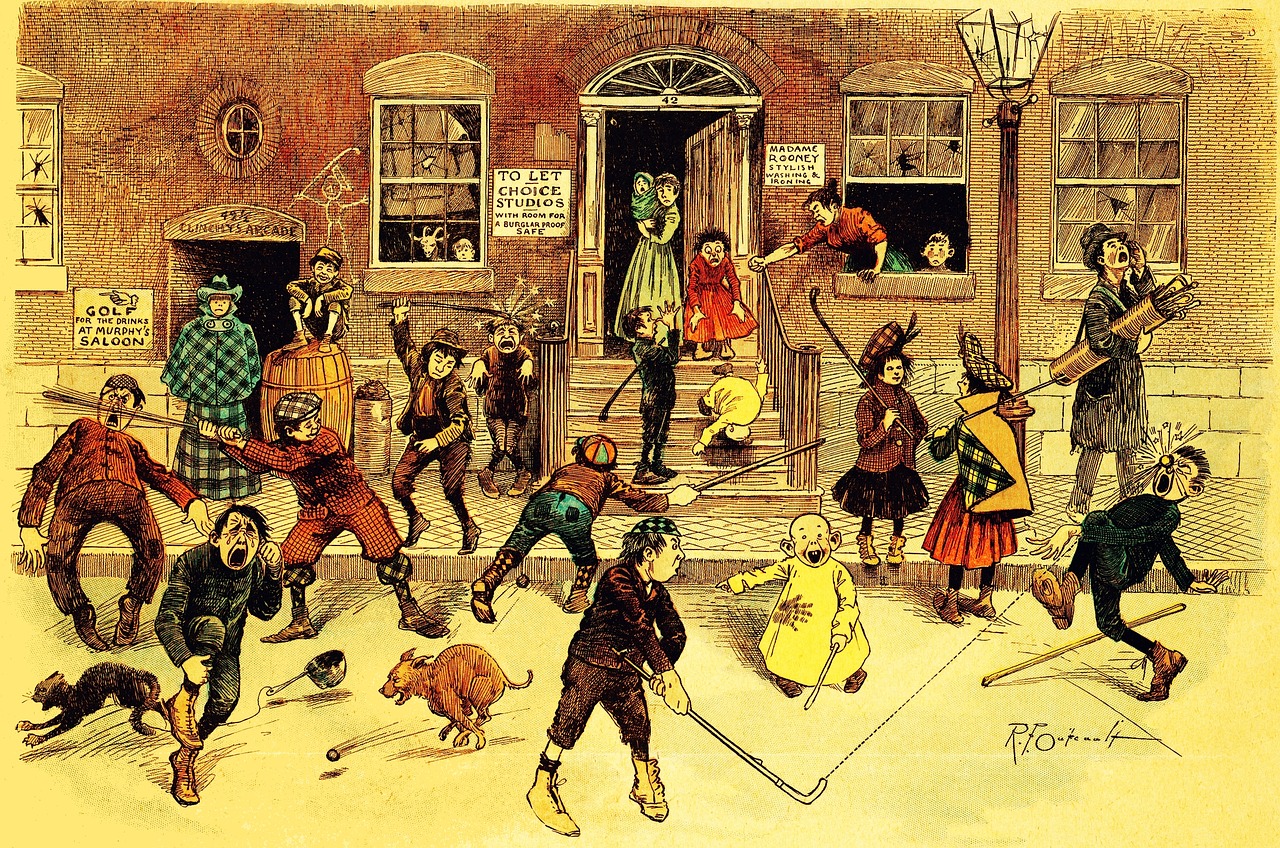
Bad neighborhood.
Photo courtesy of Pixabay.com

How many of these self-sabotaging things do you do?

1. Hold onto the past.

Most people know they have baggage, resentments left over from the past. You can choose to hold onto those resentments as a justification for your failures or you can decide to toss those bags, unpack that baggage and lighten your load. You can’t change the past but you can stop letting it dictate the future. Put those old hurts in the coffin and bury them.

2. Unfinished business.

You should have been something, you were supposed to get something but it never happened. You can stay hung up on those failures or you can finish off that leftover business. Didn’t get to finish that schooling you wanted, go back no matter what the age and finish up. That or decide that even if you had that education you never finished it would not be helping you today.

Those first loves that got away, those were fairy tales. Those people who bullied you or rejected you are long gone. Resolve what you can and let the rest go. Continuing to brood over the unfinished business of the past keeps you from living the life of today.

3. Lie to yourself.

Do you have lies you tell yourself so often that you have started to believe them? You have to do this and you can’t do that. If you tell yourself so you make it true. You can make up excuses for your setbacks and failures that only you believe. Blaming others for your troubles may feel good now but it does not change anything. Blaming others keeps you stuck. Take responsibility for what you can do and move forward.

Of all the people you need to get honest with, getting honest with yourself is the most important one.

4. Wreckage – Clean up your messes.

If you have wreckage get it cleaned up. People often have unpaid fines or tickets. Bills that are still due and relationships that ended in disaster. Whenever possible clean up that wreckage. Do what you can to get those old debts, financial, and emotional cleaned up so that you do not have to continue to pay on them well into your recovered life.

5. Hold on to harmful and hurtful people.

Are there people in your life that are harmful or hurtful but you just can’t seem to give them up? Just because they were there when you were down, does not mean you need to stay down with them. True friends will want to see you succeed. If you have to hold yourself back and be less than the person you were meant to be because of someone in your life these are not healthy relationships and they are not true friends.

6. Try to be perfect.

Perfectionism is the enemy of getting things done. You can tell yourself you never will be perfect and that excuses not trying at all. You miss out on all the things you never try. Students find that the pursuit of all A’s may keep them from graduating. If you insist on being perfect or not doing things at all you will keep quitting things that could have benefited you.

Do your best and call that good enough.

7. Doing nothing.

Doing nothing is a sure way to fail. Trying to be perfect is one way of alibiing your lack of effort. There are lots of other ways you can talk yourself out of ever trying.

The process of building a happy life begins with those first small steps. Get moving and the momentum will build.

8. Looking for happiness in all the wrong places – drugs – sex.

In the beginning, these crutches seem like ways to get by. You use drugs, alcohol, or other addictions to try to be enough. Eventually, those addictions become all you can be. Do not get fooled by an illusion that more of an addiction will cure the emptiness inside.

9. Thinking money will buy happiness.

Money buys things. Having some things is better than having nothing. Things alone will never make you happy. Too many things will bury you. Make sure that in your pursuit of money you do not leave family, friends, and your true self behind.

10. Beat yourself up.

There is no evidence, that I have seen, that beating yourself up makes you try harder. Love yourself and do your best. Be kind to yourself. Find the good in you and in others. Constantly reliving your failures keeps you stuck in failure.

11. Thinking you can control everything – worrying about things outside your control.

Most things in life are out of your control. You can’t make it rain. We have little control of the weather, who will get sick, and a host of other things. Rather than fussing and worrying about things that are far beyond your control put your efforts into the things that you may be able to influence, that will mostly be your actions and your attitude. Catch your children and yourself doing things right and give yourself credit for the things you do well.

12. Do not accept credit for things done well.

Is it hard to accept a compliment? Do you find you can’t please yourself? Learn to give yourself credit for things well done. Be ready to give and receive compliments.

Compliments are an antidote for that feeling of failure that can creep in when all you ever hear and think is the things that you have been able to do in a less than perfect way.

How many of these 12 self-sabotaging practices do you use? Creating that happy recovered life may be largely a matter of discontinuing these self-defeating behaviors.

Staying connected with David Joel Miller

Seven David Joel Miller Books are available now!

My newest book is now available. It was my opportunity to try on a new genre. I’ve been working on this book for several years, but now seem like the right time to publish it.

Story Bureau.

Story Bureau is a thrilling Dystopian Post-Apocalyptic adventure in the Surviving the Apocalypse series.

Baldwin struggles to survive life in a post-apocalyptic world where the government controls everything.

As society collapses and his family gets plunged into poverty, Baldwin takes a job in the capital city, working for a government agency called the Story Bureau. He discovers the Story Bureau is not a benign news outlet but a sinister government plot to manipulate society.

Bumps on the Road of Life. Whether you struggle with anxiety, depression, low motivation, or addiction, you can recover. Bumps on the Road of Life is the story of how people get off track and how to get your life out of the ditch.

Dark Family Secrets: Doris wants to get her life back, but small-town prejudice could shatter her dreams.

Casino Robbery Arthur Mitchell escapes the trauma of watching his girlfriend die. But the killers know he’s a witness and want him dead.

Planned Accidents  The second Arthur Mitchell and Plutus mystery.

Letters from the Dead: The third in the Arthur Mitchell mystery series.

What would you do if you found a letter to a detective describing a crime and you knew the writer and detective were dead, and you could be next?

Sasquatch. Three things about us, you should know. One, we have seen the past. Two, we’re trapped there. Three, I don’t know if we’ll ever get back to our own time.

For these and my upcoming books; please visit my Author Page – David Joel Miller

Want the latest blog posts as they publish? Subscribe to this blog.

For videos, see: Counselorssoapbox YouTube Video Channel

6 Ways to Banish Loneliness.

By David Joel Miller, MS, Licensed Therapist & Licensed Counselor.

Lonely person

Loneliness.
Photo courtesy of Pixabay.com

Ending Loneliness.

In a past post, we talked about Loneliness first-aid – ways to keep that creature from moving into your life. But if you find that Mr. Loneliness has been a longtime guest in your life – How do you get him to move out?

Here are some ways to Banish Loneliness from your life. Breaking up, when you are in a bad relationship is hard to do. The person who is causing you so much pain will resist leaving. Loneliness is sneaky that way. You send him packing out the front door and you might find him climbing in the window later that night.

Here are ways to get through to loneliness that he is not welcome in your life anymore.

1. Become your own best friend.

Remember back to elementary school. If you had a best friend they did not like it if you started hanging out with someone else. Mr. Loneliness is like that. He never grew up. So if you start hanging out with a good friend he will not want to hang out with your anymore.

What better friend to be with than yourself.

This is hard for some folks. They tell me they have low self-esteem. They are not sure they like themselves and they would not want themselves from a best friend.

This lays out a clear roadmap to becoming happier. Make friends with you.

Get to really know yourself and like yourself. Stop beating yourself up. If no one ever gave you credit for things well done, learn to take a bow when you did something right.

Accept yourself and forgive yourself. Become the model of a best friend and start by becoming your own best friend.

It is hard for other people to like to be with us if we do not like ourselves.

2. Reconnect with old friends.

Loneliness wants you to forget about people who have been supportive and rely only on him. Look through your phone list and call someone. Call someone or email them every day. Chances are that since you stopped staying in contact with that old friend loneliness has been hanging around their door also.

3. Make some new same-sex friends.

When people are lonely the first suggestion loneliness makes is to find a new lover. Loneliness knows that the high of a new love feeling will only last a short while. Sex with a new partner can leave you alone sleeping with Mister Loneliness faster than anything else.

The loneliest time for most people is after a close relationship ends.

So if you want to avoid the new sexual partner trap Mister Loneliness has set for you, make new friends who are the same gender as you. That takes the mating ritual stuff out of the picture for most people.

If you are gay or lesbian, forget what I just said and work on making more friends of the opposite sex. The idea here is to develop social connections that can chase off Mr. Loneliness without falling into the new relationship trap.

Those hormones in the brain love releases last 6 to 18 months. If you haven’t learned how to be happy without your partner there all the time, then as that new love turns into an everyday routine you will start dating Mr. Loneliness again.

4. Get out there.

You need to get out of the house and do things. Nothing makes you and Mr. Loneliness closer than you isolating from other human contacts.

Now by “get out there,” do not think you need to hit the clubs and bars. That is a good way to run into Mister Loneliness again. He likes to dress up as an alcoholic or an addict. The man who looks like Mister Right probably has some drug habits and a few ex’s, baby’s mommas, and the like.

What you need to do is get out there around other happy positive people.  If you have an interest in a sport, join a team or league. If you like reading, join a book club. If you have a religious or spiritual faith, get active in that group.

5. Learn friend-making skills.

Learning to make friends is a skill, not an ability. Some people just seem naturally better at making friends but a few of those naturals have confided in me about the process they went through to get good at making friends. Watch those people who are good at making friends and see how they do it.

Do not start telling yourself that you could never do what they do. Maybe not exactly what they do in their way. You are you after all. But you can pick up a few pointers by watching the popular people.

Ask one of them how they do it and you may get a helping hand you never expected.

When in a new place learn to put your hand out and introduce yourself. Ask about others and wait to be asked about yourself. Do not regurgitate your whole life story but offer up small tidbits to keep the conversation moving.

Keep telling yourself you can get better at making and keeping friends.

5. Learn the skills to be alone but not lonely.

Being all alone should not mean being lonely. If you have done the work on yourself, become your own best friend learned the things you like, and the things that are not ok with you, then being alone some of the time should be a good thing.

6. Take yourself on a date.

Do nice things for yourself. Go to places you like to visit. Try out new foods and new positive experiences.

Where would you take a tourist who was visiting your town for the first time? Many people have never seen the top tourist spots in their own city. Take yourself there. If you really like the place invite a friend to go back with you.

Ask people you know for recommendations of places to visit. If they come up with suggestions ask them if they have ever been there and either way, ask them if they would care to join you. If they say no do not take this as a rejection of you. We all have busy lives these days and sometimes people are just not available to go places and do things when you might invite them.

Those are six ways to get Mr. Loneliness out of your life. There are many more. Have you found any that work for you?

Staying connected with David Joel Miller

Seven David Joel Miller Books are available now!

My newest book is now available. It was my opportunity to try on a new genre. I’ve been working on this book for several years, but now seem like the right time to publish it.

Story Bureau.

Story Bureau is a thrilling Dystopian Post-Apocalyptic adventure in the Surviving the Apocalypse series.

Baldwin struggles to survive life in a post-apocalyptic world where the government controls everything.

As society collapses and his family gets plunged into poverty, Baldwin takes a job in the capital city, working for a government agency called the Story Bureau. He discovers the Story Bureau is not a benign news outlet but a sinister government plot to manipulate society.

Bumps on the Road of Life. Whether you struggle with anxiety, depression, low motivation, or addiction, you can recover. Bumps on the Road of Life is the story of how people get off track and how to get your life out of the ditch.

Dark Family Secrets: Doris wants to get her life back, but small-town prejudice could shatter her dreams.

Casino Robbery Arthur Mitchell escapes the trauma of watching his girlfriend die. But the killers know he’s a witness and want him dead.

Planned Accidents  The second Arthur Mitchell and Plutus mystery.

Letters from the Dead: The third in the Arthur Mitchell mystery series.

What would you do if you found a letter to a detective describing a crime and you knew the writer and detective were dead, and you could be next?

Sasquatch. Three things about us, you should know. One, we have seen the past. Two, we’re trapped there. Three, I don’t know if we’ll ever get back to our own time.

For these and my upcoming books; please visit my Author Page – David Joel Miller

Want the latest blog posts as they publish? Subscribe to this blog.

For videos, see: Counselorssoapbox YouTube Video Channel

7 Dos and Don’ts of loneliness first aid.

By David Joel Miller, MS, Licensed Therapist & Licensed Counselor.

Lonely person

Loneliness.
Photo courtesy of Pixabay.com

The do’s and don’ts of loneliness.

Loneliness follows you around. Sometimes that old bugger is waiting just outside your door for a chance to move in. Loneliness is one of the largest causes of relapse. It can take you back to depression, anxiety, or drug and alcohol abuse in a minute.

If you hear Mr. Loneliness knocking at your door here are the things you should do and not do to keep yourself safe and headed forward in a happy life.

1. Do practice thought-stopping.

When Mr. Loneliness whispers his message of pain in your ear, drown him out with the positive things you tell yourself. Tell yourself to knock off those thoughts and think about something more helpful.

There are lots of books and articles out there on how to stop negative thoughts and replace them with positive thinking. Make use of thought-stopping.

2. Do reach out to people who are supportive.

Mental health and substance abuse recovery professionals all agree you need a support system. You also need to make sure that those people will really support you in times of need. Mom may let you stay with her but when you are depressed, lonely, or feeling like picking up will she know what to say?

Make it a point to maintain contact information for all the people who are supportive of you. If you are a member of a support group or a 12 step community get a list of phone numbers, email addresses, or other contact info.

Each day reach out and communicate with someone in your support system. Some people will be there for you and some will not. Some can help with physical things like a ride but are not able to listen to how you feel. Others will be glad to listen to you but can’t, for a variety of reasons, give you a ride.

Know who will support you and in what ways.

Remember support systems are a two-way street. Sometimes when you call, just to check-in, you will find that the other person needs to talk more than you do. Be there to support them also.

3. Do pull out your gratitude list.

When you are depressed, lonely, or fiending for a drink it is easy to see what is wrong in your life and hard to remember the things that are good.

Whatever you call your lists, gratitude, things that are helpful, things that make you smile, a WRAP plan, write these lists down, and keep them close. That way when there is a time you need to see the happy, positive things in your life, you can pull that old gratitude list out and remind yourself of the things you are thankful for.

If your lists are thin, work on these lists with your friends, supporters, sponsor or professionals. Often others can see the good in you and the changes that you are making long before you can.

When you are tired and there is still a climb to get to the top of the mountain, it is easy to forget how far you have already climbed.

4. Do not pick up drugs, alcohol, or another addiction.

Drugs, Alcohol, Gambling sexual addictions, these were the old solutions to that lonely feeling and the other pains you wanted to avoid.  These are the solutions that did not work.

Remind yourself that more of the same gets you more of the same and no matter what do not reach back for an old addiction. Keep moving forward.

Things can and do get better. People do recover from all manner of problems and you can too.

5. Do not rush to hook up with someone to hold that loneliness at bay for a few minutes.

The old saying was “marry in haste and repent at leisure.” Most people spend more time shopping for a used car than for a baby’s mother or baby’s father.

Trying to cure loneliness by jumping into a new sexual relationship is a prescription for disaster. When the novelty of the experience wears off you will find yourself in worse shape than before.

It takes two healthy people to create a healthy relationship. Two people can help each other but you can’t fill the hole in your heart with someone else’s private parts.

6. Do not invite Mr. Loneliness to move in and live with you.

Beware making your life all about loneliness. Do not wear your pain on your sleeve for all to see. You can get caught up in rehashing all the reasons you are lonely and find out that you were the prison guard that locked you inside that lonely cell. Do not torture yourself and call that being realistic.

Being alone may be your condition right now but Mr. Loneliness is a cruel person who does not make a good long-term companion.

7. Do not isolate and hope the feeling will pass.

The cure for loneliness is not avoiding people. It is getting comfortable in your own skin and in being around others.  Reach out for help. Do not expect others to fix you. It is the interactions with others that cure loneliness, not the having or being had.

Try these loneliness first-aid tips and see if this procedure keeps Mr. Loneliness away. If you find he has already moved into your life while you were not paying close attention then stay tuned for an upcoming post on ways to get Mr. Loneliness out of your life.

Some people will find that once they let go of Mr. Loneliness they are frantically trying to get someone in their life, anyone, to keep them from feeling lonely, they do not know what to do by themselves. We have a post in the works for that topic also.

Not sure when these posts about Mr. Loneliness and his gang will appear, they are scheduled out into the future, so watch for them and check the topic list to the right of this page for more on the adventures of Mister Loneliness.

Have you had some experiences with Mr. Loneliness? If he is gone – how did you get him out of your life?

Staying connected with David Joel Miller

Seven David Joel Miller Books are available now!

My newest book is now available. It was my opportunity to try on a new genre. I’ve been working on this book for several years, but now seem like the right time to publish it.

Story Bureau.

Story Bureau is a thrilling Dystopian Post-Apocalyptic adventure in the Surviving the Apocalypse series.

Baldwin struggles to survive life in a post-apocalyptic world where the government controls everything.

As society collapses and his family gets plunged into poverty, Baldwin takes a job in the capital city, working for a government agency called the Story Bureau. He discovers the Story Bureau is not a benign news outlet but a sinister government plot to manipulate society.

Bumps on the Road of Life. Whether you struggle with anxiety, depression, low motivation, or addiction, you can recover. Bumps on the Road of Life is the story of how people get off track and how to get your life out of the ditch.

Dark Family Secrets: Doris wants to get her life back, but small-town prejudice could shatter her dreams.

Casino Robbery Arthur Mitchell escapes the trauma of watching his girlfriend die. But the killers know he’s a witness and want him dead.

Planned Accidents  The second Arthur Mitchell and Plutus mystery.

Letters from the Dead: The third in the Arthur Mitchell mystery series.

What would you do if you found a letter to a detective describing a crime and you knew the writer and detective were dead, and you could be next?

Sasquatch. Three things about us, you should know. One, we have seen the past. Two, we’re trapped there. Three, I don’t know if we’ll ever get back to our own time.

For these and my upcoming books; please visit my Author Page – David Joel Miller

Want the latest blog posts as they publish? Subscribe to this blog.

For videos, see: Counselorssoapbox YouTube Video Channel

Drug kills your mental health before it kills your body.

By David Joel Miller, MS, Licensed Therapist & Licensed Counselor.

Full ashtray

Smoking cigarettes.
Photo courtesy of Pixabay.com

Nicotine  – The killer drug.

Of all the drugs out there, legal or illegal one drug alone accounts for the bulk of the drug-related deaths each year. That drug is Nicotine and the predominant ways it gets into your body is by smoking or second-hand smoke.

We have known for 50 years or more that Tobacco and smoking were harmful to our physical health but we are only now seeing the extent of the connection between smoking and other societal problems such as mental illness and homelessness.

For every one person that dies of an illegal drug Nicotine kills 200 people. That is not an argument for legalizing other drugs. We have seen highly publicized drug deaths recently from illegal drugs. Heroin and prescribed Opiates can kill quickly and with alcohol in the bloodstream the overdose death rate sores.

Deaths from tobacco happen far more slowly. There is a gradual progression of a variety of diseases before the final death.

What we have been overlooking in all of this is the significant connection between mental illness, other drug addiction, and smoking. Mental health treatment providers have been slow to recognize the connection and slower yet to attempt any form of smoking cessation treatment with the mentally ill clients.

While in withdrawal from Nicotine clients can become agitated, restless, and harder to manage. Providers have suggested that they needed to work on the “bigger” issues of drug withdrawal, alcoholism, depression, and other mental disorders.

What has been missing from this approach is a clear view of the ways in which Nicotine may be causing and maintaining a mental illness.

Research studies have suggested that between 44% and 50% of all the cigarettes consumed in America are smoked by those with a mental, emotional, or behavioral health diagnosis (a DSM diagnosable condition.)  Researchers have detailed the efforts of the Tobacco companies to market to the mentally ill (Prochaska, Hall, & Bero, 2008; Lasser et al., 2000; Apollonio & Malone, 2005, cited in Wigand, 2009.)

One consequence of the heavy smoking by the mentally ill is that they commonly live twenty years less than those without a long-term mental illness.

Despite the apparent connection between Nicotine and the creation and maintenance of mental illness most providers have been reluctant to include smoking cessation in their programs.

This connection between smoking and mental health issues is particularly problematic among women. Jessup Et al. on their study of women smokers reported “Smokers had significantly higher rates of Post Traumatic Stress Disorder (PTSD), past year depression and anxiety, suicidality, past year substance abuse, and co-occurring disorders.

Jessup further reports that women who smoke two packs per day are more than twice as likely to suffer from Major Depression. Those with Post Traumatic Stress Disorder were 4-5 times more likely to be heavy smokers. In this study, smoking women were much more likely to be unemployed than nonsmokers and even if they lived with a partner the smokers were more likely to not have enough money to meet their basic needs.

The connection between smoking, drug, and alcohol use disorders, and mental illness has been reported in study after study.

Those disorders that seem to be highly correlated include substance use disorders, PTSD, Depression, Anxiety disorders, and Psychosis. There have been some suggestions that smoking has helped those with serious mental illness manage their symptoms, even though this is at the cost of a shortened lifespan. The research seems to report that smokers report more, not fewer, symptoms of mental illness. The “smoking solution” is making symptoms worse, not better.

This connection between smoking, mental illness, and a substance use disorder also resulted in increased rates of unemployment, no medical insurance, and a high need for treatment. Those at the highest need of physical health services were the least likely to be receiving those services other than through free programs or hospital emergency rooms.

Studies have also reported that smokers are twice as likely to have had recent thoughts of suicide as non-smokers.

One difficulty with adding smoking cessation treatment to substance abuse, mental health, and co-occurring treatment programs is that the majority of people in treatment are in the stage of change we call “precontemplative” meaning they had not even thought about quitting. For this group, the most effective intervention may be education about the connection between smoking and their other co-occurring issues.

We are hopeful that the expansion of health care will result in more services for those who have co-occurring disorders and that smoking cessation treatment may be included in those services.

Staying connected with David Joel Miller

Seven David Joel Miller Books are available now!

My newest book is now available. It was my opportunity to try on a new genre. I’ve been working on this book for several years, but now seem like the right time to publish it.

Story Bureau.

Story Bureau is a thrilling Dystopian Post-Apocalyptic adventure in the Surviving the Apocalypse series.

Baldwin struggles to survive life in a post-apocalyptic world where the government controls everything.

As society collapses and his family gets plunged into poverty, Baldwin takes a job in the capital city, working for a government agency called the Story Bureau. He discovers the Story Bureau is not a benign news outlet but a sinister government plot to manipulate society.

Bumps on the Road of Life. Whether you struggle with anxiety, depression, low motivation, or addiction, you can recover. Bumps on the Road of Life is the story of how people get off track and how to get your life out of the ditch.

Dark Family Secrets: Doris wants to get her life back, but small-town prejudice could shatter her dreams.

Casino Robbery Arthur Mitchell escapes the trauma of watching his girlfriend die. But the killers know he’s a witness and want him dead.

Planned Accidents  The second Arthur Mitchell and Plutus mystery.

Letters from the Dead: The third in the Arthur Mitchell mystery series.

What would you do if you found a letter to a detective describing a crime and you knew the writer and detective were dead, and you could be next?

Sasquatch. Three things about us, you should know. One, we have seen the past. Two, we’re trapped there. Three, I don’t know if we’ll ever get back to our own time.

For these and my upcoming books; please visit my Author Page – David Joel Miller

Want the latest blog posts as they publish? Subscribe to this blog.

For videos, see: Counselorssoapbox YouTube Video Channel

Is he Internet addicted?

By David Joel Miller, MS, Licensed Therapist & Licensed Counselor.

Computer

Internet.
Photo courtesy of Pixabay.com

Is this just having fun or is it internet addiction?

How much internet usage is a problem?

When it comes to behaviors how can you tell when enough is too much?

We know that behaviors can become problems. Some like pathological gambling can destroy lives and families but when is a behavior an addiction?

Is internet addiction a real addiction?

It would appear so. Brain scan studies show that in both drug-addicted individuals and people with problematic internet usage the same areas of the brain light up when they think about their preferred activity. The brain has changed in response to their habit and has resulted in characteristic symptoms of addiction.

The hallmarks of addiction are; building up a tolerance, withdrawal symptoms, excessive involvement with the drug or activity, and continued participation in the activity despite negative consequences. We should also mention here that cravings for the drug or activity are the factor that maintains the addiction.

Let’s look at how these characteristics will manifest in someone with an internet addiction. We think there is a difference between high levels of computer usage and a true internet addiction. Computers and the internet have become parts of modern life. They can have good and bad aspects. Many jobs now require the use of the computer, often for many hours per day. We use computers and the internet for business, person, and social applications. Some usages have more risk of becoming a problem than others.

Internet addiction is one of these “behavioral addictions” or compulsions that are poorly understood and little researched.

First, the 4 characteristics of addiction applied to excessive internet usage. Then some information on possible psychiatric connections.

1. Tolerance.

People who become addicted to the internet need more and bigger computers, more software, and the time they spend on the computer continues to increase. They may spend excessive (for their income) amounts of money and time on their computer activates.

2. Withdrawal.

When unable to do their usual activities the internet addict will become angry, fearful, anxious, or depressed. Should their connection fail they are unable to do other activities in the place of their internet routine.

3. Excessive usage.

What is excessive is a matter of perspective. Most addicts can’t see that their activity has become excessive until it has become too late. Neglect of other areas of life is a good sign this activity is becoming excessive.

Does the internet user stay up too late and then are they tired all the next day. Does this time online interfere with their job, school work, or family life? Is this person neglecting their role responsibilities?

All of these are signs that the use of the internet has become excessive.

4. Continued use despite negative consequences.

The internet addict will begin to lie to others around them about their usage and the nature of their online activities. We have talked elsewhere, or will soon about how this lying may be a sign that the person is using the internet in the service of another addiction, like an affair, gambling, or a sexual addiction. The lying we are talking about here is not about covering up the why of their usage but this lie is about covering up the extent of their usage.

Poor school work or job performance are common results of excessive internet usage. Chronic fatigue with a loss of motivation and interest in other activities occurs. Social isolation, with few friends and few offline activities, also occur.

Psychiatric considerations and co-morbidity.

So why should we be concerned about an internet addiction? They could be addicted to books (an incurable condition for a writer.) As long as they do not lose their job or family, what’s the harm?

Internet addiction may be a symptom of other disorders rather than a primary disorder. Internet addiction coexists with several other serious mental health problems. Those with internet addiction often have depression from mild all the way to serious. Anxiety is a common co-morbidity and may be of the generalized, over-anxious, variety, or the social phobia type.

Among those with excessive internet usage, alcohol and marijuana abuse is common. Addictions travel in flocks and switching one addiction for another is commonly reported in recovery circles.

Internet addiction is not yet a recognized disorder in the DSM. One variation, Internet Gaming Disorder has been proposed for further study. The mental health community is still not quite sure how to understand this internet addiction thing.

Some authors have proposed that this may be a variant of Obsessive-Compulsive Disorder (OCD.) The use of the internet may be a way of reducing anxiety in those with OCD. Other authors have noted that the anxiety in Internet addiction is more like that in drug addiction, the addict becomes anxious when they are unable to get the thing that is the object of their addiction.

Internet addiction may be another of those catch-all groups that are really a set of similar symptoms that represent several distinct disorders. A cough can be a symptom of many illnesses and what if excessive internet usage is really a symptom of many different mental health disorders?

Three variations of internet addiction appear likely

1. Internet Gaming.

This variant is the need for the repetitive playing of games and racking up points. They may be playing against others online or this may be a solitary activity. Research currently distinguishes this from internet gambling. Gambling Disorder (formerly called Pathological Gambling) seems the same online and offline and pathological gamblers move between various settings and games of chance.

2. Cyber Sex.

This appears to fit in with other sexual issues. It is distinguished from the use of the internet to facilitate affairs or other crimes. This can vary from sex chat and sexting all the way to a pornography addiction. In a cybersex addiction, the goal is to get sexual gratification online rather than the goal of meeting a real person offline.

3. Obsessive use of the internet for social contact.

This includes frequent usage of emails, text messages, and social media sites. The internet addict may become obsessed with how many friends they have on a particular site, what others are saying, and so on. This reliance on the internet for human contact may lead to a lack of social skills and few friends when in offline situations.

One serious concern with excessive reliance on the internet for social contact is the risk of pain caused by online stalking and cyberbullying which can result in suicide or other emotional crises.

Hope this brief summary of the problem of internet addiction and the link to other behavioral disorders may be helpful to someone. As always appropriate comments are welcome.

Staying connected with David Joel Miller

Seven David Joel Miller Books are available now!

My newest book is now available. It was my opportunity to try on a new genre. I’ve been working on this book for several years, but now seem like the right time to publish it.

Story Bureau.

Story Bureau is a thrilling Dystopian Post-Apocalyptic adventure in the Surviving the Apocalypse series.

Baldwin struggles to survive life in a post-apocalyptic world where the government controls everything.

As society collapses and his family gets plunged into poverty, Baldwin takes a job in the capital city, working for a government agency called the Story Bureau. He discovers the Story Bureau is not a benign news outlet but a sinister government plot to manipulate society.

Bumps on the Road of Life. Whether you struggle with anxiety, depression, low motivation, or addiction, you can recover. Bumps on the Road of Life is the story of how people get off track and how to get your life out of the ditch.

Dark Family Secrets: Doris wants to get her life back, but small-town prejudice could shatter her dreams.

Casino Robbery Arthur Mitchell escapes the trauma of watching his girlfriend die. But the killers know he’s a witness and want him dead.

Planned Accidents  The second Arthur Mitchell and Plutus mystery.

Letters from the Dead: The third in the Arthur Mitchell mystery series.

What would you do if you found a letter to a detective describing a crime and you knew the writer and detective were dead, and you could be next?

Sasquatch. Three things about us, you should know. One, we have seen the past. Two, we’re trapped there. Three, I don’t know if we’ll ever get back to our own time.

For these and my upcoming books; please visit my Author Page – David Joel Miller

Want the latest blog posts as they publish? Subscribe to this blog.

For videos, see: Counselorssoapbox YouTube Video Channel

Grieving bad relationships?

By David Joel Miller, MS, Licensed Therapist & Licensed Counselor.

Grieving a bad relationship.
Photo courtesy of Pixabay.com

Do you grieve over the end of a bad relationship?

When a relationship ends we all grieve, each in our own way. Grieving is a process and that process can be different for each person. It makes sense to grieve over the loss of someone we love, but many people find themselves going through a period of grief at the end of a bad relationship, and the stages of grief they go through can be a lot like the process for the loss of a loving relationship.

This has occurred not once or a few times in my clinical practice. If it was one person I would not be telling this story out of respect for their confidentiality. But this has happened frequently in the lives of people I see and it is reported in the research on ending relationships.

Bad relationships happen in the romantic area and they happen in our families of origin. There is pain from that unfulfilling relationship whether it involved an unloving or abusive parent or a romance gone bad.

New relationships often start with huge hopes and expectations. A large number do not live up to those expectations. We invest a piece of our heart in every intimate relationship we have ever been in.

Couples get together, with or without the benefit of marriage. They expect this relationship to make them happy. Then the reality sets in they are not happy in this relationship. Many times they find they are miserable.

There may be abuse, addiction, domestic violence, and arguments. In the course of those conflicts, people say things to each other that they can never take back. The relationship hurts.

Ending the relationship does not end the pain.

You may have grown up in an unloving home. The parent was addicted, abusive or just unable to provide the affection you wanted and needed. Depressed parents, parents with their own mental or emotional issues may not be able to give those things they do not have themselves. The cycle of emotional unavailability can pass down through generations.

Children who were abused by parents, placed in foster care to protect them, still may miss that parent.   More than one of these youth, upon reaching adulthood will leave the foster care system to return to the family that abused them.

What they miss is not the reality of unloving parents but the loss of that dream that someday somehow they will be reconciled to those parents and find love.

Couples often grieve not for the loss of the relationship that never was good but for the loss of that dream that in this relationship they might find the loving other that would make them happy.

What many find out is that this other can never make them happy, happiness is an inside job. No amount of effort will make some troubled relationships whole. Often times ending a relationship is the best thing for both people involved. Other times they end the relationship and discover that they are still unhappy.

When any relationship ends, good or bad what we most grieve is the loss of potential, the end of the dreams that someday, somehow this relationship will meet our needs. We grieve when we lose a good relationship and we grieve when the troubled ones end.

We grieve mostly at the end of each relationship over the loss of what might have been.

Staying connected with David Joel Miller

Seven David Joel Miller Books are available now!

My newest book is now available. It was my opportunity to try on a new genre. I’ve been working on this book for several years, but now seem like the right time to publish it.

Story Bureau.

Story Bureau is a thrilling Dystopian Post-Apocalyptic adventure in the Surviving the Apocalypse series.

Baldwin struggles to survive life in a post-apocalyptic world where the government controls everything.

As society collapses and his family gets plunged into poverty, Baldwin takes a job in the capital city, working for a government agency called the Story Bureau. He discovers the Story Bureau is not a benign news outlet but a sinister government plot to manipulate society.

Bumps on the Road of Life. Whether you struggle with anxiety, depression, low motivation, or addiction, you can recover. Bumps on the Road of Life is the story of how people get off track and how to get your life out of the ditch.

Dark Family Secrets: Doris wants to get her life back, but small-town prejudice could shatter her dreams.

Casino Robbery Arthur Mitchell escapes the trauma of watching his girlfriend die. But the killers know he’s a witness and want him dead.

Planned Accidents  The second Arthur Mitchell and Plutus mystery.

Letters from the Dead: The third in the Arthur Mitchell mystery series.

What would you do if you found a letter to a detective describing a crime and you knew the writer and detective were dead, and you could be next?

Sasquatch. Three things about us, you should know. One, we have seen the past. Two, we’re trapped there. Three, I don’t know if we’ll ever get back to our own time.

For these and my upcoming books; please visit my Author Page – David Joel Miller

Want the latest blog posts as they publish? Subscribe to this blog.

For videos, see: Counselorssoapbox YouTube Video Channel