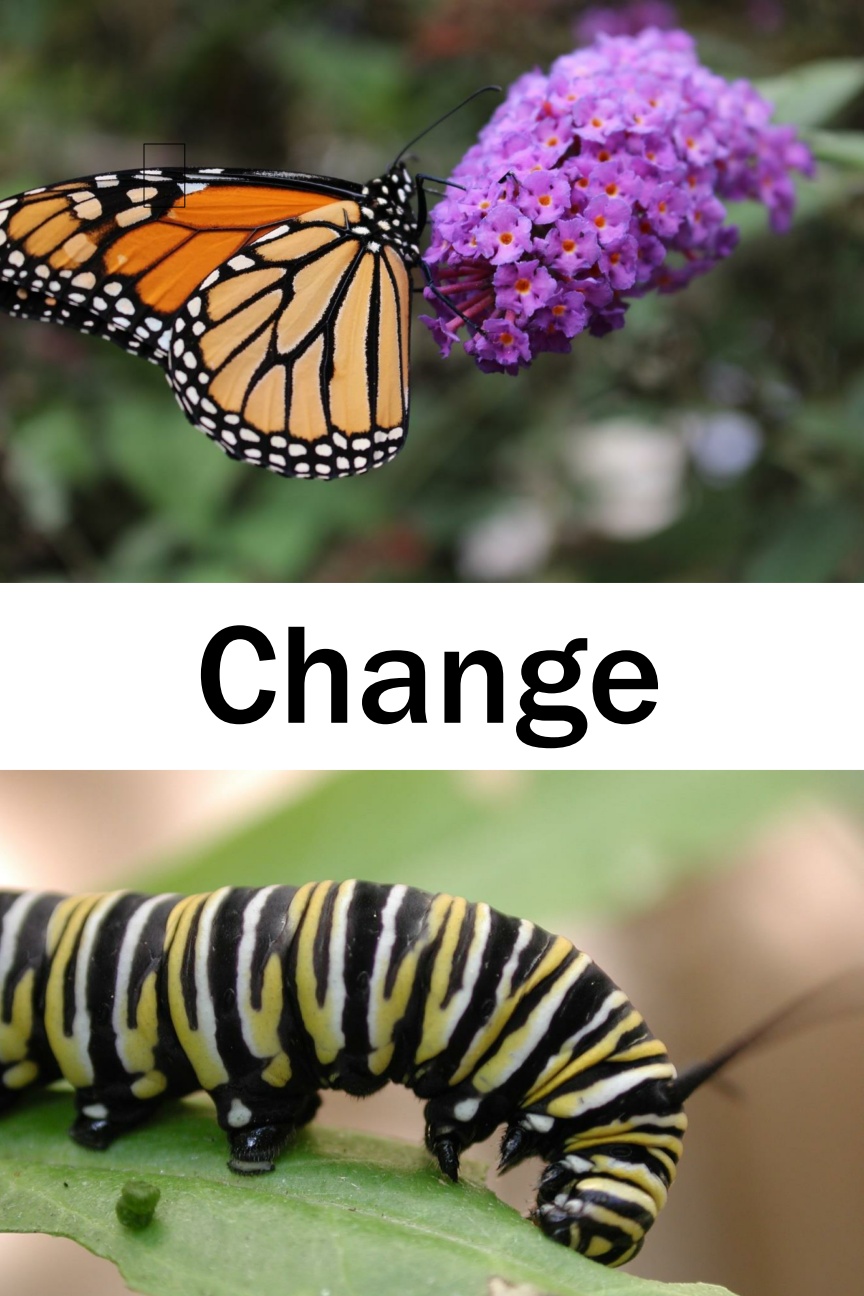
Life is choked with transitions.

Hallway of transitions
Photo courtesy of Pixabay.com

Life is choked with transitions.

By David Joel Miller, MS, Licensed Therapist, Counselor, and Certified Life Coach.

Over the last few years, my practice as a therapist and counselor has shifted. Some of that is because of COVID and learning to work remotely online, doing telehealth. I’ve found that my practice has shifted from working mainly with young people starting out in life to serving an ever-increasing number of older people.

I hesitate to call these people elderly since most of them are younger than me, but I’m sure that I am the exception that proves the rule. I feel fortunate that, despite being 77 years old, I can still work and be productive.

Two things stand out in my online practice, which are different from what I saw when I worked for the county or in an office in private practice. I am seeing far fewer children or couples, and many more single adults and older adults. While the specific mental health diagnoses vary a great deal, what I see most often is people struggling with life’s transitions.

When the challenges life throws at you are overwhelming, you’re very likely to develop high anxiety, severe depression, a substance use disorder, or some kind of dysfunctional behavior.

For better or worse, I have personally gone through a pretty large number of life transitions. I tell my clients that I have learned a lot more about life’s problems, particularly aging, than I ever wanted to know. I’ve spent a lot of time studying the challenge of transitioning from one thing to another, both by reading the research and by living the experience.

I mentioned these things not because I want anyone to feel sorry for me, but because I’ve developed a special sensitivity to the role that transitions play in all our lives.

There are certainly developmental transitions, and some people experience difficulty navigating those. Progressing through school involves its share of developmental challenges. Graduating, whether it’s from high school or college, and then entering the workforce can be a major transition for many people. In my role as a clinical counselor, I have studied career counseling and the challenges of finding the right job. That task deserves an entire series of posts.

Getting into and out of relationships involves a great many painful as well as joyous transitions. I believe that the increasing lifespan has led to more people ending one relationship and starting another than at any other time in human history. I intend to talk about the changing nature of human relationships in an upcoming post.

At some point, most of us will go through conflicts with our spouses, and some people will experience breakups or divorces. If you live long enough, you may experience the death of a spouse. An increasing number of family members are struggling with a loved one who is in Hospice and dying, or living in a long-term care facility. There’s also the transition of the person who loses individual functioning. Dementia has become more common and causes a great deal of suffering both for the person with dementia and for those who encounter the dementia sufferer.

For something to be considered a mental illness, it has to affect a person in four basic areas. If your problem interferes with social functioning, your ability to have relationships with family and friends, including your romantic partner, then it’s a reason for your problems to be considered a mental illness. Any problem which is severe enough to interfere with occupational functioning is also diagnosable. By occupation, we don’t just mean paid employment. We also would include school or the duties of parenting if that were a full-time activity.

The third criterion for diagnosing someone with a mental illness is that it causes them subjective distress. If something is so upsetting to you that you just can’t stand it, and the pain of this event or condition is unbearable, then we call that a mental illness. And lastly but not least, if what you’re dealing with interferes with your ability to function in some other area that is important to you, even if it is a hobby or a recreational activity, it may qualify as a mental health diagnosis.

From that brief description of reasons why something might be diagnosed, I think we can all see that transitions or changes in any one of those areas can be overwhelming.

Eventually, I will probably get around to discussing most, if not all, of these issues. But being very action-oriented, I thought I’d start with a brief description of what I understand to be the main ways in which people cope with and sometimes overcome the challenges of life’s transitions.

The next stop in our journey of understanding the nature of life transitions and how to overcome them will be a brief review of the two major theories about how to navigate life transitions.

Does David Joel Miller see clients for counseling and coaching?

Yes, I do. I can see private pay clients if they live in California, where I am licensed. If you’re interested in information about that, please email me or use the contact me form.

Recently, I began working with a telehealth company called Grow Therapy. If you’d like to make an appointment to work with me, contact them, and they can do the required paperwork and show you my available appointments. The link for making an appointment to talk with me is: David Joel Miller, LMFT, LPCC 

Life coaching clients must be working toward a specific problem-solving goal. Coaching is not appropriate if you have a diagnosable mental health problem. Also, life coaching is not covered by insurance. If you think life coaching for creativity or other life goals might be right for you, contact me directly.

Staying in touch with David Joel Miller.

Want the latest blog posts as they are published? Subscribe to this blog.

For more information about my writing journey, my books, and other creative activities, please subscribe to my blog at davidjoelmillerwriter.com

Seven David Joel Miller Books are available on Amazon now! And more are on the way.

For more about my books, please visit my Amazon Author Page – David Joel Miller

For information about my work in mental health, substance abuse, and having a happy life, please check out https://counselorssoapbox.com

For videos, see: Counselorssoapbox YouTube Video Channel

Wrapping up 2025 and my life

Changing your life

Time for a life change?
Photo courtesy of Pixabay.com

Wrapping up 2025 and my life.

By David Joel Miller, MS, Licensed Therapist, Counselor, and Certified Life Coach.

There is less than a week to go in 2025, and I’m already thinking about all those things I wanted to do this year that didn’t get done. I’m also very mindful of all the things I hadn’t planned on that I did, or that happened to me.

Since I was born before 1950, I’m painfully aware that the century of my birthday disappeared long before I was ready to leave it and that my time on earth may well be running out. That started me thinking about the meaning of life and all the things that I have learned while making this journey.

Please don’t get me wrong, I’m in no rush to exit this earth. I have told my romantic partner that I have definite plans for my 100th birthday and that she is an essential part of those plans.

There are two contrary forces setting the course of our lives as we age. We have that process of constantly learning new things and having new experiences. At the same time, aging results in some very necessary losses.

Having passed my 75th birthday and rapidly approaching my 80th, I am acutely aware that some things will become more difficult and some things may well become impossible. I’m not especially resigned to that process.

I have told my clients over the last year, and those few friends who will listen, that I have been learning far more about the process of getting old than I ever wanted to know. Entering is just the most recent change in a long string of life changes I’ve experienced. Because people are living longer and the percentage of older people in the population has been growing, there’s more notice being paid to these issues. Still, the principles involved in undergoing change are remarkably similar regardless of what change you are experiencing.

Within that process of aging, each person undergoes certain transitions. Of course, the process of undergoing transitions is not limited to the old or the almost old. The events that happened during COVID. Since roughly 2020, the process of transitional change has accelerated.

In my work as a therapist and counselor, many of my clients are undergoing life transitions. I wanted to get a head start on the blog posts for the year 2026 with this introductory post. During the coming year, as time permits and as my own life transitions allow, I want to talk some more about transitions, navigating those transitions, and, as always, how to have the best life possible.

Life essentially is one transition after another. Each person undergoes transitions as they move from one age group to another. Some people move from house to house or even from family to family. It’s common to move from school to school. And in this process, we undergo a series of new relationships.

Life will also bring economic transitions. There are major life milestones like graduation from school, job and career changes, and achieving certain privileges, such as a driver’s license. Somewhere in the later years, a time we rarely want to think about until it’s forced upon us, sooner or later, most of us will lose abilities and those privileges we worked so hard to achieve.

I thought I would recap for you what I’ve learned about navigating life’s transitions, from my own experiences, the experiences of my clients, and the books and research I have read. Forgive me if this doesn’t progress smoothly and if I take some detours into areas of knowledge I think might be useful to others undergoing one of life’s transitions. Along the way, I would like to share some of the lessons I’ve learned, in the hope that they might be helpful to someone else who is moving along life’s journey.

If any of these topics are relevant to you or to someone in your life, I hope you’ll read these blog posts and share your comments.

Best wishes to everyone in the year 2026 and beyond.

Does David Joel Miller see clients for counseling and coaching?

Yes, I do. I can see private pay clients if they live in California, where I am licensed. If you’re interested in information about that, please email me or use the contact me form.

Recently, I began working with a telehealth company called Grow Therapy. If you’d like to make an appointment to work with me, contact them, and they can do the required paperwork and show you my available appointments. The link for making an appointment to talk with me is: David Joel Miller, LMFT, LPCC. 

Life coaching clients must be working toward a specific problem-solving goal. Coaching is not appropriate if you have a diagnosable mental health problem. Also, life coaching is not covered by insurance. If you think life coaching for creativity or other life goals might be right for you, contact me directly.

Staying in touch with David Joel Miller.

Want the latest blog posts as they are published? Subscribe to this blog.

For more information about my writing journey, my books, and other creative activities, please subscribe to my blog at davidjoelmillerwriter.com

Seven David Joel Miller Books are available on Amazon now! And more are on the way.

For more about my books, please visit my Amazon Author Page – David Joel Miller.

For information about my work in mental health, substance abuse, and having a happy life, please check out https://counselorssoapbox.com

For videos, see: Counselorssoapbox YouTube Video Channel.

Affairs, Pornography Addiction, Sexual and Internet Addiction Posts

By David Joel Miller, MS, Licensed Therapist & Licensed Counselor.

The effects of affairs, pornography and sexual addiction on couples.

Couple not talking

Couple’s problems.
Photo courtesy of Pixabay.com

Here are some of the recent posts on the effects of affairs, pornography and sexual addiction on couples. Topics covered include making the decision to stay or go, how to repair the relationship, and when and how professionals can help in mending relationships touched by these problems.

The internet is making it harder to define all the things that may be damaging relationships. Cybersex and virtual affairs are becoming destructive of relationships in the same way as real-life meeting-up affairs.

Despite the suffering, these problems cause most are not yet recognized as specific diagnosable illnesses. Most are very close to being a behavioral addiction but to date, only one behavioral addiction (gambling) is recognized as a specific mental illness.

Here are the posts so far – more to come

5 Misconceptions about the causes of affairs

Does an affair mean you should divorce?

Are internet affairs real affairs?

Internet affairs

Internet affairs? Internet addiction?

10 Rules for recovery after an affair

5 ways the Internet may destroy your relationship

Grieving bad relationships? Why men fear marriage counseling

Length of time together in failed relationships or marriages

Is he internet-addicted 

(Some of these posts are scheduled to appear in the future so if the link does not work please check the list of recent posts or let me know and I will fix the links as the posts publish.)

Feel free to leave comments on these posts or send me a note via the “contact me” feature. I can’t do relationships counseling here via blog or the internet. That is not what this blog was designed for, but I will try to answer questions as I can and where possible tell you about other resources. If you know of resources out there that might be helpful then please let the rest of us know.

Staying connected with David Joel Miller

Seven David Joel Miller Books are available now!

My newest book is now available. It was my opportunity to try on a new genre. I’ve been working on this book for several years, but now seem like the right time to publish it.

Story Bureau.

Story Bureau is a thrilling Dystopian Post-Apocalyptic adventure in the Surviving the Apocalypse series.

Baldwin struggles to survive life in a post-apocalyptic world where the government controls everything.

As society collapses and his family gets plunged into poverty, Baldwin takes a job in the capital city, working for a government agency called the Story Bureau. He discovers the Story Bureau is not a benign news outlet but a sinister government plot to manipulate society.

Bumps on the Road of Life. Whether you struggle with anxiety, depression, low motivation, or addiction, you can recover. Bumps on the Road of Life is the story of how people get off track and how to get your life out of the ditch.

Dark Family Secrets: Doris wants to get her life back, but small-town prejudice could shatter her dreams.

Casino Robbery Arthur Mitchell escapes the trauma of watching his girlfriend die. But the killers know he’s a witness and want him dead.

Planned Accidents  The second Arthur Mitchell and Plutus mystery.

Letters from the Dead: The third in the Arthur Mitchell mystery series.

What would you do if you found a letter to a detective describing a crime and you knew the writer and detective were dead, and you could be next?

Sasquatch. Three things about us, you should know. One, we have seen the past. Two, we’re trapped there. Three, I don’t know if we’ll ever get back to our own time.

For these and my upcoming books; please visit my Author Page – David Joel Miller

Want the latest blog posts as they publish? Subscribe to this blog.

For videos, see: Counselorssoapbox YouTube Video Channel

Does an affair mean you should divorce?

By David Joel Miller, MS, Licensed Therapist & Licensed Counselor.

Divorce.
Photo courtesy of Pixabay.com

7 things you need to know if you stay together after an affair.

One partner has had an affair, should you divorce? Should you stay and try to work it out?

Here are some of the things that you need to think about, talk about, and work through in counseling before you decide whether to stay together or separate.

1. Do you and your partner share any common values, goals, and interests?

What do you have in common other than having been sexual partners?

Having common values and goals for your life is a great predictor of long-term compatibility. In the first intoxicating insanity of love, we often do not ask questions about the values that underlie our potential partner’s desires and dreams.

No matter how hard you try to support your partner’s dreams and goals if you have different values the results are uncertain.

Any couple should expect to have tough times. Affairs are one of the toughest. So are deaths in the family, particularly the death of a child. Addictions are another severe crisis.

When a couple is thinking about the decision to stay together or part ways, now is the time to have those discussions about your values. That discussion can bring you closer together or help you make the decision that this relationship is not salvageable.

2. How will you feel about yourself if you stay?

What does it mean to you if you go?

The first few weeks after the discovery of an affair you may be asking yourself all sorts of questions about you. How did you make this mistake, is it your fault that the partner cheated.

This is a time to get in touch with yourself. Some people can never forgive or forget. This is an especially difficult problem for those who have been the victim of abuse or neglect in the past. If you already had “trust issues” this crisis may be beyond your ability to accept.

Think this through carefully. If you can feel good about yourself for the decision to stay, then give this a chance. If you feel you can never forgive yourself for letting them get away with this then your own mental health may demand that you leave.

3. How will you feel about being alone?

Are you likely to get into another relationship to fill that void? If you do start a new relationship they will have a sexual and relational past.

Being alone can be a scary situation. If you are fearful about that think carefully about your ability to stay single for any length of time after you end up separating.

Each partner you pick will come with a past. People fresh out of a relationship, those who are afraid to be alone, are at extra risk to start a relationship with a person who has their own set of problems and their own emotional baggage.

If you have a lot of time invested in a relationship, be careful that you do not leave one partner because they had an affair only to enter a new relationship with someone who is single because of their affair.

There are reasons why people are single. Think about what attracted you to this certain partner. Will those same things be attractive in a new partner? What are the chances that you will pick a new partner that may cheat or have an undesirable sexual past?

4. Did you contribute to this in any way?

Will you change or will you pick a new partner and go through this again next time? If you had a role in these problems, say you did not have those discussions about problems with your partner before they started the affair you will probably contribute to the same sort of problems with the next partner.

It takes two healthy people to have a healthy relationship. If you are healthy and both you and your partner are willing to work on mending this breach, you have a good chance of ending up with a great relationship. If only you will stay and do the work.

5. Is he or she reliable in other ways or is this part of their pattern of being unreliable.

If this is the only significant problem in your relationship then it may well be mendable. If this partner has a history of not coming through when you need them, they are not likely to change just because you know about the affair.

6. Besides being lovers, were you two really life partners?

If you have things in common, you like the same things, have the same hobbies, and want the same things out of life, consider staying together and mending the problems in the partnership.

If the only thing you had in common was the sexual part or if the emotional closeness you had is gone and neither of you is willing to do the work to get it back, then the chances are good that you will never be life partners.

Two people living separate lives under the same roof is not much to settle for.

7 What other serious problems does your partner have?

If your partner has other serious problems, addiction, alcoholism, or gambling, an affair could be the smallest part of the problems you will have to face. Criminal lifestyles can sweep you up. So can most any other addiction.

All of these are things to consider before making your decision to stay or go. It can help to talk this through with a Marriage Counselor or trusted advisor.

Staying connected with David Joel Miller

Seven David Joel Miller Books are available now!

My newest book is now available. It was my opportunity to try on a new genre. I’ve been working on this book for several years, but now seem like the right time to publish it.

Story Bureau.

Story Bureau is a thrilling Dystopian Post-Apocalyptic adventure in the Surviving the Apocalypse series.

Baldwin struggles to survive life in a post-apocalyptic world where the government controls everything.

As society collapses and his family gets plunged into poverty, Baldwin takes a job in the capital city, working for a government agency called the Story Bureau. He discovers the Story Bureau is not a benign news outlet but a sinister government plot to manipulate society.

Bumps on the Road of Life. Whether you struggle with anxiety, depression, low motivation, or addiction, you can recover. Bumps on the Road of Life is the story of how people get off track and how to get your life out of the ditch.

Dark Family Secrets: Doris wants to get her life back, but small-town prejudice could shatter her dreams.

Casino Robbery Arthur Mitchell escapes the trauma of watching his girlfriend die. But the killers know he’s a witness and want him dead.

Planned Accidents  The second Arthur Mitchell and Plutus mystery.

Letters from the Dead: The third in the Arthur Mitchell mystery series.

What would you do if you found a letter to a detective describing a crime and you knew the writer and detective were dead, and you could be next?

Sasquatch. Three things about us, you should know. One, we have seen the past. Two, we’re trapped there. Three, I don’t know if we’ll ever get back to our own time.

For these and my upcoming books; please visit my Author Page – David Joel Miller

Want the latest blog posts as they publish? Subscribe to this blog.

For videos, see: Counselorssoapbox YouTube Video Channel

Should your therapist tell you what to do?

By David Joel Miller, MS, Licensed Therapist & Licensed Counselor.

Therapist

Therapist.
Photo courtesy of Pixabay.com

Do therapists and counselors tell people what to do?

Most counselors and therapists will tell you that they do not, under any circumstances, tell clients what to do. Frankly, I think many of my colleagues are fooling themselves more than they are fooling their clients when they say that they do not tell clients what to do.

There are good reasons to tell someone to do things and there are also good reasons to not tell people what to do. This is especially true in something as close and confidential as the counseling relationship.

Clients have told me that they get very upset with their therapists either because the therapist keeps telling them to do something that is inconsistent with their goals and beliefs or because they ask the therapist what they should do and did not get an answer.

There are three questions to examine here. Why do therapists avoid telling clients what to do? Why after saying they would never do this do they then go ahead and try to influence the client’s behavior in more subtle ways, and lastly why counselors can and should tell clients what to do.

Two reasons why the therapist should avoid telling the client what to do.

The goal of counseling is to help clients learn to solve their own problems. Telling clients what to do “fosters dependence” meaning if we make the decisions for you then you do not learn to make them for yourself.

Rather than telling you what to do the counselor should be helping you learn about yourself, what are your values and goals, and then learn how to make the choices that are right for you, not the ones that are good for the therapist.

Second, it is your life, not ours. I do not want to tell someone to get married or divorced and then have to take the blame for things that turn out badly. We are not fortune tellers and do not know what the future holds. You need to pick the outcome that is best for you. While we may have opinions, they are our opinions.

How therapists try to tell you what to do anyway.

Therapists and counselors have opinions, often strong opinions about things. We see certain things as bad for you and other things as good. Not all professionals agree on which is which.

Some marriage therapists refer to themselves as “Gorilla divorce busters.” They believe that all marriages should be saved. So if you go to them for help, no matter how badly you feel in this relationship expect this professional to try to talk you into working on the relationship and out of getting a divorce.

Some therapists take a pro one gender stance. Lots of times this is a pro-feminist stance. They seem to always align with the woman. The message is the man is the problem, get rid of that guy and things will be better.

Personally, over time my position on these gender issues has changed. Most of the time it is neither person’s fault, and if they get divorced they will each be back with a new partner. Pick a partner and you pick a set of problems. So I encourage them to learn the skills they need for a good relationship and practice this with their current partner first.

I also recognize that sometimes even if both people change, the damage they did to each other may mean that they just can’t be together.

Personally, I have worked with so many people who have a substance use disorder that I tend to think most people need to give the drugs or alcohol up. If the couple has most of their fights while drinking I tend to think we need to talk about Alcohol abuse. If the client says they do not want to quit, I go with that. But next week when they get drunk and hit each other again I may ask about that drinking thing again.

I can think of a bunch of other issues that turn up in counseling that might prompt a counselor who has strong opinions to try to influence their client even after that professional says they never tell their clients what to do. Abortion, Homosexuality, and other sexual behaviors all may evoke that behavior in the therapist.

When should a counselor tell a client what to do?

I think, and I may well be in the minority on this, that there are times the counselor may need to tell the client what to do. I usually do this more in the way of providing information or making suggestions, but the point is clear that I think this is what the client should do.

When might a counselor do that? Mostly when I have some information that the client needs and the client does not have that information, some of this borders on social work. I do not do that but I do clinical counseling and there are similarities.

If the client does not have a job, I might do some testing, talk about their job history, and which was their favorite job, and then I might suggest some careers that would be good for the client. I might also suggest some websites to visit and some ways to revise their resume.

If the client is homeless I might suggest some places to go for housing. I might also revisit the drinking problems and suggest that if they stay sober their housing opportunities increase.

When doing Cognitive Behavioral therapy I may give homework. We sometimes call this “conducting behavioral experiments.” I ask the client to do something and then in the next session we talk about how that went. If they did not do the experiment we talk about what got in the way of doing this exercise.

Most of this “advice-giving” is done when the client is trying to adjust to a change in their life and they just do not know where to go or what to do. This “telling” also works best when it is done in the form of suggestions and the client is free to do or not do these things. Either way, I am willing to keep seeing the client and together we work on finding the solution to their problems that work best for them.

Staying connected with David Joel Miller

Seven David Joel Miller Books are available now!

My newest book is now available. It was my opportunity to try on a new genre. I’ve been working on this book for several years, but now seem like the right time to publish it.

Story Bureau.

Story Bureau is a thrilling Dystopian Post-Apocalyptic adventure in the Surviving the Apocalypse series.

Baldwin struggles to survive life in a post-apocalyptic world where the government controls everything.

As society collapses and his family gets plunged into poverty, Baldwin takes a job in the capital city, working for a government agency called the Story Bureau. He discovers the Story Bureau is not a benign news outlet but a sinister government plot to manipulate society.

Bumps on the Road of Life. Whether you struggle with anxiety, depression, low motivation, or addiction, you can recover. Bumps on the Road of Life is the story of how people get off track and how to get your life out of the ditch.

Dark Family Secrets: Doris wants to get her life back, but small-town prejudice could shatter her dreams.

Casino Robbery Arthur Mitchell escapes the trauma of watching his girlfriend die. But the killers know he’s a witness and want him dead.

Planned Accidents  The second Arthur Mitchell and Plutus mystery.

Letters from the Dead: The third in the Arthur Mitchell mystery series.

What would you do if you found a letter to a detective describing a crime and you knew the writer and detective were dead, and you could be next?

Sasquatch. Three things about us, you should know. One, we have seen the past. Two, we’re trapped there. Three, I don’t know if we’ll ever get back to our own time.

For these and my upcoming books; please visit my Author Page – David Joel Miller

Want the latest blog posts as they publish? Subscribe to this blog.

For videos, see: Counselorssoapbox YouTube Video Channel