
What is Reactive Depression?

By David Joel Miller, MS, Licensed Therapist & Licensed Counselor.

Depressed person

Depression.
Photo courtesy of Pixabay.com

Do you have Reactive Depression?

Reactive depression is one of those terms, like Manic-Depressive Disorder, that still gets used even though we have come up with new, presumably more precise names. The underlying assumption, which is often hiding here, is that if we could find ways to categorize the various mental, emotional and behavioral problems, we should be able to find precise treatments, medication, or therapy for your specific ailment. If only it was that simple.

The Reactive Depression terms meaning has changed over time. Most recently it was in use to describe times when a person became depressed as a result of a specific stressor. Say you lose your job, that loss might make you sad. A small amount of sadness for a while is normal. Staying a lot sad for a long time is excessive and so you are sort of depressed. In this view reactive depression is depression caused by your specific reaction to an identifiable event. That event might be a one-time thing or it might be repeated exposure to the same sorts of events. Some people have called this Situational Depression.

This is not the same thing as Posttraumatic Stress Disorder (PTSD.) A person with PTSD may or may not have depression but Depression is not part of the definition of PTSD. People with PTSD can’t get the thoughts of the event out of their heads. It is as if they are continually re-experiencing the trauma. Anything that reminds them of the trauma is upsetting and they will try to avoid things that trigger those reminders. PTSD usually disturbs sleep. Other symptoms include disturbing dreams, nightmares, trouble falling asleep and more trouble staying asleep. PTSD is an ANXIETY disorder as opposed to an Anxiety disorder. It also includes a lot of stress and trauma-related features.

There is another idea, similar to reactive depression, currently called Minor Depressive Disorder which is currently listed as a disorder listed for further study. While Reactive Depression is in response to something that happened to you, Minor Depressive Disorder is a sad or depressed period with some symptoms but it is just not as deep or severe a depression as a Major Depressive Disorder. So far neither of these ideas is an accepted diagnosis under the current text, the DSM-4-TR. Some of these ideas will change when the DSM-5 comes out but that is very controversial at this time.

There is another name and criteria set that we are currently using to cover both of these issues. We call this disorder or group of six disorders – Adjustment Disorders. There are good reasons why people might suffer from adjustment disorders and need treatment but still not have all the symptoms of Major Depressive Disorder or Bipolar Disorder.

In my experience, Adjustment Disorders result in more people in crisis than most of the other disorders. By definition, Adjustment Disorders should be time-limited. If it goes on too long after the event or if the symptoms continue to be severe or worsen, then the diagnosis will get increased to Major Depressive Disorder.

That does not mean that a Reactive Depression or Adjustment Disorder is not dangerous. People, who find out their partner is leaving them or has cheated or those who lose a job or house they love, can and sometimes do get violent towards themselves and others.

So let’s return to the person who just lost their job, or spouse or has a sick family member. Might that make them sad? Might they be scared and anxious? Hey, what if they got both depressed and anxious?

This is why we have diagnoses of Adjustment Disorder with Depressed Mood, with Anxiety, and with Anxiety and Depressed Mood. What else might happen?

Could a person who lost their spouse start drinking and get arrested?  Maybe a teen that fails a class or gets in trouble might run away from home or get mad and break windows? So one reaction to a problem, one adjustment difficulty, could be to behave in ways that make society disapprove of you. We would call that Adjustment Disorder with Disturbance of Conduct.

Think about this for a moment. That teen, might he be depressed, anxious, and act badly? What about his unemployed father who gets scared he won’t find another job, starts drinking, and gets into a fight. We call these sets of behavior Adjustment Disorder with Disturbance of Emotions and Conduct. Lots of names for the ways in which adjusting to a problem could affect someone.

If you have been counting that is only five diagnoses and I promised you six.

We always need a loophole. We call that Adjustment Disorder Unspecified when we can’t figure out which other one it is.

Regardless of the name the preferred treatment for these issues in counseling. Cognitive Behavioral Therapy or solution-focused counseling is recommended. The main direction of this kind of therapy is on problem-solving and changing the ways in which you think about your problems.

So whether you call it Reactive Depression, Minor Depression, or an Adjustment Disorder, the way we react to life’s stresses can result in crises that require and often bring people to counseling.

Staying connected with David Joel Miller

Seven David Joel Miller Books are available now!

My newest book is now available. It was my opportunity to try on a new genre. I’ve been working on this book for several years, but now seem like the right time to publish it.

Story Bureau.

Story Bureau is a thrilling Dystopian Post-Apocalyptic adventure in the Surviving the Apocalypse series.

Baldwin struggles to survive life in a post-apocalyptic world where the government controls everything.

As society collapses and his family gets plunged into poverty, Baldwin takes a job in the capital city, working for a government agency called the Story Bureau. He discovers the Story Bureau is not a benign news outlet but a sinister government plot to manipulate society.

Bumps on the Road of Life. Whether you struggle with anxiety, depression, low motivation, or addiction, you can recover. Bumps on the Road of Life is the story of how people get off track and how to get your life out of the ditch.

Dark Family Secrets: Doris wants to get her life back, but small-town prejudice could shatter her dreams.

Casino Robbery Arthur Mitchell escapes the trauma of watching his girlfriend die. But the killers know he’s a witness and want him dead.

Planned Accidents  The second Arthur Mitchell and Plutus mystery.

Letters from the Dead: The third in the Arthur Mitchell mystery series.

What would you do if you found a letter to a detective describing a crime and you knew the writer and detective were dead, and you could be next?

Sasquatch. Three things about us, you should know. One, we have seen the past. Two, we’re trapped there. Three, I don’t know if we’ll ever get back to our own time.

For these and my upcoming books; please visit my Author Page – David Joel Miller

Want the latest blog posts as they publish? Subscribe to this blog.

For videos, see: Counselorssoapbox YouTube Video Channel

Where do you belong?

By David Joel Miller, MS, Licensed Therapist & Licensed Counselor.

Family of teddy bears.

Belonging.
Photo courtesy of Pixabay.com

“I don’t belong here.”

Lots of people say they don’t belong here. Have you ever felt that way? Sometimes people who say and think that, mean here, now, in the present situation or place. Sometimes they mean on this earth.

When you don’t feel like you belong it is hard to be motivated, to have a purpose. Some people despair of ever finding a place where they can belong.

We talk about our “belongings,” the things we own. But feeling like someone’s possession, that can’t make us feel like we belong. Feeling that you are where you should be is not about things.

For some people belonging is about being tucked safely and securely in a close affectionate group. It might also mean feeling like we are the same as those around us. For other people belonging is being surrounded by people who accept us for who we are and encourage us to be ourselves even if that self is different from the self they have.

Some kids who have moved a lot tell me they feel this lack of belonging. People from families that never accepted them for whom and what they are; say they don’t feel like they belong also. If your family does not affirm you or if you have no friends it is not likely you can feel that you belong there. But where do you belong?

When you are always moving, starting over with new friends, new routines, it is hard to feel like you fit in. Some people find that right place, that time they fit in, early in life. Some of us spend our lifetimes looking for that place.

It is not just kids; adults say the same thing. They have spent their lives looking for that one place they fit in, that belief, cause, or activity that makes them feel that this is their one special place, the place they belong, the place they ought to be.

Sometimes it is a relationship where we belong, which gives out lives meaning. But relationships can end and then we ask if we still belong.

Elizabeth Lesser in her book Broken Open says it this way. “The first time I assisted at a birth, I had that feeling that I belonged exactly where I was, that there was nowhere else I would rather be.”

Some of us grow up not knowing where we ought to be. We may travel the world only to return to the place where we started and find there the place we always belonged, the place we needed to be.

Others of us travel and somewhere in those moves we find a place where we finally can say this is where I belong.

People will tell us that they find that belonging feeling in a spiritual place, a church, temple, mosque, or a clearing in the woods. We might find the place we belong in a cause or political movement. Why it is that one person feels at home in one place and another in a quite different setting I cannot say.

Recovering people have told me that the first time they ever felt at home, like they belonged there, was in a twelve-step meeting, among other people who understood their struggles and who welcomed them home.

Many among us will work their whole lives at a job so that they can finally retire and go on their quest for the place they belong, the thing that gives their life meaning. Others find that calling early in life and belong doing what they do their whole life. Sadly some people never do find that place where they belong.

Have you found that place where your life has meaning and purpose, a place where people accept you, that one place where you belong?

Staying connected with David Joel Miller

Seven David Joel Miller Books are available now!

My newest book is now available. It was my opportunity to try on a new genre. I’ve been working on this book for several years, but now seem like the right time to publish it.

Story Bureau.

Story Bureau is a thrilling Dystopian Post-Apocalyptic adventure in the Surviving the Apocalypse series.

Baldwin struggles to survive life in a post-apocalyptic world where the government controls everything.

As society collapses and his family gets plunged into poverty, Baldwin takes a job in the capital city, working for a government agency called the Story Bureau. He discovers the Story Bureau is not a benign news outlet but a sinister government plot to manipulate society.

Bumps on the Road of Life. Whether you struggle with anxiety, depression, low motivation, or addiction, you can recover. Bumps on the Road of Life is the story of how people get off track and how to get your life out of the ditch.

Dark Family Secrets: Doris wants to get her life back, but small-town prejudice could shatter her dreams.

Casino Robbery Arthur Mitchell escapes the trauma of watching his girlfriend die. But the killers know he’s a witness and want him dead.

Planned Accidents  The second Arthur Mitchell and Plutus mystery.

Letters from the Dead: The third in the Arthur Mitchell mystery series.

What would you do if you found a letter to a detective describing a crime and you knew the writer and detective were dead, and you could be next?

Sasquatch. Three things about us, you should know. One, we have seen the past. Two, we’re trapped there. Three, I don’t know if we’ll ever get back to our own time.

For these and my upcoming books; please visit my Author Page – David Joel Miller

Want the latest blog posts as they publish? Subscribe to this blog.

For videos, see: Counselorssoapbox YouTube Video Channel
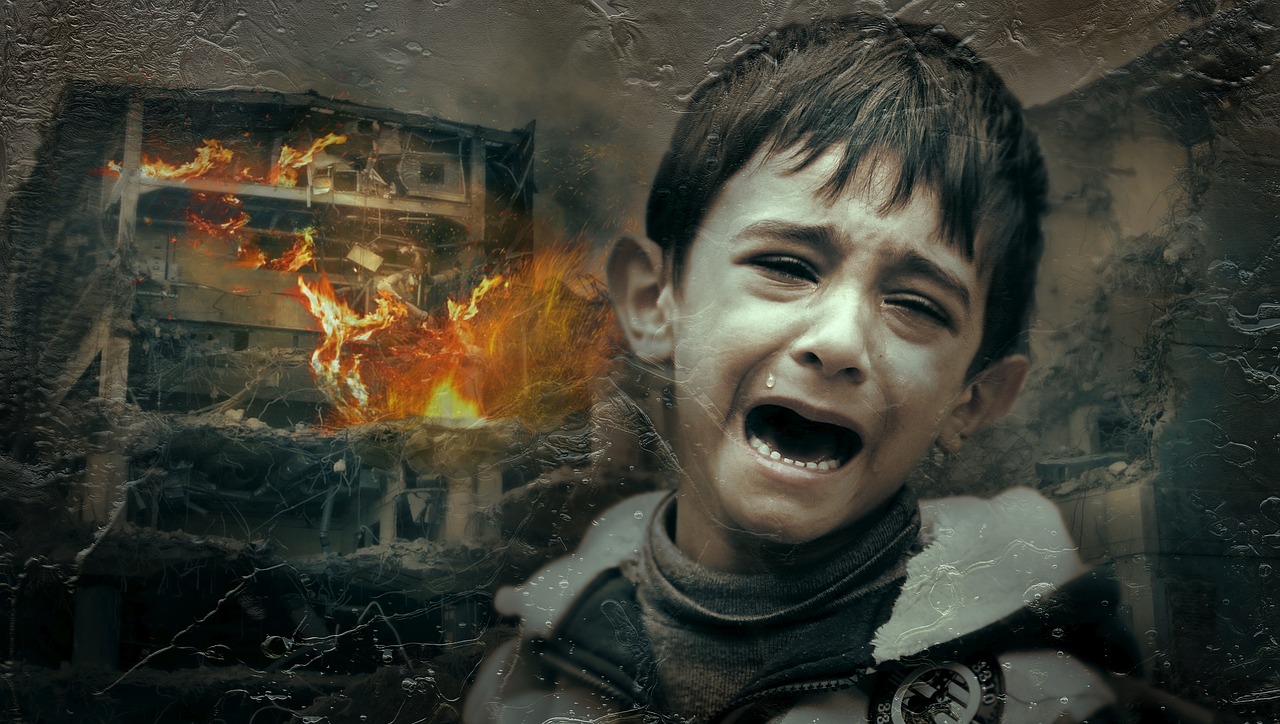
Why can’t we forget the painful past?

By David Joel Miller, MS, Licensed Therapist & Licensed Counselor.

Why can’t we forget the painful past?
Photo courtesy of pixabay

Are there some things you just can’t get over?

Why is it so hard to forget the pain of the past and so hard to remember times when things go well? Your brain is hard at work here, reminding you of your mistakes, not letting you get over the past. Why can’t we forget?

It is as if the brain stores memories in two different ways. Pleasant experiences, our successes in life get filed in boxes somewhere in the back of the brain. They take work to find. Not so with the pain.

Pain is grooved into the brain, great deep gashes in our consciousness. That one argument, that one mistake, and your mind just won’t let you forget. The unhappiness just doesn’t want to let you go.

There are good reasons for the brain to store memories that way. By emphasizing pain, keeping it close to the surface where it can be easily found again, your brain is trying to protect you from making the same mistake again. We should learn from our mistakes. Learn from what happened but not be controlled by the past.

This also means that if you are under the influence of drugs or alcohol you may not remember the pain, your brain was anesthetized.

Say you eat a hot-fudge-sundae. You will probably eat a number of those or some similar treat, in your lifetime. Think back on the times you ate one. Can you remember which one was better? How did the tenth one taste? The eleventh?  Pleasure is stored in the brain in a general way.

Unfortunately, most of us store our successes in the same way. We can’t seem to remember anything positive about our lives. It takes work to find that happy life events file.

What if something bad happens? Say you are driving along the freeway that takes you to work. You have driven this way every day for years. Can’t remember which day was sunny and when was that day you saw the deer up on the hill as you drove by. But one day there is an accident, you see people hurt, maybe killed. Will you forget that day? Not likely.

Painful memories are stored in extra easy to find files. Sometimes they aren’t filed away at all. They lay there open. You see that accident over and over in your mind. Some small details you may never be able to forget even when you try.

Your mind may remind you of that one day and the crash so much the memories intrude on your sleep. Some people will become so fearful that they will no longer take that freeway. They may decide to avoid freeways altogether. They may only use surface streets. Some people give up driving altogether. These extreme reactions to trauma take on a life of their own. If the fear and efforts to avoid things that remind you of the event last a long time this may become Posttraumatic Stress Disorder.

If you were in a war zone, were abused or neglected as a child, this makes sense. Treatment for PTSD is available but it is not a one size fits all treatment. Some people need to talk it out, some people get worse when forced to talk about horrific experiences. This calls for professional help.

But if this constant negative thought is the result of your focusing only on the pain and forgetting the positive then there are many things you can do about it.

In marriages, we believe that the couple needs seven or more positive experiences for every negative one. The brain has trouble remembering the good times. For children we tell parents to “catch your child doing something right” you won’t spoil them and they need that much positive attention from you to offset the times you will need to tell them they did something wrong.

What if your parents didn’t tell you that you had ever done something right? How about those who are their own worst enemies and never give themselves a break? Being over hard on yourself is not likely to make you try harder. Constant criticism can cause people to give up and stop trying, even when the blame comes from within.

Give yourself a pat on the back for anything you do well. Keep a list in a journal of all the things in your life large or small you have done well. Say positive self-affirming things to yourself every day. Post those affirmations in places you will see.

If you can’t remember a time you succeeded, when it is really hard to give yourself credit, ask yourself what would your best friend say? Don’t discount the praise you get. Accept the compliments and praise without discounting it.

While you may never be able to forget the pain of the past completely, focusing on the positive in the present and future will shrink those old memories.

This post was featured in “Best of Blog – May 2012

Staying connected with David Joel Miller

Seven David Joel Miller Books are available now!

My newest book is now available. It was my opportunity to try on a new genre. I’ve been working on this book for several years, but now seem like the right time to publish it.

Story Bureau.

Story Bureau is a thrilling Dystopian Post-Apocalyptic adventure in the Surviving the Apocalypse series.

Baldwin struggles to survive life in a post-apocalyptic world where the government controls everything.

As society collapses and his family gets plunged into poverty, Baldwin takes a job in the capital city, working for a government agency called the Story Bureau. He discovers the Story Bureau is not a benign news outlet but a sinister government plot to manipulate society.

Bumps on the Road of Life. Whether you struggle with anxiety, depression, low motivation, or addiction, you can recover. Bumps on the Road of Life is the story of how people get off track and how to get your life out of the ditch.

Dark Family Secrets: Doris wants to get her life back, but small-town prejudice could shatter her dreams.

Casino Robbery Arthur Mitchell escapes the trauma of watching his girlfriend die. But the killers know he’s a witness and want him dead.

Planned Accidents  The second Arthur Mitchell and Plutus mystery.

Letters from the Dead: The third in the Arthur Mitchell mystery series.

What would you do if you found a letter to a detective describing a crime and you knew the writer and detective were dead, and you could be next?

Sasquatch. Three things about us, you should know. One, we have seen the past. Two, we’re trapped there. Three, I don’t know if we’ll ever get back to our own time.

For these and my upcoming books; please visit my Author Page – David Joel Miller

Want the latest blog posts as they publish? Subscribe to this blog.

For videos, see: Counselorssoapbox YouTube Video Channel

Five Axes Diagnosis Esoterica

By David Joel Miller MS, Licensed Therapist & Licensed Counselor.

Medical record

Diagnosis.
Photo courtesy of Pixabay.com

Five Axes Diagnosis Esoterica.

Update

With the release of the DSM-5 using 5 axes may soon be a thing of the past.

Professionals will be looking for this information or most of it. We just won’t be separating it and reporting it this way. I left this post up for those who would like to see the way things used to be.

So in a previous post, we talked about some of the reasons clinicians might be reluctant to tell you about your diagnosis, how the diagnosis is based on the DSM-4 (soon to be the DSM-5) from the APA and how diagnosis are categories while people are on a continuum so sometimes people do not fit the diagnosis neatly. We left off with the ideas that there are 5 axis and that most people stop after knowing more or less their diagnosis on Axis one.

Axis One.

The DSM has over 400 diagnoses. Not just mental illnesses but all sorts of other problems that might take you in to see a counselor. They include mental illnesses, emotional and behavioral problems. This section covers about 750 pages of the DSM. My list below is VERY oversimplified

The major sections, not in order are things most of us have heard about:

1. Adjustment Disorders – life’s problems grown large.

2. Anxiety.

3. Mood disorders meaning Depression and Bipolar.

4. Psychosis, like Schizophrenia and Schizoaffective.

5. Disorders first seen in childhood – like ADHD, learning disorders, and Autism. (But NOT mental retardation!)

6. Sex, eating, and sleeping.

7. Substance abuse.

8. Dementia, physical stuff caused by emotions.

There is a section in the back where other codes, mostly the “V” codes are listed. “V” codes are largely about relationships like parent-child conflicts and partner conflicts. While counselors work in these areas many insurance plans to not pay to treat these things.

Axis Two.

The things we put on axis two are things that we used to think were untreatable – that is just the way you are stuff. This includes personality disorders and mental retardation, a strange mix. Both issues now have appropriate treatments.

Personality disorders are treated using therapies like DBT. Most women in prison are diagnosed with Borderline Personality Disorder. Sometimes in practice, the boundary between Borderline and Bipolar gets fuzzy.

Most men in prison get a diagnosis of Antisocial Personality Disorder. This is also generally treatable if the client wants to change.

Mental retardation can be treated using behavioral techniques as long as we have realistic expectations. The distinction between mental retardation and developmental delays can get fuzzy. Some people call all of these delays and avoid the politically sensitive issue of saying someone has mental retardation. It is also possible for someone with mental retardation to have an axis one problem like depression.

Axis Three

Did you know that medical conditions can cause symptoms that look like a mental illness? All good therapists like to have clients see a primary care doctor, specialists if needed, to make sure this the problem is not a brain tumor or hormone issue. Things like pregnancy, brain injury and poisoning all get confused with mental illness. In seniors, a lot of this dementia and cognitive decline is the result of the side effects of medications the senior is taking. Please, however, do not start or stop meds without talking with your doctor first. Ideally, your doctor and your therapist should be talking and on the same page if you have any medical conditions that may affect your mental state.

Axis Four – Psychosocial and environmental problems

Stressors for short. Not having friends or a family or having a poor relationship with them can cause lots of emotional problems. We also include people with social and educational problems. Being arrested or a victim of crime might get you an Axis Four diagnosis, as would not having medical care or living in poverty. We don’t always talk with clients about these issues as much as we should but these issues are at the core of client’s problems a lot of the time. Note that no matter how severe your unemployment problems are if you can’t qualify for an Axis One diagnosis like Depression you may have difficulty getting counseling for your employment or other problem.

If stressors are interacting with your mental health you might want to see a professional or clinician counselor who specializes in individual therapy centered on both these areas. In California, we call this specialty Licensed Professional Clinical Counselors (LPCC’s.)

Axis Five.

This is a summary scale. Imagine how hard it is, to sum up, a client’s whole life on a 0-100 scale. Imagine getting a pass-fail grade on your life. Imagine trying to grade someone’s life. Lots of other scales have been suggested for this. Insurance types like it because if your GAF number goes up it shows the therapy is working. This makes them happier about paying. Mostly we use this in making decisions about hospitalization or urgent care.

I don’t ever remember telling a client their GAF because it does not much matter unless there is something that needs doing right now and in that case, I want to talk about what it is we need to do now.

So there we have it in two brief posts a very simplified look at the process of diagnoses.

Staying connected with David Joel Miller

Seven David Joel Miller Books are available now!

My newest book is now available. It was my opportunity to try on a new genre. I’ve been working on this book for several years, but now seem like the right time to publish it.

Story Bureau.

Story Bureau is a thrilling Dystopian Post-Apocalyptic adventure in the Surviving the Apocalypse series.

Baldwin struggles to survive life in a post-apocalyptic world where the government controls everything.

As society collapses and his family gets plunged into poverty, Baldwin takes a job in the capital city, working for a government agency called the Story Bureau. He discovers the Story Bureau is not a benign news outlet but a sinister government plot to manipulate society.

Bumps on the Road of Life. Whether you struggle with anxiety, depression, low motivation, or addiction, you can recover. Bumps on the Road of Life is the story of how people get off track and how to get your life out of the ditch.

Dark Family Secrets: Doris wants to get her life back, but small-town prejudice could shatter her dreams.

Casino Robbery Arthur Mitchell escapes the trauma of watching his girlfriend die. But the killers know he’s a witness and want him dead.

Planned Accidents  The second Arthur Mitchell and Plutus mystery.

Letters from the Dead: The third in the Arthur Mitchell mystery series.

What would you do if you found a letter to a detective describing a crime and you knew the writer and detective were dead, and you could be next?

Sasquatch. Three things about us, you should know. One, we have seen the past. Two, we’re trapped there. Three, I don’t know if we’ll ever get back to our own time.

For these and my upcoming books; please visit my Author Page – David Joel Miller

Want the latest blog posts as they publish? Subscribe to this blog.

For videos, see: Counselorssoapbox YouTube Video Channel

Bury the past – put it in a box.

By David Joel Miller, MS, Licensed Therapist & Licensed Counselor.

Coffin

Bury the past, put it in a coffin.
Photo courtesy of pixabay.

Wish you could get rid of your past?

“Wish I could bury my past, ” the client said. “I would like to put it in a box and bury it.” We talked a while about that client’s pain, the history of trauma. We spoke of things that should have been in childhood and weren’t and of things that had happened, that shouldn’t have. We talked about the burden of carrying around the pain and how hard it was to put the pain down. I thought about the topic after the client left. How might I help them to bury that pain?

We grieve for people when they die. Sometimes we miss them. Sometimes we only grieve for what should have been. We have a ceremony, often with a casket, there is a viewing, a graveside service and then we get a period of time to mourn. Friends and family support us in this process but eventually we start to move on. We remember the departed. We may think that we will see them again, but we shouldn’t stay stuck in the past. Life goes on. Why can’t we do that for the pain and the trauma of the past?

Why is it so hard to let go of the past?

Sometimes we tell substance abusers to write a letter to their drug of choice. Addicts get closer to their drug of choice than their family or their friends.  Friends come and go. Crystal Meth or Sherry wine, she is always there. It is easy to remember the good times. Remember the time we took them to a party? The time they made us think that we were charming or witty? We forget the times they took us to jails and hospitals.

We tell people in substance abuse recovery to write a goodbye letter to their drug of choice. They write a Dear John letter to their addiction. Tell the drug you have to say goodbye. Get that drug out of your life. Some people burn that letter. Others flush it away. We perform a ritual to signify an end, a divorce from the old addiction, and the start of new relationships with yourself and with other humans.

What kind of ritual should we have to get rid of the pain and hurt? How does someone who was abused, molested or neglected, get an end to the hold that emotion holds over them?

There are cultures that have rituals for these sorts of things. Some religions have ceremonies to clean and rebirth. America has fewer rituals, more religions, less faith.

Would we really give up all the pain if that were a choice? Sometimes do we hold onto our suffering like some earned war wound, some badge of moral courage? What if instead of holding on to our suffering there was a simple ceremony we could perform? Would we do it? Would our friends support us in this?

When we get married there are often people to wish us well. When we get divorced there is a judge and a piece of paper. The paper says that thing we had hoped for has been dissolved. It has ceased to exist. Some people hide the change. Friends don’t give us a hug and wish us well on this new chapter in our journey.

How long do we need to hold on to the baggage we have accumulated? At the airport, they lose bags. We look for them for a while, file a claim, and head for our destination. We can replace a shirt or shoes. Why is it so hard to let go of the life baggage of pain and sadness?

Imagine if you will, packing your bag, fill it with the pain, the hurt and the trauma you wish had never happened. Drop that bag off at the airport or the bus station and send it off. How do you feel now? Do you miss your baggage? Do you feel free? Are you glad your pain is behind you?

What if that pain could be buried? Would you hold a funeral for all the things that are still holding you back? Would you be willing to but your past pain and suffering in a box and bury it?

Staying connected with David Joel Miller

Seven David Joel Miller Books are available now!

My newest book is now available. It was my opportunity to try on a new genre. I’ve been working on this book for several years, but now seem like the right time to publish it.

Story Bureau.

Story Bureau is a thrilling Dystopian Post-Apocalyptic adventure in the Surviving the Apocalypse series.

Baldwin struggles to survive life in a post-apocalyptic world where the government controls everything.

As society collapses and his family gets plunged into poverty, Baldwin takes a job in the capital city, working for a government agency called the Story Bureau. He discovers the Story Bureau is not a benign news outlet but a sinister government plot to manipulate society.

Bumps on the Road of Life. Whether you struggle with anxiety, depression, low motivation, or addiction, you can recover. Bumps on the Road of Life is the story of how people get off track and how to get your life out of the ditch.

Dark Family Secrets: Doris wants to get her life back, but small-town prejudice could shatter her dreams.

Casino Robbery Arthur Mitchell escapes the trauma of watching his girlfriend die. But the killers know he’s a witness and want him dead.

Planned Accidents  The second Arthur Mitchell and Plutus mystery.

Letters from the Dead: The third in the Arthur Mitchell mystery series.

What would you do if you found a letter to a detective describing a crime and you knew the writer and detective were dead, and you could be next?

Sasquatch. Three things about us, you should know. One, we have seen the past. Two, we’re trapped there. Three, I don’t know if we’ll ever get back to our own time.

For these and my upcoming books; please visit my Author Page – David Joel Miller

Want the latest blog posts as they publish? Subscribe to this blog.

For videos, see: Counselorssoapbox YouTube Video Channel

Love triangles and threesomes

By David Joel Miller, MS, Licensed Therapist & Licensed Counselor.

Couple’s relationship with alcohol.
Photo courtesy of pixabay

Are you in a love triangle?

Those old love triangles are the stuff novels are made of and I expected to see a lot of them in the work I do as a Marriage and Family Therapist. Threesomes and triangles conjure up different images but the issues that turn up in the counseling session are very similar. One particular variety of this theme is especially common in my counseling practice.

The classic love triangle has love flowing around the outline but not back in the direction it came from. Usually, this is two people in a relationship when one decides they would prefer to be in another relationship. If they are married, or they have children this gets messy. The worst part of these affairs is when one partner wants out and the other wants to save the relationship. Often there are a lot of hurt feelings and when these relationships end there can be violence, depression, or self-harm. This is common but it is not the relationship with three parties I see most often.

The relationship that jumps to mind when we say threesome is more like three people involved in sex or a close love relationship presumably with the knowledge and consent of all the parties involved. I can’t tell you if this is a particularly common occurrence as I don’t do research on sexual practices but when it does lead someone to counseling, it is usually because it did not turn out to be all fun and games. When these relationships fall apart there are likely to be three or more hurt people. But this is far from the most common three-way relationship I see in counseling.

The most common threesome type relationship that drives clients to counseling involves two people, sex or sexual orientation doesn’t matter here.  What does matter is that one of the parties has introduced another love object into the relationship? That love object is far and away most likely to be some form of addiction.

Falling in love with a drug.

Sherry or Jack or Bud is likely to be a constant visitor in many a relationship. Men and woman will forsake their partners to be with Crystal or Crack. And members of both sexes are likely to fall head over heels for lady luck. Addictions of all sorts become a part of a couple’s love relationships on a very frequent basis.

Some partners try to compete with the addictions intrusion in the relationship. Clearly, over time the formerly loving partner becomes alienated by the new-found love interest. Who can compete with the wiles of Ethel-nol? As the struggle for attention increases, all sorts of family dysfunction become the norm.

Many a couple has thought that the way to tame an alluring addiction is to invite them into the relationship. Turn your partner’s new love addiction into a family affair and make it a threesome. This works for a while. Life is a party that seems to never end. An addiction, whether Crystal or lady luck, is a jealous mistress and eventually she takes over and turns the whole family into her servants.

Addiction stays to console the addict long after the family, loved ones; job, and health have abandoned the house. Many an addict has given up their house to stay with their addiction.

By the time the unwary couple calls the counselor seeking treatment both partners, the relationship, jobs, and children will have been destroyed.

When addiction has become a part of the love triangle the only cure is a full divorce from the addiction before all is destroyed. Unfortunately, by the time the addict, alcoholic, or gambler leaves their best friend, their addiction, the damage may have reached the irreversible point.

The moral of our tale is that when addiction is a part of a relationship there is not much left for anyone else. The earlier you seek treatment because you are in love with an addiction the better. If someone you love has fallen head over heels for an addiction insist they end this affair before everyone suffers.

Seek help early if addiction is a participant in your relationship.

Staying connected with David Joel Miller

Seven David Joel Miller Books are available now!

My newest book is now available. It was my opportunity to try on a new genre. I’ve been working on this book for several years, but now seem like the right time to publish it.

Story Bureau.

Story Bureau is a thrilling Dystopian Post-Apocalyptic adventure in the Surviving the Apocalypse series.

Baldwin struggles to survive life in a post-apocalyptic world where the government controls everything.

As society collapses and his family gets plunged into poverty, Baldwin takes a job in the capital city, working for a government agency called the Story Bureau. He discovers the Story Bureau is not a benign news outlet but a sinister government plot to manipulate society.

Bumps on the Road of Life. Whether you struggle with anxiety, depression, low motivation, or addiction, you can recover. Bumps on the Road of Life is the story of how people get off track and how to get your life out of the ditch.

Dark Family Secrets: Doris wants to get her life back, but small-town prejudice could shatter her dreams.

Casino Robbery Arthur Mitchell escapes the trauma of watching his girlfriend die. But the killers know he’s a witness and want him dead.

Planned Accidents  The second Arthur Mitchell and Plutus mystery.

Letters from the Dead: The third in the Arthur Mitchell mystery series.

What would you do if you found a letter to a detective describing a crime and you knew the writer and detective were dead, and you could be next?

Sasquatch. Three things about us, you should know. One, we have seen the past. Two, we’re trapped there. Three, I don’t know if we’ll ever get back to our own time.

For these and my upcoming books; please visit my Author Page – David Joel Miller

Want the latest blog posts as they publish? Subscribe to this blog.

For videos, see: Counselorssoapbox YouTube Video Channel

Are you Hyperthymic?

By David Joel Miller, MS, Licensed Therapist & Licensed Counselor.

Hyperthymia person

Are you Hyperthymic? Photo courtesy of Pixabay.

Recently I read an article in a peer journal about Hyperthymia. Here is an interesting point of view on the question of whether the mentally ill are really different from “normal” people. Maybe people with a diagnosed illness are on a continuum and just have more or less of the characteristics the rest of us take for granted.

I am inclined towards the idea of continuums, not discreet illnesses despite the fact that I need to give people a diagnosis to get insurance to pay for treatment. That says to me, some people’s problems keep them from having jobs, friends, or being happy and they need help. Other people get along fine as they are and don’t need help. For example, 70% of people report having at least once in their life heard a voice calling their name but when they looked there was no one there. Does this say that hearing “voices” is normal or that the other 30% are lying?

Bipolar disorder is especially troublesome. There are degrees of symptoms and as we have talked about in past blogs lots of people get another diagnosis first and then it gets changed later on, often when the antidepressants make it worse, not better. What if parts of Bipolar disorder are just normal personality characteristics? Could there be milder forms of bipolar disorder that are not getting recognized or does that start to pathologize everyone?  Some authors have suggested we need a Bipolar 3 and Bipolar 4 to capture milder forms of the disorder.

Hyperthymic temperament is a description given to people with 7 specific characteristics.  Sometimes the list is longer or shorter. It is currently seen as a personality characteristic which means it is not generally recognized as an illness. Most mental health professions avoid working with and diagnosing personality disorders as these are often seen as just the way a person is and not likely to change or as needing lots of treatment to change. Dialectic Behavioral Therapy is used to treat some personality disorders and long-term psychotherapy is used for treating aspects of personality that might be considered neurotic or psychotic personality features. Most of the time professionals leave this one alone.

People with this personality style do develop problems of living everyday life that result in them coming to counselors for treatment. Maybe it should be a disorder?

Here are the 7 characteristics of Hyperthymic Personality described by Glick. With MY explanations of how they might be recognized.

1. Cheerfulness

Hyperthymic people are annoyingly cheerful, cheerful to a fault. Hard to understand how someone could be too cheerful but I have learned to be suspicious of overly cheerful people. What are they up too?

2. Exuberance

This is clearly pathological, especially before I have had my coffee in the morning. These people are often described as needing a “chill pill.”

3. Meddlesomeness

To my detractors, I will say I am not meddlesome. I am just helpful even when you don’t realize you need my help. If this does not explain things try the “chill pill” described in 2 above.

4. Lack of inhibitions

Why can’t people just let last year’s New Year’s Eve party go? Occasionally letting your hair down is a good thing. However if this has resulted in more than one arrest, we are thinking you are beyond uninhibited.

5. Overconfidence

What I shouldn’t run for president? Have you seen who else is running? Now that is overconfidence.

6. Grandiosity

Genius is never recognized in its own time.

7. High energy levels.

Not sure about this one. I can be as energetic as almost anyone right after my nap. So there are people with high energy all morning?

So are there people who meet most or all of these characteristics? Sure. Do they sometimes get in trouble and have problems, yes again. Should this be another condition we diagnose and treat? The jury is still out on that one.

What do you think? Is Hyperthymia a legitimate issue? Does it need treatment? Are we making too many things disorders and trying to treat people just for being who they are?

This post was featured in “Best of Blog – May 2012

Staying connected with David Joel Miller

Seven David Joel Miller Books are available now!

My newest book is now available. It was my opportunity to try on a new genre. I’ve been working on this book for several years, but now seem like the right time to publish it.

Story Bureau.

Story Bureau is a thrilling Dystopian Post-Apocalyptic adventure in the Surviving the Apocalypse series.

Baldwin struggles to survive life in a post-apocalyptic world where the government controls everything.

As society collapses and his family gets plunged into poverty, Baldwin takes a job in the capital city, working for a government agency called the Story Bureau. He discovers the Story Bureau is not a benign news outlet but a sinister government plot to manipulate society.

Bumps on the Road of Life. Whether you struggle with anxiety, depression, low motivation, or addiction, you can recover. Bumps on the Road of Life is the story of how people get off track and how to get your life out of the ditch.

Dark Family Secrets: Doris wants to get her life back, but small-town prejudice could shatter her dreams.

Casino Robbery Arthur Mitchell escapes the trauma of watching his girlfriend die. But the killers know he’s a witness and want him dead.

Planned Accidents  The second Arthur Mitchell and Plutus mystery.

Letters from the Dead: The third in the Arthur Mitchell mystery series.

What would you do if you found a letter to a detective describing a crime and you knew the writer and detective were dead, and you could be next?

Sasquatch. Three things about us, you should know. One, we have seen the past. Two, we’re trapped there. Three, I don’t know if we’ll ever get back to our own time.

For these and my upcoming books; please visit my Author Page – David Joel Miller

Want the latest blog posts as they publish? Subscribe to this blog.

For videos, see: Counselorssoapbox YouTube Video Channel

Bipolar or Major Depression?

By David Joel Miller, MS, Licensed Therapist & Licensed Counselor.

Depressed person

Depression.
Photo courtesy of Pixabay.com

Since episodes of depression are a feature of Bipolar Disorder, how would we know if this is indeed Bipolar Disorder? And does it really matter?

Yes, it does matter. People who have Bipolar Disorder are more likely to have major problems in many areas of their life. Certainly, depression is debilitating, it causes more disability than lots of physical disabilities but Bipolar cases more noticeable and life-threatening problems. Treating someone who has Bipolar Disorder for depression may result in creating manic episodes and make the condition worse. No professional ever intends to make the patient worse, at least I hope not, but not seeing the signs of Bipolar can result in incorrect treatment. Now in fairness to doctors and other professionals often the client, not knowing the differences, fails to report symptoms that might have helped in getting the correct diagnosis. Here are some things that might indicate that the condition under treatment was, in fact, Bipolar Disorder and not Major Depression.

1. Sudden onset of episodes.

Clients with Bipolar are more likely to have sudden episodes of depression and sudden remission of depressive symptoms. Major Depression is more likely to creep up on you. And Major Depression rarely just goes away suddenly without treatment or some other reason. Bipolar Disorder may strike suddenly and it may switch to an elated mood or mania all of a sudden.

2. Early age of first onset.

There was a time when we thought little kids did not get depression, not anymore. Very small children do indeed experience episodes of depression. One way we have found this out is that more and more people who struggled with depression or Bipolar Disorder as children have become professionals.

The younger the child is when they first experience a mood disorder episode the more likely they are to go on and develop Bipolar Disorder. Now we are not saying that the child is to blame for being moody. If they are able to control the mood swings then it is not Bipolar or Depression. We are also not talking about that day-to-day moodiness or event-triggered moods that all children experience. Each type of mood disorder, depression, Dysthymia, Cyclothymia, Bipolar one, and two each have a minimum length of time that is needed. This separates the events of living from a true episode of a mental illness.

3. Presence of Psychosis

With Bipolar Disorder there is almost always some disturbance of reality. This does not mean that the client is hallucinating. Psychosis also includes delusions, irrational thinking, and lots of grandiosity. During manic episodes, people with Bipolar simply try to do way too much. And they believe they can and should be able to do these things.

There is also a diagnosis of Major Depression with Psychotic Features, so the boundary between Depression and Bipolar gets blurry the closer you look. The good news is it doesn’t matter which label you get, the treatment is about the same. The bad news is that by sticking with the treatment for depression sometimes the diagnosis and treatment of Bipolar Disorder gets delayed. If you or those around you say you have thinking problems, grandiosity or delusions make sure to tell the professional who is treating you. If you don’t have someone treating you and experience delusions, seek help quickly. The sooner you get help the better the prognosis.

4. Presence of “Psychomotor retardation”

During episodes of depression some people get so tired they have trouble moving. Sometimes they literally can’t get out of bed. These extreme levels of impairment may signal that this is Bipolar and not Depression.

5. Having “Atypical features”

Many people with depression become very agitated. They can’t sleep and they can’t eat. People with atypical features are just the opposite. A shorthand way of explaining Atypical features is like a bear hibernating for the winter. These clients eat all they can. They may be over hungry at certain times of the day. Then once they get to bed they want to, need to, sleep far beyond what other people do. During extreme episodes of depression with atypical features, a client will be unable to do anything but sleep and eat.

These “Atypical” features can be seasonal as in Seasonal Affective Disorder or they can come and go with the rhythms of the year.  Having an episode of depression with atypical features increases the chances that an episode of mania or hypomania is just around the corner and with that episode comes a diagnosis of Bipolar Disorder.

6. Having a sudden overwhelming improvement in depression mood when given an antidepressant.

Antidepressant medications need time to work. Usually, the effects of antidepressants build up slowly over time. Antidepressants are not “happy pills” they do not suddenly make someone happy. They should usually be coupled with some form of therapy or addressing life’s problems.

When people with Bipolar Disorder take antidepressants they are sometimes propelled from depression to mania. A sudden huge response to antidepressants needs to be monitored for possible mania or delusional thinking. Too much response to an antidepressant suggests that this is, in fact, Bipolar disorder.

If you are unsure about this or think you may have Bipolar instead of depression talk with your doctor, psychiatrist, or therapist before making any changes in your meds. Your doctor needs to know what is happening in order to monitor your condition and there can be adverse results to suddenly stopping or changing a medication.

7. Family history of Bipolar Disorder, Psychosis, Schizophrenia, or excessive irrational behavior.

The more people on your family tree with an issue, especially close relatives, the more likely you are to have problems. Being Bipolar has had some advantages in some situations. Many people with Bipolar disorder are highly creative and productive as long as they can keep things on track.

Some families have avoided getting professional help and so there may be no formal diagnoses but most families have their stories about family members with mental health issues. Family trees with lots of depression in them seem to produce more people with a genetic risk factor for depression. Families with lots of people who had hallucinations, delusions or mania increase the risk for Bipolar Disorder. Lots of substance abuse in your family tree increases risks for substance abuse and mental illness, for a variety of reasons. Remember however that risk factor does not equal an illness. Lots of people grow up in high-risk families and have no problems, other people are the first in their family to get a diagnosis or have a problem. We are still trying to figure out why this happens.

Hope this was food for thought for you and that it encouraged some people to go for the professional help they need.

Till next time this is David Joel Miller, LMFT, LPCC saying so long.

If you have any thoughts on depression or Bipolar Disorder and the differences between them, please leave a comment on this blog.

Staying connected with David Joel Miller

Seven David Joel Miller Books are available now!

My newest book is now available. It was my opportunity to try on a new genre. I’ve been working on this book for several years, but now seem like the right time to publish it.

Story Bureau.

Story Bureau is a thrilling Dystopian Post-Apocalyptic adventure in the Surviving the Apocalypse series.

Baldwin struggles to survive life in a post-apocalyptic world where the government controls everything.

As society collapses and his family gets plunged into poverty, Baldwin takes a job in the capital city, working for a government agency called the Story Bureau. He discovers the Story Bureau is not a benign news outlet but a sinister government plot to manipulate society.

Bumps on the Road of Life. Whether you struggle with anxiety, depression, low motivation, or addiction, you can recover. Bumps on the Road of Life is the story of how people get off track and how to get your life out of the ditch.

Dark Family Secrets: Doris wants to get her life back, but small-town prejudice could shatter her dreams.

Casino Robbery Arthur Mitchell escapes the trauma of watching his girlfriend die. But the killers know he’s a witness and want him dead.

Planned Accidents  The second Arthur Mitchell and Plutus mystery.

Letters from the Dead: The third in the Arthur Mitchell mystery series.

What would you do if you found a letter to a detective describing a crime and you knew the writer and detective were dead, and you could be next?

Sasquatch. Three things about us, you should know. One, we have seen the past. Two, we’re trapped there. Three, I don’t know if we’ll ever get back to our own time.

For these and my upcoming books; please visit my Author Page – David Joel Miller

Want the latest blog posts as they publish? Subscribe to this blog.

For videos, see: Counselorssoapbox YouTube Video Channel

Why ignoring them doesn’t work- or does it?

By David Joel Miller, MS, Licensed Therapist & Licensed Counselor.

Bad behavior.
Photo courtesy of pixabay

8 rules for extinguishing bad behavior – Part 4 in our changing others series.

Parenting coaches tell parents to ignore bad behavior. They call this process “extinguishing.” They warn that paying too much attention to the child who is misbehaving only rewards them and increases the targeted behavior. Professionals tell parents to use extinguishing a lot. Many parents say it doesn’t work. Why?

Parents hate it when their child throws a tantrum. They try lots of things to make the kid stop. Fresh from the therapist, they decide to take the professional’s advice. The kid starts to scream. They ignore him. Eventually, he has to stop right? Four hours later the parents give up on the extinguishing method as their child is still screaming.

Rule 1: Bad behaviors are likely to get worse before they get better.

Most parents give up before the bad behavior ends. Kids can be a whole lot more stubborn than most parents. Isn’t it the reasonable person in a relationship that ends up giving in to the unreasonable one?

Rule 2: Kids will pick a place for their bad behaviors were you don’t want to make a scene.

If you chose to try to extinguish a bad behavior, in the early stages avoid places where you won’t be able to stick to your guns. Taking the kid with you to the store is sure to result in a tantrum in the early stages. It is easier to extinguish bad behavior at home than at the in-laws.

Rule 3: While extinguishing a bad behavior, make sure to reward any behavior change.

Just make sure not to fall into the bribe trap by offering positive rewards for stopping the bad behavior. We all have urges to do something positive to distract the misbehaving person, but if the distraction comes to close to the bad behavior it looks like the bad behavior got the reward. Wait till the child stops the tantrum for twenty seconds or so and then reward them for stopping.

Rule 4: Be sure you are not extinguishing a desired behavior.

A child crying can be annoying at times but they should cry when in pain. Make sure you check that there is no legitimate reason for the “bad” behavior before you decide to try ignoring it and play your “extinguishing” game.

Rule 5: If you want to stop something you need to always stop it.

Of and on actions are called intermittent reinforcement. But out food once for a wild animal and it will come back for a while until it is convinced that there will be no food. But if you feed it off and on it will keep coming back almost forever. People are like that also. If you want to extinguish bad behavior, don’t give in, not even once. If you are not consistent the person you are trying to change won’t know which answer to expect and they will keep trying forever.

Rule 6: This is not a one-person job.

If one person in the home tries to extinguish a behavior but the rest of the family gives in it will not work. Make sure all the people who might reinforce the bad behavior are on board with the effort to extinguish the bad behavior.

Rule 7: There will be ups and downs.

Bad behavior that has been extinguished may return after a time. Why shouldn’t a child, or adult for that matter, try something again that had worked in the past. The person who has lost the advantage of their previously useful bad behavior is also likely to get frustrated. Sometimes they even get aggressive or violent. A tantruming child who is ignored long enough, may up the ante and come over and hit you. Consider how you will respond if the aggression increases.

Rule 8: Good behavior extinguishes also.

Good behavior that is not reinforced will start to fade quickly. While trying to get someone to cut down on or stop bad behaviors, you need to keep praising good actions or the good things stop also.

Our series on changing other people’s behavior focused here mostly on children is about to change direction. We talked about getting more good behavior and we have talked about how to reduce or stop an undesirable or bad behavior. But what do you do when the behavior you want from someone is a whole new action? How do you get them to start doing something they have never done before?

Staying connected with David Joel Miller

Seven David Joel Miller Books are available now!

My newest book is now available. It was my opportunity to try on a new genre. I’ve been working on this book for several years, but now seem like the right time to publish it.

Story Bureau.

Story Bureau is a thrilling Dystopian Post-Apocalyptic adventure in the Surviving the Apocalypse series.

Baldwin struggles to survive life in a post-apocalyptic world where the government controls everything.

As society collapses and his family gets plunged into poverty, Baldwin takes a job in the capital city, working for a government agency called the Story Bureau. He discovers the Story Bureau is not a benign news outlet but a sinister government plot to manipulate society.

Bumps on the Road of Life. Whether you struggle with anxiety, depression, low motivation, or addiction, you can recover. Bumps on the Road of Life is the story of how people get off track and how to get your life out of the ditch.

Dark Family Secrets: Doris wants to get her life back, but small-town prejudice could shatter her dreams.

Casino Robbery Arthur Mitchell escapes the trauma of watching his girlfriend die. But the killers know he’s a witness and want him dead.

Planned Accidents  The second Arthur Mitchell and Plutus mystery.

Letters from the Dead: The third in the Arthur Mitchell mystery series.

What would you do if you found a letter to a detective describing a crime and you knew the writer and detective were dead, and you could be next?

Sasquatch. Three things about us, you should know. One, we have seen the past. Two, we’re trapped there. Three, I don’t know if we’ll ever get back to our own time.

For these and my upcoming books; please visit my Author Page – David Joel Miller

Want the latest blog posts as they publish? Subscribe to this blog.

For videos, see: Counselorssoapbox YouTube Video Channel