
What is an E.A.P.?

By David Joel Miller, MS, Licensed Therapist & Licensed Counselor.

Man questioning

E.A.P. Sometimes you need a little help.
Photo courtesy of Pixabay.com

E. A. P. stands for employee assistance program.

Many companies have a series of services available to their employees to help with outside of work issues. These out of work problems can affect an employee’s performance at work. Employees with legal problems, tax problems, or emotional and relational problems may have difficulty functioning effectively at work.

Companies may offer their employees the opportunity to consult with a professional about personal issues. The option to use an E.A.P. is often part of the employee’s benefits package. There are outside companies who contract with employers to provide E.A.P. services. The E.A.P. provider then contracts with lawyers, accountants, and counselors, and therapists. Some medical insurance companies also offer E.A.P. programs.

E.A.P.’s and therapy.

One important E.A.P. service is counseling or therapy. Plans vary widely in how much counseling and what kinds of counseling are covered. These plans are not meant to replace medical insurance for long-term and serious mental illnesses. What the E.A.P plan does cover is a small number of sessions with a counselor or therapist to help people deal with the problems of life.

How E.A.P. counseling works.

An employee at a company with an E.A.P. plan decides they have a problem they need to talk about, but they may not want to talk to their supervisor about this issue. They call their companies E.A.P. provider. This company has been contracted in advance to provide services for all the companies employees. The E.A.P. company may provide the service themselves, but more commonly when it comes to emotional issues, they will refer that employee to a counselor who can provide the needed service.

Generally, the E.A.P. Company authorizes a set number of sessions of counseling. E.A.P. counseling is meant to be brief in nature. Depending on the employer’s plan, three, six, or even 12 free sessions of counseling are provided. The details of what the client talks about are not reported to the company they work for. Once the counselor sees the client, they bill the E.A.P. company for the session.

What kind of problems does E.A.P. counseling cover?

Relationship issues, with either partners, children, or parents are frequent topics of E.A.P. counseling. Other common E.A.P. counseling topics include drinking and substance use problems, educational issues, moves, deaths in the family, and other grief and loss challenges.

What problems are generally not included in E.A.P. counseling?

E.A.P. counseling is designed to be brief and covers a limited number of sessions. It is sometimes described as “non-medical counseling.” Most plans exclude serious and persistent mental illness. If the client receives a mental health diagnosis, they will be referred to a therapist on the client’s medical insurance panel.

Does brief E.A.P. counseling work?

Counselors who work with E.A.P.’s do a lot of brief counseling interventions. These can be highly effective in helping people through an immediate crisis. In my private practice, I do a lot of brief E.A.P. type work. I find it very rewarding to be able to help people reduce their problems and improve the quality of their life.

If you work somewhere that has an E.A.P. plan and you have been struggling with an emotional challenge, consider using your E.A.P. to help you through the struggles you are facing.

Staying connected with David Joel Miller

Seven David Joel Miller Books are available now!

My newest book is now available. It was my opportunity to try on a new genre. I’ve been working on this book for several years, but now seem like the right time to publish it.

Story Bureau.

Story Bureau is a thrilling Dystopian Post-Apocalyptic adventure in the Surviving the Apocalypse series.

Baldwin struggles to survive life in a post-apocalyptic world where the government controls everything.

As society collapses and his family gets plunged into poverty, Baldwin takes a job in the capital city, working for a government agency called the Story Bureau. He discovers the Story Bureau is not a benign news outlet but a sinister government plot to manipulate society.

Bumps on the Road of Life. Whether you struggle with anxiety, depression, low motivation, or addiction, you can recover. Bumps on the Road of Life is the story of how people get off track and how to get your life out of the ditch.

Dark Family Secrets: Doris wants to get her life back, but small-town prejudice could shatter her dreams.

Casino Robbery Arthur Mitchell escapes the trauma of watching his girlfriend die. But the killers know he’s a witness and want him dead.

Planned Accidents  The second Arthur Mitchell and Plutus mystery.

Letters from the Dead: The third in the Arthur Mitchell mystery series.

What would you do if you found a letter to a detective describing a crime and you knew the writer and detective were dead, and you could be next?

Sasquatch. Three things about us, you should know. One, we have seen the past. Two, we’re trapped there. Three, I don’t know if we’ll ever get back to our own time.

For these and my upcoming books; please visit my Author Page – David Joel Miller

Want the latest blog posts as they publish? Subscribe to this blog.

For videos, see: Counselorssoapbox YouTube Video Channel

Shiny outside, dark side within – the narcissist.

By David Joel Miller, MS, Licensed Therapist & Licensed Counselor.

a narcissist

Narcissist.
Photo courtesy of Pixabay.com

Narcissists are dazzling at first.

In psychology, there’s an idea referred to as trait narcissism. This trait is closely related to self-esteem and measures how good you feel about yourself. As your narcissism rises, you feel better about yourself. Generally, this is considered a good thing. As your self-esteem rises you take better care of yourself. You may dress better and exhibit more self-confidence. The problems begin when the narcissist loses the ability to empathize with others, and it becomes all about them. At that point, high trait narcissism, or self-esteem, can become a destructive pathological narcissism we call narcissistic personality disorder.

Too much narcissism quickly turns repulsive.

People who have dated pathological narcissists report that in the beginning, the narcissist was extremely attractive. They often dress well, have expensive cars, and appear successful. Pathological narcissists have attracted fields where they can run the show and be in control of others.

When you first meet them, Narcissists are charming. Romantic partners find themselves swept off their feet. In romantic relationships, the problems begin to appear about the seventh date. In business contexts, it may take many months to recognize the destructive aspects of the narcissist.

In narcissism confidence becomes arrogance.

Confidence is a good thing when it comes from a high level of skill and talent. What makes the narcissist dangerous is that their confidence is the result of overvaluing their abilities. Narcissists are good at boasting that they can’t produce the result. What looked like competent turns out to be arrogance. They overestimate themselves and underestimate everyone else.

The narcissist’s overconfidence turns out to be a lack of insight.

Narcissists seek evidence that they are always right and superior to others. Consequently, they discount the opinions and contributions of others. They lose the ability to understand how their actions are affecting others. Narcissists, the pathological kinds, just don’t care about other people. Their view of the world is unrealistic they are unable to accept that they are less than perfect.

The Charming narcissist becomes manipulative and impulsive.

When you first meet a narcissist, they turn on the charm. This is easy for them to do because they fully believe that everyone worships them and that they are superior to others. Because of their unrealistic self-confidence and don’t think things over and act impulsively. These impulsive actions based on the belief that they are always right in their actions should always be admired.

With a narcissist, a dramatic life turns into attention-seeking histrionics.

Because of their grandiose beliefs, narcissists tend to live drama-filled lives. They live larger than life adventures. In their minds, they should be the stars of their own reality show. If others interested in him should lag, they’re likely to behave in histrionic ways.

It’s not unusual for people with pathological narcissism, technically called narcissistic personality disorder, to also qualify for diagnoses of histrionic personality disorder and antisocial personality disorder. When you believe, you are that wonderful; it’s easy to believe that everything should be about you and that the rules that apply to ordinary mortals don’t apply to you.

With the narcissist, imaginative becomes odd, even bizarre.

People who are high in self-confidence are often imaginative and creative. When self-esteem moves into being feelings of superiority, that creative streak can become bizarre thinking and behavior.

More about Narcissists.

As we move through our series of Narcissism posts, feel free to ask questions, and leave comments. To help you find these posts, below are some links to point you in the right direction. Keep in mind that all the posts about narcissists appeared in the narcissism category but links to future posts will not be live until future posts appear.

Narcissism category.                          Personality disorders.

Narcissistic traits.                               Psychology. (coming soon)

Narcissistic relationship partner.        Relationships.

Self-esteem.                                        Narcissistic Personality Disorder.

Staying connected with David Joel Miller

Seven David Joel Miller Books are available now!

My newest book is now available. It was my opportunity to try on a new genre. I’ve been working on this book for several years, but now seem like the right time to publish it.

Story Bureau.

Story Bureau is a thrilling Dystopian Post-Apocalyptic adventure in the Surviving the Apocalypse series.

Baldwin struggles to survive life in a post-apocalyptic world where the government controls everything.

As society collapses and his family gets plunged into poverty, Baldwin takes a job in the capital city, working for a government agency called the Story Bureau. He discovers the Story Bureau is not a benign news outlet but a sinister government plot to manipulate society.

Bumps on the Road of Life. Whether you struggle with anxiety, depression, low motivation, or addiction, you can recover. Bumps on the Road of Life is the story of how people get off track and how to get your life out of the ditch.

Dark Family Secrets: Doris wants to get her life back, but small-town prejudice could shatter her dreams.

Casino Robbery Arthur Mitchell escapes the trauma of watching his girlfriend die. But the killers know he’s a witness and want him dead.

Planned Accidents  The second Arthur Mitchell and Plutus mystery.

Letters from the Dead: The third in the Arthur Mitchell mystery series.

What would you do if you found a letter to a detective describing a crime and you knew the writer and detective were dead, and you could be next?

Sasquatch. Three things about us, you should know. One, we have seen the past. Two, we’re trapped there. Three, I don’t know if we’ll ever get back to our own time.

For these and my upcoming books; please visit my Author Page – David Joel Miller

Want the latest blog posts as they publish? Subscribe to this blog.

For videos, see: Counselorssoapbox YouTube Video Channel

Narcissist in your life?

By David Joel Miller, MS, Licensed Therapist & Licensed Counselor.

Peacock

Narcissist.
Photo courtesy of Pixabay.com

Discovered a narcissist in your life?

Suddenly one day it dawns on you that someone in your life is a narcissist. This person is causing you pain, and you are trying to figure out what to do about them. Maybe this narcissist is a family member, a romantic partner, or maybe it is your boss.

You see all the signs. They have an inflated opinion of themselves, think they’re superior to you and others. Everything is all about them. You notice that they are constantly trying to manipulate you. This narcissist keeps asking your opinion about them. They are hungry for praise but become furious if you criticize them. The more you are around them, the more you feel used. No matter how much you give, it is never enough. They are causing you a lot of pain, and they can’t seem to see why you feel the way you do.

Sure, looks like a narcissist. What are you going to do now?

They shouldn’t act that way, but they do.

The first thing most people do when it dawns on them that they’re dealing with the narcissist is to try to get that narcissist to understand how it makes them feel, and to change their ways. You can spend a lot of time talking to them, trying to get them to understand how they are affecting you. Not only don’t they get it, but they believe they are so special that they have the right to expect everything to be about their needs and wishes. No matter how hard you try, they will not change.

They may be incapable of change.

If this person is really a narcissist, they may be incapable of change. Some people are high in self-esteem, assertive, and confident. The psychologist would say they are high in trait narcissism. Since they are competitive and want to win, they expect everyone else to take care of himself and this person may be slow to recognize how they are impacting you.

If this person has reached the point of malignant narcissism, technically diagnosed as narcissistic personality disorder, one of the symptoms of their disorder is a lack of ability to empathize with you. They’re not capable of seeing your point of view. Any change in this situation is going to have to come from you.

What other problems do they have?

As you think about how you can cope with the narcissist think about what other problems, particularly mental health challenges, this person may have. Do they have a history of antisocial behavior? This increases the risk for you. Narcissists who are also paranoid, have Histrionic or Borderline Personality Disorders, present challenges even to highly trained professionals. If the narcissist in your life also has depression, anxiety, or bipolar disorder professional help, for them and you, will be needed. Especially avoid narcissists with addictive disorders may be a danger to themselves and others.

What choices do you have?

If you have identified a narcissist in your life, think carefully about your choices. If it’s a boss, you can learn techniques to manage your interactions. You may be able to transfer to a different department or find a different job. Keep in mind that a high level of narcissism is common in managers and in certain professions. Think carefully about whether this is something you can put up with or would it be emotionally healthier for you to leave.

For people in a relationship with a narcissist, you need to think about the long-term. If you been going together for two years, you may be telling yourself you have a lot of time invested. Ask yourself how you will feel if you have had to live with this person for 30 or 40 years?

If this is a family member, a parent, or sibling, decide if you can tolerate them in small doses. Some people find they have to move away and reduce contact.

Is this a recurring pattern?

Have you been in multiple relationships with narcissists? You need to take a look at yourself; possibly you will need therapy. If you were a child of a narcissistic parent, you might be attracted to a narcissistic partner. We become comfortable with what we are used to. If you are low in self-esteem, you will attract narcissists who will believe it would be easy to manipulate you. What is the solution to recurring problems? Work on changing yourself.

Will it get better with time?

People who are high in trait narcissism, competitive, self-confident people, tend to mellow with age. You may find that by lowering your expectations for those around you and learning to meet your own needs, that high narcissism person can become tolerable. Think about it. How will you cope with the narcissist in your life?

More about Narcissists.

As we move through our series of Narcissism posts, feel free to ask questions and leave comments. To help you find these posts, below are some links to point you in the right direction. Keep in mind that all the posts about narcissists appeared in the narcissism category, but links to future posts will not be live until future posts appear.

Narcissism category.                          Personality disorders.

Narcissistic traits.                               Psychology. (coming soon)

Narcissistic relationship partner.        Relationships.

Self-esteem.                                        Narcissistic Personality Disorder.

Recommended Mental Health Books

David Miller at counselorssoapbox.com is an Amazon Affiliate and may receive a small Commission if you purchase a book or product using the link on this page. Using the link will not increase the cost to you.

Staying connected with David Joel Miller

Seven David Joel Miller Books are available now!

My newest book is now available. It was my opportunity to try on a new genre. I’ve been working on this book for several years, but now seem like the right time to publish it.

Story Bureau.

Story Bureau is a thrilling Dystopian Post-Apocalyptic adventure in the Surviving the Apocalypse series.

Baldwin struggles to survive life in a post-apocalyptic world where the government controls everything.

As society collapses and his family gets plunged into poverty, Baldwin takes a job in the capital city, working for a government agency called the Story Bureau. He discovers the Story Bureau is not a benign news outlet but a sinister government plot to manipulate society.

Bumps on the Road of Life. Whether you struggle with anxiety, depression, low motivation, or addiction, you can recover. Bumps on the Road of Life is the story of how people get off track and how to get your life out of the ditch.

Dark Family Secrets: Doris wants to get her life back, but small-town prejudice could shatter her dreams.

Casino Robbery Arthur Mitchell escapes the trauma of watching his girlfriend die. But the killers know he’s a witness and want him dead.

Planned Accidents  The second Arthur Mitchell and Plutus mystery.

Letters from the Dead: The third in the Arthur Mitchell mystery series.

What would you do if you found a letter to a detective describing a crime and you knew the writer and detective were dead, and you could be next?

Sasquatch. Three things about us, you should know. One, we have seen the past. Two, we’re trapped there. Three, I don’t know if we’ll ever get back to our own time.

For these and my upcoming books; please visit my Author Page – David Joel Miller

Want the latest blog posts as they publish? Subscribe to this blog.

For videos, see: Counselorssoapbox YouTube Video Channel

Why they think you’re a narcissist.

By David Joel Miller, MS, Licensed Therapist & Licensed Counselor.

Peacock

Narcissist.
Photo courtesy of Pixabay.com

Have you been called a narcissist?

Among the reasons that people come to counseling, conflicts with others are high on the list. When a relationship comes apart, whether that relationship is a work one or an intimate one, it’s common to blame the other person. Sometimes both people involved, blame each other. The accusations usually include calling each other selfish, self-centered, and narcissistic.

At first encounter, the narcissist looks full of self-confidence. Closer examination may reveal someone who feels insecure, and needs reassure. Counselors and coaches find people who are high in narcissism difficult to work with. They are prone to think highly of themselves while having low opinions of others. Here are some of the behaviors that may be causing others to label you a narcissist.

You have grand dreams.

Having great dreams is a wonderful thing. Beginning to think that because you are pursuing large goals, you are an important person, is the result of an exaggerated sense of self-importance. Pursue huge dreams but avoid getting a large head. If you want to accomplish great things you need to keep your ego in check.

You think there is no limit to your success.

You can be great at a few things, good at some things, but no one is successful at everything. If you start believing everything you do is better than others, you are leaving reality for delusions. Expecting to win and everything leaves you unprepared for setbacks. Believing you’re the greatest at everything alienates others around you.

You need lots of applause to keep you going.

Recognition feels wonderful, but if you begin to have cravings for admiration, you are headed towards the narcissistic addiction. Expecting everyone to recognize your greatness, and then being hurt when they fail to give you the admiration you expect, reeks of Narcissism.

You expect to be treated in special ways.

Feelings of entitlement are warning signs you are on the road to narcissism. Be careful about believing your own PR. Regardless of the position you occupy treat others the way you would like to be treated. If you start believing that you deserve special treatment, you’ll start looking down at others. Believing your superior drives others away. Your specialness may be pathological narcissism.

You believe it’s okay to get over on others.

The best deals are the ones where both people benefit. If you start believing that it’s okay to take advantage of others, others will not want to be around you. Severely narcissistic people treat others as objects there only to meet their needs. If you treat people like things, you create resentments. If you act narcissistic, people will call you a narcissist.

You can’t feel empathy.

Not being able to put yourself in another’s shoes, results in others not wanting to walk alongside you. Narcissists see things only from their point of view. They can’t understand what others are feeling.

Have you convinced yourself that others envy you?

Riding the envy Express is a fast track to loneliness. Once you convince yourself that others are jealous of you, it’s easy to start being envious of them. Hater’s convince themselves that everyone else hates them.

Your successes have made you arrogant.

Once you convinced yourself that you can do everything better than others, that everyone hates you, and that you are entitled special treatment, your thinking, your behavior, and your speech become arrogant.

People make you angry.

If you come to believe that your anger is caused by other people you have begun to take yourself far too seriously. Take ownership of your feelings. Others have their reasons for what they say and do. Don’t fall into the trap of believing that other’s behavior has something to do with you.

Your anger quickly turns to rage.

You start excusing your anger outbursts, and now you are going from zero to homicidal rage in seconds’ flat. Living in the land of rage points to your already having crossed the border into narcissism.

Your self-esteem has blown up like a balloon.

Rapidly expanding self-esteem requires lots of input to keep it inflated. Have you experienced complement shortage, and you are constantly fishing for compliments to keep your ego fed. If you believe that others ought to be recognizing your greatness, telling you how wonderful you are, you have left the land of reality.

You do a lot of blaming others?

As you feel more important and more entitled, you may start believing your failures are the results of others letting you down. The more you take the “it’s not my fault” stance, the easier it is to find others to blame. People who become highly narcissistic never accept any blame.

As a highly important person, you expect perfection from others.

The more your ego inflates, the more you expect perfection of others. You said impossibly high standards and those around you feel the strain. Setting impossibly high goals for others, while making excuses for yourself is the narcissistic thing to do.

More about Narcissists.

As we move through our series of Narcissism posts, feel free to ask questions, and leave comments. To help you find these posts, below are some links to point you in the right direction. Keep in mind that all the posts about narcissists appeared in the narcissism category but links to future posts will not be live until future posts appear.

Narcissism category.                          Personality disorders.

Narcissistic traits.                               Psychology. (coming soon)

Narcissistic relationship partner.        Relationships.

Self-esteem.                                        Narcissistic Personality Disorder.

Staying connected with David Joel Miller

Seven David Joel Miller Books are available now!

My newest book is now available. It was my opportunity to try on a new genre. I’ve been working on this book for several years, but now seem like the right time to publish it.

Story Bureau.

Story Bureau is a thrilling Dystopian Post-Apocalyptic adventure in the Surviving the Apocalypse series.

Baldwin struggles to survive life in a post-apocalyptic world where the government controls everything.

As society collapses and his family gets plunged into poverty, Baldwin takes a job in the capital city, working for a government agency called the Story Bureau. He discovers the Story Bureau is not a benign news outlet but a sinister government plot to manipulate society.

Bumps on the Road of Life. Whether you struggle with anxiety, depression, low motivation, or addiction, you can recover. Bumps on the Road of Life is the story of how people get off track and how to get your life out of the ditch.

Dark Family Secrets: Doris wants to get her life back, but small-town prejudice could shatter her dreams.

Casino Robbery Arthur Mitchell escapes the trauma of watching his girlfriend die. But the killers know he’s a witness and want him dead.

Planned Accidents  The second Arthur Mitchell and Plutus mystery.

Letters from the Dead: The third in the Arthur Mitchell mystery series.

What would you do if you found a letter to a detective describing a crime and you knew the writer and detective were dead, and you could be next?

Sasquatch. Three things about us, you should know. One, we have seen the past. Two, we’re trapped there. Three, I don’t know if we’ll ever get back to our own time.

For these and my upcoming books; please visit my Author Page – David Joel Miller

Want the latest blog posts as they publish? Subscribe to this blog.

For videos, see: Counselorssoapbox YouTube Video Channel
Are you dating a narcissist?

By David Joel Miller, MS, Licensed Therapist & Licensed Counselor.

a narcissist

Is he a Narcissist?
Photo courtesy of Pixabay.com

Can you spot the narcissist in your life?

Being in a relationship with a narcissist can result in long-term emotional damage. Much has been written about the consequences of relationships with narcissists. There are books about healing from the damage narcissists can do. Some people report having had multiple relationships with narcissistic others.

How do narcissists manage to appear so wonderful at the beginning of relationships? Do you know the signs to watch for to spot a narcissist? How long does it take for a narcissist to reveal they’re true nature?

People in recovery from relationships with narcissists have reported that in the early stages of dating, the narcissist is a great deal of fun to be with. On average, it took seven dates for the narcissist’s true nature to appear. Unfortunately, many people had begun sexual relations with the narcissist before the troubling aspects appeared. They often did not realize what they have gotten into in time.

It’s important to know that there are several kinds of narcissism. In psychology, sometimes the term narcissism describes people who are high in self-confidence. In mental health, pathological narcissism is called Narcissistic Personality Disorder. There’s a world of difference between being in a relationship with a strong, assertive person and having a partner who only thinks about themselves.

First date with a narcissist.

People who sought treatment for the consequences of being in a relationship with a narcissist reported that in the beginning, the narcissist appeared agreeable, competent, intelligent, confident, and entertaining. The narcissist is often a very good dresser. They’re likely to surround themselves with expensive things, fancy cars, extravagant homes, luxury possessions, rather than practical items.

When the narcissistic problems appear.

By the seventh date, the problems were apparent. The narcissist began acting arrogant, overestimating their abilities, bragging, and hostile. Pathological narcissists consider themselves successful with the opposite sex because of having had many serious relationships. Often they were dating and sleeping with, multiple people at the same time.

Highly narcissistic people experience more extreme emotions. While emphasizing how strongly they were attracted sexually, they had high levels of jealousy and obsessed over their partner.

Relationships with narcissists are characterized by being full of turmoil and are high in instability.

Most narcissists are men.

The characteristics that define narcissism are traits that have traditionally been valued in men. The narcissist is all about being important. They have a high need for admiration. Grandiosity and self-centeredness are other defining characteristics of narcissism. Narcissists are competitive, but for them, competition is all about winning. Some high self-esteem is a good thing, but having too high an opinion of yourself results in toxic relationships.

Women who score high narcissistic traits.

Some women score high on personality tests for some narcissistic characteristics. Rather than being important, women tend to emphasize being close. They’re likely to be overly invested in others. As a result, women are more likely to be diagnosed with borderline personality disorder or dependent personality disorder.

It’s common to find dependent people, those with low self-esteem, attracted to narcissists. In the early stages of the relationship being with this fabulous other makes them feel good about themselves. Unfortunately, they rarely realize they have begun a relationship with a narcissist until they are so deeply involved they find it impossible to leave.

More about Narcissists.

As we move through our series of Narcissism posts, feel free to ask questions, and leave comments. To help you find these posts, below are some links to point you in the right direction. Keep in mind that all the posts about narcissists appeared in the narcissism category but links to future posts will not be live until future posts appear.

Narcissism category.                          Personality disorders.

Narcissistic traits.                               Psychology. (coming soon)

Narcissistic relationship partner.        Relationships.

Self-esteem.                                        Narcissistic Personality Disorder.

Recommended Mental Health Books

David Miller at counselorssoapbox.com is an Amazon Affiliate and may receive a small Commission if you purchase a book or product using the link on this page. Using the link will not increase the cost to you.

Staying connected with David Joel Miller

Seven David Joel Miller Books are available now!

My newest book is now available. It was my opportunity to try on a new genre. I’ve been working on this book for several years, but now seem like the right time to publish it.

Story Bureau.

Story Bureau is a thrilling Dystopian Post-Apocalyptic adventure in the Surviving the Apocalypse series.

Baldwin struggles to survive life in a post-apocalyptic world where the government controls everything.

As society collapses and his family gets plunged into poverty, Baldwin takes a job in the capital city, working for a government agency called the Story Bureau. He discovers the Story Bureau is not a benign news outlet but a sinister government plot to manipulate society.

Bumps on the Road of Life. Whether you struggle with anxiety, depression, low motivation, or addiction, you can recover. Bumps on the Road of Life is the story of how people get off track and how to get your life out of the ditch.

Dark Family Secrets: Doris wants to get her life back, but small-town prejudice could shatter her dreams.

Casino Robbery Arthur Mitchell escapes the trauma of watching his girlfriend die. But the killers know he’s a witness and want him dead.

Planned Accidents  The second Arthur Mitchell and Plutus mystery.

Letters from the Dead: The third in the Arthur Mitchell mystery series.

What would you do if you found a letter to a detective describing a crime and you knew the writer and detective were dead, and you could be next?

Sasquatch. Three things about us, you should know. One, we have seen the past. Two, we’re trapped there. Three, I don’t know if we’ll ever get back to our own time.

For these and my upcoming books; please visit my Author Page – David Joel Miller

Want the latest blog posts as they publish? Subscribe to this blog.

For videos, see: Counselorssoapbox YouTube Video Channel

Therapy can make stress and anxiety disorders worse.

By David Joel Miller.

Traditional talk therapy may make your problems worse.

What do you fear

Fear
Photo courtesy of Pixabay.com

Don’t get me wrong; talk therapy has been helpful to a large number of people.  But occasionally I encounter a client whose condition has been made worse, not better, as a result of being in therapy.  One predictor of whether therapy will work for you is the fit between you and your therapist. If the kind of therapy they’re doing or the way they’re doing it is not helpful, begin by talking with the therapist about this. A good therapist will work with you to find helpful solutions. If you find your therapy making things worse, you may end up needing to switch to a new therapist. Below are some ways I have seen therapy be unhelpful and some suggestions for making it more helpful.

Repeated talking about it can retraumatize you.

Some therapists were trained that the way to be helpful to people, was to do a thorough biopsychosocial assessment before they began treatment.  This historical approach often means beginning with the first event in your life and move things forward one event at a time.  Therapists with this orientation may well believe that the key to fixing your current problems, is to thoroughly deal with your childhood issues first.

More than one client has told me that their therapist’s insistence that they needed to talk about past abuse in detail, became so painful they had to discontinue therapy. We often hear from victims of trauma that having to go over and over the details was more painful than the initial experience.

There’s some truth to the idea that you can’t heal injuries, physical or emotional, that you deny exist. The problem comes from efforts to dig up the graveyard to get at the root causes before the person is even able to cope with life today.

What is often more helpful is a “solution-focused” approach to your problems. This approach means beginning at the top with the problem that is affecting you today. If today’s problem is unemployment or a bad relationship, that may need working on right now. Keep in mind that early life experiences may be impacting today’s issues. As you get today’s problems under control, you may decide you want to work on those old long-term problems, or you may decide that having solved today’s problems you need to move on with your life.

Talking in therapy can turn into co-rumination.

Sometimes therapy can perpetuate problems.  It’s easy to stay stuck, week after week, reviewing the exact same problems.  When this is done with a friend, it is sometimes described as co-rumination.  The same process can be harmful when done with a therapist or counselor.

Narrative therapists described this as staying stuck in a problem-saturated story. Repeating the same story over and over can magnify its control over you. The challenge is to stop the pain and begin to create a story of how the future can be better than the past.

Being in the wrong group therapy can make your problems worse.

We see this often in substance abuse treatment.  A young adult gets caught with some marijuana, which is illegal in his particular jurisdiction.  This person gets referred to drug treatment and placed in a group made up largely of heroin addicts.  Not only is this group not helpful, but there is an increased risk that this person will develop a worse problem than before.

An equally bad problem can be created when a woman with a history of domestic violence ends up in a PTSD group with some returning military veterans. Group therapy can be extremely powerful, but only if you’re in the right group.

Sometimes the symptoms become the problem.

Many of the things that are described as symptoms of a trauma-related disorder are in fact ways that people adapt to having survived that trauma. When therapy focuses too much on ending symptoms, it can become unhelpful.

For example, a victim of trauma may begin drinking, trying not to have to remember the painful experiences. Someone notices the person’s drinking, maybe because they’re drunk at work or they get a DUI. They may end up in treatment for alcohol use disorder. The difficulty here is that for this person the alcohol is not their problem, it is their solution. The problem is the recurring intrusive memories of the trauma.

Using “unhelpful” behaviors to manage your current symptoms can become a habit. Rather than focusing too much on the unhelpful behaviors, many therapists will work with you on creating new helpful behaviors. Under stress, humans tend to revert to their habitual way of behaving. The therapist will want you to continue to practice your new helpful behaviors until they become your new automatic way of coping.

Don’t give up before the healing miracle happens.

I hope this post will help you understand the ways in which therapy can be helpful, and the times it may not be. If you’re currently coping with the results of trauma and stressors or you have high levels of anxiety that are interfering with your day-to-day life, know that there is therapy out there that can make your life better. If you have been for counseling in the past and it was not helpful, seek out a therapist you can feel comfortable working with. If you’re currently working with someone and it’s not helping, talk to them about this issue.

One other thing you need to keep in mind is that when you’re in severe emotional pain, you may feel like you’re stuck and nothing is getting better. It’s very common for people to make large amounts of progress and not realize they’re getting better. Sometimes your counselor, family, or friends will see the changes in you long before you do. Please don’t give up.

Staying connected with David Joel Miller

Seven David Joel Miller Books are available now!

My newest book is now available. It was my opportunity to try on a new genre. I’ve been working on this book for several years, but now seem like the right time to publish it.

Story Bureau.

Story Bureau is a thrilling Dystopian Post-Apocalyptic adventure in the Surviving the Apocalypse series.

Baldwin struggles to survive life in a post-apocalyptic world where the government controls everything.

As society collapses and his family gets plunged into poverty, Baldwin takes a job in the capital city, working for a government agency called the Story Bureau. He discovers the Story Bureau is not a benign news outlet but a sinister government plot to manipulate society.

Bumps on the Road of Life. Whether you struggle with anxiety, depression, low motivation, or addiction, you can recover. Bumps on the Road of Life is the story of how people get off track and how to get your life out of the ditch.

Dark Family Secrets: Doris wants to get her life back, but small-town prejudice could shatter her dreams.

Casino Robbery Arthur Mitchell escapes the trauma of watching his girlfriend die. But the killers know he’s a witness and want him dead.

Planned Accidents  The second Arthur Mitchell and Plutus mystery.

Letters from the Dead: The third in the Arthur Mitchell mystery series.

What would you do if you found a letter to a detective describing a crime and you knew the writer and detective were dead, and you could be next?

Sasquatch. Three things about us, you should know. One, we have seen the past. Two, we’re trapped there. Three, I don’t know if we’ll ever get back to our own time.

For these and my upcoming books; please visit my Author Page – David Joel Miller

Want the latest blog posts as they publish? Subscribe to this blog.

For videos, see: Counselorssoapbox YouTube Video Channel
Happiness don’ts.

By David Joel Miller, MS, Licensed Therapist & Licensed Counselor.

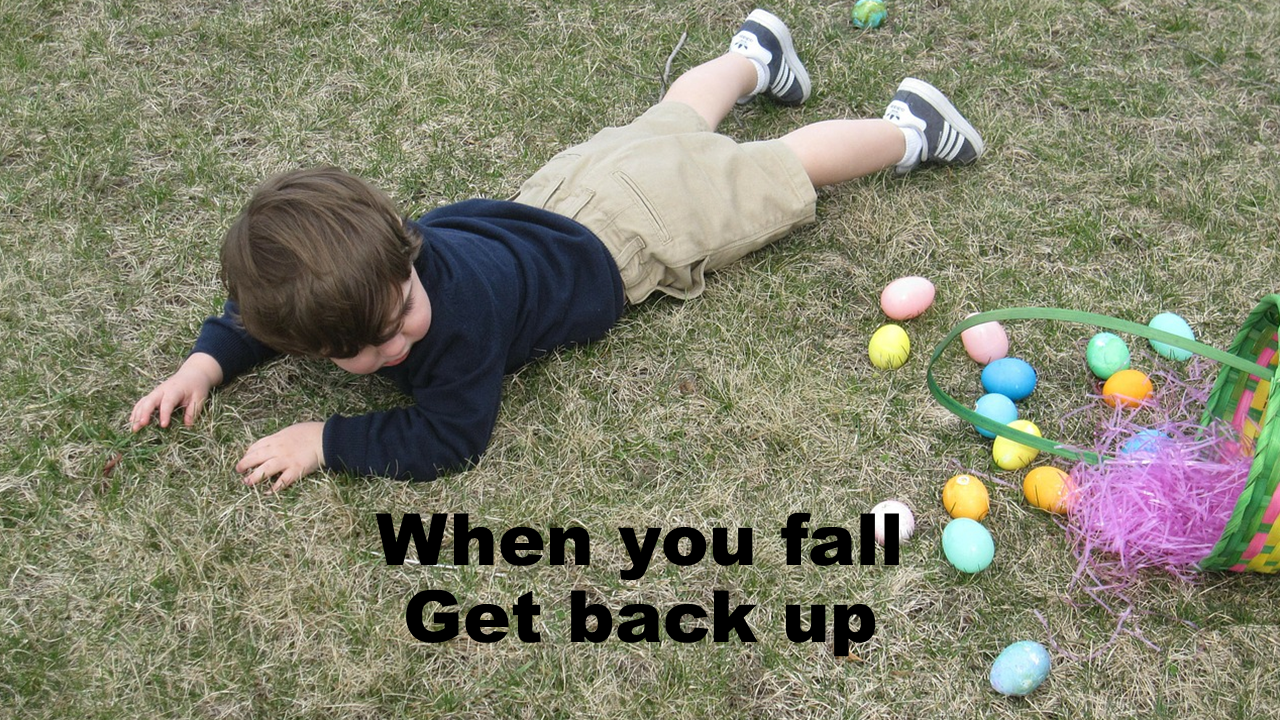
Falling down

When you fall get back up.
Photo courtesy of Pixabay.com

Don’t do these things if you want to be happy.

Some things add to your happiness, and others detract from it. While it may take some time to build up positive things in your life make sure you are not of reducing that happiness by any of these negative behaviors.

Learn from your mistakes, if you fall down, get back up. Try these tips for more happiness.

Don’t spend time thinking about the pain of the past.

The more time you spend thinking about the pain of the past, turning it over and over in your mind, the more impediments you create to be happy.  Make a strong effort to stop thinking about the past pain and focus instead on the opportunities in the present.  Learn the lessons from your life’s past events, but don’t continue to relive those events.

Don’t focus on what is missing.

Happiness comes from enjoying the things you have not focusing on the things that are missing.  Learn to be grateful for what you do have rather than focusing on the things that are absent.

Don’t avoid spending time alone.

Frantically seeking company rather than being willing to spend time alone will not increase your happiness.  Develop the skills of enjoying the time you have with yourself.  Happiness comes from achieving a balance between time spent with others and time spent alone.

Don’t stop growing.

Make your life a work in progress rather than a finished product.  Continuing to grow in life continues to enlarge your happiness.

Don’t be so hard on yourself.

Being hard on yourself or others is not a way to motivate someone to do better.  Learn to lighten up and accept that humans are fallible creatures.  People who can accept their mistakes have a much happier life.

Don’t forget why you’re doing things.

Some things we do because they’re important in part because we choose to do them.  If you find you are just doing things out of habit, they are unlikely to be making you happy.

Don’t abuse your body.

Take good care of your body.  Pushing your body too hard results in an unhappy life. You only get one body in this life. Sometimes if your body gets damaged a good doctor can repair it, but a repaired vehicle is never as good as when it was new.

Don’t believe that things can make you happy.

Things come and go in your life.  Having nice things means you can enjoy them for a while.  But over the long-term things wear out and need to be fixed.  It’s not the things that will make you happy it is what you can do with them that leads to a happy life.

Don’t compare yourself to others.

Constantly comparing yourself to others is a sure way to reduce your happiness.  There’ll always be people who have more than you.  It is also likely there will be people who have a lot less.  Constantly comparing ourselves to others interferes with your ability to enjoy who you are.

Don’t ruminate about what is wrong.

Dwelling on what’s wrong doesn’t result in fixing it.  Focus on what needs doing and what you can do.  No one hits a hundred percent.  Recognize that to accomplish anything you must do a lot of things.  Not everything you try it will be perfect.  If you stay focused on the mistakes, you don’t leave room for doing the new things that could make you happy.

Don’t fear change.

Change is an inevitable part of life. Fearing and trying to avoid change keeps you stuck in the past. To maximize your happiness embrace change. Look at the process of change is your opportunity to experience new things. Fearing change keeps you stuck where you are.

Don’t blame others.

The matter what others may or may not have done, you are responsible for your happiness. If you are unhappy, begin by working on yourself. The easiest thing to change is your attitude, the way you view life. The second thing you can change is your actions. Don’t like where your life is? Begin by taking small steps and these will add up to large changes.

Don’t lose your curiosity.

Curiosity keeps life fun and exciting. Little children can become happy over the littlest things. When you see each day, and everything in it as new, life takes on more meaning. Practice using your childlike mind and seek each day to learn something new.

Don’t put things off until tomorrow.

Don’t delay; life is lived in today. Make today the happiest day possible. While you may plan for tomorrow everything you will do will be done today. Make sure you don’t wait to do anything until the opportunity has passed.

Don’t worry about things that are out of your control.

It’s easy to worry about things in other people’s houses and other places. Lots of people today are caught up in worrying about what’s going on in Washington DC or, in their state’s capital. What you are likely to discover is the things that happen in your house are for far more likely to affect your happiness than things in far-off places. Look for things over which you have control and put your focus there.

Don’t forget your family and friends.

Happy people develop positive support systems. Try to improve relationships with your family where possible. Invest time in your friendships. If your friendships don’t bring you positive results, consider investing some of today into creating new and better friendships. Having positive friends will make you happy

Don’t think that being alone means being lonely.

Lonely people find that they are lonely whether they are by themselves or in a crowd. Learn to be your best friend, enjoy your times of solitude. Being happy when you’re by yourself makes you even happier when you are with other positive people. People who were frantically looking for someone else to make them happy often end up disappointed. If you like you there will always be good company in your life.

Staying connected with David Joel Miller

Seven David Joel Miller Books are available now!

My newest book is now available. It was my opportunity to try on a new genre. I’ve been working on this book for several years, but now seem like the right time to publish it.

Story Bureau.

Story Bureau is a thrilling Dystopian Post-Apocalyptic adventure in the Surviving the Apocalypse series.

Baldwin struggles to survive life in a post-apocalyptic world where the government controls everything.

As society collapses and his family gets plunged into poverty, Baldwin takes a job in the capital city, working for a government agency called the Story Bureau. He discovers the Story Bureau is not a benign news outlet but a sinister government plot to manipulate society.

Bumps on the Road of Life. Whether you struggle with anxiety, depression, low motivation, or addiction, you can recover. Bumps on the Road of Life is the story of how people get off track and how to get your life out of the ditch.

Dark Family Secrets: Doris wants to get her life back, but small-town prejudice could shatter her dreams.

Casino Robbery Arthur Mitchell escapes the trauma of watching his girlfriend die. But the killers know he’s a witness and want him dead.

Planned Accidents  The second Arthur Mitchell and Plutus mystery.

Letters from the Dead: The third in the Arthur Mitchell mystery series.

What would you do if you found a letter to a detective describing a crime and you knew the writer and detective were dead, and you could be next?

Sasquatch. Three things about us, you should know. One, we have seen the past. Two, we’re trapped there. Three, I don’t know if we’ll ever get back to our own time.

For these and my upcoming books; please visit my Author Page – David Joel Miller

Want the latest blog posts as they publish? Subscribe to this blog.

For videos, see: Counselorssoapbox YouTube Video Channel

What is empathy?

By David Joel Miller, MS, Licensed Therapist & Licensed Counselor.

What is

What is empathy?
Photo courtesy of Pixabay.

Why is empathy in short supply?

Empathy is a vital ingredient in modern life.

Empathy is described variously as, understanding another’s feelings, the ability to

identify with and understand somebody else’s feelings or difficulties or the abilities to put yourself in the other’s position. It can have to do with both cognitive understanding and emotional experience.

Empathy is considered a fundamental skill for beginning counselors to have or to develop. I looked this word up in my 1898 Century Dictionary and Cyclopedia only to find – it’s not there!

The word empathy was introduced into the English language in the year 1908.  It came from a German word which had come into use extensively in the 1870s.  There was clearly a need for a word that more accurately expressed this concept.  Originally the word empathy was closely related to sympathy but went beyond the concept of feeling sorry for someone.  Empathy came to mean a ‘felt sense” or an understanding at a deeper level.

Today this word is often used to denote the ability to understand and experience what someone else is feeling.  To really feel empathy and you needed to not only understand what the person may be thinking but what they may be feeling.

In order to develop your understanding of the skill of empathy take a look at the list below of ways to tell if someone is truly empathetic.

Empathy is seeing life through someone else’s eyes.

Empathy is not simply saying I know what you mean or I understand what you are going through.  It is that true desire to actually be able to put yourself in the other person’s position and see what they’re seeing in the way they are seeing it.

Empathy is being genuinely curious about others.

People who are high in empathy are genuinely curious about other people’s lives and what it would be like to live life the way that person lives.

Empathy wants to understand not judge.

To have empathy you have to suspend judgment.  The people who are high in empathy make the effort to understand the other person, their life situations, and what they have gone through.  The goal of empathy is to experience what it would be like to be that other person.

Empathy values the other person’s experience.

Having empathy places a high value on other people and their experiences.  People from other backgrounds can have important contributions to make to our understanding of the world we live in.  An empathetic person does not look for ways to make the other person more like themselves.  They look for ways in which that other person’s thinking and behavior make sense, given their life experiences.

Empathy is a mirror that reflects what is inside us.

As you seek to practice empathy for others you are likely to discover that it says a lot about you.  Looking and listening to other people’s life experiences evokes emotions deep within ourselves.  Much of what we may be feeling about someone else reflects what we would be feeling in that situation.  Deep empathy moves beyond our own experience and attempts to experience things from the others point of view.

Empathy understands feelings as well as facts.

Empathy is about more than simply understand the facts and the situations of someone existence.  The highest form of empathy is to seek to understand how someone feels.  This goes beyond thief understand of facts of someone’s life, to how that person interprets those facts and the feelings those situations result in.

Have you developed your skills for experiencing empathy?

By David Joel Miller, MS, Licensed Therapist & Licensed Counselor.

Lessons Anxiety teaches you.

By David Joel Miller, MS, Licensed Therapist & Licensed Counselor.

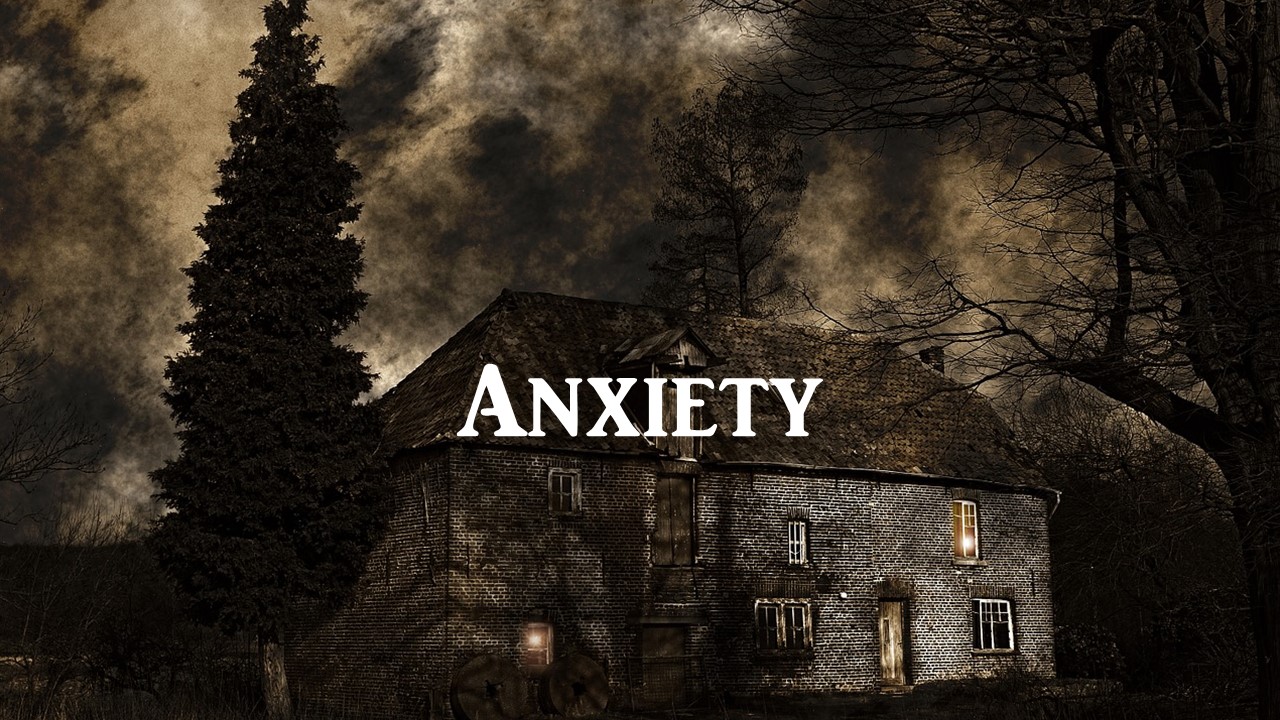
Anxiety provoking.

Anxiety.
Photo courtesy of Pixabay.com

What are your fears teaching you?

Are you someone who suffers from high anxiety?  Have you learned the lessons that your anxiety is trying to teach you?  Anxiety can be a kind of bully, trying to scare you away from anything new and keeping you from the parts of life that might be beneficial. Or anxiety can become a good teacher and help you learn life lessons.

Below is the list of some lessons that anxiety might be able to teach you and ways that you could develop those lessons.

Just because it scares you does not make it dangerous.

A well-functioning anxiety system helps you identify risks and warns you of danger.  Some people’s anxiety system is turned up way too high.  Overly sensitive anxiety systems give off warning sounds and flashing lights even when the danger is minimal.

An important lesson you should learn from your experiences with anxiety is that not everything that makes you fearful or scares you is in fact, that dangerous.  Learn that your anxiety is a source of information, not an absolute life ruler.

It is OK to feel scared.

Some people believe they should never feel scared.  One of the lessons about anxiety it is important to learn is that it is possible to feel scared and still have nothing bad happened.  Let anxiety teach you this lesson.  Just because you’re scared does not mean that anything terrible or awful will necessarily happen to you

It is OK to feel what you feel.

Are you one of those people who was taught that you shouldn’t feel whatever it is that you are feeling?  A valuable lesson that anxiety and many of our other feelings has to teach us is that humans use feelings as a source of information.  Information is neither good nor bad in and of itself.  Was is important is for you to feel what you’re feeling, decide what that means, and then decide what you wanted to do with that information.

Feelings can be your friends.

Feelings are not automatically your enemies.  They can be your friends.  Sometimes anxiety and fear are friends warning you of danger.  What you need to decide is how real and how important that danger it is.  Every so often the danger is very real and very imminent.  During those times you will need to do something about it.  Other times your anxiety is detecting something new and unfamiliar and you’ll need to learn how you are going to respond to that new and novel situation.

Walking towards fear makes it shrink.

Fear is a natural-born bully.  Fear wants to have its way.  The more you give in to your fear the larger the fear grows.  Many things that look scary and are fearful at first sight becomes far less scary as you begin to do them.

If you walk towards something that scares you, what you will often find is that it is far scarier from a distance than once you get up close.

The first time is always the scariest.

Many people are afraid of something new that they’ve never experienced, but once they’ve tried it for that very first time that may discover that they enjoy it.  Don’t let your fears and your anxieties keep you from trying something that might turn out to be a great deal of fun.

Scary experiences create lasting memories.

Despite the fact that many people avoid things that make them anxious or scare them, most of us are also fascinated by the scary.  Scary movies draw large audiences.  Haunted houses are perennial Halloween favorites.

Because of the heightened level of hormones in the body during scary events the brain thinks that it is important to remember these times.  In thinking about the times that some event made you anxious it is important to remember the times that despite the anxiety those things turned out very well.

You can’t be calm and scared at the same time.

Ever notice when there’s a loud noise everyone turns to look at it and ignores everything else that is happening?  Anxiety and fear are like that.  They distract your attention from what else is going on at the same time.

One way of reducing anxiety’s impact on you is to learn ways to calm yourself.  Stress reduction techniques like deep breathing, mindfulness, and meditation can all be very helpful in reducing your anxiety.  What you will quickly learn, if you try these techniques, is that it’s not possible to be calm, relaxed, and scared at the very same time.

Learn to make this fundamental rule of emotions work for you.  Opposite sets of emotions don’t like to live together.  It’s difficult to laugh when you are sad.  People don’t seem to be able to be both excited and relaxed at the same time.  If you have found that your anxiety has gotten out of control, a quick way to reduce that anxiety is to learn ways to self-soothe and calm yourself.

The more skills you have the more you can handle.

In all aspects of life, it is important to develop a good set of skills.  While initially, it may be uncomfortable to work with strong emotions such as anxiety, the more you do this work the better you get at it.  Repeatedly putting yourself in situations that create a small amount of anxiety, which you discover you are able to handle, can result in increasing your ability to handle increasingly difficult anxiety-provoking situations.

Whenever the size of your comfort zone, if you spend too much time cramped inside it, that comfort zone will prevent your personal growth.  Gradually work on stretching out that comfort zone.  Before long you will have the skills to handle situations they used to seem impossible.

When you do good self-care less overwhelms you.

Another lesson than anxiety will teach you is the importance of good self-care.  With poor self-care, it’s easy to get stressed out and have everything overwhelmed you.  When you concentrate on taking good care of yourself you will be able to handle situations that you never thought possible.

You will handle most things better than you thought you would.

It’s normal to be very scared before something that you have never experienced. What surprises so many of us is how often we are able to handle far more than we ever believed possible.  Anxiety teaches you that you are capable of much more than you would have believed had you not been in those anxiety-provoking situations.

Most of the things we worry about turn out better than we thought.

Many people discover that the majority of things they have worried about turn out better than they expected.  It is a human failing to expect the worst.  Let your anxiety teach you that many good things can happen.

You almost always have more options than you think.

One bad habit that makes anxiety far worse than it needs to be is artificially limiting your options.  Often we only see a couple of alternatives.  Make sure that you look for other options.  People will tell themselves they have to get something done by a deadline or they’re going to lose their job. Only seeing those two options results in not making use of the many more options that might have resulted in a better outcome.  Besides not finishing the report or getting fired, you may also have the options of discussing the deadline with your boss or requesting additional help in completing the project on time.

If you make anxiety your friend you may find that it’s a wonderful teacher.

Recommended Mental Health Books

David Miller at counselorssoapbox.com is an Amazon Affiliate and may receive a small Commission if you purchase a book or product using the link on this page. Using the link will not increase the cost to you.

Staying connected with David Joel Miller

Seven David Joel Miller Books are available now!

My newest book is now available. It was my opportunity to try on a new genre. I’ve been working on this book for several years, but now seem like the right time to publish it.

Story Bureau.

Story Bureau is a thrilling Dystopian Post-Apocalyptic adventure in the Surviving the Apocalypse series.

Baldwin struggles to survive life in a post-apocalyptic world where the government controls everything.

As society collapses and his family gets plunged into poverty, Baldwin takes a job in the capital city, working for a government agency called the Story Bureau. He discovers the Story Bureau is not a benign news outlet but a sinister government plot to manipulate society.

Bumps on the Road of Life. Whether you struggle with anxiety, depression, low motivation, or addiction, you can recover. Bumps on the Road of Life is the story of how people get off track and how to get your life out of the ditch.

Dark Family Secrets: Doris wants to get her life back, but small-town prejudice could shatter her dreams.

Casino Robbery Arthur Mitchell escapes the trauma of watching his girlfriend die. But the killers know he’s a witness and want him dead.

Planned Accidents  The second Arthur Mitchell and Plutus mystery.

Letters from the Dead: The third in the Arthur Mitchell mystery series.

What would you do if you found a letter to a detective describing a crime and you knew the writer and detective were dead, and you could be next?

Sasquatch. Three things about us, you should know. One, we have seen the past. Two, we’re trapped there. Three, I don’t know if we’ll ever get back to our own time.

For these and my upcoming books; please visit my Author Page – David Joel Miller

Want the latest blog posts as they publish? Subscribe to this blog.

For videos, see: Counselorssoapbox YouTube Video Channel

What is an Adjustment Like Disorder? (F43.9)

By David Joel Miller, MS, Licensed Therapist & Licensed Counselor.

What is

What is an Adjustment Like Disorder? (F43.9)
Photo courtesy of Pixabay.

When is an adjustment disorder not an adjustment disorder?

Sometimes people have symptoms as a result of experiencing trauma or stress.

These difficulties are sufficiently severe that we think this person needs treatment but the exact group of symptoms they have doesn’t quite fit a listed disorder.

The new DSM – 5 solves this problem by creating another name for adjustment like disorders.

Other Specified Trauma- and Stressor-Related Disorders (F43.9)

This designation gives us five more ways to categorize problems of everyday living which were caused by stressors or trauma but do not quite neatly fit the defined adjustment disorders.  Below are the five reasons you might get an adjustment like disorder diagnosis.

1. You had a stressor but your problems did not begin until more than three months after the stressor.

2. The problems continue for more than six months even though the stressor has ended but your symptoms have not turned into another diagnosis.

3. You were having an “ataque de nervious.” This particular condition is listed in the back of the DSM – 5 under cultural concepts of distress. While not recognized in the United States as a mental disorder, this particular group of symptoms is widely recognized in Spanish-speaking countries.

4. Another cultural syndrome. There are a number of cultural syndromes that are recognized in a particular geographic or ethnic area.  The cultural syndromes are understood as an inability to cope with a particular stressor.

5. Persistent Complex Bereavement Disorder. This condition is listed in an appendix to the DSM under conditions for further study.  Since it didn’t make the list of official diagnoses, researchers needed a way to code it.  The result is this condition ended up here under adjustment like disorders.

I don’t think I’ve ever seen an adjustment like disorder listed in the person’s chart nor have I ever use this particular diagnosis myself.  But when I saw it was right there in the DSM-5 I just couldn’t resist letting you all know about this.  Maybe this illustrates how learning to diagnose mental illnesses is both an imprecise science and an area for continuing learning.

As with the other things we are calling a mental illness this adjustment like disorder needs to interfere with your ability to work or go to school, your relationships, your enjoyable activities or cause you personal distress. Otherwise, you may have the issues but you will not get the diagnoses if this is not causing you a problem. If the only time this happens is when you are under the influence of drugs or medicines or because of some other physical or medical problem this issue needs to be more severe than your situation would warrant. These other issues may need treating first, then if you still have symptoms you could get this diagnosis.

FYI These “What is” sometimes “What are” posts are my efforts to explain terms commonly used in Mental Health, Clinical Counseling, Substance Use Disorder Counseling, Psychology, Life Coaching, and related disciplines in a plain language way. Many are based on the new DSM-5; some of the older posts were based on the DSM-IV-TR, both published by the APA. For the more technical versions please consult the DSM or other appropriate references.

See Recommended Books.     More “What is” posts will be found at “What is.”

For more on this topic see Adjustment Disorders in the Trauma- and Stressor-Related Disorders category.

Staying connected with David Joel Miller

Seven David Joel Miller Books are available now!

My newest book is now available. It was my opportunity to try on a new genre. I’ve been working on this book for several years, but now seem like the right time to publish it.

Story Bureau.

Story Bureau is a thrilling Dystopian Post-Apocalyptic adventure in the Surviving the Apocalypse series.

Baldwin struggles to survive life in a post-apocalyptic world where the government controls everything.

As society collapses and his family gets plunged into poverty, Baldwin takes a job in the capital city, working for a government agency called the Story Bureau. He discovers the Story Bureau is not a benign news outlet but a sinister government plot to manipulate society.

Bumps on the Road of Life. Whether you struggle with anxiety, depression, low motivation, or addiction, you can recover. Bumps on the Road of Life is the story of how people get off track and how to get your life out of the ditch.

Dark Family Secrets: Doris wants to get her life back, but small-town prejudice could shatter her dreams.

Casino Robbery Arthur Mitchell escapes the trauma of watching his girlfriend die. But the killers know he’s a witness and want him dead.

Planned Accidents  The second Arthur Mitchell and Plutus mystery.

Letters from the Dead: The third in the Arthur Mitchell mystery series.

What would you do if you found a letter to a detective describing a crime and you knew the writer and detective were dead, and you could be next?

Sasquatch. Three things about us, you should know. One, we have seen the past. Two, we’re trapped there. Three, I don’t know if we’ll ever get back to our own time.

For these and my upcoming books; please visit my Author Page – David Joel Miller

Want the latest blog posts as they publish? Subscribe to this blog.

For videos, see: Counselorssoapbox YouTube Video Channel