Winter Blues (SAD) Risk Factors

By David Joel Miller, MS, Licensed Therapist & Licensed Counselor.

Winter

Winter.
Photo courtesy of Pixabay.com

Winter Blues are a troublesome, recurrent form of Major Depressive Disorder.

Every year a select group of people seems to get a recurrent episode of Depression. These symptoms can start as early as age three or four and result in serious impairment. People do poorly in school; lose jobs and relationships as a result of having this disorder.

The major occurrences of this disorder are in the winter months. A few people get recurrent episodes of depression every summer, fewer yet have spring or fall recurrences of depression. The winter version of this disorder is particularly problematic.

We have a large number of theories about why this occurs and what the risk factors are for this disorder but so far treatments and prevention efforts are more hit and miss.

If you have had episodes of Winter Blues you know the havoc it can play with your life.

Technically Winter Blues are diagnosed as a variation of Major Depressive Disorder (MDD.) The specifier of seasonal features is added on to the principle diagnosis of MDD.

Winter Blues is characterized by what is called “atypical” features. The easiest way to describe this is that the person begins to hibernate like an animal preparing for a long winter.

As winter approaches the person with Winter Blues begins to sleep more and more. They increase their food consumption and begin to put on weight. Carbohydrate Cravings are likely to become pronounced. The person with Winter Blues is also likely to avoid others and begin to isolate.

Case studies tell us of a child who became so very different during the winter that for a time they thought this might be a developmental delay. His speech became difficult to understand and he appeared to stop learning. He was tested for autism and retardation.

Then for no apparent reason, he began to function more normally as spring approached. Over subsequent years he regressed each winter and then “bloomed” again as spring returned. One early theory was that he was getting sick in the winter, a common occurrence for a child. But in the year he was sick in the summer and had fewer illnesses the following winter he still improved in ability over the summer and relapsed in the winter. Eventually, at about age 6, this child was diagnosed with a significant form of depression that grew worse each year.

Another woman came for treatment one winter and reported that she was about to lose her job from poor job performance. She had repeatedly over the years done well each summer and received promotions, but in the winters she made mistakes, was disciplined and eventually at risk of losing her job. She was treated for MDD with seasonal features and responded well.

Risk factors for Seasonal Affective Disorder.

The amount of daylight affects mood.

The farther north you live the fewer the hours of daylight in winter. Less light triggers the hibernation response. Some people have it more difficult than others.

Genetics can increase your winter blues risk.

This has been suggested as a factor. It has been a long time since I read much on genetics. If this interests you, I recommend you look it up and not take my fuzzy understanding as the whole story. Here is what one study seems to say.

Variations in the 5-HTTLPR have been suggested as being a risk factor. Some people have long versions and some people have short versions of this gene. Some people inherit two short genes and other people have two long. One of each is also possible. People with two short genes are at extra risk for winter blues, people with two longs are more likely to have a melancholy form of depression.

Eye color may be connected to seasonal affective disorder.

People with blue eyes get more use out of the light. People with brown eyes have more difficulty in Northern latitudes in the winter.

Thinking errors increase all kinds of depression.

People who experience episodes of seasonal affective disorder are more likely to ruminate, assign negative meanings to things, and look for the negative.

Whatever the risk factor or the reason someone has recurrent episodes of depression with those seasonal features each winter, the good news is that there are treatments for this form of depression, just as there are treatments for most other mental and emotional disorders.

If you find yourself getting depressed as the winter progresses you do not have to just suffer through it. Please reach out for help.

Coming up soon a post on treatment and prevention of the winter blues.

Staying connected with David Joel Miller

Seven David Joel Miller Books are available now!

My newest book is now available. It was my opportunity to try on a new genre. I’ve been working on this book for several years, but now seem like the right time to publish it.

Story Bureau.

Story Bureau is a thrilling Dystopian Post-Apocalyptic adventure in the Surviving the Apocalypse series.

Baldwin struggles to survive life in a post-apocalyptic world where the government controls everything.

As society collapses and his family gets plunged into poverty, Baldwin takes a job in the capital city, working for a government agency called the Story Bureau. He discovers the Story Bureau is not a benign news outlet but a sinister government plot to manipulate society.

Bumps on the Road of Life. Whether you struggle with anxiety, depression, low motivation, or addiction, you can recover. Bumps on the Road of Life is the story of how people get off track and how to get your life out of the ditch.

Dark Family Secrets: Doris wants to get her life back, but small-town prejudice could shatter her dreams.

Casino Robbery Arthur Mitchell escapes the trauma of watching his girlfriend die. But the killers know he’s a witness and want him dead.

Planned Accidents  The second Arthur Mitchell and Plutus mystery.

Letters from the Dead: The third in the Arthur Mitchell mystery series.

What would you do if you found a letter to a detective describing a crime and you knew the writer and detective were dead, and you could be next?

Sasquatch. Three things about us, you should know. One, we have seen the past. Two, we’re trapped there. Three, I don’t know if we’ll ever get back to our own time.

For these and my upcoming books; please visit my Author Page – David Joel Miller

Want the latest blog posts as they publish? Subscribe to this blog.

For videos, see: Counselorssoapbox YouTube Video Channel

Questions and comments – let me get back to you on that

By David Joel Miller, Licensed Therapist, and Licensed Counselor.

Counseling questions

Counseling questions.
Photo courtesy of Pixabay.com

You have questions – you left comments.

Sorry about not getting to answer all those great questions. You, readers, have sent in a number of comments and questions, some on one site and some on another.  All those comments and questions deserve a decent response. I am finding that this time of year with finals, a three-day training, preparing for the next semester, and the general hecticness of the season, there has just not been time to get back to all of you as I had wished.

So I hope you will keep reading the posts as they are scheduled to appear and know that I will get back to your questions and comments as soon as I possibly can.

You should know that most of the posts on counselorssoapbox.com are written ahead of time and then scheduled to appear at a later date.

There have been lots of new developments in therapyland and in recoveryland also. I have been reading some new research and the way we see substance abuse, mental illness and recovery are all about to change.

Over the next year, I want to talk about all of these items and give the questions and comments the replies they deserve.

Here are just some of the things that remain on my to-write-about list.

1.  How treatment and recovery might apply to children and adolescents. Over my time working in the recovery field I have seen a lot of youngsters that need and deserve help. Working with adults I see issues that are clearly the result of childhood mental illness or substance abuse that went untreated.

2. The role of the internet and modern technology in mental health and recovery. I see both harms and help from these new technologies. We should talk about what might be helpful in treating and preventing emotional and substance abuse issues and what internet features may be promoting recovery.

3. The changing role and status of LPCC’s in delivering mental health and substance abuse treatment in California.

4. Affairs: This is not a new topic but it is a large, possibly the largest, reason couples come to see me in private practice. People have strong feelings about this. With more than half of all marriages ending in divorce and more than half of all people reporting they have had affairs we need to look at this issue and how you might recover from an affair – yours or your partners.

5. New developments in brain science. The last year has resulted in some intriguing new knowledge of the brain and how it works. This research has suggested some new ways that mental and emotional illnesses, as well as substance use disorders, can be treated. Not all of this new knowledge points to using more medication to treat problems. Research continues to point to the value of talk therapies in treating emotional issues.  While I am neither a medical doctor nor a researcher, as a counselor, therapist, and writer, I find these developments worth commenting on.

6. The major role of stress, adjustment, and dissociation in emotional problems. PTSD, complex trauma, and a host of other problems have received less attention than they require. We need to talk more about how stress affects people, how to manage stress, and how to heal from past stressful experiences.

One goal for the counselorssoapbox.com blog this year was to write and post 350 new articles. With those already scheduled to appear before the year-end, it is clear that we will reach this goal. This will bring the total of articles posted on counselorssoapbox.com to over 700 posts.

This coming year looks to be a busy one. I will be teaching more classes than last year, doing more trainings, and plan to get back to work on that book or books. Readers have asked questions about, change, recovery, resiliency, and how to create a happy life, which needs much longer discussions than a blog post. The books in progress will be a way to offer my views on those topics.

Thanks to all the readers, new and longtime, of counselorssoapbox.com.  Keep those questions and comments coming; it encourages me to keep writing.

Staying connected with David Joel Miller

Seven David Joel Miller Books are available now!

My newest book is now available. It was my opportunity to try on a new genre. I’ve been working on this book for several years, but now seem like the right time to publish it.

Story Bureau.

Story Bureau is a thrilling Dystopian Post-Apocalyptic adventure in the Surviving the Apocalypse series.

Baldwin struggles to survive life in a post-apocalyptic world where the government controls everything.

As society collapses and his family gets plunged into poverty, Baldwin takes a job in the capital city, working for a government agency called the Story Bureau. He discovers the Story Bureau is not a benign news outlet but a sinister government plot to manipulate society.

Bumps on the Road of Life. Whether you struggle with anxiety, depression, low motivation, or addiction, you can recover. Bumps on the Road of Life is the story of how people get off track and how to get your life out of the ditch.

Dark Family Secrets: Doris wants to get her life back, but small-town prejudice could shatter her dreams.

Casino Robbery Arthur Mitchell escapes the trauma of watching his girlfriend die. But the killers know he’s a witness and want him dead.

Planned Accidents  The second Arthur Mitchell and Plutus mystery.

Letters from the Dead: The third in the Arthur Mitchell mystery series.

What would you do if you found a letter to a detective describing a crime and you knew the writer and detective were dead, and you could be next?

Sasquatch. Three things about us, you should know. One, we have seen the past. Two, we’re trapped there. Three, I don’t know if we’ll ever get back to our own time.

For these and my upcoming books; please visit my Author Page – David Joel Miller

Want the latest blog posts as they publish? Subscribe to this blog.

For videos, see: Counselorssoapbox YouTube Video Channel

8 Ways to make the holiday emotionally safe

By David Joel Miller, MS, Licensed Therapist & Licensed Counselor.

Fall scene

Happy Holidays

Plan now to safeguard yourself in recovery.

The holidays can be stressful times. Recovery, from anxiety, trauma, alcohol or drugs is a precious thing and it takes a lot of work to reach for a recovered life. Keep your recovery and yourself safe this Holiday season by using these tips.

It is easy to get caught up in the “shoulds” and the “musts” and forget to look for the things that will be most helpful to you and your recovery.

Here are some helpful hints for getting through this time of year with your recovery unscathed.

1. Practice saying NO!

There can be a lot of pressure to do and say things that are not good for you. Work on setting healthy boundaries. Tell people no if they try to get you to do things that may be stressful and bad for your recovery.

Learn to tell yourself no also. There is always the temptation to overdo, run about too much, visit too many places, and try to do too much to make this a perfect holiday. Nothing will make the holidays perfect if your recovery unravels.

2. Too much of a good thing is a bad thing.

Even happy times can be stressful. This is especially true if you are recovering from depression, anxiety, or substance abuse. Do not let the good times wear you out and leave you vulnerable to relapse into your particular issue.

Happiness is not a sprint to get to the cookie jar first. A happy life is a long journey of relaxed enjoyment. Trying to put too much pleasure on your plate one day may leave you unable to do the things that might make you happy the next and beyond.

3. Avoid people and places that would undermine your recovery.

Some family is not healthy. Just because they are relatives does not mean you owe it to them to put yourself at risk. Avoid family members who may undermine your mental health. Take a supportive person with you if you will encounter negative people and be prepared to cut your visit short if the stress gets to you or you begin to be overtired.

4. Take exceptional care of yourself.

Get plenty of sleep. Lack of sleep one night can set up the downward spiral that will result in being too emotional wrung out to get up the next day. Overtired can lead to using substances to try to keep going. Cut your sleep short and you are setting yourself up for a relapse.

Drink plenty of water. This reduces the effects of other unhealthy exposures. Being very thirsty sets problem drinkers up to drink alcohol and places people with mental illnesses at risk to drink more than they planned.

Eat healthy food. Avoid excess sugar and take in those calories in moderation. It is a whole lot easier to pass up a few unhealthy treats than it will be to get back in shape in the New Year.

5. Make getting better job one.

Nothing is more important than your recovery. If you have started practices that are furthering your recovery do not put them aside over the holiday season.

Go to the gym, do your journaling, call supportive people. Keep up with your spiritual practice. Prayer and meditation are not tools that should be kept in the drawer this time of year. If you practice mindfulness and meditation make this a do first action.

6. Go for the safe choice first.

Avoid doing things that you “might” be able to handle. Avoid things that are risky and go always for the safe choice first.

Alcoholics should not drop by the bar just to say hi. Do not call people you know will be upsetting.

7. Reach out for help.

Call your support system. If you are a member of a particular fellowship make sure meetings are on your to-do list. Attend religious services if you find this supportive of your recovery.

Every recovering person needs a list of people who are supportive. Make those calls to other recovering people. Sometimes you will find that they needed to hear from you even more than you need to talk with them.

8. Do not push yourself.

Be kind and gentle with yourself. Do not overdo. Do not pile more and more on your plate and expect to get through the holiday season with your recovery intact.

Taking good care of yourself is not being selfish. Be the kind of friend you need. Be your own best friend.

Which of these things do you plan to do? What other techniques have you found that help keeps you safe and in recovery over the holidays?

Staying connected with David Joel Miller

Seven David Joel Miller Books are available now!

My newest book is now available. It was my opportunity to try on a new genre. I’ve been working on this book for several years, but now seem like the right time to publish it.

Story Bureau.

Story Bureau is a thrilling Dystopian Post-Apocalyptic adventure in the Surviving the Apocalypse series.

Baldwin struggles to survive life in a post-apocalyptic world where the government controls everything.

As society collapses and his family gets plunged into poverty, Baldwin takes a job in the capital city, working for a government agency called the Story Bureau. He discovers the Story Bureau is not a benign news outlet but a sinister government plot to manipulate society.

Bumps on the Road of Life. Whether you struggle with anxiety, depression, low motivation, or addiction, you can recover. Bumps on the Road of Life is the story of how people get off track and how to get your life out of the ditch.

Dark Family Secrets: Doris wants to get her life back, but small-town prejudice could shatter her dreams.

Casino Robbery Arthur Mitchell escapes the trauma of watching his girlfriend die. But the killers know he’s a witness and want him dead.

Planned Accidents  The second Arthur Mitchell and Plutus mystery.

Letters from the Dead: The third in the Arthur Mitchell mystery series.

What would you do if you found a letter to a detective describing a crime and you knew the writer and detective were dead, and you could be next?

Sasquatch. Three things about us, you should know. One, we have seen the past. Two, we’re trapped there. Three, I don’t know if we’ll ever get back to our own time.

For these and my upcoming books; please visit my Author Page – David Joel Miller

Want the latest blog posts as they publish? Subscribe to this blog.

For videos, see: Counselorssoapbox YouTube Video Channel

Is life freaking you out? Can’t calm down?

By David Joel Miller, MS, Licensed Therapist & Licensed Counselor.

Stress person

Stress.
Photo courtesy of Pixabay.com

What do you do when life overwhelms you?

Ever have someone tell you to – “Just calm down?” Some people seem to be born with that skill but others of us once overwhelmed find it easy to get worked up and upset and a whole lot harder to calm down afterward.

Adults have a habit of telling children to feel this way or that. This approach, invalidating the child’s feelings, will cause problems later. If you were told to feel a certain way or told you had no right to feel as you did, you may have learned the lesson that feelings were bad. Suppressing feelings can cause you to ignore valuable information coming from that part of the nervous system.

Learning to listen to your emotions is a valuable skill. Unfortunately sometimes our emotions start yelling in their “outside voice” and will not shut up long enough to let us think. At that point, you need to be able to control those feelings. Note that controlling is not the same thing as ignoring, as any parent of young children will probably learn.

What is left out in this instruction, “calm down, stop getting upset” and so on, is how you get yourself to feel other than what you feel.

We call this skill of being able to change your feelings to match the situation “Emotional regulation.”

Many of us learned fear; anger and other negative emotions by watching the adults around us act them out. We may have learned happiness and love that way also. What was usually missing is how you get from full emotional turmoil to calm again.

Regulating your emotions, calming yourself down, is a skill that can be learned.

One post on emotional regulation will not make you an expert in this. It takes learning the skill, practicing the skill, and then over-learning the skill until rather than something you have to think about this emotional regulation is something you do automatically.

Here is a quick summary of things that may help to reduce the emotional intensity of negative feelings or to prevent them in the first place.

1. Use thought-stopping to reduce negativity.

When that thought that provokes your anger or anxiety first occurs find ways to interrupt that thought. Think of other things instead. Having a “happy place” or affirming memory can be a great help here.

2. Question this unhelpful thought.

What is the belief behind the thought? Challenge that belief. No one is “always” a certain way. There are many other ways to alter your thoughts and beliefs and the result is a change in your feelings.

 3. Tell yourself things that you find reassuring or grounding.

For people who are easily overwhelmed by negative emotions getting out of the movie playing in your head and back to the current moment can be very helpful. Start with the simple things. Therapists refer to these as “orientations.” Ask and answer some right here and now questions. Things like; Who are you? (Your name, not the meaning of your life.)  Where are you? What are you doing now? Who are the others around you?

Try to avoid taking detours down those “mean streets” in your head. Forget trying to “not think about things.” (See the post Don’t think about Elephants.)

Keep bringing yourself back to reality.

There are literally hundreds of ways to turn down the level of emotions and get yourself back to a safe mental place. These techniques need to be practiced beforehand otherwise while running in panic, you will never remember what you were going to do.

Watch counselorssoapbox.com for more posts on ways to regulate your emotions. You might want to subscribe to the blog if you find these posts helpful.

P. S. Stay tuned for info on the book I am working on. More on that in the posts to come.

Have you found ways to calm yourself down and regulate your emotions? Care to share?

Staying connected with David Joel Miller

Seven David Joel Miller Books are available now!

My newest book is now available. It was my opportunity to try on a new genre. I’ve been working on this book for several years, but now seem like the right time to publish it.

Story Bureau.

Story Bureau is a thrilling Dystopian Post-Apocalyptic adventure in the Surviving the Apocalypse series.

Baldwin struggles to survive life in a post-apocalyptic world where the government controls everything.

As society collapses and his family gets plunged into poverty, Baldwin takes a job in the capital city, working for a government agency called the Story Bureau. He discovers the Story Bureau is not a benign news outlet but a sinister government plot to manipulate society.

Bumps on the Road of Life. Whether you struggle with anxiety, depression, low motivation, or addiction, you can recover. Bumps on the Road of Life is the story of how people get off track and how to get your life out of the ditch.

Dark Family Secrets: Doris wants to get her life back, but small-town prejudice could shatter her dreams.

Casino Robbery Arthur Mitchell escapes the trauma of watching his girlfriend die. But the killers know he’s a witness and want him dead.

Planned Accidents  The second Arthur Mitchell and Plutus mystery.

Letters from the Dead: The third in the Arthur Mitchell mystery series.

What would you do if you found a letter to a detective describing a crime and you knew the writer and detective were dead, and you could be next?

Sasquatch. Three things about us, you should know. One, we have seen the past. Two, we’re trapped there. Three, I don’t know if we’ll ever get back to our own time.

For these and my upcoming books; please visit my Author Page – David Joel Miller

Want the latest blog posts as they publish? Subscribe to this blog.

For videos, see: Counselorssoapbox YouTube Video Channel

Change

By David Joel Miller, MS, Licensed Therapist & Licensed Counselor.

Changing your life

Time for a life change?
Photo courtesy of Pixabay.com

Ready for the changes?

Today is Sunday. For much of the world, Sunday is the first day of the week. December is well underway. Before long the year will come to an end and a new year will begin. Many people will take a look at their lives and their situation and decide the time for a change is coming soon.

When the New Year arrives there will be a time for making resolutions and setting goals but now as the year 2013 comes into its final phase it would behoove us all to look at ourselves and our lives and to look at the things we need to bring to an end.

Before there is room in your life for new things you may well find that you have to bring some old things to an end.

What things do you need to let go of before you can find the room for a better life in the year to come?

What would your life look like if as this year comes to a close you finally began the process of change?

What exactly is this elusive thing we all say we want but that escapes from our grasp so often?

What is change?

Change:

Become or make different

Substitute something else for or replace with something else

Pass or move from one state to another

Remove one thing (as in clothing) and put on another

Exchange one thing for another

Vary a routine

A fresh set of something

A transition from one thing or state to another

To become altered, undergo a transformation, or be partly or wholly altered

Definitions adapted from Encarta and The Century Dictionary 1889.

Some thoughts about change from Goodreads;

“Here’s to the crazy ones. The misfits. The rebels. The troublemakers. The round pegs in the square holes. The ones who see things differently. They’re not fond of rules. And they have no respect for the status quo. You can quote them, disagree with them, glorify or vilify them. About the only thing you can’t do is ignore them. Because they change things. They push the human race forward. And while some may see them as the crazy ones, we see genius. Because the people who are crazy enough to think they can change the world, are the ones who do.”

― Apple Inc.

“Yesterday I was clever, so I wanted to change the world. Today I am wise, so I am changing myself.”

― Rumi

“Everyone thinks of changing the world, but no one thinks of changing himself.”

― Leo Tolstoy

“Education is the most powerful weapon which you can use to change the world.”

― Nelson Mandela

“Do I contradict myself? Very well, then, I contradict myself; I am large — I contain multitudes.”

― Walt Whitman

“We are taught you must blame your father, your sisters, your brothers, the school, the teachers – but never blame yourself. It’s never your fault. But it’s always your fault, because if you wanted to change you’re the one who has got to change.”

― Katharine Hepburn, Me: Stories of My Life

Are you preparing for the changes that will come in the New Year?

Staying connected with David Joel Miller

Seven David Joel Miller Books are available now!

My newest book is now available. It was my opportunity to try on a new genre. I’ve been working on this book for several years, but now seem like the right time to publish it.

Story Bureau.

Story Bureau is a thrilling Dystopian Post-Apocalyptic adventure in the Surviving the Apocalypse series.

Baldwin struggles to survive life in a post-apocalyptic world where the government controls everything.

As society collapses and his family gets plunged into poverty, Baldwin takes a job in the capital city, working for a government agency called the Story Bureau. He discovers the Story Bureau is not a benign news outlet but a sinister government plot to manipulate society.

Bumps on the Road of Life. Whether you struggle with anxiety, depression, low motivation, or addiction, you can recover. Bumps on the Road of Life is the story of how people get off track and how to get your life out of the ditch.

Dark Family Secrets: Doris wants to get her life back, but small-town prejudice could shatter her dreams.

Casino Robbery Arthur Mitchell escapes the trauma of watching his girlfriend die. But the killers know he’s a witness and want him dead.

Planned Accidents  The second Arthur Mitchell and Plutus mystery.

Letters from the Dead: The third in the Arthur Mitchell mystery series.

What would you do if you found a letter to a detective describing a crime and you knew the writer and detective were dead, and you could be next?

Sasquatch. Three things about us, you should know. One, we have seen the past. Two, we’re trapped there. Three, I don’t know if we’ll ever get back to our own time.

For these and my upcoming books; please visit my Author Page – David Joel Miller

Want the latest blog posts as they publish? Subscribe to this blog.

For videos, see: Counselorssoapbox YouTube Video Channel

Wait and see makes mental illness worse.

By David Joel Miller, MS, Licensed Therapist & Licensed Counselor.

Crying child

Youth mental health.
Photo courtesy of Pixabay.com

Have you been putting off getting help for an emotional problem?

Some problems go away on their own if you just let them be others do not. Mental illness or emotional issues are not problems that benefit from delaying treatment. The majority of mental illnesses begin much earlier than we thought. Half of all those who get diagnosed with a mental illness have those symptoms by age fourteen.

Three out of four people who will develop a mental or emotional illness will have symptoms by age 24.

As early as the end of the third grade, eight years of age, we can already identify students who are at high risk for mental illnesses, emotional problems, and a future of substance abuse, dropping out of school and ending up in jails and prisons.

The conventional wisdom has been that you should not give in to an emotional problem.  The truth is that walking around on a broken leg makes the damage worse. The earlier that cancer is detected and treated the better the prognosis.

Early detection and treatment of mental, emotional, and behavior problems results in a reduction in illness severity and saves lives and futures.

A whole lot of mental and emotional disorders turn up in a severe enough condition to get diagnosed way earlier than we used to think. The myth of childhood being all happy times has not proved to be true for a lot of children.

That does not mean that parents caused all these early-onset mental or emotional problems. We are still a long way away from knowing precisely why one person gets an illness and another does not. Current theories tell us that most of this is the result of the interaction of risk factors and environmental factors. Every time a cell divides there is a risk of mutation. Genetics play a role. So too does early experiences and learning. Trauma can rewire the brain.

Whatever the cause, early identification and treatment is superior to the wait and see attitude.

So what disorders are most likely to show up and at what ages?

These are lifespan issues. Preschool children get seen by medical doctors, primarily for developmental issues. Failure to eat or eliminate as others or walking and talking issues get recognized early on.

By age 6 anxiety symptoms are noticeable. Some children outgrow the shyness; some get more withdrawn as they age. Hoping they will grow out of anxiety is a risky approach.

At age 11, Behavior disorders, acting out, disruptive behavior, and ADHD start getting diagnosed.

Beginning in the teen years, about age 13, mood disorders become more recognizable. Some of the children who were being given behavioral diagnosis get their code change to a mood issue as the symptoms of depression or Bipolar disorder become clearer.

Some small number of children will get their diagnosis changed from Depression to Bipolar once they have the first manic or hypomanic episode. No mania or near mania and they should not be getting labeled bipolar no matter how moody they are. Reduced need for sleep and pressured driven behaviors also point in the direction of bipolar disorders.

The number of people diagnosed with a mood disorders increases as people get older. The number of Anxiety disorders stays relatively constant regardless of the age of the person.  Exceptions to this are the increase in stress-related diagnoses as a group ages.

The younger someone is when they first develop a mental illness the more severe it is likely to be, especially if their problem goes untreated.

The same mechanism applies to learning disabilities. If they can’t read at grade level in third grade the child will continue to fall farther and farther behind until one day they give up and discontinue their education.

Anxious children give up trying new things and retreat into more and more isolation. People with depression are likely to stop trying.

Having an early onset of an emotional problem also sets up a high risk of trying drugs and alcohol as ways to cope. The earlier someone starts abusing substances the more likely they are to develop a substance use disorder.

Identification and treatment of mental health problems in young people have been woefully inadequate. The average person with a serious mental illness has the illness ten years from the onset until they arrive at treatment. Many do not get treatment until they end up in jails, prisons, or other institutions.

The cost of undiagnosed and untreated mental and emotional disorders does not solely fall on the person with the mental illness.

The mentally ill have higher rates of unemployment and underemployment.

They are more likely to be arrested. They have unstable housing and frequent changes of address. Having a mental health diagnosis is associated with poorer physical health and a shortened lifespan. This trend becomes worse the longer the delay between the onset of the disorder and the treatment.

The mentally ill also have more emergency room visits.

All these costs impact the person with the mental illness, their friends, family, and society in general.

Whether we like it or not the cost of every person with an untreated mental illness is paid for by the portion of society who is not having an illness in that particular year.

Early identification and treatment of mental and emotional disorders result in a reduced amount of suffering and countless benefits to the mentally ill, their families, and society.

If you or someone you know seem to be having emotional or mental problems seek out help as soon as possible.

Staying connected with David Joel Miller

Seven David Joel Miller Books are available now!

My newest book is now available. It was my opportunity to try on a new genre. I’ve been working on this book for several years, but now seem like the right time to publish it.

Story Bureau.

Story Bureau is a thrilling Dystopian Post-Apocalyptic adventure in the Surviving the Apocalypse series.

Baldwin struggles to survive life in a post-apocalyptic world where the government controls everything.

As society collapses and his family gets plunged into poverty, Baldwin takes a job in the capital city, working for a government agency called the Story Bureau. He discovers the Story Bureau is not a benign news outlet but a sinister government plot to manipulate society.

Bumps on the Road of Life. Whether you struggle with anxiety, depression, low motivation, or addiction, you can recover. Bumps on the Road of Life is the story of how people get off track and how to get your life out of the ditch.

Dark Family Secrets: Doris wants to get her life back, but small-town prejudice could shatter her dreams.

Casino Robbery Arthur Mitchell escapes the trauma of watching his girlfriend die. But the killers know he’s a witness and want him dead.

Planned Accidents  The second Arthur Mitchell and Plutus mystery.

Letters from the Dead: The third in the Arthur Mitchell mystery series.

What would you do if you found a letter to a detective describing a crime and you knew the writer and detective were dead, and you could be next?

Sasquatch. Three things about us, you should know. One, we have seen the past. Two, we’re trapped there. Three, I don’t know if we’ll ever get back to our own time.

For these and my upcoming books; please visit my Author Page – David Joel Miller

Want the latest blog posts as they publish? Subscribe to this blog.

For videos, see: Counselorssoapbox YouTube Video Channel

What are you wishing for? What is on your holiday list?

By David Joel Miller, MS, Licensed Therapist & Licensed Counselor.

What is on your holiday wish list this year?

As we kick off the run-up to Christmas, the stores are getting busy. There are black-whatever deals and there are wish lists for Santa, mom, dad, and the government.

Watching the news this season has made me wonder whether we should be so disappointed about what we do not have or grateful for the things we do have.

Are you saying that you need a newer larger house?

No Roof.

No Roof.
Photo courtesy of Pixabay.com

OR – Do you wish your house had a roof?

Are you griping about the electricity bill?

No Power.
Photo courtesy of Pixabay.com

OR – Do you wish you had electricity?

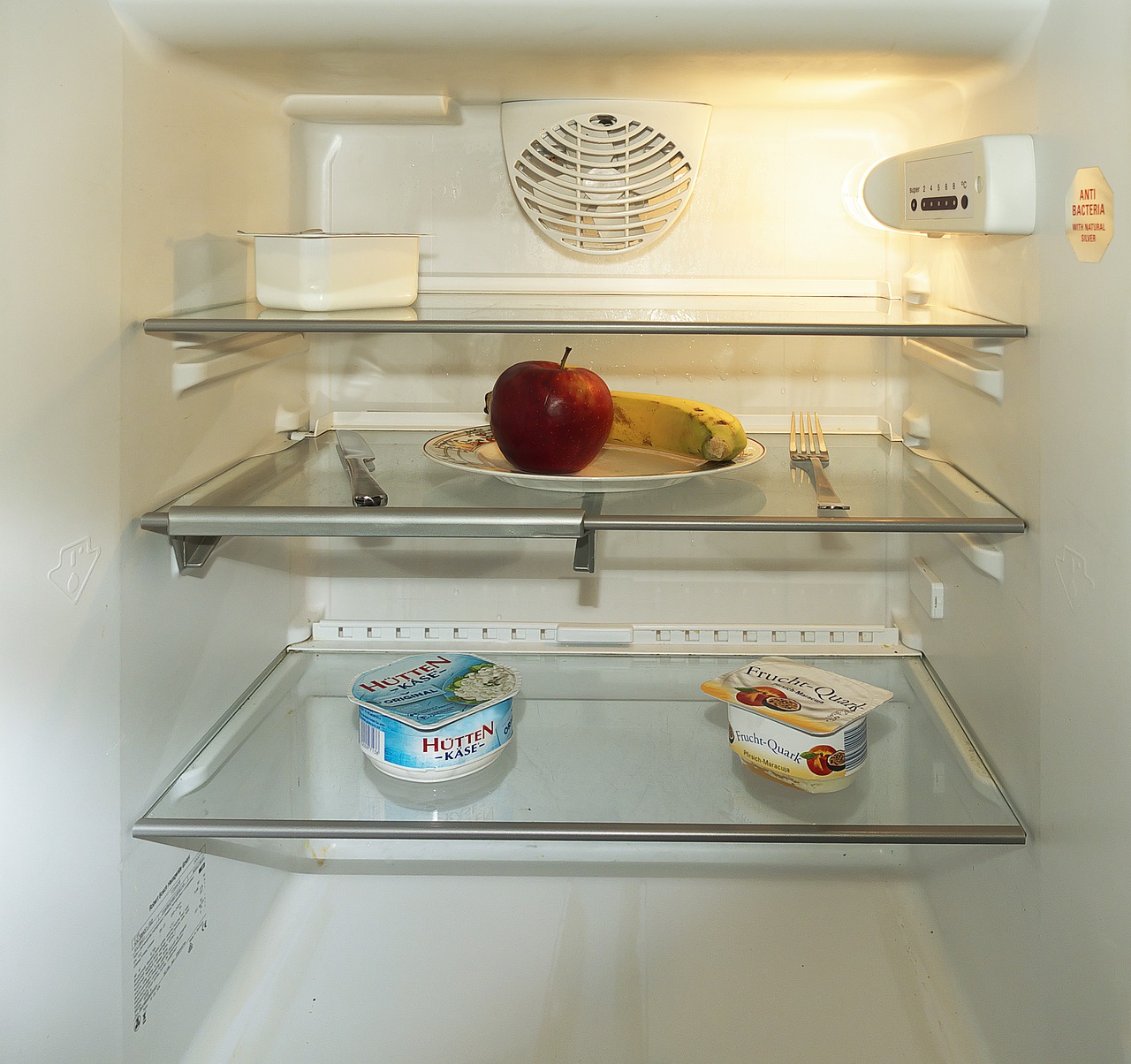
Are you carving Chocolate?

Empty Refrigerator.
Photo courtesy of Pixabay.com

OR – Are you carving some food for your children?

Are you wishing for more time off from work?

Unemployed.
Photo courtesy of Pixabay.com

OR – Do you wish you had a job?

Maybe this season we should continue to remember the lists we made of things to be thankful for and expand our gratitude lists at a faster rate than we add to our wish lists.

Staying connected with David Joel Miller

Seven David Joel Miller Books are available now!

My newest book is now available. It was my opportunity to try on a new genre. I’ve been working on this book for several years, but now seem like the right time to publish it.

Story Bureau.

Story Bureau is a thrilling Dystopian Post-Apocalyptic adventure in the Surviving the Apocalypse series.

Baldwin struggles to survive life in a post-apocalyptic world where the government controls everything.

As society collapses and his family gets plunged into poverty, Baldwin takes a job in the capital city, working for a government agency called the Story Bureau. He discovers the Story Bureau is not a benign news outlet but a sinister government plot to manipulate society.

Bumps on the Road of Life. Whether you struggle with anxiety, depression, low motivation, or addiction, you can recover. Bumps on the Road of Life is the story of how people get off track and how to get your life out of the ditch.

Dark Family Secrets: Doris wants to get her life back, but small-town prejudice could shatter her dreams.

Casino Robbery Arthur Mitchell escapes the trauma of watching his girlfriend die. But the killers know he’s a witness and want him dead.

Planned Accidents  The second Arthur Mitchell and Plutus mystery.

Letters from the Dead: The third in the Arthur Mitchell mystery series.

What would you do if you found a letter to a detective describing a crime and you knew the writer and detective were dead, and you could be next?

Sasquatch. Three things about us, you should know. One, we have seen the past. Two, we’re trapped there. Three, I don’t know if we’ll ever get back to our own time.

For these and my upcoming books; please visit my Author Page – David Joel Miller

Want the latest blog posts as they publish? Subscribe to this blog.

For videos, see: Counselorssoapbox YouTube Video Channel

Your emotional tape measure – scaling

By David Joel Miller, MS, Licensed Therapist & Licensed Counselor.

Emotional measurement.
Photo courtesy of Pixabay.com

What tool should we be using to measure emotions?

Most of us know that we can measure a board with a tape measure. There is a big difference between a shelf that is 6 inches long and one that is 72 inches long.

We can check a child’s fever with a thermometer. It matters if your child’s temperature is 98.6 or 106.

You can see if you’re overweight or underweight by standing on a scale. Please fill in the weights as needed.

Does it matter how much of an emotion you are feeling? It may be the difference between ignoring what was said to you and getting into a fight.

What tool do you use to measure the size and shape of your emotions?

Emotions like so many other things in life come in sizes and shapes. We get ourselves into a peck of trouble by equating all emotions as being the same size and importance.

Take anxiety for instance. Most of us are either anxious or we are not anxious. Anxiety is sneaky that way. There is that little kitten size anxiety and there is that big hungry lion size anxiety. It is important to know which is which.

If every time you feel the sound of hissing you run for your life you will be hiding from a lot of kittens. We talked a little about developing a scale of anxiety and learning to adjust the volume in a previous post on “selective desensitization.”

Anger is a similar creature. Lots of people have only two extremes when it comes to anger, not-angry, and violently angry. People caught in these two extreme modes of feeling anger jump from not-angry to furiously angry at the drop of a – well it could be a drop of almost anything.

One method used in anger management is to develop a scale. Say your anger is at zero when you are feeling happy and loved. When you “lose your temper” your anger is at a ten. How might you develop a scale of degrees of anger in-between?

One way of developing this scale or tape measure for your emotions is to find other similar words for your anger and place them on a scale. First, let’s scale the anger creature, and then our old sometimes-friend anxiety.

What other words might describe feeling sort of like anger but more or less intense?

How about – annoyance, irritation, fury, rage, antagonism, ire, wrath, dander, exasperation, rile, aggravate, provoke, and so on. While these words may not say anger to all of you, you can see that there is a lot of difference between rage and irritation. If you go looking I bet you can find more words that describe feelings similar to anger.

Take your list and arrange them by intensity from the most awful total feeling to a very mind form of anger.

Now comes the challenge. When you find yourself going from not-angry to furiously rage-full how can you turn the volume down on that anger and move from an anger rating of 10 to say a 6 or 5?

Learning to turn the volume up and down on emotions is a skill called emotional regulation. Being able to feel the necessary level of feelings when you need them can make your life a whole lot better.

Now, what about reducing anxiety?

Words for your scale might include nervousness, worry, concern, unease, apprehension, disquiet, fretful, angst, fear, terror, dread, horror, distress, panic, alarm, trepidation, and so on.

Again there is a lot of distance between being uneasy and being panicked-in-terror. Work out your own list and then consider – is this anxiety you have right now a 10 or a 9. How might you learn to turn your anxiety volume down?

It is worth noting here that we have talked about two scales, words and numbers. What most people find is that by changing the word they used to describe a feeling it also changes the number they would give it.

So if you are feeling panic but tell yourself well this is not really the worse panic I have ever had so maybe it is really worrying, you may find that the anxiety meter 10 turns down to a 5 or even a 4.

Try constructing an emotional tape measure and learning to scale your feelings and see if this does not help you learn to turn the volume down on negative feelings and turn the volume up on those happy positive feelings.

Staying connected with David Joel Miller

Seven David Joel Miller Books are available now!

My newest book is now available. It was my opportunity to try on a new genre. I’ve been working on this book for several years, but now seem like the right time to publish it.

Story Bureau.

Story Bureau is a thrilling Dystopian Post-Apocalyptic adventure in the Surviving the Apocalypse series.

Baldwin struggles to survive life in a post-apocalyptic world where the government controls everything.

As society collapses and his family gets plunged into poverty, Baldwin takes a job in the capital city, working for a government agency called the Story Bureau. He discovers the Story Bureau is not a benign news outlet but a sinister government plot to manipulate society.

Bumps on the Road of Life. Whether you struggle with anxiety, depression, low motivation, or addiction, you can recover. Bumps on the Road of Life is the story of how people get off track and how to get your life out of the ditch.

Dark Family Secrets: Doris wants to get her life back, but small-town prejudice could shatter her dreams.

Casino Robbery Arthur Mitchell escapes the trauma of watching his girlfriend die. But the killers know he’s a witness and want him dead.

Planned Accidents  The second Arthur Mitchell and Plutus mystery.

Letters from the Dead: The third in the Arthur Mitchell mystery series.

What would you do if you found a letter to a detective describing a crime and you knew the writer and detective were dead, and you could be next?

Sasquatch. Three things about us, you should know. One, we have seen the past. Two, we’re trapped there. Three, I don’t know if we’ll ever get back to our own time.

For these and my upcoming books; please visit my Author Page – David Joel Miller

Want the latest blog posts as they publish? Subscribe to this blog.

For videos, see: Counselorssoapbox YouTube Video Channel
What is a friend?

By David Joel Miller, MS, Licensed Therapist & Licensed Counselor.

Friendship.

Friendship.
Photo courtesy of Pixabay.com

How do you identify a friend?

Friend, according to the Century Dictionary of 1889 is:

One who is attached to another by feelings of personal regard and preference.

One who entertains for another sentiment which leads him to seek their company and study to promote their welfare.

One not hostile, an ally.

One who is favorable.

Encarta says a friend is:

Someone with whom you are emotionally close

Someone who trusts and is fond of another

Somebody who thinks well of or is on good terms with somebody else

“Friendship is born at that moment when one person says to another: “What! You too? I thought that no one but myself . . .””
― C.S. LewisThe Four Loves

“A friend is someone who knows all about you and still loves you.”
― Elbert Hubbard

“Good friends, good books, and a sleepy conscience: this is the ideal life.”
― Mark Twain

“It is not a lack of love, but a lack of friendship that makes unhappy marriages.”
― Friedrich Nietzsche

“It’s the friends you can call up at 4 a.m. that matter.”
― Marlene Dietrich

Quotes from Goodreads

Is your lover an addiction?

By David Joel Miller, MS, Licensed Therapist & Licensed Counselor.

Couple

Relationship.
Photo courtesy of Pixabay.com

When your lover is an addiction it is not a healthy relationship.

Human lovers may be with you for a lifetime or they can come and go – but that addiction is always there for you. Some people have love or sex addictions. They can’t stand the thought of being alone or not having a partner. They settle for a bad relationship in preference to being alone. They can’t seem to develop a healthy relationship with themselves.

If your lover is Gambling, alcohol, or drugs you know that your addiction will be waiting for you, demanding your devotion as human partners come and go.

The love of your life may be shopping or the go-in-debt-at-home channel. It may be hoarding useless things. Most any activity can become an addiction if you can’t stop thinking about it and eventually you lose control and have to do it one more time, whether you wanted to or not.

Clearly, drugs and their older sneakier cousin, Alcohol, win the contest for addictions that can take control of you.

Most people with addictions become closer to their addiction, often a drug of choice than to the humans in their life. Somehow we hold on to that love for that addiction even when it begins to treat us badly.

I have seen a number of people stuck in bad relationships with other humans. Eventually, most of them have had enough. They either come for counseling and try to change their relationship, or they decide to leave the other person. Occasionally someone hangs on even though they know that this is not a good relationship. They hang on because the prospect of letting go feels worse to them than the pain of staying.

It is even worse when the partner you are leaving is an addiction.

People who give up their addiction are letting go of their best friend, their lover, and their full-time life companion.

They tell me that partners come and go but that “Crystal” is always there for them. Women may reject you but “Sherry” is there in the bottle waiting for you. And your drug of choice, it always changes the way you feel. Until it begins abusing you.

Having had a long-term relationship with a drug of choice results in a lot of grief and loss issues when you finally decide to give her up.

While you are grieving over your lost partner, Whisky or Beer, wine or Meth, everywhere you go there are people trying to get you two back together again.

Your friends, they all know “Crystal” and “Sherry” and they tell you – have just one more for old-time sake. Even the stores are out to get you with their reminders of your lost love. The beer is stacked up by the door and the milk is at the end of the wine aisle.

Like any other lost love when you are trying to get over an addiction everywhere you go there are reminders.

Do not give up. Going back to an addiction is not a way to find happiness. Eventually, the grief will pass and you will find a new happier life waiting for you.

Staying connected with David Joel Miller

Seven David Joel Miller Books are available now!

My newest book is now available. It was my opportunity to try on a new genre. I’ve been working on this book for several years, but now seem like the right time to publish it.

Story Bureau.

Story Bureau is a thrilling Dystopian Post-Apocalyptic adventure in the Surviving the Apocalypse series.

Baldwin struggles to survive life in a post-apocalyptic world where the government controls everything.

As society collapses and his family gets plunged into poverty, Baldwin takes a job in the capital city, working for a government agency called the Story Bureau. He discovers the Story Bureau is not a benign news outlet but a sinister government plot to manipulate society.

Bumps on the Road of Life. Whether you struggle with anxiety, depression, low motivation, or addiction, you can recover. Bumps on the Road of Life is the story of how people get off track and how to get your life out of the ditch.

Dark Family Secrets: Doris wants to get her life back, but small-town prejudice could shatter her dreams.

Casino Robbery Arthur Mitchell escapes the trauma of watching his girlfriend die. But the killers know he’s a witness and want him dead.

Planned Accidents  The second Arthur Mitchell and Plutus mystery.

Letters from the Dead: The third in the Arthur Mitchell mystery series.

What would you do if you found a letter to a detective describing a crime and you knew the writer and detective were dead, and you could be next?

Sasquatch. Three things about us, you should know. One, we have seen the past. Two, we’re trapped there. Three, I don’t know if we’ll ever get back to our own time.

For these and my upcoming books; please visit my Author Page – David Joel Miller

Want the latest blog posts as they publish? Subscribe to this blog.

For videos, see: Counselorssoapbox YouTube Video Channel