
Can’t sleep? Is it Insomnia Disorder?

By David Joel Miller, MS, Licensed Therapist & Licensed Counselor.

Insomnia.
Photo courtesy of Pixabay.com

Frequently poor sleep might be Insomnia Disorder.

Most people have an occasional night with poor sleep. That does not rise to the level of being a diagnosable illness. But if you have those nights often, you just might be having Insomnia Disorder. There are many connections between your physical health, mental health, and biological functions. Sleep is a very important one of these connections.

Poor sleep can be a symptom of a mental or emotional disorder.

Poor sleep often accompanies Major Depressive Disorder. People who are depressed either sleep way too much or they find it hard to sleep at all. High levels of anxiety, any of the anxiety disorders, may interfere with your ability to sleep. Low need for sleep can be a part of bipolar disorders. Lack of sleep now can also be a warning sign that an emotional problem is just around the next bend in the road of life.

Poor sleep can be a primary disorder all by itself.

Poor sleep, if it gets to be a big enough problem, needs to be treated before it disrupts the rest of your life. Treating poor sleep is often a problematic issue. Medical doctors may treat it with medication which is a temporary solution but long-term you need to look at the connection between your sleep disorder and your mental and emotional health.

Counselors often see the connection between your sleep and your anxiety, depression or other mental illness but what may be missing is counseling about how to reduce the impact of your Insomnia or other sleep disorder on your life. Treating both problems at the same time is the recommended approach most of the time.

Mental Health practitioners use the DSM-5 as their guide to diagnosing and treating mental, emotional, and behavioral disorders. (DSM is a registered trademark of the APA.)

For a full description of the way Insomnia Disorder gets diagnosed you should look at the DSM-5 but below is my plain language explanation of some of the things that would make a professional think that your sleep problems might justify a separate diagnosis of insomnia disorder.

Can’t fall asleep?

Most people experience occasional times when they have difficulty falling asleep. But if this happens to you a lot you should start looking at why. For many people, this is simply a lack of good sleep skills sometimes referred to as poor sleep hygiene.

Sleep hygiene involves things like having a regular bedtime, avoiding caffeine and other drugs that interfere with sleep close to bedtime, not watching an exciting sports event, and then rushing to bed while still all wound up and so on.

Many people can cure their insomnia issues by practicing good sleep skills. Watch for an upcoming post on how you could do this.

If you have an anxiety, Major Depressive Disorder, or another mental illness, getting that emotional issue treated can improve your sleep. Nightmares, Bad Dreams, and Sleep Terrors also need treatment. The nightmares that accompany Posttraumatic Stress Disorder (PTSD) especially need treatment. You can treat those nightmares without having to relive all those traumatic life events. More on that also in an upcoming post.

A rough rule of thumb is, if it routinely takes more than a half-hour to get to sleep, you need to take a look at why.

Can’t stay asleep, could be Insomnia Disorder.

People with Insomnia Disorder wake up a lot throughout the night. This frequent wakening reduces the quality of their sleep. Awakenings also reduce the total amount of sleep. Get poor quality sleep or too little sleep and you will be tired all day. These sleep deficits pile up over time. Sleeping in on the weekend may feel like it helps a little but just like overdrawing your bank account cost you fees, overdrawing your sleep accounts all week comes with costs that can’t be made up with a few extra minutes on the weekend.

People with Insomnia Disorder will find that even when they stay in bed extra time they can’t sleep anyway.

Is your poor sleep or lack of sleep a problem?

If you find that your concentration is off all day that may be because of sleep issues. Do you find yourself getting sleepy or dozing off during the day? Look at your nighttime sleep. If you are one of those people who can get by on less sleep and still feel fine then you probably will not get a sleep disorder diagnosis. If the number of hours of sleep gets too low and you think you are fine but others tell us you are off the hook we may start looking at a bipolar disorder as a possibility.

Take a hard look at your daytime problems and consider if many of your emotional problems may be connected to your insomnia or other sleep problem.

Insomnia disorder can look like ADHD.

Poor sleep can also impair your attention. Lots of clients referred for ADHD treatment turn out to have insomnia disorder or another sleep-related problem. I have lost track of the number of people who came in for an assessment, especially teens, and it turned out they were staying up all night on social media, texting, or the internet. That is a lack of sleep skills, not ADHD.

Drugs, medications, and foods can keep you from sleeping.

Most people know that street drugs, methamphetamine, and cocaine, will keep you from sleeping. When you are high you don’t sleep. Then when you come down you crash and sleep for a very long time trying to make up for the awake run.

Caffeine from many sources can interfere with sleep. We miss how high the doses of caffeine little children are getting. Most sodas are loaded with caffeine. More and more people are drinking energy drinks and those beverages can also keep you awake long after you wish the effects had worn off.

There are lots of other medications that can mess up your sleep-wake cycle. If you are experiencing insomnia or another sleep problem talk with your doctor about the possibility that something you are talking is causing that. Do not forget to mention over-the-counter and herbal products also. Remember those over the counter headache pills you take? Some of them are high in caffeine also.

You can’t sleep if you do not go to bed.

Lots of people who complain about insomnia, poor sleep quality, and bad dreams are chronically sleep-deprived. They are stressed or anxious about their awake life. Do not expect to fall asleep the second your head hits the pillow. Budget enough hours of your life to getting sleep if you want to have a happy, productive life.

Sleep times and cycles change as we age.

Sorry folks all of us are getting older. When we are young most of us want to stay up all night despite needing more than average sleep. Young kids need more sleep. If they do not get it they get grouchy, irritable and can’t concentrate.

Seniors and the elderly may need less sleep, they may also develop more sleep disorder problems.

What should you do if you have Insomnia Disorder?

Good treatment for most people with Insomnia Disorder involves three things. Talk with your medical doctor and see if there are underlying medical issues. Work on sleep skills, sleep hygiene, relaxation, and other skills. Get your mental health issues treated. Nightmares, trauma, anxiety, and depression are all treatable and they all interact with sleep quality.

Thanks for reading all this way. Sleep well and live well.

You might want to take a look at other posts on:

Sleep

Dreams and Nightmares 

Staying connected with David Joel Miller

Seven David Joel Miller Books are available now!

My newest book is now available. It was my opportunity to try on a new genre. I’ve been working on this book for several years, but now seem like the right time to publish it.

Story Bureau.

Story Bureau is a thrilling Dystopian Post-Apocalyptic adventure in the Surviving the Apocalypse series.

Baldwin struggles to survive life in a post-apocalyptic world where the government controls everything.

As society collapses and his family gets plunged into poverty, Baldwin takes a job in the capital city, working for a government agency called the Story Bureau. He discovers the Story Bureau is not a benign news outlet but a sinister government plot to manipulate society.

Bumps on the Road of Life. Whether you struggle with anxiety, depression, low motivation, or addiction, you can recover. Bumps on the Road of Life is the story of how people get off track and how to get your life out of the ditch.

Dark Family Secrets: Doris wants to get her life back, but small-town prejudice could shatter her dreams.

Casino Robbery Arthur Mitchell escapes the trauma of watching his girlfriend die. But the killers know he’s a witness and want him dead.

Planned Accidents  The second Arthur Mitchell and Plutus mystery.

Letters from the Dead: The third in the Arthur Mitchell mystery series.

What would you do if you found a letter to a detective describing a crime and you knew the writer and detective were dead, and you could be next?

Sasquatch. Three things about us, you should know. One, we have seen the past. Two, we’re trapped there. Three, I don’t know if we’ll ever get back to our own time.

For these and my upcoming books; please visit my Author Page – David Joel Miller

Want the latest blog posts as they publish? Subscribe to this blog.

For videos, see: Counselorssoapbox YouTube Video Channel

Why are sleep disorders listed as mental illnesses?

By David Joel Miller, MS, Licensed Therapist & Licensed Counselor.

View of dreamland.

Dreamland.

What are Sleep-Wake Disorders?

Are problems with sleeping or staying awake making a mess of your life? Then you may have a sleep-wake disorder on top of all your other problems. Why does this matter? Because an untreated sleep-wake disorder will make all your other problems worse.

These issues turn up in the therapist or mental health counselor’s office when people start talking about their concerns with both the quality and the quantity of their sleep. Often this is because those sleep issues are impacting their wide-awake life. When sleep issues start interfering with your job, relationship, or just plain making you not care anymore it needs attention.

This group of disorders sits at the intersection of mental and physical problems and reminds us that the distinction between body and mind is not all that clear-cut. The nervous system connects with the limbic system so your thoughts and feelings impact your immune system. Your body’s physical ailments affect your mood.

With the introduction of the DSM-5 clinicians in the mental health, area are getting a chance to take another look at the connections between sleep and mental health. One rule for therapists is to not be practicing medicine. If a therapist has any doubts, they should refer you to a medical doctor to get a purely medical cause of your issues ruled out or treated before using a primarily talk method to help you.

Some sleep disorder problems can best be determined by sleep specialists. These issues look differently when you try to describe them the next day versus when you are being monitored in a sleep lab and they can be detected right then and there. Your diagnosis may depend on whether the problem occurs during REM sleep or non-REM sleep. Even medical doctors can’t get this part sometimes without sleep tests. The International Classification of Sleep disorders – 2 is far more exhaustive than the DSM or other possible lists, but it requires a sleep specialist to run tests to get this right.

Poor sleep can be a symptom of a mental disorder. Changes in sleep and appetite are one of the things that professionals look for in diagnosing depressive disorders. But poor sleep is not specific to depression or any one particular mental disorder. Sleep-wake cycle disorders affect a host of mental, emotional, and behavioral disorders.

Poor sleep, especially distressing dreams, bad dreams, and nightmares have been connected to depression, anxiety disorders, panic attacks, ADHD, borderline personality disorder, dissociative disorders, substance use disorder, substance withdrawal, an increase in suicide risk, PTSD, and non-suicidal self-injury also known as cutting.

While poor sleep is found in conjunction with a lot of mental illnesses, it has also been suspected to cause mental illnesses. For example, nightmares are a key factor in maintaining Posttraumatic Stress Disorder (PTSD.) Having frequent distressing dreams in childhood predicts the development of an anxiety disorder 5 years later. While nightmares and bad dreams may change and decline as you age, the majority of people who will get diagnosed with an anxiety disorder will have symptoms in middle school at just the time disturbing dreams are at their worst.

Sleep problems are also connected to behavioral problems. Children who are treated for behavioral issues also have nightmares or bad dreams on a regular basis. People with insomnia are at risk to have more nightmares and more nightmares increase the risk of developing a stress-related disorder like PTSD.

It is easy for a therapist or counselor to overlook sleep-wake disorders. If you have depression or anxiety, those sleep issues may be considered symptoms of your depression or anxiety. Make sure you mention the sleep problems to your therapist. If you have sleep-wake cycle problems, whether they are caused by another mental illness or not, if they bother you they should get diagnosed and treated along with the other issue.

Some Nightmares are harder to treat than others. The ones found in PTSD about things that have really happened to you are harder to get rid of than other bad dreams, but there are treatments for these nightmares that do work. Bad dreams based on generalized anxiety have been treated in children with as little as one therapy session. There will be more on treatments for sleep-wake cycle issues in upcoming posts.

Here is the list of Sleep-Wake disorders based on the DSM with their most current numbers.

Scary list isn’t it? For a full discussion, you would need to check out the APA’s book DSM-5. I will try to give you the short plain language versions of these issues in upcoming posts.

Sleep-Wake Disorders

Insomnia Disorder 780-52 (G47.00)

Hypersomnolence 780.54 (G47.10)

Narcolepsy (subtypes/specifiers have different numbers.)

Breathing-Related Sleep Disorders

Obstructive Sleep Apnea-Hypopnea 327.23 (G47.33)

Central Sleep Apnea (subtypes/specifiers have different numbers.)

Sleep-Related Hypoventilation (subtypes/specifiers have different numbers.)

Circadian Rhythm Sleep-Wake Disorders (subtypes/specifiers have different numbers.)

Parasomnias

Non-Rapid Eye Movement Sleep Arousal Disorders

Nightmare Disorder 307.47 (F51.5)

Rapid Eye Movement Sleep Behavior disorder 327.42 (G47.52)

Restless Legs Syndrome 33.94 (G25.81)

Substance/Medication-Induced Sleep Disorder (you need a number chart for this one)

Other Specified/ Other unspecified – Insomnia/ Hypersomnolence or Sleep-Wake Disorder (6 total)

Which sleep-wake disorders are mental health issues?

Some of these disorders are pretty straightforward, some are medical issues, some are psychological and a few are mixed, other sleep-wake disorders are even more complex. Nightmare disorder is a good example of the confusion. In common speech, nightmares are those bad dreams you have that upset you. In technical terms, bad dreams, nightmares, night terrors are all different things, sometimes. Even the researchers use different definitions in their articles.

In coming posts let’s look at the various sleep-wake disorders and treatments for them. Until then sleep well or consider getting help.

You might want to take a look at other posts on:

Sleep

Dreams and Nightmares 

Staying connected with David Joel Miller

Seven David Joel Miller Books are available now!

My newest book is now available. It was my opportunity to try on a new genre. I’ve been working on this book for several years, but now seem like the right time to publish it.

Story Bureau.

Story Bureau is a thrilling Dystopian Post-Apocalyptic adventure in the Surviving the Apocalypse series.

Baldwin struggles to survive life in a post-apocalyptic world where the government controls everything.

As society collapses and his family gets plunged into poverty, Baldwin takes a job in the capital city, working for a government agency called the Story Bureau. He discovers the Story Bureau is not a benign news outlet but a sinister government plot to manipulate society.

Bumps on the Road of Life. Whether you struggle with anxiety, depression, low motivation, or addiction, you can recover. Bumps on the Road of Life is the story of how people get off track and how to get your life out of the ditch.

Dark Family Secrets: Doris wants to get her life back, but small-town prejudice could shatter her dreams.

Casino Robbery Arthur Mitchell escapes the trauma of watching his girlfriend die. But the killers know he’s a witness and want him dead.

Planned Accidents  The second Arthur Mitchell and Plutus mystery.

Letters from the Dead: The third in the Arthur Mitchell mystery series.

What would you do if you found a letter to a detective describing a crime and you knew the writer and detective were dead, and you could be next?

Sasquatch. Three things about us, you should know. One, we have seen the past. Two, we’re trapped there. Three, I don’t know if we’ll ever get back to our own time.

For these and my upcoming books; please visit my Author Page – David Joel Miller

Want the latest blog posts as they publish? Subscribe to this blog.

For videos, see: Counselorssoapbox YouTube Video Channel

What are Lucid Dreams? Do Lucid Dreams cure Nightmares?

By David Joel Miller, MS, Licensed Therapist & Licensed Counselor.

Dreams and Nightmares

Dreams and Nightmares
Photo courtesy of Pixabay.com

Can Lucid Dreams cure nightmares?

Lucid dreams are dreams in which the dreamer knows that they are dreaming but does not awaken. Experienced Lucid dreamers are able to control the content and direction of the dream.

Lucid Dreams have been the subject of discussion for centuries. Various Lucid Dream techniques and dream practices are a part of Dream Yoga and Tibetan Buddhist practices but were largely dismissed by western practitioners. In recent years hard scientific evidence that Lucid Dreaming is occurring has been accumulating.

The goal in Lucid Dreaming is to manipulate the dreams so as to solve problems and reduce distressing elements of the dream. If the dreamer can recognize that they are dreaming they can become an active participant in the dream, creating and acting out events in the dream they wish would occur.

In a previous post, I wrote about how Nightmares can Maintain PTSD, most treatment for nightmares has involved talking about or rewriting dreams while awake. Lucid dreaming creates an opportunity to work on altering distressing dreams as they occur by taking actions to alter the course of the Lucid Dream.

Lucid Dreaming was used effectively in one 2006 study to reduce the frequency of nightmares.

While therapy has been applied to interpreting dreams and to coping with distressing elements of dreams after they occur, lucid dreaming is a tool for altering the dream as it is in progress.

Becoming aware that you are dreaming has also been used by artists and people seeking to improve their creativity by increasing the ability to move visions in the dream world into the awake world.

Most dream content is lost in the morning as soon as the dreamer moves or begins their morning rituals. Learning to recognize that you are dreaming and to continue to hold and process the dream upon awakening can increase the amount of the content of your dream the conscious mind retains.

Keeping a notebook by the bed and writing down all you can of the dream immediately upon awakening helps keep the dream from evaporating upon rising.

Experienced Lucid dreamers can review previous dreams and return to finish a previous dream. Lessons learned while dreaming can then be retained and applied to the waking life.

Researchers have found that things seen in the dream state will be believed even when they defy the laws of physics as we know them. While asleep the dreamer is willing to believe what they see, but upon awakening, they are quickly aware that what they saw in the dream is not possible. In the dream state seeing, really is believing.

Related to Lucid Dreaming is the phenomenon of False Awakening.  In False Awakening the dreamer dreams they have awakened but the dream continues. This continues until the dreamer realizes this must still be a dream or until they really do awaken.

Related Posts include Sleep Paralysis and Trauma Steals your Sleep.

Have you been able to recall your dreams? Have you ever tried to participate in the dream and alter the course of events? If you have had a Lucid dreaming experience or a false awakening please leave a comment.

Staying connected with David Joel Miller

Seven David Joel Miller Books are available now!

My newest book is now available. It was my opportunity to try on a new genre. I’ve been working on this book for several years, but now seem like the right time to publish it.

Story Bureau.

Story Bureau is a thrilling Dystopian Post-Apocalyptic adventure in the Surviving the Apocalypse series.

Baldwin struggles to survive life in a post-apocalyptic world where the government controls everything.

As society collapses and his family gets plunged into poverty, Baldwin takes a job in the capital city, working for a government agency called the Story Bureau. He discovers the Story Bureau is not a benign news outlet but a sinister government plot to manipulate society.

Bumps on the Road of Life. Whether you struggle with anxiety, depression, low motivation, or addiction, you can recover. Bumps on the Road of Life is the story of how people get off track and how to get your life out of the ditch.

Dark Family Secrets: Doris wants to get her life back, but small-town prejudice could shatter her dreams.

Casino Robbery Arthur Mitchell escapes the trauma of watching his girlfriend die. But the killers know he’s a witness and want him dead.

Planned Accidents  The second Arthur Mitchell and Plutus mystery.

Letters from the Dead: The third in the Arthur Mitchell mystery series.

What would you do if you found a letter to a detective describing a crime and you knew the writer and detective were dead, and you could be next?

Sasquatch. Three things about us, you should know. One, we have seen the past. Two, we’re trapped there. Three, I don’t know if we’ll ever get back to our own time.

For these and my upcoming books; please visit my Author Page – David Joel Miller

Want the latest blog posts as they publish? Subscribe to this blog.

For videos, see: Counselorssoapbox YouTube Video Channel
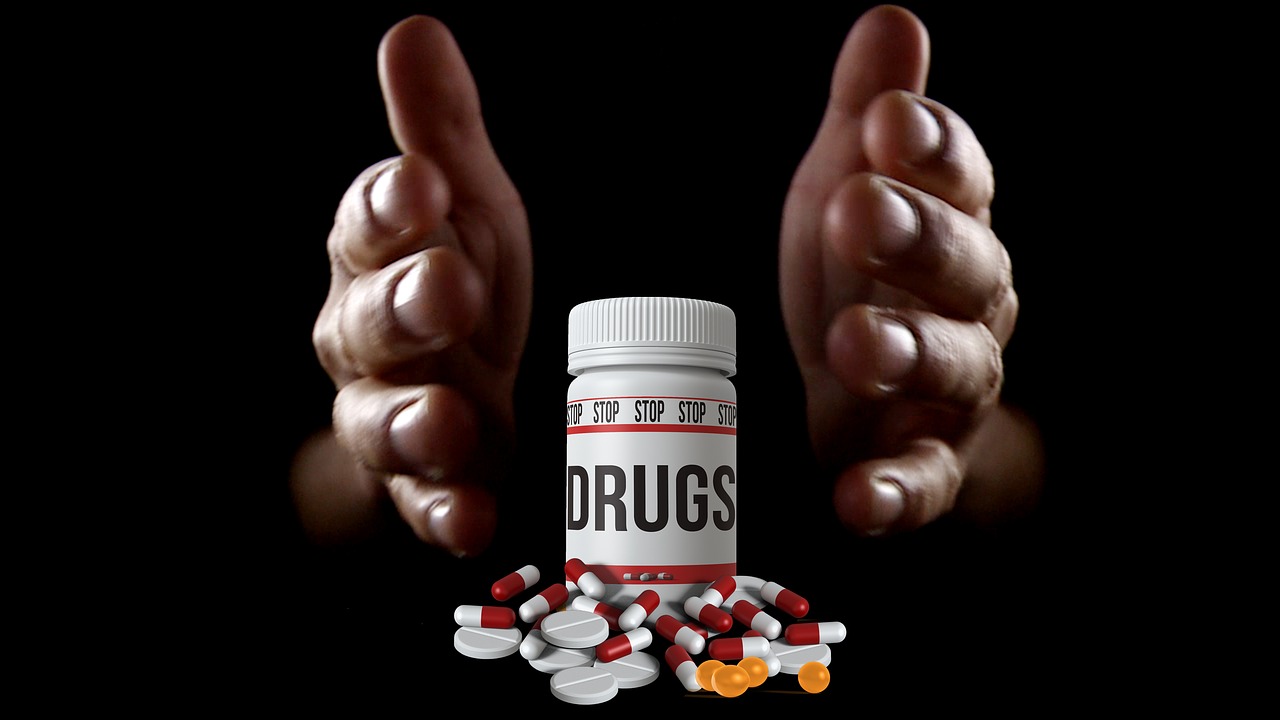
What do drug dreams mean?

By David Joel Miller.

Drug dreams.
Photo courtesy of pixabay.

Drug dreams and nightmares in people with co-occurring issues.

An increase in dreams is a common occurrence among people in early substance abuse recovery. Some of these dreams become especially vivid and troubling. Many drugs suppress dreaming and the brain seems to need to make up for those lost dreams. Some of these dreams are memories being consolidated or current issues. Other previously suppressed dreams may be unfinished business, especially traumas that had not been processed while the client was using or drinking.

I remind clients that being unconscious is not the same thing as sleeping. The heavy use of drugs and alcohol has not allowed normal dreaming to take place.

Often there is an increase in nightmares as the person gets more time off the drugs or alcohol. As we discussed in a previous post (Getting rid of nightmares that maintain depression and PTSD) those dreams that are interpreted as nightmares play a role in maintaining depression, anxiety, and PTSD. This is an extra problem for those who have used alcohol to avoid the disturbing nightmares and now experience nightmares as a trigger for relapse.

One commonly reported dream by people in recovery is the dream about using their drug of choice. The conventional wisdom is that as the person withdraws from the drug, the brain adjusts to a new balance without the presence of drugs and at this point dreams about the drug are common.

Clients who awake from a dream and are genuinely scared that they may have used may experience a panicked reaction. They need reassurance that dreams of drug use which result in a fear of use are a common and expected occurrence in recovery.

Some drug use dreams are so realistic that the client has the sense of tasting the drug in their mouth or feeling the familiar body changes. This sensation can be especially disturbing and may be a relapse trigger.

Positive drug use dreams can be dangerous. Franey and Christo, researchers from London, report that of clients with six weeks or more clean, 85% had drug use dreams. The average number of dreams was between two and three per month. The more drug use dreams the more the risk of relapse.

Frequent positive dreams may be a warning that the addictive part of your brain is craving drugs.

If you have drug use dreams it is important to talk with someone whom you trust as soon as possible after awakening from the dream.

The use of alcohol or sleeping pills is generally not recommended for people with substance abuse issues. The risk of abuse is great and the benefits generally small. If you feel you need some sleeping aids, talk with your doctor or psychiatrists about the risks and benefits before starting to take anything.  Make sure you remind your doctor of any substance abuse issues or mental health diagnosis before beginning a treatment program that includes sleep aids.

You might want to take a look at other posts on:

Sleep

Dreams and Nightmares 

Have you experienced drug use dreams? Feel free to leave a comment about your experiences with drug or alcohol use dreams.

Staying connected with David Joel Miller

Seven David Joel Miller Books are available now!

My newest book is now available. It was my opportunity to try on a new genre. I’ve been working on this book for several years, but now seem like the right time to publish it.

Story Bureau.

Story Bureau is a thrilling Dystopian Post-Apocalyptic adventure in the Surviving the Apocalypse series.

Baldwin struggles to survive life in a post-apocalyptic world where the government controls everything.

As society collapses and his family gets plunged into poverty, Baldwin takes a job in the capital city, working for a government agency called the Story Bureau. He discovers the Story Bureau is not a benign news outlet but a sinister government plot to manipulate society.

Bumps on the Road of Life. Whether you struggle with anxiety, depression, low motivation, or addiction, you can recover. Bumps on the Road of Life is the story of how people get off track and how to get your life out of the ditch.

Dark Family Secrets: Doris wants to get her life back, but small-town prejudice could shatter her dreams.

Casino Robbery Arthur Mitchell escapes the trauma of watching his girlfriend die. But the killers know he’s a witness and want him dead.

Planned Accidents  The second Arthur Mitchell and Plutus mystery.

Letters from the Dead: The third in the Arthur Mitchell mystery series.

What would you do if you found a letter to a detective describing a crime and you knew the writer and detective were dead, and you could be next?

Sasquatch. Three things about us, you should know. One, we have seen the past. Two, we’re trapped there. Three, I don’t know if we’ll ever get back to our own time.

For these and my upcoming books; please visit my Author Page – David Joel Miller

Want the latest blog posts as they publish? Subscribe to this blog.

For videos, see: Counselorssoapbox YouTube Video Channel

Getting rid of Nightmares that maintain Depression and PTSD

By David Joel Miller, MS, Licensed Therapist & Licensed Counselor.

Nightmares maintain depression and PTSD.
Photo courtesy of Pixabay

Then Come Nightmares.

Frequent nightmares play a major role in maintaining depression, PTSD, and other mental health problems. It is common for people to think that they need to cure the PTSD or Depression and then the nightmares will go away.  The opposite approach is more likely to be productive.

Most treatments for PTSD do not target the nightmares. There are treatments for nightmares available, some as brief as three sessions. These have been shown to help reduce nightmares and promote recovery from other problems.

Treatment for nightmares has been shown to reduce symptoms of PTSD and depression.

Children also suffer from nightmare related problems. Children who are fearful because of a family problem, moves, divorces, or separation develop symptoms of mental illness. “Bad dreams” are the result of the child’s out of control fear and are at the root of many childhood attention or conduct disturbances. When the child gets a good night’s sleep they behave, when they don’t sleep they don’t pay attention, and they don’t mind.

Nightmares are associated with high levels of anxiety. They are fear-based.

Most people who have PTSD, depression, bipolar disorder, or any other diagnosis also have a co-occurring anxiety problem. Now sometimes anxiety is good, it protects you from danger. But when the anxiety circuits do not turn off the anxiety gets to be the problem rather than the solution.

We also see lots of disturbing dreams in clients recovering from substance abuse problems. Substance abuse counselors report clients sharing about drug-using dreams. We have some simple interventions around those issues, but not much research has been done in this area because substance abusers, people with Bipolar Disorder, and people with psychosis are routinely excluded from research studies. I believe that the treatment for nightmares will work for anyone.

The solution is to tone down that fear circuit.

Before I describe a treatment method for reducing nightmares – a word of caution, working on nightmares, especially those that maintain PTSD, can be a painful process. It is best to work with a therapist or other professional person, and you need to make sure you have a strong support system in place in case you have difficulty coping.  For more on support systems see “How to develop a support system” or “How supportive is your support system?”

Taming nightmares involves three steps.

1. Learn relaxation methods.

Nightmares are fear-based, and the fear persists after you awake. Sitting thinking about the scary part of the dream might reinforce the nightmare and result in memorizing your nightmare. Fear and relaxations are not compatible. The more you relax, the less fear you will have. As you get better at relaxing your fear shrinks and your dreams become less traumatic.

2. Learn sleep hygiene

Keeping regular bedtimes, reducing or eliminating caffeine especially in the hours before bedtime and other efforts to improve sleep naturally are helpful. It is important to allow plenty of time for sleep.

People who stay up late and get up early gradually become sleep deprived. Lack of sleep aggravates all sorts of mental health issues. Insufficient sleep increases the possibilities that you will be suddenly awakened and will remember the “bad dreams.”

During sleep the brain keeps working on our issues, memories are consolidated and thoughts organized. We only call dreams “nightmares” if we awake during the dream and have memories of it. Better sleep can result in fewer nightmares.

3. Begin treatment of the nightmares once you are relaxed and well-rested.

The process of “reframing” nightmares makes them less scary and more manageable. Reframing or reprocessing is helpful for intrusive daytime thoughts as well as for nightmares.  The application of this to reducing or eliminating nightmares was described by Rhudy et al. in their 2010 article on CBT treatment for nightmares in trauma-exposed people, where they called it “ERRT” therapy.  Ben Furman has also described a similar approach for use with children.

Disclaimer- Rhudy et al.’s study, like most research in the mental health area, excluded substance abusers, people with mania or psychosis, and probably screened out all people with Bipolar Disorders. The sample size was also low with about twenty people per group. There is so much overlap between substance abuse, bipolar disorder, and PTSD in the clients I see these studies leave out exactly the people who most need new effective treatments. That said – the ideas appear to be fully appropriate for clients with co-occurring disorders.

Here is how it works:

To reprocess or reframe nightmares do the following things:

A. Write out as full a description of the nightmare as possible.

Getting it down on paper tames the story and makes it manageable. It also allows you to go back over it and add missing details. In step C you will be rewriting it with added insight.

Remember that it is a normal process for your brain to use your dreams to make sense of your experiences. In dreams, your brain will turn the experience around and examine it from all sides. Your brain may also play out multiple alternative endings for the event. It is not the dream that is the problem; it is the connection between the dream and fear that makes this a nightmare.

If you have several versions of the dream try to write them all down.

B. Read the nightmare story aloud.

Listen for the themes in the story. What are the fear messages? I think it is helpful to be able to read this to a therapist or other support person who can keep you from being overwhelmed and can provide some insight into things you may not immediately see. Just don’t make someone listen to your nightmare that is not emotionally able to hear the story.

C. Re-script the nightmare.

What is the expected ending? What is an alternative ending? Write out the story this time with a new less scary ending. Read the new version out loud. Has seeing a new possible ending tamed the fear?

Furman described a story, not sure where it originated, in which a grandmother applied the sort of approach to her grandson’s nightmare.

The child came to the grandmother scared because of a nightmare.

“Grandma, ” he said, “I had a nightmare.”

“There are no such things as nightmares,” The grandmother said “Only goodmares. All dreams should have happy endings. The problem is you keep waking up before the end. What is a good ending that could have happened?”

In this story, the child then works with his grandmother to find new happy endings for these scary dreams. The result – fewer scary dreams and less fear when bad dreams occurred.

Warring – in people with PTSD who were treated with re-scripting the fear declined first, anger later and the frequency and length of nightmares were the last things to decline.

Talk to your care provider about this process. If you try this process, see if it works. Learn to relax more. Tame your sleep. Then tame your nightmares. If you have had success in changing your nightmares ending please share your success with the rest of us.

Staying connected with David Joel Miller

Seven David Joel Miller Books are available now!

My newest book is now available. It was my opportunity to try on a new genre. I’ve been working on this book for several years, but now seem like the right time to publish it.

Story Bureau.

Story Bureau is a thrilling Dystopian Post-Apocalyptic adventure in the Surviving the Apocalypse series.

Baldwin struggles to survive life in a post-apocalyptic world where the government controls everything.

As society collapses and his family gets plunged into poverty, Baldwin takes a job in the capital city, working for a government agency called the Story Bureau. He discovers the Story Bureau is not a benign news outlet but a sinister government plot to manipulate society.

Bumps on the Road of Life. Whether you struggle with anxiety, depression, low motivation, or addiction, you can recover. Bumps on the Road of Life is the story of how people get off track and how to get your life out of the ditch.

Dark Family Secrets: Doris wants to get her life back, but small-town prejudice could shatter her dreams.

Casino Robbery Arthur Mitchell escapes the trauma of watching his girlfriend die. But the killers know he’s a witness and want him dead.

Planned Accidents  The second Arthur Mitchell and Plutus mystery.

Letters from the Dead: The third in the Arthur Mitchell mystery series.

What would you do if you found a letter to a detective describing a crime and you knew the writer and detective were dead, and you could be next?

Sasquatch. Three things about us, you should know. One, we have seen the past. Two, we’re trapped there. Three, I don’t know if we’ll ever get back to our own time.

For these and my upcoming books; please visit my Author Page – David Joel Miller

Want the latest blog posts as they publish? Subscribe to this blog.

For videos, see: Counselorssoapbox YouTube Video Channel