
How to spot a bad therapist

By David Joel Miller, MS, Licensed Therapist & Licensed Counselor.
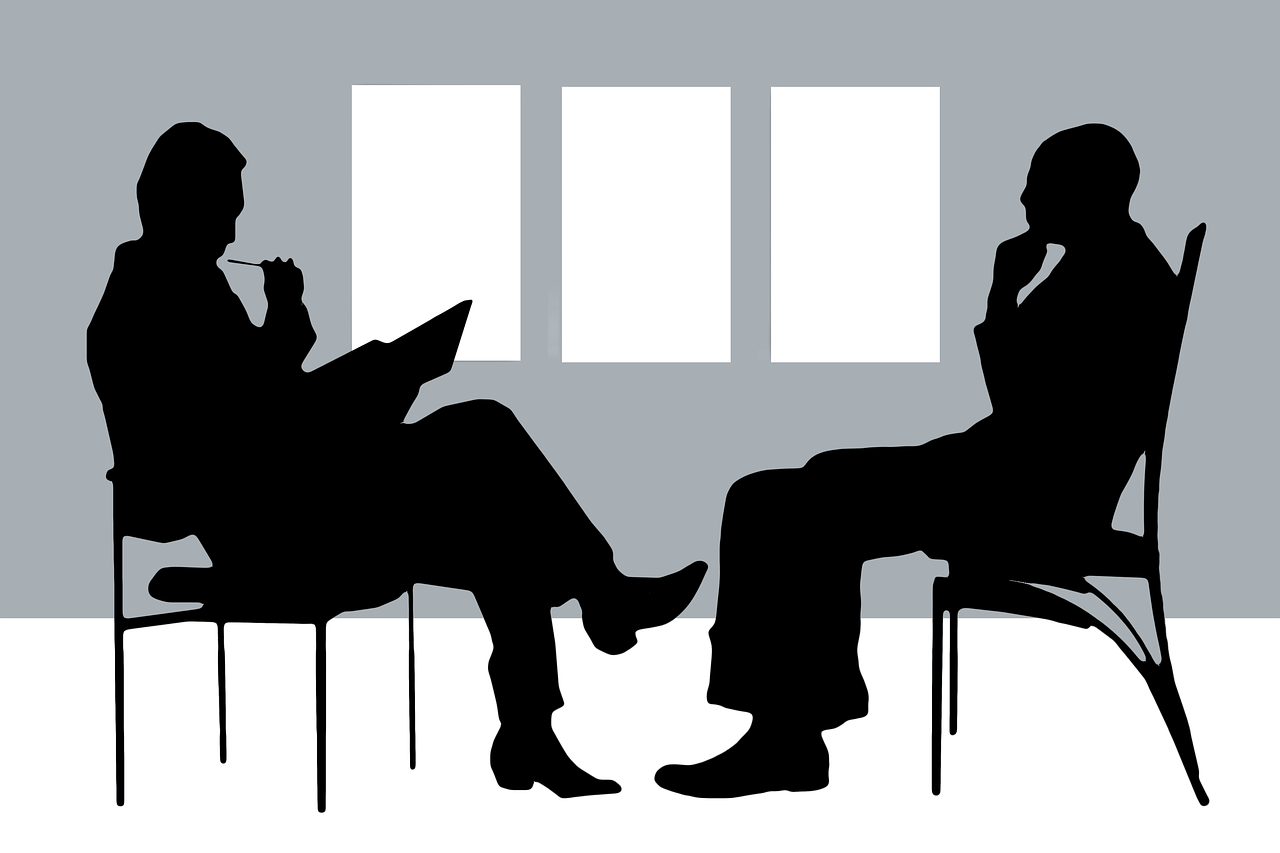
Therapist

Therapist.
Photo courtesy of Pixabay.com

What a therapist should not do.

Spotting a bad one of anything is the hard part. It may be harder with therapists than with other professions because of the confidentiality requirement. We aren’t supposed to tell you who comes to see us as that would violate their privacy. That makes it hard for you to check references. But there are some ways you can spot people who have broken the rules, violated codes of ethics and laws, and generally not behaved in a way that would make me want anyone I know to go see them. There are tell-tale signs that this person is not the counselor for you. It is not about the size or place of their office. There are some really great people who have their offices in poor parts of town. It is also not about the price they charge. We would all like to think that the person who charges more do so because they deserve it. That is not always true. And full-time people are no more reliable than part-timers when it comes to therapists. Many really good people work only part-time because they teach, have government jobs, or are semi-retired.

There are some things that should always make you suspicious if you see them. Here in California you can go to the Board of Behavioral Sciences website and check the status of anyone’s license. Many other states have license bureaus where you can check to see if the provider has ever had an action taken against their license. You need to be careful how you read the notations if the person’s intern number shows as “canceled’ which is probably a good thing. The intern number is canceled when they get a full unrestricted license. But if their license has ever been suspended or revoked you should check why.

Every month I get a magazine for therapists and in the middle, it has a list of all the professionals whose licenses have been suspended, revoked, etc. Here are the top things that therapists and counselors should not do but sometimes some of them do.

A therapist should never have sex with a client.

Does this sound odd? This is one of the top two reasons counselors lose their licenses. In California, we have a book that is titled “Professional Therapy Never Includes Sex.” We are supposed to keep that book with us and if a client ever says a past provider had a sexual relationship with them we give them that book. There is a fine if we don’t have the book. One reason that we are not supposed to get into romantic relationships with clients is that it is unfair to have them pour out their hearts to us and then use that information to get them into bed. When you go to a counselor you are looking for an independent person. If you have ever been or think you might be involved with them romantically that is not the professional for you. It is wise to keep friendships and therapy relationships separate also. Friends can’t always tell you the truth about things. Your therapist should.

You can’t help people if you need help.

Impaired therapists especially those who abuse alcohol and drugs are in no position to help anyone else. Now I believe in recovery. People with mental, emotional or substance abuse problems can recover, and recovered people can make excellent counselors. But no one can be fully helpful when they are impaired themselves. Some professions let people who are arrested for bad behavior go back to work right away. A professional counselor or therapist will be required to get help for themselves before they can return to work. Usually, there will be a waiting period before the start back to seeing clients and they may have to have a supervisor checking their work.

If you have bipolar disorder a professional who has the disorder also may be uniquely qualified to understand what you are going through and to help you. You just need to be sure they have found the solution to the problem and are functioning well themselves. You won’t always know this. Substance abuse counselors are much more likely to self-disclose that they are in recovery than mental health counselors. I am suggesting here that you interview the therapist as much as they should interview you. How comfortable do you feel that this person is the person to help you? Do, for sure give it and yourself a chance. It is not helpful to bounce from therapist to therapist. But if you get one of those gut feelings that this is not the person for you, I think you should listen to that feeling.

How much can you be honest with the person you owe money to?

No counselor should ever borrow money from a client. It is considered unethical and probably illegal most of the time. Run from anyone who suggests that and if the therapist talks about their money problems, this is a bad sign. In fact, any time you feel like part of your therapy session was spent on the counselor’s problem this is a bad sign.

They shouldn’t be in the business of lending money either. This is really bad. It makes you indebted to them and distorts the relationship. Counseling is all about the relationship. So anything that takes the focus off working with you on your problem and puts that focus on the counselor should make you wary. This is not what is supposed to be going on here.

This also means that you need to pay as you go. Running up a big bill with your counselor makes them start thinking about the money you owe and not about helping you. If you find it hard to pay, discuss this with them, and work out a solution. Don’t just let it go.

Bosses and therapists don’t mix.

Don’t go to work for your therapist. Trading stuff for therapy is also risky as it sets up a situation for one of you to be unhappy. Most codes of ethics tell us that we should not have any other relationship with our clients that the professional one. There may be some distant relationships like living in the same town or shopping in the same grocery store, but close relationships with your counselor are always problematic.

This boss and therapist relationship is especially problematic if you work in a place that employs therapists. It is a bad idea to talk to the therapist who works in the office next to you over lunch. Do you really want everyone at work to know your marital problems? So if you need help pick someone outside your normal sphere of activity and plan to pay them and thereby keep the relationship strictly professional.

So there you have it, four rules to help you spot a counselor or therapist that is not right for you. In other posts, I have and will talk about the positive things to look for in picking a professional.

Some people think that any licensed person has been “checked out” somehow. Not exactly. They have met some minimum requirements, but other professionals do not go to see them anonymously and check them out. So should you run into a professional that is not behaving legally or ethically it is up to you to avoid that person?

Hope some of these thoughts are helpful. Till next time here is wishing you a happy life.

For more on this subject see:

5 Rules for Picking the Right Therapist

What to do if Therapy is not helping

Reasons Counselors and Therapists lose licenses

Staying connected with David Joel Miller

Seven David Joel Miller Books are available now!

My newest book is now available. It was my opportunity to try on a new genre. I’ve been working on this book for several years, but now seem like the right time to publish it.

Story Bureau.

Story Bureau is a thrilling Dystopian Post-Apocalyptic adventure in the Surviving the Apocalypse series.

Baldwin struggles to survive life in a post-apocalyptic world where the government controls everything.

As society collapses and his family gets plunged into poverty, Baldwin takes a job in the capital city, working for a government agency called the Story Bureau. He discovers the Story Bureau is not a benign news outlet but a sinister government plot to manipulate society.

Bumps on the Road of Life. Whether you struggle with anxiety, depression, low motivation, or addiction, you can recover. Bumps on the Road of Life is the story of how people get off track and how to get your life out of the ditch.

Dark Family Secrets: Doris wants to get her life back, but small-town prejudice could shatter her dreams.

Casino Robbery Arthur Mitchell escapes the trauma of watching his girlfriend die. But the killers know he’s a witness and want him dead.

Planned Accidents  The second Arthur Mitchell and Plutus mystery.

Letters from the Dead: The third in the Arthur Mitchell mystery series.

What would you do if you found a letter to a detective describing a crime and you knew the writer and detective were dead, and you could be next?

Sasquatch. Three things about us, you should know. One, we have seen the past. Two, we’re trapped there. Three, I don’t know if we’ll ever get back to our own time.

For these and my upcoming books; please visit my Author Page – David Joel Miller

Want the latest blog posts as they publish? Subscribe to this blog.

For videos, see: Counselorssoapbox YouTube Video Channel

The ambulance at the corner

By David Joel Miller, MS, Licensed Therapist & Licensed Counselor.

Hospital emergency.

Ambulance.
Photo courtesy of Pixabay.

The ambulance at the corner.

There was an ambulance at the corner this morning. I almost missed it, but I had to stop for the light. I glanced over to see what they were doing. The light might change at any moment.

There was a homeless man I had seen at that corner before. The brick wall by the gas station shielded him from view. I saw his shopping cart on the sidewalk. The ambulance was parked just beyond. That nameless homeless person was motionless on his blanket, there on the sidewalk with the EMT’s all around.

There was a woman standing nearby holding the leash to her dog. She was staring at the homeless man, lying there so still. We don’t see a lot of homeless people in this part of town. Down on the south side, we see them, but not out north. Lately the homeless are coming farther north, or did he use to live here. Are people up north starting to be homeless also?

While I watched the paramedics rolled the man over. He didn’t seem to move. I wondered was he dead, was he unconscious? Maybe he was mentally ill. Most of the street people are mentally ill. Maybe he was a drug addict, lots of them are homeless. Maybe he was both mentally ill and homeless – or not.

A house near me is vacant. They lost it to foreclosure. This used to be a good neighborhood, middle class, and full of promise, now there are more for sale signs than residents. There are also lots of houses that sit empty, we all know they have been empty for a very long time, just the banks haven’t put the for sale signs, the “someone’s dreams died here” sign, on them yet.

Maybe that homeless man with the shopping cart was the man who used to live on the corner. His house went into foreclosure. Then his wife and kids left, gone to live with her parents. They said he drank a lot and then he was gone.

So I wondered who this unmoving man was by the corner. Why did he go to sleep on the sidewalk last night? Did he die of an overdose or of exposure? Was he just unconscious? They should try to revive him so he could – So he could what, come back to sleep behind the brick wall by the corner?

I have to hold on to hope. Somehow we will find a way to help those who are homeless, those who are addicted, those whose mental illness has taken them from family and friends.  But the hope seems fainter now, looking at that man lying on the sidewalk as I wonder what in his life went wrong.

It would be reassuring to think that being homeless and sleeping on the sidewalk only happens to bad people, people who deserve it. But I know from my own experiences that bad things sometimes happen to people who work hard and try their best. If only I could say he deserved his fate I might not feel so afraid and venerable.

Why do the homeless seem so old, so old and young? Living on the street ages you. I know that. And there are more seniors who can’t pay their bills now. Why didn’t someone help him?  But I know that there is less money now for any sort of help for people, less than we used to have. We needed the tax cuts for businesses to create jobs and now there is less money for people who don’t work.

Is all that stuff on my shopping list really that important? Do we really need more stuff? What does it say about me that I live in a society that appears to values things more than people? Did some abstract thing called a recession cause this or was it a bursting housing bubble that was the cause? Or did this happen because I and people like me stopped caring about other people? I wondered what I should do.

And then the light changed.

Staying connected with David Joel Miller

Seven David Joel Miller Books are available now!

My newest book is now available. It was my opportunity to try on a new genre. I’ve been working on this book for several years, but now seem like the right time to publish it.

Story Bureau.

Story Bureau is a thrilling Dystopian Post-Apocalyptic adventure in the Surviving the Apocalypse series.

Baldwin struggles to survive life in a post-apocalyptic world where the government controls everything.

As society collapses and his family gets plunged into poverty, Baldwin takes a job in the capital city, working for a government agency called the Story Bureau. He discovers the Story Bureau is not a benign news outlet but a sinister government plot to manipulate society.

Bumps on the Road of Life. Whether you struggle with anxiety, depression, low motivation, or addiction, you can recover. Bumps on the Road of Life is the story of how people get off track and how to get your life out of the ditch.

Dark Family Secrets: Doris wants to get her life back, but small-town prejudice could shatter her dreams.

Casino Robbery Arthur Mitchell escapes the trauma of watching his girlfriend die. But the killers know he’s a witness and want him dead.

Planned Accidents  The second Arthur Mitchell and Plutus mystery.

Letters from the Dead: The third in the Arthur Mitchell mystery series.

What would you do if you found a letter to a detective describing a crime and you knew the writer and detective were dead, and you could be next?

Sasquatch. Three things about us, you should know. One, we have seen the past. Two, we’re trapped there. Three, I don’t know if we’ll ever get back to our own time.

For these and my upcoming books; please visit my Author Page – David Joel Miller

Want the latest blog posts as they publish? Subscribe to this blog.

For videos, see: Counselorssoapbox YouTube Video Channel

It’s not all in my head

By David Joel Miller, MS, Licensed Therapist & Licensed Counselor.

Counseling questions

Counseling questions.
Photo courtesy of Pixabay.com

It’s not all in my head.

You have a headache, stomach ache, or pains here and there in your body. You go to your doctor and they poke and prod and run tests. They can’t find anything. So they refer you to a specialist or another doctor for a second opinion. Maybe you repeat this process a few times. Eventually one of these medical professionals suggests you see, maybe even makes a referral to, a psychiatrist, physiologist, or therapist. You are angry, maybe even furious. You know it is not all in your head. You are right; it is not all in your head, but seeing a mental health professional may help.

The connection between mental and physical pain is not all that neatly compartmentalized. Your thinking and your body are not two separate things. Your “brain” and the nerve cells in it are not all stored in your head. Did you know you have nerve cells everywhere in your body and they are all connected to your brain? Yes, there are nerve cells that surround your stomach and digestive tract. So the brain in your head influences the “brain” in your gut and vice versa. When your digestion is out of whack it affects your mood. Your mood also affects your digestion. This is not just some “mental” problem, your thoughts and feelings can create a very real pain in your body.

Your body also hugely impacts your mental states. Every therapist in training is taught that before we can diagnose a “mental illness” we need to be sure that the client has seen a doctor and that any medical issues have been ruled out or are being treated. Many doctors have observed that patients who have positive mental attitudes are more likely to benefit from medical treatment. Talk therapy started with doctors who also worked with their patients on emotional problems. Today, as doctors have more and more to do that practice of working on emotions, has largely been assumed by therapists and counselors. One new trend is returning counseling and therapy to the primary care, medical setting. This is not just some way to increase medical billing. The two disciplines are being recombined because it improves care and may make you well faster.

Many treatments for depression involve taking care of yourself physically. One symptom of depression is a loss of energy. Other symptoms are changes in sleep and appetite.  One treatment for depression is taking better care of yourself physically. Walking and other physical exercises can improve your mood. Getting more sleep and eating better can also improve mood.

Improving your mood and thinking can improve your physical performance. Many athletes see therapists to help them work on the mental part of their game. Improvements in sleep and eating improve all kinds of things in a person’s mental state.

So is that positive thinking stuff all a “mind trick?” Not at all. Studies have shown that the placebo effect is a real thing, not an illusion. If we give you a medication, your brain chemistry might change. This became the basis for the idea that mental illness was a “chemical imbalance.” Then some researchers tried another approach. When you give some people the real drug and some people a placebo, a sugar pill for example, and then you draw brain fluid something interesting happens, the brain chemistry of both changes. So the fact that people think that they are getting an effective medication by itself changes their brain chemistry.

Researchers know about this and they compare the results of the placebo with the real drug. To be effective the drug should produce a much larger change than the placebo. But what is interesting to me as a therapist is how much of a change can be created in someone physically by a change in the way they are thinking.

There are other connections between the physical body and the mental state. Kids who are sick, colds, and flu, for example, are much more likely to be grouchy and irritable. Kids who are coming down with an illness are more likely to get in trouble. But the reverse, in my experience, appears to be true also. People who are stressed, anxious, or depressed are much more likely to come down with a physical illness.

So if your medical professional has suggested you see someone in the mental health field, please don’t take this as a brush-off or a lack of interest in your problem. Professional athletes still have coaches. So if your medical professional has suggested you see a counselor or therapist, please consider it. The help of a good counselor or life coach may be just what you need to combine with your medical treatment to finally get those physical problems under control.

A big thank you to all of you who have commented on this blog or emailed me off the blog. I appreciate all your comments. I can’t offer comments or advice on your specific problem. This blog is not meant as treatment. I started this blog to offer my opinion on current issues in mental health treatment. Sometimes a comment will get me thinking and when possible I will answer it with a general information post on the topic you suggest. I am also interested in hearing what you are experiencing and what information might be helpful.

Till next time here is hoping you have a happy life. David Miller, LMFT, LPCC.

Staying connected with David Joel Miller

Seven David Joel Miller Books are available now!

My newest book is now available. It was my opportunity to try on a new genre. I’ve been working on this book for several years, but now seem like the right time to publish it.

Story Bureau.

Story Bureau is a thrilling Dystopian Post-Apocalyptic adventure in the Surviving the Apocalypse series.

Baldwin struggles to survive life in a post-apocalyptic world where the government controls everything.

As society collapses and his family gets plunged into poverty, Baldwin takes a job in the capital city, working for a government agency called the Story Bureau. He discovers the Story Bureau is not a benign news outlet but a sinister government plot to manipulate society.

Bumps on the Road of Life. Whether you struggle with anxiety, depression, low motivation, or addiction, you can recover. Bumps on the Road of Life is the story of how people get off track and how to get your life out of the ditch.

Dark Family Secrets: Doris wants to get her life back, but small-town prejudice could shatter her dreams.

Casino Robbery Arthur Mitchell escapes the trauma of watching his girlfriend die. But the killers know he’s a witness and want him dead.

Planned Accidents  The second Arthur Mitchell and Plutus mystery.

Letters from the Dead: The third in the Arthur Mitchell mystery series.

What would you do if you found a letter to a detective describing a crime and you knew the writer and detective were dead, and you could be next?

Sasquatch. Three things about us, you should know. One, we have seen the past. Two, we’re trapped there. Three, I don’t know if we’ll ever get back to our own time.

For these and my upcoming books; please visit my Author Page – David Joel Miller

Want the latest blog posts as they publish? Subscribe to this blog.

For videos, see: Counselorssoapbox YouTube Video Channel

How to spot a bad therapist

By David Joel Miller, MS, Licensed Therapist & Licensed Counselor.

Therapist

Therapist.
Photo courtesy of Pixabay.com

What a therapist should not do

Spotting a bad one of anything is the hard part. It may be harder with therapists than with other professions because of the confidentiality requirement. We aren’t supposed to tell you who comes to see us as that would violate their privacy. That makes it hard for you to check references. But there are some ways you can spot people who have broken the rules, violated codes of ethics and laws, and generally not behaved in a way that would make me want anyone I know to go see them.

There are tell-tale signs that this person is not the counselor for you. It is not about the size or place of their office. There are some really great people who have their offices in poor parts of town. It is also not about the price they charge. We would all like to think that the person who charges more does so because they deserve it. That is not always true. And full-time people are no more reliable than part-timers when it comes to therapists. Many really good people work only part-time because they teach, have government jobs, or are semi-retired.

There are some things that should always make you suspicious if you see them. Here in California you can go to the Board of Behavioral Sciences website and check the status of anyone’s license. Many other states have license bureaus where you can check to see if the provider has ever had an action taken against their license. You need to be careful how you read the notations if the person’s intern number shows as “canceled’ which is probably a good thing. The intern number is canceled when they get a full unrestricted license. But if their license has ever been suspended or revoked you should check why.

Every month I get a magazine for therapists and in the middle, it has a list of all the professionals whose licenses have been suspended, revoked, etc. Here are the top things that therapists and counselors should not do but sometimes some of them do.

A therapist should never have sex with a client.

Does this sound odd? This is one of the top two reasons counselors lose their licenses. In California, we have a book that is titled “Professional Therapy Never Includes Sex.” We are supposed to keep that book with us and if a client ever says a past provider had a sexual relationship with them we give them that book. There is a fine if we don’t have the book. One reason that we are not supposed to get into romantic relationships with clients is that it is unfair to have them pour out their hearts to us and then use that information to get them into bed. When you go to a counselor you are looking for an independent person. If you have ever been or think you might be involved with them romantically that is not the professional for you. It is wise to keep friendships and therapy relationships separate also. Friends can’t always tell you the truth about things. Your therapist should.

You can’t help people if you need help.

Impaired therapists especially those who abuse alcohol and drugs are in no position to help anyone else. Now I believe in recovery. People with mental, emotional or substance abuse problems can recover, and recovered people can make excellent counselors. But no one can be fully helpful when they are impaired themselves. Some professions let people who are arrested for bad behavior go back to work right away. A professional counselor or therapist will be required to get help for themselves before they can return to work. Usually, there will be a waiting period before the start back to seeing clients and they may have to have a supervisor checking their work.

If you have bipolar disorder a professional who has the disorder also may be uniquely qualified to understand what you are going through and to help you. You just need to be sure they have found the solution to the problem and are functioning well themselves. You won’t always know this. Substance abuse counselors are much more likely to self-disclose that they are in recovery than mental health counselors. I am suggesting here that you interview the therapist as much as they should interview you. How comfortable do you feel that this person is the person to help you? Do, for sure give it and yourself a chance. It is not helpful to bounce from therapist to therapist. But if you get one of those gut feelings that this is not the person for you, I think you should listen to that feeling.

How much can you be honest with the person you owe money to?

No counselor should ever borrow money from a client. It is considered unethical and probably illegal most of the time. Run from anyone who suggests that and if the therapist talks about their money problems, this is a bad sign. In fact, any time you feel like part of your therapy session was spent on the counselor’s problem this is a bad sign.

They shouldn’t be in the business of lending money either. This is really bad. It makes you indebted to them and distorts the relationship. Counseling is all about the relationship. So anything that takes the focus off working with you on your problem and puts that focus on the counselor, be wary. This is not what is supposed to be going on here.

This also means that you need to pay as you go. Running up a big bill with your counselor makes them start thinking about the money you owe and not about helping you. If you find it hard to pay, discuss this with them, and work out a solution. Don’t just let it go.

Bosses and therapists don’t mix.

Don’t go to work for your therapist. Trading stuff for therapy is also risky as it sets up a situation for one of you to be unhappy. Most codes of ethics tell us that we should not have any other relationship with our clients that the professional one. There may be some distant relationships like living in the same town or shopping in the same grocery store, but close relationships with your counselor are always problematic.

This boss and therapist relationship is especially problematic if you work in a place that employs therapists. It is a bad idea to talk to the therapist who works in the office next to you over lunch. Do you really want everyone at work to know your marital problems? So if you need help pick someone outside your normal sphere of activity and plan to pay them and thereby keep the relationship strictly professional.

So there you have it, four rules to help you spot a counselor or therapist that is not right for you. In other posts, I have and will talk about the positive things to look for in picking a professional.

Some people think that any licensed person has been “checked out” somehow. Not exactly. They have met some minimum requirements but other professionals do not go to see them anonymously and check them out. So, should you run into a professional that is not behaving legally or ethically it is up to you to avoid that person.

Hope some of these thoughts are helpful. Till next time here is wishing you a happy life.

David Joel Miller, LMFT, LPCC

Staying connected with David Joel Miller

Seven David Joel Miller Books are available now!

My newest book is now available. It was my opportunity to try on a new genre. I’ve been working on this book for several years, but now seem like the right time to publish it.

Story Bureau.

Story Bureau is a thrilling Dystopian Post-Apocalyptic adventure in the Surviving the Apocalypse series.

Baldwin struggles to survive life in a post-apocalyptic world where the government controls everything.

As society collapses and his family gets plunged into poverty, Baldwin takes a job in the capital city, working for a government agency called the Story Bureau. He discovers the Story Bureau is not a benign news outlet but a sinister government plot to manipulate society.

Bumps on the Road of Life. Whether you struggle with anxiety, depression, low motivation, or addiction, you can recover. Bumps on the Road of Life is the story of how people get off track and how to get your life out of the ditch.

Dark Family Secrets: Doris wants to get her life back, but small-town prejudice could shatter her dreams.

Casino Robbery Arthur Mitchell escapes the trauma of watching his girlfriend die. But the killers know he’s a witness and want him dead.

Planned Accidents  The second Arthur Mitchell and Plutus mystery.

Letters from the Dead: The third in the Arthur Mitchell mystery series.

What would you do if you found a letter to a detective describing a crime and you knew the writer and detective were dead, and you could be next?

Sasquatch. Three things about us, you should know. One, we have seen the past. Two, we’re trapped there. Three, I don’t know if we’ll ever get back to our own time.

For these and my upcoming books; please visit my Author Page – David Joel Miller

Want the latest blog posts as they publish? Subscribe to this blog.

For videos, see: Counselorssoapbox YouTube Video Channel

5 Rules for picking the right therapist

By David Joel Miller, MS, Licensed Therapist & Licensed Counselor.

Therapist

Therapist.
Photo courtesy of Pixabay.com

5 Rules for picking the right therapist.

How do you choose a counselor?

What are the key things you should look for when choosing a therapist? How do you know if this person could help you? Let’s look at some suggestions for having a good experience in therapy.

Do you relate well?

The number one predictor of a therapist’s ability to be of help to you is – If you think they can help you they can. And conversely, if you get the feeling that this person will not be able to help you, then they probably will not be able to be helpful.

Whenever you enter a helping relationship look first and foremost for a person that you get a good feeling about. In the first session, you should be interviewing the counselor as much as they are interviewing you. See if this person “gets you” and if you feel comfortable disclosing things to them. If you feel the need to hold back and not tell them something you are off to a bad start. I see two extremes to this finding a fit problem the client who works for years with the same therapist and gets no better and the client who bounces from provider to provider and never stays in a relationship long enough to get any work done. You need to give the process time, but not forever.

Do you need a specialist? Does their training or specialty matter?

Some therapists list very specific areas of experience. Truth be told all counselors see people with the same sort of problems, mostly anger, depression, and anxiety. Couples who want a better marriage and schizophrenics who have few friends both need help with relationships. But there are some issues that call for a more specialized approach. Eating disorders, sexual issues, and developmental problems need special expertise. So does substance abuse in my opinion. If several therapists tell you they don’t see that type of client and give you referrals to call, pay special attention, they are telling you that your sort of problem does not call for a mental health general practitioner. If you are referred to the same name two or three times seriously consider this person.

How long do you want counseling to take?

Some schools of therapy believe in the long slow approach, working on basic childhood and personality issues.  They take a lot of time and can be expensive but can help you change the way you relate to the world. Some clients feel they need to see a therapist on a regular basis to continue to function well. Without their weekly visit to the therapist, these people may fall apart and end up unable to hold a job or end up back in the hospital again.

Other therapies believe in brief problem-solving approaches. Cognitive and behavioral approaches generally expect you to do work on yourself between sessions. They assign homework. Do you want to do your work in session or are you expecting a crash program that includes homework?

What is your reason for wanting therapy?

Are you facing a choice – should you get a divorce or stay together or which job should you take? Do you need the counselor to provide information or just listen? A good counselor will NOT tell you what to do. That makes you dependent on them for your life decisions. They should help you grow so you can make your own informed decisions.

Do you want to change something?  Give up drugs; learn to have a better relationship with your kid? Change requires a process if it is to be successful and if the change is to be maintained. A word of caution, be sure who you want to change. The therapist can’t change a person who is not in the room and who does not want to change. They can teach you new ways of relating to that person and if you change the way you act they may change also.

Are you confused and need some help in sorting it all out? Confusion issues may take a lot longer to work through. Are you prepared to spend that much time? There may be an underlying life issue, are you willing to take a look at that even if it involves pain or talking about something you want to forget?

Are you coming to counseling for you or for someone else?

If you are coming because your partner wants you to or because of a court order you need to be clear that you are doing this for someone else. Discuss how many sessions exactly the counselor will want you to come to before they will sign that court letter. Even if you are court or spouse ordered are you willing and open to change? If you do have to do this counseling for someone else I urge you to approach it as a chance to learn some new things and to grow and develop. If you only go to shut up the judge you are likely to make yourself miserable during the process if you are not willing to really do the process

Finances – the cost of therapy.

I have put this last for a good reason. People often say they can’t afford therapy. They complain about their pain and their life situation but they are not sure that it is worth spending money to have happiness. You should give this a lot of thought. If you spend a lot each week on entertainment, video games, or eating out but find you are still unhappy, would you spend as much to see a counselor as you spend on a beauty treatment or drugs and alcohol? How much might help getting your child to behave better be worth to you?

If you have insurance talk to your provider, what is covered, what requires out-of-pocket payment? Some companies require you to see a contracted provider from a list they provide and you probably will have a co-pay. They should give you several names to choose from. Sometimes insurance companies will let you pick a counselor, pay that counselor, and then submit the receipt for reimbursement. This may cost you a little more but it gives you lots more choices.  Some people chose to pay themselves because it puts them more in control of the process.

If you don’t have insurance carefully think about how much you might be able to pay and then look around to see what is available. There are low-cost clinics and providers who do sliding scale. I wrote in a previous post about other ways to get low-cost help when you really can’t afford to pay the fee.

Hope that you find this helpful. Best wishes on your journey to a happy life. David Miller. LMFT, LPCC.

For more on this subject see:

What to do if Therapy is not helping

How to Spot a Bad Therapist

Reasons Counselors and Therapists lose licenses 

Staying connected with David Joel Miller

Seven David Joel Miller Books are available now!

My newest book is now available. It was my opportunity to try on a new genre. I’ve been working on this book for several years, but now seem like the right time to publish it.

Story Bureau.

Story Bureau is a thrilling Dystopian Post-Apocalyptic adventure in the Surviving the Apocalypse series.

Baldwin struggles to survive life in a post-apocalyptic world where the government controls everything.

As society collapses and his family gets plunged into poverty, Baldwin takes a job in the capital city, working for a government agency called the Story Bureau. He discovers the Story Bureau is not a benign news outlet but a sinister government plot to manipulate society.

Bumps on the Road of Life. Whether you struggle with anxiety, depression, low motivation, or addiction, you can recover. Bumps on the Road of Life is the story of how people get off track and how to get your life out of the ditch.

Dark Family Secrets: Doris wants to get her life back, but small-town prejudice could shatter her dreams.

Casino Robbery Arthur Mitchell escapes the trauma of watching his girlfriend die. But the killers know he’s a witness and want him dead.

Planned Accidents  The second Arthur Mitchell and Plutus mystery.

Letters from the Dead: The third in the Arthur Mitchell mystery series.

What would you do if you found a letter to a detective describing a crime and you knew the writer and detective were dead, and you could be next?

Sasquatch. Three things about us, you should know. One, we have seen the past. Two, we’re trapped there. Three, I don’t know if we’ll ever get back to our own time.

For these and my upcoming books; please visit my Author Page – David Joel Miller

Want the latest blog posts as they publish? Subscribe to this blog.

For videos, see: Counselorssoapbox YouTube Video Channel

What should I do?

By David Joel Miller, MS, Licensed Therapist & Licensed Counselor.

Counseling questions

Counseling questions.
Photo courtesy of Pixabay.com

Wondering what to do with your life?

When you came home from the hospital that first day of your life, did you get a guide to life, where to go, and what to do? I didn’t get mine either. People frequently come to counselors for the answers from that book. Unfortunately, there are no such books. There are some lessons we have learned from living our lives but I am not sure we should recommend those to you. Your life is after all yours. So how could you decide what to do? Let me suggest some options.

There are some guides to having a good life, those general things on proper living, like the Ten Commandments and ethical principles. But it is hard to apply that instruction to daily life, like jobs and children. People look for guidance everywhere. Some people visit fortune tellers and some read columns by economists. The hope is the same; that some expert will be able to tell us what will happen and what we should do.  These sources of information may inform your choices but they won’t tell you what to do. It’s your life and you need to make the decisions. Sorry to have to tell you that. So how might a counselor help you with a decision?  What are the things that the counselor should do and what are the parts of this process you should do yourself?

What are your values?

What are your religious or moral values? How strongly do you hold these concepts? Is the course of action consistent with these values? How will you feel about that choice after you have made it? A counselor can help here by letting you “talk this out.” You can explore conflicts between what you are thinking of doing and what you value. Many people have never looked carefully at their values. Do you believe this or is this something that you learned from a parent or authority figure? Though shalt not kill is a good value – unless you are in the army or on the police force.

What if you learned that money is all-important. Make money your family told you when you were young. Now you have the chance to do something you truly love but the pay is not so good. Which values are more important to you?

No one in the helping professions should impose their values on you. Some counselors firmly believe that a couple should always stay together, no divorce no matter what. Another counselor may be a “feminist” or a strong believer in woman’s rights. They may encourage all their clients to divorce. As a profession, most counselors believe we should not make those decisions for you. If we have strong opinions one way or the other we should tell you at the start. We can work with you on improving the relationship if that is what you want. We might also work with you on a safety plan to protect you and the children from domestic violence.

What are your options?

People often stay trapped in a bad situation because they have become stuck and hopeless. They don’t know they have choices. Career changes are a good example of this. The counselor should help you learn to find answers not find them for you. This issue causes a lot of frustration among clients. Some counselors are so reluctant to impose any idea on their clients they listen to them talk about their unhappiness but never think to point to the answer even when the counselor knows where it is. An example might help here.

You are stuck in a low paying job you hate. You can’t find anything better and you become depressed and angry with your family as a result. You could work on your anger and your depression. That might help. You could also learn some new job search skills. There are online resources that a career counselor might tell you about where you could look at pay scales and requirements for other careers. There might be one that is perfect for you, just what you want, but you need more education. So the counselor might tell you about schools that offer this training and were to go to research them.

If you were homeless would you want a counselor that listens to your pain or one that gave you the number of an agency that could find you a place to stay? Maybe you would want one that did both. So a good counselor will show you how to find options but won’t tell you which one to choose. It is your life after all.

Many counselors strongly believe in an approach called “Bibliotherapy.”  They will recommend books for you to read and then discuss what you read with you. Did the ideas in the book help you make a decision? What else do you need to know?

The counselor should help with reality testing. So what is that?

When people are very angry, depressed, or fearful, Ideas come to them that sound like a possible solution to their problem. Suicide and Homicide are extreme examples of this. But there are milder possibilities. Someone who just had a fight with their boss may be in a hurry to quit their job and tell their boss off. When upset we humans seem to lose the ability to think things over and are prone to act impulsively. That is not an excuse for bad behavior, only the truly “legally insane” can’t tell right from wrong.

Say a person comes in and tells their counselor that they feel that God is punishing them for their sins. That, they say, is why they are having all these troubles. If this is consistent with their beliefs the counselor needs to consider the client may really believe this. Who am I to decide what God is up to?

So this client decides to quit his job, give up his family, and become a Missionary to Burma. Here is where reality testing kicks in. There is a process in most religious groups for selecting missionaries. Is he willing to go through the selection process? Does he speak the language?  How will he support himself? Who will take care of his family? So the idea to drop everything is probably not reality. If he is a doctor and is willing to go through a several-year process, this is a lot more possible than if he works in fast food and wants to start tomorrow.

Should the counselor and the client discount this idea altogether? Maybe not. He might decide to donate money to a group that is already working in that area. He might support literacy efforts or a medical program. He could decide to volunteer at a nonprofit near home.

So there you have it, for now. Three ways in which counseling could help you decide what to do without imposing the counselor’s values and will on you.

Hope you are moving towards a truly happy life.

Staying connected with David Joel Miller

Seven David Joel Miller Books are available now!

My newest book is now available. It was my opportunity to try on a new genre. I’ve been working on this book for several years, but now seem like the right time to publish it.

Story Bureau.

Story Bureau is a thrilling Dystopian Post-Apocalyptic adventure in the Surviving the Apocalypse series.

Baldwin struggles to survive life in a post-apocalyptic world where the government controls everything.

As society collapses and his family gets plunged into poverty, Baldwin takes a job in the capital city, working for a government agency called the Story Bureau. He discovers the Story Bureau is not a benign news outlet but a sinister government plot to manipulate society.

Bumps on the Road of Life. Whether you struggle with anxiety, depression, low motivation, or addiction, you can recover. Bumps on the Road of Life is the story of how people get off track and how to get your life out of the ditch.

Dark Family Secrets: Doris wants to get her life back, but small-town prejudice could shatter her dreams.

Casino Robbery Arthur Mitchell escapes the trauma of watching his girlfriend die. But the killers know he’s a witness and want him dead.

Planned Accidents  The second Arthur Mitchell and Plutus mystery.

Letters from the Dead: The third in the Arthur Mitchell mystery series.

What would you do if you found a letter to a detective describing a crime and you knew the writer and detective were dead, and you could be next?

Sasquatch. Three things about us, you should know. One, we have seen the past. Two, we’re trapped there. Three, I don’t know if we’ll ever get back to our own time.

For these and my upcoming books; please visit my Author Page – David Joel Miller

Want the latest blog posts as they publish? Subscribe to this blog.

For videos, see: Counselorssoapbox YouTube Video Channel

Stoned driving

By David Joel Miller, MS, Licensed Therapist & Licensed Counselor.

Hands with pills

Addiction.
Photo courtesy of Pixabay

Stoned Driving on Marijuana.

You are more likely to be involved in a fatal car crash if you drive while under the influence of marijuana. Being stoned behind the wheel increases the risk of an accident even when there is no alcohol present in the driver’s system. We found this out not with one small study but with nine studies that together included over 50,000 people.

Driving under the influence of marijuana about doubled the risk that you will be involved in a motor vehicle crash. This analysis didn’t come from the DEA or a “law and order group” but is from a study recently published in the British Medical Journal.

This isn’t the first time studies have shown this result. In a 2009 report from the National Highway Traffic Safety Administration, they reported that almost ten percent of drivers were under the influence of marijuana. They also concluded that over sixteen percent of drivers had drugs of all kinds in their system. Till now it has been easy to doubt that it was the Marijuana that was causing the impairment because older studies did not separate out people who were impaired by other and by multiple drugs. The British study solved that problem by looking at the risks of people under the influence of marijuana only, as opposed to those who were not impaired by any drug at all.

Why did they find that marijuana impaired a person’s ability to drive? We know that alcohol impairment is a serious problem. Alcohol interferes with driver’s awareness of speed and it reduces their reaction time. I tell students that a simple way of understanding alcohol Impairment is that alcohol shuts down the part of the brain that tells us “Hey stupid don’t do that.” What does marijuana do?

Marijuana alters people’s perceptions of space and time. Marijuana affects “special location.”  Stoned drivers follow too close, misjudge how close they are to the car in the other lane, and tend to swerve in and out of traffic often cutting the distance too close. Additionally, drunk drivers tend to know they are impaired and they often slow down. Sometimes they slow down way too much. Stoned drivers don’t do that. They can’t tell how fast they are going or how far away they are and they don’t feel that impaired.

The problem of stoned drivers is not a small thing. We have begun to recognize just how often serious automobile accidents are the result of impaired drivers. Just because a drug is prescribed does not make it safe. People are getting arrested for driving under the influence even when they have prescriptions for the drug. The fact that some people have prescriptions for Medical Marijuana, has lulled many into a false sense that this drug has no downside and is safe.

I continue to have conflicts about the use of Medical Marijuana. There are those who swear by it and report great medicinal befits. I am all for reducing human suffering and increasing happiness. But the idea that your medicine might kill me or someone I love makes me skeptical. I think people on both sides of the Medical Marijuana debate have left out things that we should know. I plan to write more about this in the future. But for now, I would conclude that if you need to use Medical Marijuana please don’t drive.

Until Next time, hope your life is happy, David Joel Miller, LMFT, LPCC.

Staying connected with David Joel Miller

Seven David Joel Miller Books are available now!

My newest book is now available. It was my opportunity to try on a new genre. I’ve been working on this book for several years, but now seem like the right time to publish it.

Story Bureau.

Story Bureau is a thrilling Dystopian Post-Apocalyptic adventure in the Surviving the Apocalypse series.

Baldwin struggles to survive life in a post-apocalyptic world where the government controls everything.

As society collapses and his family gets plunged into poverty, Baldwin takes a job in the capital city, working for a government agency called the Story Bureau. He discovers the Story Bureau is not a benign news outlet but a sinister government plot to manipulate society.

Bumps on the Road of Life. Whether you struggle with anxiety, depression, low motivation, or addiction, you can recover. Bumps on the Road of Life is the story of how people get off track and how to get your life out of the ditch.

Dark Family Secrets: Doris wants to get her life back, but small-town prejudice could shatter her dreams.

Casino Robbery Arthur Mitchell escapes the trauma of watching his girlfriend die. But the killers know he’s a witness and want him dead.

Planned Accidents  The second Arthur Mitchell and Plutus mystery.

Letters from the Dead: The third in the Arthur Mitchell mystery series.

What would you do if you found a letter to a detective describing a crime and you knew the writer and detective were dead, and you could be next?

Sasquatch. Three things about us, you should know. One, we have seen the past. Two, we’re trapped there. Three, I don’t know if we’ll ever get back to our own time.

For these and my upcoming books; please visit my Author Page – David Joel Miller

Want the latest blog posts as they publish? Subscribe to this blog.

For videos, see: Counselorssoapbox YouTube Video Channel

Finding happiness or misery

Counselorssoapbox.com

By David Joel Miller, MS, Licensed Therapist & Licensed Counselor.

You get what you look for. Sounds simple, but this basic principle has a huge impact on how happy we are. Take two couples one happy and the other miserable – what is the difference?

Couple one, let’s call then Bob and Sue, for no particular reason. Bob complains that Sue nags him. She never likes the tie he wears. Nothing he ever does is good enough. Sue is sure that Bob doesn’t love her. He never wants to spend time with her. He is always too busy with his job and his studies for his night class to spend time with her. Sue says the only time Bob does things around the house is when she nags him, he always puts off taking the garbage out until the last possible moment. She has to keep at him because he will put off taking out the trash until bedtime if she doesn’t keep on him.

The couple next door, let’s call them Juan and Ann, again for no special reason. Juan says he is so happy in his relationship. Ann is always trying to be helpful. She wants him to be successful and look his best. She is so helpful; she even makes suggestions for which tie will make him look his best. Ann tells me she is so happy to be with Juan. He works so hard to provide for the family. He is even taking a night class to help improve their income. Juan is so helpful around the house, Ann says, sometimes she has to remind him because he is so busy, but he always gets the trash out before he goes to bed.

Now Bob and Sue are sure that their neighbors are very nosy, always minding other people’s business. When the family came to visit that old busybody across the street came over and demanded to know who was there. Sometimes that woman brings over food in an effort to get into the house and spy on them. They have had to tell the neighbors several times to mind their own business. This town is so hostile. The other day one of the people up the street followed Sue all over the grocery store.

Juan and Ann report they feel so safe in their neighborhood. They have a neighborhood watch. One time when Ann’s parents came for a visit, Mrs. Smith across the street came over to check who was going into their house. She almost called the police on Ann’s family. Mrs. Smith brought over a cake she had baked for the family to enjoy. Ann and Juan feel so safe knowing that the people on their street will keep an eye on their house when they are not home. It is such a friendly town. Last week they went shopping and ran into Mrs. Smith in the market. She was going one way and Ann was going the other, they must have run into her ten times that day. They had a good laugh that they just couldn’t stay away from each other.

Why is the experience of these two couples, who live just a few houses apart so different? One couple loves their town and their marriage and the other is miserable. Two important happy life principles are at work here. First, the happy couple has a happy positive belief about the way they are, the way the world is, and how the future will turn out. This illustrates the principle that beliefs about things, not the things themselves create our feelings. But no matter what you believe, life experiences will impact your beliefs and feelings. Both couples have a bias in their thinking.

We call this bias confirmatory bias. If you think your spouse is uncaring or lazy you will watch the things they do and pick out the things that confirm your belief as proof you were right. It is a natural human tendency to look for things that will make us right and to ignore or discard the things that might force us to change our minds.

Happy couples see things their partner does and interpret them as positive. Unhappy couples can find plenty of proof that their partner is unloving and uncaring. Now we know there are bad relationships and uncaring or dishonest people out there. But if you enter a relationship expecting your partner to make you happy they are likely to. If you go into a relationship with the expectation your partner will mistreat you then you will find lots of “proof” for that also.

Much of our news fits this pattern also. Two people hear the same economic report, one sees things in the report to say that the economy is improving; the other person sees things to prove that the economy is getting worse.  Political speeches and debates especially demonstrate this principle. If you are strongly in favor of a candidate you will think they made a great speech. If you dislike that same candidate you will find something in the speech to seize upon and “prove” that person is unfit for public office. If you are wrong about a candidate for office you can complain about them until the next election. If you live with someone it is a bigger problem.

Sometimes it pays to challenge those beliefs. Is your spouse really being uncaring or unloving or do you look for the faults and miss the positive things they really did do for you?

Staying connected with David Joel Miller

Seven David Joel Miller Books are available now!

My newest book is now available. It was my opportunity to try on a new genre. I’ve been working on this book for several years, but now seem like the right time to publish it.

Story Bureau.

Story Bureau is a thrilling Dystopian Post-Apocalyptic adventure in the Surviving the Apocalypse series.

Baldwin struggles to survive life in a post-apocalyptic world where the government controls everything.

As society collapses and his family gets plunged into poverty, Baldwin takes a job in the capital city, working for a government agency called the Story Bureau. He discovers the Story Bureau is not a benign news outlet but a sinister government plot to manipulate society.

Bumps on the Road of Life. Whether you struggle with anxiety, depression, low motivation, or addiction, you can recover. Bumps on the Road of Life is the story of how people get off track and how to get your life out of the ditch.

Dark Family Secrets: Doris wants to get her life back, but small-town prejudice could shatter her dreams.

Casino Robbery Arthur Mitchell escapes the trauma of watching his girlfriend die. But the killers know he’s a witness and want him dead.

Planned Accidents  The second Arthur Mitchell and Plutus mystery.

Letters from the Dead: The third in the Arthur Mitchell mystery series.

What would you do if you found a letter to a detective describing a crime and you knew the writer and detective were dead, and you could be next?

Sasquatch. Three things about us, you should know. One, we have seen the past. Two, we’re trapped there. Three, I don’t know if we’ll ever get back to our own time.

For these and my upcoming books; please visit my Author Page – David Joel Miller

Want the latest blog posts as they publish? Subscribe to this blog.

For videos, see: Counselorssoapbox YouTube Video Channel

Third Hand Smoke.

By David Joel Miller, MS, Licensed Therapist & Licensed Counselor.

Cigarette

Cigarette smoking is addictive.
Photo courtesy of Pixabay.com

Have you ever heard of third-hand smoke?

Most people haven’t. There is a lot more awareness of second-hand smoke these days, but not third hand.

It took us a long time to recognize the health damages of smoking. There are still some people who try to argue that smoking is not harmful to health. They can point to some old person who lived a long life and smoked every day. They can also show us instances of people who never smoked and developed lung or another cancer anyway. But the studies continue to pile up that show that for any group of people we look at, the non-smokers, overall, have fewer health challenges than the smokers.

Smoking mental health connection.

This is especially important to me as a counselor because there is a strong connection between smoking and mental and emotional disorders. Substance abusers and the mentally ill smoke a lot, as any counselor who works around this group can tell you. It is not just the act of smoking that causes problems, which is where second-hand and third-hand smoking comes into play.

Now cigarettes are not the only problem. Areas with high air pollution and poor air quality are likely to have increased rates of people with respiratory problems. Anything on fire is likely to cause problems. One stud, I read, said that people who burn a lot of incense can develop respiratory problems also. Sure smoke from a poorly set fireplace can fill a room with smoke, though most of this goes up the chimney. Forest fires and structure fires are not good for the lungs either. But cigarettes are the major cause of indoor air pollution.

Smoke goes where it wants to.

The smoke, fine particles, and hot gas from the cigarette, are not the only problem. The basic chemicals in cigarettes are also significant issues. Tar and nicotine in the air don’t know to only go into the smoker’s lungs. They float around and fill everyone in the room’s lungs. Now we know about the risk of second-hand smoke in restaurants and bars. We are also connecting the dots that show that kids who live with smokers have more asthma and other breathing problems. Parents and other adults should not smoke in an enclosed space where kids, the elderly, or other susceptible people are present. Waiting till the kids leave is not enough though.

Where is the smoke when you can’t see it?

Eventually, the “smoke” in the air disappears. Where does to go? Some of it sticks to the walls and the ceiling, a lot of it settles to the floor. Now that residue, that tar, nicotine, ash, and other nasty stuff waits patiently in the carpet and stuck to the floor.

Eventually, someone walks on the carpet, maybe a child crawls around in the shag. This could be weeks or months after the smoker has left the room.  The longer the smoker was in the room the more gunk is in the carpet. Shampooing and vacuuming get some of it out but there is still plenty left.

When that child crawls around they are stirring up a lot of that residue. They are only inches from the surface and the little particles find their way into their lungs. Now they are exposed to the smoke of a smoker who has not lived in the house since they moved in. They may never have met that smoker but they are impacted by that residual smoke.

So there you have it. Third-hand smoke is breathing in the residue from smoking that is stirred up from surfaces long after the smoker has left. It may not be possible to ever completely decontaminate the room. This has led to a movement to keep some rooms forever uncontaminated by anyone who has smoked.

We would like to think that this would solve the problem. But we know that despite all the warnings parents still smoke in the car with their kids present and we know that if they smoke in the house even when the kids are not home those kids and other people long after will be exposed to the toxins from that smoke.

Quitting cigarettes is hard.

Now I know that quitting smoking is not easy. Former Heroin addicts tell me it was easier to kick heroin than cigarettes and I believe them. But maybe the idea that long after the smoker has gone their children or grandchildren may still be breathing in the results of their smoking will spur some people to try to quit.

This blog is about having a happy life. So if you chose to keep smoking that is on you. But as hard as it is to quit I can’t think of anyone who has stopped smoking and stayed quit that has ever told me they regretted quitting. That is my encouragement on making the change if you decide to do so.

If you are still smoking, isn’t it time for you to quit?

Staying connected with David Joel Miller

Seven David Joel Miller Books are available now!

My newest book is now available. It was my opportunity to try on a new genre. I’ve been working on this book for several years, but now seem like the right time to publish it.

Story Bureau.

Story Bureau is a thrilling Dystopian Post-Apocalyptic adventure in the Surviving the Apocalypse series.

Baldwin struggles to survive life in a post-apocalyptic world where the government controls everything.

As society collapses and his family gets plunged into poverty, Baldwin takes a job in the capital city, working for a government agency called the Story Bureau. He discovers the Story Bureau is not a benign news outlet but a sinister government plot to manipulate society.

Bumps on the Road of Life. Whether you struggle with anxiety, depression, low motivation, or addiction, you can recover. Bumps on the Road of Life is the story of how people get off track and how to get your life out of the ditch.

Dark Family Secrets: Doris wants to get her life back, but small-town prejudice could shatter her dreams.

Casino Robbery Arthur Mitchell escapes the trauma of watching his girlfriend die. But the killers know he’s a witness and want him dead.

Planned Accidents  The second Arthur Mitchell and Plutus mystery.

Letters from the Dead: The third in the Arthur Mitchell mystery series.

What would you do if you found a letter to a detective describing a crime and you knew the writer and detective were dead, and you could be next?

Sasquatch. Three things about us, you should know. One, we have seen the past. Two, we’re trapped there. Three, I don’t know if we’ll ever get back to our own time.

For these and my upcoming books; please visit my Author Page – David Joel Miller

Want the latest blog posts as they publish? Subscribe to this blog.

For videos, see: Counselorssoapbox YouTube Video Channel

Finding happiness

By David Joel Miller, MS, Licensed Therapist & Licensed Counselor.

Happy faces

Happiness.
Photo courtesy of Pixabay.com

It is hard to find a thing if you don’t know what it looks like. People who are unhappy can find the pain anywhere but can’t find happiness. A happiness expert can find a happy thing a mile away. Which are you?

Why is it so hard to find happiness, financial security or so many of those other things clients who come to see me say they are looking for? There is a simple phenomenon, called the “expert effect,” which explains one reason it is so hard to find those things were are looking for in life. Let me tell you a story that illustrates a real-world example of “expert effect” that happened to me and then let’s look at how this phenomenon may be keeping you from getting the things you want, like happiness, out of life.

Once I had a friend who was very into antiques. We decided to go antique shopping together. We went from shop to shop and looked around. Several times as we left a store this friend would say to me something like “Did you see that Fenton Glass?” “They had some nice Murano glass in there, did you like it?” Each time I had to admit I had not noticed the glass piece my friend had asked about. This was very frustrating for me.

So over the next few weeks, I checked some books on collectible glass out of the library and read them. This was in the ancient days when people went to buildings called libraries to get books instead of reading books on their e-reader. After reading several of these books about the collectible glass I began to know some of the different kinds of glass that might be in antique and collectible stores.

A few weeks later this friend of mine and I ended up downtown for lunch and decided to check out a couple of antique stores. The same thing happened as last time, they commented on some glass pieces they had liked. Only this time my response was different. I had indeed seen the piece they mentioned and now I even had an opinion on the ones I liked and the ones that did not strike my fancy. I had become enough of an “expert” to at least recognize a piece of glass when I saw one. Please don’t email me with questions on collectible glass. The only thing I may be able to tell you is that piece looks like glass to me. But at least now I know glass when I see it, most of the time.

Now that I am a counselor I realize that for many of my clients this “expert effect” is what is holding them back. How can you find happiness if you don’t know what it looks like?

Lots of people think that if they get a new job or a larger house or say a new romantic partner then they will be happy. They come to see me when they get one or more of these things and then discover they are still not happy. So the first step in finding a happy life would be to find out what it looks like, for you and for others who seem to have a lot of it. See happiness is a feeling, not a thing. Many people know what things look like but they can’t tell a feeling from a piece of collectible glass.

This is a special problem for people in recovery, recovery from substance abuse, dysfunctional relationships, or other problems. To find recovery I believe that you need to get to know three things.

First, you need to really know what your problem looks like. Lots of substance abusers spend years trying to avoid looking at their problems. So what does the disease of addiction look like? How would you know a good relationship from a dysfunctional one? How would you really know if you were happy?

Second, you need to know what recovery looks like. Let me give you a hint here. Recovery is not a list of “things” that you will have. Recovery is not a cure or a cure-all, it is being restored to sanity or restored to a functioning life.

Lastly, you need to get to know yourself. What are you like when you are happy? What makes you sad? What do you like? I tell clients you will spend more time with yourself than with anyone else in your life and you need to really get to know you. You should be the world expert on you.

Have you begun your study of you? Have you started to study the truly happy life? Let me know if you have, and what you have learned about happiness.

Staying connected with David Joel Miller

Seven David Joel Miller Books are available now!

My newest book is now available. It was my opportunity to try on a new genre. I’ve been working on this book for several years, but now seem like the right time to publish it.

Story Bureau.

Story Bureau is a thrilling Dystopian Post-Apocalyptic adventure in the Surviving the Apocalypse series.

Baldwin struggles to survive life in a post-apocalyptic world where the government controls everything.

As society collapses and his family gets plunged into poverty, Baldwin takes a job in the capital city, working for a government agency called the Story Bureau. He discovers the Story Bureau is not a benign news outlet but a sinister government plot to manipulate society.

Bumps on the Road of Life. Whether you struggle with anxiety, depression, low motivation, or addiction, you can recover. Bumps on the Road of Life is the story of how people get off track and how to get your life out of the ditch.

Dark Family Secrets: Doris wants to get her life back, but small-town prejudice could shatter her dreams.

Casino Robbery Arthur Mitchell escapes the trauma of watching his girlfriend die. But the killers know he’s a witness and want him dead.

Planned Accidents  The second Arthur Mitchell and Plutus mystery.

Letters from the Dead: The third in the Arthur Mitchell mystery series.

What would you do if you found a letter to a detective describing a crime and you knew the writer and detective were dead, and you could be next?

Sasquatch. Three things about us, you should know. One, we have seen the past. Two, we’re trapped there. Three, I don’t know if we’ll ever get back to our own time.

For these and my upcoming books; please visit my Author Page – David Joel Miller

Want the latest blog posts as they publish? Subscribe to this blog.

For videos, see: Counselorssoapbox YouTube Video Channel