They’re misbehaving – again

By David Joel Miller, MS, Licensed Therapist & Licensed Counselor.

People fighting

Bad behavior.
Photo courtesy of pixabay

Lots of conversations are going on about kids and their behavior, for good reason.

We see some mighty atrocious behavior every day. Sometimes the poor behavior is by teens, other times it is by their parents. It would be easy to blame the kids acting up on their parents, but that isn’t always the case. Good parents sometimes have poorly behaved children, and when that happens the parents start asking about how do I get my kids to behave. Just for the record, there is also a connection between children’s behavior and resiliency later in life.

Studies of resiliency – that ability to bounce back from trials or not be harmed by them report that relationships, especially with parents, have a big influence on future resiliency. One sometimes overlooked part of this parental influence is the way parents use discipline. Now don’t get excited just yet. The researchers use the word discipline in a different way that a lot of other people do. By discipline, they don’t just mean punishment. They also mean rewards and praise and all the things you do to tell the child when they are doing the right thing.

One analogy is that you don’t shape a garden plant only by pruning. You need to do some staking and directing in the way you want the plant to grow. Some adults think the way to make a child fit the mold they envision for them is to break them into pieces and then pour the parts into the mold. This does not work. It inspires resistance and rebellion and in the more severe cases becomes downright abusive. We might think of discipline more like sanding down the rough edges of a child’s personality so they are more socially acceptable. There are certain natural tendencies; some kids are more active than others, some like licorice, etc. You can’t train all the personality out of a child. But then who would want to?

Now some parents think the way to have a good relationship with their child is to let the child do pretty much what the child wants. This does not generally make for a good relationship. Kids who have no or minimal rules don’t learn to follow what they are told. In short, the parents have no control over the child.  You might think this would lead to the child having more control over them but in most cases, it results in just the opposite. As adults, these people often say they are afraid they will not be able to control themselves. If your parent could not control you maybe you are uncontrollable. Kids need limits and structure so they will learn to stay inside the limits. They need parents to teach them how to control themselves and make good decisions. Kids need parents to teach them self-control.

Now one mistake new parents make is to try to teach lessons the child is not ready to learn. Coaches do not begin by teaching advanced skills, they start with the basics. In learning to play chess you are not taught multi-move openings – you start with how the pieces move. But parents often try to teach the proper use of silverware before they have taught the child not to climb on the table. This makes for upsetting dining out for the family and the people at the next booth.

Now the earlier you start training a child in good behavior the easier it is. I am not one who thinks that a person is ever too old to learn socially acceptable behavior but if you don’t teach it to your child someone else – like his parole agent, may need to step in and teach them.

One trap parents fall into is to yell, the worse the child gets the louder and longer the parent yells. This results in a condition called “parental deafness” this is similar to another medical syndrome called “married-man deafness syndrome” which I have written about elsewhere, only parental deafness develops at a much younger age. For a good description of “parental deafness,” you might want to check out “The Discipline Book” by Sears and Sears. They talk a lot about the way to teach a young child to behave. Most of the time I see older people, teens, and even adults who were cheated out of their lessons on behavior at a young age and now need some remedial work on behaving.

So the conclusion is: Children who are taught socially acceptable behavior at a young age are more able to control their own behavior at a later point in their life. And good self-control is one factor in being able to recover from the bumps in life’s road.

In future blogs, I plan to write more about behavior, resiliency, and what to do if you were absent the day these lessons were taught. We should also look at some of the things you can do if you are responsible for some remedial education on behavioral control. So what do you think about discipline, behavior, and its relationship to resilience?

Staying connected with David Joel Miller

Seven David Joel Miller Books are available now!

My newest book is now available. It was my opportunity to try on a new genre. I’ve been working on this book for several years, but now seem like the right time to publish it.

Story Bureau.

Story Bureau is a thrilling Dystopian Post-Apocalyptic adventure in the Surviving the Apocalypse series.

Baldwin struggles to survive life in a post-apocalyptic world where the government controls everything.

As society collapses and his family gets plunged into poverty, Baldwin takes a job in the capital city, working for a government agency called the Story Bureau. He discovers the Story Bureau is not a benign news outlet but a sinister government plot to manipulate society.

Bumps on the Road of Life. Whether you struggle with anxiety, depression, low motivation, or addiction, you can recover. Bumps on the Road of Life is the story of how people get off track and how to get your life out of the ditch.

Dark Family Secrets: Doris wants to get her life back, but small-town prejudice could shatter her dreams.

Casino Robbery Arthur Mitchell escapes the trauma of watching his girlfriend die. But the killers know he’s a witness and want him dead.

Planned Accidents  The second Arthur Mitchell and Plutus mystery.

Letters from the Dead: The third in the Arthur Mitchell mystery series.

What would you do if you found a letter to a detective describing a crime and you knew the writer and detective were dead, and you could be next?

Sasquatch. Three things about us, you should know. One, we have seen the past. Two, we’re trapped there. Three, I don’t know if we’ll ever get back to our own time.

For these and my upcoming books; please visit my Author Page – David Joel Miller

Want the latest blog posts as they publish? Subscribe to this blog.

For videos, see: Counselorssoapbox YouTube Video Channel

Depression Season – 8 Ways To Beat It.

By David Joel Miller, MS, Licensed Therapist & Licensed Counselor.

Depressed person

Depression.
Photo courtesy of Pixabay.com

Beat the depression season.

We are coming up on depression season. Did you know it has its own season? Like the rainy season or strawberry season, there is a definite season for depression, and it is fast approaching. While there are lots of reasons people might get depressed for the holidays there are things you can do to prevent or reduce depression this time of year so please stay tuned to the end for the solutions.

You have seen or will see shortly see lots of stuff about Seasonal Affective Disorder (SAD). A great many people suffer from a specific disorder which causes them to get depressed this time of year. Some people with SAD are OK during the winter but get depressed in the summer. A few unlucky ones get depressed summer and winter. These issues mainly have to do with changes in the hours of daylight and the weather. That’s not the only reason people will be getting depressed soon.

People with mood disorders, those who experience depression or bipolar disorder, are at extra risk to fall into depression this time of year.  There are all kinds of reasons for people with mood disorders to have episodes of depression and this time of year has. The season has lots of stressors that may trigger a bout of depression. Sure seasonal changes are one reason but as severe as they may be, loss of light and cold weather are not the only reason people fall into depression this time of year.

One reason for a winter depression season, which I believe is significant, is the increased occurrence of colds and flu. When someone is under the weather, they get grumpy and want to be left alone. When humans are sick we tend to push others away. This is especially true of children. We see a lot of kids that were essentially well-behaved most of the year but suddenly during the winter months they get into fights with their caregivers and end up in emergency psychiatric facilities. Often these emergency admissions, in kids and in adults, will begin sniffling and sneeze within hours if not minutes of admission. They got into conflicts and were unable to manage their emotions in part because they were fighting off an illness.

There are a lot of family get-togethers during the fall holiday season. Events like these cause stress. Even good events can be stressful. But how often has a holiday get together ended in arguments and fights? What was supposed to be a happy get together has turned into a depressing occurrence?

Some people become especially depressed during the holiday season for the opposite reason, they have little or no family. That is not the way we picture a holiday get together. On T. V and in the store ads holiday meals are a large group of people all laughing around a table full of tempting food. Imagine eating a bowl of Top Ramen by yourself for your holiday meal? I am getting bummed out just writing about this.

Increased consumption of alcohol and drugs in the wintertime also results in an increase in depression. People with mental illnesses are at increased risk to use drugs and alcohol to try to feel better. They also smoke the majority of the cigarettes consumed in America. Add a full ashtray and an empty bottle of booze to that bleak alone Christmas table and see how the picture looks now.

People with substance abuse problems, of course, get really depressed, at the holidays or any other time for that matter. Alcohol is a depressant, plain, and simple. Lots of us missed school the day they taught that. So the more you drink the more depressed you will probably get. Remember the twenty percent heaviest drinkers will drink eighty percent of the alcohol this holiday. They will also get arrested the most and they are fifty-five times more likely to attempt suicide when drunk.

People who do stimulants such as Methamphetamine will not be happy for Christmas either. Stimulant abuse does not make for happy people, just “wired” people. And when those drugs wear off and the user crashes, add them to the depressed.

So it does not much matter whether you have one problem, two problems, or many. It is not important which came first, the mood disorder or drug use. Lots of people are at risk for a bout of depression, from mild to severe, this holiday season.

So what can you do to avoid or reduce depression during the holidays?

A few simple steps, these are especially important if you know you are at risk.

1. Avoid alcohol and abusing drugs.

2. If you take meds stay on them and take them as prescribed. If you experience a severe episode of depression you may need to talk to your doctor or psychiatrist about your medication needs.

3. Spend as much time as possible in brightly lit places. A few hours a day of sunlight is great if possible. And definitely, avoid dark gloomy places.

4. If you have a spiritual or religious faith, practice it like your life depends on it. If you have severe depression your life just might depend on it.

5. Do not stay at home alone. Find places to go and people to be around. This is an area where alcoholics, drug addicts, and other recovering people just may have an advantage if they chose to use it. All across this country and beyond, twelve-step groups will have increased meetings during the holiday season. Many have potluck dinners. Some groups will hold Alco-thons and marathon meetings, around the clock 24 hours meetings of recovering people who encourage and support each other. For more information check your appropriate fellowship on-line or call the local central office.

6. Make use of your support system. Call someone you care about. Call someone who cares about you. If you have no support system – see point 5 above.

7. Plan to do something for someone else. Any minute you are thinking about someone else is a moment you are not worrying about yourself.

8. Don’t hesitate to call or seek professional help. They are lots of local helplines. Please use them. The time to look up those numbers, like the time to develop a support system, is before you need them.

Hope you all avoid the depression season and have the happy life you deserve.

Staying connected with David Joel Miller

Seven David Joel Miller Books are available now!

My newest book is now available. It was my opportunity to try on a new genre. I’ve been working on this book for several years, but now seem like the right time to publish it.

Story Bureau.

Story Bureau is a thrilling Dystopian Post-Apocalyptic adventure in the Surviving the Apocalypse series.

Baldwin struggles to survive life in a post-apocalyptic world where the government controls everything.

As society collapses and his family gets plunged into poverty, Baldwin takes a job in the capital city, working for a government agency called the Story Bureau. He discovers the Story Bureau is not a benign news outlet but a sinister government plot to manipulate society.

Bumps on the Road of Life. Whether you struggle with anxiety, depression, low motivation, or addiction, you can recover. Bumps on the Road of Life is the story of how people get off track and how to get your life out of the ditch.

Dark Family Secrets: Doris wants to get her life back, but small-town prejudice could shatter her dreams.

Casino Robbery Arthur Mitchell escapes the trauma of watching his girlfriend die. But the killers know he’s a witness and want him dead.

Planned Accidents  The second Arthur Mitchell and Plutus mystery.

Letters from the Dead: The third in the Arthur Mitchell mystery series.

What would you do if you found a letter to a detective describing a crime and you knew the writer and detective were dead, and you could be next?

Sasquatch. Three things about us, you should know. One, we have seen the past. Two, we’re trapped there. Three, I don’t know if we’ll ever get back to our own time.

For these and my upcoming books; please visit my Author Page – David Joel Miller

Want the latest blog posts as they publish? Subscribe to this blog.

For videos, see: Counselorssoapbox YouTube Video Channel
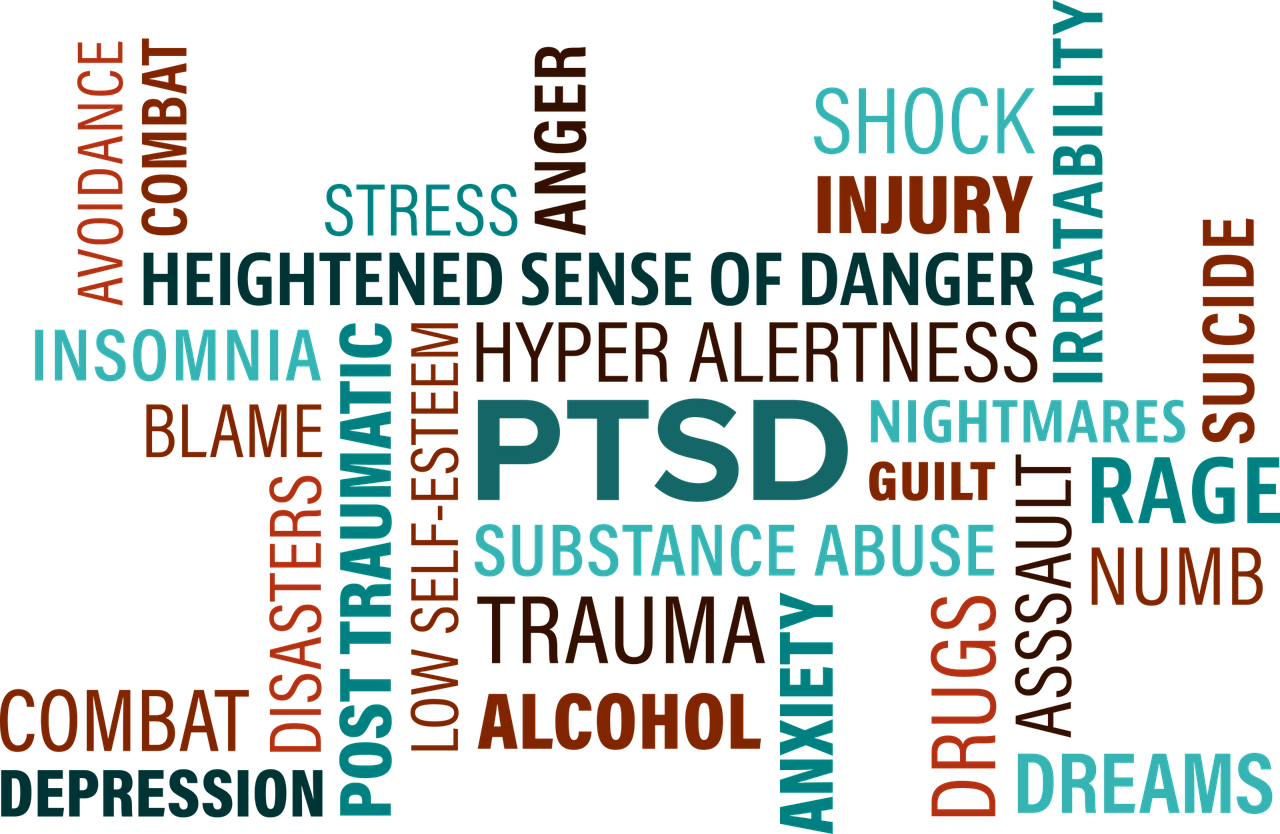
Post Traumatic Stress Disorder – PTSD, and bouncing back from adversity

By David Joel Miller, MS, Licensed Therapist & Licensed Counselor.

Words about PTSD

PTSD.
Photo courtesy of Pixabay.com

We have been hearing a lot more about PTSD these days.

The returning military is experiencing this problem in larger numbers than in the past. The military is not the only place we see PTSD. Children who have been abused, battered women and men, and people who have lived through traumas like hurricanes and tornadoes are also experiencing PTSD. The counseling profession, as well as society in general, is looking for solutions to this problem.

Recently at a convention for therapists and counselors, PTSD and the need to improve treatment was a major topic. I listened to the big-name people; the ones who have written books and given lectures, as they talked about how we should treat the disorder. Two of the biggest names in therapy did not agree on the best treatment. If they disagree, what is the person with PTSD to think? This made me start searching for answers.

Why do some people get PTSD and others do not experience it. In combat, let’s say ten men are in the same incident some get PTSD and some do not, why? Stix in a Scientific American article reported that of people who were traumatized by a single traumatic event, 90 % recovered from the trauma without therapy. So some people have concluded that PTSD is not a normal response to trauma. Maybe some form of resiliency is more common than PTSD. Maybe we have been doing it backward by studying the few who get PTSD instead of the many who bounce back from adversity.

We know from another study that kids who grow up in dysfunctional homes are more likely to suffer from PTSD, depression, and anxiety. From 50% to 67% of exposed kids develop some mental health issue, but the other one-third to one-half does not. Kids from this sort of background have repeated trauma and they have less social support. I wanted to know why some got PTSD and others did not.

There is a lot of research going on right now into the area of resilience. Some people seem to not develop PTSD when exposed to trauma. Others bounce back quickly. A few have lifelong problems. We need to know why these variations and how do we improve the ability to bounce back from adversity. A quick check of one journal database disclosed over 1400 articles about resiliency. I haven’t read them all yet but I will try to tell you the things I learn as I read them.

One thing seems clear from the articles I have read so far, and I am always comparing the research I read to what my clients tell me. Resilience, that ability to bounce back from adversity, is not something we are born with. Resilience can be learned and it can vary from situation to situation.

The subject is of such importance that I think there needs to be a book or books on how people can increase their resilience. So my plan at this stage is to share with you the things I learn and to add your comments and suggestions to what I find. In the process there just might be a book that needs writing. I will keep you posted on my efforts to write that book.

There are lots of writings on recovery, particularly from substance abuse or dependence, what it means to recover and be recovered. We are concluding that many people have both substance abuse disorders and mental health issues. It would be important to know how recovery is like resilience and how it is different, assuming these two terms do not describe the same thing.

One more thing I need to tell you about at this time. Some people experience a traumatic event and it changes their lives forever in a positive way. We call this Post Traumatic Growth (PTG). This intrigued me. Why and how is it that some people use a traumatic experience to transform their lives and grow into a stronger better person? We talk a lot about the way PTSD damages people but not much about the way in which it might inspire them. So I have been reading everything I can find on PTG. But I am also listening with new ears to the stories people tell about their life-changing experiences.

There is more to come on this subject so I hope you stay tuned for my postings and a possible book on Posttraumatic Stress Disorder (PTSD), Posttraumatic Growth (PTG), and the whole issue of how resilience is created and how you or someone you know can learn to bounce back from adversity.

For more information on Stress and PTSD see:

8 warning signs you have PTSD

Posttraumatic Growth (PTG) vs. Posttraumatic Stress Disorder

Acute Stress Disorder vs. PTSD 

Staying connected with David Joel Miller

Seven David Joel Miller Books are available now!

My newest book is now available. It was my opportunity to try on a new genre. I’ve been working on this book for several years, but now seem like the right time to publish it.

Story Bureau.

Story Bureau is a thrilling Dystopian Post-Apocalyptic adventure in the Surviving the Apocalypse series.

Baldwin struggles to survive life in a post-apocalyptic world where the government controls everything.

As society collapses and his family gets plunged into poverty, Baldwin takes a job in the capital city, working for a government agency called the Story Bureau. He discovers the Story Bureau is not a benign news outlet but a sinister government plot to manipulate society.

Bumps on the Road of Life. Whether you struggle with anxiety, depression, low motivation, or addiction, you can recover. Bumps on the Road of Life is the story of how people get off track and how to get your life out of the ditch.

Dark Family Secrets: Doris wants to get her life back, but small-town prejudice could shatter her dreams.

Casino Robbery Arthur Mitchell escapes the trauma of watching his girlfriend die. But the killers know he’s a witness and want him dead.

Planned Accidents  The second Arthur Mitchell and Plutus mystery.

Letters from the Dead: The third in the Arthur Mitchell mystery series.

What would you do if you found a letter to a detective describing a crime and you knew the writer and detective were dead, and you could be next?

Sasquatch. Three things about us, you should know. One, we have seen the past. Two, we’re trapped there. Three, I don’t know if we’ll ever get back to our own time.

For these and my upcoming books; please visit my Author Page – David Joel Miller

Want the latest blog posts as they publish? Subscribe to this blog.

For videos, see: Counselorssoapbox YouTube Video Channel

Bipolar doesn’t mean moody

By David Joel Miller, MS, Licensed Therapist & Licensed Counselor.

Person with masks

Bipolar.
Photo courtesy of Pixabay.com

Bipolar doesn’t mean moody.

Three psychiatric diagnoses (ADHD, Bipolar, and Schizophrenia) have left the scientific literature and taken up residency in the media and in everyday conversation. The problem with these usages is it devalues the term and pretty soon it is being misused more often than it is used correctly. Bipolar is one of those terms.

Kids report that their peers call them or others “Bipolar.” We hear about it on talk shows. Sometimes parents call their children or their partner Bipolar with no clear idea what the term means. Children are being diagnosed with bipolar disorder at younger and younger ages. Early diagnosis and treatment is a good thing; it may reduce a lifetime of suffering. Referring every kid in first grade who is irritable for a bipolar evaluation is probably not warranted.

Lots of parents want their child “tested” for bipolar disorder. I wish there was a simple test, say blood or urine that would detect the disorder. There may be physical signs or markers, but so far no one seems to be able to detect bipolar disorder other than by a psychological evaluation that involves descriptions of mood and behavior. When many parents want to know if their child is bipolar, what they really mean is the child is irritable or difficult and they need help.

People refer to others who are moody as Bipolar. Bipolar disorder does not mean moody! Some people are naturally moody others get moody when something upsets them. Lack of sleep makes most anyone moody and grouchy. Not everyone with sleep disturbances has bipolar disorder by any stretch of the imagination.

When we talk about bipolar disorder we are talking about a condition, not a person. A person may have bipolar disorder that does not make them “bipolar.”

So what is Bipolar – really? It used to be called Manic Depressive disorder. I see client questionnaires where they report they have family histories of both manic-depressive disorder and Bipolar. I won’t go into the politics behind the name change but it is important to note two things. Bipolar is a mood disorder so it is in the same “family” or chapter as Depression and other mood disorders. The second characteristic is that for the problem to be bipolar it must include Mania or its cousin Hypomania.

Update – In the DSM-5 they did away with the term “mood disorders.” More and more professionals are thinking that Bipolar and Major Depressive Disorder are for-sure two separate things. You may have periods of depression for a while before the mania but we need to be careful to separate the Bipolar from the Major depression.

So what is mania? I won’t repeat the whole DSM-4-TR criteria here if you want that please go to the source. But a couple of things that separate mania and therefore bipolar disorder are important. For some clients, this looks like someone on Meth – without the drugs. This is not a little bit thing that comes and goes. When it occurs the person is debilitated.

Mania involves a period of time where the client’s behavior is elevated, expansive, or irritable. In short, they are “off the hook” and this is not deliberate but uncontrollable. During this time frame, they have a bunch of behaviors that are far too excessive. The DSM lists 7 characteristics and the person should have the majority of these symptoms. Not sleeping and not needing to sleep is a red flag. They are up all night doing things and they don’t even feel tired. They are likely to show grandiosity and excessive self-esteem. They talk faster than those around them can listen and they think faster than they can talk. But the thoughts may make sense only to the person with bipolar disorder. They are likely to get “stuck” on things, too much work, buying sprees, excessive sexual activity, and other risk-taking activities.

Since mania is seductive, who wouldn’t like to be able to have fun twenty-four hours a day and not need to sleep, during manic episodes the client with bipolar may be strongly attracted to stimulant drugs like methamphetamine and cocaine. Alcohol abuse is also common which increases the crash when the manic episode ends. And it always ends.

Most people who truly have bipolar disorder are first diagnosed with depression. One indicator that makes me suspicious is when a depressed client takes an anti-depressant and recovers suddenly and now is “better than ever.” A manic episode is about to occur.

So far talking about Bipolar disorder, with its depressive and manic symptoms makes it sound like the person runs from manic (which is not happy by the way) to depressed. That’s not the whole story. Kay Redfield Jamison writes about what we might call mixed states. It is possible, probably more common than we might think, to have both mania and depression at the same time. Think of the shifting moods like a tire on your car. When it is parked we could mark one side of the tire and call that the back, the other would be the front. But once the tire starts to move you don’t drive on the front or the back but the whole tire. So the person with bipolar may experience a mixture of depression and mania at the same time.

Another feature of Bipolar disorder that separates it from moodiness and depression is the tendency for the elevated thinking to become first delusional and then it may progress to include hallucinations. So the person with bipolar disorder is not only thinking odd thoughts but is very irritated with others that they don’t “get them.”

Hope this explanation got you thinking about Bipolar disorder. If you would like more information, check out the Depression and Bipolar Support Alliance.

As always your comments are welcome. If you like this blog spread the word. If not let me know what might improve it. Till next time.

David Miller, LMFT, LPCC

7 “New Drugs” parents should be aware of

By David Joel Miller, MS, Licensed Therapist & Licensed Counselor.

Drugs.

Drugs.
Photo courtesy of pixabay.

7 “New Drugs” parents should be aware of.

New drugs and new patterns of drug use continue to emerge. When I first started talking about this in my class for drug and alcohol counselors the thought entered my mind that giving out information on new drugs might encourage their use. I didn’t need to worry about that, the people who want to use them knew about them far before I did. But now that there have been a few overdoses I believe it is important for parents and professions to be aware of these new trends in drug use. So here are six new drugs and one new drug use trend that are beginning to rival the old drug use problems. For up to the minute information on these drug use trends you only have to search the internet.

1. Khat

Khat is a stimulant plant from the Middle East, another of the results of our involvement in wars there. The leaves are chewed while still fresh and moist and are a mild stimulant similar to Coca leaves. The plant and the fresh leaves are rare in the U. S. The synthetic version is becoming more common.

2. Methcathinone

Methcathinone is a synthetic and potent laboratory-produced version of the Khat plant’s active ingredient. It is not illegal or regulated everywhere yet and is growing in popularity. Results are reported as being similar to Methamphetamine.

3. Bath salts.

These are not the kind of bath salts your grandmother might have used. These drugs are being sold in “head” or “smoke” shops not bath boutiques and the label is certainly a misnomer. Common names include such benign-sounding names as “Ivory Wave,” “Purple Wave,” “Vanilla Sky” and “Bliss.”

They are used by smoking and can contain a variety of chemicals. Join Together reports that DEA has placed a temporary ban on three ingredients used in the manufacture of bath salts, Mephedrone, MDPV, and Methylone.

As fast as one ingredient is made illegal the manufacturers switch ingredients. Overdoses can be particularly nasty and use may result in psychoses or death. To re-quote “What a price to get your kicks.”

4. Synthetic Cannabinoids.

These are best known locally under the brand names of “Spice” and “K-2.”  This can be most any dried vegetable material, commonly parsley which has been coated with a synthetic Cannabinoid. There are 300 different chemicals involved so far and more are sure to be discovered. A few have been made controlled substances, mostly this means they are illegal in the U.S. As fast as one is banned another variety comes into use. These are not benign chemicals. Overdoses and toxic results have been reported including hallucinations that have not gone away after withdrawal from the drug.

5. Salvia Divinorum.

An unusual member of the sage family originally from Central America it appears to be the only member of the sage family with psychoactive properties. It was used by Native Americans in religious ceremonies and does not appear to be especially dangerous when used that way. When combined with other drugs, especially synthetics and alcohol the results are reported as being unpredictable. Since stimulants and depressants are the most popular drugs, consciousness-altering drugs like sage have not caught on in popularity the way Methcathinone and bath salts have. As with most dried herbal products the potency and ingredients can vary considerably.

6. Kratom.

Bet you thought I made that up? This has nothing to do with Superman. It is a tree, originally native to South East Asia. The leaf is reported to have both stimulant and depressive properties. In some places it is illegal and in other places, it is totally unregulated. At high doses, it has been reported to have effects similar to morphine. Some of the trees are now in the U. S. but most of the use is by buying leaves and preparations from the internet. The tree does not grow well in cold climates so most of the cases reported are from Florida. Like all other drugs, it is likely to spread over time.

7. Smoking of Heroin by teens.

This is a new twist to an old drug. This trend is occurring in the wealthier and more affluent parts of town. Abuse of pills is now epidemic. Teens have ready access to powerful painkillers. Sometimes these have been prescribed to them for injuries but often these pills are being taken from parents and grandparents medicine cabinets. After a short time, opiate addiction develops. Unable to get more pain pills an exceptionally large number of teens have taken to purchasing heroin to replace the pills. At first, they may be induced to smoke the heroin, thinking that this differentiates them from the drug addicts who use needles. The high price of the drug and the larger quantities needed when smoking result in most switching to needle use. Heroin is consuming a whole new generation.

By the time I get this posted it is likely there will be additions to the list. I hope this helps in the way of information. The only antidote I know of for an increase in drug addiction among our children is parental and societal involvement with kids. Happy, healthy kids are less likely to become addicted and they are more likely to turn to adults for help. Kids with mental health problems, who are estranged from their parents, are at increased risk. Trying to keep drugs out of our communities does not seem to be working as you can see here new drugs of abuse will keep entering our society. The only hope for taming the dragon of addiction is early intervention and treatment.

Great sources of up to date information on drug use trends and laws are THE PARTNERSHIP AT DRUG FREE.ORG and Join Together. They send out frequent updates via email. Check them out at http://www.drugfree.org/join-together

As always comments and questions are welcome.

Staying connected with David Joel Miller

Seven David Joel Miller Books are available now!

My newest book is now available. It was my opportunity to try on a new genre. I’ve been working on this book for several years, but now seem like the right time to publish it.

Story Bureau.

Story Bureau is a thrilling Dystopian Post-Apocalyptic adventure in the Surviving the Apocalypse series.

Baldwin struggles to survive life in a post-apocalyptic world where the government controls everything.

As society collapses and his family gets plunged into poverty, Baldwin takes a job in the capital city, working for a government agency called the Story Bureau. He discovers the Story Bureau is not a benign news outlet but a sinister government plot to manipulate society.

Bumps on the Road of Life. Whether you struggle with anxiety, depression, low motivation, or addiction, you can recover. Bumps on the Road of Life is the story of how people get off track and how to get your life out of the ditch.

Dark Family Secrets: Doris wants to get her life back, but small-town prejudice could shatter her dreams.

Casino Robbery Arthur Mitchell escapes the trauma of watching his girlfriend die. But the killers know he’s a witness and want him dead.

Planned Accidents  The second Arthur Mitchell and Plutus mystery.

Letters from the Dead: The third in the Arthur Mitchell mystery series.

What would you do if you found a letter to a detective describing a crime and you knew the writer and detective were dead, and you could be next?

Sasquatch. Three things about us, you should know. One, we have seen the past. Two, we’re trapped there. Three, I don’t know if we’ll ever get back to our own time.

For these and my upcoming books; please visit my Author Page – David Joel Miller

Want the latest blog posts as they publish? Subscribe to this blog.

For videos, see: Counselorssoapbox YouTube Video Channel
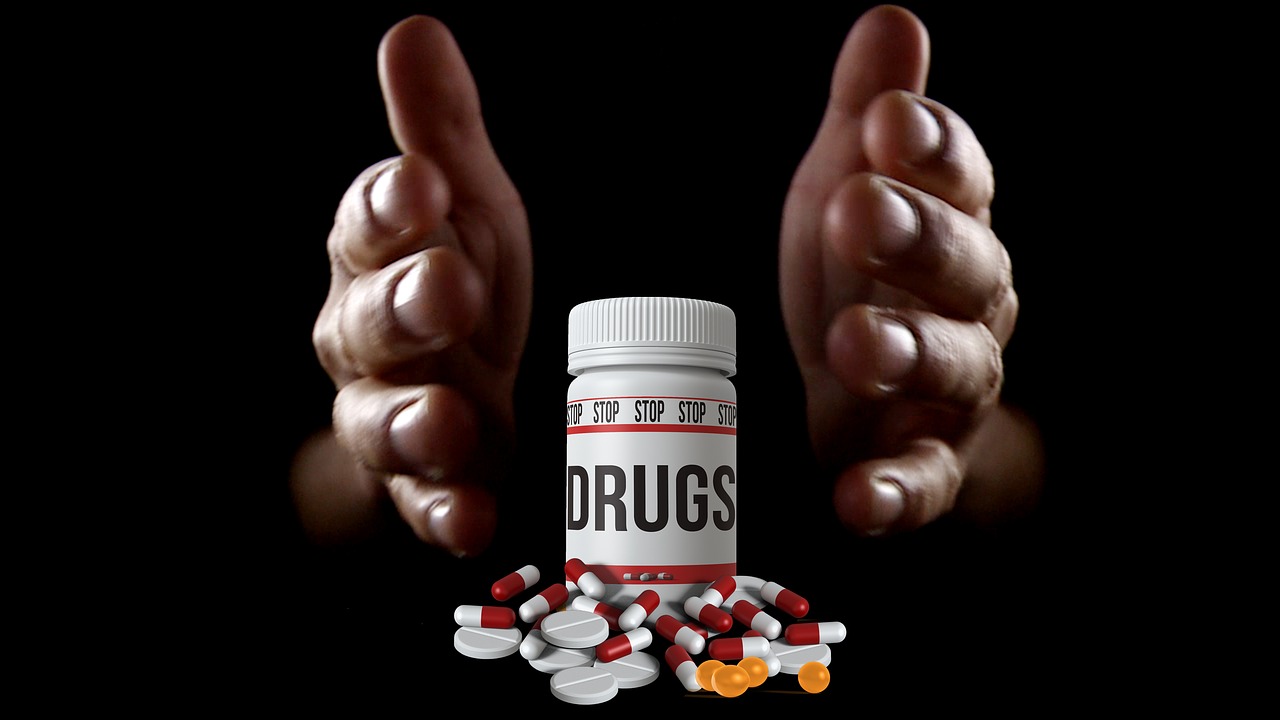
Anxiety is like a cat!

By David Joel Miller, MS, Licensed Therapist & Licensed Counselor.

Stray cat

Feral cat.
Photo courtesy of Pixabay.com

Anxiety is like a cat!

What exactly is anxiety? And what is an anxiety disorder?

Well to some people it looks like a kitten.

And to others, it looks like a lion.

A little anxiety can feel like a small cat rubbing on your leg, a bit of an annoyance but nothing you can’t handle. It can push you to try harder. It is the stage fright that keys up the performer to go all out and give the performance of their life.

For others, Anxiety is the lion that keeps you off the stage of life. It is a terrifying disorder that tries to eat you alive.

Anxiety disorders are the most common emotional problem in America. In any one year, approximately one in five Americans will have an episode of anxiety that is severe enough to interfere with their everyday functioning, an episode so severe they should go for treatment.

Dictionaries define anxiety as a feeling, worry, nervousness, agitation, fear, or apprehension. The symptoms can interfere with every system in the body. Anxiety symptoms are often mistaken for physical illnesses and send millions of people repeatedly to the doctor looking for a physical cause of an emotional problem.

Now if you have a physical problem, by all means, see your doctor. But if the problem keeps changing, if the doctor can’t find anything wrong with you, then the problem may be emotional. That does not mean the problem is “all in your head” it is there, but it is everywhere in your body also, and there are treatments for anxiety.

Robert Sapolsky wrote a really cool book, called “Why Zebras Don’t Get Ulcers” which explains how your fears can essentially hijack your body and show up by making you sick. I highly recommend this book to counselors and therapists who want to understand anxiety and want to help people with this problem. But what if you or your child is suffering from anxiety. And I do mean SUFFERING? What if you just want to get your life back?

There are ways to turn the volume down on anxiety, shrink that cat down to a manageable size. I am not saying to get rid of anxiety altogether. If there is a real live lion chasing you, or a gang banger with a gun, some fear and anxiety is a good thing. Under those circumstances, anxiety might save your life. If your fears are keeping you from having a life, what then?

A good counselor or therapist can help you shrink those fears. There are self-help books that help also. A good counselor can help you learn and practice skills to stop anxiety in its tracks. The difficulty here is they will probably see you an hour a week, now you got 167 hours to go before your next appointment. What now? This is where a good self-help book can help, especially if you talk it over with a professional and practice the skills. A book is also helpful if you need to help a child get over their anxiety.

One book that I find helpful for managing anxiety is Tamar Chansky’s book “Freeing Your Child from Anxiety: Powerful, Practical Solutions to Overcome Your Child’s Fears, Worries, and Phobias.  She has lots of good techniques for reducing and controlling anxiety. She does some creative things like using a “Fear Extinguisher” and a “Fear Thermometer” as well as some of the standbys like creating incompatible emotion states by using humor or relaxation to reduce anxiety.

So is anger a problem for you? How do you reduce or control your anger? And if you are a counselor and work with clients with anxiety – What do you find the most effective approach?

There will be more on this topic to come, and please feel free to comment on this or any other topic in my blog. Till next week. David Joel Miller, LMFT, LPCC.

Staying connected with David Joel Miller

Seven David Joel Miller Books are available now!

My newest book is now available. It was my opportunity to try on a new genre. I’ve been working on this book for several years, but now seem like the right time to publish it.

Story Bureau.

Story Bureau is a thrilling Dystopian Post-Apocalyptic adventure in the Surviving the Apocalypse series.

Baldwin struggles to survive life in a post-apocalyptic world where the government controls everything.

As society collapses and his family gets plunged into poverty, Baldwin takes a job in the capital city, working for a government agency called the Story Bureau. He discovers the Story Bureau is not a benign news outlet but a sinister government plot to manipulate society.

Bumps on the Road of Life. Whether you struggle with anxiety, depression, low motivation, or addiction, you can recover. Bumps on the Road of Life is the story of how people get off track and how to get your life out of the ditch.

Dark Family Secrets: Doris wants to get her life back, but small-town prejudice could shatter her dreams.

Casino Robbery Arthur Mitchell escapes the trauma of watching his girlfriend die. But the killers know he’s a witness and want him dead.

Planned Accidents  The second Arthur Mitchell and Plutus mystery.

Letters from the Dead: The third in the Arthur Mitchell mystery series.

What would you do if you found a letter to a detective describing a crime and you knew the writer and detective were dead, and you could be next?

Sasquatch. Three things about us, you should know. One, we have seen the past. Two, we’re trapped there. Three, I don’t know if we’ll ever get back to our own time.

For these and my upcoming books; please visit my Author Page – David Joel Miller

Want the latest blog posts as they publish? Subscribe to this blog.

For videos, see: Counselorssoapbox YouTube Video Channel
Stress

By David Joel Miller, MS, Licensed Therapist & Licensed Counselor.

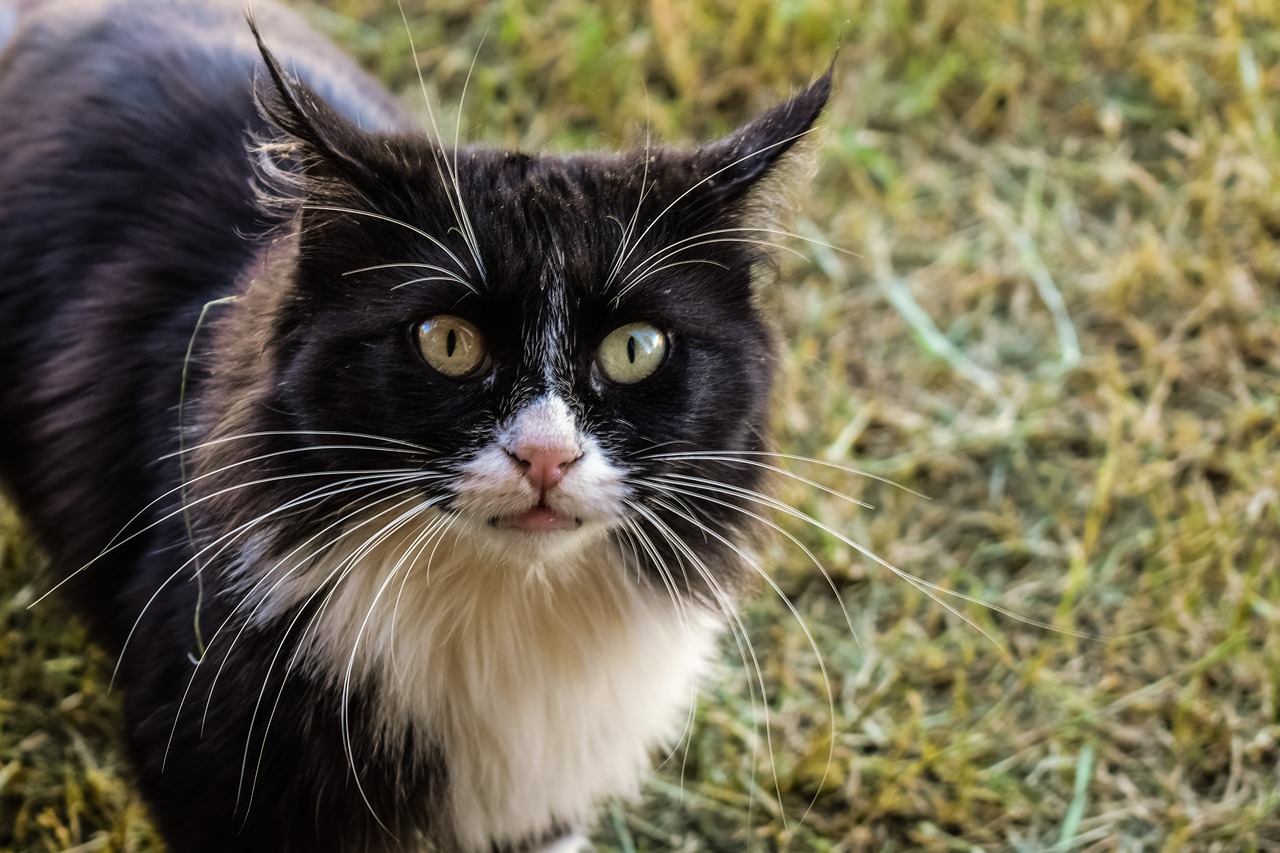
Stressed

Feeling stressed out?
Photo courtesy of Pixabay.com

Stress!

“Can you feel the stress in this room?”

The person next to me bent over and whispered in my ear. “Yes,” I replied. “I have never felt it this strongly,” they said.

Are you feeling it too?

These days people are collapsing under stress as never before. Fear is stalking us.

We are daily reminded of two wars – should we make that three – and counting? Housing prices continue to crumble; most homeowners are underwater if they haven’t lost their home to foreclosure already. Unemployment is up – stubbornly up. In my area, unemployment flirts with the 20% mark. Is it any wonder we are stressed?

The gridlock in Washington hasn’t reduced the stress level of anyone I know. Did I hear that right – politicians almost let us default on the NATIONAL DEBT! And the stock market makes my stomach hurt worse than any roller coaster I ever rode on. Consumer confidence is near the bottom. Did I read that right – one credit card company emailed me a warning – I did not owe them anything but they were warning me THEY didn’t have the money to lend me?

Are company presidents really bragging about the number of American jobs they have eliminated?  It is not just the low-skilled unemployed that are out of work. People with college degrees are unable to find jobs; some are running out of unemployment benefits. And the once safe place – government employment – has become a scary place as huge numbers of government employees at all levels are being laid off.

There was a time when the way to escape economic uncertainty was to go back to school, usually to college, and get a degree. A degree is still a wonderful thing, but occupations are changing so rapidly a degree is no guarantee of finding a job.

California has traditionally been the land of second chances. And third and fourth … But as the budgets shrink colleges everywhere are raising tuition, cutting classes, and capping enrollment  So even if someone chooses to go back to school there are no guarantees of admission, classes, or a career afterward. That is causing students a lot of stress.

Being a parent is even more stressful. Lots of kids are not finishing school. The numbers going to juvenile halls show no sign of declining. Teen pregnancies and drug use are everywhere you look. If parents had known the risks beforehand we might not have become parents.

It’s only adults that stress right? Kids don’t understand stress, right? They don’t know we are stressed, we are hiding it well. Wrong! The hospital emergency rooms are seeing those kids. I read on the internet, a study which said over the last ten years the number of children admitted to psychiatric hospitals has continued to rise. These are kids who say they want to commit suicide, kids who wish they were never born, or they wish that they were dead.

No, not every kid says that, but the numbers who do are rising. Kids who never before knew what homelessness meant are learning the hard way. Kids tell me they have moved 3 – 4 – 7 times or more because the family couldn’t pay the rent. Several families move in together in a house too small for one family.

Some kids get kicked out of school. I am seeing a wave of home-schooled; self-taught students who couldn’t be kept in the classroom anymore because of their behavior – or their parent’s behavior.

Lots of those kids who end up in contact with the official system, welfare, Child protective services, juvenile hall, where are their parents? They are in prison and jail. In our society, for a long time, one in three black men went to prison. But the numbers are changing now. More Hispanics, more women, and more white men are going to prison. Nowadays everyone gets a chance to do time.

Our prisons are overcrowded and soon we will have to start letting people out to make room for the new prisoners.

Some kids are looking forward to seeing their parents freshly released from prison; some are scared for the same reason.

It’s the drugs, right? We have been fighting the war on drugs so long, our battle flag is torn and covered in blood. More children and younger ones are trying drugs. Some are doing drugs with their parents; others are stealing their parent’s drugs.

And it’s not just the same old drugs, six new drugs, maybe more, have arrived on the streets of America in the last couple of years. Some of these drugs aren’t illegal yet. Most don’t show on the hospital screening tests. And the kids who tell me they are using drugs – they keep getting younger and younger.

And the drugs that hurt the most are not the rare illegal ones. They are not the ones that sneak in through the windows but the ones that we openly carry in the front door. Alcohol and Tobacco-related deaths account for over 95 percent of all drug-related deaths. Abused prescription drugs are in second place with all illegal drugs a distant third.

So what causes these children to succumb to all this stress?  Why do some parents cave in under the stress and others make it through? In the future, I will write more about my thoughts on withstanding stress, but now I would like to know –

What do you think?

How do you cope with stress?

How can those of us that are in the helping professions, counselors, therapists, doctors, nurses, and others – how can we help people to withstand these horrific levels of stress?

Staying connected with David Joel Miller

Seven David Joel Miller Books are available now!

My newest book is now available. It was my opportunity to try on a new genre. I’ve been working on this book for several years, but now seem like the right time to publish it.

Story Bureau.

Story Bureau is a thrilling Dystopian Post-Apocalyptic adventure in the Surviving the Apocalypse series.

Baldwin struggles to survive life in a post-apocalyptic world where the government controls everything.

As society collapses and his family gets plunged into poverty, Baldwin takes a job in the capital city, working for a government agency called the Story Bureau. He discovers the Story Bureau is not a benign news outlet but a sinister government plot to manipulate society.

Bumps on the Road of Life. Whether you struggle with anxiety, depression, low motivation, or addiction, you can recover. Bumps on the Road of Life is the story of how people get off track and how to get your life out of the ditch.

Dark Family Secrets: Doris wants to get her life back, but small-town prejudice could shatter her dreams.

Casino Robbery Arthur Mitchell escapes the trauma of watching his girlfriend die. But the killers know he’s a witness and want him dead.

Planned Accidents  The second Arthur Mitchell and Plutus mystery.

Letters from the Dead: The third in the Arthur Mitchell mystery series.

What would you do if you found a letter to a detective describing a crime and you knew the writer and detective were dead, and you could be next?

Sasquatch. Three things about us, you should know. One, we have seen the past. Two, we’re trapped there. Three, I don’t know if we’ll ever get back to our own time.

For these and my upcoming books; please visit my Author Page – David Joel Miller

Want the latest blog posts as they publish? Subscribe to this blog.

For videos, see: Counselorssoapbox YouTube Video Channel
Here are the Spruce!!

Counselorssoapbox.com

As promised the counselorssoapbox blog has been spruced up.

So why do we call the spring cleaning “sprucing up”

Like so many other words and expressions we use here in America, we got this one from our Country-Ancestors in the UK. Originally spruce items, like the trees, were things imported or originating in Prussia. One thing Prussia was especially known for in the pre-colonial days was fancy leather goods. So back then to “spruce up” was to put on your fancy leather jacket. Later it came to mean to get dressed up or to fix up your looks. So we have both imported some spruce tree pictures for this occasion and cleaned up the site. For more information on this and other UK expressions that made their way to America please see – phrases.org.uk.

One of the new features on the blog is a section about the books I have been writing. None of the books are published just yet but I wanted to share the process and the progress I was making on these projects. Two of my novels are in the editing and sending to the agent stage, more on them later.

My major non-fiction book project is about all the things beginning counselors need to learn to become helping as opposed to unhelpful counselors. It currently has the working title “How to do counseling” While working on this project I have had to do a lot of research on books for counselors and on books counselors might suggest to their clients. In my own private therapy practice, I sometimes do what we counselor types call “Bibliotherapy” which is suggesting books for our clients to read.

So as the project progresses I would like to tell you about some of the books I have read that might interest you. You will be able to see some short book revues about counseling, therapy, recovery and resiliency, and other “having a happy life” books. As the list grows there will be a list of recommended books and resources.

If you have a particular favorite helping book email me or make a comment on the blog.

Till next time wishing you a happy life. David Miller, LMFT, NCC.

One last Spruce

Staying connected with David Joel Miller

Seven David Joel Miller Books are available now!

My newest book is now available. It was my opportunity to try on a new genre. I’ve been working on this book for several years, but now seem like the right time to publish it.

Story Bureau.

Story Bureau is a thrilling Dystopian Post-Apocalyptic adventure in the Surviving the Apocalypse series.

Baldwin struggles to survive life in a post-apocalyptic world where the government controls everything.

As society collapses and his family gets plunged into poverty, Baldwin takes a job in the capital city, working for a government agency called the Story Bureau. He discovers the Story Bureau is not a benign news outlet but a sinister government plot to manipulate society.

Bumps on the Road of Life. Whether you struggle with anxiety, depression, low motivation, or addiction, you can recover. Bumps on the Road of Life is the story of how people get off track and how to get your life out of the ditch.

Dark Family Secrets: Doris wants to get her life back, but small-town prejudice could shatter her dreams.

Casino Robbery Arthur Mitchell escapes the trauma of watching his girlfriend die. But the killers know he’s a witness and want him dead.

Planned Accidents  The second Arthur Mitchell and Plutus mystery.

Letters from the Dead: The third in the Arthur Mitchell mystery series.

What would you do if you found a letter to a detective describing a crime and you knew the writer and detective were dead, and you could be next?

Sasquatch. Three things about us, you should know. One, we have seen the past. Two, we’re trapped there. Three, I don’t know if we’ll ever get back to our own time.

For these and my upcoming books; please visit my Author Page – David Joel Miller

Want the latest blog posts as they publish? Subscribe to this blog.

For videos, see: Counselorssoapbox YouTube Video Channel