
What is hitting bottom?

By David Joel Miller, MS, Licensed Therapist & Licensed Counselor.
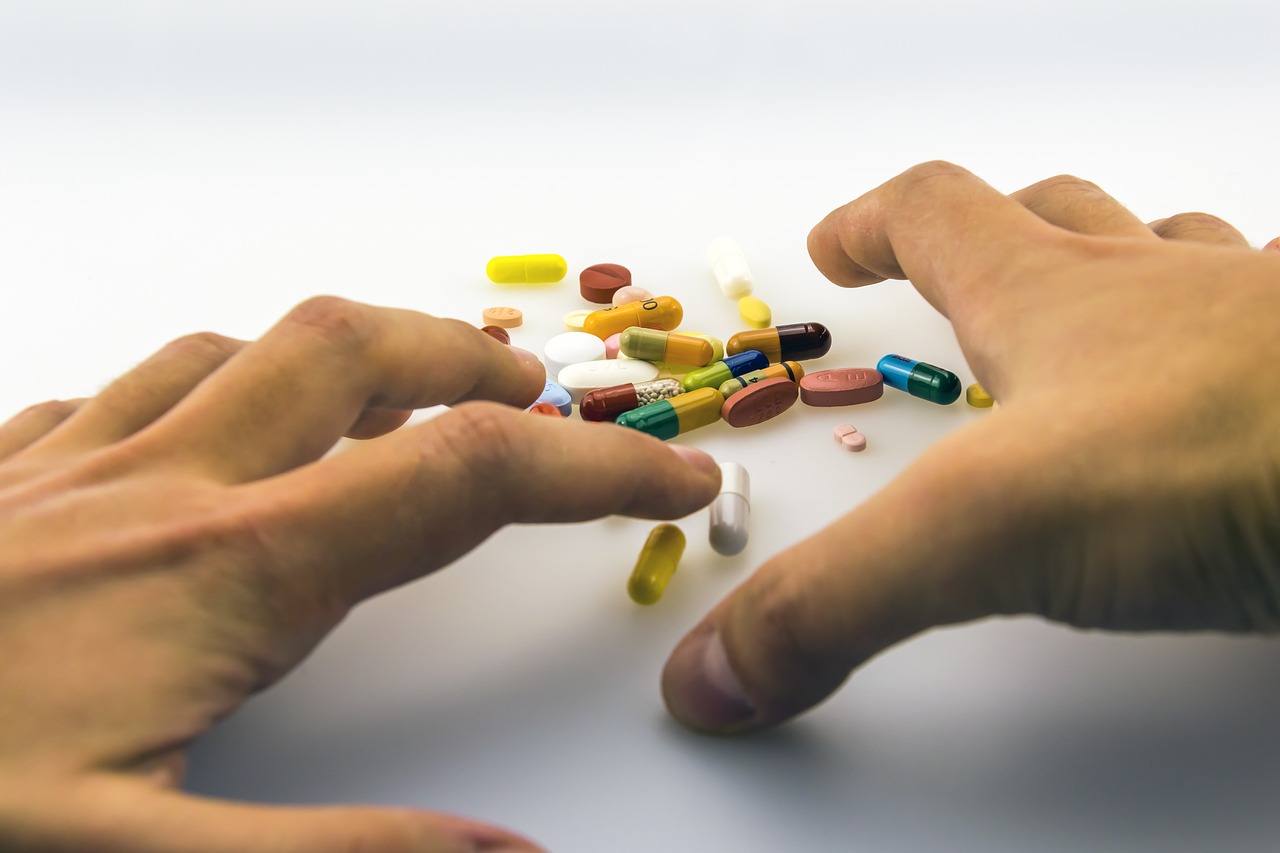
Hands with pills

Addiction.
Photo courtesy of Pixabay

How would you know if you have hit bottom, and does it matter?

The idea that you have to hit bottom before you can start back up comes from the early days of the 12 step movement largely by way of Jellinek’s research on people who recovered in A.A.  It is not often applied to mental health but the two are just too similar in their disease and recovery processes to not take a look at the significance of the idea of hitting bottom and whether it applies to something other than addiction.

The hitting bottom expression referred to the point of accepting that the way you have been doing things was not working and it was time to try something different. You can think of this as “admitting complete defeat” but you can also think of this as “radical acceptance”, take your pick.

Most people will continue to struggle long after they should have changed directions. Who wants to admit they are an alcoholic? Who wants to say they have Bipolar Disorder or any other form of mental illness. I do not remember Alcoholic or Schizophrenic being included in the list of future careers when I was back in high school. It can be reassuring to tell yourself that you are not that bad. But some of us got there anyway.

So if there is some sort of bottom, lower than where you are, it can give you the false sense that you are not as bad as someone else. People fool themselves for a long time because they can believe that alcoholics are homeless bums. The truth is more than 90% of alcoholics have full-time jobs. People with Bipolar Disorder fool themselves into thinking they are more productive, creative, or have more energy than others until they crash.

So hitting bottom is different for different people. For one person the realization they have the disease of alcoholism will come after the first DUI or the first unpleasant incident with the family. Other people will continue to try to control their drinking, complete with recurrent episodes of out of control drinking until they have been sentenced to a fifth or tenth program, or have done more years in prison than on the street.

But it is not just alcoholics that try to deny their disease. People may try suicide multiple times, have repeated psychiatric hospitalization, and still believe that they just need to move somewhere else, that it is someone else’s fault, anything to avoid the fact that they have a mental health problem that needs treatment.

Many of us want to pretend we don’t have a disease. If you just ignore it then this problem will go away. Don’t give in to depression is their mantra. A few relatively minor conditions do go away without treatment. Colds and flu may remit without treatment. But serious conditions, Cancer, tuberculosis, and heart disease get worse if ignored. Alcoholism, addiction, and mental illness also can worsen if not treated. Pretending is not treatment.

The founders of A.A. concluded that sometimes we need to “raise the bottom” till it hits people. Why do people need to totally destroy their life, spend time in prison, or psych hospitals before they can accept that they have a condition that will respond to treatment?

Education can help sometimes. But the people who need education the most avoid it. What person who is manic, drunk, or on drugs wants to sit and listen to others talk about how they were unable to control their disease until they became willing to accept help?

Lots of people with addictions and mental illnesses will isolate, they will avoid others, and shrink from treatment. Their bottoms most often come when the losses and the pain become unbearable.

So you don’t need to wait for you or a loved one to “hit bottom” before you seek help. You do not reach bottom until you put the shovel down and quit digging. There is help available the moment you realize that you can’t dig your way out of a hole. Accepting that you have a problem, condition, illness, or defect of character that requires a new way of thinking and behaving can be your bottom. You don’t have to get any lower before you start your journey back.

Staying connected with David Joel Miller

Seven David Joel Miller Books are available now!

My newest book is now available. It was my opportunity to try on a new genre. I’ve been working on this book for several years, but now seem like the right time to publish it.

Story Bureau.

Story Bureau is a thrilling Dystopian Post-Apocalyptic adventure in the Surviving the Apocalypse series.

Baldwin struggles to survive life in a post-apocalyptic world where the government controls everything.

As society collapses and his family gets plunged into poverty, Baldwin takes a job in the capital city, working for a government agency called the Story Bureau. He discovers the Story Bureau is not a benign news outlet but a sinister government plot to manipulate society.

Bumps on the Road of Life. Whether you struggle with anxiety, depression, low motivation, or addiction, you can recover. Bumps on the Road of Life is the story of how people get off track and how to get your life out of the ditch.

Dark Family Secrets: Doris wants to get her life back, but small-town prejudice could shatter her dreams.

Casino Robbery Arthur Mitchell escapes the trauma of watching his girlfriend die. But the killers know he’s a witness and want him dead.

Planned Accidents  The second Arthur Mitchell and Plutus mystery.

Letters from the Dead: The third in the Arthur Mitchell mystery series.

What would you do if you found a letter to a detective describing a crime and you knew the writer and detective were dead, and you could be next?

Sasquatch. Three things about us, you should know. One, we have seen the past. Two, we’re trapped there. Three, I don’t know if we’ll ever get back to our own time.

For these and my upcoming books; please visit my Author Page – David Joel Miller

Want the latest blog posts as they publish? Subscribe to this blog.

For videos, see: Counselorssoapbox YouTube Video Channel
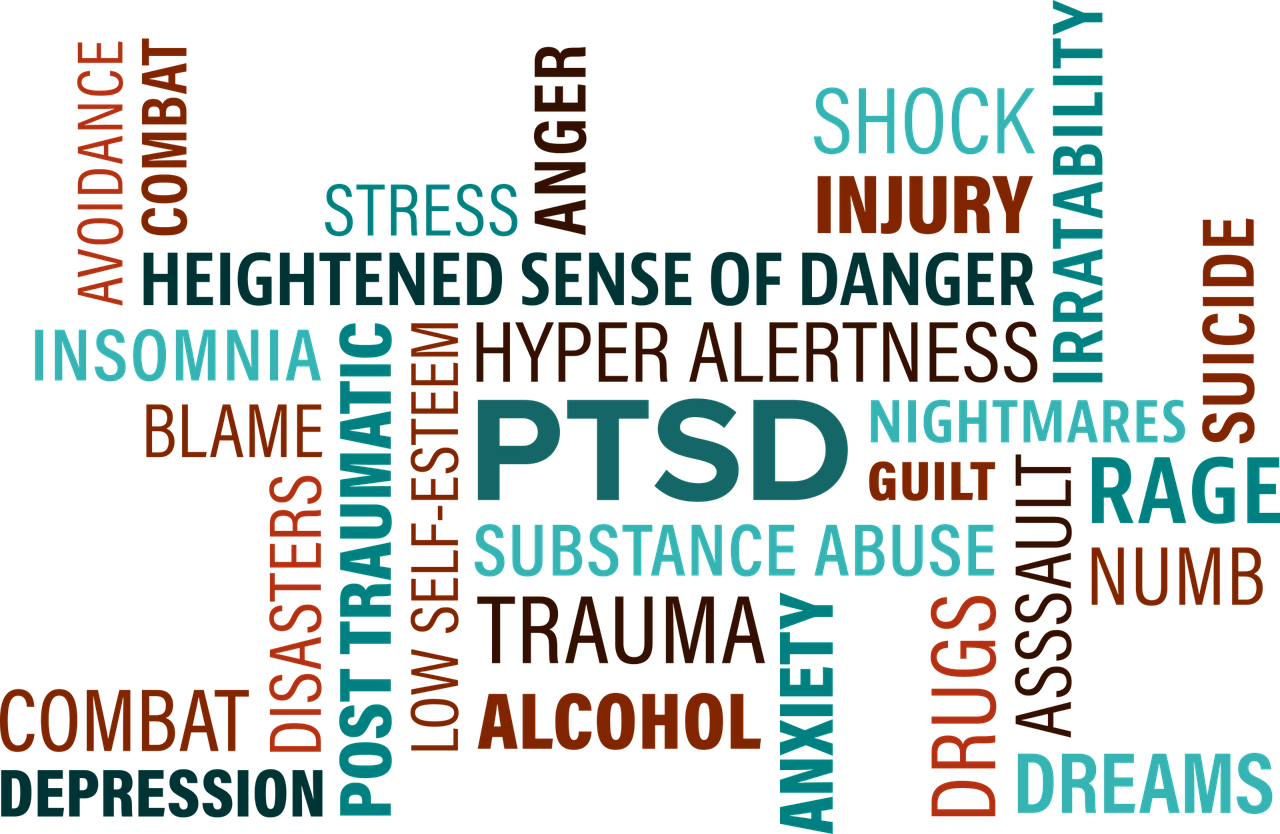
Posttraumatic Growth (PTG) vs. Posttraumatic Stress Disorder (PTSD)

By David Joel Miller, MS, Licensed Therapist & Licensed Counselor.

Words about PTSD

PTSD.
Photo courtesy of Pixabay.com

How are PTSD, PTG, and Resilience related?

Is some sort of personal growth possible as a result of living through a traumatic experience? Recently researchers have begun to study the concept of Posttraumatic Growth (PTG.) There has always been a body of literature about how some difficulty might spur changes in a person and lead to a new way of seeing life. But could something that was so severe a stressor as to be traumatic really lead to positive growth? And if that change might happen, why? What characteristics of the person, the treatment they received, or their support system might transform Posttraumatic Stress into Posttraumatic Growth?

Zoellner & Maercker defined PTG as “the subjective experience of positive psychological change reported by an individual as a result of the struggle with trauma.” So far studies of PTG have been lacking and those that have taken place include mostly groups of people who are different from the clients we see in therapy who have PTSD. For example, many patients with PTSD also have co-occurring substance abuse disorders. Most studies of PTG have excluded clients with substance use disorders. We know from many individual reports that overcoming substance abuse especially in clients with PTSD can result in the client developing a new way of seeing the world and many in recovery report that they have grown as a result. Clients with suicidal thoughts have also been excluded from studies of PTG despite the recurrence of clients telling us that being hospitalized for a mental illness, especially with suicidal thoughts, can be a life-altering experience.

Hagenaars & van Minnen (Journal of Traumatic Stress, Vol. 23, No. 4, August 2010, pp. 504–508 (c 2010), conducted a study using Exposure Therapy. The therapy included steps beginning with low-intensity experiences such as “Patients were asked to close their eyes and talk about the traumatic event in the first person and in the present tense, recollecting as many sensory details as vividly as possible, i.e., as if the trauma was happening “here and now.” The intensity progressed to real-life situations. This procedure is similar to systematic desensitization procedures in use for specific phobias.

So what did they find? The more PTG the less PTSD and vice versa. Also, the more someone was “emotionally numb” the less likely they were to benefit from the treatment, and the less likely they were to have PTG. They concluded that an inability to feel emotions is related to an inability to grow. So the ability to face problems leads to growth and the inability to face problems leads to staying stuck in the problem. Unfortunately, this leads us around in a circle to the place we started. Resilient people can grow as a result of trauma but trauma can make you less resilient especially repeated traumas.

Some clients who have been forced to relive traumatic events become re-traumatized. So sometimes the exposure techniques make you better but the same treatment can also make you sicker. How do you choose? Clients who share about trauma in a safe environment seem to get positive benefits; those who are cross-examined for details get worse. So, in the end, the value or damage of the technique depends on the relationship. This is one reason that group counseling is so appealing. People with similar traumas feel safer in talking about them in a group that has had a similar experience. Counselors who are seen as accepting help and rejecting professionals harm. It is in the case of PTSD as in other therapy – all about the relationship.

One further problem with the concept of PTG, how do we know it happens? Mostly we measure it by the client’s subjective report. They say they grew as a result of the trauma so that is evidence. But how did they grow? Did they take new actions or did they have a change of attitude? Maybe both? People who are spurred to action appear to grow more.

We also suspect that PTG is related to resilience. So do resilient people have more growth as a result of a traumatic event or do people who overcome a traumatic event become more resilient?

We know that PTG reduces PTSD symptoms and that the process of growth is related to resilience somehow. It is also clear that there is a lot more PTSD out there than we wanted to recognize. The challenge is making use of the things we learn in research and theory to help the clients who walk in the door in their journey from Posttraumatic Stress Disorder (PTSD) to Posttraumatic Growth (PTG.)

Do any of you have experiences with Posttraumatic Stress Disorder (PTSD) or Posttraumatic Growth (PTG) you would care to share?

This post was featured in “Best of Blog – May 2012

For more information on Stress and PTSD see:

Posttraumatic Stress Disorder – PTSD and bouncing back from adversity

8 warning signs you have PTSD

Acute Stress Disorder vs. PTSD 

Staying connected with David Joel Miller

Seven David Joel Miller Books are available now!

My newest book is now available. It was my opportunity to try on a new genre. I’ve been working on this book for several years, but now seem like the right time to publish it.

Story Bureau.

Story Bureau is a thrilling Dystopian Post-Apocalyptic adventure in the Surviving the Apocalypse series.

Baldwin struggles to survive life in a post-apocalyptic world where the government controls everything.

As society collapses and his family gets plunged into poverty, Baldwin takes a job in the capital city, working for a government agency called the Story Bureau. He discovers the Story Bureau is not a benign news outlet but a sinister government plot to manipulate society.

Bumps on the Road of Life. Whether you struggle with anxiety, depression, low motivation, or addiction, you can recover. Bumps on the Road of Life is the story of how people get off track and how to get your life out of the ditch.

Dark Family Secrets: Doris wants to get her life back, but small-town prejudice could shatter her dreams.

Casino Robbery Arthur Mitchell escapes the trauma of watching his girlfriend die. But the killers know he’s a witness and want him dead.

Planned Accidents  The second Arthur Mitchell and Plutus mystery.

Letters from the Dead: The third in the Arthur Mitchell mystery series.

What would you do if you found a letter to a detective describing a crime and you knew the writer and detective were dead, and you could be next?

Sasquatch. Three things about us, you should know. One, we have seen the past. Two, we’re trapped there. Three, I don’t know if we’ll ever get back to our own time.

For these and my upcoming books; please visit my Author Page – David Joel Miller

Want the latest blog posts as they publish? Subscribe to this blog.

For videos, see: Counselorssoapbox YouTube Video Channel

Licensed Professional Clinical Counselors (LPCC) Update

By David Joel Miller, MS, Licensed Therapist & Licensed Counselor.

Counseling questions

Counseling questions.
Photo courtesy of Pixabay.com

More about LPCC’s and LMFT’s.

Interest in California’s Licensed Professional Clinical Counselor (LPCC) program is noticeable on the Web. I was surprised that a couple of short, mostly personal posts about the LPCC license received as many hits as they did. I realize now that I also forgot to mention CALPCC, the organization for LPCC’s. Briefly, this is a counseling specialty that is now licensed in all 50 states. Surprisingly enough California was the last of the 50 U. S. States to license LPCC’s.

Had this been an option when I enrolled in my degree program, it is the one I would have chosen. I am glad that I took the training as a Marriage and Family Therapist now that I have done it. But now that LPCC’s are licensed I completed my original plan and took that exam and became licensed as an LPCC also.

The posts about LPCC’s can be found at LPCC exam is behind me!

Licensed Professional Clinical Counselors (LPCC) in California

Some of the searches were about study courses for the exam and about pass rates. Since my license issued 4/17/2012 is number 15, it would appear that so far about one person per week is getting through the Gap exam which is being given to LMFT’s and LCSW’s who chose to test for the LPCC license also.

I feel sure that there will be study classes for this exam offered by the same companies that offer study classes for the LMFT and LCSW exams. Only time will tell how useful those classes will be.

For more information on the California, LPCC license check out the information at the Board of Behavioral Sciences website.

LMFT’s who are choosing to take the gap exam and become licensed as both MFT’s and LPCC’s should already know about the California Association of Marriage and Family Therapists – CAMFT

For information on CALPCC – the organization for LPCC’s see:

Questions and comments about Counseling, Therapy, LMFT’s, LPCC’s and recovery and resiliency are always welcome.

Staying connected with David Joel Miller

Seven David Joel Miller Books are available now!

My newest book is now available. It was my opportunity to try on a new genre. I’ve been working on this book for several years, but now seem like the right time to publish it.

Story Bureau.

Story Bureau is a thrilling Dystopian Post-Apocalyptic adventure in the Surviving the Apocalypse series.

Baldwin struggles to survive life in a post-apocalyptic world where the government controls everything.

As society collapses and his family gets plunged into poverty, Baldwin takes a job in the capital city, working for a government agency called the Story Bureau. He discovers the Story Bureau is not a benign news outlet but a sinister government plot to manipulate society.

Bumps on the Road of Life. Whether you struggle with anxiety, depression, low motivation, or addiction, you can recover. Bumps on the Road of Life is the story of how people get off track and how to get your life out of the ditch.

Dark Family Secrets: Doris wants to get her life back, but small-town prejudice could shatter her dreams.

Casino Robbery Arthur Mitchell escapes the trauma of watching his girlfriend die. But the killers know he’s a witness and want him dead.

Planned Accidents  The second Arthur Mitchell and Plutus mystery.

Letters from the Dead: The third in the Arthur Mitchell mystery series.

What would you do if you found a letter to a detective describing a crime and you knew the writer and detective were dead, and you could be next?

Sasquatch. Three things about us, you should know. One, we have seen the past. Two, we’re trapped there. Three, I don’t know if we’ll ever get back to our own time.

For these and my upcoming books; please visit my Author Page – David Joel Miller

Want the latest blog posts as they publish? Subscribe to this blog.

For videos, see: Counselorssoapbox YouTube Video Channel

Is Bereavement a mental illness?

By David Joel Miller, MS, Licensed Therapist & Licensed Counselor.

Bereavement

Bereavement, grief and loss.
Picture courtesy of pixabay.

Should bereavement, grief, the loss of a loved one be a mental illness?

How we see the death of a loved one is a real problem for our society.  The loss of a loved one is for many people the most traumatic event in their life. Grief and loss is an important topic. There are a gazillion books on the subject and plenty of therapists who say they specialize in “grief work.” We know that the closer the person is to you the worse the loss.

But is bereavement, grief, the loss of a person, loved one, or relationship a mental illness? Should it be?

Death and dying are something we don’t like to look at if we can avoid it. Most people die in hospitals behind closed doors. We consider death like birth a part of a human condition. It doesn’t seem right to make every emotion, happy or sad, suspect as being unacceptable. Should mental health help people avoid feelings or face them?

Professionals are just as confused about this as anyone else.  Up till now we specifically excluded grief as a diagnosable mental illness. This is a controversial issue among psychiatrists and therapists.

When someone dies do you get depressed? Should you? Bereavement is specifically excluded from the criteria of Major Depressive Disorder. So if you get depressed because your favorite T. V. show was canceled you can be treated for Major Depression but is a family member dies it is not by definition a mental illness.

In the revision of the DSM, as we move to the DSM-5 in the middle of 2013, the professional community is trying to find a solution to the whole grief and bereavement problem. So far there is not much agreement.

Sometimes professionals get around this in various ways. They wait a while and then say this is going on too long and then give the diagnosis of Major Depression anyway. There are some professionals that say that we should just delete the exclusion. Depression is depression they say. So let everybody be depressed if they want to.

The contrary to that is that including people who are depressed because of bereavement may be enlarging the category, increasing the number of people who get treated for depression and making a normal human reaction to loss into a mental illness.

Some people want to exclude bereavement for the first year. If you are sad more than a year after the death of a loved one maybe we would want to offer you counseling. Depending on how sad you were, is it really depression?

Currently, Grief is included as a V code. V codes are those things listed in the back of the book like parents and children who can’t get along that are sometimes treated but we don’t specifically count these as a mental illness. (In the DSM-5 the V codes became Z codes.)

I wrote in a previous post about the movement, coming from outside the APA, to add a new disorder called “Complex grief” as if this is somehow different from regular grief.

So how do you deal with grief? Is it normal or a mental illness?

See also: Bereavement, grief, and loss

Staying connected with David Joel Miller

Seven David Joel Miller Books are available now!

My newest book is now available. It was my opportunity to try on a new genre. I’ve been working on this book for several years, but now seem like the right time to publish it.

Story Bureau.

Story Bureau is a thrilling Dystopian Post-Apocalyptic adventure in the Surviving the Apocalypse series.

Baldwin struggles to survive life in a post-apocalyptic world where the government controls everything.

As society collapses and his family gets plunged into poverty, Baldwin takes a job in the capital city, working for a government agency called the Story Bureau. He discovers the Story Bureau is not a benign news outlet but a sinister government plot to manipulate society.

Bumps on the Road of Life. Whether you struggle with anxiety, depression, low motivation, or addiction, you can recover. Bumps on the Road of Life is the story of how people get off track and how to get your life out of the ditch.

Dark Family Secrets: Doris wants to get her life back, but small-town prejudice could shatter her dreams.

Casino Robbery Arthur Mitchell escapes the trauma of watching his girlfriend die. But the killers know he’s a witness and want him dead.

Planned Accidents  The second Arthur Mitchell and Plutus mystery.

Letters from the Dead: The third in the Arthur Mitchell mystery series.

What would you do if you found a letter to a detective describing a crime and you knew the writer and detective were dead, and you could be next?

Sasquatch. Three things about us, you should know. One, we have seen the past. Two, we’re trapped there. Three, I don’t know if we’ll ever get back to our own time.

For these and my upcoming books; please visit my Author Page – David Joel Miller

Want the latest blog posts as they publish? Subscribe to this blog.

For videos, see: Counselorssoapbox YouTube Video Channel

How to be Happy

By David Joel Miller, MS, Licensed Therapist & Licensed Counselor.

Happy faces

Happiness.
Photo courtesy of Pixabay.com

How to Experience Happiness.

Do you have trouble feeling happy? This should be easy right? You would think there is nothing you should have to do to feel happy. Doesn’t it seem as if we should be able to find something, some experience that would make us happy? Then why are so many people looking and so few finding happiness?

The truth is that some of us don’t know happiness when we have it. Pain is easy to find and we always know unhappiness when we see it but happiness, well that is harder to be sure about. One minute it is there and the next it is gone.

In a past post, Why can’t we forget the painful past, I wrote about the reasons it is easier to remember pain than happiness. Remembering pain has an evolutionary value. It keeps us from making the same mistake over and over. You would think that happiness and pleasure should have the same evolutionary advantage, reminding us to do pleasant things over and over.

Pleasure seems to be rewarding. People will repeat behaviors to get more pleasure even when these actions are destructive. Things like addiction, behavioral excess, overspending, and risky sexual activities are all temporarily rewarding even when they don’t result in long-term happiness.

Sharp emotions like pleasure and pain arrive quickly and unannounced. Some feelings are softer and gentler. Feelings like happiness and contentment swell up softly and slowly from our unconscious.

If you want more happiness you need to cultivate the experience of watching for its appearance and you need to look for it. Happiness is not a pushy emotion. It doesn’t force its way into your heart. It waits to be noticed and invited.

Did you ever go looking for a particular style of car, maybe a van or a hatchback? Before you begin your search you didn’t see many of that model. Once you look, they are everywhere.

Happiness is like that. We need to consciously search for it.

Did you look for that car you wanted in the big box store or a department store? No of course not. You looked in places where that model of car might be sold.

So why do we look for happiness by chasing after short-term pleasure or running from pain? Happiness is the result of facing our troubles. It is also the direct product of acceptance. If we are never content with what we have, if we are always chasing more, then happiness gets passed by.

The allusion that if we catch pleasure we will be happy traps many. How easy it is to chase pleasure through the thicket of thorns. If we would just stand still and notice what we have perhaps the butterfly of happiness will land on our outstretched hand.

Staying connected with David Joel Miller

Seven David Joel Miller Books are available now!

My newest book is now available. It was my opportunity to try on a new genre. I’ve been working on this book for several years, but now seem like the right time to publish it.

Story Bureau.

Story Bureau is a thrilling Dystopian Post-Apocalyptic adventure in the Surviving the Apocalypse series.

Baldwin struggles to survive life in a post-apocalyptic world where the government controls everything.

As society collapses and his family gets plunged into poverty, Baldwin takes a job in the capital city, working for a government agency called the Story Bureau. He discovers the Story Bureau is not a benign news outlet but a sinister government plot to manipulate society.

Bumps on the Road of Life. Whether you struggle with anxiety, depression, low motivation, or addiction, you can recover. Bumps on the Road of Life is the story of how people get off track and how to get your life out of the ditch.

Dark Family Secrets: Doris wants to get her life back, but small-town prejudice could shatter her dreams.

Casino Robbery Arthur Mitchell escapes the trauma of watching his girlfriend die. But the killers know he’s a witness and want him dead.

Planned Accidents  The second Arthur Mitchell and Plutus mystery.

Letters from the Dead: The third in the Arthur Mitchell mystery series.

What would you do if you found a letter to a detective describing a crime and you knew the writer and detective were dead, and you could be next?

Sasquatch. Three things about us, you should know. One, we have seen the past. Two, we’re trapped there. Three, I don’t know if we’ll ever get back to our own time.

For these and my upcoming books; please visit my Author Page – David Joel Miller

Want the latest blog posts as they publish? Subscribe to this blog.

For videos, see: Counselorssoapbox YouTube Video Channel

Turning into our parents

By David Joel Miller, MS, Licensed Therapist & Licensed Counselor.

Family

Family.
Photo courtesy of Pixabay.com

Why do we become our parents?

Heard the story about the person who yells at their kid only to hear their parent’s voice coming from their mouth? As we age we tend to imitate the behavior of those we saw and learned from back in our younger days. For some people, this brings a chuckle, a realization that we have moved from being kids who can’t understand why our parents did something to adults who do the same things for the same reasons.

For some people turning into your parent brings terror.

There was a time when we thought all parents were great role models. At least that was what “Leave it to Beaver” portrayed. If parents were less than perfect we didn’t talk about that. Things were great in the country and then the suburbs. Those bad things only happen to others, the ones who lived in big cities.

Today the majority of us live in big cities and now we know that for all our efforts to pretend those things didn’t happen they did and still do. More people are telling me these days that their parents did drugs, molested them, and deserted them. Today we know that in the rural towns, young people are dying from overdoses of pills, and parents abuse and neglect their children when they do drugs. Today we don’t hide the abuse and pain, and more of us are mandated reporters.

People will accuse me of being jaundiced when I say these things. They tell me there are still people who want to be just like mom or dad. It helps to hear those stories. It makes me hope. Maybe we can teach people to be better parents. Maybe we can treat addiction and mental illness. Maybe we can have a future that is brighter than the present.

Then I talk with another person who was abused or molested or neglected as a child. They tell me that their parent was too into drugs or alcohol or some other thing to care about them. I see lots of grandparents raising their children’s children. I ask how this happened.

Grandma or grandpa or both, they used to do drugs. They got clean and sober just in time to raise the grandkids. It pains them to see their children repeating the same mistakes.

A client tells me they remember how it affected them when their parents did these things. Then they cry and tell me they are doing those same things, they are becoming just like their parents, and not in a good way.

People work hard sometimes, they deny themselves and they buy their kids everything, toys, gadgets, clothing. Then the child does drugs or falls into gangs. That child might tell us that they had things but they never felt loved. They got into relationships, sick abusive drug involved relationships. They still don’t feel loved.

They have children. Sometimes they straighten up for the kids. Sometimes society takes the kids away. The girl whose mother drank during pregnancy, the girl with permanent disabilities as a result of her mother’s drinking. She tells me she doesn’t know why she started drinking. Why couldn’t she stop drinking for her child?

For better or worse sometimes we turn into our parents. What kind of parent do you want your children to become?

Staying connected with David Joel Miller

Seven David Joel Miller Books are available now!

My newest book is now available. It was my opportunity to try on a new genre. I’ve been working on this book for several years, but now seem like the right time to publish it.

Story Bureau.

Story Bureau is a thrilling Dystopian Post-Apocalyptic adventure in the Surviving the Apocalypse series.

Baldwin struggles to survive life in a post-apocalyptic world where the government controls everything.

As society collapses and his family gets plunged into poverty, Baldwin takes a job in the capital city, working for a government agency called the Story Bureau. He discovers the Story Bureau is not a benign news outlet but a sinister government plot to manipulate society.

Bumps on the Road of Life. Whether you struggle with anxiety, depression, low motivation, or addiction, you can recover. Bumps on the Road of Life is the story of how people get off track and how to get your life out of the ditch.

Dark Family Secrets: Doris wants to get her life back, but small-town prejudice could shatter her dreams.

Casino Robbery Arthur Mitchell escapes the trauma of watching his girlfriend die. But the killers know he’s a witness and want him dead.

Planned Accidents  The second Arthur Mitchell and Plutus mystery.

Letters from the Dead: The third in the Arthur Mitchell mystery series.

What would you do if you found a letter to a detective describing a crime and you knew the writer and detective were dead, and you could be next?

Sasquatch. Three things about us, you should know. One, we have seen the past. Two, we’re trapped there. Three, I don’t know if we’ll ever get back to our own time.

For these and my upcoming books; please visit my Author Page – David Joel Miller

Want the latest blog posts as they publish? Subscribe to this blog.

For videos, see: Counselorssoapbox YouTube Video Channel

.

How safe is your job?

By David Joel Miller, MS, Licensed Therapist & Licensed Counselor.

Filling out a job application

Job application.
Photo courtesy of Pixabay.com

The story of the Cordwainers, Redsmiths, and the disappearing jobs.

Did you get a job once and plan to work at that job, maybe even that company, for the rest of your life? Then one day the company went out of business. When that happens to you what do you do?

There was a time when most people learned their trade from their parents or underwent an apprenticeship and then worked at that trade for the rest of their life. Not anymore.

The career landscape has been completely reshaped in recent years. Some people lose their job and no matter how much they look they can’t find another job in their field. Our countries unemployment has continued to stay stuck at an unacceptably high level. Some places have higher unemployment than others, but even when you are willing to relocate – what if you can’t find a job that matches your skills? What if you are approaching retirement age?

It may be because of the Cordwainers and Redsmiths!

As a Professional Counselor, I see clients who are in that situation. I warn them about the Cordwainers and Redsmiths.

Check any help wanted ad. Look through the listings at your state’s employment development office, Can you find a help wanted ad for a Cordwainer? I have looked more than once. I can’t find one. Did you know there was a time when Cordwainer was a common occupation in America?

Cordwainers were leather workers. Mostly they made shoes from leather supplied by the factory owner. They formed one of the first unions in America. The Cordwainers strike in 1805 set a precedent for labor law for most of the early part of American history. It was big news. Today they are almost all gone. Most shoes are massed produced in factories overseas. Over time the old Cordwainers had to take other jobs. Not good-paying jobs, not jobs in their trade, but they took whatever work they could find. Not just a job or a company went out of business but a whole occupation essentially ceased to exist.

Does this story sound frightening? Does it sound familiar? What did you say you did for a living? Could that occupation cease to exist also?

What about the Redsmiths?

Have you seen any job openings for them? They have mostly come and gone like the Cordwainers. You have heard of blacksmiths, right? And goldsmiths? Redsmiths worked on red metal, copper, and brass. Some of them made their living traveling around in their wagon to the farmhouses where they repaired broken copper pots and kettles. Fixing copper vessels used to pay. Today we throw those old pots and pans out and buy new ones. The Redsmiths got thrown out also. Like most of the repair and fix-it shops.

Think about someone who lost their job as a Cordwainer’s and retrained to become a Redsmiths. That had to be a traumatic experience.

Could that happen to you? Sure it could.

The typical skilled worker will need to retrain for a different job 3 to 5 times in their lifetime. That has been getting harder not easier to do.

See also: Degree but can’t find a job?

Staying connected with David Joel Miller

Seven David Joel Miller Books are available now!

My newest book is now available. It was my opportunity to try on a new genre. I’ve been working on this book for several years, but now seem like the right time to publish it.

Story Bureau.

Story Bureau is a thrilling Dystopian Post-Apocalyptic adventure in the Surviving the Apocalypse series.

Baldwin struggles to survive life in a post-apocalyptic world where the government controls everything.

As society collapses and his family gets plunged into poverty, Baldwin takes a job in the capital city, working for a government agency called the Story Bureau. He discovers the Story Bureau is not a benign news outlet but a sinister government plot to manipulate society.

Bumps on the Road of Life. Whether you struggle with anxiety, depression, low motivation, or addiction, you can recover. Bumps on the Road of Life is the story of how people get off track and how to get your life out of the ditch.

Dark Family Secrets: Doris wants to get her life back, but small-town prejudice could shatter her dreams.

Casino Robbery Arthur Mitchell escapes the trauma of watching his girlfriend die. But the killers know he’s a witness and want him dead.

Planned Accidents  The second Arthur Mitchell and Plutus mystery.

Letters from the Dead: The third in the Arthur Mitchell mystery series.

What would you do if you found a letter to a detective describing a crime and you knew the writer and detective were dead, and you could be next?

Sasquatch. Three things about us, you should know. One, we have seen the past. Two, we’re trapped there. Three, I don’t know if we’ll ever get back to our own time.

For these and my upcoming books; please visit my Author Page – David Joel Miller

Want the latest blog posts as they publish? Subscribe to this blog.

For videos, see: Counselorssoapbox YouTube Video Channel

Top blog posts for April 2012

Counselorssoapbox.com

By David Joel Miller, MS, Licensed Therapist & Licensed Counselor.

Here it is – The Best of Blog Recap for April 2012 –

Just in case you missed some of these, this is a second opportunity to check out some of the best posts as measured by reader views.

This month also, a new feature, “My favorite posts.” This category is my chance to mention some older posts and some that may have gotten missed because they were posted early in the blog or at times when many of you readers were away, Tax Day had a lower than normal readership for example.

Top read blog posts of April 2012.

1. Grandma is the Drug Connect

2. How much should you tell a therapist?

3. 13 Ways to make yourself miserable

4. Millions about to Catch a Mental Illness

My favorites, in no particular order

1. Why Can’t We Forget the Painful Past?

2. The Ambulance at the Corner

3. People are like them Trees

4. Bury the Past – Put it in a box

This month has been so gratifying. Thanks to all of you. April has been another record month for views. To date, there have been readers in over 35 countries. Many of you have emailed me to tell me you enjoyed a post. Please feel free to comment on any post. Reader comments help to make this blog more useful to all of us.

Staying connected with David Joel Miller

Seven David Joel Miller Books are available now!

My newest book is now available. It was my opportunity to try on a new genre. I’ve been working on this book for several years, but now seem like the right time to publish it.

Story Bureau.

Story Bureau is a thrilling Dystopian Post-Apocalyptic adventure in the Surviving the Apocalypse series.

Baldwin struggles to survive life in a post-apocalyptic world where the government controls everything.

As society collapses and his family gets plunged into poverty, Baldwin takes a job in the capital city, working for a government agency called the Story Bureau. He discovers the Story Bureau is not a benign news outlet but a sinister government plot to manipulate society.

Bumps on the Road of Life. Whether you struggle with anxiety, depression, low motivation, or addiction, you can recover. Bumps on the Road of Life is the story of how people get off track and how to get your life out of the ditch.

Dark Family Secrets: Doris wants to get her life back, but small-town prejudice could shatter her dreams.

Casino Robbery Arthur Mitchell escapes the trauma of watching his girlfriend die. But the killers know he’s a witness and want him dead.

Planned Accidents  The second Arthur Mitchell and Plutus mystery.

Letters from the Dead: The third in the Arthur Mitchell mystery series.

What would you do if you found a letter to a detective describing a crime and you knew the writer and detective were dead, and you could be next?

Sasquatch. Three things about us, you should know. One, we have seen the past. Two, we’re trapped there. Three, I don’t know if we’ll ever get back to our own time.

For these and my upcoming books; please visit my Author Page – David Joel Miller

Want the latest blog posts as they publish? Subscribe to this blog.

For videos, see: Counselorssoapbox YouTube Video Channel

Can your marriage be saved?

This post is no longer available.

Running hard after recovery.

By David Joel Miller, MS, Licensed Therapist & Licensed Counselor.

Ball recovery

Recovery and Resiliency.
Photo courtesy of Pixabay.com

How hard are you running?

“I ran real hard after drugs, I’m gonna run real hard after recovery,” the client said. Even after they left I couldn’t get this out of my head. We all run real hard after our problems but how hard are we willing to run after our recovery.

Being a drug addict or an alcoholic is hard work. So are all kinds of other problems we get stuck in. The addict’s life consists of thinking about their drug of choice, all day long. There is not much room for other thoughts.

From the time they get up till the time they crash out the search for drugs is on. Addicts truly work hard to get the money to buy drugs. They do things they thought they would never do. Things they said you couldn’t pay them enough to do until they needed the money for drugs.

Every drug has its culture and the addict stays with his own kind as much as they can. The Heroin addict knows about rigs, going to the cotton, and cotton fever. The Meth smoker knows about a hundred ways to make a pipe out of any sort of scraps. The alcoholic, well for them it is types of wines and how to order a drink, on the rocks, straight up, beer back or chaser.

The addict knows how to chase their drug and the lifestyle that goes with it like an Olympic athlete. What they don’t know is how to chase recovery.

One old-timer at a 12 step meeting used to ask the newcomers a couple of simple questions.

How far were you willing to go to get a drink or a drug? How far are you willing to go to get recovery? Shouldn’t you be willing to go farther for recovery than for your addiction?

People practice for years, sometimes decades to become really good at their addiction. Maybe we should call that really bad in their addiction. But something happens when they get into recovery. They think the training is over.

Anyone who has been around meetings knows that while the addict may take a vacation from the disease the disease does not forget the addict. While the alcoholic is taking a break from drinking their disease is growing. The older we get the less alcohol or drugs our poor liver can take. The brain never forgets how to use like an addict.

Recovery is not something you can buy, purchase at the cost of programs and meetings and then tuck it away in a drawer for the time you will need it. Recovery is a set of skills and they need to be practiced over and over.

Americans have grown heavier than ever before. Many of us engage in physical activity by watching it on T. V. instead of participating in the activity. Watching exercise won’t keep you in shape. A shelf full of self-help books won’t help your recovery if you don’t read them and then go on to practice the principles in those volumes. Recovery is something we need to keep practicing.

How hard are you running after your recovery?

Staying connected with David Joel Miller

Seven David Joel Miller Books are available now!

My newest book is now available. It was my opportunity to try on a new genre. I’ve been working on this book for several years, but now seem like the right time to publish it.

Story Bureau.

Story Bureau is a thrilling Dystopian Post-Apocalyptic adventure in the Surviving the Apocalypse series.

Baldwin struggles to survive life in a post-apocalyptic world where the government controls everything.

As society collapses and his family gets plunged into poverty, Baldwin takes a job in the capital city, working for a government agency called the Story Bureau. He discovers the Story Bureau is not a benign news outlet but a sinister government plot to manipulate society.

Bumps on the Road of Life. Whether you struggle with anxiety, depression, low motivation, or addiction, you can recover. Bumps on the Road of Life is the story of how people get off track and how to get your life out of the ditch.

Dark Family Secrets: Doris wants to get her life back, but small-town prejudice could shatter her dreams.

Casino Robbery Arthur Mitchell escapes the trauma of watching his girlfriend die. But the killers know he’s a witness and want him dead.

Planned Accidents  The second Arthur Mitchell and Plutus mystery.

Letters from the Dead: The third in the Arthur Mitchell mystery series.

What would you do if you found a letter to a detective describing a crime and you knew the writer and detective were dead, and you could be next?

Sasquatch. Three things about us, you should know. One, we have seen the past. Two, we’re trapped there. Three, I don’t know if we’ll ever get back to our own time.

For these and my upcoming books; please visit my Author Page – David Joel Miller

Want the latest blog posts as they publish? Subscribe to this blog.

For videos, see: Counselorssoapbox YouTube Video Channel