
Recovery defined

By David Joel Miller, MS, Licensed Therapist & Licensed Counselor.
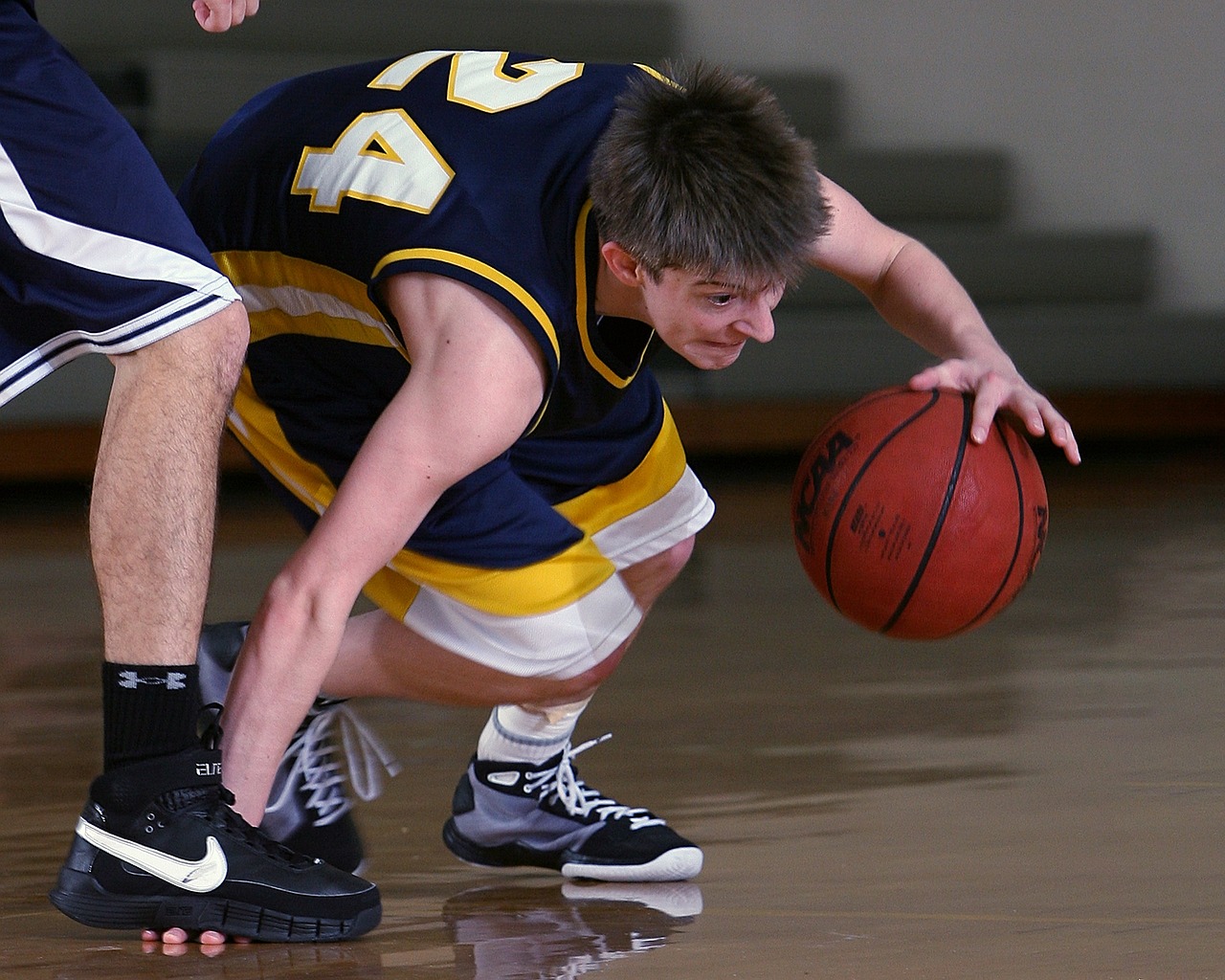
Ball recovery

Recovery and Resiliency.
Photo courtesy of Pixabay.com

What exactly is recovery?

Should we describe someone as “In recovery,” “recovering” or recovered? What about resilience. Is it in any way related to recovery? This month SAMHSA (Substance Abuse and Mental Health Services Administration) suggested a working definition for recovery.

The word recovery is commonly used when talking about substance abuse. Recently mental health has tried to incorporate wellness and recovery language into mental health programs. But it has long been clear that not everyone agrees about what is meant by recovery.

Trying to define recovery has always been a challenge.  Not the dictionary definition, which is relatively straightforward but not simple. Some common dictionary definitions of recovery include 1 A return to health 2 Return to a normal state 3 Gaining back something that was lost. The hard part was to explain what recovery meant when related to the issues of mental health and substance abuse.

Many people describe themselves as recovering. By that they mean they are struggling with a chronic progressive disease like alcoholism or drug addiction. They do not believe you are ever cured of a chronic disease condition and continue to remind themselves that at any moment they could experience a recurrence if they were to relax their vigilance.

Some people prefer the term “in recovery.” They believe that recovery is not a passive thing that happens to them but something that requires their active participation. They need to climb on board the recovery train and move towards their goal.

Some old-time AA members describe themselves as “recovered” and they point to the title page to the book “Alcoholics Anonymous” which states that the book is “the story of how many thousands of men and women have recovered from Alcoholism.” They further point out the book say that “we are not cured” but “have recovered from a hopeless state of mind and body.”  The thought that anyone could ever be fully recovered scares other people. They point out that accepting being recovered might lead someone to become careless and think that there is not more work to do on themselves.

SAMHS has suggested the following as a working definition of recovery:

A process of change through which individuals improve their health and wellness, live a self-directed life, and strive to reach their full potential.

SAMHSA delineates four major dimensions that support a life in recovery, Health, Home, Purpose, and Community.

A resiliency researcher tried to explain the difference between recovery and resiliency as – Recovery is coming back from negative consequences and resiliency as the ability to continue to function despite traumas.

A short way to think of this might be – Recovery is the process of getting back to where you were, regaining your life and Resiliency is handling life on life’s terms.

Staying connected with David Joel Miller

Seven David Joel Miller Books are available now!

My newest book is now available. It was my opportunity to try on a new genre. I’ve been working on this book for several years, but now seem like the right time to publish it.

Story Bureau.

Story Bureau is a thrilling Dystopian Post-Apocalyptic adventure in the Surviving the Apocalypse series.

Baldwin struggles to survive life in a post-apocalyptic world where the government controls everything.

As society collapses and his family gets plunged into poverty, Baldwin takes a job in the capital city, working for a government agency called the Story Bureau. He discovers the Story Bureau is not a benign news outlet but a sinister government plot to manipulate society.

Bumps on the Road of Life. Whether you struggle with anxiety, depression, low motivation, or addiction, you can recover. Bumps on the Road of Life is the story of how people get off track and how to get your life out of the ditch.

Dark Family Secrets: Doris wants to get her life back, but small-town prejudice could shatter her dreams.

Casino Robbery Arthur Mitchell escapes the trauma of watching his girlfriend die. But the killers know he’s a witness and want him dead.

Planned Accidents  The second Arthur Mitchell and Plutus mystery.

Letters from the Dead: The third in the Arthur Mitchell mystery series.

What would you do if you found a letter to a detective describing a crime and you knew the writer and detective were dead, and you could be next?

Sasquatch. Three things about us, you should know. One, we have seen the past. Two, we’re trapped there. Three, I don’t know if we’ll ever get back to our own time.

For these and my upcoming books; please visit my Author Page – David Joel Miller

Want the latest blog posts as they publish? Subscribe to this blog.

For videos, see: Counselorssoapbox YouTube Video Channel

Why your child won’t behave

By David Joel Miller, MS, Licensed Therapist & Licensed Counselor.

Sad child

Sad.
Photo courtesy of Pixabay.com

Your child misbehaves.

The number one complaint that brings parents and children to most child mental health clinics is the complaint “my kid won’t behave, won’t mind, won’t do what I tell him to, or some variation of this theme. This is so common a complaint that I am tempted to tell a lot of families “Of course he won’t mind you, he is a child and you are his parent.” But that doesn’t solve the problem, and parents, most of the time, want their children to mind.

The occasional parent who could care less if their child behaved – well those parents come in too, referred by the school or the police. The symptom checklist almost always includes things like lies, steals, argues with adults, hits, and so on. Usually, the parent wants us to find a way to get their child to behave. Sometimes they include in the symptoms “does not listen to adults, does not pay attention to what he is doing.” This could be ADHD, sometimes it is, but most of the time, the truth be told, the child is ignoring the adult. So what do most parents do about this situation and what should they do?

Children rarely grow out of bad behavior.

Lots of parents with poorly behaved preschoolers take the obvious path and do nothing. Their thinking is that the child will grow out of bad behavior. They often do grow out of it – the question is which way do they grow? Uncorrected, undisciplined, (read this as untrained not as unpunished) they grow out of it by turning into something worse, bossy disrespectful kids who tell the parents what to do. Why is it the universal nature of things for so many kids to grow disrespectful as they get older?

On simple reason for this issue is that growth in and of its self creates conflict.  The baby who can’t walk does not get into very many things, the toddler does. As children grow up they try out new things, sometimes parents like the things their child tries, but other times the child does something really dangerous or irritating. Now when the kid does something wrong there are a few ways this can go. The worst one is for the parent to do nothing, give the child the impression that whatever they do is OK with you and you could care less. If you don’t care about what your child does why should she?

Throughout the child’s life, maybe the parent’s also, the child always wants to do things they are not yet old enough or ready enough to do. Their urges are always way out in front of their skill level. Very young kids don’t get it when you tell them “don’t do that” you need to get up and make sure they stop doing that.

Your relationship with the child matters.

One important determinant of how well-behaved your child will be is how close you are to each other. In technical terms, we call this attachment. The time to start being close to your children is when they are very young. If you have a close relationship with your infant or toddler they are much more likely to want to obey and please you when they get older. Don’t worry about spoiling your child. Just because you show love and caring will not make your child spoiled. The better the parent-child relationship is the easier discipline will be.

Even if you and your child did not attach as closely as you might now wish don’t give up. One way to improve the parent-child bond is to play with your children. Some parents got the idea that playing was a time-waster that only children got to do. That is wrong. Some form of play and fun is good for humans regardless of age. Play is valuable, especially playing games with rules because it teaches the child the ability to learn rules. Rules change from game to game and they also change depending on where you are and your role in life. Kids who are good at learning new games appear to be good at learning to adapt to new situations.

Separating is natural.

Most kids will go through periods when they push their parents away. Sometimes they need to define who they are as a person separate from their parents. Other times they feel the need to align with friends and reduce their involvement with the parents. Don’t let these episodes of pushing you away be an end to your relationship. Try to stay connected and watch for a time when your child shows an interest in reconnecting.

Now some children are more resistant to discipline than others. Sometimes the parents do everything they can, play with their child, work on good attachment, praise them for successes, and still, there are discipline problems. At that point, parents turn to professionals and the professionals recommend some form of behavioral modification.

Many people misunderstand behavioral modification. They have only two tools, rewards and punishments. So there is a temptation for the rewards to turn into outright bribes. And the punishments get increasingly stringent, often to the point of abuse. Behavioral modification has lots of techniques beyond the stick and the carrot.

In future blog posts, we will talk more about modifying behavior, your child’s and your own. I also want to talk some more about recovery and resiliency. This brings us right up to the current moment.

Soon it will be New Year and lots of people will be making resolutions. How do you make resolutions you will be able to keep? How do you avoid making impossible to keep resolutions? Before we can talk about changing our children we need to talk about how we change ourselves. How does that process of change work? Stay tuned for more on changing to have a happy, resilient life.

Staying connected with David Joel Miller

Seven David Joel Miller Books are available now!

My newest book is now available. It was my opportunity to try on a new genre. I’ve been working on this book for several years, but now seem like the right time to publish it.

Story Bureau.

Story Bureau is a thrilling Dystopian Post-Apocalyptic adventure in the Surviving the Apocalypse series.

Baldwin struggles to survive life in a post-apocalyptic world where the government controls everything.

As society collapses and his family gets plunged into poverty, Baldwin takes a job in the capital city, working for a government agency called the Story Bureau. He discovers the Story Bureau is not a benign news outlet but a sinister government plot to manipulate society.

Bumps on the Road of Life. Whether you struggle with anxiety, depression, low motivation, or addiction, you can recover. Bumps on the Road of Life is the story of how people get off track and how to get your life out of the ditch.

Dark Family Secrets: Doris wants to get her life back, but small-town prejudice could shatter her dreams.

Casino Robbery Arthur Mitchell escapes the trauma of watching his girlfriend die. But the killers know he’s a witness and want him dead.

Planned Accidents  The second Arthur Mitchell and Plutus mystery.

Letters from the Dead: The third in the Arthur Mitchell mystery series.

What would you do if you found a letter to a detective describing a crime and you knew the writer and detective were dead, and you could be next?

Sasquatch. Three things about us, you should know. One, we have seen the past. Two, we’re trapped there. Three, I don’t know if we’ll ever get back to our own time.

For these and my upcoming books; please visit my Author Page – David Joel Miller

Want the latest blog posts as they publish? Subscribe to this blog.

For videos, see: Counselorssoapbox YouTube Video Channel
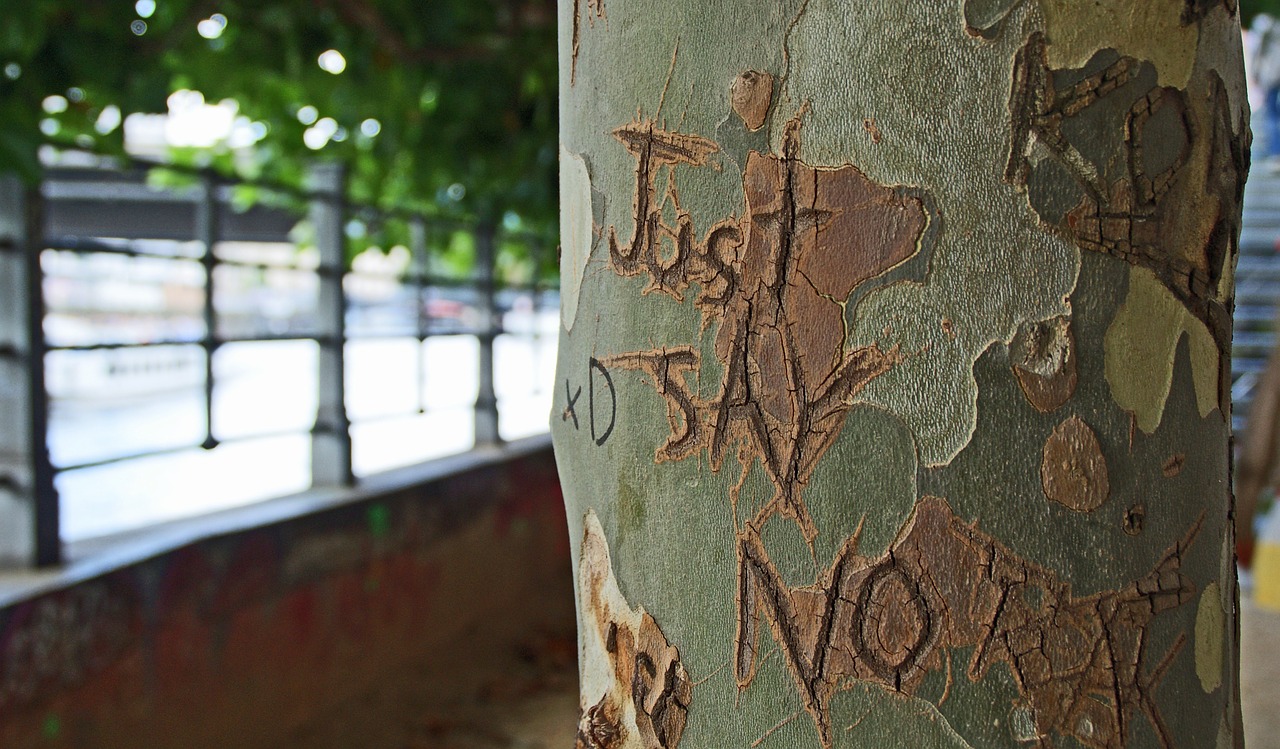
NO, NO, NO – Learning NO!

By David Joel Miller, MS, Licensed Therapist & Licensed Counselor.

Tree with just say no

Just say no.

Saying No.

Despite its short size the word NO is one of the most difficult words in the English language to understand. Ask any school teacher and they would swear that most of their students had never heard the word before. Parents spend the first couple of years of their child’s life trying to teach the child the meaning of the word NO. Then they spend the next few decades wishing they had never taught the child that word. Aside from the obvious benefit of stopping a child’s unwanted behavior, are there any reasons a parent should ever teach their child NO? If they should teach the child this word, are there any rules to stop the child from practicing this new word on their parents?

Some parents avoid using the word – NO, altogether. This word is taboo in their house. You can spot their children in any mall in America. They seem to have heard that we are not supposed to say the “N” word anymore. Do you think people are getting confused by this? Some people seem to have no problem teaching their children the other N-word but they forget to teach them NO. There is nothing worse than an adult with a limited vocabulary. Make sure NO is in your child’s lexicon.

Parents are forewarned – you have to say NO to your child so they can say NO also. Parents don’t often like it when kids say NO to things the parents have told them to do. We expect them to say NO to negative things like drugs and dangerous friends later on in life. So yes, they need to know the NO word, and what it means. Please, parents, don’t leave this task to the child’s teacher. By then your child is in trouble, and they probably will find it much harder to learn NO in a jail cell than in your home.

So teach them the No word. But don’t stop there. They will need to practice using this word. At first, they will get this vocabulary lesson wrong. They will think the NO word means the parent shouldn’t do something or that they don’t have to do what parents said. Encourage them to say NO to themselves. “No, I shouldn’t do that.” Learning to say NO to themselves helps them establish self-control.  But learning NO won’t be enough.

You also need to teach your child YES. If everything they ask for or say is greeted with a NO they become negative people or worse yet they start ignoring you when you say NO. No is meaningless without YES. Just for the record very young kids develop parental deafness if you say NO too often. So expand the vocabulary lesson. Try “don’t do that,” “that is dangerous,” “stop” and other synonyms. And try other languages.

Now by other languages, we are not talking German or French, but you could try that if you want. Most parents, mothers, in particular, use nonverbal language. In mommy speak this is called “the look.” You can also communicate the same message using “the voice.” Rather than yelling ever louder, there is a limit to how loud you can go – try talking in a – slow – low tone of voice. Most kids quickly get the idea that “the voice” means they are about to get in deep trouble.

A well-connected child, one who got praised for pleasing their parents would rather get a spanking than “the look” or “the voice.” So much the better, you get your point across and save your hand and the visit from the child protective services folks.

On that subject, some parents substitute spankings for teaching their child the – NO word. This is not a good idea. What you teach your child is not the word and the idea of “NO” but the idea of “to get what you want hit.” A teenager can hit really hard, as parents who have mistakenly thought that hitting could change behavior have learned. Teach them the “NO” word.  It is less painful all around.

One caution about saying “NO,” too often or too loudly. This word is like a flashlight; use it a little and it sheds some light on the subject, leave it in use too long and it stops working. Use NO only when it is really needed and use substitutes often. Other options with young children are “it will make you sick” or “you will poke your eye out.”

Some behavior books like Sears and Sears in The Discipline Book relate all this teaching of NO to very young children. You would think that it would be harder to teach it to young kids and it should get easier as they get older. That would be so wrong. For some reason two and three-year-olds pick up the word NO quickly. By thirteen most kids have lost the ability to learn that word altogether. So start young but don’t give up. With older kids, you may need some other techniques to convince them NO means NO. Teenage girls especially need to learn this, otherwise, how will they be able to teach it to their boyfriends?

So here is hoping that your child will be a vocabulary expert, knowing and using the word “NO” and all its synonyms correctly. More to come on changing kid’s behavior, resiliency, and recovery.

Staying connected with David Joel Miller

Seven David Joel Miller Books are available now!

My newest book is now available. It was my opportunity to try on a new genre. I’ve been working on this book for several years, but now seem like the right time to publish it.

Story Bureau.

Story Bureau is a thrilling Dystopian Post-Apocalyptic adventure in the Surviving the Apocalypse series.

Baldwin struggles to survive life in a post-apocalyptic world where the government controls everything.

As society collapses and his family gets plunged into poverty, Baldwin takes a job in the capital city, working for a government agency called the Story Bureau. He discovers the Story Bureau is not a benign news outlet but a sinister government plot to manipulate society.

Bumps on the Road of Life. Whether you struggle with anxiety, depression, low motivation, or addiction, you can recover. Bumps on the Road of Life is the story of how people get off track and how to get your life out of the ditch.

Dark Family Secrets: Doris wants to get her life back, but small-town prejudice could shatter her dreams.

Casino Robbery Arthur Mitchell escapes the trauma of watching his girlfriend die. But the killers know he’s a witness and want him dead.

Planned Accidents  The second Arthur Mitchell and Plutus mystery.

Letters from the Dead: The third in the Arthur Mitchell mystery series.

What would you do if you found a letter to a detective describing a crime and you knew the writer and detective were dead, and you could be next?

Sasquatch. Three things about us, you should know. One, we have seen the past. Two, we’re trapped there. Three, I don’t know if we’ll ever get back to our own time.

For these and my upcoming books; please visit my Author Page – David Joel Miller

Want the latest blog posts as they publish? Subscribe to this blog.

For videos, see: Counselorssoapbox YouTube Video Channel

They’re misbehaving – again

By David Joel Miller, MS, Licensed Therapist & Licensed Counselor.

People fighting

Bad behavior.
Photo courtesy of pixabay

Lots of conversations are going on about kids and their behavior, for good reason.

We see some mighty atrocious behavior every day. Sometimes the poor behavior is by teens, other times it is by their parents. It would be easy to blame the kids acting up on their parents, but that isn’t always the case. Good parents sometimes have poorly behaved children, and when that happens the parents start asking about how do I get my kids to behave. Just for the record, there is also a connection between children’s behavior and resiliency later in life.

Studies of resiliency – that ability to bounce back from trials or not be harmed by them report that relationships, especially with parents, have a big influence on future resiliency. One sometimes overlooked part of this parental influence is the way parents use discipline. Now don’t get excited just yet. The researchers use the word discipline in a different way that a lot of other people do. By discipline, they don’t just mean punishment. They also mean rewards and praise and all the things you do to tell the child when they are doing the right thing.

One analogy is that you don’t shape a garden plant only by pruning. You need to do some staking and directing in the way you want the plant to grow. Some adults think the way to make a child fit the mold they envision for them is to break them into pieces and then pour the parts into the mold. This does not work. It inspires resistance and rebellion and in the more severe cases becomes downright abusive. We might think of discipline more like sanding down the rough edges of a child’s personality so they are more socially acceptable. There are certain natural tendencies; some kids are more active than others, some like licorice, etc. You can’t train all the personality out of a child. But then who would want to?

Now some parents think the way to have a good relationship with their child is to let the child do pretty much what the child wants. This does not generally make for a good relationship. Kids who have no or minimal rules don’t learn to follow what they are told. In short, the parents have no control over the child.  You might think this would lead to the child having more control over them but in most cases, it results in just the opposite. As adults, these people often say they are afraid they will not be able to control themselves. If your parent could not control you maybe you are uncontrollable. Kids need limits and structure so they will learn to stay inside the limits. They need parents to teach them how to control themselves and make good decisions. Kids need parents to teach them self-control.

Now one mistake new parents make is to try to teach lessons the child is not ready to learn. Coaches do not begin by teaching advanced skills, they start with the basics. In learning to play chess you are not taught multi-move openings – you start with how the pieces move. But parents often try to teach the proper use of silverware before they have taught the child not to climb on the table. This makes for upsetting dining out for the family and the people at the next booth.

Now the earlier you start training a child in good behavior the easier it is. I am not one who thinks that a person is ever too old to learn socially acceptable behavior but if you don’t teach it to your child someone else – like his parole agent, may need to step in and teach them.

One trap parents fall into is to yell, the worse the child gets the louder and longer the parent yells. This results in a condition called “parental deafness” this is similar to another medical syndrome called “married-man deafness syndrome” which I have written about elsewhere, only parental deafness develops at a much younger age. For a good description of “parental deafness,” you might want to check out “The Discipline Book” by Sears and Sears. They talk a lot about the way to teach a young child to behave. Most of the time I see older people, teens, and even adults who were cheated out of their lessons on behavior at a young age and now need some remedial work on behaving.

So the conclusion is: Children who are taught socially acceptable behavior at a young age are more able to control their own behavior at a later point in their life. And good self-control is one factor in being able to recover from the bumps in life’s road.

In future blogs, I plan to write more about behavior, resiliency, and what to do if you were absent the day these lessons were taught. We should also look at some of the things you can do if you are responsible for some remedial education on behavioral control. So what do you think about discipline, behavior, and its relationship to resilience?

Staying connected with David Joel Miller

Seven David Joel Miller Books are available now!

My newest book is now available. It was my opportunity to try on a new genre. I’ve been working on this book for several years, but now seem like the right time to publish it.

Story Bureau.

Story Bureau is a thrilling Dystopian Post-Apocalyptic adventure in the Surviving the Apocalypse series.

Baldwin struggles to survive life in a post-apocalyptic world where the government controls everything.

As society collapses and his family gets plunged into poverty, Baldwin takes a job in the capital city, working for a government agency called the Story Bureau. He discovers the Story Bureau is not a benign news outlet but a sinister government plot to manipulate society.

Bumps on the Road of Life. Whether you struggle with anxiety, depression, low motivation, or addiction, you can recover. Bumps on the Road of Life is the story of how people get off track and how to get your life out of the ditch.

Dark Family Secrets: Doris wants to get her life back, but small-town prejudice could shatter her dreams.

Casino Robbery Arthur Mitchell escapes the trauma of watching his girlfriend die. But the killers know he’s a witness and want him dead.

Planned Accidents  The second Arthur Mitchell and Plutus mystery.

Letters from the Dead: The third in the Arthur Mitchell mystery series.

What would you do if you found a letter to a detective describing a crime and you knew the writer and detective were dead, and you could be next?

Sasquatch. Three things about us, you should know. One, we have seen the past. Two, we’re trapped there. Three, I don’t know if we’ll ever get back to our own time.

For these and my upcoming books; please visit my Author Page – David Joel Miller

Want the latest blog posts as they publish? Subscribe to this blog.

For videos, see: Counselorssoapbox YouTube Video Channel
Bullying, Families and Resiliency

By David Joel Miller, MS, Licensed Therapist & Licensed Counselor.

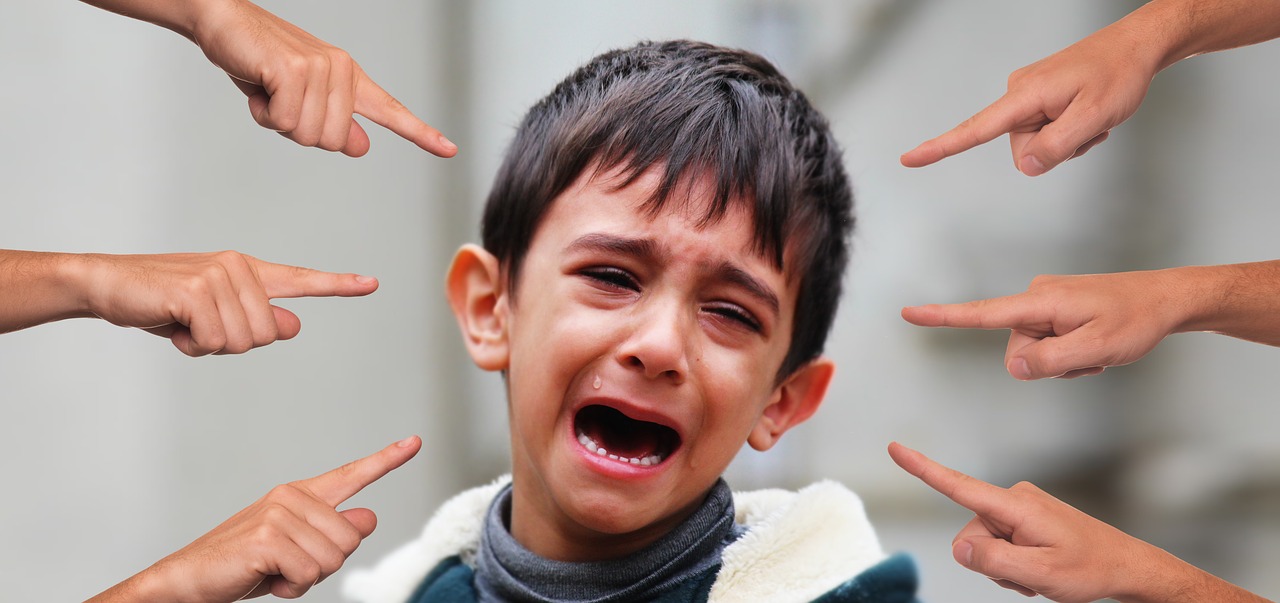
Crying child

Youth mental health.
Photo courtesy of Pixabay.com

Is there a relationship between Bullying, families, and resiliency?

At least one research study says yes. My task of reading all these research studies about resiliency and what makes some people bounce back from trauma quickly while other people are down for the count continues. This one study seems worth sharing. It is not extremely new (from 2010) but it was new to me so I thought I would pass it on.

The study by Bowes, Maughan, Caspi, Moffitt, and Arseneault, says yes there is a connection. They say three factors improve the resilience of children who are bullied. Now after reading as many studies as I have so far I take everything with a lot of salt. (Please don’t tell my nutritionist.) I am leery of studies that say that doing or not doing something will protect your child from harm. Parents sometimes do everything right and still, something bad happens, but this study does suggest some things that help reduce the impact of bullying on kids.

They found that being the victim of bullying in primary grades set the child up for both emotional and behavioral problems as well as increasing the risk of suicidal thoughts and actions and other self-harming behaviors. Victims of bullying, not surprisingly, have an increased risk and the younger they are when bullied the more the risk. At least that is the way I read this.

Some factors they found, well there is nothing you can do about it. Being poor adds to your risk. But then poverty adds to the risk of almost everything. In the early grades, girls seem to be more resilient than boys. That surprised me. High I. Q. protects kids from some risks and increases resiliency. Most efforts to increase your child’s I. Q. aren’t going to work, though appropriate effective education and counseling might help a little. Children with emotional or behavioral problems to start with were more affected by bullying. I take that as an indication that early interventions in childhood emotional and behavioral problems are better than the wait and see approach.

They suggest there is a difference in the factors that promote resiliency in the emotional area and those that increase resiliency in behavioral areas. Now here is the thing that was noteworthy for me. The family characteristic that was most helpful in promoting behavioral resiliency in boys was – the warmth of the mother. That is boys who knew their mother liked them were less affected by being the victim of bullying that boys whose mothers never treated them warmly. So much ladies, for worrying about spoiling your sons. Let them know they are loved and their behavior improves. At least it did in sons who were bullied.

The second thing that promoted resiliency in these kids was the warmth of their siblings. Even boys whose mothers were cold and uncaring did better when they had siblings that were warm and caring. Another good reason to promote siblings getting along.

The third factor, after maternal warmth and sibling warmth that protected kids who had been bullied and increased their resiliency, was a positive family atmosphere. So parents, while money, as in poverty, play a small part in reducing resiliency, the things you can’t buy, like maternal warmth, sibling warmth, and a positive family environment made the most difference.

Some issues with the study were that they left out the problem of girl’s behavioral resiliency. I think a lot of girls do act out behaviorally because they were teased and bullied. Usually, the girls do their acting out in ways that we don’t connect to being bullied, at least till they get to high school. The study started out talking about parental characteristics and then switched to maternal warmth. Didn’t we stop blaming the mothers a long time ago? And didn’t any of these kids have fathers? I don’t see much about the role of fathers in promoting resiliency. I continue to think that we underestimate the child’s need for a father or male role model, who takes an active part in a child’s life.

For those of you who are purists,’ the reference for this study is: Journal of Child Psychology and Psychiatry 51:7 (2010), pp 809–817.

So what do you think? Does maternal warmth matter? Should a father ever be warm to his children? And does anyone else out there have any suggestions for reducing the bullying and increasing the resiliency of kids who have been bullied?

Staying connected with David Joel Miller

Seven David Joel Miller Books are available now!

My newest book is now available. It was my opportunity to try on a new genre. I’ve been working on this book for several years, but now seem like the right time to publish it.

Story Bureau.

Story Bureau is a thrilling Dystopian Post-Apocalyptic adventure in the Surviving the Apocalypse series.

Baldwin struggles to survive life in a post-apocalyptic world where the government controls everything.

As society collapses and his family gets plunged into poverty, Baldwin takes a job in the capital city, working for a government agency called the Story Bureau. He discovers the Story Bureau is not a benign news outlet but a sinister government plot to manipulate society.

Bumps on the Road of Life. Whether you struggle with anxiety, depression, low motivation, or addiction, you can recover. Bumps on the Road of Life is the story of how people get off track and how to get your life out of the ditch.

Dark Family Secrets: Doris wants to get her life back, but small-town prejudice could shatter her dreams.

Casino Robbery Arthur Mitchell escapes the trauma of watching his girlfriend die. But the killers know he’s a witness and want him dead.

Planned Accidents  The second Arthur Mitchell and Plutus mystery.

Letters from the Dead: The third in the Arthur Mitchell mystery series.

What would you do if you found a letter to a detective describing a crime and you knew the writer and detective were dead, and you could be next?

Sasquatch. Three things about us, you should know. One, we have seen the past. Two, we’re trapped there. Three, I don’t know if we’ll ever get back to our own time.

For these and my upcoming books; please visit my Author Page – David Joel Miller

Want the latest blog posts as they publish? Subscribe to this blog.

For videos, see: Counselorssoapbox YouTube Video Channel

Depression Season – 8 Ways To Beat It.

By David Joel Miller, MS, Licensed Therapist & Licensed Counselor.

Depressed person

Depression.
Photo courtesy of Pixabay.com

Beat the depression season.

We are coming up on depression season. Did you know it has its own season? Like the rainy season or strawberry season, there is a definite season for depression, and it is fast approaching. While there are lots of reasons people might get depressed for the holidays there are things you can do to prevent or reduce depression this time of year so please stay tuned to the end for the solutions.

You have seen or will see shortly see lots of stuff about Seasonal Affective Disorder (SAD). A great many people suffer from a specific disorder which causes them to get depressed this time of year. Some people with SAD are OK during the winter but get depressed in the summer. A few unlucky ones get depressed summer and winter. These issues mainly have to do with changes in the hours of daylight and the weather. That’s not the only reason people will be getting depressed soon.

People with mood disorders, those who experience depression or bipolar disorder, are at extra risk to fall into depression this time of year.  There are all kinds of reasons for people with mood disorders to have episodes of depression and this time of year has. The season has lots of stressors that may trigger a bout of depression. Sure seasonal changes are one reason but as severe as they may be, loss of light and cold weather are not the only reason people fall into depression this time of year.

One reason for a winter depression season, which I believe is significant, is the increased occurrence of colds and flu. When someone is under the weather, they get grumpy and want to be left alone. When humans are sick we tend to push others away. This is especially true of children. We see a lot of kids that were essentially well-behaved most of the year but suddenly during the winter months they get into fights with their caregivers and end up in emergency psychiatric facilities. Often these emergency admissions, in kids and in adults, will begin sniffling and sneeze within hours if not minutes of admission. They got into conflicts and were unable to manage their emotions in part because they were fighting off an illness.

There are a lot of family get-togethers during the fall holiday season. Events like these cause stress. Even good events can be stressful. But how often has a holiday get together ended in arguments and fights? What was supposed to be a happy get together has turned into a depressing occurrence?

Some people become especially depressed during the holiday season for the opposite reason, they have little or no family. That is not the way we picture a holiday get together. On T. V and in the store ads holiday meals are a large group of people all laughing around a table full of tempting food. Imagine eating a bowl of Top Ramen by yourself for your holiday meal? I am getting bummed out just writing about this.

Increased consumption of alcohol and drugs in the wintertime also results in an increase in depression. People with mental illnesses are at increased risk to use drugs and alcohol to try to feel better. They also smoke the majority of the cigarettes consumed in America. Add a full ashtray and an empty bottle of booze to that bleak alone Christmas table and see how the picture looks now.

People with substance abuse problems, of course, get really depressed, at the holidays or any other time for that matter. Alcohol is a depressant, plain, and simple. Lots of us missed school the day they taught that. So the more you drink the more depressed you will probably get. Remember the twenty percent heaviest drinkers will drink eighty percent of the alcohol this holiday. They will also get arrested the most and they are fifty-five times more likely to attempt suicide when drunk.

People who do stimulants such as Methamphetamine will not be happy for Christmas either. Stimulant abuse does not make for happy people, just “wired” people. And when those drugs wear off and the user crashes, add them to the depressed.

So it does not much matter whether you have one problem, two problems, or many. It is not important which came first, the mood disorder or drug use. Lots of people are at risk for a bout of depression, from mild to severe, this holiday season.

So what can you do to avoid or reduce depression during the holidays?

A few simple steps, these are especially important if you know you are at risk.

1. Avoid alcohol and abusing drugs.

2. If you take meds stay on them and take them as prescribed. If you experience a severe episode of depression you may need to talk to your doctor or psychiatrist about your medication needs.

3. Spend as much time as possible in brightly lit places. A few hours a day of sunlight is great if possible. And definitely, avoid dark gloomy places.

4. If you have a spiritual or religious faith, practice it like your life depends on it. If you have severe depression your life just might depend on it.

5. Do not stay at home alone. Find places to go and people to be around. This is an area where alcoholics, drug addicts, and other recovering people just may have an advantage if they chose to use it. All across this country and beyond, twelve-step groups will have increased meetings during the holiday season. Many have potluck dinners. Some groups will hold Alco-thons and marathon meetings, around the clock 24 hours meetings of recovering people who encourage and support each other. For more information check your appropriate fellowship on-line or call the local central office.

6. Make use of your support system. Call someone you care about. Call someone who cares about you. If you have no support system – see point 5 above.

7. Plan to do something for someone else. Any minute you are thinking about someone else is a moment you are not worrying about yourself.

8. Don’t hesitate to call or seek professional help. They are lots of local helplines. Please use them. The time to look up those numbers, like the time to develop a support system, is before you need them.

Hope you all avoid the depression season and have the happy life you deserve.

Staying connected with David Joel Miller

Seven David Joel Miller Books are available now!

My newest book is now available. It was my opportunity to try on a new genre. I’ve been working on this book for several years, but now seem like the right time to publish it.

Story Bureau.

Story Bureau is a thrilling Dystopian Post-Apocalyptic adventure in the Surviving the Apocalypse series.

Baldwin struggles to survive life in a post-apocalyptic world where the government controls everything.

As society collapses and his family gets plunged into poverty, Baldwin takes a job in the capital city, working for a government agency called the Story Bureau. He discovers the Story Bureau is not a benign news outlet but a sinister government plot to manipulate society.

Bumps on the Road of Life. Whether you struggle with anxiety, depression, low motivation, or addiction, you can recover. Bumps on the Road of Life is the story of how people get off track and how to get your life out of the ditch.

Dark Family Secrets: Doris wants to get her life back, but small-town prejudice could shatter her dreams.

Casino Robbery Arthur Mitchell escapes the trauma of watching his girlfriend die. But the killers know he’s a witness and want him dead.

Planned Accidents  The second Arthur Mitchell and Plutus mystery.

Letters from the Dead: The third in the Arthur Mitchell mystery series.

What would you do if you found a letter to a detective describing a crime and you knew the writer and detective were dead, and you could be next?

Sasquatch. Three things about us, you should know. One, we have seen the past. Two, we’re trapped there. Three, I don’t know if we’ll ever get back to our own time.

For these and my upcoming books; please visit my Author Page – David Joel Miller

Want the latest blog posts as they publish? Subscribe to this blog.

For videos, see: Counselorssoapbox YouTube Video Channel
You are not playing enough. Neither are your children.

By David Joel Miller, MS, Licensed Therapist & Licensed Counselor.

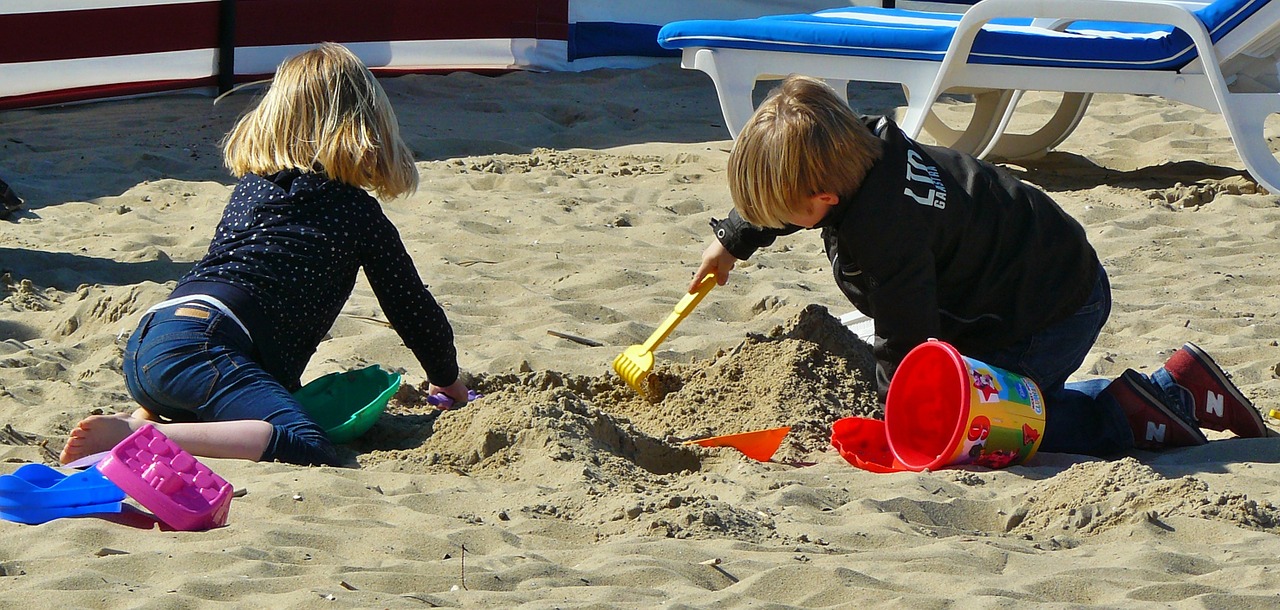
Children Playing.

Children Playing.
Photo courtesy of Pixabay.com

How often have you heard “Stop playing around?”

Is some adult’s voice from your past playing in your head right now as you think about that? Do you ever say that to your child or someone else? Well, knock that off.

The truth is we all need to play more and so do our kids. Now I am not talking about the high-pressure play of organized sports. We are hearing about a lot of kids getting injured playing competitive sports. That is not good for them and despite that delusion of our athletic prowess most of us older folks are not up to that stuff either. I am not thinking of the high dollar sports that are now a business and not fun. What I am suggesting is we all need to do more running and jumping, laughing, and having fun.

For a while we had a movement called the “new games” movement which said that games had become too formalized and rule-bound. People watched them instead of playing at them. So they started inventing new games with different rules. The fun was in trying something different.

Now some of you are saying we need to be serious, kids should learn the academics. No time for play in a well-organized society, except for a few professionals we watch occasionally. That would be all wrong. Kids who play around as children very often do better later in life than their serious compatriots. Let me tell you a story.

There was a school that assigned a teacher to a special education class. That class had such a reputation for not behaving that they were banned from the school-wide assemblies. But this teacher thought it wasn’t fair that her class couldn’t go and all the other classes got to. The other teachers made their class’s line up and march to the multiuse room for the assembly. They were certain that those special education kids could never stay in line long enough to get lined up. And if they were able to line up by some bundle of luck, they were sure to move around and disrupt the assembly. The newly assigned teacher had a different idea and she had a solution.

She did not march her class across the school in single file formation as the other teachers did. She had her class run, as fast as they could, laughing all the way, around the entire school grounds. Only when they had run as far as they could, did she line them up for the assembly. And the shock was, that after a good run those kids were better behaved than the other classes. The teacher was Violet Oaklander, and her book “Windows on Our Children” is a classic on the use of art and play as therapy. But there is more to the story of why play is good. We now know it is not only useful for treating children therapeutically. Play is also necessary for normal development.

Children’s unscripted play is important in developing skills that will increase learning in other areas and will be useful in later life. Play is useful for alerting, improving attention, and for helping people organize their thoughts. It is also calming for most people. Some adults are afraid that play might “wind kids up.” It may improve alertness; I wouldn’t recommend it just before bedtime. But before class, it is likely to improve performances not prevent it.

So if we have overactive disruptive students, what do some teachers do? They take away recess and keep the kid in. This is precisely the wrong approach. Please, no emails – you don’t understand – we need to maintain control. FYI, I teach also, I know the problem. But when students get restless then need more breaks and physical activity, not more amphetamine.

What else does play accomplish? Old fashion imaginative play also improves the ability to make use of the senses. It improves balance, fine motor skills needed for writing and the list goes on and on. There are also play activities that improve the auditory and visual senses, just the skills needed for effective learning.

The list of skills that might be improved by active play is too long for me to include here. Even video games when used in moderation, have some benefit in improving hand-eye coordination. Remembering I am not a big fan of robotic video game playing. I have seen too many video game addicts.

But Folks that’s not all!

Play improves the ability to bounce back from life’s stress and trauma. Various play activities have been shown to improve recovery and resilience. There is more to the topic of resilience and the ability to bounce back than just play. One of these days I plan to write more about why some people are able to bounce back from all the bumps in life’s road and others don’t seem to have those skills. I was researching the topic of resiliency and recovery when I came upon all the reports of the benefits of more play.

Hum – just might be a book lurking in that topic. Stay tuned for more on the resiliency angle.

So I hope you have gotten the message. Get out there and play some more. And encourage your kids to play more also. You might even get radical and try playing with your kids.

Is anyone reading this? What do you think about the topic of the need for more play?

Staying connected with David Joel Miller

Seven David Joel Miller Books are available now!

My newest book is now available. It was my opportunity to try on a new genre. I’ve been working on this book for several years, but now seem like the right time to publish it.

Story Bureau.

Story Bureau is a thrilling Dystopian Post-Apocalyptic adventure in the Surviving the Apocalypse series.

Baldwin struggles to survive life in a post-apocalyptic world where the government controls everything.

As society collapses and his family gets plunged into poverty, Baldwin takes a job in the capital city, working for a government agency called the Story Bureau. He discovers the Story Bureau is not a benign news outlet but a sinister government plot to manipulate society.

Bumps on the Road of Life. Whether you struggle with anxiety, depression, low motivation, or addiction, you can recover. Bumps on the Road of Life is the story of how people get off track and how to get your life out of the ditch.

Dark Family Secrets: Doris wants to get her life back, but small-town prejudice could shatter her dreams.

Casino Robbery Arthur Mitchell escapes the trauma of watching his girlfriend die. But the killers know he’s a witness and want him dead.

Planned Accidents  The second Arthur Mitchell and Plutus mystery.

Letters from the Dead: The third in the Arthur Mitchell mystery series.

What would you do if you found a letter to a detective describing a crime and you knew the writer and detective were dead, and you could be next?

Sasquatch. Three things about us, you should know. One, we have seen the past. Two, we’re trapped there. Three, I don’t know if we’ll ever get back to our own time.

For these and my upcoming books; please visit my Author Page – David Joel Miller

Want the latest blog posts as they publish? Subscribe to this blog.

For videos, see: Counselorssoapbox YouTube Video Channel

Mindfulness on a full brain

By David Joel Miller, MS, Licensed Therapist & Licensed Counselor.

Waterlily

Mindfulness and meditation.
Photo courtesy of Pixabay.com

What is all this mindfulness stuff?

And how can I possibly include that in with my cognitive behavior therapy?

Problem-solving in mental health as in life has always been pretty straightforward for me. If we are applying the wrong formula to a problem then we keep getting the wrong answer. Once we learn an improved formula all we need to do is turn the crank and out comes an answer.  Get a head change, a new way of seeing things and the problem changes from unsolvable to a manageable size. So we work on core schemas, automatic thoughts, irrational or dysfunctional beliefs. And we work on acceptance – radical acceptance. So the whole mindfulness thing troubled me—until-

There have been a lot of articles recently on mindfulness. Now I feel that this has its uses. Religious and spiritual practices have their place. And I am as much in favor of candles and herbal scents as the next person. All this has its time and place. And we know that if the client believes in something it will probably help. But do mindfulness techniques have a place in modern scientific, best practices, forms of treatment. Then I read some things that made me think.

Siegal has written and talked about mindfulness and recently I happened to read some things he had written on the subject. They made sense to me from a logical rational perspective.  Let me try to explain this as I get it and hope not to do too much violence to the science.

Scientists have discovered mirror neurons in the brain. Now if all they did was see someone else doing something and result in us knowing how to do the same thing that would be the end of it, one more way to learn stuff.  But these mirror neurons detect patterns that allow us to infer why someone is doing what they are doing. Learning these patterns makes our world a more secure and predictable place. This has a lot to do with understanding attachment theory.

If when we reach for more food at the table we get slapped – we learn to not reach but ask which may be a valuable learning experience for a young unsocialized child. But if the response varies depending on the amount of alcohol mom has consumed, what we may learn is the pattern that the world is a scary and inconsistent place. The pattern of asking may be adaptive and is quickly forgotten if we encounter a situation where it is not expected. The pattern of seeing the world as a frightening place is likely to last a lifetime.

So the mirror neurons help to explain how we learn basic core ways of relating to the world.

But there is more.

Mindfulness teaches the practice of paying attention to how we feel inside. As we come to recognize how we are feeling it becomes easier to recognize feelings in others. This is sometimes called the “expert” effect. If you are an expert on antiques you will spot them and probably will notice the cheap reproductions also. If you are not an antique expert you will see things you like or don’t like but lots of stuff will go unnoticed in the piles of other stuff. Same thing with feelings and empathy.

Seeing people express love will teach you the pattern of love.  But if the people you live with don’t show love or show it inconsistently then you may be unable to recognize the pattern and to replicate it. This does not mean that people whose early caregivers did not love them as much as they wanted will be unable to love. What it does mean is that it may be harder to recognize and express love in later life.

Lots of people in recovery, from drugs, alcohol, mental illness, or dysfunctional caregivers report they have difficulty with trust issues. Most came from situations where it was not safe to trust on a regular basis so they never learned the pattern.  Some recovering people have spent so much time being deceitful to cover up and continue their addiction they no longer recognize the truth when they hear it. Their mirror circuits have not had trust images to reflect back and incorporate into their catalog of patterns.

So how will mindfulness techniques help someone who has trust issues, attachment problems, or dysfunctional behaviors? How might these approaches help counselors in helping clients?

By becoming aware of our inner feelings and thoughts we can begin to dispute dysfunctional beliefs. We can learn new more functional patterns of meaning in life. We can recognize our feelings of anger, mistrust, and fear and test these feelings to see if they have a basis in reality. And we can learn from recognizing our own feelings to have empathy for others.

Counselors can especially benefit from mindfulness techniques by becoming better able to present an empathetic other who can participate in a corrective emotional experience with the client.

More to come as I research for that book I am writing on resilience.

Wishing you all the mindfulness you care to have. Hope to hear from some of you.

Staying connected with David Joel Miller

Seven David Joel Miller Books are available now!

My newest book is now available. It was my opportunity to try on a new genre. I’ve been working on this book for several years, but now seem like the right time to publish it.

Story Bureau.

Story Bureau is a thrilling Dystopian Post-Apocalyptic adventure in the Surviving the Apocalypse series.

Baldwin struggles to survive life in a post-apocalyptic world where the government controls everything.

As society collapses and his family gets plunged into poverty, Baldwin takes a job in the capital city, working for a government agency called the Story Bureau. He discovers the Story Bureau is not a benign news outlet but a sinister government plot to manipulate society.

Bumps on the Road of Life. Whether you struggle with anxiety, depression, low motivation, or addiction, you can recover. Bumps on the Road of Life is the story of how people get off track and how to get your life out of the ditch.

Dark Family Secrets: Doris wants to get her life back, but small-town prejudice could shatter her dreams.

Casino Robbery Arthur Mitchell escapes the trauma of watching his girlfriend die. But the killers know he’s a witness and want him dead.

Planned Accidents  The second Arthur Mitchell and Plutus mystery.

Letters from the Dead: The third in the Arthur Mitchell mystery series.

What would you do if you found a letter to a detective describing a crime and you knew the writer and detective were dead, and you could be next?

Sasquatch. Three things about us, you should know. One, we have seen the past. Two, we’re trapped there. Three, I don’t know if we’ll ever get back to our own time.

For these and my upcoming books; please visit my Author Page – David Joel Miller

Want the latest blog posts as they publish? Subscribe to this blog.

For videos, see: Counselorssoapbox YouTube Video Channel
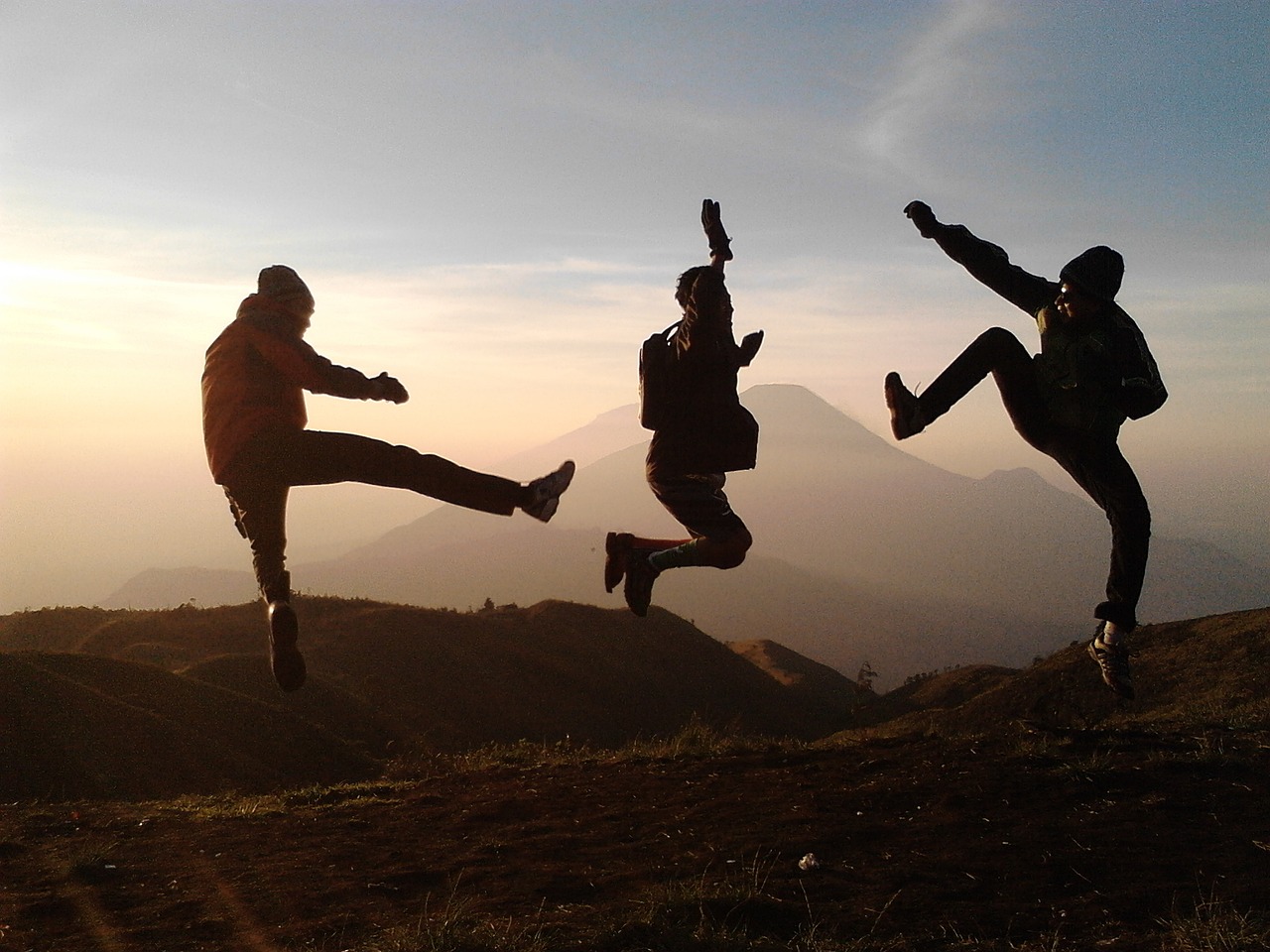
Teens, drugs and resiliency

By David Joel Miller, MS, Licensed Therapist & Licensed Counselor.

Teenagers.
Photo courtesy of Pixabay.com

Some new developments in the area of teens, drugs, and resiliency

Energy drinks:

These drinks have been involved in a large increase in hospital emergency room visits. Many young people and some adults think that energy drinks since they are sold in food and convenience stores are safe. Maybe they are in and of themselves but the way many people are using them is not safe. In a five-year period, hospital emergency room visits involving energy drinks have increased more than 1,000 % from just over 1100 to 13,000. The majority of these incidents, more than half, involved using energy drinks with drugs and alcohol. Males were more likely to mix energy drinks with illegal drugs and alcohol while females mixed them with prescription drugs.

A single can of the stronger energy drinks contains up to ten times as much caffeine and other stimulants than a caffeinated soda. People who consume energy drinks with alcohol are more likely to be involved in accidents as they do not feel impaired and over-estimate their abilities to drive or engage in other dangerous activities. The full report is available from SAMHSA, in the DAWN report (Drug Abuse Warning Network.)

New synthetic drugs.

In the race to create new drugs and the efforts to control or ban them, we are not sure who is winning. These products often sold as “bath salts” or incense but commonly abuse by younger consumers by smoking, continues to be a problem. Despite analog and similar laws that say that even if you paint the duck red it is still a duck, manufacturers are finding ways to make and market new synthetic drugs that are different enough to escape the net of banned substances.

Join Together, (join together at the partnership at drugfree.org.)  a great source of information on the latest drug trends, reports that 43 states have laws regulating synthetic drugs. Some laws list specific chemicals as illegal. The manufacturers of synthetic drugs keep changing to new chemicals, not on the list. Other localities have listed categories of chemicals as illegal. Under these laws, prosecution is more difficult as the chemical may have legitimate uses that are not related to drug abuse.

Occasionally one of these new synthetic drugs results in a rash of hospitalizations or even deaths. Often these incidents are confined to a small area or a particular supplier of the product. The risks here are real but the problem keeps changing.

Volunteering reduces teen drug use and increases resilience.

In a previous blog, I wrote about the role of sleep in reducing teen problem behaviors and increasing resilience. There is more.

Another simple low-cost prevention measure for reducing teen drug use and improving resilience has been found. Surprising how simple some of these ideas are. The report, again by Join Together staff, reported that kids who regularly volunteer to help others are less likely to use drugs and get into trouble. This sounds a little twelve stepish.

The study they reported about was conducted with rural teens. Rates of drug use among rural teens are rising rapidly. No folks you can’t protect your kids from drugs by moving to the country, and the country folk isn’t just drinking whiskey anymore.

The economy and government budget cuts have reduced or eliminated many after-school programs and activities for kids. There are almost always opportunities to volunteer to help others. Not only did volunteering to help others reduce rates of teen drug use, the results continued into their young adult years, possibly beyond.

Food is also a treatment for teen drug use and promotes resilience.

While I am on the subject, I recall a study that reported that teens that sat down around one of those old fashion dining room table things, no T. V. mind you, that is kids who regularly eat dinner with their parents, they have fewer drug problems, better grades, more resilience and so on.

The conclusion

The risks and dangers for kids continue to grow. We can’t always protect them, probably parents have always been less able to protect kids than the adults would have liked. What we are seeing are research studies that show what a lot of folks always knew. Plenty of sleep, regular family meals, being taught right from wrong, and volunteering to help others, all these things result in a teen who is less likely to take excessive risks and more likely to develop resilience and bounce back from adversity.

Till next time, I will keep working on that elusive book and writing this blog. Your comments are welcome. What do all of you think about adolescent drug use, risk, and resilience?

Staying connected with David Joel Miller

Seven David Joel Miller Books are available now!

My newest book is now available. It was my opportunity to try on a new genre. I’ve been working on this book for several years, but now seem like the right time to publish it.

Story Bureau.

Story Bureau is a thrilling Dystopian Post-Apocalyptic adventure in the Surviving the Apocalypse series.

Baldwin struggles to survive life in a post-apocalyptic world where the government controls everything.

As society collapses and his family gets plunged into poverty, Baldwin takes a job in the capital city, working for a government agency called the Story Bureau. He discovers the Story Bureau is not a benign news outlet but a sinister government plot to manipulate society.

Bumps on the Road of Life. Whether you struggle with anxiety, depression, low motivation, or addiction, you can recover. Bumps on the Road of Life is the story of how people get off track and how to get your life out of the ditch.

Dark Family Secrets: Doris wants to get her life back, but small-town prejudice could shatter her dreams.

Casino Robbery Arthur Mitchell escapes the trauma of watching his girlfriend die. But the killers know he’s a witness and want him dead.

Planned Accidents  The second Arthur Mitchell and Plutus mystery.

Letters from the Dead: The third in the Arthur Mitchell mystery series.

What would you do if you found a letter to a detective describing a crime and you knew the writer and detective were dead, and you could be next?

Sasquatch. Three things about us, you should know. One, we have seen the past. Two, we’re trapped there. Three, I don’t know if we’ll ever get back to our own time.

For these and my upcoming books; please visit my Author Page – David Joel Miller

Want the latest blog posts as they publish? Subscribe to this blog.

For videos, see: Counselorssoapbox YouTube Video Channel