
Tips for Surviving Hard Times.

By David Joel Miller, MS, Licensed Therapist & Licensed Counselor.

Surviving a rough road.
Photo courtesy of Pixabay.com

How do resilient people get through the hard times?

Life is hard sometimes. People get sick, lose jobs, relationship break up. Things can get really tough. Some people get discouraged, fall into episodes of anxiety and depression. Other people are able to bounce back.

If you have depression or anxiety and it is holding you back, consider getting professional help. Resiliency, that ability to bounce back from life’s challenges is a skill that you can develop or improve. Here are some suggestions of things you can do to get through those life challenges.

1. Do not spend time thinking about how bad things are.

When you get knocked down one common reaction is to spend lots of time thinking about your setback. How did this happen? What could I do differently?

Ruminating, that endless rehashing what happened to knock you down can keep you stuck in the down position. Use this time to look for solutions not to endlessly remind yourself how unfair things are.

Sometimes life is unfair. Sometimes things happen that should not happen. The difference between people who find their lives ruined and those who go on to overcome is all about attitude.

2. Accept that life has its ups and downs.

This is a real life. Things do not follow those storybook plots. Everyone has setbacks. People who were “instant” or “overnight” successes often spent years practicing. Many successful people failed several times before they discovered the thing that they were good at.

More than once an athlete has stumbled and fallen only to get back up and complete the race. Sometimes they were able to win despite that fall.

If you stay down you create your own defeat.

3. Do not catastrophize.

We, humans, have the ability to exaggerate things in the extreme. The student fails one test and begins to tell themselves that they will never pass another test. They will fail in school, “never” get a good job, and “always” be poor.

Do not fall into “black and white thinking.” People are not either winners or losers. No one wins everything every time. One setback does not make you a loser. Slip into those mindsets and you lose out on the successes you have had.

4. View setbacks as opportunities to improve your game.

Highly resilient people look at setbacks as a lesson learned. If you fail at something you may need to change your approach or change your game.

Winners practice the skills they are deficient in. We all like to do things we are good at but those who look at their errors as chances to improve take their game to a whole nother level.

5. Start by changing yourself.

It is less painful to blame our tough times on others, on the economy, our ex, or an unreasonable boss. The highly resilient person knows that spending time on why things are others faults will not change things. Most of us have tried our whole lives to make others change to suit us.

Every teen tries to change their parents. Wives try to change husbands and husbands try to change wives. You may have some small successes in getting others to change but the great lesson in life is that if you change yourself that forces others to alter the way they interact with you.

It is always easier and more productive to look at how you can alter your thinking and behavior and as a result, produce a better outcome.

6. Do not waste time insisting things be your way.

Things do not always go our way. Continuing to insist that things “must” or “should” be some particular way is a waste of your time and energy.

This does not mean that you have to accept bad or hurtful situations. Stop insisting things change and change yourself, your reaction to things, and your behavior.

If you do not like the way things are going stop complaining and start taking action.

7. Sometimes not getting what you want is a good thing.

Many times in life we will not get the things we wanted. Or we get what we wanted but not when we wanted them. That just may be a good thing.

Getting one job may keep you from continuing to look and finding a better one. Often a failed romance will result in meeting someone else that is an even better match.

8. Some losses are an inherent part of the cycle of life.

Not every loss is a good thing but it may be a necessary thing. As we age we lose things. We can’t walk as well or lift as much. People, friends, and relatives leave our life. Some through death and some just drift away. These losses can be painful. They can also be an opportunity for growth.

How we handle the loss of our parents becomes a model for how our children will cope with losing us.

9. Do not confuse the journey with the destination.

Most of us do not start our life wealthy, successful, and accomplished. Life is a journey. You grow and develop or you become stuck and decline. Do not despair because you are not where you want to be. Keep moving forward and you can be amazed at how things can change.

Recovering people often despair in those early days of reaching the goals they believe they should already have met. Over time they can accomplish more than they ever dreamed.

10. See the good in your current situation.

Not working right now? Does this mean that you can spend more time with your children or spouse? Not in a relationship at this time? This may be your one and only time in life to learn who you are and to have time just for yourself.

11.  Notice the small pleasures.

If you are crying because you do not have a rose garden you miss the pleasure from the one flower you do have. Enjoy your friends, your family, and your leisure. Relish what you can buy rather than bemoan that you can’t afford the best or the most expensive.

12. Love and accept yourself.

You are a worthwhile person simply because you are you. Do not despair because you compare yourself to someone else. There are always others with more. Remember that they may also be unhappy and struggling. Do not envy what others have unless you know what they had to give up and go through to get there.

If you really know what sacrifices that other person had to make to get where they are you might not want to make those efforts.

13. Give yourself credit for the things you accomplish.

One sure way to stay stuck in failure is to attend only to your errors. Whatever you focus on you get more of and eventually if you keep looking for the failure your brain will create more disappointments.

To build resilience, to really improve your ability to bounce back from adversity, learn to give yourself a round of applause for each and everything you accomplish.

Cumulatively a string of small victories can add up to a major victory. Anything you accomplish is a win. Make sure you mark those things you do well down and hold onto those memories so they can carry you through the hard times.

14. Aim high but be happy with all your accomplishments.

We humans have a decided tendency to be unrealistic in our expectations. Some of us aim so low that we never miss the mark. The trouble with aiming at nothing is that is precisely what you hit – nothing.

Other of us aim so high that no one, not even a superhuman could reach that mark. Then when we fail to hit that sky-high mark we alibi our failure by saying – well what did you expect.

Resilient people aim high but are pleased with whatever accomplishments they achieve. Practice these ways to cope in times of stress.

What other techniques have you found that help you bounce back when life knocks you down?

Staying connected with David Joel Miller

Seven David Joel Miller Books are available now!

My newest book is now available. It was my opportunity to try on a new genre. I’ve been working on this book for several years, but now seem like the right time to publish it.

Story Bureau.

Story Bureau is a thrilling Dystopian Post-Apocalyptic adventure in the Surviving the Apocalypse series.

Baldwin struggles to survive life in a post-apocalyptic world where the government controls everything.

As society collapses and his family gets plunged into poverty, Baldwin takes a job in the capital city, working for a government agency called the Story Bureau. He discovers the Story Bureau is not a benign news outlet but a sinister government plot to manipulate society.

Bumps on the Road of Life. Whether you struggle with anxiety, depression, low motivation, or addiction, you can recover. Bumps on the Road of Life is the story of how people get off track and how to get your life out of the ditch.

Dark Family Secrets: Doris wants to get her life back, but small-town prejudice could shatter her dreams.

Casino Robbery Arthur Mitchell escapes the trauma of watching his girlfriend die. But the killers know he’s a witness and want him dead.

Planned Accidents  The second Arthur Mitchell and Plutus mystery.

Letters from the Dead: The third in the Arthur Mitchell mystery series.

What would you do if you found a letter to a detective describing a crime and you knew the writer and detective were dead, and you could be next?

Sasquatch. Three things about us, you should know. One, we have seen the past. Two, we’re trapped there. Three, I don’t know if we’ll ever get back to our own time.

For these and my upcoming books; please visit my Author Page – David Joel Miller

Want the latest blog posts as they publish? Subscribe to this blog.

For videos, see: Counselorssoapbox YouTube Video Channel

6 Ways to Banish Loneliness.

By David Joel Miller, MS, Licensed Therapist & Licensed Counselor.

Lonely person

Loneliness.
Photo courtesy of Pixabay.com

Ending Loneliness.

In a past post, we talked about Loneliness first-aid – ways to keep that creature from moving into your life. But if you find that Mr. Loneliness has been a longtime guest in your life – How do you get him to move out?

Here are some ways to Banish Loneliness from your life. Breaking up, when you are in a bad relationship is hard to do. The person who is causing you so much pain will resist leaving. Loneliness is sneaky that way. You send him packing out the front door and you might find him climbing in the window later that night.

Here are ways to get through to loneliness that he is not welcome in your life anymore.

1. Become your own best friend.

Remember back to elementary school. If you had a best friend they did not like it if you started hanging out with someone else. Mr. Loneliness is like that. He never grew up. So if you start hanging out with a good friend he will not want to hang out with your anymore.

What better friend to be with than yourself.

This is hard for some folks. They tell me they have low self-esteem. They are not sure they like themselves and they would not want themselves from a best friend.

This lays out a clear roadmap to becoming happier. Make friends with you.

Get to really know yourself and like yourself. Stop beating yourself up. If no one ever gave you credit for things well done, learn to take a bow when you did something right.

Accept yourself and forgive yourself. Become the model of a best friend and start by becoming your own best friend.

It is hard for other people to like to be with us if we do not like ourselves.

2. Reconnect with old friends.

Loneliness wants you to forget about people who have been supportive and rely only on him. Look through your phone list and call someone. Call someone or email them every day. Chances are that since you stopped staying in contact with that old friend loneliness has been hanging around their door also.

3. Make some new same-sex friends.

When people are lonely the first suggestion loneliness makes is to find a new lover. Loneliness knows that the high of a new love feeling will only last a short while. Sex with a new partner can leave you alone sleeping with Mister Loneliness faster than anything else.

The loneliest time for most people is after a close relationship ends.

So if you want to avoid the new sexual partner trap Mister Loneliness has set for you, make new friends who are the same gender as you. That takes the mating ritual stuff out of the picture for most people.

If you are gay or lesbian, forget what I just said and work on making more friends of the opposite sex. The idea here is to develop social connections that can chase off Mr. Loneliness without falling into the new relationship trap.

Those hormones in the brain love releases last 6 to 18 months. If you haven’t learned how to be happy without your partner there all the time, then as that new love turns into an everyday routine you will start dating Mr. Loneliness again.

4. Get out there.

You need to get out of the house and do things. Nothing makes you and Mr. Loneliness closer than you isolating from other human contacts.

Now by “get out there,” do not think you need to hit the clubs and bars. That is a good way to run into Mister Loneliness again. He likes to dress up as an alcoholic or an addict. The man who looks like Mister Right probably has some drug habits and a few ex’s, baby’s mommas, and the like.

What you need to do is get out there around other happy positive people.  If you have an interest in a sport, join a team or league. If you like reading, join a book club. If you have a religious or spiritual faith, get active in that group.

5. Learn friend-making skills.

Learning to make friends is a skill, not an ability. Some people just seem naturally better at making friends but a few of those naturals have confided in me about the process they went through to get good at making friends. Watch those people who are good at making friends and see how they do it.

Do not start telling yourself that you could never do what they do. Maybe not exactly what they do in their way. You are you after all. But you can pick up a few pointers by watching the popular people.

Ask one of them how they do it and you may get a helping hand you never expected.

When in a new place learn to put your hand out and introduce yourself. Ask about others and wait to be asked about yourself. Do not regurgitate your whole life story but offer up small tidbits to keep the conversation moving.

Keep telling yourself you can get better at making and keeping friends.

5. Learn the skills to be alone but not lonely.

Being all alone should not mean being lonely. If you have done the work on yourself, become your own best friend learned the things you like, and the things that are not ok with you, then being alone some of the time should be a good thing.

6. Take yourself on a date.

Do nice things for yourself. Go to places you like to visit. Try out new foods and new positive experiences.

Where would you take a tourist who was visiting your town for the first time? Many people have never seen the top tourist spots in their own city. Take yourself there. If you really like the place invite a friend to go back with you.

Ask people you know for recommendations of places to visit. If they come up with suggestions ask them if they have ever been there and either way, ask them if they would care to join you. If they say no do not take this as a rejection of you. We all have busy lives these days and sometimes people are just not available to go places and do things when you might invite them.

Those are six ways to get Mr. Loneliness out of your life. There are many more. Have you found any that work for you?

Staying connected with David Joel Miller

Seven David Joel Miller Books are available now!

My newest book is now available. It was my opportunity to try on a new genre. I’ve been working on this book for several years, but now seem like the right time to publish it.

Story Bureau.

Story Bureau is a thrilling Dystopian Post-Apocalyptic adventure in the Surviving the Apocalypse series.

Baldwin struggles to survive life in a post-apocalyptic world where the government controls everything.

As society collapses and his family gets plunged into poverty, Baldwin takes a job in the capital city, working for a government agency called the Story Bureau. He discovers the Story Bureau is not a benign news outlet but a sinister government plot to manipulate society.

Bumps on the Road of Life. Whether you struggle with anxiety, depression, low motivation, or addiction, you can recover. Bumps on the Road of Life is the story of how people get off track and how to get your life out of the ditch.

Dark Family Secrets: Doris wants to get her life back, but small-town prejudice could shatter her dreams.

Casino Robbery Arthur Mitchell escapes the trauma of watching his girlfriend die. But the killers know he’s a witness and want him dead.

Planned Accidents  The second Arthur Mitchell and Plutus mystery.

Letters from the Dead: The third in the Arthur Mitchell mystery series.

What would you do if you found a letter to a detective describing a crime and you knew the writer and detective were dead, and you could be next?

Sasquatch. Three things about us, you should know. One, we have seen the past. Two, we’re trapped there. Three, I don’t know if we’ll ever get back to our own time.

For these and my upcoming books; please visit my Author Page – David Joel Miller

Want the latest blog posts as they publish? Subscribe to this blog.

For videos, see: Counselorssoapbox YouTube Video Channel

7 Dos and Don’ts of loneliness first aid.

By David Joel Miller, MS, Licensed Therapist & Licensed Counselor.

Lonely person

Loneliness.
Photo courtesy of Pixabay.com

The do’s and don’ts of loneliness.

Loneliness follows you around. Sometimes that old bugger is waiting just outside your door for a chance to move in. Loneliness is one of the largest causes of relapse. It can take you back to depression, anxiety, or drug and alcohol abuse in a minute.

If you hear Mr. Loneliness knocking at your door here are the things you should do and not do to keep yourself safe and headed forward in a happy life.

1. Do practice thought-stopping.

When Mr. Loneliness whispers his message of pain in your ear, drown him out with the positive things you tell yourself. Tell yourself to knock off those thoughts and think about something more helpful.

There are lots of books and articles out there on how to stop negative thoughts and replace them with positive thinking. Make use of thought-stopping.

2. Do reach out to people who are supportive.

Mental health and substance abuse recovery professionals all agree you need a support system. You also need to make sure that those people will really support you in times of need. Mom may let you stay with her but when you are depressed, lonely, or feeling like picking up will she know what to say?

Make it a point to maintain contact information for all the people who are supportive of you. If you are a member of a support group or a 12 step community get a list of phone numbers, email addresses, or other contact info.

Each day reach out and communicate with someone in your support system. Some people will be there for you and some will not. Some can help with physical things like a ride but are not able to listen to how you feel. Others will be glad to listen to you but can’t, for a variety of reasons, give you a ride.

Know who will support you and in what ways.

Remember support systems are a two-way street. Sometimes when you call, just to check-in, you will find that the other person needs to talk more than you do. Be there to support them also.

3. Do pull out your gratitude list.

When you are depressed, lonely, or fiending for a drink it is easy to see what is wrong in your life and hard to remember the things that are good.

Whatever you call your lists, gratitude, things that are helpful, things that make you smile, a WRAP plan, write these lists down, and keep them close. That way when there is a time you need to see the happy, positive things in your life, you can pull that old gratitude list out and remind yourself of the things you are thankful for.

If your lists are thin, work on these lists with your friends, supporters, sponsor or professionals. Often others can see the good in you and the changes that you are making long before you can.

When you are tired and there is still a climb to get to the top of the mountain, it is easy to forget how far you have already climbed.

4. Do not pick up drugs, alcohol, or another addiction.

Drugs, Alcohol, Gambling sexual addictions, these were the old solutions to that lonely feeling and the other pains you wanted to avoid.  These are the solutions that did not work.

Remind yourself that more of the same gets you more of the same and no matter what do not reach back for an old addiction. Keep moving forward.

Things can and do get better. People do recover from all manner of problems and you can too.

5. Do not rush to hook up with someone to hold that loneliness at bay for a few minutes.

The old saying was “marry in haste and repent at leisure.” Most people spend more time shopping for a used car than for a baby’s mother or baby’s father.

Trying to cure loneliness by jumping into a new sexual relationship is a prescription for disaster. When the novelty of the experience wears off you will find yourself in worse shape than before.

It takes two healthy people to create a healthy relationship. Two people can help each other but you can’t fill the hole in your heart with someone else’s private parts.

6. Do not invite Mr. Loneliness to move in and live with you.

Beware making your life all about loneliness. Do not wear your pain on your sleeve for all to see. You can get caught up in rehashing all the reasons you are lonely and find out that you were the prison guard that locked you inside that lonely cell. Do not torture yourself and call that being realistic.

Being alone may be your condition right now but Mr. Loneliness is a cruel person who does not make a good long-term companion.

7. Do not isolate and hope the feeling will pass.

The cure for loneliness is not avoiding people. It is getting comfortable in your own skin and in being around others.  Reach out for help. Do not expect others to fix you. It is the interactions with others that cure loneliness, not the having or being had.

Try these loneliness first-aid tips and see if this procedure keeps Mr. Loneliness away. If you find he has already moved into your life while you were not paying close attention then stay tuned for an upcoming post on ways to get Mr. Loneliness out of your life.

Some people will find that once they let go of Mr. Loneliness they are frantically trying to get someone in their life, anyone, to keep them from feeling lonely, they do not know what to do by themselves. We have a post in the works for that topic also.

Not sure when these posts about Mr. Loneliness and his gang will appear, they are scheduled out into the future, so watch for them and check the topic list to the right of this page for more on the adventures of Mister Loneliness.

Have you had some experiences with Mr. Loneliness? If he is gone – how did you get him out of your life?

Staying connected with David Joel Miller

Seven David Joel Miller Books are available now!

My newest book is now available. It was my opportunity to try on a new genre. I’ve been working on this book for several years, but now seem like the right time to publish it.

Story Bureau.

Story Bureau is a thrilling Dystopian Post-Apocalyptic adventure in the Surviving the Apocalypse series.

Baldwin struggles to survive life in a post-apocalyptic world where the government controls everything.

As society collapses and his family gets plunged into poverty, Baldwin takes a job in the capital city, working for a government agency called the Story Bureau. He discovers the Story Bureau is not a benign news outlet but a sinister government plot to manipulate society.

Bumps on the Road of Life. Whether you struggle with anxiety, depression, low motivation, or addiction, you can recover. Bumps on the Road of Life is the story of how people get off track and how to get your life out of the ditch.

Dark Family Secrets: Doris wants to get her life back, but small-town prejudice could shatter her dreams.

Casino Robbery Arthur Mitchell escapes the trauma of watching his girlfriend die. But the killers know he’s a witness and want him dead.

Planned Accidents  The second Arthur Mitchell and Plutus mystery.

Letters from the Dead: The third in the Arthur Mitchell mystery series.

What would you do if you found a letter to a detective describing a crime and you knew the writer and detective were dead, and you could be next?

Sasquatch. Three things about us, you should know. One, we have seen the past. Two, we’re trapped there. Three, I don’t know if we’ll ever get back to our own time.

For these and my upcoming books; please visit my Author Page – David Joel Miller

Want the latest blog posts as they publish? Subscribe to this blog.

For videos, see: Counselorssoapbox YouTube Video Channel

Grieving bad relationships?

By David Joel Miller, MS, Licensed Therapist & Licensed Counselor.

Grieving a bad relationship.
Photo courtesy of Pixabay.com

Do you grieve over the end of a bad relationship?

When a relationship ends we all grieve, each in our own way. Grieving is a process and that process can be different for each person. It makes sense to grieve over the loss of someone we love, but many people find themselves going through a period of grief at the end of a bad relationship, and the stages of grief they go through can be a lot like the process for the loss of a loving relationship.

This has occurred not once or a few times in my clinical practice. If it was one person I would not be telling this story out of respect for their confidentiality. But this has happened frequently in the lives of people I see and it is reported in the research on ending relationships.

Bad relationships happen in the romantic area and they happen in our families of origin. There is pain from that unfulfilling relationship whether it involved an unloving or abusive parent or a romance gone bad.

New relationships often start with huge hopes and expectations. A large number do not live up to those expectations. We invest a piece of our heart in every intimate relationship we have ever been in.

Couples get together, with or without the benefit of marriage. They expect this relationship to make them happy. Then the reality sets in they are not happy in this relationship. Many times they find they are miserable.

There may be abuse, addiction, domestic violence, and arguments. In the course of those conflicts, people say things to each other that they can never take back. The relationship hurts.

Ending the relationship does not end the pain.

You may have grown up in an unloving home. The parent was addicted, abusive or just unable to provide the affection you wanted and needed. Depressed parents, parents with their own mental or emotional issues may not be able to give those things they do not have themselves. The cycle of emotional unavailability can pass down through generations.

Children who were abused by parents, placed in foster care to protect them, still may miss that parent.   More than one of these youth, upon reaching adulthood will leave the foster care system to return to the family that abused them.

What they miss is not the reality of unloving parents but the loss of that dream that someday somehow they will be reconciled to those parents and find love.

Couples often grieve not for the loss of the relationship that never was good but for the loss of that dream that in this relationship they might find the loving other that would make them happy.

What many find out is that this other can never make them happy, happiness is an inside job. No amount of effort will make some troubled relationships whole. Often times ending a relationship is the best thing for both people involved. Other times they end the relationship and discover that they are still unhappy.

When any relationship ends, good or bad what we most grieve is the loss of potential, the end of the dreams that someday, somehow this relationship will meet our needs. We grieve when we lose a good relationship and we grieve when the troubled ones end.

We grieve mostly at the end of each relationship over the loss of what might have been.

Staying connected with David Joel Miller

Seven David Joel Miller Books are available now!

My newest book is now available. It was my opportunity to try on a new genre. I’ve been working on this book for several years, but now seem like the right time to publish it.

Story Bureau.

Story Bureau is a thrilling Dystopian Post-Apocalyptic adventure in the Surviving the Apocalypse series.

Baldwin struggles to survive life in a post-apocalyptic world where the government controls everything.

As society collapses and his family gets plunged into poverty, Baldwin takes a job in the capital city, working for a government agency called the Story Bureau. He discovers the Story Bureau is not a benign news outlet but a sinister government plot to manipulate society.

Bumps on the Road of Life. Whether you struggle with anxiety, depression, low motivation, or addiction, you can recover. Bumps on the Road of Life is the story of how people get off track and how to get your life out of the ditch.

Dark Family Secrets: Doris wants to get her life back, but small-town prejudice could shatter her dreams.

Casino Robbery Arthur Mitchell escapes the trauma of watching his girlfriend die. But the killers know he’s a witness and want him dead.

Planned Accidents  The second Arthur Mitchell and Plutus mystery.

Letters from the Dead: The third in the Arthur Mitchell mystery series.

What would you do if you found a letter to a detective describing a crime and you knew the writer and detective were dead, and you could be next?

Sasquatch. Three things about us, you should know. One, we have seen the past. Two, we’re trapped there. Three, I don’t know if we’ll ever get back to our own time.

For these and my upcoming books; please visit my Author Page – David Joel Miller

Want the latest blog posts as they publish? Subscribe to this blog.

For videos, see: Counselorssoapbox YouTube Video Channel

Emotional healing takes several tries

By David Joel Miller, MS, Licensed Therapist & Licensed Counselor.

Emotional healing.
Photo courtesy of Pixabay.com

Emotional Healing.

Some pain and trauma are just too intense to get past the first time around.

Getting over things is a process. Some things need time to heal. It is hard for others to sit and watch you suffer but sometimes you just need that space to get past it. What you can’t do is pretend it never happened and hope the pain will go away.

People come for counseling and they expect the pain to end right away. It can’t always happen that way. We find that pain, from trauma or grief and loss, takes time, and repeated attempts to get better.

Clients who have suffered a severe loss, someone close to them has died, find it hard to talk about that person at first. In the beginning, it is mostly about the pain of the loss and the tears.

Over time, the process of recovery is like the way you might peel an onion. You strip away an outer layer and then you cry. Then as your tears dry you strip away another layer. Eventually, you reach the core.

In the early stages of grief, all you can feel is the pain. What can happen if you keep working on the process is that with time you can let the pain recede and begin to remember the good things, the treasured memories, you have of that person.

People mean well when they tell you to just get over it but what they often do not understand is that getting over it is a process, not a destination. Some things in life we never get over, not completely, but we can reach a place of peace with what happened.

In counseling, we find that to push the client to talk about things before they are ready can cause more trauma rather than aid healing. Some clients come for a while, go as far as they can, and then go off to live their lives for a while. Some find that they need to return to continue or finish the process. Others have the drive to get the painful part over with as soon as possible. You may find that the pain keeps reminding you that help is needed and you can’t let it go until you finish the project.

Either way, I hope that if you are feeling the pain of a loss, a death, a trauma, a life disappointment, that you will find someone to work with on this issue that helps you move through the pain by leading you along not by forcing you to go faster than you are ready to go.

Therapy should heal the emotions not create new wounds.

If you are only partway along in your healing process, keep moving forward and know that eventually, you can reach a point of finding the meaning in the loss. Not having someone now should not take all those happy memories from you. Having suffered a terrible trauma need not rob you of your future.

The road of recovery can be difficult, but recovery is worth the effort.

Staying connected with David Joel Miller

Seven David Joel Miller Books are available now!

My newest book is now available. It was my opportunity to try on a new genre. I’ve been working on this book for several years, but now seem like the right time to publish it.

Story Bureau.

Story Bureau is a thrilling Dystopian Post-Apocalyptic adventure in the Surviving the Apocalypse series.

Baldwin struggles to survive life in a post-apocalyptic world where the government controls everything.

As society collapses and his family gets plunged into poverty, Baldwin takes a job in the capital city, working for a government agency called the Story Bureau. He discovers the Story Bureau is not a benign news outlet but a sinister government plot to manipulate society.

Bumps on the Road of Life. Whether you struggle with anxiety, depression, low motivation, or addiction, you can recover. Bumps on the Road of Life is the story of how people get off track and how to get your life out of the ditch.

Dark Family Secrets: Doris wants to get her life back, but small-town prejudice could shatter her dreams.

Casino Robbery Arthur Mitchell escapes the trauma of watching his girlfriend die. But the killers know he’s a witness and want him dead.

Planned Accidents  The second Arthur Mitchell and Plutus mystery.

Letters from the Dead: The third in the Arthur Mitchell mystery series.

What would you do if you found a letter to a detective describing a crime and you knew the writer and detective were dead, and you could be next?

Sasquatch. Three things about us, you should know. One, we have seen the past. Two, we’re trapped there. Three, I don’t know if we’ll ever get back to our own time.

For these and my upcoming books; please visit my Author Page – David Joel Miller

Want the latest blog posts as they publish? Subscribe to this blog.

For videos, see: Counselorssoapbox YouTube Video Channel
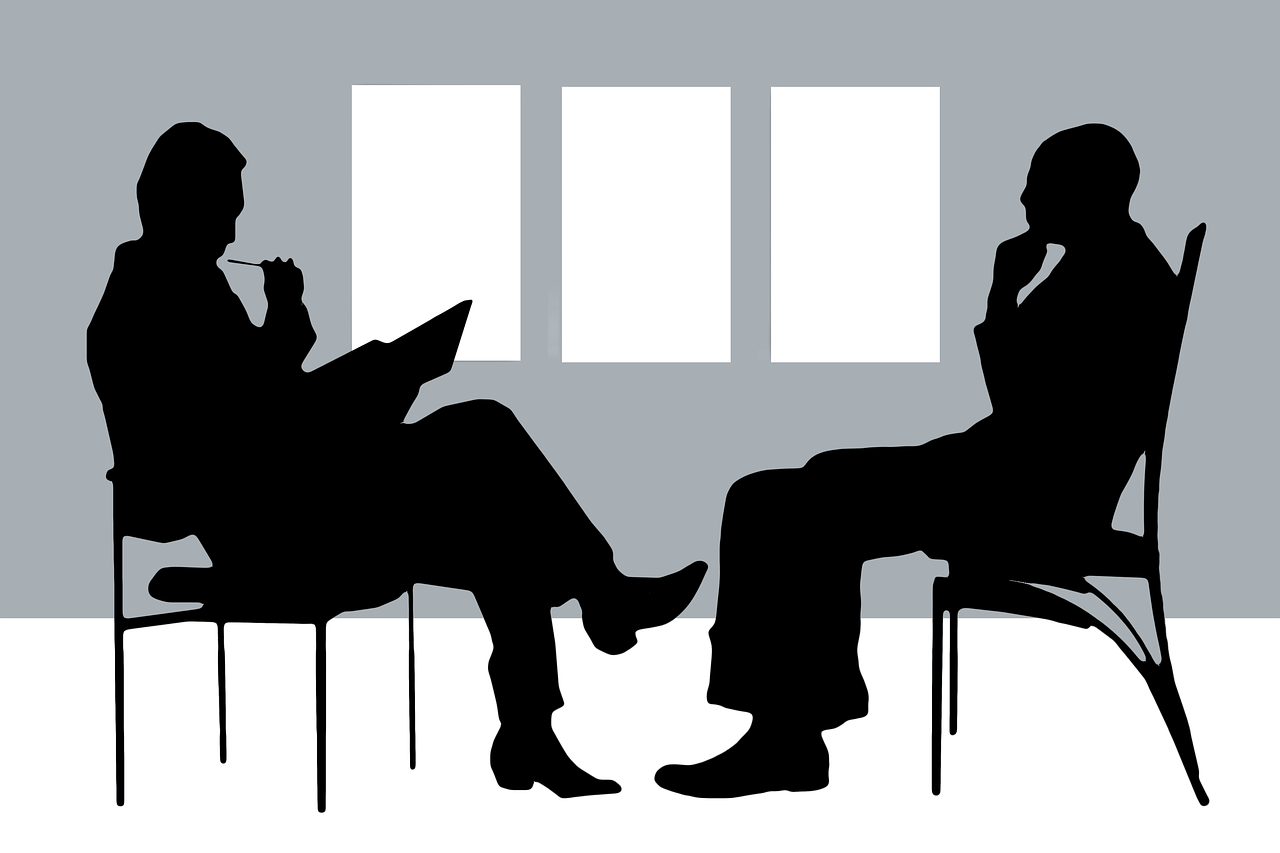
Does smoking cause mental illness?

By David Joel Miller, MS, Licensed Therapist & Licensed Counselor.

Does smoking cause mental illness?
Photo courtesy of Pixabay.com

The evidence is starting to pile up that smoking may be a cause of some mental illnesses.

We have known for some time now that the mentally ill were heavy smokers. Those with psychosis, schizophrenia, in particular, are frequently two pack a day or more smokers.

We also have seen studies that report from 44% to over 50% of the cigarettes consumed in America are consumed by those with a mental, emotional, or behavioral disorder. Alcoholics and Drug Addicts are frequently heavy smokers.

Fully one in three adult smokers has some form of mental illness.

What most researchers have been reluctant to conclude is that smoking may be the cause of some of these mental illnesses. That is beginning to change.

One problem with the past studies has been the way the samples were drawn. A survey of the population can tell you how many people have a mental illness and how many smoked, but not which caused which or were they both caused by some third factor like poverty or trauma.

One particularly convincing study was done in Norway (Petersen et al. 2008.) They have good data on who was treated for what and why. This study was able to follow a large sample of youth beginning at age 13 and lasting 13 years until they were 27. They looked at who smoked at age 13, when they started, and the results. They were also able to follow the person’s health and mental health treatment.

This longitudinal study allowed them to compare those who had a mental illness at age 13 with those who did not and those who smoked at age 13 with those who did not. Their data tells us that those with an early onset of mental illness were at high risk to become daily smokers with a nicotine dependency.

What was more startling was that those who had no mental health diagnosis at age 13 and smoked were more likely to develop a mental illness. Smoking appears to have preceded the development of the mental illness. Even more, evidence that a mental health issue is caused by not is the cause of, smoking was found in the effects of levels of nicotine dependency.

Those youth who were heavy smokers (nicotine-dependent) developed more mental health problems regardless of the age at which they first started smoking. Someone who became a heavy smoker at age 20 with no history of mental illness was at high risk to have a mental illness at age 27.

Further evidence of the connection between smoking tobacco and mental illness comes from a study from South Australia (Bowden et al., 2001) which found that the more severe the level of mental illness the more likely the person was to smoke. The most seriously mentally ill had a smoking rate in excess of 51%.

This leads to the inescapable conclusion that smoking increases the risk of developing a mental illness in addition to the physical ones we already knew about.

How might smoking be increasing these risks?

One way smoking may increase the risk of developing a mental illness is Nicotine’s effect on the serotonin regulation in the brain. Nicotine impairs the serotonin function of the brain. Low serotonin has been postulated to be a major factor in Major Depressive Disorder. Selective Serotonin Reuptake Inhibitors (SSRI’s) that slow the breakdown of Serotonin and thereby increase the levels of serotonin in the brain are commonly used to treat depression. One antidepressant is also currently being marketed to help people stop smoking.

But there is more.

Smoking reduces the levels of oxygen in the bloodstream and the brain. This reduced oxygen is a factor in the presence of chronic pain and now appears to also be a factor in increasing depression and anxiety.

Social factors may also account for some of the differences in depression in non-smokers versus smokers. With societies shift to preferring nonsmokers, there are restrictions on smoking in public places. Smokers are finding it harder to get jobs and to be able to get off duty during the workday to smoke.

Not having a job, having few social friends, and being socially undesirable all add to the reasons a smoker is more likely to be depressed than a nonsmoker.

In future posts, we will explore the connection between smoking and specific mental illnesses and look at how and when you should quit if you want to maximize your mental wellness.

Staying connected with David Joel Miller

Seven David Joel Miller Books are available now!

My newest book is now available. It was my opportunity to try on a new genre. I’ve been working on this book for several years, but now seem like the right time to publish it.

Story Bureau.

Story Bureau is a thrilling Dystopian Post-Apocalyptic adventure in the Surviving the Apocalypse series.

Baldwin struggles to survive life in a post-apocalyptic world where the government controls everything.

As society collapses and his family gets plunged into poverty, Baldwin takes a job in the capital city, working for a government agency called the Story Bureau. He discovers the Story Bureau is not a benign news outlet but a sinister government plot to manipulate society.

Bumps on the Road of Life. Whether you struggle with anxiety, depression, low motivation, or addiction, you can recover. Bumps on the Road of Life is the story of how people get off track and how to get your life out of the ditch.

Dark Family Secrets: Doris wants to get her life back, but small-town prejudice could shatter her dreams.

Casino Robbery Arthur Mitchell escapes the trauma of watching his girlfriend die. But the killers know he’s a witness and want him dead.

Planned Accidents  The second Arthur Mitchell and Plutus mystery.

Letters from the Dead: The third in the Arthur Mitchell mystery series.

What would you do if you found a letter to a detective describing a crime and you knew the writer and detective were dead, and you could be next?

Sasquatch. Three things about us, you should know. One, we have seen the past. Two, we’re trapped there. Three, I don’t know if we’ll ever get back to our own time.

For these and my upcoming books; please visit my Author Page – David Joel Miller

Want the latest blog posts as they publish? Subscribe to this blog.

For videos, see: Counselorssoapbox YouTube Video Channel

Who should treat mental illness?

By David Joel Miller, MS, Licensed Therapist & Licensed Counselor.

Therapist

Therapist.
Photo courtesy of Pixabay.com

Who should treat mental illness, where, and how should it be treated?

The mental health field is changing. A host of events and forces have intersected to influence our feelings on the proper response of society to this thing we are calling mental illness. Lots of things are happening or about to happen in this mental health field.

Here in America, the very ground underneath mental health treatment is moving.

In 1900, here in America, less than 10% of doctors had ever been to college. Until 1914 drugs were legal and you could openly buy them anywhere. As late as 1950 there were no meds to treat mental illness and those who were given a diagnosis could be tucked away first in barns and attics and later in sanitariums.

The talk therapies are just past their hundredth birthday and many people have still never been to see a therapist. Three months ago more Americans were without health care than there were those who had coverage. The few who did have health insurance here in America did not have coverage for mental illness or substance abuse. Treatment of these disorders while improving is still not on an even footing with most physical illnesses.

Less than a year ago the American Psychiatric Association released the new DSM-5 which redefined, reclassified, and altered our understanding of what is and is not a mental, emotional, or behavioral disorder. The new version of the International Classification of Diseases is due out soon which will change the field of treating mental health problems also.

This alteration in the landscape of the treatment of mental disorders is not solely confined to the United States of America. Blog readers and commenters from all over the world are asking similar questions and telling similar stories of their efforts to recover from an emotional or mental problem. They are also telling tales of less than helpful services.

The very mention of mental illness can evoke some pretty strong emotions. Some cultures, religions, and even professions still are denying the existence of such a thing as a Mental Illness.

People leave comments and they send me emails. The comments of every reader of counselorssoapbox.com are valued. Some of them I answer briefly as soon as I can. Others require longer blog posts to give them the space they call for. A few are so angry or personal I have hesitated to approve them.

Some of you have left comments or sent me emails about how we are doing things here in America and how that might differ from the way things are done in other places. I have been having an interesting ongoing conversation with Ellen in the U. K. about how they do things there. I will fill you all in on that discussion as soon as possible.

Let me offer this invitation to all of you out there to share your experiences and how the mental health delivery system works in your part of our planet. I will share my clearly limited perspective from here in Fresno, California, one of the more diverse places in this United States of America. I feel sure the view of the mental health landscape will look a lot different from other points of view.

We should be talking about how we have been treating mental illness, how we should be treating it, and how we get from where we are to where we need to be.

That discussion also implies some understanding of what “mental illness” is and how people develop a mental disorder. What a mental illness is, implies a view of what causes it, how it progresses, how to treat it. The view you take of this phenomenon also influences your view of the possibility it could be cured and if so how.

Knowing what mental illness is and what needs to be done about this leads us to the answer to my first question about who should be treating this problem.

We also have the added problem that no matter how sure we are of causes and treatments we need to know who is going to pay for these efforts. How treatment is delivered is strongly controlled by those who handle the money.

Let’s take a look at some of these questions and together see if we can find some solutions.

Staying connected with David Joel Miller

Seven David Joel Miller Books are available now!

My newest book is now available. It was my opportunity to try on a new genre. I’ve been working on this book for several years, but now seem like the right time to publish it.

Story Bureau.

Story Bureau is a thrilling Dystopian Post-Apocalyptic adventure in the Surviving the Apocalypse series.

Baldwin struggles to survive life in a post-apocalyptic world where the government controls everything.

As society collapses and his family gets plunged into poverty, Baldwin takes a job in the capital city, working for a government agency called the Story Bureau. He discovers the Story Bureau is not a benign news outlet but a sinister government plot to manipulate society.

Bumps on the Road of Life. Whether you struggle with anxiety, depression, low motivation, or addiction, you can recover. Bumps on the Road of Life is the story of how people get off track and how to get your life out of the ditch.

Dark Family Secrets: Doris wants to get her life back, but small-town prejudice could shatter her dreams.

Casino Robbery Arthur Mitchell escapes the trauma of watching his girlfriend die. But the killers know he’s a witness and want him dead.

Planned Accidents  The second Arthur Mitchell and Plutus mystery.

Letters from the Dead: The third in the Arthur Mitchell mystery series.

What would you do if you found a letter to a detective describing a crime and you knew the writer and detective were dead, and you could be next?

Sasquatch. Three things about us, you should know. One, we have seen the past. Two, we’re trapped there. Three, I don’t know if we’ll ever get back to our own time.

For these and my upcoming books; please visit my Author Page – David Joel Miller

Want the latest blog posts as they publish? Subscribe to this blog.

For videos, see: Counselorssoapbox YouTube Video Channel
Internet affairs.

By David Joel Miller, MS, Licensed Therapist & Licensed Counselor.

Are internet affairs real affairs?

Internet affairs?
Photo courtesy of Pixabay.com

The internet has changed the way we interact with others forever. Social Media, Blogs, and member sites have opened up new possibilities for connecting with others. It has also resulted in a whole new set of conflicts for couples. Internet created or maintained affairs are one such problem.

The way in which one partner in a relationship uses the internet has serious implications for a couple’s relationship. The mental health profession is still sorting out the effects of internet issues on relationships. One area that is particularly troublesome is how far is too far when it comes to interacting with members of the opposite sex.

Some of the internet affair questions being asked are:

When does talking to others online slide over into a virtual affair?

Is it really an affair if they never get together and exchange bodily fluids?

Does it matter if the person you are talking to is real?

Can you fall in love with an avatar or someone who never exists outside the internet?

The internet has altered the affair landscape and has created a whole new set of problems for couples and families.

In the past affairs required two people to meet in real-time and space.

The major places where affairs originated were between two people who were working together, people who met out at a bar, or things that might happen when a person was away from home for an extended time. So in the past either there was a high chance that the non-affair party would find out or might know the affair partner. Otherwise, the affair would be a brief occurrence while one party to a relationship was away from home.

The internet has made it easier for people to meet, and to continue interacting with each other. It has opened up the possibilities for affairs for those who were predisposed.

The internet has also blurred the line between what constitutes flirting and when has it crossed over into an affair.

In-person, people are often deceived every day. The deceptions are different in kind and in magnitude from, the deceptions that are occurring online.

While someone in the bar may represent themselves as single and really be married, the online deceiver can misrepresent their gender, age, appearance, and life story. People can and do fall “in love” with fictional characters that turn out to not be real people.

If you or your partner has had an internet affair, that does not need to spell an end to your relationship. What you need to do is to talk this out and find ways to be sure it has come to an end and that it is unlikely to happen again.

Marriage counseling can help mend a damaged relationship before it becomes permanently broken. Sometimes individual counseling is also useful in helping the affair partner to understand why they did what they did. It can also be useful to help the injured party cope with all that anger and hurt.

The virtual, internet affair, and the on-line hook-up that results in a real-world meet-up are not the only ways in which one person’s internet usage may damage their relationship. Last week we looked briefly at 5 ways in which internet usage might be damaging your relationship. You may want to check out that post also.

Has internet usage affected you and your relationship? Would you care to share that experience?

If you think that you could use some help with internet usage issues or affair behavior issues please contact me and we can talk about how counseling might help you get through this situation.

Staying connected with David Joel Miller

Seven David Joel Miller Books are available now!

My newest book is now available. It was my opportunity to try on a new genre. I’ve been working on this book for several years, but now seem like the right time to publish it.

Story Bureau.

Story Bureau is a thrilling Dystopian Post-Apocalyptic adventure in the Surviving the Apocalypse series.

Baldwin struggles to survive life in a post-apocalyptic world where the government controls everything.

As society collapses and his family gets plunged into poverty, Baldwin takes a job in the capital city, working for a government agency called the Story Bureau. He discovers the Story Bureau is not a benign news outlet but a sinister government plot to manipulate society.

Bumps on the Road of Life. Whether you struggle with anxiety, depression, low motivation, or addiction, you can recover. Bumps on the Road of Life is the story of how people get off track and how to get your life out of the ditch.

Dark Family Secrets: Doris wants to get her life back, but small-town prejudice could shatter her dreams.

Casino Robbery Arthur Mitchell escapes the trauma of watching his girlfriend die. But the killers know he’s a witness and want him dead.

Planned Accidents  The second Arthur Mitchell and Plutus mystery.

Letters from the Dead: The third in the Arthur Mitchell mystery series.

What would you do if you found a letter to a detective describing a crime and you knew the writer and detective were dead, and you could be next?

Sasquatch. Three things about us, you should know. One, we have seen the past. Two, we’re trapped there. Three, I don’t know if we’ll ever get back to our own time.

For these and my upcoming books; please visit my Author Page – David Joel Miller

Want the latest blog posts as they publish? Subscribe to this blog.

For videos, see: Counselorssoapbox YouTube Video Channel

What is a Licensed Counselor?

By David Joel Miller, MS, Licensed Therapist & Licensed Counselor.

Therapist

Counselor. 
Photo courtesy of Pixabay.com

What is a Licensed Counselor?

I wrote this in response to a question from U. K. on how our mental health system works. It has since occurred to me that one major difference between the U. S. system and those in other countries is the funding source. When you have a national health care system most of the expenditures are paid for by the government so if you get on the list and can provide services or you work for the government you get paid. The government can have some amount of control over quality.

Here in the U. S. most service is paid for by the individual directly or indirectly through the purchase of insurance. No money or insurance and you may get no services. This requires the government to regulate who can open an office and then sell medical or psychological services.

We have a licensing system for most professions so that just anyone does not open up an office and then start doing surgeries that kill people before they get sued and have to stop. The point of licensing is to control entry into a profession and ensure some minimum level of consumer protection.

Here then is the somewhat edited version of my reply to her question about how we do things in the American Mental health system.

Thanks for the comment. Interesting question. It had not occurred to me that there might be such differences in the U.K. Now I am thinking that given the number of readers of counselorssoapbox.com from countries other than the U. S. I need to say more.

Most of this has to do with our legal and governmental system. Not being either a lawyer or a politician. (We do not have separate Barristers and Solicitors but combined most of what they do into one group – lawyers who are also called Attorneys, and sometimes counselors in the sense of legal counselors.)

This whole area is a bit complicated.

Regulation of professions is left to what we call states. Each of the 50 states may have their own law or some may not require a license to practice a particular profession. So in one of our states if you graduate from a school with a degree in counseling you may be able to open an office and charge people for counseling. In another, there may be strict regulations on the quality of your degree, your internship, and your experience under another professional before you can get a license. If a state has high standards other states may accept that license. People who come from states with no or low standards will find that if they move to a state with high standards their background may not allow them to practice that profession. For example, if you become a doctor in a third world country many U. S. states will require that person to do more work and take more tests before they can become a doctor in that state. The big states like New York and California generally have the highest standards.

(With the health care expansion this year the ability to bill federal programs may alter this thinking a bit.)

In California, we have 29 separate codes and the one of those that regulate counselors and other professionals is called the “Business and Professions Code (BPC.)”

In the BPC there are sections for each regulated profession. Contractors have a section, hairdressers, and so on. Doctors and nurses have their own sections also.

In the mental health field in California, we recognize a number of professions.

Psychiatrists are licensed as Medical Doctors.

Psychologists are licensed by the board of psychology

The Department of Health Care Services, Alcohol and Drug Programs licenses drug and alcohol programs but not drug counselors. So the programs have a set of standards on who they can hire.

The Board of Behavioral Sciences licenses Clinical Social Workers, Marriage and Family Therapists, and Professional Clinical Counselors.

Without a state-issued license, you may not practice a profession except in a few places specifically listed in the law as “exempt settings.”  (Schools can hire school counselors who do not have to be licensed.)

The goal of this procedure is to protect the public from people who do not have the training and skills doing work that might harm or cheat the client. This process also gives clients some redress for wrongs short of a suit in court.

The law sets out the specific things you need to do to be issued a license. And each profession has their separate list of the things they can do and the requirements to qualify to do those things.

For example:

A Professional Clinical Counselor would need to possess a Bachelor’s degree (4 years), in almost any subject, or take some remedial classes called prerequisites, to enter a master’s in counseling program. They would then need to complete and graduate from an accredited or approved Master’s program (5th and 6th-year college.)

After graduation, that person must register with the Board of Behavioral Science (BBS) who evaluated the education they have, and if it meets the board’s requirement the candidate receives an intern number.

From this point on the prospective counselor is required to be supervised by a licensed person until they receive their own license.

They must accumulate a total of 3,000 hours of supervised experience.  There are some complicated rules on what counts and what doesn’t count and how much supervision they need for each hour of client contact.

When they have accumulated those supervised hours, the applicant submits the paperwork to BBS and if this is approved they are eligible to test. In my own experience, I took first a long test on specific questions to show that I understood the process of doing therapy, the laws and the ethics, and so on. If you pass that first test you then return for a second test in which you are given stories (vignettes) and you apply your knowledge to answer questions about Howe you would work with these people.

If you pass both tests you are then sent an application for a license.

At each step of this process, you pay a fee for BBS to handle your paperwork.

Once you send in your approved application and pay the fee, if all has gone well you will be issued a license to practice Professional Clinical Counseling in California. You can then work for someone else or open your own office.

But it does not end there

Every two years you will need to complete a certain number of approved continuing education classes, and pay a fee to renew your license.

After the first two years of being licensed, you can take a class, and then you are eligible to begin supervising newly registered people.

So do things operate differently in the area in which you reside?

Staying connected with David Joel Miller

Seven David Joel Miller Books are available now!

My newest book is now available. It was my opportunity to try on a new genre. I’ve been working on this book for several years, but now seem like the right time to publish it.

Story Bureau.

Story Bureau is a thrilling Dystopian Post-Apocalyptic adventure in the Surviving the Apocalypse series.

Baldwin struggles to survive life in a post-apocalyptic world where the government controls everything.

As society collapses and his family gets plunged into poverty, Baldwin takes a job in the capital city, working for a government agency called the Story Bureau. He discovers the Story Bureau is not a benign news outlet but a sinister government plot to manipulate society.

Bumps on the Road of Life. Whether you struggle with anxiety, depression, low motivation, or addiction, you can recover. Bumps on the Road of Life is the story of how people get off track and how to get your life out of the ditch.

Dark Family Secrets: Doris wants to get her life back, but small-town prejudice could shatter her dreams.

Casino Robbery Arthur Mitchell escapes the trauma of watching his girlfriend die. But the killers know he’s a witness and want him dead.

Planned Accidents  The second Arthur Mitchell and Plutus mystery.

Letters from the Dead: The third in the Arthur Mitchell mystery series.

What would you do if you found a letter to a detective describing a crime and you knew the writer and detective were dead, and you could be next?

Sasquatch. Three things about us, you should know. One, we have seen the past. Two, we’re trapped there. Three, I don’t know if we’ll ever get back to our own time.

For these and my upcoming books; please visit my Author Page – David Joel Miller

Want the latest blog posts as they publish? Subscribe to this blog.

For videos, see: Counselorssoapbox YouTube Video Channel

Do counselors have to follow ethical codes?

By David Joel Miller, MS, Licensed Therapist & Licensed Counselor.

If a therapist does not belong to a professional group do they have to follow an ethics code?

There are a lot of rules about the relationships between a client and the treating professional. There are things that the professional can do, can’t do, has to do and is required to not do. Sometimes these rules get confusing for the professional as well as the client.

Recently a situation came up in which a professional was not a member of any professional organization, so the client left that visit with the impression that this professional did not need to follow any ethics code. This report of a problem left me thinking we need to talk about some of these codes of ethics and why a professional would need to follow them and what happens if they do not belong to any organization.

Turns out there may well be a time when a mental health professional needs to follow the standards of a code of ethics even if they chose to not belong to the professional organization. More on that later in this post.

To be a mental health professional you need a license in the jurisdiction in which you intend to practice your trade. Joining a professional organization does not allow you to practice this profession. So while all professionals are encouraged to join a professional group some choose not to be members.

Here in the United States of America, the various states license the various mental health professions. Not all states license the same professions. There can be states that allow a particular profession to practice even if they do not issue a license to that profession. For example “Life Coaches” are not licensed anywhere I know. They can do all sorts of coaching on how to have a better life. What a Life coach should not do is treat a person for a mental illness if the state in which they are practicing requires that license.

This situation of when and how to follow a code of ethics is made more complicated by the multiplicity of professions and professional licenses. There are Licensed Social Workers (LCSW’s and ASW’s), Licensed Professional Clinical Counselors (LPCC’s and PCCI’s), Licensed Marriage and Family Therapists (LMFT, MFT, and MFT interns.)

Here in California, we make it even more complicated with 9 or so different registries for Registered or Certified Substance Abuse or Drug and Alcohol Counselors, each of which presumably has their own code of ethics. Here is the code of ethics for CAADE, the program in which I teach is CAADE accredited.

Recently all these registries came together to create a Uniform Code of Conduct” for California’s substance abuse counselors.

The code of ethics varies depending on your profession and the particular organization you belong to. So someone could belong to several organizations (I do), one organization or no organizations.

What if there are contradictions between the various codes of ethics? What if the professional decides to not join any group to avoid having to worry about ethical behavior? We have come up with some principles to handle those situations.

California was the last state to grant licenses to Professional Clinical Counselors. Most Licensed Professional Clinical Counselors (LPCC’s) belong to CALPCC. The exact name of the counseling professional and the specifics of what they do can vary from state to state. Many California Counselors may also be members of the American Counseling Association (ACA.) In this case, the problem was easily solved. CALPCC adopted the ACA code of ethics.  

California was the first state to licensed Marriage and Family Therapists (originally called Marriage, Family, and Child Counselors.) There are more MFT’s in California that the rest of the country combined. (LMFT, MFT, MFCC are all the same thing.)

The California Association for MFT’s (CAMFT), which has members from a bunch of other states and even some other countries, is larger, so I am told, than the American Association of Marriage and Family Therapists (AAMFT.) Both of these groups have their own codes of ethics.

The Social Workers, mostly belong to the National Association of Social Workers (NASW), which has its own code of ethics.

So now we can look at problems with which code to follow if you are members of more than one group, and what happens if the counselor tries to duck ethical behavior by not being a member of any association.

Let’s use an easy to understand example for this.

Can a counselor date and have sex with a client? If so how long do they have to wait to do the dating-sex thing?

For starters no behavioral health profession I know of thinks it is ok to have sex with a current client. That is taking advantage of a weak person and frankly sounds predatory.

The rule for substance abuse counselors is that they must wait 3 years after the client stops attending their PROGRAM (not just after no longer being their client) before they can date that former client.

Now, this substance abuse counselor decides to go on and become a professional counselor, and while in school they join a professional counseling association. The norm in these groups is that you have to wait 5 years before dating a former client.

Now say this same person decides to become a Licensed Social Worker. The rule for the NASW is the professional may NEVER get sexually involved with a former client.

So which waiting period does this person need to observe 3 years, 5 years, or never?

The rule is that you observe whichever code of ethics has a HIGHER ethical requirement. So, in this case, the answer to how long to wait would be forever.

Can this person get out of this bind by not being a member of the Social Workers Association?

Not really.

Most licensing laws require the professional to follow the customary ethics of the profession whether the professional is a member of that group or not. See if most other professionals think it is unethical then that behavior is probably illegal also.

Even if that behavior, dating or some other “dual relationship” is not outright illegal, should the professional get into that sexual relationship and then break up with that former client, they might get sued and in that case, code of ethics or not, the former client will probably win.

So the bottom line is that professionals should always adhere to the highest possible standard of ethical behavior whether they are members of a group or not.

Just not belong to a professional group does not allow you to do things the rest of the profession thinks are unethical.

Hope that helped explain this ethical issues problem. If you are not sure, you may need to contact the appropriate professional association and remember the client should be contacting an attorney or making a complaint to the appropriate licensing board if they think the professional harmed them.

Staying connected with David Joel Miller

Seven David Joel Miller Books are available now!

My newest book is now available. It was my opportunity to try on a new genre. I’ve been working on this book for several years, but now seem like the right time to publish it.

Story Bureau.

Story Bureau is a thrilling Dystopian Post-Apocalyptic adventure in the Surviving the Apocalypse series.

Baldwin struggles to survive life in a post-apocalyptic world where the government controls everything.

As society collapses and his family gets plunged into poverty, Baldwin takes a job in the capital city, working for a government agency called the Story Bureau. He discovers the Story Bureau is not a benign news outlet but a sinister government plot to manipulate society.

Bumps on the Road of Life. Whether you struggle with anxiety, depression, low motivation, or addiction, you can recover. Bumps on the Road of Life is the story of how people get off track and how to get your life out of the ditch.

Dark Family Secrets: Doris wants to get her life back, but small-town prejudice could shatter her dreams.

Casino Robbery Arthur Mitchell escapes the trauma of watching his girlfriend die. But the killers know he’s a witness and want him dead.

Planned Accidents  The second Arthur Mitchell and Plutus mystery.

Letters from the Dead: The third in the Arthur Mitchell mystery series.

What would you do if you found a letter to a detective describing a crime and you knew the writer and detective were dead, and you could be next?

Sasquatch. Three things about us, you should know. One, we have seen the past. Two, we’re trapped there. Three, I don’t know if we’ll ever get back to our own time.

For these and my upcoming books; please visit my Author Page – David Joel Miller

Want the latest blog posts as they publish? Subscribe to this blog.

For videos, see: Counselorssoapbox YouTube Video Channel