
Unhappy Relationships

By David Joel Miller, MS, Licensed Therapist & Licensed Counselor.

Couple not talking

Unhappy relationship.
Photo courtesy of Pixabay.com

The most important issues in our lives are our relationships.

Unhappy relationships bring more people to counseling and therapy than any other issue.  Relationship issues sent more people to psychiatric hospitals than all the other causes of emotional turmoil. That need for connection to other humans underlies all human activity. If having a good relationship is so important to a happy life, why is it such a difficult thing for us to do?

When we say relationship issues most people think first and sometimes only, about romantic, sexual relationships. Type a question about relationships into most any search engine and you will be taken forthwith to a dating site. As important as this relationship is to most of us, it is not the only or the most important relationship we might have. Many people rely on the romantic relationship and fail to develop another more important relationship – their connection with themselves.

Humans, like most vertebrates, begin life with our primary relationship being our relationship with our parents. Sometimes this is one parent sometimes two; sometimes the primary caregiver is a non-biological person. That first relationship sets the pattern for the rest of our relationships. We store a blueprint away in our brain and often we keep reproducing that first primary relationship in every human connection we have afterward. Just because that relationship is good or bad does not control the quality of all relationships afterward. We can learn new patterns of relating to others.

Our early years are spent developing relationships beyond that one close caregiver we are so dependant on. Children who have unreliable or impaired caregivers find it difficult to develop functional relationships with others in their lives. Their blueprints for life have smudges and missing lines where things they should have learned about relationships were left out. Sometimes the lines were drawn incorrectly such as when the primary caregiver abuses or neglects the child. In those situations, we may begin to think that things are normal and acceptable even when they are severely dysfunctional.

Even when the primary caregiver does a good job of meeting a child’s needs the person may get some of the lessons wrong. As a therapist I spend a lot of time helping people correct these blueprints, sort out the things they learned that are not so and we look for missing parts of that life blueprint, the lessons not learned.

Beyond the first lessons with that original caregiver, most of us learn by relating to others. The first five or so years are spent with close family, siblings, grandparents, aunts, uncles and other relations. Eventually, there will be relationships with non-relatives, friends, and neighbors.  Some of these relationships will be helpful, some will not.

During our school years, we might learn some lessons from teachers and other unrelated adults, most often we learn from peers. Those other kids our own age that were struggling to grow up and find their way in life taught us lessons even when they didn’t know the answers. Many of our likes and dislikes our habits and needs were formed at this stage. We rarely look back to examine the changes to the life blueprint during those years. Not until part of our structure collapses in divorce, addiction or a relationship failure do we have a reason to check our life blueprint.

The relationship most of us neglect is that one relationship which we should pay the most attention to – our relationship with ourselves. Wherever you go, whatever you do, you will be there. Do you like yourself? Would you want you for a best friend? Make friends with yourself. Spend time getting to know you. Learn to treat yourself the way you would want others to treat you. Become your own best friend.

So often when we are sad, depressed, or anxious we crave a good fulfilling relationship. Often we reach out for another human, thinking that if we just found that one person that could love us enough, then we would be healed. That seems to only work in fiction. Two sick people do not make for a healthy relationship. To have a healthy happy relationship you need two healthy people. So before you go looking for a partner to fill in the missing pieces of your soul consider first getting to know yourself and become your own best friend.

Having children for the sake of making you happy all too often results in short-term pleasure and long-term unhappiness. Sex and drugs are not a substitute for a happy inside. There are too many people who grew up in homes where their parent’s never learned to be happy and where they inherited the family blueprint for dysfunctional living, that constant search for something outside of yourself that will make you happy.

Before you begin your search for that one special person to fill your life, please work on the relationship with that one special person you already know – you.

Staying connected with David Joel Miller

Seven David Joel Miller Books are available now!

My newest book is now available. It was my opportunity to try on a new genre. I’ve been working on this book for several years, but now seem like the right time to publish it.

Story Bureau.

Story Bureau is a thrilling Dystopian Post-Apocalyptic adventure in the Surviving the Apocalypse series.

Baldwin struggles to survive life in a post-apocalyptic world where the government controls everything.

As society collapses and his family gets plunged into poverty, Baldwin takes a job in the capital city, working for a government agency called the Story Bureau. He discovers the Story Bureau is not a benign news outlet but a sinister government plot to manipulate society.

Bumps on the Road of Life. Whether you struggle with anxiety, depression, low motivation, or addiction, you can recover. Bumps on the Road of Life is the story of how people get off track and how to get your life out of the ditch.

Dark Family Secrets: Doris wants to get her life back, but small-town prejudice could shatter her dreams.

Casino Robbery Arthur Mitchell escapes the trauma of watching his girlfriend die. But the killers know he’s a witness and want him dead.

Planned Accidents  The second Arthur Mitchell and Plutus mystery.

Letters from the Dead: The third in the Arthur Mitchell mystery series.

What would you do if you found a letter to a detective describing a crime and you knew the writer and detective were dead, and you could be next?

Sasquatch. Three things about us, you should know. One, we have seen the past. Two, we’re trapped there. Three, I don’t know if we’ll ever get back to our own time.

For these and my upcoming books; please visit my Author Page – David Joel Miller

Want the latest blog posts as they publish? Subscribe to this blog.

For videos, see: Counselorssoapbox YouTube Video Channel

What do you do if therapy is not helping?

By David Joel Miller, MS, Licensed Therapist & Licensed Counselor.

Counseling questions

Counseling questions.
Photo courtesy of Pixabay.com

Counseling not working?

So you have been going to therapy for a while now and things are just not getting better what should you do now? Here are a few suggestions.

Talk to the counselor about your progress.

Sometimes you may think nothing is changing, you may be too close to your problems and in so much pain that you don’t see the progress you have made. Reviewing what has happened so far in counseling can help you gain perspective. Some problems are more difficult to solve than others. Consider where you started from in evaluating your progress. Sometimes, for some people, the light just comes on but other people find lifelong problems take time to work through.

Clarify your objectives.

You also want to discuss your objectives with your provider.  If your provider is working on one issue but you really feel that you need to solve something else you need to tell them. If your goals are unclear then it is not surprising you are not seeing progress. When therapy started you may have been in so much pain all you wanted was for the hurt to stop. Often in the early stages of change, we are very unclear about what we want to have change. As the process progresses you may decide on a goal or you may want to change your goal. Is it possible your goal changed without you noticing?

Consider what you are doing in the hours outside of therapy.

There are 168 hours a week; you only spend one or two of those in therapy.  If you come to the counselor’s office, talk about change but the rest of the week you live your life the same old way, you are not likely to make much progress. Are you working on improving your lifestyle? Have you cut down on drugs and alcohol? Should you cut them out altogether? Do you get enough sleep? Do you eat well and exercise? An hour a week talking about your stress will not do much if you continue to live a stressful life. Has your counselor suggested homework? Have you done it? If they did not suggest homework consider asking them why not? If you didn’t do the action steps ask yourself why not.

 Reevaluate your motivation to change.

Are you interested in changing? Did you come to therapy hoping that the counselor could help you change someone else? Specifically, what do you want to change? Or do you really want anything to change? If you don’t what change, then what do you want from being in counseling?

Are there other helpful things you could add to therapy?

Consider adding self-help groups, reading self-help books, and working on developing or improving your support system. Support groups of others who are struggling with the same issue are extremely powerful. Learn from those who are farther along in their journey. Self-help books are full of ideas that might be just what you need. Ask your counselor to recommend some books or groups that might aid in achieving your goals. Take the good and uplifting from where ever you can get it. Do you have a religious or spiritual belief? Are you practicing that belief?

Consider adding medication.

Many people come to counseling resistant to medication. Medications are not a magic cure-all but for some conditions, they are helpful, for some they are essential. Possibly the help you get from a medication may be just the thing you need to get that initial progress into motion.

Reexamine the relationship between yourself and the therapist.

The major predictor of success in a counseling relationship is your belief in the counselor’s ability to help you. If you have any doubts about that consider why you have doubts about this relationship. Do you lack trust? Do you not feel heard?  Consider talking with your provider about your doubts. Then if you still feel that this relationship is not helping consider seeing someone else. There are times when even the best therapist might decide that they are not helping a client. The ethical thing for a provider to do if they are unable to be helpful is to refer that client to someone else that has more expertise or is a better fit for that client.

Here is hoping that you are finding the things you need to help you along your journey to the life you truly want and deserve.

For more on this subject see:

5 Rules for Picking the Right Therapist

How to Spot a Bad Therapist

Reasons Counselors and Therapists lose licenses 

Staying connected with David Joel Miller

Seven David Joel Miller Books are available now!

My newest book is now available. It was my opportunity to try on a new genre. I’ve been working on this book for several years, but now seem like the right time to publish it.

Story Bureau.

Story Bureau is a thrilling Dystopian Post-Apocalyptic adventure in the Surviving the Apocalypse series.

Baldwin struggles to survive life in a post-apocalyptic world where the government controls everything.

As society collapses and his family gets plunged into poverty, Baldwin takes a job in the capital city, working for a government agency called the Story Bureau. He discovers the Story Bureau is not a benign news outlet but a sinister government plot to manipulate society.

Bumps on the Road of Life. Whether you struggle with anxiety, depression, low motivation, or addiction, you can recover. Bumps on the Road of Life is the story of how people get off track and how to get your life out of the ditch.

Dark Family Secrets: Doris wants to get her life back, but small-town prejudice could shatter her dreams.

Casino Robbery Arthur Mitchell escapes the trauma of watching his girlfriend die. But the killers know he’s a witness and want him dead.

Planned Accidents  The second Arthur Mitchell and Plutus mystery.

Letters from the Dead: The third in the Arthur Mitchell mystery series.

What would you do if you found a letter to a detective describing a crime and you knew the writer and detective were dead, and you could be next?

Sasquatch. Three things about us, you should know. One, we have seen the past. Two, we’re trapped there. Three, I don’t know if we’ll ever get back to our own time.

For these and my upcoming books; please visit my Author Page – David Joel Miller

Want the latest blog posts as they publish? Subscribe to this blog.

For videos, see: Counselorssoapbox YouTube Video Channel

Today was another “Mental Health First Aid” training

Counselorssoapbox.com

This is one of my favorite trainings to conduct. It runs two days, 12 hours full of information on what to do if you or someone you meet is experiencing a mental health issue.

Tonight’s post will be short. I hope to get a new blog post written tomorrow. If you are anywhere near Central California and are interested in this training contact me. There are a number of certified trainers and the full list of trainers is available from Mental Health First Aid USA. Below is a description of the training I had posted a while back. If you did not see that post here is the info. If you did see it – well some things may be worth repeating.

***********

Mental Health First Aid (MHFA) is a great new training. If you are not familiar with this training you should check it out. Designed for the non-professional, it teaches you how to react and how to be helpful if you encounter someone who is having a mental health crisis. Created in Australia the program has now come to the United States. The two-day, twelve-hour interactive class covers the major kinds of mental illnesses and how to help a friend, family member, or someone you might meet who is experiencing mental health problems. Sponsored by the Maryland Department of Health and Mental Hygiene, Missouri Department of Mental Health, and The National Council for Community Behavioral Healthcare there are now certified trainers throughout the United States.

Here in California’s central valley, there are over a hundred certified trainers. Certified trainers in Fresno have put on numerous trainings over the last year. I became so enthusiastic about this program that I took the training and became a certified trainer. So far I and a co-facilitator have completed three trainings (now at 5.) All of our trainings were enjoyable to do and well attended. In the coming year, we plan to offer the training at least three more times. We are currently looking for a larger room or a sponsoring agency. If you want more information on my trainings please email me or watch this blog for posts on upcoming trainings.

If you are not near Fresno, California, you can check the Mental Health First Aid USA website at http://www.mentalhealthfirstaid.org/cs/program_overview/ for a listing of courses in your area. The training comes with a detailed book for reference after the class. So whether we see you in one of our trainings here in Fresno, or you take it from another trainer, this is one class well worth taking.

Thanks to all of you who are reading this blog, subscribing, and passing it on.

Have a happy life. David Miller, LMFT, NCC

More child sexual predators?

Counseling questions

Counseling questions.
Photo courtesy of Pixabay.com

Have you lost track of the number of reports in the news of people abusing children? I know I have. One topic of discussion around the water coolers and in the media these days is the number of these reports and the number of times the thing we fear most, turns out to be true. Which makes one wonder- is there more child abuse, especially child sexual abuse, going on these days?

We are correct to distrust reports of more – or fewer predictors these days. More people being arrested does not mean more incidents. It is very likely that children have been victimized since time began, which is not to excuse it, just to say we can’t be sure there is more going on now. But the number, frequency, and severity of children being abused are beyond troubling.

With children, professionals like myself are what is called “mandated reporters” which means if we know or reasonably suspect someone is harming a child we are required to report this. From the number of adults who end up in therapy as a result of being victims of sexual abuse, it seems clear that this has been going on largely overlooked for a long time. Mostly we don’t like to think that someone who is working with children might be harming them. The stranger molester is very rare, most of the time the person harming kids is someone that is close to them and is respected by the community.

Beyond the pain of the first abuse, most adult victims will tell you the most painful part of being a victim was the number of adults who dismissed the claim or covered up for the perpetrator. I read that one child victim was punished for “making stories up” about his abuser. Years later we find out that this victim was telling the truth but was intimidated by adults into silence.

The shocking thing about so many of these reports of an adult sexually abusing a child is not just that the incidents are occurring but that the activities have gone on for so long, involved so many children and the perpetrator was allowed so much access to children. There may be some societal changes that account for this.

We live in a more anonymous society than ever before. This is the first time in the history of the world that the majority of people on earth live in large cities instead of rural communities. In the small town, there was always someone who was considered “weird” and the children were told to avoid them. This may not have protected anyone. Kids back then disappeared and things happened to them on the way home from school but we felt safer then, thinking that by avoiding certain people we were keeping kids safe. Today we have little idea who lives next door let alone on the next block.  We also know very little about public figures like the teacher, pastor, or priest.

Some people think that putting lists of child predators online will help reduce children being victimized. This process has proved inefficient in practice. I was at a county fair a while back. It was a relatively small county. The local police had a map in their booth with pins showing the location of registered sex offenders. In this one small town, there was no street that did not have a pin within a block or two. The sex offenders we know about are everywhere. What about the ones we won’t know about for years to come?

There is some likelihood that in times past most predators were solitary creatures. They were afraid to let anyone know their secret. That reduced their ability to abuse children and may have limited the number of victims. You don’t share secrets in a small town where if one person found out your secret everyone might be out to get you.

There was also a lot more social disapproval of people who might be abusing a child especially sexually. There were and still are families in which child sexual abuse is a family tradition. Older relatives abuse children and the parents who were abused themselves cover it up. More than once an adult has cried while talking about their child’s victimization and then they told me they had been a victim themselves, sometimes the adult was molested by the same uncle or cousin that had now molested their child.

In addition to the reduced social disapproval, these days it has become easier for predators to find others who approve of their behavior. They are able to connect via the internet and other electronic media. Children who don’t understand victimization, we all think things won’t happen to us when we are young, put themselves in risky online situations.

The increase in pornography and sexually explicit materials makes deviant behaviors look more normal. A few years back people who wanted sexually explicit materials had to go to a particular store and buy something that was kept under the counter. By today’s standards, most of that stuff was pretty mild. Today situation comedies have more sexual content and more violence than the girly magazines used to portray. Violence and sexual content are a lot more interesting to watch most of the time than normal behavior. If you watch a lot of violence or sex it is easy to get a distorted view of reality and think that things are normal that in times past were clearly off-limits.

The widespread abuse of stimulants has added to the problem of inappropriate sexual behavior, especially the increase in hypersexuality. Meth users report that under the influence they felt extreme sexual urges and participated in sexual acts that when off drugs they would never have considered. Much, but not all child sexual abuse is reported to be connected with drug abuse.

If it were possible to put aside the emotional cost of child mistreatment, which is not possible for most of us, there is still a huge monetary cost to society. According to the CDC, a single year of child abuse costs society over $200,000 in additional lifetime treatment costs. That is more than the cost of a stroke or most physical diseases. More years of abuse means more pain and more expense. We also know from studies of PTSD that the sooner someone gets treatment the less likelihood there will be a severe permanent disability. This makes the early detection and treatment of abused children all the more important.

So this blog post is running long.

The point of all this is that there may not be any more people who are having urges to sexually abuse children now than in times past. What we are seeing now are more cases involving people we all thought we could trust. There are societal factors that may be reducing the inhibitions of people who have these urges. These incidents can make us start to fear and distrust everyone. Some of these cases involve large numbers of victims and have gone on over long periods of time. Being a victim of abuse causes lifelong suffering and we as a society need to do more to prevent and treat these victims. The questions before us are how to prevent or reduce the number of these incidents and do we as a culture have the will to use resources to heal the victims?

Any thoughts on this?

Staying connected with David Joel Miller

Seven David Joel Miller Books are available now!

My newest book is now available. It was my opportunity to try on a new genre. I’ve been working on this book for several years, but now seem like the right time to publish it.

Story Bureau.

Story Bureau is a thrilling Dystopian Post-Apocalyptic adventure in the Surviving the Apocalypse series.

Baldwin struggles to survive life in a post-apocalyptic world where the government controls everything.

As society collapses and his family gets plunged into poverty, Baldwin takes a job in the capital city, working for a government agency called the Story Bureau. He discovers the Story Bureau is not a benign news outlet but a sinister government plot to manipulate society.

Bumps on the Road of Life. Whether you struggle with anxiety, depression, low motivation, or addiction, you can recover. Bumps on the Road of Life is the story of how people get off track and how to get your life out of the ditch.

Dark Family Secrets: Doris wants to get her life back, but small-town prejudice could shatter her dreams.

Casino Robbery Arthur Mitchell escapes the trauma of watching his girlfriend die. But the killers know he’s a witness and want him dead.

Planned Accidents  The second Arthur Mitchell and Plutus mystery.

Letters from the Dead: The third in the Arthur Mitchell mystery series.

What would you do if you found a letter to a detective describing a crime and you knew the writer and detective were dead, and you could be next?

Sasquatch. Three things about us, you should know. One, we have seen the past. Two, we’re trapped there. Three, I don’t know if we’ll ever get back to our own time.

For these and my upcoming books; please visit my Author Page – David Joel Miller

Want the latest blog posts as they publish? Subscribe to this blog.

For videos, see: Counselorssoapbox YouTube Video Channel

How much should you tell a therapist?

By David Joel Miller, MS, Licensed Therapist & Licensed Counselor.

Whispering secret

Keeping your secrets?
Photo courtesy of Pixabay.com

Do you wonder how much you should tell your therapist? What is it ok to talk about and what should you keep to yourself? Here are some guidelines.

1. The more you are able to talk about with your therapist the more likely the process is to help you.

If you feel the need to hold back on something you need to ask yourself why. Consider if this is something that might really affect your life or is it just embarrassing. You shouldn’t be embarrassed to talk with your counselor. They have probably heard it all before so they are not likely to be surprised. Their goal is or should be, to be helpful. They can’t really help you if you won’t tell them things that are bothering you.

2. Ask them about confidentiality

When you first came to meet the counselor they should have covered the rules and the limits of confidentiality. Some things are confidential, meaning the therapist won’t tell anyone else, some things are not. When you meet your counselor for the first time there is so much on your mind that you may not have understood it all. If you signed a copy of a confidentiality policy you should have received a copy. This is a part of the “informed consent” they are supposed to do. If you have any doubts about this ask them.

There are certain things that counselors can’t keep secret. By law, most counselors are required to report child abuse and the abuse of elderly or disabled people. If you have done something like that or know about someone who was abused, the counselor can help you by working on the reasons you acted that way. They should try to help you change. They can help you with the process of admitting what happened and helping the victim get treatment. If you were the victim of abuse when you were a child most counselors will not have to report that unless the abuser is still around and might be abusing someone else.

My suggestion to you is to ask the counselor about their procedures before you tell them something you might regret. This will give them a chance to explain the rules of their profession and the laws in their jurisdiction. Consider that even if there are consequences to you for telling it still may be worth doing. They say we are only as sick as our secrets.

If you are suicidal counselors are supposed to report this. Not to hurt you or take away your will but to try to save your life. Most times the client will report afterward that they were glad someone cared enough to prevent their suicide.

In most places, the relationship between a patient and their therapist is protected by law. So outside of specific things they must report, like child abuse, therapists are not supposed to disclose other things you talk about. They are not police investigators and they don’t have to report most crimes.

3. How much do you trust them?

The whole process of therapy depends on the trust between you and your counselor. Despite all the laws requiring therapists to keep things confidential, some people are not trustworthy. If you don’t feel you can trust your therapist– don’t tell them your secrets until you have resolved that issue. Now some of you have “trust issues.” You have trouble trusting anyone. Working with a counselor to learn to be more trusting should help that. So start by telling the counselor a small thing and see how that feels. You can work on the bigger things later on.

When I first started in this field I went to see a therapist. We are all supposed to have that experience if we want to understand how it feels for the client. The therapist should also work out their own issues in their own therapy, not in sessions with clients. I asked the therapist I was seeing if what we talked about was confidential. Their response was to ask me what I meant by confidential. They never did answer my question. So I avoided talking to that therapist about anything which might reflect on my future career. The lesson I learned was that if my therapist would not give me a straight answer to my questions I did not feel like trusting them. I make an effort to never do that to one of my clients.

P. S. I did eventually find someone I did trust to talk to about those issues and everything worked out just fine.

4. What is the consequence of this getting out?

If you might be embarrassed by a revelation say that you had a crush on some movie star when you were eight, even if the therapist did slip and tell your family you might be embarrassed, you might never trust that counselor again, but your life should not be ruined. If you cheated on your taxes or your wife and now feel guilty, having that revealed might be life-changing. Think long about telling your therapist where you buried the body unless you need them to help you confess that to the police and clear your soul. While therapists are not supposed to violate confidentiality and tell about client’s past crimes sometimes it happens. When this happens the therapist loses their license and the client gets to feel really happy about that the whole time they are in prison. Neither of those outcomes is what therapy is supposed to be about.

The point of requiring therapists to keep client’s secrets and to tell them upfront what will and won’t be kept secret is to make it possible for them to discuss their problems without fear of reading about their issues in the local paper. Without that level of trust, most therapy would not be helpful. This is similar to doctor-patient or lawyer-client privilege.

5. Who do they work for?

If you want your counselor to keep the secrets you tell them within legal limits, then you need to hire and pay them.
If you visit a court-appointed therapist or one at the school or CPS they are working for the agency that referred you. They may have a duty to tell the court, CPS, or the school what they think and what you said. They should be clear about this when you go to see them but if they are not – be careful and ask about confidentiality before you “spill the beans.”

6. Do they have a no secrets policy?

Some therapists, Marriage and Family Therapists, and those working with children may have a no secrets policy. When I work with a couple I don’t want to be working on saving the marriage if I know that one of the parties is having an affair. I might tell both parties that I can’t keep secrets from the other partner if we are to work on improving the relationship.

This is a big issue when we work with children. Some parents want us to find out all the kid’s secrets. This does not work. After we tell the parent the first secret the child decides to never be honest again. This may require some balancing.

If an eight-year-old tells me they snuck a sip of dad’s beer or took some cigarette from a store and tried one, I don’t feel the need to tell the parent. I want to find out why the kid is doing this and work on that issue. What if the kid is injecting heroin into his arm? I think I should tell the parent that. So if it is life-threatening I will tell the parent. I have covered this policy when I first start seeing the kid so he knows if it is life-threatening or really scary stuff I plan to help him tell his parent but I can’t keep that secret. I do say that little stuff, the kind of stuff most kids do. That can stay just between us.

So there you have some guidelines for what to share with your counselor and when. Hope that was helpful.

Staying connected with David Joel Miller

Seven David Joel Miller Books are available now!

My newest book is now available. It was my opportunity to try on a new genre. I’ve been working on this book for several years, but now seem like the right time to publish it.

Story Bureau.

Story Bureau is a thrilling Dystopian Post-Apocalyptic adventure in the Surviving the Apocalypse series.

Baldwin struggles to survive life in a post-apocalyptic world where the government controls everything.

As society collapses and his family gets plunged into poverty, Baldwin takes a job in the capital city, working for a government agency called the Story Bureau. He discovers the Story Bureau is not a benign news outlet but a sinister government plot to manipulate society.

Bumps on the Road of Life. Whether you struggle with anxiety, depression, low motivation, or addiction, you can recover. Bumps on the Road of Life is the story of how people get off track and how to get your life out of the ditch.

Dark Family Secrets: Doris wants to get her life back, but small-town prejudice could shatter her dreams.

Casino Robbery Arthur Mitchell escapes the trauma of watching his girlfriend die. But the killers know he’s a witness and want him dead.

Planned Accidents  The second Arthur Mitchell and Plutus mystery.

Letters from the Dead: The third in the Arthur Mitchell mystery series.

What would you do if you found a letter to a detective describing a crime and you knew the writer and detective were dead, and you could be next?

Sasquatch. Three things about us, you should know. One, we have seen the past. Two, we’re trapped there. Three, I don’t know if we’ll ever get back to our own time.

For these and my upcoming books; please visit my Author Page – David Joel Miller

Want the latest blog posts as they publish? Subscribe to this blog.

For videos, see: Counselorssoapbox YouTube Video Channel
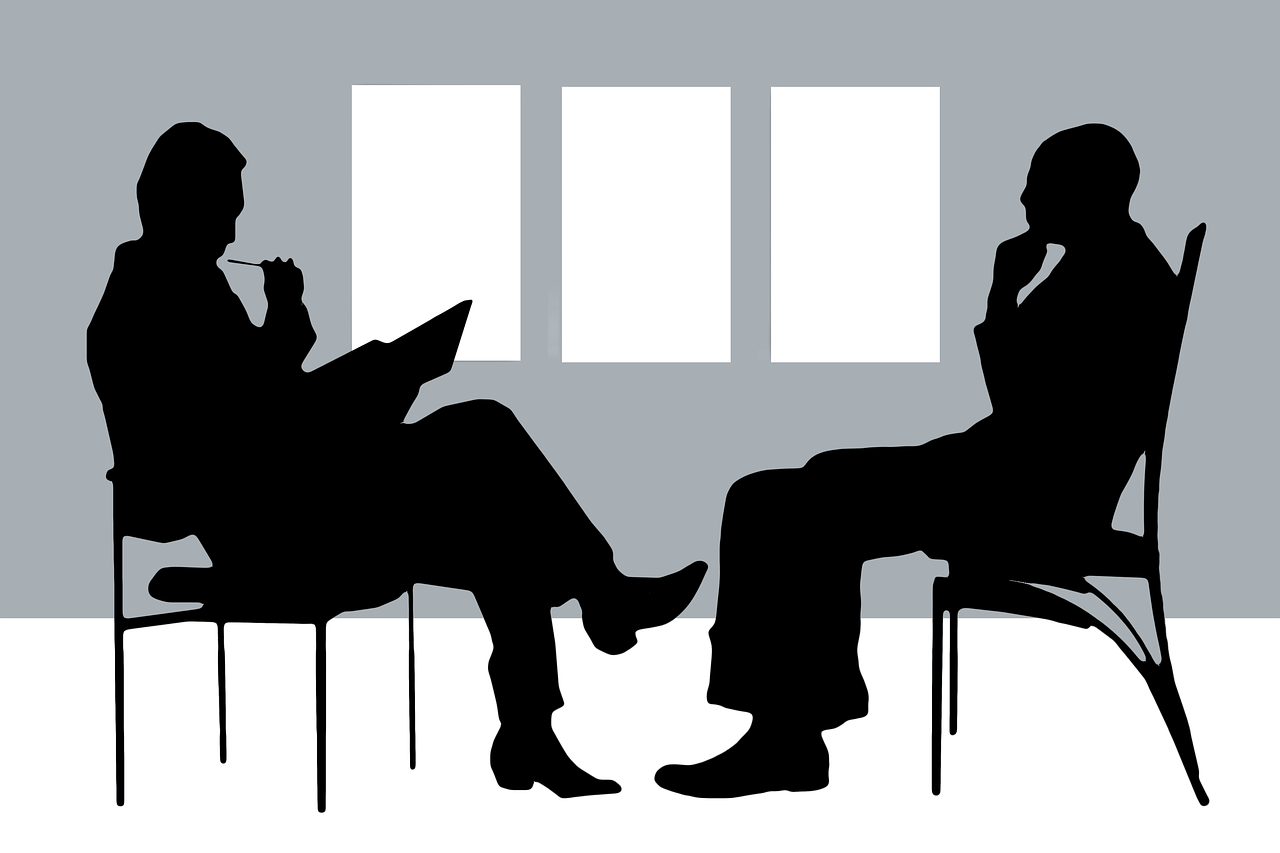
How to spot a bad therapist

By David Joel Miller, MS, Licensed Therapist & Licensed Counselor.

Therapist

Therapist.
Photo courtesy of Pixabay.com

What a therapist should not do.

Spotting a bad one of anything is the hard part. It may be harder with therapists than with other professions because of the confidentiality requirement. We aren’t supposed to tell you who comes to see us as that would violate their privacy. That makes it hard for you to check references. But there are some ways you can spot people who have broken the rules, violated codes of ethics and laws, and generally not behaved in a way that would make me want anyone I know to go see them. There are tell-tale signs that this person is not the counselor for you. It is not about the size or place of their office. There are some really great people who have their offices in poor parts of town. It is also not about the price they charge. We would all like to think that the person who charges more do so because they deserve it. That is not always true. And full-time people are no more reliable than part-timers when it comes to therapists. Many really good people work only part-time because they teach, have government jobs, or are semi-retired.

There are some things that should always make you suspicious if you see them. Here in California you can go to the Board of Behavioral Sciences website and check the status of anyone’s license. Many other states have license bureaus where you can check to see if the provider has ever had an action taken against their license. You need to be careful how you read the notations if the person’s intern number shows as “canceled’ which is probably a good thing. The intern number is canceled when they get a full unrestricted license. But if their license has ever been suspended or revoked you should check why.

Every month I get a magazine for therapists and in the middle, it has a list of all the professionals whose licenses have been suspended, revoked, etc. Here are the top things that therapists and counselors should not do but sometimes some of them do.

A therapist should never have sex with a client.

Does this sound odd? This is one of the top two reasons counselors lose their licenses. In California, we have a book that is titled “Professional Therapy Never Includes Sex.” We are supposed to keep that book with us and if a client ever says a past provider had a sexual relationship with them we give them that book. There is a fine if we don’t have the book. One reason that we are not supposed to get into romantic relationships with clients is that it is unfair to have them pour out their hearts to us and then use that information to get them into bed. When you go to a counselor you are looking for an independent person. If you have ever been or think you might be involved with them romantically that is not the professional for you. It is wise to keep friendships and therapy relationships separate also. Friends can’t always tell you the truth about things. Your therapist should.

You can’t help people if you need help.

Impaired therapists especially those who abuse alcohol and drugs are in no position to help anyone else. Now I believe in recovery. People with mental, emotional or substance abuse problems can recover, and recovered people can make excellent counselors. But no one can be fully helpful when they are impaired themselves. Some professions let people who are arrested for bad behavior go back to work right away. A professional counselor or therapist will be required to get help for themselves before they can return to work. Usually, there will be a waiting period before the start back to seeing clients and they may have to have a supervisor checking their work.

If you have bipolar disorder a professional who has the disorder also may be uniquely qualified to understand what you are going through and to help you. You just need to be sure they have found the solution to the problem and are functioning well themselves. You won’t always know this. Substance abuse counselors are much more likely to self-disclose that they are in recovery than mental health counselors. I am suggesting here that you interview the therapist as much as they should interview you. How comfortable do you feel that this person is the person to help you? Do, for sure give it and yourself a chance. It is not helpful to bounce from therapist to therapist. But if you get one of those gut feelings that this is not the person for you, I think you should listen to that feeling.

How much can you be honest with the person you owe money to?

No counselor should ever borrow money from a client. It is considered unethical and probably illegal most of the time. Run from anyone who suggests that and if the therapist talks about their money problems, this is a bad sign. In fact, any time you feel like part of your therapy session was spent on the counselor’s problem this is a bad sign.

They shouldn’t be in the business of lending money either. This is really bad. It makes you indebted to them and distorts the relationship. Counseling is all about the relationship. So anything that takes the focus off working with you on your problem and puts that focus on the counselor should make you wary. This is not what is supposed to be going on here.

This also means that you need to pay as you go. Running up a big bill with your counselor makes them start thinking about the money you owe and not about helping you. If you find it hard to pay, discuss this with them, and work out a solution. Don’t just let it go.

Bosses and therapists don’t mix.

Don’t go to work for your therapist. Trading stuff for therapy is also risky as it sets up a situation for one of you to be unhappy. Most codes of ethics tell us that we should not have any other relationship with our clients that the professional one. There may be some distant relationships like living in the same town or shopping in the same grocery store, but close relationships with your counselor are always problematic.

This boss and therapist relationship is especially problematic if you work in a place that employs therapists. It is a bad idea to talk to the therapist who works in the office next to you over lunch. Do you really want everyone at work to know your marital problems? So if you need help pick someone outside your normal sphere of activity and plan to pay them and thereby keep the relationship strictly professional.

So there you have it, four rules to help you spot a counselor or therapist that is not right for you. In other posts, I have and will talk about the positive things to look for in picking a professional.

Some people think that any licensed person has been “checked out” somehow. Not exactly. They have met some minimum requirements, but other professionals do not go to see them anonymously and check them out. So should you run into a professional that is not behaving legally or ethically it is up to you to avoid that person?

Hope some of these thoughts are helpful. Till next time here is wishing you a happy life.

For more on this subject see:

5 Rules for Picking the Right Therapist

What to do if Therapy is not helping

Reasons Counselors and Therapists lose licenses

Staying connected with David Joel Miller

Seven David Joel Miller Books are available now!

My newest book is now available. It was my opportunity to try on a new genre. I’ve been working on this book for several years, but now seem like the right time to publish it.

Story Bureau.

Story Bureau is a thrilling Dystopian Post-Apocalyptic adventure in the Surviving the Apocalypse series.

Baldwin struggles to survive life in a post-apocalyptic world where the government controls everything.

As society collapses and his family gets plunged into poverty, Baldwin takes a job in the capital city, working for a government agency called the Story Bureau. He discovers the Story Bureau is not a benign news outlet but a sinister government plot to manipulate society.

Bumps on the Road of Life. Whether you struggle with anxiety, depression, low motivation, or addiction, you can recover. Bumps on the Road of Life is the story of how people get off track and how to get your life out of the ditch.

Dark Family Secrets: Doris wants to get her life back, but small-town prejudice could shatter her dreams.

Casino Robbery Arthur Mitchell escapes the trauma of watching his girlfriend die. But the killers know he’s a witness and want him dead.

Planned Accidents  The second Arthur Mitchell and Plutus mystery.

Letters from the Dead: The third in the Arthur Mitchell mystery series.

What would you do if you found a letter to a detective describing a crime and you knew the writer and detective were dead, and you could be next?

Sasquatch. Three things about us, you should know. One, we have seen the past. Two, we’re trapped there. Three, I don’t know if we’ll ever get back to our own time.

For these and my upcoming books; please visit my Author Page – David Joel Miller

Want the latest blog posts as they publish? Subscribe to this blog.

For videos, see: Counselorssoapbox YouTube Video Channel
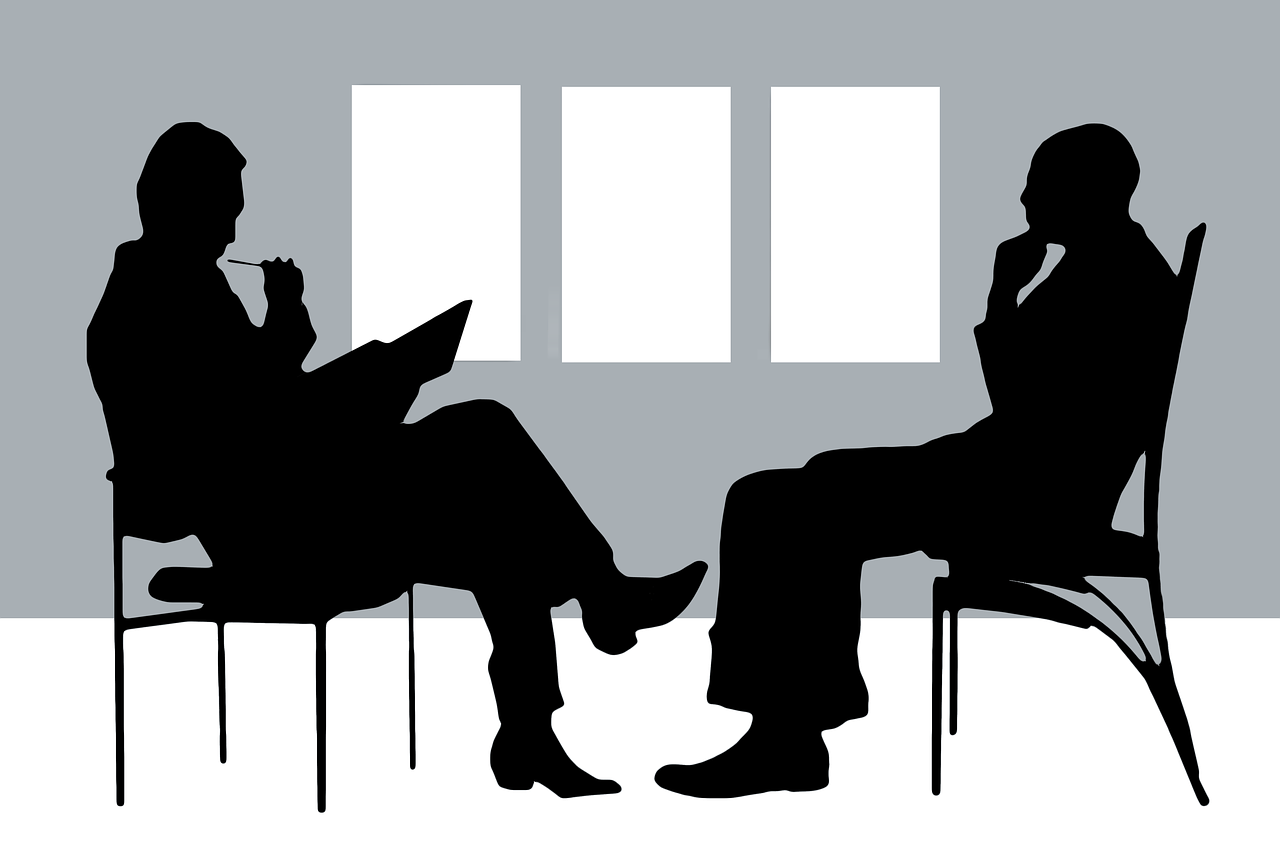
How to spot a bad therapist

By David Joel Miller, MS, Licensed Therapist & Licensed Counselor.

Therapist

Therapist.
Photo courtesy of Pixabay.com

What a therapist should not do

Spotting a bad one of anything is the hard part. It may be harder with therapists than with other professions because of the confidentiality requirement. We aren’t supposed to tell you who comes to see us as that would violate their privacy. That makes it hard for you to check references. But there are some ways you can spot people who have broken the rules, violated codes of ethics and laws, and generally not behaved in a way that would make me want anyone I know to go see them.

There are tell-tale signs that this person is not the counselor for you. It is not about the size or place of their office. There are some really great people who have their offices in poor parts of town. It is also not about the price they charge. We would all like to think that the person who charges more does so because they deserve it. That is not always true. And full-time people are no more reliable than part-timers when it comes to therapists. Many really good people work only part-time because they teach, have government jobs, or are semi-retired.

There are some things that should always make you suspicious if you see them. Here in California you can go to the Board of Behavioral Sciences website and check the status of anyone’s license. Many other states have license bureaus where you can check to see if the provider has ever had an action taken against their license. You need to be careful how you read the notations if the person’s intern number shows as “canceled’ which is probably a good thing. The intern number is canceled when they get a full unrestricted license. But if their license has ever been suspended or revoked you should check why.

Every month I get a magazine for therapists and in the middle, it has a list of all the professionals whose licenses have been suspended, revoked, etc. Here are the top things that therapists and counselors should not do but sometimes some of them do.

A therapist should never have sex with a client.

Does this sound odd? This is one of the top two reasons counselors lose their licenses. In California, we have a book that is titled “Professional Therapy Never Includes Sex.” We are supposed to keep that book with us and if a client ever says a past provider had a sexual relationship with them we give them that book. There is a fine if we don’t have the book. One reason that we are not supposed to get into romantic relationships with clients is that it is unfair to have them pour out their hearts to us and then use that information to get them into bed. When you go to a counselor you are looking for an independent person. If you have ever been or think you might be involved with them romantically that is not the professional for you. It is wise to keep friendships and therapy relationships separate also. Friends can’t always tell you the truth about things. Your therapist should.

You can’t help people if you need help.

Impaired therapists especially those who abuse alcohol and drugs are in no position to help anyone else. Now I believe in recovery. People with mental, emotional or substance abuse problems can recover, and recovered people can make excellent counselors. But no one can be fully helpful when they are impaired themselves. Some professions let people who are arrested for bad behavior go back to work right away. A professional counselor or therapist will be required to get help for themselves before they can return to work. Usually, there will be a waiting period before the start back to seeing clients and they may have to have a supervisor checking their work.

If you have bipolar disorder a professional who has the disorder also may be uniquely qualified to understand what you are going through and to help you. You just need to be sure they have found the solution to the problem and are functioning well themselves. You won’t always know this. Substance abuse counselors are much more likely to self-disclose that they are in recovery than mental health counselors. I am suggesting here that you interview the therapist as much as they should interview you. How comfortable do you feel that this person is the person to help you? Do, for sure give it and yourself a chance. It is not helpful to bounce from therapist to therapist. But if you get one of those gut feelings that this is not the person for you, I think you should listen to that feeling.

How much can you be honest with the person you owe money to?

No counselor should ever borrow money from a client. It is considered unethical and probably illegal most of the time. Run from anyone who suggests that and if the therapist talks about their money problems, this is a bad sign. In fact, any time you feel like part of your therapy session was spent on the counselor’s problem this is a bad sign.

They shouldn’t be in the business of lending money either. This is really bad. It makes you indebted to them and distorts the relationship. Counseling is all about the relationship. So anything that takes the focus off working with you on your problem and puts that focus on the counselor, be wary. This is not what is supposed to be going on here.

This also means that you need to pay as you go. Running up a big bill with your counselor makes them start thinking about the money you owe and not about helping you. If you find it hard to pay, discuss this with them, and work out a solution. Don’t just let it go.

Bosses and therapists don’t mix.

Don’t go to work for your therapist. Trading stuff for therapy is also risky as it sets up a situation for one of you to be unhappy. Most codes of ethics tell us that we should not have any other relationship with our clients that the professional one. There may be some distant relationships like living in the same town or shopping in the same grocery store, but close relationships with your counselor are always problematic.

This boss and therapist relationship is especially problematic if you work in a place that employs therapists. It is a bad idea to talk to the therapist who works in the office next to you over lunch. Do you really want everyone at work to know your marital problems? So if you need help pick someone outside your normal sphere of activity and plan to pay them and thereby keep the relationship strictly professional.

So there you have it, four rules to help you spot a counselor or therapist that is not right for you. In other posts, I have and will talk about the positive things to look for in picking a professional.

Some people think that any licensed person has been “checked out” somehow. Not exactly. They have met some minimum requirements but other professionals do not go to see them anonymously and check them out. So, should you run into a professional that is not behaving legally or ethically it is up to you to avoid that person.

Hope some of these thoughts are helpful. Till next time here is wishing you a happy life.

David Joel Miller, LMFT, LPCC

Staying connected with David Joel Miller

Seven David Joel Miller Books are available now!

My newest book is now available. It was my opportunity to try on a new genre. I’ve been working on this book for several years, but now seem like the right time to publish it.

Story Bureau.

Story Bureau is a thrilling Dystopian Post-Apocalyptic adventure in the Surviving the Apocalypse series.

Baldwin struggles to survive life in a post-apocalyptic world where the government controls everything.

As society collapses and his family gets plunged into poverty, Baldwin takes a job in the capital city, working for a government agency called the Story Bureau. He discovers the Story Bureau is not a benign news outlet but a sinister government plot to manipulate society.

Bumps on the Road of Life. Whether you struggle with anxiety, depression, low motivation, or addiction, you can recover. Bumps on the Road of Life is the story of how people get off track and how to get your life out of the ditch.

Dark Family Secrets: Doris wants to get her life back, but small-town prejudice could shatter her dreams.

Casino Robbery Arthur Mitchell escapes the trauma of watching his girlfriend die. But the killers know he’s a witness and want him dead.

Planned Accidents  The second Arthur Mitchell and Plutus mystery.

Letters from the Dead: The third in the Arthur Mitchell mystery series.

What would you do if you found a letter to a detective describing a crime and you knew the writer and detective were dead, and you could be next?

Sasquatch. Three things about us, you should know. One, we have seen the past. Two, we’re trapped there. Three, I don’t know if we’ll ever get back to our own time.

For these and my upcoming books; please visit my Author Page – David Joel Miller

Want the latest blog posts as they publish? Subscribe to this blog.

For videos, see: Counselorssoapbox YouTube Video Channel

5 Rules for picking the right therapist

By David Joel Miller, MS, Licensed Therapist & Licensed Counselor.

Therapist

Therapist.
Photo courtesy of Pixabay.com

5 Rules for picking the right therapist.

How do you choose a counselor?

What are the key things you should look for when choosing a therapist? How do you know if this person could help you? Let’s look at some suggestions for having a good experience in therapy.

Do you relate well?

The number one predictor of a therapist’s ability to be of help to you is – If you think they can help you they can. And conversely, if you get the feeling that this person will not be able to help you, then they probably will not be able to be helpful.

Whenever you enter a helping relationship look first and foremost for a person that you get a good feeling about. In the first session, you should be interviewing the counselor as much as they are interviewing you. See if this person “gets you” and if you feel comfortable disclosing things to them. If you feel the need to hold back and not tell them something you are off to a bad start. I see two extremes to this finding a fit problem the client who works for years with the same therapist and gets no better and the client who bounces from provider to provider and never stays in a relationship long enough to get any work done. You need to give the process time, but not forever.

Do you need a specialist? Does their training or specialty matter?

Some therapists list very specific areas of experience. Truth be told all counselors see people with the same sort of problems, mostly anger, depression, and anxiety. Couples who want a better marriage and schizophrenics who have few friends both need help with relationships. But there are some issues that call for a more specialized approach. Eating disorders, sexual issues, and developmental problems need special expertise. So does substance abuse in my opinion. If several therapists tell you they don’t see that type of client and give you referrals to call, pay special attention, they are telling you that your sort of problem does not call for a mental health general practitioner. If you are referred to the same name two or three times seriously consider this person.

How long do you want counseling to take?

Some schools of therapy believe in the long slow approach, working on basic childhood and personality issues.  They take a lot of time and can be expensive but can help you change the way you relate to the world. Some clients feel they need to see a therapist on a regular basis to continue to function well. Without their weekly visit to the therapist, these people may fall apart and end up unable to hold a job or end up back in the hospital again.

Other therapies believe in brief problem-solving approaches. Cognitive and behavioral approaches generally expect you to do work on yourself between sessions. They assign homework. Do you want to do your work in session or are you expecting a crash program that includes homework?

What is your reason for wanting therapy?

Are you facing a choice – should you get a divorce or stay together or which job should you take? Do you need the counselor to provide information or just listen? A good counselor will NOT tell you what to do. That makes you dependent on them for your life decisions. They should help you grow so you can make your own informed decisions.

Do you want to change something?  Give up drugs; learn to have a better relationship with your kid? Change requires a process if it is to be successful and if the change is to be maintained. A word of caution, be sure who you want to change. The therapist can’t change a person who is not in the room and who does not want to change. They can teach you new ways of relating to that person and if you change the way you act they may change also.

Are you confused and need some help in sorting it all out? Confusion issues may take a lot longer to work through. Are you prepared to spend that much time? There may be an underlying life issue, are you willing to take a look at that even if it involves pain or talking about something you want to forget?

Are you coming to counseling for you or for someone else?

If you are coming because your partner wants you to or because of a court order you need to be clear that you are doing this for someone else. Discuss how many sessions exactly the counselor will want you to come to before they will sign that court letter. Even if you are court or spouse ordered are you willing and open to change? If you do have to do this counseling for someone else I urge you to approach it as a chance to learn some new things and to grow and develop. If you only go to shut up the judge you are likely to make yourself miserable during the process if you are not willing to really do the process

Finances – the cost of therapy.

I have put this last for a good reason. People often say they can’t afford therapy. They complain about their pain and their life situation but they are not sure that it is worth spending money to have happiness. You should give this a lot of thought. If you spend a lot each week on entertainment, video games, or eating out but find you are still unhappy, would you spend as much to see a counselor as you spend on a beauty treatment or drugs and alcohol? How much might help getting your child to behave better be worth to you?

If you have insurance talk to your provider, what is covered, what requires out-of-pocket payment? Some companies require you to see a contracted provider from a list they provide and you probably will have a co-pay. They should give you several names to choose from. Sometimes insurance companies will let you pick a counselor, pay that counselor, and then submit the receipt for reimbursement. This may cost you a little more but it gives you lots more choices.  Some people chose to pay themselves because it puts them more in control of the process.

If you don’t have insurance carefully think about how much you might be able to pay and then look around to see what is available. There are low-cost clinics and providers who do sliding scale. I wrote in a previous post about other ways to get low-cost help when you really can’t afford to pay the fee.

Hope that you find this helpful. Best wishes on your journey to a happy life. David Miller. LMFT, LPCC.

For more on this subject see:

What to do if Therapy is not helping

How to Spot a Bad Therapist

Reasons Counselors and Therapists lose licenses 

Staying connected with David Joel Miller

Seven David Joel Miller Books are available now!

My newest book is now available. It was my opportunity to try on a new genre. I’ve been working on this book for several years, but now seem like the right time to publish it.

Story Bureau.

Story Bureau is a thrilling Dystopian Post-Apocalyptic adventure in the Surviving the Apocalypse series.

Baldwin struggles to survive life in a post-apocalyptic world where the government controls everything.

As society collapses and his family gets plunged into poverty, Baldwin takes a job in the capital city, working for a government agency called the Story Bureau. He discovers the Story Bureau is not a benign news outlet but a sinister government plot to manipulate society.

Bumps on the Road of Life. Whether you struggle with anxiety, depression, low motivation, or addiction, you can recover. Bumps on the Road of Life is the story of how people get off track and how to get your life out of the ditch.

Dark Family Secrets: Doris wants to get her life back, but small-town prejudice could shatter her dreams.

Casino Robbery Arthur Mitchell escapes the trauma of watching his girlfriend die. But the killers know he’s a witness and want him dead.

Planned Accidents  The second Arthur Mitchell and Plutus mystery.

Letters from the Dead: The third in the Arthur Mitchell mystery series.

What would you do if you found a letter to a detective describing a crime and you knew the writer and detective were dead, and you could be next?

Sasquatch. Three things about us, you should know. One, we have seen the past. Two, we’re trapped there. Three, I don’t know if we’ll ever get back to our own time.

For these and my upcoming books; please visit my Author Page – David Joel Miller

Want the latest blog posts as they publish? Subscribe to this blog.

For videos, see: Counselorssoapbox YouTube Video Channel

Best of Blog Recap – January 2012

Counselorssoapbox.com

Thanks to all of you that read this blog. Some of you have been with me from the beginning and some just joined. I appreciate each and every one of you. This month has marked a change in the blog. My original plan was to increase the number of posts from one or so per week to at least three. Along the way, the comments came in both on the blog and off, so did a lot more likes. It is always nice to be liked and to know that what you are trying to do is of interest to someone. As a result, this month I wrote some articles that turned into series and the final result was a lot more than the three a week I had planned on. We will see if time permits me to keep up the writing at this level.

The theme of this blog continues to be – having a happy life. That topic includes issues related to mental health, substance abuse, parenting, recovery, and resiliency.

Here are the top read blogs of the last month.

1. How does therapy help people?

2. Stages of Change – Early action

3. Is relapse a part of recovery?

About the author and Bipolar – misdiagnosed or missing diagnosis? Where close to the top also. Thanks for all your interest.

From the last year the top posts were:

1. How does therapy help people?

2. Treatment for teen’s risky behavior

3. Post Traumatic Stress Disorder – PTSD and bouncing back from adversity

4. 7 “new drugs” parents should be aware of.

Over time lots of you have viewed the home page and “about the author” page also.

Thanks to all my readers for being part of this effort.

Next month we will explore some other topics and see what we come up with.

Till next time, David Jole Miller, LMFT, LPCC.

How does therapy help people?

By David Joel Miller, MS, Licensed Therapist & Licensed Counselor.

Therapy

Therapy.
Photo courtesy of Pixabay.com

People ask just how it is that therapy or counseling works.

The short answer is that there are many ways, not just one way in which therapy may work to help someone. Professionals all have their own preferred theory of therapy which is the basis of their practice. What they do is highly influenced by the theory they use, though the truth be told most of us borrow from other theories if we see a procedure that might help a client.

The way counseling might help also varies with the problem the client brings to the office. In the early days, there was one profession that largely dealt with problems of the mind, psychiatrists. Today there are many specialties that work to help people with their problems of living. A caveat here, I have my preferred way of trying to be helpful. This is my opinion so I won’t pretend to fully explain all the procedures.

Therapists are empathetic, non-judgmental listeners.

There are some things people don’t feel comfortable talking to their families and friends about. One school of therapists, Rogerians, believe that most of us have the answers to life’s problems we just need to talk them out. Being able to talk through urges and fantasies helps people to understand themselves and may lead to an improved ability to control their behavior. Clients sometimes say their therapist just sat there, listened, and didn’t tell them anything. If you want or need more than listening, discuss that with your counselor.

Therapy can be a corrective emotional experience.

Many clients tell me they have trust issues. Often this is because there has been no one in their lives they could trust or because they were not trustworthy themselves. If their family was never very affirming, a positive therapist can help them to learn to affirm themselves. Group therapy is especially good at teaching people how to deal with interpersonal problems by allowing them to experiment with new behaviors.

The counselor can provide reality testing.

Clients may come to therapy with incorrect perceptions. People think they are fat when they are normal or below in weight. They think of themselves as too old or too dumb when they are in fact at a normal developmental point in their life. People make plans that they do not have the skills or resources for, they have expectations of others that are not realistic. Having someone to “bounced ideas off” can help ground plans in the real world.

Counselors help people change life stories.

Many people have a “story” about themselves that started in early life and which they have been unable to alter. People with call themselves “a loser.” This personal story, saturated with problems, may keep them from trying new things because they expect to fail at any new effort.  Narrative therapists help people create a new story.  Cognitive therapists would call this a “thinking distortion” and use various methods to get the client to challenge this belief and create a new belief about themselves that was more adaptive. Instead of thinking of themselves as a “loser”, the client may begin to see themselves as a “survivor” who has continued to try in spite of obstacles.

Counselors teach clients new skills.

A substance abuse counselor would teach a client refusal skills. A career counselor might teach his client how to use online career inventories, interviewing skills, or resources to use to conduct a job search. Marriage counselors may teach couples communication skills. Family counselors may teach parenting skills. Skills-based approaches may involve recommendations for books to read and real-life homework to increase skills. School counselors primarily work on academic issues, what classes to take, and how to succeed in school.

Counselors help clients get in touch with themselves.

Exploration of the self, personal growth, and discovery are all legitimate reasons to see a counselor. Counselors don’t make decisions for clients, but they can teach clients decision-making skills and encourage clients to practice these skills. Therapy can help clarify values and assist clients in evaluating choices. People may come to counseling confused and in need of help in gaining clarity.

Psychotherapy can assist in changing personality.

Psychotherapists often focus on basic personality characteristics. Psychologists can give and administer personality tests while psychotherapists can spend time working through personality characteristics the client may wish to change.  Changing an underlying personality characteristic takes more time and effort than the crisis-driven techniques but it can result in long-term changes in coping skills. Psychodynamic therapists work on the unconscious. More cognitive therapists would approach personality issues by trying to help the client gain a new worldview. “Getting a new pair of glasses” results in seeing the world and problems differently.

There are sure to be more ways in which counseling is helpful. What do you think? Are you a client who has been helped? What was helpful? If you are a therapist, what do you think helps clients?

This post was featured in “Best of Blog – May 2012

Staying connected with David Joel Miller

Seven David Joel Miller Books are available now!

My newest book is now available. It was my opportunity to try on a new genre. I’ve been working on this book for several years, but now seem like the right time to publish it.

Story Bureau.

Story Bureau is a thrilling Dystopian Post-Apocalyptic adventure in the Surviving the Apocalypse series.

Baldwin struggles to survive life in a post-apocalyptic world where the government controls everything.

As society collapses and his family gets plunged into poverty, Baldwin takes a job in the capital city, working for a government agency called the Story Bureau. He discovers the Story Bureau is not a benign news outlet but a sinister government plot to manipulate society.

Bumps on the Road of Life. Whether you struggle with anxiety, depression, low motivation, or addiction, you can recover. Bumps on the Road of Life is the story of how people get off track and how to get your life out of the ditch.

Dark Family Secrets: Doris wants to get her life back, but small-town prejudice could shatter her dreams.

Casino Robbery Arthur Mitchell escapes the trauma of watching his girlfriend die. But the killers know he’s a witness and want him dead.

Planned Accidents  The second Arthur Mitchell and Plutus mystery.

Letters from the Dead: The third in the Arthur Mitchell mystery series.

What would you do if you found a letter to a detective describing a crime and you knew the writer and detective were dead, and you could be next?

Sasquatch. Three things about us, you should know. One, we have seen the past. Two, we’re trapped there. Three, I don’t know if we’ll ever get back to our own time.

For these and my upcoming books; please visit my Author Page – David Joel Miller

Want the latest blog posts as they publish? Subscribe to this blog.

For videos, see: Counselorssoapbox YouTube Video Channel