
How do you become a member of A.A.?

By David Joel Miller, MS, Licensed Therapist & Licensed Counselor.

AA big book

Alcoholics Anonymous big book.

Is A.A. membership expensive?

What do you have to do to get accepted into membership?

A.A. is one of the more unusual organizations when it comes to becoming a member.

They do not charge a membership fee. There are no monthly or annual dues to pay. They do pass a basket and the money people donate is used to defray the expenses. No one is ever pressured to put something in the basket.

Unlike other groups who have frequent solicitations for funds, A.A. asks that only members contribute. Members are never required to contribute, but most give something, even if it is just the small change in their pockets.

There are no creeds to agree to. No catechisms to learn or memorize. They do read some things, but only those who want to read. There are no membership committees and no application forms to fill out.

You do not even need to be an alcoholic or agree to take the twelve steps to become a member. The twelve steps in A.A. are, like most everything else in the program, “suggestions” not requirements.

You do not need to agree to believe in a particular religion or worship any particular deity. In fact, you do not even need to believe in a God to be a member.

There is in fact only one requirement for membership in A.A.

“The only requirement for membership is a desire to stop drinking.”

If you can honestly say that you want to stop drinking, then you have qualified for membership.

Having become a member there is a suggestion that you get a book and read it, come to some meetings and find a sponsor to help you work your steps. None of those things are however requirements, they are suggestions.

Essentially, you are a member if you say you are a member.

With membership does come some duties. You, as a new member, will be asked to respect other member’s anonymity. You will also be asked to refrain from making public statements on behalf of A.A. Beyond that not much will be asked of you unless you chose to participate in your recovery.

All in all, A.A. is an easy group to join. So ask yourself “Do I want to stop drinking?” If so, head for a meeting because you have already qualified to become a member whether you knew it or not.

The posts I write about A.A. are from my perspective as a therapist and clinical counselor and do not necessarily reflect the views of A.A. World Services or A.A. members. For more on A.A. and their program of recovery check out the “A.A. Big Book” titled Alcoholics Anonymous at the links below or contact A.A. World Services at their website.

The Big Book of Alcoholics Anonymous

The classic text on Alcoholism recovery this is the book that started off the whole 12-step phenomenon.

Alcoholics Anonymous from The Anonymous Press

One of the Kindle editions – At 99 cents this is such a bargain. This edition needed a separate listing. No Kindle reader? No Problem, if you have a computer you can download a free Kindle reader.

Staying connected with David Joel Miller

Seven David Joel Miller Books are available now!

My newest book is now available. It was my opportunity to try on a new genre. I’ve been working on this book for several years, but now seem like the right time to publish it.

Story Bureau.

Story Bureau is a thrilling Dystopian Post-Apocalyptic adventure in the Surviving the Apocalypse series.

Baldwin struggles to survive life in a post-apocalyptic world where the government controls everything.

As society collapses and his family gets plunged into poverty, Baldwin takes a job in the capital city, working for a government agency called the Story Bureau. He discovers the Story Bureau is not a benign news outlet but a sinister government plot to manipulate society.

Bumps on the Road of Life. Whether you struggle with anxiety, depression, low motivation, or addiction, you can recover. Bumps on the Road of Life is the story of how people get off track and how to get your life out of the ditch.

Dark Family Secrets: Doris wants to get her life back, but small-town prejudice could shatter her dreams.

Casino Robbery Arthur Mitchell escapes the trauma of watching his girlfriend die. But the killers know he’s a witness and want him dead.

Planned Accidents  The second Arthur Mitchell and Plutus mystery.

Letters from the Dead: The third in the Arthur Mitchell mystery series.

What would you do if you found a letter to a detective describing a crime and you knew the writer and detective were dead, and you could be next?

Sasquatch. Three things about us, you should know. One, we have seen the past. Two, we’re trapped there. Three, I don’t know if we’ll ever get back to our own time.

For these and my upcoming books; please visit my Author Page – David Joel Miller

Want the latest blog posts as they publish? Subscribe to this blog.

For videos, see: Counselorssoapbox YouTube Video Channel
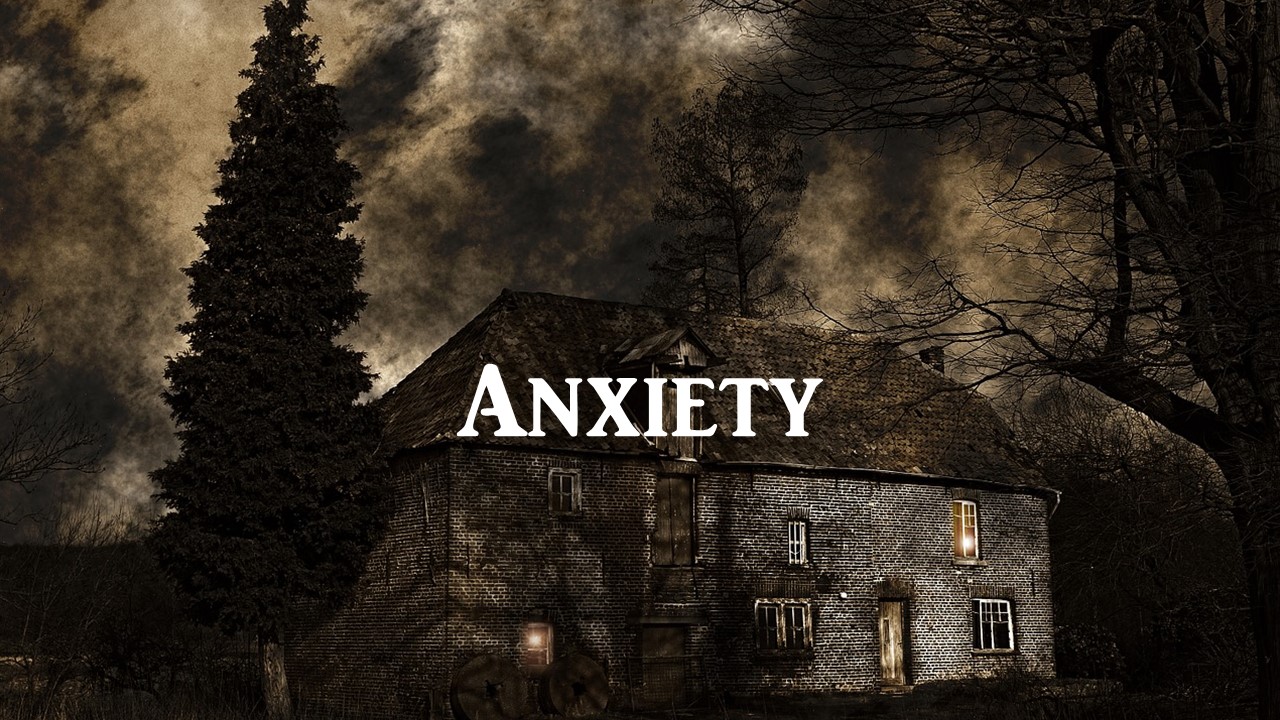
Anxiety is a good thing

By David Joel Miller, MS, Licensed Therapist & Licensed Counselor.

Anxiety provoking.

Anxiety.
Photo courtesy of Pixabay.com

Some anxiety is a good thing.

A little anxiety some of the time may be helpful. It is only when the volume on your anxiety control gets turned up too loud that it becomes a problem.

Dictionary definitions of anxiety include such things as nervousness about something that is going to happen and something that causes you to worry.

In these troubled economic times, worry about your job and job security makes sense, especially if you work in an industry or company that has been having economic difficulties. Even those government jobs that used to be the height of security don’t seem immune from danger these days.

But if you spend needless hours in worry that you might get laid off or fired when there is no basis in fact for that worry, then your anxiety control might have its volume turned up too high.

Anxiety can protect you.

Some anxiety is actually protective – if and only if, you are in a dangerous situation that warrants that anxiety. This is another case of a little is good and too much is harmful. The challenge is in knowing which is which. If you see someone with a gun shooting, it is wise to be nervous, even scared, and to duck behind something for cover.

Anxiety can help you avoid risks and in certain situations, like when someone is shooting at you, that anxiety might save your life.

Anxiety can take control of you.

If when sitting at home on your couch you hear the noise from a car door slamming a block away and you jump behind the couch to take cover, this level of anxiety is a problem.

People become anxious in dangerous situations for a reason. If the stress they are under triggers an excessive response that may be an “Acute Stress Disorder” but if those over-reactions to past stress continue long enough, they can morph into something more serious. Post-Traumatic Stress Disorder is just such a problem.

This was first recognized in servicemen returning from the war and the hallmarks are intrusive thoughts of what happened in the past that are still interfering with your life today and recurrent nightmares that involve memories of things that happened to you in the past or efforts for you to avoid those situations. We now realize that these problems also are prevalent in children and adults who have been abused or molested.

Disrupted sleep from nightmares about past anxiety-producing situations predicts that you will have mental health symptoms in the future. IRT can help reduce nightmares. 

Treating PTSD is a complex subject. There are many theories but the research is less than convincing. What I feel fairly sure about is that taking sleeping pills or drinking alcohol are not a good solution. If you have intrusive thoughts or nightmares you need some counseling to get this under control.

Running and hiding from our fears gives them extra chances to grow.

But what if you do not have a case of PTSD but your anxiety is off the hook? Do your friends tell you that you are an overly anxious person? Do you sometimes think that you are just too scared and worried?

If your anxiety volume control is just turned up too high, if the affairs of everyday living are making you want to crawl out of your skin, then you need treatment.

What kind of treatment? Well, there are several, but one, systematic desensitization is especially helpful if you have fears that do not make sense to others but you find are interfering with your life.

Too much anxiety? Try some systematic desensitization (done with a therapist or counselor) and see if you can’t get that anxiety volume turned back down.

In tomorrow’s post, we will talk about systematic desensitization.

Staying connected with David Joel Miller

Seven David Joel Miller Books are available now!

My newest book is now available. It was my opportunity to try on a new genre. I’ve been working on this book for several years, but now seem like the right time to publish it.

Story Bureau.

Story Bureau is a thrilling Dystopian Post-Apocalyptic adventure in the Surviving the Apocalypse series.

Baldwin struggles to survive life in a post-apocalyptic world where the government controls everything.

As society collapses and his family gets plunged into poverty, Baldwin takes a job in the capital city, working for a government agency called the Story Bureau. He discovers the Story Bureau is not a benign news outlet but a sinister government plot to manipulate society.

Bumps on the Road of Life. Whether you struggle with anxiety, depression, low motivation, or addiction, you can recover. Bumps on the Road of Life is the story of how people get off track and how to get your life out of the ditch.

Dark Family Secrets: Doris wants to get her life back, but small-town prejudice could shatter her dreams.

Casino Robbery Arthur Mitchell escapes the trauma of watching his girlfriend die. But the killers know he’s a witness and want him dead.

Planned Accidents  The second Arthur Mitchell and Plutus mystery.

Letters from the Dead: The third in the Arthur Mitchell mystery series.

What would you do if you found a letter to a detective describing a crime and you knew the writer and detective were dead, and you could be next?

Sasquatch. Three things about us, you should know. One, we have seen the past. Two, we’re trapped there. Three, I don’t know if we’ll ever get back to our own time.

For these and my upcoming books; please visit my Author Page – David Joel Miller

Want the latest blog posts as they publish? Subscribe to this blog.

For videos, see: Counselorssoapbox YouTube Video Channel

Sobriety

Serene

Serene and Sober.
Photo courtesy of Pixabay.com

Encarta Dictionary tells us Sobriety is:

Abstinence from or moderation in the use of alcohol or drugs

The quality of being serious and thoughtful

“Your best days are ahead of you. The movie starts when the guy gets sober and puts his life back together; it doesn’t end there.”
― Bucky SinisterGet Up: A 12-Step Guide to Recovery for Misfits, Freaks, and Weirdos

“We have learned that the satisfaction of instincts cannot be the sole aim of our lives.”
― Alcoholics AnonymousTwelve Steps and Twelve Traditions

“achieving true sobriety goes beyond abstinence. it’s also about healing your soul, apologizing for damage you did to other, and seeking forgiveness.”
― Lou GrammJuke Box Hero: My Five Decades in Rock ‘n’ Roll

Quotes from GoodReads

Are you sober today?

Why AA? Reasons therapists recommend you go to AA.

By David Joel Miller, MS, Licensed Therapist & Licensed Counselor.

AA big book

Alcoholics Anonymous big book.

Why do professionals send you to A.A?

Therapists and Counselors treat people with all sorts of serious and persistent mental illnesses so why do they recommend that clients with a drinking problem attend AA meetings?

It turns out that attending meetings provides a lot of benefits that a single therapy session each week can’t provide. In substance abuse treatment programs the standard treatment, after you are over the most immediate problems connected to your drinking or drugging, consists of recommending that clients attend twelve-step meetings.

Here are some of the reasons why professionals recommend A.A.

The 12 steps include a focused system of change.

Embedded in the “working” of steps are the elements of problem identification, change steps, and a program of maintenance. While a therapist may help you work on one problem, depression, or anxiety, the steps are a way of changing your thinking about life and all your problems.

Some people’s only problem is drinking too much, they just quit and are fine. Many others find that once they stop, all the problems they had before they drank are back in force. It takes more than putting the bottle down to stay sober.

Attending meetings helps creates a new set of friends that are clean and sober.

One critical issue in recovery is relapse triggers; hanging out with your old drinking or drugging friends results in a high risk of relapse. Finding friends that do not drink and use requires a change. The more sober friends you make the more support you will have in staying sober.

Seeing others who have changed is very encouraging.

When your therapist tells you that people can change and do recover, you may say yes some people do, but what about me? When you attend meetings and hear the stories of those who have turned their lives around it becomes easy to believe you can do this, especially with the help of people who have themselves recovered.

The longer you stay connected to therapeutic recovery the better the chances.

Continuing to stay in treatment for up to two years has been shown to create better results. Most therapy programs will not cover or include two years of aftercare. A.A. while not professional treatment is a free or very low-cost way to continue to have “booster shots” of recovery for as long as you need them.

Sometimes when I work with mental health clients, I find myself wishing this client had a drinking problem also, and then I could give them a referral to A.A.

There is a serious shortage of self-help, peer recovery groups for those with mental health issues. The few that do exist are often modeled after the 12 step system.

Therapists and counselors do not customarily work the steps with clients. That is something we encourage them to do at the 12 step meeting. What we should do is a process called 12 step facilitation, in which we explain A.A. or other self-help groups, how they work, what the steps are, and encourage people to participate in the meetings.

The posts I write about A.A. or other self-help groups are from my perspective as a therapist and clinical counselor and do not necessarily reflect the views of AA World Services. For more on AA and their program of recovery check out the “AA Big Book” titled Alcoholics Anonymous at the links below or contact AA World Services at their website.

The Big Book of Alcoholics Anonymous

The classic text on Alcoholism, recovery this is the book that started off the whole 12 step phenomenon.

Alcoholics Anonymous from The Anonymous Press

One of the Kindle editions – At 99 cents this is such a bargain. This edition needed a separate listing. No Kindle reader? No Problem, if you have a computer you can download a free Kindle reader.

Staying connected with David Joel Miller

Seven David Joel Miller Books are available now!

My newest book is now available. It was my opportunity to try on a new genre. I’ve been working on this book for several years, but now seem like the right time to publish it.

Story Bureau.

Story Bureau is a thrilling Dystopian Post-Apocalyptic adventure in the Surviving the Apocalypse series.

Baldwin struggles to survive life in a post-apocalyptic world where the government controls everything.

As society collapses and his family gets plunged into poverty, Baldwin takes a job in the capital city, working for a government agency called the Story Bureau. He discovers the Story Bureau is not a benign news outlet but a sinister government plot to manipulate society.

Bumps on the Road of Life. Whether you struggle with anxiety, depression, low motivation, or addiction, you can recover. Bumps on the Road of Life is the story of how people get off track and how to get your life out of the ditch.

Dark Family Secrets: Doris wants to get her life back, but small-town prejudice could shatter her dreams.

Casino Robbery Arthur Mitchell escapes the trauma of watching his girlfriend die. But the killers know he’s a witness and want him dead.

Planned Accidents  The second Arthur Mitchell and Plutus mystery.

Letters from the Dead: The third in the Arthur Mitchell mystery series.

What would you do if you found a letter to a detective describing a crime and you knew the writer and detective were dead, and you could be next?

Sasquatch. Three things about us, you should know. One, we have seen the past. Two, we’re trapped there. Three, I don’t know if we’ll ever get back to our own time.

For these and my upcoming books; please visit my Author Page – David Joel Miller

Want the latest blog posts as they publish? Subscribe to this blog.

For videos, see: Counselorssoapbox YouTube Video Channel
,

Why apologies can make things worse

By David Joel Miller, MS, Licensed Therapist & Licensed Counselor.

Apology – I’m sorry.
Photo courtesy of Pixabay.com

Sometimes an apology makes things worse.

Do you feel you need to apologize?

People in recovery often feel they need to make apologies to others. Occasionally they do need to make them, but much of the time people in early recovery find that trying to apologize makes things worse rather than better.

People who have been drinking and drugging have done some things they should not have done. People in recovery from other mental illnesses often have been unable to do things they should have done. In both cases, it is natural to want to repair the relationship and to think that an apology is in order.

The expectation of many recovering people is that making an apology should mean that the other person forgives them and then everything is all right. They want the relationship to be a good one, even when it never was good, to begin with.

Apologies frequently do not produce the result you expect.

The person to whom you think you owe that apology, they may well still be holding resentment towards you. Your saying you are sorry may not be followed by an “I forgive you and everything is now fine” response from them. Some people need to hang on to their resentments to protect themselves from being hurt again.

What oft-times happens is that the other person takes this opportunity to let you have it. They tell you in most certain terms how badly you harmed them and how mad they continue to be. They may want you to feel their pain by hurting you back, they may just need to be heard and as a result, can’t hear you.

At this point, the recovering person, now surprised that the other person is not accepting their apology, becomes upset, angry and a new fight begins. The effort to repair the relationship breach has resulted in a new conflict and this has happened well along in your efforts to stay clean sober or otherwise recover.

What went wrong with your apology?

Most of the people in a recovering person’s life have heard it all before. You have said you were sorry and then you did it again. Or for some, they have said they would do things and then because of their illness were not able to do those things. The others in your life felt let down if not downright lied to.

If you really would like to repair the damage from the past and mend relationships and apologizing might make things worse – what should you do?

Don’t apologize – take action.

Rather than apologizing you need to do something. Take action and show that person rather than telling them how you are different. Talk is cheap but action speaks so loudly words get drowned out.

Make amends.

The idea of amends comes from 12 step groups. The principle is that rather than saying you are sorry but doing nothing, you need to do things to set the relationship right. If you were not able to do things in your relationship in the past begin as soon as you are able to meet those role expectations.

If you never were able to clean up after yourself, begin as much as you can to pick up and put away the things you use.

Do not get carried away and set yourself up for failure. Do not try to wash every dirty item in the house on the first day. But do gradually begin to take the steps you need to do to be of service to the others in your life.

If you treated others poorly, were over critical, or always angry, try to be happy, helpful, and pleasant to be around.

Over time the changes others see in your will speak volumes about the kind of person you are becoming in recovery and this may be a better apology than any words you could say.

Staying connected with David Joel Miller

Seven David Joel Miller Books are available now!

My newest book is now available. It was my opportunity to try on a new genre. I’ve been working on this book for several years, but now seem like the right time to publish it.

Story Bureau.

Story Bureau is a thrilling Dystopian Post-Apocalyptic adventure in the Surviving the Apocalypse series.

Baldwin struggles to survive life in a post-apocalyptic world where the government controls everything.

As society collapses and his family gets plunged into poverty, Baldwin takes a job in the capital city, working for a government agency called the Story Bureau. He discovers the Story Bureau is not a benign news outlet but a sinister government plot to manipulate society.

Bumps on the Road of Life. Whether you struggle with anxiety, depression, low motivation, or addiction, you can recover. Bumps on the Road of Life is the story of how people get off track and how to get your life out of the ditch.

Dark Family Secrets: Doris wants to get her life back, but small-town prejudice could shatter her dreams.

Casino Robbery Arthur Mitchell escapes the trauma of watching his girlfriend die. But the killers know he’s a witness and want him dead.

Planned Accidents  The second Arthur Mitchell and Plutus mystery.

Letters from the Dead: The third in the Arthur Mitchell mystery series.

What would you do if you found a letter to a detective describing a crime and you knew the writer and detective were dead, and you could be next?

Sasquatch. Three things about us, you should know. One, we have seen the past. Two, we’re trapped there. Three, I don’t know if we’ll ever get back to our own time.

For these and my upcoming books; please visit my Author Page – David Joel Miller

Want the latest blog posts as they publish? Subscribe to this blog.

For videos, see: Counselorssoapbox YouTube Video Channel

Can’t accept compliments?

By David Joel Miller, MS, Licensed Therapist & Licensed Counselor.

gift

Compliments are like gifts.
Photo courtesy of Pixabay.com

There may be reasons why you find it hard to accept compliments.

If you find it hard to accept compliments there may well be two principle reasons why you just do not believe people when they give you one. There may be something suspicious about the person giving the compliment or it may be about you.

Do you wish you could believe a “good job” well done or ever just congratulations? Were you taught you were supposed to be perfect?

Were you taught you didn’t deserve a compliment?

If you grew up in a non-affirming home, if you were constantly criticized, you may have developed “low self-esteem.” Low self-esteem stems mostly from excessive judging of one’s self. People who are criticized but never given praise can begin to think that their worth depends on them getting everything right. They need to be perfect.

Since we know that we are not perfect we can easily dismiss praise believing that this can’t be true. People with low self-esteem have difficulty giving themselves credit for things done well. The result is they never believe praise when they get it.

Compliments make you feel attacked.

The only time some people remember hearing a compliment was those back-handed sarcastic kinds. From an early age, you may have learned that what might at first glance sound like a compliment was, in fact, a disguised attack. This will leave a legacy of making you distrust all the compliments you receive.

Too many compliments don’t feel genuine.

People who hand out compliments freely, complimenting others even when there is no reason to hand one out make us all suspicious. Flatters know that if they can spread around the compliments, butter you up, if you will, then they will have less difficulty slipping something by you.

Researchers find that most of us find it easier to take a compliment from someone who also occasionally points out a fault. If the other person sees your mistakes but gives you a compliment anyway it is much easier to believe that they are being honest in both rather than strewing compliments in your way in an effort to manipulate you.

Give yourself credit when you deserve it.

The first step in being able to accept compliments from others is beginning to give yourself credit and not dismiss your own accomplishments. Once you can accept your own opinion that you have accomplished something it becomes easier to accept other’s compliments.

If you are dependent on others for that feeling of “well done”, you may never get enough sincere praise to meet that need and may always distrust other’s positive statements about you.

So if you find it hard to take a compliment, consider what a real true friend might say about you and begin to acknowledge to yourself when you do something correctly. Give yourself compliments and they will feel natural when offered by others.

When someone does offer you a compliment accept it with a simple “thanks.” No need to belittle the compliment with a statement like “it was no big deal.”

Watch others behaving and try to give out sincere compliments when others do something worth praising.

Keep practicing and soon you will be giving and receiving compliments because you know you and others are worth it.

Staying connected with David Joel Miller

Seven David Joel Miller Books are available now!

My newest book is now available. It was my opportunity to try on a new genre. I’ve been working on this book for several years, but now seem like the right time to publish it.

Story Bureau.

Story Bureau is a thrilling Dystopian Post-Apocalyptic adventure in the Surviving the Apocalypse series.

Baldwin struggles to survive life in a post-apocalyptic world where the government controls everything.

As society collapses and his family gets plunged into poverty, Baldwin takes a job in the capital city, working for a government agency called the Story Bureau. He discovers the Story Bureau is not a benign news outlet but a sinister government plot to manipulate society.

Bumps on the Road of Life. Whether you struggle with anxiety, depression, low motivation, or addiction, you can recover. Bumps on the Road of Life is the story of how people get off track and how to get your life out of the ditch.

Dark Family Secrets: Doris wants to get her life back, but small-town prejudice could shatter her dreams.

Casino Robbery Arthur Mitchell escapes the trauma of watching his girlfriend die. But the killers know he’s a witness and want him dead.

Planned Accidents  The second Arthur Mitchell and Plutus mystery.

Letters from the Dead: The third in the Arthur Mitchell mystery series.

What would you do if you found a letter to a detective describing a crime and you knew the writer and detective were dead, and you could be next?

Sasquatch. Three things about us, you should know. One, we have seen the past. Two, we’re trapped there. Three, I don’t know if we’ll ever get back to our own time.

For these and my upcoming books; please visit my Author Page – David Joel Miller

Want the latest blog posts as they publish? Subscribe to this blog.

For videos, see: Counselorssoapbox YouTube Video Channel

Healthy Habits available for adoption

By David Joel Miller, MS, Licensed Therapist & Licensed Counselor.

Would you like to adopt some healthy habits?

One sign of mental illness or substance use disorders is living an unhealthy lifestyle. People with depression do not have the energy to take care of themselves. People who are ill do not have the strength to maintain healthy habits.

Even those who don’t consider themselves “in recovery” find that adopting healthier habits can increase the happiness of their life and reduce the risk of becoming emotionally unhealthy.

One thing I have noticed from my time around the tables and the therapy rooms is that illnesses and diseases take a back seat to discussions of healthy habits. People who are really struggling talk about how hard, impossible it is to take care of themselves. As people recover then begin to talk increasingly about self-care.

Some will say that better self-care promotes recovery and others say that as you recover you begin to pay more attention to your self-care. I suspect there is some of both.

So what things are you doing to take better care of yourself?

Some people feel so responsible for others that they find it hard to spend time, money or effort on self-care.

Taking good care of yourself is not being selfish!

Here are some major areas of self-care that I see clients engaging in as their recovery progresses.

A better, healthier diet is part of self-care.

When you are in your disorder preparing food and eating can be a chore. Depressed people either eat nothing or they eat most everything. Often their food choices are unhealthy. Substance abusers have similar disruptions in their eating. As people begin to recover they pay more attention to what they are eating and how this is affecting them. How is your diet supporting your emotional health and recovery?

Exercise and health maintenance are parts of recovery.

Recovering people often begin an exercise program. They think about seeing a doctor. They get their physical health problems treated.

After years of failure to take care of your body, working on your health can become a priority. Recovering people need to balance their physical recovery with their emotional and spiritual recoveries. It is easy to turn an exercise program or being health conscious into a new addiction. This may be a “better addiction” but it can take you down a wrong path and away from real lasting recovery.

It is important to tell yourself that no matter how much damage to your body your old lifestyle has caused, you are worth taking care of. Depression and inactivity take their toll. So do anxiety and addiction. See to it that you get the health part of your recovery in balance with the other portions.

Setting boundaries with others safeguards recovery.

Part of recovery is learning to say no, set healthy boundaries. As you treat yourself better you will no longer be able to abide by others treating you poorly.

You will also find that you are more able to treat others as they should be treated. You will begin to recognize and respect other’s boundaries.

Safe and comfortable housing promotes recovery.

When you are down and discouraged you stay where you can. Once in recovery, you home becomes important.

You may need help finding a safe place to stay, do not hesitate to use public programs and private resources. Be sure that you make your nest in a place that is supportive of your recovery, not a place of settling for something less than you deserve.

Do what you can to make where ever you stay “your place.”

Improving relationships promotes recovery.

Recovering people want a healthy relationship with their children, parents, and significant others. They also may need to reexamine friendships and try to strengthen healthy supportive relationships, mending breaches where possible, and sometimes they find that there are former associates that need to be let go.

Even if you do not think of yourself as a recovering person, adopting healthy lifestyle practices can improve the quality of your life.

What healthy lifestyle practices are you ready to adopt and take home?

Staying connected with David Joel Miller

Seven David Joel Miller Books are available now!

My newest book is now available. It was my opportunity to try on a new genre. I’ve been working on this book for several years, but now seem like the right time to publish it.

Story Bureau.

Story Bureau is a thrilling Dystopian Post-Apocalyptic adventure in the Surviving the Apocalypse series.

Baldwin struggles to survive life in a post-apocalyptic world where the government controls everything.

As society collapses and his family gets plunged into poverty, Baldwin takes a job in the capital city, working for a government agency called the Story Bureau. He discovers the Story Bureau is not a benign news outlet but a sinister government plot to manipulate society.

Bumps on the Road of Life. Whether you struggle with anxiety, depression, low motivation, or addiction, you can recover. Bumps on the Road of Life is the story of how people get off track and how to get your life out of the ditch.

Dark Family Secrets: Doris wants to get her life back, but small-town prejudice could shatter her dreams.

Casino Robbery Arthur Mitchell escapes the trauma of watching his girlfriend die. But the killers know he’s a witness and want him dead.

Planned Accidents  The second Arthur Mitchell and Plutus mystery.

Letters from the Dead: The third in the Arthur Mitchell mystery series.

What would you do if you found a letter to a detective describing a crime and you knew the writer and detective were dead, and you could be next?

Sasquatch. Three things about us, you should know. One, we have seen the past. Two, we’re trapped there. Three, I don’t know if we’ll ever get back to our own time.

For these and my upcoming books; please visit my Author Page – David Joel Miller

Want the latest blog posts as they publish? Subscribe to this blog.

For videos, see: Counselorssoapbox YouTube Video Channel

What is CAADE?

By David Joel Miller.

Update 2/1/18

At this time CAADE and its counselor certification body ACCBC are unable to certify AOD counselors. ACCBC is pursuing the ability to certify counselors again.  More information to follow.

California Association for Drug and Alcohol Educators.

CAADE stands for the California Association for Drug and Alcohol Educators. The first organization meeting was held here in Fresno in 1982 and CAADE was formally organized in 1984. CAADE is a nonprofit 501(C) 3 corporation and supports the efforts to educate drug and alcohol counselors and further the standards of the drug and alcohol treatment profession.

CAADE is one of the credentialing organizations included in the State of California Department of Drug and Alcohol Programs directory. Their website notes that they serve some 40 colleges and universities in California, Arizona, and Nevada.

Over the last few years, I have had the honor and the privilege of teaching at Fresno City College in their Drug and Alcohol Counseling program.  This program consists of a 36 unit curriculum in substance abuse counseling and related subjects, making it one of the more rigorous substance abuse counseling programs available.

In 2012 CAADE formed the Addiction Counselor Certification Board of California (an official affiliate of CAADE). This division clarifies the separate functions of improving the education provided to prospective counselors and the registration and certification of counselors as meeting the standards expected in this counseling specialty.

For more on the CAADE program, colleges, and universities that teach this program, and the CAADE annual conventions please visit the CAADE website.

Staying connected with David Joel Miller

Seven David Joel Miller Books are available now!

My newest book is now available. It was my opportunity to try on a new genre. I’ve been working on this book for several years, but now seem like the right time to publish it.

Story Bureau.

Story Bureau is a thrilling Dystopian Post-Apocalyptic adventure in the Surviving the Apocalypse series.

Baldwin struggles to survive life in a post-apocalyptic world where the government controls everything.

As society collapses and his family gets plunged into poverty, Baldwin takes a job in the capital city, working for a government agency called the Story Bureau. He discovers the Story Bureau is not a benign news outlet but a sinister government plot to manipulate society.

Bumps on the Road of Life. Whether you struggle with anxiety, depression, low motivation, or addiction, you can recover. Bumps on the Road of Life is the story of how people get off track and how to get your life out of the ditch.

Dark Family Secrets: Doris wants to get her life back, but small-town prejudice could shatter her dreams.

Casino Robbery Arthur Mitchell escapes the trauma of watching his girlfriend die. But the killers know he’s a witness and want him dead.

Planned Accidents  The second Arthur Mitchell and Plutus mystery.

Letters from the Dead: The third in the Arthur Mitchell mystery series.

What would you do if you found a letter to a detective describing a crime and you knew the writer and detective were dead, and you could be next?

Sasquatch. Three things about us, you should know. One, we have seen the past. Two, we’re trapped there. Three, I don’t know if we’ll ever get back to our own time.

For these and my upcoming books; please visit my Author Page – David Joel Miller

Want the latest blog posts as they publish? Subscribe to this blog.

For videos, see: Counselorssoapbox YouTube Video Channel

You can recover from your mental illness

By David Joel Miller, MS, Licensed Therapist & Licensed Counselor.

Woman crying with alcohol

Mental illness
Photo courtesy of Pixabay.com

Recovery happens – Does that surprise you?

Mental and emotional illnesses are relatively common.

Some of you are denying that you have or could ever get a mental illness. Half the population at some time in their life will have a mental illness. Depression and anxiety problems are the most common but many other emotional problems can throw you for a loss.

Among those who do develop a mental or emotional disorder, the conventional wisdom has been that they are “seriously and persistently” mental illness. The implication, all too often, has been that once you get a mental health diagnosis then life is over for you.

Recovery happens.

The truth is that many people do recover from their mental illness. Some by using professional help and others recover in spite of the obstacles the system puts in the way of recovery.

Before the discovery that medications could help with mental illness, the prevailing thought was that the mentally ill were “Crazy” and that once you “lost your mind” it was unlikely you would regain it. This has turned out to be untrue.

Medication can help.

For some, but not all, medication has completely changed the prognosis of mental illness. If a few days on medication can restore someone to functional behavior then it is clear that having a mental illness is not an incurable condition.

We have also discovered that many of the things we used to consider mental illnesses were the result of a lack of skills. People who did not learn good social skills in childhood find it difficult to have good relationships in adulthood. The good news is that anything you learned incorrectly can be unlearned and that the human brain is never too old and rarely to sick to preclude the chance of learning new material.

The consumer movement emphasizes recovery.

One other factor has challenged the notion that once mentally ill, forever sick. Because of the stigma, the mentally ill have traditionally faced many people hid their diseases. More and more of those who have had a mental illness have come forward to talk openly and honestly about their struggles. This openness is sometimes referred to as the consumer movement.

It has become clear to me and to others that there are many highly functional individuals who have at one point or another in their lives have struggled with a mental, emotional, or behavioral illness.

Unfortunately, discrimination against the mentally ill continues to keep people away from treatment.

In truth, half of all Americans are likely to experience one or more episodes of mental illness in their lifetimes. Those fortunate enough to have a strong support system and willing to seek treatment can and do recover.

Many a tragedy, personal and public, might be averted if more people could be encouraged to go for treatment rather than trying to hide their symptoms and pretend to themselves and others that they were not struggling with a mental health challenge.

Put an end to the lie – let people know – recovery happens.

Staying connected with David Joel Miller

Seven David Joel Miller Books are available now!

My newest book is now available. It was my opportunity to try on a new genre. I’ve been working on this book for several years, but now seem like the right time to publish it.

Story Bureau.

Story Bureau is a thrilling Dystopian Post-Apocalyptic adventure in the Surviving the Apocalypse series.

Baldwin struggles to survive life in a post-apocalyptic world where the government controls everything.

As society collapses and his family gets plunged into poverty, Baldwin takes a job in the capital city, working for a government agency called the Story Bureau. He discovers the Story Bureau is not a benign news outlet but a sinister government plot to manipulate society.

Bumps on the Road of Life. Whether you struggle with anxiety, depression, low motivation, or addiction, you can recover. Bumps on the Road of Life is the story of how people get off track and how to get your life out of the ditch.

Dark Family Secrets: Doris wants to get her life back, but small-town prejudice could shatter her dreams.

Casino Robbery Arthur Mitchell escapes the trauma of watching his girlfriend die. But the killers know he’s a witness and want him dead.

Planned Accidents  The second Arthur Mitchell and Plutus mystery.

Letters from the Dead: The third in the Arthur Mitchell mystery series.

What would you do if you found a letter to a detective describing a crime and you knew the writer and detective were dead, and you could be next?

Sasquatch. Three things about us, you should know. One, we have seen the past. Two, we’re trapped there. Three, I don’t know if we’ll ever get back to our own time.

For these and my upcoming books; please visit my Author Page – David Joel Miller

Want the latest blog posts as they publish? Subscribe to this blog.

For videos, see: Counselorssoapbox YouTube Video Channel

What are evidence based practices?

By David Joel Miller, MS, Licensed Therapist & Licensed Counselor.

Counseling questions

Counseling questions.
Photo courtesy of Pixabay.com

Update on the national registry of evidence-based programs and practices, 2/19/18.

SAMHS recently sent out a press release saying please disregard the National Registry of Evidence-based Programs and Practices.

The new administration questions whether some of these programs and practices listed there were added without much real evidence. The original post follows.

What are evidence-based practices?

How many evidenced-based practices are there anyway and why should you care? Should you care if your counselor or therapist is using an evidence-based practice, and what are those things anyway?

The talking cure and case studies.

In the beginning of psychotherapy, it came as a shock that just talking could help someone. Freud came up with a whole lot of ideas about how and why things were creating problems for clients. If you see early childhood sexual conflicts and the unconscious as the source of the patient’s issues you go in one direction.

So as the practice of psychotherapy grew, those practitioners, often called analysts, started trying all sorts of interventions. Some worked and some didn’t and often we had no idea what worked, for whom, and when.

Analytical psychotherapists started writing up case studies about clients they had treated. Then other psychotherapists tried similar interventions and often got different results.

How are we to know what works when? Is it the characteristics of the psychotherapist, the client or the intervention that is causing the results we see?

When someone else pays they care if your treatment is working.

If you are paying for your treatment then you can see whomever you want, but as there became more government and insurance funding we need a way to check and see if what others are paying for is really worth the money.

Some therapists, particularly Cognitive-Behavioral Therapists, believed that if a technique is valid then it should work most of the time and no matter who did the technique. That notion has spurred a lot of research.

What we find is that the larger the group in the study the more reliable the results of the study, all other things being equal. So more and more theories have been studied in larger and larger trials. We are starting to see that some interventions work most of the time, for most people, when the therapist does them correctly.

One way to further this process has been to create a “National Registry of Evidence-Based Practices.” New interventions, treatment manuals, etc. are registered here and as the research is conducted it gets added to this database.

SAMHSA (Substance Abuse and Mental Health Services Administration created a National Registry of Evidence-based Programs and Practices.  

Currently, the registry contains listings for over 300 different programs and practices that are registered and for which reports and evaluations are available. Some of these treatments are much better than others. Some treatments have a few or only one study showing they worked. Other treatments have hundreds of studies and thousands of clients and are much more recognized as worth the cost.

Over time we should be able to see what works and what does not. Understand that no treatment or intervention is guaranteed to cure every client every time. But some treatments are clearly worth their costs and others are rarely of value.

Also, consider that it matters who did the research and how many people were in the sample. A study of two friends does not mean as much as a study of 10,000 randomly selected clients. Not every counselor has the same level of skill. So in evidence-based practices, it would be reasonable to emphasize treatments that are “manualized,” meaning that there is an instruction book and we can see if the therapist is actually giving the client the treatment that is prescribed by a particular evidence-based practice.

While not all evidence-based practices are equal and some of those on our current list are sure to fade away with time, this system of asking practitioners to prove that what they are doing for or with clients is beneficial to those clients is certainly a huge step forward.

A program or practice inclusion does not necessarily mean that a practice works or that it will work all the time with every client. What it does mean is that these programs and practices have documentation to tell others how they should be conducted and research to document when and where they have been effective or not effective.

SAMHSA notes that “NREPP is not an exhaustive list of interventions, and inclusion in the registry does not constitute an endorsement.”

Whatever the drawbacks having a place where providers can go to look for programs and practices that may be helpful in designing treatment programs is hugely helpful in moving the mental health and substance abuse professions forward.

There was a time not that long ago when each place was doing their own thing sometimes with good and sometimes with poor results. We now have better ways of establishing that the treatment provided is generally effective in treating a particular condition.

Some of the programs included in the registry are expensive to get trained and certified and others are free or nearly so. Clearly, some practices were listed by their originators to sell more books and trainings; others are listed because the developer wants people to try them and to promote research. A few of the programs were developed by SAMSA or other government programs and the materials are all available to download for free.

A quick scan of the list came up with some treatments worth looking into.

Brief Marijuana Dependence Counseling

Mental Health First Aid

Seeking Safety

Take a look, and let me know what other Evidenced Based Practices you find interesting.

Staying connected with David Joel Miller

Seven David Joel Miller Books are available now!

My newest book is now available. It was my opportunity to try on a new genre. I’ve been working on this book for several years, but now seem like the right time to publish it.

Story Bureau.

Story Bureau is a thrilling Dystopian Post-Apocalyptic adventure in the Surviving the Apocalypse series.

Baldwin struggles to survive life in a post-apocalyptic world where the government controls everything.

As society collapses and his family gets plunged into poverty, Baldwin takes a job in the capital city, working for a government agency called the Story Bureau. He discovers the Story Bureau is not a benign news outlet but a sinister government plot to manipulate society.

Bumps on the Road of Life. Whether you struggle with anxiety, depression, low motivation, or addiction, you can recover. Bumps on the Road of Life is the story of how people get off track and how to get your life out of the ditch.

Dark Family Secrets: Doris wants to get her life back, but small-town prejudice could shatter her dreams.

Casino Robbery Arthur Mitchell escapes the trauma of watching his girlfriend die. But the killers know he’s a witness and want him dead.

Planned Accidents  The second Arthur Mitchell and Plutus mystery.

Letters from the Dead: The third in the Arthur Mitchell mystery series.

What would you do if you found a letter to a detective describing a crime and you knew the writer and detective were dead, and you could be next?

Sasquatch. Three things about us, you should know. One, we have seen the past. Two, we’re trapped there. Three, I don’t know if we’ll ever get back to our own time.

For these and my upcoming books; please visit my Author Page – David Joel Miller

Want the latest blog posts as they publish? Subscribe to this blog.

For videos, see: Counselorssoapbox YouTube Video Channel