Top blog posts for April 2012

Counselorssoapbox.com

By David Joel Miller, MS, Licensed Therapist & Licensed Counselor.

Here it is – The Best of Blog Recap for April 2012 –

Just in case you missed some of these, this is a second opportunity to check out some of the best posts as measured by reader views.

This month also, a new feature, “My favorite posts.” This category is my chance to mention some older posts and some that may have gotten missed because they were posted early in the blog or at times when many of you readers were away, Tax Day had a lower than normal readership for example.

Top read blog posts of April 2012.

1. Grandma is the Drug Connect

2. How much should you tell a therapist?

3. 13 Ways to make yourself miserable

4. Millions about to Catch a Mental Illness

My favorites, in no particular order

1. Why Can’t We Forget the Painful Past?

2. The Ambulance at the Corner

3. People are like them Trees

4. Bury the Past – Put it in a box

This month has been so gratifying. Thanks to all of you. April has been another record month for views. To date, there have been readers in over 35 countries. Many of you have emailed me to tell me you enjoyed a post. Please feel free to comment on any post. Reader comments help to make this blog more useful to all of us.

Staying connected with David Joel Miller

Seven David Joel Miller Books are available now!

My newest book is now available. It was my opportunity to try on a new genre. I’ve been working on this book for several years, but now seem like the right time to publish it.

Story Bureau.

Story Bureau is a thrilling Dystopian Post-Apocalyptic adventure in the Surviving the Apocalypse series.

Baldwin struggles to survive life in a post-apocalyptic world where the government controls everything.

As society collapses and his family gets plunged into poverty, Baldwin takes a job in the capital city, working for a government agency called the Story Bureau. He discovers the Story Bureau is not a benign news outlet but a sinister government plot to manipulate society.

Bumps on the Road of Life. Whether you struggle with anxiety, depression, low motivation, or addiction, you can recover. Bumps on the Road of Life is the story of how people get off track and how to get your life out of the ditch.

Dark Family Secrets: Doris wants to get her life back, but small-town prejudice could shatter her dreams.

Casino Robbery Arthur Mitchell escapes the trauma of watching his girlfriend die. But the killers know he’s a witness and want him dead.

Planned Accidents  The second Arthur Mitchell and Plutus mystery.

Letters from the Dead: The third in the Arthur Mitchell mystery series.

What would you do if you found a letter to a detective describing a crime and you knew the writer and detective were dead, and you could be next?

Sasquatch. Three things about us, you should know. One, we have seen the past. Two, we’re trapped there. Three, I don’t know if we’ll ever get back to our own time.

For these and my upcoming books; please visit my Author Page – David Joel Miller

Want the latest blog posts as they publish? Subscribe to this blog.

For videos, see: Counselorssoapbox YouTube Video Channel

Can your marriage be saved?

This post is no longer available.

How safe if your young child from drugs?

By David Joel Miller, MS, Licensed Therapist & Licensed Counselor.

Drugs

Drugs.
Photo courtesy of Pixabay.com

Are you keeping your child away from drugs?

We would like to think that we can keep our children safe. We expect drug use to be something teens or young adults might do. Not young children. The truth is that younger and younger children are trying drugs. Most kids have been exposed to drugs and alcohol by the end of the third grade. Even kids from drug and alcohol-free homes are at risk. If you are thinking “my kids would never do drugs” you may be fooling yourself.

If you are thinking alcohol, that’s not a drug, think again. Any alcohol use by an eight-year-old is a problem. The younger they begin to use drugs, the more likely there will be problems. Not just the problem of addiction but also changes in emotions and learning. The more a student drinks the lower the GPA they will have. One study said “F” students drink on average twice what “A” student’s drink.

Very young kids get their first drugs at home.

First experiences with drugs frequently happen at home. Sneaking some of their parent’s cigarettes or alcohol is many a child’s first experience with drugs. That half-consumed beer or the carelessly left pack of cigarettes is an easy way to get started. But there are bigger dangers lurking even if the parents don’t smoke or drink.

Early grade kids get their drugs under the kitchen sink or in the garage.

Those cleaning solvents, the gasoline, the spray paint, all these things can be used to inhale or huff. Spray cans are an easy way to alter consciousness. A lot of inhalant abuse goes unnoticed by parents who think “no not my child” until it has caused permanent health problems.

It is not the “pusher” that gets your kid on drugs.

We used to think that there were unscrupulous people out there trying to get our kids hooked on drugs. Most people are introduced to drugs by a close friend or family member. Boys are often started off by an older male cousin or uncle; girls learn drug use from an old sister, aunt, or their first boyfriend.

Most kids who use drugs on a daily basis tell me that at first, they didn’t have to pay for it. Friends gave it to them for free. Later on, the circle of friends began to pool their money to buy it. It is not until the drug habit gets regular and expensive that the kid has to come up with the money to pay.

Street drugs are not the biggest part of the problem

Abuse of prescription drugs is on the rise. In a previous post “Grandma is the drug connect”  I wrote about how unknowing family members, grandma, in particular, are becoming the drug supplier of choice for today’s teen.

When it comes to drug overdoses street drugs are way behind prescription drugs as a cause of death.

So have you really thought about this problem of young kids doing drugs? Just how sure are you that your child is safe from drugs?

Staying connected with David Joel Miller

Seven David Joel Miller Books are available now!

My newest book is now available. It was my opportunity to try on a new genre. I’ve been working on this book for several years, but now seem like the right time to publish it.

Story Bureau.

Story Bureau is a thrilling Dystopian Post-Apocalyptic adventure in the Surviving the Apocalypse series.

Baldwin struggles to survive life in a post-apocalyptic world where the government controls everything.

As society collapses and his family gets plunged into poverty, Baldwin takes a job in the capital city, working for a government agency called the Story Bureau. He discovers the Story Bureau is not a benign news outlet but a sinister government plot to manipulate society.

Bumps on the Road of Life. Whether you struggle with anxiety, depression, low motivation, or addiction, you can recover. Bumps on the Road of Life is the story of how people get off track and how to get your life out of the ditch.

Dark Family Secrets: Doris wants to get her life back, but small-town prejudice could shatter her dreams.

Casino Robbery Arthur Mitchell escapes the trauma of watching his girlfriend die. But the killers know he’s a witness and want him dead.

Planned Accidents  The second Arthur Mitchell and Plutus mystery.

Letters from the Dead: The third in the Arthur Mitchell mystery series.

What would you do if you found a letter to a detective describing a crime and you knew the writer and detective were dead, and you could be next?

Sasquatch. Three things about us, you should know. One, we have seen the past. Two, we’re trapped there. Three, I don’t know if we’ll ever get back to our own time.

For these and my upcoming books; please visit my Author Page – David Joel Miller

Want the latest blog posts as they publish? Subscribe to this blog.

For videos, see: Counselorssoapbox YouTube Video Channel

Running hard after recovery.

By David Joel Miller, MS, Licensed Therapist & Licensed Counselor.

Ball recovery

Recovery and Resiliency.
Photo courtesy of Pixabay.com

How hard are you running?

“I ran real hard after drugs, I’m gonna run real hard after recovery,” the client said. Even after they left I couldn’t get this out of my head. We all run real hard after our problems but how hard are we willing to run after our recovery.

Being a drug addict or an alcoholic is hard work. So are all kinds of other problems we get stuck in. The addict’s life consists of thinking about their drug of choice, all day long. There is not much room for other thoughts.

From the time they get up till the time they crash out the search for drugs is on. Addicts truly work hard to get the money to buy drugs. They do things they thought they would never do. Things they said you couldn’t pay them enough to do until they needed the money for drugs.

Every drug has its culture and the addict stays with his own kind as much as they can. The Heroin addict knows about rigs, going to the cotton, and cotton fever. The Meth smoker knows about a hundred ways to make a pipe out of any sort of scraps. The alcoholic, well for them it is types of wines and how to order a drink, on the rocks, straight up, beer back or chaser.

The addict knows how to chase their drug and the lifestyle that goes with it like an Olympic athlete. What they don’t know is how to chase recovery.

One old-timer at a 12 step meeting used to ask the newcomers a couple of simple questions.

How far were you willing to go to get a drink or a drug? How far are you willing to go to get recovery? Shouldn’t you be willing to go farther for recovery than for your addiction?

People practice for years, sometimes decades to become really good at their addiction. Maybe we should call that really bad in their addiction. But something happens when they get into recovery. They think the training is over.

Anyone who has been around meetings knows that while the addict may take a vacation from the disease the disease does not forget the addict. While the alcoholic is taking a break from drinking their disease is growing. The older we get the less alcohol or drugs our poor liver can take. The brain never forgets how to use like an addict.

Recovery is not something you can buy, purchase at the cost of programs and meetings and then tuck it away in a drawer for the time you will need it. Recovery is a set of skills and they need to be practiced over and over.

Americans have grown heavier than ever before. Many of us engage in physical activity by watching it on T. V. instead of participating in the activity. Watching exercise won’t keep you in shape. A shelf full of self-help books won’t help your recovery if you don’t read them and then go on to practice the principles in those volumes. Recovery is something we need to keep practicing.

How hard are you running after your recovery?

Staying connected with David Joel Miller

Seven David Joel Miller Books are available now!

My newest book is now available. It was my opportunity to try on a new genre. I’ve been working on this book for several years, but now seem like the right time to publish it.

Story Bureau.

Story Bureau is a thrilling Dystopian Post-Apocalyptic adventure in the Surviving the Apocalypse series.

Baldwin struggles to survive life in a post-apocalyptic world where the government controls everything.

As society collapses and his family gets plunged into poverty, Baldwin takes a job in the capital city, working for a government agency called the Story Bureau. He discovers the Story Bureau is not a benign news outlet but a sinister government plot to manipulate society.

Bumps on the Road of Life. Whether you struggle with anxiety, depression, low motivation, or addiction, you can recover. Bumps on the Road of Life is the story of how people get off track and how to get your life out of the ditch.

Dark Family Secrets: Doris wants to get her life back, but small-town prejudice could shatter her dreams.

Casino Robbery Arthur Mitchell escapes the trauma of watching his girlfriend die. But the killers know he’s a witness and want him dead.

Planned Accidents  The second Arthur Mitchell and Plutus mystery.

Letters from the Dead: The third in the Arthur Mitchell mystery series.

What would you do if you found a letter to a detective describing a crime and you knew the writer and detective were dead, and you could be next?

Sasquatch. Three things about us, you should know. One, we have seen the past. Two, we’re trapped there. Three, I don’t know if we’ll ever get back to our own time.

For these and my upcoming books; please visit my Author Page – David Joel Miller

Want the latest blog posts as they publish? Subscribe to this blog.

For videos, see: Counselorssoapbox YouTube Video Channel

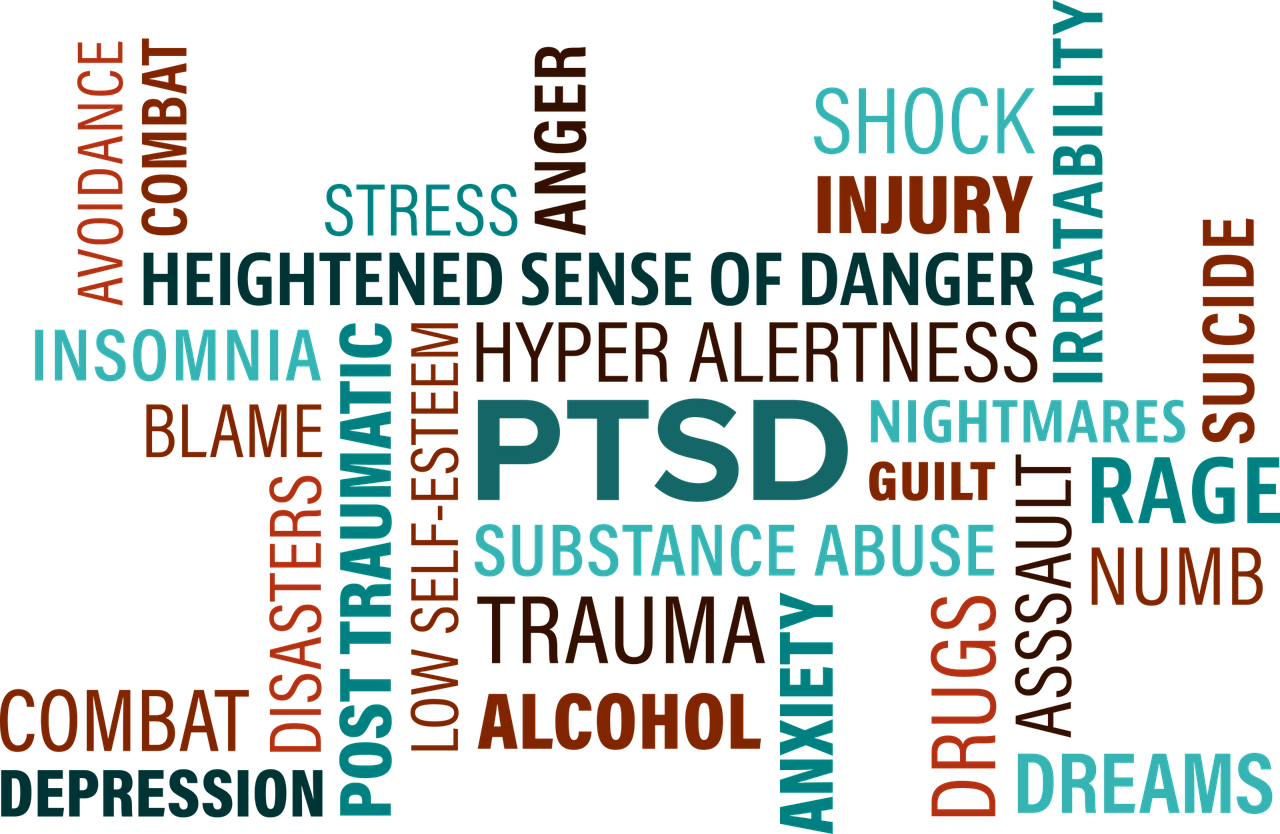
8 warning signs you have PTSD.

By David Joel Miller, MS, Licensed Therapist & Licensed Counselor.

Words about PTSD

PTSD.
Photo courtesy of Pixabay.com

Could you have PTSD?

There is a whole lot more Posttraumatic Stress Disorder (PTSD) around than we would like to recognize. People struggle with the symptoms, sometimes for a lifetime. Often they think they are weak or crazy when in fact they have a recognized illness. PTSD is treatable if only those who have it would seek help.

There are three main causes of PTSD. One huge source of the illness is living through the horrors of war, either as a combatant or a civilian in a war zone. The recurring theme of so many young Americans sent off to wars in distant lands guarantee’s that we will be seeing an expanding number of PTSD cases for years to come.

Other large groups with PTSD are children who were abused and those who have been victims of domestic violence. There can be other sources of PTSD, such as witnessing a violent death or living through a natural disaster.

So what are the warning signs that you or someone you know has PTSD?

With PTSD you relive the horror day after day.

If the memory never goes away, you have recurrent thoughts about that time, that place, and it upsets you, these are all signs of PTSD. The key here is, are the thoughts intrusive? Some people especially young children get “stuck” they relive the events over and over, incorporating the things they have experienced into their play and their daily routines

The pain of PTSD follows you into your dreams.

We all have dreams; the mind tries to work out problems and save memories. Dreams in PTSD are different. The same dream recurs. It is as if you are living through the event all over again. People with PTSD can wake up screaming. If you are afraid to go to sleep for fear you will have that dream again or you don’t remember the last time you had a full night’s sleep you should be checked out for PTSD.

The feeling that the trauma is still happening is a sign of PTSD.

The trauma does not slip into the past. Every day you live through it again. This feeling of reliving the horror can be heightened by alcohol, some drugs, or a new traumatic event.

If you avoid feelings, thoughts and can’t talk about the trauma it may be PTSD.

Many returning veterans have never been able to talk about the things they experienced. When they do talk, it is usually only with other military veterans who have had similar experiences. Many with PTSD are never able to talk about their trauma outside a peer group.

Avoiding anything that reminds you of the trauma is a symptom of PTSD.

Holiday celebrations, people who wear particular cultural styles of clothing, smells, and ethnic foods, all of these can trigger a recurrence of symptoms. These recurrences are not just memories but reliving both the facts and the feelings of the first event. People with PTSD may panic and be unable to be around particular things that remind them of the traumatic incident.

Blackouts and memory gaps are common in people with PTSD.

People with PTSD may be horrifically frightened of things that remind them of the trauma but unable to recall large parts of the incident. Frequently important facts are forgotten. They see small details with great accuracy but other important parts of the story are lost in the fog.

With PTSD you experience a loss of connection.

People with PTSD lose interest in people and things around them. They find it difficult to participate in activities with others. They may become detached or unable to feel. They don’t see themselves as having a future, no family, no career. They don’t expect to live long.

Lots of episodes of sudden excessive emotions may be PTSD.

If you have PTSD you may suddenly become angry. You may be extra anxious, jump at the smallest sound. You may have trouble concentrating, be irritable, and unable to relax or sleep.

A precise diagnosis of PTSD should be made by a professional. There are other illnesses and problems that could resemble this condition. But if you experienced trauma you probably recognized yourself in this list.

For more information on Stress and PTSD see:

Posttraumatic Stress Disorder – PTSD and bouncing back from adversity

Posttraumatic Growth (PTG) vs. Posttraumatic Stress Disorder

Acute Stress Disorder vs. PTSD 

Staying connected with David Joel Miller

Seven David Joel Miller Books are available now!

My newest book is now available. It was my opportunity to try on a new genre. I’ve been working on this book for several years, but now seem like the right time to publish it.

Story Bureau.

Story Bureau is a thrilling Dystopian Post-Apocalyptic adventure in the Surviving the Apocalypse series.

Baldwin struggles to survive life in a post-apocalyptic world where the government controls everything.

As society collapses and his family gets plunged into poverty, Baldwin takes a job in the capital city, working for a government agency called the Story Bureau. He discovers the Story Bureau is not a benign news outlet but a sinister government plot to manipulate society.

Bumps on the Road of Life. Whether you struggle with anxiety, depression, low motivation, or addiction, you can recover. Bumps on the Road of Life is the story of how people get off track and how to get your life out of the ditch.

Dark Family Secrets: Doris wants to get her life back, but small-town prejudice could shatter her dreams.

Casino Robbery Arthur Mitchell escapes the trauma of watching his girlfriend die. But the killers know he’s a witness and want him dead.

Planned Accidents  The second Arthur Mitchell and Plutus mystery.

Letters from the Dead: The third in the Arthur Mitchell mystery series.

What would you do if you found a letter to a detective describing a crime and you knew the writer and detective were dead, and you could be next?

Sasquatch. Three things about us, you should know. One, we have seen the past. Two, we’re trapped there. Three, I don’t know if we’ll ever get back to our own time.

For these and my upcoming books; please visit my Author Page – David Joel Miller

Want the latest blog posts as they publish? Subscribe to this blog.

For videos, see: Counselorssoapbox YouTube Video Channel

13 Ways to Make Yourself Miserable.

By David Joel Miller, MS, Licensed Therapist & Licensed Counselor.

Unhappy emoticon

Unhappy.
Photo courtesy of Pixabay.com

How to create a miserable life – let me count the ways.

1. Require yourself to be perfect.

No matter how well you do at anything, tell yourself you should have done better. Flog yourself repeatedly because you “should have” done better. Carefully avoid ever giving yourself credit for anything you ever do right.

2. Compare yourself to others constantly.

Look for someone who is taller, smarter, richer, or better looking. Keep comparing yourself until you find people who were better at something than you. Did you win a gold medal at the Olympics? Was there someone who won two? Did someone win 5 or 7 once? Did a medalist run for Congress? There must be someone out there who was better than you!

3. Discount all your accomplishments.

Did you get the highest score on a test? Well, you should have done better. You were just lucky that day. Tell yourself that your accomplishment is no big thing. Do it right ten times in a row, remind yourself that you might fail next time.

4. Call yourself names.

Remember to call yourself stupid or ugly several times a day. Repeat over and over “I am a loser.” Need help thinking of insults? Call those around you names and encourage them to call you names back.

5. Focus on your disabilities.

Remind yourself that you are too tall or too short. Can you claim to be too dumb or too smart? Anything can be a disability if you can find a way to allow this to hold you back.

6. If someone gives you a compliment toss it back.

Instantly dismiss any compliments. If they really knew you they would not have said that. You know you are not worthy. It was no big deal. Anyone else would have done it better, right?

7. Become indignant when anyone criticizes you.

How dare them to criticize a helpless person like you. Do not ever take any critique in a positive way. If you are not the best at something know it is because you are worthless not because you have something yet to learn. Make no effort to improve yourself and remind yourself that they are just criticizing you because they hate you and think you are worthless.

8. Self-sabotage.

If things start going too good mess it up. Get drunk, do some drugs, gamble it all away. No point in being good if you can’t have fun. No reason to have fun if you can’t take it to revolting extremes.

9. Hang out with negative people who will agree that you should be miserable.

Avoid those suspicious positive people. Look for the Gloomy Gus’s of the world. They know what is up and will not mislead you with any of that happiness stuff.

10. Never do something when you can complain.

Take no action that might change anything. Especially avoid changing you. Make sure you complain often and loudly until someone agrees with you that things are bad and you are worse.

11. Neglect self-care – you don’t deserve it.

Taking care of yourself is a waste of time and money. A miserable person does not deserve anything and you are out to deprive yourself as much as possible.

12. Make lists of things that could go wrong.

Look for misery anywhere you can find it. Catalog all the things that could go wrong. Watch the news and look for the awaiting catastrophes.  Imagine all the failures and diseases you or your family could get and hide from them. Worry about what could go wrong but under no circumstance should you do anything to prevent catastrophes or protect yourself.

13. Work at a job you hate.

Pick a dead-end job and stay there until you die. Carefully avoid any effort to improve your job or career. Never get more education or learn new skills. There is no point in trying as you know that happiness is an illusion and everyone hates their job. If you start to like your job become suspicious and quit. Take a new job that is less rewarding. Good things can’t last so if this is too enjoyable it is bound to go wrong soon.

This blog was inspired by a post of Tim Brownson on Steven Aitchison’s blog CYT (Change Your Thinking)

Tim’s post started as 12 ways but ended as 14 ways. Since I was not sure that would be enough ways to create misery I have come up with 13 more ways. If you need more ways to be miserable check out the list at CYT.

Now should you decide you have had enough misery and want some recovery, try doing the opposite of these suggestions.

Any of you have other ways you have made yourself miserable that you would care to share? What are you doing to move from misery to happiness? What has worked to make your life happy?

Staying connected with David Joel Miller

Seven David Joel Miller Books are available now!

My newest book is now available. It was my opportunity to try on a new genre. I’ve been working on this book for several years, but now seem like the right time to publish it.

Story Bureau.

Story Bureau is a thrilling Dystopian Post-Apocalyptic adventure in the Surviving the Apocalypse series.

Baldwin struggles to survive life in a post-apocalyptic world where the government controls everything.

As society collapses and his family gets plunged into poverty, Baldwin takes a job in the capital city, working for a government agency called the Story Bureau. He discovers the Story Bureau is not a benign news outlet but a sinister government plot to manipulate society.

Bumps on the Road of Life. Whether you struggle with anxiety, depression, low motivation, or addiction, you can recover. Bumps on the Road of Life is the story of how people get off track and how to get your life out of the ditch.

Dark Family Secrets: Doris wants to get her life back, but small-town prejudice could shatter her dreams.

Casino Robbery Arthur Mitchell escapes the trauma of watching his girlfriend die. But the killers know he’s a witness and want him dead.

Planned Accidents  The second Arthur Mitchell and Plutus mystery.

Letters from the Dead: The third in the Arthur Mitchell mystery series.

What would you do if you found a letter to a detective describing a crime and you knew the writer and detective were dead, and you could be next?

Sasquatch. Three things about us, you should know. One, we have seen the past. Two, we’re trapped there. Three, I don’t know if we’ll ever get back to our own time.

For these and my upcoming books; please visit my Author Page – David Joel Miller

Want the latest blog posts as they publish? Subscribe to this blog.

For videos, see: Counselorssoapbox YouTube Video Channel
Millions about to catch a mental illness – The DSM-5

By David Joel Miller, MS, Licensed Therapist & Licensed Counselor.

Medical record

Diagnosis.
Photo courtesy of Pixabay.com

UPDATE – changes in the DSM-5

You can erase some of this post from your memory. Non-suicidal self-injury, Cutting did not make it and is stuck in the back – maybe section. During the process of updating the Diagnostic and Statistical Manual of Mental Disorders (DSM) from the DSM-IV to the DSM-5 a lot of things were proposed. Some of those suggested changes were instituted and others were left out. This post includes mostly ideas that did make it to the final DSM-5. Because these ideas were included in a lot of research articles and other blog posts I have left the post up but need to tell you that some of this information is now out of date.

Will you be cured or struck with a new mental illness next year?

The way we understand mental illness is about to change. When the DSM-5 is published about May of 2013, millions of people will find their mental health diagnosis suddenly shuffled. Several conditions that bring clients to therapy every day, that didn’t used to be disorders, will suddenly appear. Some old disorders will disappear or become merged with others. This happened before when Manic Depressive Disorder disappeared and the Bipolar Disorders in all their shades took its place.

We Counselors don’t write the book so we don’t get much say on these changes but in order to get our clients the help they need we have to play along with the changes the Psychiatrists make in the rule book. These new rules include the latest research and hopefully refine and improve the system we use to figure out what mental, emotional or behavior problems the client has.

The new book, DSM-5 is still under review but from the version on-line we can see a lot of the directions the new version will take. There is still time for some revisions to the new DSM, but most of these changes look pretty certain.  I have been reading the new version on-line trying to get myself mentally prepared for the changes. Here are some trends I see.

Anger becomes a Disease – sort of

We know that anger and the loss of control that comes with excess anger is a serious problem. There is a huge group of people who have been required to take an anger management class. So far anger has not been a diagnosis. We have tried to force the angry client into other existing diagnoses. Some people with anger are depressed, some are anxious some are just bad people, and so on.

Cognitive therapists have been saying for years, and I agree with this, that most anger management classes fail because they seek to teach clients how to control their anger after they are already angry. Having the person who is furious count to ten only delays the explosion. The time to intervene is teaching the client not to “anger themselves” in the first place. You read that right. Others do not “make us angry” we “anger ourselves” when they don’t do what we want them to.

So we need a specific diagnosis for people who anger themselves too much and then lose control.  With kids we were calling this “Disruptive Behavior Disorder” or “Oppositional Defiant Disorder” sometimes this means blaming them as in “bad kid” diagnoses. We need to try to find ways to help kids learn new approaches. With adults, they became “depressed or anti-social, or worse.

The new label for this problem will become “Disruptive Mood Dysregulation Disorder”

Cutting and Self Mutilation becomes a disorder.

Cutting and all the other self-mutilating behaviors are a huge problem. Parents call or bring their kids in because of this all the time. There are hundreds of books on the subject and lots of research that says this is a distinct, separate disorder. But up till the DSM-5 we had to shoehorn this into something else.

The confounding issue here is that most self mutilators do not want to die. This is most often not a suicide attempt. It is also most often, though not always, not an attention-seeking behavior. Self mutilators do it repeatedly and in places where others can’t see. They use this behavior to regulate emotions.

The confounding problem, self mutilators feel bad and sometimes they do decide to commit suicide.

This problem seems destined to soon become a disorder all on its own called “Non-suicidal Self Injury.”

In the future, you won’t outgrow your diagnosis

We have had separate names for the problems that children get. Sometimes the problem stays the same but every few years we change the diagnosis. We have had a whole chapter of problems that get first diagnosed in infancy, childhood, and adolescence.  This will go away. Yes, kids can be depressed. I have seen video footage of a new-born in the hospital who showed significant sadness when mom and dad stopped paying attention to him. So if parents were to neglect a child, could the child become depressed? Sure they could. The more the parents neglect the more depressed the child becomes.

So rather than separating childhood depression and anxiety, we can think of them as the same as grown-up mental illnesses only in children the symptoms may look a little different. When they are sad the child cries and dad drinks, two different behaviors but the same emotion.

Asperger’s is about to be cured.

Suddenly in one day, everyone with Asperger’s will stop having Asperger’s. The same thing will happen to Pervasive Developmental Disorder NOS. Don’t get too excited. Within minutes they will all have caught Autism.

Why this change? Researchers have come to doubt this pigeonhole approach. The characteristics of lots of the mental illnesses we think of as separate conditions are in fact just varying degrees of symptoms of the same disorder. So rather than splitting hairs on which name we call this, we are going to think of this as a continuum and say all these people have more or less similar symptoms just some are more serious and profound than others.

So in the future, all these people will have one diagnosis but we will look at the way the symptoms affect the individual. We hope this is progress. One problem though. In the past, the treatment, especially who would pay for treatment, depended on the label. Schools, insurance companies, and regulators may need to figure this one out. How will they decide how severe your autism needs to be before someone will pay to get you treated? We think we know that the sooner this condition gets treated, even mild cases, the better the child will do throughout their whole life.

That’s enough of this for one post, more about the DSM-5 to come in the future.

Bottom line, the DSM-5 in mid-2013 will make some changes to the way we think about mental illnesses and possible the way they get treated.

Staying connected with David Joel Miller

Seven David Joel Miller Books are available now!

My newest book is now available. It was my opportunity to try on a new genre. I’ve been working on this book for several years, but now seem like the right time to publish it.

Story Bureau.

Story Bureau is a thrilling Dystopian Post-Apocalyptic adventure in the Surviving the Apocalypse series.

Baldwin struggles to survive life in a post-apocalyptic world where the government controls everything.

As society collapses and his family gets plunged into poverty, Baldwin takes a job in the capital city, working for a government agency called the Story Bureau. He discovers the Story Bureau is not a benign news outlet but a sinister government plot to manipulate society.

Bumps on the Road of Life. Whether you struggle with anxiety, depression, low motivation, or addiction, you can recover. Bumps on the Road of Life is the story of how people get off track and how to get your life out of the ditch.

Dark Family Secrets: Doris wants to get her life back, but small-town prejudice could shatter her dreams.

Casino Robbery Arthur Mitchell escapes the trauma of watching his girlfriend die. But the killers know he’s a witness and want him dead.

Planned Accidents  The second Arthur Mitchell and Plutus mystery.

Letters from the Dead: The third in the Arthur Mitchell mystery series.

What would you do if you found a letter to a detective describing a crime and you knew the writer and detective were dead, and you could be next?

Sasquatch. Three things about us, you should know. One, we have seen the past. Two, we’re trapped there. Three, I don’t know if we’ll ever get back to our own time.

For these and my upcoming books; please visit my Author Page – David Joel Miller

Want the latest blog posts as they publish? Subscribe to this blog.

For videos, see: Counselorssoapbox YouTube Video Channel

Licensed Professional Clinical Counselors (LPCC) in California

By David Joel Miller, MS, Licensed Therapist & Licensed Counselor.

Counseling questions

Counseling questions.
Photo courtesy of Pixabay.com

LPCC’s off to a slow start.

LPCC licenses are being issued. My notice arrived in the mail this week. My license number LPC-15.

I had expected a much higher number. My Marriage and Family Therapist license is number 45390. I feel sure the number of Licensed Clinical Social Workers is a lot higher than that.

We sure seem to be off to a slow start. But when I consider that California is the last state to begin to license LPCC’s or any other kind of Professional Counselor it is not surprising that there are so few to start. I think there is a difference in the things the two specialties do and so evidently does the licensing board.

The differences between the professions are the reason why I elected to apply and test for a second license despite having my LMFT license. To those of you outside California, this probably all sounds a lot strange.

The growing recognition that mental health is a vitally important field and we need a lot more practitioners has resulted in the creation of new specialties and licenses. The names and the regulations vary a lot from state to state and country to country.

Let us only hope that the creation of more titles does not confuse the clients.

If you have questions on the various mental health professions please ask and I will try to answer them to the best of my abilities.

With the issuing of these licenses does it make sense that in California Substance Abuse Counselors are only registered not licensed? And why does it look like no one regulates “Life Coaches” despite the apparent similarities to therapy in what they say they do?

I am guessing that someone is likely to propose licensing Substance Abuse Councilors and Life Coaches soon.

Staying connected with David Joel Miller

Seven David Joel Miller Books are available now!

My newest book is now available. It was my opportunity to try on a new genre. I’ve been working on this book for several years, but now seem like the right time to publish it.

Story Bureau.

Story Bureau is a thrilling Dystopian Post-Apocalyptic adventure in the Surviving the Apocalypse series.

Baldwin struggles to survive life in a post-apocalyptic world where the government controls everything.

As society collapses and his family gets plunged into poverty, Baldwin takes a job in the capital city, working for a government agency called the Story Bureau. He discovers the Story Bureau is not a benign news outlet but a sinister government plot to manipulate society.

Bumps on the Road of Life. Whether you struggle with anxiety, depression, low motivation, or addiction, you can recover. Bumps on the Road of Life is the story of how people get off track and how to get your life out of the ditch.

Dark Family Secrets: Doris wants to get her life back, but small-town prejudice could shatter her dreams.

Casino Robbery Arthur Mitchell escapes the trauma of watching his girlfriend die. But the killers know he’s a witness and want him dead.

Planned Accidents  The second Arthur Mitchell and Plutus mystery.

Letters from the Dead: The third in the Arthur Mitchell mystery series.

What would you do if you found a letter to a detective describing a crime and you knew the writer and detective were dead, and you could be next?

Sasquatch. Three things about us, you should know. One, we have seen the past. Two, we’re trapped there. Three, I don’t know if we’ll ever get back to our own time.

For these and my upcoming books; please visit my Author Page – David Joel Miller

Want the latest blog posts as they publish? Subscribe to this blog.

For videos, see: Counselorssoapbox YouTube Video Channel

Is it Complex Grief, Depression or Bereavement?

Bereavement

Bereavement, grief, and loss.
Picture courtesy of Pixabay.

By David Joel Miller, MS, Licensed Therapist & Licensed Counselor.

Just what is Complex Grief, compound grief and why have people been asking about them recently?

Complex grief is also called complicated grief, traumatic grief, prolonged grief, chronic grief, or extreme grief.

The Idea behind Compound grief and its many other labels is that while most everyone experiences grief at some point in their life, sometimes that grief becomes debilitating and people with these issues need help. The questions become, is this a mental illness and how should people with severe grief issues be helped.

One thing therapy shouldn’t do is turn everyone into a mental patient and start requiring treatment for all. In professional lingo, this is called pathologizing clients. There is plenty to do helping people who genuinely need help so we don’t need to enlarge the number of disorders just to keep counselors busy.

Grief is a normal part of life. People we love die. The loss of a close family member should make you sad. When does this move from a normal part of life to a disorder requiring treatment? And who should pay for this? Insurance companies may cover necessary treatment but they will draw the line if normal human emotions become the subject of treatment. The more diseases we create the more health care will cost. Besides if someone really has an extreme impairment as a result of bereavement that becomes Major Depression and gets treated right? Not exactly.

Currently, grief is excluded from the DSM-4 criteria for depression. The reasoning for this was that if everyone is likely to experience this sooner or later, then it is not a mental illness. Just how much the death of a family member is expected to affect us is mostly a result of culture. Some cultures mourn for a year or more. The widow or widower wears black and is granted time to grieve their loss.

In western society, we limit grief to 60 days. Many other acute life events are limited to 30 days. After that, you are supposed to get back to work and living. Since the DSM guide to mental illnesses is published by the American Psychiatric Association it reflects American and western values. That may not be appropriate for people of other cultures regardless of where they live.

Currently, the loss of a close person is included in the DSM as V62.82 Bereavement. V codes normally are not covered by most insurance plans. At least two factions are working to change this.

Those who are working on the new DSM-5 report that Complex grief is a disorder proposed by groups outside the APA which is being considered. Additionally, people within the APA have suggested removing the exclusion for grief from the definition of Major Depressive Disorder. That would result in more people who have severe symptoms as a result of grief getting treatment under the Depression code. I suspect that in practice most clinicians, after a while, go ahead and give the diagnosis of depression, grief, or no, after the client has had problems for a while.

But there is another problem with all this increasing of treatment for grieving people. A specialty is growing up of practitioners who say they specialize in “grief counseling.” The research has not been kind to some of those “Grief counselors.” Some grief counseling seems to do more harm than good.

Personally, I am all for helping people who need help but the idea that we might evolve a subspecialty of counselors who are doing harm not good worries me. Complex grief is not the only area where we have a risk of doing more harm than good.

Some of the treatments for PTSD and other trauma counseling have the potential to make the victim relive the experience, rather than allowing them to heal. The repeated exposure to the trauma may retraumatize the client and makes them worse.

Not everyone who experiences the loss of a loved one has symptoms we might call complex grief. People with a past history of Major Depression are more likely to become depressed again if someone close to them dies. So is this a new disorder “complex grief” or is this a reemergence of Major Depression? Add a second stressor like financial problems, divorce, alcoholism, or addiction and the loss of a loved one is more likely to affect people’s functioning.

People with multiple losses are more at risk and so are people who have a loss in early life and then experience a loss again. If you lose a parent as a child, are you more likely to feel sad when someone else dies in your life? Does that make the second loss a mental illness?

Men and women differ in the way they show grief, so do people of different cultures. We would want to avoid creating a mental illness that only one sex or culture gets diagnosed with. But then we already have several that are more likely to be given to women than men.  Does that mean that there is a difference in the mental health of one sex or the other or only that we are defining the emotions of women and ways they express them as a mental illness?

Professionals don’t all agree on this.

So what do I think will happen? Wish my crystal ball was clearer. My guess is that we will not add complex grief as a new disorder. The APA looks poised to soften the criteria for Major Depression and let some people who are suffering from depression as a result of a traumatic loss get more help.

I also expect to see more peer and self-help groups with or without professional assistance.

So what do you think? Is complex different from normal grief? Should it be a separate diagnosed mental illness or is it a normal human emotion?

This post was featured in “Best of Blog – May 2012

Staying connected with David Joel Miller

Seven David Joel Miller Books are available now!

My newest book is now available. It was my opportunity to try on a new genre. I’ve been working on this book for several years, but now seem like the right time to publish it.

Story Bureau.

Story Bureau is a thrilling Dystopian Post-Apocalyptic adventure in the Surviving the Apocalypse series.

Baldwin struggles to survive life in a post-apocalyptic world where the government controls everything.

As society collapses and his family gets plunged into poverty, Baldwin takes a job in the capital city, working for a government agency called the Story Bureau. He discovers the Story Bureau is not a benign news outlet but a sinister government plot to manipulate society.

Bumps on the Road of Life. Whether you struggle with anxiety, depression, low motivation, or addiction, you can recover. Bumps on the Road of Life is the story of how people get off track and how to get your life out of the ditch.

Dark Family Secrets: Doris wants to get her life back, but small-town prejudice could shatter her dreams.

Casino Robbery Arthur Mitchell escapes the trauma of watching his girlfriend die. But the killers know he’s a witness and want him dead.

Planned Accidents  The second Arthur Mitchell and Plutus mystery.

Letters from the Dead: The third in the Arthur Mitchell mystery series.

What would you do if you found a letter to a detective describing a crime and you knew the writer and detective were dead, and you could be next?

Sasquatch. Three things about us, you should know. One, we have seen the past. Two, we’re trapped there. Three, I don’t know if we’ll ever get back to our own time.

For these and my upcoming books; please visit my Author Page – David Joel Miller

Want the latest blog posts as they publish? Subscribe to this blog.

For videos, see: Counselorssoapbox YouTube Video Channel

People are like them trees.

By David Joel Miller, MS, Licensed Therapist & Licensed Counselor.

Tree

Tree.

“People are like them trees,” the old man said as he pointed out the window. I must have looked at him like he was crazy because he started to explain.

“Ain’t a one of them that grows straight up to the sky, not one! Some of them look straight from far off but when you get to looking right up close they everyone gots their scars.”

“They start off all looking straight; we stake them up nice and neat but sooner or later we takes the stakes off and then the tree has to grow on their own. People try to do that with their kids, stake them up, fence them round and keep them growing up on the straight. But eventually, the parents got to back off and let the kids grow on their own just like we do them trees.”

“Trees grow for a while and then they take off in one direction or other, eventually they end goin off this way or that and then they head back towards the light and grow a different way. Lots of twists and turns in direction we all have.” Had to agree with that one, not many people grow up and grow out in the same direction I thought. “We need to change direction from time to time just like them trees.”

“Sometimes them trees get pruned back, branches cut off. Life done pruned me some, recon it pruned you too” he said and gave me a glance. I had to agree my life had changed direction, been pruned a few times too. Some of that pruning hurts at the time even when it makes you grow straighter, I thought.

“Look at that one there,” he said, pointing to one large tree with a lot of branches going every which way. “He been reaching out for a long time trying to find the sun when all the time it is up there above him. We peoples look all around for happiness and don’t even know it is there like the sun for the taking long as we don’t keep grown after every which way thing.”

The longer I looked the more I could see how he was right. Trees have knots and scars just like us. But they keep on growing, growing towards the light. Trees like people grow up or we die.

“What kind of tree are you?” He asked. I said I didn’t know exactly, just one that kept changing direction looking for the light.

Never thought about it that way I said to the old man. Mind if I share the “people are like trees” idea with some other folks? “Go right ahead,” he said. “Can’t recall who told me.”

Ever since our talk, I have been thinking about the way my life keeps changing direction but keeps reaching for the sky. What will this tree of my life look like when it is done growing?

Say what do you think? What kind of tree are you?

Staying connected with David Joel Miller

Seven David Joel Miller Books are available now!

My newest book is now available. It was my opportunity to try on a new genre. I’ve been working on this book for several years, but now seem like the right time to publish it.

Story Bureau.

Story Bureau is a thrilling Dystopian Post-Apocalyptic adventure in the Surviving the Apocalypse series.

Baldwin struggles to survive life in a post-apocalyptic world where the government controls everything.

As society collapses and his family gets plunged into poverty, Baldwin takes a job in the capital city, working for a government agency called the Story Bureau. He discovers the Story Bureau is not a benign news outlet but a sinister government plot to manipulate society.

Bumps on the Road of Life. Whether you struggle with anxiety, depression, low motivation, or addiction, you can recover. Bumps on the Road of Life is the story of how people get off track and how to get your life out of the ditch.

Dark Family Secrets: Doris wants to get her life back, but small-town prejudice could shatter her dreams.

Casino Robbery Arthur Mitchell escapes the trauma of watching his girlfriend die. But the killers know he’s a witness and want him dead.

Planned Accidents  The second Arthur Mitchell and Plutus mystery.

Letters from the Dead: The third in the Arthur Mitchell mystery series.

What would you do if you found a letter to a detective describing a crime and you knew the writer and detective were dead, and you could be next?

Sasquatch. Three things about us, you should know. One, we have seen the past. Two, we’re trapped there. Three, I don’t know if we’ll ever get back to our own time.

For these and my upcoming books; please visit my Author Page – David Joel Miller

Want the latest blog posts as they publish? Subscribe to this blog.

For videos, see: Counselorssoapbox YouTube Video Channel