
Finding a marriage counselor who can help.

By David Joel Miller, MS, Licensed Therapist & Licensed Counselor.

Old car

Getting better marriage mileage.
Photo courtesy of Pixabay.com

How do you select a marriage counselor?

Picking the right counselor for you can be difficult when you are dealing with your issues, but in couples counseling, there are added factors to consider.

The heat of the conflict between two people can make the whole process of agreeing to see a marriage therapist difficult, selecting that helping person, can take some effort at negotiation also. Here are some suggestions.

Make the counselor choice when both of you are feeling calm.

The middle of a fight may be the time one of you says for the first time “We need to go for counseling.” This might be the time to agree that you will go but it is not the best of times to make that selection.

Plan a time to sit down and discuss the selection process when you both are feeling less angry.

If your partner feels forced or manipulated into seeing a counselor you have chosen they are likely to be resistant to the process.

Don’t keep putting the problem off because some days things go better.

If you are having relationship problems the sooner you begin to work on these problems the more likely you are to find solutions that will work for both of you. Too often couples wait until the wreckage of repeated fights leaves them both convinced that even if the situation changes they still would want out of this relationship.

Every relationship has its ups and downs. When you are having that rough patch one of you may be thinking the worst. The times that you are able to talk with each other rationally are the best time to make progress.

Relationship counseling does not always need to be a long-drawn-out process. If you both approach it with the desire to work out your problems things may improve more quickly than you expect. Sometimes it is a matter of learning new skills or getting another perspective.

Don’t go to counseling to prove who is right or wrong.

A good marriage counselor will not solve the problems for you. They should never take sides. You will waste lots of time and money trying to be right and the result will be that both parties will leave the relationship angry and bitter.

Figuring out who is right is the job of a judge when you go to end the marriage. If you are stuck on making your partner the cause of the problems then you can’t focus on the solution.

The goal of counseling should be to find common ground, things you can agree on.

Repairing the damage is far more important than beating your partner into submission. Couples who stay together learn to see things from their partner’s viewpoint rather than becoming good at making that partner wrong.

Pick a counselor you both think can help you.

The best predictor of success in therapy is the client’s belief that the counselor can help. Pick someone you both feel will be helpful. If you don’t know a marriage counselor research those in your area. Some people travel long distances to see a really good therapist.

It is perfectly acceptable to interview the counselor when you call. Make sure you also feel comfortable with the office staff; can you call and reschedule an appointment? Is the receptionist helpful? Do they return calls?

How does this therapist help couples?

Some professionals believe every couple who comes for therapy should stay married; they may call themselves divorce busters. Other professionals may recommend divorce to a high percentage of their clients.

There was a time when therapists mainly listened to you without comment. Is that what you want? Other practitioners are more directive, they do exercises or activities in session, have you rehearse skills, and assign homework for you to do out of session. Which approach sounds most helpful to you?

Be honest with the therapist and yourself.

If you have decided you want a divorce but have been afraid to say so being in the room with a neutral mediator may help.

If your choice is to stay married? What are you willing to change about yourself to make this work? There are ways to influence your partner (see getting others to change post) but the fastest way to see things improve is often to change yourself. Changing you may require giving up that resentment you use over and over to beat your partner into submission.

Many couples come in unsure if they want to stay together. They know there are things about their partner that drew them together and things that are pushing them apart. One day they want to stay married and the next they think it is over. In couples like this, the “leaver” and the “stayer” may shift back and forth from day-to-day.

What do you think? If you have been for marriage counseling what was helpful and what was not?

For more on this topic also see:

Why men fear marriage counseling 

Will marriage Counseling help

Staying connected with David Joel Miller

Seven David Joel Miller Books are available now!

My newest book is now available. It was my opportunity to try on a new genre. I’ve been working on this book for several years, but now seem like the right time to publish it.

Story Bureau.

Story Bureau is a thrilling Dystopian Post-Apocalyptic adventure in the Surviving the Apocalypse series.

Baldwin struggles to survive life in a post-apocalyptic world where the government controls everything.

As society collapses and his family gets plunged into poverty, Baldwin takes a job in the capital city, working for a government agency called the Story Bureau. He discovers the Story Bureau is not a benign news outlet but a sinister government plot to manipulate society.

Bumps on the Road of Life. Whether you struggle with anxiety, depression, low motivation, or addiction, you can recover. Bumps on the Road of Life is the story of how people get off track and how to get your life out of the ditch.

Dark Family Secrets: Doris wants to get her life back, but small-town prejudice could shatter her dreams.

Casino Robbery Arthur Mitchell escapes the trauma of watching his girlfriend die. But the killers know he’s a witness and want him dead.

Planned Accidents  The second Arthur Mitchell and Plutus mystery.

Letters from the Dead: The third in the Arthur Mitchell mystery series.

What would you do if you found a letter to a detective describing a crime and you knew the writer and detective were dead, and you could be next?

Sasquatch. Three things about us, you should know. One, we have seen the past. Two, we’re trapped there. Three, I don’t know if we’ll ever get back to our own time.

For these and my upcoming books; please visit my Author Page – David Joel Miller

Want the latest blog posts as they publish? Subscribe to this blog.

For videos, see: Counselorssoapbox YouTube Video Channel

Will marriage counseling help?

By David Joel Miller, MS, Licensed Therapist & Licensed Counselor.

End of Marriage

Marriage mistakes.
Photo courtesy of Pixabay.com

How do you get the most from marriage counseling?

Not all marriage counseling results in couples staying together. Occasionally the problem is the fit between the two parties, they should never have married. Most of the time the problem is in the individuals. Pick a new partner and you will get a new set of problems.

What do you need to do to get the most from this marriage counseling experience?

For marriage counseling to be helpful there are two things that need to happen. You need to pick the right counselor and you need to go into this experience with the right goals and attitudes. See my posts on “Why men fear marriage counseling” and “Picking the right counselor for you.

Be serious about investing your time in counseling.

How many hours a week do you spend fighting? Do you spend a lot of time complaining to others about your partner? Do the hours of the week include lots of time for misery?

People tell me that their poor relationship is destroying their life, interfering with their work, and keeping them from having a happy life.

Then they tell me they are not sure they can fit an hour appointment in their schedule. Working on a relationship takes time and effort.

Why wait till after the divorce to come for therapy because of your anger or depression?

Lots of individual counseling I do is actually “post-divorce therapy.” People get divorced thinking that will make them happy and find they are still unhappy.

Be serious about investing your money in counseling.

People spend hundreds on nights out, concert tickets, new clothes, or hair appointments and then say they can’t afford marriage counseling.

If you have children the court-ordered medication and counseling for the children will cost a lot more than what you might have invested in marriage counseling.

How much of your money is spent in the pursuit of happiness? Consider going to counseling an investment in yourself, in learning the skills you will need to get along with a partner or to be happy without them.

Don’t keep putting the problem off because some days things go better.

If you are having relationship problems the sooner you begin to work on these problems the more likely you are to find solutions that will work for both of you. Too often couples wait until the wreckage of repeated fights leaves them both convinced that even if the situation changes they still would want out of this relationship.

Every relationship has its ups and downs. When you are having that rough patch, one of you may be thinking the worst. During the times that you are able to talk with each other rationally is the best time to make progress.

Relationship counseling does not always need to be a long-drawn-out process. If you both approach it with the desire to work out your problems things may improve more quickly than you expect. Sometimes it is a matter of learning new skills or getting another perspective.

Don’t go to counseling to prove who is right or wrong.

A good marriage counselor will not solve the problems for you. They should never take sides. You will waste lots of time and money trying to be right and the result will be that both parties will leave the relationship angry and bitter.

Figuring out who is right is the job of a judge when you go to end the marriage. If you are stuck on making your partner the cause of the problems then you can’t focus on the solution.

The goal in counseling should be to find common ground, things you can agree on.

Repairing the damage is far more important than beating your partner into submission. Couples who stay together learn to see things from their partner’s viewpoint rather than becoming good at making that partner wrong.

Be honest with the therapist and yourself.

If you have decided you want a divorce but have been afraid to say so, being in the room with a neutral mediator may help.

If your choice is to stay married? What are you willing to change about yourself to make this work? There are ways to influence your partner (see getting others to change posts) but the fastest way to see things improve is often to change yourself. Changing you may require giving up that resentment you use over and over to beat your partner into submission.

Many couples come in unsure if they want to stay together. They know there are things about their partner that drew them together and things that are pushing them apart. One day they want to stay married and the next they think it is over. In couples like this, the “leaver” and the “stayer” may shift back and forth from day-to-day.

See also:

Finding a marriage counselor who can help

Why men fear marriage counseling

Staying connected with David Joel Miller

Seven David Joel Miller Books are available now!

My newest book is now available. It was my opportunity to try on a new genre. I’ve been working on this book for several years, but now seem like the right time to publish it.

Story Bureau.

Story Bureau is a thrilling Dystopian Post-Apocalyptic adventure in the Surviving the Apocalypse series.

Baldwin struggles to survive life in a post-apocalyptic world where the government controls everything.

As society collapses and his family gets plunged into poverty, Baldwin takes a job in the capital city, working for a government agency called the Story Bureau. He discovers the Story Bureau is not a benign news outlet but a sinister government plot to manipulate society.

Bumps on the Road of Life. Whether you struggle with anxiety, depression, low motivation, or addiction, you can recover. Bumps on the Road of Life is the story of how people get off track and how to get your life out of the ditch.

Dark Family Secrets: Doris wants to get her life back, but small-town prejudice could shatter her dreams.

Casino Robbery Arthur Mitchell escapes the trauma of watching his girlfriend die. But the killers know he’s a witness and want him dead.

Planned Accidents  The second Arthur Mitchell and Plutus mystery.

Letters from the Dead: The third in the Arthur Mitchell mystery series.

What would you do if you found a letter to a detective describing a crime and you knew the writer and detective were dead, and you could be next?

Sasquatch. Three things about us, you should know. One, we have seen the past. Two, we’re trapped there. Three, I don’t know if we’ll ever get back to our own time.

For these and my upcoming books; please visit my Author Page – David Joel Miller

Want the latest blog posts as they publish? Subscribe to this blog.

For videos, see: Counselorssoapbox YouTube Video Channel

Why men fear marriage counseling.

By David Joel Miller, MS, Licensed Therapist & Licensed Counselor.

Couple

Why men fear marriage counseling.
Photo courtesy of Pixabay

Why men would rather ship out to a combat zone than go to marriage counseling.

There are a whole lot of reasons that men cringe in terror when they hear those dreaded words “we have a problem” or “we need to go for marriage counseling. They have good reasons to be terror-struck. I would want to avoid it also if I were in their shoes, except that I am a Licensed Marriage Therapist and have to do this sometimes. Here are some of the reasons men avoid marriage therapy.

Men do not talk about problems, they fix them.

Men, many of them, come from a culture that does not talk about feelings. When they feel sad or frustrated they do not talk – they do.  No young boy is taught that when he misses a shot in basketball he should sit and have a good cry and talk about it for a while. He is told to shake it off and get back in there and try again.

If he stopped to engage his feelings even his own mother, a man’s blueprint for how to be around women, might call him a sissy and tell him to knock it off and be a man. Then he gets married and his wife wants him to be more like a woman and have feelings and sit and talk about them.

For most men experiencing feelings, like crying in front of others is the equivalent of being asked to cut off a couple of inches. The man’s answer is if the board is too big, let’s just make the shelf longer, but I am not cutting off anything.

Marriage counseling traditionally was a tag-team sport and the man got the beating.

Most marriage therapists are women. In California, the typical marriage counselor is a 55-year-old woman, who works 20 hours a week in private practice and mostly focuses on children and women’s issues. When I graduated there were only three men and row upon row of women getting their marriage counseling degree.

There are some great women therapists, unfortunately, there are also some who became therapists to fix themselves and they have the view that the problem is always the man.

A lot of men have come into my office and told me that the last “Marriage therapist kept telling their wife that the man was the problem and she should just leave him. You can take just so much of this tag team beating before you need to draw the line.

A good marriage counselor should never take sides. But under the circumstances, it happens way too much. The man is already being asked to be more sensitive, use his intuition, and talk about his feelings.

They expect to hear that who and what they are is not acceptable.

When a man gets an email that the boss needs to see him for a talk, what he hears is that he is about to get chewed out.

Women do not “invite” men to marriage counseling for fun. By the time it is said it is because the problem has reached the crisis stage. This request is likely to sound more like an invitation to a flogging than a request for a problem-solving session.

Most couples, members of both, even multiple sexes, want to find a solution to a problem for which there is no solution. Gottman found after studying what couples fight about, that the majority of things over which couples are fighting about are things that can’t be changed.

She liked how “exciting” he was, only now she wishes he would be more “responsible.” He liked how “stylish” she was; now he is complaining about how much she spends on makeup and clothes.

When one party in the relationship says we have a “communication problem” what they really mean is you are not doing what I want you to do.

Men, most of them, do not have a strong tradition as good communicators. No NFL player stops the talk over the possession of the ball.

Men are more accustomed to the idea that the more they talk over a problem the more they will lose.

The idea that there can be win-win solutions, activities, and exercises that help both parties get their needs met rather than one winning and the other losing is not something men expect to find in marriage counseling.

Even their mother wouldn’t do this to them.

Mothers, the good ones that inhabit myths and legends, love their sons unconditionally. They watched him grow up and know his weaknesses. Mom gave up trying to get him to stop burping at the table and leaving his dirty underwear on the living room floor a long time ago.

The wife is sure she married a fix-it-up-project and has begun from day one to try to make changes in her new acquisition.

Men can’t understand why that woman who loved him unconditionally a few weeks ago is now on the way home from the honeymoon trying to change every nook and cranny of her new possession.

Does this mean it is over?

By the time the couple gets to the marriage therapist’s office many times one or the other party has already decided that they want out. What the man may be hearing is that she set this up so she could have a witness to how unreasonable he is and why she should leave him.

Now what?

How do you get the man or woman in your life to go for relationship counseling before the train wreck? Is there really a way to get that man to come and talk to make things better?

Yes, there are ways to find a professional who can help you work through those issues and help make your relationship happier. The key is to find the right marriage counselor for you and your partner.

In an upcoming post, we will explore how to find a marriage counselor that can help you both find ways to meet your needs by staying in the marriage instead of running for the exit.

See also: Will marriage counseling help?

Finding a marriage counselor who can help 

Staying connected with David Joel Miller

Seven David Joel Miller Books are available now!

My newest book is now available. It was my opportunity to try on a new genre. I’ve been working on this book for several years, but now seem like the right time to publish it.

Story Bureau.

Story Bureau is a thrilling Dystopian Post-Apocalyptic adventure in the Surviving the Apocalypse series.

Baldwin struggles to survive life in a post-apocalyptic world where the government controls everything.

As society collapses and his family gets plunged into poverty, Baldwin takes a job in the capital city, working for a government agency called the Story Bureau. He discovers the Story Bureau is not a benign news outlet but a sinister government plot to manipulate society.

Bumps on the Road of Life. Whether you struggle with anxiety, depression, low motivation, or addiction, you can recover. Bumps on the Road of Life is the story of how people get off track and how to get your life out of the ditch.

Dark Family Secrets: Doris wants to get her life back, but small-town prejudice could shatter her dreams.

Casino Robbery Arthur Mitchell escapes the trauma of watching his girlfriend die. But the killers know he’s a witness and want him dead.

Planned Accidents  The second Arthur Mitchell and Plutus mystery.

Letters from the Dead: The third in the Arthur Mitchell mystery series.

What would you do if you found a letter to a detective describing a crime and you knew the writer and detective were dead, and you could be next?

Sasquatch. Three things about us, you should know. One, we have seen the past. Two, we’re trapped there. Three, I don’t know if we’ll ever get back to our own time.

For these and my upcoming books; please visit my Author Page – David Joel Miller

Want the latest blog posts as they publish? Subscribe to this blog.

For videos, see: Counselorssoapbox YouTube Video Channel
Ca. Professional Counselors – CALPCC and LPCC’s

By David Joel Miller, MS, Licensed Therapist & Licensed Counselor.

October CALPCC board meeting.

This year California became the 50th state to license Professional Counselors. The official designation in California is “Licensed Professional Clinical Counselor” LPCC for short. Other states had some form of professional counselor’s licensure before California, so we are still finding our way as this profession matures and adapts to California.

CALPCC, a non-profit organization, is the statewide organization for this new profession. Last weekend was the annual “retreat” for CALPCC’s board of directors which I was able to attend.

CALPCC has seen fit to appoint me to that board to fill out an open board member term. I am excited about this opportunity.

Some short recaps of what we talked about are below. Remember that as a new board member these are my impressions and that I can’t speak officially for the board. So any sentiments expressed are purely my own. Here are some of the questions that came up.

1. Why are Marriage and Family Therapists (MFT’s or LMFT’s) becoming LPCC’s also?

At least 4 of the CALPCC board members, myself included, are also licensed as LMFT’s so there was some discussion of why LMFT’s might want to also become LPCC’s.

My belief is that there are things that each profession does that the other does not do and to best serve my clients I needed to be trained in both areas.

Most LMFT’s work with couples, families, and sometimes children. Since I see some children, couples, and families I need to stay licensed, active and up to date in the LMFT field.

Much of my private practice is in individual counseling, particularly something I loosely call “men’s issues.”  LPCC’s are specially trained in things like career counseling and mediation. Sometimes this shades over into the area of life coaching. I approach these issues by trying to help clients solve problems that are causing social or occupational problems or interfering with having a happy life.

2. Why should someone join CALPCC?

Lots of counselors are already members of one or more professional therapist or counselor organizations. They asked why they should join another group.

My view is that if I was solely an LMFT I would need to belong to the one or two organizations in that field. Since I am also an LPCC I felt the need to join the organization that is specific to LPCC’s, which would be CALPCC. I chose to be a member of organizations in both fields and would recommend that to other people who are dually licensed.

3. What are the benefits of being a member of CALPCC?

CALPCC maintains a website. There is information on the website for anyone who is interested in the new Professional Clinical Counselor profession. There is also a member’s only area with additional information that is useful to LPCC’s that may not be of interest to non-counselors. Other professional associations also use this member’s only format for some of their website content to encourage those who use the resources to help pay the cost.

I recommend that if you are licensed or seeking licensure as an LPCC, you want to be a member of CALPCC and get access to the members-only content on the website.

4. Can LPCC’s bill Medi-Cal?

Not yet, but we believe this is coming and coming soon. At this point, there are only a few LPCC’s licensed in California. The last license number I heard was about LPC200. Those who are getting licensed now are people with previous other licenses who are getting a second license.

We were told that there is a huge pile of applications for the LPCC license that were mailed on the last day of 2011. BBS will be working on that pile for a while. By the time those licenses are completed and the BBS moves to issuing new licenses to people who did not have a previous license we hope that the Medi-Cal approval will be completed.

There are other federally funded programs in which LPCC’s are already being hired.

5. Can LPCC’s open a private practice and take private insurance?

Yes, they can. Who the insurance company place on their panel is up to each individual insurance company. I am on several panels and each one that I have looked at will take LPCC’s.

That does not mean that if you are newly licensed as an LPCC the insurance company will automatically add you.  Most insurance companies want to know they are sending their customers to someone who is reliable. They require providers to have a certain length of time in the profession before they add you to their panel. They also look to see if they have too many or too few counselors on their list for your area.

This is not insurance companies picking on the new LPCC profession. These rules have also been applied to existing LMFT’s and LCSW’s.

Most insurance companies I have looked at require you to have been licensed for 2 to 5 or even 6 years before they will consider you for their panel unless you have a particular skill they need on their list. So if you speak Russian and Swahili you may get on insurance panels sooner.

6. Should students join CALPCC now or wait till graduation?

I recommend that you join while still in school and read the members-only updates while you are preparing for your exams. This keeps you up to date on the latest events and trainings in your field.

Also – the CALPCC student member price is VERY reasonable.

Consider that the really good counselors and therapists do not stop learning when they graduate. If you want to be the best possible therapist or counselor you can be, stay active and up to date in your field.

If you are a client or an out of California professional forgive the very California LPCC specific post. The last two weeks have been extra busy for me. Shortly I will return to my posts on recovery, resiliency, and having a happy life.

Staying connected with David Joel Miller

Seven David Joel Miller Books are available now!

My newest book is now available. It was my opportunity to try on a new genre. I’ve been working on this book for several years, but now seem like the right time to publish it.

Story Bureau.

Story Bureau is a thrilling Dystopian Post-Apocalyptic adventure in the Surviving the Apocalypse series.

Baldwin struggles to survive life in a post-apocalyptic world where the government controls everything.

As society collapses and his family gets plunged into poverty, Baldwin takes a job in the capital city, working for a government agency called the Story Bureau. He discovers the Story Bureau is not a benign news outlet but a sinister government plot to manipulate society.

Bumps on the Road of Life. Whether you struggle with anxiety, depression, low motivation, or addiction, you can recover. Bumps on the Road of Life is the story of how people get off track and how to get your life out of the ditch.

Dark Family Secrets: Doris wants to get her life back, but small-town prejudice could shatter her dreams.

Casino Robbery Arthur Mitchell escapes the trauma of watching his girlfriend die. But the killers know he’s a witness and want him dead.

Planned Accidents  The second Arthur Mitchell and Plutus mystery.

Letters from the Dead: The third in the Arthur Mitchell mystery series.

What would you do if you found a letter to a detective describing a crime and you knew the writer and detective were dead, and you could be next?

Sasquatch. Three things about us, you should know. One, we have seen the past. Two, we’re trapped there. Three, I don’t know if we’ll ever get back to our own time.

For these and my upcoming books; please visit my Author Page – David Joel Miller

Want the latest blog posts as they publish? Subscribe to this blog.

For videos, see: Counselorssoapbox YouTube Video Channel

Articles about anger, behavior and children.

By David Joel Miller, MS, Licensed Therapist & Licensed Counselor.

Happy family

Parenting.

More resources for parents – single or coupled.

Some additional resources I wanted to make you aware of. Some of you may remember that I was interviewed for an article about managing anger during a custody dispute. That article and several others on children’s anger and behavior issues are available at the same website.

They also have a new Checklist for parents on child behavioral problems and while it is not a diagnostic tool it can suggest times when you should seek professional help for a child’s behavioral issues.

Just returned from the California Association for Licensed Professional Clinical Counselor (CALPCC) board meeting. More on that meeting and the new (in California) profession of Professional Clinical Counseling as soon as I can get the posts written.

How does Marijuana affect memory?

By David Joel Miller, MS, Licensed Therapist & Licensed Counselor.

Marijuana’s effect on memory.
Photo courtesy of Pixabay.com

Does Marijuana use result in State-Dependent Learning?

In a previous post, I wrote about the concept of State-Dependent Learning (SDL), how things learned while you have a drug in your bloodstream may be better remembered when you have that same drug in your body. Readers have asked if Marijuana use results in SDL and what other effects does marijuana have on memory?

If Marijuana causes state Dependent Learning then we should advise people who learn things while smoking Weed to also smoke weed while or shortly before needing to use that information.

Will smoking marijuana just before a test help students who smoke while studying remember the facts better for the test?

Clearly, a great many things, mood states, drugs in the system, even the general health of the individual can affect memory. Unbiased information about the precise effects of Marijuana on memory and learning has been difficult to find.

There are a number of reasons for the contradictory reports of health benefits and harms of Marijuana we read in the media. I have been reading the research since my last post on SDL and here are some of the things that I have found.

Marijuana is more like a stew than a vegetable.

Marijuana contains over 600 chemicals including 60 to 70 Cannabinoids (another article listed 116). Two of the Cannabinoids have some research data but a lot of the other chemicals are poorly understood and have little research. All of the possible combinations of these 600 chemicals create unlimited possibilities for effects. That is not the only reason we know so very little about the effects of marijuana on memory.

How does it work?

For a long time, we knew that marijuana was doing something, we just could not find any receptors for the Cannabinoids in the nervous system so we did not know exactly what Marijuana was doing to the nervous system. Starting in the late 1980s and the early 1990’s receptors for Cannabinoids were found. But there are multiple kinds of receptors and they are located in some parts of the body and not others.

Many of the nerve cells that make up our “brain” are not in the head. When you are hungry the nerve cells in your stomach tell your brain that the stomach wants food. The same thing happens with Cannabinoids. Many of the Cannabinoid receptors are located in places like the spleen and the tonsils. So marijuana might affect memory for pain in the throat differently than memory for the history test.

Worse yet as we study the various Cannabinoids they don’t all do the same things. The two most widely studied Cannabinoids delta-9-tetrahydrocannabinol (THC) and Cannabidiol (CBD) appear to do opposite things. THC seems to produce thinking distortions. The younger you start using THC the more likely you are to develop psychosis. CBD, however, has been proposed and tested as a treatment for psychosis.

One theory, on this contradiction, postulates that young marijuana plants have more CBD and less THC. As the plants mature they form more THC and the CBD is reduced. So if there is high THC, which is the cannabinoid that gets you high, then it has low medicinal properties. Plants with lots of CBD and that might be more medicinal don’t get you high. But most medical marijuana users want the kind that gets them high. What the other Cannabinoids are doing we are not really sure.

It depends on who makes the stew and how long you cook it.

One other problem with the research on Marijuana is that the concentrations of all the chemicals change depending on how Marijuana is grown and how it is processed or dried after harvest. Various studies on Marijuana may really be studies of all sorts of different chemicals, not just the Cannabinoid.

Recent research has tackled this problem by using pure synthetic Cannabinoids so when testing THC or CBD that is the only chemical being tested.

There are different types of memory and memory operations.

Short-term memory is info that is held in memory for a minute or less. Drugs, emotions even attention can interfere with the ability to take in information. Ever read something in a book and a second later realize you don’t remember what you read? This is a failure to encode information into short-term memory.

Marijuana, particularly THC, has been implicated in the failure to encode the information.

Working memory is information being processed. Some information can be distorted while in processing by the drugs in the system. Alcohol especially can make the drunken person think things are happening that in fact did not happen.

I have not found studies that suggest that marijuana (THC) is altering information processing but it is altering some other memory events.

Long-term memory is information held in storage.

The inability to find, access, and retrieve information is what State-Dependent Learning is all about. With SDL it is easier to retrieve previously stored information when the drug that was present during storage is again present.

Marijuana use has not been shown to affect memories formed prior to the use of Marijuana. It is not likely to help reduce PTSD symptoms or unpleasant memories of the past for more than a short time period.

So far no studies I have found indicate that THC improves the ability to locate the material that was previously stored.

Retrieval is the ability to find and pull up information.

If the information that you retrieve is inaccurate or incomplete this is a retrieval error.

THC appears to reduce the encoding of information so less gets into short-term memory and less is stored away.

THC is also reported to interfere with the retrieval of information.

Smoking marijuana while studying results in learning less. Smoking marijuana just before taking the test interferes with remembering what was learned.

Marijuana use (THC) does not create State-Dependent Learning and further use will not help recover memories of information learned while under the influence of marijuana.

There are plenty of people who smoke a lot of Marijuana and remember things just fine and there are people who do not smoke weed and have a poor memory, clearly smoking or not is not the whole answer.  But smoking weed has not been shown to improve memory or help retrieve previously learned information. It has been shown to interfere with the encoding and decoding of information.

Under the influence of THC, you will learn and remember less than you would without the weed.

Staying connected with David Joel Miller

Seven David Joel Miller Books are available now!

My newest book is now available. It was my opportunity to try on a new genre. I’ve been working on this book for several years, but now seem like the right time to publish it.

Story Bureau.

Story Bureau is a thrilling Dystopian Post-Apocalyptic adventure in the Surviving the Apocalypse series.

Baldwin struggles to survive life in a post-apocalyptic world where the government controls everything.

As society collapses and his family gets plunged into poverty, Baldwin takes a job in the capital city, working for a government agency called the Story Bureau. He discovers the Story Bureau is not a benign news outlet but a sinister government plot to manipulate society.

Bumps on the Road of Life. Whether you struggle with anxiety, depression, low motivation, or addiction, you can recover. Bumps on the Road of Life is the story of how people get off track and how to get your life out of the ditch.

Dark Family Secrets: Doris wants to get her life back, but small-town prejudice could shatter her dreams.

Casino Robbery Arthur Mitchell escapes the trauma of watching his girlfriend die. But the killers know he’s a witness and want him dead.

Planned Accidents  The second Arthur Mitchell and Plutus mystery.

Letters from the Dead: The third in the Arthur Mitchell mystery series.

What would you do if you found a letter to a detective describing a crime and you knew the writer and detective were dead, and you could be next?

Sasquatch. Three things about us, you should know. One, we have seen the past. Two, we’re trapped there. Three, I don’t know if we’ll ever get back to our own time.

For these and my upcoming books; please visit my Author Page – David Joel Miller

Want the latest blog posts as they publish? Subscribe to this blog.

For videos, see: Counselorssoapbox YouTube Video Channel

What is State Dependent Learning? Memory problems?

By David Joel Miller, MS, Licensed Therapist & Licensed Counselor.

Is it State-Dependent Learning or Forgetting?

State-dependent learning.
Picture courtesy of pixabay.

The way we feel emotionally and the things in our systems, drugs, medications, and general health all influence what we remember and what we forget. State-Dependent Learning is about times we remember and times we forget – the very same facts.

Say you go to a party or a bar after work and you have a few drinks. During the course of the evening, you talk to a lot of people. Let’s say for this example you have a lot of fun, it was a great time.

You have a few drinks but you are sure, positive, you are not drunk.

Next morning you look in your pocket or purse and there are a couple of business cards, only you can’t remember who these people are. Are they potential clients? Were you supposed to do something for them? Or did they try to sell you something? You just can’t remember. So you stick those cards back where they were and go about your day.

You are positive you were not that drunk, this is no alcoholic blackout. But it is frustrating anyway to not be able to remember why you have those business cards.

Later that day some of the people from your office are off to lunch, lunch with a client and you need to be there. So during this lunch, you have a drink or two. Suddenly you have a thought about those business cards in your pocket. So you pull them out and – yes now you remember the whole conversation and why you saved those cards.

You have just experienced State-Dependent Learning.

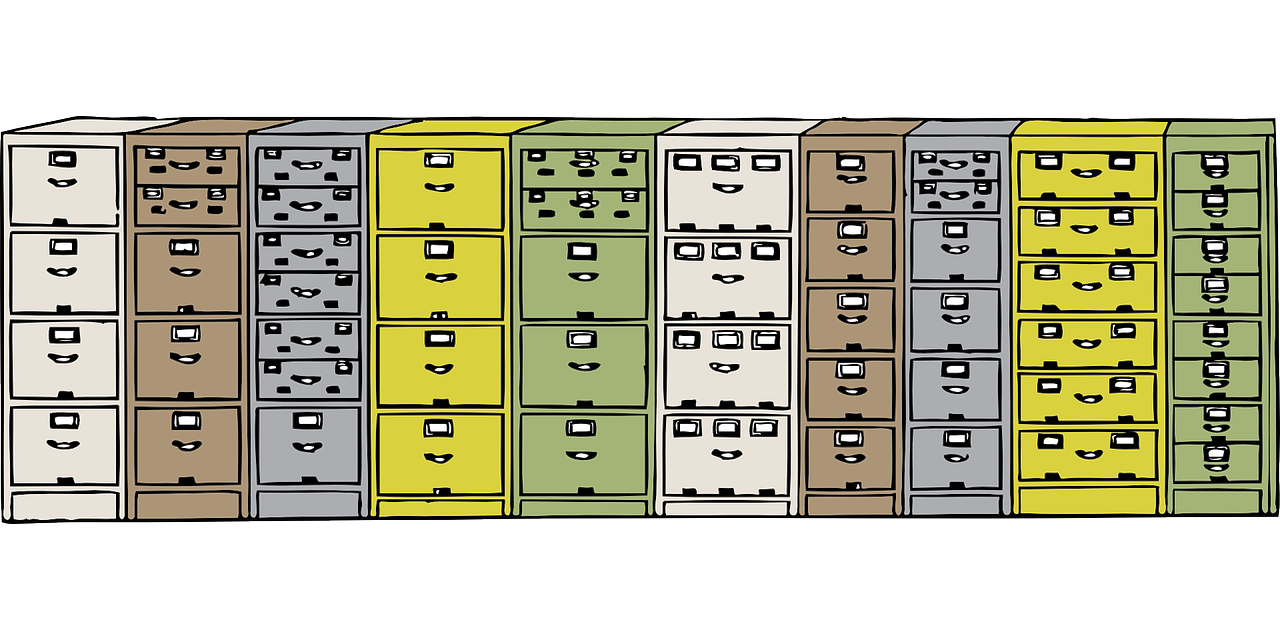
In State-Dependent Learning it is as if your brain uses different filing cabinets for information depending on how your system is functioning. With alcohol in your bloodstream, the brain files the information away in a “file needed when drinking” and locks it away. To get the file cabinet open and find that information you need the right key, in this case, alcohol, in your system to reopen the locked file cabinet.

Alcohol is not the only drug or medication that results in State-Dependent Learning and lost file keys are not the only problem that can happen when filing information or trying to retrieve it.

Memories can get lost or distorted when they are filed away. Sometimes, as with alcoholic blackouts, the info is misplaced before going into the file. In that case, the brain, on discovering the file is empty, makes something up. This is called Confabulation.

Problems can happen when the information is stored and some drugs affect storage. The info can also be hard to find if it is stored in the “high” cabinet and you look for it in the “feeling normal” file space.

The size and nature of the information also matter. Say you need to remember a long list of words. If the words are makes of cars, types of seafood, and tools sold in a hardware store, telling you those categories at the time we read the list to you will help you remember them. If the list is long, has words from many categories, and we don’t tell you the categories, the words will be harder to remember.

The brain has filing systems for category lists and for jumbled lists. Different drugs can affect different kinds of information storage and memory so the research can drive you nuts trying to figure out which drugs result in State-Dependent Learning all the time and which only cause State-Dependent Learning part of the time.

Alcohol appears to result in State-Dependent Learning and other memory problems a lot.

Students who use a lot of caffeine to stay awake all night and study for finals appear to have a similar problem. Things learned under the influence of stimulants are very dose-dependent. So if you take a little of the stimulant you may learn more, take too much and it may block memory retention at all.

Methamphetamine users not only don’t learn a lot but begin to lose previously learned material. This makes us wonder how much amphetamine is helpful and how much of an ADHD med you can take before it impairs memory.

So our student, who studies all night, using stimulants to stay awake, may find two problems facing them the next day. State-Dependent Learning may require them to have the same stimulant and amount of stimulant in their system as when they learned it. This will be more or less of a problem depending on the type of memory involved. Picking out the correct answer from a multiple-choice list will not be so much affected. Remembering a list of things that are not on the paper may be harder. So will recognizing the correct answer if the instructor uses a different word to describe the same concept.

The student may also find that the things they could remember easily when wide awake on the stimulant, those answers can’t be found now that the brain is looking in the I am “so-o-o” tired file cabinets. Your physical condition and mood can also affect learning and memory as can the context.

Frankly – no drug appears to improve your memory over a long time and using drugs or alcohol runs the risk of getting the facts you need, lost in a wrong file cabinet, and not available when you need them.

Other drugs and prescribed medications can also cause memory problems and or State-Dependent Learning. Watch for more on this topic to come.

Staying connected with David Joel Miller

Seven David Joel Miller Books are available now!

My newest book is now available. It was my opportunity to try on a new genre. I’ve been working on this book for several years, but now seem like the right time to publish it.

Story Bureau.

Story Bureau is a thrilling Dystopian Post-Apocalyptic adventure in the Surviving the Apocalypse series.

Baldwin struggles to survive life in a post-apocalyptic world where the government controls everything.

As society collapses and his family gets plunged into poverty, Baldwin takes a job in the capital city, working for a government agency called the Story Bureau. He discovers the Story Bureau is not a benign news outlet but a sinister government plot to manipulate society.

Bumps on the Road of Life. Whether you struggle with anxiety, depression, low motivation, or addiction, you can recover. Bumps on the Road of Life is the story of how people get off track and how to get your life out of the ditch.

Dark Family Secrets: Doris wants to get her life back, but small-town prejudice could shatter her dreams.

Casino Robbery Arthur Mitchell escapes the trauma of watching his girlfriend die. But the killers know he’s a witness and want him dead.

Planned Accidents  The second Arthur Mitchell and Plutus mystery.

Letters from the Dead: The third in the Arthur Mitchell mystery series.

What would you do if you found a letter to a detective describing a crime and you knew the writer and detective were dead, and you could be next?

Sasquatch. Three things about us, you should know. One, we have seen the past. Two, we’re trapped there. Three, I don’t know if we’ll ever get back to our own time.

For these and my upcoming books; please visit my Author Page – David Joel Miller

Want the latest blog posts as they publish? Subscribe to this blog.

For videos, see: Counselorssoapbox YouTube Video Channel
What are Lucid Dreams? Do Lucid Dreams cure Nightmares?

By David Joel Miller, MS, Licensed Therapist & Licensed Counselor.

Dreams and Nightmares

Dreams and Nightmares
Photo courtesy of Pixabay.com

Can Lucid Dreams cure nightmares?

Lucid dreams are dreams in which the dreamer knows that they are dreaming but does not awaken. Experienced Lucid dreamers are able to control the content and direction of the dream.

Lucid Dreams have been the subject of discussion for centuries. Various Lucid Dream techniques and dream practices are a part of Dream Yoga and Tibetan Buddhist practices but were largely dismissed by western practitioners. In recent years hard scientific evidence that Lucid Dreaming is occurring has been accumulating.

The goal in Lucid Dreaming is to manipulate the dreams so as to solve problems and reduce distressing elements of the dream. If the dreamer can recognize that they are dreaming they can become an active participant in the dream, creating and acting out events in the dream they wish would occur.

In a previous post, I wrote about how Nightmares can Maintain PTSD, most treatment for nightmares has involved talking about or rewriting dreams while awake. Lucid dreaming creates an opportunity to work on altering distressing dreams as they occur by taking actions to alter the course of the Lucid Dream.

Lucid Dreaming was used effectively in one 2006 study to reduce the frequency of nightmares.

While therapy has been applied to interpreting dreams and to coping with distressing elements of dreams after they occur, lucid dreaming is a tool for altering the dream as it is in progress.

Becoming aware that you are dreaming has also been used by artists and people seeking to improve their creativity by increasing the ability to move visions in the dream world into the awake world.

Most dream content is lost in the morning as soon as the dreamer moves or begins their morning rituals. Learning to recognize that you are dreaming and to continue to hold and process the dream upon awakening can increase the amount of the content of your dream the conscious mind retains.

Keeping a notebook by the bed and writing down all you can of the dream immediately upon awakening helps keep the dream from evaporating upon rising.

Experienced Lucid dreamers can review previous dreams and return to finish a previous dream. Lessons learned while dreaming can then be retained and applied to the waking life.

Researchers have found that things seen in the dream state will be believed even when they defy the laws of physics as we know them. While asleep the dreamer is willing to believe what they see, but upon awakening, they are quickly aware that what they saw in the dream is not possible. In the dream state seeing, really is believing.

Related to Lucid Dreaming is the phenomenon of False Awakening.  In False Awakening the dreamer dreams they have awakened but the dream continues. This continues until the dreamer realizes this must still be a dream or until they really do awaken.

Related Posts include Sleep Paralysis and Trauma Steals your Sleep.

Have you been able to recall your dreams? Have you ever tried to participate in the dream and alter the course of events? If you have had a Lucid dreaming experience or a false awakening please leave a comment.

Staying connected with David Joel Miller

Seven David Joel Miller Books are available now!

My newest book is now available. It was my opportunity to try on a new genre. I’ve been working on this book for several years, but now seem like the right time to publish it.

Story Bureau.

Story Bureau is a thrilling Dystopian Post-Apocalyptic adventure in the Surviving the Apocalypse series.

Baldwin struggles to survive life in a post-apocalyptic world where the government controls everything.

As society collapses and his family gets plunged into poverty, Baldwin takes a job in the capital city, working for a government agency called the Story Bureau. He discovers the Story Bureau is not a benign news outlet but a sinister government plot to manipulate society.

Bumps on the Road of Life. Whether you struggle with anxiety, depression, low motivation, or addiction, you can recover. Bumps on the Road of Life is the story of how people get off track and how to get your life out of the ditch.

Dark Family Secrets: Doris wants to get her life back, but small-town prejudice could shatter her dreams.

Casino Robbery Arthur Mitchell escapes the trauma of watching his girlfriend die. But the killers know he’s a witness and want him dead.

Planned Accidents  The second Arthur Mitchell and Plutus mystery.

Letters from the Dead: The third in the Arthur Mitchell mystery series.

What would you do if you found a letter to a detective describing a crime and you knew the writer and detective were dead, and you could be next?

Sasquatch. Three things about us, you should know. One, we have seen the past. Two, we’re trapped there. Three, I don’t know if we’ll ever get back to our own time.

For these and my upcoming books; please visit my Author Page – David Joel Miller

Want the latest blog posts as they publish? Subscribe to this blog.

For videos, see: Counselorssoapbox YouTube Video Channel

Discovering Happiness

By David Joel Miller, MS, Licensed Therapist & Licensed Counselor.

Happy faces

Happiness.
Photo courtesy of Pixabay.com

The search for Happiness.

Of the thousand goals, you might have in life, finding happiness sums up what most people are looking for. You might label it love or contentment, success, or achievement but whatever you call it we all appear to have the hope if we can just find that one elusive thing we are looking for we will finally be happy.

As a professional counselor and therapist, I like to think that basically what I do involves being in the happy life business. I try to help people create a happy life.

What a happy life means to you and what it might mean to me are probably quite different things. The hardest part of helping people find happiness is being able to “not know” what they should do to find their happiness and still participating in their journey to help them find their happiness.

Cultivating that “not knowing” attitude rather than imposing our version of happiness on others takes practice. Daily I have to think that I know nothing about this person and what will make them happy.  I need to create a safe place for them to explore that landscape and find what happiness would be to them.

Generally, I know the landscape of happiness. I have found some things that make me happy but the journey of discovery continues. I am honored when a client tells me that our time together has helped them find that place of success, love, or whatever they call their happiness.

I have written some blog posts on things I have learned about the search for happiness and they are listed below. Would you care to share some of the things that have led you to your happiness or the things that take you away from that place of fulfillment?

Past Posts on the topic of Happiness:

Successes, Happiness, and Contentment

Where Happiness Hides

Buying Happiness

Directions to Happiness

Finding Happiness

Happiness or Misery

How to Be Happy

Happy Enough to Make the Bed?

Should you be happy?

There are lots of posts on my blog and other blogs about unhappiness. It seems unhappiness is easier to find than happiness. One thing I am sure of is that things don’t equate with happiness. Things are symbols. Happiness comes from what the things symbolize to you.

Staying connected with David Joel Miller

Seven David Joel Miller Books are available now!

My newest book is now available. It was my opportunity to try on a new genre. I’ve been working on this book for several years, but now seem like the right time to publish it.

Story Bureau.

Story Bureau is a thrilling Dystopian Post-Apocalyptic adventure in the Surviving the Apocalypse series.

Baldwin struggles to survive life in a post-apocalyptic world where the government controls everything.

As society collapses and his family gets plunged into poverty, Baldwin takes a job in the capital city, working for a government agency called the Story Bureau. He discovers the Story Bureau is not a benign news outlet but a sinister government plot to manipulate society.

Bumps on the Road of Life. Whether you struggle with anxiety, depression, low motivation, or addiction, you can recover. Bumps on the Road of Life is the story of how people get off track and how to get your life out of the ditch.

Dark Family Secrets: Doris wants to get her life back, but small-town prejudice could shatter her dreams.

Casino Robbery Arthur Mitchell escapes the trauma of watching his girlfriend die. But the killers know he’s a witness and want him dead.

Planned Accidents  The second Arthur Mitchell and Plutus mystery.

Letters from the Dead: The third in the Arthur Mitchell mystery series.

What would you do if you found a letter to a detective describing a crime and you knew the writer and detective were dead, and you could be next?

Sasquatch. Three things about us, you should know. One, we have seen the past. Two, we’re trapped there. Three, I don’t know if we’ll ever get back to our own time.

For these and my upcoming books; please visit my Author Page – David Joel Miller

Want the latest blog posts as they publish? Subscribe to this blog.

For videos, see: Counselorssoapbox YouTube Video Channel

Creating the changes you need.

By David Joel Miller, MS, Licensed Therapist & Licensed Counselor.

Change

Change.
Photo courtesy of Pixabay.com

Changing self or others?

So very many people who come into counseling report their major problem is – the behavior of someone else. They ask “How can I get —– to change and stop doing —–.

Recovery literature frequently takes the view that you really can’t change someone else. If they change it will be because they recognize a problem and decide to change. So if 99% of the problem is their fault and only 1% is yours you need to start by working on your one percent.

There are times you can get others to change, but the trick here is that often that change begins with a change in you.

There are four primary change options. Which you chose and how effective it will be will depend on the nature of the change you need. Your partner driving you nuts by being a slob is quite different from a child who breaks out all the windows in a house.

1. Change by stop letting it bother you.

Change your thinking and stop letting it upset you. This is easy to say and sometimes difficult to do. If you began by liking a partner who was spontaneous, a free spirit, but now you are upset because they are irresponsible and a slob, recognize that the problem is in you. The very thing that attracted you to them is the thing that is causing the problem.

Anger management techniques, especially that Cognitive Behavioral Therapy technique involving the A-B-C-D-E model can be especially helpful.

Mindfulness training, meditation, and relaxation training can also help you to reduce your negative feelings so you can go along with what is happening but not get upset.

2. Help them move through the process of change.

If the other person has the problem and you are doing all you can to accept them but you decide it is they, not you who need to change, you can still help them change by assisting them in moving through the stages of change.

Counselors and professionals are specifically trained in the stages of change model and can help someone move through the process. Take a look at the blog posts on Stages of Change.

3. Create change by changing the dance.

Couples, families, and even workplaces get into a predictable way of doing things. Sometimes this works and sometimes it is dysfunctional. Think of the way this dance happens over and over.

Relationships are a lot like a square dance. Everyone moves around the square doing the same things over and over. If one person changes the way they move, starts walking in a different direction the whole square falls apart.

In relationships, we get into predictable patterns. A friend calls with a problem; we spend hours on the phone. We drive over to their house and help them out. Then we realize that we are always helping them, they never have the time or resources to help us.

Next time they call and describe their problem, rather than telling them you will help, tell them wow that is some problem, I am really looking forward to seeing how you solve that one. Then excuse yourself and hang up.

They may escalate the demands for your help by calling again and asking you to do something. Here is where you may need some assertiveness training. But at some point, you may need to tell them that if you keep solving their problems for them they will never learn to solve them on their own. Besides, right now you have problems of your own that need attention.

Once you have changed the dance, the other person will keep pushing you to get back in the old pattern. You will need to keep to the new direction. But eventually, they will stop asking for help. They may even stop inviting you to their problem dance.

But if you lose this “friend” because you put your needs and those of your family first, well they weren’t that good a friend, to begin with. You deserve better than that.

4. Change others using Influence.

Sometimes you need to make others change even when it would be easier and safer to let it go.

If your young child falls on the floor and has a tantrum, you teach him to stop. If your teenager is doing that you need serious intervention. You should not have let it get to this point.

Parents and teachers change kid’s behaviors all the time. We use rewards and appropriate non-physical punishment to produce change all the time.

There is a series of posts about how behavioral modification specialists get people to change their behavior. This is not some form of brainwashing or mind control.

You get to drive if you take the required steps including taking some tests. If you drive without a license you may get arrested or your car impounded. Society uses rewards and punishments every day. For rules to work we need to keep enforcing these rules.

If you want to alter behavior in your child or others in your life consider the more subtle uses of behavior modification described in my Changing Others series. Praise your child or your partner when they do well. Make sure that they don’t have to do something wrong to get your attention.

What you attend to you will get more of. Make sure you let those in your life know when they are pleasing you.

See also the posts on

Stages of Change

Changing others by Influencing  

Staying connected with David Joel Miller

Seven David Joel Miller Books are available now!

My newest book is now available. It was my opportunity to try on a new genre. I’ve been working on this book for several years, but now seem like the right time to publish it.

Story Bureau.

Story Bureau is a thrilling Dystopian Post-Apocalyptic adventure in the Surviving the Apocalypse series.

Baldwin struggles to survive life in a post-apocalyptic world where the government controls everything.

As society collapses and his family gets plunged into poverty, Baldwin takes a job in the capital city, working for a government agency called the Story Bureau. He discovers the Story Bureau is not a benign news outlet but a sinister government plot to manipulate society.

Bumps on the Road of Life. Whether you struggle with anxiety, depression, low motivation, or addiction, you can recover. Bumps on the Road of Life is the story of how people get off track and how to get your life out of the ditch.

Dark Family Secrets: Doris wants to get her life back, but small-town prejudice could shatter her dreams.

Casino Robbery Arthur Mitchell escapes the trauma of watching his girlfriend die. But the killers know he’s a witness and want him dead.

Planned Accidents  The second Arthur Mitchell and Plutus mystery.

Letters from the Dead: The third in the Arthur Mitchell mystery series.

What would you do if you found a letter to a detective describing a crime and you knew the writer and detective were dead, and you could be next?

Sasquatch. Three things about us, you should know. One, we have seen the past. Two, we’re trapped there. Three, I don’t know if we’ll ever get back to our own time.

For these and my upcoming books; please visit my Author Page – David Joel Miller

Want the latest blog posts as they publish? Subscribe to this blog.

For videos, see: Counselorssoapbox YouTube Video Channel