Unknown's avatar

About David Joel Miller

David Miller is a California Licensed Marriage and Family Therapist, Clinical Counselor, faculty member at a local college, certified trainer and writer.

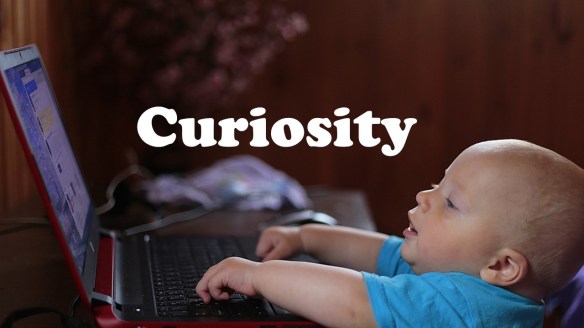
Curiosity.

Sunday Inspiration.     Post by David Joel Miller.

Curiosity.

Curiosity

“The important thing is not to stop questioning. Curiosity has its own reason for existing.”

― Albert Einstein

“Curiosity is, in great and generous minds, the first passion and the last.”

― Samuel Johnson, Works of Samuel Johnson

“Around here, however, we don’t look backwards for very long. We keep moving forward, opening up new doors and doing new things, because we’re curious…and curiosity keeps leading us down new paths.”

― Walt Disney Company

Wanted to share some inspirational quotes with you.  Today seemed like a good time to do this. If any of these quotes strike a chord with you, please share them.

Photo courtesy of Pixabay.com

Whatever happened to self-control?

By David Joel Miller, MS, Licensed Therapist & Licensed Counselor.
  Control

Self-Control?
Photo courtesy of Pixabay.com

Is self-control a lost art?

Self-control is not something you’re automatically born with.  The ability to control yourself is something that develops over time.  As often as we hear about a lack of Self-control you would think that the growing and development of Self-control was a lost art.

Newborn infants are remarkable for their lack of self-control.  Babies cry whenever they want something, and they are totally irresponsible when it comes to eliminating their waste products.  What does it take for these infants to grow into people who have some amount of Self-control?

Parents are the best teachers of self-control.

In the early stages of life, parents have to provide the control that children are lacking within themselves.  Parents who do not make an effort to control their children teach that child that they cannot be controlled. If the child cannot be controlled by the parents, then how could they possibly control themselves?

Increasingly we see young people, and even those into middle life, who have somehow concluded that Self-control was something you were either born with or will never have.  They have convinced themselves that they cannot control themselves.

How is that related to addiction whose hallmark is the loss of control?

Can you see how all people who lack self-control in the small, day-to-day items would be at an extra risk of developing an addiction?  People who find it difficult to resist the urge for more food, to spend more money, or to behave in responsible ways, are likely to find drugs and alcohol impossible to control.

Those who are low in Self-control give the job of Self-control up to someone or something that can readily control them.  Addictions like to control their victims.  People with poor impulse control frequently get convicted of a crime.  If you can’t control yourself often the state is willing to appoint a probation officer or parole agent who will take over the job of controlling you.

Which is in control – the mind or the body?

Some people struggle to determine where their lack of control resides.  Should their mind and their thoughts control them?  Or is it the body that is in control?  This false dichotomy, that there are two parts to us, the mind, and the body, makes it difficult to learn Self-control.

Our mind, those things we are thinking about, has a huge impact on how our body feels those things.  Our body, those physical sensations of hunger, thirst, and being tired, strongly influence how our mind thinks.

Willpower is a skill that you can grow and exercise.

Willpower is not some separate thing that you have or do not have.  If you feel you’re short on willpower don’t blame your genes and at this point, it’s too late to blame your parents.  Begin the process of growing your own willpower.

Willpower comes from our feelings and our thinking.

For more on this topic, willpower, and it’s closely related cousin won’t-power, check out the other posts on willpower at counselorssoapbox.com

Staying connected with David Joel Miller

Seven David Joel Miller Books are available now!

My newest book is now available. It was my opportunity to try on a new genre. I’ve been working on this book for several years, but now seem like the right time to publish it.

Story Bureau.

Story Bureau is a thrilling Dystopian Post-Apocalyptic adventure in the Surviving the Apocalypse series.

Baldwin struggles to survive life in a post-apocalyptic world where the government controls everything.

As society collapses and his family gets plunged into poverty, Baldwin takes a job in the capital city, working for a government agency called the Story Bureau. He discovers the Story Bureau is not a benign news outlet but a sinister government plot to manipulate society.

Bumps on the Road of Life. Whether you struggle with anxiety, depression, low motivation, or addiction, you can recover. Bumps on the Road of Life is the story of how people get off track and how to get your life out of the ditch.

Dark Family Secrets: Doris wants to get her life back, but small-town prejudice could shatter her dreams.

Casino Robbery Arthur Mitchell escapes the trauma of watching his girlfriend die. But the killers know he’s a witness and want him dead.

Planned Accidents  The second Arthur Mitchell and Plutus mystery.

Letters from the Dead: The third in the Arthur Mitchell mystery series.

What would you do if you found a letter to a detective describing a crime and you knew the writer and detective were dead, and you could be next?

Sasquatch. Three things about us, you should know. One, we have seen the past. Two, we’re trapped there. Three, I don’t know if we’ll ever get back to our own time.

For these and my upcoming books; please visit my Author Page – David Joel Miller

Want the latest blog posts as they publish? Subscribe to this blog.

For videos, see: Counselorssoapbox YouTube Video Channel

Family.

Sunday Inspiration.     Post by David Joel Miller.

Family.

Your family

Family.

“I have learned that to be with those I like is enough”

― Walt Whitman

“That’s what people do who love you. They put their arms around you and love you when you’re not so lovable.”
― Deb Caletti

“Happiness is having a large, loving, caring, close-knit family in another city.”
― George Burns

Wanted to share some inspirational quotes with you.  Today seemed like a good time to do this. If any of these quotes strike a chord with you, please share them.

Why you should talk to yourself.

By David Joel Miller, MS, Licensed Therapist & Licensed Counselor.

Talking to yourself, especially out loud has some benefits.

Girl talking out loud.

Girl Talking.
Photo courtesy of Pixabay.com

People who talk to themselves out loud can make people around them very nervous.  When we think about somebody who is talking out loud many people are likely to think of the psychotic person who was speaking to the voices or the disturbed person who is rambling on and on for no particular reason.  There can be some very definite positive benefits to talking to yourself.

Children are particularly likely to be talking to themselves out loud.  They have not yet developed the skills to self-monitoring and only speaking out loud when they are alone.  If you find that you are still talking out loud to yourself, this does not necessarily mean that are losing your mind.  But it may mean is that you have something very important on your mind and are forgetting to self-monitoring for other people around.  Below are some reasons that speaking to yourself out loud may be helpful.

You become a better public speaker.

Many famous public speakers began by practicing their speeches out loud.  If you know that you’re going to need to make a presentation, it can really improve your performance to practice that speech out loud.

Talking to yourself out loud reinforces memories.

If you just heard something and you need to remember it, saying it over and over again to yourself can help.  Going over a chain of events A happened and then B can help you to remember those events in sequence.

Talking allows you to practice what you are going to say.

Sometimes we know we’re going to have to have one of those difficult talks with someone.  It’s important to get the words just right.  Practicing what you’re going to say can help you identify things that may come out other than the way you want them to.  Listening to what you have to say can help you find just the right way to convey that information.

Talking to yourself helps you learn the step of a process.

When you’re trying to learn a new procedure and there are several steps, it can help you to remember this process if you repeat each step as you do it.  In skills training, the trainer may initially repeat the steps out loud to the client.  They will then have the client do the process while repeating the steps out loud.  Finally, the client repeats the process while saying the steps silently in their head.

Talking aloud helps to clear a crowded mind.

People with very active, busy minds find that it can be helpful to clear that mind by going ahead and saying the things that are bothering them.  Sometimes this can be an automatic unconscious behavior.  While this is helpful to the person with a busy crowded mind it can be upsetting to others who might accidentally overhear.

You develop storytelling skills.

Good storytellers practice telling their stories over and over.  If you’re going to be telling that story out loud to others it’s best to practice the story out loud.  Highly creative people often tell themselves stories. Sometimes when they’re alone they tell them out loud.  As you develop your storytelling and your self-monitoring skills you are likely to learn to tell the stories with your mouth closed and the words retained in your head.

You develop a supportive relationship with yourself.

You’re going to spend a lot of time with yourself.  Work of becoming your own best friend.  One way of becoming supportive of yourself is to have those self-talks that you wish you could have with other people.  The more you practice these self-talks the better you will be able to contain them within your head instead of having them leak out and others hear them.

It helps you to focus on a task or conversation at hand.

Sometimes we repeat things out loud during a conversation with another person.  It can help to confirm that we’ve heard things accurately.  You can also use talking aloud to help you focus your attention on what is being discussed or what you need to do.

It improves self-monitoring skills.

People who are working on their self-monitoring skills may find it useful to comment on their activities as they do them.

Self-talk helps you self-soothe.

When you’re feeling upset or on edge talking to yourself can be helpful.  Remind yourself that you are safe.

You improve your creativity by exploring possibilities.

Creative people may find it useful to have these conversations out loud to explore possible conversations.

So if you or someone in your life makes a habit of talking out loud consider whether this is a helpful skill or a lack of self-monitoring.

Staying connected with David Joel Miller

Seven David Joel Miller Books are available now!

My newest book is now available. It was my opportunity to try on a new genre. I’ve been working on this book for several years, but now seem like the right time to publish it.

Story Bureau.

Story Bureau is a thrilling Dystopian Post-Apocalyptic adventure in the Surviving the Apocalypse series.

Baldwin struggles to survive life in a post-apocalyptic world where the government controls everything.

As society collapses and his family gets plunged into poverty, Baldwin takes a job in the capital city, working for a government agency called the Story Bureau. He discovers the Story Bureau is not a benign news outlet but a sinister government plot to manipulate society.

Bumps on the Road of Life. Whether you struggle with anxiety, depression, low motivation, or addiction, you can recover. Bumps on the Road of Life is the story of how people get off track and how to get your life out of the ditch.

Dark Family Secrets: Doris wants to get her life back, but small-town prejudice could shatter her dreams.

Casino Robbery Arthur Mitchell escapes the trauma of watching his girlfriend die. But the killers know he’s a witness and want him dead.

Planned Accidents  The second Arthur Mitchell and Plutus mystery.

Letters from the Dead: The third in the Arthur Mitchell mystery series.

What would you do if you found a letter to a detective describing a crime and you knew the writer and detective were dead, and you could be next?

Sasquatch. Three things about us, you should know. One, we have seen the past. Two, we’re trapped there. Three, I don’t know if we’ll ever get back to our own time.

For these and my upcoming books; please visit my Author Page – David Joel Miller

Want the latest blog posts as they publish? Subscribe to this blog.

For videos, see: Counselorssoapbox YouTube Video Channel

Alcohol Myths

By David Joel Miller, MS, Licensed Therapist & Licensed Counselor.

Liquor

Alcoholic beverages.
Photo courtesy of Pixabay.com

How many alcohol myths do you believe?

Alcohol is a stimulant.

Many people think and alcohol stimulates them and gives them more energy.  This belief was so common in the past among newspaper reporters and writers that these professions developed high rates of alcoholism.  The truth is alcohol is not a stimulant.  Alcohol is a depressant and while it may initially disinhibit you, the more you drink, the less energy you will have.  Over the long run drinking alcohol results in depression.

Alcohol makes you sexy or more sexual.

Alcohol shuts off the part of the brain that tells you “hey stupid don’t do that.”  As a result, when drinking people are more likely to engage in sexual behavior.  The truth is drunk people do not look sexy to sober people.  While having high levels of alcohol in your bloodstream makes you more likely to act on your sexual thoughts it also reduces the ability to engage in sex.  In men, regular alcohol consumption may result in impotence.

Alcohol makes you more of a man or a woman.

The ability to drink, and to drink large quantities, increases the likelihood you will do things you would not do when sober.  This increased alcohol consumption results in tolerance to alcohol and requiring ever-increasing quantities to create the same effect.  Taking action after having a few drinks is sometimes described as “liquid courage.” Being intoxicated or frequently drunk does not produce the qualities that we think of as being either masculine or feminine.

Alcohol will cure your ills.

It’s common to think that having a few drinks will solve all your physical or emotional problems.  The truth is that using alcohol to regulate emotions leaves you dependent on alcohol and less able to handle life without it.  Alcohol has some germ-killing properties when used externally.  But when used internally, alcohol can cause damage to every cell it touches.

Alcohol will make you less anxious or scared.

Temporarily alcohol can make you feel less anxious.  In the long run, however, using alcohol to treat anxiety makes it worse, not better.  When you drink to cope with anxiety, the alcohol quickly wears off.  This leaves you more anxious than before.  The result is that you will need ever-increasing amounts of alcohol to cope with your anxiety.

Alcohol will make you function better.

Drinking alcohol, especially drinking it heavily, only makes people think they are performing better.  Having alcohol in the bloodstream interferes with coordination, memory, and judgment.

Alcohol makes you warmer.

Alcohol dilates the blood vessels close to the skin.  This results in a temporary feeling of warmth.  It also results in a rapid loss of heat from the core of the body.  Drinking alcohol when you are cold actually, causes the body to lose heat more rapidly.

Most people drink alcohol on a regular basis.

The truth is that more than half of the adults in America have not had a drink of alcohol in the last month.  Many Americans only have a drink of alcohol once or twice in any one year.  A handful of alcohol drinkers, the 20% heaviest drinkers, consumed 80% of all the alcohol that is drunk.

How many of these alcohol myths do you believe?  Have you discovered any other alcohol myths?

Staying connected with David Joel Miller

Seven David Joel Miller Books are available now!

My newest book is now available. It was my opportunity to try on a new genre. I’ve been working on this book for several years, but now seem like the right time to publish it.

Story Bureau.

Story Bureau is a thrilling Dystopian Post-Apocalyptic adventure in the Surviving the Apocalypse series.

Baldwin struggles to survive life in a post-apocalyptic world where the government controls everything.

As society collapses and his family gets plunged into poverty, Baldwin takes a job in the capital city, working for a government agency called the Story Bureau. He discovers the Story Bureau is not a benign news outlet but a sinister government plot to manipulate society.

Bumps on the Road of Life. Whether you struggle with anxiety, depression, low motivation, or addiction, you can recover. Bumps on the Road of Life is the story of how people get off track and how to get your life out of the ditch.

Dark Family Secrets: Doris wants to get her life back, but small-town prejudice could shatter her dreams.

Casino Robbery Arthur Mitchell escapes the trauma of watching his girlfriend die. But the killers know he’s a witness and want him dead.

Planned Accidents  The second Arthur Mitchell and Plutus mystery.

Letters from the Dead: The third in the Arthur Mitchell mystery series.

What would you do if you found a letter to a detective describing a crime and you knew the writer and detective were dead, and you could be next?

Sasquatch. Three things about us, you should know. One, we have seen the past. Two, we’re trapped there. Three, I don’t know if we’ll ever get back to our own time.

For these and my upcoming books; please visit my Author Page – David Joel Miller

Want the latest blog posts as they publish? Subscribe to this blog.

For videos, see: Counselorssoapbox YouTube Video Channel
Work.

Sunday Inspiration.     Post by David Joel Miller.

Work.

worker resting

Work.
Photo courtesy of Pixabay.com

“Be steady and well-ordered in your life so that you can be fierce and original in your work.”

― Gustave Flaubert

“Choose a job you love, and you will never have to work a day in your life.”

― Anonymous

“We often miss opportunity because it’s dressed in overalls and looks like work”

― Thomas A. Edison

Wanted to share some inspirational quotes with you.  Today seemed like a good time to do this. If any of these quotes strike a chord with you, please share them.

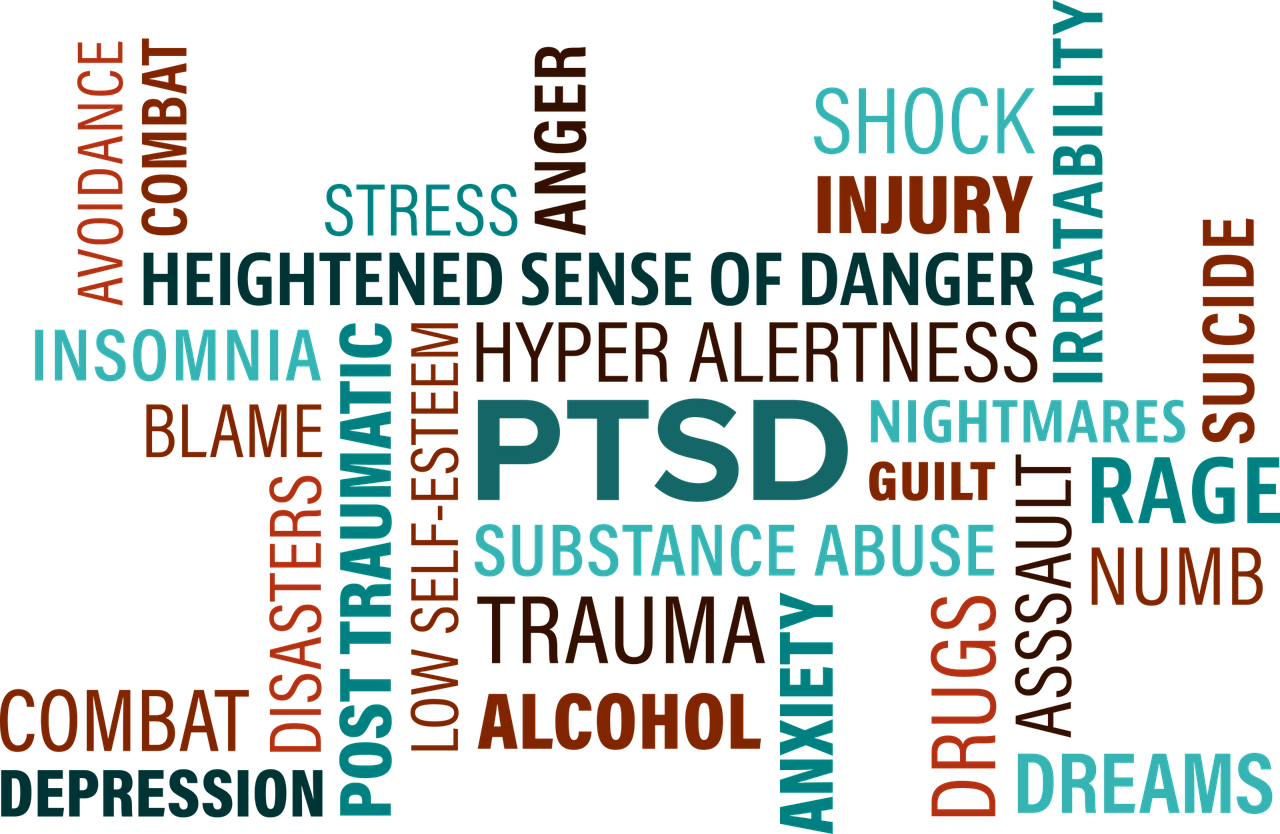
Types of Posttraumatic Stress Disorder (PTSD.)

By David Joel Miller, MS, Licensed Therapist & Licensed Counselor.

PTSD.
Photo courtesy of Pixabay.com

Not all trauma and stressor-related disorders are the same.

Most people are familiar with Posttraumatic Stress Disorder (PTSD) the granddaddy of all the trauma and stressor-related disorders.  In addition to PTSD, there are a number of other trauma and stressor-related disorders.  There are two types of attachment disorders, Acute Stress Disorder, a number of varieties of adjustment disorders, and even a category for other specified or unspecified Trauma- and Stressor-Related Disorders that don’t fit these categories of disorders.  For more on these other disorders take a look at these related posts on counselorssoapbox.com

In Posttraumatic Stress Disorder, there are recognized and unrecognized subtypes.

Recognized PTSD subtypes or specifiers.

Two subtypes of PTSD dissociative symptoms are recognized.

Depersonalization.

Depersonalization, that is the experience of feeling like you’re outside of yourself looking in.  You may feel like you’re in a dream or are an outside observer watching yourself.  It may feel as if time is moving more slowly or as if you are not real.

Derealization.

Derealization is the experience of feeling like the world is unreal.  You may feel like you’re in a dream or that things are very distorted and different.

Delayed PTSD.

When someone experiences delayed PTSD we use the specifier “with delayed expression.” Delayed expression occurs when it takes more than six months after the event for the symptoms to become obvious.

PTSD subtypes used with children under six.

There are slightly different criteria used in diagnosing PTSD in children under the age of six.  As a result, we also have two additional subtypes for use with children.  All of the subtypes used with adults can also be applied to children.

PTSD with persistent avoidance of stimuli.

Children with this subtype go to great lengths to avoid anything that would remind them of the original traumatic event.

PTSD with negative alterations in cognitions.

Children with this subtype develop all kinds of negative thoughts about themselves and the world.  That may have high levels of fear, shame, and guilt, confusion, and sadness.  They may withdraw from other people and lose their interest in playing.

PTSD unrecognized subtypes.

Complex Trauma.

While not officially recognized in the DSM-5 a good deal has been written about a condition referred to as “complex trauma.”  Both research and practical experience suggest there is some validity to this idea.

This condition occurs when someone is repeatedly traumatized in a very similar way.  Think about somebody who breaks their leg and goes to the hospital.  They have it treated and the leg mends.  If they were to break the same leg again, in the same place, it is less likely to heal a second time.

These types of repeated traumatization are often the result of abuse or domestic violence.  Complex trauma also frequently coexists with substance use disorders or behavioral addictions.

Staying connected with David Joel Miller

Seven David Joel Miller Books are available now!

My newest book is now available. It was my opportunity to try on a new genre. I’ve been working on this book for several years, but now seem like the right time to publish it.

Story Bureau.

Story Bureau is a thrilling Dystopian Post-Apocalyptic adventure in the Surviving the Apocalypse series.

Baldwin struggles to survive life in a post-apocalyptic world where the government controls everything.

As society collapses and his family gets plunged into poverty, Baldwin takes a job in the capital city, working for a government agency called the Story Bureau. He discovers the Story Bureau is not a benign news outlet but a sinister government plot to manipulate society.

Bumps on the Road of Life. Whether you struggle with anxiety, depression, low motivation, or addiction, you can recover. Bumps on the Road of Life is the story of how people get off track and how to get your life out of the ditch.

Dark Family Secrets: Doris wants to get her life back, but small-town prejudice could shatter her dreams.

Casino Robbery Arthur Mitchell escapes the trauma of watching his girlfriend die. But the killers know he’s a witness and want him dead.

Planned Accidents  The second Arthur Mitchell and Plutus mystery.

Letters from the Dead: The third in the Arthur Mitchell mystery series.

What would you do if you found a letter to a detective describing a crime and you knew the writer and detective were dead, and you could be next?

Sasquatch. Three things about us, you should know. One, we have seen the past. Two, we’re trapped there. Three, I don’t know if we’ll ever get back to our own time.

For these and my upcoming books; please visit my Author Page – David Joel Miller

Want the latest blog posts as they publish? Subscribe to this blog.

For videos, see: Counselorssoapbox YouTube Video Channel

.

Do you have an acute or a chronic illness?

By David Joel Miller, MS, Licensed Therapist & Licensed Counselor.

medical

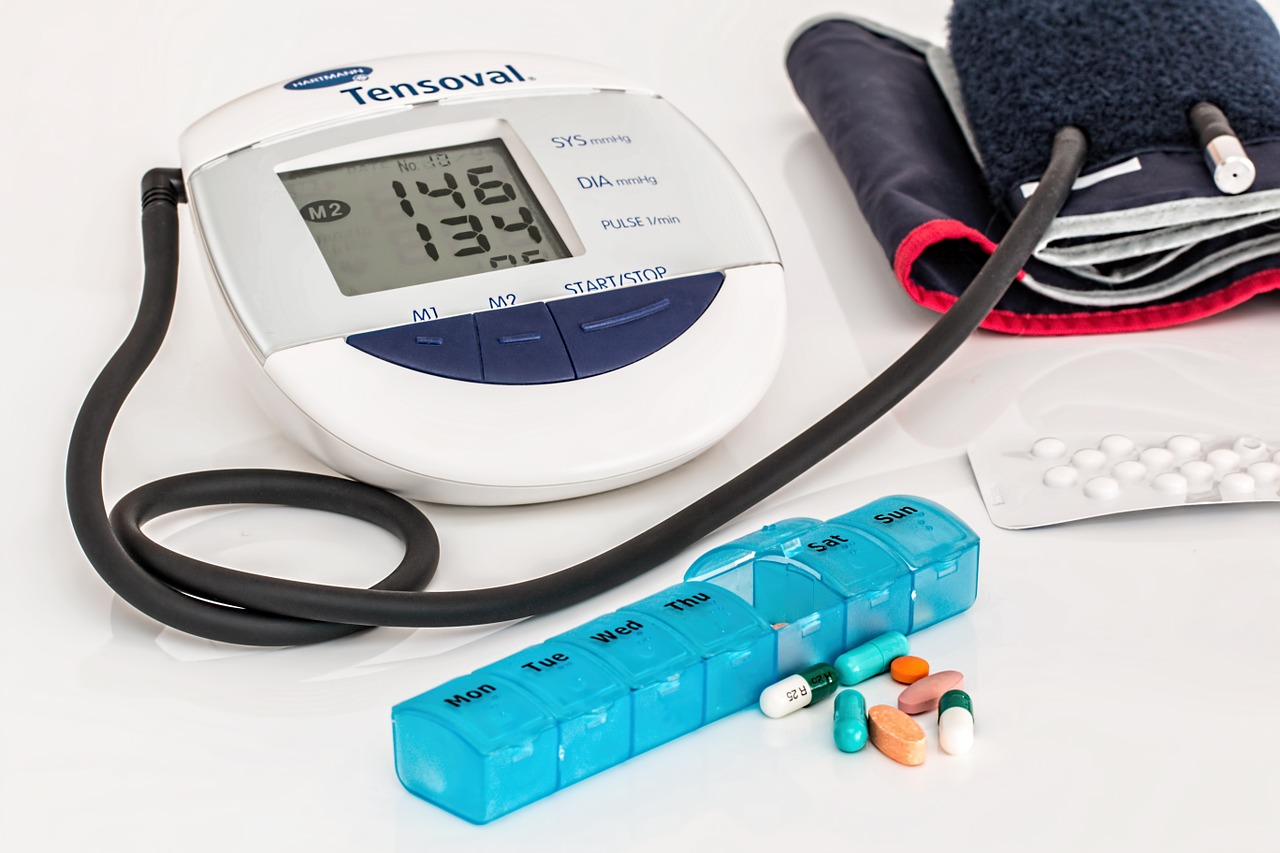
Acute or Chronic Illness?
Photo courtesy of Pixabay.com

Getting the right kind of treatment for your illness is important.

Whether it’s a physical, emotional, or mental disorder, getting the right treatment makes all the difference.

One of the problems we have in the behavioral health field is a tendency to treat chronic illnesses as if they were acute illnesses.

What is an acute illness?

Acute illness is something like breaking your leg. It happened suddenly, you go to the hospital and the Doctor sets it in a cast.  Eventually, the broken leg heals and you walk normally. Another example of an acute illness would be a case of pneumonia.  This can be quite serious and may result in a hospital stay.  You may need emergency treatment.  When that pneumonia goes away and you can return home.  You may have some after effects, But at some point, you will be pronounced cured of your pneumonia.

How is a chronic illness different?

Chronic illnesses have to be managed not cured.  Things like diabetes and heart disease are managed.  With a chronic illness, the Doctor continues to provide care and monitoring to keep the disease from getting worse.  In the past, acute illnesses were the main things doctors treated, today more than 75% of what doctors treat are chronic illnesses.

Mental health and substance use disorders are chronic illnesses.

For years we’ve made a mistake by thinking that we can treat mental and emotional illnesses as if they were acute. Someone is under the influence of a substance and are sent to detox for 72 hours.  As if substance use disorders were the same sort of things as a broken leg or an overdose of poison.

The belief used to be that once the drugs were out of their system that person was cured.  If the substance use disorder was an acute disorder, like poisoning, that would have work.  It is common for people straight out of detox to pick up drugs again within a few days. Detoxification does not work to cure substance use disorders because they are chronic illnesses.

The person sent to the psychiatric hospital for a suicide attempt might be released after two or three days when they no longer were feeling suicidal.  Sometimes that person gets additional care after the hospitalization.  But not always.

This is often another case of treating a chronic illness as if it were an acute illness. Without further treatment, after the brief hospitalization, there is a good chance that the depression and thoughts of suicide will return.

Mental health problems and substance use disorders require long-term treatment.

Repeatedly we have found that people with mental health problems who get treatment over a longer period of time are less likely to have a return of symptoms. Those people who continue to stay in treatment for up to two years after an episode of depression are less likely to have a recurrence of that depression.

With substance use disorders we find that those people who continue to stay in some form of continuing care are less likely to have a relapse.  Staying connected to whatever program or treatment helped you to recover from your substance use disorder improves the chances that you will stay recovered. In drug and alcohol treatment this continuing care is often referred to as aftercare.

One thing that has been sorely missing in mental health treatment is some form of continuing care after the initial episode. Far too often mental health issues are treated as if they were acute illnesses rather than the chronic conditions they are. Providing some kind of continuing support, groups, or individual counseling, reduces the risk of relapse into an active state of mental illness.

One highly effective continuing care system is the development of a written wellness and recovery plan.

For more about aftercare see the post in the “What is.” series.

Staying connected with David Joel Miller

Seven David Joel Miller Books are available now!

My newest book is now available. It was my opportunity to try on a new genre. I’ve been working on this book for several years, but now seem like the right time to publish it.

Story Bureau.

Story Bureau is a thrilling Dystopian Post-Apocalyptic adventure in the Surviving the Apocalypse series.

Baldwin struggles to survive life in a post-apocalyptic world where the government controls everything.

As society collapses and his family gets plunged into poverty, Baldwin takes a job in the capital city, working for a government agency called the Story Bureau. He discovers the Story Bureau is not a benign news outlet but a sinister government plot to manipulate society.

Bumps on the Road of Life. Whether you struggle with anxiety, depression, low motivation, or addiction, you can recover. Bumps on the Road of Life is the story of how people get off track and how to get your life out of the ditch.

Dark Family Secrets: Doris wants to get her life back, but small-town prejudice could shatter her dreams.

Casino Robbery Arthur Mitchell escapes the trauma of watching his girlfriend die. But the killers know he’s a witness and want him dead.

Planned Accidents  The second Arthur Mitchell and Plutus mystery.

Letters from the Dead: The third in the Arthur Mitchell mystery series.

What would you do if you found a letter to a detective describing a crime and you knew the writer and detective were dead, and you could be next?

Sasquatch. Three things about us, you should know. One, we have seen the past. Two, we’re trapped there. Three, I don’t know if we’ll ever get back to our own time.

For these and my upcoming books; please visit my Author Page – David Joel Miller

Want the latest blog posts as they publish? Subscribe to this blog.

For videos, see: Counselorssoapbox YouTube Video Channel

Kindness.

Sunday Inspiration.     Post by David Joel Miller.

Kindness.

kindness-1197351_1280 (1)

“Be kind, for everyone you meet is fighting a harder battle.”

― Plato

“Three things in human life are important: the first is to be kind; the second is to be kind; and the third is to be kind.”

― Henry James

“Do your little bit of good where you are; it’s those little bits of good put together that overwhelm the world.”

― Desmond Tutu

Wanted to share some inspirational quotes with you.  Today seemed like a good time to do this. If any of these quotes strike a chord with you, please share them.

Photo courtesy of Pixabay.com

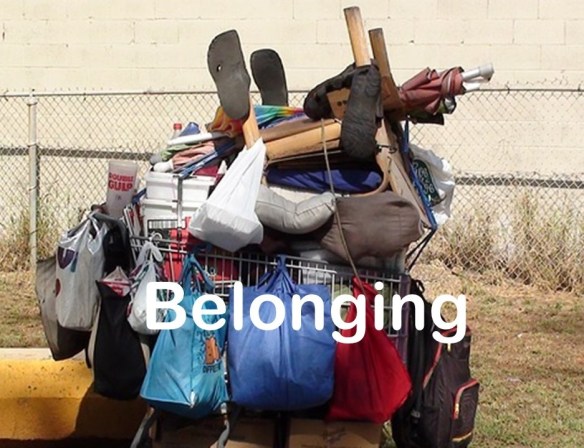
Belonging.

Sunday Inspiration.          Post by David Joel Miller.

Belonging.

Belonging

Belonging.
Photo courtesy of Pixabay.com

“How could you ever feel comfortable if no matter where you went you felt like you belonged someplace else?”

― Mark Peter Hughes, Lemonade Mouth

“I didn’t belong as a kid, and that always bothered me. If only I’d known that one day my differentness would be an asset, then my early life would have been much easier.”

― Bette Midler

“The desire to belong is in every mind.”

― Debasish Mridha

Wanted to share some inspirational quotes with you.  Today seemed like a good time to do this. If any of these quotes strike a chord with you, please share them.