Unknown's avatar

About David Joel Miller

David Miller is a California Licensed Marriage and Family Therapist, Clinical Counselor, faculty member at a local college, certified trainer and writer.

Is addiction real? Does it have a cause?

By David Joel Miller, MS, Licensed Therapist & Licensed Counselor.
Cigarette smoking is addictive.
Photo courtesy of Pixabay.com

Comments on the deltaFosB post and the causes of addiction.

Some comments came in on the DeltaFosB post I think need discussing.

Normally I do not answer or re-comment on comments on posts. If you like a post cool. I will thank the reader for the like and that is that. If you disagree, then you are entitled to your opinion. I reserve the right to be wrong and so should all of you. Further arguing with people about their comments is not likely to change their minds so I try to use as much of my time as productively as possible and move on to new things.

This time feels different. On the chance that there are others who drew the same conclusions from the post that one reader “Tom” drew, I thought it would be worth further discussion.  I posted the headline to the original post with a link to the post on google+ and this comment from Tom was received over there.

First Toms comment on the post and then my explanations of why I think Tom is off base here.

“…there really does seem to be a physical change in the brain that accounts for why some people become addicted to chemicals, drugs in particular, and behaviors…”


I think that’s confusing hypothesis with findings. No one is seriously reporting that they have found the cause of addiction. For one thing, there is seriously insufficient research to support a global generalization of that sort.

People have been trying to find this mythical organic cause of addiction, and failing, for decades. What you report does go beyond the speculative, although it surely is not pure speculation. The research we have only supports informed speculation, to my mind.

The ambiguity in this phrase – “…that accounts for why some people become addicted…” is dangerous. I think what you’re really trying to say is something like “…that accounts for why some addicts become addicts…” As written, you appear to be talking about all addicts, and that is far beyond what we can address with the research you review, I think.

The fact remains that most people who drink alcohol are not addicts. Most people who use heroin are not addicts (little-known fact). Most people given opiates for pain can’t wait to get off of them, because of their unpleasant cognitive side effects. Those who become addicted are a small minority, and they seem all to have something in common: a persistent uncomfortable mental state which psychoactive substances/behaviors moderates. Happy people do not become addicts.

This has been known for a long, long time. But people just don’t want to let go of the “demon dope” hypothesis. The reality is more complex.

My response to Tom’s comments:

It appears that you are reaching conclusions from what I wrote that is not what I was saying. I suspect we have some fundamental philosophical differences here. We seem to be using words differently also. Look up the word addiction in a number of dictionaries and you will get a variety of definitions. I am concerned that people are using the term Addict as a pejorative term. The homeless and the mentally ill get that treatment also. Asserting that “addicts” are in some fundamental way different from non-addicted people is reassuring to some. If you have a job and a home you can tell yourself that you are not an “addict.” This obscures the very real issue of a growing problem of substance use and behavior use disorders in our society.

Let me try to clarify what I was saying about the criticisms you raised of the blog post.

  1. The term “some people” was written because I believe that those who develop an addiction, chemical or behavioral are people. To argue that “addicts” are somehow different from other people is to blame the person with the disorder for their condition. This is often done with other social issues like homelessness, poverty, and crime.
  2. The research reported on was concerning epigenetics and gene expression. This suggests that something happens which turns people who are not addicted to a behavior or a substance into those who have a dependency or reliance on this as a way of functioning. Behavioral “addictions” remain controversial with only gambling having been added to the most recent DSM. This research point to changes in the brain functioning when people reach a point of losing control over their use of that behavior or substance.
  3. If we call “it” addiction we get one paradigm. If we refer to something as chemical dependency or having a substance use disorder we get another. As a society, we are moving towards a “doublethink” approach to this issue. People who take prescribed medications do develop tolerance and withdrawal. There has been some pressure to alter the description of chemical dependency (the new term for what used to be called addiction) by adding craving as a characteristic of addiction. This might lead to the conclusion that someone can be “addicted” to a medication and not be an addict. This simply changes the terms to define away the problem of what is causing this condition.
  4. Referring to the premise that behaviors and drugs can at some point, for some unknown reason take someone from experimentation or use to being addicted as a “demon dope” hypothesis is a stretch.

If we accept that addiction could be a disease then the disease model fits. Compare this to the “demon Bacteria” theory of tuberculosis. One way of determining if something is a disease is to ask three questions.

Is there a specific agent that may be causing this condition?

Is there a host that gets the disease?

Is there a way in which this agent gets into the host?

Does this “demon bacteria” cause tuberculosis?

There are people who are around some specific other but do not get the disease. Does this mean that the bacteria is not the cause and that people who get T.B want to have it?    “Bad air,” wearing dirty clothing, and failure to wash your feet, along with a raft of other behaviors, have been postulated as causing the thing that we now attribute to the disease tuberculosis.  You can be around someone with an infection, and you may or may not get the disease. Your immune system, the length, and severity of exposure the room size, and other factors can influence whether you get the disease.

Do addictions fit this model? Yes, mostly. There are agents, pornography, or a drug (alcohol and prescribed medications could be included here.) Yes, it is an individual host that gets the disease, though with what we are calling addictions, the family and society are also affected. Lastly, there has to be an exposure to the agent. Unless you view pornography, take drugs or drink, you will not develop an addiction to these behaviors or substances.

  1. Reporting “a cause” is not the same as reporting a one and only one cause. We are reasonably sure that faulty brakes can result in automobile accidents. Faulty brakes are not the only reason for auto accidents. It seems likely that further research will find other things occurring in the brain before, during, and after exposure to the behaviors or drugs which cause chemical dependency. My statement is further qualified by the statement “seems to be.” This hypothesis or theory needs more research and testing. What has emerged to my satisfaction is that there is some sort of actual brain change occurring in “Some” of these people we currently describe as having a substance use disorder, addiction, or as being “addicts.”

I am increasingly unconformable using the word “addict.” We do not describe people with other disorders as their disorder. We do not, or should not, refer to someone who has been diagnosed with cancer as “the Cancer.”

  1. Absolutely it is likely that this one pathway, the repeated exposure to a behavior or substance, is not the only possible mechanism or reason. Smoking is not the only cause of lung cancer but the connection seems far beyond any chance correlation. Early research on Alcoholism reported that many “problem drinkers” drank to unconsciousness or blackout the first time they drank. Additional research has pointed to a genetic risk factor as well as exposure to alcohol playing a role. Research on genetic causes of alcoholism has been inconsistent. One study reported having a bio parent who drank alcoholically increased the risk that a person would become an alcoholic by 400% even if they never met that bio parent. Other studies have pointed to the increased risk of the environment. None of this negates the probability that repeated exposure to a behavior or chemical could change the “default setting” in the brain and result in the use of substances being an automatic behavior.
  2. Your statement that “Happy people do not become addicts.” is on its face false for several reasons.
  3. No one is or should be happy all the time. People who might be described as “happy people” all experience episodes of other emotions. There are no such people who are always happy.

Many people drink or use drugs to celebrate, at some point, sometimes the very first time, they go to extremes and develop a substance use disorder. Someone who drinks only one time a year, say for New Years, but over the last three years received two DUI’s and was arrested once for a bar fight clearly has an alcohol use disorder.

  1. Alcoholics or addicts do not look different than the non-addicted person. About 70% of drug addicts, those who report to treatment with a substance use disorder, have full-time jobs. About 95% of alcoholics work full-time but still find themselves unable to control their drinking when they try.
  2. Most teens who begin to use substances report the reasons they first tried substances was because it sounded like “fun.” Later in the process of developing a substance use disorder, they will report that they do it “socially” and eventually that it has stopped being “fun” and now they continue with the drug or behavior because it is difficult and painful to stop.
    While there are many factors involved there is increasing evidence that there are not two kinds of people “normal happy” ones and “addicts” but that for reasons we do not yet fully understand at some point a behavior or a substance can alter brain functioning and result in an addiction. Describing people who take prescribed medications and develop tolerance, withdrawals, and a physical addiction as not being addicts is, in my opinion, a distinction without a genuine difference.

Thanks for the comment anyway, it inspired this further explanation.

Staying connected with David Joel Miller

Seven David Joel Miller Books are available now!

My newest book is now available. It was my opportunity to try on a new genre. I’ve been working on this book for several years, but now seem like the right time to publish it.

Story Bureau.

Story Bureau is a thrilling Dystopian Post-Apocalyptic adventure in the Surviving the Apocalypse series.

Baldwin struggles to survive life in a post-apocalyptic world where the government controls everything.

As society collapses and his family gets plunged into poverty, Baldwin takes a job in the capital city, working for a government agency called the Story Bureau. He discovers the Story Bureau is not a benign news outlet but a sinister government plot to manipulate society.

Bumps on the Road of Life. Whether you struggle with anxiety, depression, low motivation, or addiction, you can recover. Bumps on the Road of Life is the story of how people get off track and how to get your life out of the ditch.

Dark Family Secrets: Doris wants to get her life back, but small-town prejudice could shatter her dreams.

Casino Robbery Arthur Mitchell escapes the trauma of watching his girlfriend die. But the killers know he’s a witness and want him dead.

Planned Accidents  The second Arthur Mitchell and Plutus mystery.

Letters from the Dead: The third in the Arthur Mitchell mystery series.

What would you do if you found a letter to a detective describing a crime and you knew the writer and detective were dead, and you could be next?

Sasquatch. Three things about us, you should know. One, we have seen the past. Two, we’re trapped there. Three, I don’t know if we’ll ever get back to our own time.

For these and my upcoming books; please visit my Author Page – David Joel Miller

Want the latest blog posts as they publish? Subscribe to this blog.

For videos, see: Counselorssoapbox YouTube Video Channel

9 Ways to stop unhelpful rumination.

By David Joel Miller, MS, Licensed Therapist & Licensed Counselor.

Stop unhelpful Rumination.
Photo courtesy of Pixabay.

Do you find your brain full of negative unhelpful thoughts?

Sometimes it feels like our own brain is out to get us. Sometimes it is. If you have unhelpful thoughts and then you sit and chew on those thoughts, thinking them over and over, those thoughts are likely to try to get you.

That pattern of not being able to get a thought out of your head is referred to as rumination and it can trigger all kinds of negative behavior. Rumination is a trigger for cutting (non-suicidal self-injury) drinking and drug use, depression, and anxiety and I suspect a lot of other mental health issues. How do you stop unhelpful rumination before it creates some serious issues?

Here are some ways to stop those unwanted, unhelpful thoughts.

Tell unhelpful thoughts to stop.

If you have kids that are doing something they shouldn’t, many parents would tell those kids to “knock that off.” Learn to tell your unhelpful thoughts to stop also. It takes time and it takes practice but repeated enough you can train your brain to stop thinking about something that is not helpful.

This soft mental yelling at unhelpful thoughts is one form of thought stopping. There are other methods. Use the thought-stopping technique that works best for you.

Recognize that thoughts, like many people’s “voices” sometimes lie.

Ruminations like to tell you that the problem is you. They will try to convince you that you are no good, the world is no good and things can never get better. This is not true.

No one is totally no good. You have some things about you that are good and you can learn to do better and practice positive skills. Do not give in to the negative thoughts.

Reduce unhelpful thoughts by using positive affirmations.

What you tell yourself comes to be. Tell yourself that you will keep trying and you will do better. Develop a list of things you will tell yourself when these ruminator-thoughts attack. Make sure you are telling yourself the truth.

Do not tell yourself that you are so smart you know all the answers. No one is that smart. Do tell yourself you know many things and are capable of learning many more.

Develop a gratitude list to increase helpful thoughts.

Are there any things in your life that you are grateful for? When you are really anxious or depressed it may be hard to think of any. Work on this gratitude list. Keep it handy like a fire extinguisher to put out the flames of these ruminations.

Have friends and supporters suggest things for this list. Write it down. The brain tends to believe the things you write down are important. When the unhelpful thoughts attack, whip out your gratitude list and beat them back by reading off all the things you really have to be thankful for.

Problem Solve so you don’t get stuck in the problem.

Think about how you will handle things better next time, not why you made the mistake this time. Not good at making friends? Avoid asking yourself why no one likes you and instead ask yourself how you can become better at making friends.

Ask others how they solved this problem. Do not think that because you are unskilled in an area that you will never be good at that skill. Talk with the experts, those who have been doing something well for a long time. Get a coach, seek out the “old-timers” that everyone thinks are “naturals.” They will tell you that becoming a natural took years of effort.

Once you find out that others have had the very same problem you have and have learned to overcome anyway, you will discover that you can do this too.

Maintain a positive attitude to reduce unhelpful thoughts.

Look for the positive not the negative. What you look for you will find. Become an expert on positive thinking and you will discover that those who believe in themselves do better.

To start with most people find it hard to see the positive possibilities. Do not beat yourself up if in the early stages you slip back into negative thinking from time to time. Not able to be positive as much as you should? See the next hint.

Increase your positive thoughts.

Being a positive person takes lots and lots of practice. Early in life, it is common for you to see others who succeed and think there is something wrong with you because you can’t be perfect.

Learn to be just a little bit more positive each and every day and eventually the things you could only dream of doing become the norm for you.

Try these hints. Practice them daily and you will be pleasantly surprised by how much less you will be ruminating about the negative and how often you will see that glimmer of hope shining in your direction.

Staying connected with David Joel Miller

Seven David Joel Miller Books are available now!

My newest book is now available. It was my opportunity to try on a new genre. I’ve been working on this book for several years, but now seem like the right time to publish it.

Story Bureau.

Story Bureau is a thrilling Dystopian Post-Apocalyptic adventure in the Surviving the Apocalypse series.

Baldwin struggles to survive life in a post-apocalyptic world where the government controls everything.

As society collapses and his family gets plunged into poverty, Baldwin takes a job in the capital city, working for a government agency called the Story Bureau. He discovers the Story Bureau is not a benign news outlet but a sinister government plot to manipulate society.

Bumps on the Road of Life. Whether you struggle with anxiety, depression, low motivation, or addiction, you can recover. Bumps on the Road of Life is the story of how people get off track and how to get your life out of the ditch.

Dark Family Secrets: Doris wants to get her life back, but small-town prejudice could shatter her dreams.

Casino Robbery Arthur Mitchell escapes the trauma of watching his girlfriend die. But the killers know he’s a witness and want him dead.

Planned Accidents  The second Arthur Mitchell and Plutus mystery.

Letters from the Dead: The third in the Arthur Mitchell mystery series.

What would you do if you found a letter to a detective describing a crime and you knew the writer and detective were dead, and you could be next?

Sasquatch. Three things about us, you should know. One, we have seen the past. Two, we’re trapped there. Three, I don’t know if we’ll ever get back to our own time.

For these and my upcoming books; please visit my Author Page – David Joel Miller

Want the latest blog posts as they publish? Subscribe to this blog.

For videos, see: Counselorssoapbox YouTube Video Channel

Nonsuicidal Self Injury – Cutting to stop pain

By David Joel Miller, MS, Licensed Therapist & Licensed Counselor.

Cutting – nonsuicidal self-injury.
Photo courtesy of Pixabay.com

What is cutting – Non-suicidal Self-Injury?

Non-suicidal self-injury often called cutting, is another of those troubling conditions that send people to hospitals, physical and mental hospitals. Intentional self-burning, head banging, hair pulling, hitting yourself, and repetitive skin picking are other examples of this thing we call Non-suicidal self-injury. Non-suicidal self-injury causes a lot of suffering for those who do it and for those around them, and yet this problem, like anger, does not get the recognition of a separate diagnosis. FYI Hair pulling has gotten its own diagnosis called Trichotillomania.

Deliberate self-injury is a behavior. Like many behaviors, it can be misunderstood. If someone waves at you, they may be calling you over, they may be telling you to get away from where you are or it may be a way to say hello. It might even have another meaning. Self-injury is like that, a behavior, which may have different meanings.

Non-suicidal self-injury is a condition that has been researched and has been proposed for inclusion in the DSM as a recognizable mental illness. Currently, it is not a “stand-alone diagnosis.” Non-suicidal self-injury is listed in the back of the DSM-5 as a “condition for further study.”

If someone engages in non-suicidal self-injury, the kind we think is a mental illness, the most likely way it gets categorized is as a symptom of Borderline Personality Disorder. Sometimes it is a symptom of Borderline Personality Disorder or Borderline traits, sometimes not. Borderline Personality disorder is the only mental health condition that lists both suicide and Nonsuicidal self-injury as symptoms despite the high or increased rates of self-harm in other disorders like depression, bipolar, and alcohol use disorders. First, the things Nonsuicidal self-injury is not and then what we or I think it is.

What Non-suicidal self-injury is not.

Non-suicidal self-injury is not simply a teen thing.

The kind of thing we mean when we talk about Non-suicidal self-injury, the one that gets diagnosed and treated is not a fad or a rite of passage. I know there are those who cut, tattoo or brand themselves because they want to scar their body to look cool or to impress their friends. This is not what we are talking about when we say Non-suicidal self-injury – the disease.

Nonsuicidal self-injury is not a request for attention.

Yes, some people do this behavior to get noticed or to get something they want. One way to differentiate this is to ask where they self-injury. Most people who seek attention cut in places that are clearly visible. Those who do it as a result of an emotional or mental issue cut or otherwise self-injure in places that are not visible, the stomach or the thighs and they often wear long sleeves, even in the heat of the summer, to cover the cuts. The distinction is that those who develop the illness Non-suicidal self-injury often try to hide their cutting.

What Nonsuicidal self-injury is.

A way to cope with emotional pain.

Transforming emotional pain into physical pain can seem like a way to escape that emotional pain. While it does work, at least some of the time it is not a desirable way to cope. Good coping mechanisms need to be not only effective but safe also. Treatments for Non-suicidal self-injury include lots of learning and practice of alternative coping skills sometimes referred to as recovery tools.

A way to cope with dissociation

Some people report they self-harm to feel or to feel real. This numbing out is a symptom of dissociation and related disorders. Dissociation is not always recognized for what it is. Dissociation needs treatment for what it is not just for behaviors like anger or cutting.

If you live in chronic emotional numbness then the only time you may be able to feel anything is when you substitute physical pain for the constant numbing emotional hurts.

Non-suicidal self-injury is a way to regulate emotions.

Some people have difficulty regulating their emotions. They may have suffered traumas, grown up in a dysfunctional home, or have personality characteristics that make them more prone to be overloaded with emotions. Take a look at the post Emotional Avalanches and Feelings Landslides which discusses how people can be suddenly swept away by feelings floods.

Cutting or other types of non-suicidal self-injury is one way some people cope with these feelings avalanches. Violent outburst is another way. The topic of violent outbursts and emotional regulation is covered in the series on “Anger Management.”

Rumination plays a major role in depression, anxiety, and anger as well as in causing emotional landslides.

Some of the links above may not be active yet. The bold-underlined terms mean that a post is up or will be coming shortly. I will try to get the links in here as the new articles post. If any links (the ones in blue) do not work let me know and I will work on fixing them.

Staying connected with David Joel Miller

Seven David Joel Miller Books are available now!

My newest book is now available. It was my opportunity to try on a new genre. I’ve been working on this book for several years, but now seem like the right time to publish it.

Story Bureau.

Story Bureau is a thrilling Dystopian Post-Apocalyptic adventure in the Surviving the Apocalypse series.

Baldwin struggles to survive life in a post-apocalyptic world where the government controls everything.

As society collapses and his family gets plunged into poverty, Baldwin takes a job in the capital city, working for a government agency called the Story Bureau. He discovers the Story Bureau is not a benign news outlet but a sinister government plot to manipulate society.

Bumps on the Road of Life. Whether you struggle with anxiety, depression, low motivation, or addiction, you can recover. Bumps on the Road of Life is the story of how people get off track and how to get your life out of the ditch.

Dark Family Secrets: Doris wants to get her life back, but small-town prejudice could shatter her dreams.

Casino Robbery Arthur Mitchell escapes the trauma of watching his girlfriend die. But the killers know he’s a witness and want him dead.

Planned Accidents  The second Arthur Mitchell and Plutus mystery.

Letters from the Dead: The third in the Arthur Mitchell mystery series.

What would you do if you found a letter to a detective describing a crime and you knew the writer and detective were dead, and you could be next?

Sasquatch. Three things about us, you should know. One, we have seen the past. Two, we’re trapped there. Three, I don’t know if we’ll ever get back to our own time.

For these and my upcoming books; please visit my Author Page – David Joel Miller

Want the latest blog posts as they publish? Subscribe to this blog.

For videos, see: Counselorssoapbox YouTube Video Channel
Important Peoples Day

By David Joel Miller, MS, Licensed Therapist & Licensed Counselor.

president

Important people’s day.
Photo courtesy of Pixabay.com

Which important people are you celebrating today?

Today is a holiday here in the United States of America. We are celebrating the birthdays of two of our more famous American Presidents. More on that to come. But it occurs to me that many of you readers are all over the world in countries other than the United States and that probably you are not celebrating the same two important people we are. I wanted to include all of you in my thoughts about why some people become important and get days to celebrate them.

Personally, I think that there are a lot of deserving people who have not gotten a day. Why this day and these two people? This day, called Presidents Day here in the United States is to celebrate two past presidents, Mr.’s Washington and Lincoln, sort of, sometimes.

I suppose that one reason I am musing about this thing called presidents day and how a particular president does or does not get a day has to do with a client who came to see me recently. This particular client was feeling down because at their age, they were feeling that they had not accomplished all that much. From my perspective, this person is relatively young, but then these days everyone is looking young to me. Lest you get any wrong ideas that I am violating confidentiality here and talking about a client, keep in mind that this same conversation has taken place a number of times with a number of clients.

Frankly, I am disposed to think I have had this kind of conversation with myself going on in my head for a good long time also. I suspect many of you if you are inclined, to be honest about this, have had these thoughts. Something to the effect “Why am I not more important?”  Many of us think from time to time that we should have accomplished more, done more with our lives than we have.

Let’s take a look at the accomplishments of the presidents.

President’s day did not start out as president’s day. Since this is a day ostensibly to celebrate presidents of the United States you would think all the 50 states would celebrate the same people on this day. No such luck.

Originally this all started with an observance of Washington’s Birthday. George Washington being the founder of this country certainly seems entitled to a holiday. Last year my blog was read in 180 different countries. There are certainly other countries in existence from which no one read my blog, but we will pretend that those countries do not matter for the purpose of celebrating a president’s day for the time being.

Presumably, all of these countries each had a founding person of some sort. This puts Mr. Washington in a rather elite group of founding fathers of countries that still exist. My reading of history tells me there is a rather long list of countries that no longer exist so if all countries were included George Washington’s name would be part of a much larger group.

Washington was only the first of our presidents. To date, we have had 44 presidents. Shortly we will begin the drama of selecting another person to be number 45.

As each president has come and gone there has been some support, at times large and at times minuscule, for a day devoted to that president. Had we succumbed to this possibility there would be at this point some 20% of the possible work days devoted to holidays for presidents? These holidays, 20% of all work day holidays, devoted to presidents does not include all the other people and events we mark with holidays.

Some presidents clearly had to be left out of getting a holiday.

Who would be our second choice for a holiday devoted to a president? Turns out the answer to that question was far from agreed upon. Lincoln was certainly a contender. Ask anyone to name three or four presidents of the United States who are no longer with us, and Lincolns name probably makes the list. A few people seem to know the name of the current or the last couple of presidents but before that many people get it wrong.

If Washington was the first president what number president was Benjamin Franklin?

The correct answer to that would be that he was not the president. Neither were a lot of those other people who the kids guess these days.

Some states made Lincolns birthday a holiday also. But the number in that line is far smaller than those who celebrate Washington’s Birthday. Since both of those men were born in February that month was getting crowded. The movement came about to just combine both these men’s birthdays and make it one president’s day.

There are a few states who still are not quite sure that Abraham Lincoln was anyone to celebrate. So some of them opted to add Mr. Thomas Jefferson to the list of people we celebrate on president’s day. This seems reasonable. Jefferson was a man of many accomplishments.  He did some writing, something dear to my heart. I am told that he was one of the collaborators on the Declaration of Independence. His first draft having been improved by some editing from Mr. Franklin. His book collection ended up as a cornerstone of the Library of Congress.

Add all this up and I can see why Mr. Jefferson should deserve a holiday. I also can see why some places think three holidays for presidents were a bit much. Fast forward to the current 44 presidents and see the mess?

Personally, I pay the most attention to the holiday schedule here in California, the place I make my home. California is a very politically “ecumenical” state. Neither I nor my thesaurus can find another word that better fits this situation.

California also celebrates Martin Luther King Jr. Day and Cesar Chavez day, despite the fact that neither was elected president. It would seem that doing something good, rather than just being president, qualifies you to get a day in your honor. My calendar also reports that yesterday was Susan B. Anthony’s Birthday. I do not find any evidence that this is a holiday in any particular place.

The point of this little verbal expedition, aside from a historical digression?

If all those presidents, 44 to date, the thousands of governors, the legions of legislators, and all those other significant people do not get a memorial holiday. Aren’t you being just a little hard on yourself by thinking that you haven’t accomplished enough with your life?

Stop feeling down about what you haven’t gotten done so far in your life and go out there and make it the best, happiest life possible. Today I am celebrating my importance, at least to myself, along with celebrating and remembering the other people who have contributed to this country I live in. I am hoping you will join me today and take some time to celebrate your importance as a human being also.

Staying connected with David Joel Miller

Seven David Joel Miller Books are available now!

My newest book is now available. It was my opportunity to try on a new genre. I’ve been working on this book for several years, but now seem like the right time to publish it.

Story Bureau.

Story Bureau is a thrilling Dystopian Post-Apocalyptic adventure in the Surviving the Apocalypse series.

Baldwin struggles to survive life in a post-apocalyptic world where the government controls everything.

As society collapses and his family gets plunged into poverty, Baldwin takes a job in the capital city, working for a government agency called the Story Bureau. He discovers the Story Bureau is not a benign news outlet but a sinister government plot to manipulate society.

Bumps on the Road of Life. Whether you struggle with anxiety, depression, low motivation, or addiction, you can recover. Bumps on the Road of Life is the story of how people get off track and how to get your life out of the ditch.

Dark Family Secrets: Doris wants to get her life back, but small-town prejudice could shatter her dreams.

Casino Robbery Arthur Mitchell escapes the trauma of watching his girlfriend die. But the killers know he’s a witness and want him dead.

Planned Accidents  The second Arthur Mitchell and Plutus mystery.

Letters from the Dead: The third in the Arthur Mitchell mystery series.

What would you do if you found a letter to a detective describing a crime and you knew the writer and detective were dead, and you could be next?

Sasquatch. Three things about us, you should know. One, we have seen the past. Two, we’re trapped there. Three, I don’t know if we’ll ever get back to our own time.

For these and my upcoming books; please visit my Author Page – David Joel Miller

Want the latest blog posts as they publish? Subscribe to this blog.

For videos, see: Counselorssoapbox YouTube Video Channel
Happy Valentine’s day

Happy Valentine's Day

Happy Valentine’s Day
Photo courtesy of Pixabay.com

Here is wishing you and yours a day full of love.

counselorssoapbox.com 

Brainstorm a better life

By David Joel Miller, MS, Licensed Therapist & Licensed Counselor.

Happy children

Happy life.
Photo courtesy of Pixabay.com

A better life begins with a plan for what better would be.

Ever thought you wanted more out of life but could not describe what that better life would look like? Try using brainstorming methods to create a life plan for that better life.

Brainstorming is an old technique and one that is not always used to best advantage. To use this technique effectively you need to do two things. When thinking about the questions below do not censor. Write down every idea you come up with no matter how crazy or impossible. Extreme ideas can be tamed down but boring ideas are hard to liven up. Do not think too long about any question, your first thought no matter how bizarre may well be just the idea you are looking for.

Write down the answers to the following questions and then see what they all have in common. Answer each question as if everything was possible. Do not talk yourself out of anything.

If you could do anything for a living what would you do?

Lots of folks drift through life doing the jobs that come their way rather than finding their true passion and pursuing it. Career counselors will tell you that one good predictor of job success is the fit between the person and the job. Not every job is right for every person.

Dream big, then do your homework. Generating a list of dream jobs should take you to the next step, researching those jobs. What would you need to do to land that job? What other related jobs exist. That first idea may lead you to possibilities you had never imagined.

Where would you most like to live?

What would be your dream place to live? Would it be in the mountains or at the beach? Would it be close to your family and where you grew up, or would it be far away and exotic? Make plans to include some of that location in your life.

You may decide that you would like to live somewhere very different from where you grew up, say you fancy living in Japan, but want to be close to your family. Can’t get the whole clan to move to Japan? Then consider a vacation there, a school exchange trip, or simply include some Japanese culture in your life. Try a Japanese restaurant or cultural event.

Who do you want to spend time with?

Too much of life gets spent with people we may not wish to be around. If you could spend time with anyone who would that be? Emphasize time with family or friends. Avoid letting people use up your time that does not enhance your happiness.

Have you surrounded yourself with positive helpful people?  If not, why not? There is truth to those old sayings. “Show me your friends and I will tell you who you are.” We end up being like the average of the people we hang out with. Spend more time with people you would like to emulate.

What is in your life now you would want to eliminate?

A large part of happiness is getting things out of your life that does not belong there. Some things may be mandatory but reexamine your choices. Can you reduce the time spent on activates that do not enhance your happiness? Can you find ways to transform the things you do into happy events by including those you want to be with?

Do you waste a lot of time complaining and gossip? What you do the most you practice doing. To change your life change the things you spend your time on.

Whose advice would be most helpful in solving all your problems?

Feel like you need more help in figuring things out? Look for a mentor. Consult a counselor or therapist. Read self-help books. Consult books and movies by and about inspirational people. Make religious and spiritual advisors a part of your support system.

Take your lists of things you would like to improve in your life and start developing a plan to increase the happy things and decrease the unhelpful things in your life and see how far towards that happy life you can move.

Look here for more Self-Improvement tips.

Staying connected with David Joel Miller

Seven David Joel Miller Books are available now!

My newest book is now available. It was my opportunity to try on a new genre. I’ve been working on this book for several years, but now seem like the right time to publish it.

Story Bureau.

Story Bureau is a thrilling Dystopian Post-Apocalyptic adventure in the Surviving the Apocalypse series.

Baldwin struggles to survive life in a post-apocalyptic world where the government controls everything.

As society collapses and his family gets plunged into poverty, Baldwin takes a job in the capital city, working for a government agency called the Story Bureau. He discovers the Story Bureau is not a benign news outlet but a sinister government plot to manipulate society.

Bumps on the Road of Life. Whether you struggle with anxiety, depression, low motivation, or addiction, you can recover. Bumps on the Road of Life is the story of how people get off track and how to get your life out of the ditch.

Dark Family Secrets: Doris wants to get her life back, but small-town prejudice could shatter her dreams.

Casino Robbery Arthur Mitchell escapes the trauma of watching his girlfriend die. But the killers know he’s a witness and want him dead.

Planned Accidents  The second Arthur Mitchell and Plutus mystery.

Letters from the Dead: The third in the Arthur Mitchell mystery series.

What would you do if you found a letter to a detective describing a crime and you knew the writer and detective were dead, and you could be next?

Sasquatch. Three things about us, you should know. One, we have seen the past. Two, we’re trapped there. Three, I don’t know if we’ll ever get back to our own time.

For these and my upcoming books; please visit my Author Page – David Joel Miller

Want the latest blog posts as they publish? Subscribe to this blog.

For videos, see: Counselorssoapbox YouTube Video Channel
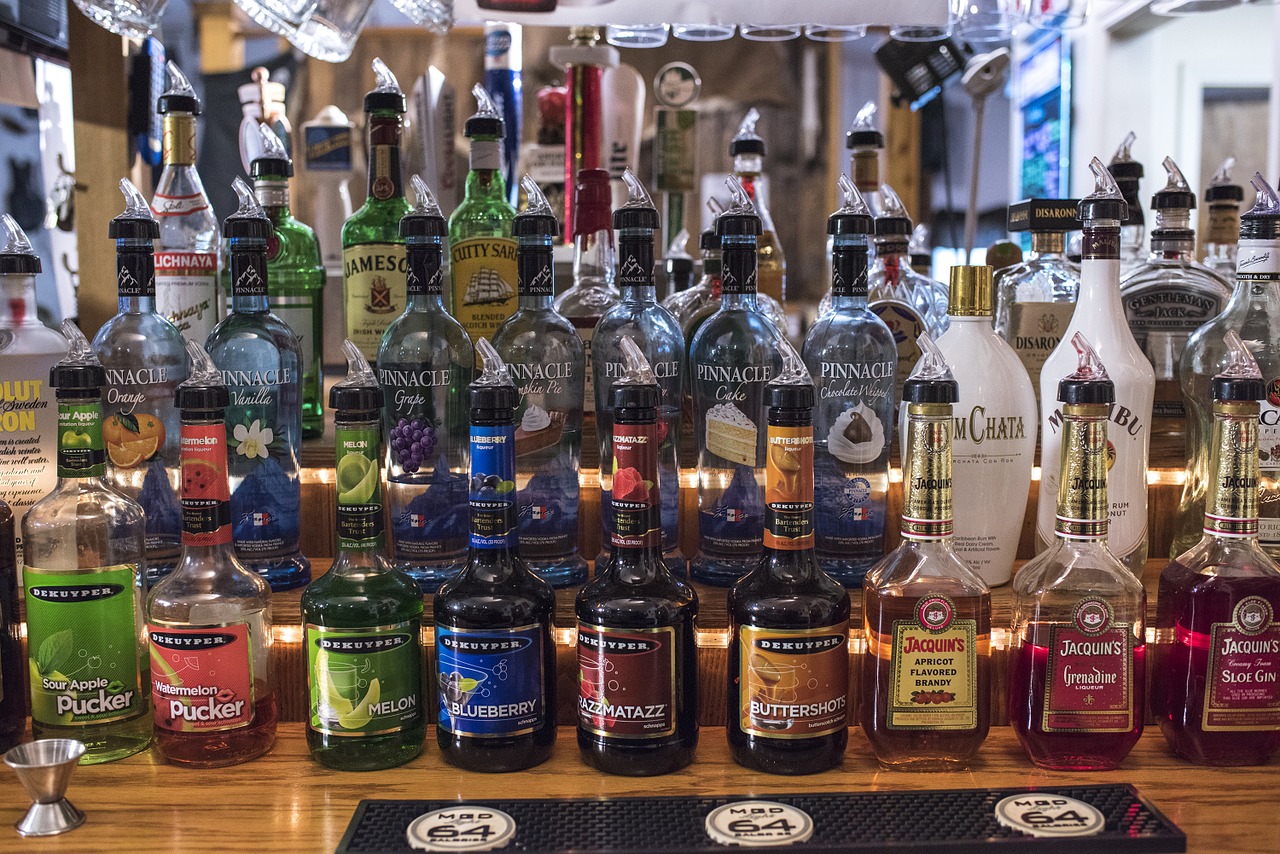
Why people become addicted – deltaFosB

By David Joel Miller, MS, Licensed Therapist & Licensed Counselor.

Addiction.
Photo courtesy of Pixabay

Is there really something different in the brains of addicted people?

Yes, there really does seem to be a physical change in the brain that accounts for why some people become addicted to chemicals, drugs in particular, and behaviors also. These brain changes may explain why and how people move from just experimenting, trying new novel exciting things, to the point of being addicted. Once addicted, the brain begins to demand more of the chemical or the behavior it has become dependent on.

One possible explanation for this brain change is deltaFosB.

It was quite by accident that I came across a description of deltaFosB and how it was causing a behavioral addiction. That instance had nothing to do with drugs, alcohol, or chemical dependency but came from the field of research on erectile dysfunction.

Erectile dysfunction was once considered purely a problem among older men and presumably their partners. Recently we have discovered there is a group of men who are developing erectile dysfunction at an amazingly young age.

The common denominator in this early onset of erectile dysfunction? Watching pornography. A few views appear to be no problem but those who watch a lot gradually develop a dependency on the watching of porn and become unable to be aroused by a real physical partner. The brain has rewired itself to become dependent on or addicted to porn to achieve sexual arousal.

For more on this see: Your Brain on Porn.

For those of you who like to watch – there is a YouTube TEDx Talks video on this research titled The Great Porn Experiment.

These brain changes do not happen suddenly but a little at a time.

Research on cocaine, morphine, nicotine, ethanol (drinkable alcohol), and Delta (9)-tetrahydrocannabinol (Delta (9)-THC, the active ingredient in marijuana, found they all produce specific changes in the brain. These changes do not happen suddenly from one dose but gradually over time the levels of deltaFosB increase and at some point, different for different people or different for different mice, and the brain begins to rewire itself to depend on the drug.  Interestingly enough each drug changes the brain in a different characteristic way.

Patterns of addiction to different drugs involve different changes in the brain. For more on this see: Distinct Patterns of ΔFosB Induction in Brain by Drugs of Abuse by Perrotti LI, Et. Al. Department of Psychiatry, The University of Texas Southwestern Medical Center, Dallas, Texas.

A full explanation of the chemistry involved is beyond my expertise or the scope of this blog but I have included a few links to some resources on the topic for those of you who are so inclined.

Wikipedia describes the role of deltaFosB this way.

“The ΔFosB splice variant has been identified as playing a central, crucial (necessary and sufficient) role in the development of many forms of behavioral plasticity and neuroplasticity involved in both behavioral addictions (associated with natural rewards) and drug addictions.”

How many doses does it take to become addicted – Gene Expression.

Genes are a lot more complicated than we used to think. When I went to school back in the post dark-ages era, we thought genes were yes or no things. You inherit your gene for eye color, hair color, height, and so on from your parents in a predictable, dominant-recessive way. Right?

Not really.

There is a thing called gene expression.

My gene for hair color dictated dark black hair. At least in my teens, it did. Those of you who have seen my blog bio picture realize that most of my hair is now gray, Ok maybe we should call it white. How did the gene for my hair color change?

As we age, or under the influence of environment and substances our genes can “Flip.” That switch in our genes moves and now that gene for black hair becomes the gene for white. The same thing happens for behaviors and drugs.

That chemical that used to be just an extra add-on for your pleasure becomes something you must have just to feel passable.

Here is a specific study on the process for those who take cocaine.

Expression of the transcription factor deltaFosB in the brain controls sensitivity to cocaine.

Now we have an explanation, of sorts, for how someone can use a substance or do a behavior for a while with no problem and then at some point the switch flips and they are now addicted to that drug or behavior. Presumably, this would also allow us to determine which behaviors fit the model as true behavioral addictions and which are just bad habits.

Can we flip that switch back? So far we have not found a way to turn an addict or an alcoholic back into a non-addicted person. You can dye your hair or you can let it go but once you turn gray you are stuck.

Be careful with the behaviors you practice and the chemical you use. They may be changing your brain.

Staying connected with David Joel Miller

Seven David Joel Miller Books are available now!

My newest book is now available. It was my opportunity to try on a new genre. I’ve been working on this book for several years, but now seem like the right time to publish it.

Story Bureau.

Story Bureau is a thrilling Dystopian Post-Apocalyptic adventure in the Surviving the Apocalypse series.

Baldwin struggles to survive life in a post-apocalyptic world where the government controls everything.

As society collapses and his family gets plunged into poverty, Baldwin takes a job in the capital city, working for a government agency called the Story Bureau. He discovers the Story Bureau is not a benign news outlet but a sinister government plot to manipulate society.

Bumps on the Road of Life. Whether you struggle with anxiety, depression, low motivation, or addiction, you can recover. Bumps on the Road of Life is the story of how people get off track and how to get your life out of the ditch.

Dark Family Secrets: Doris wants to get her life back, but small-town prejudice could shatter her dreams.

Casino Robbery Arthur Mitchell escapes the trauma of watching his girlfriend die. But the killers know he’s a witness and want him dead.

Planned Accidents  The second Arthur Mitchell and Plutus mystery.

Letters from the Dead: The third in the Arthur Mitchell mystery series.

What would you do if you found a letter to a detective describing a crime and you knew the writer and detective were dead, and you could be next?

Sasquatch. Three things about us, you should know. One, we have seen the past. Two, we’re trapped there. Three, I don’t know if we’ll ever get back to our own time.

For these and my upcoming books; please visit my Author Page – David Joel Miller

Want the latest blog posts as they publish? Subscribe to this blog.

For videos, see: Counselorssoapbox YouTube Video Channel

Is your Anxiety a disease?

By David Joel Miller

Anxiety provoking.

Anxiety.
Photo courtesy of Pixabay.com

Some fear is normal, too much is an anxiety disorder.

How can you tell if your fears and anxieties are normal or are they the signs of a more serious mental illness? In everyday language, there is not much difference between fears and anxieties. In technical, mental health terms there are some key differences between fears, anxieties, and the times your anxiety symptoms get out of control and get diagnosed as a mental illness.

Of all the mental illnesses, Anxiety disorders are the most common. In any given year one in five Americans will experience Anxiety so severe it should be diagnosed as an anxiety disorder. Prevalence rates around the world are very similar to the U. S. experience. Anxiety disorders are also the ones most likely to be seen by medical doctors as the symptoms often look like symptoms of physical illnesses.

Fear in the mental health sense is a reaction to a thing or situation that causes an immediate reaction. You see something, something happens and you get that feeling you need to do something now. The standard reactions are to freeze, flee, or fight.

Say you see a poisonous snake and you become very scared. This sounds rational. But if you are afraid to visit a school because they might have pictures of snakes up in the science classroom, that is excessive and should qualify you for some kind of mental health diagnosis. Which diagnosis? We are not there yet.

Anxiety, the mental health type definition, is a feeling of nervousness or uncomfortable about something that may happen in the future. People with anxiety disorders become so afraid that something will or might happen in the future that they have to alter their present to avoid these possibilities.

People commonly report that they have “Panic attacks” or “Anxiety attacks.” If the thing setting off the anxiety attack is something that has a real potential danger then having fear and freezing, fleeing, or fighting might all be reasonable adaptive behaviors. Attacks of a symptom do not always equal a mental illness.

While some anxiety disorders are brief most, to get diagnosed, need to be more than temporary conditions. The criteria for many anxiety disorders it’s that you must have had this anxiety for six months or more. Of course, during that time period, your anxiety may have episodes of getting stronger, and other times it may be less troublesome. If it has interfered with your life for 6 months or more you most likely have an anxiety disorder.

Not every case of nervousness or anxiety is the result of having an anxiety disorder. Someone who is depressed and has difficulty doing things they used to do is likely to become anxious. We include that kind of anxiety as part of the depression. Same thing when someone with a psychotic disorder becomes fearful and think people are watching them. That paranoia is part of the psychosis and does not get a separate diagnosis of an anxiety disorder.

What makes this fear diagnosable is when it begins to interfere with or change your behavior or upset you. If you can’t leave the house or work because of your anxiety, that is probably a diagnosable anxiety disorder. If your extreme fearfulness, anxiety, or hyper reactiveness start affecting your relationships, that is a probable diagnosis.

There are a number of different types of anxiety disorders depending on what is causing your fear or anxiety. Further complicating this picture is that many people who have anxiety disorders have more than one kind. Having multiple anxiety disorders is considered very common.

Since people with anxiety disorders have by definition “excessive” fear or anxiety it takes an outside observer, usually a therapist to evaluate the risk and see if this person’s fear is reasonable given their situation and their life experiences.

Most anxiety disorders start in childhood, often before the end of middle school. Over time and untreated anxiety disorders get worse. The stats say two of every three people with anxiety disorders are women. I believe this is partly cultural. Boys and men are taught to approach what they fear. Attack it. Women are supposed to get away. This results in anxious men becoming more violent or using a substance to cover up their anxiety and as a result, they get a behavioral or substance use diagnosis.

Physical sensations may be symptoms of anxiety.

Different people experience anxiety differently. Anxiety symptoms are frequently physical and many people interpret their anxiety symptoms as a physical illness.

If you experience an anxiety attack you may feel dizzy or light-headed. You may feel disoriented, have difficulty breathing or swallowing. The heart may race, you might sweat or tremble all over.  Despite the feeling you want to run your legs could become rubbery or jelly-like.

Some people experience gastrointestinal symptoms, constipation, diarrhea, nausea or feeling like you may vomit. Sleep disturbances, mind racing, and confused thoughts can result in Anxiety disorders getting confused with Bipolar Disorder and other mental illnesses.

Here is the most recent list of recognized Anxiety Disorders. These are necessarily brief, general descriptions of the disorders in plain language. For the specific criteria consult the relevant edition of the DSM.  For more on each separate disorder look for the articles I have written on specific disorders. I plan to write more of these posts on specific anxiety disorders in the future.

You will find the link to other articles on anxiety below.

Separation Anxiety Disorder.

This disorder customarily starts early in life. The child is afraid to leave or be away from a caregiver. They may think that something bad will happen to them or the caregiver if they are separated. We used to think of this mostly as a disorder of children and that they should “grow out of it.” We are starting to think that you can have this at any point in your life and that many clingy needy adults had this and or an attachment disorder since childhood.

Selective Mutism.

Someone who speaks normally at home but is afraid to or refuses to speak when in public or around strangers fits the description of Selective Mutism. The criteria for this disorder does not imply that the child is being poorly behaved but just that they are so afraid they can’t speak around strangers. The result is poor grades or school failure. As they get older this may lessen but again there are adults who just avoid speaking around strangers as much as possible.

Specific Phobia.

Spiders and snakes, blood, heights, or flying can all be objects of a specific phobia. With Specific Phobia we can point to things or situations that are the cause of the anxiety. People with specific phobias often had fears of several things or situations and may have other anxiety disorders as well.

Social Anxiety Disorder (Social Phobia).

In this disorder, the anxious person is afraid of social situations where others may watch them, evaluate them, or otherwise form an opinion about them. The fear here is about doing something “wrong” or being judged. This is about having your peers think poorly of you, what you wear, or how you do things. In severe cases, people avoid eating in public or going to social gatherings.

Panic Disorder.

Panic disorder involves many of the physical symptoms we talked about above. The person having a panic attack may have shortness of breath or chest pain and think they are having a heart attack. Having had one attack people become afraid to leave the house for fear they will have another and not be able to get help in time.

Agoraphobia.

Agoraphobia translates as “fear of the marketplace” mostly this involves crowded situations. Fear of buses, standing in lines, crowded places, stores, and similar situations. In severe cases, the person becomes unable to leave the house to go shopping and either needs someone to go with them or just go at times the store will be very empty.

Generalized Anxiety Disorder.

This involves being over-anxious all the time. A person with Generalized Anxiety Disorder is anxious all the time about most anything. There may be real-life causes for this anxiety, like living through a war or being assaulted or harmed. The professional has to look carefully to separate this from PTSD or other Trauma and Stressor-related disorders.

There are also diagnoses for anxiety problems caused by drugs, medications, medical conditions, or other factors.

For more on Anxiety, treatments for anxiety and related issues see:

counselorssoapbox.com Anxiety Post list.

Staying connected with David Joel Miller

Seven David Joel Miller Books are available now!

My newest book is now available. It was my opportunity to try on a new genre. I’ve been working on this book for several years, but now seem like the right time to publish it.

Story Bureau.

Story Bureau is a thrilling Dystopian Post-Apocalyptic adventure in the Surviving the Apocalypse series.

Baldwin struggles to survive life in a post-apocalyptic world where the government controls everything.

As society collapses and his family gets plunged into poverty, Baldwin takes a job in the capital city, working for a government agency called the Story Bureau. He discovers the Story Bureau is not a benign news outlet but a sinister government plot to manipulate society.

Bumps on the Road of Life. Whether you struggle with anxiety, depression, low motivation, or addiction, you can recover. Bumps on the Road of Life is the story of how people get off track and how to get your life out of the ditch.

Dark Family Secrets: Doris wants to get her life back, but small-town prejudice could shatter her dreams.

Casino Robbery Arthur Mitchell escapes the trauma of watching his girlfriend die. But the killers know he’s a witness and want him dead.

Planned Accidents  The second Arthur Mitchell and Plutus mystery.

Letters from the Dead: The third in the Arthur Mitchell mystery series.

What would you do if you found a letter to a detective describing a crime and you knew the writer and detective were dead, and you could be next?

Sasquatch. Three things about us, you should know. One, we have seen the past. Two, we’re trapped there. Three, I don’t know if we’ll ever get back to our own time.

For these and my upcoming books; please visit my Author Page – David Joel Miller

Want the latest blog posts as they publish? Subscribe to this blog.

For videos, see: Counselorssoapbox YouTube Video Channel

Do you feel unloved? 5 Ways to find love.

By David Joel Miller, MS, Licensed Therapist & Licensed Counselor.

Feeling Unloved

Feeling Unloved
Photo courtesy of Pixabay.com

Think you are unlovable? Here are ways to change that.

5 reasons you feel unloved and what to do about them.

Have you ever felt that you were unlovable? That no one will ever love you and that it is impossible to ever find someone who might really care about you? Both clients and commenters on this blog have expressed the belief that somehow they are different and that no one could possibly love them. This is just not so.

Thoughts of worthlessness or of being unlovable are common thoughts and feelings among people in early recovery from emotional and mental issues as well as those recovering from substance use issues.

Being lovable is not about popularity or people-pleasing. Being lovable and finding love in your life is about being the kind of person you want to be and then developing relationships that support you in being your real authentic self. Here are some reasons you may be feeling unloved and what to do about those issues.

You do not like you.

If you do not like yourself you make it difficult for others to like you. The first step in becoming more likable is to work on liking yourself. Become your own best friend. The one important thing you need to do, and it is not an easy thing sometimes, is to stop judging yourself.

Work on feeling better about yourself. One way to increase your feelings of accomplishment and therefore feel better about yourself is to do more worthwhile things. Learn to stop judging yourself or comparing yourself to others. You are you and how you are is OK. Work on being the best you there is, not on trying to be a copy of someone else.

You set unrealistic goals and expectations for yourself.

If you expect to be perfect, then, of course, you will fail to measure up. Judging yourself harshly does not inspire you to work harder. Negative motivation, beating yourself up, is notorious for keeping people down and depressed, not helping them get their life back on track.

Be realistic. Work on small increments of improvement. Give yourself acknowledgments for things done well even if there is still room for improvement. Look at things that are less than perfect as improvement opportunities, not failures.

Someone in childhood judged you harshly.

Realize that if you came from a non-affirming family and nothing you ever did was good enough you may be perpetuating the unlovability fiction by continuing to judge yourself overly harshly. The result is that you do not think you measure up and therefore do not like yourself.

Understand that there have been others in your life that may have had their own scars from life before you existed. People who do not feel good about themselves judge others harshly as a way to make themselves feel better.

If you were treated poorly or even abused, consider that this treatment was not a statement about you and your worth. You may have had sick people in your life. Sick people can do sick things. If you were abused or mistreated do not continue that pattern of abuse by punishing yourself.

You use this unlovable thing to avoid taking the risks of getting close to others.

Some people use the statements “I am unlovable.” Or “no one will ever be able to love me” as excuses for not trying. Why try when you expect to fail? The result is that they do not have to risk, do not have to love, and hope to be loved in return.

This negative attitude reduces the risk but also eliminates the rewards. Avoid the risks of close relationships and you may not be hurt by rejection but you guarantee the pain of loneliness.

You know that you have done some things you should not have done.

Recovery, from whatever you define as your issue, includes the need to forgive yourself for things you may have done but now regret. As you learn more you should do better things. If you see that things you do or have done have harmed others try to make amends, do what you can to make things right. Then accept and forgive yourself and work on becoming a better person.

Those are my take on five reasons people may have developed a belief that they are unlovable or unworthy of love. Begin today to work on loving yourself and treating yourself as someone worthy of love and see how much better your life can become.

For more posts related to this topic see: Love, relationships, and sex  

Staying connected with David Joel Miller

Seven David Joel Miller Books are available now!

My newest book is now available. It was my opportunity to try on a new genre. I’ve been working on this book for several years, but now seem like the right time to publish it.

Story Bureau.

Story Bureau is a thrilling Dystopian Post-Apocalyptic adventure in the Surviving the Apocalypse series.

Baldwin struggles to survive life in a post-apocalyptic world where the government controls everything.

As society collapses and his family gets plunged into poverty, Baldwin takes a job in the capital city, working for a government agency called the Story Bureau. He discovers the Story Bureau is not a benign news outlet but a sinister government plot to manipulate society.

Bumps on the Road of Life. Whether you struggle with anxiety, depression, low motivation, or addiction, you can recover. Bumps on the Road of Life is the story of how people get off track and how to get your life out of the ditch.

Dark Family Secrets: Doris wants to get her life back, but small-town prejudice could shatter her dreams.

Casino Robbery Arthur Mitchell escapes the trauma of watching his girlfriend die. But the killers know he’s a witness and want him dead.

Planned Accidents  The second Arthur Mitchell and Plutus mystery.

Letters from the Dead: The third in the Arthur Mitchell mystery series.

What would you do if you found a letter to a detective describing a crime and you knew the writer and detective were dead, and you could be next?

Sasquatch. Three things about us, you should know. One, we have seen the past. Two, we’re trapped there. Three, I don’t know if we’ll ever get back to our own time.

For these and my upcoming books; please visit my Author Page – David Joel Miller

Want the latest blog posts as they publish? Subscribe to this blog.

For videos, see: Counselorssoapbox YouTube Video Channel

What is the DSM?

By David Joel Miller, MS, Licensed Therapist & Licensed Counselor.

What is

What is the DSM?
Photo courtesy of Pixabay.

DSM is short for Diagnostic and Statistical Manual of Mental Disorders.

The DSM, short for Diagnostic and Statistical Manual of Mental Disorders is a book created and published by the APA (American Psychiatric Association) which seeks to codify the classification of mental, emotional, or behavioral diagnoses. Currently, the DSM is in its fifth edition (DSM-5.) Each successive edition has seen significant shifts in how we understand and diagnose mental illnesses.

While this volume is published by an American organization it has been widely used throughout the world. A number of reasons for the creation of the DSM have been suggested but a few large reasons stand out as the most important.

The early lists of diseases were about mortality, morbidity, and treatment.

Some of the earliest efforts to categorize diseases had to do with classifying causes of death. Other methods of classification were used on census reports to describe those who were unable to work because of mental retardation or mental illnesses.

It was also useful to doctors to have lists of diseases in order to help direct treatment. That medical model continues to influence mental health treatment. The APA is an organization of those people from a medical specialist who can prescribe medication. The result of reliance on doctors to write the classification system has been the medicalization of mental illness. If the main tool you have to treat illness is medications then they get classified by those disorders that will respond to a particular class of medication rather than those that will be best treated by a particular talk therapy.

Your diagnosis should not change with the place you live or who sees you.

One goal in encouraging the universal use of the DSM (and the International Classification of Diseases or ICD, more on the ICD in another post) is to increase the likelihood that when clinicians in various countries diagnose someone with a mental illness they are using the same definitions and criteria.

When you do research it is important to be researching the same disorder.

Standardized criteria, sometimes called strict criteria, are important in researching the treatment of mental disorders. Being sure that everyone in the research study has the same illness improves the chances that a treatment that works once with one group might work again on people with similar symptoms.

The DSM has undergone some huge alterations over the years. Early thinking separated mental illness into neuroses, the problems of living, and psychosis, the loss of contact with reality. Often mental retardation was tossed in with mental illness or vice versa.

Every time the list of mental illnesses has been revised the list has gotten longer. There is still a lot of debate over whether we have all the possible mental health issues listed in the DSM. The result of this uncertainty is a chapter in the back of the DSM-5 called “conditions for further study.” Some of these conditions will eventually get listed as disorders and some will disappear again.

The first or original version of the DSM came out in 1952. It is reported to have been influenced by government efforts to test soldiers during WWII. This was revised into DSM-II in 1968.

DSM-III was introduced in 1980. It introduced a thing called the “multi-axial system.” This was partially a recognition that the boundaries between mental illness, environmental issues, personality disorders, and physical illness were not always easy to fix precisely. The multi-axial system survived officially until Oct of 2015 when all were, in theory, required to adopt the new DSM-5. In the DSM-5 there is no longer a 5 axis system though we still look for most of the things that used to be placed on these five axes.

The DSM-III version was revised to be DSM-III-R in 1987 with lots of stuff changed and moved around.

In 1994 the DSM became DSM-IV, followed in 2000 by a minor text revision to become the DSM-4-TR.

The latest DSM revision was released in 2013 as the DSM-5. This version includes the codes for use with both the ICD-9 and the ICD-10. For those clinicians trained over the last 20 years, the DSM-5 was a sort of culture shock as some of the things we thought we knew about mental illness have been redefined. There was and continue to be some professional disagreements about how the DSM-5 classifies certain human problems.

The process of treatment research, especially in the area of brain scans and neuroscience makes it likely that our understanding of the human brain and mental illness will continue to change.

FYI These “What is” sometimes “What are” posts are my efforts to explain terms commonly used in Mental Health, Clinical Counseling, Substance Use Disorder Counseling, Psychology, Life Coaching, and related disciplines in a plain language way. Many are based on the new DSM-5; some of the older posts were based on the DSM-IV-TR, both published by the APA. For the more technical versions please consult the DSM or other appropriate references.

See Recommended Books.     More “What is” posts will be found at “What is.”

Staying connected with David Joel Miller

Seven David Joel Miller Books are available now!

My newest book is now available. It was my opportunity to try on a new genre. I’ve been working on this book for several years, but now seem like the right time to publish it.

Story Bureau.

Story Bureau is a thrilling Dystopian Post-Apocalyptic adventure in the Surviving the Apocalypse series.

Baldwin struggles to survive life in a post-apocalyptic world where the government controls everything.

As society collapses and his family gets plunged into poverty, Baldwin takes a job in the capital city, working for a government agency called the Story Bureau. He discovers the Story Bureau is not a benign news outlet but a sinister government plot to manipulate society.

Bumps on the Road of Life. Whether you struggle with anxiety, depression, low motivation, or addiction, you can recover. Bumps on the Road of Life is the story of how people get off track and how to get your life out of the ditch.

Dark Family Secrets: Doris wants to get her life back, but small-town prejudice could shatter her dreams.

Casino Robbery Arthur Mitchell escapes the trauma of watching his girlfriend die. But the killers know he’s a witness and want him dead.

Planned Accidents  The second Arthur Mitchell and Plutus mystery.

Letters from the Dead: The third in the Arthur Mitchell mystery series.

What would you do if you found a letter to a detective describing a crime and you knew the writer and detective were dead, and you could be next?

Sasquatch. Three things about us, you should know. One, we have seen the past. Two, we’re trapped there. Three, I don’t know if we’ll ever get back to our own time.

For these and my upcoming books; please visit my Author Page – David Joel Miller

Want the latest blog posts as they publish? Subscribe to this blog.

For videos, see: Counselorssoapbox YouTube Video Channel