
Unknown's avatar

About David Joel Miller

David Miller is a California Licensed Marriage and Family Therapist, Clinical Counselor, faculty member at a local college, certified trainer and writer.

Ways to win the argument and lose the relationship

By David Joel Miller, MS, Licensed Therapist & Licensed Counselor.

Couple not talking

Unhappy relationship.
Photo courtesy of Pixabay.com

The way you fight may permanently damage your relationships

Some couples argue and then they make up. Other couples do so much damage when they argue that the relationship is permanently damaged. Stuffing your feelings and not asking to have your needs met is no option. But there are ways to disagree without permanently wrecking that relationship.

If you find that when you win the argument you lose the close relationship you wanted, look to see if you are doing any of these destructive things when you and your partner argue.

Here are 10 destructive things to avoid when you argue.

  1. Personal attacks.

Talk about behavior, not personalities. Ask for the change you want. Tell the other person about how you feel and own that these are your feelings.

Do not go on the attack, call them names, or make global judgments. Personal attacks damage your partner and the relationship.

  1. Name-calling

In the heat of the argument, it is easy to call someone a name. You are feeling hurt and what to hurt them back. Calling names incites the other person to do the same. That name-calling damages the relationship and invites them to retaliate any way they can in response.

  1. Saying the thing you know will hurt them the most.

The argument is raging on and you want to get even. Resist the temptation to say the thing that will hurt the other person the most. Most of us know things about our partners, past mistakes, insecurities, triggers for painful emotions. When you are arguing there is this temptation to say the thing that will hurt them the most.

Know that should you give in and do the damage, the relationship is the most likely victim.

  1. Stonewalling – Refusing to talk to them – the silent treatment

Giving your partner a cold shoulder leads to a very chilly relationship. You may feel like you are winning the argument at the moment but down the road refusing to communicate ends future communication.

  1. Not listening to what the other person says.

When there is conflict listening is the first victim. An outside observer will often notice that two people who are disagreeing strongly are in fact talking about two different subjects. Each is so interested in winning the argument they forget to listen to the other person.

If you spend most of your time in a conversation thinking about what you will say next, you are communicating with yourself not the other person.

  1. Bringing up the past

Everyone has a past. Couples have pasts, staying stuck in the past harms your possible future together. Many people hold onto all the mistakes and faults of their partner and when the heat rises they throw all those past events in the other person’s face.

Work through those past events. Put them to rest and then leave them there. Continuing to hold onto the past as a weapon for the future prevents any repair of the relationship.

You may use the past to win this argument but you lose the possibilities of a good future when you keep living in the past.

  1. Threats.

Be very careful with threats. If you threaten too much and too often the other person stops believing you. Do not make threats that you do not intend to follow through on. Making treats forces the other person to take action to protect themselves.

What may have started out as a way to win an argument may end as a way to terminate your relationship.

  1. Not admitting your part.

Do not continue to insist on enumerating the things the other person has done wrong as a way to avoid looking at your part. You can’t change your partner. If you could you probably would not like the result. Identify your part in the problem and work on fixing that portion first. Change you and the world will change around you.

  1. Put-downs.

Put-downs, like name-calling, degrade your relationship along with the partner. Why would you want to stay in a relationship with someone you did not respect? Keep putting your partner down and they lose respect for you. Rather than making that other person want to please you, they will begin to want to escape you. Put a partner down enough and they will want to be rid of you.

  10. Getting physical.

Get physical with your partner and you will lose. It may result in police and a domestic violence charge. Even if there are no immediate consequences you will feel worse about yourself. The person who uses violence to win an argument may win in the short run but over the long-term, the relationship turns from a positive one to one of waiting for an opportunity to get revenge.

Love is the largest casualty of violence.

Have you ever won an argument and found that the cost of that victory was too large? Are you more interested in winning the argument or in preserving the loving relationship?

Staying connected with David Joel Miller

Seven David Joel Miller Books are available now!

My newest book is now available. It was my opportunity to try on a new genre. I’ve been working on this book for several years, but now seem like the right time to publish it.

Story Bureau.

Story Bureau is a thrilling Dystopian Post-Apocalyptic adventure in the Surviving the Apocalypse series.

Baldwin struggles to survive life in a post-apocalyptic world where the government controls everything.

As society collapses and his family gets plunged into poverty, Baldwin takes a job in the capital city, working for a government agency called the Story Bureau. He discovers the Story Bureau is not a benign news outlet but a sinister government plot to manipulate society.

Bumps on the Road of Life. Whether you struggle with anxiety, depression, low motivation, or addiction, you can recover. Bumps on the Road of Life is the story of how people get off track and how to get your life out of the ditch.

Dark Family Secrets: Doris wants to get her life back, but small-town prejudice could shatter her dreams.

Casino Robbery Arthur Mitchell escapes the trauma of watching his girlfriend die. But the killers know he’s a witness and want him dead.

Planned Accidents  The second Arthur Mitchell and Plutus mystery.

Letters from the Dead: The third in the Arthur Mitchell mystery series.

What would you do if you found a letter to a detective describing a crime and you knew the writer and detective were dead, and you could be next?

Sasquatch. Three things about us, you should know. One, we have seen the past. Two, we’re trapped there. Three, I don’t know if we’ll ever get back to our own time.

For these and my upcoming books; please visit my Author Page – David Joel Miller

Want the latest blog posts as they publish? Subscribe to this blog.

For videos, see: Counselorssoapbox YouTube Video Channel
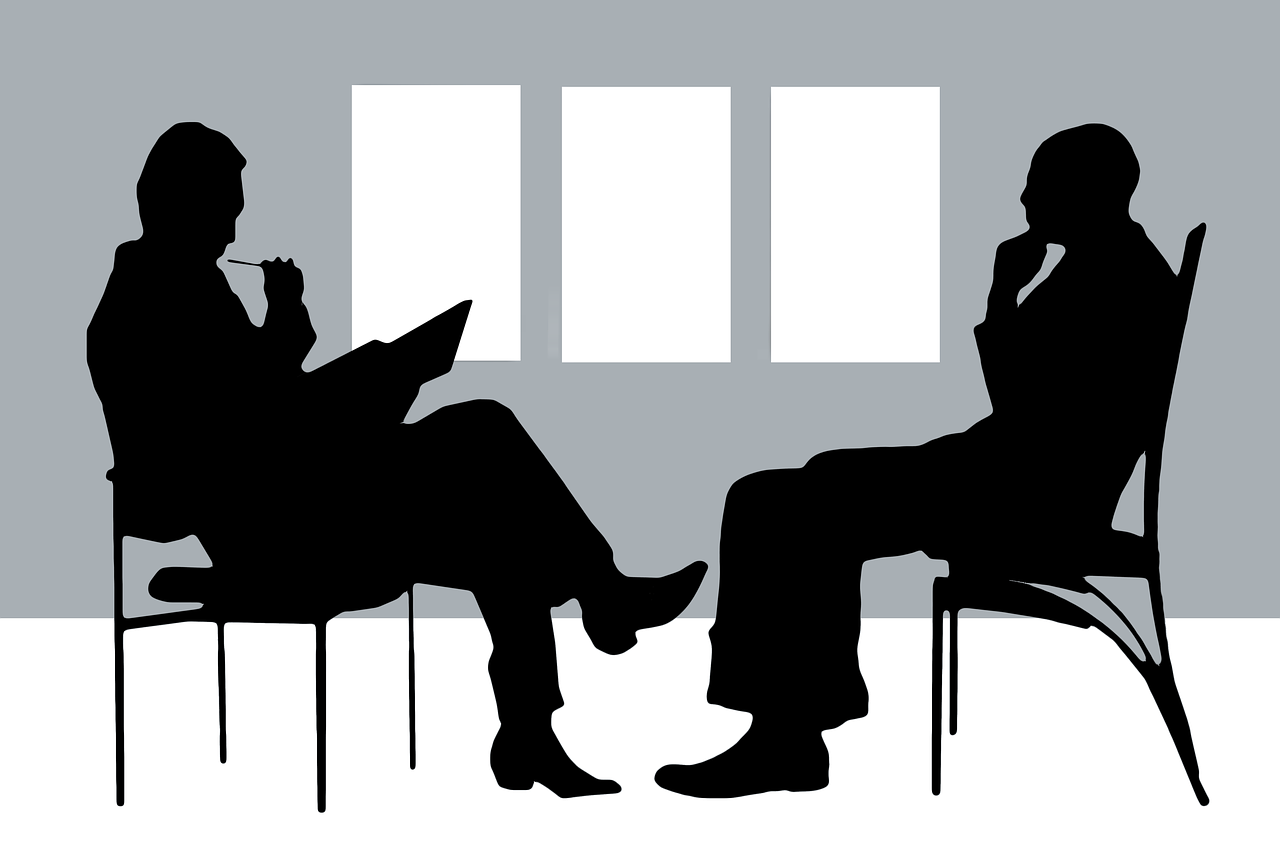
What is an evidence based practice?

By David Joel Miller, MS, Licensed Therapist & Licensed Counselor.

Counseling questions

Counseling questions.
Photo courtesy of Pixabay.com

Which therapy methods really work?

If you have a particular “mental illness” what treatment would be best for you and how would you find someone who did that type of therapy? Should you seek out a CBT therapist or a DBT one? Is there really a difference?

The answer is more difficult to find than you might think.

The fields of counseling and therapy are full of practitioners who each have created their own varieties of treatment. Unfortunately what works for one client does not always work for another. Also what works when one therapist uses it does not always seem to work when another counselor tries it.

So how do we establish what methods work and what are wastes of time and money? If insurance, private or public programs, are going to provide or pay for the treatment they want some assurance that the treatment will work. If you are paying out of your own pocket you deserve the same level of confidence.

Some “schools” of therapy have been very resistant to being evaluated; others have embraced the processes of evaluation. There are at this point in time more questions than answers.

National Registry of Evidence-Based Programs and Practices.

Creating a list or registry of therapies that work is one possible solution. Here in the U. S., the most comprehensive list is found at the National Registry of Evidence-Based Programs and Practices. This is however not the only list.

The last time I looked, this database contained 340 different programs or practices that had been registered and evaluated. Not all of these programs are equal. Some have many studies and are deemed very reliable and others have few studies, with only small groups of people and are still questionable.

Nevertheless, having a list that we can look at helps narrow down the range of treatments that may be helpful. This list also seems to rule out some treatments that are questionable or unhelpful.

Just looking up your condition and finding a treatment that was shown to work in a particular study is not the whole answer. Given one treatment model, not all therapists are equally good at using it. A treatment that worked well with military veterans may not be right for teens. The group or “population” being treated matters.

Another factor is how close to the original method a therapist works. Some providers will stay very close to the original model and others will vary what they do depending on the client. Some methods seem to work best when the practitioner sticks to the “script.” Other methods work better when tailored to the client. Some practices have detailed manuals the provider is supposed to follow and others are more general theories

No matter what theory or method a therapist uses the success of the treatment is hugely influenced by the relationship between the therapist and the client. If you think this person can help you then they can. If you do not believe in what the therapist is doing then it is much less likely to be helpful.

While professions continue to develop ways to be helpful to clients what you should be looking for is someone who can help you with your particular problem. Find someone who feels right to you if possible. Expect that you will need to do some work and sometimes that work will feel uncomfortable. Therapy may even feel painful at times when you have to face traumas and hurts from the past.

Keep in mind that good therapy is not something the therapist does to you, but a process you and they do together that helps you create the best life possible.

Staying connected with David Joel Miller

Seven David Joel Miller Books are available now!

My newest book is now available. It was my opportunity to try on a new genre. I’ve been working on this book for several years, but now seem like the right time to publish it.

Story Bureau.

Story Bureau is a thrilling Dystopian Post-Apocalyptic adventure in the Surviving the Apocalypse series.

Baldwin struggles to survive life in a post-apocalyptic world where the government controls everything.

As society collapses and his family gets plunged into poverty, Baldwin takes a job in the capital city, working for a government agency called the Story Bureau. He discovers the Story Bureau is not a benign news outlet but a sinister government plot to manipulate society.

Bumps on the Road of Life. Whether you struggle with anxiety, depression, low motivation, or addiction, you can recover. Bumps on the Road of Life is the story of how people get off track and how to get your life out of the ditch.

Dark Family Secrets: Doris wants to get her life back, but small-town prejudice could shatter her dreams.

Casino Robbery Arthur Mitchell escapes the trauma of watching his girlfriend die. But the killers know he’s a witness and want him dead.

Planned Accidents  The second Arthur Mitchell and Plutus mystery.

Letters from the Dead: The third in the Arthur Mitchell mystery series.

What would you do if you found a letter to a detective describing a crime and you knew the writer and detective were dead, and you could be next?

Sasquatch. Three things about us, you should know. One, we have seen the past. Two, we’re trapped there. Three, I don’t know if we’ll ever get back to our own time.

For these and my upcoming books; please visit my Author Page – David Joel Miller

Want the latest blog posts as they publish? Subscribe to this blog.

For videos, see: Counselorssoapbox YouTube Video Channel

PTSD or Acute Stress?

By David Joel Miller, MS, Licensed Therapist & Licensed Counselor.

Words about PTSD

PTSD.
Photo courtesy of Pixabay.com

What’s the difference between PTSD and Acute Stress?

Stressed

Feeling stressed out?
Photo courtesy of Pixabay.com

PTSD, Post-Traumatic Stress Disorder has made the news a lot recently. This is a good thing. More recognition of PTSD should result in more treatment and less suffering from those who have PTSD. Stress caused problems may or may not be from a Trauma.

What hasn’t gotten as much notice and should have, is the role of Acute Stress Disorder in the events that knock people down and cause a lot of suffering. Acute Stress Disorder creates a lot of problems for a lot of people. Reactions to severe stress can cause long-term changes in people’s feelings and behaviors. Many of these changes go unrecognized and untreated. Acute Stress Disorder may be missed more often than it is diagnosed. More on that later in this blog post.

Stress can harm you.

We know stress is a problem a lot of the time, for a lot of people. Outside the field of mental health, there are lots of blog posts and books on stress, what it is, and how to deal with it.  I have written posts about stress and managing it for those of you who have too much stress in your life even if it does not get you a diagnosis or disability.

Stress, plain simple stress, can break people down even if they never meet the criteria for a mental illness. Think of stress like this:

Remember those spectacular car crashes at those televised car races? Some of those crashes were the result of car parts (or drivers) under stress. All-day, for hundreds of miles that car and that poor car part, ran hard and fast. The stress just kept coming, then suddenly that part breaks, that car goes all which way and the crash occurs.

Stress on people can be like that. Too much stress too long and the person develops mental health problems. Some of those problems need a day off, others become diagnosable illnesses. In the past, we tended to think of stress-related disorders like Post-Traumatic Stress Disorder (PTSD) as close cousins to Anxiety. That has started to change.

Beginning soon mental health professionals will begin to use new coding systems. The DSM-5 or the newer ICD codes. In those systems, Stress and Trauma-Related Disorders get their own chapter. While Stressor-Related Disorders can cause anxiety and have some symptoms in common with anxiety disorders they also have some differences.

Trauma- and Stressor-Related Disorders.

From the day you are born till the day you die too much stress can cause you a problem. One key factor in Trauma- and Stressor-Related Disorders is that there has to be a specific thing that happened to you, the stressor. Trauma is the king of all stressors.

So these things do not just suddenly happen for no reason and they are presumably not something you are born with. This fuzzes up the expression that mental illness is a brain disorder, in that the cause of these disorders are things that happen to you.

If life events result in acquiring a mental illness, then events, as in therapy and learning, can be helpful in treating that disorder.  Much of the treatments for stressor-related disorders are cognitive type therapies.

Trauma and Stressor-Related Disorders also can have features that are similar, we might even say overlap, depression, anxiety, obsessive-compulsive, and the often overlooked dissociation. Not every other mental illness is caused by stress or trauma. We just need to be aware that sometimes there can be connections. This similarity to other issues results in a lot of stress-related disorders not being diagnosed until years later when the person is severely mentally ill or disabled.

What is Acute Stress Disorder and why is it important?

Acute Stress Disorder has two sets of “symptoms,” the things people experience that are a problem for them and the technical things professionals use to give out the diagnosis.

Some of the things you might experience as a result of having Acute Stress Disorder are also symptoms of other mental health issues or other mental illnesses. There are a variety of diagnoses that someone might get as a result of injuries they sustained due to stress.

These symptoms can impact your life in long-term ways. People may find their personality has changed.

Poor or no sleep is a cause for worry. Poor sleep now, predicts mental health issues down the road. In the aftermath of stressors, many people report that they do not sleep well. Some report bad dreams, nightmares, or night terrors. A few days of bad sleep after you are stressed and you should get back to normal. If the sleep disturbance goes on for very long it starts to change your functioning and your life.

Panic attacks are common in the first month after a severe life stressor. The time period of thirty days becomes important when we try to separate Acute Stress Disorder from other problems. This panic attack may first be experienced immediately after a stressful incident and then go on to become Panic Disorder.

If you have been through a severely stressful incident it is not unusual for you to blame yourself for not expecting it, not doing something differently, and not being able to prevent it. Rationally you should know that it may not have been possible to prevent what happened, but people commonly experience guilt or even shame over not being able to stop that trauma.

After a trauma, some people report that happiness or joy has been sucked out of life. They stop caring about themselves or others. They may begin to take risks that they never took before. They drive too fast, gamble, take more sexual risks. Some trauma or stress survivors become angry, bitter, and more argumentative. They get in more fights, verbally, and physically. It is as if they have changed who they are and they no longer care.

If you knew about the traumatic experience you might understand why the changes in behavior occurred. If that trauma survivor kept the trauma a secret, and many do, you might think this was all bad behavior.

Trauma survivors, even those who do not go on to develop more serious mental health problems, may become confused or think they are losing their minds. They may get tested for or treated for concussions. They could have both a concussion and a longer-term mental illness.

After a trauma or a crisis from the buildup of long-term stress, you may find it difficult to go back to places that remind you of the trauma. People become unable to go back to work, visit certain places or they avoid social situations.

How do professionals diagnose Acute Stress Disorder and why is that diagnosis so rare?

The official criteria for Acute Stress disorder are found in the DSM-5 or DSM-4-TR if your agency is still using that one. The DSM’s are published by the APA and you can order the full text from them. Here is my oversimplified plain language version of that criteria. I hope I do not make errors in this explanation.

A warning

Self-diagnosis or diagnosing your family and friends is a risky behavior. If after reading all this you believe you or someone close to you has Acute Stress Disorder, another Trauma- and Stressor-Related Disorder, or any other mental health problem, go see a professional and get it checked out. There are treatments available for all of these conditions and there is no need to suffer alone.

There are 5 things the professional needs to look at for Acute Stress Disorder

  1. Did you experience a really bad Traumatic Stressor Recently?

There is a “waiting period” of 3 days. Most people have difficulty for a few days after a serious trauma. Then there is the requirement that the problems you are having must last UP TO 30 days. This is a huge thing for Acute Stress Disorder. If your problems go on more than 30 days the name we call this (diagnostic code) changes to something more long-term like Post-Traumatic Stress Disorder (PTSD.)

The result of this time factor is that a whole lot of people who have this problem do not ever get diagnosed. In outpatient settings, it can take 30 days to get your insurance settled and to get in for an appointment. In hospital settings this diagnosis may be found more often using “strict criteria” but in most other places the results of trauma do not show up till years later and the issues then get called something other than Acute Stress Disorder.

  1. You must have at least 9 of 14 possible symptoms.

This leads to lots of ifs. Depending on who is doing the evaluating some things get counted and not others. Another problem is that trauma victims do not like to talk about their trauma. One symptom is avoiding reminders of the trauma and talking about it again is a reminder. So not having said they have a symptom can rule people out who did, in fact, meet the criteria and do have Acute Stress Disorder.

I will not go through all the 14 criteria here, just a few of the big ones.

You can’t get the trauma or stressor out of your head.

This is sometimes called intrusive thoughts. You may also have dreams and things will trigger the memories so much you begin avoiding those emotional triggers. After the 30 days waiting period this may become PTSD.

From now on you are in a bad mood and can’t get out of it.

The happiness and joy get sucked out of your life. You are in a bad mood all the time for no apparent reason. Some people, kids, and men mostly, become irritable, angry, and possibly violent. In my view, Acute Stress Disorder and its aftermath are involved in a lot of these unexpected violent incidents.

People may “space out.”

Researchers have noted that zoning out, technically called dissociation, is common, almost universal in the first three days after a trauma. If that dissociation continues after the third day we think it indicates Acute Stress Disorder. After thirty days that dissociation gets diagnosed as something else. I believe that there are more cases of dissociation than gets recognized. Some are ignored and some get another name like Psychosis NOS (not otherwise specified.)

Acute Stress Disorder is time-limited.

Acute Stress Disorder must last more than three days and less than thirty. Beyond the thirty the name gets changed. Many people try their hardest to cope and do not report symptoms. They can’t work and go on disability for a while until that runs out. Some end up alone and homeless. They get angry, depressed, or anxious and their relationships suffer. They develop panic attacks or obsessive-compulsive disorders. Some get other mental illness diagnoses.

Having Acute Stress Disorder really matters.

This disorder, like most things we call mental illness, really makes a difference in people’s lives. It interferes with their ability to work or go to school. Having Acute Stress disorder can interfere with or destroy relationships with family and friends. It causes the people who have it a lot of suffering even when they can’t express how or why they are suffering. It can also damage other important areas of your life, such as religious observances, hobbies, and so forth.

Acute Stress Disorder is not something else.

Professionals are continually reminded to avoid putting the wrong label (diagnoses) on things. If you only have these symptoms because of a medical issue or because you are drunk or high when you have the symptoms then we do not say you have Acute Stress Disorder.

This does not mean that people with medical problems or who use drugs can’t get Acute Stress Disorder, we just want to be careful we do not get the diagnosis wrong and count as symptoms things that were not caused by the stressor.

One last thing to consider.

There are two other groups of mental health problems in the Trauma and Stressor-Related Disorder chapter. Attachments Disorders, those problems that begin in very early life and Adjustment Disorders, which are reactions to stress that may not be life-threatening but have a huge impact on your mental health. These groups of life problems, sometimes, they rise to the level of a mental illness or a mental health problem.

I have written elsewhere about how Attachment Disorders and Adjustment Disorders can wreck someone’s life if not attended to. I am out of time and space here to talk about these other groups of Trauma and Stressor-Related Disorders.

Hope this post did not run too long. I do not think I have written a post of this length in the past but this seemed like a topic that needed more space and discussion.

Staying connected with David Joel Miller

Seven David Joel Miller Books are available now!

My newest book is now available. It was my opportunity to try on a new genre. I’ve been working on this book for several years, but now seem like the right time to publish it.

Story Bureau.

Story Bureau is a thrilling Dystopian Post-Apocalyptic adventure in the Surviving the Apocalypse series.

Baldwin struggles to survive life in a post-apocalyptic world where the government controls everything.

As society collapses and his family gets plunged into poverty, Baldwin takes a job in the capital city, working for a government agency called the Story Bureau. He discovers the Story Bureau is not a benign news outlet but a sinister government plot to manipulate society.

Bumps on the Road of Life. Whether you struggle with anxiety, depression, low motivation, or addiction, you can recover. Bumps on the Road of Life is the story of how people get off track and how to get your life out of the ditch.

Dark Family Secrets: Doris wants to get her life back, but small-town prejudice could shatter her dreams.

Casino Robbery Arthur Mitchell escapes the trauma of watching his girlfriend die. But the killers know he’s a witness and want him dead.

Planned Accidents  The second Arthur Mitchell and Plutus mystery.

Letters from the Dead: The third in the Arthur Mitchell mystery series.

What would you do if you found a letter to a detective describing a crime and you knew the writer and detective were dead, and you could be next?

Sasquatch. Three things about us, you should know. One, we have seen the past. Two, we’re trapped there. Three, I don’t know if we’ll ever get back to our own time.

For these and my upcoming books; please visit my Author Page – David Joel Miller

Want the latest blog posts as they publish? Subscribe to this blog.

For videos, see: Counselorssoapbox YouTube Video Channel

What are you thankful for?

Happy Thanksgiving

Happy Thanksgiving.
Photo courtesy of Pixabay.com

Lonely Holidays

By David Joel Miller, MS, Licensed Therapist & Licensed Counselor.

Woman alone at the beach

Alone for the holiday.
Photo courtesy of Pixabay.com

The holidays can be a tough time for many people.

The season comes with high expectations. Things you should do should have and should be. Compared to your expectations this season can be a disappointment. It doesn’t have to be that way. If you are thinking about who you wish you were with and they are not there it can be sad.

For some folk the only visitors this season will be the demons: sadness, depression, guilt, and self-doubt. Rumination and revisiting the past can generate all forms of unhelpful thoughts.

Loneliness is often accompanied by his pal, emptiness, that giant-sized hole in your middle. There are a host of ways you might try to fill that hole and keep the loneliness at bay. Most of these loneliness cures promise to make you feel better for a moment but at a long-term price. They will reach for the things that only work for a short while. Let’s talk first some things that are unhelpful then review some suggestions for coping with holiday loneliness.

Spending your way to happiness is unhelpful in the longer run.

This season is the time for the annual binge behavior. Many people expect to gorge themselves on things in an effort to make themselves feel better, feel adequate. It is a short trip from treating yourself to a new gadget to thinking that your self-worth depends on your ability to spend and spend.

Don’t have the cash? You can dine on a diet of debt. Many people will be vomiting up their money for the year to come after the overindulgence of debt spending.

There is no magic pill for feeling lonely.

This holiday season people around the globe will look for all manner of substances to satiate that uneasy feeling that they are not what they should be or that what they are is not good enough. Drugs and alcohol are chief among those things that will be abused aplenty.

Some people will discover this holiday season that they too are candidates for an addiction or alcoholism. One dose of your drug of choice makes you forget what is bothering you but at the price of becoming dependent on that drug. Addiction is a gift that keeps on taking.

If you have a health challenge, physical or mental, a diagnosed illness, medication can be important. But no medication changes your unhelpful thoughts and makes your loneliness vanish.

The kind of drug most people will take this year, the self-prescribed alcohol or street drugs will let you forget your discomfort for a moment at a high long-term cost.

Do not let the wolves in the door.

When you start to feel that loneliness knocking at your door it is tempting to let all kinds of harmful people in. People will hook up and reconnect, often with the people who have caused them the most pain. It is tempting to let a dangerous person into your life to keep loneliness at bay, but that creature may destroy you later.

Avoid dogmatism, fanaticism, and revenge.

Dedicating yourself to a cause and trying to annihilate those who disagree is an intoxicant. Trying to make yourself less alone by launching a program of forcing others to agree with your politics, religion, or other dogma may divert your attention from your unhappiness for a while. Inflicting pain on others will never heal the wound in your heart.

Stalking and seeking revenge keeps you connected to the person who harmed you and maintains the pain. Do not believe that someone’s departure from your life is the sole cause of your loneliness. Living the best life possible now is the cure for the loss of someone from your life.

What does work to keep loneliness from entering your life?

Being alone does not equal being lonely.

If whenever you are alone you find yourself feeling lonely and frantically looking for something or someone to help you feel better, the problem is that you have not learned to be comfortable in your own company. Learn to like yourself, become your own best friend. Discover the ways that you can please yourself. In other posts past and future we can talk about things to do when you are alone that are positive and nurturing of you.

Reconnect with positive people.

The holidays are a good time to reach out. Mail or email someone who was a positive influence in your life that you have not talked with in a while. Plan to visit some old friends and some younger ones. Take yourself back to some places that are filled with happy memories.

Pain, loneliness, and regret have a way of pounding on your door. Happy memories wait patiently outside that door for you to invite them in.

Seek out supportive people and give them the opportunity to feel good by being of service.

Self-help groups, 12 step groups, in particular, have all kinds of events this time of year. They conduct marathon meetings, potlucks, and social events so that recovering people do not need to be alone for the holidays. Seek out others in recovery.

Visit a positive online community.

Leave comments, read blog posts, interact with other recovering people. Know that others may be waiting for the blessing of your comment. Look for the good in others and share the best in you.

Practice your religious or spiritual tradition.

Feeling that you are connected to something greater than yourself is an antidote to that empty feeling. Make time this holiday season to think about what you think is important and why you chose that belief.

Feeling a connection to a power greater than yourself can help turn that feeling of loneliness into a feeling of purpose. Practice those ceremonies that make meaning for you. Prayer, meditation, and ritual all put you in a proper connection to your higher power.

Alone need not mean lonely.

Just because you are alone this holiday season does not mean you have to be lonely. Alone is on the outside and lonely is on the inside.

What will you do this holiday season to help your recovery and thwart the loneliness, creature?

Staying connected with David Joel Miller

Seven David Joel Miller Books are available now!

My newest book is now available. It was my opportunity to try on a new genre. I’ve been working on this book for several years, but now seem like the right time to publish it.

Story Bureau.

Story Bureau is a thrilling Dystopian Post-Apocalyptic adventure in the Surviving the Apocalypse series.

Baldwin struggles to survive life in a post-apocalyptic world where the government controls everything.

As society collapses and his family gets plunged into poverty, Baldwin takes a job in the capital city, working for a government agency called the Story Bureau. He discovers the Story Bureau is not a benign news outlet but a sinister government plot to manipulate society.

Bumps on the Road of Life. Whether you struggle with anxiety, depression, low motivation, or addiction, you can recover. Bumps on the Road of Life is the story of how people get off track and how to get your life out of the ditch.

Dark Family Secrets: Doris wants to get her life back, but small-town prejudice could shatter her dreams.

Casino Robbery Arthur Mitchell escapes the trauma of watching his girlfriend die. But the killers know he’s a witness and want him dead.

Planned Accidents  The second Arthur Mitchell and Plutus mystery.

Letters from the Dead: The third in the Arthur Mitchell mystery series.

What would you do if you found a letter to a detective describing a crime and you knew the writer and detective were dead, and you could be next?

Sasquatch. Three things about us, you should know. One, we have seen the past. Two, we’re trapped there. Three, I don’t know if we’ll ever get back to our own time.

For these and my upcoming books; please visit my Author Page – David Joel Miller

Want the latest blog posts as they publish? Subscribe to this blog.

For videos, see: Counselorssoapbox YouTube Video Channel

Do these 12 things for a better life.

By David Joel Miller, MS, Licensed Therapist & Licensed Counselor.

Happy children

Happy.
Photo courtesy of Pixabay.com

Want a better, more successful life? Try out these prescriptions.

  1. Do more stuff.

The more you do the more you will get accomplished.

Take some chances.

Do some new things. Learn from your mistakes and then stop making the same old mistakes.

To get more out of life you need to put more living in the life you have.

  1. Embrace change.

Doing one thing over and over leads to making deep ruts. Those ruts better be in the place you want them. Life is change. You will change. Your relationships will change, for the better or the worse. Embrace the process of change and see that you continue to change for the better. Make change your helper, not your destroyer.

  1. Become more confident.

Want to be more? Feel better about the things you do. To feel better about yourself do more and better things. Do new worthwhile things. Do things of service to others and you will grow.

  1. Develop a positive support system.

We all tend to rise or fall to the levels of those around us. Pick good friends, pick people on the way up, spiritually, and intellectually.

  1. Get honest with yourself.

It is easy to lie to yourself. Tell you that someone else is to blame. You can think of all kinds of excuses why things are others fault and why you don’t need to do things. Honesty is an important part of any recovery. One of the most important aspects of honesty is getting honest with yourself. There are some things you will never be able to do. There are things you like that you need to get out of your life. Get rigorously honest with yourself and things will begin to change.

  1. Be where you are, do what you do. – Mindfulness.

Lives that are less than they should be are often lives lived jumping between the regrets of the past and the fears of the future. Stay in the present. Think about the now. Whatever you are doing be doing that thing. Mindfulness, meditation, or just old fashion “pay attention to what you are doing” will all add to your ability to focus on the present and make progress on creating the life you want to live.

  1. Pay attention to the good stuff. Study happiness.

Our brains attend to pain and suffering. It is our mind’s way of trying to protect us from the bad stuff. You learned from birth to recognize and attend to the painful. What many of us did not learn is that happiness, positive memories, are not that sticky. They slip right on off the brain. If you want a good life, a happy life, a fulfilling life, you need to pay extra attention to the good things that are going on all around you. Become a happiness expert and learn to recognize the positive when it happens in your world.

  1. Let go of the past.

The past is over. Learn the lessons you need to learn. Hold fast to the memories and release the pain. Living in the past prevents having a full life in the now. And really the now is the only time you will ever be fully there.

  1. Do what you love. Love what you do.

Spend as much of your life as possible doing things that you truly love. If you can’t do your passion all the time then find ways to enjoy the things you do most of the time to provide the necessities of life and then make time for those things you do feel passionate about.

    10. Be a good person. Be kind, give out compliments.

Be generous with praise for others. Compliments, honest sincere ones, cost you nothing and are worth a priceless amount to those who may need a kind word today. Fake praise debases you and your relationships. Do not say something is great if it isn’t. Do look for the good in everyone and everything and praise those things you can appreciate.

    11. Be teachable, seek out good teachers. – Mentors.

Want a good life? Surround yourself with those who know more than you do and are willing to teach. Can’t find people who know more than you? Then look for good students to teach and in the process, you will learn more than you ever thought possible.

    12. Take care of your body.

You can’t do good work without tools. Your body is the tool you will use and the place you will live your whole life. Take care of it. Eat well. Sleep when tired and rest when you need to. Do not expect to get service out of a tool that has been abused.

Make sure you exercise and keep all the body parts in good working order. For a happy life keep all your needs in balance. These are just some of the things I have found useful in creating my happy life. What things have you found helpful in making your life the best it can be?

Staying connected with David Joel Miller

Seven David Joel Miller Books are available now!

My newest book is now available. It was my opportunity to try on a new genre. I’ve been working on this book for several years, but now seem like the right time to publish it.

Story Bureau.

Story Bureau is a thrilling Dystopian Post-Apocalyptic adventure in the Surviving the Apocalypse series.

Baldwin struggles to survive life in a post-apocalyptic world where the government controls everything.

As society collapses and his family gets plunged into poverty, Baldwin takes a job in the capital city, working for a government agency called the Story Bureau. He discovers the Story Bureau is not a benign news outlet but a sinister government plot to manipulate society.

Bumps on the Road of Life. Whether you struggle with anxiety, depression, low motivation, or addiction, you can recover. Bumps on the Road of Life is the story of how people get off track and how to get your life out of the ditch.

Dark Family Secrets: Doris wants to get her life back, but small-town prejudice could shatter her dreams.

Casino Robbery Arthur Mitchell escapes the trauma of watching his girlfriend die. But the killers know he’s a witness and want him dead.

Planned Accidents  The second Arthur Mitchell and Plutus mystery.

Letters from the Dead: The third in the Arthur Mitchell mystery series.

What would you do if you found a letter to a detective describing a crime and you knew the writer and detective were dead, and you could be next?

Sasquatch. Three things about us, you should know. One, we have seen the past. Two, we’re trapped there. Three, I don’t know if we’ll ever get back to our own time.

For these and my upcoming books; please visit my Author Page – David Joel Miller

Want the latest blog posts as they publish? Subscribe to this blog.

For videos, see: Counselorssoapbox YouTube Video Channel

8 Ways to improve your couple’s communication.

By David Joel Miller, MS, Licensed Therapist & Licensed Counselor.

Talking to yourself

Communication.
Photo courtesy of Pixabay.com

Improving couple’s communication takes time and practice.

Problems communicating is a common complaint in distressed couples. To improve communication between you and your partner will involve a lot more than simply spending more time talking with each other. If your communication is conveying the wrong message more of the same is only rehearsing the problem.

Here are 8 tips to see that your communication with your partner takes you in the direction you want to go.

1. Develop a “fund” of positive feelings in your relationship.

If all you ever hear from an important person in your life is negativity, you stop listening. Your relationship needs to include lots of positive communication with your partner when times are good.

Create happy interactions as frequently as possible to carry you through the times of conflict. If the only time you communicate with your partner is when you “need to talk” talking becomes painful and eventually stops.

It only takes a few angry hurtful statements to wash away the love in a relationship. Make sure you have communicated the positive messages frequently so that they do not get lost during the conflicts.

2. Discover ways to make your partner feel loved.

Communication can’t be restricted to the verbal channel. What your partner sees you doing and how you act carries a lot of the communication burden. Some people feel really loved when they receive gifts. But if you work all the time to pay for presents, your lack of presence in the relationship can damage your ability to communicate.

3. Ask for what you need.

If your relationship is not meeting your needs, consider that it may be because you are not asking to have your needs met.

Far too many people believe that their partner should know what they need and provide it without them asking. Unfortunately, we often have difficulty figuring out what we need and want, let alone know how to meet our partner’s needs.

Very few people are successful at reading their partner’s mind. Thinking that your partner should have that ability if they really love you will result in poor communication.

4. Fight fair – do not criticize your partner.

Many couples use a scorched earth approach to their disagreements. When there are conflicts limit your communication to the topic at hand.

The goal should be to resolve the disagreement not to see how much damage you can inflict on your partner. Keep your comments on the behaviors you want the partner to change not global descriptions of their character.

Saying that you feel more loved when he cleans up after himself can be helpful. Telling him he is a pig, was raised in a barn and his mother is the biggest sow around, are all the sort of personal attacks that will cut off communication.

If you try to destroy your partner during conflicts, your relationship, along with your couple’s communication will be collateral damage.

5. Look for win-win solutions to improve communication.

Winning arguments at the cost of your partner losing results in an impoverished relationship. Work on finding ways you both can get your needs met in the relationship rather than keeping score on who is winning the most.

Listening to really understand your partner’s wants and needs will improve communication. Finding solutions to disagreements where you both win will make your relationship a winner.

6. Make “I” statements to improve communications.

To improve communication talk about how you feel.  Rather than saying that your partner “makes you feel -” Let them know that you feel sad, hurt, etc. when they do a particular action.

Own your feelings and your partner will learn how you are feeling. More understanding is the road to empathy. More criticism and blame will not improve your couple’s communication.

7. Avoid going for the jugular when you two disagree.

When conflicts grow heated and intense the temptation is to say and do the thing that will hurt your partner the most. It may feel good at the moment to get even and inflict some pain on your partner but over the long run, the thing that gets destroyed is your relationship.

8. Pick a good time for important communications.

When your partner is running late for work is not the time to start a serious conversation. Just before lovemaking is not the time to bring up your complaint about their behavior. When people are under stress, are sad, depressed, hungry, or feeling other intense emotions they will find it hard to consider their partner’s point of view.

Pick a time when you two can have a leisurely conversation to work on areas that require deep communication.

If you discover that your joint life is always full of hurry and conflict? What then? Do you just keep putting off that communication? You shouldn’t. Many relationship failures are the result of conversations that couples should have had but never got around to.

Set a time and stick to it. This joint problem solving to set that time to discuss couples communication may be just the impetus to get your communication back on track.

If you have been trying to get your couple’s communication on track but it does not appear to be getting better consider seeing a professional relationship counselor. Seeing a couple’s counselor does not mean your relationship is over. It may be just the thing you need to repair the breaches.

Staying connected with David Joel Miller

Seven David Joel Miller Books are available now!

My newest book is now available. It was my opportunity to try on a new genre. I’ve been working on this book for several years, but now seem like the right time to publish it.

Story Bureau.

Story Bureau is a thrilling Dystopian Post-Apocalyptic adventure in the Surviving the Apocalypse series.

Baldwin struggles to survive life in a post-apocalyptic world where the government controls everything.

As society collapses and his family gets plunged into poverty, Baldwin takes a job in the capital city, working for a government agency called the Story Bureau. He discovers the Story Bureau is not a benign news outlet but a sinister government plot to manipulate society.

Bumps on the Road of Life. Whether you struggle with anxiety, depression, low motivation, or addiction, you can recover. Bumps on the Road of Life is the story of how people get off track and how to get your life out of the ditch.

Dark Family Secrets: Doris wants to get her life back, but small-town prejudice could shatter her dreams.

Casino Robbery Arthur Mitchell escapes the trauma of watching his girlfriend die. But the killers know he’s a witness and want him dead.

Planned Accidents  The second Arthur Mitchell and Plutus mystery.

Letters from the Dead: The third in the Arthur Mitchell mystery series.

What would you do if you found a letter to a detective describing a crime and you knew the writer and detective were dead, and you could be next?

Sasquatch. Three things about us, you should know. One, we have seen the past. Two, we’re trapped there. Three, I don’t know if we’ll ever get back to our own time.

For these and my upcoming books; please visit my Author Page – David Joel Miller

Want the latest blog posts as they publish? Subscribe to this blog.

For videos, see: Counselorssoapbox YouTube Video Channel

Your thoughts making you anxious?

By David Joel Miller, MS, Licensed Therapist & Licensed Counselor.

Anxiety provoking.

Anxiety.
Photo courtesy of Pixabay.com

9 ways to tell if your thoughts are causing your anxiety.

Is anxiety a constant feature in your life? Anxiety has its place. It tells you if you are in a dangerous situation and keeps you alert. But if you are always in an anxious state you will wear yourself out and anxiety no longer becomes protective, it becomes your tormentor.

If you have a pattern of thinking anxious thoughts even when they are not necessary then you may be training your brain to maintain an anxious state at times you should be relaxed and calm.

How many of these over-anxious thoughts are you practicing?

1. Your negative thoughts have become a habit.

Is your default brain setting to look for the danger, for what could go wrong? Have you made looking for the negative a habit? Start looking for the good, the unexpected. Meditate on the positive things in your life and challenge yourself to stop ruminating on what could go wrong and begin looking for all the constructive things in your life.

Developing a list of things you are grateful for can increase the habit of seeing the good and reduce the tendency to look for the anxiety-provoking cues in your environment.

2. A recurring thought interferes with your life.

Do you have a recurring fear that you are or will get sick? Do you worry about finances and think you will go broke? Do you practice the thoughts you will have when something bad might happen?

Look for the facts in these situations. See a doctor. Get your health checked out. Work on your finances. Look for ways to earn more, spend less, and save some. Buy some insurance.

Stop practicing that fearful, anxious thought and begin to take action. Include in those actions learning to relax and to look for the positive. Give yourself credit for the things you have accomplished.

3. You worry about things that don’t really matter.

Do you worry that something will happen, somewhere, to someone, and you do not even know why? Do you worry that characters on shows will die or fictional couples will break up?

When you find yourself worrying, ask yourself, does this matter? Does it matter to you? Does it matter right now?

Do you worry about whether to buy one kind of vegetable or the other? Make a choice and the worry ends. For many of life’s choices, there is no correct answer. Pick the thing you want and move forward.

4. Your need for everything to be perfect makes you anxious.

You are a human, aren’t you? No human is perfect. We learn from our mistakes. Learn from your mistake and do better next time. Everything can never be perfect. Your perfect will not be someone else’s.

5. Your worry about things that are out of your control makes you anxious.

Some things are your job. Some things are not. Worrying about someone else’s job is unproductive. You may think about what would happen, you may even make contingency plans, but let others worry about their stuff.

Worrying about things over which you have no control does not protect you from danger. It diverts resources from doing the things you need to do into unproductive worrying.

6. You beat yourself up about things everyone does – normal behavior.

Accept your humanness, embrace it. Sometimes you will burp, sometimes you will pass gas, possible at the most embarrassing moment. All humans sometimes trip or fall.

We all make errors and do uncomfortable things. Try to minimize your number and the nature of your embarrassing moments but do not beat yourself up.

Hint here. Turn your cell phone off during church services and do not eat beans just before an important meeting. Do things proactively to reduce your embarrassing moments, but once they happen, accept that you to are blessed with those normal human moments.

7. Calling yourself names increases your anxieties.

Call a child stupid often enough and they believe you. Eventually, they will stop trying to learn. You can do the same thing to yourself. Calling yourself names is not helpful. It will result in anxiety over your self-worth. You are worthwhile simply because you are you.

8. Second-guessing decisions will paralyze you with anxiety.

Once a decision is made move forward. There are times when situations change when you get new information, and you need to reevaluate. If you find yourself rethinking every decision realize that this is wasting time looking back over your shoulder at the past and you should be living in the present.

9. Telling yourself that good things will never happen for you feeds the anxiety.

What you tell yourself over and over your brain believes. If you say you can’t your brain will avoid trying. If you repeatedly tell yourself things will never get better, they won’t. This is a negative affirmation. Negative affirmations like positive ones work. Try telling yourself that you can do things and good things become possible.

Do you practice any of those 9 thinking patterns that cause anxiety? Would you be willing to part with some of your fearfulness? Try practicing more positive and more helpful ways of thinking. Practice helpful thoughts over and over and see if your anxieties don’t melt away.

Staying connected with David Joel Miller

Seven David Joel Miller Books are available now!

My newest book is now available. It was my opportunity to try on a new genre. I’ve been working on this book for several years, but now seem like the right time to publish it.

Story Bureau.

Story Bureau is a thrilling Dystopian Post-Apocalyptic adventure in the Surviving the Apocalypse series.

Baldwin struggles to survive life in a post-apocalyptic world where the government controls everything.

As society collapses and his family gets plunged into poverty, Baldwin takes a job in the capital city, working for a government agency called the Story Bureau. He discovers the Story Bureau is not a benign news outlet but a sinister government plot to manipulate society.

Bumps on the Road of Life. Whether you struggle with anxiety, depression, low motivation, or addiction, you can recover. Bumps on the Road of Life is the story of how people get off track and how to get your life out of the ditch.

Dark Family Secrets: Doris wants to get her life back, but small-town prejudice could shatter her dreams.

Casino Robbery Arthur Mitchell escapes the trauma of watching his girlfriend die. But the killers know he’s a witness and want him dead.

Planned Accidents  The second Arthur Mitchell and Plutus mystery.

Letters from the Dead: The third in the Arthur Mitchell mystery series.

What would you do if you found a letter to a detective describing a crime and you knew the writer and detective were dead, and you could be next?

Sasquatch. Three things about us, you should know. One, we have seen the past. Two, we’re trapped there. Three, I don’t know if we’ll ever get back to our own time.

For these and my upcoming books; please visit my Author Page – David Joel Miller

Want the latest blog posts as they publish? Subscribe to this blog.

For videos, see: Counselorssoapbox YouTube Video Channel

What does my dream mean?

By David Joel Miller, MS, Licensed Therapist & Licensed Counselor.

Dreams

Dream On!
Photo courtesy of Pixabay.com

Ever wondered what your dream meant?

Many readers email me about what their dream may mean. They want answers and hope I can provide them. Dreams can provide useful information for your awake life. Over simplistic interpretations can be harmful. I have written previously about some common drug-using dreams that clients have reported to me and what I and they thought these dreams meant.

Dreams about relationships and life events seem, to me, to be open to a lot more possible interpretations than the common drug use dreams I wrote about in those posts.

Dream interpretation used to get more attention.

First I will offer some thoughts on the topic of dream interpretation, then some suggestions for interpreting your particular dreams.

There was a time when interpreting dreams was a large part of what people in the psychology field did. The key concept in dream interpretation was the Freudian interpretation of mental processes and the role that was ascribed to the unconscious. Jung wrote about the collective unconscious and there are “depth” psychologists today that work in this area.

Interpreting dreams went out of fashion.

Somewhere along the line the study of normal psychology and the study of mental health and mental illness, sometimes called “abnormal psychology” were divorced.

Today the predominant model for treatment of mental illness or improving mental wellness is cognitive-behavioral therapy. Rather than looking for answers to life problems in the place of an unknowable and uncontrollable unconscious most therapy and counseling looks at very visible processes like learning and cognitive distortions. The emphasis is on things you think and believe, that are unhelpful, not on things your unconscious mind is making you do.

Most of the cognitive interventions, like reframing and challenging faulty assumptions are relatively straightforward. Interpreting dreams is far more subjective and less certain. While interpreting dreams and exploring your unconscious can be personally rewarding it is not the sort of brief, medically necessary, intervention a lot of insurance companies will pay for.

Personally, I have some dreams. Some of those are a bit disturbing and others are happy memories, so yes I may look at them. I find I need to be careful in interpreting my dreams and feel you should be careful with anyone who offers you a quick interpretation of your dreams. Especially be suspicious of those popular books that list a whole lot of things and if you dream of a lake it means one thing and if you dream of a river it means something else.

One thing does not always have one definite meaning for everyone. I am told that Freud, that believer in all things sexual, once replied that sometimes a cigar is just a cigar. He was, according to some reports, highly addicted to tobacco, so dreaming of cigars makes sense in a drug-using context.

Dream meanings are very personal.

Your past life experiences, in real life, and vicariously in movies and books can color your dreams. For example, back in High School, I raised some birds, Pigeons, and parakeets, if I dream about those birds it may have one meaning for me and quite another one for a person who was bitten by a bird and as a result is frightened of birds. The important thing is what does this dream mean to you?

Most of us have far more dreams than we remember. Even people who say they do not dream seem to enter dream states when hooked up to machines during sleep studies. Ever had a dream, awakened, and ran for the bathroom and when you got back to bed could not remember that dream? The majority of us forget more dreams than we remember. Some people forget almost all of their dreams.

It is the very unusual or frightening dreams that get remembered. If you keep a pad by the bed and write the dream down upon awakening you will discover you are having and remembering a lot more dreams.

From a cognitive perspective, we think that during dreams memories are taken out, processed, and then restored. There are opportunities for memories to undergo some alteration as in Lucid dreaming an intervention proposed to help with dreams that maintain PTSD symptoms. 

Things that happen in dreams do not have to follow logic or even the laws of time and space. So you may, in your dream, step out a door and be in another country. So you saw something in your dream, someone did something or something happened to you or a person close to you what does that mean?

Dreams have layers of interpretation.

Recently I read a book on dream interpretation by Jeremy Taylor, Where water runs up hill; he suggests that dreams have many layers of meaning. So the dreams about the parakeets many just be about a fond memory of childhood but it might also have to do with existential things like living, having children, and eventually dying, or it might have another meaning altogether.

What he suggests we should do is look at the dream, talk with others you trust about the dream, and then look at possible interpretations. What do you think it means at a superficial level, what it could mean at a deeper level, and so on. Some of these meanings will not make much sense and some will really speak to you.

So if you comment or use the “contact me” form, I can offer you a possible meaning to two for what you ask about, but I make no pretense that mine is the “correct” interpretation. If when someone tells you that your dream might mean a particular thing and you feel in your gut, your felt-sense, intuition, that this is correct, that meaning is probably part of your truth.

Hope this brief explanation of dreams from purely my perspective might be helpful.

Enjoy your dreams but seek help for disturbing nightmares.

Staying connected with David Joel Miller

Seven David Joel Miller Books are available now!

My newest book is now available. It was my opportunity to try on a new genre. I’ve been working on this book for several years, but now seem like the right time to publish it.

Story Bureau.

Story Bureau is a thrilling Dystopian Post-Apocalyptic adventure in the Surviving the Apocalypse series.

Baldwin struggles to survive life in a post-apocalyptic world where the government controls everything.

As society collapses and his family gets plunged into poverty, Baldwin takes a job in the capital city, working for a government agency called the Story Bureau. He discovers the Story Bureau is not a benign news outlet but a sinister government plot to manipulate society.

Bumps on the Road of Life. Whether you struggle with anxiety, depression, low motivation, or addiction, you can recover. Bumps on the Road of Life is the story of how people get off track and how to get your life out of the ditch.

Dark Family Secrets: Doris wants to get her life back, but small-town prejudice could shatter her dreams.

Casino Robbery Arthur Mitchell escapes the trauma of watching his girlfriend die. But the killers know he’s a witness and want him dead.

Planned Accidents  The second Arthur Mitchell and Plutus mystery.

Letters from the Dead: The third in the Arthur Mitchell mystery series.

What would you do if you found a letter to a detective describing a crime and you knew the writer and detective were dead, and you could be next?

Sasquatch. Three things about us, you should know. One, we have seen the past. Two, we’re trapped there. Three, I don’t know if we’ll ever get back to our own time.

For these and my upcoming books; please visit my Author Page – David Joel Miller

Want the latest blog posts as they publish? Subscribe to this blog.

For videos, see: Counselorssoapbox YouTube Video Channel

15 ways to improve your attention and stay focused

By David Joel Miller, MS, Licensed Therapist & Licensed Counselor.

Focus

Focus.
Photo courtesy of Pixabay.com

15 ways to boost your ability to pay attention and stay focused.

Most of us were never taught how to stay focused and pay attention. We were told to “pay attention” and if you didn’t or couldn’t you were told that there was something wrong with you. Maybe you were even told you had ADD/ADHD. You may have that disorder and need professional help, but my suspicion is that a lot of us could stay more focused and pay better attention if we tried a few simple techniques.

Getting organized and staying organized are skills you can learn and practice to keep yourself focused and on track. Here are some tools that well-organized and focused people use to keep themselves moving forward.

1. Tell yourself you can do this – not that you can’t focus.

Tell yourself that with or without an attention issue you can and will learn ways to improve your focus. Self-talk is powerful. If you say you will improve your abilities in this area you will. Continue to say you can’t and you will not ever improve in this area.

If you find it is difficult for you, find out why. What is the thing you still need to do or learn to be more focused and better organized?

2. Make lists of to-dos.

If your mind is full you can’t process new information. Trying to remember all you have to do today will reduce your ability to pay attention to the task at hand.

Making a list of what you need to do and writing it down will help you get organized. You can pick from the list the most important thing to do first and then move on down the list. What you do not get to was probably not that important. That or if you still are not getting to everything on your list – too much to do is the problem.

3. Prioritize to help you remember what is important.

Which thing needs to be done first? You need to write a report. You decide you need to look for sources, write an introduction, and then complete the report.

Bouncing all over the place doing one thing and then another leaves you with lots not done and increases the chances you will forget things.

4. Do the most difficult thing first.

Leaving large tasks for last means they never get done. Your mind will protect you by taking you off task. Go after the big one first and once this is out-of-the-way the other things you need to do will be the more manageable.

Whenever possible avoid all those have-to-do things that people do before the project. Doing too much getting ready puts off the task until you run out of oomph.

Forget sharpening all the pencils and cleaning off the desk before you can start to write. Write first and then sharpen those pencils or clean off unneeded things during the breaks.

5. Set a specific goal first to stay on task.

Decide what you want to do. Work on that goal as long as possible. If you find yourself off task relax for a moment and then refocus on the original task.

For very large projects build in some step back and think some more time. This keeps you from wearing yourself out working on things that do not help you achieve your ultimate goal.

6. Break your task up into small size parts.

Slice big tasks up into small chunks. This coupled with the list-making technique can allow you to do small things and do them one at a time rather than becoming overwhelmed trying to stay on task over a large task and a long time frame.

7. Do not let your mind distract you – add things to your list and keep going.

If your mind keeps talking to you about other things you need to do, avoid thinking about those other tasks right now. Write them down on your to-do list and clear your mind then refocus on the original task.

8. Plan what you will be attending to ahead of time.

Are you listening to a talk on your favorite topic? Will you be learning a new skill? In what area? Knowing why you are going to need to pay attention lets you stay focused when you need to and lets you go on autopilot when this is a fun attention-is-optional activity.

9. Set a routine that gets you in the groove.

If we humans had to think over each and every thing we were going to do today many of us would still be in bed. If you have a routine way you do routine things you can get more accomplished and leave mental capacity for the new tasks you will need to tackle today.

Whenever possible establish a set procedure for things you do often. Having a set do-step-one then step two, the process helps you stay focused.

10. Practice your routine until it becomes automatic.

Professional athletes, Olympic hopefuls, and other performers know this well. When the ball is coming towards you is no time to have to think about what you will need to do. Practice your skills. Practice them over and over until they become automatic. When they are automatic moves practice some more.

Over-learning, continuing to practice skills that you have already learned is the key to being able to stay on track during times of stress or excitement.

11. Do not try to do two things at once.

There are very few times that people can really do two things at once. Good multitaskers are even rarer. Multitasking is the great myth of our times. Focus on one thing at a time for optimum performance. Do not be thinking about what you will do after work while working.

The time needed to switch back and forth and decide what task to do next takes time away from all the tasks you are working on. Do one thing at a time for best results.

12. Avoid sounds that will pull you away, use white noise and background music to neutralize the distractions.

Some people can focus best with background noise. If you do this look for instrumental music or white noise sounds. Avoid talk radio or interview shows where you will be tempted to switch your attention back and forth between the noise and the task.

Mindless sounds, instrumental music, or other non-interfering sounds can help drown out distracting sounds.

Some tasks are best performed in low noise environments with the door closed.

 13. Plan breaks and movement.

Frequent breaks do not interfere with attention, they improve it. Move around in your chair, get up and walk, take a mental break and your overall attention will improve. Every few minutes look far away and blink. Give yourself a small diversion to improve your concentration. If you try to stay in one position and focus your eyes on one task for too long you will discover that your body will develop aches and pains to draw your attention away.

14. Do not stay stuck on something you can’t do – try skipping it and coming back later.

Avoid getting stuck in a loop going over and over something you are unable to do. Take a break, move on to another task, and plan on returning to the project later.

Sometimes a break will allow your subconscious mind to keep working on the issue and the solution will suddenly come to you. At other times you may decide you need to seek out help or advice from someone who knows how to accomplish this task.

15. Simplify your life to improve your attention.

If you find you are chronically off task. If you bounce from thing to thing but rarely get anything done or if you are always forgetting things, the problem may well be that you are trying to do too many things and that they are all getting the same priority. Sometimes more is less, especially in the area of staying on task and being productive.

Staying connected with David Joel Miller

Seven David Joel Miller Books are available now!

My newest book is now available. It was my opportunity to try on a new genre. I’ve been working on this book for several years, but now seem like the right time to publish it.

Story Bureau.

Story Bureau is a thrilling Dystopian Post-Apocalyptic adventure in the Surviving the Apocalypse series.

Baldwin struggles to survive life in a post-apocalyptic world where the government controls everything.

As society collapses and his family gets plunged into poverty, Baldwin takes a job in the capital city, working for a government agency called the Story Bureau. He discovers the Story Bureau is not a benign news outlet but a sinister government plot to manipulate society.

Bumps on the Road of Life. Whether you struggle with anxiety, depression, low motivation, or addiction, you can recover. Bumps on the Road of Life is the story of how people get off track and how to get your life out of the ditch.

Dark Family Secrets: Doris wants to get her life back, but small-town prejudice could shatter her dreams.

Casino Robbery Arthur Mitchell escapes the trauma of watching his girlfriend die. But the killers know he’s a witness and want him dead.

Planned Accidents  The second Arthur Mitchell and Plutus mystery.

Letters from the Dead: The third in the Arthur Mitchell mystery series.

What would you do if you found a letter to a detective describing a crime and you knew the writer and detective were dead, and you could be next?

Sasquatch. Three things about us, you should know. One, we have seen the past. Two, we’re trapped there. Three, I don’t know if we’ll ever get back to our own time.

For these and my upcoming books; please visit my Author Page – David Joel Miller

Want the latest blog posts as they publish? Subscribe to this blog.

For videos, see: Counselorssoapbox YouTube Video Channel