
Addiction, substance use disorder or chemical dependency

By David Joel Miller, MS, Licensed Therapist & Licensed Counselor.

Drugs of addiction

Addiction.
Photo courtesy of Pixabay.com

What is the difference between addiction and chemical dependency?

A lot of different terms are applied to the usage of substances and problems that arise when people begin to experience difficulties with their use.

Various professions use different terminology to describe the same or similar problems and we don’t all use the same severity points to identify problems.

One way of understanding these differences is to think of substance use as being on a continuum. Let’s start with something most people are familiar with, alcohol use, and then add various drugs to the picture.

Alcohol use might range from no use to chronic daily drinking to the point of passing out. Fully 50% of the people in the U. S, who are old enough to drink, did not have a drink in the last 30 days. Clearly not everyone drinks and among those who do, not everyone has a problem.

Heavy Drinkers.

At the other end of the scale, the 10% heaviest drinkers consume 60% of all the alcohol drunk. The top 20% heaviest drinkers consume 80% of the alcohol sold in America. People at the high end of the drinking scale develop more and more serious alcohol use problems than those who consume less.

Among those who do drink, some people have one or two drinks on a special occasion such as a wedding or New Years’. People who drink at this level rarely have any problems. It is possible however to drink only once a year on New Year’s and end up drunk every time resulting in DUI’s or arrests.

The labels that will be attached to the person as their consumption of alcohol increases and problems begin to arise will vary with the profession and the reason the person is being given the label.

The person who has one drink and no ill effects would be considered by most of us an alcohol user but nothing more. The person who only drinks occasionally but when they drink has problems might be thought of as abusing alcohol.

The chemically dependent.

The medical profession often has special units which are called “Chemical Dependency units.” The people who reach these units have the most severe form of substance use disorder. They have reached the point of physical dependence on their drug of choice. Those who are chemically dependent on alcohol are at risk to die during withdrawal.

If someone has ever had a stroke, seizure, or experienced the D.T,s if there are any hallucinations occurring when the level of alcohol in this person’s bloodstream begins to drop, this person is at high medical risk and should be detoxed in a hospital or other medically managed facility. People can and do die from alcohol withdrawal.

People who are chemical dependent on other drugs may have severe physical withdrawal symptoms. The heroin or opioid user, for example, will have diarrhea, nausea, vomiting, shakes, and goosebumps. The withdrawals from opiates may feel like the person will die but deaths from opiate withdrawals are rarer than from alcohol. Overdose deaths are another issue.

Short of physical withdrawal is a form of substance use disorder that is called Substance Dependence. Clearly, not all cravings for a drug of choice are the result of physical withdrawal.

Someone goes through a 30-day treatment program, they have not used for over a month but the day they are discharged they use again. The craving is not a result of physical or chemical dependency but is a psychological need. Therapists would diagnose this as Substance Dependency. For the Therapist, this would include both physical and psychological dependency.

Alcoholism and addiction.

Twelve-step programs draw a different distinction. They would call this problem use of substances, addiction, or alcoholism. This addiction level of problem use may be reached even before psychological dependency has occurred. Addiction may begin at the point of wanting, craving, and thinking about the drug of choice even before the person has lost the ability to control usage. If you are struggling to control your usage then you have already reached a point of problem usage and probably would fit the description of an alcoholic or addict.

Substance abuse.

The lowest level of problem use would be referred to as substance abuse. This might be binge drinking, drinking more than planned or doing something dangerous after having consumed alcohol or another drug. The person who has a few too many drinks and then drives may be abusing alcohol but may not yet have developed alcoholism.

If this alcohol abuser can realize they have a problem and stop drinking to excess, they may be able to stop their progression to alcohol dependence, alcoholism, or chemical dependency.

Substance use disorder makes its debut.

The newer trend, now reflected in the DSM-5, is to avoid making fine distinctions between substance abuse, dependency, addiction, and chemical dependency and call all problem relationships with drugs including alcohol simply a substance use disorder.

Substance use disorder can come in mild, moderate, or severe forms.

Wherever the substance use disorder starts, it needs treatment long before it becomes an addiction or chemical dependency.

Whatever happens (It has happened with the DSM-5 and the new OCD-10 as of 10/1/15) with the DSM-5, expect the various professions and the recovery community to cling to their own special perspectives and their preferred terminology.

Did that explanation help with understanding the differences between Substance use, abuse, dependency, addiction, alcoholism, and chemical dependency?

Best wishes on your journey towards a happy life.

David Joel Miller, LMFT, LPCC

Staying connected with David Joel Miller

Seven David Joel Miller Books are available now!

My newest book is now available. It was my opportunity to try on a new genre. I’ve been working on this book for several years, but now seem like the right time to publish it.

Story Bureau.

Story Bureau is a thrilling Dystopian Post-Apocalyptic adventure in the Surviving the Apocalypse series.

Baldwin struggles to survive life in a post-apocalyptic world where the government controls everything.

As society collapses and his family gets plunged into poverty, Baldwin takes a job in the capital city, working for a government agency called the Story Bureau. He discovers the Story Bureau is not a benign news outlet but a sinister government plot to manipulate society.

Bumps on the Road of Life. Whether you struggle with anxiety, depression, low motivation, or addiction, you can recover. Bumps on the Road of Life is the story of how people get off track and how to get your life out of the ditch.

Dark Family Secrets: Doris wants to get her life back, but small-town prejudice could shatter her dreams.

Casino Robbery Arthur Mitchell escapes the trauma of watching his girlfriend die. But the killers know he’s a witness and want him dead.

Planned Accidents  The second Arthur Mitchell and Plutus mystery.

Letters from the Dead: The third in the Arthur Mitchell mystery series.

What would you do if you found a letter to a detective describing a crime and you knew the writer and detective were dead, and you could be next?

Sasquatch. Three things about us, you should know. One, we have seen the past. Two, we’re trapped there. Three, I don’t know if we’ll ever get back to our own time.

For these and my upcoming books; please visit my Author Page – David Joel Miller

Want the latest blog posts as they publish? Subscribe to this blog.

For videos, see: Counselorssoapbox YouTube Video Channel

Why not everyone ends up addicted to pain medication – set and setting

By David Joel Miller, MS, Licensed Therapist & Licensed Counselor.

Drugs

Medications.
Photo courtesy of Pixabay.com

Psychological factors can affect the addictive potential of drugs.

Some people with chronic pain are able to take pain meds for a long period of time with no apparent addiction problem.

Other people can become addicted to a pain med after using a single prescription.

A major factor in this outcome is a thing drug counselors know as set and setting.

The way you perceive the use of a medication or drug may have more of an effect on the results than the actual chemistry of the medication.

Both “set” and “setting” influence these effects.

Set refers to “mindset” not the taking of drugs on a Hollywood movie set. The drug will produce larger effects in the direction you expect than in the opposite direction. This is similar to the things we have talked about as placebo and nocebo effects.

Someone who is in a bad mood, who drinks when angry, is likely to become more angry and violent when drinking. Another person at the same party, thinking that this is a happy occasion will likely become more outgoing and uninhibited. Both people are taking the same drug, in this case, alcohol, but the results conform to the expectations or mindset of the user.

The place matters – setting.

A single glass of wine will affect someone differently if consumed at a religious ceremony than if consumed in a bar late at night. Drinking some wine as part of a ceremony may be relaxing or spiritual, that same glass of wine consumed at a party may result in the person consuming the wine becoming more sexual rather than more spiritual.

What does all this have to do with the abuse of prescription pain medications?

People who take prescribed medication, say morphine or an opioid, in the hospital when it is prescribed for pain are at low risk to develop an addiction. That same person who has taken large amounts of morphine in the hospital with no apparent ill effects is at high risk to develop an addiction if they purchase a single prescription from a dealer in the alley. The difference is in the setting in which the drugs are consumed and the purpose for which they are used.

Unfortunately, many of us can’t tell the difference between physical pain and emotional pain. Taking drugs for emotional pain, especially pain medications is a high-risk behavior. Those illicit meds can quickly become an addiction.

Recently we have seen a huge increase in teens and young adults who are abusing prescription meds, often stolen from older family members. While grandma may take a morphine pill every day for pain and not develop the signs and symptoms of a psychological addiction the grandson who steals those meds and uses them to get high can quickly become addicted both psychologically and physically. (See the post on Grandma as a drug pusher.)

What you are thinking about and where you are when you take drugs or medications can and does affect the results you get and the potential for addiction.

The recognition of set and setting points us to a better understanding that the psychological factors in drug addiction are far more powerful than the physical effects in a great many cases.

If you come to believe that you “need” your drug of choice to function well, that you can’t do things without your drug to get you through, even if that drug has a low abuse potential you are at risk to develop a psychological addiction to that drug.

Consider your own drug use and how set and setting may be affecting the results of that drug use.

Staying connected with David Joel Miller

Seven David Joel Miller Books are available now!

My newest book is now available. It was my opportunity to try on a new genre. I’ve been working on this book for several years, but now seem like the right time to publish it.

Story Bureau.

Story Bureau is a thrilling Dystopian Post-Apocalyptic adventure in the Surviving the Apocalypse series.

Baldwin struggles to survive life in a post-apocalyptic world where the government controls everything.

As society collapses and his family gets plunged into poverty, Baldwin takes a job in the capital city, working for a government agency called the Story Bureau. He discovers the Story Bureau is not a benign news outlet but a sinister government plot to manipulate society.

Bumps on the Road of Life. Whether you struggle with anxiety, depression, low motivation, or addiction, you can recover. Bumps on the Road of Life is the story of how people get off track and how to get your life out of the ditch.

Dark Family Secrets: Doris wants to get her life back, but small-town prejudice could shatter her dreams.

Casino Robbery Arthur Mitchell escapes the trauma of watching his girlfriend die. But the killers know he’s a witness and want him dead.

Planned Accidents  The second Arthur Mitchell and Plutus mystery.

Letters from the Dead: The third in the Arthur Mitchell mystery series.

What would you do if you found a letter to a detective describing a crime and you knew the writer and detective were dead, and you could be next?

Sasquatch. Three things about us, you should know. One, we have seen the past. Two, we’re trapped there. Three, I don’t know if we’ll ever get back to our own time.

For these and my upcoming books; please visit my Author Page – David Joel Miller

Want the latest blog posts as they publish? Subscribe to this blog.

For videos, see: Counselorssoapbox YouTube Video Channel
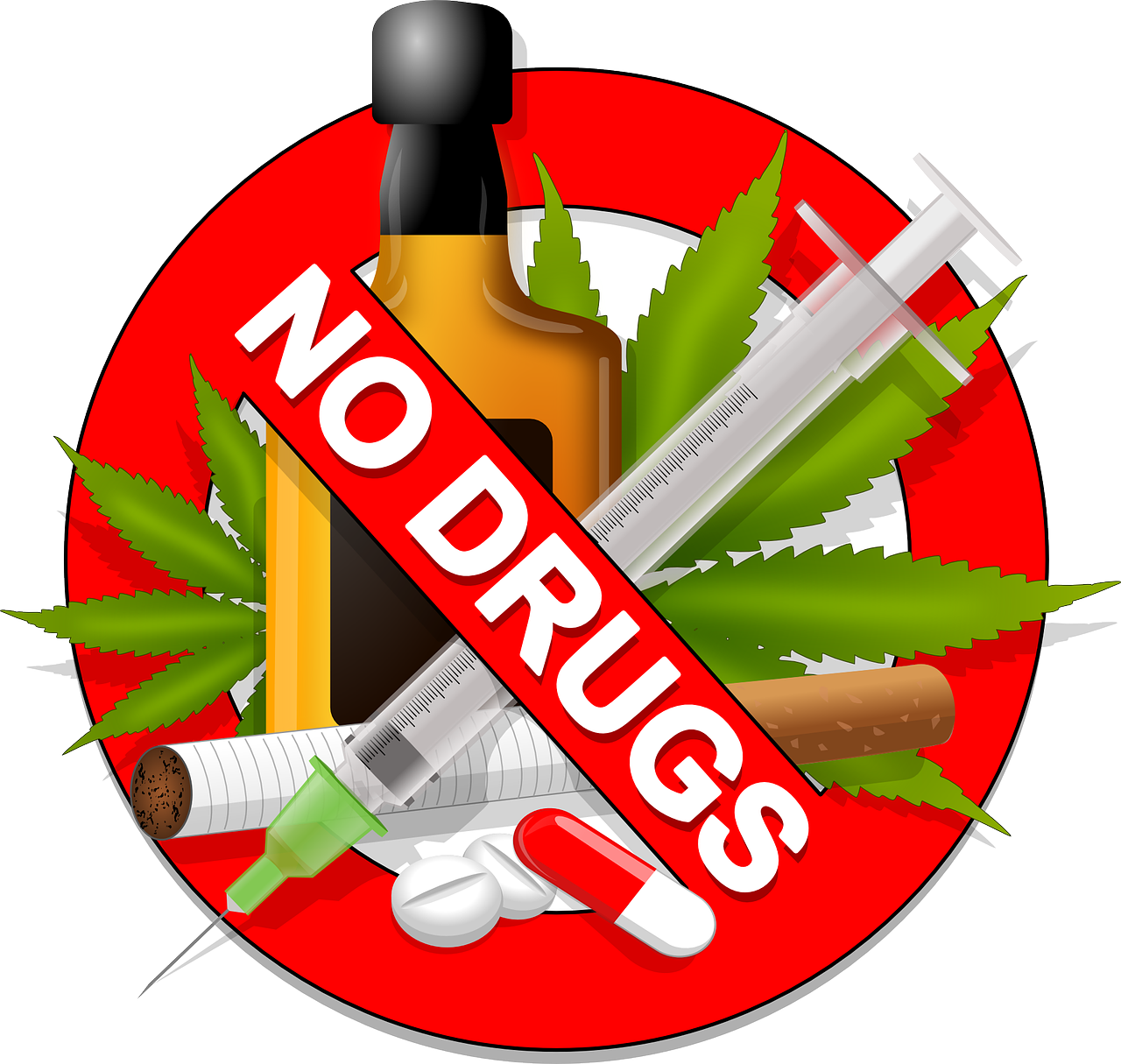
11 signs you crossed the addiction line. Is it partying, drinking and using or addiction?

By David Joel Miller, MS, Licensed Therapist & Licensed Counselor.

sign

No Drugs.
Photo courtesy of Pixabay.com

How do you know when your drug or alcohol use has become a problem?

Some people report that they can drink a few drinks now and then and they have no problem. There are those rare individuals who are able to try a drug a few times and then put it away with no apparent bad result. But many people discover that what started out as all fun has progressed to becoming a problem. Here are 11 signs that your partying has moved from being fun to being a problem, maybe even an addiction.

1. You are trying to control your use.

One of the first signs of an addiction gone wild are the efforts to control use. Normal people, people without a problem, do not try to control their use. They do not need to control anything because they can take it or leave it. If you find that when you drink or use you end up doing more than you planned on doing if you start needing to control your usage, then you are on your way to a problem.

2. You arrange your life around chances to drink or use.

People with an abuse problem begin to arrange their life around getting and having their drug of choice. They pick restaurants based on the bar, not the food. They avoid social settings where there will be no drugs or alcohol or they will not be able to drink and use.

They also begin giving up friends who do not use or drink.

3. It takes more of the drug or alcohol to get the same high.

This is called tolerance. If you need to drink more alcohol to feel the same effects, you are developing tolerance. If the same amount of a drug produces less and less of an effect on you, then your body has begun to develop tolerance. You are headed for problems. Those who can “hold their liquor” are not safe from alcoholism. They are already on the way to becoming an alcoholic.

4. You have symptoms of sickness when you suddenly stop getting your drug of choice.

This is called withdrawal or sometimes abstinence syndrome. Hangovers when you drink. Other physical symptoms, headaches constipation, diarrhea, changes in sleep, or appetite directly tied to your use are indicators of problems. So is needing more of the thing you did in the morning to recover. Taking some of the hair of the dog that bit you means you have been both bitten and infected with the addiction germ.

5. You get angry when people try to talk to you about your drug or alcohol use.

People who drink or use in responsible ways do not have people talking to them about their use. If your use has reached a point where people need to talk to you about it, then you have gone past the point of casual use and are headed for problems.

6. You have begun to accumulate negative consequences as a result of your use.

If you get in fights, verbal or physical, with people, are getting DUI’s or lose your job as a result of drinking or drug use then it has become a problem. If your relationships are suffering or you are fighting with your partner about your drug or alcohol use then the drug has entered the relationship and you are now in a threesome with that drug. This is not likely to turn out well. Both Sherry (alcohol) and Crystal (Methamphetamine) are jealous lovers and they do not want you to see your current partner.

7. You feel guilty about things you have done while under the influence.

Most times you can drink too much or do a little drugs and the next day you can think I wish I hadn’t done that and everything is fine. But it is not always like that.

Some people find the first time they drink they end up blackout drunk, the may drive drunk and kill someone, do something violent or even commit rape while under the influence. The little things are easier to hide than the big ones. No one knows when they will cross that line.

One warning sign is if more than once you wake up the next day having done things you wish you hadn’t and things that you need to pay for, make right, or worse yet things you can’t take back or fix.

If you feel guilty for things you do when under the influence of drugs or alcohol then you are headed towards addiction. You may already be there.

8. Most of your life involves getting the drug, using, and getting over the effects.

This is a classic sign of addiction. The addict finds that most of the day is spent thinking about their drug of choice, getting it, doing it, and then getting over the effects.

9. Drinking or using interferes with the roles you need to fill in life.

It affects your job, your relationship, and your parenting skills. When you stop seeing your friend or family, when you let your kids or spouse down all because of the things that drugs or alcohol are now requiring of you, it has passed from being fun to being a problem.

10. When you wake up one morning and this is no longer fun.

When you wonder how you ever got started. When you wish you had never taken that first drink or hit, you have reached the point where you don’t need to ask if this is a problem, you already know.

11. When what used to be your solution has become your problem.

If you move from thinking that a little alcohol or weed would mellow you out and make you happier or help you have more fun, and then after a long time using you need this substance to help you wake up, this is a problem. When you decide that this drug is your problem you have crossed the line by then it has become too late. You are now way past the point of return and have arrived at addiction.

Remember not all addictions are physical, getting sick kinds. The psychological addictions are often harder to kick than the physical ones.

If you are seeing some or all of these eleven signs in your life, then consider if it is time for you to give it up. There is help out there but you need to reach out for the help. Some professionals, counselors, and therapists, have been trained to help. There are substance abuse programs in almost every place. If those options do not work for you there are plenty of twelve-step groups and a few other peer self-help groups, all full of people who would like to help you as a part of their recovery.

If your fun has turned into your problem please consider asking for help.

Staying connected with David Joel Miller

Seven David Joel Miller Books are available now!

My newest book is now available. It was my opportunity to try on a new genre. I’ve been working on this book for several years, but now seem like the right time to publish it.

Story Bureau.

Story Bureau is a thrilling Dystopian Post-Apocalyptic adventure in the Surviving the Apocalypse series.

Baldwin struggles to survive life in a post-apocalyptic world where the government controls everything.

As society collapses and his family gets plunged into poverty, Baldwin takes a job in the capital city, working for a government agency called the Story Bureau. He discovers the Story Bureau is not a benign news outlet but a sinister government plot to manipulate society.

Bumps on the Road of Life. Whether you struggle with anxiety, depression, low motivation, or addiction, you can recover. Bumps on the Road of Life is the story of how people get off track and how to get your life out of the ditch.

Dark Family Secrets: Doris wants to get her life back, but small-town prejudice could shatter her dreams.

Casino Robbery Arthur Mitchell escapes the trauma of watching his girlfriend die. But the killers know he’s a witness and want him dead.

Planned Accidents  The second Arthur Mitchell and Plutus mystery.

Letters from the Dead: The third in the Arthur Mitchell mystery series.

What would you do if you found a letter to a detective describing a crime and you knew the writer and detective were dead, and you could be next?

Sasquatch. Three things about us, you should know. One, we have seen the past. Two, we’re trapped there. Three, I don’t know if we’ll ever get back to our own time.

For these and my upcoming books; please visit my Author Page – David Joel Miller

Want the latest blog posts as they publish? Subscribe to this blog.

For videos, see: Counselorssoapbox YouTube Video Channel
National Problem Gambling Awareness Week

By David Joel Miller, MS, Licensed Therapist & Licensed Counselor.

Problem and problem solving

Problem-solving.

This week, March 3-9, is National Problem Gambling Week.

Problem Gambling is currently described as Pathological Gambling in the Diagnostic and Statistical Manual of Mental Disorders (DSM-TR-4.) Pathological Gambling is one of a group of disorders that currently are considered “impulse control disorders.”

Pathological Gambling is one of a group of disorders that currently are considered “impulse control disorders.”

DSM-5 Update.

In the DSM-5 this is named Gambling Disorder (F63.0) Essentially the same features.

Other impulse control problems not classified as an addictive disorder.

Other impulse control problems are intermittent explosive disorder, kleptomania, pyromania, and trichotillomania. Intermittent explosive disorder gets treated by far the most, but many more people need to get treated for pathological or problem gambling than are currently receiving help.

In California, this week-long effort to make people aware of the difficulties people may have with problem gambling is spearheaded by the California Department of Drug and Alcohol Programs via their Office of Problem Gambling. In a few other states Gambling issues are treated by separately trained and licensed counselors.

One reason for the interest in problem gambling among drug and alcohol counselors is the tendency for clients in early substance abuse or addiction recoveries to “switch addictions” and now off drugs and alcohol, to develop a new problem with compulsive or pathological gambling.

The similarities between addictive disorders and pathological gambling are so large that it was proposed that Pathological Gambling be moved to the addictive disorders rather than the impulse control disorders when the new DSM-5 comes out. We will need to look at that again in the future when the DSM-5 is available.

One of the controversies among treatment professionals is about the choice between trying to control an issue like drug use or gambling and the need to stop doing that activity completely.

If we view drinking excessively or pathological gambling as an addiction then we would expect the client to need to totally abstain. If it is an impulse control issue then we might reasonably try to teach the client to control the impulses and drink or gamble in moderation.

Most people who self-describe as addicts or alcoholics will tell you that control is an illusion. For them, the only answer is complete abstinence.

One reason for the conflict is that funding for treatment often comes from the people who make the most profit from the activity. The alcoholic beverage manufacturers would like counselors to teach people to drink responsibly not tell them to stop drinking altogether. The same issue occurs when problem gambling programs are funded by casinos.

So if you are one of those people who are able to control your drinking or gambling and for whom it is mostly just a source of entertainment, then problem gambling week is not of much interest to you.

But if you are one of those people who have lost the ability to control your gambling or your drinking consider getting help. If you live with someone who has a Pathological gambling problem, consider getting help for yourself as well as for them.

The web address for the California initiative is www.problemgambling.ca.gov

Staying connected with David Joel Miller

Seven David Joel Miller Books are available now!

My newest book is now available. It was my opportunity to try on a new genre. I’ve been working on this book for several years, but now seem like the right time to publish it.

Story Bureau.

Story Bureau is a thrilling Dystopian Post-Apocalyptic adventure in the Surviving the Apocalypse series.

Baldwin struggles to survive life in a post-apocalyptic world where the government controls everything.

As society collapses and his family gets plunged into poverty, Baldwin takes a job in the capital city, working for a government agency called the Story Bureau. He discovers the Story Bureau is not a benign news outlet but a sinister government plot to manipulate society.

Bumps on the Road of Life. Whether you struggle with anxiety, depression, low motivation, or addiction, you can recover. Bumps on the Road of Life is the story of how people get off track and how to get your life out of the ditch.

Dark Family Secrets: Doris wants to get her life back, but small-town prejudice could shatter her dreams.

Casino Robbery Arthur Mitchell escapes the trauma of watching his girlfriend die. But the killers know he’s a witness and want him dead.

Planned Accidents  The second Arthur Mitchell and Plutus mystery.

Letters from the Dead: The third in the Arthur Mitchell mystery series.

What would you do if you found a letter to a detective describing a crime and you knew the writer and detective were dead, and you could be next?

Sasquatch. Three things about us, you should know. One, we have seen the past. Two, we’re trapped there. Three, I don’t know if we’ll ever get back to our own time.

For these and my upcoming books; please visit my Author Page – David Joel Miller

Want the latest blog posts as they publish? Subscribe to this blog.

For videos, see: Counselorssoapbox YouTube Video Channel
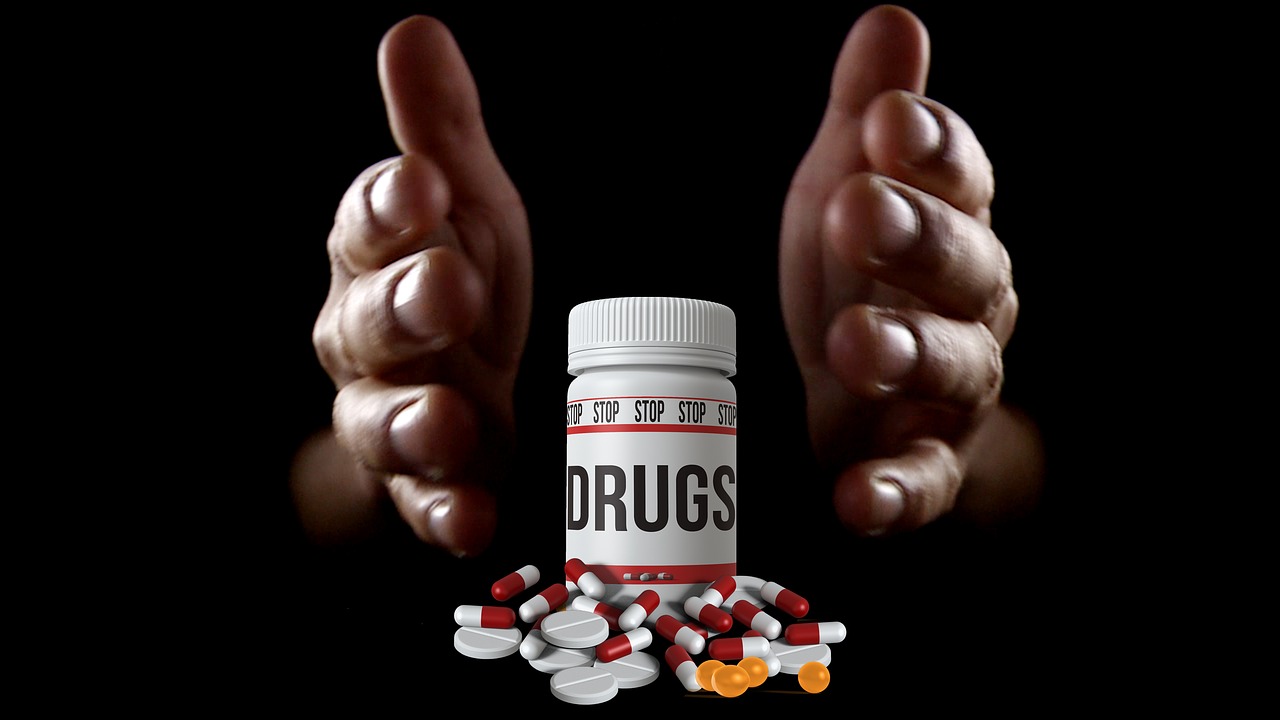
Drug programs are not about treating addiction

By David Joel Miller, MS, Licensed Therapist & Licensed Counselor.

Drugs.

Drugs.
Photo courtesy of Pixabay.

Did you think drug treatment programs were designed to treat addiction?

Drug treatment efforts in the United States are generally not about treating addiction. If we really cared about reducing addiction we would be doing things differently.

There has been a fair amount of criticism surrounding drug treatment programs and why there are so many people who have been through a treatment program and still use drugs. The reason this situation looks so bleak is that the majority of these programs were never designed to treat addiction despite what the program may be called.

Addiction is not the only area where programs are designed to do one thing despite being sold to the public and called by a name that implies they are supposed to solve that problem.

Having angered half the world with my posts on prayer and the role of spirituality in recovery I might as well anger the rest of the world with some comments about the defects in our political system.

Most drug treatment programs are not meant to get addicts off drugs!

Does that surprise you? It is only very recently and among a very small number of people; that addiction, alcoholism, and related impulse control disorders like compulsive gambling have come to be regarded as diseases.

The traditional approach to addiction was to consider those people criminals and lock them up until they quit doing drugs. Alcoholics were considered crazy and got confined to psychiatric facilities called “sanitariums.”  The high prevalence of repeat DUI’s (Driving under the influence sometimes called DWI, driving while intoxicated) and rearrests for drug use confirms that more than just locking them away is needed to solve this problem.

Some examples of possible treatments

Methadone maintenance for Heroin Addicts.

Methadone maintenance is not designed to cure addiction.  It is designed to reduce crime. The goal in this and most other drug and alcohol treatment programs is now and always has been on crime prevention.

The Heroin Addict with a $200 a day habit has to come up with that money every day or become very sick. There are ways to put the bill off, like getting an advance from the dealer, but that works for a very short time unless you are very, very wealthy. Eventually, you need cash. Drug connections are not charitable institutions, they want the cash.

Many Heroin users resort to stealing to cover their costs, burglary is a common way. To get $200 a day for drugs the addict needs to steal $2,000 worth of property. Fences do not pay retail. In the process of stealing $2,000 a day to cover their drug needs the addict may do $20,000 in damage. They do not care if they break a $1,000 window to steal a $1 item.

Giving the addict a $2 dose of “narcotic replacement therapy” will save as much as $20,000 in burglary and vandalism costs. What shocks me at this point is that the insurance companies are not lining up to fund this kind of crime prevention effort.

Remember that Heroin was discovered back in the 1800s and has been way out of patent protection for a long time. The only reason it is so expensive is that it is illegal. Doctors are not even allowed to prescribe it for clients who are addicted.

The replacement drug, most often Methadone, is not less addicting but more addicting than heroin. It is also not easy to get off. So the system does not treat the heroin addict. We get them hooked on another even more addicting drug.

Please do not misread this as my arguing for the legalization of Heroin or the end of methadone clinics. Keeping as much heroin as possible off our streets may reduce initial cases of addiction. Putting more Heroin on the streets will likely increase cases of addiction. I also know of many cases of people whose lives were changed by the use of narcotic replacement therapy (mostly methadone.)  Some people need that drug to get out of the illegal lifestyle and on to a legitimate job.

What I am pointing to is that this program like so many other government programs is not meant to help the people with the problem.

Drug treatment programs are designed to reduce crime not cure addiction.

Prop 36 or SACPA.

The “Prop 36” program in California which sent tens of thousands of addicts to treatment resulted in a number getting off and staying off drugs. The program has since been in large part “defunded.” The official title of the program was SACPA, short for Substance Abuse Crime Prevention Act. Clearly, the emphasis was on crime prevention, not addiction treatment.

Drunk Driving programs.

Further evidence for this hypothesis comes from Drunk Driving programs. Drunk driving programs do NOT treat alcoholism despite the high number of alcoholics with chronic medical problems who are driving up the cost of medical care for all of us. Programs forbid their instructors from talking about alcoholism.

Drunk driving programs are focused on teaching you how to drink more and still not get a DUI. Things like designated driver programs and spacing your drinks so you can continue drinking, the more the better, and still not get a DUI.

It is possible with the expansion of health care we will get serious about treating addiction, alcoholism, and mental health issues. I remain hopeful but skeptical. Past experience has made me that way.

Sorry to spoil your illusions. Drug treatment never was about the addict. But then you are not one of those people who believe in fairy tales like the tooth fairy or that food stamps are meant to reduce hunger are you?

Staying connected with David Joel Miller

Seven David Joel Miller Books are available now!

My newest book is now available. It was my opportunity to try on a new genre. I’ve been working on this book for several years, but now seem like the right time to publish it.

Story Bureau.

Story Bureau is a thrilling Dystopian Post-Apocalyptic adventure in the Surviving the Apocalypse series.

Baldwin struggles to survive life in a post-apocalyptic world where the government controls everything.

As society collapses and his family gets plunged into poverty, Baldwin takes a job in the capital city, working for a government agency called the Story Bureau. He discovers the Story Bureau is not a benign news outlet but a sinister government plot to manipulate society.

Bumps on the Road of Life. Whether you struggle with anxiety, depression, low motivation, or addiction, you can recover. Bumps on the Road of Life is the story of how people get off track and how to get your life out of the ditch.

Dark Family Secrets: Doris wants to get her life back, but small-town prejudice could shatter her dreams.

Casino Robbery Arthur Mitchell escapes the trauma of watching his girlfriend die. But the killers know he’s a witness and want him dead.

Planned Accidents  The second Arthur Mitchell and Plutus mystery.

Letters from the Dead: The third in the Arthur Mitchell mystery series.

What would you do if you found a letter to a detective describing a crime and you knew the writer and detective were dead, and you could be next?

Sasquatch. Three things about us, you should know. One, we have seen the past. Two, we’re trapped there. Three, I don’t know if we’ll ever get back to our own time.

For these and my upcoming books; please visit my Author Page – David Joel Miller

Want the latest blog posts as they publish? Subscribe to this blog.

For videos, see: Counselorssoapbox YouTube Video Channel

How much does marijuana effect memory?

By David Joel Miller, MS, Licensed Therapist & Licensed Counselor.

Cannabis

Marijuana and Memory.
Photo courtesy of Pixabay.com

Marijuana affects memory?

Morning Question #25.

On average marijuana users need twice as many repetitions to learn the material as non-smokers. But they usually don’t care enough to study twice as long.

See the posts on State-Dependent Learning and How does marijuana affect memory.    

Staying connected with David Joel Miller

Seven David Joel Miller Books are available now!

My newest book is now available. It was my opportunity to try on a new genre. I’ve been working on this book for several years, but now seem like the right time to publish it.

Story Bureau.

Story Bureau is a thrilling Dystopian Post-Apocalyptic adventure in the Surviving the Apocalypse series.

Baldwin struggles to survive life in a post-apocalyptic world where the government controls everything.

As society collapses and his family gets plunged into poverty, Baldwin takes a job in the capital city, working for a government agency called the Story Bureau. He discovers the Story Bureau is not a benign news outlet but a sinister government plot to manipulate society.

Bumps on the Road of Life. Whether you struggle with anxiety, depression, low motivation, or addiction, you can recover. Bumps on the Road of Life is the story of how people get off track and how to get your life out of the ditch.

Dark Family Secrets: Doris wants to get her life back, but small-town prejudice could shatter her dreams.

Casino Robbery Arthur Mitchell escapes the trauma of watching his girlfriend die. But the killers know he’s a witness and want him dead.

Planned Accidents  The second Arthur Mitchell and Plutus mystery.

Letters from the Dead: The third in the Arthur Mitchell mystery series.

What would you do if you found a letter to a detective describing a crime and you knew the writer and detective were dead, and you could be next?

Sasquatch. Three things about us, you should know. One, we have seen the past. Two, we’re trapped there. Three, I don’t know if we’ll ever get back to our own time.

For these and my upcoming books; please visit my Author Page – David Joel Miller

Want the latest blog posts as they publish? Subscribe to this blog.

For videos, see: Counselorssoapbox YouTube Video Channel
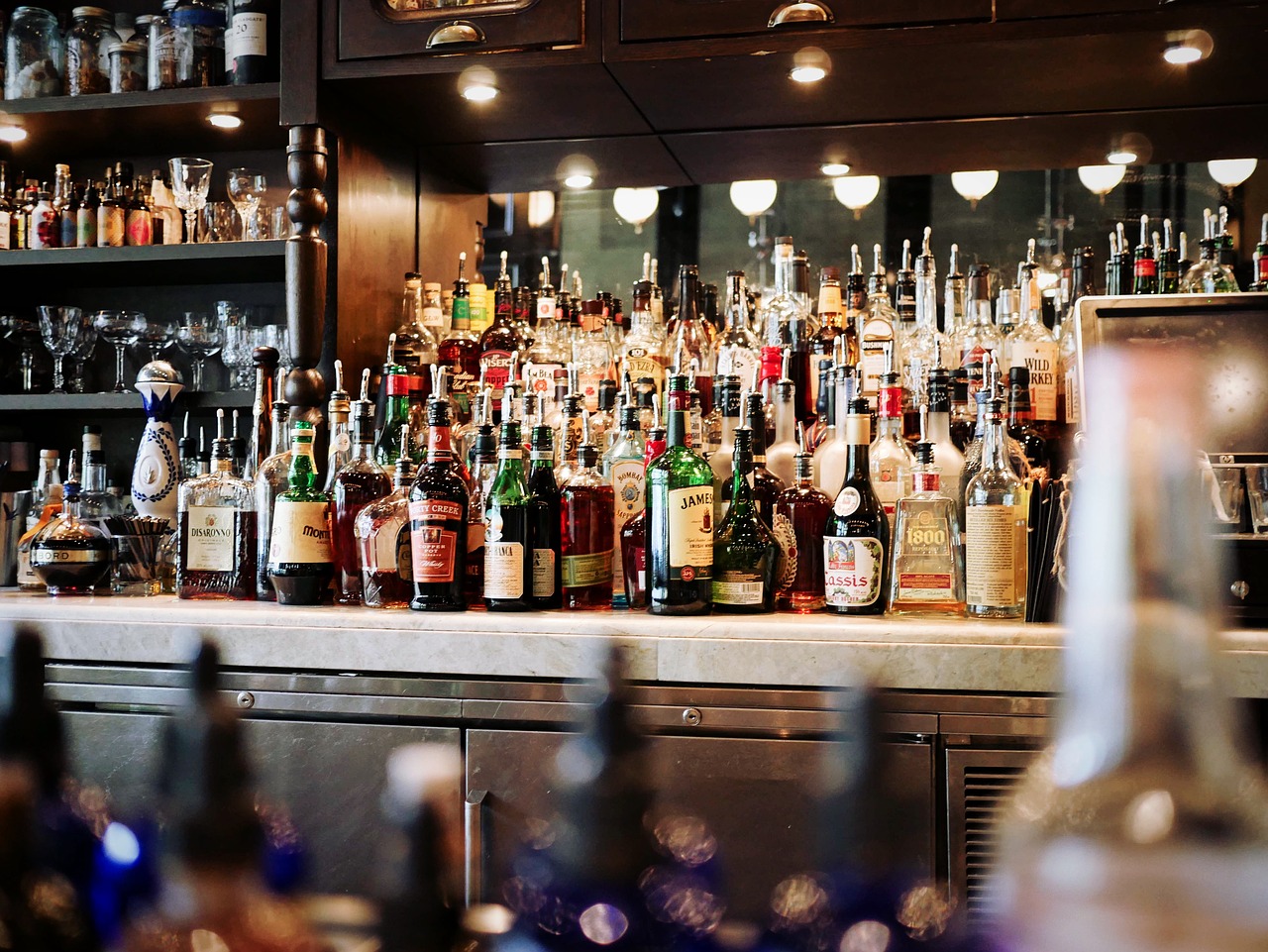
High Free Marijuana?

By David Joel Miller, MS, Licensed Therapist & Licensed Counselor.

Cannabis

Marijuana.
Photo courtesy of Pixabay.com

There is marijuana that does not get people high.

As I have mentioned in the past, there seems to be a conflict between marijuana that has medicinal properties and marijuana that gets you high.

Marijuana that is more medicinal is believed to be high in a chemical called CBD. CBD does not result in intoxication.

Marijuana that gets you high contains large amounts of THC.

Till now if you smoked medical marijuana you were going to get high and frankly that is what most medical marijuana users want. That may be changing.

Just saw a piece on MSN about an Israeli company that is growing a high CBD variety of marijuana that has medicinal properties but does not get you high.  MSN included a link to the BBC original article that can be found at http://www.bbc.co.uk/news/world-middle-east-20189347

Let me know what you think about this.

What is a dry Drunk – putting down without really getting clean.

By David Joel Miller, MS, Licensed Therapist & Licensed Counselor.

Liquor

Alcoholic beverages.
Photo courtesy of Pixabay.com

They quit drinking and using but nothing else changed.

They quit drinking, they put down the drugs. The family hopes. They have heard this before. “I am done,” this is the last time. The now-former drinker starts talking a good game. They swear they are not doing drugs. Things will change now. The family wants to believe them. For a little while, there is hope.

Only nothing does change.

Despite the not drinking and the lack of drugs, the person behaves the same way they used to. They are miserable. Their relationships at home and work do not improve, not the way they think they should. The family and friends don’t like being around them anymore now than they did when the person was drinking and using. They are dry but they are not sober.

Suddenly without drugs and alcohol in their system, they feel feelings they have kept at bay for a long time.  Life does not miraculously become perfect. There are bills to pay, legal consequences to take care of and relationships to mend. Life becomes real with its ups and downs.

Dry drunks are easy to spot if you know what you are looking for. They turn up at meetings all across America. Some have been off the sauce for years, 5 years maybe. But they are miserable. And they make others miserable. They are full of anger, bitterness, and hurt.

They may turn to a religion. They go to church and become more righteous than the preacher. They can see the flaws and failings of everyone they meet – just not in themselves.

Eventually, the stop going to meetings, that program doesn’t work they tell others. They went but they never really participated. They wanted a shortcut to recovery. One that did not require them to do the painful work of changing.

They may leap from church to church; decrying people as hypocrites and saying people there were not true believers. They learn rules on how to worship but not the values of hope, caring, and compassion.

Families tire of being around them. The dry drunk thinks they deserve credit for not drinking and using. The family doesn’t see what has changed. The alcoholic or drug addict is still self-centered and unhappy.

Sometimes the family will tell the dry person “liked you better when you were drinking, you were more fun then.” Or “at least when you were drinking we knew what to expect.”

Dry drunks can go on walking around miserable for years. Eventually most either relapse or turn up in counseling. They attribute their problems to something else, a bad relationship, or a difficult work situation. Yes, of course, they have problems. Just putting down the drug or giving up the alcohol does not make all your problems magically disappear.

Some become so discouraged that they stop trying. Why give up the drink if life will never get any better? We see them in multiple drug and alcohol treatment programs.

Eventually what most recovering people find is that they never really had a drinking or drug problem – they have a living sober problem. The problem was not the drugs. Drugs and drinks were their solutions. A solution that temporarily hid their problems but did not solve them.

What they learn eventually, if they learn it at all, is that what they really have is a life problem.

How do you live a happy, fulfilled life without the drugs and alcohol?

Finding that better life requires more than just not drinking or putting down the drugs. It requires an active process of change. Going to meetings is not enough, you need to actually “work” the steps, do the work of change.

Counseling also involves a process of change. The recovery, from whatever your problem is, does not happen in the sixty minutes of each session. In that time we can chart a course, teach skills, and help you discover pain you didn’t know you had. The real work of recovery happens in your daily life, in that other 167 hours per week when you need to practice new skills and new ways of being.

If you or someone you know is a dry drunk, has put down but not gotten clean and sober, don’t give up. Find someone you can work with that can help you really become clean and sober.

For more on recovery topics see:

Getting your tools dirty

Getting some recovery

Is relapse a part of recovery?

Running hard after recovery

Why giving up the drugs and alcohol did not make you happy

What is hitting bottom?

Staying connected with David Joel Miller

Seven David Joel Miller Books are available now!

My newest book is now available. It was my opportunity to try on a new genre. I’ve been working on this book for several years, but now seem like the right time to publish it.

Story Bureau.

Story Bureau is a thrilling Dystopian Post-Apocalyptic adventure in the Surviving the Apocalypse series.

Baldwin struggles to survive life in a post-apocalyptic world where the government controls everything.

As society collapses and his family gets plunged into poverty, Baldwin takes a job in the capital city, working for a government agency called the Story Bureau. He discovers the Story Bureau is not a benign news outlet but a sinister government plot to manipulate society.

Bumps on the Road of Life. Whether you struggle with anxiety, depression, low motivation, or addiction, you can recover. Bumps on the Road of Life is the story of how people get off track and how to get your life out of the ditch.

Dark Family Secrets: Doris wants to get her life back, but small-town prejudice could shatter her dreams.

Casino Robbery Arthur Mitchell escapes the trauma of watching his girlfriend die. But the killers know he’s a witness and want him dead.

Planned Accidents  The second Arthur Mitchell and Plutus mystery.

Letters from the Dead: The third in the Arthur Mitchell mystery series.

What would you do if you found a letter to a detective describing a crime and you knew the writer and detective were dead, and you could be next?

Sasquatch. Three things about us, you should know. One, we have seen the past. Two, we’re trapped there. Three, I don’t know if we’ll ever get back to our own time.

For these and my upcoming books; please visit my Author Page – David Joel Miller

Want the latest blog posts as they publish? Subscribe to this blog.

For videos, see: Counselorssoapbox YouTube Video Channel

How does someone become an addict?

By David Joel Miller, MS, Licensed Therapist & Licensed Counselor.

Drugs of addiction

Addiction.
Photo courtesy of Pixabay.com

How to become an addict – The process of addiction.

I haven’t met anyone yet who deliberately set out to become an addict. Some people intended to do all the drugs or drink all the alcohol they could, but mostly they did not expect to really become addicted. How does this thing called addiction develop and why don’t people stop before it is too late?

I don’t remember Alcoholic being on the list of occupations in our school career classes. Even without instruction plenty of people go on to become addicted. You would think that highly educated people would know better than to put themselves at risk. Clearly learning and teaching the process of addiction has been left out of our educational system.

Here is how we teach the process of addiction in substance abuse and co-occurring disorder classes.

You too could become an addict in five easy steps. Not everyone goes through all these steps in exactly this order, but most people do. You could go through all of the steps quickly or slowly. Stay on the using course and you should eventually get to the endpoint of addiction. After the addition, doctors call this chemical dependency; you will find death, incarceration, or psychiatric facilities.

Step One – Experimentation with substances.

At some point, the child or young adult tries a substance. Forget what you have heard about pushers. They are too busy making deliveries to do the startup work of creating a new addict. Most kids get their first drug from their parents or grandparents. (See my post on Grandma as a drug pusher.)

The first time for most kids is sneaking some of their parent’s cigarettes or finishing a parent’s beer. Plenty of kids tell me they drank for years emptying out dad’s bottle of vodka halfway and then topping it off with water.

This process even happens in families where the parents don’t smoke or drink. Boys usually are introduced to substances by other male relatives, an older brother, cousin, uncle, or friends. Girls are often given something by a boyfriend or would-be boyfriend.

For a while, this may go a long hit or miss. The person tries this or that, likes some things and does more of that drug or does not like the feeling and does not do that again.

People from non-smoking and non-drinking homes are not immune from this process. They may find a friend to mentor them in drug use or they may delay the experimentation till they leave home for college, the military, or after marriage.

Step Two – Social substance use.

At some point in this process, the person finds that all their friends are into a particular drug. It might be that their crowd smokes cigarettes. Once the underage smoker has lite up that second cigarette there is an 85% chance they will smoke for the rest of their life.

But maybe your group of friends gets together somewhere and drinks a few beers or smokes some weed. That shouldn’t lead to an addiction right? Well not directly. You still have time to avoid that consequence but you are moving closer.

Drug users of any type tend to clump together. Each drug of choice has a culture. Beer drinkers party together and so do weed smokers and heroin injectors.

In the beginning drug use is a social thing. When the group you are in or want to be in gets together they drink this stuff, smoke this stuff, do this drug, you do it also or you stop hanging out with them. Why do you want to spend every Friday night with people who are drinking if you don’t drink?

Step Three – substance use becomes a habit.

One week all your friends are gone, out of town, and here you are stuck at home alone. It is Friday night – this is the night that you drink a few beers or smoke some weed right? So you drink a few or light one up.

At this point using a particular drug has moved from being a social activity you do with others to a habit you have. It may stay there for a long while. You may keep your beer drinking or smoking weed to Friday nights, only but most people don’t.

If you like the drug you would like to do it more than one time a week. If you don’t like it you may move on and try something else. Maybe find a new group of friends and adopt their drug of choice. You might take up drinking coffee or smoking methamphetamine.

One thing about drugs, mild or strong is that they are reliable. You do them and they change the way you feel. If you like the head change you want more. If you do not like the change you probably will pick a new drug you do like, or stop altogether. But that means you have to get new friends. So your trip down the addiction road continues.

Psychological dependency develops after a while.

One week you find you are alone, you want to drink or smoke and you have to go somewhere with the family or somewhere there will be no drugs. You get upset, you get angry, you may even pick a fight with your family and storm out. Then it is their fault you had to go get high.

At this point, you want the drug more than ever before. You need the drug to get by. You think about her all the time. And when you don’t get to do your drug you are angry about it – or depressed or anxious – until you get to get high again.

You are not yet physically addicted but you have developed a psychological need for the drug. This is the last stop on the path before you reach full chemical dependency. And you are thinking at this point that the drug is your friend and your helper.

Physical Addiction can be the last house on the block.

One day you can’t get the drug. You become sick, psychically, or emotionally ill. You may end up in the hospital, the psychiatric ward, or the jail. Suddenly you realize that even when you want to quit when you try to go for a few days without that drug, you just can’t do it.

Beyond addiction, now what?

Once you have reached the point of addiction, doctors call this chemical dependency, you have very few choices. You can quit, which turns out to be very difficult without help. You could go to some meetings, get a sponsor, and work some steps in the process of change. You might go to a program or see a counselor or you might just decide that you are helpless and you will stay addicted. Lots of people chose to stay addicted.

The A.A. big book tells us that beyond addiction if you chose not to accept help, you are headed for misery, jails, institutions, or death. But as with all the stages before this, the choice is of course yours. Lots of addicted people cycle through psychiatric facilities as the drug addiction warps their thinking. We call this joint problem of addiction and mental illness co-occurring disorders or dual diagnosis.

Any questions about my description of how an addiction could develop, be maintained, and result in a co-occurring addiction and mental illness?

Staying connected with David Joel Miller

Seven David Joel Miller Books are available now!

My newest book is now available. It was my opportunity to try on a new genre. I’ve been working on this book for several years, but now seem like the right time to publish it.

Story Bureau.

Story Bureau is a thrilling Dystopian Post-Apocalyptic adventure in the Surviving the Apocalypse series.

Baldwin struggles to survive life in a post-apocalyptic world where the government controls everything.

As society collapses and his family gets plunged into poverty, Baldwin takes a job in the capital city, working for a government agency called the Story Bureau. He discovers the Story Bureau is not a benign news outlet but a sinister government plot to manipulate society.

Bumps on the Road of Life. Whether you struggle with anxiety, depression, low motivation, or addiction, you can recover. Bumps on the Road of Life is the story of how people get off track and how to get your life out of the ditch.

Dark Family Secrets: Doris wants to get her life back, but small-town prejudice could shatter her dreams.

Casino Robbery Arthur Mitchell escapes the trauma of watching his girlfriend die. But the killers know he’s a witness and want him dead.

Planned Accidents  The second Arthur Mitchell and Plutus mystery.

Letters from the Dead: The third in the Arthur Mitchell mystery series.

What would you do if you found a letter to a detective describing a crime and you knew the writer and detective were dead, and you could be next?

Sasquatch. Three things about us, you should know. One, we have seen the past. Two, we’re trapped there. Three, I don’t know if we’ll ever get back to our own time.

For these and my upcoming books; please visit my Author Page – David Joel Miller

Want the latest blog posts as they publish? Subscribe to this blog.

For videos, see: Counselorssoapbox YouTube Video Channel

Side effects by being impregnated by a Methcathinone user? – Morning Question #20

By David Joel Miller, MS, Licensed Therapist & Licensed Counselor.

Counseling questions

Counseling questions.
Photo courtesy of Pixabay.com

Should you worry if you get pregnant by a Methcathinone user?

Anything that damages an egg or the sperm could result in birth defects, age, the physical health of either party, and so on. There is always a risk of spontaneous mutations and genetic damage. I have not seen much good research that indicates that one drug is better or worse than another when used by the father.

ANY drug use by the mother during pregnancy is risky. Sorry ladies. Doctors even take pregnant women off some prescribed medications. Alcohol is the biggest risk factor for preventable birth defects we know of. The only fully safe amount of alcohol a woman should consume during pregnancy is NONE!

If you are worried about the drug use of the father of your child you have more to worry about than possible birth defects. YOUR BABY’S DADDY MIGHT BE A DRUG ADDICT.

Pick your baby’s daddies and mamma’s wisely, you can break up with your partner but your child’s other parent is forever.

Staying connected with David Joel Miller

Seven David Joel Miller Books are available now!

My newest book is now available. It was my opportunity to try on a new genre. I’ve been working on this book for several years, but now seem like the right time to publish it.

Story Bureau.

Story Bureau is a thrilling Dystopian Post-Apocalyptic adventure in the Surviving the Apocalypse series.

Baldwin struggles to survive life in a post-apocalyptic world where the government controls everything.

As society collapses and his family gets plunged into poverty, Baldwin takes a job in the capital city, working for a government agency called the Story Bureau. He discovers the Story Bureau is not a benign news outlet but a sinister government plot to manipulate society.

Bumps on the Road of Life. Whether you struggle with anxiety, depression, low motivation, or addiction, you can recover. Bumps on the Road of Life is the story of how people get off track and how to get your life out of the ditch.

Dark Family Secrets: Doris wants to get her life back, but small-town prejudice could shatter her dreams.

Casino Robbery Arthur Mitchell escapes the trauma of watching his girlfriend die. But the killers know he’s a witness and want him dead.

Planned Accidents  The second Arthur Mitchell and Plutus mystery.

Letters from the Dead: The third in the Arthur Mitchell mystery series.

What would you do if you found a letter to a detective describing a crime and you knew the writer and detective were dead, and you could be next?

Sasquatch. Three things about us, you should know. One, we have seen the past. Two, we’re trapped there. Three, I don’t know if we’ll ever get back to our own time.

For these and my upcoming books; please visit my Author Page – David Joel Miller

Want the latest blog posts as they publish? Subscribe to this blog.

For videos, see: Counselorssoapbox YouTube Video Channel