Be a good one of those!

Sunday Inspiration      Post By David Joel Miller.

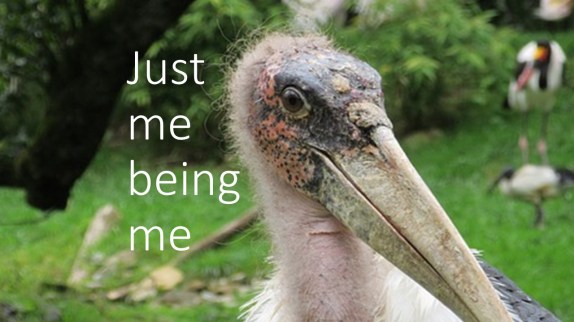
Me being me

Me being me
Photo courtesy of Pixabay.com

“Whatever you are, be a good one.”  ― Abraham Lincoln

Wanted to share some inspirational quotes with you.  Sunday seems like a good time to do this. If any of these quotes strike a chord with you please share them.


Have you figured out who you are yet?

Me keeps changing

Me keeps changing
Photo courtesy of Pixabay.com

Sunday Inspiration      Post By David Joel Miller.

“I can’t go back to yesterday because I was a different person then.” 
― 
Lewis Carroll, Alice in Wonderland

Wanted to share some inspirational quotes with you.  Sunday seems like a good time to do this. If any of these quotes strike a chord with you please share them.  

Self-Exploration

Sunday Inspiration      Post By David Joel Miller.

Self-Exploration

Self-Exploration
Photo courtesy of Pixabay.com

Self-Exploration

Life isn’t about finding yourself. Life is about creating yourself.”

― George Bernard Shaw

Wanted to share some inspirational quotes with you.  Sunday seems like a good time to do this. If any of these quotes strike a chord with you please share them.

Today is Independence Day

Today is Independence Day. What does that mean?

Declaration of independence.

Independence.
Photo courtesy of Pixabay.com

As mankind becomes more liberal, they will be more apt to allow that all those who conduct themselves as worthy members of the community are equally entitled to the protections of civil government. I hope ever to see America among the foremost nations of justice and liberality ~ George Washington

That Disability Line Looked Awfully Tempting!

Ever wonder about those disability lines and parking spaces? This post says a lot about what it means to be disabled and the role your attitude plays in what you can and can’t do. It touched me and I hope you will find it as touching as I did.


5kidswdisabilities's avatarRaising 5 Kids With Disabilities and Remaining Sane Blog

o-WAITING-IN-LINE-AIR-JORDANS-facebook

Needing to get a picture ID, Marie and I went into the black hole named the Registry of Motor Vehicles. Despite many years of revamping, that place can still take 4 hours to navigate. It was with this background that I bring up the option of the line for people with disabilities. Actually, there WAS no line. Tempting. MMMMMMMM. Marie has a disability. Teaching her to be more independent, I was actually only accompanying her while showing her that SHE can maneuver through the system. Without parental assistance, she really DID have a disability. But I have raised my children not to see their disabilities but their abilities. She may not talk or hear, but, armed with all of the appropriate paperwork filled out and the certificates of existence she needed, (birth certificate and social security card,) she has the capabilities of writing what she wants to say and reading…

View original post 213 more words

Stick out and you will get teased or bullied.

By David Joel Miller, MS, Licensed Therapist & Licensed Counselor.
Looking different can get you teased.
Photo courtesy of Pixabay.com

Ever wonder why they pick on you?

People who get picked on start to think there is something wrong with them. They write in to my blog and others, asking what is wrong with them. They ask why do people not like them and criticize them. The details are often different but I see a constant theme in these comments and questions. The person who is being picked on starts thinking this has something to do with them.

Humans, and animals too like the familiar. They feel more comfortable when everyone is exactly the same. Anything outside the norm gets noticed and frequently that notice is disapproval. The human version of beauty is largely one of the extreme average. Any deviation from the norm is downgraded.

People who look differently than others get attacked. So do those who act or talk differently. You can be totally average in all respects but one, that one aspect where you have diverged will be the one that gets noticed. This preference for the average, this teasing of those who are different includes physical, mental, emotional, and behavioral characteristics.

There are a few times when fashion dictates that you look “different” but mostly we all want to look different in the same way all our contemporaries do. Tye dye or Goth we all look different in a very average way.

There are a few times when we make exceptions for people who are far enough away from the mean. Really tall men are OK if they play basketball. Very tall women are accepted if they are models. Most of the time though, if you are a few inches taller or a few I.Q. points above average, you will get flack until you find your niche in life. If you can figure out a way to make money off your difference you may get a pass on the teasing. But until you make that money expect the criticism to rain down on you. Even then, just because you become President or Pope, you are not exempt from the attacks on your uniqueness.

Let’s look at some examples of things that will get you teased and then some possible solutions to this teasing. There are solutions that work and ones that do not. The ones most people try are the ones that are unlikely to work.

The Physical, Nose, Ears, Eyes, and Face

No one gets teased because they have an average nose. Let your nose be too long or too short, too flat or too protruding, that unique nose will get criticized. The nose is an easy target for attack. It stands out from the face and is visible.

Ears are easy targets. They stick out also. Big ears or small ones makes no matter. Girls, who get their ears pierced or don’t get them pierced get teased. So do boys.

Are your eyes the wrong color? Which color is in and which is out? Is your hair right or wrong? What is the “in” thing this year? Facial hair goes in and out. You need the same style and length as everyone else if you want to fit in.

Besides the face, people get teased for their weight. Too skinny or too fat. You need to be very close to average if you want to be acceptable. Busts and butts all seem to get graded. Too big, too small, not many just right.

Mental, Emotional, and Behavioral differences get you teased.

The kids who need extra help and struggle, whether it is because of a learning disability or just a different learning style, you will get teased. Can’t hear or see, need glasses? You will get the shunning treatment and maybe even get to ride the short bus. That difference will get you teased also.

Say you are really smart, does that get you out of the teasing queue? Not a chance. If you are smart you get teased because you are not athletic. You athletes do not get off either. Remember all the sayings about dumb jocks?

Whether you are very emotional or not emotional at all you will fall outside the norm and being different in any way results in you standing out. Those who stand out get teased.

The solutions that do not work.

Getting surgically altered.

Plastic surgeons can do wonders these days. If you were born with a birth defect or were injured, plastic surgery may be just the thing for you. Unfortunately, a lot of people seem to go under the knife for the wrong reasons. Having surgery will not make them stop teasing you or make more people like you. You may look different but you are still you and they will find something else to tease you about.

Notice how many people have multiple surgeries. They expected to be beautiful and loved. When the surgery did not produce the miracle they hoped for they blame the doctor or get another surgery.

Being perfect.

Perfection is an illusion. The more you pursue it the further away it will move. Trying to be perfect and satisfy everyone will please no one. Do not cheat yourself out of a life by trying to please others.

Being really good at something.

No matter how many championships you win or how many degrees you have there is always “what you have done lately.” Billionaires still get teased or criticized for their looks or their family.

Eating disorders.

Starving or binging and purging will not get you the positive things you hoped for. A healthy lifestyle is good. Losing some weight may be just what you need to do. But do not think that there is any weight that will get you off the teasing hook. You will just get teased for your diet or exercise plan.

What does work?

Radical acceptance.

Accept yourself as you are. Know that you will get teased and criticized in life. The only people who escape this teasing thing, or maybe they just get less of it than others, are the ones who are totally bland and never stand out in any way. The best way to become a better person is to accept yourself the way you are and then go about become the best you possible.

Successes are the best revenge.

Kids who were teased in elementary school sometimes grow up to be actors, successful businessmen, or brilliant scholars. Success is not all about money or power it is also about creating a life full of purpose and happiness. Stop caring about all those comments about you and go out and live the best life possible.

Thanks to the reader who asked why people teased him and how despite surgeries the teasing did not end. I hope that the reader and others will find something useful in this post.

Staying connected with David Joel Miller

Seven David Joel Miller Books are available now!

My newest book is now available. It was my opportunity to try on a new genre. I’ve been working on this book for several years, but now seem like the right time to publish it.

Story Bureau.

Story Bureau is a thrilling Dystopian Post-Apocalyptic adventure in the Surviving the Apocalypse series.

Baldwin struggles to survive life in a post-apocalyptic world where the government controls everything.

As society collapses and his family gets plunged into poverty, Baldwin takes a job in the capital city, working for a government agency called the Story Bureau. He discovers the Story Bureau is not a benign news outlet but a sinister government plot to manipulate society.

Bumps on the Road of Life. Whether you struggle with anxiety, depression, low motivation, or addiction, you can recover. Bumps on the Road of Life is the story of how people get off track and how to get your life out of the ditch.

Dark Family Secrets: Doris wants to get her life back, but small-town prejudice could shatter her dreams.

Casino Robbery Arthur Mitchell escapes the trauma of watching his girlfriend die. But the killers know he’s a witness and want him dead.

Planned Accidents  The second Arthur Mitchell and Plutus mystery.

Letters from the Dead: The third in the Arthur Mitchell mystery series.

What would you do if you found a letter to a detective describing a crime and you knew the writer and detective were dead, and you could be next?

Sasquatch. Three things about us, you should know. One, we have seen the past. Two, we’re trapped there. Three, I don’t know if we’ll ever get back to our own time.

For these and my upcoming books; please visit my Author Page – David Joel Miller

Want the latest blog posts as they publish? Subscribe to this blog.

For videos, see: Counselorssoapbox YouTube Video Channel

One preventable disease killing seniors up 1100%

By David Joel Miller, MS, Licensed Therapist & Licensed Counselor.

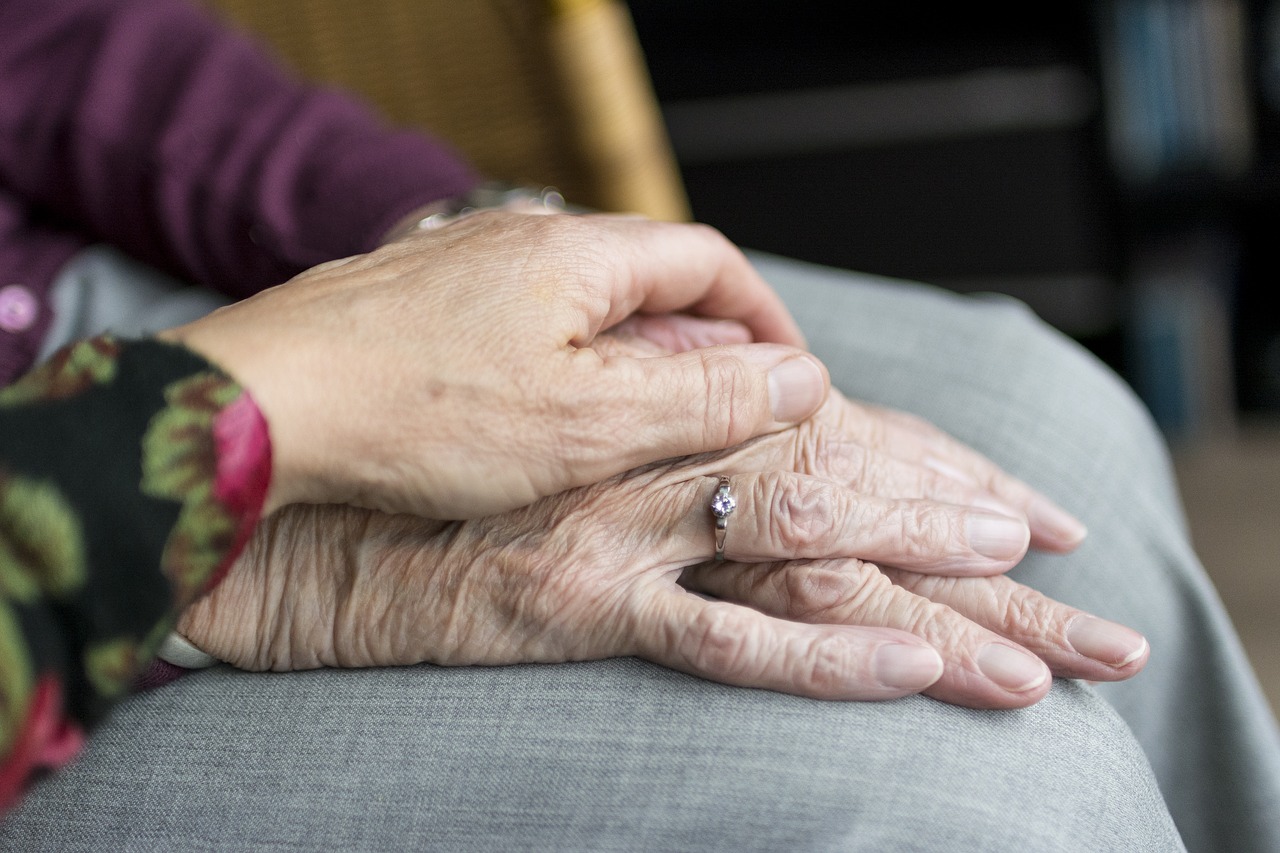
Elderly couple.
Photo courtesy of Pixabay.com

One disease has resulted in an 11 fold increase in accidental deaths among seniors.

When we think of the illnesses plaguing seniors we tend to think of heart disease, cancer, and diabetes, diseases that have long been associated with the process of growing old. As the population of the elderly, and almost-elderly, has risen, one disease has taken off in unprecedented numbers.

Drug use and abuse among seniors are out of control.

Past generations left drug use and abuse to the young people. As people age across the lifespan, they tended to give up bad habits and settle down to more responsible lives. The current generation of aged has pioneered a new trend in this as in so many other areas. Seniors are abusing more drugs and dying as a result of that abuse at alarming rates. This is a trend that is not likely to abate any time soon.

Senior’s deaths from accidental drug overdoses are rising rapidly.

Government statistics report large and rising rates of drug use among seniors. The “baby boomer” – “old hippy” age group has held onto their drugs of choice while adding to the drugs they use. Large studies take time to complete but the more seniors enter the statistics the more startling the trend becomes. Some of these drug-related deaths are obvious, some are more hidden.

Being an almost-senior puts you at risk also.

CDC reported recently that 12,000 baby boomers in the age range 45 to 64 died in one year (2013) from accidental drug overdoses. That is more than the total number of deaths from car accidents, influenza, and pneumonia combined.

Seniors have held onto their drug of choice longer than past generations.

Many baby boomers have held onto their drug of choice as they have aged. Up to 50% of all hospital emergency room admissions of senior citizens is the result of an overdose of drugs and or alcohol. In the year 2015 seniors age 60 to 65 are three times more likely to be using illicit drugs that those who were in that age group in the year 2000. Old hippies are still getting high, sometimes with life-threatening consequences.

Prescription drug deaths predominate.

Just because the drug comes from the doctor or pharmacy does not make it safe. More and more drug abusers, particularly seniors, are moving from questionable street drugs to prescription medications as their drug of choice.

Two groups of drugs account for the bulk of these drug overdoses, painkillers, and anti-anxiety drugs. Overdoses can be the result of people taking the medication and then before that med has time to act taking more. Certainly, confusion and forgetting what was taken can play a role. Still, the overwhelming conclusion is that many of these drug overdoses deaths in seniors are the result of intentional abuse rather than accidental overdose. Recreational use of these drugs by seniors is the dominant problem.

Some of these overdose deaths come from the cumulative effects of multiple drugs take together. One study found that among seniors, those taking eight or more prescribed medications had a 100% chance that two of them were interacting and causing an unintended result.  It is recommended that anyone taking medications carry a list of those medications with them and let their treating professions see what they are taking. It also helps to get all your prescriptions filled at one pharmacy. That list should include over the counter and street drugs also. Your doctor and pharmacist need to know about all the drugs you take.

Sometimes suicide is the reason for senior drug overdose deaths.

It seems possible that some of these reported “accidental” drug overdoses are in fact deliberate. We know that older people have increased rates of suicide attempts. The older a person gets the more the chances that they will attempt suicide. Before we alibi this as somehow related to incurable diseases or right to die issues, we need to also consider the way in which seniors are routinely hidden away and marginalized. Society’s discard of the elderly has resulted in a great national resource that is being wasted as the elderly have progressively less of a role in society.

Accepting high rates of addiction, alcoholism, and suicide among the elderly as inevitable diminishes us all. Loss of hope fuels drug use, as well as suicidal thinking at all ages and particularly so as the years, add up.

For the record drugs as a way to end one’s life is neither a reliable or painless alternative in many cases.

Alcohol is the lubricant that facilities senior drug abuse.

A large proportion of drug overdoses at all ages are the direct result of having alcohol in the bloodstream. One study reported that binge drinkers are fifty-five times more likely to attempt suicide. Many drug overdose deaths are facilitated by having alcohol in the bloodstream.

V. A. reported that half of their hospital beds are attributable to alcohol-related health problems. Among the seniors, one drink per day may be way too much given the other medications and health-related problems.

As we age the percentage of water in our bodies tends to decline. Less water results in a higher blood alcohol content. With age, the blood flow through the liver declines. If you drink the same amount each day, at age 90 your blood alcohol will be 50% higher than it was at 20. The amount of alcohol that used to be tolerable now results in intoxication.

Alcohol abuse by seniors often goes unrecognized, the symptoms attributed to dementia. Alcohol abuse makes the symptoms of cognitive decline worse.

As little as one drink per day results in an 800% increase in the rate of serious falls.

Growing need for senior-specific drug treatment.

There is a rapidly growing need for drug treatment for seniors. Treatment programs are having to modify themselves to meet this need. Seniors often abuse different drugs than younger people. They have been abusing drugs longer and have more health problems as a result. They have mobility issues, can’t get into bunk beds, or may need the program to be wheelchair or handicap accessible.

Abuse of drugs and alcohol by seniors is not something we should accept. If you or someone you know has a problem with substances, please talk with your doctor or seek out professional help. Abusing substances reduces the quality of life at any age and the older we get the more that drug will steal away what is left of your life.

Staying connected with David Joel Miller

Seven David Joel Miller Books are available now!

My newest book is now available. It was my opportunity to try on a new genre. I’ve been working on this book for several years, but now seem like the right time to publish it.

Story Bureau.

Story Bureau is a thrilling Dystopian Post-Apocalyptic adventure in the Surviving the Apocalypse series.

Baldwin struggles to survive life in a post-apocalyptic world where the government controls everything.

As society collapses and his family gets plunged into poverty, Baldwin takes a job in the capital city, working for a government agency called the Story Bureau. He discovers the Story Bureau is not a benign news outlet but a sinister government plot to manipulate society.

Bumps on the Road of Life. Whether you struggle with anxiety, depression, low motivation, or addiction, you can recover. Bumps on the Road of Life is the story of how people get off track and how to get your life out of the ditch.

Dark Family Secrets: Doris wants to get her life back, but small-town prejudice could shatter her dreams.

Casino Robbery Arthur Mitchell escapes the trauma of watching his girlfriend die. But the killers know he’s a witness and want him dead.

Planned Accidents  The second Arthur Mitchell and Plutus mystery.

Letters from the Dead: The third in the Arthur Mitchell mystery series.

What would you do if you found a letter to a detective describing a crime and you knew the writer and detective were dead, and you could be next?

Sasquatch. Three things about us, you should know. One, we have seen the past. Two, we’re trapped there. Three, I don’t know if we’ll ever get back to our own time.

For these and my upcoming books; please visit my Author Page – David Joel Miller

Want the latest blog posts as they publish? Subscribe to this blog.

For videos, see: Counselorssoapbox YouTube Video Channel
Is your problem drugs or people?

By David Joel Miller, MS, Licensed Therapist & Licensed Counselor.

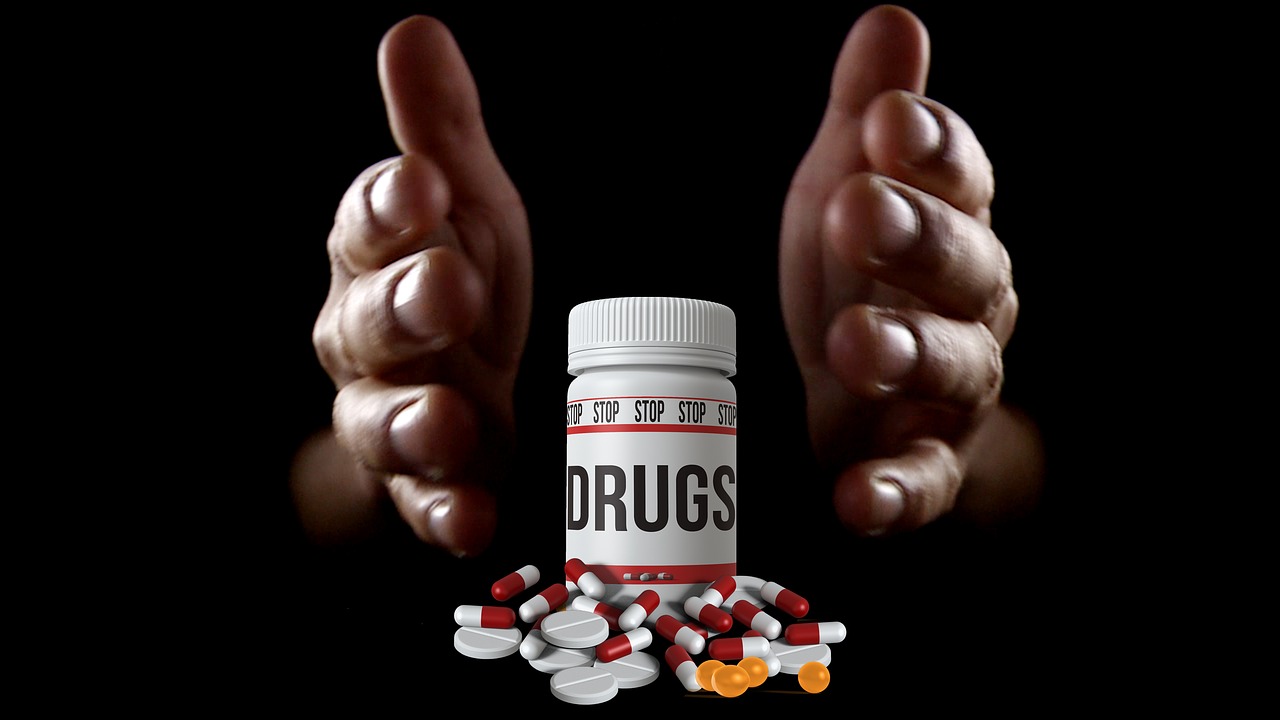
Drugs.

Drugs.
Photo courtesy of Pixabay.

Are people in your life making too much out of your recreational drug use?

A number of people recently have been describing how they do not feel they have a problem with drugs. They are not addicted. They have or have had a job. There have been no awful withdrawal symptoms. These people report that they are not addicted and that they just use drugs for fun. These conversations have been both in person and via mail or chat.

The common complaint is that others in this person’s life are being unreasonable and are upset because this person wants to have fun. The common thread in these conversations is that these others are off base because they object to the person I am talking with have fun, enjoying themselves, and doing drugs recreationally.

This blog post is of course written in generalities. I do not know each reader’s situation. Your situation may be very different from the ones I will describe. Let’s take a look at some of these interpersonal conflicts that occur around drug use and how both the user and others in their life are perceiving this recreational drug use. Below are some of the people who have objected to someone’s drug use.

The topic is drugs but as far as I am concerned alcohol should get lumped in as a drug. Alcohol alters consciousness and it impairs functioning at times. Our societal attitude to alcohol may be less rigid than the attitude towards other drugs but those attitudes are changing and penalties for doing things while intoxicated continue to increase.

Your Spouse or romantic partner objects to your drug use.

Often the first person to notice a problem with your drug use will be a close romantic partner.  So you need to ask yourself did this person have a problem with your behavior before you two moved in together or has their opinion changed and why?

If they said nothing before you became a couple but are now asking you to cut out or stop your drug use what has changed? If situations have changed, you have kids, need to make a house payment and so on that may be the reason they are talking differently now. They may just have thought that once you were in a committed relationship you would act more grown-up.

Some people are ready to settle down for the kids and the future before others. Consider which is more important, your ability to do all the drugs you want because you do not see them as being a problem or making your partner happy and being a good parent?

It is also possible that the people in your house can see the signs of trouble in you before you can see them. If more than one person has complained about your partying, you need to look at this carefully.

Do your parents criticize your drug use?

One big reason that parents tell their kids that drugs or alcohol is a problem? Because they have done those things and gotten themselves in trouble. That or they grew up in an environment where people were acting irresponsibly as a result of substances.  It is rarely because your parents are trying to hog all the fun.

As people grow up there is a tendency to push parents away, separate yourself, and become who you are as an individual. Some people pick a new career, change their religious preference, or join another political party.

Other people dabble with drugs and alcohol. If your parents are noticing your drug use, then it is likely that you are already having problems. If when you use bad things have happened, you need to take another look at that use.

Are coworkers commenting on your drug use?

If your coworkers are expressing concern about your substance use then it is likely that your use has interfered with your job performance.

Frequently I hear that the person’s drug use is not causing any problems. They might say something like “The only one I am hurting is me.”

If you are missing work, coming in late on Mondays, or calling in sick a lot, the truth is your drug use is making your coworker’s life harder when they have to cover for you.

Your boss knows you are partying.

Bosses often notice an employee has a problem early on. Many people in drug treatment have to deal with the added issue of having been fired from several jobs. Bosses may ask you if there is something going on, problems at home? If your performance has gone downhill, is substandard, or you are late and absent a lot your partying is getting in the way of having a job.

Police contact suggests something is wrong.

If you are having issues with the police then ask yourself, would you have those same issues if you were not doing drugs or drinking? Yes, you can do what you want with your life, but if it is impairing your ability to drive, getting you into fights, or attracting the notice of the police then there is something wrong.

Did the Judge say you needed treatment?

If the judge says you need a drug treatment program then you need one. Why? Not necessarily because your drug use is that bad. You may not be an addict. Yet. But the fact that you are in front of the judge and that this person knows about your drinking and drugging tells us that your use has become a problem. Maybe it is only a legal problem, but it is still a problem.

Are you on parole or probation?

If you are on Parole or Probation take another look at you. When you are trying to get your life straight any drug use, alcohol included, can impair your judgment and send you back.

You say “I should be able to do what I want?” Maybe, someday. But really is your right to drink or drug more important than staying out of jail?

Consider that one study concluded the vast majority of people in prison were drunk or high in the 24 hours before they committed the crime that put them away. Alcohol and drugs are not your friends. Not the kind of friends that want you to stay out anyway.

The person who was injured in the accident you had knows it’s a problem.

If you hurt someone either intentionally or accidentally while under the influence, that was like not cool. Everyone can have an accident, but if you were high when it happened we think this is not so much an accident as a case of your ability to function was impaired and your hurt someone else as a result.

Clearly, you were not just hurting yourself.

Did you know there are countries in Europe where the legal limit for a DUI is point-zero-two (.02)? That’s right- one drink and you can’t drive over there.

Will all these reasons keep people from drinking and using?

Not likely. Many people will still say that they should be able to do what they want because they are only hurting themselves. Every year a whole new crop of humans will experiment with drugs and alcohol. But if you find that any of the people on this list are complaining about your drinking and drugging then maybe you need to take a hard look at how much of your life you are giving up to do those things.

For more on this topic see:

Drug Use, Abuse, and Addiction

Staying connected with David Joel Miller

Seven David Joel Miller Books are available now!

My newest book is now available. It was my opportunity to try on a new genre. I’ve been working on this book for several years, but now seem like the right time to publish it.

Story Bureau.

Story Bureau is a thrilling Dystopian Post-Apocalyptic adventure in the Surviving the Apocalypse series.

Baldwin struggles to survive life in a post-apocalyptic world where the government controls everything.

As society collapses and his family gets plunged into poverty, Baldwin takes a job in the capital city, working for a government agency called the Story Bureau. He discovers the Story Bureau is not a benign news outlet but a sinister government plot to manipulate society.

Bumps on the Road of Life. Whether you struggle with anxiety, depression, low motivation, or addiction, you can recover. Bumps on the Road of Life is the story of how people get off track and how to get your life out of the ditch.

Dark Family Secrets: Doris wants to get her life back, but small-town prejudice could shatter her dreams.

Casino Robbery Arthur Mitchell escapes the trauma of watching his girlfriend die. But the killers know he’s a witness and want him dead.

Planned Accidents  The second Arthur Mitchell and Plutus mystery.

Letters from the Dead: The third in the Arthur Mitchell mystery series.

What would you do if you found a letter to a detective describing a crime and you knew the writer and detective were dead, and you could be next?

Sasquatch. Three things about us, you should know. One, we have seen the past. Two, we’re trapped there. Three, I don’t know if we’ll ever get back to our own time.

For these and my upcoming books; please visit my Author Page – David Joel Miller

Want the latest blog posts as they publish? Subscribe to this blog.

For videos, see: Counselorssoapbox YouTube Video Channel

Do people with problems not want to change?

By David Joel Miller, MS, Licensed Therapist & Licensed Counselor.

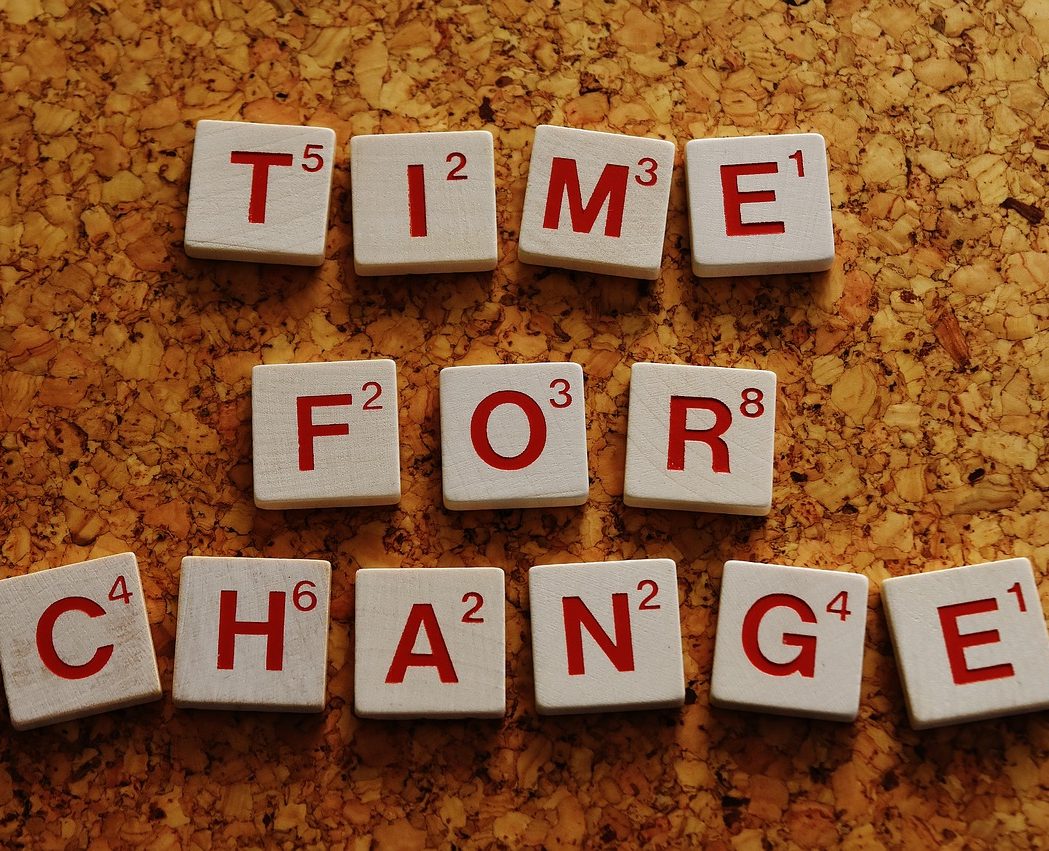
Need to change

Time for you to make a change?
Photo courtesy of Pixabay.com

Why do they say that people with problems want to be that way?

Lots of people, with varying problems and disabilities, seem to be dismissed with the expression that the reason for their problems is that they do not want to change. Is there any truth to these claims and why do we hear this so often?

First, let me give you a list of the things I have heard recently. Some of this comes from professionals, some from the news media, and some from just average people. After the list let me tell you why I think we are hearing this more these days and lastly what we should be doing about this.

People with depression are using this illness to avoid doing anything.

Fat people don’t really want to lose weight.

There is no such thing as mental illness, those people just want to get on disability.

People who say they have anxiety are just trying to get other people to take care of them.

The homeless prefer to live out on the street.

Drug users do not quit because they want to use.

The unemployed are unemployed because they do not want to work.

There are many other forms of these statements, but mostly they seem to me to be ways of dismissing people with problems by blaming them for having those problems and then saying that they are unwilling to change.

So why if obesity, homelessness, unemployment, loneliness, drug addiction, and mental illness cause all that pain, do people seem to so strenuously avoid doing exactly the things that would change their situation? Doesn’t it look sometimes as if people with problems really do not want to change or they would?

Turns out that change is far harder most of the time than doing nothing.

I can see why society and people who work in the helping fields could start blaming the people with the problems for their lack of progress. As long as we can blame them we do not have to think that our programs and policies might be letting the suffering down. It is easier to think that the homeless like to be out there in the cold, the rain, or the snow than to really try to tackle those issues.

Why do we blame those with problems for those problems?

Turns out that change is hard for humans. We learn a certain way of coping and then we continue that coping style over and over. Even when we come to believe that what we are doing is not working, deciding to do something different and then carrying through on that decision is difficult. People in these situations sometimes have to give up everything they have to reach for something else. Here are some examples.

Unemployment is rarely a choice.

If I think that unemployment is caused by a lack of jobs, I might get scared I could end up out of work. If I can convince myself it is because they don’t want to work I can pretend it won’t happen to me.

For a huge stretch of time since World War II here in the United States, we have had growth and expanding employment. There have been ups and downs but overall more people work as time goes on. There was a time when any able-bodied person who wanted to work could find a job. Recently we have seen a trend, there are jobs available, but those jobs require advanced skills and are often in distant places.

Many who are unemployed lack the skills needed to get a good job, they may live in places with high unemployment and as a result, become seriously depressed. When you are depressed doing anything can be at the limits of your abilities.

For the homeless shelters may mean giving up all you have.

If you are homeless, most of your friends and partners are homeless also. If you have a boyfriend or girlfriend you need to leave them behind. Your pet? That dog that kept you warm and comforted you on that cold night? That animal goes to the pound. There are few places a homeless person can take their partner or their pet.

While in the homeless shelter you need to be there in the early afternoon and leave in the early morning. Getting to and from the shelter takes up the whole day. Your life begins to revolve around being a recipient of a place to sleep.

When you have next to nothing you use what tools you can find to cope. Many homeless people drink to dull the pain, physical and emotional. Without an address, it is hard to get into medical or psychiatric services.

Homeless programs often require that the people they house stop alcohol and drug use altogether to get housed. It is easy to say that the homeless do not want housing and harder to recognize that they may not be willing to give up friends, relationships, pets, or other coping mechanisms to fit into the requirements of a given program.

Obesity is about more than just eating less.

Once upon a time, we idolize the person with some meat on their bones. When food was scarce the healthy, those who were not emaciated, made it through the winter to live another year. Then times change, food became instantly available, and the ideal change.

Weight loss has become big business. Despite a quizillion diet books and weight loss programs, the rate of obesity in America continues to climb. Food is available on every corner. Fast food and food available 24 hours a day in any season. The result of this increased availability of food has not been better health but more unhealthy food.

Most dieters learn all too rapidly that the minute you relax your diet the weight returns and brings a few pounds of extra fat with it. With the weight gain comes physical ailments. Exercise is harder the more weight you need to lose. The modern solution? Surgery to reduce the body’s ability to hold and process food.

The mentally ill are likely to be told to just snap out of it.

For most people who have a mental illness snapping out of it is only slightly more difficult than growing a few inches because you should be taller.

When you have depression, severe major depression, getting out of bed in the morning is an all-day task. This is not laziness, it is horrific work to make yourself do something that you lack the ability to do.

If you have an anxiety disorder, the most common mental disorder in America, you are likely to be told to just not worry about it. If you go for treatment those of you who have social anxiety can look forward to spending hours in crowded waiting rooms with people you do not know and with whom you wish you did not have to spend time.

I know there are exceptions. Programs to treat anxiety that are small and personalized. But all too often treatment programs are organized to meet the needs of the system, not the individual.

The truth is that those with problems no not always use programs, not because they like things the way they are but because they are being asked to do more than they are able to in order to access those helps that most of the rest of us take for granted. We need to stop blaming the sufferers for their illness and look for solutions that work rather than create more programs that fail the people they are designed to serve.

Staying connected with David Joel Miller

Seven David Joel Miller Books are available now!

My newest book is now available. It was my opportunity to try on a new genre. I’ve been working on this book for several years, but now seem like the right time to publish it.

Story Bureau.

Story Bureau is a thrilling Dystopian Post-Apocalyptic adventure in the Surviving the Apocalypse series.

Baldwin struggles to survive life in a post-apocalyptic world where the government controls everything.

As society collapses and his family gets plunged into poverty, Baldwin takes a job in the capital city, working for a government agency called the Story Bureau. He discovers the Story Bureau is not a benign news outlet but a sinister government plot to manipulate society.

Bumps on the Road of Life. Whether you struggle with anxiety, depression, low motivation, or addiction, you can recover. Bumps on the Road of Life is the story of how people get off track and how to get your life out of the ditch.

Dark Family Secrets: Doris wants to get her life back, but small-town prejudice could shatter her dreams.

Casino Robbery Arthur Mitchell escapes the trauma of watching his girlfriend die. But the killers know he’s a witness and want him dead.

Planned Accidents  The second Arthur Mitchell and Plutus mystery.

Letters from the Dead: The third in the Arthur Mitchell mystery series.

What would you do if you found a letter to a detective describing a crime and you knew the writer and detective were dead, and you could be next?

Sasquatch. Three things about us, you should know. One, we have seen the past. Two, we’re trapped there. Three, I don’t know if we’ll ever get back to our own time.

For these and my upcoming books; please visit my Author Page – David Joel Miller

Want the latest blog posts as they publish? Subscribe to this blog.

For videos, see: Counselorssoapbox YouTube Video Channel

Is addiction real? Does it have a cause?

By David Joel Miller, MS, Licensed Therapist & Licensed Counselor.

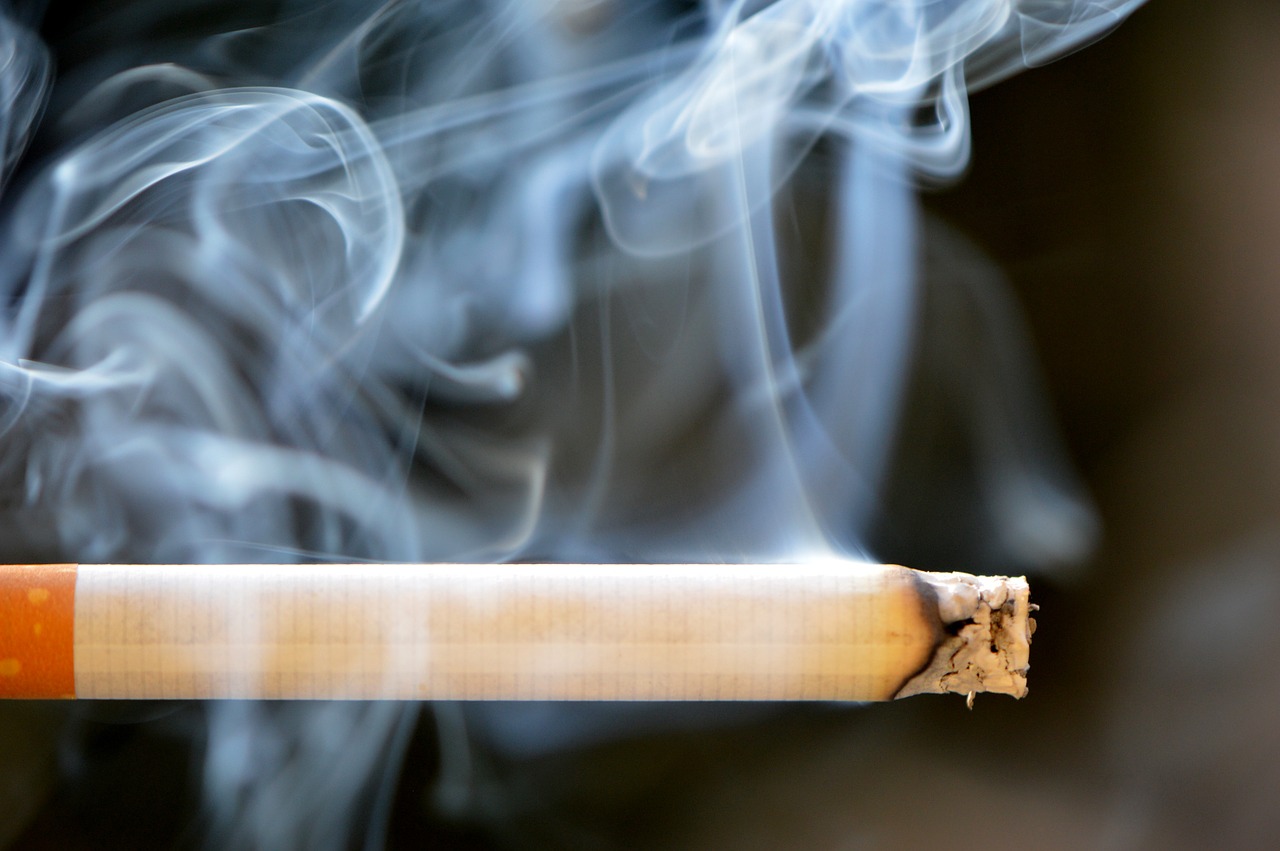
Cigarette smoking is addictive.
Photo courtesy of Pixabay.com

Comments on the deltaFosB post and the causes of addiction.

Some comments came in on the DeltaFosB post I think need discussing.

Normally I do not answer or re-comment on comments on posts. If you like a post cool. I will thank the reader for the like and that is that. If you disagree, then you are entitled to your opinion. I reserve the right to be wrong and so should all of you. Further arguing with people about their comments is not likely to change their minds so I try to use as much of my time as productively as possible and move on to new things.

This time feels different. On the chance that there are others who drew the same conclusions from the post that one reader “Tom” drew, I thought it would be worth further discussion.  I posted the headline to the original post with a link to the post on google+ and this comment from Tom was received over there.

First Toms comment on the post and then my explanations of why I think Tom is off base here.

“…there really does seem to be a physical change in the brain that accounts for why some people become addicted to chemicals, drugs in particular, and behaviors…”


I think that’s confusing hypothesis with findings. No one is seriously reporting that they have found the cause of addiction. For one thing, there is seriously insufficient research to support a global generalization of that sort.

People have been trying to find this mythical organic cause of addiction, and failing, for decades. What you report does go beyond the speculative, although it surely is not pure speculation. The research we have only supports informed speculation, to my mind.

The ambiguity in this phrase – “…that accounts for why some people become addicted…” is dangerous. I think what you’re really trying to say is something like “…that accounts for why some addicts become addicts…” As written, you appear to be talking about all addicts, and that is far beyond what we can address with the research you review, I think.

The fact remains that most people who drink alcohol are not addicts. Most people who use heroin are not addicts (little-known fact). Most people given opiates for pain can’t wait to get off of them, because of their unpleasant cognitive side effects. Those who become addicted are a small minority, and they seem all to have something in common: a persistent uncomfortable mental state which psychoactive substances/behaviors moderates. Happy people do not become addicts.

This has been known for a long, long time. But people just don’t want to let go of the “demon dope” hypothesis. The reality is more complex.

My response to Tom’s comments:

It appears that you are reaching conclusions from what I wrote that is not what I was saying. I suspect we have some fundamental philosophical differences here. We seem to be using words differently also. Look up the word addiction in a number of dictionaries and you will get a variety of definitions. I am concerned that people are using the term Addict as a pejorative term. The homeless and the mentally ill get that treatment also. Asserting that “addicts” are in some fundamental way different from non-addicted people is reassuring to some. If you have a job and a home you can tell yourself that you are not an “addict.” This obscures the very real issue of a growing problem of substance use and behavior use disorders in our society.

Let me try to clarify what I was saying about the criticisms you raised of the blog post.

  1. The term “some people” was written because I believe that those who develop an addiction, chemical or behavioral are people. To argue that “addicts” are somehow different from other people is to blame the person with the disorder for their condition. This is often done with other social issues like homelessness, poverty, and crime.
  2. The research reported on was concerning epigenetics and gene expression. This suggests that something happens which turns people who are not addicted to a behavior or a substance into those who have a dependency or reliance on this as a way of functioning. Behavioral “addictions” remain controversial with only gambling having been added to the most recent DSM. This research point to changes in the brain functioning when people reach a point of losing control over their use of that behavior or substance.
  3. If we call “it” addiction we get one paradigm. If we refer to something as chemical dependency or having a substance use disorder we get another. As a society, we are moving towards a “doublethink” approach to this issue. People who take prescribed medications do develop tolerance and withdrawal. There has been some pressure to alter the description of chemical dependency (the new term for what used to be called addiction) by adding craving as a characteristic of addiction. This might lead to the conclusion that someone can be “addicted” to a medication and not be an addict. This simply changes the terms to define away the problem of what is causing this condition.
  4. Referring to the premise that behaviors and drugs can at some point, for some unknown reason take someone from experimentation or use to being addicted as a “demon dope” hypothesis is a stretch.

If we accept that addiction could be a disease then the disease model fits. Compare this to the “demon Bacteria” theory of tuberculosis. One way of determining if something is a disease is to ask three questions.

Is there a specific agent that may be causing this condition?

Is there a host that gets the disease?

Is there a way in which this agent gets into the host?

Does this “demon bacteria” cause tuberculosis?

There are people who are around some specific other but do not get the disease. Does this mean that the bacteria is not the cause and that people who get T.B want to have it?    “Bad air,” wearing dirty clothing, and failure to wash your feet, along with a raft of other behaviors, have been postulated as causing the thing that we now attribute to the disease tuberculosis.  You can be around someone with an infection, and you may or may not get the disease. Your immune system, the length, and severity of exposure the room size, and other factors can influence whether you get the disease.

Do addictions fit this model? Yes, mostly. There are agents, pornography, or a drug (alcohol and prescribed medications could be included here.) Yes, it is an individual host that gets the disease, though with what we are calling addictions, the family and society are also affected. Lastly, there has to be an exposure to the agent. Unless you view pornography, take drugs or drink, you will not develop an addiction to these behaviors or substances.

  1. Reporting “a cause” is not the same as reporting a one and only one cause. We are reasonably sure that faulty brakes can result in automobile accidents. Faulty brakes are not the only reason for auto accidents. It seems likely that further research will find other things occurring in the brain before, during, and after exposure to the behaviors or drugs which cause chemical dependency. My statement is further qualified by the statement “seems to be.” This hypothesis or theory needs more research and testing. What has emerged to my satisfaction is that there is some sort of actual brain change occurring in “Some” of these people we currently describe as having a substance use disorder, addiction, or as being “addicts.”

I am increasingly unconformable using the word “addict.” We do not describe people with other disorders as their disorder. We do not, or should not, refer to someone who has been diagnosed with cancer as “the Cancer.”

  1. Absolutely it is likely that this one pathway, the repeated exposure to a behavior or substance, is not the only possible mechanism or reason. Smoking is not the only cause of lung cancer but the connection seems far beyond any chance correlation. Early research on Alcoholism reported that many “problem drinkers” drank to unconsciousness or blackout the first time they drank. Additional research has pointed to a genetic risk factor as well as exposure to alcohol playing a role. Research on genetic causes of alcoholism has been inconsistent. One study reported having a bio parent who drank alcoholically increased the risk that a person would become an alcoholic by 400% even if they never met that bio parent. Other studies have pointed to the increased risk of the environment. None of this negates the probability that repeated exposure to a behavior or chemical could change the “default setting” in the brain and result in the use of substances being an automatic behavior.
  2. Your statement that “Happy people do not become addicts.” is on its face false for several reasons.
  3. No one is or should be happy all the time. People who might be described as “happy people” all experience episodes of other emotions. There are no such people who are always happy.

Many people drink or use drugs to celebrate, at some point, sometimes the very first time, they go to extremes and develop a substance use disorder. Someone who drinks only one time a year, say for New Years, but over the last three years received two DUI’s and was arrested once for a bar fight clearly has an alcohol use disorder.

  1. Alcoholics or addicts do not look different than the non-addicted person. About 70% of drug addicts, those who report to treatment with a substance use disorder, have full-time jobs. About 95% of alcoholics work full-time but still find themselves unable to control their drinking when they try.
  2. Most teens who begin to use substances report the reasons they first tried substances was because it sounded like “fun.” Later in the process of developing a substance use disorder, they will report that they do it “socially” and eventually that it has stopped being “fun” and now they continue with the drug or behavior because it is difficult and painful to stop.
    While there are many factors involved there is increasing evidence that there are not two kinds of people “normal happy” ones and “addicts” but that for reasons we do not yet fully understand at some point a behavior or a substance can alter brain functioning and result in an addiction. Describing people who take prescribed medications and develop tolerance, withdrawals, and a physical addiction as not being addicts is, in my opinion, a distinction without a genuine difference.

Thanks for the comment anyway, it inspired this further explanation.

Staying connected with David Joel Miller

Seven David Joel Miller Books are available now!

My newest book is now available. It was my opportunity to try on a new genre. I’ve been working on this book for several years, but now seem like the right time to publish it.

Story Bureau.

Story Bureau is a thrilling Dystopian Post-Apocalyptic adventure in the Surviving the Apocalypse series.

Baldwin struggles to survive life in a post-apocalyptic world where the government controls everything.

As society collapses and his family gets plunged into poverty, Baldwin takes a job in the capital city, working for a government agency called the Story Bureau. He discovers the Story Bureau is not a benign news outlet but a sinister government plot to manipulate society.

Bumps on the Road of Life. Whether you struggle with anxiety, depression, low motivation, or addiction, you can recover. Bumps on the Road of Life is the story of how people get off track and how to get your life out of the ditch.

Dark Family Secrets: Doris wants to get her life back, but small-town prejudice could shatter her dreams.

Casino Robbery Arthur Mitchell escapes the trauma of watching his girlfriend die. But the killers know he’s a witness and want him dead.

Planned Accidents  The second Arthur Mitchell and Plutus mystery.

Letters from the Dead: The third in the Arthur Mitchell mystery series.

What would you do if you found a letter to a detective describing a crime and you knew the writer and detective were dead, and you could be next?

Sasquatch. Three things about us, you should know. One, we have seen the past. Two, we’re trapped there. Three, I don’t know if we’ll ever get back to our own time.

For these and my upcoming books; please visit my Author Page – David Joel Miller

Want the latest blog posts as they publish? Subscribe to this blog.

For videos, see: Counselorssoapbox YouTube Video Channel