
How does therapy help people?

By David Joel Miller, MS, Licensed Therapist & Licensed Counselor.
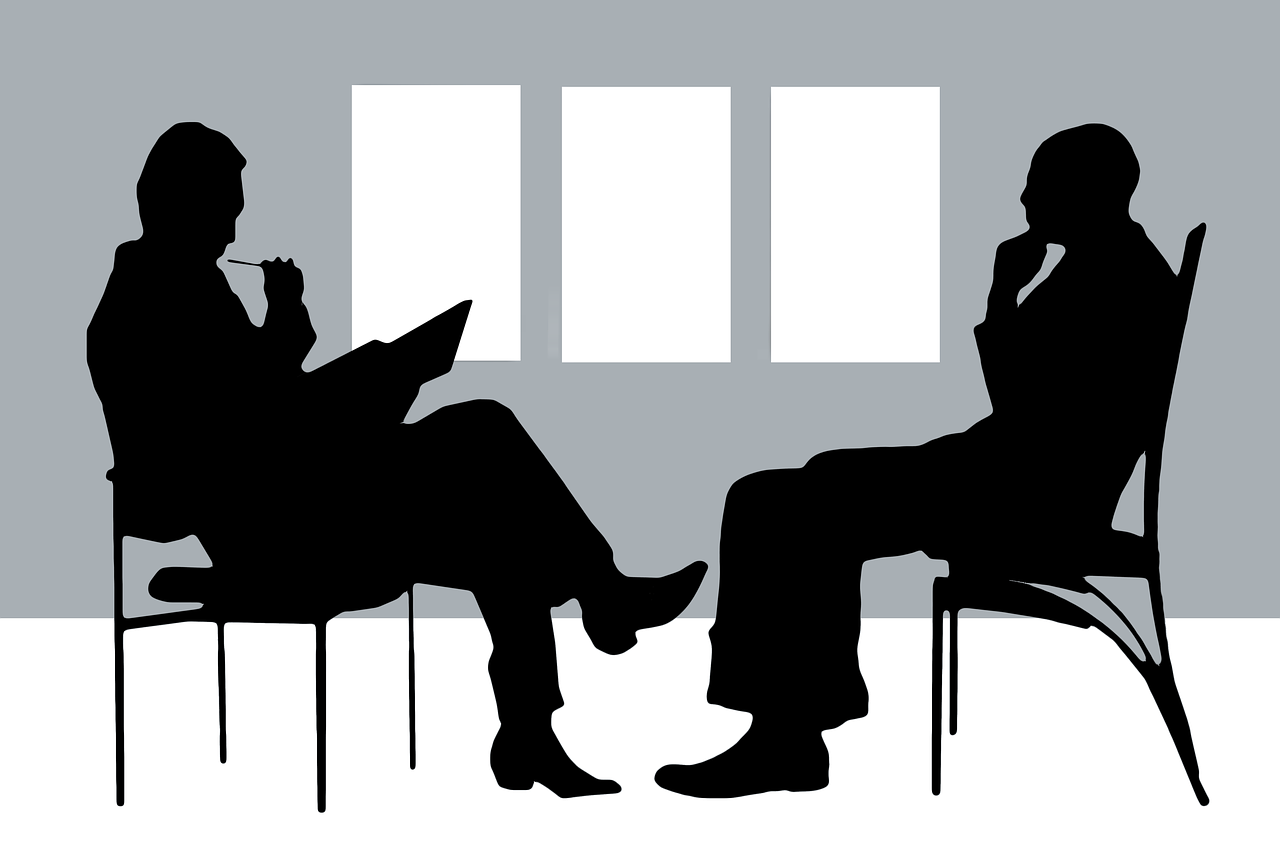
Therapy

Therapy.
Photo courtesy of Pixabay.com

People ask just how it is that therapy or counseling works.

The short answer is that there are many ways, not just one way in which therapy may work to help someone. Professionals all have their own preferred theory of therapy which is the basis of their practice. What they do is highly influenced by the theory they use, though the truth be told most of us borrow from other theories if we see a procedure that might help a client.

The way counseling might help also varies with the problem the client brings to the office. In the early days, there was one profession that largely dealt with problems of the mind, psychiatrists. Today there are many specialties that work to help people with their problems of living. A caveat here, I have my preferred way of trying to be helpful. This is my opinion so I won’t pretend to fully explain all the procedures.

Therapists are empathetic, non-judgmental listeners.

There are some things people don’t feel comfortable talking to their families and friends about. One school of therapists, Rogerians, believe that most of us have the answers to life’s problems we just need to talk them out. Being able to talk through urges and fantasies helps people to understand themselves and may lead to an improved ability to control their behavior. Clients sometimes say their therapist just sat there, listened, and didn’t tell them anything. If you want or need more than listening, discuss that with your counselor.

Therapy can be a corrective emotional experience.

Many clients tell me they have trust issues. Often this is because there has been no one in their lives they could trust or because they were not trustworthy themselves. If their family was never very affirming, a positive therapist can help them to learn to affirm themselves. Group therapy is especially good at teaching people how to deal with interpersonal problems by allowing them to experiment with new behaviors.

The counselor can provide reality testing.

Clients may come to therapy with incorrect perceptions. People think they are fat when they are normal or below in weight. They think of themselves as too old or too dumb when they are in fact at a normal developmental point in their life. People make plans that they do not have the skills or resources for, they have expectations of others that are not realistic. Having someone to “bounced ideas off” can help ground plans in the real world.

Counselors help people change life stories.

Many people have a “story” about themselves that started in early life and which they have been unable to alter. People with call themselves “a loser.” This personal story, saturated with problems, may keep them from trying new things because they expect to fail at any new effort.  Narrative therapists help people create a new story.  Cognitive therapists would call this a “thinking distortion” and use various methods to get the client to challenge this belief and create a new belief about themselves that was more adaptive. Instead of thinking of themselves as a “loser”, the client may begin to see themselves as a “survivor” who has continued to try in spite of obstacles.

Counselors teach clients new skills.

A substance abuse counselor would teach a client refusal skills. A career counselor might teach his client how to use online career inventories, interviewing skills, or resources to use to conduct a job search. Marriage counselors may teach couples communication skills. Family counselors may teach parenting skills. Skills-based approaches may involve recommendations for books to read and real-life homework to increase skills. School counselors primarily work on academic issues, what classes to take, and how to succeed in school.

Counselors help clients get in touch with themselves.

Exploration of the self, personal growth, and discovery are all legitimate reasons to see a counselor. Counselors don’t make decisions for clients, but they can teach clients decision-making skills and encourage clients to practice these skills. Therapy can help clarify values and assist clients in evaluating choices. People may come to counseling confused and in need of help in gaining clarity.

Psychotherapy can assist in changing personality.

Psychotherapists often focus on basic personality characteristics. Psychologists can give and administer personality tests while psychotherapists can spend time working through personality characteristics the client may wish to change.  Changing an underlying personality characteristic takes more time and effort than the crisis-driven techniques but it can result in long-term changes in coping skills. Psychodynamic therapists work on the unconscious. More cognitive therapists would approach personality issues by trying to help the client gain a new worldview. “Getting a new pair of glasses” results in seeing the world and problems differently.

There are sure to be more ways in which counseling is helpful. What do you think? Are you a client who has been helped? What was helpful? If you are a therapist, what do you think helps clients?

This post was featured in “Best of Blog – May 2012

Staying connected with David Joel Miller

Seven David Joel Miller Books are available now!

My newest book is now available. It was my opportunity to try on a new genre. I’ve been working on this book for several years, but now seem like the right time to publish it.

Story Bureau.

Story Bureau is a thrilling Dystopian Post-Apocalyptic adventure in the Surviving the Apocalypse series.

Baldwin struggles to survive life in a post-apocalyptic world where the government controls everything.

As society collapses and his family gets plunged into poverty, Baldwin takes a job in the capital city, working for a government agency called the Story Bureau. He discovers the Story Bureau is not a benign news outlet but a sinister government plot to manipulate society.

Bumps on the Road of Life. Whether you struggle with anxiety, depression, low motivation, or addiction, you can recover. Bumps on the Road of Life is the story of how people get off track and how to get your life out of the ditch.

Dark Family Secrets: Doris wants to get her life back, but small-town prejudice could shatter her dreams.

Casino Robbery Arthur Mitchell escapes the trauma of watching his girlfriend die. But the killers know he’s a witness and want him dead.

Planned Accidents  The second Arthur Mitchell and Plutus mystery.

Letters from the Dead: The third in the Arthur Mitchell mystery series.

What would you do if you found a letter to a detective describing a crime and you knew the writer and detective were dead, and you could be next?

Sasquatch. Three things about us, you should know. One, we have seen the past. Two, we’re trapped there. Three, I don’t know if we’ll ever get back to our own time.

For these and my upcoming books; please visit my Author Page – David Joel Miller

Want the latest blog posts as they publish? Subscribe to this blog.

For videos, see: Counselorssoapbox YouTube Video Channel

10 ways to get emotional help without money

By David Joel Miller, MS, Licensed Therapist & Licensed Counselor.

Counseling.
Photo courtesy of Pixabay.com

Can’t pay for therapy?

The times you need help the most are likely to be the times you are least able to pay. People with emotional problems often have other problems, no job or a low-paying one, physical health problems, housing issues. If you had those other problems wouldn’t you be depressed or anxious?

Now if this is an emergency, if you or someone close to you is thinking of suicide, has a drug overdose or other critical problem, please call your local emergency number. In my area, we have 911 services and every night many people call that number and end up in hospitals where they can be linked to help. People who chose to not call emergency services can walk into an emergency room and seek services. These days emergency rooms across America are filling with people with mental and emotional problems, people with nowhere else to go.

We continue to hope that the services for the people in need will match the need. So far it isn’t happening. The recent downturn in the economy has resulted in strained budgets and budget cuts. Mental health and substance abuse dollars keep shrinking at the very time the need is growing.

The first place to start of course is your local mental health facility. If you qualify for services they are likely to be covered or offered at extremely low rates. These days the need is so great most public facilities are limited to serving only those with the most severe need, people who are suicidal or have hallucinations. Even if you don’t qualify for ongoing therapy, you may be able to get emergency services or they may be able to refer you to free or low-cost services.

So if you are someone who has fallen through the cracks, who needs counseling or therapy but has no insurance, doesn’t qualify for services or your diagnosis does not meet the “medical necessity” for services, how do you get help? Here are a few suggestions, some are more available than others, and some are more painful than others but if you need help and haven’t been getting it these are things you might try.

1. Read the internet

Especially read blogs and sites about recovery. The internet can be had for little or no cost. These days’ even homeless people have email. Most libraries let people use computers for some amount of time. This has brought information to everyone. It has also caused problems. Not all sources of information are helpful. Watch out for sites that are sponsored by a company that wants to sell you something.

Read about recovery. Some writers are in lots of pain; their writing is therapeutic for them. I read those sites but I find it is good to limit readings about pain unless there are also posts about recovery. Read blogs that spread the cure, not posts that spread the disease. Also, avoid reading too many posts about diagnoses. Self-diagnosis is a trap even professionals can fall into. You need an objective professional person to make a good diagnosis. That said, if someone has given you a diagnosis, read about your condition. If the things you read don’t match what is happening to you, ask questions. Not all professionals agree on things and sometimes they get things wrong.

2. Read self-help books.

There are lots of self-help books out there. I wish I could give you a list of the best ones. I am working on that list but so far it is not ready. I asked colleagues for recommendations and at this point, no two therapists have recommended the same book or books. Read a self-help book that speaks to you. What you need to learn may be different from what someone else needs to learn. You can get self-help books for very little money. Libraries have them for loan. Some can be downloaded from the internet for free or at a low price. I have picked up some great ones at thrift stores for fifty cents to two dollars. If you find a great one please leave a comment here and share your find.

Avoid books that require you to be dependent on or give unquestioning loyalty to a person or group. A.A. literature says here are “suggestions” that have helped us. If you find a better way we wish you well. If you have to do things the author’s way chances are the book is designed to help him and not you.

3. Self-help groups.

The old standby of self-help groups are Alcoholics Anonymous (AA) and Narcotics Anonymous (NA). The success of A.A. has spawned over 200 self-help groups based on the twelve-step model. There are also specific groups for people with co-occurring or dual diagnosis issues. There are also some groups based on specific needs that do not involve the twelve steps. Please don’t be put off by the twelve step programs talk about a “higher power” even nonreligious people, atheists, and agnostics are welcomed and they often find there is something they can believe in if it is only the ability of the group to be helpful.

4. Colleges and schools

Many colleges have therapy available for students. These services are in addition to the department that does academic counseling. Check with the health services on campus if you are a student. Universities that offer counseling or therapy major often have clinics where new therapists under the supervision of experienced instructors, provide therapy services to members of the community. These university-sponsored programs have low-cost or reduced-cost options. School counselors can sometimes help with family issues, parenting, and child behavioral issues.

5. Community-based resources

Non-profit organizations are sometimes able to provide some services to people in the community who are otherwise unable to access services. Check with charitable organizations. Some areas have a 211 phone service that is able to provide social service referrals.

6. Ask therapists and counselors about sliding fee arraignments

Some practitioners are able to see clients for reduced fees. Don’t be afraid to ask, but expect to have to show proof of income.

7.  Consider group therapy

Group counseling is not second-rate services. Sometimes being in a group with others can be a powerful experience. Group fees can be significantly less than individual counseling. Some practitioners offer large group counseling at extremely low fees. In my area, there have been large groups run by professional therapists that were sponsored by churches or community-based organizations that were free. The therapist donates their time and the organization provides the space. The people who attend get free services that they would otherwise not be able to afford and the counselor often gets referrals for their private practice.

8. Substance abuse facilities

Substance abuse facilities often have outpatient groups that are extremely reasonable. They also may have free or low-cost groups for the family members of clients in substance abuse treatment.

9. Think about your priorities.

How much is your recovery worth? Many a time a person has told me they couldn’t afford therapy but they continue to pay hundreds of dollars each month for hair or nail appointments, home shopping, or their drug of choice. Is it true you can’t afford help or is it that you have not made your recovery much of a priority?

10. Consider Religious counseling.

Pastors, Rabbi’s Priest, Bishops, and other religious leaders often have training in Pastoral counseling in addition to their religious training. Seek out people who seem to care about you and about being of service.

If any of you know of other resources let me know so I can pass the information along. Till next time –

Staying connected with David Joel Miller

Seven David Joel Miller Books are available now!

My newest book is now available. It was my opportunity to try on a new genre. I’ve been working on this book for several years, but now seem like the right time to publish it.

Story Bureau.

Story Bureau is a thrilling Dystopian Post-Apocalyptic adventure in the Surviving the Apocalypse series.

Baldwin struggles to survive life in a post-apocalyptic world where the government controls everything.

As society collapses and his family gets plunged into poverty, Baldwin takes a job in the capital city, working for a government agency called the Story Bureau. He discovers the Story Bureau is not a benign news outlet but a sinister government plot to manipulate society.

Bumps on the Road of Life. Whether you struggle with anxiety, depression, low motivation, or addiction, you can recover. Bumps on the Road of Life is the story of how people get off track and how to get your life out of the ditch.

Dark Family Secrets: Doris wants to get her life back, but small-town prejudice could shatter her dreams.

Casino Robbery Arthur Mitchell escapes the trauma of watching his girlfriend die. But the killers know he’s a witness and want him dead.

Planned Accidents  The second Arthur Mitchell and Plutus mystery.

Letters from the Dead: The third in the Arthur Mitchell mystery series.

What would you do if you found a letter to a detective describing a crime and you knew the writer and detective were dead, and you could be next?

Sasquatch. Three things about us, you should know. One, we have seen the past. Two, we’re trapped there. Three, I don’t know if we’ll ever get back to our own time.

For these and my upcoming books; please visit my Author Page – David Joel Miller

Want the latest blog posts as they publish? Subscribe to this blog.

For videos, see: Counselorssoapbox YouTube Video Channel

12 ways to Sabotage New Year’s resolutions

By David Joel Miller, MS, Licensed Therapist & Licensed Counselor.

the future

Living the Future
Photo courtesy of Pixabay.com

There are hundreds of articles out there about how to keep New Year’s resolutions. This isn’t one of them. This is about getting out of the ones you already made.

Lots of people make New Year’s resolutions, we feel we have to. But then the next morning we wish we had never said that. Here are some easy ways to make sure that your New Year’s resolution ends up in the dust and ensure that no one blames you for not living up to your promises.

1. Set huge impossible large goals. Despite not exercising for the last  60 years or so and having given up my photograph efforts in the late 1970s, this year I plan to make a film chronicling my success at winning twelve different gold medals in sports I had not previously played. Who could blame me for not keeping that one? The key here is to not plan to do anything, just plan to somehow have achieved the goal without effort.

2. Do not write down your goals or tell anyone. Writing things down leaves evidence. You might be tempted to look at your goals during the year. If you can’t remember what you planned to do how can it be your fault? Telling someone only expands the conspiracy. If you don’t tell, they won’t ask. People who blab their resolutions fell obliged to work on them.

3. Hang out with the losers. If you hang out with successful people you might emulate them. Want to avoid weight loss? Hang out at the donut shop or a buffet; better yet look up a donut buffet.

4. Resolve to change someone else. This is a favorite one that works every time. Plan to change your children or your spouse. Who could blame you if your family does not change? It was certainly your ex’s fault or maybe the fault of those rotten kids, wherever they are these days.

5. Embrace boredom. If it is fun don’t do it. Make resolutions to do boring, painful things not something you might actually get to like if you tried it. Nothing will squash a resolution faster than a good reason to avoid it in the first place.

6. Bet the farm on this one. If you are going to not do something, don’t do something big. Make your resolution so huge that your family might end up homeless if you did not carry through. Who could argue with you giving up your dream for the safety of your family? Doing a series of small things might actually be doable and then you would be stuck with a string of successes. Nothing ends your streak of failures like a small unsuspected success.

7. Test yourself constantly. This works well for alcoholics, who test themselves by buying alcohol and hanging out in bars. If your resolution had to do with food, go shopping and fill the house with your favorite foods. Then check the cupboard or the fridge often just to reassure yourself you have not eaten them – yet. Test yourself often enough you are sure to fail.

8. Don’t worry about being emotional. Watch sad movies and cry. Pick lots of fights. Argue with everyone you can. After an emotional day like that, you are sure to not have the energy needed to work on any stupid resolution. Happiness is incompatible with failure. Laughter can ruin a well thought out sorry-for-yourself binge. Stay moody.

9. Stop sleeping. Stay up all night every night and then sleep all day. Worry about your exercise plan, make a list of things you can’t buy. Lack of sleep will make you irrational but who can blame a half-crazed person for shopping online all night.

10. Give up all friends. Nothing so ensures your failure at resolutions as being totally isolated from all human contact. Quit your job, fight with your spouse till they leave, and hang up on your friends. People who are all alone should not be expected to be a success at anything, right?

11. Don’t eat. Being really eat-a-bear hungry can make you grouchy enough to not only stop trying but to be able to tell anyone still talking to you to put that resolution where the moonshine doesn’t- whatever.

12. If you tried before and failed don’t try again. Some people keep trying. If they keep that up they risk an eventual success. Smokers have an edge here. Most need to try to quit five to seven times so they get to talk about their try’s three or four times before giving up. Be careful though if you try too many times you might just end up making that change.

Well, I hope that this was helpful to all of you who are trying to avoid carrying through on your New Year’s resolutions. You could use this at other times of the year for any other change you are avoiding. Despite all my good advice some of you will try to make and keep New Year’s resolutions. Those of you who are successful will probably have passed through the series of steps we call “Stages of Change.” I see some of my former students smiling at that. They knew I couldn’t slip by mentioning the “Stages of Change.”

Spoiler alert – In a future blog I plan to write about how it is that people who attempt changes really do go about doing it successfully. Some of you are anticipating me and are inferring that real change rarely comes from one time resolutions and may involve a series of steps which we counselors like to term “Stages of Change.” If you prefer making resolutions and then not keeping them, avoid those blog posts.

Staying connected with David Joel Miller

Seven David Joel Miller Books are available now!

My newest book is now available. It was my opportunity to try on a new genre. I’ve been working on this book for several years, but now seem like the right time to publish it.

Story Bureau.

Story Bureau is a thrilling Dystopian Post-Apocalyptic adventure in the Surviving the Apocalypse series.

Baldwin struggles to survive life in a post-apocalyptic world where the government controls everything.

As society collapses and his family gets plunged into poverty, Baldwin takes a job in the capital city, working for a government agency called the Story Bureau. He discovers the Story Bureau is not a benign news outlet but a sinister government plot to manipulate society.

Bumps on the Road of Life. Whether you struggle with anxiety, depression, low motivation, or addiction, you can recover. Bumps on the Road of Life is the story of how people get off track and how to get your life out of the ditch.

Dark Family Secrets: Doris wants to get her life back, but small-town prejudice could shatter her dreams.

Casino Robbery Arthur Mitchell escapes the trauma of watching his girlfriend die. But the killers know he’s a witness and want him dead.

Planned Accidents  The second Arthur Mitchell and Plutus mystery.

Letters from the Dead: The third in the Arthur Mitchell mystery series.

What would you do if you found a letter to a detective describing a crime and you knew the writer and detective were dead, and you could be next?

Sasquatch. Three things about us, you should know. One, we have seen the past. Two, we’re trapped there. Three, I don’t know if we’ll ever get back to our own time.

For these and my upcoming books; please visit my Author Page – David Joel Miller

Want the latest blog posts as they publish? Subscribe to this blog.

For videos, see: Counselorssoapbox YouTube Video Channel

Recovery defined

By David Joel Miller, MS, Licensed Therapist & Licensed Counselor.

Ball recovery

Recovery and Resiliency.
Photo courtesy of Pixabay.com

What exactly is recovery?

Should we describe someone as “In recovery,” “recovering” or recovered? What about resilience. Is it in any way related to recovery? This month SAMHSA (Substance Abuse and Mental Health Services Administration) suggested a working definition for recovery.

The word recovery is commonly used when talking about substance abuse. Recently mental health has tried to incorporate wellness and recovery language into mental health programs. But it has long been clear that not everyone agrees about what is meant by recovery.

Trying to define recovery has always been a challenge.  Not the dictionary definition, which is relatively straightforward but not simple. Some common dictionary definitions of recovery include 1 A return to health 2 Return to a normal state 3 Gaining back something that was lost. The hard part was to explain what recovery meant when related to the issues of mental health and substance abuse.

Many people describe themselves as recovering. By that they mean they are struggling with a chronic progressive disease like alcoholism or drug addiction. They do not believe you are ever cured of a chronic disease condition and continue to remind themselves that at any moment they could experience a recurrence if they were to relax their vigilance.

Some people prefer the term “in recovery.” They believe that recovery is not a passive thing that happens to them but something that requires their active participation. They need to climb on board the recovery train and move towards their goal.

Some old-time AA members describe themselves as “recovered” and they point to the title page to the book “Alcoholics Anonymous” which states that the book is “the story of how many thousands of men and women have recovered from Alcoholism.” They further point out the book say that “we are not cured” but “have recovered from a hopeless state of mind and body.”  The thought that anyone could ever be fully recovered scares other people. They point out that accepting being recovered might lead someone to become careless and think that there is not more work to do on themselves.

SAMHS has suggested the following as a working definition of recovery:

A process of change through which individuals improve their health and wellness, live a self-directed life, and strive to reach their full potential.

SAMHSA delineates four major dimensions that support a life in recovery, Health, Home, Purpose, and Community.

A resiliency researcher tried to explain the difference between recovery and resiliency as – Recovery is coming back from negative consequences and resiliency as the ability to continue to function despite traumas.

A short way to think of this might be – Recovery is the process of getting back to where you were, regaining your life and Resiliency is handling life on life’s terms.

Staying connected with David Joel Miller

Seven David Joel Miller Books are available now!

My newest book is now available. It was my opportunity to try on a new genre. I’ve been working on this book for several years, but now seem like the right time to publish it.

Story Bureau.

Story Bureau is a thrilling Dystopian Post-Apocalyptic adventure in the Surviving the Apocalypse series.

Baldwin struggles to survive life in a post-apocalyptic world where the government controls everything.

As society collapses and his family gets plunged into poverty, Baldwin takes a job in the capital city, working for a government agency called the Story Bureau. He discovers the Story Bureau is not a benign news outlet but a sinister government plot to manipulate society.

Bumps on the Road of Life. Whether you struggle with anxiety, depression, low motivation, or addiction, you can recover. Bumps on the Road of Life is the story of how people get off track and how to get your life out of the ditch.

Dark Family Secrets: Doris wants to get her life back, but small-town prejudice could shatter her dreams.

Casino Robbery Arthur Mitchell escapes the trauma of watching his girlfriend die. But the killers know he’s a witness and want him dead.

Planned Accidents  The second Arthur Mitchell and Plutus mystery.

Letters from the Dead: The third in the Arthur Mitchell mystery series.

What would you do if you found a letter to a detective describing a crime and you knew the writer and detective were dead, and you could be next?

Sasquatch. Three things about us, you should know. One, we have seen the past. Two, we’re trapped there. Three, I don’t know if we’ll ever get back to our own time.

For these and my upcoming books; please visit my Author Page – David Joel Miller

Want the latest blog posts as they publish? Subscribe to this blog.

For videos, see: Counselorssoapbox YouTube Video Channel

Mindfulness on a full brain

By David Joel Miller, MS, Licensed Therapist & Licensed Counselor.

Waterlily

Mindfulness and meditation.
Photo courtesy of Pixabay.com

What is all this mindfulness stuff?

And how can I possibly include that in with my cognitive behavior therapy?

Problem-solving in mental health as in life has always been pretty straightforward for me. If we are applying the wrong formula to a problem then we keep getting the wrong answer. Once we learn an improved formula all we need to do is turn the crank and out comes an answer.  Get a head change, a new way of seeing things and the problem changes from unsolvable to a manageable size. So we work on core schemas, automatic thoughts, irrational or dysfunctional beliefs. And we work on acceptance – radical acceptance. So the whole mindfulness thing troubled me—until-

There have been a lot of articles recently on mindfulness. Now I feel that this has its uses. Religious and spiritual practices have their place. And I am as much in favor of candles and herbal scents as the next person. All this has its time and place. And we know that if the client believes in something it will probably help. But do mindfulness techniques have a place in modern scientific, best practices, forms of treatment. Then I read some things that made me think.

Siegal has written and talked about mindfulness and recently I happened to read some things he had written on the subject. They made sense to me from a logical rational perspective.  Let me try to explain this as I get it and hope not to do too much violence to the science.

Scientists have discovered mirror neurons in the brain. Now if all they did was see someone else doing something and result in us knowing how to do the same thing that would be the end of it, one more way to learn stuff.  But these mirror neurons detect patterns that allow us to infer why someone is doing what they are doing. Learning these patterns makes our world a more secure and predictable place. This has a lot to do with understanding attachment theory.

If when we reach for more food at the table we get slapped – we learn to not reach but ask which may be a valuable learning experience for a young unsocialized child. But if the response varies depending on the amount of alcohol mom has consumed, what we may learn is the pattern that the world is a scary and inconsistent place. The pattern of asking may be adaptive and is quickly forgotten if we encounter a situation where it is not expected. The pattern of seeing the world as a frightening place is likely to last a lifetime.

So the mirror neurons help to explain how we learn basic core ways of relating to the world.

But there is more.

Mindfulness teaches the practice of paying attention to how we feel inside. As we come to recognize how we are feeling it becomes easier to recognize feelings in others. This is sometimes called the “expert” effect. If you are an expert on antiques you will spot them and probably will notice the cheap reproductions also. If you are not an antique expert you will see things you like or don’t like but lots of stuff will go unnoticed in the piles of other stuff. Same thing with feelings and empathy.

Seeing people express love will teach you the pattern of love.  But if the people you live with don’t show love or show it inconsistently then you may be unable to recognize the pattern and to replicate it. This does not mean that people whose early caregivers did not love them as much as they wanted will be unable to love. What it does mean is that it may be harder to recognize and express love in later life.

Lots of people in recovery, from drugs, alcohol, mental illness, or dysfunctional caregivers report they have difficulty with trust issues. Most came from situations where it was not safe to trust on a regular basis so they never learned the pattern.  Some recovering people have spent so much time being deceitful to cover up and continue their addiction they no longer recognize the truth when they hear it. Their mirror circuits have not had trust images to reflect back and incorporate into their catalog of patterns.

So how will mindfulness techniques help someone who has trust issues, attachment problems, or dysfunctional behaviors? How might these approaches help counselors in helping clients?

By becoming aware of our inner feelings and thoughts we can begin to dispute dysfunctional beliefs. We can learn new more functional patterns of meaning in life. We can recognize our feelings of anger, mistrust, and fear and test these feelings to see if they have a basis in reality. And we can learn from recognizing our own feelings to have empathy for others.

Counselors can especially benefit from mindfulness techniques by becoming better able to present an empathetic other who can participate in a corrective emotional experience with the client.

More to come as I research for that book I am writing on resilience.

Wishing you all the mindfulness you care to have. Hope to hear from some of you.

Staying connected with David Joel Miller

Seven David Joel Miller Books are available now!

My newest book is now available. It was my opportunity to try on a new genre. I’ve been working on this book for several years, but now seem like the right time to publish it.

Story Bureau.

Story Bureau is a thrilling Dystopian Post-Apocalyptic adventure in the Surviving the Apocalypse series.

Baldwin struggles to survive life in a post-apocalyptic world where the government controls everything.

As society collapses and his family gets plunged into poverty, Baldwin takes a job in the capital city, working for a government agency called the Story Bureau. He discovers the Story Bureau is not a benign news outlet but a sinister government plot to manipulate society.

Bumps on the Road of Life. Whether you struggle with anxiety, depression, low motivation, or addiction, you can recover. Bumps on the Road of Life is the story of how people get off track and how to get your life out of the ditch.

Dark Family Secrets: Doris wants to get her life back, but small-town prejudice could shatter her dreams.

Casino Robbery Arthur Mitchell escapes the trauma of watching his girlfriend die. But the killers know he’s a witness and want him dead.

Planned Accidents  The second Arthur Mitchell and Plutus mystery.

Letters from the Dead: The third in the Arthur Mitchell mystery series.

What would you do if you found a letter to a detective describing a crime and you knew the writer and detective were dead, and you could be next?

Sasquatch. Three things about us, you should know. One, we have seen the past. Two, we’re trapped there. Three, I don’t know if we’ll ever get back to our own time.

For these and my upcoming books; please visit my Author Page – David Joel Miller

Want the latest blog posts as they publish? Subscribe to this blog.

For videos, see: Counselorssoapbox YouTube Video Channel

Bipolar doesn’t mean moody

By David Joel Miller, MS, Licensed Therapist & Licensed Counselor.

Person with masks

Bipolar.
Photo courtesy of Pixabay.com

Bipolar doesn’t mean moody.

Three psychiatric diagnoses (ADHD, Bipolar, and Schizophrenia) have left the scientific literature and taken up residency in the media and in everyday conversation. The problem with these usages is it devalues the term and pretty soon it is being misused more often than it is used correctly. Bipolar is one of those terms.

Kids report that their peers call them or others “Bipolar.” We hear about it on talk shows. Sometimes parents call their children or their partner Bipolar with no clear idea what the term means. Children are being diagnosed with bipolar disorder at younger and younger ages. Early diagnosis and treatment is a good thing; it may reduce a lifetime of suffering. Referring every kid in first grade who is irritable for a bipolar evaluation is probably not warranted.

Lots of parents want their child “tested” for bipolar disorder. I wish there was a simple test, say blood or urine that would detect the disorder. There may be physical signs or markers, but so far no one seems to be able to detect bipolar disorder other than by a psychological evaluation that involves descriptions of mood and behavior. When many parents want to know if their child is bipolar, what they really mean is the child is irritable or difficult and they need help.

People refer to others who are moody as Bipolar. Bipolar disorder does not mean moody! Some people are naturally moody others get moody when something upsets them. Lack of sleep makes most anyone moody and grouchy. Not everyone with sleep disturbances has bipolar disorder by any stretch of the imagination.

When we talk about bipolar disorder we are talking about a condition, not a person. A person may have bipolar disorder that does not make them “bipolar.”

So what is Bipolar – really? It used to be called Manic Depressive disorder. I see client questionnaires where they report they have family histories of both manic-depressive disorder and Bipolar. I won’t go into the politics behind the name change but it is important to note two things. Bipolar is a mood disorder so it is in the same “family” or chapter as Depression and other mood disorders. The second characteristic is that for the problem to be bipolar it must include Mania or its cousin Hypomania.

Update – In the DSM-5 they did away with the term “mood disorders.” More and more professionals are thinking that Bipolar and Major Depressive Disorder are for-sure two separate things. You may have periods of depression for a while before the mania but we need to be careful to separate the Bipolar from the Major depression.

So what is mania? I won’t repeat the whole DSM-4-TR criteria here if you want that please go to the source. But a couple of things that separate mania and therefore bipolar disorder are important. For some clients, this looks like someone on Meth – without the drugs. This is not a little bit thing that comes and goes. When it occurs the person is debilitated.

Mania involves a period of time where the client’s behavior is elevated, expansive, or irritable. In short, they are “off the hook” and this is not deliberate but uncontrollable. During this time frame, they have a bunch of behaviors that are far too excessive. The DSM lists 7 characteristics and the person should have the majority of these symptoms. Not sleeping and not needing to sleep is a red flag. They are up all night doing things and they don’t even feel tired. They are likely to show grandiosity and excessive self-esteem. They talk faster than those around them can listen and they think faster than they can talk. But the thoughts may make sense only to the person with bipolar disorder. They are likely to get “stuck” on things, too much work, buying sprees, excessive sexual activity, and other risk-taking activities.

Since mania is seductive, who wouldn’t like to be able to have fun twenty-four hours a day and not need to sleep, during manic episodes the client with bipolar may be strongly attracted to stimulant drugs like methamphetamine and cocaine. Alcohol abuse is also common which increases the crash when the manic episode ends. And it always ends.

Most people who truly have bipolar disorder are first diagnosed with depression. One indicator that makes me suspicious is when a depressed client takes an anti-depressant and recovers suddenly and now is “better than ever.” A manic episode is about to occur.

So far talking about Bipolar disorder, with its depressive and manic symptoms makes it sound like the person runs from manic (which is not happy by the way) to depressed. That’s not the whole story. Kay Redfield Jamison writes about what we might call mixed states. It is possible, probably more common than we might think, to have both mania and depression at the same time. Think of the shifting moods like a tire on your car. When it is parked we could mark one side of the tire and call that the back, the other would be the front. But once the tire starts to move you don’t drive on the front or the back but the whole tire. So the person with bipolar may experience a mixture of depression and mania at the same time.

Another feature of Bipolar disorder that separates it from moodiness and depression is the tendency for the elevated thinking to become first delusional and then it may progress to include hallucinations. So the person with bipolar disorder is not only thinking odd thoughts but is very irritated with others that they don’t “get them.”

Hope this explanation got you thinking about Bipolar disorder. If you would like more information, check out the Depression and Bipolar Support Alliance.

As always your comments are welcome. If you like this blog spread the word. If not let me know what might improve it. Till next time.

David Miller, LMFT, LPCC

Here are the Spruce!!

Counselorssoapbox.com

As promised the counselorssoapbox blog has been spruced up.

So why do we call the spring cleaning “sprucing up”

Like so many other words and expressions we use here in America, we got this one from our Country-Ancestors in the UK. Originally spruce items, like the trees, were things imported or originating in Prussia. One thing Prussia was especially known for in the pre-colonial days was fancy leather goods. So back then to “spruce up” was to put on your fancy leather jacket. Later it came to mean to get dressed up or to fix up your looks. So we have both imported some spruce tree pictures for this occasion and cleaned up the site. For more information on this and other UK expressions that made their way to America please see – phrases.org.uk.

One of the new features on the blog is a section about the books I have been writing. None of the books are published just yet but I wanted to share the process and the progress I was making on these projects. Two of my novels are in the editing and sending to the agent stage, more on them later.

My major non-fiction book project is about all the things beginning counselors need to learn to become helping as opposed to unhelpful counselors. It currently has the working title “How to do counseling” While working on this project I have had to do a lot of research on books for counselors and on books counselors might suggest to their clients. In my own private therapy practice, I sometimes do what we counselor types call “Bibliotherapy” which is suggesting books for our clients to read.

So as the project progresses I would like to tell you about some of the books I have read that might interest you. You will be able to see some short book revues about counseling, therapy, recovery and resiliency, and other “having a happy life” books. As the list grows there will be a list of recommended books and resources.

If you have a particular favorite helping book email me or make a comment on the blog.

Till next time wishing you a happy life. David Miller, LMFT, NCC.

One last Spruce

Staying connected with David Joel Miller

Seven David Joel Miller Books are available now!

My newest book is now available. It was my opportunity to try on a new genre. I’ve been working on this book for several years, but now seem like the right time to publish it.

Story Bureau.

Story Bureau is a thrilling Dystopian Post-Apocalyptic adventure in the Surviving the Apocalypse series.

Baldwin struggles to survive life in a post-apocalyptic world where the government controls everything.

As society collapses and his family gets plunged into poverty, Baldwin takes a job in the capital city, working for a government agency called the Story Bureau. He discovers the Story Bureau is not a benign news outlet but a sinister government plot to manipulate society.

Bumps on the Road of Life. Whether you struggle with anxiety, depression, low motivation, or addiction, you can recover. Bumps on the Road of Life is the story of how people get off track and how to get your life out of the ditch.

Dark Family Secrets: Doris wants to get her life back, but small-town prejudice could shatter her dreams.

Casino Robbery Arthur Mitchell escapes the trauma of watching his girlfriend die. But the killers know he’s a witness and want him dead.

Planned Accidents  The second Arthur Mitchell and Plutus mystery.

Letters from the Dead: The third in the Arthur Mitchell mystery series.

What would you do if you found a letter to a detective describing a crime and you knew the writer and detective were dead, and you could be next?

Sasquatch. Three things about us, you should know. One, we have seen the past. Two, we’re trapped there. Three, I don’t know if we’ll ever get back to our own time.

For these and my upcoming books; please visit my Author Page – David Joel Miller

Want the latest blog posts as they publish? Subscribe to this blog.

For videos, see: Counselorssoapbox YouTube Video Channel

Should men ever go for therapy? Or be therapists?

By David Joel Miller, MS, Licensed Therapist & Licensed Counselor.

Counselorssoapbox.com

Should men ever go for therapy? Should men be therapists?

Wondering what you think about this? A friend sent me a copy of an article that said there are fewer male therapists than ever before and that some men prefer to talk to another man about their problems. Now I know there are lots of fine female therapists, but this got me thinking. Do the characteristics of the therapist affect the results? Gender roles are such a huge issue in our culture. Male clients have told me it is hard for them to relate to a female therapist. Men, some men, if I may stereotype here, want to solve problems, get it done. Women seem to always want to talk about feelings, those pesky things many men wish they didn’t have. In couples counseling, I find men are willing to talk about feelings if that will make their partner happy but in fact, they would rather just solve the problem whatever that is, and get on with things. Women seem to care more about feelings than men, that Mars and Venus stuff if you will. Ever since women’s lib moved center stage men have been expecting that for women to be liberated somehow it must be their fault that the woman did not feel liberated in the first place. We are used to being blamed for a lot. But why do we need to pay to be blamed?  Many in the therapy field come to the business because of healing their own hurts. Men have told me that they felt that the female therapist sided with the woman, decide it was all the man’s fault, and promptly suggested that she would be better off without him anyway. This is not what they signed on for in coming to therapy. I am sure women have felt dismissed and unheard by some male therapists also. One very effective form of family therapy has been multifamily group therapy led by a man and a woman who can model appropriate behavior towards the other gender. This type of treatment is not available very often. So yes, I find that there are times when a male client will benefit from seeing a male therapist. Male children and adolescents might benefit from seeing a man who can talk about his feelings. Unfortunately, there are fewer and fewer men who are entering the counseling field, leaving us with a shortage of male therapeutic role models. Today I am thinking that “gender-specific treatment” shouldn’t be all about treatment for women.  Last time I counted there were at least two genders, maybe more. Just my thoughts. So what do you think? Appropriate comments welcomed.

Staying connected with David Joel Miller

Seven David Joel Miller Books are available now!

My newest book is now available. It was my opportunity to try on a new genre. I’ve been working on this book for several years, but now seem like the right time to publish it.

Story Bureau.

Story Bureau is a thrilling Dystopian Post-Apocalyptic adventure in the Surviving the Apocalypse series.

Baldwin struggles to survive life in a post-apocalyptic world where the government controls everything.

As society collapses and his family gets plunged into poverty, Baldwin takes a job in the capital city, working for a government agency called the Story Bureau. He discovers the Story Bureau is not a benign news outlet but a sinister government plot to manipulate society.

Bumps on the Road of Life. Whether you struggle with anxiety, depression, low motivation, or addiction, you can recover. Bumps on the Road of Life is the story of how people get off track and how to get your life out of the ditch.

Dark Family Secrets: Doris wants to get her life back, but small-town prejudice could shatter her dreams.

Casino Robbery Arthur Mitchell escapes the trauma of watching his girlfriend die. But the killers know he’s a witness and want him dead.

Planned Accidents  The second Arthur Mitchell and Plutus mystery.

Letters from the Dead: The third in the Arthur Mitchell mystery series.

What would you do if you found a letter to a detective describing a crime and you knew the writer and detective were dead, and you could be next?

Sasquatch. Three things about us, you should know. One, we have seen the past. Two, we’re trapped there. Three, I don’t know if we’ll ever get back to our own time.

For these and my upcoming books; please visit my Author Page – David Joel Miller

Want the latest blog posts as they publish? Subscribe to this blog.

For videos, see: Counselorssoapbox YouTube Video Channel

Counseling as a Novel Relationship

By David Joel Miller, MS, Licensed Therapist & Licensed Counselor.

Counseling questions

Counseling questions.
Photo courtesy of Pixabay.com

Counseling involves a novel relationship between the client and the counselor.

By novel, I mean new and original, unlike others in the client’s life, not novel as in fictional long story sense, though there are elements of the relationship that are fictional and we need to avoid moving the relationship that happens in the counseling room out into the real world. We do encourage the client to use the sessions to learn and practice new skills that they will be using in their other relationships.

The most commonly talked about relationships are the romantic, sexual ones. But everyone in their lifetime has a host of other equally important relationships. We are first children of parents, grandchildren, siblings, cousins, and other relatives. We may have more distant relationships with parent’s friends, neighbors, neighbor’s children, and others we meet. In school we have teacher-student relationships and peer relationships, quickly follow by coworker and boss relationships and those most problematic romantic relationships until at last, we reach the parent-child relationship again, this time as the parent. Drug addicts and alcoholics develop a relationship with their drug of choice that is often more primary than any other relationship in their life.

While some of these relationships are therapeutic, and some may be destructive, none are quite like the relationship a client and a counselor develop.

The counseling relationship is therapeutic because it involves “unconditional positive regard” for the client. Clients, even young children, have been in many relationships before they get to counseling but it is unlikely that any are as nonjudgmental as the counseling relationship. Family and work relationships are and need to be judgmental.  The counselor is prepared to hear anything the client says and while they may not like something the client has done, they should continue to have regard for the client.

Counseling relationships develop into extremely intimate emotional relationships. For a brief time each week two people meet and the client tells the counselor their thoughts, their desires, their fantasies, and their frustrations knowing that their secrets are or should be solely between client and counselor. Keeping these secrets and not betraying the client’s trust is one of the highest responsibilities of the counselor. Outside of a few legal “mandates” like suicide and child abuse, clients can tell counselors anything even past crimes, knowing the counselor wants to help them change.

So for that brief moment in life, the therapy hour, the client can suspend their caution, and build trust by practicing self-disclosure with a caring professional.  The therapy hour can be a corrective emotional experience working through past hurts. It can also be a laboratory for the client to learn and practice new interpersonal skills. The time can be support during crisis or consultation for life’s choices and changes. In that hour the client opens their inner world to another human being expecting that they will be cared for and not judged.

When that hour ends, the client takes this experience with them into the outside-of –therapy-world knowing that their secrets and conflicts are safe. When two people connect in therapy it can be magical, but the real recovery, the real healing takes place in the living of life after therapy.

Staying connected with David Joel Miller

Seven David Joel Miller Books are available now!

My newest book is now available. It was my opportunity to try on a new genre. I’ve been working on this book for several years, but now seem like the right time to publish it.

Story Bureau.

Story Bureau is a thrilling Dystopian Post-Apocalyptic adventure in the Surviving the Apocalypse series.

Baldwin struggles to survive life in a post-apocalyptic world where the government controls everything.

As society collapses and his family gets plunged into poverty, Baldwin takes a job in the capital city, working for a government agency called the Story Bureau. He discovers the Story Bureau is not a benign news outlet but a sinister government plot to manipulate society.

Bumps on the Road of Life. Whether you struggle with anxiety, depression, low motivation, or addiction, you can recover. Bumps on the Road of Life is the story of how people get off track and how to get your life out of the ditch.

Dark Family Secrets: Doris wants to get her life back, but small-town prejudice could shatter her dreams.

Casino Robbery Arthur Mitchell escapes the trauma of watching his girlfriend die. But the killers know he’s a witness and want him dead.

Planned Accidents  The second Arthur Mitchell and Plutus mystery.

Letters from the Dead: The third in the Arthur Mitchell mystery series.

What would you do if you found a letter to a detective describing a crime and you knew the writer and detective were dead, and you could be next?

Sasquatch. Three things about us, you should know. One, we have seen the past. Two, we’re trapped there. Three, I don’t know if we’ll ever get back to our own time.

For these and my upcoming books; please visit my Author Page – David Joel Miller

Want the latest blog posts as they publish? Subscribe to this blog.

For videos, see: Counselorssoapbox YouTube Video Channel

Let’s talk counseling

By David Joel Miller, MS, Licensed Therapist & Licensed Counselor.

Counseling questions

Counseling questions.
Photo courtesy of Pixabay.com

Everyone encounters difficulties in their lives and needs a little help. Sometimes counseling is helpful, sometimes it isn’t. I believe in wellness and recovery; that no matter how difficult the problem may seem there is always room for improvement. Most of life is lived in the relationships between people. The counselor-client relationship is a novel relationship for better or worse.

In upcoming blogs, I want to talk about some of the things that helping professionals do that are helpful and some things that are not. Like the rest of my writing, this is a work in progress.

If you have comments or questions please email me.  While I can’t do individual therapy or consultation here on the internet, I will try to answer questions when I can. I also want to use this opportunity to talk about some misconceptions and problems in the mental health and substance abuse fields. Let me know what you think.

David Joel Miller, LMFT

Staying connected with David Joel Miller

Seven David Joel Miller Books are available now!

My newest book is now available. It was my opportunity to try on a new genre. I’ve been working on this book for several years, but now seem like the right time to publish it.

Story Bureau.

Story Bureau is a thrilling Dystopian Post-Apocalyptic adventure in the Surviving the Apocalypse series.

Baldwin struggles to survive life in a post-apocalyptic world where the government controls everything.

As society collapses and his family gets plunged into poverty, Baldwin takes a job in the capital city, working for a government agency called the Story Bureau. He discovers the Story Bureau is not a benign news outlet but a sinister government plot to manipulate society.

Bumps on the Road of Life. Whether you struggle with anxiety, depression, low motivation, or addiction, you can recover. Bumps on the Road of Life is the story of how people get off track and how to get your life out of the ditch.

Dark Family Secrets: Doris wants to get her life back, but small-town prejudice could shatter her dreams.

Casino Robbery Arthur Mitchell escapes the trauma of watching his girlfriend die. But the killers know he’s a witness and want him dead.

Planned Accidents  The second Arthur Mitchell and Plutus mystery.

Letters from the Dead: The third in the Arthur Mitchell mystery series.

What would you do if you found a letter to a detective describing a crime and you knew the writer and detective were dead, and you could be next?

Sasquatch. Three things about us, you should know. One, we have seen the past. Two, we’re trapped there. Three, I don’t know if we’ll ever get back to our own time.

For these and my upcoming books; please visit my Author Page – David Joel Miller

Want the latest blog posts as they publish? Subscribe to this blog.

For videos, see: Counselorssoapbox YouTube Video Channel