
Do emotional problems, depression and anxiety, time travel?

By David Joel Miller, MS, Licensed Therapist & Licensed Counselor.

Do your problems follow you around?
Photo courtesy of Pixabay.com

Is time on your side?

When you go for counseling exactly what time period should you be concentrating on?

Some people want to spend a lot of time working through the past. If you have been the victim of abuse or neglected you may find it difficult to move forward until you make peace with the past. Depression or anxiety may have their roots in the past, but at what point does continuing to relive the past interfere with the present and the future?

Staying in the present.

For people in recovery, however, you define that, the emphasis is more likely to be on the present, how to cope with that present, how to live life on life’s terms.

In changing your life, for me, the emphasis should be on the future. How can you get where you want to go without looking at where you will be when you get there? You know about your symptoms, your depression, or maybe you have anger issues or anxiety, what is important is how you move beyond those emotional problems.

Couples who come in for relationship counseling, we used to call that marriage counseling, often want to rehash the past, who did what to whom and why. Often this need to establish whose fault it was or who is right and who is wrong, gets in the way of establishing how that couple will develop the skills they need to create a happy relationship in the future.

Does it really matter why the homeless person is homeless? Say you figure out why you are depressed, has that changed anything. You are still depressed and now you have to pay for therapy to tell you what you already knew.

It might be more important to learn the skills they need to find and hold a job and then to get and maintain a place to live. In looking at why people have a particular emotional problem, I find it is only productive to look to the past when we are looking for ways to prevent this from happening again.

The same is true of break-up counseling. You separate, get a divorce, and now what? Do you stay stuck in the blame them or even blame yourself mode or can you see how there might be something you need to learn or something you need to do differently if the future is going to be different from the past?

Some counselors and this includes relationship counselors, want to work their way through the past. Sometimes you need to do this if there are things that you have not finished with, feelings you are not ready to let go. But isn’t looking forward to the future a whole lot more important than staying stuck in your problems?

The longer I have been involved with the counseling process the more I find myself focused on the future and how to create that happy life that I want for myself and for the client.

Lots of us have our stories, problem saturated or even problems soaked tales of how our life got this bad. We know why we are depressed, anxious, or even addicted. What we find it difficult to talk about is what we want for the future.

In counseling, I like to use the “miracle question.” I ask the client if this problem you have were suddenly gone tomorrow, what would your life be like? If you had your dream job, what would you be doing? Many of them can’t imagine a life without their problem. Some are not willing to give that problem up just yet.

Some will downright refuse to press that happy button.

Some couples therapists find that the ability to imagine a good relationship predicts the success of relationship counseling. If you are in counseling to find out whose fault it is and then to punish them for your unhappiness, you are wasting your time.

Whatever you do, strive to leave those emotional problems from the past in the past and spend the present making plans and preparations for a happy, contented future.

Your depression, anxiety and other emotional problems can only time travel if you refuse to let go of them as you take this journey we call life.

Staying connected with David Joel Miller

Seven David Joel Miller Books are available now!

My newest book is now available. It was my opportunity to try on a new genre. I’ve been working on this book for several years, but now seem like the right time to publish it.

Story Bureau.

Story Bureau is a thrilling Dystopian Post-Apocalyptic adventure in the Surviving the Apocalypse series.

Baldwin struggles to survive life in a post-apocalyptic world where the government controls everything.

As society collapses and his family gets plunged into poverty, Baldwin takes a job in the capital city, working for a government agency called the Story Bureau. He discovers the Story Bureau is not a benign news outlet but a sinister government plot to manipulate society.

Bumps on the Road of Life. Whether you struggle with anxiety, depression, low motivation, or addiction, you can recover. Bumps on the Road of Life is the story of how people get off track and how to get your life out of the ditch.

Dark Family Secrets: Doris wants to get her life back, but small-town prejudice could shatter her dreams.

Casino Robbery Arthur Mitchell escapes the trauma of watching his girlfriend die. But the killers know he’s a witness and want him dead.

Planned Accidents  The second Arthur Mitchell and Plutus mystery.

Letters from the Dead: The third in the Arthur Mitchell mystery series.

What would you do if you found a letter to a detective describing a crime and you knew the writer and detective were dead, and you could be next?

Sasquatch. Three things about us, you should know. One, we have seen the past. Two, we’re trapped there. Three, I don’t know if we’ll ever get back to our own time.

For these and my upcoming books; please visit my Author Page – David Joel Miller

Want the latest blog posts as they publish? Subscribe to this blog.

For videos, see: Counselorssoapbox YouTube Video Channel

You can choose your life – happiness or depression, success or failure?

By David Joel Miller, MS, Licensed Therapist & Licensed Counselor.

Choice.

Choice.
Photo courtesy of Pixabay.com

I never knew I had a choice – did you?

Did it ever occur to you that you have choices in life? People have told me so very often that they feel they never had a choice.

Then one day a client sat down with me and told me the story of how they never realized just how many choices they have had in life.

We make choices every day.

Even when we think we have no choices, we are making a choice to accept our lot and not do anything about it.

If you are faced with a problem and do nothing, that is a choice. And each and everything we do, that is a turn made in a particular direction. Any choice we make is another direction forgone.

Have you considered how many choices you may have in your life?

If you dropped out of school you can choose to go back or stay without that diploma. If you didn’t finish high school there are programs that help people to complete that High School diploma or get their GED.

Please do not say you are too old to go back to school. The Community colleges and the adult schools are full of “mature” students. Yes, it is work and yes it costs more now, in both time and money, than it might have cost back when you were younger. But you, like so many others before you, can do this if you chose that degree to be a part of your life.

Consider that in the course of a lifetime most of us have to retrain many times for a new occupation. The jobs we started with back in our younger days, many of those jobs do not exist anymore. Not much keypunching going on these days. Anyone still using those 8-inch floppy diskettes?

So if you might have to retrain when your current job goes out of existence why not retrain when your interest and enthusiasm wanes? You do not have to stay stuck in an unfulfilling job.

If you are stuck in an unhappy relationship you do not have to stay unhappy.

Now some of you will be saying that there are reasons you are trapped in that unhappy relationship. You have kids and what would it do to them if you ended your relationship? Maybe you came from a home where you lost contact with a parent after a divorce or you came from a single-parent family and never knew one of your parents. You say you could not do that to your children.

But wait, you are making excuses not giving reasons. You are choosing between unhappy and no relationship. Those are not the only possibilities. So often people think they have no choices so they stay or they leave and either way they are unhappy. The truth is that many people leave unhappy relationships and begin new relationships only to find that new relationship is unhappy also.

There are other choices you may pick.

You could stay in that relationship and work on making it happier. Marriage counseling helps, so do other approaches sometimes. You can also stay in a relationship and learn how to be happy in the place where you find yourself. See it is not the other person that makes you happy or not happy but the ways in which things meet or do not meet your expectations. Change your point of view and the situation stops making you unhappy.

One way that relationships make us unhappy is when there is a gap between what we are experiencing and what we expect. Change your expectations and there will be less of a gap.

Does that mean you have to accept bad behavior on your partner or family’s part? Not necessarily. If you begin to change yourself others around you just might change also.

You may not be able to get an alcoholic to stop drinking but you can create a life where you are less dependent on them.

Consider that you may have far more choices than you thought. You need to consider the choices you do have and which are right for you. What you just might find is that you have a lot more choices than you think you do.

What choices will you need to make to create that happy life you deserve?

“Image courtesy of FreeDigitalPhotos.net”.

Staying connected with David Joel Miller

Seven David Joel Miller Books are available now!

My newest book is now available. It was my opportunity to try on a new genre. I’ve been working on this book for several years, but now seem like the right time to publish it.

Story Bureau.

Story Bureau is a thrilling Dystopian Post-Apocalyptic adventure in the Surviving the Apocalypse series.

Baldwin struggles to survive life in a post-apocalyptic world where the government controls everything.

As society collapses and his family gets plunged into poverty, Baldwin takes a job in the capital city, working for a government agency called the Story Bureau. He discovers the Story Bureau is not a benign news outlet but a sinister government plot to manipulate society.

Bumps on the Road of Life. Whether you struggle with anxiety, depression, low motivation, or addiction, you can recover. Bumps on the Road of Life is the story of how people get off track and how to get your life out of the ditch.

Dark Family Secrets: Doris wants to get her life back, but small-town prejudice could shatter her dreams.

Casino Robbery Arthur Mitchell escapes the trauma of watching his girlfriend die. But the killers know he’s a witness and want him dead.

Planned Accidents  The second Arthur Mitchell and Plutus mystery.

Letters from the Dead: The third in the Arthur Mitchell mystery series.

What would you do if you found a letter to a detective describing a crime and you knew the writer and detective were dead, and you could be next?

Sasquatch. Three things about us, you should know. One, we have seen the past. Two, we’re trapped there. Three, I don’t know if we’ll ever get back to our own time.

For these and my upcoming books; please visit my Author Page – David Joel Miller

Want the latest blog posts as they publish? Subscribe to this blog.

For videos, see: Counselorssoapbox YouTube Video Channel
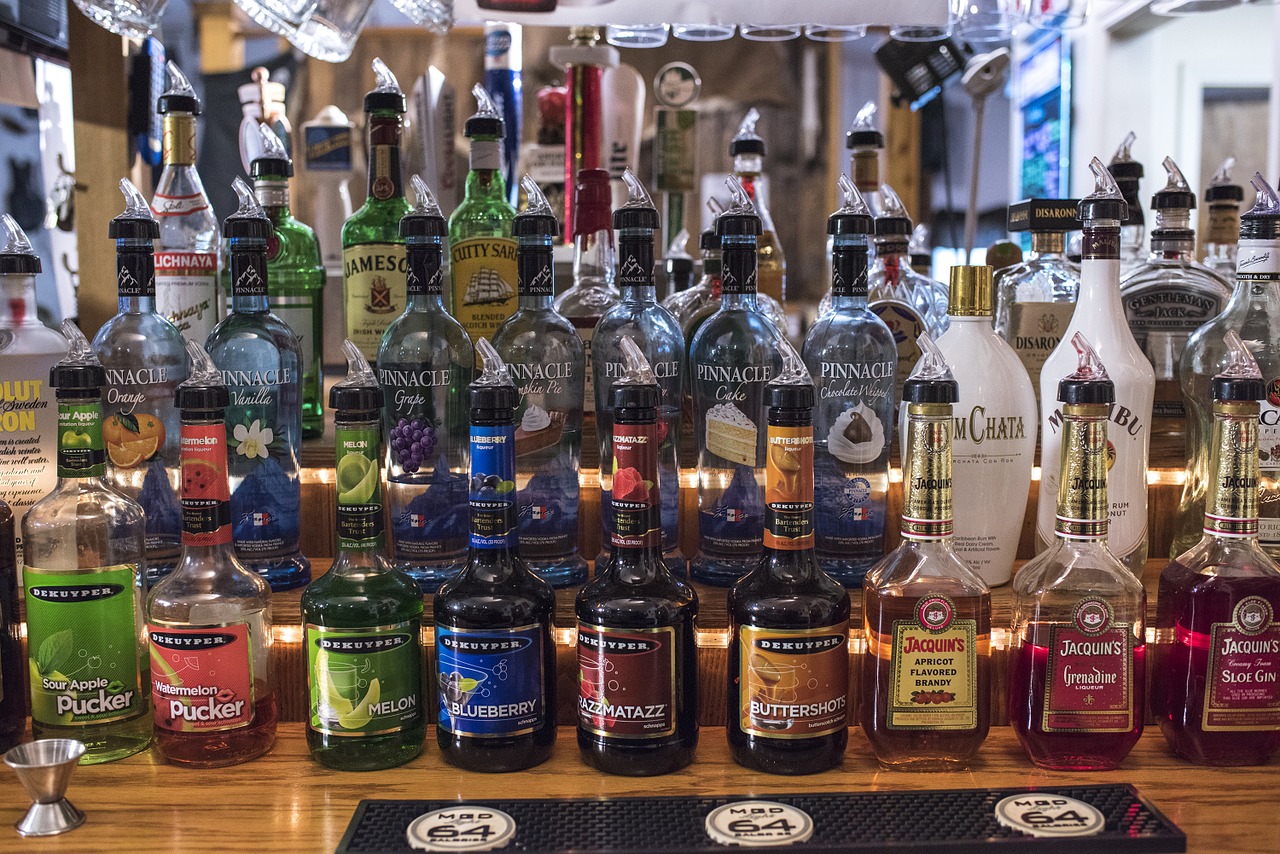
Alcohol does not help with depression

By David Joel Miller, MS, Licensed Therapist & Licensed Counselor.

Bottles of alcohol.

Alcoholic Beverages.
Photo courtesy of Pixabay.com

Why drinking won’t make you happier.

Most people think that drinking makes you happier and for some few people who were already happy it seems to work that way.

But if you are depressed, drinking can leave you more depressed than before.

Seems like the depressed person just can’t get a break.

We associate alcohol with parties and fun times. A little will loosen you up, so we think. What it is in fact doing is relaxing parts of the brain. A little relaxation may be helpful but a lot leaves you falling down.

One reason alcohol is associated with fun times is its ability to “disinhibit” you. It shuts off the part of your brain that may be telling you not to do that. So under the influence and even one drink begins to exert an influence, you may do things that you would not do without that drink. You might make a joke, dance more uninhibitedly or participate in an activity that at other times you would not attempt.

What alcohol does not do is make you suddenly happy.

It is the activity you are engaged in that is producing the happiness. Alcohol is a depressant. It works its magic spell but shutting off parts of the brain. The depressed person, unable to cope with parts of life when sober, becomes less able to cope when drinking, not more so.

 For the depressed drinking results in an increase in depression, not a reduction.

People with Major depression who drink are more likely to be disinhibited and do negative, bad things rather than to become happy.

The depressed person is more likely to attempt suicide while intoxicated. Some depression is the result of being angry at others and then taking the feelings out on yourself. If you are in a bad job or relationship we may blame ourselves for being trapped there rather than blame the other people. In this form of depression, we used to call this reactive depression; the depressed person when intoxicated is at increased risk to try to even the score with the person that has made them angry.

The depressed person is not likely to take only one drink.

If one is good for making you happy, so the reasoning goes, more should be better. The depressed person is at high risk to continue drinking until very drunk or even unconscious.

Unconsciousness, as we have seen in other posts, is not the same thing as sleeping. So people who use alcohol to cope with depression will find that they “come to” rather than wake up. In this state, the depressed person will be more depressed as well as hungover. The only cure for this is, in most minds, more alcohol. The cycle begins to accelerate.

There is a high rate of co-occurrence between excessive alcohol use, alcoholism, and depression. Depressed people who drink are at extreme risk to develop alcoholism and chronic alcohol abusers become progressively more depressed.

Despite all the marketing efforts made to convince us that alcoholic beverages are stimulants and make people happy, the real truth is that alcohol is a depressant and any amount stresses the mind and body.

If you are depressed the last thing you should be doing is trying to drink your troubles away. If you are genuinely happy, the more you celebrate with alcohol the less happy you are likely to be.

For most alcoholics, the alcohol was early on their solution but the more they drank the more the alcoholic beverage became their problem.

Alcohol tends to be very addicting, particularly to those with mental health issues. Remember that the category “people with mental health issues” includes most of us at one time or another.

Drinking to regulate emotions is a very risky habit.

Staying connected with David Joel Miller

Seven David Joel Miller Books are available now!

My newest book is now available. It was my opportunity to try on a new genre. I’ve been working on this book for several years, but now seem like the right time to publish it.

Story Bureau.

Story Bureau is a thrilling Dystopian Post-Apocalyptic adventure in the Surviving the Apocalypse series.

Baldwin struggles to survive life in a post-apocalyptic world where the government controls everything.

As society collapses and his family gets plunged into poverty, Baldwin takes a job in the capital city, working for a government agency called the Story Bureau. He discovers the Story Bureau is not a benign news outlet but a sinister government plot to manipulate society.

Bumps on the Road of Life. Whether you struggle with anxiety, depression, low motivation, or addiction, you can recover. Bumps on the Road of Life is the story of how people get off track and how to get your life out of the ditch.

Dark Family Secrets: Doris wants to get her life back, but small-town prejudice could shatter her dreams.

Casino Robbery Arthur Mitchell escapes the trauma of watching his girlfriend die. But the killers know he’s a witness and want him dead.

Planned Accidents  The second Arthur Mitchell and Plutus mystery.

Letters from the Dead: The third in the Arthur Mitchell mystery series.

What would you do if you found a letter to a detective describing a crime and you knew the writer and detective were dead, and you could be next?

Sasquatch. Three things about us, you should know. One, we have seen the past. Two, we’re trapped there. Three, I don’t know if we’ll ever get back to our own time.

For these and my upcoming books; please visit my Author Page – David Joel Miller

Want the latest blog posts as they publish? Subscribe to this blog.

For videos, see: Counselorssoapbox YouTube Video Channel

How do you find a counselor for Depression or Dysthymia?

By David Joel Miller, MS, Licensed Therapist & Licensed Counselor.

Counseling questions

Counseling questions.
Photo courtesy of Pixabay.com

Looking for help with your depression.

Reader question thought I should share this with all counselorssoapbox.com readers as you might miss it as an answer to an older post. This was a comment on the Dysthymia post.

“I have a question: How do you find a professional who specializes in the treatment of Dysthymia? Someone who is really good. Searching for such a person in Michigan. Medications, by the way, are a waste of time. They don’t work for me. Can you suggest someone for me? Thanks!”

Great question. Let me make some suggestions. I am out in California and do not know professionals back there in your area. But the process is likely the same everywhere.

1. If you have not done so see a medical doctor first, there are some medical conditions that can look like depression or Dysthymia.

2. If you have a history of substance abuse, alcohol, or drugs, get that treated first or concurrently with the Dysthymia  Even after people stop using they still have the old thinking and it does not change without help.

3. Interview the counselor you are considering seeing.  Picking a therapist is kind of like dating, you may find the right person the first time, but you need to get to know them a little before you make the commitment.  Progress in therapy is all about the relationship.

4. Look for someone who treats depression. The process is very similar in treating Depression or Dysthymia  If the depression comes from a recent bad event this is more like an adjustment disorder. If you are depressed because you lost your job you need someone who can work on career counseling. Dysthymia is generally more long-term and you may need to look at things you learned as a child that no longer are helpful. I prefer to work from a Cognitive Behavioral or Rational Emotive perspective. Narrative therapy can also work.

5. Avoid a counselor who advertises things that do not fit you. Men should generally avoid a therapist that advertises they use a “feminist” perspective. Don’t see a Muslim counselor if you are a Christian or vice versa. Most good counselors work with everyone and do not put that sort of thing in their advertising.

6. Expect to do a lot of work on yourself. A good therapist is like a good tour guide, they can tell you about the trail but you need to take the hike.

Staying connected with David Joel Miller

Seven David Joel Miller Books are available now!

My newest book is now available. It was my opportunity to try on a new genre. I’ve been working on this book for several years, but now seem like the right time to publish it.

Story Bureau.

Story Bureau is a thrilling Dystopian Post-Apocalyptic adventure in the Surviving the Apocalypse series.

Baldwin struggles to survive life in a post-apocalyptic world where the government controls everything.

As society collapses and his family gets plunged into poverty, Baldwin takes a job in the capital city, working for a government agency called the Story Bureau. He discovers the Story Bureau is not a benign news outlet but a sinister government plot to manipulate society.

Bumps on the Road of Life. Whether you struggle with anxiety, depression, low motivation, or addiction, you can recover. Bumps on the Road of Life is the story of how people get off track and how to get your life out of the ditch.

Dark Family Secrets: Doris wants to get her life back, but small-town prejudice could shatter her dreams.

Casino Robbery Arthur Mitchell escapes the trauma of watching his girlfriend die. But the killers know he’s a witness and want him dead.

Planned Accidents  The second Arthur Mitchell and Plutus mystery.

Letters from the Dead: The third in the Arthur Mitchell mystery series.

What would you do if you found a letter to a detective describing a crime and you knew the writer and detective were dead, and you could be next?

Sasquatch. Three things about us, you should know. One, we have seen the past. Two, we’re trapped there. Three, I don’t know if we’ll ever get back to our own time.

For these and my upcoming books; please visit my Author Page – David Joel Miller

Want the latest blog posts as they publish? Subscribe to this blog.

For videos, see: Counselorssoapbox YouTube Video Channel

What are Minor Depressive Disorder and Depressive Disorder NEC?

By David Joel Miller, MS, Licensed Therapist & Licensed Counselor.

Depressed person

Depression.
Photo courtesy of Pixabay.com

UPDATE – changes in the DSM.

You can erase most of this post from your memory. During the process of updating the Diagnostic and Statistical Manual of Mental Disorders (DSM) from the DSM-IV to the DSM-5 a lot of things were proposed. Some of those suggested changes were instituted and others were left out. This post includes mostly ideas that did not make it to the final DSM-5. Because these ideas were included in a lot of research articles and other blog posts I have left the post up, but need to tell you that this information is now out of date.

Minor Depressive Disorder is out.

It did not even make the maybe section of disorders needing more study that is in the back of the DSM.

NEC or Not Elsewhere Classified is one of those left out ideas.

It was discussed as an improvement over the old Not Otherwise Specified (NOS.) A lot of people were receiving a NOS diagnosis rather than a more precise or accurate diagnosis. In retrospect, I can see how NEC like NOS could have turned into another Fuzzy catchall diagnosis.

The final decision was for the DSM-5 to have two miscellaneous designations for things that do not fit nicely into a particular category. These two new designations are; Other Specified and Other Unspecified.  When those two specifiers get used will need a whole other post but for now, just know that:

NOS is out

NEC is not in and does not replace NOS

 Here is the old post:

The new sort-of depressive disorders

Minor Depressive Disorder is another one of those disorders that were proposed as somehow different from other depressive disorders. It was proposed in the DSM-4-TR as a condition needing further study.

The reason some researchers suggested this one is that the diagnoses in the DSM are yes or no things. You either meet criteria or you don’t, give or take some judgment calls we could describe as “clinical judgment.”

People do not come with discrete specific mental illnesses very often. They have problems and suffering and want help. To get that help we need to give them a “diagnosis.” The labels do not always fit well.

Minor Depressive Disorder was hard to tell from the other Depressive Disorders and does not seem to have made the cut for the DSM-5. (I am reading the on-line version; the paper version will not be out until next year.)

What we will have is a new group of Depressive Disorders Not Elsewhere Classified (NEC.) Here is my quickie version of the new categories. For the full version check the APA website for the DSM-5 or wait for the Book or the Movie version.

Recurrent Brief Depression

Every month for a year they have 2-13 days of depressive symptoms. This comes with a list of reasons to not give this one or other diagnosis that it might be.

Mixed Subsyndromal Anxiety and Depression

Lots of people who are anxious get depressed and people who get depressed can become anxious. This happens so often that a new Mixed Anxiety and Depression diagnosis was proposed. That one did not make the cut. So for full-on Depression and full Anxiety looks like we will continue to use both diagnoses. It will be interesting to read the full text on this one when the DSM-5 comes out. Somehow this Subsyndromal mix got its own label.

Short duration (4-13 days) Depressive Episode

So if your brief depression does not recur every month you can still get a depressive diagnosis. This one concerns me and I will need to learn more. It seems to open the door for anyone who has ever had a “blue week” to now get a diagnosis of a mental illness. Wonder if this will get used a lot or very little?

Subthreshold Depressive Episode with insufficient symptoms

With only a few exclusions everyone now gets to be depressed.

Uncertain Depressive Disorder

This works for anyone else that would like a depression diagnosis but has not yet gotten one.

The conclusion

In my estimation, there will be a lot more people who can qualify for a depressive disorder diagnosis under the new system. I will need to study this one some more before we implement the new DSM-5. This may mean that a lot of people who need help but used to get turned away because they did not meet the criteria for a diagnosis will get help. Or it could mean that everyone will get one of the depressive diagnoses and that a Depressive Disorder Diagnosis will stop meaning anything. Only time will tell.

Staying connected with David Joel Miller

Seven David Joel Miller Books are available now!

My newest book is now available. It was my opportunity to try on a new genre. I’ve been working on this book for several years, but now seem like the right time to publish it.

Story Bureau.

Story Bureau is a thrilling Dystopian Post-Apocalyptic adventure in the Surviving the Apocalypse series.

Baldwin struggles to survive life in a post-apocalyptic world where the government controls everything.

As society collapses and his family gets plunged into poverty, Baldwin takes a job in the capital city, working for a government agency called the Story Bureau. He discovers the Story Bureau is not a benign news outlet but a sinister government plot to manipulate society.

Bumps on the Road of Life. Whether you struggle with anxiety, depression, low motivation, or addiction, you can recover. Bumps on the Road of Life is the story of how people get off track and how to get your life out of the ditch.

Dark Family Secrets: Doris wants to get her life back, but small-town prejudice could shatter her dreams.

Casino Robbery Arthur Mitchell escapes the trauma of watching his girlfriend die. But the killers know he’s a witness and want him dead.

Planned Accidents  The second Arthur Mitchell and Plutus mystery.

Letters from the Dead: The third in the Arthur Mitchell mystery series.

What would you do if you found a letter to a detective describing a crime and you knew the writer and detective were dead, and you could be next?

Sasquatch. Three things about us, you should know. One, we have seen the past. Two, we’re trapped there. Three, I don’t know if we’ll ever get back to our own time.

For these and my upcoming books; please visit my Author Page – David Joel Miller

Want the latest blog posts as they publish? Subscribe to this blog.

For videos, see: Counselorssoapbox YouTube Video Channel

Types of Mania and Dual Mania

By David Joel Miller, MS, Licensed Therapist & Licensed Counselor.

Person with masks

Bipolar.
Photo courtesy of Pixabay.com

How many types of mania are there?

Just what mental health symptoms are illnesses and how many mental illnesses are there? Counting Manias is especially difficult.

We think we know mania when we see it, but it is such a diverse group of symptoms that it has become established as “manic episodes” that are building blocks of diagnosis, rather than separate diagnoses. It functions primarily to separate Bipolar Disorder, formerly called manic-depressive disorder from the other depressive conditions.

Mania has been described as the most heterogeneous mental health symptom there is, raising the question “When we say mania are we all talking about the same thing?” Are there types of mania that have different causes and indicate varying diseases?

Currently, there are over 400 recognized disorders or conditions that might be the focus of treatment in the DSM-4. As you may have seen from previous posts many of these disorders have lots of subtypes that look different in practice and may require different treatments.

Mania and Bipolar disorders are especially difficult because of their wide diversity of symptoms. For more on the DSM-4 and some to be DSM-5 descriptions see: What is mania? And What is hypomania?

Encarta Dictionary definitions of mania include:
1. An excessive and intense interest or enthusiasm for something and 2. A psychiatric disorder characterized by excessive physical activity, rapidly changing ideas, and impulsive behavior. The two uses of the word mania don’t have a lot in common.

Kraepelin, whose work has formed much of the foundation for modern efforts to divide up and diagnose illnesses, reported there were 6 types of mania. His distinctions seem to have been blended together into the one thing we now call Mania. But are all manias really the same?

Research has been less than helpful here as most researchers exclude a lot of people from their studies. If you exclude enough people, for enough reasons, the group left may look all alike. That does not mean the resulting study tells us anything about the various problems people with mania are undergoing.

One study (Haro et al., 2006) tells us that they found three very different forms of mania. The most common form of mania they called “typical mania” and this group contained 60% of the people in the study. But the other 40% had symptoms that were so different that the authors separated them into two additional subtypes of mania.

Psychotic mania is not like “Typical mania.”

Psychotic symptoms sometimes end up in making mania for a bipolar diagnosis but psychotic episodes can occur in other illnesses such as schizophrenia. It is common for families to have members who have been diagnosed with bipolar disorders and others who were diagnosed with schizophrenia. Psychotic mania looks a lot like psychosis and bipolar at the same time, but then we have another illness schizoaffective disorder to use for that also. This leaves the diagnosis of psychotic Bipolar in doubt. I have seen doctors record a diagnosis of schizophrenia – bipolar type.

Dual Mania is similar to other dual diagnoses

Dual Mania was described by Haro et al. as significantly different from other types of mania. Dual-diagnosis mania has been poorly recognized simply because most people who abuse substances are routinely excluded from research studies. Haro et al. report that this systematic exclusion of people with multiple problems leaves a huge gap in our understanding of mania and therefore Bipolar Disorder.

Dual Diagnosis client with mania spent significantly more days in the psychiatric hospital and had more suicide attempts. This is consistent with other studies that have shown people with Bipolar Two are at the highest risk for a suicide attempt and that people who abuse substances have higher risks also. Unfortunately acutely suicidal clients are also routinely excluded from studies of mania and Bipolar Disorders despite there being overrepresented in substance abuse treatment and acute psychiatric facilities.

Other characteristics of clients with “dual mania” included being male and younger than others with a manic episode. Dual mania resulted in higher disability levels. Dual mania was also more likely to cause job and relational problems.

Of those clients in the Haro et al study, 25% had a history of alcohol abuse. Of those with dual mania, 40% had a history of marijuana use or abuse. So that means many dual mania clients had abused both.

In substance abuse treatment the pattern of alcohol and marijuana use coupled with job, relational and legal problems is so common as to be almost universal. Among those in treatment for methamphetamine abuse, manic and hypomanic symptoms are commonly reported even when the client is not using drugs. Episodes of manic or hypomanic symptoms are also commonly reported as triggers for substance abuse relapse.

Of those with long-term mania and multiple hospitalizations the “aggressive type, ” all had histories of substance abuse (Soto, 2003.) This study did not specifically include a substance abuse type of mania but noted that among those with long-term mania and a history of substance abuse those who had not used in the last 30 days were no different than those who had used or drank. The suggestion to me is that there is something different about those who experience mania and abuse substances. Mania predisposes people to abuse substances and both conditions need to be treated.

My conclusion

The continued exclusion of substance abusers and those who are suicidal results in research data that excludes those at the highest risk and those who most use mental health services.

Comments on Mania, Bipolar co-occurring disorder, and recovery, and most anything mental health-related are always welcomed.

Staying connected with David Joel Miller

Seven David Joel Miller Books are available now!

My newest book is now available. It was my opportunity to try on a new genre. I’ve been working on this book for several years, but now seem like the right time to publish it.

Story Bureau.

Story Bureau is a thrilling Dystopian Post-Apocalyptic adventure in the Surviving the Apocalypse series.

Baldwin struggles to survive life in a post-apocalyptic world where the government controls everything.

As society collapses and his family gets plunged into poverty, Baldwin takes a job in the capital city, working for a government agency called the Story Bureau. He discovers the Story Bureau is not a benign news outlet but a sinister government plot to manipulate society.

Bumps on the Road of Life. Whether you struggle with anxiety, depression, low motivation, or addiction, you can recover. Bumps on the Road of Life is the story of how people get off track and how to get your life out of the ditch.

Dark Family Secrets: Doris wants to get her life back, but small-town prejudice could shatter her dreams.

Casino Robbery Arthur Mitchell escapes the trauma of watching his girlfriend die. But the killers know he’s a witness and want him dead.

Planned Accidents  The second Arthur Mitchell and Plutus mystery.

Letters from the Dead: The third in the Arthur Mitchell mystery series.

What would you do if you found a letter to a detective describing a crime and you knew the writer and detective were dead, and you could be next?

Sasquatch. Three things about us, you should know. One, we have seen the past. Two, we’re trapped there. Three, I don’t know if we’ll ever get back to our own time.

For these and my upcoming books; please visit my Author Page – David Joel Miller

Want the latest blog posts as they publish? Subscribe to this blog.

For videos, see: Counselorssoapbox YouTube Video Channel

Is Dysthymia better in the morning or worse?

By David Joel Miller, MS, Licensed Therapist & Licensed Counselor.

Depressed person

Depression.
Photo courtesy of Pixabay.com

Which depression is worse in the morning? – Morning Question #14

Having more depressive symptoms in the morning is a characteristic of “Atypical features” of a mood disorder. Atypical does not mean unusual it means “not melancholy.”

Atypical features include the hibernating-like-a-bear symptoms, overeating, sleeping too much, and being tired and grouchy in the morning. With atypical features, the person may be able to feel better temporarily if something they really like happens, but the happiness does not last long. They may also feel better in the evening but by morning the depression comes back.

Atypical features can occur during episodes of Dysthymia, Bipolar one or two Disorders, and Major Depressive Disorder. In practice, the only time I remember seeing this on a file is as part of the diagnosis of a Major Depressive Disorder but having atypical features increases the risk that this will eventually turn into a Bipolar disorder.

If your mood is customarily worse at a particular time of day, make sure you are eating and sleeping well, that there are not environmental problems like relationship issues that are causing this, and then seriously consider consulting with a medical doctor or psychiatrist. If the doctor rules out any medical problems then some counseling should help.

Staying connected with David Joel Miller

Seven David Joel Miller Books are available now!

My newest book is now available. It was my opportunity to try on a new genre. I’ve been working on this book for several years, but now seem like the right time to publish it.

Story Bureau.

Story Bureau is a thrilling Dystopian Post-Apocalyptic adventure in the Surviving the Apocalypse series.

Baldwin struggles to survive life in a post-apocalyptic world where the government controls everything.

As society collapses and his family gets plunged into poverty, Baldwin takes a job in the capital city, working for a government agency called the Story Bureau. He discovers the Story Bureau is not a benign news outlet but a sinister government plot to manipulate society.

Bumps on the Road of Life. Whether you struggle with anxiety, depression, low motivation, or addiction, you can recover. Bumps on the Road of Life is the story of how people get off track and how to get your life out of the ditch.

Dark Family Secrets: Doris wants to get her life back, but small-town prejudice could shatter her dreams.

Casino Robbery Arthur Mitchell escapes the trauma of watching his girlfriend die. But the killers know he’s a witness and want him dead.

Planned Accidents  The second Arthur Mitchell and Plutus mystery.

Letters from the Dead: The third in the Arthur Mitchell mystery series.

What would you do if you found a letter to a detective describing a crime and you knew the writer and detective were dead, and you could be next?

Sasquatch. Three things about us, you should know. One, we have seen the past. Two, we’re trapped there. Three, I don’t know if we’ll ever get back to our own time.

For these and my upcoming books; please visit my Author Page – David Joel Miller

Want the latest blog posts as they publish? Subscribe to this blog.

For videos, see: Counselorssoapbox YouTube Video Channel

Relapse on anxiety, depression or another mental illness?

By David Joel Miller, MS, Licensed Therapist & Licensed Counselor.

Urge Surfing Prevents Relapses.

Urge Surfing Prevents Relapses.
Photo courtesy of Pixabay.com

Can you relapse on anxiety, depression, or another mental illness?

Relapse is a concept that has been borrowed from substance abuse treatment. It is easy to think in terms of an alcoholic drinking again as a relapse, but do people with a mental illness relapse? What would a relapse for anxiety or depression look like and what can we do to prevent a mental health relapse?

We are starting to view mental health and wellness as a continuum so people can move from well to less well to unwell and back again. In that respect, a mental health relapse seems to make sense.

A lot of people experience a mental illness at least once in their lifetime. Estimate run from 25% in any one year to 50% at some point in a lifetime. For an Anxiety Disorder, the estimates run from 10% to 20% and may even be higher than that when we consider the increase in PTSD.

In a previous post, we talked about Bob and Ellen who were treated for anxiety disorders, social phobia and specific phobia using systematic desensitization sometimes called exposure therapy. This is a proven effective treatment for specific phobia. As we last saw Bob and Ellen, after getting better they had both relapsed and were having symptoms of anxiety again. This is not surprising.

From one-third to two-thirds of everyone treated for anxiety disorders relapses, despite the fact that we know why this happens and how to prevent it.

Anxiety is fear-based.

It shrinks when approached. We tend to avoid scary things but the more you avoid them the harder they become to face the next time. Once people complete treatment they tend to stop thinking about the thing they feared. Over time the gains they made fade away. Substance abuse treatment tries to avoid this problem by encouraging people to continue with self-help groups to maintain the growth that has happened. Self-help groups for emotional issues are much harder to find.

Treatment for fear in the office does not equal less fear out in the backyard.

A recovery skill needs to be practiced in many settings so that it is usable at any time or place. Fear is worse in new novel situations. Learning, to be useful, needs to “generalize” into many settings. People who are in treatment for an anxiety disorder need to practice their skills in as many situations as possible.

Many people use medication to reduce or manage symptoms.

As soon as the symptoms are reduced they discontinue the medication. Discontinuing medication too soon is likely to result in relapse.

If there is an actual injury fear is more likely to return.

Getting treated for irrational fear is likely to stick but if you were in an accident you have good reason to be afraid of the same thing happening again. You should expect to use extra caution in dangerous situations if you have been injured in the past. Anxiety is meant to keep you safe. The goal is to manage the anxiety not to completely eliminate it.

If nothing else happens fear tends to return with time.

Treatment for anxiety needs occasional “boosters” to prevent its return.

Other emotional issues increase the risk of a return of anxiety.

An untreated depression greatly increases the risk of a relapse of anxiety, so does substance abuse. If you have multiple problems, anxiety, and depression or anxiety, and substance abuse you need to be working on all the issues at the same time. Leave on issue untreated and the risk of relapse for the others increases.

Continue to work on your recovery to prevent a relapse of anxiety, depression, or another mental illness.

Staying connected with David Joel Miller

Seven David Joel Miller Books are available now!

My newest book is now available. It was my opportunity to try on a new genre. I’ve been working on this book for several years, but now seem like the right time to publish it.

Story Bureau.

Story Bureau is a thrilling Dystopian Post-Apocalyptic adventure in the Surviving the Apocalypse series.

Baldwin struggles to survive life in a post-apocalyptic world where the government controls everything.

As society collapses and his family gets plunged into poverty, Baldwin takes a job in the capital city, working for a government agency called the Story Bureau. He discovers the Story Bureau is not a benign news outlet but a sinister government plot to manipulate society.

Bumps on the Road of Life. Whether you struggle with anxiety, depression, low motivation, or addiction, you can recover. Bumps on the Road of Life is the story of how people get off track and how to get your life out of the ditch.

Dark Family Secrets: Doris wants to get her life back, but small-town prejudice could shatter her dreams.

Casino Robbery Arthur Mitchell escapes the trauma of watching his girlfriend die. But the killers know he’s a witness and want him dead.

Planned Accidents  The second Arthur Mitchell and Plutus mystery.

Letters from the Dead: The third in the Arthur Mitchell mystery series.

What would you do if you found a letter to a detective describing a crime and you knew the writer and detective were dead, and you could be next?

Sasquatch. Three things about us, you should know. One, we have seen the past. Two, we’re trapped there. Three, I don’t know if we’ll ever get back to our own time.

For these and my upcoming books; please visit my Author Page – David Joel Miller

Want the latest blog posts as they publish? Subscribe to this blog.

For videos, see: Counselorssoapbox YouTube Video Channel

What is double depression?

By David Joel Miller, MS, Licensed Therapist & Licensed Counselor.

Depressed person

Depression.
Photo courtesy of Pixabay.com

Double Depression – Morning Question #12.

Double Depression is a common term, not a recognized mental health diagnosis. In Double Depression, someone who has Dysthymia, profound sadness, and depressed mood which does not quite meet the criteria for Major Depressive Disorder moves from a little sad and depressed to a lot sad and depressed. They develop a case of Major Depressive Disorder superimposed upon the Dysthymia. People with this condition may see the Major Depression respond to treatment but they are still generally sad. Continued treatment for the Dysthymia is recommended.

Staying connected with David Joel Miller

Seven David Joel Miller Books are available now!

My newest book is now available. It was my opportunity to try on a new genre. I’ve been working on this book for several years, but now seem like the right time to publish it.

Story Bureau.

Story Bureau is a thrilling Dystopian Post-Apocalyptic adventure in the Surviving the Apocalypse series.

Baldwin struggles to survive life in a post-apocalyptic world where the government controls everything.

As society collapses and his family gets plunged into poverty, Baldwin takes a job in the capital city, working for a government agency called the Story Bureau. He discovers the Story Bureau is not a benign news outlet but a sinister government plot to manipulate society.

Bumps on the Road of Life. Whether you struggle with anxiety, depression, low motivation, or addiction, you can recover. Bumps on the Road of Life is the story of how people get off track and how to get your life out of the ditch.

Dark Family Secrets: Doris wants to get her life back, but small-town prejudice could shatter her dreams.

Casino Robbery Arthur Mitchell escapes the trauma of watching his girlfriend die. But the killers know he’s a witness and want him dead.

Planned Accidents  The second Arthur Mitchell and Plutus mystery.

Letters from the Dead: The third in the Arthur Mitchell mystery series.

What would you do if you found a letter to a detective describing a crime and you knew the writer and detective were dead, and you could be next?

Sasquatch. Three things about us, you should know. One, we have seen the past. Two, we’re trapped there. Three, I don’t know if we’ll ever get back to our own time.

For these and my upcoming books; please visit my Author Page – David Joel Miller

Want the latest blog posts as they publish? Subscribe to this blog.

For videos, see: Counselorssoapbox YouTube Video Channel

Does an adjustment disorder produce depression and mania?

By David Joel Miller MS Licensed Therapist & Licensed Counselor.

Depressed person

Depression.
Photo courtesy of Pixabay.com

Morning Question #11 adjustment disorder, depression, and mania.

Adjustment Disorder is essentially an excessive reaction to a normal stressor. The DSM-4 currently lists 6 types of adjustment disorders. They all involve some combination of anxiety, depressed mood, or behavioral problems.

Once the reaction to the stressor becomes enough to cause symptoms of a Major Depressive Disorder that is what gets diagnosed. If there is any mania or hypomania, that would become a Bipolar Disorder.

Stress can trigger all sorts of mental health issues. Someone with a history of depression or mania or an underlying risk factor like family history could have an episode under stress.

So rather than adjustment disorder producing depression & mania, stress could cause any one of the three.

Staying connected with David Joel Miller

Seven David Joel Miller Books are available now!

My newest book is now available. It was my opportunity to try on a new genre. I’ve been working on this book for several years, but now seem like the right time to publish it.

Story Bureau.

Story Bureau is a thrilling Dystopian Post-Apocalyptic adventure in the Surviving the Apocalypse series.

Baldwin struggles to survive life in a post-apocalyptic world where the government controls everything.

As society collapses and his family gets plunged into poverty, Baldwin takes a job in the capital city, working for a government agency called the Story Bureau. He discovers the Story Bureau is not a benign news outlet but a sinister government plot to manipulate society.

Bumps on the Road of Life. Whether you struggle with anxiety, depression, low motivation, or addiction, you can recover. Bumps on the Road of Life is the story of how people get off track and how to get your life out of the ditch.

Dark Family Secrets: Doris wants to get her life back, but small-town prejudice could shatter her dreams.

Casino Robbery Arthur Mitchell escapes the trauma of watching his girlfriend die. But the killers know he’s a witness and want him dead.

Planned Accidents  The second Arthur Mitchell and Plutus mystery.

Letters from the Dead: The third in the Arthur Mitchell mystery series.

What would you do if you found a letter to a detective describing a crime and you knew the writer and detective were dead, and you could be next?

Sasquatch. Three things about us, you should know. One, we have seen the past. Two, we’re trapped there. Three, I don’t know if we’ll ever get back to our own time.

For these and my upcoming books; please visit my Author Page – David Joel Miller

Want the latest blog posts as they publish? Subscribe to this blog.

For videos, see: Counselorssoapbox YouTube Video Channel