Is Rumination Chewing up your mental health?

By David Joel Miller, MS, Licensed Therapist & Licensed Counselor.

rumination

Rumination.
Photo courtesy of Pixabay.

What is Rumination and why is rumination destroying your mental wellness?

Rumination, that habit of turning things over and over in your mind, has a lot of impact on your mental health. The more we learn about rumination the more seriously we find it is affecting people’s mental health.

Various authors have suggested alternative definitions for rumination as applied to mental health. Rumination means, to me, that something is bothering you and you keep turning that thing over and over in your mind. Reynolds (2014) describes rumination as a “maladaptive form of self-reflection.”

In rumination the focus is on yourself, judging yourself and how you reacted to the event, rather than in learning from those events. For the ruminator, if things went wrong this must mean that you are bad, people treated you badly, or that this is the result of some personal weakness that will continue to hold you back.

Casey Truffo refers to this as “chewing on the thing that is eating you.” The result is that rather than finding a solution to your problem or moving forward, you stay stuck in your upset over these things.

Excess rumination has been linked to depression, anxiety, stress, and other mental illnesses.

Thinking about the past and the future can be helpful. This review of life can aid us in recognizing errors and learning from experience. It can also be part of planning for the future. What goes wrong in ruminating is that the focus shifts from the facts, this is what did or may happen, to looking at the feelings. I could not stand it if this or that happened. Or you may be saying this is too painful to bear, is not fair, and so on.

Rumination is about judging the rightness and wrongness of things. It involves beliefs that things will not be well and looking for who to blame. Most often this involves beliefs that the reason something bad happened is because you did something “wrong.” Ruminating about the future includes beliefs that you are powerless and helpless if things happen that you do not foresee and can’t control.

This pattern of ruminating on the past and certain negative possible futures seems to me to also be involved in maintaining and aggravating the adjustment and stress-related disorders. Intrusive thoughts become worse the more you focus on them. Looking for possible crises can result in being overwhelmed and living in a world full of crises.

There is a strong connection between ruminating and alcohol abuse. Ruminators are most likely to binge drink in response to their negative self-thoughts. Those who are frequent Ruminators are also more likely to have anger management problems.

Ruminating is also an aggravating factor in eating disorders and is hugely connected with non-suicidal self-injury. Rumination can damage relationships and is related to adult attachment style issues.

Dwelling on your negative thoughts, your reviewing of past failures keeps you stuck.

Rumination has been linked to negative automatic thoughts. Think negative thoughts often enough and those thoughts are practiced to the point of becoming automatic. Practice thinking that everything is wrong, awful, and horrible, and will always be that way, and you have created a negative destiny.

Rumination is that annoying advertising jingle that keeps playing in your head. Think about those negative thoughts enough and they may be stuck in there forever.

Ruminating about the past cranks up the depression feelings.

The questions most often asked by ruminators are “Why?” and “What if?” Continuing to think about why did this happen, it should not have happened, it is horrible, awful, that this happened, results in ever-increasing feelings of sadness and depression.

Ruminating about the future is a major cause of Anxiety Disorders.

Repeated thoughts of what if? Rehearsing all the possible things that could go wrong, is a good way to anxious yourself up.

The belief that you “should” ruminate, that repeatedly turning over these past experiences or future possibilities are necessary, maintains the rumination, and results in ever-increasing spirals of negative emotions. Your own belief that you need to figure this out keeps you stuck. Some things can’t be figured out or do not need to be analyzed. Dwelling on your negative thoughts, your reviewing of past failures keeps you trapped. Acceptance rather than rumination may be the best option.

Co-rumination.

Some ruminators bring others in on their rumination process. The term co-rumination has been coined to refer to times when a relationship between two people exists primarily so they can both ruminate together about each other’s problems. Spend all your time ruminating and others in your life either have to join in the negative thought game or find a way to escape the negativity. Ruminating may drive family and friends away. Those who are left will be as negative as you.

How this is like and how it is different from therapy will be a part of a future post on co-rumination.

Do you ruminate? Are you stuck on turning those thoughts of past mistakes over and over in your head? Now is the time to break the rumination cycle and start a new happy and mentally healthy life.

Staying connected with David Joel Miller

Seven David Joel Miller Books are available now!

My newest book is now available. It was my opportunity to try on a new genre. I’ve been working on this book for several years, but now seem like the right time to publish it.

Story Bureau.

Story Bureau is a thrilling Dystopian Post-Apocalyptic adventure in the Surviving the Apocalypse series.

Baldwin struggles to survive life in a post-apocalyptic world where the government controls everything.

As society collapses and his family gets plunged into poverty, Baldwin takes a job in the capital city, working for a government agency called the Story Bureau. He discovers the Story Bureau is not a benign news outlet but a sinister government plot to manipulate society.

Bumps on the Road of Life. Whether you struggle with anxiety, depression, low motivation, or addiction, you can recover. Bumps on the Road of Life is the story of how people get off track and how to get your life out of the ditch.

Dark Family Secrets: Doris wants to get her life back, but small-town prejudice could shatter her dreams.

Casino Robbery Arthur Mitchell escapes the trauma of watching his girlfriend die. But the killers know he’s a witness and want him dead.

Planned Accidents  The second Arthur Mitchell and Plutus mystery.

Letters from the Dead: The third in the Arthur Mitchell mystery series.

What would you do if you found a letter to a detective describing a crime and you knew the writer and detective were dead, and you could be next?

Sasquatch. Three things about us, you should know. One, we have seen the past. Two, we’re trapped there. Three, I don’t know if we’ll ever get back to our own time.

For these and my upcoming books; please visit my Author Page – David Joel Miller

Want the latest blog posts as they publish? Subscribe to this blog.

For videos, see: Counselorssoapbox YouTube Video Channel

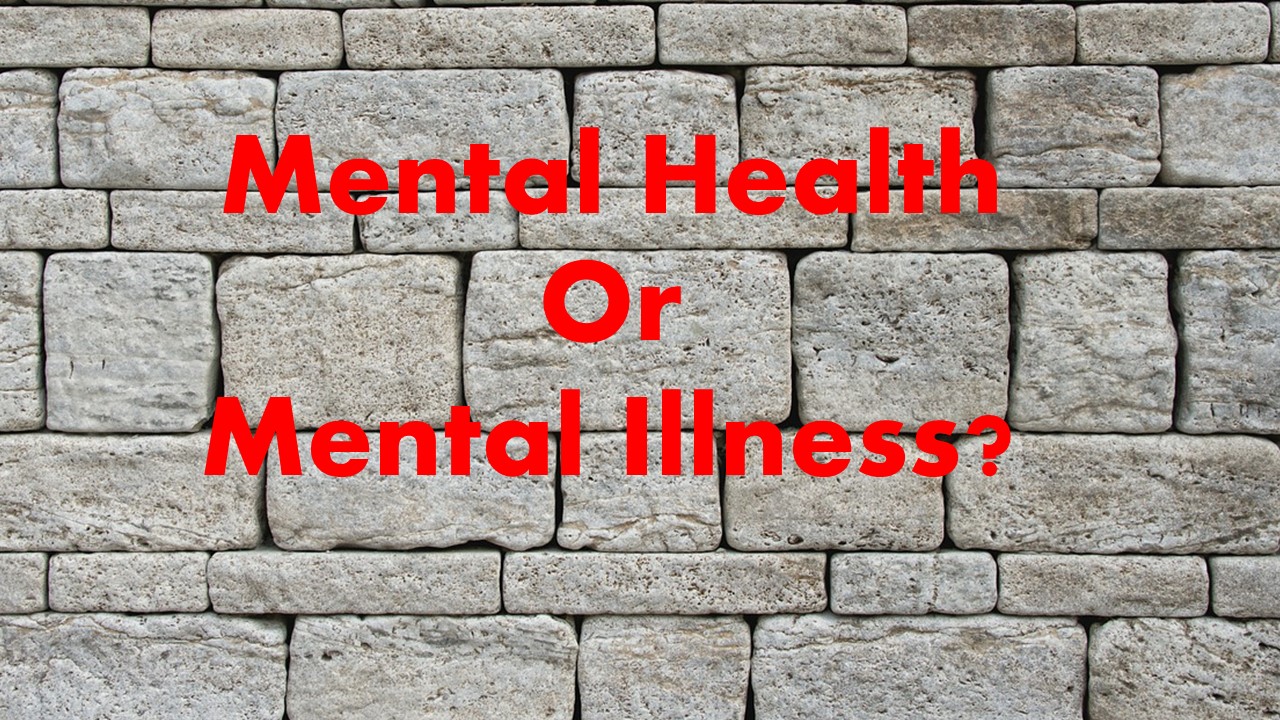
Mental Illness or Mental Health?

By David Joel Miller.

Do people have a mental illness or are they in poor mental health?

Mental Health or Mental Illness

Mental Health or Mental Illness?
Photo courtesy of Pixabay.com

The language we use influences the way we think about things. Talking about mental illness or talking about mental health is a prime example of this issue. While the two expressions turn up in much of what is currently being called “Behavioral Health” literature the implication embedded in these two terms influences what we expect and how we react to the people being referred to.

The mental illness paradigm.

The older, traditional way of looking at the subject of mental illness was to assume that there were two types of people – the “normal” folk and then those other “mentally ill” people.

One implication of this concept was that people with a mental illness were not able to do things other people could do. The result was programs and policies that assumed those with a diagnosed mental illness would need lifetime help to manage their lives.

There was a time when those with a mental illness were lumped together with those who had significantly lower I.Q., once called the “mentally retarded” or “developmentally delayed.”

If we think in terms of mental issues being a disease or disorder then the first line of treatment as with physical illnesses should be medication and surgery, the standard treatments of choice for physical illnesses and conditions.

Despite over half a century of treating mental illness with medication and surgery the number of people who are diagnosed with a mental illness continues to rise. Fewer seem to be getting cured but everyone now gets diagnosed.

The Mental Health option.

If we think in terms of mental health, then many other things follow. Many of the things we have been referring to as mental illnesses become a matter of degree rather than an illness that you have or do not have.

Something bad happens to you, you lose a family member or a job, you become sad, a normal human emotion, then eventually you should get over sadness no treatment needed. Should you become too sad or the sadness persists too long then the label and the corresponding treatment would change.

Sadness or grief becomes Major Depressive Disorder when it gets out of hand.

Another example – Anxiety.

We have a range of Anxiety disorders. Now anxiety is a close cousin to afraid or scared. So if people are shooting at you I think you should be scared and duck behind something. That scared, anxious, avoidance of things may save your life.

But should that anxiety begin to get out of control, every time you hear a car door slam or see someone on the street, if you become too anxious to leave your house, that is a problem.

Clearly, most of the things professionals diagnose as an anxiety disorder are much more severe than the things we consider normal but it is easy to see how the two overlap.

Wellness and recovery.

The concepts of wellness and recovery have challenged the way we think about this issue. If we allow that people can move back and forth on the continuum of mental health then there would be times when a particular person was mentally ill and other times when they were in better mental health.

Rather than thinking exclusively in terms of mental illness and diseases, we should be thinking about mental health as similar to physical health. There are times we are in better health than at other times. Someone could have “poor mental health” and be in need of prevention or restorative services long before they reached the point of what we have been calling a mental illness.

The Mental Illness Violence dilemma.

The news has been full of accounts of people who became violent and harmed others. The common discussion revolves around whether they were “mentally ill” and why no one had detected their illness beforehand and prevented that violence.

What if that person had been in poor mental health for some time and then eventually their mental health deteriorated to the point it could have been diagnosed as what we are currently calling a mental illness?

Could an intervention have been conducted while this person was in the pre-mental-illness stage that would have prevented their condition from deteriorating to a mental and a behavioral issue?

If the mentally ill are somehow different from the normal people then no, no prevention is possible but if there is such a thing as mental health that gets better and then gets worse and then better again there are things that can be done to prevent relapses into active mental illness.

We have had that violence – mental illness connection wrong.

A little more on the mental illness violence connection. Those with a mental illness are far more likely to be the victim of a crime rather than the perpetrator.

Most of those workplace and school shootings? Those were often the result of someone who appeared normal or close to it until they were fired from their job, served with divorce papers, or found out their partner was cheating on them.

Remember, as reprehensible as it is that even one child died in a school shooting, each year for every child who dies in a school shooting, from ten to twenty children are shot at home by a biological parent who then shoots themselves.

Rather than having had a long-term diagnosable mental illness, I believe there is good evidence that many of these violent incidents were the inability of this person to cope with an identifiable stressor. Their problem was not a long-term severe mental illness but their inability to cope with stress that pushed them into a poor mental health state.

Many have suggested that the mental illness is just the way they are not to blame them for their having a disorder. I agree that they are not to blame for having gotten a mental illness. I doubt that anyone chooses to be sick mentally or physically.  That does not mean that the mentally ill have no hope and need to resign themselves to always being too sick to function. Recovery can happen. We see it happen every day.

Throughout the year I want to talk more about some of the tools that can be used to keep yourself mentally healthy and to reduce the impact of illness when it does occur.

Staying connected with David Joel Miller

Seven David Joel Miller Books are available now!

My newest book is now available. It was my opportunity to try on a new genre. I’ve been working on this book for several years, but now seem like the right time to publish it.

Story Bureau.

Story Bureau is a thrilling Dystopian Post-Apocalyptic adventure in the Surviving the Apocalypse series.

Baldwin struggles to survive life in a post-apocalyptic world where the government controls everything.

As society collapses and his family gets plunged into poverty, Baldwin takes a job in the capital city, working for a government agency called the Story Bureau. He discovers the Story Bureau is not a benign news outlet but a sinister government plot to manipulate society.

Bumps on the Road of Life. Whether you struggle with anxiety, depression, low motivation, or addiction, you can recover. Bumps on the Road of Life is the story of how people get off track and how to get your life out of the ditch.

Dark Family Secrets: Doris wants to get her life back, but small-town prejudice could shatter her dreams.

Casino Robbery Arthur Mitchell escapes the trauma of watching his girlfriend die. But the killers know he’s a witness and want him dead.

Planned Accidents  The second Arthur Mitchell and Plutus mystery.

Letters from the Dead: The third in the Arthur Mitchell mystery series.

What would you do if you found a letter to a detective describing a crime and you knew the writer and detective were dead, and you could be next?

Sasquatch. Three things about us, you should know. One, we have seen the past. Two, we’re trapped there. Three, I don’t know if we’ll ever get back to our own time.

For these and my upcoming books; please visit my Author Page – David Joel Miller

Want the latest blog posts as they publish? Subscribe to this blog.

For videos, see: Counselorssoapbox YouTube Video Channel

Making 2015 a great year

By David Joel Miller

What is ahead for you in 2015?

Happy New Year

Happy New Year From Counselorssoapbox.com
Photo courtesy of Pixabay.com

The New Year is upon us. For some this has come too soon, you were not ready to let 2014 go. For others 2015 could not have waited one more moment, you were ready for a new beginning. Either way here is wishing you the best year possible.

Some of you are nursing hangovers today, the physical alcohol-induced kind. Others find that their hangover is more emotional, an excess of negative feelings left over from the past year. Others of you are living with a hangover sufferer of the physical or the emotional variety.

Counselorssoapbox wants to be helpful no matter what difficulties you have carried forward from the last year. The official purpose of this blog is to be helpful in your creating the best life possible. I think of that as planning to be happy.

This year the plan is to continue to present posts on the topics of mental health and substance abuse, especially to mention the times that these two problems happen together. Those times when someone has both a mental illness and a substance use disorder is referred to as a co-occurring disorder or sometimes as dual-diagnosis.

But that will not be all we do.

Part of our discussion this year will be the continuing topic of mental illness, what it is, and how it can and should be treated. I have some concerns that a whole lot of normal problems of living have gotten converted into mental illnesses and the system is spending too much time managing people with mental illnesses and not enough time helping them recover. More on this to come.

There should be no doubt at this point that I believe in wellness and recovery. People with severe mental illness and substance use disorders do recover and are able to create great lives. Recovery in my view does not mean cured. So having recovered your life, there is a need for tools to keep you headed in the right direction.

People do not have one and only one problem in their life. Some people do not have a diagnosable mental illness or a substance use disorder and still, they have problems. I hesitate to call these folk “normal” because the line between normal and not-normal is getting increasingly blurry.

These problems of day-to-day life include things like jobs, getting and keeping them, children and parents, love and relationships, and a host of other issues. Counselorssoapbox will include some discussion of these activities of life that can cause you problems regardless of your mental or emotional state.

There are also topics that are not directly connected to problems, things like self-improvement and growth. We will talk about becoming the best, healthiest person you can be whether or not you have some other issue.

I do recognize that having one problem may put you at risk for others. Would someone who is unemployed and homeless have emotional difficulties? Probably. Now, what if they go through a divorce or breakup? These problems, sometimes called “life skills issues,” for want of a better term, will be the topic of some blog posts this coming year also.

Some technical, diagnoses, and treatment questions come up from time to time. Questions about the process of therapy, starting, stopping, and what does and does not stay confidential also come up. Some of you leave those questions in the comments or use the contact me form. Students in my classes and those I supervise also bring up those kinds of questions. Counselorssoapbox (Me) will try to answer those questions as much as possible. Keep those questions coming.

Some cautions here. This is a good place to remind you that nothing you read on the internet or in self-help books, (even my books when they get published) is a substitute for seeing a professional. It is not possible for me to do therapy via email or blog. If you need help please consider this and other blogs as information only and seek help from a local therapist or counselor. In an emergency call your local crisis number.

Thanks for reading this post or any others. If there is something you would like to ask, send the question on. Looking forward to making this the best year possible.

P.S. For those of you who were looking for a hangover cure for an alcoholic hangover? The only really effective one is time. Eventually, if you take care of yourself and do not drink more alcohol the hangover will pass. The secret cure for hangovers is prevention, not treatment. Next time drink less or possibly do not drink at all. Hope the hangover goes away soon.

Staying connected with David Joel Miller

Seven David Joel Miller Books are available now!

My newest book is now available. It was my opportunity to try on a new genre. I’ve been working on this book for several years, but now seem like the right time to publish it.

Story Bureau.

Story Bureau is a thrilling Dystopian Post-Apocalyptic adventure in the Surviving the Apocalypse series.

Baldwin struggles to survive life in a post-apocalyptic world where the government controls everything.

As society collapses and his family gets plunged into poverty, Baldwin takes a job in the capital city, working for a government agency called the Story Bureau. He discovers the Story Bureau is not a benign news outlet but a sinister government plot to manipulate society.

Bumps on the Road of Life. Whether you struggle with anxiety, depression, low motivation, or addiction, you can recover. Bumps on the Road of Life is the story of how people get off track and how to get your life out of the ditch.

Dark Family Secrets: Doris wants to get her life back, but small-town prejudice could shatter her dreams.

Casino Robbery Arthur Mitchell escapes the trauma of watching his girlfriend die. But the killers know he’s a witness and want him dead.

Planned Accidents  The second Arthur Mitchell and Plutus mystery.

Letters from the Dead: The third in the Arthur Mitchell mystery series.

What would you do if you found a letter to a detective describing a crime and you knew the writer and detective were dead, and you could be next?

Sasquatch. Three things about us, you should know. One, we have seen the past. Two, we’re trapped there. Three, I don’t know if we’ll ever get back to our own time.

For these and my upcoming books; please visit my Author Page – David Joel Miller

Want the latest blog posts as they publish? Subscribe to this blog.

For videos, see: Counselorssoapbox YouTube Video Channel

Most read mental health blog posts 2015.

By David Joel Miller, MS, Licensed Therapist & Licensed Counselor.

Counselorssoapbox top posts 2014

Counselorssoapbox top posts 2014

What have people been reading on counselorssoapbox.com this last year?

Here is a list of the most read mental health, mental illness and substance abuse posts on counselorssoapbox.com over the last 12 month. Some of these have been in top mental health blog posts for a long time others are current topics or new self-improvement tips.

How much should you tell a therapist?           

Levels or types of Borderline Personality Disorder

Do people really forget what happened when drinking? – Blackouts 

Is nicotine a stimulant or a depressant?

Do therapists have to report a crime? 

Hyperthymia, Hyperthymic Personality Disorder and Bipolar Disorder     

Do therapists like fall in love with their clients? Why don’t they tell them?

What do drug dreams mean?

What are the six kinds of hallucinations?

6 ways to recover from Complex Trauma or Complex PTSD  

Are you Hyperthymic? 

Do therapists tell parents what kids say?

See you next time.

David Joel Miller, LMFT, LPCC

Mental Illness – counselorssoapbox looks back and ahead.

By David Joel Miller, MS, Licensed Therapist & Licensed Counselor.

Mental Health or Mental Illness

Mental Health or Mental Illness?
Photo courtesy of Pixabay.com

Mental health – Mental illness – the field is changing.

Mental illness has been in the news a lot this past year. Some of that coverage has been a good thing, some not so much.

The mentally ill and violence.

There has been more media coverage of the problems of mental illness and how this is affecting society. Unfortunately, the trend has been to portray everyone who commits a crime as somehow mentally ill and as different from the rest of us.

The truth of the matter is that those with a diagnosed mental illness are far more likely to be victims of crime than perpetrators. The labeling of those who have harmed others is all too often a label added on to them after the crime was committed. Saying that the person who became violent was mentally ill and this makes others feel safer. It can’t happen to me if I avoid “those people.”

What has been left out of this conversation is the role that stress in triggering violent behavior. Much more needs to be done to identify those under extreme stress and prevent that stress from developing into a diagnosable mental illness. Prevention in the mental health field pays big dividends for the person under stress and for society.

Unfortunately, the trend has been to deny that average people can become overwhelmed by life’s challenges and then develop a mental illness. Our systems continue to try to restrict help to those who are “broken” rather than seeing people with mental health issues as capable of healing and change.

Mental illness or mental health?

In the upcoming year, I want to write more on the conflict currently going on in our delivery systems between the concept of the mentally ill with its implication that those who have a mental illness never get better, and the belief that there are such things as mental health, recovery, and wellness. Stay tuned for some posts on how I and others think mental illnesses develop and how people recover from them.

New discoveries.

There has been a lot of news this year about the advances science is making in the area of research on the brain. We continue to learn more as time goes on. The more we learn the more complicated the whole topic of mental health and recovery becomes.

New drugs have been developed, more are on their way. When a medication works it can be miraculous, opening possibilities for life that would not have otherwise been possible. Sometimes meds work and sometimes they don’t. They work for one person and not another. We continue to wonder why.

Genetic studies are unlocking the secrets of the brain and nervous system that could not even be imagined a few short years ago. Scientists have discovered risk factors for many of the things we call mental illness, but risk factors do not tell us who with that risk factor will develop a condition and who will not.

New therapies and medications have allowed those with the most serious of mental illnesses to hold jobs that would have been thought impossible for them to achieve a few years ago. They lead productive lives. While many are rebuilding their lives despite a mental illness diagnosis the ranks of these receiving disability payments is at an all-time high. We continue to debate whether those with a diagnosis can be trusted in responsible positions. We talk about recovery being possible but design our treatment systems as if no one ever gets better and their lives need to be managed for them not by them.

The challenge of mental health and encouraging mental wellness continues to grow.

As another year draws to a close we need to look at where we have been and where we are going. Personally, I do not make resolutions but I do use this opportunity to take an inventory of how the past year went and I draw up some general plans for the year ahead.

The next year on counselorssoapbox.com.

Counselorssoapbox.com started out as a place for me to express my opinions on issues related to mental health, mental illness, substance abuse disorders, and the concept of wellness and recovery. Posts on self-care, thinking, memory, and feelings as well as becoming the best person possible continue to be included.

This might be a good place to mention again that nothing you read on a blog should take the place of seeing a professional for your health issues, mental or physical. I am not able to do therapy with readers and these are strictly my opinions. I try to respond to comments and contact me questions but can’t always get to them as quickly as I would like. If you or someone close to you is in a crisis get local emergency help.

I hope that some of what I write prompts people to take a look at themselves and their life and see what they may wish to work on.

Thanks to all of you who have been long-time readers. I had not expected counselorssoapbox to grow as much as it has. To date, at the end of 2014, counselorssoapbox has 850 posts on topics involving mental health hand illness, substance abuse, and self-improvement skills.

Most of these posts were written in my days off, evenings, and occasionally during lunch hours. Many of the ideas for posts were responses to questions that readers, clients, and other counselors and therapists have asked me. The idea file continues to grow. If only there was time to write all the posts that need writing. There is no staff at counselorssoapbox, just a progressively older me.

Most flattering has been the number of readers who access this blog from countries outside the United States. While there are legal and cultural differences from place to place, the reader comments tell me that the challenges of coping with a mental illness and staying mentally well are universal.

We will have one more counselorssoapbox post this year. Generally this time of year I look back and publish a list of the top or most-read posts on counselorssoapbox. Some of these top posts have been about very current issues. A few posts have been perennial favorites. The topics of those posts will be the subject of several books I am working on. Eventually, those books will get published and I will let you all know when that happens.

Thanks to all of you who read my blog and for your comments, likes, reblogs, shares, and all that tech stuff. Here is hoping that the New Year will be even better for all of you than the last one was.

Staying connected with David Joel Miller

Seven David Joel Miller Books are available now!

My newest book is now available. It was my opportunity to try on a new genre. I’ve been working on this book for several years, but now seem like the right time to publish it.

Story Bureau.

Story Bureau is a thrilling Dystopian Post-Apocalyptic adventure in the Surviving the Apocalypse series.

Baldwin struggles to survive life in a post-apocalyptic world where the government controls everything.

As society collapses and his family gets plunged into poverty, Baldwin takes a job in the capital city, working for a government agency called the Story Bureau. He discovers the Story Bureau is not a benign news outlet but a sinister government plot to manipulate society.

Bumps on the Road of Life. Whether you struggle with anxiety, depression, low motivation, or addiction, you can recover. Bumps on the Road of Life is the story of how people get off track and how to get your life out of the ditch.

Dark Family Secrets: Doris wants to get her life back, but small-town prejudice could shatter her dreams.

Casino Robbery Arthur Mitchell escapes the trauma of watching his girlfriend die. But the killers know he’s a witness and want him dead.

Planned Accidents  The second Arthur Mitchell and Plutus mystery.

Letters from the Dead: The third in the Arthur Mitchell mystery series.

What would you do if you found a letter to a detective describing a crime and you knew the writer and detective were dead, and you could be next?

Sasquatch. Three things about us, you should know. One, we have seen the past. Two, we’re trapped there. Three, I don’t know if we’ll ever get back to our own time.

For these and my upcoming books; please visit my Author Page – David Joel Miller

Want the latest blog posts as they publish? Subscribe to this blog.

For videos, see: Counselorssoapbox YouTube Video Channel
.

PTSD or Acute Stress?

By David Joel Miller, MS, Licensed Therapist & Licensed Counselor.

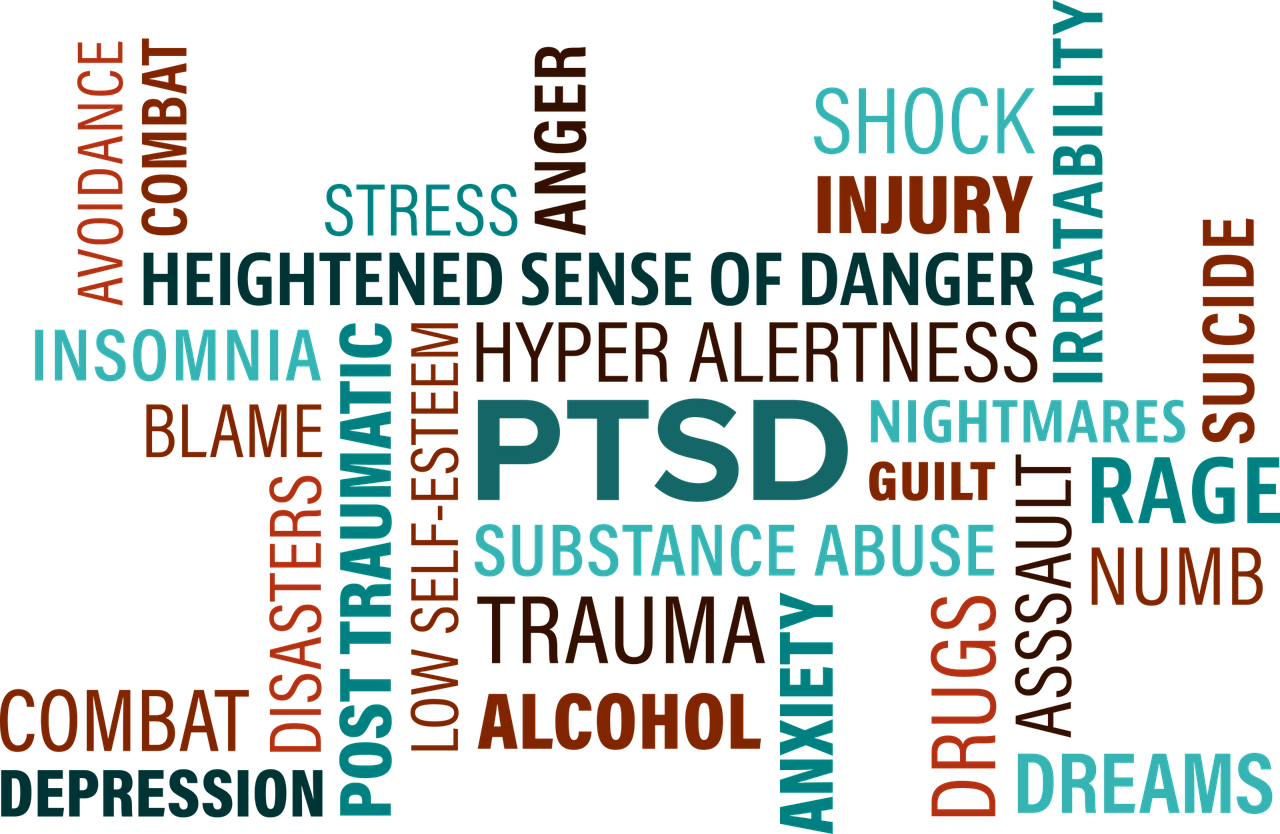
Words about PTSD

PTSD.
Photo courtesy of Pixabay.com

What’s the difference between PTSD and Acute Stress?

Stressed

Feeling stressed out?
Photo courtesy of Pixabay.com

PTSD, Post-Traumatic Stress Disorder has made the news a lot recently. This is a good thing. More recognition of PTSD should result in more treatment and less suffering from those who have PTSD. Stress caused problems may or may not be from a Trauma.

What hasn’t gotten as much notice and should have, is the role of Acute Stress Disorder in the events that knock people down and cause a lot of suffering. Acute Stress Disorder creates a lot of problems for a lot of people. Reactions to severe stress can cause long-term changes in people’s feelings and behaviors. Many of these changes go unrecognized and untreated. Acute Stress Disorder may be missed more often than it is diagnosed. More on that later in this blog post.

Stress can harm you.

We know stress is a problem a lot of the time, for a lot of people. Outside the field of mental health, there are lots of blog posts and books on stress, what it is, and how to deal with it.  I have written posts about stress and managing it for those of you who have too much stress in your life even if it does not get you a diagnosis or disability.

Stress, plain simple stress, can break people down even if they never meet the criteria for a mental illness. Think of stress like this:

Remember those spectacular car crashes at those televised car races? Some of those crashes were the result of car parts (or drivers) under stress. All-day, for hundreds of miles that car and that poor car part, ran hard and fast. The stress just kept coming, then suddenly that part breaks, that car goes all which way and the crash occurs.

Stress on people can be like that. Too much stress too long and the person develops mental health problems. Some of those problems need a day off, others become diagnosable illnesses. In the past, we tended to think of stress-related disorders like Post-Traumatic Stress Disorder (PTSD) as close cousins to Anxiety. That has started to change.

Beginning soon mental health professionals will begin to use new coding systems. The DSM-5 or the newer ICD codes. In those systems, Stress and Trauma-Related Disorders get their own chapter. While Stressor-Related Disorders can cause anxiety and have some symptoms in common with anxiety disorders they also have some differences.

Trauma- and Stressor-Related Disorders.

From the day you are born till the day you die too much stress can cause you a problem. One key factor in Trauma- and Stressor-Related Disorders is that there has to be a specific thing that happened to you, the stressor. Trauma is the king of all stressors.

So these things do not just suddenly happen for no reason and they are presumably not something you are born with. This fuzzes up the expression that mental illness is a brain disorder, in that the cause of these disorders are things that happen to you.

If life events result in acquiring a mental illness, then events, as in therapy and learning, can be helpful in treating that disorder.  Much of the treatments for stressor-related disorders are cognitive type therapies.

Trauma and Stressor-Related Disorders also can have features that are similar, we might even say overlap, depression, anxiety, obsessive-compulsive, and the often overlooked dissociation. Not every other mental illness is caused by stress or trauma. We just need to be aware that sometimes there can be connections. This similarity to other issues results in a lot of stress-related disorders not being diagnosed until years later when the person is severely mentally ill or disabled.

What is Acute Stress Disorder and why is it important?

Acute Stress Disorder has two sets of “symptoms,” the things people experience that are a problem for them and the technical things professionals use to give out the diagnosis.

Some of the things you might experience as a result of having Acute Stress Disorder are also symptoms of other mental health issues or other mental illnesses. There are a variety of diagnoses that someone might get as a result of injuries they sustained due to stress.

These symptoms can impact your life in long-term ways. People may find their personality has changed.

Poor or no sleep is a cause for worry. Poor sleep now, predicts mental health issues down the road. In the aftermath of stressors, many people report that they do not sleep well. Some report bad dreams, nightmares, or night terrors. A few days of bad sleep after you are stressed and you should get back to normal. If the sleep disturbance goes on for very long it starts to change your functioning and your life.

Panic attacks are common in the first month after a severe life stressor. The time period of thirty days becomes important when we try to separate Acute Stress Disorder from other problems. This panic attack may first be experienced immediately after a stressful incident and then go on to become Panic Disorder.

If you have been through a severely stressful incident it is not unusual for you to blame yourself for not expecting it, not doing something differently, and not being able to prevent it. Rationally you should know that it may not have been possible to prevent what happened, but people commonly experience guilt or even shame over not being able to stop that trauma.

After a trauma, some people report that happiness or joy has been sucked out of life. They stop caring about themselves or others. They may begin to take risks that they never took before. They drive too fast, gamble, take more sexual risks. Some trauma or stress survivors become angry, bitter, and more argumentative. They get in more fights, verbally, and physically. It is as if they have changed who they are and they no longer care.

If you knew about the traumatic experience you might understand why the changes in behavior occurred. If that trauma survivor kept the trauma a secret, and many do, you might think this was all bad behavior.

Trauma survivors, even those who do not go on to develop more serious mental health problems, may become confused or think they are losing their minds. They may get tested for or treated for concussions. They could have both a concussion and a longer-term mental illness.

After a trauma or a crisis from the buildup of long-term stress, you may find it difficult to go back to places that remind you of the trauma. People become unable to go back to work, visit certain places or they avoid social situations.

How do professionals diagnose Acute Stress Disorder and why is that diagnosis so rare?

The official criteria for Acute Stress disorder are found in the DSM-5 or DSM-4-TR if your agency is still using that one. The DSM’s are published by the APA and you can order the full text from them. Here is my oversimplified plain language version of that criteria. I hope I do not make errors in this explanation.

A warning

Self-diagnosis or diagnosing your family and friends is a risky behavior. If after reading all this you believe you or someone close to you has Acute Stress Disorder, another Trauma- and Stressor-Related Disorder, or any other mental health problem, go see a professional and get it checked out. There are treatments available for all of these conditions and there is no need to suffer alone.

There are 5 things the professional needs to look at for Acute Stress Disorder

  1. Did you experience a really bad Traumatic Stressor Recently?

There is a “waiting period” of 3 days. Most people have difficulty for a few days after a serious trauma. Then there is the requirement that the problems you are having must last UP TO 30 days. This is a huge thing for Acute Stress Disorder. If your problems go on more than 30 days the name we call this (diagnostic code) changes to something more long-term like Post-Traumatic Stress Disorder (PTSD.)

The result of this time factor is that a whole lot of people who have this problem do not ever get diagnosed. In outpatient settings, it can take 30 days to get your insurance settled and to get in for an appointment. In hospital settings this diagnosis may be found more often using “strict criteria” but in most other places the results of trauma do not show up till years later and the issues then get called something other than Acute Stress Disorder.

  1. You must have at least 9 of 14 possible symptoms.

This leads to lots of ifs. Depending on who is doing the evaluating some things get counted and not others. Another problem is that trauma victims do not like to talk about their trauma. One symptom is avoiding reminders of the trauma and talking about it again is a reminder. So not having said they have a symptom can rule people out who did, in fact, meet the criteria and do have Acute Stress Disorder.

I will not go through all the 14 criteria here, just a few of the big ones.

You can’t get the trauma or stressor out of your head.

This is sometimes called intrusive thoughts. You may also have dreams and things will trigger the memories so much you begin avoiding those emotional triggers. After the 30 days waiting period this may become PTSD.

From now on you are in a bad mood and can’t get out of it.

The happiness and joy get sucked out of your life. You are in a bad mood all the time for no apparent reason. Some people, kids, and men mostly, become irritable, angry, and possibly violent. In my view, Acute Stress Disorder and its aftermath are involved in a lot of these unexpected violent incidents.

People may “space out.”

Researchers have noted that zoning out, technically called dissociation, is common, almost universal in the first three days after a trauma. If that dissociation continues after the third day we think it indicates Acute Stress Disorder. After thirty days that dissociation gets diagnosed as something else. I believe that there are more cases of dissociation than gets recognized. Some are ignored and some get another name like Psychosis NOS (not otherwise specified.)

Acute Stress Disorder is time-limited.

Acute Stress Disorder must last more than three days and less than thirty. Beyond the thirty the name gets changed. Many people try their hardest to cope and do not report symptoms. They can’t work and go on disability for a while until that runs out. Some end up alone and homeless. They get angry, depressed, or anxious and their relationships suffer. They develop panic attacks or obsessive-compulsive disorders. Some get other mental illness diagnoses.

Having Acute Stress Disorder really matters.

This disorder, like most things we call mental illness, really makes a difference in people’s lives. It interferes with their ability to work or go to school. Having Acute Stress disorder can interfere with or destroy relationships with family and friends. It causes the people who have it a lot of suffering even when they can’t express how or why they are suffering. It can also damage other important areas of your life, such as religious observances, hobbies, and so forth.

Acute Stress Disorder is not something else.

Professionals are continually reminded to avoid putting the wrong label (diagnoses) on things. If you only have these symptoms because of a medical issue or because you are drunk or high when you have the symptoms then we do not say you have Acute Stress Disorder.

This does not mean that people with medical problems or who use drugs can’t get Acute Stress Disorder, we just want to be careful we do not get the diagnosis wrong and count as symptoms things that were not caused by the stressor.

One last thing to consider.

There are two other groups of mental health problems in the Trauma and Stressor-Related Disorder chapter. Attachments Disorders, those problems that begin in very early life and Adjustment Disorders, which are reactions to stress that may not be life-threatening but have a huge impact on your mental health. These groups of life problems, sometimes, they rise to the level of a mental illness or a mental health problem.

I have written elsewhere about how Attachment Disorders and Adjustment Disorders can wreck someone’s life if not attended to. I am out of time and space here to talk about these other groups of Trauma and Stressor-Related Disorders.

Hope this post did not run too long. I do not think I have written a post of this length in the past but this seemed like a topic that needed more space and discussion.

Staying connected with David Joel Miller

Seven David Joel Miller Books are available now!

My newest book is now available. It was my opportunity to try on a new genre. I’ve been working on this book for several years, but now seem like the right time to publish it.

Story Bureau.

Story Bureau is a thrilling Dystopian Post-Apocalyptic adventure in the Surviving the Apocalypse series.

Baldwin struggles to survive life in a post-apocalyptic world where the government controls everything.

As society collapses and his family gets plunged into poverty, Baldwin takes a job in the capital city, working for a government agency called the Story Bureau. He discovers the Story Bureau is not a benign news outlet but a sinister government plot to manipulate society.

Bumps on the Road of Life. Whether you struggle with anxiety, depression, low motivation, or addiction, you can recover. Bumps on the Road of Life is the story of how people get off track and how to get your life out of the ditch.

Dark Family Secrets: Doris wants to get her life back, but small-town prejudice could shatter her dreams.

Casino Robbery Arthur Mitchell escapes the trauma of watching his girlfriend die. But the killers know he’s a witness and want him dead.

Planned Accidents  The second Arthur Mitchell and Plutus mystery.

Letters from the Dead: The third in the Arthur Mitchell mystery series.

What would you do if you found a letter to a detective describing a crime and you knew the writer and detective were dead, and you could be next?

Sasquatch. Three things about us, you should know. One, we have seen the past. Two, we’re trapped there. Three, I don’t know if we’ll ever get back to our own time.

For these and my upcoming books; please visit my Author Page – David Joel Miller

Want the latest blog posts as they publish? Subscribe to this blog.

For videos, see: Counselorssoapbox YouTube Video Channel

Your thoughts making you anxious?

By David Joel Miller, MS, Licensed Therapist & Licensed Counselor.

Anxiety provoking.

Anxiety.
Photo courtesy of Pixabay.com

9 ways to tell if your thoughts are causing your anxiety.

Is anxiety a constant feature in your life? Anxiety has its place. It tells you if you are in a dangerous situation and keeps you alert. But if you are always in an anxious state you will wear yourself out and anxiety no longer becomes protective, it becomes your tormentor.

If you have a pattern of thinking anxious thoughts even when they are not necessary then you may be training your brain to maintain an anxious state at times you should be relaxed and calm.

How many of these over-anxious thoughts are you practicing?

1. Your negative thoughts have become a habit.

Is your default brain setting to look for the danger, for what could go wrong? Have you made looking for the negative a habit? Start looking for the good, the unexpected. Meditate on the positive things in your life and challenge yourself to stop ruminating on what could go wrong and begin looking for all the constructive things in your life.

Developing a list of things you are grateful for can increase the habit of seeing the good and reduce the tendency to look for the anxiety-provoking cues in your environment.

2. A recurring thought interferes with your life.

Do you have a recurring fear that you are or will get sick? Do you worry about finances and think you will go broke? Do you practice the thoughts you will have when something bad might happen?

Look for the facts in these situations. See a doctor. Get your health checked out. Work on your finances. Look for ways to earn more, spend less, and save some. Buy some insurance.

Stop practicing that fearful, anxious thought and begin to take action. Include in those actions learning to relax and to look for the positive. Give yourself credit for the things you have accomplished.

3. You worry about things that don’t really matter.

Do you worry that something will happen, somewhere, to someone, and you do not even know why? Do you worry that characters on shows will die or fictional couples will break up?

When you find yourself worrying, ask yourself, does this matter? Does it matter to you? Does it matter right now?

Do you worry about whether to buy one kind of vegetable or the other? Make a choice and the worry ends. For many of life’s choices, there is no correct answer. Pick the thing you want and move forward.

4. Your need for everything to be perfect makes you anxious.

You are a human, aren’t you? No human is perfect. We learn from our mistakes. Learn from your mistake and do better next time. Everything can never be perfect. Your perfect will not be someone else’s.

5. Your worry about things that are out of your control makes you anxious.

Some things are your job. Some things are not. Worrying about someone else’s job is unproductive. You may think about what would happen, you may even make contingency plans, but let others worry about their stuff.

Worrying about things over which you have no control does not protect you from danger. It diverts resources from doing the things you need to do into unproductive worrying.

6. You beat yourself up about things everyone does – normal behavior.

Accept your humanness, embrace it. Sometimes you will burp, sometimes you will pass gas, possible at the most embarrassing moment. All humans sometimes trip or fall.

We all make errors and do uncomfortable things. Try to minimize your number and the nature of your embarrassing moments but do not beat yourself up.

Hint here. Turn your cell phone off during church services and do not eat beans just before an important meeting. Do things proactively to reduce your embarrassing moments, but once they happen, accept that you to are blessed with those normal human moments.

7. Calling yourself names increases your anxieties.

Call a child stupid often enough and they believe you. Eventually, they will stop trying to learn. You can do the same thing to yourself. Calling yourself names is not helpful. It will result in anxiety over your self-worth. You are worthwhile simply because you are you.

8. Second-guessing decisions will paralyze you with anxiety.

Once a decision is made move forward. There are times when situations change when you get new information, and you need to reevaluate. If you find yourself rethinking every decision realize that this is wasting time looking back over your shoulder at the past and you should be living in the present.

9. Telling yourself that good things will never happen for you feeds the anxiety.

What you tell yourself over and over your brain believes. If you say you can’t your brain will avoid trying. If you repeatedly tell yourself things will never get better, they won’t. This is a negative affirmation. Negative affirmations like positive ones work. Try telling yourself that you can do things and good things become possible.

Do you practice any of those 9 thinking patterns that cause anxiety? Would you be willing to part with some of your fearfulness? Try practicing more positive and more helpful ways of thinking. Practice helpful thoughts over and over and see if your anxieties don’t melt away.

Staying connected with David Joel Miller

Seven David Joel Miller Books are available now!

My newest book is now available. It was my opportunity to try on a new genre. I’ve been working on this book for several years, but now seem like the right time to publish it.

Story Bureau.

Story Bureau is a thrilling Dystopian Post-Apocalyptic adventure in the Surviving the Apocalypse series.

Baldwin struggles to survive life in a post-apocalyptic world where the government controls everything.

As society collapses and his family gets plunged into poverty, Baldwin takes a job in the capital city, working for a government agency called the Story Bureau. He discovers the Story Bureau is not a benign news outlet but a sinister government plot to manipulate society.

Bumps on the Road of Life. Whether you struggle with anxiety, depression, low motivation, or addiction, you can recover. Bumps on the Road of Life is the story of how people get off track and how to get your life out of the ditch.

Dark Family Secrets: Doris wants to get her life back, but small-town prejudice could shatter her dreams.

Casino Robbery Arthur Mitchell escapes the trauma of watching his girlfriend die. But the killers know he’s a witness and want him dead.

Planned Accidents  The second Arthur Mitchell and Plutus mystery.

Letters from the Dead: The third in the Arthur Mitchell mystery series.

What would you do if you found a letter to a detective describing a crime and you knew the writer and detective were dead, and you could be next?

Sasquatch. Three things about us, you should know. One, we have seen the past. Two, we’re trapped there. Three, I don’t know if we’ll ever get back to our own time.

For these and my upcoming books; please visit my Author Page – David Joel Miller

Want the latest blog posts as they publish? Subscribe to this blog.

For videos, see: Counselorssoapbox YouTube Video Channel
15 ways to improve your attention and stay focused

By David Joel Miller, MS, Licensed Therapist & Licensed Counselor.

Focus

Focus.
Photo courtesy of Pixabay.com

15 ways to boost your ability to pay attention and stay focused.

Most of us were never taught how to stay focused and pay attention. We were told to “pay attention” and if you didn’t or couldn’t you were told that there was something wrong with you. Maybe you were even told you had ADD/ADHD. You may have that disorder and need professional help, but my suspicion is that a lot of us could stay more focused and pay better attention if we tried a few simple techniques.

Getting organized and staying organized are skills you can learn and practice to keep yourself focused and on track. Here are some tools that well-organized and focused people use to keep themselves moving forward.

1. Tell yourself you can do this – not that you can’t focus.

Tell yourself that with or without an attention issue you can and will learn ways to improve your focus. Self-talk is powerful. If you say you will improve your abilities in this area you will. Continue to say you can’t and you will not ever improve in this area.

If you find it is difficult for you, find out why. What is the thing you still need to do or learn to be more focused and better organized?

2. Make lists of to-dos.

If your mind is full you can’t process new information. Trying to remember all you have to do today will reduce your ability to pay attention to the task at hand.

Making a list of what you need to do and writing it down will help you get organized. You can pick from the list the most important thing to do first and then move on down the list. What you do not get to was probably not that important. That or if you still are not getting to everything on your list – too much to do is the problem.

3. Prioritize to help you remember what is important.

Which thing needs to be done first? You need to write a report. You decide you need to look for sources, write an introduction, and then complete the report.

Bouncing all over the place doing one thing and then another leaves you with lots not done and increases the chances you will forget things.

4. Do the most difficult thing first.

Leaving large tasks for last means they never get done. Your mind will protect you by taking you off task. Go after the big one first and once this is out-of-the-way the other things you need to do will be the more manageable.

Whenever possible avoid all those have-to-do things that people do before the project. Doing too much getting ready puts off the task until you run out of oomph.

Forget sharpening all the pencils and cleaning off the desk before you can start to write. Write first and then sharpen those pencils or clean off unneeded things during the breaks.

5. Set a specific goal first to stay on task.

Decide what you want to do. Work on that goal as long as possible. If you find yourself off task relax for a moment and then refocus on the original task.

For very large projects build in some step back and think some more time. This keeps you from wearing yourself out working on things that do not help you achieve your ultimate goal.

6. Break your task up into small size parts.

Slice big tasks up into small chunks. This coupled with the list-making technique can allow you to do small things and do them one at a time rather than becoming overwhelmed trying to stay on task over a large task and a long time frame.

7. Do not let your mind distract you – add things to your list and keep going.

If your mind keeps talking to you about other things you need to do, avoid thinking about those other tasks right now. Write them down on your to-do list and clear your mind then refocus on the original task.

8. Plan what you will be attending to ahead of time.

Are you listening to a talk on your favorite topic? Will you be learning a new skill? In what area? Knowing why you are going to need to pay attention lets you stay focused when you need to and lets you go on autopilot when this is a fun attention-is-optional activity.

9. Set a routine that gets you in the groove.

If we humans had to think over each and every thing we were going to do today many of us would still be in bed. If you have a routine way you do routine things you can get more accomplished and leave mental capacity for the new tasks you will need to tackle today.

Whenever possible establish a set procedure for things you do often. Having a set do-step-one then step two, the process helps you stay focused.

10. Practice your routine until it becomes automatic.

Professional athletes, Olympic hopefuls, and other performers know this well. When the ball is coming towards you is no time to have to think about what you will need to do. Practice your skills. Practice them over and over until they become automatic. When they are automatic moves practice some more.

Over-learning, continuing to practice skills that you have already learned is the key to being able to stay on track during times of stress or excitement.

11. Do not try to do two things at once.

There are very few times that people can really do two things at once. Good multitaskers are even rarer. Multitasking is the great myth of our times. Focus on one thing at a time for optimum performance. Do not be thinking about what you will do after work while working.

The time needed to switch back and forth and decide what task to do next takes time away from all the tasks you are working on. Do one thing at a time for best results.

12. Avoid sounds that will pull you away, use white noise and background music to neutralize the distractions.

Some people can focus best with background noise. If you do this look for instrumental music or white noise sounds. Avoid talk radio or interview shows where you will be tempted to switch your attention back and forth between the noise and the task.

Mindless sounds, instrumental music, or other non-interfering sounds can help drown out distracting sounds.

Some tasks are best performed in low noise environments with the door closed.

 13. Plan breaks and movement.

Frequent breaks do not interfere with attention, they improve it. Move around in your chair, get up and walk, take a mental break and your overall attention will improve. Every few minutes look far away and blink. Give yourself a small diversion to improve your concentration. If you try to stay in one position and focus your eyes on one task for too long you will discover that your body will develop aches and pains to draw your attention away.

14. Do not stay stuck on something you can’t do – try skipping it and coming back later.

Avoid getting stuck in a loop going over and over something you are unable to do. Take a break, move on to another task, and plan on returning to the project later.

Sometimes a break will allow your subconscious mind to keep working on the issue and the solution will suddenly come to you. At other times you may decide you need to seek out help or advice from someone who knows how to accomplish this task.

15. Simplify your life to improve your attention.

If you find you are chronically off task. If you bounce from thing to thing but rarely get anything done or if you are always forgetting things, the problem may well be that you are trying to do too many things and that they are all getting the same priority. Sometimes more is less, especially in the area of staying on task and being productive.

Staying connected with David Joel Miller

Seven David Joel Miller Books are available now!

My newest book is now available. It was my opportunity to try on a new genre. I’ve been working on this book for several years, but now seem like the right time to publish it.

Story Bureau.

Story Bureau is a thrilling Dystopian Post-Apocalyptic adventure in the Surviving the Apocalypse series.

Baldwin struggles to survive life in a post-apocalyptic world where the government controls everything.

As society collapses and his family gets plunged into poverty, Baldwin takes a job in the capital city, working for a government agency called the Story Bureau. He discovers the Story Bureau is not a benign news outlet but a sinister government plot to manipulate society.

Bumps on the Road of Life. Whether you struggle with anxiety, depression, low motivation, or addiction, you can recover. Bumps on the Road of Life is the story of how people get off track and how to get your life out of the ditch.

Dark Family Secrets: Doris wants to get her life back, but small-town prejudice could shatter her dreams.

Casino Robbery Arthur Mitchell escapes the trauma of watching his girlfriend die. But the killers know he’s a witness and want him dead.

Planned Accidents  The second Arthur Mitchell and Plutus mystery.

Letters from the Dead: The third in the Arthur Mitchell mystery series.

What would you do if you found a letter to a detective describing a crime and you knew the writer and detective were dead, and you could be next?

Sasquatch. Three things about us, you should know. One, we have seen the past. Two, we’re trapped there. Three, I don’t know if we’ll ever get back to our own time.

For these and my upcoming books; please visit my Author Page – David Joel Miller

Want the latest blog posts as they publish? Subscribe to this blog.

For videos, see: Counselorssoapbox YouTube Video Channel
5 Reasons Mental Illness and drug use hangout together.

By David Joel Miller, MS, Licensed Therapist & Licensed Counselor.

sign

No Drugs.
Photo courtesy of Pixabay.com

Why do so many people have both Substance Use Disorders and a Mental Illness?

Having multiple problems is so common today that we are surprised when someone shows up looking for help for one and only one problem. People who have a mental illness often abuse drugs or alcohol. People with a Substance abuse disorder frequently have one or more mental illnesses.

The overlap is so common we have come to expect that someone who has one life problem is at risk to develop another. When people have more than one problem it is hard to recover from one unless the other gets treated.

The old method was to ask the mentally ill to give up drugs and alcohol, stay clean 30 days, and then they could get help for their mental illness. Substance abuse clients were told to go get their depression or anxiety treated and then come back for drug treatment. The result was people with multiple problems who were ping-ponged back and forth between providers and many never got the help they needed.

The newer approach is to treat multiple problems all at once and improvements in one life area help recovery in other areas. So why are mental health problems so very common among those with substance use disorders? Here are some of those reasons.

A prior Mental illness puts you at risk to abuse substances.

Having a mental health problem puts you at risk to use substances to cope with your issue. Someone with anxiety finds that alcohol or drugs help them get past the anxiety and be more outgoing. The more of a drug they do the better they feel. Before long this use is out of control and becomes first a habit and then an addiction.

A person with Post Traumatic Stress Disorder will find that chemicals, alcohol or drugs, numb the symptom. Some people drink to forget the depression. All of these uses of chemicals to cope with a mental health issue could fit under the idea of self-medication. Using drugs and alcohol can help the person cope for a while, but since this is an unsafe coping strategy eventually the person’s solution becomes a second problem.

Common stressors and environments increase risks for both.

Living in poor neighborhoods increases the risk that you will have life difficulties. More crime more mental health issues and more drug and alcohol abuse in your neighborhood. Poverty is depressing and substances are a way to cope, temporarily, with poverty and unemployment.

Substances change your brain and induce mental health disorders.

People try drugs for all sorts of reasons. Many people have had the experience of a hangover. After that experience, a common treatment for the hangover is the hair of the dog that bit you, more alcohol.

Substance use progresses from experimentation to habitual use. The more of a drug someone uses the more their brain chemistry changes. At some point, not a planned occurrence, this habit becomes a mental need, a psychological addiction to the substance. Eventually, this progresses to a psychical addiction, a chemical dependency.

Excessive substance abuse results in long-term changes in the functioning of the brain. Depression, anxiety, or even psychosis may develop as a result of using, being under the influence, and withdrawing from substances.

Life experiences from either increase the risk of the other problem.

People with serious mental illnesses are more likely to be the victim of crime than the perpetrator. Being mentally ill makes you vulnerable. Having a mental illness increases the risk that you will be unemployed, have a psychical illness, and die at an earlier age. All of these are risk factors for substance abuse.

The life experiences that drug users have, poor neighborhoods, crime, and poverty are all risk factors for poor mental health. The drug-using experience increases the risk of traumatic experiences. Rapes, robberies, assaults, and incarcerations all can accompany substance use disorders.

The experience of having a substance use disorder increases the risk of a mental illness. Trying to live with a mental illness increases the risk that you will abuse substances.

Giving up a drug of choice is painful.

For most substance abusers their drug of choice becomes their best friend. Women come and go but Sherry is always waiting in the bottle for you. A man may leave you but Jose and Jack will always be in the bottle when you need them.

Crystal is always ready for your next date with the pipe.

People become closer to their drug of choice than to their family or friends. Giving up drugs or alcohol means losing that best friend. This loss of a friend and support system can leave the substance user alone with no coping mechanism and at high risk to develop a mental health problem or return to active use.

Hope that these 5 ideas will help to explain why having both a substance use disorder and a mental illness at the same time is so very common. If you or someone you know has one or both of these issues help is available. If that person has both conditions, look for a treatment provider who is comfortable with working on both issues at the

Staying connected with David Joel Miller

Seven David Joel Miller Books are available now!

My newest book is now available. It was my opportunity to try on a new genre. I’ve been working on this book for several years, but now seem like the right time to publish it.

Story Bureau.

Story Bureau is a thrilling Dystopian Post-Apocalyptic adventure in the Surviving the Apocalypse series.

Baldwin struggles to survive life in a post-apocalyptic world where the government controls everything.

As society collapses and his family gets plunged into poverty, Baldwin takes a job in the capital city, working for a government agency called the Story Bureau. He discovers the Story Bureau is not a benign news outlet but a sinister government plot to manipulate society.

Bumps on the Road of Life. Whether you struggle with anxiety, depression, low motivation, or addiction, you can recover. Bumps on the Road of Life is the story of how people get off track and how to get your life out of the ditch.

Dark Family Secrets: Doris wants to get her life back, but small-town prejudice could shatter her dreams.

Casino Robbery Arthur Mitchell escapes the trauma of watching his girlfriend die. But the killers know he’s a witness and want him dead.

Planned Accidents  The second Arthur Mitchell and Plutus mystery.

Letters from the Dead: The third in the Arthur Mitchell mystery series.

What would you do if you found a letter to a detective describing a crime and you knew the writer and detective were dead, and you could be next?

Sasquatch. Three things about us, you should know. One, we have seen the past. Two, we’re trapped there. Three, I don’t know if we’ll ever get back to our own time.

For these and my upcoming books; please visit my Author Page – David Joel Miller

Want the latest blog posts as they publish? Subscribe to this blog.

For videos, see: Counselorssoapbox YouTube Video Channel
Today is World Mental Health Day

By David Joel Miller, MS, Licensed Therapist & Licensed Counselor.

Mental Health or Mental Illness

Mental Health or Mental Illness?
Photo courtesy of Pixabay.com

Raising awareness of mental health issues.

Today is the official World Mental Health Day. Each year on October tenth a day is set aside to remind people about the importance of good Mental Health and Mental Wellness. World Mental Health Day is an initiative of the World Federation of Mental Health and is supported by WHO (World Health Organization.)

The theme for 2014 is “Living with schizophrenia”. Last year’s theme, 2013, was Mental Health and Older Adults.

In North America, Mental illness is the largest single health issue. Days of work lost and impairment in functioning as a result of mental illnesses exceeds the disability burden of both cardiovascular disease and cancer (WHO.)

Depression is the largest single cause of disability. The good news is that today the emphasis in the treatment of mental illness is on wellness and recovery. Many people who have had episodes of serious mental illnesses have gone on to have happy and productive lives.

Consider today how your life or the life of someone you know has been affected by a mental illness. What would it mean to you if you or someone close to you could recover from that condition? No one should have to face a mental illness alone. There is help available in many places. We hope that this day, World Mental Health Day will focus awareness on the need to do more to help those who are currently experiencing a mental illness.

Remember World Mental Health Day.

Staying connected with David Joel Miller

Seven David Joel Miller Books are available now!

My newest book is now available. It was my opportunity to try on a new genre. I’ve been working on this book for several years, but now seem like the right time to publish it.

Story Bureau.

Story Bureau is a thrilling Dystopian Post-Apocalyptic adventure in the Surviving the Apocalypse series.

Baldwin struggles to survive life in a post-apocalyptic world where the government controls everything.

As society collapses and his family gets plunged into poverty, Baldwin takes a job in the capital city, working for a government agency called the Story Bureau. He discovers the Story Bureau is not a benign news outlet but a sinister government plot to manipulate society.

Bumps on the Road of Life. Whether you struggle with anxiety, depression, low motivation, or addiction, you can recover. Bumps on the Road of Life is the story of how people get off track and how to get your life out of the ditch.

Dark Family Secrets: Doris wants to get her life back, but small-town prejudice could shatter her dreams.

Casino Robbery Arthur Mitchell escapes the trauma of watching his girlfriend die. But the killers know he’s a witness and want him dead.

Planned Accidents  The second Arthur Mitchell and Plutus mystery.

Letters from the Dead: The third in the Arthur Mitchell mystery series.

What would you do if you found a letter to a detective describing a crime and you knew the writer and detective were dead, and you could be next?

Sasquatch. Three things about us, you should know. One, we have seen the past. Two, we’re trapped there. Three, I don’t know if we’ll ever get back to our own time.

For these and my upcoming books; please visit my Author Page – David Joel Miller

Want the latest blog posts as they publish? Subscribe to this blog.

For videos, see: Counselorssoapbox YouTube Video Channel