
Why do so many substance users have mental illnesses?

By David Joel Miller, MS, Licensed Therapist & Licensed Counselor.

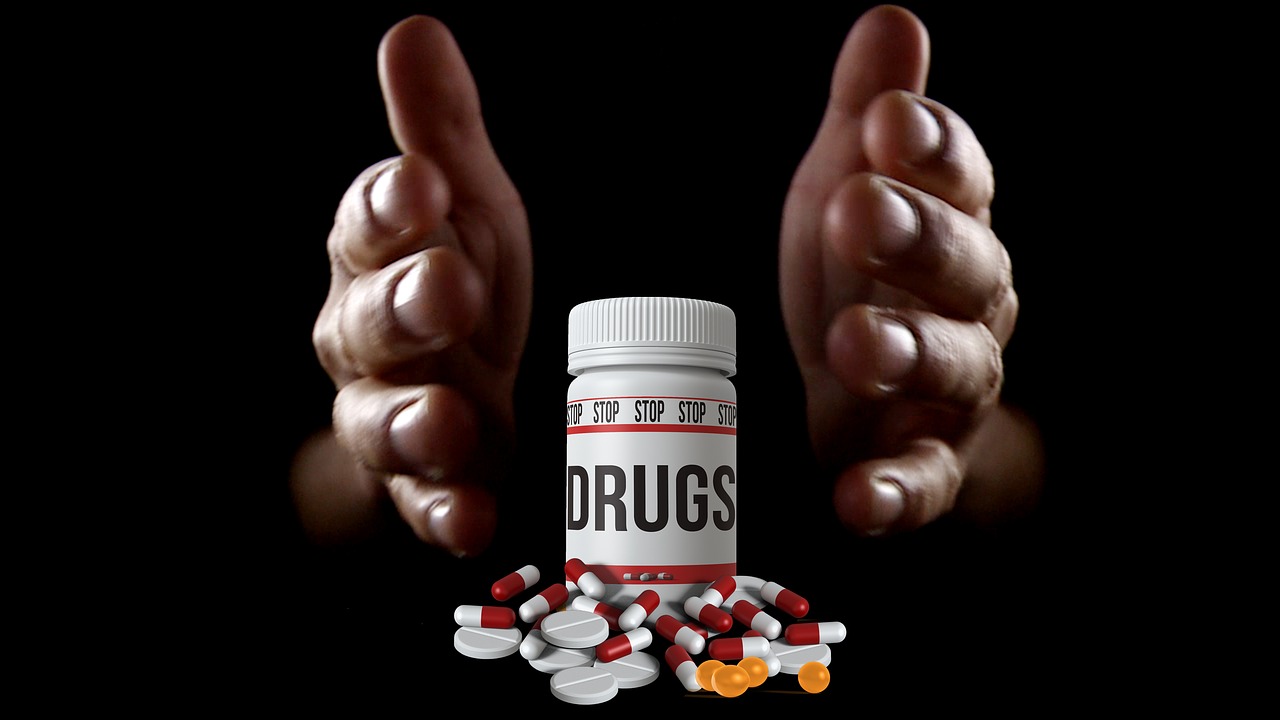
Drugs.

Drugs.
Photo courtesy of Pixabay.

Why are co-occurring disorders so common?

We used to talk about addiction and think there were just a handful of people with that problem; we blamed them for their disorder. We now know that long before someone becomes addicted they can have serious problems in their relationships with substances. We now are talking about substance use disorders.

We talked for a long time about the “seriously and persistently mentally ill” as if they were somehow different from us. We now know that mental illness is on a continuum. Those emotional problems, depression, anxiety, stress-related issues, can overwhelm anyone.

Is it really that common to have both problems?  Why do we say now that co-occurring disorders are an expectation, not an exception?”

So far in my career as a therapist, I have worked with substance abusers. I have worked in locked psychiatric hospitals with those on an involuntary hold for wanting to kill themselves or others. I have also been able to work with adolescents in crisis.

In every one of these settings, the number of clients who had both issues was large. Why do the two problems so often exist in the same person? Here are some of the reasons that both disorders so often co-exist in the same person.

1. Two issues, substance use disorders, and a mental or emotional illness are relatively common in our society.

Far short of addiction there are plenty of people who attend DUI School, lose days of work, or get into arguments with their spouses as a direct result of substance misuse.

Most families have one or more person in them who has been so depressed or so anxious that they missed work or stopped participating in family and social activities.

2. Having a mental or emotional problem increases the risk of using and abusing substances.

People who are depressed or anxious often start drinking. At first, this works but over time the alcohol makes them more depressed and when it wears off they become more anxious.

The result of using substances to manage your emotions is that over time you need more and more and eventually, you develop a substance use problem.

Many people in substance abuse treatment will report emotional problems including being the victim of abuse or neglect before they developed the substance abuse problems.

The seriously mentally ill find the effects of smoking very soothing. They become heavy smokers. This increases the risk that they will develop health problems, end up homeless, and that their lifespan will be cut short.

3. Using or abusing substances increases the risk of developing a Mental illness.

Alcohol is a depressant. Not everyone who drinks becomes clinically depressed but some people do. The more you drink the more depressed you become. The more depressed you get the more you drink. This can be a rapid downward spiral.

There are connections between many other abused substances and developing mental illnesses. Stimulants increase the risk of psychosis and can increase sexual behaviors. The younger you are when you begin to smoke Marijuana the more likely you are to develop certain mental health issues.

I am not trying to take sides here on the “medical marijuana” debate, but note that smoking anything, dried lettuce or incense included, is bad for the lungs. There is also a developing body of research that says that CBD is better for medicinal use and THC is not. If you are smoking marijuana to “get high” you are at risk to develop problems with its use no matter what story you are telling others. (I think I wrote some posts on that one, note to self-see if those articles got posted.)

4. Substance abuse issues or mental and emotional problems results in a lifestyle where it becomes hard to get your basic needs met.

Both groups have an increased risk of homelessness. They are both at risk to become alienated from family and friends.

You have to do what you have to do.

The result of these lifestyle changes is that the substance abuser is likely to become depressed, anxious, or to be abused. The mentally ill person, to cope with their isolation or homelessness, may turn to alcohol or drugs to cope.

What you go through with either problem increases the risk that you will develop the other disorder.

5. There are emotional consequences to entering recovery.

The substance abuser often gets closer to their drug of choice than to others in their life. When they stop using or abusing they have to go through a grieving process that can be just as severe as a divorce or death in the family.

Users have told me that “women come and go but crystal is always there for me.” People let me down but (fill in the name of liquor here) is always waiting for me. Losing this one support can be a major obstacle in creating a new life.

People in recovery very much need a new support system.

The conclusion?

Having either a substance use disorder, or a mental-emotional problem, increase the risk of having the other. It is easy to get locked in a pattern when no one is supporting your recovery and your environment is supporting you staying sick. Change can be difficult but change – recovery is very much worth the effort.

Staying connected with David Joel Miller

Seven David Joel Miller Books are available now!

My newest book is now available. It was my opportunity to try on a new genre. I’ve been working on this book for several years, but now seem like the right time to publish it.

Story Bureau.

Story Bureau is a thrilling Dystopian Post-Apocalyptic adventure in the Surviving the Apocalypse series.

Baldwin struggles to survive life in a post-apocalyptic world where the government controls everything.

As society collapses and his family gets plunged into poverty, Baldwin takes a job in the capital city, working for a government agency called the Story Bureau. He discovers the Story Bureau is not a benign news outlet but a sinister government plot to manipulate society.

Bumps on the Road of Life. Whether you struggle with anxiety, depression, low motivation, or addiction, you can recover. Bumps on the Road of Life is the story of how people get off track and how to get your life out of the ditch.

Dark Family Secrets: Doris wants to get her life back, but small-town prejudice could shatter her dreams.

Casino Robbery Arthur Mitchell escapes the trauma of watching his girlfriend die. But the killers know he’s a witness and want him dead.

Planned Accidents  The second Arthur Mitchell and Plutus mystery.

Letters from the Dead: The third in the Arthur Mitchell mystery series.

What would you do if you found a letter to a detective describing a crime and you knew the writer and detective were dead, and you could be next?

Sasquatch. Three things about us, you should know. One, we have seen the past. Two, we’re trapped there. Three, I don’t know if we’ll ever get back to our own time.

For these and my upcoming books; please visit my Author Page – David Joel Miller

Want the latest blog posts as they publish? Subscribe to this blog.

For videos, see: Counselorssoapbox YouTube Video Channel
Alcohol hangover or emotional hangover?

By David Joel Miller, MS, Licensed Therapist & Licensed Counselor.

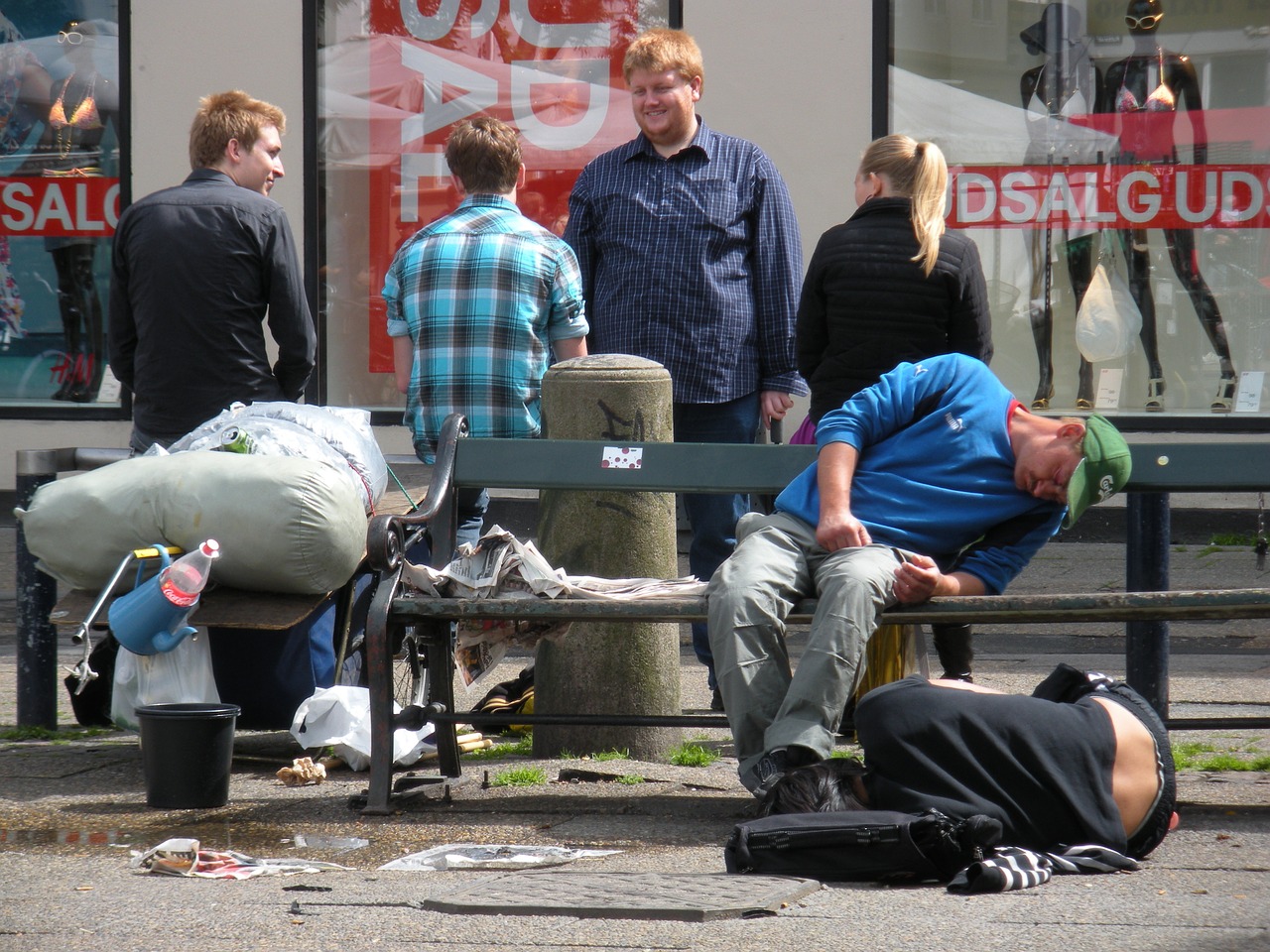
Inebriated people.

Alcoholism.
Photo courtesy of Pixabay.

Why are you reading this post? Hangover?

This is New Year’s Day and you are reading blog posts? Why?

If you are reading this on the day it was published, then it is time for you to take another look at your life. Don’t get me wrong, I really appreciate my readers and am glad you are reading this whenever that happens to be.

Some of you are just sitting around and waiting for the games. There are enough sporting events on the television on this day to produce a self-induced coma.

Some of you had that dazed look and the splitting head when you got up today. Is that a hangover? Are you looking for hangover cures?

How much did you drink last night? What if you didn’t drink and have that hangover anyway?

If the problem is too much to drink last night I have a solution. Check all those other blogs for hangover cures, try a few and then come back and read my posts for the next week or so. By then your hangover will be gone – assuming you do not drink again.

See the most effective treatment for alcoholic hangovers is time – time, rest, and water to be precise. You could also try preventing hangovers, which is easier than curing them.

How do you prevent hangovers?

Do not drink to excess. Better yet do not drink at all. If you are the kind of person who does not like the feeling of being drunk then have one and let it go at that. But if you are the kind of person for whom one is a warm-up for the rest of the bottle or case then the only solution may just be that you do not drink in the first place.

Emotional hangovers.

Some of you feel like you have hangovers only you did not drink any alcohol. That is a similar but different problem. That is likely to be an emotional hangover. See an excess of negative emotions can result in some of those same or similar symptoms as the alcoholic fueled hangover.

If you did not sleep because you were passed out unconscious that is the alcohol, but if you were up all night and did not sleep because of worry, anxiety, or depression then that is an emotional hangover.

When drinking people forget to take care of themselves, they do not eat or drink non-alcoholic fluids in a healthy manner. People who have an emotional issue also neglect self-care and they experience those same worn out, tired and hung-over symptoms all without the alcohol.

Put the two together and you have a potentially life-threatening combination. Drinking while depressed is a recipe for self-harm.

Anger is a huge cause of emotional hangovers.

Anger is also an emotion that can take you places you wish you had not gone. Have you or someone you know ever become so angry they “lose control.” The next day was there a lot of emotional residue, the I-can’t-believe-I-said-the-whole-thing feeling?

Now if you drank too much last night or any other night, the solution seems clear, cut down or cut out the alcohol.

If you are having emotional hangovers isn’t the same solution possible?

If you have emotional hangovers, cut down or cut out the anger, reduce the level of depression or anxiety, and learn to manage your emotions in healthier ways.

I hear some of you saying I try but it is hard to change those emotions. Then for you, just like for the alcoholic it is time to make some far-reaching changes. If you have tried to control your emotions but they leave you with an emotional hangover then it is time to seek help.

Whether it is drugs, alcohol, anger, or any other emotional or mental health problem there is help available. That is unless you like the feeling of having a hangover.

Isn’t it time you reached out for help?

Over this year, here on counselorssoapbox.com, we will be looking at the ways in which you might finally make some life changes, No resolutions – just results. Are you ready for a change?

Staying connected with David Joel Miller

Seven David Joel Miller Books are available now!

My newest book is now available. It was my opportunity to try on a new genre. I’ve been working on this book for several years, but now seem like the right time to publish it.

Story Bureau.

Story Bureau is a thrilling Dystopian Post-Apocalyptic adventure in the Surviving the Apocalypse series.

Baldwin struggles to survive life in a post-apocalyptic world where the government controls everything.

As society collapses and his family gets plunged into poverty, Baldwin takes a job in the capital city, working for a government agency called the Story Bureau. He discovers the Story Bureau is not a benign news outlet but a sinister government plot to manipulate society.

Bumps on the Road of Life. Whether you struggle with anxiety, depression, low motivation, or addiction, you can recover. Bumps on the Road of Life is the story of how people get off track and how to get your life out of the ditch.

Dark Family Secrets: Doris wants to get her life back, but small-town prejudice could shatter her dreams.

Casino Robbery Arthur Mitchell escapes the trauma of watching his girlfriend die. But the killers know he’s a witness and want him dead.

Planned Accidents  The second Arthur Mitchell and Plutus mystery.

Letters from the Dead: The third in the Arthur Mitchell mystery series.

What would you do if you found a letter to a detective describing a crime and you knew the writer and detective were dead, and you could be next?

Sasquatch. Three things about us, you should know. One, we have seen the past. Two, we’re trapped there. Three, I don’t know if we’ll ever get back to our own time.

For these and my upcoming books; please visit my Author Page – David Joel Miller

Want the latest blog posts as they publish? Subscribe to this blog.

For videos, see: Counselorssoapbox YouTube Video Channel
Seasonal Anxiety?

By David Joel Miller, MS, Licensed Therapist & Licensed Counselor.

Anxious woman

Seasonal anxiety?
Photo courtesy of Pixabay.

Is there seasonal anxiety?

Officially there is no diagnosis for any seasonal disorder, but the profession does recognize that there is a form of Major Depressive Disorder that is highly influenced by the seasons. We denote this by referring to it as Major Depressive Disorder with a seasonal pattern.

Researchers on a lot of other mental and emotional illnesses are reporting that they find seasonal patterns in their disorders also, so far no one seems to be considering these seasonal influences on disorders like Anxiety.

So what other effects might the weather and the change of seasons be having on Anxiety and other disorders?

People who regularly see their doctors and have their blood pressure checked are more likely to find that they have elevated blood pressure as a result of stress in the winter months than in the summer months.

Yes, we do get stressed out more in the winter than in those lazy days of summer even when we are well into our working lives.

Women, particularly those working as supervisors and in responsible positions, report more anxiety and stress during the winter months than in the summer. They also report more physical ailments at that time of year for which no medical problem is found. Researchers are apt to call those issues “Somatic symptoms even though actual physical illnesses can’t be ruled out.

The bottom line here is, however, you see these complaints, stress, and anxiety are causing these women more problems in the winter than the rest of the year.

Anxiety disorder is worse in winter but Panic Disorder gets worse in the summer.

Several researchers into Panic Disorders have reported that panic disorder gets worse in the summer months. This appears to be related to the heat more than the hours of light.

Dehydration has been reported as a cause of this heat-related panic attack. Some people when out in public avoid drinking water because of the need to find restrooms. Don’t drink enough water and you get dehydrated which can trigger panic attacks.

One corollary to this was an article that reported more people in America are “Sunbirds” than “Snowbirds” that is more people go up north to escape the heat in the summer than go to the south in the winter to escape the snow in that northern tier of states.

There is a season to anxiety disorders and for most people, that season is throughout the wintertime.

Staying connected with David Joel Miller

Seven David Joel Miller Books are available now!

My newest book is now available. It was my opportunity to try on a new genre. I’ve been working on this book for several years, but now seem like the right time to publish it.

Story Bureau.

Story Bureau is a thrilling Dystopian Post-Apocalyptic adventure in the Surviving the Apocalypse series.

Baldwin struggles to survive life in a post-apocalyptic world where the government controls everything.

As society collapses and his family gets plunged into poverty, Baldwin takes a job in the capital city, working for a government agency called the Story Bureau. He discovers the Story Bureau is not a benign news outlet but a sinister government plot to manipulate society.

Bumps on the Road of Life. Whether you struggle with anxiety, depression, low motivation, or addiction, you can recover. Bumps on the Road of Life is the story of how people get off track and how to get your life out of the ditch.

Dark Family Secrets: Doris wants to get her life back, but small-town prejudice could shatter her dreams.

Casino Robbery Arthur Mitchell escapes the trauma of watching his girlfriend die. But the killers know he’s a witness and want him dead.

Planned Accidents  The second Arthur Mitchell and Plutus mystery.

Letters from the Dead: The third in the Arthur Mitchell mystery series.

What would you do if you found a letter to a detective describing a crime and you knew the writer and detective were dead, and you could be next?

Sasquatch. Three things about us, you should know. One, we have seen the past. Two, we’re trapped there. Three, I don’t know if we’ll ever get back to our own time.

For these and my upcoming books; please visit my Author Page – David Joel Miller

Want the latest blog posts as they publish? Subscribe to this blog.

For videos, see: Counselorssoapbox YouTube Video Channel

Half of Autism Diagnosis may be wrong

Interesting Ted Talk about the possibility that a lot of children’s learning disabilities may be misdiagnosed.

Youth Mental Health First Aid – ALGEE imposter

Counselorssoapbox.com

Really? Do I look that much like ALGEE?

By David Joel Miller.

Algee Look Alike

Algee Look-Alike

Just back from a Youth Mental Health First Aid Training. One of the other trainers took this picture and tried to assert that somehow I look like a relative of ALGEE. Really? Do I look that much like a koala bear?

For those of you not familiar with Algee or Mental Health First Aid (MHFA) let me catch you up.

Mental Health First Aid is this cool program that started in Australia and is now available in America. It is sponsored by the National Council for Community Behavioral Healthcare.

MHFA

MHFA

The goal of the program is to teach as many people as possible to recognize when someone is having a mental health problem. You can also learn some skills to be helpful and to get this person the help they need.

The program is not designed for professionals; after all, by the time someone gets to us, we already know they have problems. MHFA is designed to be used just like Medical First Aid in being helpful when there are no professionals around or until you can get help for the person experiencing mental health issues.

The training runs 8 information-packed hours and is conducted by certified trainers all over America and in many other countries as well. I have been an MHFA trainer in the Adult course for a number of years.

Youth Mental Health First Aid is not meant to be a training for young people but rather a course for adults who work with young people. The goal is to help adults who work with or around young people to better recognize and respond to emerging problems in the hope that early detection and assistance efforts may help prevent some mental health issues and may help to reduce the severity of others.

The Mental Health First Aid website has a list of certified trainers and scheduled upcoming trainings. Check there for possible trainings in your area. You are also welcome to contact me about trainings, I may be doing in the future.

While Algee and I may have some superficial resemblances I do not believe that we are in any way related. We are however both interested in helping to reduce the stigma around mental illness and to help people to cope with all of life’s problems.

How about you? Are you interested in becoming a Mental Health First Aider?

Staying connected with David Joel Miller

Seven David Joel Miller Books are available now!

My newest book is now available. It was my opportunity to try on a new genre. I’ve been working on this book for several years, but now seem like the right time to publish it.

Story Bureau.

Story Bureau is a thrilling Dystopian Post-Apocalyptic adventure in the Surviving the Apocalypse series.

Baldwin struggles to survive life in a post-apocalyptic world where the government controls everything.

As society collapses and his family gets plunged into poverty, Baldwin takes a job in the capital city, working for a government agency called the Story Bureau. He discovers the Story Bureau is not a benign news outlet but a sinister government plot to manipulate society.

Bumps on the Road of Life. Whether you struggle with anxiety, depression, low motivation, or addiction, you can recover. Bumps on the Road of Life is the story of how people get off track and how to get your life out of the ditch.

Dark Family Secrets: Doris wants to get her life back, but small-town prejudice could shatter her dreams.

Casino Robbery Arthur Mitchell escapes the trauma of watching his girlfriend die. But the killers know he’s a witness and want him dead.

Planned Accidents  The second Arthur Mitchell and Plutus mystery.

Letters from the Dead: The third in the Arthur Mitchell mystery series.

What would you do if you found a letter to a detective describing a crime and you knew the writer and detective were dead, and you could be next?

Sasquatch. Three things about us, you should know. One, we have seen the past. Two, we’re trapped there. Three, I don’t know if we’ll ever get back to our own time.

For these and my upcoming books; please visit my Author Page – David Joel Miller

Want the latest blog posts as they publish? Subscribe to this blog.

For videos, see: Counselorssoapbox YouTube Video Channel

Winter Blues (SAD) Prevention and Treatment

By David Joel Miller, MS, Licensed Therapist & Licensed Counselor.

Winter

Winter.
Photo courtesy of Pixabay.com

Treatments for Winter Blues.

For some people, the Winter Blues is a mild transitory issue. You miss someone who is not there or you wish something were other than it is. But for some people, this becomes a severe emotional problem.

The Winter Blues sometimes is called Seasonal Affective Disorder or more precisely it is Major Depressive Disorder with seasonal features, a diagnosable mental illness.

There are a handful of treatments and the one that is right for you should be chosen in consultation with your doctor, psychiatrist, or therapist. Each treatment has its advantages and its limitations.

Light therapy for seasonal affective disorder.

One group of theories about winter blues has its cause as a reduction in the amount of sunlight that occurs during the winter. More light, so the thought goes, and you should be less depressed. The cause could be just the amount of light but it can also be changes in the way your body reacts to the light level so some people are way more sensitive to changes in light levels, light intensity, and the amount of sleep they get.

Just leaving on a few lights in the early morning or evening may help a few people but most light therapy involves special lights of high intensity which are close in color and intensity to normal daylight.

The drawbacks to light therapy, above and beyond the cost of special lights, are that to be effective you may need to devote a lot of time on a very regular basis to sitting in these lights. Most often this is done first thing in the morning.

If this works for you, and remember it does not work for everyone, the results will fade in 3 to 5 days if you stop sitting under the lights. Once you start light therapy plan on continuing it until the winter season is over.

Medication seasonal depression.

Some people react well and quickly to antidepressants. Not everyone gets the same benefits from the same meds. You need to work with your doctor on this and start early, take the meds as prescribed and keep them up until any chance of a relapse of your depression is passed.

Therapy can reduce seasonal depression.

People with seasonal features to their depression, Winter Blues, in particular, are prone to the same sort of thinking errors that people with other kinds of depression experience. Therapy to correct negative or unhelpful thinking can reduce Seasonal Affective Disorder.

Self-care reduces the impact of seasonal affective disorder.

More exercise, better diet, and being around a positive support system can help you avoid or reduce the symptoms of the Winter Blues. Relapse from this condition, like recovery from most issues, requires a program of relapse prevention that includes management of internal triggers like sleep, hunger, and emotions as well as management of your contact with outside things such as people and places. Work on staying healthy and being around healthy supportive people.

Combination Therapy

Any or all of the treatments above can be combined. Medication is most often combined with therapy and self-care. Having a strong support system is especially important if you experience Winter Blues.

If you are sad, down, or depressed this Holiday season, whether it is because of Winter Blues or some other reason, please take good care of yourself and reach out for help when you need it.

For more about SAD and the risk factors involved take a look at the post

Sad – Risk factors. 

Staying connected with David Joel Miller

Seven David Joel Miller Books are available now!

My newest book is now available. It was my opportunity to try on a new genre. I’ve been working on this book for several years, but now seem like the right time to publish it.

Story Bureau.

Story Bureau is a thrilling Dystopian Post-Apocalyptic adventure in the Surviving the Apocalypse series.

Baldwin struggles to survive life in a post-apocalyptic world where the government controls everything.

As society collapses and his family gets plunged into poverty, Baldwin takes a job in the capital city, working for a government agency called the Story Bureau. He discovers the Story Bureau is not a benign news outlet but a sinister government plot to manipulate society.

Bumps on the Road of Life. Whether you struggle with anxiety, depression, low motivation, or addiction, you can recover. Bumps on the Road of Life is the story of how people get off track and how to get your life out of the ditch.

Dark Family Secrets: Doris wants to get her life back, but small-town prejudice could shatter her dreams.

Casino Robbery Arthur Mitchell escapes the trauma of watching his girlfriend die. But the killers know he’s a witness and want him dead.

Planned Accidents  The second Arthur Mitchell and Plutus mystery.

Letters from the Dead: The third in the Arthur Mitchell mystery series.

What would you do if you found a letter to a detective describing a crime and you knew the writer and detective were dead, and you could be next?

Sasquatch. Three things about us, you should know. One, we have seen the past. Two, we’re trapped there. Three, I don’t know if we’ll ever get back to our own time.

For these and my upcoming books; please visit my Author Page – David Joel Miller

Want the latest blog posts as they publish? Subscribe to this blog.

For videos, see: Counselorssoapbox YouTube Video Channel
Winter Blues (SAD) Risk Factors

By David Joel Miller, MS, Licensed Therapist & Licensed Counselor.

Winter

Winter.
Photo courtesy of Pixabay.com

Winter Blues are a troublesome, recurrent form of Major Depressive Disorder.

Every year a select group of people seems to get a recurrent episode of Depression. These symptoms can start as early as age three or four and result in serious impairment. People do poorly in school; lose jobs and relationships as a result of having this disorder.

The major occurrences of this disorder are in the winter months. A few people get recurrent episodes of depression every summer, fewer yet have spring or fall recurrences of depression. The winter version of this disorder is particularly problematic.

We have a large number of theories about why this occurs and what the risk factors are for this disorder but so far treatments and prevention efforts are more hit and miss.

If you have had episodes of Winter Blues you know the havoc it can play with your life.

Technically Winter Blues are diagnosed as a variation of Major Depressive Disorder (MDD.) The specifier of seasonal features is added on to the principle diagnosis of MDD.

Winter Blues is characterized by what is called “atypical” features. The easiest way to describe this is that the person begins to hibernate like an animal preparing for a long winter.

As winter approaches the person with Winter Blues begins to sleep more and more. They increase their food consumption and begin to put on weight. Carbohydrate Cravings are likely to become pronounced. The person with Winter Blues is also likely to avoid others and begin to isolate.

Case studies tell us of a child who became so very different during the winter that for a time they thought this might be a developmental delay. His speech became difficult to understand and he appeared to stop learning. He was tested for autism and retardation.

Then for no apparent reason, he began to function more normally as spring approached. Over subsequent years he regressed each winter and then “bloomed” again as spring returned. One early theory was that he was getting sick in the winter, a common occurrence for a child. But in the year he was sick in the summer and had fewer illnesses the following winter he still improved in ability over the summer and relapsed in the winter. Eventually, at about age 6, this child was diagnosed with a significant form of depression that grew worse each year.

Another woman came for treatment one winter and reported that she was about to lose her job from poor job performance. She had repeatedly over the years done well each summer and received promotions, but in the winters she made mistakes, was disciplined and eventually at risk of losing her job. She was treated for MDD with seasonal features and responded well.

Risk factors for Seasonal Affective Disorder.

The amount of daylight affects mood.

The farther north you live the fewer the hours of daylight in winter. Less light triggers the hibernation response. Some people have it more difficult than others.

Genetics can increase your winter blues risk.

This has been suggested as a factor. It has been a long time since I read much on genetics. If this interests you, I recommend you look it up and not take my fuzzy understanding as the whole story. Here is what one study seems to say.

Variations in the 5-HTTLPR have been suggested as being a risk factor. Some people have long versions and some people have short versions of this gene. Some people inherit two short genes and other people have two long. One of each is also possible. People with two short genes are at extra risk for winter blues, people with two longs are more likely to have a melancholy form of depression.

Eye color may be connected to seasonal affective disorder.

People with blue eyes get more use out of the light. People with brown eyes have more difficulty in Northern latitudes in the winter.

Thinking errors increase all kinds of depression.

People who experience episodes of seasonal affective disorder are more likely to ruminate, assign negative meanings to things, and look for the negative.

Whatever the risk factor or the reason someone has recurrent episodes of depression with those seasonal features each winter, the good news is that there are treatments for this form of depression, just as there are treatments for most other mental and emotional disorders.

If you find yourself getting depressed as the winter progresses you do not have to just suffer through it. Please reach out for help.

Coming up soon a post on treatment and prevention of the winter blues.

Staying connected with David Joel Miller

Seven David Joel Miller Books are available now!

My newest book is now available. It was my opportunity to try on a new genre. I’ve been working on this book for several years, but now seem like the right time to publish it.

Story Bureau.

Story Bureau is a thrilling Dystopian Post-Apocalyptic adventure in the Surviving the Apocalypse series.

Baldwin struggles to survive life in a post-apocalyptic world where the government controls everything.

As society collapses and his family gets plunged into poverty, Baldwin takes a job in the capital city, working for a government agency called the Story Bureau. He discovers the Story Bureau is not a benign news outlet but a sinister government plot to manipulate society.

Bumps on the Road of Life. Whether you struggle with anxiety, depression, low motivation, or addiction, you can recover. Bumps on the Road of Life is the story of how people get off track and how to get your life out of the ditch.

Dark Family Secrets: Doris wants to get her life back, but small-town prejudice could shatter her dreams.

Casino Robbery Arthur Mitchell escapes the trauma of watching his girlfriend die. But the killers know he’s a witness and want him dead.

Planned Accidents  The second Arthur Mitchell and Plutus mystery.

Letters from the Dead: The third in the Arthur Mitchell mystery series.

What would you do if you found a letter to a detective describing a crime and you knew the writer and detective were dead, and you could be next?

Sasquatch. Three things about us, you should know. One, we have seen the past. Two, we’re trapped there. Three, I don’t know if we’ll ever get back to our own time.

For these and my upcoming books; please visit my Author Page – David Joel Miller

Want the latest blog posts as they publish? Subscribe to this blog.

For videos, see: Counselorssoapbox YouTube Video Channel

Reactive Attachment Disorder is now a Trauma and Stressor-Related Disorder

By David Joel Miller, MS, Licensed Therapist & Licensed Counselor.

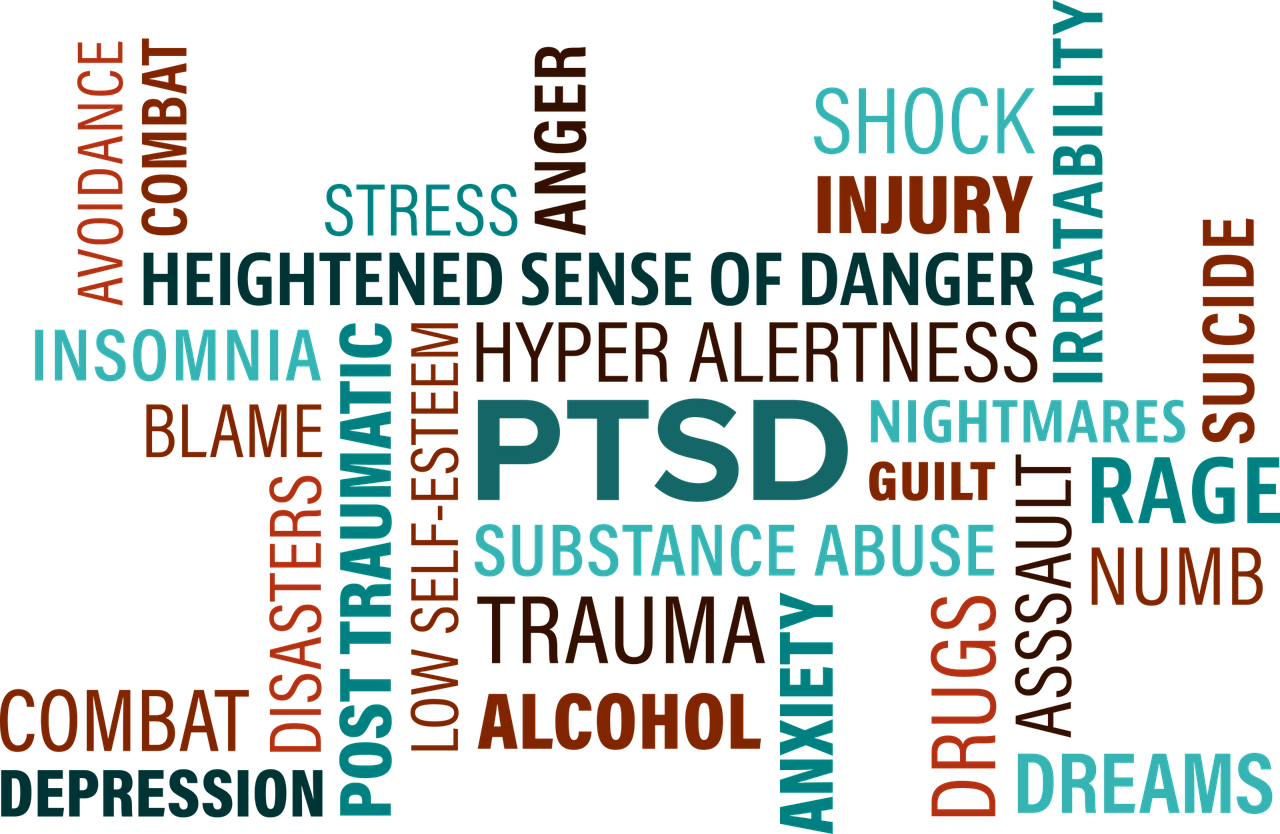
Words about PTSD

Stress and Trauma. 
Photo courtesy of Pixabay.com

Reactive Attainment is related to Stress and Trauma but how?

We know children can be affected by reactive attachments but now we are wondering if it might underlie some problems of adults. We know what happens to you growing up can shape and affect you for the rest of your life, how much might reactive attachment disorder be contributing to adult mental health issues?

Reactive Attachment Disorder (RAD) used to be a problem relegated to a special section on childhood issues; it has been moved to the Stress and Trauma section of the new DSM-5. Two things to consider – the way in which this childhood problem may be affecting adults and how might this be another case of how much is it affecting adults rather than a simple yes or no question.

Reactive Attachment is a serious problem for very young children as any Child Protective services worker will tell you. We have a fairly good idea of what causes it and some methods of treating it but the long-term consequences seem to get lost when the child reaches the school years and beyond.

Working with adults I see some of these characteristics from time to time. I do not want to minimize the problem in children nor do I think every adult problem should get blamed on childhood experiences. Just the same there are these tendencies we see in adults and I can’t help wondering how many of those adult problems had their roots in childhood experiences.

First the 7 criteria for Reactive Attachment Disorder (very roughly paraphrased from the DSM-5) and along the way some thoughts on how other adult issues may be like this one and may be different from RAD. For the full, precise set of characteristics and diagnostic criteria see the DSM-5.

1. The child is always or almost always is inhibited and withdrawn. They do not go to adults for comfort and when the adult tries they do not appear to be comforted.

2. Low or no social interaction with others, and does not look happy or like they are enjoying themselves. Lots of sadness, irritability, and fear for no good reason.

3. The child has been neglected and did not get their needs met by adults in their life. Parents could not or did not meet the child’s needs or the child moved from caregiver to caregiver so much no pattern of care got off the ground. Group settings with too few adults per child can also cause this.

4. We think the lack of care caused the problem. (This can be the tricky one as we may not know what this person’s care was like way back when.)

5. This is not Autism or something like autism (The DSM lists ways to tell these apart.)

6. This started before age 5.

7. The child is developmentally at least 9 months old.

Now if you got all that you should have a picture of what this neglected (maybe also abused) child might look like. This kid could be a very difficult child to raise. The just sit there and look at you.

Most kids we expect to be cute. Give them a toy to play with and they smile. Hug them and they hug you back. Not the child with RAD. This kid cries for no reason and does not stop when you hold them. They never smile and they are always irritable. They jump at the slightest sound and then refuse your touch when you try to comfort them. Getting the picture?

Now the criteria wants us to see and know all this before 5 years and know that the neglect (or abuse) caused this.

What would this child look like in ten or twenty years as they grow up and for some reason first appear in the mental health system?

What might these symptoms look like if it was not an all or nothing situation? Say the parents worked all the time and the child had to fend for themselves. They moved around a lot and had no friends or close family members?

As this person ages, they might live in various group homes. The caregiver would keep changing. They would develop trust issues. They might believe that you can’t rely on others because they will leave you.

In the teen years, this child might, still angry, irritable, anxious, act out, and get in trouble. These would be the children that blow foster home placements or move from group home to group home. Even if they lived with some family member, grandma or aunt, they would never really get close to that person and eventually, they would “hook up with” a member of the opposite sex and have some more little ones.

Not able to feel cared for they might not be able to care for their own children and they might abuse or neglect the next generation.

While Reactive attachment is an extreme case I think by now you might see how low caregiver contact, abuse, neglect, or frequent changes in living situations could produce some of these characteristics to a greater or lesser degree as the child grows to adulthood.

Not knowing or feeling loved is at the core of these problems.

We may well have been underestimating the effects of lifespan issues in our evaluation of adult mental and emotional issues.

People can and do recover from almost all forms of mental and emotional disorders, but recovery from Reactive Attachment Disorder is a difficult process.

Staying connected with David Joel Miller

Seven David Joel Miller Books are available now!

My newest book is now available. It was my opportunity to try on a new genre. I’ve been working on this book for several years, but now seem like the right time to publish it.

Story Bureau.

Story Bureau is a thrilling Dystopian Post-Apocalyptic adventure in the Surviving the Apocalypse series.

Baldwin struggles to survive life in a post-apocalyptic world where the government controls everything.

As society collapses and his family gets plunged into poverty, Baldwin takes a job in the capital city, working for a government agency called the Story Bureau. He discovers the Story Bureau is not a benign news outlet but a sinister government plot to manipulate society.

Bumps on the Road of Life. Whether you struggle with anxiety, depression, low motivation, or addiction, you can recover. Bumps on the Road of Life is the story of how people get off track and how to get your life out of the ditch.

Dark Family Secrets: Doris wants to get her life back, but small-town prejudice could shatter her dreams.

Casino Robbery Arthur Mitchell escapes the trauma of watching his girlfriend die. But the killers know he’s a witness and want him dead.

Planned Accidents  The second Arthur Mitchell and Plutus mystery.

Letters from the Dead: The third in the Arthur Mitchell mystery series.

What would you do if you found a letter to a detective describing a crime and you knew the writer and detective were dead, and you could be next?

Sasquatch. Three things about us, you should know. One, we have seen the past. Two, we’re trapped there. Three, I don’t know if we’ll ever get back to our own time.

For these and my upcoming books; please visit my Author Page – David Joel Miller

Want the latest blog posts as they publish? Subscribe to this blog.

For videos, see: Counselorssoapbox YouTube Video Channel

Is life freaking you out? Can’t calm down?

By David Joel Miller, MS, Licensed Therapist & Licensed Counselor.

Stress person

Stress.
Photo courtesy of Pixabay.com

What do you do when life overwhelms you?

Ever have someone tell you to – “Just calm down?” Some people seem to be born with that skill but others of us once overwhelmed find it easy to get worked up and upset and a whole lot harder to calm down afterward.

Adults have a habit of telling children to feel this way or that. This approach, invalidating the child’s feelings, will cause problems later. If you were told to feel a certain way or told you had no right to feel as you did, you may have learned the lesson that feelings were bad. Suppressing feelings can cause you to ignore valuable information coming from that part of the nervous system.

Learning to listen to your emotions is a valuable skill. Unfortunately sometimes our emotions start yelling in their “outside voice” and will not shut up long enough to let us think. At that point, you need to be able to control those feelings. Note that controlling is not the same thing as ignoring, as any parent of young children will probably learn.

What is left out in this instruction, “calm down, stop getting upset” and so on, is how you get yourself to feel other than what you feel.

We call this skill of being able to change your feelings to match the situation “Emotional regulation.”

Many of us learned fear; anger and other negative emotions by watching the adults around us act them out. We may have learned happiness and love that way also. What was usually missing is how you get from full emotional turmoil to calm again.

Regulating your emotions, calming yourself down, is a skill that can be learned.

One post on emotional regulation will not make you an expert in this. It takes learning the skill, practicing the skill, and then over-learning the skill until rather than something you have to think about this emotional regulation is something you do automatically.

Here is a quick summary of things that may help to reduce the emotional intensity of negative feelings or to prevent them in the first place.

1. Use thought-stopping to reduce negativity.

When that thought that provokes your anger or anxiety first occurs find ways to interrupt that thought. Think of other things instead. Having a “happy place” or affirming memory can be a great help here.

2. Question this unhelpful thought.

What is the belief behind the thought? Challenge that belief. No one is “always” a certain way. There are many other ways to alter your thoughts and beliefs and the result is a change in your feelings.

 3. Tell yourself things that you find reassuring or grounding.

For people who are easily overwhelmed by negative emotions getting out of the movie playing in your head and back to the current moment can be very helpful. Start with the simple things. Therapists refer to these as “orientations.” Ask and answer some right here and now questions. Things like; Who are you? (Your name, not the meaning of your life.)  Where are you? What are you doing now? Who are the others around you?

Try to avoid taking detours down those “mean streets” in your head. Forget trying to “not think about things.” (See the post Don’t think about Elephants.)

Keep bringing yourself back to reality.

There are literally hundreds of ways to turn down the level of emotions and get yourself back to a safe mental place. These techniques need to be practiced beforehand otherwise while running in panic, you will never remember what you were going to do.

Watch counselorssoapbox.com for more posts on ways to regulate your emotions. You might want to subscribe to the blog if you find these posts helpful.

P. S. Stay tuned for info on the book I am working on. More on that in the posts to come.

Have you found ways to calm yourself down and regulate your emotions? Care to share?

Staying connected with David Joel Miller

Seven David Joel Miller Books are available now!

My newest book is now available. It was my opportunity to try on a new genre. I’ve been working on this book for several years, but now seem like the right time to publish it.

Story Bureau.

Story Bureau is a thrilling Dystopian Post-Apocalyptic adventure in the Surviving the Apocalypse series.

Baldwin struggles to survive life in a post-apocalyptic world where the government controls everything.

As society collapses and his family gets plunged into poverty, Baldwin takes a job in the capital city, working for a government agency called the Story Bureau. He discovers the Story Bureau is not a benign news outlet but a sinister government plot to manipulate society.

Bumps on the Road of Life. Whether you struggle with anxiety, depression, low motivation, or addiction, you can recover. Bumps on the Road of Life is the story of how people get off track and how to get your life out of the ditch.

Dark Family Secrets: Doris wants to get her life back, but small-town prejudice could shatter her dreams.

Casino Robbery Arthur Mitchell escapes the trauma of watching his girlfriend die. But the killers know he’s a witness and want him dead.

Planned Accidents  The second Arthur Mitchell and Plutus mystery.

Letters from the Dead: The third in the Arthur Mitchell mystery series.

What would you do if you found a letter to a detective describing a crime and you knew the writer and detective were dead, and you could be next?

Sasquatch. Three things about us, you should know. One, we have seen the past. Two, we’re trapped there. Three, I don’t know if we’ll ever get back to our own time.

For these and my upcoming books; please visit my Author Page – David Joel Miller

Want the latest blog posts as they publish? Subscribe to this blog.

For videos, see: Counselorssoapbox YouTube Video Channel
Wait and see makes mental illness worse.

By David Joel Miller, MS, Licensed Therapist & Licensed Counselor.

Crying child

Youth mental health.
Photo courtesy of Pixabay.com

Have you been putting off getting help for an emotional problem?

Some problems go away on their own if you just let them be others do not. Mental illness or emotional issues are not problems that benefit from delaying treatment. The majority of mental illnesses begin much earlier than we thought. Half of all those who get diagnosed with a mental illness have those symptoms by age fourteen.

Three out of four people who will develop a mental or emotional illness will have symptoms by age 24.

As early as the end of the third grade, eight years of age, we can already identify students who are at high risk for mental illnesses, emotional problems, and a future of substance abuse, dropping out of school and ending up in jails and prisons.

The conventional wisdom has been that you should not give in to an emotional problem.  The truth is that walking around on a broken leg makes the damage worse. The earlier that cancer is detected and treated the better the prognosis.

Early detection and treatment of mental, emotional, and behavior problems results in a reduction in illness severity and saves lives and futures.

A whole lot of mental and emotional disorders turn up in a severe enough condition to get diagnosed way earlier than we used to think. The myth of childhood being all happy times has not proved to be true for a lot of children.

That does not mean that parents caused all these early-onset mental or emotional problems. We are still a long way away from knowing precisely why one person gets an illness and another does not. Current theories tell us that most of this is the result of the interaction of risk factors and environmental factors. Every time a cell divides there is a risk of mutation. Genetics play a role. So too does early experiences and learning. Trauma can rewire the brain.

Whatever the cause, early identification and treatment is superior to the wait and see attitude.

So what disorders are most likely to show up and at what ages?

These are lifespan issues. Preschool children get seen by medical doctors, primarily for developmental issues. Failure to eat or eliminate as others or walking and talking issues get recognized early on.

By age 6 anxiety symptoms are noticeable. Some children outgrow the shyness; some get more withdrawn as they age. Hoping they will grow out of anxiety is a risky approach.

At age 11, Behavior disorders, acting out, disruptive behavior, and ADHD start getting diagnosed.

Beginning in the teen years, about age 13, mood disorders become more recognizable. Some of the children who were being given behavioral diagnosis get their code change to a mood issue as the symptoms of depression or Bipolar disorder become clearer.

Some small number of children will get their diagnosis changed from Depression to Bipolar once they have the first manic or hypomanic episode. No mania or near mania and they should not be getting labeled bipolar no matter how moody they are. Reduced need for sleep and pressured driven behaviors also point in the direction of bipolar disorders.

The number of people diagnosed with a mood disorders increases as people get older. The number of Anxiety disorders stays relatively constant regardless of the age of the person.  Exceptions to this are the increase in stress-related diagnoses as a group ages.

The younger someone is when they first develop a mental illness the more severe it is likely to be, especially if their problem goes untreated.

The same mechanism applies to learning disabilities. If they can’t read at grade level in third grade the child will continue to fall farther and farther behind until one day they give up and discontinue their education.

Anxious children give up trying new things and retreat into more and more isolation. People with depression are likely to stop trying.

Having an early onset of an emotional problem also sets up a high risk of trying drugs and alcohol as ways to cope. The earlier someone starts abusing substances the more likely they are to develop a substance use disorder.

Identification and treatment of mental health problems in young people have been woefully inadequate. The average person with a serious mental illness has the illness ten years from the onset until they arrive at treatment. Many do not get treatment until they end up in jails, prisons, or other institutions.

The cost of undiagnosed and untreated mental and emotional disorders does not solely fall on the person with the mental illness.

The mentally ill have higher rates of unemployment and underemployment.

They are more likely to be arrested. They have unstable housing and frequent changes of address. Having a mental health diagnosis is associated with poorer physical health and a shortened lifespan. This trend becomes worse the longer the delay between the onset of the disorder and the treatment.

The mentally ill also have more emergency room visits.

All these costs impact the person with the mental illness, their friends, family, and society in general.

Whether we like it or not the cost of every person with an untreated mental illness is paid for by the portion of society who is not having an illness in that particular year.

Early identification and treatment of mental and emotional disorders result in a reduced amount of suffering and countless benefits to the mentally ill, their families, and society.

If you or someone you know seem to be having emotional or mental problems seek out help as soon as possible.

Staying connected with David Joel Miller

Seven David Joel Miller Books are available now!

My newest book is now available. It was my opportunity to try on a new genre. I’ve been working on this book for several years, but now seem like the right time to publish it.

Story Bureau.

Story Bureau is a thrilling Dystopian Post-Apocalyptic adventure in the Surviving the Apocalypse series.

Baldwin struggles to survive life in a post-apocalyptic world where the government controls everything.

As society collapses and his family gets plunged into poverty, Baldwin takes a job in the capital city, working for a government agency called the Story Bureau. He discovers the Story Bureau is not a benign news outlet but a sinister government plot to manipulate society.

Bumps on the Road of Life. Whether you struggle with anxiety, depression, low motivation, or addiction, you can recover. Bumps on the Road of Life is the story of how people get off track and how to get your life out of the ditch.

Dark Family Secrets: Doris wants to get her life back, but small-town prejudice could shatter her dreams.

Casino Robbery Arthur Mitchell escapes the trauma of watching his girlfriend die. But the killers know he’s a witness and want him dead.

Planned Accidents  The second Arthur Mitchell and Plutus mystery.

Letters from the Dead: The third in the Arthur Mitchell mystery series.

What would you do if you found a letter to a detective describing a crime and you knew the writer and detective were dead, and you could be next?

Sasquatch. Three things about us, you should know. One, we have seen the past. Two, we’re trapped there. Three, I don’t know if we’ll ever get back to our own time.

For these and my upcoming books; please visit my Author Page – David Joel Miller

Want the latest blog posts as they publish? Subscribe to this blog.

For videos, see: Counselorssoapbox YouTube Video Channel