
Does Multiple Personality Disorder really exist?

By David Joel Miller, MS, Licensed Therapist & Licensed Counselor.

personality disorder

What Causes DID Disorder?
Photo courtesy of Pixabay.com

Are Multiple Personality Disorder, Manic-Depressive Disorder, and Addiction real illnesses?

There have been some books, articles, and blog posts recently saying that many things we are calling illness either do not exist or if they do exist they are not really illnesses but choices people make.

Some of the arguments these people are making seem to have some merit on the face, but when I look deeper there are some serious flaws in this kind of reasoning. All good lies have some truth in them and so these misconceptions about illnesses take some sorting out. Most of these efforts to deny the existence of a particular illness are cases of – if I do not believe in this it can’t hurt me.

Let’s look at some examples of ways people try to deny the existence of mental disorders.

1. Change the name and the illness ceases to exist – Denial one.

“There is no such thing as Consumption. When people believed in consumption they got it and died. No one gets it now because we know it does not exist.”

You buying that?

Consumption is the old name for Tuberculosis. Yes, people still get T. B. and die from it. We do have medication to treat it, but if you take no meds, you still can die from this illness. Changing the name did not erase the disease.

What about Manic-Depressive Disorder? No such thing right?

Well, we changed the name of that one to Bipolar Disorder so in that sense there is no such thing as Manic Depressive Disease. No difference really in the condition. Still, a serious illness and still needs treating, but not in the strictly literal sense, there is no such thing as Manic Depressive disorder anymore at least not in the DSM.

Which brings us to Multiple Personality Disorder.

The name misled a lot of people into thinking that everyone who had this issue would look like Sybil.  The truth is that there are lots of variations. The new name is “Dissociative Identity Disorder” so while technically, semantically, Multiple Personality Disorder no longer exists, there are still millions of people living with exactly these symptoms; we just call this condition by a new name.

Watch for an upcoming post on Dissociation Disorders. (Yes, there are more than one of these creatures.)

2. Second denial – There is no such thing as mental illness.

The argument runs – mental illness is not a “real disease” these are just people who think or behave differently from the rest of us and we want to force them to act and think like the rest of us.

A lot was made of this a few years back. Again in a strictly semantically way, this has some truth to it. Just enough truth to be misleading.

One definition of illness or disease is a process of an organism, bacteria, or virus, invading the body, and damaging cells. The proponents of this “no mental illness” idea argued that if mental illness was a real illness we should be able to find the bug that caused it and a drug that removed this infection from the body.

Newer research on the brain is chipping away at this one. There are lots of changes that nerve cells undergo that cause a change in functioning. Thoughts and traumatic experiences can change the wiring and the chemistry of the brain.

Most mental issues are correctly referred to as “disorders” not technically diseases. The specific definition of a disorder is essentially something that causes you a thinking, feeling, or behavioral issue.

So if the emotional, mental, or behavior problem cause you to have impairment in Social functioning, (You can’t get along with family and or friends) occupational functioning (the ability to hold a job) of subjective distress (You say it bothers you) then we diagnose it as a mental disorder. The DSM-5 adds “other important area of functioning” I am still not sure what all that might be but if we find that we can give you the diagnosis also.

So while there does not appear to be any Dissociative Disorder germ, I still think that the effects of trauma can alter your emotions sufficiently that we can say you have a disorder.

3. Denial three – I do not believe in Dissociative Disorders so they do not exist.

I take this to be the funniest reason of all to pretend that disorders do not exist. Still, some people cling to the notion that there was no evolution or that the sun does, in fact, revolve around the earth.

Personally, I have taken to believing that Arizona does not exist. California just runs all the way to New Mexico. Those of you that think you live in Arizona knock that foolishness off and start sending your taxes my way.

People have denied the existence of addiction for years saying those people just chose to be that way. Some of them say the same thing about schizophrenia. Now the medical people are saying almost all medications including prescribed ones can cause tolerance and withdrawal so they all met the old definition for addiction.

We are getting around this one by eliminating addiction – it is no more. All of you that thought you knew someone with an addiction you were wrong – there is no such thing as addiction – We will, however, be treating a lot of people next year for substance use disorders and the key characteristic of that disorder will be a loss of control over their use of a substance.

See how this works.

4. Straw man argument.

The way this one goes is: When you talk about Multiple Personality Disorder or Dissociative Disorder what you really mean is –

They then proceed to spend the rest of their post arguing about things that you never said and wouldn’t have said, but it makes them feel better to win an argument even if they need to misrepresent what you think to win one.

Oh, my – another long post. So in the future let’s talk some more about all the things that we have been learning about stress, trauma, and dissociation.

Staying connected with David Joel Miller

Seven David Joel Miller Books are available now!

My newest book is now available. It was my opportunity to try on a new genre. I’ve been working on this book for several years, but now seem like the right time to publish it.

Story Bureau.

Story Bureau is a thrilling Dystopian Post-Apocalyptic adventure in the Surviving the Apocalypse series.

Baldwin struggles to survive life in a post-apocalyptic world where the government controls everything.

As society collapses and his family gets plunged into poverty, Baldwin takes a job in the capital city, working for a government agency called the Story Bureau. He discovers the Story Bureau is not a benign news outlet but a sinister government plot to manipulate society.

Bumps on the Road of Life. Whether you struggle with anxiety, depression, low motivation, or addiction, you can recover. Bumps on the Road of Life is the story of how people get off track and how to get your life out of the ditch.

Dark Family Secrets: Doris wants to get her life back, but small-town prejudice could shatter her dreams.

Casino Robbery Arthur Mitchell escapes the trauma of watching his girlfriend die. But the killers know he’s a witness and want him dead.

Planned Accidents  The second Arthur Mitchell and Plutus mystery.

Letters from the Dead: The third in the Arthur Mitchell mystery series.

What would you do if you found a letter to a detective describing a crime and you knew the writer and detective were dead, and you could be next?

Sasquatch. Three things about us, you should know. One, we have seen the past. Two, we’re trapped there. Three, I don’t know if we’ll ever get back to our own time.

For these and my upcoming books; please visit my Author Page – David Joel Miller

Want the latest blog posts as they publish? Subscribe to this blog.

For videos, see: Counselorssoapbox YouTube Video Channel

Recovery starts when you stop falling.

By David Joel Miller, MS, Licensed Therapist & Licensed Counselor.

Ball recovery

Recovery and Resiliency.
Photo courtesy of Pixabay.com

Recovery begins when you stop getting worse.

How do you measure recovery from anxiety, depression, stress, or trauma? The whole concept of recovery is relatively new to the mental health field. Substance abuse people have been thinking in terms of recovery for a long time. But if you have anxiety, depression, PTSD, or another mental illness how do you know if you have begun to recover?

There are those who question the whole notion of recovery. Once you have a disorder, addiction, or PTSD, they say you are stuck with it forever. I do not believe that. I have seen too many people recover to buy that myth.

In addiction treatment, there is a saying that you “hit bottom” when you stop digging. The belief is that there is no set level of pain and suffering you need to endure before you begin the journey of recovery. Once you decide to stop doing things that are not healthy the process of recovery begins.

Recovery to me does not mean a cure. If you have been in an accident, been injured by things others did to you, or by things you did, the scars may fade but never go away completely.

What recovery does mean is the ability to live your life in the best way possible regardless of whatever you chose to call your challenge.

How might someone with a stress-related disorder know when they are moving in the direction of recovery?

For someone with a mental health challenge, recovery might begin at the point when they get stable, when they stop sliding farther down.

For people who suffer from “complex trauma” a cousin of PTSD, caused by repeated traumatic experiences, one way of describing the beginnings of recovery is reaching a place of safety.

Najavits in her book “Seeking Safety” talks about the need for people in recovery from stress and anxiety issues to create a safe place, to get stable, as the way to begin your process of recovery from complex trauma. People with depression or substance abuse issues may call this a “supportive environment.” What follows is my version of her ideas from the book and from some published journal articles on Complex Trauma. I hope I have not harmed them in the transformation.

Recovery requires the creation of safety in three different areas of our lives, our thinking, our behavior, and our relationships.  Professionals, like Najavits, might refer to these areas as cognitive, behavioral, and interpersonal domains.

Safe thinking supports recovery.

A saying you might hear in recovery groups is “when I am in my own head I am in a really bad neighborhood.” It is common to collect a lot of really scary negative thoughts that we find it hard to let go of.

In a previous post, I wrote about the need to do some neighborhood cleanup” so that your head can be a safe neighborhood to live in. Recovery begins with changing your thinking. Often this is hard. You do not know what you do not know and you may believe some things that made sense in the past but are no longer working for you. Working with a professional or a supportive person can help you figure out which of these thoughts you need to toss and which you need to revise and renovation.

Safe behavior builds recovery.

If you want your life to change you need to create safe environments and safe actions. This may involve avoiding certain people, places, and things or it may mean learning to set better boundaries in the places and relationships you find yourself.

Using drugs or alcohol to cope often puts people in a much riskier position. Some behaviors will make your symptoms worse and some will make you feel and be safer. Learning from experience and close observation (sometimes referred to as mindfulness) will help you in your effort to stay safe while still getting out there and enjoying life.

Safe relationships nurture recovery.

Some people are safe and supportive. Some are dangerous and disaffirming. There are a whole lot of others in between these poles. Recovery can involve avoiding or limiting unsafe relationships. It can also mean working on improving those relationships that are supportive.

Friends and recovery supporters do not automatically appear when we need them. Developing good friendships requires effort. I see many clients who pursue a romantic interest actively even when others around them see that this is an unhealthy relationship. If you want healthy relationships you need to seek them out and spend time with those friends just as you might spend time with a new romantic partner. Time together builds a closer relationship.

Recovering people also need to learn that there must be degrees of trust and closeness. Some people are fine to spend time with, in short segments. We have work friends and hobby friends but only a few of these people may become “over to the house” friends.

So if you are setting out on the path of recovery from an emotional problem, a mental illness, or a behavioral issue. Make certain that you work on creating safe thoughts, behaviors, and relationships. A happy life awaits you.

Staying connected with David Joel Miller

Seven David Joel Miller Books are available now!

My newest book is now available. It was my opportunity to try on a new genre. I’ve been working on this book for several years, but now seem like the right time to publish it.

Story Bureau.

Story Bureau is a thrilling Dystopian Post-Apocalyptic adventure in the Surviving the Apocalypse series.

Baldwin struggles to survive life in a post-apocalyptic world where the government controls everything.

As society collapses and his family gets plunged into poverty, Baldwin takes a job in the capital city, working for a government agency called the Story Bureau. He discovers the Story Bureau is not a benign news outlet but a sinister government plot to manipulate society.

Bumps on the Road of Life. Whether you struggle with anxiety, depression, low motivation, or addiction, you can recover. Bumps on the Road of Life is the story of how people get off track and how to get your life out of the ditch.

Dark Family Secrets: Doris wants to get her life back, but small-town prejudice could shatter her dreams.

Casino Robbery Arthur Mitchell escapes the trauma of watching his girlfriend die. But the killers know he’s a witness and want him dead.

Planned Accidents  The second Arthur Mitchell and Plutus mystery.

Letters from the Dead: The third in the Arthur Mitchell mystery series.

What would you do if you found a letter to a detective describing a crime and you knew the writer and detective were dead, and you could be next?

Sasquatch. Three things about us, you should know. One, we have seen the past. Two, we’re trapped there. Three, I don’t know if we’ll ever get back to our own time.

For these and my upcoming books; please visit my Author Page – David Joel Miller

Want the latest blog posts as they publish? Subscribe to this blog.

For videos, see: Counselorssoapbox YouTube Video Channel

Support Groups for people with PTSD or Complex Trauma.

By David Joel Miller, MS, Licensed Therapist & Licensed Counselor.

Group.
Photo courtesy of Pixabay.com

Anyone know of support groups for people with PTSD?

This question came in from a reader. They were specifically asking about local support groups here in Fresno. I did not come up with much and so I thought I would offer a few suggestions and then ask those of you out there if anyone else knows of any other resources.

Unfortunately, most of my suggestions may not help the person who asked the question, the resources are limited.

1. Try on-line groups.

I am familiar with some groups or communities on the internet. More and more the specialized groups are becoming self-help or peer-run groups on the internet.

One, in particular, is Trauma and Dissociation which is a Google+ community. You have to have a google+ account to access this but opening an account is easy and free.

You can also try the WordPress Blog: http://traumaanddissociation.wordpress.com/

2. Larger insurance providers may have something to offer if you have private insurance. Kaiser for one has offered some groups. Can anyone add to that list?

3. Your insurance provider may be able to refer you to a private therapist and some of them specialize in PTSD an even smaller number may offer group formats.

4. If you are in substance abuse recovery some A.A. and N. A. groups, while not specifically devoted to people with PTSD can be supportive places for people in substance use recovery who have PTSD or another mental health issues also. Check out the group and make sure you feel comfortable with them before divulging the details of things other than the official topic.

5. VA has some groups and more likely to come in the future as so many veterans are returning from multiple deployments with PTSD and the related MST (Military Sexual Trauma.)

6. Those people who are receiving services through their local Community Mental Health Department should check with them for available groups. In Fresno County, if you have no insurance there are county-run programs for those on Medi-Cal and those with no or very low-income.

It remains to be seen if these groups will be expanded. Personally, I think specialty groups for people with specific issues can be especially powerful. I anticipate that as more people become eligible for services in the government-run systems we will increase the number of groups run by both peers and professionals.

Any other suggestions?

Staying connected with David Joel Miller

Seven David Joel Miller Books are available now!

My newest book is now available. It was my opportunity to try on a new genre. I’ve been working on this book for several years, but now seem like the right time to publish it.

Story Bureau.

Story Bureau is a thrilling Dystopian Post-Apocalyptic adventure in the Surviving the Apocalypse series.

Baldwin struggles to survive life in a post-apocalyptic world where the government controls everything.

As society collapses and his family gets plunged into poverty, Baldwin takes a job in the capital city, working for a government agency called the Story Bureau. He discovers the Story Bureau is not a benign news outlet but a sinister government plot to manipulate society.

Bumps on the Road of Life. Whether you struggle with anxiety, depression, low motivation, or addiction, you can recover. Bumps on the Road of Life is the story of how people get off track and how to get your life out of the ditch.

Dark Family Secrets: Doris wants to get her life back, but small-town prejudice could shatter her dreams.

Casino Robbery Arthur Mitchell escapes the trauma of watching his girlfriend die. But the killers know he’s a witness and want him dead.

Planned Accidents The second Arthur Mitchell and Plutus mystery.

Letters from the Dead: The third in the Arthur Mitchell mystery series.

What would you do if you found a letter to a detective describing a crime and you knew the writer and detective were dead, and you could be next?

Sasquatch. Three things about us, you should know. One, we have seen the past. Two, we’re trapped there. Three, I don’t know if we’ll ever get back to our own time.

For these and my upcoming books; please visit my Author Page – David Joel Miller

Want the latest blog posts as they publish? Subscribe to this blog.

For videos, see: Counselorssoapbox YouTube Video Channel

Complex Trauma, Stress and PTSD

By David Joel Miller, MS, Licensed Therapist & Licensed Counselor.

Words about PTSD

PTSD.
Photo courtesy of Pixabay.com

What is Complex Trauma and how is it connected to other emotional problems?

Most therapists recognize the existence of a “thing” that might be called Complex Trauma. We are pretty sure it exists. We see clients with it all the time.  Only it looks different in different people. Sometimes it looks like a stress disorder, sometimes it looks more like Post Traumatic Stress Disorder (PTSD) other times it looks a lot like depression or anxiety.

We, professionals, are just not sure what to call this thing and worse yet we are not all sure how to treat it.

This confusion is aggravated by the problem that there is was no diagnosis for this thing, this complex trauma monster, in the DSM-4. Worse yet, even with the increased attention to stress caused disorders in the new DSM-5 Complex trauma did not make the new book either.

The result is that we have a disorder that we all see in our clients but it looks different in a different light and we give it different names depending on who has this issue.

This problem, this idea that multiple, complex trauma is different from single trauma and that the results of multiple traumas are not a case of two plus two equaling four is not new. With complex trauma two plus two maybe six or even seven.

We know this from reading books and articles on zoology. Humans are not the only creatures who suffer more from repeated traumatization. Other creatures can recover from a single large trauma but when subjected to repeated traumas they lose the ability to adjust.

Let me attempt to explain this problem by using a far-fetched analogy.

Complex Trauma is kind of like a hurricane or monsoon.

Most of us know what a hurricane is, sort of. The wind blows really hard. It damages things and knocks things down. A tree may blow over and smash your roof or the wind may break some windows and blow over some things breaking them. But that is not all.

With the wind comes a lot of rain. The rain fills up creeks and small rivers and then they overflow. Your house may get flooded.

That tree may miss your house when it falls and hit a power pole. That pole may start a fire and your house could burn down. If you live near the coast the tide from the ocean may become a tide surge and sweep your home away.

All of these things are the consequences of the hurricane, but the effect on you and the way your insurance company sees things may be very different depending on whether your house is damaged by a falling tree, flooded, swept away by the tide, or burns due to a falling power line.

Complex trauma is a lot like that. Different people are affected differently. Some get depressed, some get anxious, some people dissociate and others think of harming themselves or others. All of these possibilities and more are the result of the stress or trauma but each person experiences them slightly differently and they all may get different diagnoses.

A different diagnosis may result in a different treatment which means some people are way more responsive to a particular treatment.

We used to think that there was a discrete number of mental illnesses, two, neurosis, or psychoses. Then a hundred or so and in the DSM-4 about 400. Now we are thinking that if we keep splitting up these problems of living we are going to end up with one diagnosis per person. So we are trying to think more in terms of a continuum. Some people are only a tiny bit depressed occasionally and others are major depressed all the time.

This variation in features is also impacting the way professionals see and respond to stress-related problems.

Over the next few weeks as time and space permits, I want to talk more about complex trauma, how it develops and why it is sort of like PTSD, anxiety, and other named disorders, and why it is enough different from those other disorders that clinicians are developing specialized treatments for this issue.

People can and do recover from complex trauma so stay tuned and we will talk about the steps to recovery from this misunderstood disorder.

Staying connected with David Joel Miller

Seven David Joel Miller Books are available now!

My newest book is now available. It was my opportunity to try on a new genre. I’ve been working on this book for several years, but now seem like the right time to publish it.

Story Bureau.

Story Bureau is a thrilling Dystopian Post-Apocalyptic adventure in the Surviving the Apocalypse series.

Baldwin struggles to survive life in a post-apocalyptic world where the government controls everything.

As society collapses and his family gets plunged into poverty, Baldwin takes a job in the capital city, working for a government agency called the Story Bureau. He discovers the Story Bureau is not a benign news outlet but a sinister government plot to manipulate society.

Bumps on the Road of Life. Whether you struggle with anxiety, depression, low motivation, or addiction, you can recover. Bumps on the Road of Life is the story of how people get off track and how to get your life out of the ditch.

Dark Family Secrets: Doris wants to get her life back, but small-town prejudice could shatter her dreams.

Casino Robbery Arthur Mitchell escapes the trauma of watching his girlfriend die. But the killers know he’s a witness and want him dead.

Planned Accidents  The second Arthur Mitchell and Plutus mystery.

Letters from the Dead: The third in the Arthur Mitchell mystery series.

What would you do if you found a letter to a detective describing a crime and you knew the writer and detective were dead, and you could be next?

Sasquatch. Three things about us, you should know. One, we have seen the past. Two, we’re trapped there. Three, I don’t know if we’ll ever get back to our own time.

For these and my upcoming books; please visit my Author Page – David Joel Miller

Want the latest blog posts as they publish? Subscribe to this blog.

For videos, see: Counselorssoapbox YouTube Video Channel
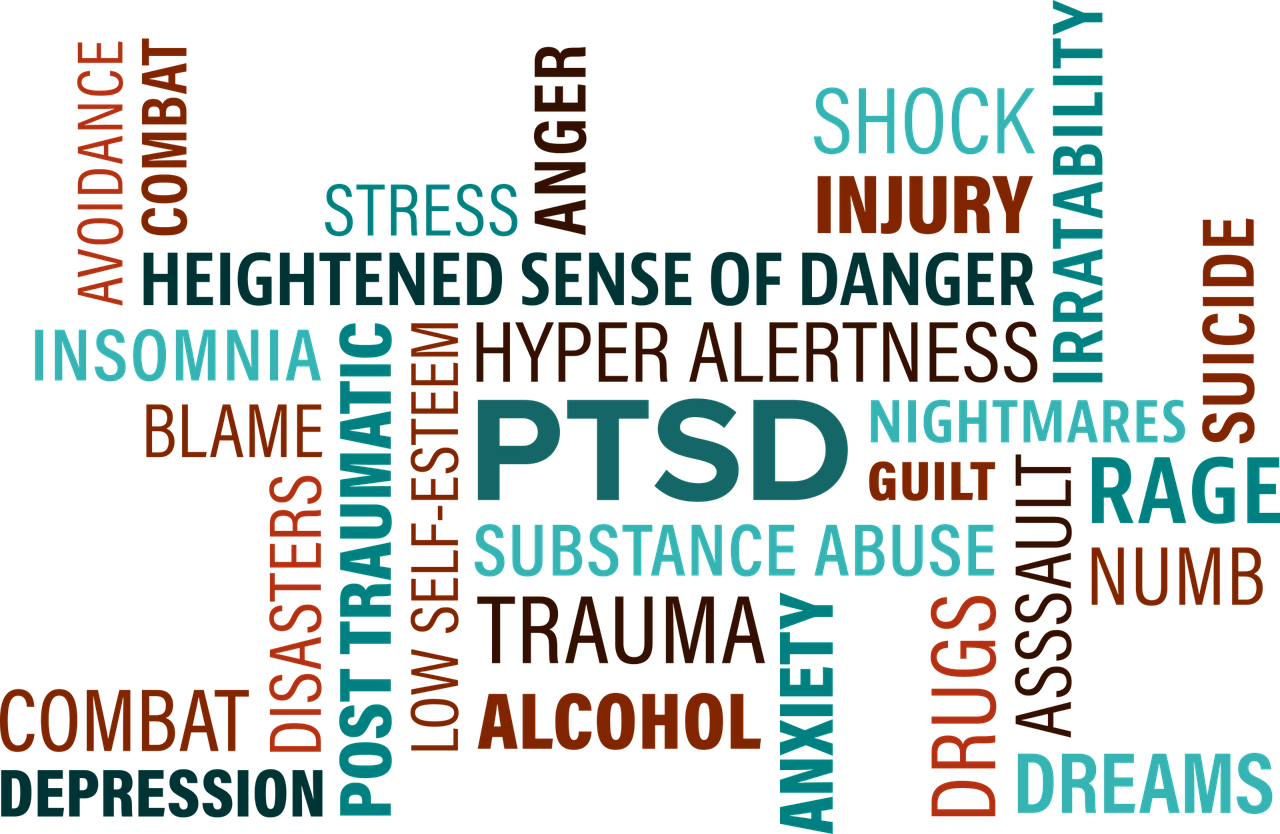
Systematic desensitization – conquering fear.

By David Joel Miller, MS, Licensed Therapist & Licensed Counselor.

Anxiety provoking.

Fear and Anxiety.
Photo courtesy of Pixabay.com

Anxiety can be a stubborn foe.

It is tempting to avoid the things you fear and to find ways to numb those unpleasant feelings. Some people use alcohol or sleeping pills other people use avoidance. But eventually, you have to face that fear or be taken prisoner by your fear.

You can’t get over something you don’t face. Sometimes the only way out of a burning building is through the door that is on fire. To begin with, we won’t ask you to walk through the flames, just to look at the door and see how your fear that it might be on fire on the other side is keeping you a prisoner in that room.

Systematic desensitization reduces the impact of fears.

One way of domesticating the anxiety monster is a technique called systematic desensitization. This is an especially effective technique for taming fears or anxiety when those anxieties are a fear of one very specific thing.

Some of these item fears are so specific we name them Specific Phobias. Meaning you are deathly afraid of one particular thing even if you are never around that thing.

Some of these specific phobias are so terrifying to the people with that particular specific phobia that I can’t even write the word out or they would stop reading. So let’s start with an exaggerated and somewhat humors example of how this specific desensitization could work.

Say there is this person that is deathly afraid of crackers. (The little packaged edible kind.)

If you know who I am talking about here please do not let on. That person’s family laughed at him.  But try as he would he just could not bear to eat at a table where there were crackers. Eventually, this got so bad that I – I mean he – could not eat with his family when they were having soup for fear there would be crackers present.

This fear became progressively worse. Soon eating out was impossible because there might be crackers all around. Eventually, even commercials for crackers or the mention of the word might provoke a panic attack. Something needed to be done.

The cure for cracker or saltine phobia? Systematic desensitization.

So off to the therapist this sufferer from cracker phobia went. Here are the steps in recovery from cracker phobia.

First, you need to be willing to talk about this fear and develop a scale of fear. Something like if we just talk about that fear I – I mean he – had by referring to this as the fear of “You know what.” That would be a 1 on the fear scale.

Actually using the name “Cracker” that scored a two. To see a picture of some crackers in a magazine that would rate a fear factor of 4. Entering at a restaurant where there might or might not be crackers present, that was a 5. Seeing actual crackers, that would be a 6, and witnessing someone eat one that would rank an 8. To have to physically touch a cracker that would rank a 9. To personally eat a cracker that would rate a 10.

Now having developed our scale we would begin to work our way up the scale all the while with the therapist reassuring the client.

Along the way, the therapist might teach the client some relaxation techniques, deep breathing, and so on. The theory here is that you can’t really feel two contradictory feelings at the same time. The more you concentrate on your relaxation the more likely you are for the fear, or anxiety if you prefer, to subside.

So over time, the exposure to the dreaded crackers becomes more and more frequent and closer, all the while practicing the relaxation skills.

At the end of treatment, the goal would be for the client to actually open a package of crackers and to eat one while the counselor watched.

Now neither I nor anyone I know has really suffered from a cracker phobia. This cracker fear has been a long time joke in the family. But I hope this has demonstrated how a counselor could help a client overcome a specific phobia that may sound funny to the client’s family and friends but has been causing the client some very real distress.

What are some of the specific phobias that this method is known to work on? Well the number one fear in America, more severe than the fear of death, is the fear of public speaking. Also up there on the list are phobias to snakes and spiders.

Fear of snakes is no big thing for most city dwellers, but if you needed to live and work outdoors this could be a trial. If you worked at the zoo in the reptile house, a fear of snakes could cost you your job.

So whatever your fear or specific phobia there are treatments to help you turn that anxiety or fear control back down to a manageable setting.

Similar to systematic desensitization, at least in my book, is the use of exposure and response prevention. People with Obsessive-Compulsive Disorder (OCD) develop rituals or routines that they feel the need to perform to reduce the anxiety. If we can expose the person to the thing that they fear and prevent the ritual, then over time the fear diminishes. Combine some relaxation techniques with the exposure and response prevention and you move close to the systematic desensitization approach.

Best wishes on taming those pesky excessive anxiety and fear monsters.

Staying connected with David Joel Miller

Seven David Joel Miller Books are available now!

My newest book is now available. It was my opportunity to try on a new genre. I’ve been working on this book for several years, but now seem like the right time to publish it.

Story Bureau.

Story Bureau is a thrilling Dystopian Post-Apocalyptic adventure in the Surviving the Apocalypse series.

Baldwin struggles to survive life in a post-apocalyptic world where the government controls everything.

As society collapses and his family gets plunged into poverty, Baldwin takes a job in the capital city, working for a government agency called the Story Bureau. He discovers the Story Bureau is not a benign news outlet but a sinister government plot to manipulate society.

Bumps on the Road of Life. Whether you struggle with anxiety, depression, low motivation, or addiction, you can recover. Bumps on the Road of Life is the story of how people get off track and how to get your life out of the ditch.

Dark Family Secrets: Doris wants to get her life back, but small-town prejudice could shatter her dreams.

Casino Robbery Arthur Mitchell escapes the trauma of watching his girlfriend die. But the killers know he’s a witness and want him dead.

Planned Accidents  The second Arthur Mitchell and Plutus mystery.

Letters from the Dead: The third in the Arthur Mitchell mystery series.

What would you do if you found a letter to a detective describing a crime and you knew the writer and detective were dead, and you could be next?

Sasquatch. Three things about us, you should know. One, we have seen the past. Two, we’re trapped there. Three, I don’t know if we’ll ever get back to our own time.

For these and my upcoming books; please visit my Author Page – David Joel Miller

Want the latest blog posts as they publish? Subscribe to this blog.

For videos, see: Counselorssoapbox YouTube Video Channel
Anxiety is a good thing

By David Joel Miller, MS, Licensed Therapist & Licensed Counselor.

Anxiety provoking.

Anxiety.
Photo courtesy of Pixabay.com

Some anxiety is a good thing.

A little anxiety some of the time may be helpful. It is only when the volume on your anxiety control gets turned up too loud that it becomes a problem.

Dictionary definitions of anxiety include such things as nervousness about something that is going to happen and something that causes you to worry.

In these troubled economic times, worry about your job and job security makes sense, especially if you work in an industry or company that has been having economic difficulties. Even those government jobs that used to be the height of security don’t seem immune from danger these days.

But if you spend needless hours in worry that you might get laid off or fired when there is no basis in fact for that worry, then your anxiety control might have its volume turned up too high.

Anxiety can protect you.

Some anxiety is actually protective – if and only if, you are in a dangerous situation that warrants that anxiety. This is another case of a little is good and too much is harmful. The challenge is in knowing which is which. If you see someone with a gun shooting, it is wise to be nervous, even scared, and to duck behind something for cover.

Anxiety can help you avoid risks and in certain situations, like when someone is shooting at you, that anxiety might save your life.

Anxiety can take control of you.

If when sitting at home on your couch you hear the noise from a car door slamming a block away and you jump behind the couch to take cover, this level of anxiety is a problem.

People become anxious in dangerous situations for a reason. If the stress they are under triggers an excessive response that may be an “Acute Stress Disorder” but if those over-reactions to past stress continue long enough, they can morph into something more serious. Post-Traumatic Stress Disorder is just such a problem.

This was first recognized in servicemen returning from the war and the hallmarks are intrusive thoughts of what happened in the past that are still interfering with your life today and recurrent nightmares that involve memories of things that happened to you in the past or efforts for you to avoid those situations. We now realize that these problems also are prevalent in children and adults who have been abused or molested.

Disrupted sleep from nightmares about past anxiety-producing situations predicts that you will have mental health symptoms in the future. IRT can help reduce nightmares. 

Treating PTSD is a complex subject. There are many theories but the research is less than convincing. What I feel fairly sure about is that taking sleeping pills or drinking alcohol are not a good solution. If you have intrusive thoughts or nightmares you need some counseling to get this under control.

Running and hiding from our fears gives them extra chances to grow.

But what if you do not have a case of PTSD but your anxiety is off the hook? Do your friends tell you that you are an overly anxious person? Do you sometimes think that you are just too scared and worried?

If your anxiety volume control is just turned up too high, if the affairs of everyday living are making you want to crawl out of your skin, then you need treatment.

What kind of treatment? Well, there are several, but one, systematic desensitization is especially helpful if you have fears that do not make sense to others but you find are interfering with your life.

Too much anxiety? Try some systematic desensitization (done with a therapist or counselor) and see if you can’t get that anxiety volume turned back down.

In tomorrow’s post, we will talk about systematic desensitization.

Staying connected with David Joel Miller

Seven David Joel Miller Books are available now!

My newest book is now available. It was my opportunity to try on a new genre. I’ve been working on this book for several years, but now seem like the right time to publish it.

Story Bureau.

Story Bureau is a thrilling Dystopian Post-Apocalyptic adventure in the Surviving the Apocalypse series.

Baldwin struggles to survive life in a post-apocalyptic world where the government controls everything.

As society collapses and his family gets plunged into poverty, Baldwin takes a job in the capital city, working for a government agency called the Story Bureau. He discovers the Story Bureau is not a benign news outlet but a sinister government plot to manipulate society.

Bumps on the Road of Life. Whether you struggle with anxiety, depression, low motivation, or addiction, you can recover. Bumps on the Road of Life is the story of how people get off track and how to get your life out of the ditch.

Dark Family Secrets: Doris wants to get her life back, but small-town prejudice could shatter her dreams.

Casino Robbery Arthur Mitchell escapes the trauma of watching his girlfriend die. But the killers know he’s a witness and want him dead.

Planned Accidents  The second Arthur Mitchell and Plutus mystery.

Letters from the Dead: The third in the Arthur Mitchell mystery series.

What would you do if you found a letter to a detective describing a crime and you knew the writer and detective were dead, and you could be next?

Sasquatch. Three things about us, you should know. One, we have seen the past. Two, we’re trapped there. Three, I don’t know if we’ll ever get back to our own time.

For these and my upcoming books; please visit my Author Page – David Joel Miller

Want the latest blog posts as they publish? Subscribe to this blog.

For videos, see: Counselorssoapbox YouTube Video Channel

Nervous constitution or Anxiety disorder?

By David Joel Miller, MS, Licensed Therapist & Licensed Counselor.

Anxiety provoking.

Anxiety.
Photo courtesy of Pixabay.com

How much nervousness does it take to get diagnosed with an anxiety disorder?

Some people are just nervous by nature. Anxiety disorders are the most commonly diagnosed mental or emotional illness in America and probably the rest of the world also. How much anxiety does it take to get you the label of having an anxiety disorder?

Clearly, there are some extremely debilitating disorders whose main characteristic is anxiety. In Post-traumatic Stress Disorder (PTSD) some telltale symptoms are recurrent intrusive thoughts and efforts to avoid stimuli that remind you of the original trauma. Panic disorder results in anxiety produced physical symptoms that can be difficult for a trained physician to tell apart without lab work.

Short of those extreme cases, there are a lot of people who have varying degrees of symptoms, less severe symptoms than what is seen in Panic attacks and PTSD but still very impairing to their quality of life.

This makes me think of the days when most anyone who went to see a psychoanalyst got the label of Neurotic. If everyone is neurotic then does the label tell us anything about your problem and what you need to do to get better? I would not be willing to agree that everyone is sick and no one ever gets any better.

While neurotic does not get diagnosed much anymore we seem to be slipping into an area where everyone gets a psychiatric diagnosis.

One thing we were taught in graduate school was to be careful to not pathologize all our clients. That beginning student mistake of having learned about a new disease you begin to think that every client you see has something wrong with them. Keep this up long enough and the therapist starts thinking they have the illness also.

Now look, I am not even sure that anxiety is a bad thing. Sometimes it is when it gets out of control, but it can also be a good thing. Anxiety is supposed to warn you when you are in danger.  If you live in a bad part of town, with lots of drive-by shootings, and you hear gunfire, I think it is a good idea to get anxious and duck behind something for protection.

So a little bit of anxiety is good. Too much is bad. How can you tell if you have too much or too little?

Too little anxiety probably is not a big problem in our society. If you fail to appreciate the danger and don’t duck, you get shot. Maybe you die. If you continually get into dangerous situations and get hurt, consider that you may have the volume turned down too low on your anxiety detector. That or you may be subconsciously trying to get hurt. So if you take excessive risks talk with someone about that. Preferably talk with a professional or become a daredevil and get an agent.

What about those who are anxious all the time?

Here are some things you need to consider. Do others around you feel the same anxiety? Just because going to the mall terrifies you, does not in all likelihood mean that your particular mall is life-threatening. If you have high levels of anxiety in situations where your friends, family, or people you trust have no problem, then you may have excess anxiety.

If that excess anxiety begins to keep you home from work, we call that interfering with occupational functioning, then it is a problem. If it interferes with your social function, keeps you from being with or doing things with family and friends then it is excessive.

So anytime a mental health symptom interferes with family, friends, or your job, and school counts as a job, you need help. If this anxiety is bothering you, we call that subjective distress, you should also get help.

Consider also what age you were when you began to experience anxiety. Children can have more anxiety than adults. They don’t know what should scare them and what should not.

Our fairy tales and media entertainment can scare them, also. They are likely to be scared of strangers and going to school these days despite the fact that they are far more likely to be molested by a family member than a stranger. They are also more likely, here in the United States to be shot at home by their parent than to be injured by someone with a gun while at school.

Keeping guns out of schools and avoiding strangers are two more fairy tales we tell our children to make ourselves feel safer. Providing more mental health treatment for people with anger issues and other mental illnesses is too logical a solution to ever become popular with most politicians.

Sermon over – back to post on anxiety.

People who develop a severe, life-impairing, anxiety in their adult years frequently had excess anxiety in childhood. If you remember having excess anxiety, being scared all the time as a child and did not grow out of it, you should especially consider getting help for this issue.

If your child has excess anxiety and does not seem to be growing out of it, then the sooner they get help from family, friends, or professionals the less likely they are to have to struggle with an anxiety disorder for the rest of their life.

Additionally, if your anxiety has a basis in a real trauma, you were raped, molested, abused or experienced a traumatic event, and this anxiety is not fading as time goes on, you need to seek help for the skills you need to cope with life. Look for a counselor that wants to help you heal from the pain and is able and willing to hear whatever you need to tell without them having the compulsion to cut you open and dig out every detail of every trauma you may have experienced.

What has been your experience with a nervous constitution, an Anxiety Disorder, PTSD or panic disorder, or any other fear-based problem?

Staying connected with David Joel Miller

Seven David Joel Miller Books are available now!

My newest book is now available. It was my opportunity to try on a new genre. I’ve been working on this book for several years, but now seem like the right time to publish it.

Story Bureau.

Story Bureau is a thrilling Dystopian Post-Apocalyptic adventure in the Surviving the Apocalypse series.

Baldwin struggles to survive life in a post-apocalyptic world where the government controls everything.

As society collapses and his family gets plunged into poverty, Baldwin takes a job in the capital city, working for a government agency called the Story Bureau. He discovers the Story Bureau is not a benign news outlet but a sinister government plot to manipulate society.

Bumps on the Road of Life. Whether you struggle with anxiety, depression, low motivation, or addiction, you can recover. Bumps on the Road of Life is the story of how people get off track and how to get your life out of the ditch.

Dark Family Secrets: Doris wants to get her life back, but small-town prejudice could shatter her dreams.

Casino Robbery Arthur Mitchell escapes the trauma of watching his girlfriend die. But the killers know he’s a witness and want him dead.

Planned Accidents  The second Arthur Mitchell and Plutus mystery.

Letters from the Dead: The third in the Arthur Mitchell mystery series.

What would you do if you found a letter to a detective describing a crime and you knew the writer and detective were dead, and you could be next?

Sasquatch. Three things about us, you should know. One, we have seen the past. Two, we’re trapped there. Three, I don’t know if we’ll ever get back to our own time.

For these and my upcoming books; please visit my Author Page – David Joel Miller

Want the latest blog posts as they publish? Subscribe to this blog.

For videos, see: Counselorssoapbox YouTube Video Channel

Sleep and Mental Illness connection

By David Joel Miller, MS, Licensed Therapist & Licensed Counselor.

sleep

Child sleeping.
Photo courtesy of Pixabay.com

Does poor sleep cause mental illness or does mental illness keep you from sleeping?

There is a huge connection between mental health issues and insomnia. This fact has been recognized for a long time and its recognition has been built into most of the diagnostic codes.

Some recent studies are making mental health professionals question if have gotten the connections right. Could be there are more connections between sleep and good mental health than we thought.

Sleep disturbances are a diagnostic feature of Major Depressive Disorder. Typical depression includes the inability to sleep. Depression with atypical features is characterized by excessive sleeping. Clients might describe this as hibernating in bed. But depression is not the only mental illness in which sleep features play a role.

Bipolar disorder requires a period of mania or hypomania for diagnosis. One key feature of the “mania spectrum” is needing less or very little sleep and being able to function on reduced sleep. I don’t recall ever reading about a “mania spectrum” but the variability of the way clients report manic-like symptoms is making me think that there is a continuum of manic symptoms just like the continuum of other disorders.

There are specific sleep disorders but as a counselor and therapist, I don’t believe I have ever been called on to work in that area. Most sleep disorders are seen as more medical problems. It is only when a lack of sleep or excessive sleep begins to affect someone’s overall mental health that we counselors get to talk with them.

One health concern has become that increasing weight, the epidemic of obesity it has been called, can cause poor sleep. So we need to wonder if inactivity, excess calories, and weight gain are harming our mental as well as our physical health.

There is also a connection between poor sleep and Posttraumatic Stress Disorder (PTSD.) Nightmares, as well as daytime intrusive memories, are considered symptoms of PTSD. We probably should observe a distinction between bad dreams and nightmares. With bad dreams, people do not awaken until the morning and may or may not have detailed memories of the dream. Sometimes others around them are aware they had a bad dream even if the dreamer is not aware.

Nightmares are much nastier creatures. They are characterized by strong negative emotions and frequent “awakenings” from the dream. People who have nightmares are much more likely to remember them because they keep waking up.

We also know that having nightmares will prolong the symptoms of PTSD. In a previous post, I wrote about the way in which nightmares play a role in maintaining PTSD symptoms. Nightmares and dreams, good or bad dreams are strongly connected to spiritual, religious, and cultural values. Some people also see nightmares as warnings about the future and as a source of intuition. Given that past experiences are a basis for dreams and that what happened in the past may happen again, dreaming about worries would seem to be a normal phenomenon.

What if we have this all backward? Could a sleep disruption be a cause of mental illness rather than a symptom or a maintenance factor?

One study of veterans of the Iraq war looked at the relationship between insomnia and PTSD. Now this is just one study so the results are preliminary and more studies may not get the same result, still, the results were surprising.

What they found was that for these veterans insomnia came BEFORE the PTSD symptoms. Insomnia 4 months after returning from deployment predicted the development of PTSD symptoms at 8 months post-deployment (Wright, Et al., 2011.) It seems likely that an increase in anxiety resulting from being in a risky situation could cause sleep disruptions and the result, much later, would be episodes of mental health problems.

Their suggestion and there was a lot more to this study was that sleep functioned as an emotional regulator. So insomnia may be both a symptom of, and a cause of, mental illness. An increase in insomnia predicted who would develop depression as much as three years later.

Good self-care, including a healthy diet, exercise, and good sleep hygiene has long been an integral part of relapse prevention in substance abuse. We are also seeing that relapse prevention is an important part of mental health recovery.

What if sleep changes could be an effective predictor of mental health relapse? In what ways might we be able to improve our sleep and thereby improve our mental health?

Staying connected with David Joel Miller

Seven David Joel Miller Books are available now!

My newest book is now available. It was my opportunity to try on a new genre. I’ve been working on this book for several years, but now seem like the right time to publish it.

Story Bureau.

Story Bureau is a thrilling Dystopian Post-Apocalyptic adventure in the Surviving the Apocalypse series.

Baldwin struggles to survive life in a post-apocalyptic world where the government controls everything.

As society collapses and his family gets plunged into poverty, Baldwin takes a job in the capital city, working for a government agency called the Story Bureau. He discovers the Story Bureau is not a benign news outlet but a sinister government plot to manipulate society.

Bumps on the Road of Life. Whether you struggle with anxiety, depression, low motivation, or addiction, you can recover. Bumps on the Road of Life is the story of how people get off track and how to get your life out of the ditch.

Dark Family Secrets: Doris wants to get her life back, but small-town prejudice could shatter her dreams.

Casino Robbery Arthur Mitchell escapes the trauma of watching his girlfriend die. But the killers know he’s a witness and want him dead.

Planned Accidents  The second Arthur Mitchell and Plutus mystery.

Letters from the Dead: The third in the Arthur Mitchell mystery series.

What would you do if you found a letter to a detective describing a crime and you knew the writer and detective were dead, and you could be next?

Sasquatch. Three things about us, you should know. One, we have seen the past. Two, we’re trapped there. Three, I don’t know if we’ll ever get back to our own time.

For these and my upcoming books; please visit my Author Page – David Joel Miller

Want the latest blog posts as they publish? Subscribe to this blog.

For videos, see: Counselorssoapbox YouTube Video Channel

Drinking a little alcohol can make PTSD worse

By David Joel Miller, MS, Licensed Therapist & Licensed Counselor.

Nightmare

Nightmares maintain depression and PTSD.
Photo courtesy of Pixabay

The Alcohol and PTSD connection.

Alcohol has some strong effects on people with PTSD and those effects turn out to not be what we expected.

Recently I came across a couple of studies about the interaction of alcohol and PTSD. There may be more studies about this and I will keep looking. But here are some things we think we know.

The way in which memories are stored will depend on the level of alcohol in the bloodstream when the traumatic event occurs. Alcohol consumption is related to trauma; more than one study has indicated that people who perpetrate violence are more likely to be intoxicated.

I know that this does not mean that drinking makes you violent. Millions of people have a drink every day and do not go out and perpetrate violence. But among those who do get violent, a great many are under the influence of drugs or alcohol. It is easy to see that when someone is drunk they have reduced control of their behavior and having lowered inhibitions they are more likely to engage in violent behavior.

What we also find is that victims of violence are frequently under the influence of drugs and alcohol. Being intoxicated reduces your self-protective behavior and you are more likely to put yourself in a dangerous situation, more likely to look like an easy target to someone with a violent intent and intoxicated people are more likely to “not take it anymore” and engage in argumentative and assertive behavior.

So why would drinking by someone who had been the victim of a violent trauma make the PTSD symptoms worse?

A small amount of alcohol in someone’s system may increase PTSD symptoms rather than anesthetize them for several reasons. Maintaining control of thoughts and emotions especially the intrusive memories from PTSD requires sustained effort. Alcohol reduces the ability to ward off those emotions.

Bisby, in his study, found that intrusive memories in PTSD were most likely to be suppressed at the extremes of blood alcohol content. So with no alcohol in the bloodstream, the memories could be shut off by the person’s effort. As the level rose they were less able to control those intrusive, memories until the blood alcohol levels reached the legally drunk point. While this study stopped with a blood-alcohol level of .08, the definition of legally drunk, it is likely that the memories would have continued to decline as the person became progressively more intoxicated (Bisby et al. 2009.)

Now, this study did find that memory for facts, the verbal memory portion, was impaired and the more alcohol in the bloodstream the less accurately the person remembered precisely what had happened.

What they did remember more of when under the influence was the emotional feelings associated with the traumatic experience.

Additionally, I suspect that some of this increased recall of trauma with a low-level of alcohol in the bloodstream is the result of state-dependent learning. The presence of alcohol in the bloodstream opened up the memories that had been stored away and sealed off when sober.

Further, this study concluded that people with small amounts of alcohol were more likely to develop PTSD as a result of a traumatic event. As I mentioned in a previous post the presence of alcohol in the bloodstream increases the storing of the emotions of the event while surprising the factual memories.

Having alcohol in the system during stressful events may not calm your nerves and improve your coping skills. It is more likely to reduce the ability to cope and increase the risk of developing a PTSD response to being the victim of trauma.

So for any number of reasons, consuming a small amount of alcohol is not a good idea for someone who has experienced a trauma. A small amount will increase traumatic memories and it will take highly intoxicating levels of alcohol to shut those memories off.

The result is that people with PTSD who drink any alcohol are at high risk to develop a severe case of alcoholism.

This is one more case where the use of chemicals to avoid pain can, in fact, result in increased pain when the chemicals drop below intoxicating levels.

Staying connected with David Joel Miller

Seven David Joel Miller Books are available now!

My newest book is now available. It was my opportunity to try on a new genre. I’ve been working on this book for several years, but now seem like the right time to publish it.

Story Bureau.

Story Bureau is a thrilling Dystopian Post-Apocalyptic adventure in the Surviving the Apocalypse series.

Baldwin struggles to survive life in a post-apocalyptic world where the government controls everything.

As society collapses and his family gets plunged into poverty, Baldwin takes a job in the capital city, working for a government agency called the Story Bureau. He discovers the Story Bureau is not a benign news outlet but a sinister government plot to manipulate society.

Bumps on the Road of Life. Whether you struggle with anxiety, depression, low motivation, or addiction, you can recover. Bumps on the Road of Life is the story of how people get off track and how to get your life out of the ditch.

Dark Family Secrets: Doris wants to get her life back, but small-town prejudice could shatter her dreams.

Casino Robbery Arthur Mitchell escapes the trauma of watching his girlfriend die. But the killers know he’s a witness and want him dead.

Planned Accidents  The second Arthur Mitchell and Plutus mystery.

Letters from the Dead: The third in the Arthur Mitchell mystery series.

What would you do if you found a letter to a detective describing a crime and you knew the writer and detective were dead, and you could be next?

Sasquatch. Three things about us, you should know. One, we have seen the past. Two, we’re trapped there. Three, I don’t know if we’ll ever get back to our own time.

For these and my upcoming books; please visit my Author Page – David Joel Miller

Want the latest blog posts as they publish? Subscribe to this blog.

For videos, see: Counselorssoapbox YouTube Video Channel

Have another helping of stress. Stress can be good for you.

By David Joel Miller, MS, Licensed Therapist & Licensed Counselor.

Stressed out

Stressed.
Photo courtesy of Pixabay.com

You might need more stress in your diet.

Recently one of my esteemed colleagues wrote a post on the need to avoid stress. I am not sure he is right about that. We have been told so often that we need to avoid stress, that a lot of people are avoiding anything that might be stressful and the result is that they are very low in productivity and lower yet in self-esteem.

More stress in your diet just might be what the doctor ordered.

If your doctor tells you that you are now overweight and you need to lose some weight, he does not prescribe reducing the physical stress in your life. He does not tell you to go home, put your feet up, and avoid anything that might put a stress load on your system.

What the doctor does suggest is that your exercise put a manageable level of stress on your muscles. As you become stronger you increase the level of stress you place on your muscles. The key here is not reducing or avoiding stress but learning how to manage your stress so that it is a growth opportunity rather than being at a breaking point level.

Clients have told me that their work “stresses them out.” Their conclusion is that they should avoid working to reduce the stress. What they fail to recognize often, is that not working will result in a substantial reduction in income. Losing your house to foreclosure, being homeless or even the task of living the rest of your life on the small amount of income available to welfare recipients is a lot more stressful than learning to not stress yourself out over your work.

Writers typically get stressed every time they look at a blank page. We call this writer’s block. You don’t overcome that kind of stress by avoiding the stress of writing and giving up on your dream. You reduce the stress by writing, writing anything to fill up that space, and then you edit and revise until hopefully a piece worth reading comes to life.

Most things in our life do not “stress us out” though we would all like to blame our level of negative emotions on some outside force that is producing “stress.” Most of the time we stress ourselves out by ruminating on the thing we would like to avoid until it grows to gigantic proportions. Casey Truffo described this in one of her webinars as “gnawing on the thing that is eating you.”

Should we by some accident find ourselves without stress one morning, why there are plenty of things we could choose to worry about? Start by worrying that you have forgotten to worry about something important. Get really into fear, fear of losing something, fear of not getting what you want. Create so much stress over what might happen that you are unable to do anything.

The stress reaction is our body and our mind’s way of gearing up for a challenging situation. The difficulty here is that so many people can turn up the stress, but don’t know how to turn it back down when the occasion for the stress is over.

Stress hormones are supposed to be temporary events. Some crisis occurs, we need to respond and our body helps out here by pushing out adrenaline and other hormones, we are ready to fight, flee or fight. The problem with humans is that most of us have forgotten how to turn the stress hormones off. Three months later we are still telling anyone who will listen how that incident “stressed us out’ and in the process, we are able to relieve the stress.

Have you ever met someone who was highly productive and seems to thrive on stress? Have you wondered what their secret was?

The thing they have found is how to keep the stress external and maintain their responses internally. They have learned to turn stress to their advantage by using that stress to turn their performance up another notch.

The difference between people who use stress to their advantage and those who are defeated by stress is not in the stress. It is in our attitude to the stress.

The secret is to stop running from the stress monster and to turn towards him and kick his tail.

There are dangers in life that we all should avoid. Most of the things that stress us out every day are not those overwhelming life-threatening kinds of stress. The worst kinds of stress are those times when we upset ourselves over things that are outside our control.

Learn to control your stress, learn mindfulness, breathing control or embrace radical acceptance but don’t try to avoid stress by running from it.

Staying connected with David Joel Miller

Six David Joel Miller Books are available now!

Dark Family Secrets: Some family secrets can be deadly.

What if your family secrets put you in danger?

Letters from the Dead The third in the Arthur Mitchell mystery series.

What would you do if you found a letter to a detective describing a crime and you knew the writer and detective were dead?

Casino Robbery is a novel about a man with PTSD who must cope with his symptoms to solve a mystery and create a new life.

Planned Accidents  The second Arthur Mitchell and Plutus mystery.

SasquatchWandering through a hole in time, they encounter Sasquatch. Can they survive?

Bumps on the Road of Life. Whether you struggle with anxiety, depression, low motivation, or addiction, you can recover. Bumps on the Road of Life is the story of how people get off track and how to get your life out of the ditch.

For these and my upcoming books; please visit my Author Page – David Joel Miller

Books are now available on Amazon.

Want the latest blog posts as they publish? Subscribe to this blog.

For videos see: Counselorssoapbox YouTube Video Channel

Want the latest on news from recoveryland, the field of counseling, my writing projects, speaking, and teaching? Please sign up for my newsletter at – Newsletter. I promise not to share your email or to send you spam, and you can unsubscribe at any time.

For more about David Joel Miller and my work in the areas of mental health, substance abuse, and Co-occurring disorders see my Facebook author’s page, davidjoelmillerwriter.