
6 Ways to Banish Loneliness.

By David Joel Miller, MS, Licensed Therapist & Licensed Counselor.

Lonely person

Loneliness.
Photo courtesy of Pixabay.com

Ending Loneliness.

In a past post, we talked about Loneliness first-aid – ways to keep that creature from moving into your life. But if you find that Mr. Loneliness has been a longtime guest in your life – How do you get him to move out?

Here are some ways to Banish Loneliness from your life. Breaking up, when you are in a bad relationship is hard to do. The person who is causing you so much pain will resist leaving. Loneliness is sneaky that way. You send him packing out the front door and you might find him climbing in the window later that night.

Here are ways to get through to loneliness that he is not welcome in your life anymore.

1. Become your own best friend.

Remember back to elementary school. If you had a best friend they did not like it if you started hanging out with someone else. Mr. Loneliness is like that. He never grew up. So if you start hanging out with a good friend he will not want to hang out with your anymore.

What better friend to be with than yourself.

This is hard for some folks. They tell me they have low self-esteem. They are not sure they like themselves and they would not want themselves from a best friend.

This lays out a clear roadmap to becoming happier. Make friends with you.

Get to really know yourself and like yourself. Stop beating yourself up. If no one ever gave you credit for things well done, learn to take a bow when you did something right.

Accept yourself and forgive yourself. Become the model of a best friend and start by becoming your own best friend.

It is hard for other people to like to be with us if we do not like ourselves.

2. Reconnect with old friends.

Loneliness wants you to forget about people who have been supportive and rely only on him. Look through your phone list and call someone. Call someone or email them every day. Chances are that since you stopped staying in contact with that old friend loneliness has been hanging around their door also.

3. Make some new same-sex friends.

When people are lonely the first suggestion loneliness makes is to find a new lover. Loneliness knows that the high of a new love feeling will only last a short while. Sex with a new partner can leave you alone sleeping with Mister Loneliness faster than anything else.

The loneliest time for most people is after a close relationship ends.

So if you want to avoid the new sexual partner trap Mister Loneliness has set for you, make new friends who are the same gender as you. That takes the mating ritual stuff out of the picture for most people.

If you are gay or lesbian, forget what I just said and work on making more friends of the opposite sex. The idea here is to develop social connections that can chase off Mr. Loneliness without falling into the new relationship trap.

Those hormones in the brain love releases last 6 to 18 months. If you haven’t learned how to be happy without your partner there all the time, then as that new love turns into an everyday routine you will start dating Mr. Loneliness again.

4. Get out there.

You need to get out of the house and do things. Nothing makes you and Mr. Loneliness closer than you isolating from other human contacts.

Now by “get out there,” do not think you need to hit the clubs and bars. That is a good way to run into Mister Loneliness again. He likes to dress up as an alcoholic or an addict. The man who looks like Mister Right probably has some drug habits and a few ex’s, baby’s mommas, and the like.

What you need to do is get out there around other happy positive people.  If you have an interest in a sport, join a team or league. If you like reading, join a book club. If you have a religious or spiritual faith, get active in that group.

5. Learn friend-making skills.

Learning to make friends is a skill, not an ability. Some people just seem naturally better at making friends but a few of those naturals have confided in me about the process they went through to get good at making friends. Watch those people who are good at making friends and see how they do it.

Do not start telling yourself that you could never do what they do. Maybe not exactly what they do in their way. You are you after all. But you can pick up a few pointers by watching the popular people.

Ask one of them how they do it and you may get a helping hand you never expected.

When in a new place learn to put your hand out and introduce yourself. Ask about others and wait to be asked about yourself. Do not regurgitate your whole life story but offer up small tidbits to keep the conversation moving.

Keep telling yourself you can get better at making and keeping friends.

5. Learn the skills to be alone but not lonely.

Being all alone should not mean being lonely. If you have done the work on yourself, become your own best friend learned the things you like, and the things that are not ok with you, then being alone some of the time should be a good thing.

6. Take yourself on a date.

Do nice things for yourself. Go to places you like to visit. Try out new foods and new positive experiences.

Where would you take a tourist who was visiting your town for the first time? Many people have never seen the top tourist spots in their own city. Take yourself there. If you really like the place invite a friend to go back with you.

Ask people you know for recommendations of places to visit. If they come up with suggestions ask them if they have ever been there and either way, ask them if they would care to join you. If they say no do not take this as a rejection of you. We all have busy lives these days and sometimes people are just not available to go places and do things when you might invite them.

Those are six ways to get Mr. Loneliness out of your life. There are many more. Have you found any that work for you?

Staying connected with David Joel Miller

Seven David Joel Miller Books are available now!

My newest book is now available. It was my opportunity to try on a new genre. I’ve been working on this book for several years, but now seem like the right time to publish it.

Story Bureau.

Story Bureau is a thrilling Dystopian Post-Apocalyptic adventure in the Surviving the Apocalypse series.

Baldwin struggles to survive life in a post-apocalyptic world where the government controls everything.

As society collapses and his family gets plunged into poverty, Baldwin takes a job in the capital city, working for a government agency called the Story Bureau. He discovers the Story Bureau is not a benign news outlet but a sinister government plot to manipulate society.

Bumps on the Road of Life. Whether you struggle with anxiety, depression, low motivation, or addiction, you can recover. Bumps on the Road of Life is the story of how people get off track and how to get your life out of the ditch.

Dark Family Secrets: Doris wants to get her life back, but small-town prejudice could shatter her dreams.

Casino Robbery Arthur Mitchell escapes the trauma of watching his girlfriend die. But the killers know he’s a witness and want him dead.

Planned Accidents  The second Arthur Mitchell and Plutus mystery.

Letters from the Dead: The third in the Arthur Mitchell mystery series.

What would you do if you found a letter to a detective describing a crime and you knew the writer and detective were dead, and you could be next?

Sasquatch. Three things about us, you should know. One, we have seen the past. Two, we’re trapped there. Three, I don’t know if we’ll ever get back to our own time.

For these and my upcoming books; please visit my Author Page – David Joel Miller

Want the latest blog posts as they publish? Subscribe to this blog.

For videos, see: Counselorssoapbox YouTube Video Channel

What is a friend?

By David Joel Miller, MS, Licensed Therapist & Licensed Counselor.

Friendship.

Friendship.
Photo courtesy of Pixabay.com

How do you identify a friend?

Friend, according to the Century Dictionary of 1889 is:

One who is attached to another by feelings of personal regard and preference.

One who entertains for another sentiment which leads him to seek their company and study to promote their welfare.

One not hostile, an ally.

One who is favorable.

Encarta says a friend is:

Someone with whom you are emotionally close

Someone who trusts and is fond of another

Somebody who thinks well of or is on good terms with somebody else

“Friendship is born at that moment when one person says to another: “What! You too? I thought that no one but myself . . .””
― C.S. LewisThe Four Loves

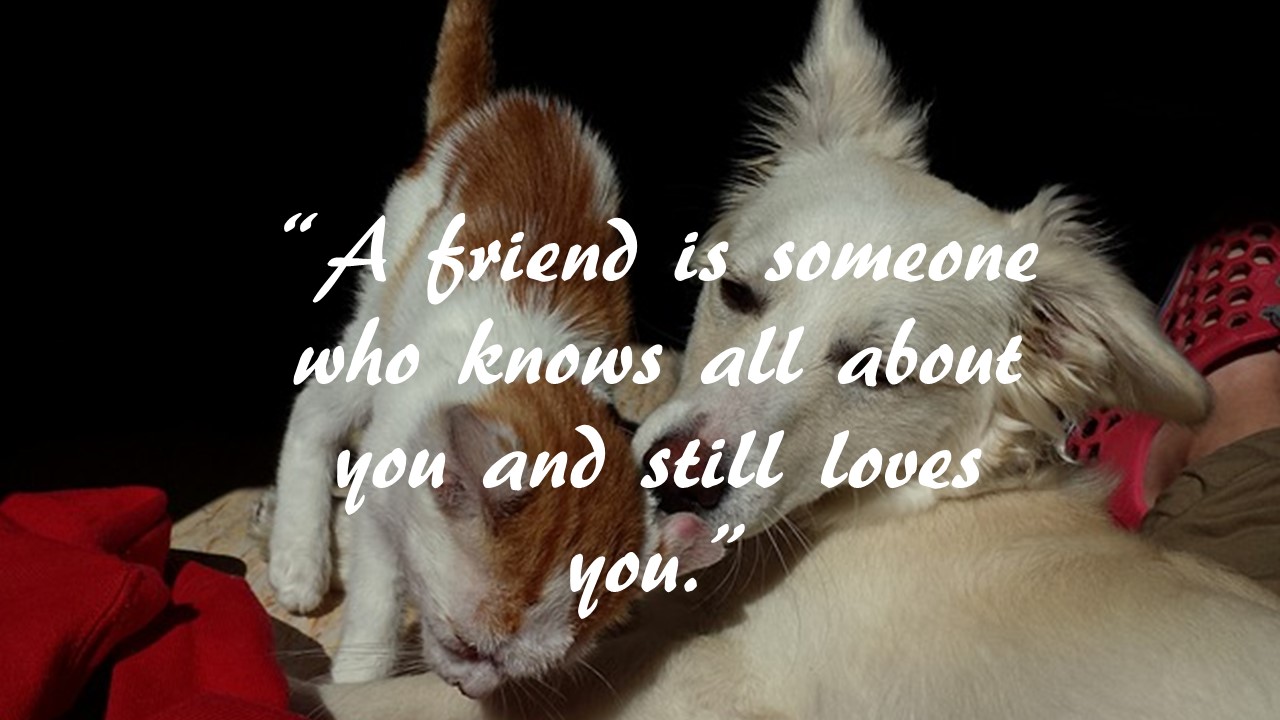
“A friend is someone who knows all about you and still loves you.”
― Elbert Hubbard

“Good friends, good books, and a sleepy conscience: this is the ideal life.”
― Mark Twain

“It is not a lack of love, but a lack of friendship that makes unhappy marriages.”
― Friedrich Nietzsche

“It’s the friends you can call up at 4 a.m. that matter.”
― Marlene Dietrich

Quotes from Goodreads

Desperate for friends? – Signs of a destructive friendship.

By David Joel Miller, MS, Licensed Therapist & Licensed Counselor.

group of friends.

Friendship.
Photo courtesy of Pixabay.com

5 Ways to evaluate a friendship.

Some friendships are destructive; some drain the life out of you. Why then do we hold on to those friendships even when there is something inside of us telling us this is not right?

Certainly one quality we want in a friend is someone who cares about us and likes us all the time. It is not much of a friendship if their feelings towards us are dependent on us being a certain way or doing a certain thing for them.

If we expect that kind of total acceptance from a friend then we might tell ourselves that we need to be there for them even when it is painful or has its emotional price. How then do we decide if this friendship has become toxic? When do we need to let friends go?

Some of us stay with unhealthy friends out of guilt or duty. We feel we owe it to them to continue the friendship. Others stay in unhealthy relationships because of an inner fear that if we did not have this friend then we might have no one.

It takes courage to look at this relationship and realize that this “friendship” is not healthy. When you spend time with this friend how does this make you feel?

1. Friends should be uplifting.

You should part company with a friend feeling better than when you met. That conversation you had with the friend should make you feel happy and good about yourself.

If you leave your time with that “friend” feeling drained, down or bad about yourself then you should reconsider this relationship.

2. How do you feel when away from this person?

Do you feel relieved that the visit is over? This is clearly a bad sign. Do you dread seeing them again but feel you owe it to them to visit?

A clear sign of a toxic friendship is the dread you get when you think about going to see them.

3. What do you do when you are together?

If the time together is all about the other person, when you are there to cater to their wants and needs, then this is a one-way friendship and they are on the taking end.

Some people are ill. We may take care of them. When we leave this person we may feel a sense of joy at having been able to be helpful. But if that person seems to constantly demand more, then this is not a healthy relationship.

4. What does this person like to do when you are not around?

If this friend’s primary interest is in doing things that make you uncomfortable then this is not a healthy relationship.

People who like to drink, get drunk, or do drugs, want those around them to do those same things. Is there pressure to be like them?

Does being around them place you at unnecessary risk? Are they involved in an illegal lifestyle? Then how healthy is it for them to involve you in their problems?

5. Do you feel pride or shame when you see how they treat others?

If how this person is treating others makes you feel bad, then consider that they are probably treating you that same way but you are avoiding looking at those behaviors.

Positive friends should make you proud, not ashamed of their behavior.

Take a look at your friendships, and the other relationships in your life, look at the unhealthy ones and consider how you can cut these off or limit your contact with people who are harmful to you and your recovery.

Staying connected with David Joel Miller

Seven David Joel Miller Books are available now!

My newest book is now available. It was my opportunity to try on a new genre. I’ve been working on this book for several years, but now seem like the right time to publish it.

Story Bureau.

Story Bureau is a thrilling Dystopian Post-Apocalyptic adventure in the Surviving the Apocalypse series.

Baldwin struggles to survive life in a post-apocalyptic world where the government controls everything.

As society collapses and his family gets plunged into poverty, Baldwin takes a job in the capital city, working for a government agency called the Story Bureau. He discovers the Story Bureau is not a benign news outlet but a sinister government plot to manipulate society.

Bumps on the Road of Life. Whether you struggle with anxiety, depression, low motivation, or addiction, you can recover. Bumps on the Road of Life is the story of how people get off track and how to get your life out of the ditch.

Dark Family Secrets: Doris wants to get her life back, but small-town prejudice could shatter her dreams.

Casino Robbery Arthur Mitchell escapes the trauma of watching his girlfriend die. But the killers know he’s a witness and want him dead.

Planned Accidents  The second Arthur Mitchell and Plutus mystery.

Letters from the Dead: The third in the Arthur Mitchell mystery series.

What would you do if you found a letter to a detective describing a crime and you knew the writer and detective were dead, and you could be next?

Sasquatch. Three things about us, you should know. One, we have seen the past. Two, we’re trapped there. Three, I don’t know if we’ll ever get back to our own time.

For these and my upcoming books; please visit my Author Page – David Joel Miller

Want the latest blog posts as they publish? Subscribe to this blog.

For videos, see: Counselorssoapbox YouTube Video Channel

Friends can be like jumper cables or emotional vampires.

By David Joel Miller, MS, Licensed Therapist & Licensed Counselor.

Jumper cables

Energy.
Photo courtesy of Pixabay.com

Friends either get you started or drain you of all your energy.

Are your friends helpful or do they drain your batteries?

Do your friends help you get going or do they hold you back? This thought, that a good friend is sort of like a set of jumper cables, came to me the other day when I discovered that in my haste to get to work and get going I had left the lights in my car on. By the time I noticed, the battery had gone dead.

Most of us have had this experience. Some people carry jumper cables in order to be prepared. The cables, of course, are not the only thing you need. You need someone with a good battery to help give you a jump.

Not only do you need a willing person to help you jump-start your car but their battery and charging system needs to be strong enough to run their car and start yours.

Trying to find someone who not only had jumper cables but was willing to give me a jump got me thinking. At this point, it occurred to me how much like a jump-start our friends can be.

Some people do nothing but drain you. No matter what sort of help you go to them for, they need you to do something in return or do something before they can help you. The experience of going looking for help is so draining that you leave thinking that you are now in worse shape than when you started.

Some people described these emotionally draining people as Emotional Vampires; they suck all the joy and pleasure out of your life. Asking them for help is like requesting an emotional bloodletting.

Many recovering people discover that those around them, the ones they call their support system are not very helpful. Some so-called friends want you to fail. Others have so little energy left that they drain you rather than recharging you.

Friends should be someone we are close to and we can trust emotionally. Too many of the people, we call friends are in fact acquaintances. People we have to be around because we run into them often, but who are not especially dependable or close.

One of the dictionary definitions of a friend is an “ally or someone who is not an enemy.” From a lot of people’s descriptions of their friends, it is hard to tell the allies from the enemies. Does your friend encourage you to live well and happily? Or is that person in a friend disguise telling you to go ahead and stay in your addiction or disease? Do they build you up and encourage you to move forward or are they telling you that it is someone else’s fault and there is nothing you can do in life?

Does that person encourage you to be a victim or a survivor?

There are those people in our lives that brighten our day anytime we see them. We all need more of those kinds of friends. Happy positive friends are out there but they can be hard to find especially if you don’t look in the right places.

Clients tell me they can’t trust those around them. They have trust issues. Their friends are unreliable. How did you meet them, I ask?

The most common answers I get are in bars, dope houses, a friend of a person they met in jail, and so on. If you look in hospitals you will find sick people. If you want to improve your support system and have friends who energize you then look in places where people are trying to improve themselves.

The word friendship includes not only being on good terms but also giving mutual assistance, approval, and support. That is something we all can use, support in times of struggle. A full dose of approval will go a long way also.

In looking for this supportive friend be sure that the relationship is mutual. Good friends get tired of you if every time they see you, you have your hand out for something. This works in two directions. People who are only your friends for what they can get out of you are abusers, not friends.

Look for people who are full of enthusiasm and love life. People who want to spread recovery and not those who want to stay in their disease.

This does not mean you should avoid other recovering people. Far from it. If you have a mental illness, look for those who have overcome their emotional problems. They have something to share with you. Those who use their diagnosis as an excuse to stop trying will drain your battery. Those who have recovered or are well along in their recovery can help energize you.

What kind of friends do you have? Are they the kind that energizes you or the ones that drain your batteries?

Staying connected with David Joel Miller

Seven David Joel Miller Books are available now!

My newest book is now available. It was my opportunity to try on a new genre. I’ve been working on this book for several years, but now seem like the right time to publish it.

Story Bureau.

Story Bureau is a thrilling Dystopian Post-Apocalyptic adventure in the Surviving the Apocalypse series.

Baldwin struggles to survive life in a post-apocalyptic world where the government controls everything.

As society collapses and his family gets plunged into poverty, Baldwin takes a job in the capital city, working for a government agency called the Story Bureau. He discovers the Story Bureau is not a benign news outlet but a sinister government plot to manipulate society.

Bumps on the Road of Life. Whether you struggle with anxiety, depression, low motivation, or addiction, you can recover. Bumps on the Road of Life is the story of how people get off track and how to get your life out of the ditch.

Dark Family Secrets: Doris wants to get her life back, but small-town prejudice could shatter her dreams.

Casino Robbery Arthur Mitchell escapes the trauma of watching his girlfriend die. But the killers know he’s a witness and want him dead.

Planned Accidents  The second Arthur Mitchell and Plutus mystery.

Letters from the Dead: The third in the Arthur Mitchell mystery series.

What would you do if you found a letter to a detective describing a crime and you knew the writer and detective were dead, and you could be next?

Sasquatch. Three things about us, you should know. One, we have seen the past. Two, we’re trapped there. Three, I don’t know if we’ll ever get back to our own time.

For these and my upcoming books; please visit my Author Page – David Joel Miller

Want the latest blog posts as they publish? Subscribe to this blog.

For videos, see: Counselorssoapbox YouTube Video Channel

What is this thing we call friendship? Being and having friends

By David Joel Miller, MS, Licensed Therapist & Licensed Counselor.

Friendship.

Friendship.
Photo courtesy of Pixabay.com

Hard to define, easy to know when you have it, this thing called friendship.

Reflecting today on this thing we call friendship that means so many different things to each of us. Today on this day we call a “day off” I had the chance to read some of the posts by other bloggers. A recurrent theme was about friendships, what they mean, and how we know if we are a good friend or if we have one.

No relationship is so important, so needed and so misunderstood as friendship. When we have friends we may wonder if they are worth the effort, but when we are without them even briefly we wish they were here.

Friends are not here on earth like a prepaid credit card to use when we need them. There are those people who treat or mistreat others in the name of friendship by constantly asking from them and then being unwilling to reciprocate.

Friendship is of course not ever fully reciprocal. The more you struggle in life the more you need friends. What is reciprocal is the caring about each other, not the doing for each other.

Anyone who seeks out a friend for what they can do for you is being short-sighted and probably abusive. The things friends do give us are intangibles that can’t be measured in money or acts. A friend cares about you when you can’t care about yourself. They love you, sometimes because of, not in spite of, your flaws.

True friends do not keep ledgers. Friendship is not a trade. They do not do 3 things for you because you did 3 things for them. Friendship is about caring sometimes even when you can’t do anything for that friend except care.

Friendships usually start around shared experiences and time spent together. We go to school together and we become friends. We work together and we become friends. We may have church friends, club friends, or blogger friends.

Real friendship grows beyond those shared activities. Many of us have been blessed to have friends with whom we keep up relationships long after the time to share an activity has ended. People in their senior years tell me about friends they have had since kindergarten. Somehow these friendships survive years of separation punctuated only by an occasional greeting card or email.

Some couples describe their mates as their best friends. The best romantic relationships often include two people who were friends first. Some couples even fall out of love but not out of friendship.

There is nothing lonelier than a person without friends. Family, you are stuck with but friends you chose and they chose you.

Life is a journey. We move along in time as well as space. Along that route, we meet friends. Some friends are with us for only part of the journey and others, their path crosses ours repeatedly throughout our lifetime.

To have friends it has been said, we must first be a friend. Being that friend takes effort. It means investing in that relationship.

If you have friends you know how very important and necessary they are. If you have few or no friends you most likely already know what is missing. What you may not know is how to go about making those friends.

Approach each new person as a potential new friend until they prove otherwise. Treasure those friends you have and nurture those friendships. Keep those friendships safe in the warmth of your heart.

Put your hand out in welcome and see who responds.

To have many friends you must befriend many.

Staying connected with David Joel Miller

Seven David Joel Miller Books are available now!

My newest book is now available. It was my opportunity to try on a new genre. I’ve been working on this book for several years, but now seem like the right time to publish it.

Story Bureau.

Story Bureau is a thrilling Dystopian Post-Apocalyptic adventure in the Surviving the Apocalypse series.

Baldwin struggles to survive life in a post-apocalyptic world where the government controls everything.

As society collapses and his family gets plunged into poverty, Baldwin takes a job in the capital city, working for a government agency called the Story Bureau. He discovers the Story Bureau is not a benign news outlet but a sinister government plot to manipulate society.

Bumps on the Road of Life. Whether you struggle with anxiety, depression, low motivation, or addiction, you can recover. Bumps on the Road of Life is the story of how people get off track and how to get your life out of the ditch.

Dark Family Secrets: Doris wants to get her life back, but small-town prejudice could shatter her dreams.

Casino Robbery Arthur Mitchell escapes the trauma of watching his girlfriend die. But the killers know he’s a witness and want him dead.

Planned Accidents  The second Arthur Mitchell and Plutus mystery.

Letters from the Dead: The third in the Arthur Mitchell mystery series.

What would you do if you found a letter to a detective describing a crime and you knew the writer and detective were dead, and you could be next?

Sasquatch. Three things about us, you should know. One, we have seen the past. Two, we’re trapped there. Three, I don’t know if we’ll ever get back to our own time.

For these and my upcoming books; please visit my Author Page – David Joel Miller

Want the latest blog posts as they publish? Subscribe to this blog.

For videos, see: Counselorssoapbox YouTube Video Channel
Making friends by calling them names.

By David Joel Miller, MS, Licensed Therapist & Licensed Counselor.

Friendship

Friendship
Photo courtesy of Pixabay.com

Does criticizing people get them to like you?

There seems to be a widely held belief that the way to get people to like and respect you is to criticize them and tell them what they are doing wrong.

Intuitively most people understand that if upon meeting someone for the first time, you began to upbraid them, called them names, and told them how worthless they are, this would not be likely to lead to having a large number of friends. We know this but we often do it anyway.

You would expect that each of us would be striving to treat ourselves well and yet we frequently call ourselves names that we would never, ever, dare call a friend.

Ever call yourself “stupid’ or “dumb?” Think for a moment about saying that to a friend. Not once, when they made an unusually poor choice, but consistently day after day. We wouldn’t do that to a friend, but most of us, most of the time, repeatedly call ourselves names.

The danger of calling yourself names is that you will start believing what you tell yourself.

Pictures of cute little puppies and little children inspire us to want to help. They can inspire us to kindness. It is easy to be kind to others. Most of us are afraid to be kind to ourselves.

Why is compassion reserved for other, unrelated people?

Somewhere we got the idea that it was acceptable to be kind to others but if we were to be nice or kind to ourselves then we would spoil ourselves and thereafter be worthless. So year after year we continue to beat ourselves up for one thing after another.

People, who truly spoil themselves, in a bad way, are not those who are kind and compassionate to themselves. The worst sort of spoilage occurs when we tell ourselves we are no good, worthless, or useless and then use that self-description as an excuse for behaving badly.

If you tell yourself you are a slob and then stop trying to clean up your living space because after all you are a slob and no one should expect a slob to clean. If you say you are stupid and then use that belief as an excuse to never attempt anything, expecting your family or society to take care of you. You are using your self-criticism to excuse poor behavior.

Some people tell themselves they are addicts, and what do you expect from an addict? Why of course I relapsed and used drugs again, I am an addict. But if you begin to tell yourself that I USED to be an addict, look at the possibilities that opens up.

One form of therapy is called “narrative therapy.” The way I understand this is that we tell ourselves and others stories, not untrue stories, just stories, and then as we tell them more and more we begin to believe our own fiction. So if you tell yourself you are dumb or worthless you become less and less able to accomplish anything.

People who say “I am an angry person,” stay angry and convince themselves they can’t change. If we can get them to start saying I USED to be an angry person, but I am changing, then amazingly they change.

Do you believe that the only way to get anybody to do things is to beat them? We find that this is a poor way to motivate either ourselves or others. Yet many people continue to beat themselves up, verbally, day after day.

One thing we tell parents as part of the basic parenting class is to catch their children doing something right. Small amounts of praise, judiciously used are great motivators. If the only way your children get your attention is to misbehave, they will misbehave for attention.

The parent who does nothing but criticizes their child finds that the child may give up. Consider the child who wants badly to please their parent; they study very hard for a big test. When the results come out the child has achieved a score of 99 out of 100 possible points.

What does this parent say? Why did you miss that one? You knew that! The result is that the child stops trying, convinced that no matter how hard they tried they will never be good enough.

Years later we find that person and many others still trying to motivate themselves by telling themselves that how they are is not good enough.

The risk here is that rather than motivate yourself to try harder, you will convince yourself that you are a failure and stop trying.

Ultimately you may become the person you say you are.

Staying connected with David Joel Miller

Seven David Joel Miller Books are available now!

My newest book is now available. It was my opportunity to try on a new genre. I’ve been working on this book for several years, but now seem like the right time to publish it.

Story Bureau.

Story Bureau is a thrilling Dystopian Post-Apocalyptic adventure in the Surviving the Apocalypse series.

Baldwin struggles to survive life in a post-apocalyptic world where the government controls everything.

As society collapses and his family gets plunged into poverty, Baldwin takes a job in the capital city, working for a government agency called the Story Bureau. He discovers the Story Bureau is not a benign news outlet but a sinister government plot to manipulate society.

Bumps on the Road of Life. Whether you struggle with anxiety, depression, low motivation, or addiction, you can recover. Bumps on the Road of Life is the story of how people get off track and how to get your life out of the ditch.

Dark Family Secrets: Doris wants to get her life back, but small-town prejudice could shatter her dreams.

Casino Robbery Arthur Mitchell escapes the trauma of watching his girlfriend die. But the killers know he’s a witness and want him dead.

Planned Accidents  The second Arthur Mitchell and Plutus mystery.

Letters from the Dead: The third in the Arthur Mitchell mystery series.

What would you do if you found a letter to a detective describing a crime and you knew the writer and detective were dead, and you could be next?

Sasquatch. Three things about us, you should know. One, we have seen the past. Two, we’re trapped there. Three, I don’t know if we’ll ever get back to our own time.

For these and my upcoming books; please visit my Author Page – David Joel Miller

Want the latest blog posts as they publish? Subscribe to this blog.

For videos, see: Counselorssoapbox YouTube Video Channel