
I could never do that – Talking yourself out of success

By David Joel Miller, MS, Licensed Therapist & Licensed Counselor.

Success

Success.
Photo courtesy of Pixabay.com

When we talk to ourselves our brain believes us.

Ever wondered how someone achieves something great despite overwhelming obstacles? The secret to those high achievers is that they believe in themselves.

Tell yourself that you can’t do something and the chances are you won’t be able to do it. Tell yourself that you can be successful and the chances you will become successful increase dramatically. Tell yourself you “are a failure” and you will become one.

Tell yourself often enough that you can’t accomplish anything in your life, that you don’t deserve success, and your brain will start believing you. It will make sure to pull back just as you get close to your goal.

Your brain can actually begin to protect you from success. It knows you “can’t do this” and it makes sure you can’t. Since you have trained your brain to serve you it is hard for it to disagree with the “fail” instruction.

The salesman who goes to work thinking he will make a big sale that day has a better chance of making a sale. It may not be the big sale he expected, but it is something.

The salesman who expects to fail will probably fail to make a sale most of the time. More than once in my life I have gone to a store expecting to buy something and left without making a purchase because the person who was supposed to be helping me was so negative about everything they deflated my desire to buy.

Negativity can be contagious. So can positivity.

One way to improve your chances of success is to begin to believe that you can do it. You also need to believe that you deserve it. We all deserve to have a happy life. The important thing is to define what that success, that happy life, would look like for each of us individually.

When we don’t feel worthy, that this last success was an undeserved fluke, we can stop trying, not expecting anything to go our way again. We can also self-sabotage because we don’t feel that we deserve this benefit.

Many of us learned these negative “fail” messages early in life. We were told we were “stupid” or “worthless” and we began to believe these messages. We repeated them over and over and eventually our brains stored them away as a way to explain life. We avoided trying because we expected to fail.

Sometimes people break out of this trap of negativity and self-doubt because someone else believes in them. One teacher or counselor who believes in a child can make a world of difference in that child’s life.

Other times people find they have to become their own cheerleaders. They begin by telling themselves positive things each day. We call those thoughts positive affirmations. Giving the brain the same message over and over will cause it to believe that message.

Repeatedly I have seen older students who didn’t believe they were that smart, return to school out of desperation. They needed to get a degree that would lead to a job, any job. Along the way, to that degree, they discover that they are a lot smarter and a lot more capable than they ever thought.

They had stopped telling themselves they couldn’t and started telling the brain they had to and the brain came through for them. They did succeed.

Every therapist could tell you stories of clients who came to therapy defeated and discouraged. They believed they couldn’t. Over the course of therapy the client’s perception changed first to maybe I could, and then to I think I can.

As a result of that change of thinking people have gone on to achieve great things. They have finished school and gotten a degree, found jobs, or established and improved relationships all while staying clean and sober and out of their depression.

All these things happen when you begin to believe in yourself.

Staying connected with David Joel Miller

Seven David Joel Miller Books are available now!

My newest book is now available. It was my opportunity to try on a new genre. I’ve been working on this book for several years, but now seem like the right time to publish it.

Story Bureau.

Story Bureau is a thrilling Dystopian Post-Apocalyptic adventure in the Surviving the Apocalypse series.

Baldwin struggles to survive life in a post-apocalyptic world where the government controls everything.

As society collapses and his family gets plunged into poverty, Baldwin takes a job in the capital city, working for a government agency called the Story Bureau. He discovers the Story Bureau is not a benign news outlet but a sinister government plot to manipulate society.

Bumps on the Road of Life. Whether you struggle with anxiety, depression, low motivation, or addiction, you can recover. Bumps on the Road of Life is the story of how people get off track and how to get your life out of the ditch.

Dark Family Secrets: Doris wants to get her life back, but small-town prejudice could shatter her dreams.

Casino Robbery Arthur Mitchell escapes the trauma of watching his girlfriend die. But the killers know he’s a witness and want him dead.

Planned Accidents  The second Arthur Mitchell and Plutus mystery.

Letters from the Dead: The third in the Arthur Mitchell mystery series.

What would you do if you found a letter to a detective describing a crime and you knew the writer and detective were dead, and you could be next?

Sasquatch. Three things about us, you should know. One, we have seen the past. Two, we’re trapped there. Three, I don’t know if we’ll ever get back to our own time.

For these and my upcoming books; please visit my Author Page – David Joel Miller

Want the latest blog posts as they publish? Subscribe to this blog.

For videos, see: Counselorssoapbox YouTube Video Channel
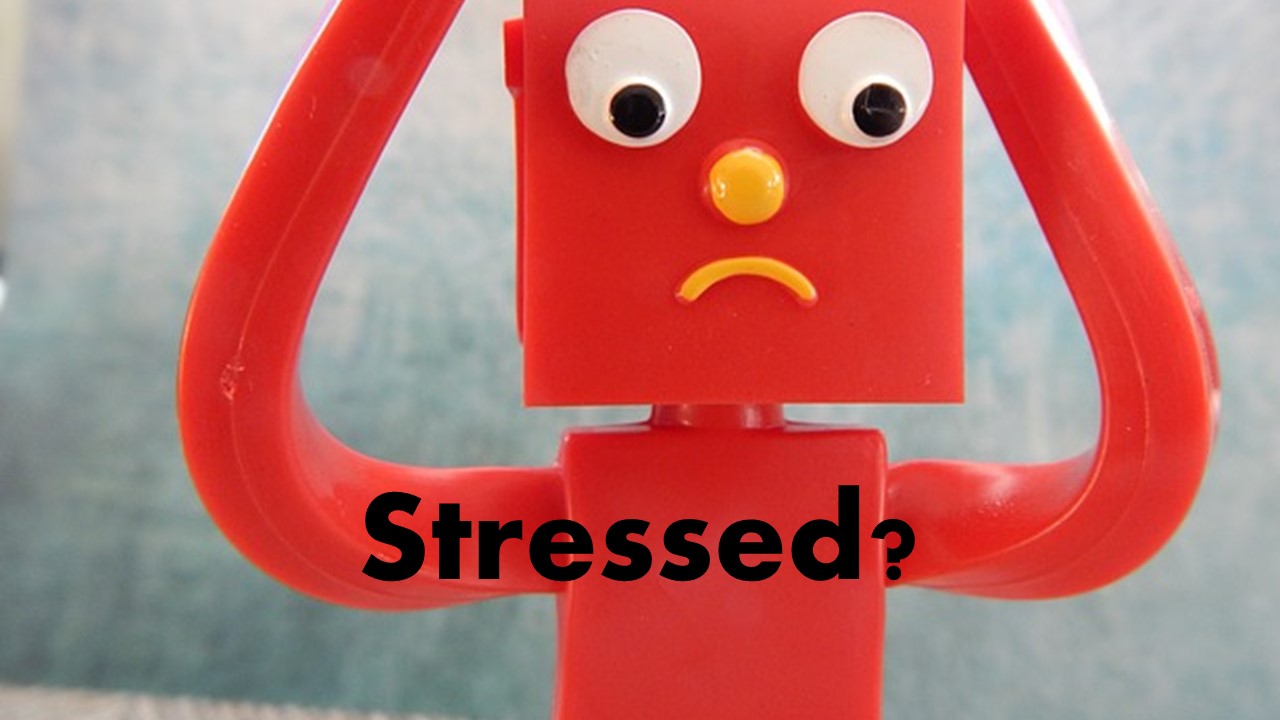
3 ways to Cut Down on Stress

By David Joel Miller, MS, Licensed Therapist & Licensed Counselor.

Stressed

Feeling stressed out?
Photo courtesy of Pixabay.com

Trim away the worries and live a healthier life.

Want a reduced stress diet? Try trimming out some of the stress. Just as weight loss programs tell you to trim the fat out of your diet there are three ways to trim excess stress out of your life.

1. Cut off the future

Learn to be mindful and stay in the present. Yes, of course, you should make plans for the future and take the steps needed to get there, but stressing over things that may or may not happen adds a lot of stress to your diet for events you haven’t even tasted yet.

Worrying that you may not get what you want can add a lot of stress to your life today when what you should really be doing is the required work to get where you are going. Stressing over the uncertainty of the future can keep you from enjoying the taste of the present.

2. Cut down on the past

A steady diet of regrets and recriminations about the past can keep you stressed out and unable to live in the present.

The work of grieving over losses and letting go of guilt and shame may require seeing a therapist or counselor. Make the effort to process those old hurts and let them go.

Many of us have resentments towards people who have harmed or wronged us in the past. Holding onto those old wounds keeps us living in the stress of events that have long since ended.

Let the past live in the past and spend your time having the best possible present to enjoy your low-stress diet.

3. Stop trying to eat other people’s dinner – worrying about problems others need to solve

That you care about others is wonderful, but if you are finding your life overrun by stressors then you need to send some of them back where they came from.

You can’t solve problems for others and the more you stress yourself out over their issues the fewer resources you have for your life in the here and now.

If you chose to worry and stress there will always be negative news from around the globe twenty-four-seven. Some people believe that worrying and stressing over what might happen somehow keeps the safe from an unwanted future. It doesn’t work that way.

Prepare for the worst but live in the now. Limit your worrying to the things that you really may be able to influence and practice your acceptance of those things that are out of your control.

Is a reduced stress diet for you?

Try one for a while and see if you are not healthier and happier. If reduced stress does not work for you then you can always go back to worrying about the problems that are out of your control.

Staying connected with David Joel Miller

Seven David Joel Miller Books are available now!

My newest book is now available. It was my opportunity to try on a new genre. I’ve been working on this book for several years, but now seem like the right time to publish it.

Story Bureau.

Story Bureau is a thrilling Dystopian Post-Apocalyptic adventure in the Surviving the Apocalypse series.

Baldwin struggles to survive life in a post-apocalyptic world where the government controls everything.

As society collapses and his family gets plunged into poverty, Baldwin takes a job in the capital city, working for a government agency called the Story Bureau. He discovers the Story Bureau is not a benign news outlet but a sinister government plot to manipulate society.

Bumps on the Road of Life. Whether you struggle with anxiety, depression, low motivation, or addiction, you can recover. Bumps on the Road of Life is the story of how people get off track and how to get your life out of the ditch.

Dark Family Secrets: Doris wants to get her life back, but small-town prejudice could shatter her dreams.

Casino Robbery Arthur Mitchell escapes the trauma of watching his girlfriend die. But the killers know he’s a witness and want him dead.

Planned Accidents  The second Arthur Mitchell and Plutus mystery.

Letters from the Dead: The third in the Arthur Mitchell mystery series.

What would you do if you found a letter to a detective describing a crime and you knew the writer and detective were dead, and you could be next?

Sasquatch. Three things about us, you should know. One, we have seen the past. Two, we’re trapped there. Three, I don’t know if we’ll ever get back to our own time.

For these and my upcoming books; please visit my Author Page – David Joel Miller

Want the latest blog posts as they publish? Subscribe to this blog.

For videos, see: Counselorssoapbox YouTube Video Channel

Who owns this problem? Why they won’t stop.

By David Joel Miller, MS, Licensed Therapist & Licensed Counselor.

Problem and problem solving

Problem-solving.

Why do some people refuse to change and how do I make them?

Many of the questions to this blog are about getting others to change. This person or that is driving you crazy and you want them to change but they are just refusing.

The reason you may be getting nowhere on resolving the situation just may be that you are trying to solve the wrong problem.

One method for resolving problem behavior that is taught in parenting classes is to look for the ownership of the problem. Here is a simple “child” problem and afterward we will apply this to more adult issues.

Mother goes into the child’s room and it is a mess. Mom yells “you are such a lazy slob, clean this room up.” This is a bad approach for two reasons. Calling the child a slob may establish a core identity that they are a slob. If that is what you are, why try to change? Being called names repeatedly encourages people to give up.

Who owns this problem? Why mom does of course. The child’s room is messy, mom does not like it and it is upsetting mom. More precisely, mom is “choosing to upset herself” over this issue. She could just give up as many mothers do and accept that kid’s rooms are often messy.

Now, what if grandma is coming and it is important to mom that the room be cleaned up? You all know how grandma is.

The solution – make the problem the child’s. Mom now says “if you do not get this room cleaned up by the time grandma arrives you will not be going to the store with her,” or some other suitable negative consequence.

Now, who owns the problem? Why the child does of course. They need to get this job done in time to get grandma to take them shopping and buy them stuff. Now the child is motivated.

An aside here, make very sure that the phrase “room is a mess and needs to be cleaned up” is operationalized. The child needs to know exactly what you want to be done. They would be glad to throw all those dirty clothes in the closet and call the room clean. A specific list of things to be done before grandma arrives would be helpful here.

Now the more adult version of this issue.

Lots of commenters on this blog ask about getting others to change. I see this in the search engine terms also. Everyone wants someone else to change. How do you do that?

There are techniques to help others change or encourage that change and I have described those methods in a post on “Getting others to change.” There is also a series of posts about “How people change.”

Before you launch into that changing effort you need to ask yourself one question.

Who owns this problem?

If the person is isolating in their room, depressed, and thinking of suicide by all means intervene. Professional help is called for here.

But what if your partner does not like to go out and you do?

In that case, you own this problem.

Most of the time, we want others to change it is because their behavior bothers us. We own those problems. We can talk with the person, make changes in our behavior that encourage the change we want, but the other person still may decide they do not want to change.

If a behavior is not interfering with a person’s ability to work, have relationships with family or friends, and is not making them unhappy, why then we professionals don’t see this as a problem for them.

So if the other person is choosing to not change and it is driving you nuts, you need to work on you.

Options here? Acceptance – radical acceptance is a good place to start. Consider changing yourself so you do not “upset yourself” so much. A good place to begin this practice might be with some “Mindfulness,” get centered in the present.

Enjoy the person and the situation for what they are instead of insisting that they change to suit you.

It is next to impossible to change problems that are not yours and most of the time when we try to change others we are trying to get them to solve our problem.

Suggestion – Take another look at the problems in your life and see who really owns them. If you own the problem then begin by changing you.

Staying connected with David Joel Miller

Seven David Joel Miller Books are available now!

My newest book is now available. It was my opportunity to try on a new genre. I’ve been working on this book for several years, but now seem like the right time to publish it.

Story Bureau.

Story Bureau is a thrilling Dystopian Post-Apocalyptic adventure in the Surviving the Apocalypse series.

Baldwin struggles to survive life in a post-apocalyptic world where the government controls everything.

As society collapses and his family gets plunged into poverty, Baldwin takes a job in the capital city, working for a government agency called the Story Bureau. He discovers the Story Bureau is not a benign news outlet but a sinister government plot to manipulate society.

Bumps on the Road of Life. Whether you struggle with anxiety, depression, low motivation, or addiction, you can recover. Bumps on the Road of Life is the story of how people get off track and how to get your life out of the ditch.

Dark Family Secrets: Doris wants to get her life back, but small-town prejudice could shatter her dreams.

Casino Robbery Arthur Mitchell escapes the trauma of watching his girlfriend die. But the killers know he’s a witness and want him dead.

Planned Accidents  The second Arthur Mitchell and Plutus mystery.

Letters from the Dead: The third in the Arthur Mitchell mystery series.

What would you do if you found a letter to a detective describing a crime and you knew the writer and detective were dead, and you could be next?

Sasquatch. Three things about us, you should know. One, we have seen the past. Two, we’re trapped there. Three, I don’t know if we’ll ever get back to our own time.

For these and my upcoming books; please visit my Author Page – David Joel Miller

Want the latest blog posts as they publish? Subscribe to this blog.

For videos, see: Counselorssoapbox YouTube Video Channel

4 Mindfulness skills to make you more productive

By David Joel Miller, MS, Licensed Therapist & Licensed Counselor.

Mindfulness

Mindfulness.
Photo courtesy of pixabay.

Increase your productivity and happiness starting now.

People who practice four mindfulness skills become more successful in less time than you might think. Mindfulness is applied by highly successful people a lot more often than we suspect.

Mindfulness is a very practical skill. While it is often linked to meditation and eastern practices it has applications that will improve a student’s grades, make a businessman more productive, and reduce emotional conflicts at home or on the job.

Mindfulness means making more efficient use of your brain by practicing 4 thinking skills.

Have you seen someone walking along occupied by their electronic device that walked into an oncoming car? What about that person who is talking on a cell phone who drives straight through a crosswalk full of people?

Lack of mindfulness, that failure to be where you are, and to think about what you are doing is epidemic in our society. We all suffer when people do things in a mindless manner.

Here are four ways to apply mindfulness to your daily life and become happier and more productive.

1. Observe More.

Humans are cognitive misers. We spend the least amount of time observing things and the most amount of time preoccupied with things that are in other times and places.

Happy thoughts and good ideas take some time to soak in. Every day we walk from our homes to our cars but on each of those days, things around us are changing. For some of us, that flower blooms and fades unnoticed. To hold that image of the floral bloom requires as little as 30 seconds of time to pause and really genuinely notice that plant’s celebration of the day.

Observation is not limited to things but should include feelings and processes.

How many government agencies are still having clients fill out lengthy forms with places for several addresses and phone numbers while missing that the clients waiting in line are texting and emailing?

Successful businesses notice the changes in their customer’s patterns and respond to those changes rather than trying to maintain the status quo.

2. Describe more things.

The more words you are able to use the more thoughts you can activate. Most of us have difficulty managing our emotions because we are short on vocabulary to manipulate those feelings. To be able to work with something you first need to see it exists and then you need a word to categorize it.

Men in therapy often struggle with this issue. Men feel good, bad, or ticked off.  When we feel “bad” we try to change that feeling. But bad might also include sad, regretful, or nostalgic.

Sometimes we need to sit with that feeling and see how it might influence our actions and responses to the life we are living.

Feelings are not interferences with our lives, they are useful guides to action.

3. Act with awareness.

Impulsive acts get us in trouble. That few seconds pause to consider if this is an act that will benefit us, in the long run, can make one’s life more effective.

Being on autopilot is not the only way to live. Paying more attention to the things you do throughout your day can increase your efficiency and effectiveness.

As you move through your day pay special attention to the things you are doing and how you are doing them. Are there more productive ways to do them?

Outside consultants get paid big money to come in and point out patterns of inefficient activity, specifically because those who are doing these actions every day have become unaware of what they are doing and why.

4. Accept things without judging them.

Being more mindful will mean noticing things we do that are not as perfect as we would like them. Accept that not everything you do will be perfect. Acceptance does not mean you allow things to happen to yourself or others. You can accept that the thing happened and still mindfully move to change it.

Natural disasters happen more often than we would like. People can become fearful and immobilized or they can choose to spring into action and do what needs doing.

If you fail to accept that something bad has happened, you will stay stuck in the “it shouldn’t, we can’t” stage for a long time.

Denying the realities of life is one defense mechanism that needs to be discarded as soon as possible.

Accepting that things happen whether you like them or not and that you do what you do for better or worse allows you to move forward rather than stay stuck in the negative emotions of regret or self-blame.

Conclusion

There you have four mindfulness skills that can be practiced every day whether you practice any medication or not. Using these four skills can make you happier and more productive.

Do you practice any mindfulness skills? How has mindfulness helped you?

Staying connected with David Joel Miller

Seven David Joel Miller Books are available now!

My newest book is now available. It was my opportunity to try on a new genre. I’ve been working on this book for several years, but now seem like the right time to publish it.

Story Bureau.

Story Bureau is a thrilling Dystopian Post-Apocalyptic adventure in the Surviving the Apocalypse series.

Baldwin struggles to survive life in a post-apocalyptic world where the government controls everything.

As society collapses and his family gets plunged into poverty, Baldwin takes a job in the capital city, working for a government agency called the Story Bureau. He discovers the Story Bureau is not a benign news outlet but a sinister government plot to manipulate society.

Bumps on the Road of Life. Whether you struggle with anxiety, depression, low motivation, or addiction, you can recover. Bumps on the Road of Life is the story of how people get off track and how to get your life out of the ditch.

Dark Family Secrets: Doris wants to get her life back, but small-town prejudice could shatter her dreams.

Casino Robbery Arthur Mitchell escapes the trauma of watching his girlfriend die. But the killers know he’s a witness and want him dead.

Planned Accidents  The second Arthur Mitchell and Plutus mystery.

Letters from the Dead: The third in the Arthur Mitchell mystery series.

What would you do if you found a letter to a detective describing a crime and you knew the writer and detective were dead, and you could be next?

Sasquatch. Three things about us, you should know. One, we have seen the past. Two, we’re trapped there. Three, I don’t know if we’ll ever get back to our own time.

For these and my upcoming books; please visit my Author Page – David Joel Miller

Want the latest blog posts as they publish? Subscribe to this blog.

For videos, see: Counselorssoapbox YouTube Video Channel

How does Marijuana affect memory?

By David Joel Miller, MS, Licensed Therapist & Licensed Counselor.

Marijuana’s effect on memory.
Photo courtesy of Pixabay.com

Does Marijuana use result in State-Dependent Learning?

In a previous post, I wrote about the concept of State-Dependent Learning (SDL), how things learned while you have a drug in your bloodstream may be better remembered when you have that same drug in your body. Readers have asked if Marijuana use results in SDL and what other effects does marijuana have on memory?

If Marijuana causes state Dependent Learning then we should advise people who learn things while smoking Weed to also smoke weed while or shortly before needing to use that information.

Will smoking marijuana just before a test help students who smoke while studying remember the facts better for the test?

Clearly, a great many things, mood states, drugs in the system, even the general health of the individual can affect memory. Unbiased information about the precise effects of Marijuana on memory and learning has been difficult to find.

There are a number of reasons for the contradictory reports of health benefits and harms of Marijuana we read in the media. I have been reading the research since my last post on SDL and here are some of the things that I have found.

Marijuana is more like a stew than a vegetable.

Marijuana contains over 600 chemicals including 60 to 70 Cannabinoids (another article listed 116). Two of the Cannabinoids have some research data but a lot of the other chemicals are poorly understood and have little research. All of the possible combinations of these 600 chemicals create unlimited possibilities for effects. That is not the only reason we know so very little about the effects of marijuana on memory.

How does it work?

For a long time, we knew that marijuana was doing something, we just could not find any receptors for the Cannabinoids in the nervous system so we did not know exactly what Marijuana was doing to the nervous system. Starting in the late 1980s and the early 1990’s receptors for Cannabinoids were found. But there are multiple kinds of receptors and they are located in some parts of the body and not others.

Many of the nerve cells that make up our “brain” are not in the head. When you are hungry the nerve cells in your stomach tell your brain that the stomach wants food. The same thing happens with Cannabinoids. Many of the Cannabinoid receptors are located in places like the spleen and the tonsils. So marijuana might affect memory for pain in the throat differently than memory for the history test.

Worse yet as we study the various Cannabinoids they don’t all do the same things. The two most widely studied Cannabinoids delta-9-tetrahydrocannabinol (THC) and Cannabidiol (CBD) appear to do opposite things. THC seems to produce thinking distortions. The younger you start using THC the more likely you are to develop psychosis. CBD, however, has been proposed and tested as a treatment for psychosis.

One theory, on this contradiction, postulates that young marijuana plants have more CBD and less THC. As the plants mature they form more THC and the CBD is reduced. So if there is high THC, which is the cannabinoid that gets you high, then it has low medicinal properties. Plants with lots of CBD and that might be more medicinal don’t get you high. But most medical marijuana users want the kind that gets them high. What the other Cannabinoids are doing we are not really sure.

It depends on who makes the stew and how long you cook it.

One other problem with the research on Marijuana is that the concentrations of all the chemicals change depending on how Marijuana is grown and how it is processed or dried after harvest. Various studies on Marijuana may really be studies of all sorts of different chemicals, not just the Cannabinoid.

Recent research has tackled this problem by using pure synthetic Cannabinoids so when testing THC or CBD that is the only chemical being tested.

There are different types of memory and memory operations.

Short-term memory is info that is held in memory for a minute or less. Drugs, emotions even attention can interfere with the ability to take in information. Ever read something in a book and a second later realize you don’t remember what you read? This is a failure to encode information into short-term memory.

Marijuana, particularly THC, has been implicated in the failure to encode the information.

Working memory is information being processed. Some information can be distorted while in processing by the drugs in the system. Alcohol especially can make the drunken person think things are happening that in fact did not happen.

I have not found studies that suggest that marijuana (THC) is altering information processing but it is altering some other memory events.

Long-term memory is information held in storage.

The inability to find, access, and retrieve information is what State-Dependent Learning is all about. With SDL it is easier to retrieve previously stored information when the drug that was present during storage is again present.

Marijuana use has not been shown to affect memories formed prior to the use of Marijuana. It is not likely to help reduce PTSD symptoms or unpleasant memories of the past for more than a short time period.

So far no studies I have found indicate that THC improves the ability to locate the material that was previously stored.

Retrieval is the ability to find and pull up information.

If the information that you retrieve is inaccurate or incomplete this is a retrieval error.

THC appears to reduce the encoding of information so less gets into short-term memory and less is stored away.

THC is also reported to interfere with the retrieval of information.

Smoking marijuana while studying results in learning less. Smoking marijuana just before taking the test interferes with remembering what was learned.

Marijuana use (THC) does not create State-Dependent Learning and further use will not help recover memories of information learned while under the influence of marijuana.

There are plenty of people who smoke a lot of Marijuana and remember things just fine and there are people who do not smoke weed and have a poor memory, clearly smoking or not is not the whole answer.  But smoking weed has not been shown to improve memory or help retrieve previously learned information. It has been shown to interfere with the encoding and decoding of information.

Under the influence of THC, you will learn and remember less than you would without the weed.

Staying connected with David Joel Miller

Seven David Joel Miller Books are available now!

My newest book is now available. It was my opportunity to try on a new genre. I’ve been working on this book for several years, but now seem like the right time to publish it.

Story Bureau.

Story Bureau is a thrilling Dystopian Post-Apocalyptic adventure in the Surviving the Apocalypse series.

Baldwin struggles to survive life in a post-apocalyptic world where the government controls everything.

As society collapses and his family gets plunged into poverty, Baldwin takes a job in the capital city, working for a government agency called the Story Bureau. He discovers the Story Bureau is not a benign news outlet but a sinister government plot to manipulate society.

Bumps on the Road of Life. Whether you struggle with anxiety, depression, low motivation, or addiction, you can recover. Bumps on the Road of Life is the story of how people get off track and how to get your life out of the ditch.

Dark Family Secrets: Doris wants to get her life back, but small-town prejudice could shatter her dreams.

Casino Robbery Arthur Mitchell escapes the trauma of watching his girlfriend die. But the killers know he’s a witness and want him dead.

Planned Accidents  The second Arthur Mitchell and Plutus mystery.

Letters from the Dead: The third in the Arthur Mitchell mystery series.

What would you do if you found a letter to a detective describing a crime and you knew the writer and detective were dead, and you could be next?

Sasquatch. Three things about us, you should know. One, we have seen the past. Two, we’re trapped there. Three, I don’t know if we’ll ever get back to our own time.

For these and my upcoming books; please visit my Author Page – David Joel Miller

Want the latest blog posts as they publish? Subscribe to this blog.

For videos, see: Counselorssoapbox YouTube Video Channel
What is State Dependent Learning? Memory problems?

By David Joel Miller, MS, Licensed Therapist & Licensed Counselor.

Is it State-Dependent Learning or Forgetting?

State-dependent learning.
Picture courtesy of pixabay.

The way we feel emotionally and the things in our systems, drugs, medications, and general health all influence what we remember and what we forget. State-Dependent Learning is about times we remember and times we forget – the very same facts.

Say you go to a party or a bar after work and you have a few drinks. During the course of the evening, you talk to a lot of people. Let’s say for this example you have a lot of fun, it was a great time.

You have a few drinks but you are sure, positive, you are not drunk.

Next morning you look in your pocket or purse and there are a couple of business cards, only you can’t remember who these people are. Are they potential clients? Were you supposed to do something for them? Or did they try to sell you something? You just can’t remember. So you stick those cards back where they were and go about your day.

You are positive you were not that drunk, this is no alcoholic blackout. But it is frustrating anyway to not be able to remember why you have those business cards.

Later that day some of the people from your office are off to lunch, lunch with a client and you need to be there. So during this lunch, you have a drink or two. Suddenly you have a thought about those business cards in your pocket. So you pull them out and – yes now you remember the whole conversation and why you saved those cards.

You have just experienced State-Dependent Learning.

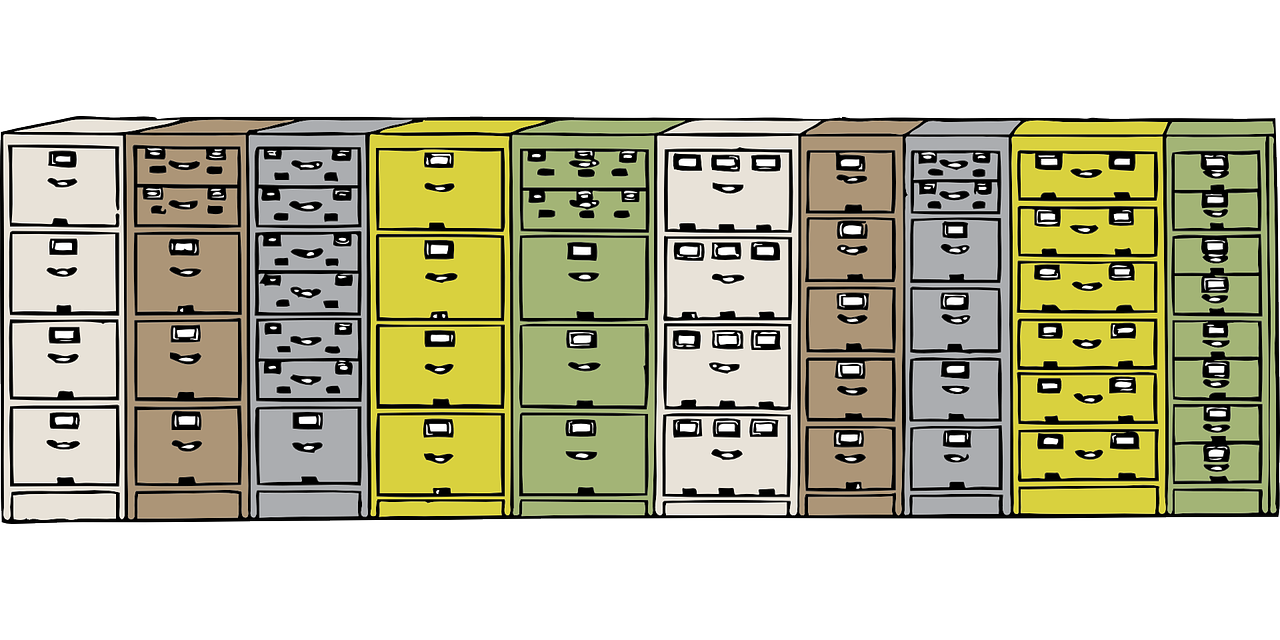
In State-Dependent Learning it is as if your brain uses different filing cabinets for information depending on how your system is functioning. With alcohol in your bloodstream, the brain files the information away in a “file needed when drinking” and locks it away. To get the file cabinet open and find that information you need the right key, in this case, alcohol, in your system to reopen the locked file cabinet.

Alcohol is not the only drug or medication that results in State-Dependent Learning and lost file keys are not the only problem that can happen when filing information or trying to retrieve it.

Memories can get lost or distorted when they are filed away. Sometimes, as with alcoholic blackouts, the info is misplaced before going into the file. In that case, the brain, on discovering the file is empty, makes something up. This is called Confabulation.

Problems can happen when the information is stored and some drugs affect storage. The info can also be hard to find if it is stored in the “high” cabinet and you look for it in the “feeling normal” file space.

The size and nature of the information also matter. Say you need to remember a long list of words. If the words are makes of cars, types of seafood, and tools sold in a hardware store, telling you those categories at the time we read the list to you will help you remember them. If the list is long, has words from many categories, and we don’t tell you the categories, the words will be harder to remember.

The brain has filing systems for category lists and for jumbled lists. Different drugs can affect different kinds of information storage and memory so the research can drive you nuts trying to figure out which drugs result in State-Dependent Learning all the time and which only cause State-Dependent Learning part of the time.

Alcohol appears to result in State-Dependent Learning and other memory problems a lot.

Students who use a lot of caffeine to stay awake all night and study for finals appear to have a similar problem. Things learned under the influence of stimulants are very dose-dependent. So if you take a little of the stimulant you may learn more, take too much and it may block memory retention at all.

Methamphetamine users not only don’t learn a lot but begin to lose previously learned material. This makes us wonder how much amphetamine is helpful and how much of an ADHD med you can take before it impairs memory.

So our student, who studies all night, using stimulants to stay awake, may find two problems facing them the next day. State-Dependent Learning may require them to have the same stimulant and amount of stimulant in their system as when they learned it. This will be more or less of a problem depending on the type of memory involved. Picking out the correct answer from a multiple-choice list will not be so much affected. Remembering a list of things that are not on the paper may be harder. So will recognizing the correct answer if the instructor uses a different word to describe the same concept.

The student may also find that the things they could remember easily when wide awake on the stimulant, those answers can’t be found now that the brain is looking in the I am “so-o-o” tired file cabinets. Your physical condition and mood can also affect learning and memory as can the context.

Frankly – no drug appears to improve your memory over a long time and using drugs or alcohol runs the risk of getting the facts you need, lost in a wrong file cabinet, and not available when you need them.

Other drugs and prescribed medications can also cause memory problems and or State-Dependent Learning. Watch for more on this topic to come.

Staying connected with David Joel Miller

Seven David Joel Miller Books are available now!

My newest book is now available. It was my opportunity to try on a new genre. I’ve been working on this book for several years, but now seem like the right time to publish it.

Story Bureau.

Story Bureau is a thrilling Dystopian Post-Apocalyptic adventure in the Surviving the Apocalypse series.

Baldwin struggles to survive life in a post-apocalyptic world where the government controls everything.

As society collapses and his family gets plunged into poverty, Baldwin takes a job in the capital city, working for a government agency called the Story Bureau. He discovers the Story Bureau is not a benign news outlet but a sinister government plot to manipulate society.

Bumps on the Road of Life. Whether you struggle with anxiety, depression, low motivation, or addiction, you can recover. Bumps on the Road of Life is the story of how people get off track and how to get your life out of the ditch.

Dark Family Secrets: Doris wants to get her life back, but small-town prejudice could shatter her dreams.

Casino Robbery Arthur Mitchell escapes the trauma of watching his girlfriend die. But the killers know he’s a witness and want him dead.

Planned Accidents  The second Arthur Mitchell and Plutus mystery.

Letters from the Dead: The third in the Arthur Mitchell mystery series.

What would you do if you found a letter to a detective describing a crime and you knew the writer and detective were dead, and you could be next?

Sasquatch. Three things about us, you should know. One, we have seen the past. Two, we’re trapped there. Three, I don’t know if we’ll ever get back to our own time.

For these and my upcoming books; please visit my Author Page – David Joel Miller

Want the latest blog posts as they publish? Subscribe to this blog.

For videos, see: Counselorssoapbox YouTube Video Channel

Discovering Happiness

By David Joel Miller, MS, Licensed Therapist & Licensed Counselor.

Happy faces

Happiness.
Photo courtesy of Pixabay.com

The search for Happiness.

Of the thousand goals, you might have in life, finding happiness sums up what most people are looking for. You might label it love or contentment, success, or achievement but whatever you call it we all appear to have the hope if we can just find that one elusive thing we are looking for we will finally be happy.

As a professional counselor and therapist, I like to think that basically what I do involves being in the happy life business. I try to help people create a happy life.

What a happy life means to you and what it might mean to me are probably quite different things. The hardest part of helping people find happiness is being able to “not know” what they should do to find their happiness and still participating in their journey to help them find their happiness.

Cultivating that “not knowing” attitude rather than imposing our version of happiness on others takes practice. Daily I have to think that I know nothing about this person and what will make them happy.  I need to create a safe place for them to explore that landscape and find what happiness would be to them.

Generally, I know the landscape of happiness. I have found some things that make me happy but the journey of discovery continues. I am honored when a client tells me that our time together has helped them find that place of success, love, or whatever they call their happiness.

I have written some blog posts on things I have learned about the search for happiness and they are listed below. Would you care to share some of the things that have led you to your happiness or the things that take you away from that place of fulfillment?

Past Posts on the topic of Happiness:

Successes, Happiness, and Contentment

Where Happiness Hides

Buying Happiness

Directions to Happiness

Finding Happiness

Happiness or Misery

How to Be Happy

Happy Enough to Make the Bed?

Should you be happy?

There are lots of posts on my blog and other blogs about unhappiness. It seems unhappiness is easier to find than happiness. One thing I am sure of is that things don’t equate with happiness. Things are symbols. Happiness comes from what the things symbolize to you.

Staying connected with David Joel Miller

Seven David Joel Miller Books are available now!

My newest book is now available. It was my opportunity to try on a new genre. I’ve been working on this book for several years, but now seem like the right time to publish it.

Story Bureau.

Story Bureau is a thrilling Dystopian Post-Apocalyptic adventure in the Surviving the Apocalypse series.

Baldwin struggles to survive life in a post-apocalyptic world where the government controls everything.

As society collapses and his family gets plunged into poverty, Baldwin takes a job in the capital city, working for a government agency called the Story Bureau. He discovers the Story Bureau is not a benign news outlet but a sinister government plot to manipulate society.

Bumps on the Road of Life. Whether you struggle with anxiety, depression, low motivation, or addiction, you can recover. Bumps on the Road of Life is the story of how people get off track and how to get your life out of the ditch.

Dark Family Secrets: Doris wants to get her life back, but small-town prejudice could shatter her dreams.

Casino Robbery Arthur Mitchell escapes the trauma of watching his girlfriend die. But the killers know he’s a witness and want him dead.

Planned Accidents  The second Arthur Mitchell and Plutus mystery.

Letters from the Dead: The third in the Arthur Mitchell mystery series.

What would you do if you found a letter to a detective describing a crime and you knew the writer and detective were dead, and you could be next?

Sasquatch. Three things about us, you should know. One, we have seen the past. Two, we’re trapped there. Three, I don’t know if we’ll ever get back to our own time.

For these and my upcoming books; please visit my Author Page – David Joel Miller

Want the latest blog posts as they publish? Subscribe to this blog.

For videos, see: Counselorssoapbox YouTube Video Channel

How to Find Success and Avoid Failure.

By David Joel Miller, MS, Licensed Therapist & Licensed Counselor.

Success or failure sign

Success or failure.
Photo courtesy of Pixabay.com

How do you become successful?

You will reach a destination faster and more surely if you have a map. Far too many people head off looking for success with no idea where they are going or how they will get there. They are surprised when after years of traveling life’s roads they still have not found the success they were looking for.

If you want a life that fails, you can avoid doing most anything, but to have real success will require some planning. Be careful about following other people’s directions, they may not be headed where you are going.

If you would be successful in life, invest some time in creating a roadmap to success that is specific to your life journey.

1. What does success mean to you?

To reach success you need a clear vision of what it will look like when you get there.

Not paying attention to this one has disastrous results. Lots of people go along following others rules; doing what they are supposed to do, only to find when they reach the destination they are not where they wanted to be.

Did you say you wanted to make a lot of money? Are you really willing to do anything to get it?  Spend some time at the beginning of your success journey thinking about what is most important to you. What are your values and goals? Will it be a success, if you earn the money you want by doing things that you consider morally wrong?

How much more will you need to get paid to compensate for a life of doing work you hate?

We find in career counseling that people, who are doing work they like and that they have the abilities for, are more likely to be successful.

Get to know yourself well. You should be your own best friend. The more self-knowledge you have the more likely you are to set a course for yourself that will be enjoyable and successful.

Lots of money won’t mean much if you are miserable and need to spend it all on therapy to solve your misery.

2. Investigate the possibilities.

Be sure you have a clear, accurate understanding of what it will be like to reach this goal.

Say you decide that for you, success is living at the beach – one time I was driving along and saw a sign that said something about an ancient beach. I took the turnoff and drove for hours. Eventually, I discovered I had ended up in the middle of the desert. There was a beach there all right. An ancient beach complete with fossils. But there had not been any water near there for a gazillion years.

So often clients tell me they perused a dream, an idea of success only to find out that the reality of the destination was very different from what they expected. Make sure you know if you become a novelist – just how much money does the average one make?  Do you know how many hours per week the top business managers work?

Would it really be worth it to you to go to college for 8 years to become a professor and then maybe work for what that school you are looking at pays? Today student debt is at an all-time high. People are finding that they can’t make enough in their chosen career field to pay back that college loan.

People can pursue career goals, go to school for a new occupation only to find out that they will need to move cross-country to be where the jobs are. Is success for you getting your dream job and moving to a new city to start a new life or is it getting the best job possible while living your life in your hometown?

Before you take a training class on becoming a jet aircraft mechanic find out if there are any airports in your area that have jets. And when was the last time they hired a mechanic at that airport?

There are plenty of posts in the blog-o-sphere about the importance of enjoying the journey. I tend to agree with that. The destination will be a lot less enjoyable if you do not enjoy the journey.

But life is not all about the journey. Failing to plan and going with the flow may mean you end up somewhere you never wanted to go.

Lots of people struggle to reach a goal thinking that will mean they are successful, only to discover the goal does not meet the need they have. In some disciplines, half of the people completing a college degree never work in the field. Either there are no jobs, none in the town they live in, or they decide they really do not want to do that kind of work.

3. Find out where you are now.

Thousands of kids tell me they want to play professional sports. One look at many of them tells me they are not likely to make it.

If you hate math and science should you really pursue an engineering career?

I am not telling you that you should chuck your dream. Some skinny kids do become Olympic weightlifters. But it is a long road. Do you enjoy doing the things you need to do to get there and when you reach the goal will it really have been worth it?

There are two approaches to getting from where you are now to where you want to be. Find the things you are strong at and build on those skills or find the things you are weak in and develop new skills.

What does not work is build a definition of success that requires you to become good at things for which you have no skills and doing things you do not like to do.

4. What roads will you need to follow to get to success?

If you can see the path from where you are to where you want to go clearly and that is a path you chose to travel then go for it. But a little planning, in the beginning, can help you avoid a ton of failure.

Does the job require education? Do you like going to school? If the job you want requires meeting the public and promoting the company are you a social person and will you enjoy making public appearances?

Lots of small business owners get into a bind when they create a business that involves them doing a lot of things they like to do and then as the business grows they find they are having to do everything and that there is very little they can turn over to others.

If you are a creative artist do you want to do your art or do you want to create an advertising company and spend time selling to clients while having to turn the creative work over to others?

Failure to consider the roads you will need to travel results in lots of people being unhappy along the way as they find themselves having to do things they never wanted to do to reach a success goal that is no longer appealing when they get there.

Starting today begin developing a plan that will take you to the place you call success.

Staying connected with David Joel Miller

Seven David Joel Miller Books are available now!

My newest book is now available. It was my opportunity to try on a new genre. I’ve been working on this book for several years, but now seem like the right time to publish it.

Story Bureau.

Story Bureau is a thrilling Dystopian Post-Apocalyptic adventure in the Surviving the Apocalypse series.

Baldwin struggles to survive life in a post-apocalyptic world where the government controls everything.

As society collapses and his family gets plunged into poverty, Baldwin takes a job in the capital city, working for a government agency called the Story Bureau. He discovers the Story Bureau is not a benign news outlet but a sinister government plot to manipulate society.

Bumps on the Road of Life. Whether you struggle with anxiety, depression, low motivation, or addiction, you can recover. Bumps on the Road of Life is the story of how people get off track and how to get your life out of the ditch.

Dark Family Secrets: Doris wants to get her life back, but small-town prejudice could shatter her dreams.

Casino Robbery Arthur Mitchell escapes the trauma of watching his girlfriend die. But the killers know he’s a witness and want him dead.

Planned Accidents  The second Arthur Mitchell and Plutus mystery.

Letters from the Dead: The third in the Arthur Mitchell mystery series.

What would you do if you found a letter to a detective describing a crime and you knew the writer and detective were dead, and you could be next?

Sasquatch. Three things about us, you should know. One, we have seen the past. Two, we’re trapped there. Three, I don’t know if we’ll ever get back to our own time.

For these and my upcoming books; please visit my Author Page – David Joel Miller

Want the latest blog posts as they publish? Subscribe to this blog.

For videos, see: Counselorssoapbox YouTube Video Channel

Job stress?

By David Joel Miller, MS, Licensed Therapist & Licensed Counselor.

Stress person

Stress.
Photo courtesy of Pixabay.com

Job stressing you out?

Feel trapped in your current position? Is your work contributing to your anxiety and depression?

David Miller, LMFT, LPCC.

How many feelings do you feel? The feelings problem

By David Joel Miller, MS, Licensed Therapist & Licensed Counselor.

Man with feelings

Managing feelings.
Photo courtesy of Pixabay.com

Do you let yourself feel too much or too little?

Two types of feelings problems cause people distress.

Some people feel too much. Excesses of fear and sadness keep them from having the happy life they want. Other people have an insatiable appetite for pleasure. They overindulge, damage their relationships, and suffer the consequences. They act impulsively and then regret the result but they tell me they can’t stop themselves even when they try.

Other people tell me they can’t feel anything. They are numb, cut off from their emotions. They don’t know what they feel even when they are feeling it. The numbness robs them of the chance for happiness.

How many feelings are there?

The list of feeling words is immense. Psychologists have looked for ways to make this understandable and have constructed shorter lists of primary feelings. These lists typically include 7 to 11 basic feelings.

1. Joy

2. Interest

3. Surprise

4. Fear (anxiety)

5. Anger

6. Sadness

7. Disgust

All of these feelings have survival value at times. Joy and interest might stimulate us to find and eat food. Fear could help us avoid a man-eating animal. Not everyone experiences these feelings in the same way. We could lump the emotions of fear, anxiety, nervousness, scared, or uncomfortable together. Experience has shown me that teenagers will deny feeling any fear but may have a sizable list of things that make them nervous or uncomfortable.

Individual variation

Not everyone experiences the same event by feeling the same emotion. One person may see a tornado and experience fear, another sadness and a third may experience interest and becomes a storm chaser. Past experience, beliefs about the event, and genetics may all play a role in how we perceive an event.

Negative and Positive Emotions

It may be easier at times to think of feelings as either negative or positive. The seven feelings could be separated into positive and negative lists. Hundreds of other feeling words might be added to the lists as variations or shades of these feelings. We could also use certain words to describe combinations of feelings or the co-occurrence for two feelings at the same time.

Joy, Interest, and Surprise are frequently seen as positive, though too much interest in certain things gets diagnosed as a mental illness if it interferes with your life. Fear or anxiety, anger, sadness, and disgust would form the core negative feelings. Research clearly indicates that while positive feelings are relatives and negative feelings come from the same family there are perceived differences between the feelings on each list.

The gender gap

Men in counseling often report having only three feelings, good, bad, or pissed-off. Women often have very differentiated feelings pallets. Men say Red, Yellow, or Blue, maybe purple. Women talk about things being Wisteria, Fuchsia, Lilac, Plum, and so on. Women typically have more feeling words and they understand the labels differently than most men.

Sometimes this feelings situation is reversed and the woman may report mostly being “numb” or disconnected while the man wants her to be able to express more of her feelings.

We learn our feelings from others

There was a time when expressing feeling was not appropriate. People were expected to be gigantic mechanical creatures who never expressed anything. To have feelings was to give in to the flesh. So some generations grew up unable to express how they feel and experiencing regret if feelings ever leaked out.

Many men remain unable to express feelings appropriately. They “suck it up” and go forward even when it would have been appropriate to show some emotion. The result is that unable to express emotions men lose the ability to name what they are feeling and as a result of not being able to categorize feelings and learn appropriate responses they may do nothing until overwhelmed.

So the feelings that are kept bottled up and unrecognized come exploding out under anger or alcohol. These people, disconnected from their feelings, are forced to reconnect when in anger management class or marriage counseling.

When feelings can protect you

Some feelings are protective. That feeling in your gut that tells you this is dangerous, that feeling we sometimes call intuition is meant to protect you from harm. People who don’t feel anything lose the assistance of feelings that tell you this is something you should not do or that is something good you need to get in on. Courage is not the lack of fear, pretending this is not dangerous. It is the ability to fully feel and appraise the situation, but to take action even in the presence of a real danger.

Positive feelings can help create and expand friendships and working relationships. Negative feelings can warn you to avoid dysfunctional relationships and abusive situations. People who use feeling as sources of information lead happier and more productive lives.

Do you feel your feelings? Are feelings your friends or do they cause you problems?

Staying connected with David Joel Miller

Seven David Joel Miller Books are available now!

My newest book is now available. It was my opportunity to try on a new genre. I’ve been working on this book for several years, but now seem like the right time to publish it.

Story Bureau.

Story Bureau is a thrilling Dystopian Post-Apocalyptic adventure in the Surviving the Apocalypse series.

Baldwin struggles to survive life in a post-apocalyptic world where the government controls everything.

As society collapses and his family gets plunged into poverty, Baldwin takes a job in the capital city, working for a government agency called the Story Bureau. He discovers the Story Bureau is not a benign news outlet but a sinister government plot to manipulate society.

Bumps on the Road of Life. Whether you struggle with anxiety, depression, low motivation, or addiction, you can recover. Bumps on the Road of Life is the story of how people get off track and how to get your life out of the ditch.

Dark Family Secrets: Doris wants to get her life back, but small-town prejudice could shatter her dreams.

Casino Robbery Arthur Mitchell escapes the trauma of watching his girlfriend die. But the killers know he’s a witness and want him dead.

Planned Accidents  The second Arthur Mitchell and Plutus mystery.

Letters from the Dead: The third in the Arthur Mitchell mystery series.

What would you do if you found a letter to a detective describing a crime and you knew the writer and detective were dead, and you could be next?

Sasquatch. Three things about us, you should know. One, we have seen the past. Two, we’re trapped there. Three, I don’t know if we’ll ever get back to our own time.

For these and my upcoming books; please visit my Author Page – David Joel Miller

Want the latest blog posts as they publish? Subscribe to this blog.

For videos, see: Counselorssoapbox YouTube Video Channel

m.