Challenge.

Challenge.

Challenge.
Photo courtesy of Pixabay.com

Sunday Inspiration.     Post by David Joel Miller.

“When we are no longer able to change a situation, we are challenged to change ourselves.”

― Viktor E. Frankl, Man’s Search for Meaning

“The ultimate measure of a man is not where he stands in moments of comfort and convenience, but where he stands at times of challenge and controversy.”

― Martin Luther King Jr.

“The best antidote I know for worry is work. The best cure for weariness is the challenge of helping someone who is even more tired. One of the great ironies of life is this: He or she who serves almost always benefits more than he or she who is served.”

― Gordon B. Hinckley, Standing for Something: 10 Neglected Virtues That Will Heal Our Hearts and Homes

Wanted to share some inspirational quotes with you.  Today seemed like a good time to do this. There are an estimated 100,000 words in the English language that are feelings related. Some emotions are pleasant, and some are unpleasant, but all feelings can prove useful information. If any of these quotes strike a chord with you, please share them.

Look at these related posts for more on this topic and other feelings.

Emotions and Feelings.

Inspiration

Recommended Mental Health Books

David Miller at counselorssoapbox.com is an Amazon Affiliate and may receive a small Commission if you purchase a book or product using the link on this page. Using the link will not increase the cost to you.

Are unhelpful thoughts causing you problems?

By David Joel Miller, MS, Licensed Therapist & Licensed Counselor.

Woman thinking

Unhelpful Negative Thoughts.
Photo courtesy of Pixabay.com

What are unhelpful thoughts?

Unhelpful thoughts are part of some people’s self-talk. What you tell yourself often enough becomes automatic thoughts. Becoming aware of the negative messages you’re giving your brain and challenging those messages is a part of the process of change that we call Cognitive Behavioral Therapy.

In the early days of Cognitive Behavioral Therapy (CBT), researchers and theoreticians noticed a connection between the kind of automatic thoughts or self-talk that some people engaged in and the development of severe mental illnesses, particularly depression and anxiety. Originally, these kinds of thoughts were described as irrational thoughts or dysfunctional thoughts. Those labels seem to me to be judgmental. Recently, I’ve noticed therapists using the term unhelpful thoughts, and I believe that’s a much better way to describe these automatic thoughts.

Most of these unhelpful thoughts are the result of one or more informal logical fallacies. When you think unhelpful thoughts, they seem true to you, but when an outside observer looks at the evidence, these unhelpful thoughts don’t hold up. These categories of unhelpful thoughts may be called by different names, but here is my version.

All-or-nothing thinking is unhelpful.

This unhelpful thought involves looking at things in black-or-white or yes-or-no categories. For the person with all-or-nothing thinking, there is no middle ground. They tell themselves, “I must be perfect, or I’m a failure.” This type of thinking has led to an increase in depression and even suicide attempts at some of the prestigious colleges where students fall into the trap of believing there are only two grades: an A or a Not-A. This is a form of perfectionism in which one flaw makes the person worthless. While striving for self-improvement is worthwhile, believing that you must be perfect or you’re no good will undermine your self-esteem and lead to depression.

Overgeneralization from a negative experience is an unhelpful thought.

This unhelpful thought involves the belief that one negative experience predicts the future. The person tells themselves, “I didn’t get hired for this job. I’ll never get any job.” If you get turned down for a date, you tell yourself no one will ever like me, and I will be alone for the rest of my life.

Having a negative mental filter creates unhelpful thoughts.

Someone with a negative mental filter never sees their accomplishments but only their mistakes. The student who gets one question wrong on a test believes that that means they’re stupid, despite the overwhelming number of correct answers.

A person with a negative mental filter fails to get a promotion or is turned down for a raise, and they believe that means they are no good at their jobs and are at risk of being fired.

Discounting the positive is a common, unhelpful thought.

Someone with this unhelpful thought might apply for a job and get hired, but rather than believing this is because they were a good candidate, they will tell themselves they only got hired because nobody better applied. No matter how many successes this person has, they only remember their failures and expect to fail the next time they attempt something.

Mind-reading is a very unhelpful way of thinking.

People who practice mind-reading believe that when someone doesn’t return a phone call, this means that that person hates them. The mind reader is continually telling themselves that something terrible is about to happen. Since they always predict the worst, they see the worst in every person and situation they encounter. Expecting your partner to be a mind reader is an unhelpful thought that comes up often in couples counseling.

Jumping to dire conclusions is an unhelpful thought.

The jumping to conclusions unhelpful thought takes you from the weather report saying it will rain tomorrow to canceling your camping trip because you’re sure there’s likely to be flooding, and lightning might strike your camp.

People with this unhelpful thought process always expect the worst possible outcome. It won’t invest in a retirement account because the stock market might crash. They don’t want to go on a vacation because the plane might crash.

Emotional reasoning will mislead you.

Feelings can be a useful source of information, but not everything you feel is real. Just because something scares you does not mean it is dangerous. Feeling embarrassed about something you did doesn’t mean everyone else noticed and is judging you. Question whether your feelings are providing you with accurate information, or are you assuming that because you feel something, that makes it accurate?

Trying to live by a long list of absolute rules is unhelpful.

Holding yourself to a strict list of what you should and shouldn’t do and beating yourself up if you break any of the rules is a very unhelpful way of thinking. “I should never have said anything to her. I’m such an idiot.” Trying to live by an arbitrary list of “should’s” and “musts” can result in a lot of emotional problems.

Negative self-labeling is unhelpful.

If you make a mistake or your performance is less than you would like it to be, don’t call yourself stupid or clumsy. Telling yourself you’re a failure creates failure.

Trying to control things that are not in your control is unhelpful.

If you’re one of those people who believes that everything that goes wrong is your fault, you have developed a very unhelpful way of thinking. Don’t try to control or protect other people by anticipating what could go wrong in their lives. You can plan, but don’t fall into the trap of thinking that your planning and worrying will somehow make everything come out the way you want it to.

What should you do if your life is full of unhelpful thoughts?

If you find that you fall into frequent use of these unhelpful thoughts, begin to challenge those anxiety-producing thoughts. Ask yourself what the evidence is that this thought is true. Get a second opinion from a friend. You may find self-help books based on Cognitive Behavioral Therapy especially helpful. Consider working with a counselor or therapist. A good coach can help improve an athlete’s performance, and a good counselor can help you overcome the problem of frequent unhelpful thoughts.

Recommended Mental Health Books

David Miller at counselorssoapbox.com is an Amazon Affiliate and may receive a small Commission if you purchase a book or product using the link on this page. Using the link will not increase the cost to you.

Staying connected with David Joel Miller

Seven David Joel Miller Books are available now!

My newest book is now available. It was my opportunity to try on a new genre. I’ve been working on this book for several years, but now seems like the right time to publish it.

Story Bureau.

Story Bureau is a thrilling Dystopian Post-Apocalyptic adventure in the Surviving the Apocalypse series.

Baldwin struggles to survive life in a post-apocalyptic world where the government controls everything.

As society collapses and his family gets plunged into poverty, Baldwin takes a job in the capital city, working for a government agency called the Story Bureau. He discovers the Story Bureau is not a benign news outlet but a sinister government plot to manipulate society.

Bumps on the Road of Life. Whether you struggle with anxiety, depression, low motivation, or addiction, you can recover. Bumps on the Road of Life is the story of how people get off track and how to get your life out of the ditch.

Dark Family Secrets: Doris wants to get her life back, but small-town prejudice could shatter her dreams.

Casino Robbery Arthur Mitchell escapes the trauma of watching his girlfriend die. But the killers know he’s a witness and want him dead.

Planned Accidents: The second Arthur Mitchell and Plutus mystery.

Letters from the Dead: The third in the Arthur Mitchell mystery series.

What would you do if you found a letter to a detective describing a crime, and you knew the writer and detective were dead, and you could be next?

Sasquatch. Three things about us, you should know. One, we have seen the past. Two, we’re trapped there. Three, I don’t know if we’ll ever get back to our own time.

For these and my upcoming books, please visit my Author Page – David Joel Miller

Want the latest blog posts as they publish? Subscribe to this blog.

For videos, see: Counselorssoapbox YouTube Video Channel

Contribution.

Sunday Inspiration.     Post by David Joel Miller.

Contribution.
Photo courtesy of Pixabay.com

“The purpose of life is to contribute in some way to making things better.”

― Robert F. Kennedy

“You are good. But it is not enough just to be good. You must be good for something. You must contribute good to the world. The world must be a better place for your presence. And the good that is in you must be spread to others….”

― Gordon B. Hinckley

“When you cease to make a contribution, you begin to die.”

― Eleanor Roosevelt

Wanted to share some inspirational quotes with you.  Today seemed like a good time to do this. There are an estimated 100,000 words in the English language that are feelings related. Some emotions are pleasant, and some are unpleasant, but all feelings can prove useful information. If any of these quotes strike a chord with you, please share them.

Look at these related posts for more on this topic and other feelings.

Emotions and Feelings.

Inspiration

How do you break a bad habit?

By David Joel Miller, MS, Licensed Therapist & Licensed Counselor.

Breaking Bad Habits.
Photo courtesy of Pixabay.com

Do you have some bad habits you’d like to stop?

Many people have behaviors they would call a “bad habit,” they say they would like to stop. Habits by their very nature are things we do automatically, without thought, which makes them extra challenging to stop. Psychologists have studied habits, how to create them, and how to break them. There are some things you need to consider if you want to change a habit.

You have been doing the things that have become a habit for a long time. In the early stages of habit formation, it may not take long for something to become a new habit. If a fast-food restaurant gets you to come in for three visits in a row you will probably be a regular customer. Breaking that habit will probably take a lot longer. Highly reinforcing habits such as drugs and alcohol will require even more effort to end.

Is this habit something you can really stop?

There’s a difference between changing a habit that you need and want you don’t need. Many people would like to stop overeating or reduce the amount of food they eat. Humans must eat some food so the techniques you would use to reduce the amount of food you’re eating, would be very different from the methods you would use to end a bad habit such as drug use, that needs to be stopped completely.

Do you really want to stop this “bad habit?”

I’ve mentioned more than once that my purchasing of books has become a bad habit. I buy a lot of books. Sometimes more than I can read. I also download quite a few free Kindle e-books. While I say I need to stop accumulating books faster than I can read them, this is not a habit I especially want to break. It’s easy for me to excuse this habit on the grounds that I’m an author with at least six publish books, and if I’m going to write books, I need to read a great many also. I don’t actually want to stop this habit.

Many of the clients I work with, in my therapy practice, have bad habits such as drug use, which they want to stop completely. The techniques you use for ending a bad habit altogether, are different from the methods you use if you’re only trying to keep your habit from getting out of control.

What techniques can be used to end a bad habit?

First, let’s look at the ways to end a bad habit you want to eliminate entirely. Second, we will look at some techniques for modifying “bad habits” you want to reduce or control. Lastly, let’s look at some methods that might be useful regardless of whether you want to stop altogether or want to reduce the time and money you spend on the “bad habit.”

Eliminate cues that remind you to engage in this bad habit.

Most habits have cues that automatically trigger a response. Your phone rings and you reach and answer it. It’s hard to ignore that ringing phone even when you want to do something else. Turning off the ringing sound may help you avoid answering it when you need to focus on something else. Reducing or eliminating cues is an essential step in ending a bad habit.

People in substance abuse recovery are encouraged to get rid of drugs, alcohol, and any paraphernalia they might use. For recovering alcoholic, that means getting rid of your collection of beer-themed decorations or your collection of shot glasses. People use other drugs should get rid of things like pipes.

Avoid places you used to go to engage in this bad habit.

For an alcoholic stopping at the liquor store, even to pick up a gallon of milk, or some bread is a risky behavior. Hanging out in the bar, even if it’s only to play pool is likely to trigger urges to drink. Hanging out with people who drink or use drugs is also a risky behavior. Seeing them engage in the action you’re trying to stop is likely to cue intense cravings.

How might you alter a habit you don’t want to end completely?

Here are some suggestions for modifying a habit when you don’t want to end completely. Psychologists have suggested these for things such as eating less or not drinking as much.

To eat less, reduce the amount available.

Serving food on smaller plates can help you cut down on how much you consume. Using smaller size glasses can reduce the volume of fluids you drink. Purchasing things like chocolate in smaller container sizes can reduce your consumption. Limiting the amount of food or beverages you consume by using smaller containers will only work if you don’t make repeated trips back to refill.

Use your nondominant hand for eating or drinking.

Using your nondominant hand slows down the eating or drinking process. People who ate popcorn with their nondominant hand ate smaller amounts, especially when the popcorn was stale. Changing how you do something, slows the process down, and may result in doing less of it.

Driving the “mindbus” can help you ignore automatic thoughts.

Sometimes it feels as if they’re a bunch of voices in your head urging you to do things you don’t want to do. I’m not talking about the voices that people with a serious mental illness experience. When you have those automatic thoughts telling you to do things you know, they are thoughts coming from your own brain. But when your mind is telling you that you need some more chocolate or another drink, it’s hard to ignore those automatic thoughts.

In the mindbus technique, you picture yourself as the driver of a bus taking yourself somewhere you want to go. All those loud voices in your head that are trying to distract you are the passengers on your bus. Ignore the noisy urges clamoring for you to turn the bus and take it in a different direction and stick to the route you have selected.

Substitute a positive behavior for a negative one.

If you have urges to eat some more chocolate, select a carrot or other fruit instead. Instead of heading to the bar go to an AA meeting or religious service. Rather than eat mindlessly go for a walk or do another exercise. By substituting positive behaviors for negative behaviors, you reduce your bad habits and improve the quality of your life.

What bad habits do you want to modify or end altogether?

For more on this topic, you might want to check out the British Psychological Society podcast on Breaking Bad Habits.

Staying connected with David Joel Miller

Seven David Joel Miller Books are available now!

My newest book is now available. It was my opportunity to try on a new genre. I’ve been working on this book for several years, but now seem like the right time to publish it.

Story Bureau.

Story Bureau is a thrilling Dystopian Post-Apocalyptic adventure in the Surviving the Apocalypse series.

Baldwin struggles to survive life in a post-apocalyptic world where the government controls everything.

As society collapses and his family gets plunged into poverty, Baldwin takes a job in the capital city, working for a government agency called the Story Bureau. He discovers the Story Bureau is not a benign news outlet but a sinister government plot to manipulate society.

Bumps on the Road of Life. Whether you struggle with anxiety, depression, low motivation, or addiction, you can recover. Bumps on the Road of Life is the story of how people get off track and how to get your life out of the ditch.

Dark Family Secrets: Doris wants to get her life back, but small-town prejudice could shatter her dreams.

Casino Robbery Arthur Mitchell escapes the trauma of watching his girlfriend die. But the killers know he’s a witness and want him dead.

Planned Accidents  The second Arthur Mitchell and Plutus mystery.

Letters from the Dead: The third in the Arthur Mitchell mystery series.

What would you do if you found a letter to a detective describing a crime and you knew the writer and detective were dead, and you could be next?

Sasquatch. Three things about us, you should know. One, we have seen the past. Two, we’re trapped there. Three, I don’t know if we’ll ever get back to our own time.

For these and my upcoming books; please visit my Author Page – David Joel Miller

Want the latest blog posts as they publish? Subscribe to this blog.

For videos, see: Counselorssoapbox YouTube Video Channel

Loneliness.

Loneliness.

Person alone

Loneliness.

Sunday Inspiration.     Post by David Joel Miller.

“The most terrible poverty is loneliness, and the feeling of being unloved.”

― Mother Teresa

“The worst loneliness is to not be comfortable with yourself.”

― Mark Twain

“Loneliness does not come from having no people about one, but from being unable to communicate the things that seem important to oneself, or from holding certain views which others find inadmissible.”

― Carl Gustav Jung

“If you’re lonely when you’re alone, you’re in bad company.”

― Jean-Paul Sartre

Wanted to share some inspirational quotes with you.  Today seemed like a good time to do this. There are an estimated 100,000 words in the English language that are feelings related. Some emotions are pleasant, and some are unpleasant, but all feelings can provide useful information. If any of these quotes strike a chord with you, please share them.

Look at these related posts for more on this topic and other feelings.

Emotions and Feelings.

Inspiration

What is your stress mindset?

By David Joel Miller, MS, Licensed Therapist & Licensed Counselor.

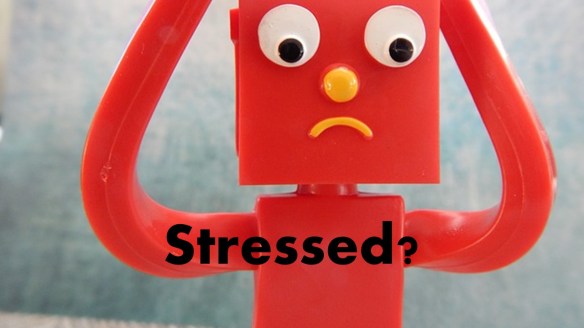
Stressed

Feeling stressed out?
Photo courtesy of Pixabay.com

How stress affects you depends on your stress mindset.

When we say something is stressful, most people think of this as a bad thing. Some stress is harmful. But sometimes stress can be helpful. Research tells us that without stress hormones, you might have difficulty getting out of bed in the morning. Stress hormones can divert blood flow to muscles, making you run faster. A little bit of stress can also improve your alertness and attention. How your stress affects you depends on your stress mindset.

We experience stress in two different situations. There’s the ongoing kind of stress that comes from a demanding job or challenging home situation. If you’re unemployed, that’s stressful. Stress can also be the result of a sudden need to perform well. Going for that big job interview, that can be significantly stressful also. Having an unexpected significant challenge, making a speech, finishing a project, or taking a big test can all be stressful.

What will happen to you when you’re faced with a challenge? Are you one of those people who fall apart under stress? Or are you the type of person that can rise to the occasion, for whom stress brings out the best in you? How stress will affect you is likely to be the result of the thing some psychologists describe as your stress mindset.

Do you have a negative stress mindset?

If you face stress with the belief that this is awful, harmful, and debilitating, you have a negative stress mindset. People with a negative stress mindset repeatedly experience stressful events as unpleasant or debilitating. They worry about things in advance. A negative stress mindset makes it more difficult to cope with a challenging task.

People with a negative stress mindset often believe they do not have the resources necessary to cope with the stressor and experience the challenge as exhausting. If you expect things to be stressful, you will try to avoid them rather than trying something new, which may be beneficial.

What’s a positive stress mindset?

People who see stress positively believe that it can improve their focus. They see challenges as opportunities to up their game. For them, stress increases their motivation. The challenging activity provides them a chance to learn and grow as well as to display their talents to others. As the pressure rises, their performance improves.

People who have a positive stress mindset, when faced with a difficult task, look for ways to cope with the challenge. They view this challenge as an opportunity for learning and growth. They are likely to come out of the experience energized regardless of the outcome.

People who believe in the potential positive outcomes from stress are less likely to be overwhelmed by difficult life circumstances.

How can you cope with pressure?

Developing a positive stress mindset can improve your ability to cope with pressure. Think of pressure as another form of exercise. Avoiding exercise results in you becoming weaker. Avoiding anything stressful reduces your ability to cope. Look for small things that you can do to challenge herself to develop better coping skills when under stress.

Learn to interpret those butterflies in your stomach as excitement rather than thinking of them as a warning of danger. Preparing in advance for the possible stressful event can reduce that feeling of stress. A big test will be more stressful if you haven’t studied for the exam. Practicing needed skills until they are automatic will make you more confident in performance situations. But all that preparation will not help you if you interpret challenges with a negative stress mindset.

Look for the positive benefits of challenging situations.

Developing a positive stress mindset includes learning to view each new challenge as an opportunity to grow and improve. When faced with the unexpected situation, look for the potential positive outcomes. Ruminating about what could go wrong will make the event more stressful. Focusing on opportunities will reduce the feeling of stress.

To reduce stress, don’t listen to your inner critic.

Putting yourself down doesn’t improve your performance. Most of us have an inner critic telling us we are not good enough. Critics criticize. Those who accomplish things in life ignore their inner critic and move forward. If you expect to do poorly, your performance will sink to the level your brain expects.

For more on this topic, see:     Stress or Productivity

Recommended Mental Health Books

David Miller at counselorssoapbox.com is an Amazon Affiliate and may receive a small Commission if you purchase a book or product using the link on this page. Using the link will not increase the cost to you.

Staying connected with David Joel Miller

Seven David Joel Miller Books are available now!

My newest book is now available. It was my opportunity to try on a new genre. I’ve been working on this book for several years, but now seems like the right time to publish it.

Story Bureau.

Story Bureau is a thrilling Dystopian Post-Apocalyptic adventure in the Surviving the Apocalypse series.

Baldwin struggles to survive life in a post-apocalyptic world where the government controls everything.

As society collapses and his family gets plunged into poverty, Baldwin takes a job in the capital city, working for a government agency called the Story Bureau. He discovers the Story Bureau is not a benign news outlet but a sinister government plot to manipulate society.

Bumps on the Road of Life. Whether you struggle with anxiety, depression, low motivation, or addiction, you can recover. Bumps on the Road of Life is the story of how people get off track and how to get your life out of the ditch.

Dark Family Secrets: Doris wants to get her life back, but small-town prejudice could shatter her dreams.

Casino Robbery Arthur Mitchell escapes the trauma of watching his girlfriend die. But the killers know he’s a witness and want him dead.

Planned Accidents  The second Arthur Mitchell and Plutus mystery.

Letters from the Dead: The third in the Arthur Mitchell mystery series.

What would you do if you found a letter to a detective describing a crime and you knew the writer and detective were dead, and you could be next?

Sasquatch. Three things about us, you should know. One, we have seen the past. Two, we’re trapped there. Three, I don’t know if we’ll ever get back to our own time.

For these and my upcoming books; please visit my Author Page – David Joel Miller

Want the latest blog posts as they publish? Subscribe to this blog.

For videos, see: Counselorssoapbox YouTube Video Channel

Risk.

Risk.

Risk.
Photo courtesy of Pixabay.com

Sunday Inspiration.     Post by David Joel Miller.

“Never was anything great achieved without danger.”

― Niccolò Machiavelli

“Take into account that great love and great achievements involve great risk.”

― Dali Lama

“He who is not courageous enough to take risks will accomplish nothing in life”

― Muhammad Ali

Wanted to share some inspirational quotes with you.  Today seemed like a good time to do this. There are an estimated 100,000 words in the English language that are feelings related. Some emotions are pleasant, and some are unpleasant, but all feelings can provide useful information. If any of these quotes strike a chord with you, please share them.

Look at these related posts for more on this topic and other feelings.

Emotions and Feelings.

Inspiration

Impulsive.

Impulsive.
Photo courtesy of Pixabay.com

Impulsive.

Sunday Inspiration.     Post by David Joel Miller.

“Great things are not done by impulse, but by a series of small things brought together.”

― Vincent Van Gogh

“Men are driven by two principal impulses, either by love or by fear.”

― Niccolò Machiavelli, The Discourses

“…our impulses are too strong for our judgment sometimes”

― Thomas Hardy, Tess of the D’Urbervilles

Wanted to share some inspirational quotes with you.  Today seemed like a good time to do this. There are an estimated 100,000 words in the English language that are feelings related. Some emotions are pleasant, and some are unpleasant, but all feelings can provide useful information. If any of these quotes strike a chord with you, please share them.

Look at these related posts for more on this topic and other feelings.

Emotions and Feelings.

Inspiration

Grow Your Power.

By David Joel Miller, MS, Licensed Therapist & Licensed Counselor.

No Power?
Photo courtesy of Pixabay.com

Empowerment – growing your power.

Ever wish you had more power? Would you like to be more in control of your own life? Do you feel helpless to change your life? There are ways to increase your power, be more effective, and have more of the things you want in life.

No matter how much or how little power you feel you have today, you can begin to grow that sense of personal power, step by step, starting today.

You may have learned to be helpless, been in a situation where no matter what you did, you were told you were wrong. Your efforts may have been invalidated and unrewarded. People may have taught you to be helpless. If you learned to be helpless you can unlearn that way of thinking.

Right now, what are you doing to enlarge your feelings of personal power? If not today, when will you begin to take control of your life?  Here are some ways to grow that personal power.

Look for areas in your life where you can take control.

If you focus only on the areas that are out of your control, you become debilitated and paralyzed. Focus on your choices.

When you think you have no control, you make it so. You may be in a situation where you are dependent on others. You have more control than you think. You may not be able to control your situation or surroundings, but you can control your attitude. You can think like a victim, or you can think like a survivor and be a participant in your life.

Look for help or a mentor to develop your skills.

If you are in a low power situation, an abusive relationship, or poverty, look for resources that can help you. Teachers, counselors, or mentors can help you to grow your power.

Can’t find a person to help you? Look for books on changing your life.

Begin making your own decisions.

Look for areas in your life where you can decide for yourself. Large or small, it does not matter, begin the process of thinking about how you feel about things and what you want. Cultivate the habit of making as many decisions about your life as possible. Especially pay attention to how you feel about things. If you feel helpless you may be giving up your power to someone else without even noticing you are giving your control away.

Try new things to grow your self-esteem.

Are you going for ice cream? Look for a new flavor to try. You may like it. You may not. Check off that one from your to-do list. The more experiences you have in life, the more you can adapt to change. Like it or not change is a part of life. Doing a wider variety of activities increases your sense of competency.

Volunteering to help others make you more confident.

This is a great way to try on new behaviors. In 12 step groups, people will become secretaries of meetings or chair a meeting. The experience of trying on a new behavior can increase your self-confidence. You may surprise yourself with how well you can do something.

Practice leadership to improve your confidence.

In many residential treatment facilities, the group selects client officials. Each week as clients come and go, these officials change. Clients frequently tell me this was the first time in their lives they have been in a leadership role. They discover talents they never knew they had.

Do something for yourself to feel more confident.

Taking good care of yourself is not being selfish. You can’t be of service to others if you don’t have it to give. Self-care is important. Making yourself a priority tells you that you are worth being cared for. Feeling good about yourself, knowing you mater will enlarge your sense of personal power and control of your life.

Make something “your own.”

Find something that brings joy to your life. Do you have a favorite author? Which sports team is “your” team? Do you crochet? Do you cook Italian? What interest or activity says, “you?” What is your religion or spiritual connection?  Feeling that there is something you connect to makes you feel more anchored, more a part of the community.

You’re going to spend your whole life with you. Invest some time in getting to know you.

Learning a new skill will make you feel more competent.

Expanding your skills is a great way to make you feel more competent and useful. Is there something you always wanted to try? If not now, when will you do this? Look for someone in your life who has this skill and ask them to teach you. Go to places where people who have this skill hang out and learn from them. Clubs, online blogs, and short-term classes are all great sources of information. Stores sometimes teach courses on how to use the products they sell.

Get more education or training, and you will feel more confident.

Opportunities for education and training are more available than at any time in history.  There are plenty of adults of all ages back in school, learning a new skill. Check out some of the online tutorials which show you how to do something. Staying current on your skills makes you feel better about yourself.

There are some suggestions for creating empowerment and growing your personal power. Have you found any other ways to feel more competent and in charge of your life?

Leave a comment and share with the rest of us the things you have done to empower yourself and grow that personal power.

Staying connected with David Joel Miller

Seven David Joel Miller Books are available now!

My newest book is now available. It was my opportunity to try on a new genre. I’ve been working on this book for several years, but now seem like the right time to publish it.

Story Bureau.

Story Bureau is a thrilling Dystopian Post-Apocalyptic adventure in the Surviving the Apocalypse series.

Baldwin struggles to survive life in a post-apocalyptic world where the government controls everything.

As society collapses and his family gets plunged into poverty, Baldwin takes a job in the capital city, working for a government agency called the Story Bureau. He discovers the Story Bureau is not a benign news outlet but a sinister government plot to manipulate society.

Bumps on the Road of Life. Whether you struggle with anxiety, depression, low motivation, or addiction, you can recover. Bumps on the Road of Life is the story of how people get off track and how to get your life out of the ditch.

Dark Family Secrets: Doris wants to get her life back, but small-town prejudice could shatter her dreams.

Casino Robbery Arthur Mitchell escapes the trauma of watching his girlfriend die. But the killers know he’s a witness and want him dead.

Planned Accidents  The second Arthur Mitchell and Plutus mystery.

Letters from the Dead: The third in the Arthur Mitchell mystery series.

What would you do if you found a letter to a detective describing a crime and you knew the writer and detective were dead, and you could be next?

Sasquatch. Three things about us, you should know. One, we have seen the past. Two, we’re trapped there. Three, I don’t know if we’ll ever get back to our own time.

For these and my upcoming books; please visit my Author Page – David Joel Miller

Want the latest blog posts as they publish? Subscribe to this blog.

For videos, see: Counselorssoapbox YouTube Video Channel

Honest.

Honest.

Sunday Inspiration.     Post by David Joel Miller.

Honest.
Photo courtesy of Pixabay.com

“Being entirely honest with oneself is a good exercise.”

― Sigmund Freud

“The real things haven’t changed. It is still best to be honest and truthful; to make the most of what we have; to be happy with simple pleasures; and have courage when things go wrong.”

― Laura Ingalls Wilder

“We are all travelers in the wilderness of this world, and the best we can find in our travels is an honest friend.”

― Robert Louis Stevenson

Wanted to share some inspirational quotes with you.  Today seemed like a good time to do this. There are an estimated 100,000 words in the English language that are feelings related. Some emotions are pleasant, and some are unpleasant, but all feelings can provide useful information. If any of these quotes strike a chord with you, please share them.

Look at these related posts for more on this topic and other feelings.

Emotions and Feelings.

Inspiration