
How to be on time.

By David Joel Miller, MS, Licensed Therapist & Licensed Counselor.

Time to change.

Are you on time?
Photo courtesy of Pixabay.com

How do those consistently punctual people do it?

Some people are always, almost pathologically, on time. Others are chronically late. Our western society is run on time. Things start at a particular time and then we are off to the next thing which also has a time. It can feel like we are being controlled by the clock.

The twentieth century was heralded as the century of labor-saving devices. With all that time we saved you would think no one would ever be hurried again. The result has not been an increase in available time but more working overtime to pay for all these labor and time-saving devices.

Even with all those technological advancements, some people are always on time and some are always late. Without getting into a discussion of the psychological factors that affect punctuality, and there are many psychological reasons people are on time or late arrivals, let’s look at how the Punctual People do things.

1. Punctual People get to bed on time.

If you think your day starts when you get up in the morning you would be way off. Getting plenty of sleep increases punctuality in the same way it increases productivity.

If you stay up late you will pay for it the whole next day. Tired people drag and then have to rush from thing to thing all day long.

2. Punctual People start their day early.

Late risers are already behind schedule when their feet hit the floor. They feel rushed and harried from start to finish. Let one thing go wrong and the rest of their day is off-kilter.

Burn breakfast and there is no time to make a new one. The kids or you go hungry.

Plenty of road rage is caused by people who start out late and then need to “make up time” on the roadway. This rushing is bad for your driving and is bad for your health.

Start your day early and there is time if something goes wrong.

3. Punctual People allow enough time.

You know that your morning drive takes thirty minutes but you hang around reading your email and drinking coffee till quarter till. The result you have to rush and you are still late.

The worst papers come in from the students who wait until the night before and then try to write a paper in a few hours that they should have been working on all semester.

Bosses can easily tell when someone only allows an hour for an activity that should take four. The result is hurried, partially done, and almost always late if it is done at all.

Give yourself plenty of time for each thing you do and you will be more creative, do a better job, and still get it in on time.

Be realistic about how long things will take and you will run on time a lot more.

4. Productive People do not schedule themselves 100% of their time.

Early in the industrial age factory owners learned that you can’t schedule factories at 100% of capacity. Try to get above a certain productivity and something is bound to go wrong. A machine breaks or jams and then shuts down the whole line, the result is that productivity falls drastically,

People need downtime for rest, relaxation, and repair in the same way machines need maintenance if we are to avoid a major emergency.

Punctual people do not schedule themselves nonstop. They allow small gaps throughout their day so that if one activity runs long they do not throw their whole day out of whack.

5. Punctual People prefer waiting to being late.

Punctual People enjoy those relaxing moments when they get somewhere before the event starts. They do not mind waiting for others. A few minutes to relax between things is both healthy and it keeps you on schedule the rest of the day.

6. Punctual People start tasks early.

If you begin your work on that report or paper early there is little need to rush and you are more likely to be done on time.

Getting off the procrastination ride and doing the hard things first assures they will get done on time. Waiting till the last-minute sets you up to run overtime and be off schedule from then on.

7. Punctual People use their calendar.

Punctual people plan ahead. The plan on doing things on schedule and that means leaving enough time on their calendar for getting something done. It also means not scheduling things too close together so that getting from one thing to the next throws them off schedule.

8. Punctual people feel disrespected when you are late.

Punctual people manage their stress by staying organized and planning ahead. They do not feel stressed because they started way before this meeting with you.

They may have gone to bed early, gotten up early, and left home for your meeting early all to avoid rushing and arriving stressed. It is also likely that they have planned some flex time between seeing you and the next thing they need to do.

When you are late you take away that tranquility they have created and dump your stress directly in their lap.

When you are late there is less time to spend with you, less gets done, meetings are abrupt or hurried and if they run over time, you have just stolen some time that they had planned to spend with someone else.

There are some things in life where you do not need to observe a strict start and stop time. But most of life is run by the clock. Show up late for court and you may lose your case. Be late for a job interview and you reduced the chances of getting hired.

People who are on time are seen as dependable, they do what they say they will. So if you want to join the on-time club, consider adopting some of the characteristics of Punctual People and see if this does not reduce your stress in the process of making you a more Punctual Person.

Staying connected with David Joel Miller

Seven David Joel Miller Books are available now!

My newest book is now available. It was my opportunity to try on a new genre. I’ve been working on this book for several years, but now seem like the right time to publish it.

Story Bureau.

Story Bureau is a thrilling Dystopian Post-Apocalyptic adventure in the Surviving the Apocalypse series.

Baldwin struggles to survive life in a post-apocalyptic world where the government controls everything.

As society collapses and his family gets plunged into poverty, Baldwin takes a job in the capital city, working for a government agency called the Story Bureau. He discovers the Story Bureau is not a benign news outlet but a sinister government plot to manipulate society.

Bumps on the Road of Life. Whether you struggle with anxiety, depression, low motivation, or addiction, you can recover. Bumps on the Road of Life is the story of how people get off track and how to get your life out of the ditch.

Dark Family Secrets: Doris wants to get her life back, but small-town prejudice could shatter her dreams.

Casino Robbery Arthur Mitchell escapes the trauma of watching his girlfriend die. But the killers know he’s a witness and want him dead.

Planned Accidents  The second Arthur Mitchell and Plutus mystery.

Letters from the Dead: The third in the Arthur Mitchell mystery series.

What would you do if you found a letter to a detective describing a crime and you knew the writer and detective were dead, and you could be next?

Sasquatch. Three things about us, you should know. One, we have seen the past. Two, we’re trapped there. Three, I don’t know if we’ll ever get back to our own time.

For these and my upcoming books; please visit my Author Page – David Joel Miller

Want the latest blog posts as they publish? Subscribe to this blog.

For videos, see: Counselorssoapbox YouTube Video Channel

Is your story a Fairytale or Nightmare?

By David Joel Miller, MS, Licensed Therapist & Licensed Counselor.

Castle in the sky

Fairytale world.
Photo courtesy of Pixabay.com

The stories you tell yourself come true.

We all tell ourselves stories. You may not think of them that way, you may have other names for them. You may think that what you are saying is just self-evident truths.  You are shy, clumsy stupid, and so on. You may say your family is cold or that you are all failures.

The things you tell yourself have a way of coming true. If you tell yourself often enough that you are stupid or that you can’t succeed you create that outcome.

Some people think of these stories as life scripts. If you tell yourself you are a loser, you will continue to lose to meet that requirement.

You tell yourself you are a certain kind of person and that means you will have a specific sort of life. You say you are unlucky and you avoid situations that involve risk. The result is that those great wins in life are always just out of reach.

Which kind of stories do you tell yourself?

If you tell yourself you can’t do something your brain will take that for an order and will prevent you from doing what you have forbidden yourself to do. Like that little engine if you tell yourself you can you will find it easier to get over the hill.

Many of you have pet stories you tell yourself. You tell yourself you are too stupid or too weak to do something and then you find you can’t do it which proves that you were right. The great surprise, for many of you, will come when you stop telling yourself that you are stupid and tell yourself that you can learn what you set out to do, and then that new story becomes true.

If you tell yourself that life is awful and that you can’t, then you won’t. If you can change that story and tell yourself that all things are possible, then more opportunities will open up.

Changing your life script story.

Some people have told themselves that they are addicts and so they need to use drugs. If you tell yourself that you are an alcoholic you will need to drink. But you can change that story. You can be an addict in recovery or an alcoholic in sobriety. You can tell yourself that you no longer need to do those things and if you tell yourself that you can live life without drugs or depression or anxiety, then that can become the new story, the new life script for you.

We all tell ourselves stories, who we are, what we can and can’t do. Make one mistake and you may tell yourself you are a failure. Forget something once and you may start telling yourself you are forgetful. The truth is that you do not forget everything and you can change that story.

The person who told you that story could easily be wrong.

Some of these life tales are stories that we were told as children. We hear that we are stupid and we repeat that story. If you heard these stories often enough you may have stopped recognizing that this is just a story, someone else’s story for your life.

If you have learned to tell those stories to yourself, you will find that you can change the endings. You can be and do so much more than you ever thought you could.

What is the new story, the new life script you are creating for the role you will play in your life?

Staying connected with David Joel Miller

Seven David Joel Miller Books are available now!

My newest book is now available. It was my opportunity to try on a new genre. I’ve been working on this book for several years, but now seem like the right time to publish it.

Story Bureau.

Story Bureau is a thrilling Dystopian Post-Apocalyptic adventure in the Surviving the Apocalypse series.

Baldwin struggles to survive life in a post-apocalyptic world where the government controls everything.

As society collapses and his family gets plunged into poverty, Baldwin takes a job in the capital city, working for a government agency called the Story Bureau. He discovers the Story Bureau is not a benign news outlet but a sinister government plot to manipulate society.

Bumps on the Road of Life. Whether you struggle with anxiety, depression, low motivation, or addiction, you can recover. Bumps on the Road of Life is the story of how people get off track and how to get your life out of the ditch.

Dark Family Secrets: Doris wants to get her life back, but small-town prejudice could shatter her dreams.

Casino Robbery Arthur Mitchell escapes the trauma of watching his girlfriend die. But the killers know he’s a witness and want him dead.

Planned Accidents  The second Arthur Mitchell and Plutus mystery.

Letters from the Dead: The third in the Arthur Mitchell mystery series.

What would you do if you found a letter to a detective describing a crime and you knew the writer and detective were dead, and you could be next?

Sasquatch. Three things about us, you should know. One, we have seen the past. Two, we’re trapped there. Three, I don’t know if we’ll ever get back to our own time.

For these and my upcoming books; please visit my Author Page – David Joel Miller

Want the latest blog posts as they publish? Subscribe to this blog.

For videos, see: Counselorssoapbox YouTube Video Channel

4 reasons your self-improvement program will fail

By David Joel Miller, MS, Licensed Therapist & Licensed Counselor.

Changing your life

Time for a life change?
Photo courtesy of Pixabay.com

Self-improvement programs fail when you set wrong goals.

Another year, another bunch of resolutions, and by now most are headed for the same old failures. The reason most self-change programs fail – wrong, fuzzy, and poorly defined goals.

Most resolutions are made with little or no thought about where you are going and how you will get there. If this new you is not worth the trouble to plan, then it probably will not be worth the effort to take action, and next year, long about this time, you will be in the same place you are now.

What are the specific things you need to think about if you want your plan to succeed?

1. What is your goal?

Set the wrong goal and you end up at the wrong destination or you don’t get anywhere at all. Fuzzy goals lead you around in circles.

A common form of resolution this time of year goes something like:

I want to lose weight, exercise more, get in shape, and improve my health.

Some of these goals may conflict. One easy way to lose lots of weight is to get sick, physically, or mentally. Worry enough or get really depressed and you may stop eating. Good for weight loss but not for getting healthy.

Exercising more may result in that fat being converted to muscle. You will be healthier but may not lose any weight.

Improving your health may involve seeing a doctor, getting your flu shot, and a lot of preventative screening tests. Hard to do when you are starving yourself and running marathons. Severe calorie restriction and aggressive exercise may result in a hospital say, not really what you had in mind when you set your goals.

Second goal problems example.

You decide you want to be wealthier. For most people, this means wanting to be able to afford to buy the things that you or your family wants. So you work harder, take a second job, save some money and then you buy your kids that new video game console they wanted.

One problem – now you are broke again and you are working more hours than before. When most people say they wish they were wealthier what they really mean is they would like to be able to spend more. The wealthier goal self-destructs the closer you get to it.

To build real wealth you need to scale back your consumption and save. That is exactly the opposite of what most people mean when they say they want to be wealthier.

Getting really clear on your goals can improve your chances that this year’s resolutions have some chance of succeeding.

2. How big a priority is this goal?

Many people set goals that sound all nice but they are not really committed to getting there. If you would like to lose weight or get richer, as long as you do not have to actually work for that goal, there is little chance of you arriving there.

To make achieving a goal a reality it needs to be something that you want more than you want other things. Do you want that goal enough to give up time on the couch? Will you forego spending or eating something to reach that goal?

Just how committed are you to this thing and what difference will it really make in your life if you get there?

3. Is the goal consistent with your values?

You value time with family, especially those family get together dinners. That time with family is pretty inconsistent with working more, spending less, and improving your finances. Those entertaining times are also inconsistent with losing weight.

Despite these inconsistencies, lots of people will say they want things mostly because they would like the praise of others for getting to this goal even when that goal is in direct conflict with their personal values.

4. Can you see clear benefits in reaching this goal?

Some things are kind of nice to have but really getting them will not change much in your life. Unless you can picture yourself reaching this goal and visualize how your life will be better off for having made the sacrifices needed to get there, you are not likely to be motivated to do the work.

So consider now, as the first month of 2014 is well underway, what happened to those New Year’s resolutions? Did you get clear on what you wanted and how that is influenced by your values? Can you see this goal becoming a reality? And most of all is this change thing something you are doing for you or is it something you think you should do because of what others will think about you?

Are you one of the rare ones who decide to make a change and then does the work to get there? Maybe we will check back in about a year and see who has made a success of their change plans.

Staying connected with David Joel Miller

Seven David Joel Miller Books are available now!

My newest book is now available. It was my opportunity to try on a new genre. I’ve been working on this book for several years, but now seem like the right time to publish it.

Story Bureau.

Story Bureau is a thrilling Dystopian Post-Apocalyptic adventure in the Surviving the Apocalypse series.

Baldwin struggles to survive life in a post-apocalyptic world where the government controls everything.

As society collapses and his family gets plunged into poverty, Baldwin takes a job in the capital city, working for a government agency called the Story Bureau. He discovers the Story Bureau is not a benign news outlet but a sinister government plot to manipulate society.

Bumps on the Road of Life. Whether you struggle with anxiety, depression, low motivation, or addiction, you can recover. Bumps on the Road of Life is the story of how people get off track and how to get your life out of the ditch.

Dark Family Secrets: Doris wants to get her life back, but small-town prejudice could shatter her dreams.

Casino Robbery Arthur Mitchell escapes the trauma of watching his girlfriend die. But the killers know he’s a witness and want him dead.

Planned Accidents  The second Arthur Mitchell and Plutus mystery.

Letters from the Dead: The third in the Arthur Mitchell mystery series.

What would you do if you found a letter to a detective describing a crime and you knew the writer and detective were dead, and you could be next?

Sasquatch. Three things about us, you should know. One, we have seen the past. Two, we’re trapped there. Three, I don’t know if we’ll ever get back to our own time.

For these and my upcoming books; please visit my Author Page – David Joel Miller

Want the latest blog posts as they publish? Subscribe to this blog.

For videos, see: Counselorssoapbox YouTube Video Channel

8 Ways to make the holiday emotionally safe

By David Joel Miller, MS, Licensed Therapist & Licensed Counselor.

Fall scene

Happy Holidays

Plan now to safeguard yourself in recovery.

The holidays can be stressful times. Recovery, from anxiety, trauma, alcohol or drugs is a precious thing and it takes a lot of work to reach for a recovered life. Keep your recovery and yourself safe this Holiday season by using these tips.

It is easy to get caught up in the “shoulds” and the “musts” and forget to look for the things that will be most helpful to you and your recovery.

Here are some helpful hints for getting through this time of year with your recovery unscathed.

1. Practice saying NO!

There can be a lot of pressure to do and say things that are not good for you. Work on setting healthy boundaries. Tell people no if they try to get you to do things that may be stressful and bad for your recovery.

Learn to tell yourself no also. There is always the temptation to overdo, run about too much, visit too many places, and try to do too much to make this a perfect holiday. Nothing will make the holidays perfect if your recovery unravels.

2. Too much of a good thing is a bad thing.

Even happy times can be stressful. This is especially true if you are recovering from depression, anxiety, or substance abuse. Do not let the good times wear you out and leave you vulnerable to relapse into your particular issue.

Happiness is not a sprint to get to the cookie jar first. A happy life is a long journey of relaxed enjoyment. Trying to put too much pleasure on your plate one day may leave you unable to do the things that might make you happy the next and beyond.

3. Avoid people and places that would undermine your recovery.

Some family is not healthy. Just because they are relatives does not mean you owe it to them to put yourself at risk. Avoid family members who may undermine your mental health. Take a supportive person with you if you will encounter negative people and be prepared to cut your visit short if the stress gets to you or you begin to be overtired.

4. Take exceptional care of yourself.

Get plenty of sleep. Lack of sleep one night can set up the downward spiral that will result in being too emotional wrung out to get up the next day. Overtired can lead to using substances to try to keep going. Cut your sleep short and you are setting yourself up for a relapse.

Drink plenty of water. This reduces the effects of other unhealthy exposures. Being very thirsty sets problem drinkers up to drink alcohol and places people with mental illnesses at risk to drink more than they planned.

Eat healthy food. Avoid excess sugar and take in those calories in moderation. It is a whole lot easier to pass up a few unhealthy treats than it will be to get back in shape in the New Year.

5. Make getting better job one.

Nothing is more important than your recovery. If you have started practices that are furthering your recovery do not put them aside over the holiday season.

Go to the gym, do your journaling, call supportive people. Keep up with your spiritual practice. Prayer and meditation are not tools that should be kept in the drawer this time of year. If you practice mindfulness and meditation make this a do first action.

6. Go for the safe choice first.

Avoid doing things that you “might” be able to handle. Avoid things that are risky and go always for the safe choice first.

Alcoholics should not drop by the bar just to say hi. Do not call people you know will be upsetting.

7. Reach out for help.

Call your support system. If you are a member of a particular fellowship make sure meetings are on your to-do list. Attend religious services if you find this supportive of your recovery.

Every recovering person needs a list of people who are supportive. Make those calls to other recovering people. Sometimes you will find that they needed to hear from you even more than you need to talk with them.

8. Do not push yourself.

Be kind and gentle with yourself. Do not overdo. Do not pile more and more on your plate and expect to get through the holiday season with your recovery intact.

Taking good care of yourself is not being selfish. Be the kind of friend you need. Be your own best friend.

Which of these things do you plan to do? What other techniques have you found that help keeps you safe and in recovery over the holidays?

Staying connected with David Joel Miller

Seven David Joel Miller Books are available now!

My newest book is now available. It was my opportunity to try on a new genre. I’ve been working on this book for several years, but now seem like the right time to publish it.

Story Bureau.

Story Bureau is a thrilling Dystopian Post-Apocalyptic adventure in the Surviving the Apocalypse series.

Baldwin struggles to survive life in a post-apocalyptic world where the government controls everything.

As society collapses and his family gets plunged into poverty, Baldwin takes a job in the capital city, working for a government agency called the Story Bureau. He discovers the Story Bureau is not a benign news outlet but a sinister government plot to manipulate society.

Bumps on the Road of Life. Whether you struggle with anxiety, depression, low motivation, or addiction, you can recover. Bumps on the Road of Life is the story of how people get off track and how to get your life out of the ditch.

Dark Family Secrets: Doris wants to get her life back, but small-town prejudice could shatter her dreams.

Casino Robbery Arthur Mitchell escapes the trauma of watching his girlfriend die. But the killers know he’s a witness and want him dead.

Planned Accidents  The second Arthur Mitchell and Plutus mystery.

Letters from the Dead: The third in the Arthur Mitchell mystery series.

What would you do if you found a letter to a detective describing a crime and you knew the writer and detective were dead, and you could be next?

Sasquatch. Three things about us, you should know. One, we have seen the past. Two, we’re trapped there. Three, I don’t know if we’ll ever get back to our own time.

For these and my upcoming books; please visit my Author Page – David Joel Miller

Want the latest blog posts as they publish? Subscribe to this blog.

For videos, see: Counselorssoapbox YouTube Video Channel

9 ways to tame the emotional storm in your house

By David Joel Miller, MS, Licensed Therapist & Licensed Counselor.

Can't stop fighting?

Trapped in conflict?
Photo courtesy of Pixabay.com

If you live in an emotional storm there are ways of creating safety.

Does your home life feel like a Middle East battlefield? You dread going home or your family members returning home because the next emotional storm is about to hit. Another emotional typhoon is on the way and you are standing directly in its path. How will you survive one more day in this situation?

There are ways to weather the storm, bring peace to the battlefield in your home, and begin to clean up all the wreckage of the past. This does not mean you need to lie down and play the victim. You need to take charge as much as possible of your life and learn the skills to make peace in your house.

The conflicts may be between you and your partner, the children, or the extended family and friends. Whatever the relationship try applying one or more of these techniques to settle things down and repair damaged relationships.

1. A soft answer turns away wrath – de-escalation.

Most of us have learned to match insult for insult, threat for threat. Being right may make the situation worse. Learn to let some things go to not answer every word-bomb lobbed in your direction.

Develop the skills to calm things down not escalate them. Professionals learn that if you go nose-to-nose toe-to-toe and get in someone’s face the situation is headed for an explosion. Soft words, calm slow tones, and a willingness to calm things down rather than try to force the other person to back down will get you to a much safer place.

Yelling matches usually result in actions or permanent emotional ruptures.

2. Take a timeout.

When people get worked up pushing through to try to “resolve this once and for all” can cause results you do not want.

People who are overwrought may do and say things they will regret later.

3. Look for the good in those around you.

If you look for bad actions and bad motives you will see them, even when they did not exist before. Look for what is good about that person and this will help you get through the times of conflict.

4. Take responsibility for how you feel.

Other people do not make us angry or sad. What they say may be things we did not want to hear. But we have the choice of letting them upset us or letting things go as just part of the heat of the moment.

Do not take the bait and turn a disagreement into World War Three. Children are good at “getting your goat.” And making the resulting explosion all your fault. If you lose your temper you also lose all around.

5. Communications means listening.

In couples counseling, one exercise we use is to get one person to explain their view of the problem and then the other person to try to explain what their partner is saying.

Most people get this wrong.

When the other person is talking most of us are thinking of what they want to say when they finish.  You may be thinking of explanations for what you did and said or arguments to prove you are right.

What happens frequently is that what you are arguing about is not what the other person said. You may have heard the words but in the process, if you missed the feelings behind the words. You are talking about way different things.

Listen to understand and the argument may melt away as you hear that your partner is scared or worried not that they are resisting you.

6. Pick your battles.

This is especially important with children. They will start to argue about everything. Some people think that if they give in on the small things that mean that they are losing ground. Not necessarily. Save your strength for the things that matter rather than trying to control every aspect of the other person’s life and actions.

When you fight with your kids over everything you lose their attention. It all seems like you are disagreeing with them just to be controlling. Eventually, they will wear you down.

Yes, you need some standards and some rules. Pick them wisely.

7. Avoid drugs and alcohol as ways to cope with feelings.

Many of the couples that come for counseling spend a lot of time on what they are arguing about and report that some weeks they get along fine and other weeks they fight a lot. What they fail to connect is the times they are fighting more, they are often drinking or drugging more.

Using alcohol because you are angry is not likely to reduce your anger. Alcohol just reduces your inhibitions and results in more and worse fights.

If you live with a substance abuser, when they are under the influence is not the time to have this out. Lots of Chemically dependent people will provoke fights so they can blame you when they go drink or get high.

You probably need professional help in dealing with this.

The worst thing you can do is join in the substance abuse.

8. They were that way when you meet them – acceptance is the key.

Couples get together and they accept just everything about their new partner. Then a year or so later, right after the first child is born they commence to fighting about every little thing. The things that were so cute when you were dating are now major annoyances.

Try to accept that the person in your life – that is just the way they are. You can ask for them to do or not do things, but do not try to change the person they are. Not in the short run anyway. Failure to accept the person for who they are will eventually ruin the relationship.

Is this issue really so severe that you would prefer to end the relationship rather than accept it?

9. Pick a partner and you pick a set of problems.

When things are going badly in relationships we often think that changing partners or throwing the child out will end the problem. It rarely does.

After that change, we get to feeling alone and we let someone else into our life. Guess what? They come with a new set of problems we hadn’t counted on.

Staying connected with David Joel Miller

Seven David Joel Miller Books are available now!

My newest book is now available. It was my opportunity to try on a new genre. I’ve been working on this book for several years, but now seem like the right time to publish it.

Story Bureau.

Story Bureau is a thrilling Dystopian Post-Apocalyptic adventure in the Surviving the Apocalypse series.

Baldwin struggles to survive life in a post-apocalyptic world where the government controls everything.

As society collapses and his family gets plunged into poverty, Baldwin takes a job in the capital city, working for a government agency called the Story Bureau. He discovers the Story Bureau is not a benign news outlet but a sinister government plot to manipulate society.

Bumps on the Road of Life. Whether you struggle with anxiety, depression, low motivation, or addiction, you can recover. Bumps on the Road of Life is the story of how people get off track and how to get your life out of the ditch.

Dark Family Secrets: Doris wants to get her life back, but small-town prejudice could shatter her dreams.

Casino Robbery Arthur Mitchell escapes the trauma of watching his girlfriend die. But the killers know he’s a witness and want him dead.

Planned Accidents  The second Arthur Mitchell and Plutus mystery.

Letters from the Dead: The third in the Arthur Mitchell mystery series.

What would you do if you found a letter to a detective describing a crime and you knew the writer and detective were dead, and you could be next?

Sasquatch. Three things about us, you should know. One, we have seen the past. Two, we’re trapped there. Three, I don’t know if we’ll ever get back to our own time.

For these and my upcoming books; please visit my Author Page – David Joel Miller

Want the latest blog posts as they publish? Subscribe to this blog.

For videos, see: Counselorssoapbox YouTube Video Channel

All about A.A. and N.A.

About A.A. and N.A.

By David Joel Miller.

AA big book

Alcoholics Anonymous big book.

Questions about 12 step meetings?

There have been a lot of counselorssoapbox.com posts about 12 step meetings, A.A. in particular.

As a Licensed Professional Clinical Counselor and a Licensed Marriage and Family Therapist, I work with a lot of people who have substance use issues and mental health issues. We refer to people with both problems as having a “Dual Diagnosis” or more recently as having “Co-occurring disorders.”

People with substance use problems are encouraged to attend 12 step meetings. I wish there were more meetings and support groups for people with mental health issues and dual diagnoses issues.

Mostly, people with multiple problems end up attending 12 step groups. To try to help them feel more comfortable, I have written a number of posts about what they should expect at a meeting. To make these posts easier to find I decided that I should list them all in one place.

Here then are the posts about 12 step groups. If I missed any feel free to remind me and if you have other questions about how A.A. or other 12 step groups work feel free to contact me.

What will you have to do if you go to an A.A. meeting?

What is an Alcoholics Anonymous (A.A.) meeting like?

Is A.A. a religious group?

How do you become a member of A.A.?

What does carrying a court card mean?

What goes on at an A. A. meeting?

What is hitting bottom?

The posts I write about A.A. are from my perspective as a therapist and clinical counselor and do not necessarily reflect the views of A.A. World Services. For more on A.A. and their program of recovery check out the “A.A. Big Book” titled Alcoholics Anonymous at the links below or contact A.A. World Services at their website.

The Big Book of Alcoholics Anonymous

The classic text on Alcoholism, recovery this is the book that started off the whole 12 step phenomenon.

Alcoholics Anonymous from The Anonymous Press

One of the Kindle editions – At 99 cents this is such a bargain. This edition needed a separate listing. No Kindle reader? No Problem, if you have a computer you can download a free Kindle reader.

http://www.aa.org

Staying connected with David Joel Miller

Seven David Joel Miller Books are available now!

My newest book is now available. It was my opportunity to try on a new genre. I’ve been working on this book for several years, but now seem like the right time to publish it.

Story Bureau.

Story Bureau is a thrilling Dystopian Post-Apocalyptic adventure in the Surviving the Apocalypse series.

Baldwin struggles to survive life in a post-apocalyptic world where the government controls everything.

As society collapses and his family gets plunged into poverty, Baldwin takes a job in the capital city, working for a government agency called the Story Bureau. He discovers the Story Bureau is not a benign news outlet but a sinister government plot to manipulate society.

Bumps on the Road of Life. Whether you struggle with anxiety, depression, low motivation, or addiction, you can recover. Bumps on the Road of Life is the story of how people get off track and how to get your life out of the ditch.

Dark Family Secrets: Doris wants to get her life back, but small-town prejudice could shatter her dreams.

Casino Robbery Arthur Mitchell escapes the trauma of watching his girlfriend die. But the killers know he’s a witness and want him dead.

Planned Accidents  The second Arthur Mitchell and Plutus mystery.

Letters from the Dead: The third in the Arthur Mitchell mystery series.

What would you do if you found a letter to a detective describing a crime and you knew the writer and detective were dead, and you could be next?

Sasquatch. Three things about us, you should know. One, we have seen the past. Two, we’re trapped there. Three, I don’t know if we’ll ever get back to our own time.

For these and my upcoming books; please visit my Author Page – David Joel Miller

Want the latest blog posts as they publish? Subscribe to this blog.

For videos, see: Counselorssoapbox YouTube Video Channel
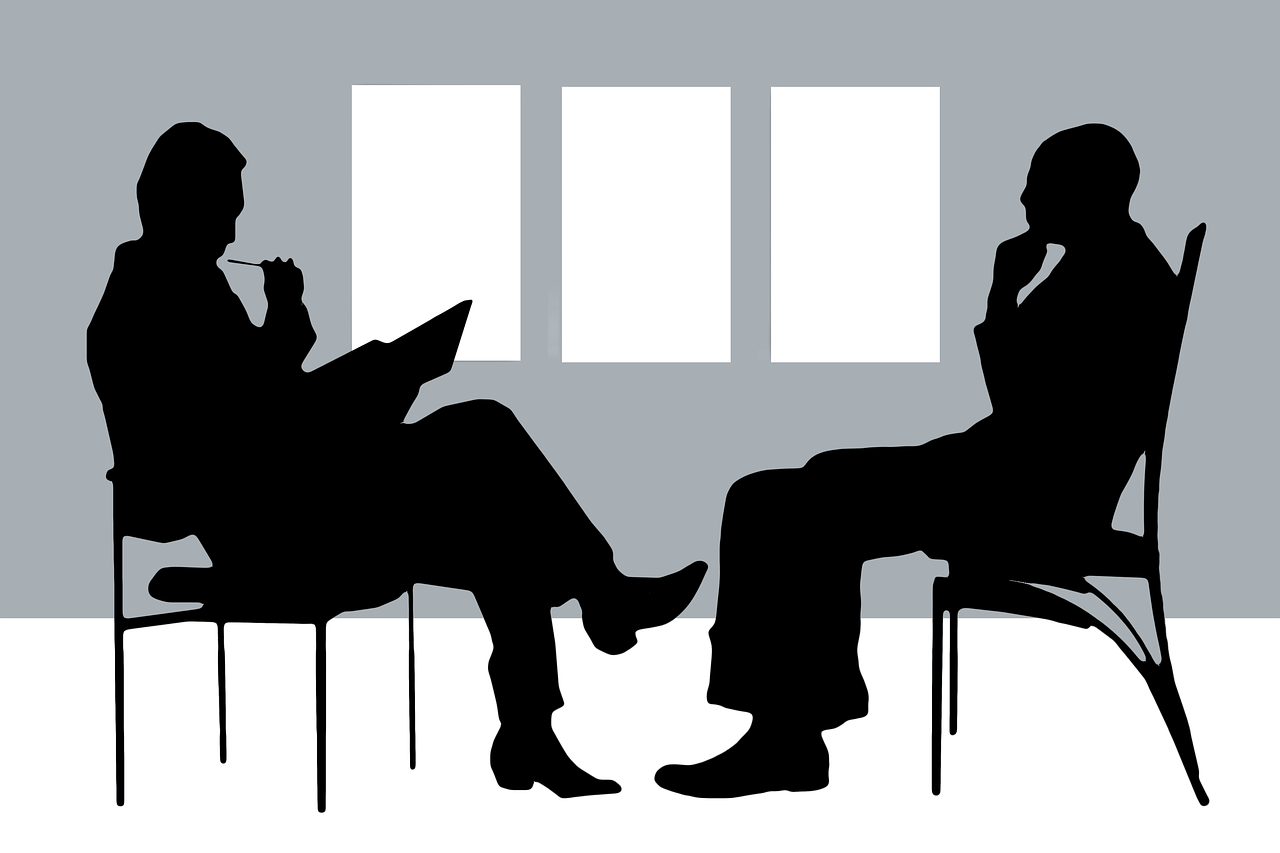
Should your therapist tell you what to do?

By David Joel Miller, MS, Licensed Therapist & Licensed Counselor.

Therapist

Therapist.
Photo courtesy of Pixabay.com

Do therapists and counselors tell people what to do?

Most counselors and therapists will tell you that they do not, under any circumstances, tell clients what to do. Frankly, I think many of my colleagues are fooling themselves more than they are fooling their clients when they say that they do not tell clients what to do.

There are good reasons to tell someone to do things and there are also good reasons to not tell people what to do. This is especially true in something as close and confidential as the counseling relationship.

Clients have told me that they get very upset with their therapists either because the therapist keeps telling them to do something that is inconsistent with their goals and beliefs or because they ask the therapist what they should do and did not get an answer.

There are three questions to examine here. Why do therapists avoid telling clients what to do? Why after saying they would never do this do they then go ahead and try to influence the client’s behavior in more subtle ways, and lastly why counselors can and should tell clients what to do.

Two reasons why the therapist should avoid telling the client what to do.

The goal of counseling is to help clients learn to solve their own problems. Telling clients what to do “fosters dependence” meaning if we make the decisions for you then you do not learn to make them for yourself.

Rather than telling you what to do the counselor should be helping you learn about yourself, what are your values and goals, and then learn how to make the choices that are right for you, not the ones that are good for the therapist.

Second, it is your life, not ours. I do not want to tell someone to get married or divorced and then have to take the blame for things that turn out badly. We are not fortune tellers and do not know what the future holds. You need to pick the outcome that is best for you. While we may have opinions, they are our opinions.

How therapists try to tell you what to do anyway.

Therapists and counselors have opinions, often strong opinions about things. We see certain things as bad for you and other things as good. Not all professionals agree on which is which.

Some marriage therapists refer to themselves as “Gorilla divorce busters.” They believe that all marriages should be saved. So if you go to them for help, no matter how badly you feel in this relationship expect this professional to try to talk you into working on the relationship and out of getting a divorce.

Some therapists take a pro one gender stance. Lots of times this is a pro-feminist stance. They seem to always align with the woman. The message is the man is the problem, get rid of that guy and things will be better.

Personally, over time my position on these gender issues has changed. Most of the time it is neither person’s fault, and if they get divorced they will each be back with a new partner. Pick a partner and you pick a set of problems. So I encourage them to learn the skills they need for a good relationship and practice this with their current partner first.

I also recognize that sometimes even if both people change, the damage they did to each other may mean that they just can’t be together.

Personally, I have worked with so many people who have a substance use disorder that I tend to think most people need to give the drugs or alcohol up. If the couple has most of their fights while drinking I tend to think we need to talk about Alcohol abuse. If the client says they do not want to quit, I go with that. But next week when they get drunk and hit each other again I may ask about that drinking thing again.

I can think of a bunch of other issues that turn up in counseling that might prompt a counselor who has strong opinions to try to influence their client even after that professional says they never tell their clients what to do. Abortion, Homosexuality, and other sexual behaviors all may evoke that behavior in the therapist.

When should a counselor tell a client what to do?

I think, and I may well be in the minority on this, that there are times the counselor may need to tell the client what to do. I usually do this more in the way of providing information or making suggestions, but the point is clear that I think this is what the client should do.

When might a counselor do that? Mostly when I have some information that the client needs and the client does not have that information, some of this borders on social work. I do not do that but I do clinical counseling and there are similarities.

If the client does not have a job, I might do some testing, talk about their job history, and which was their favorite job, and then I might suggest some careers that would be good for the client. I might also suggest some websites to visit and some ways to revise their resume.

If the client is homeless I might suggest some places to go for housing. I might also revisit the drinking problems and suggest that if they stay sober their housing opportunities increase.

When doing Cognitive Behavioral therapy I may give homework. We sometimes call this “conducting behavioral experiments.” I ask the client to do something and then in the next session we talk about how that went. If they did not do the experiment we talk about what got in the way of doing this exercise.

Most of this “advice-giving” is done when the client is trying to adjust to a change in their life and they just do not know where to go or what to do. This “telling” also works best when it is done in the form of suggestions and the client is free to do or not do these things. Either way, I am willing to keep seeing the client and together we work on finding the solution to their problems that work best for them.

Staying connected with David Joel Miller

Seven David Joel Miller Books are available now!

My newest book is now available. It was my opportunity to try on a new genre. I’ve been working on this book for several years, but now seem like the right time to publish it.

Story Bureau.

Story Bureau is a thrilling Dystopian Post-Apocalyptic adventure in the Surviving the Apocalypse series.

Baldwin struggles to survive life in a post-apocalyptic world where the government controls everything.

As society collapses and his family gets plunged into poverty, Baldwin takes a job in the capital city, working for a government agency called the Story Bureau. He discovers the Story Bureau is not a benign news outlet but a sinister government plot to manipulate society.

Bumps on the Road of Life. Whether you struggle with anxiety, depression, low motivation, or addiction, you can recover. Bumps on the Road of Life is the story of how people get off track and how to get your life out of the ditch.

Dark Family Secrets: Doris wants to get her life back, but small-town prejudice could shatter her dreams.

Casino Robbery Arthur Mitchell escapes the trauma of watching his girlfriend die. But the killers know he’s a witness and want him dead.

Planned Accidents  The second Arthur Mitchell and Plutus mystery.

Letters from the Dead: The third in the Arthur Mitchell mystery series.

What would you do if you found a letter to a detective describing a crime and you knew the writer and detective were dead, and you could be next?

Sasquatch. Three things about us, you should know. One, we have seen the past. Two, we’re trapped there. Three, I don’t know if we’ll ever get back to our own time.

For these and my upcoming books; please visit my Author Page – David Joel Miller

Want the latest blog posts as they publish? Subscribe to this blog.

For videos, see: Counselorssoapbox YouTube Video Channel

Support Groups for people with PTSD or Complex Trauma.

By David Joel Miller, MS, Licensed Therapist & Licensed Counselor.

Group.
Photo courtesy of Pixabay.com

Anyone know of support groups for people with PTSD?

This question came in from a reader. They were specifically asking about local support groups here in Fresno. I did not come up with much and so I thought I would offer a few suggestions and then ask those of you out there if anyone else knows of any other resources.

Unfortunately, most of my suggestions may not help the person who asked the question, the resources are limited.

1. Try on-line groups.

I am familiar with some groups or communities on the internet. More and more the specialized groups are becoming self-help or peer-run groups on the internet.

One, in particular, is Trauma and Dissociation which is a Google+ community. You have to have a google+ account to access this but opening an account is easy and free.

You can also try the WordPress Blog: http://traumaanddissociation.wordpress.com/

2. Larger insurance providers may have something to offer if you have private insurance. Kaiser for one has offered some groups. Can anyone add to that list?

3. Your insurance provider may be able to refer you to a private therapist and some of them specialize in PTSD an even smaller number may offer group formats.

4. If you are in substance abuse recovery some A.A. and N. A. groups, while not specifically devoted to people with PTSD can be supportive places for people in substance use recovery who have PTSD or another mental health issues also. Check out the group and make sure you feel comfortable with them before divulging the details of things other than the official topic.

5. VA has some groups and more likely to come in the future as so many veterans are returning from multiple deployments with PTSD and the related MST (Military Sexual Trauma.)

6. Those people who are receiving services through their local Community Mental Health Department should check with them for available groups. In Fresno County, if you have no insurance there are county-run programs for those on Medi-Cal and those with no or very low-income.

It remains to be seen if these groups will be expanded. Personally, I think specialty groups for people with specific issues can be especially powerful. I anticipate that as more people become eligible for services in the government-run systems we will increase the number of groups run by both peers and professionals.

Any other suggestions?

Staying connected with David Joel Miller

Seven David Joel Miller Books are available now!

My newest book is now available. It was my opportunity to try on a new genre. I’ve been working on this book for several years, but now seem like the right time to publish it.

Story Bureau.

Story Bureau is a thrilling Dystopian Post-Apocalyptic adventure in the Surviving the Apocalypse series.

Baldwin struggles to survive life in a post-apocalyptic world where the government controls everything.

As society collapses and his family gets plunged into poverty, Baldwin takes a job in the capital city, working for a government agency called the Story Bureau. He discovers the Story Bureau is not a benign news outlet but a sinister government plot to manipulate society.

Bumps on the Road of Life. Whether you struggle with anxiety, depression, low motivation, or addiction, you can recover. Bumps on the Road of Life is the story of how people get off track and how to get your life out of the ditch.

Dark Family Secrets: Doris wants to get her life back, but small-town prejudice could shatter her dreams.

Casino Robbery Arthur Mitchell escapes the trauma of watching his girlfriend die. But the killers know he’s a witness and want him dead.

Planned Accidents The second Arthur Mitchell and Plutus mystery.

Letters from the Dead: The third in the Arthur Mitchell mystery series.

What would you do if you found a letter to a detective describing a crime and you knew the writer and detective were dead, and you could be next?

Sasquatch. Three things about us, you should know. One, we have seen the past. Two, we’re trapped there. Three, I don’t know if we’ll ever get back to our own time.

For these and my upcoming books; please visit my Author Page – David Joel Miller

Want the latest blog posts as they publish? Subscribe to this blog.

For videos, see: Counselorssoapbox YouTube Video Channel

Can you focus your mind?

By David Joel Miller, MS, Licensed Therapist & Licensed Counselor.

Focus

Focus.
Photo courtesy of Pixabay.com

You can shift the focus of your eyes but what about your thoughts?

In old-school photography, every student had to learn selective focus. The goal was to keep one thing in clear focus while letting the other things in the scene blur out and become ambiguous.

If you had a person close to you, then you wanted their face clear and the things behind them, the background, to blur out. If you took a picture through a fence the goal was to get the things far away clear and the fence to blur until it disappeared.

Wouldn’t it be nice if we could shift the focus on our minds just like that camera?

Well, some people can do just that.

Often when we interact with others our minds go all over the place. We think about the room temperature and lighting, what we will do after this meeting, what we did yesterday.

We can be overwhelmed and the result is that we lose the ability to pay clear attention to the thing we are doing or the person who we are speaking with.

When we try to relax our minds can become troubled with that swarm of thoughts buzzing around in our head. Things to do, people to call, emails to answer. Did you pay that bill? Should you check Facebook or Twitter first?

Seeing everything at once can result in seeing nothing as your life flows by lost in the jumble of thoughts.

One skill they teach in “mindfulness” training is how to shift that focus of your thinking, how to pay attention to the things you want to attend to and let the rest go. This is a valuable skill to have. The ability to attend to one thing and let the other things blur out is not something we are all born with but a skill that can be developed.

I realize that this selective attention or mindfulness can be more difficult for people with certain disorders like ADHD, but with the constant flow of information overload, all of us are at risk of losing our mental focus if we do not learn to attend to one thing out of a swarm of thoughts in our heads.

Do you sometimes feel like a traffic cop trying to direct thousands of unruly thoughts traveling within your head?

This age we live in has more information available than ever before. There are constantly things to do and distractions everywhere. The thoughts, feelings, and sensations run back and forth in our minds.

Do you run after each and every thought like a school worker trying to corral a group of unruly children?

Sometimes it is nice to just observe the thoughts as they run through our minds, let them go, and shift our focus from all that is going on outside us to what is going on inside yourself.

Learning to shift your mind’s focus, attuned to one important idea at a time can reduce your stress and improve your creativity and productivity.

Give that shift of mind focus a try and see if it does not bring a whole lot of things into sharper focus.

Staying connected with David Joel Miller

Seven David Joel Miller Books are available now!

My newest book is now available. It was my opportunity to try on a new genre. I’ve been working on this book for several years, but now seem like the right time to publish it.

Story Bureau.

Story Bureau is a thrilling Dystopian Post-Apocalyptic adventure in the Surviving the Apocalypse series.

Baldwin struggles to survive life in a post-apocalyptic world where the government controls everything.

As society collapses and his family gets plunged into poverty, Baldwin takes a job in the capital city, working for a government agency called the Story Bureau. He discovers the Story Bureau is not a benign news outlet but a sinister government plot to manipulate society.

Bumps on the Road of Life. Whether you struggle with anxiety, depression, low motivation, or addiction, you can recover. Bumps on the Road of Life is the story of how people get off track and how to get your life out of the ditch.

Dark Family Secrets: Doris wants to get her life back, but small-town prejudice could shatter her dreams.

Casino Robbery Arthur Mitchell escapes the trauma of watching his girlfriend die. But the killers know he’s a witness and want him dead.

Planned Accidents  The second Arthur Mitchell and Plutus mystery.

Letters from the Dead: The third in the Arthur Mitchell mystery series.

What would you do if you found a letter to a detective describing a crime and you knew the writer and detective were dead, and you could be next?

Sasquatch. Three things about us, you should know. One, we have seen the past. Two, we’re trapped there. Three, I don’t know if we’ll ever get back to our own time.

For these and my upcoming books; please visit my Author Page – David Joel Miller

Want the latest blog posts as they publish? Subscribe to this blog.

For videos, see: Counselorssoapbox YouTube Video Channel

How do you avoid healing?

By David Joel Miller, MS, Licensed Therapist & Licensed Counselor.

Calm waters.

Calm.
Photo courtesy of Pixabay.com

Do you avoid something that would be good for you?

You walk right up to the thing that might help you heal and you turn away. Each of us has our own special ways of avoiding the healing process. We tell ourselves lies, listing to the lies from our disorder, or avoid the things that might make us better.

Do you know the prescription for what ails you but you use tricks to avoid taking that medicine?         Do you use any of these methods to avoid healing?

1. When you start to feel you reach for drugs and alcohol?

Early on in the process drugs and especially alcohol look like the solution. How often have you heard someone say they needed a drink to deal with an unpleasant emotion?

What happens more often than not is that the chemical you use only temporarily blocks the feelings. When the drug wears off the feelings return worse than ever. Eventually, alcohol or drugs do not take the feeling away.

At that point, your solution has become the problem. Now you have to keep drinking and using to forestall the crash that comes with withdrawal.

Your friend, the chemical, has turned on you.

Sometimes the best solution for unpleasant feelings is to feel them. A friend or professional can help with things a chemical cannot.

2. You don’t ask for your needs to be met.

People expect their friends and family to know what they need. I hear them say that if I have to ask you to do something then it does not count. This is just one more way of setting ourselves up to be disappointed and to blame our ills on others.

Unless you are the exception, you do not live with a mind reader and your partner, family or friend does not know what you want and need.

No one is inside your skin but you. Are you hungry? You need to say so. Are you lonely, tired or feeling unloved? Tell those around you what you need from them. They may not always be able to give it to you but you will get a lot more of your needs met if you just learn to ask for what you need.

3. You avoid conflicts by saying what they want you to say.

Sometimes saying nothing is a way to avoid conflict. Many of us need to learn to bite our tongue more often.

What is worse than saying nothing or saying too much is the habit some of us have of saying what we think others want us to say even when that is not what we want or mean.

If you have developed the habit of agreeing with people before you have had the chance to think about your needs you may avoid some conflict in the short run but you will sabotage your recovery.

4. Beat yourself up and shoot yourself in the foot.

Are you your own worse critic? Telling yourself you are bad, a failure, and the like is not going to make you do things better. Learn to give yourself encouragement and you are likely to make a lot more progress than if you beat yourself up.

That does not mean you should fail to address your shortcomings. Just do that by changing your actions not by calling yourself names.

Do you just find another self-destructive behavior to take the place of the pain? Lots of people do the old shoot yourself in the foot thing.

5. Your mind just leaves.

Daydreaming is the first cousin of dissociation. In extreme cases, this can be a diagnosable disorder. But short of that dissociation disorder, many people have ways of just letting their mind wander away.

Do you daydream rather than take action? Do you distract yourself with videos, online games, casinos, or other activities that allow you to avoid facing your problems?

Most problems do not disappear while we are out to lunch. A problem not dealt with is likely to grow.

Take a look at yourself and see if there are ways that you are avoiding taking the actions that you need to take and as a result, you are the one keeping yourself from healing from emotional pain.

Staying connected with David Joel Miller

Seven David Joel Miller Books are available now!

My newest book is now available. It was my opportunity to try on a new genre. I’ve been working on this book for several years, but now seem like the right time to publish it.

Story Bureau.

Story Bureau is a thrilling Dystopian Post-Apocalyptic adventure in the Surviving the Apocalypse series.

Baldwin struggles to survive life in a post-apocalyptic world where the government controls everything.

As society collapses and his family gets plunged into poverty, Baldwin takes a job in the capital city, working for a government agency called the Story Bureau. He discovers the Story Bureau is not a benign news outlet but a sinister government plot to manipulate society.

Bumps on the Road of Life. Whether you struggle with anxiety, depression, low motivation, or addiction, you can recover. Bumps on the Road of Life is the story of how people get off track and how to get your life out of the ditch.

Dark Family Secrets: Doris wants to get her life back, but small-town prejudice could shatter her dreams.

Casino Robbery Arthur Mitchell escapes the trauma of watching his girlfriend die. But the killers know he’s a witness and want him dead.

Planned Accidents  The second Arthur Mitchell and Plutus mystery.

Letters from the Dead: The third in the Arthur Mitchell mystery series.

What would you do if you found a letter to a detective describing a crime and you knew the writer and detective were dead, and you could be next?

Sasquatch. Three things about us, you should know. One, we have seen the past. Two, we’re trapped there. Three, I don’t know if we’ll ever get back to our own time.

For these and my upcoming books; please visit my Author Page – David Joel Miller

Want the latest blog posts as they publish? Subscribe to this blog.

For videos, see: Counselorssoapbox YouTube Video Channel