
Alcohol prevents healing.

By David Joel Miller, MS, Licensed Therapist & Licensed Counselor.
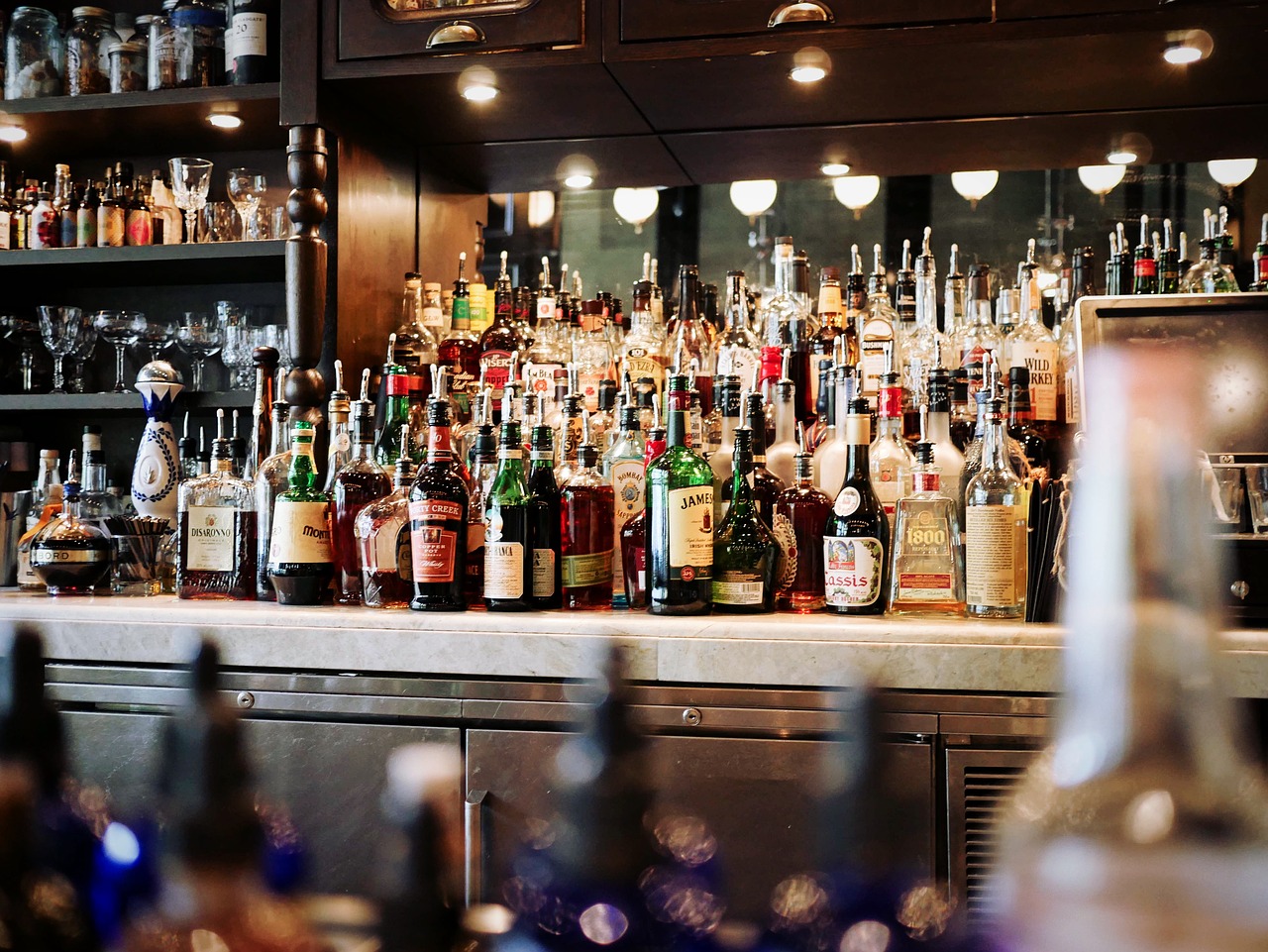
Liquor

Alcoholic beverages.
Photo courtesy of Pixabay.com

Is a little alcohol medicinal?

We have long known that chronic alcoholics had a whole lot more health problems than non-alcoholics. Heavy drinkers get hurt a lot. They fall down and break things. We blamed it on their being drunk and uncoordinated.

Now, there is word, that drinking may also inhibit the ability of the body to repair cells. This inhibition seems to be at the molecular and cellular level.

This reduced ability to heal is not simply the result of problem drinkers having a poorer diet and other unsatisfactory health practices, although those are large issues also. It would appear that alcohol fundamentally impairs the ability of the body to repair cells that are damaged.

To test this theory out, that too much alcohol may inhibit healing, a study was done in mice. By raising the alcohol level to .20 over twice the legal DUI level researchers were able to see the effects of acute alcohol levels on healing rather than only looking at the long-term effects of excessive drinking.

These “binge drinking” mice, who had broken bones, were unable to heal at the same rate as their un-inebriated fellow mice.

Drinkers that break bones may have a reduced ability to heal, may heal more slowly and there are more complications during the recuperation process.

Those binge-drinking mice appear to have explained the problem. The presence of alcohol in the bloodstream and therefore in every cell in the body reduces the ability for bones to heal when damaged. We now suspect that binge drinking can result in poor healing in many other areas.

Drinking alcohol may be an old home remedy for pain, suffering, and sleeplessness but new research tells us it is a hindrance not a help for those applications.

Staying connected with David Joel Miller

Seven David Joel Miller Books are available now!

My newest book is now available. It was my opportunity to try on a new genre. I’ve been working on this book for several years, but now seem like the right time to publish it.

Story Bureau.

Story Bureau is a thrilling Dystopian Post-Apocalyptic adventure in the Surviving the Apocalypse series.

Baldwin struggles to survive life in a post-apocalyptic world where the government controls everything.

As society collapses and his family gets plunged into poverty, Baldwin takes a job in the capital city, working for a government agency called the Story Bureau. He discovers the Story Bureau is not a benign news outlet but a sinister government plot to manipulate society.

Bumps on the Road of Life. Whether you struggle with anxiety, depression, low motivation, or addiction, you can recover. Bumps on the Road of Life is the story of how people get off track and how to get your life out of the ditch.

Dark Family Secrets: Doris wants to get her life back, but small-town prejudice could shatter her dreams.

Casino Robbery Arthur Mitchell escapes the trauma of watching his girlfriend die. But the killers know he’s a witness and want him dead.

Planned Accidents  The second Arthur Mitchell and Plutus mystery.

Letters from the Dead: The third in the Arthur Mitchell mystery series.

What would you do if you found a letter to a detective describing a crime and you knew the writer and detective were dead, and you could be next?

Sasquatch. Three things about us, you should know. One, we have seen the past. Two, we’re trapped there. Three, I don’t know if we’ll ever get back to our own time.

For these and my upcoming books; please visit my Author Page – David Joel Miller

Want the latest blog posts as they publish? Subscribe to this blog.

For videos, see: Counselorssoapbox YouTube Video Channel

How do you become a member of A.A.?

By David Joel Miller, MS, Licensed Therapist & Licensed Counselor.

AA big book

Alcoholics Anonymous big book.

Is A.A. membership expensive?

What do you have to do to get accepted into membership?

A.A. is one of the more unusual organizations when it comes to becoming a member.

They do not charge a membership fee. There are no monthly or annual dues to pay. They do pass a basket and the money people donate is used to defray the expenses. No one is ever pressured to put something in the basket.

Unlike other groups who have frequent solicitations for funds, A.A. asks that only members contribute. Members are never required to contribute, but most give something, even if it is just the small change in their pockets.

There are no creeds to agree to. No catechisms to learn or memorize. They do read some things, but only those who want to read. There are no membership committees and no application forms to fill out.

You do not even need to be an alcoholic or agree to take the twelve steps to become a member. The twelve steps in A.A. are, like most everything else in the program, “suggestions” not requirements.

You do not need to agree to believe in a particular religion or worship any particular deity. In fact, you do not even need to believe in a God to be a member.

There is in fact only one requirement for membership in A.A.

“The only requirement for membership is a desire to stop drinking.”

If you can honestly say that you want to stop drinking, then you have qualified for membership.

Having become a member there is a suggestion that you get a book and read it, come to some meetings and find a sponsor to help you work your steps. None of those things are however requirements, they are suggestions.

Essentially, you are a member if you say you are a member.

With membership does come some duties. You, as a new member, will be asked to respect other member’s anonymity. You will also be asked to refrain from making public statements on behalf of A.A. Beyond that not much will be asked of you unless you chose to participate in your recovery.

All in all, A.A. is an easy group to join. So ask yourself “Do I want to stop drinking?” If so, head for a meeting because you have already qualified to become a member whether you knew it or not.

The posts I write about A.A. are from my perspective as a therapist and clinical counselor and do not necessarily reflect the views of A.A. World Services or A.A. members. For more on A.A. and their program of recovery check out the “A.A. Big Book” titled Alcoholics Anonymous at the links below or contact A.A. World Services at their website.

The Big Book of Alcoholics Anonymous

The classic text on Alcoholism recovery this is the book that started off the whole 12-step phenomenon.

Alcoholics Anonymous from The Anonymous Press

One of the Kindle editions – At 99 cents this is such a bargain. This edition needed a separate listing. No Kindle reader? No Problem, if you have a computer you can download a free Kindle reader.

Staying connected with David Joel Miller

Seven David Joel Miller Books are available now!

My newest book is now available. It was my opportunity to try on a new genre. I’ve been working on this book for several years, but now seem like the right time to publish it.

Story Bureau.

Story Bureau is a thrilling Dystopian Post-Apocalyptic adventure in the Surviving the Apocalypse series.

Baldwin struggles to survive life in a post-apocalyptic world where the government controls everything.

As society collapses and his family gets plunged into poverty, Baldwin takes a job in the capital city, working for a government agency called the Story Bureau. He discovers the Story Bureau is not a benign news outlet but a sinister government plot to manipulate society.

Bumps on the Road of Life. Whether you struggle with anxiety, depression, low motivation, or addiction, you can recover. Bumps on the Road of Life is the story of how people get off track and how to get your life out of the ditch.

Dark Family Secrets: Doris wants to get her life back, but small-town prejudice could shatter her dreams.

Casino Robbery Arthur Mitchell escapes the trauma of watching his girlfriend die. But the killers know he’s a witness and want him dead.

Planned Accidents  The second Arthur Mitchell and Plutus mystery.

Letters from the Dead: The third in the Arthur Mitchell mystery series.

What would you do if you found a letter to a detective describing a crime and you knew the writer and detective were dead, and you could be next?

Sasquatch. Three things about us, you should know. One, we have seen the past. Two, we’re trapped there. Three, I don’t know if we’ll ever get back to our own time.

For these and my upcoming books; please visit my Author Page – David Joel Miller

Want the latest blog posts as they publish? Subscribe to this blog.

For videos, see: Counselorssoapbox YouTube Video Channel

Why AA? Reasons therapists recommend you go to AA.

By David Joel Miller, MS, Licensed Therapist & Licensed Counselor.

AA big book

Alcoholics Anonymous big book.

Why do professionals send you to A.A?

Therapists and Counselors treat people with all sorts of serious and persistent mental illnesses so why do they recommend that clients with a drinking problem attend AA meetings?

It turns out that attending meetings provides a lot of benefits that a single therapy session each week can’t provide. In substance abuse treatment programs the standard treatment, after you are over the most immediate problems connected to your drinking or drugging, consists of recommending that clients attend twelve-step meetings.

Here are some of the reasons why professionals recommend A.A.

The 12 steps include a focused system of change.

Embedded in the “working” of steps are the elements of problem identification, change steps, and a program of maintenance. While a therapist may help you work on one problem, depression, or anxiety, the steps are a way of changing your thinking about life and all your problems.

Some people’s only problem is drinking too much, they just quit and are fine. Many others find that once they stop, all the problems they had before they drank are back in force. It takes more than putting the bottle down to stay sober.

Attending meetings helps creates a new set of friends that are clean and sober.

One critical issue in recovery is relapse triggers; hanging out with your old drinking or drugging friends results in a high risk of relapse. Finding friends that do not drink and use requires a change. The more sober friends you make the more support you will have in staying sober.

Seeing others who have changed is very encouraging.

When your therapist tells you that people can change and do recover, you may say yes some people do, but what about me? When you attend meetings and hear the stories of those who have turned their lives around it becomes easy to believe you can do this, especially with the help of people who have themselves recovered.

The longer you stay connected to therapeutic recovery the better the chances.

Continuing to stay in treatment for up to two years has been shown to create better results. Most therapy programs will not cover or include two years of aftercare. A.A. while not professional treatment is a free or very low-cost way to continue to have “booster shots” of recovery for as long as you need them.

Sometimes when I work with mental health clients, I find myself wishing this client had a drinking problem also, and then I could give them a referral to A.A.

There is a serious shortage of self-help, peer recovery groups for those with mental health issues. The few that do exist are often modeled after the 12 step system.

Therapists and counselors do not customarily work the steps with clients. That is something we encourage them to do at the 12 step meeting. What we should do is a process called 12 step facilitation, in which we explain A.A. or other self-help groups, how they work, what the steps are, and encourage people to participate in the meetings.

The posts I write about A.A. or other self-help groups are from my perspective as a therapist and clinical counselor and do not necessarily reflect the views of AA World Services. For more on AA and their program of recovery check out the “AA Big Book” titled Alcoholics Anonymous at the links below or contact AA World Services at their website.

The Big Book of Alcoholics Anonymous

The classic text on Alcoholism, recovery this is the book that started off the whole 12 step phenomenon.

Alcoholics Anonymous from The Anonymous Press

One of the Kindle editions – At 99 cents this is such a bargain. This edition needed a separate listing. No Kindle reader? No Problem, if you have a computer you can download a free Kindle reader.

Staying connected with David Joel Miller

Seven David Joel Miller Books are available now!

My newest book is now available. It was my opportunity to try on a new genre. I’ve been working on this book for several years, but now seem like the right time to publish it.

Story Bureau.

Story Bureau is a thrilling Dystopian Post-Apocalyptic adventure in the Surviving the Apocalypse series.

Baldwin struggles to survive life in a post-apocalyptic world where the government controls everything.

As society collapses and his family gets plunged into poverty, Baldwin takes a job in the capital city, working for a government agency called the Story Bureau. He discovers the Story Bureau is not a benign news outlet but a sinister government plot to manipulate society.

Bumps on the Road of Life. Whether you struggle with anxiety, depression, low motivation, or addiction, you can recover. Bumps on the Road of Life is the story of how people get off track and how to get your life out of the ditch.

Dark Family Secrets: Doris wants to get her life back, but small-town prejudice could shatter her dreams.

Casino Robbery Arthur Mitchell escapes the trauma of watching his girlfriend die. But the killers know he’s a witness and want him dead.

Planned Accidents  The second Arthur Mitchell and Plutus mystery.

Letters from the Dead: The third in the Arthur Mitchell mystery series.

What would you do if you found a letter to a detective describing a crime and you knew the writer and detective were dead, and you could be next?

Sasquatch. Three things about us, you should know. One, we have seen the past. Two, we’re trapped there. Three, I don’t know if we’ll ever get back to our own time.

For these and my upcoming books; please visit my Author Page – David Joel Miller

Want the latest blog posts as they publish? Subscribe to this blog.

For videos, see: Counselorssoapbox YouTube Video Channel
,

Will four beers get you drunk?

Gallery

This gallery contains 1 photo.

By David Joel Miller, MS, Licensed Therapist & Licensed Counselor. Are lite beers less intoxicating? Yes, four beers can get you “drunk.” And it does not matter if they are lite beers or not. The brand and the nature of … Continue reading

Switching addictions, can a drug addict drink Alcohol?

By David Joel Miller, MS, Licensed Therapist & Licensed Counselor.

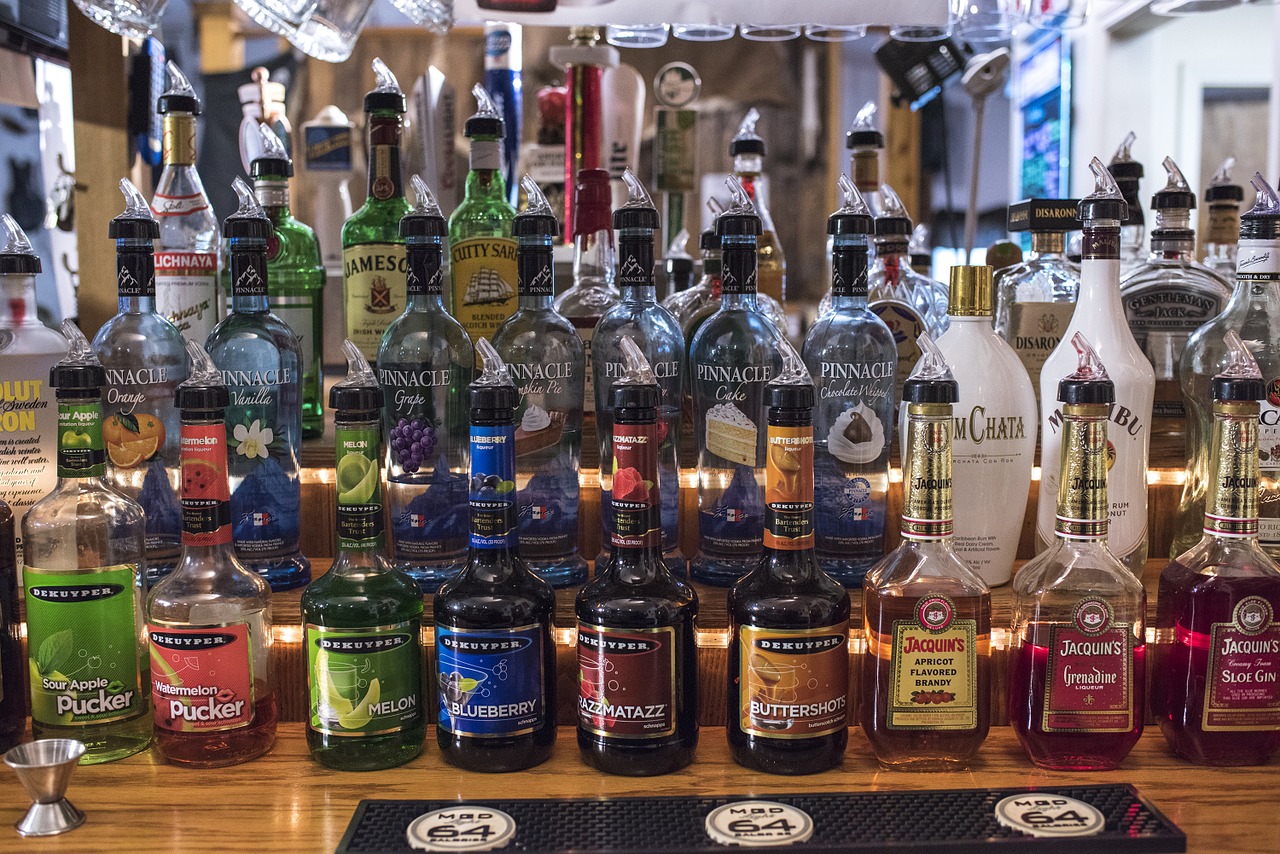
Bottles of alcohol.

Alcoholic Beverages.
Photo courtesy of Pixabay.com

Can or should a drug addict drink alcohol?

This comes up frequently in recovery circles. Typically after the person has drunk and had a bad result.

One saying, that may tell the story, is that if you scratch an addict underneath you find an alcoholic.

The great illusion of any addicted person is that the will find some other substance, some other process out there that will allow them to feel those same highs, to reach for a new solution to avoid their problems and be able to handle that substance.

Lots of addicts alibi that alcohol is legal so there should be no problem with their using it. Truth is that the legal drugs cause the most damage.

Alcohol is a drug, make no mistake about that. It alters thinking. Whether you have had a problem with alcohol in the past or not, alcohol will turn off the part of the brain that tells you “HEY STUPID, DO NOT DO THAT.”

For most people in substance use or abuse recovery, the drugs or the alcohol are not the problems. The drugs, alcohol, gambling, or addictive sex become the solution. The problem is that the user does not know how to live life without the thing or activity they have become dependent upon.

My recommendation is that if you are in recovery from drugs or any other addictive behavior you should avoid alcohol.

Alcohol is not the only substitute addiction that creeps up on recovering people. It is common for recovering people to switch addictions.

Often in groups, I hear from recovering people that they are trying to have fun without their drug of choice and they have been spending time at the local casino. That excitement of the risk of wagering is taking the place of the previous drug high.

No longer having to pay for drugs they take that leftover money and head for the casino. Recovering people can quickly find they have developed a problem with gambling, sex addiction or any other addictive behavior.

If you are in any type of recovery, be very careful about merely switching from one addictive substance or activity to another.

Staying connected with David Joel Miller

Seven David Joel Miller Books are available now!

My newest book is now available. It was my opportunity to try on a new genre. I’ve been working on this book for several years, but now seem like the right time to publish it.

Story Bureau.

Story Bureau is a thrilling Dystopian Post-Apocalyptic adventure in the Surviving the Apocalypse series.

Baldwin struggles to survive life in a post-apocalyptic world where the government controls everything.

As society collapses and his family gets plunged into poverty, Baldwin takes a job in the capital city, working for a government agency called the Story Bureau. He discovers the Story Bureau is not a benign news outlet but a sinister government plot to manipulate society.

Bumps on the Road of Life. Whether you struggle with anxiety, depression, low motivation, or addiction, you can recover. Bumps on the Road of Life is the story of how people get off track and how to get your life out of the ditch.

Dark Family Secrets: Doris wants to get her life back, but small-town prejudice could shatter her dreams.

Casino Robbery Arthur Mitchell escapes the trauma of watching his girlfriend die. But the killers know he’s a witness and want him dead.

Planned Accidents  The second Arthur Mitchell and Plutus mystery.

Letters from the Dead: The third in the Arthur Mitchell mystery series.

What would you do if you found a letter to a detective describing a crime and you knew the writer and detective were dead, and you could be next?

Sasquatch. Three things about us, you should know. One, we have seen the past. Two, we’re trapped there. Three, I don’t know if we’ll ever get back to our own time.

For these and my upcoming books; please visit my Author Page – David Joel Miller

Want the latest blog posts as they publish? Subscribe to this blog.

For videos, see: Counselorssoapbox YouTube Video Channel
Are you a Functional Alcoholic?

By David Joel Miller, MS, Licensed Therapist & Licensed Counselor.

AA big book

Alcoholics Anonymous big book.

Alcoholics with jobs, families, and homes – the functional alcoholic.

Do you know someone with an Alcohol Use Disorder?

Most people have a very distorted idea of what constitutes an alcoholic. So much so that the mental health establishment has done away with the label. Like many other of life’s problems the stigma attached makes us avoid the words we need to use to name the problem and the result is that no one calls the thing by the same name for very long.

Today we do not try to distinguish between the person who is chemically dependent on alcohol, psychologically dependent, or the person who just drinks occasionally but when they do they end up with a problem.

How would you spot an alcoholic?

Truth is that the old stereotype of the homeless alcoholic bum is just that – a stereotype. Most of what people think they know about alcoholics is not true.

Of those who under the DSM-4 criteria, who were alcohol dependent, what some would have called an alcoholic, fully 80% of them had full-time jobs.

For the record, it is estimated that 70% of people who are dependent on drugs, drug addicts if you will, have full-time jobs.

So the majority of people who have a severe substance use disorder are still trying to fool themselves that they are not “Alcoholics or Addicts” because they still have a home to live in and a full-time job.

Only the most severely chemically dependent people end up homeless.

There are all sorts of problem relationships you can develop with a substance. Alcohol is one of the harder relationships to keep up. Over time the drinker develops tolerance. They need more to achieve the same effect. If you need alcohol to feel good, solve problems or it is simply required to have fun, you are headed for trouble.

What makes you an alcoholic surprises many people.

You don’t need to drink the hard stuff to develop a problem. Lots of beer and wine drinkers develop problems. You don’t need to drink every day. If you drink once a year for New Years but three years in a row you get DUI’s or end up in bar fights, you have some form of alcohol use disorder.

So consider that you don’t need to be a full-blown Alcoholic to have an alcohol use problem. Some of you can cut down or control your usage. Some of you will be able to quite all on your own if that is what you chose to do.

But if you have tried to control your drinking or quit on your own and find that your efforts are not working. Or if you quit and find you are miserable, consider counseling or another help strategy.

If you do have an alcohol use disorder there is help available.

Staying connected with David Joel Miller

Seven David Joel Miller Books are available now!

My newest book is now available. It was my opportunity to try on a new genre. I’ve been working on this book for several years, but now seem like the right time to publish it.

Story Bureau.

Story Bureau is a thrilling Dystopian Post-Apocalyptic adventure in the Surviving the Apocalypse series.

Baldwin struggles to survive life in a post-apocalyptic world where the government controls everything.

As society collapses and his family gets plunged into poverty, Baldwin takes a job in the capital city, working for a government agency called the Story Bureau. He discovers the Story Bureau is not a benign news outlet but a sinister government plot to manipulate society.

Bumps on the Road of Life. Whether you struggle with anxiety, depression, low motivation, or addiction, you can recover. Bumps on the Road of Life is the story of how people get off track and how to get your life out of the ditch.

Dark Family Secrets: Doris wants to get her life back, but small-town prejudice could shatter her dreams.

Casino Robbery Arthur Mitchell escapes the trauma of watching his girlfriend die. But the killers know he’s a witness and want him dead.

Planned Accidents  The second Arthur Mitchell and Plutus mystery.

Letters from the Dead: The third in the Arthur Mitchell mystery series.

What would you do if you found a letter to a detective describing a crime and you knew the writer and detective were dead, and you could be next?

Sasquatch. Three things about us, you should know. One, we have seen the past. Two, we’re trapped there. Three, I don’t know if we’ll ever get back to our own time.

For these and my upcoming books; please visit my Author Page – David Joel Miller

Want the latest blog posts as they publish? Subscribe to this blog.

For videos, see: Counselorssoapbox YouTube Video Channel
How to control your drinking

By David Joel Miller, MS, Licensed Therapist & Licensed Counselor.

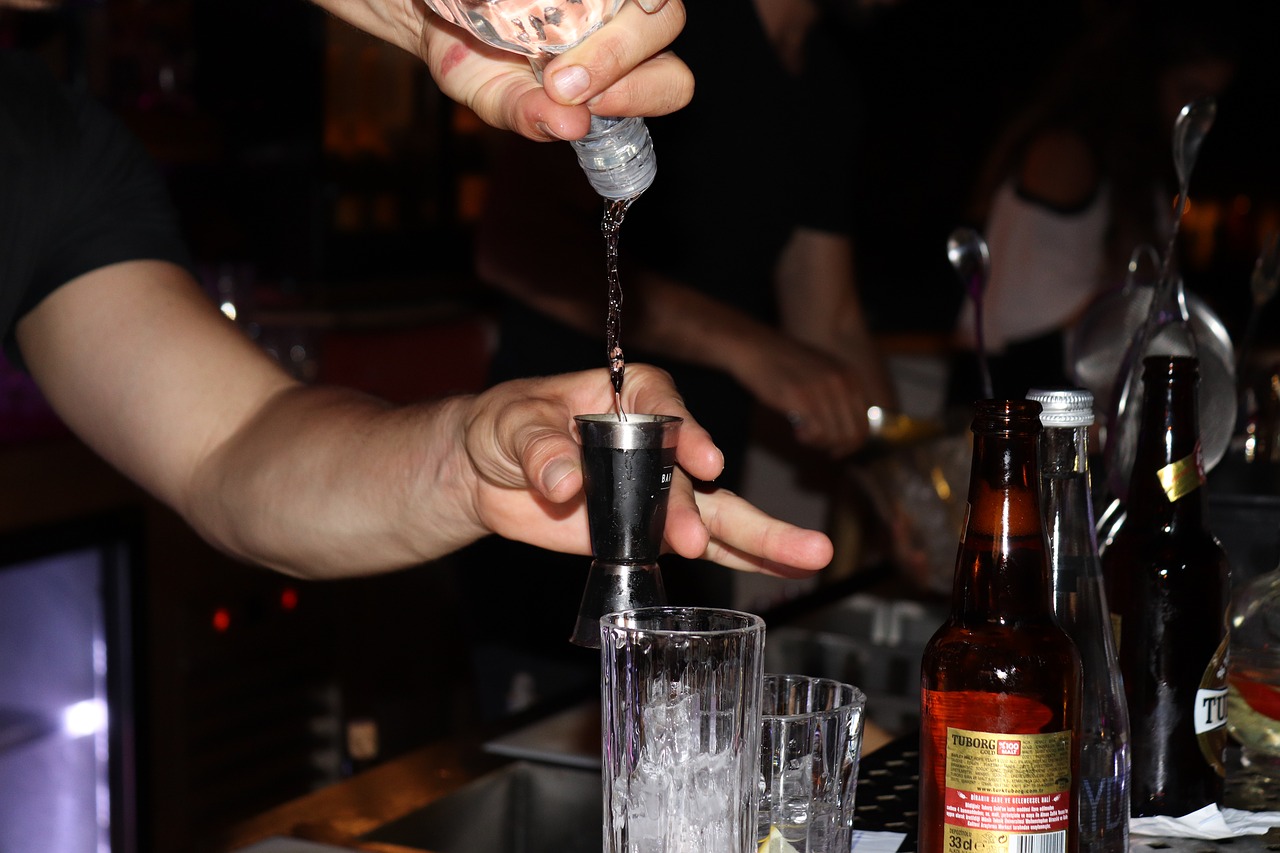
How to control your drinking.
Photo courtesy of Pixabay.com

Some easy ways to keep your problem drinking under control.

It is not uncommon for a drinker, especially someone new to consuming alcoholic beverages to overdo and experience negative consequences. If you have had a hangover, been stopped for drunk or impaired driving, or ended up in a conflict as a result of your excessive drinking, you may want to try some of these methods to keep your drinking under control.

If after trying these techniques you still are having problems with your alcohol consumption there are some more advanced suggestions at the end of this list.

Set limits and stick to them.

Drinking five or more drinks for a man or four or more for a woman is considered binge drinking. This is the riskiest way of drinking. The damage to the body from excess alcohol consumption is proportionate to the level of alcohol in your bloodstream.

Even at half these levels, in most places; you can be too compromised to drive and risk an arrest for some form of impaired driving.

The best policy is to limit yourself to no more than one or two drinks on any drinking occasion.

Women if you are pregnant or may become pregnant, that limit should be zero. We know of no safe level of alcohol for a pregnant woman. Sorry ladies.

Do not drink because of negative emotions.

Depressed people who drink alcohol to cheer themselves up, become more depressed. Drinking because you are angry increases the risk you will lose control and act on that anger. Drinking to control anxiety results in more anxiety. Drinking away any problem results in more of that problem.

Do not drink to increase happiness.

If one drink makes you happy two should be better and thirty more so.

The trap here is that if you need the alcohol to make you happy you are already in a risky neighborhood.

Do not drink alcohol when you are thirsty.

Alcoholic beverages do not quench your thirst. Alcohol dehydrates you. Drinking alcohol when thirsty will make your dehydration and thirst worse and result in your craving and drinking more alcohol than you intended.

Do not drink when you are very hungry.

Some people believe that a little wine makes for a better dinner. The risk for many of us who lead busy lives is that we wait too long to eat. The result is that we fill up on alcohol and do not eat the food.

Drinking on an empty stomach increases the risk of overdoing the drinking and losing track of how many you have had.

Avoid drinking in situations where the primary activity is drinking alcohol.

A single glass of champagne at a wedding is not likely to cause most people any problem. One drink at a social party where everyone is planning to get drunk is likely to lead to social pressure to consume more than you had planned on.

Many people can safely have a single drink at an event with a non-drinking purpose. Those very same people who go out with others after work to have a drink are at risk of overdoing. Don’t go to a drinking event and expect to be the one person who drinks in moderation. You may be one of those people who can be at a drinking occasion and not drink. The chances are you are not one of those people if you have read this far into a post on controlling your drinking.

If you have tried all the simple methods of controlling your drinking but still find yourself consuming more than you should, you may be one of those people who has crossed the line between a normal drinker and a person with an alcohol use disorder. You may be a problem drinker.

Characteristic features of Alcohol use disorders include things like, loss of control or drinking more than you intended, increased tolerance, needing more alcohol than before to feel the effects, and the development of negative consequences when you drink. Cravings are another warning sign.

If you have an alcohol use disorder of any kind seek help. Counseling and therapy with a professional that understands substance use issues or self-help groups may be able to teach you to live life without the alcohol and avoid the problem of repeatedly trying to control your drinking and not being able to stay sober.

Alcohol use disorders are a group of real illnesses and like many other medical diseases once you have these disorders you are not likely to ever return to being a person without this disease. If you have a drinking problem of any kind please seek help.

Staying connected with David Joel Miller

Seven David Joel Miller Books are available now!

My newest book is now available. It was my opportunity to try on a new genre. I’ve been working on this book for several years, but now seem like the right time to publish it.

Story Bureau.

Story Bureau is a thrilling Dystopian Post-Apocalyptic adventure in the Surviving the Apocalypse series.

Baldwin struggles to survive life in a post-apocalyptic world where the government controls everything.

As society collapses and his family gets plunged into poverty, Baldwin takes a job in the capital city, working for a government agency called the Story Bureau. He discovers the Story Bureau is not a benign news outlet but a sinister government plot to manipulate society.

Bumps on the Road of Life. Whether you struggle with anxiety, depression, low motivation, or addiction, you can recover. Bumps on the Road of Life is the story of how people get off track and how to get your life out of the ditch.

Dark Family Secrets: Doris wants to get her life back, but small-town prejudice could shatter her dreams.

Casino Robbery Arthur Mitchell escapes the trauma of watching his girlfriend die. But the killers know he’s a witness and want him dead.

Planned Accidents  The second Arthur Mitchell and Plutus mystery.

Letters from the Dead: The third in the Arthur Mitchell mystery series.

What would you do if you found a letter to a detective describing a crime and you knew the writer and detective were dead, and you could be next?

Sasquatch. Three things about us, you should know. One, we have seen the past. Two, we’re trapped there. Three, I don’t know if we’ll ever get back to our own time.

For these and my upcoming books; please visit my Author Page – David Joel Miller

Want the latest blog posts as they publish? Subscribe to this blog.

For videos, see: Counselorssoapbox YouTube Video Channel

Were you happier drinking?

By David Joel Miller, MS, Licensed Therapist & Licensed Counselor.

Drinking

Binge drinking.
Photo courtesy of Pixabay.com

Did you quit drinking, but your life did not get better?

You quit drinking but nothing is better. Life was more fun, you were happier when you were drinking, at least you tell yourself you were. Now you wonder why after you quit nothing is getting better.

In the beginning Alcohol, like any drug seems like the magic cure to all that ails you. Old Ethel, Miss Alcohol, is better than having a cape hanging in the closet. Each time you take a drink it makes you feel like a superhero. The result of that drink is absolutely predictable and miraculous, at least in the beginning.

Then something happens. The magic is not as strong. You need to drink more to get the same result. You begin to think that maybe you should stop drinking, only how would you have fun, how would you cope without your best friend the bottle, by your side.

As the negative consequences of drinking mount up you may think that if only you stopped imbibing all your problems would be cured. So you stop and nothing changes. That hoped-for happy life has eluded you.

You couldn’t find a way to be happy before the drinking or you thought you needed the booze to heighten your enjoyment. Now you can’t be happy with or without the liquor.

You don’t want to be an alcoholic. Who would willingly sign on for that job? So you try to control your drinking. If you could just return to being a social drinker you think then drinking and life would be fun again. Normal people do not have to control their drinking. People with a problem are the ones who try to get back control.

If you are like many an alcoholic, you know you need to stop. The negative consequences are piling up. You may have DUI’s. There may be all manner of wreckage, divorces, broken relationships, and lost jobs. So with all the bad, that has been happening to you when you were drinking you expected that when you stopped things would be better. You thought you should be happy and your life on track. What went wrong?

What you find is that the problem was never the alcohol. The alcohol was your solution, only now that solution has stopped working. The solution has become a new problem, one you didn’t have before. The new problem is called addiction, or alcoholism. But you still have the problem that you don’t like your life, maybe you don’t even like you when you are not drinking.

The solution is not to learn to control the drinking. The solution is to learn to accept and cope with life. Just because you stopped drinking your other life problems have not been miraculously solved.

Changing your life involves changing you. You need to learn to cope with life’s problems without leaning on a substance. That substance will only hold you up for so long and then it becomes the thing that holds you back and holds you down.

Living your life on Alcohol is like living in a dense fog. You go through life not seeing or feeling anything and eventually you lose your way. When you live life numbed out on alcohol or painkillers, you don’t feel anything so you go on hurting yourself.

Is it time for you to start the process of changing yourself?

Staying connected with David Joel Miller

Seven David Joel Miller Books are available now!

My newest book is now available. It was my opportunity to try on a new genre. I’ve been working on this book for several years, but now seem like the right time to publish it.

Story Bureau.

Story Bureau is a thrilling Dystopian Post-Apocalyptic adventure in the Surviving the Apocalypse series.

Baldwin struggles to survive life in a post-apocalyptic world where the government controls everything.

As society collapses and his family gets plunged into poverty, Baldwin takes a job in the capital city, working for a government agency called the Story Bureau. He discovers the Story Bureau is not a benign news outlet but a sinister government plot to manipulate society.

Bumps on the Road of Life. Whether you struggle with anxiety, depression, low motivation, or addiction, you can recover. Bumps on the Road of Life is the story of how people get off track and how to get your life out of the ditch.

Dark Family Secrets: Doris wants to get her life back, but small-town prejudice could shatter her dreams.

Casino Robbery Arthur Mitchell escapes the trauma of watching his girlfriend die. But the killers know he’s a witness and want him dead.

Planned Accidents  The second Arthur Mitchell and Plutus mystery.

Letters from the Dead: The third in the Arthur Mitchell mystery series.

What would you do if you found a letter to a detective describing a crime and you knew the writer and detective were dead, and you could be next?

Sasquatch. Three things about us, you should know. One, we have seen the past. Two, we’re trapped there. Three, I don’t know if we’ll ever get back to our own time.

For these and my upcoming books; please visit my Author Page – David Joel Miller

Want the latest blog posts as they publish? Subscribe to this blog.

For videos, see: Counselorssoapbox YouTube Video Channel

Alcohol does not help with depression

By David Joel Miller, MS, Licensed Therapist & Licensed Counselor.

Bottles of alcohol.

Alcoholic Beverages.
Photo courtesy of Pixabay.com

Why drinking won’t make you happier.

Most people think that drinking makes you happier and for some few people who were already happy it seems to work that way.

But if you are depressed, drinking can leave you more depressed than before.

Seems like the depressed person just can’t get a break.

We associate alcohol with parties and fun times. A little will loosen you up, so we think. What it is in fact doing is relaxing parts of the brain. A little relaxation may be helpful but a lot leaves you falling down.

One reason alcohol is associated with fun times is its ability to “disinhibit” you. It shuts off the part of your brain that may be telling you not to do that. So under the influence and even one drink begins to exert an influence, you may do things that you would not do without that drink. You might make a joke, dance more uninhibitedly or participate in an activity that at other times you would not attempt.

What alcohol does not do is make you suddenly happy.

It is the activity you are engaged in that is producing the happiness. Alcohol is a depressant. It works its magic spell but shutting off parts of the brain. The depressed person, unable to cope with parts of life when sober, becomes less able to cope when drinking, not more so.

 For the depressed drinking results in an increase in depression, not a reduction.

People with Major depression who drink are more likely to be disinhibited and do negative, bad things rather than to become happy.

The depressed person is more likely to attempt suicide while intoxicated. Some depression is the result of being angry at others and then taking the feelings out on yourself. If you are in a bad job or relationship we may blame ourselves for being trapped there rather than blame the other people. In this form of depression, we used to call this reactive depression; the depressed person when intoxicated is at increased risk to try to even the score with the person that has made them angry.

The depressed person is not likely to take only one drink.

If one is good for making you happy, so the reasoning goes, more should be better. The depressed person is at high risk to continue drinking until very drunk or even unconscious.

Unconsciousness, as we have seen in other posts, is not the same thing as sleeping. So people who use alcohol to cope with depression will find that they “come to” rather than wake up. In this state, the depressed person will be more depressed as well as hungover. The only cure for this is, in most minds, more alcohol. The cycle begins to accelerate.

There is a high rate of co-occurrence between excessive alcohol use, alcoholism, and depression. Depressed people who drink are at extreme risk to develop alcoholism and chronic alcohol abusers become progressively more depressed.

Despite all the marketing efforts made to convince us that alcoholic beverages are stimulants and make people happy, the real truth is that alcohol is a depressant and any amount stresses the mind and body.

If you are depressed the last thing you should be doing is trying to drink your troubles away. If you are genuinely happy, the more you celebrate with alcohol the less happy you are likely to be.

For most alcoholics, the alcohol was early on their solution but the more they drank the more the alcoholic beverage became their problem.

Alcohol tends to be very addicting, particularly to those with mental health issues. Remember that the category “people with mental health issues” includes most of us at one time or another.

Drinking to regulate emotions is a very risky habit.

Staying connected with David Joel Miller

Seven David Joel Miller Books are available now!

My newest book is now available. It was my opportunity to try on a new genre. I’ve been working on this book for several years, but now seem like the right time to publish it.

Story Bureau.

Story Bureau is a thrilling Dystopian Post-Apocalyptic adventure in the Surviving the Apocalypse series.

Baldwin struggles to survive life in a post-apocalyptic world where the government controls everything.

As society collapses and his family gets plunged into poverty, Baldwin takes a job in the capital city, working for a government agency called the Story Bureau. He discovers the Story Bureau is not a benign news outlet but a sinister government plot to manipulate society.

Bumps on the Road of Life. Whether you struggle with anxiety, depression, low motivation, or addiction, you can recover. Bumps on the Road of Life is the story of how people get off track and how to get your life out of the ditch.

Dark Family Secrets: Doris wants to get her life back, but small-town prejudice could shatter her dreams.

Casino Robbery Arthur Mitchell escapes the trauma of watching his girlfriend die. But the killers know he’s a witness and want him dead.

Planned Accidents  The second Arthur Mitchell and Plutus mystery.

Letters from the Dead: The third in the Arthur Mitchell mystery series.

What would you do if you found a letter to a detective describing a crime and you knew the writer and detective were dead, and you could be next?

Sasquatch. Three things about us, you should know. One, we have seen the past. Two, we’re trapped there. Three, I don’t know if we’ll ever get back to our own time.

For these and my upcoming books; please visit my Author Page – David Joel Miller

Want the latest blog posts as they publish? Subscribe to this blog.

For videos, see: Counselorssoapbox YouTube Video Channel

Social or anti-social drinker? Dangers of emotional drug use.

By David Joel Miller, MS, Licensed Therapist & Licensed Counselor.

Bottles of alcohol.

Alcoholic Beverages.
Photo courtesy of Pixabay.com

Using drugs to regulate emotions is high-risk behavior.

We have all heard and seen the use of drugs, especially alcohol to alter your mood. The media has bought into this and it is a common perception. If you feel bad then you need a drink.

This is the worst possible way to use any substance.

People who are sad drink, to cheer themselves up. The angry person has a few to calm down why doesn’t this work?

Absolutely drinking and other drugs can change the way you feel. You feel a little down so you have a few. For a while, you feel better. That drinking makes you forget why you were down in the first place. Then it wears off.

As the alcohol wears off the feeling returns only now you have the consequences of drinking, money spent, maybe a hangover, maybe just an empty feeling that you are sad and nothing is getting better. So you need to drink again.

Each time you drink you feel a mood swing. When it wears off your mood moves back to where it came from. Once you learn the mood swing that accompanies the use of your drug of choice it is reliable. Too reliable.

Over time, as tolerance builds it will take more of that drug to get the same feeling. Or the same amount will do less. Either way, the tendency is to do more, drink more, to try to change the way you feel. Each time the drug wears off you end up lower than where you were before you used.

Eventually, you need to drink or use all the time if you want to keep feeling good or stay out of that blackness. Then something changes.

You find that when the drug wears off you feel worse than before. You need to drink a few now just to get back to where you started. Eventually, you will need to drink just to feel normal. Whatever normal is for you and for many of us that normal was the reason we started to drink or use in the first place.

At this point, no amount of use will get you back to the feeling OK place. If only using and drinking could help you cope but at some point that substance that promised to be your solution, it has become your problem. Now you are drinking and using just to get by. You may reach a point where you can’t get back to normal anymore. Now you need some of that hair of the dog that bit you just to be able to function at all.

People who use alcohol because they are angry, find that once drunk they lose control of their emotions. That alcohol, it reduces inhibitions. A couple of drinks makes you social in the beginning but later a few drinks can make you antisocial. Under the influence, disinhibited, you may do things that you never would have done sober.

That person who needs a few to get up the courage to say what they think is now acting on that suppressed rage. One survey concluded that the vast majority of people in prison were drunk or high in the 24 hours before they committed the crime that sent them away.

That supposed friend that was helping you cope, your drug of choice, has it become the reason you are in jail or homeless?

People who are sad. Who drink to cheer themselves up, find they can forget their troubles for a while but eventually those troubles find them. And now those troubles have become worse because of failed responsibilities and things done and said while under the influence.

We know that people who are sad and depressed who drink are 55 times more likely to attempt suicide. Often with completed suicides and overdose deaths, there is alcohol in the bloodstream that reduced the inhibitions and permitted the act that brought this life to an end.

A single drink on a social occasion may make for fun. But if you find you need that drink to have fun, that without the drink, or the drug, your life is full of emotions that you just can’t stand, then that drink or drug is not your friend anymore, it has become your tormentor.

Having to drink or use to regulate emotions places you at high risk for addiction. Alcoholism, suicide or homicide. It also can induce mental and emotional illnesses or make a pre-existing mental health problem significantly worse.

You can’t learn much when unconscious and those emotional regulation lessons you learned while under the influence, there is a strong chance that you got those emotional lessons wrong.

Drinking and using for emotional reasons can take you in a really bad direction.

Staying connected with David Joel Miller

Seven David Joel Miller Books are available now!

My newest book is now available. It was my opportunity to try on a new genre. I’ve been working on this book for several years, but now seem like the right time to publish it.

Story Bureau.

Story Bureau is a thrilling Dystopian Post-Apocalyptic adventure in the Surviving the Apocalypse series.

Baldwin struggles to survive life in a post-apocalyptic world where the government controls everything.

As society collapses and his family gets plunged into poverty, Baldwin takes a job in the capital city, working for a government agency called the Story Bureau. He discovers the Story Bureau is not a benign news outlet but a sinister government plot to manipulate society.

Bumps on the Road of Life. Whether you struggle with anxiety, depression, low motivation, or addiction, you can recover. Bumps on the Road of Life is the story of how people get off track and how to get your life out of the ditch.

Dark Family Secrets: Doris wants to get her life back, but small-town prejudice could shatter her dreams.

Casino Robbery Arthur Mitchell escapes the trauma of watching his girlfriend die. But the killers know he’s a witness and want him dead.

Planned Accidents  The second Arthur Mitchell and Plutus mystery.

Letters from the Dead: The third in the Arthur Mitchell mystery series.

What would you do if you found a letter to a detective describing a crime and you knew the writer and detective were dead, and you could be next?

Sasquatch. Three things about us, you should know. One, we have seen the past. Two, we’re trapped there. Three, I don’t know if we’ll ever get back to our own time.

For these and my upcoming books; please visit my Author Page – David Joel Miller

Want the latest blog posts as they publish? Subscribe to this blog.

For videos, see: Counselorssoapbox YouTube Video Channel