
What are the 5 drug schedules?

By David Joel Miller, MS, Licensed Therapist & Licensed Counselor.
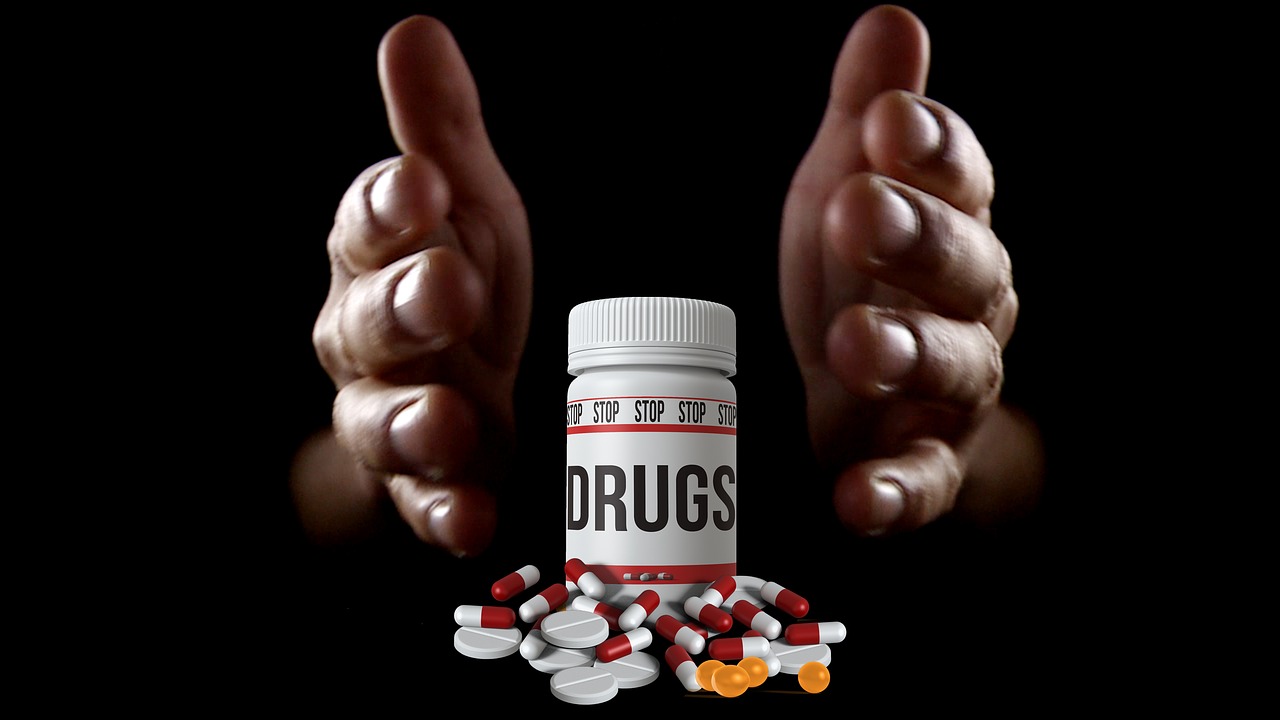
Drugs.

Drugs.
Photo courtesy of Pixabay.

How the Federal government regulates who gets which drug.

Here in the United States, the federal government regulates the status of drugs, who gets which drugs and how based on their listing on one of five “drug schedules.” These schedules were created by the “Controlled Substance Act of 1970.”

This act separates drugs into schedules based on their potential for addiction, their acceptance for medical treatment, and their safety. Prior to 1906, the U. S. had almost no laws regulating drug use or sales. Beginning with the Narcotic Control Act in 1956 laws regulating drugs have become a common topic in legislatures both federal and state.

Drugs can be moved up or down schedules as more data comes in. Clearly, some classification decisions have been based more on political sentiment than any hard research evidence. Some drugs that had little or no potential for abuse or dependence were left off the schedules. Herbal products and many over the counter medications are either regulated in a different way or not at all.

Two drugs that are the most destructive of human health, Nicotine and Alcohol are not listed on any of these drug enforcement schedules. Some other drugs, antipsychotics, and many antidepressant drugs are also not listed. Newer synthetic drugs, the methcathinone’s or bath salts, were not added until 1992.

Schedule I drugs.

These drugs have a high potential for abuse, these drugs are not commonly accepted for medical treatment in the U. S. and there is a lack of safety data to suggest these drugs would be safe for human consumption. Drugs on this schedule are considered some of the most dangerous of the abused drugs and may not be prescribed by a physician in the U. S. Unfortunately some drugs made this prohibited schedule mostly on the basis of opinions rather than evidence. Currently, Marijuana is a Schedule I drug. (I know medical and recreational marijuana is “legal” in some states but the feds still have it on Schedule I. The feds do not license doctors so they can’t keep doctors with state licenses from prescribing marijuana but they can take that doctor’s DEA number. This issue probably needs another post.)

Schedule II drugs.

These drugs have a high potential for abuse. Use or abuse of this drug can lead to addiction as in physical or psychological dependency. These drugs do have a recognized medical use. The question for the doctor is, does that use justify the risks of the patient using the drug. Many of the opioids fall into this category. They work well on pain but they are very likely to produce addiction. These drugs require the prescribing doctor to have a DEA number and to write triplicate prescriptions. One copy stays with the doctor, one goes to the patient to carry to the pharmacy and one goes to the DEA. Hard to believe they miss pill mills considering they get these copies. Still, many of these meds do get diverted into illegal use and result in a significant amount of addiction and deaths.

Schedule III drugs.

Drugs on Schedule III are less likely to be abused than those on Schedules I and II. The medical value is high enough that there are fewer restrictions on prescribing these drugs including who is allowed to prescribe the drugs on this schedule. These drugs are not terribly physically addicting but may be very psychologically addicting.

Schedule IV drugs.

Drugs on this schedule are safer than those on Schedules I, II, and III. These drugs have accepted medical uses and are lower in addiction potential.

Schedule V drugs.

Lowest abuse potential and safest of the scheduled drugs.

Hope this helps explain how the Controlled Substance Act of 1970 with all its subsequent amendments is supposed to help reduce the prescription and use of dangerous pharmaceutical drugs. You may see that there are still some problems with the scheduling of specific drugs and scheduling them does not keep them off the street but on balance I think things would be worse if there were no regulations of this kind.

FYI These “What is” sometimes “What are” posts are my efforts to explain terms commonly used in Mental Health, Clinical Counseling, Substance Use Disorder Counseling, Psychology, Life Coaching, and related disciplines in a plain language way. Many are based on the new DSM-5; some of the older posts were based on the DSM-IV-TR, both published by the APA. For the more technical versions please consult the DSM or other appropriate references.

You might also want to check out these other counselorssoapbox posts.

Drug Use, Abuse, and Addiction

Staying connected with David Joel Miller

Seven David Joel Miller Books are available now!

My newest book is now available. It was my opportunity to try on a new genre. I’ve been working on this book for several years, but now seem like the right time to publish it.

Story Bureau.

Story Bureau is a thrilling Dystopian Post-Apocalyptic adventure in the Surviving the Apocalypse series.

Baldwin struggles to survive life in a post-apocalyptic world where the government controls everything.

As society collapses and his family gets plunged into poverty, Baldwin takes a job in the capital city, working for a government agency called the Story Bureau. He discovers the Story Bureau is not a benign news outlet but a sinister government plot to manipulate society.

Bumps on the Road of Life. Whether you struggle with anxiety, depression, low motivation, or addiction, you can recover. Bumps on the Road of Life is the story of how people get off track and how to get your life out of the ditch.

Dark Family Secrets: Doris wants to get her life back, but small-town prejudice could shatter her dreams.

Casino Robbery Arthur Mitchell escapes the trauma of watching his girlfriend die. But the killers know he’s a witness and want him dead.

Planned Accidents  The second Arthur Mitchell and Plutus mystery.

Letters from the Dead: The third in the Arthur Mitchell mystery series.

What would you do if you found a letter to a detective describing a crime and you knew the writer and detective were dead, and you could be next?

Sasquatch. Three things about us, you should know. One, we have seen the past. Two, we’re trapped there. Three, I don’t know if we’ll ever get back to our own time.

For these and my upcoming books; please visit my Author Page – David Joel Miller

Want the latest blog posts as they publish? Subscribe to this blog.

For videos, see: Counselorssoapbox YouTube Video Channel

What is Route of Drug Administration?

By David Joel Miller, MS, Licensed Therapist & Licensed Counselor.

Drugs.

Drugs.
Photo courtesy of Pixabay.

How many ways can you get drugs into your body?

While many therapeutic drugs are intended to work at various locations throughout the body drugs of abuse primarily exert their influence by their effect on the nervous system and the brain in particular. For drugs to affect people’s thinking, feeling, and behavior, to result in the classic substance use syndromes, the drug needs to somehow enter the brain.

The effects of a particular drug on the body and the user are hugely affected by the way in which the drug is placed into the body. Below are the primary ways drugs, therapeutic and drugs of abuse, are placed into the body, and some brief thoughts about the way in which these routes of administration affect the drug using experience.

Oral, swallowing, drinking, or eating drugs.

In the older drug use literature, drug eating was used as a term for many oral usages.  Tonics, elixirs, and soothing syrups often contained Opioids and alcohol in a drinkable form. Many drugs are still commonly taken orally. Alcohol is probably the drug that has the largest oral consumption.

Oral use is generally the safest way to take a drug as a portion of the dose is neutralized by digestion in the stomach. The drug will then be largely absorbed from the intestine into the bloodstream and then make its way through the liver before reaching the brain.

Smoking (inhalation) of drugs is common.

Smoking cigarettes is probably the first thing that comes to mind when we say smoking unless you are involved in smoking something else. Smoking results in a rapid uptake of the drug. Those lungs have lots of capillaries that were designed to take in oxygen but can be used to get drugs into the body also.

Many other drugs can be smoked. Marijuana is a close second to cigarettes. It may well move into first place soon. People also smoke crack cocaine and some forms of methamphetamine are smoked. Even heroin can be smoked. The trouble with smoking most of these drugs is that a lot of the chemical is lost in the process.

The result is that many, but not all, who start off smoking a drug eventually graduate to the needle.

Smoking can result in addiction very quickly. One puff and the level in the blood jumps up. It goes from the lungs to the brain and you really feel the hit. But the level quickly drops and leaves the smoker, of whatever drug, craving another hit.

There are other ways to inhale. Anything that becomes a gas can be sucked into the lungs and then to the blood and brain. Inhalants, sniffing fumes of gas, solvents, or other volatile chemicals is a type of inhaling.

Some things can be turned into a vapor without the burning part. Think vaping here but also there are ways to vaporize alcohol and breathe it in. Not recommended for home use as vaporized alcohol is also flammable and setting yourself on fire is a serious side effect of any drug use.

Snorting or intranasal drug use.

Cocaine leaps to mind here but other drugs can be snorted including heroin. Tobacco started out that way with people using powdered tobacco snuff. Snorting tobacco does not appear to make it any less harmful to your health.

Three ways to inject drugs.

When we say inject most people think the stereotyped heroin addict hunting for a vein to put the drug in, but there are plenty of other drugs and ways to inject them. Some of these are largely medical use but many drugs with a medical use are at risk to be abused recreationally.

Intravenous (I. V.)

I. V. Drug use puts a large dose of drugs into the bloodstream very rapidly. Beyond the risk from the drug, this method increases the risk of infection from breaking the skin and from the use of dirty needles. Sharing needles happens from necessity but also it is a part of the culture of some drugs that are used IV. This is the most common method for injecting drugs of abuse.

Intramuscular (I. M.)

This gets the drug directly to a muscle group. It is used medically for a number of reasons. In drugs of abuse, this is most often the way Steroids are abused.

Subcutaneous (Sub Q.)

Sub Q. sometimes called skin popping involves putting the drug under the skin. The drug, in solution, dissolves slowly and enters the bloodstream a little at a time. This works in a medical setting if the drug is very irritating and might be thrown up or when the volume of the drug is large.

Sublingual.

Some meds can be made fast-dissolving or even given as liquids. This is helpful for patients who are too ill to swallow pills. It is also used for some drugs to be taken at home when the patient cannot use needles.

Sublingual is the way chewing tobacco gets the nicotine into the system. Chewing drugs was the way native populations used Cocaine and Khat before refining and stronger forms came about.

Transdermal.

A few drugs or preparations of drugs can be rubbed on the skin and will be absorbed. For medications that really irritate the stomach and would be thrown up this works well. It also can be used when a particular area needs drugs applied locally.

Other (suppository.)

Where ever there is a pink mucous membrane there is a place where drugs can be inserted into the body. Who discovered you can abuse drugs this way? Maybe we do not want to know that one.

That is my quick summary of the various ways people place drugs into their bodies. Some are valuable ways to medicate people with serious illnesses but they can all also be routes of administration of drugs of abuse.

FYI These “What is” sometimes “What are” posts are my efforts to explain terms commonly used in Mental Health, Clinical Counseling, Substance Use Disorder Counseling, Psychology, Life Coaching, and related disciplines in a plain language way. Many are based on the new DSM-5; some of the older posts were based on the DSM-IV-TR, both published by the APA. For the more technical versions please consult the DSM or other appropriate references.

Staying connected with David Joel Miller

Seven David Joel Miller Books are available now!

My newest book is now available. It was my opportunity to try on a new genre. I’ve been working on this book for several years, but now seem like the right time to publish it.

Story Bureau.

Story Bureau is a thrilling Dystopian Post-Apocalyptic adventure in the Surviving the Apocalypse series.

Baldwin struggles to survive life in a post-apocalyptic world where the government controls everything.

As society collapses and his family gets plunged into poverty, Baldwin takes a job in the capital city, working for a government agency called the Story Bureau. He discovers the Story Bureau is not a benign news outlet but a sinister government plot to manipulate society.

Bumps on the Road of Life. Whether you struggle with anxiety, depression, low motivation, or addiction, you can recover. Bumps on the Road of Life is the story of how people get off track and how to get your life out of the ditch.

Dark Family Secrets: Doris wants to get her life back, but small-town prejudice could shatter her dreams.

Casino Robbery Arthur Mitchell escapes the trauma of watching his girlfriend die. But the killers know he’s a witness and want him dead.

Planned Accidents  The second Arthur Mitchell and Plutus mystery.

Letters from the Dead: The third in the Arthur Mitchell mystery series.

What would you do if you found a letter to a detective describing a crime and you knew the writer and detective were dead, and you could be next?

Sasquatch. Three things about us, you should know. One, we have seen the past. Two, we’re trapped there. Three, I don’t know if we’ll ever get back to our own time.

For these and my upcoming books; please visit my Author Page – David Joel Miller

Want the latest blog posts as they publish? Subscribe to this blog.

For videos, see: Counselorssoapbox YouTube Video Channel

What are Substance-Related and Addictive Disorders?

By David Joel Miller, MS, Licensed Therapist & Licensed Counselor.

What is

What are Substance-Related and Addictive Disorders?
Photo courtesy of Pixabay.

New ways of seeing addiction, substance abuse, and related problems.

Substance-Related and Addictive Disorders forms one chapter in the DSM-5 and reflects some shifts in the way people are thinking about both substances and addiction. Keep in mind that the APA who writes the DSM are Psychiatrists, medical doctors, and they tend to see these issues from a medical perspective. Substance Abuse or addiction counseling grew up as a distant step-child from the medical community and the two are still not in agreement on many of these issues.

Counselors and talk Therapists are likely to emphasize the emotional and behavioral consequences of drug and alcohol use and other behavioral “addictions.” Doctors emphasize the physical issues. Psychiatrists straddle this line but their primary method of treatment is prescription while the counselors are using talk therapy, behavioral modification, and support groups.

The DSM-5 lists 10 “classes” of drugs.

Any effort at classification ends up being a bit problematic. The DSM-5 reduced the list of categories from the eleven we had in the DSM-IV-TR to ten. It notes that these classes are “not fully distinct.” They are listed in alphabetic order so Caffeine-Related Disorders comes after Alcohol-Related Disorders. For Substance Use Disorder treatment, counselors often use some very different ways of classifying a client’s substance use. More on that in other counselorssoapbox.com posts.

What are the problems the substance is causing?

Each substance listed in the DSM-5 has sections for about 4 more or less different issues that this substance may be causing. Let’s use Alcohol for ease of explanation.

Someone may develop an “alcohol use disorder” and be referred for treatment of their drinking. The issue the counselor will be treating will be the client’s risky pattern of drinking that may include DUI’s, DWI’s, arrests, family conflicts, loss of a job, or even physical problems. The principle issue from the counselor and the client’s point of view is the client’s inability to reduce or control their drinking, the presence of cravings, and their use even when they know it is causing problems.

Substances can hurt you even if you do not take them intentionally.

The DSM includes provisions for the medical practitioner to diagnose and code problems related to substances that a counselor is unlikely to treat. Lead poisoning is a serious medical problem, so are the side effects of prescribed medications. Neither of those is something the counselor is likely to treat.

What problems might a substance cause someone?

  1. A substance use disorder where their use is out of control or they have carvings.
  2. Intoxication, the effects that we see while they are under the influence.
  3. Withdrawal. Unusually withdrawal effects are the opposite of intoxication. Stimulants keep you awake and withdrawal from stimulants will involve being tired and sleeping a lot.
  4. Substance-induced disorders. These are medium to long-term changes that are the result of exposure to a substance that persists even after the drug has left the client’s system.

What are the 10 listed drugs?

  1. Alcohol
  2. Caffeine
  3. Cannabis (Primarily Marijuana)
  4. Hallucinogens
  5. Inhalants
  6. Opioids (Heroin and RX pills)
  7. Sedatives, Hypnotics, and Anxiolytics.
  8. Stimulants. (This combines Cocaine and Amphetamines, the DSM does not separate Meth from other amphetamines the way substance abuse treatment does.)
  9. Tobacco
  10. Other or Unknown Substance Use Disorder

Non-Substance-Related Disorders.

Towards the end of the Substance-Related and Addictive Disorders chapter, there is a section for “Non-Substance-Related Disorders. That section includes a single entry for Gambling Disorder.  In counseling work, we see things we may conceptualize as behavioral addictions, sexual and pornography addictions for example. These are not a part of the DSM-5 Non-Substance-Related Disorders section.

The Substance-Related and Addictive Disorders chapter shifts the focus.

We used to spend a lot of time arguing about the differences between addiction and substance abuse. People with a DUI would tell us they did not need treatment. Now the DSM largely drops these labels and if you have any problem with a substance that becomes a substance use disorder. We rate the use disorder as mild, moderate, and severe.

Remember that the Substance-Related and Addictive Disorders are listed in the “Diagnostic and Statistical Manual of Mental Disorders and these are largely considered treatable mental illnesses. The medical issues have other codes and are outside the scope of practice of a counselor, though we may need to help them adjust to the consequences of their medical issue. Watch for more posts on these other related issues.

As with the other things we are calling a mental illness these Substance-Related and Addictive Disorders need to interfere with your ability to work or go to school, your relationships, your enjoyable activities, or cause you personal distress. Otherwise, you may have the issues but you will not get the diagnoses if this is a preference, not a problem.

FYI These “What is” sometimes “What are” posts are my efforts to explain terms commonly used in Mental Health, Clinical Counseling, Substance Use Disorder Counseling, Psychology, Life Coaching, and related disciplines in a plain language way. Many are based on the new DSM-5; some of the older posts were based on the DSM-IV-TR, both published by the APA. For the more technical versions please consult the DSM or other appropriate references.

You might also want to check out these other counselorssoapbox posts.

Drug Use, Abuse, and Addiction

Staying connected with David Joel Miller

Seven David Joel Miller Books are available now!

My newest book is now available. It was my opportunity to try on a new genre. I’ve been working on this book for several years, but now seem like the right time to publish it.

Story Bureau.

Story Bureau is a thrilling Dystopian Post-Apocalyptic adventure in the Surviving the Apocalypse series.

Baldwin struggles to survive life in a post-apocalyptic world where the government controls everything.

As society collapses and his family gets plunged into poverty, Baldwin takes a job in the capital city, working for a government agency called the Story Bureau. He discovers the Story Bureau is not a benign news outlet but a sinister government plot to manipulate society.

Bumps on the Road of Life. Whether you struggle with anxiety, depression, low motivation, or addiction, you can recover. Bumps on the Road of Life is the story of how people get off track and how to get your life out of the ditch.

Dark Family Secrets: Doris wants to get her life back, but small-town prejudice could shatter her dreams.

Casino Robbery Arthur Mitchell escapes the trauma of watching his girlfriend die. But the killers know he’s a witness and want him dead.

Planned Accidents  The second Arthur Mitchell and Plutus mystery.

Letters from the Dead: The third in the Arthur Mitchell mystery series.

What would you do if you found a letter to a detective describing a crime and you knew the writer and detective were dead, and you could be next?

Sasquatch. Three things about us, you should know. One, we have seen the past. Two, we’re trapped there. Three, I don’t know if we’ll ever get back to our own time.

For these and my upcoming books; please visit my Author Page – David Joel Miller

Want the latest blog posts as they publish? Subscribe to this blog.

For videos, see: Counselorssoapbox YouTube Video Channel

How are drugs classified?

By David Joel Miller, MS, Licensed Therapist & Licensed Counselor.

Drugs.

How are drugs classified?
Photo courtesy of Pixabay.

What kinds of drugs are abused?

There are a whole lot of drugs that get abused and they are not all the ones you might recognize. Drugs are classified in a variety of ways. Which classification system you want to use is partially dependent on why you are classifying the drug. For our purpose in this post “drug” includes prescription medications, drugs of abuse, and things people give themselves to alter their sensory perception even if they are not always considered a drug. Here are some ways drugs can be classified.

Is this drug legal?

How law enforcement classifies and regulates drug use behavior impacts how we look at drugs in other contexts. The roots of the current 5 schedule system of drug classification for legal purposes are in the 1970 Controlled Substance act. Who can buy a drug; prescribe a drug and how this needs to be done, all fall under the legal classification system. Laws do not always fit neatly with the scientific evidence.  There are other posts, past and upcoming, about drug laws and regulations. You will find more drug info posts under Drug Use, Abuse, and Addiction.

Where does this drug come from?

Drugs can be plant or animal-based, synthetic as in manufactured in a lab, or semisynthetic, that is a plant-based drug that is modified in the lab.

Some people have tried to make the argument that plant-based drugs are “natural” therefore less dangerous than synthetic or man-made drugs. This is often used as an argument for the legalization of marijuana.

Some natural plant-based drugs are poisonous and can prove fatal even in very small doses. The Opioid’s come from one species of poppy plant but is very addicting and an overdose can be fatal. Other drugs like LSD-25 were originally isolated from plant material (a fungus growing on rye grain) but can easily be synthesized in the lab. Other life-saving drugs are completely synthetic. The plant vs. factory origin way of classifying drugs has not proved useful to my way of thinking.

What is this drug used for?

Is a drug an antidepressant or a blood pressure med? Many dissimilar chemicals may be used to treat the same condition. Drugs to treat ADHD can be stimulant drugs or there are non-stimulant alternatives. Pain relievers include aspirin and Opiates. Aspirin can be used to treat heart issues and Opiates can be listed as a drug of abuse. The same medication may help treat depression or be used to help you stop smoking. Classifying drugs by use is problematic at best especially when we are talking about drugs that may be abused.

What part of the body does this drug work on?

Heart med, blood med, or Liver med? Not all meds used to treat the heart do the same thing. Many drugs work on multiple parts of the body.  Drugs that are helpful in some places in the body eventually get broken down to be eliminated. A drug that is great for back pain may be harmful or even toxic to the kidney or liver where it needs to be removed from the body.

What is the chemical structure?

Some chemical structures have similar effects. There are a great many Barbiturates that are all similar in action. The contrary is that there are a great many compounds that end with “hydrochloride.” These can have extremely different properties.

What is its mechanism of action?

Drugs can be studied by how they do the things they do. Reuptake inhibitors stop the breakdown and recycling of neurotransmitters. While they may have similar mechanisms of action it matters which neurotransmitter they are prolonging.

What is its name?

Street names often describe the primary effects. Drugs can also be classified by chemical name, formula, or brand name.

Other possibilities for classifying drugs.

Uppers Downers and All Arounders.

Inaba in his book Uppers, Downers and All Arounders simplified drugs, particularly drugs of abuse, into three primary categories. Uppers mean drugs used for their stimulant properties. Downers are depressant drugs. All-Arounders are drugs that alter perception including hallucinogens and Deliriants.

People who abuse stimulant drugs may switch between cocaine and amphetamine depending on the price and availability but they like the stimulant feeling. Downers, those drugs used for their depressant characteristics, include Alcohol, Heroin, and other Opioids, and other central nervous system depressants.

The newest edition of his book also discusses some additional drugs that have mixed effects or do not fit neatly into the three group system but among drugs of abuse, the use of uppers and downers continues to be the largest part of what the substance use disorder treatment field treats.

Route of administration or method of use.

Inhalants can be any number of very dissimilar chemicals. Oral medications have in common only the way they enter the body as do injectable drugs.

You might also want to check out these other counselorssoapbox posts.

Drug Use, Abuse, and Addiction

More “What is” posts will be found at “What is.”

Staying connected with David Joel Miller

Seven David Joel Miller Books are available now!

My newest book is now available. It was my opportunity to try on a new genre. I’ve been working on this book for several years, but now seem like the right time to publish it.

Story Bureau.

Story Bureau is a thrilling Dystopian Post-Apocalyptic adventure in the Surviving the Apocalypse series.

Baldwin struggles to survive life in a post-apocalyptic world where the government controls everything.

As society collapses and his family gets plunged into poverty, Baldwin takes a job in the capital city, working for a government agency called the Story Bureau. He discovers the Story Bureau is not a benign news outlet but a sinister government plot to manipulate society.

Bumps on the Road of Life. Whether you struggle with anxiety, depression, low motivation, or addiction, you can recover. Bumps on the Road of Life is the story of how people get off track and how to get your life out of the ditch.

Dark Family Secrets: Doris wants to get her life back, but small-town prejudice could shatter her dreams.

Casino Robbery Arthur Mitchell escapes the trauma of watching his girlfriend die. But the killers know he’s a witness and want him dead.

Planned Accidents  The second Arthur Mitchell and Plutus mystery.

Letters from the Dead: The third in the Arthur Mitchell mystery series.

What would you do if you found a letter to a detective describing a crime and you knew the writer and detective were dead, and you could be next?

Sasquatch. Three things about us, you should know. One, we have seen the past. Two, we’re trapped there. Three, I don’t know if we’ll ever get back to our own time.

For these and my upcoming books; please visit my Author Page – David Joel Miller

Want the latest blog posts as they publish? Subscribe to this blog.

For videos, see: Counselorssoapbox YouTube Video Channel
What is Abstinence Syndrome?

By David Joel Miller, MS, Licensed Therapist & Licensed Counselor.

What is

What is abstinence syndrome?
Photo courtesy of Pixabay.

How is Abstinence Syndrome different from withdrawals?

Abstinence syndrome is a group of symptoms that occur when someone is suddenly without a drug that has previously been in their system. In substance abuse counseling this term is often interchanged with the term withdrawal. Withdrawal from Heroin or related drugs is the classic example of withdrawal or abstinence syndromes.

Generally, the symptoms seen in withdrawal or Abstinence Syndrome are exactly the opposite of those experienced while under the influence. Opiates such as heroin, for example, are very constipating, people in opiate withdrawals encounter diarrhea. Less dramatic symptoms may go unrecognized as withdrawal symptoms.

Someone who uses sleeping pills may experience insomnia when they stop taking the medication. Discontinuation of Anti-anxiety medications may result in a rebound of Anxiety. If you smoke marijuana to relax expect to be more anxious or agitated than before when you discontinue smoking. Coffee drinkers have almost universally experienced headaches when deprived of their regular dose of caffeine.

Abstinence Syndrome has taken on added meaning when applied to those who do not intend to withdraw but are deprived of a drug they have become dependent on. Newborn infants may experience an abstinence syndrome from drugs which they were exposed to pre-birth. Neonatal Abstinence Syndrome is a term commonly used to describe babies born to women who were dependent on opiates, principally heroin or prescribed opiates.

People who stop taking or have a sudden decrease in the dosage of their antidepressant medication can develop a very specific type of abstinence syndrome called Antidepressant Discontinuation Syndrome. More on Antidepressant Discontinuation Syndrome in an upcoming post.

Animals can also undergo abstinence syndrome when they have been administered a drug and then it was withdrawn.

Many people will deny having ever had withdrawals from a drug, but almost everyone has experienced Abstinence Syndrome when they were deprived of a chemical they use on a regular basis, such as caffeine, sugar, or nicotine. In terms of Substance Use Disorders, Abstinence syndrome and withdrawal are about the same thing.

These “What is” sometimes “What are” posts are my efforts to explain terms commonly used in Mental Health, Clinical Counseling, Substance Use Disorder Counseling, Life Coaching, and related disciplines in a plain language way. For the more technical versions please consult the DSM or other appropriate references.

Staying connected with David Joel Miller

Seven David Joel Miller Books are available now!

My newest book is now available. It was my opportunity to try on a new genre. I’ve been working on this book for several years, but now seem like the right time to publish it.

Story Bureau.

Story Bureau is a thrilling Dystopian Post-Apocalyptic adventure in the Surviving the Apocalypse series.

Baldwin struggles to survive life in a post-apocalyptic world where the government controls everything.

As society collapses and his family gets plunged into poverty, Baldwin takes a job in the capital city, working for a government agency called the Story Bureau. He discovers the Story Bureau is not a benign news outlet but a sinister government plot to manipulate society.

Bumps on the Road of Life. Whether you struggle with anxiety, depression, low motivation, or addiction, you can recover. Bumps on the Road of Life is the story of how people get off track and how to get your life out of the ditch.

Dark Family Secrets: Doris wants to get her life back, but small-town prejudice could shatter her dreams.

Casino Robbery Arthur Mitchell escapes the trauma of watching his girlfriend die. But the killers know he’s a witness and want him dead.

Planned Accidents  The second Arthur Mitchell and Plutus mystery.

Letters from the Dead: The third in the Arthur Mitchell mystery series.

What would you do if you found a letter to a detective describing a crime and you knew the writer and detective were dead, and you could be next?

Sasquatch. Three things about us, you should know. One, we have seen the past. Two, we’re trapped there. Three, I don’t know if we’ll ever get back to our own time.

For these and my upcoming books; please visit my Author Page – David Joel Miller

Want the latest blog posts as they publish? Subscribe to this blog.

For videos, see: Counselorssoapbox YouTube Video Channel

What is the Addiction Severity Index (ASI)?

By David Joel Miller, MS, Licensed Therapist & Licensed Counselor.

What is

What is the addiction severity index?
Photo courtesy of Pixabay.

Assessment in substance abuse counseling has a different focus.

The Addiction Severity Index (ASI) is an instrument that is used in assessing the extent of a substance use disorder that has resulted in someone being referred to treatment. Sometimes it may be required by a governmental agency to help them determine if they will require a person to undergo addiction (chemical dependency) treatment. I have written elsewhere about the shift from the terms addiction, alcoholism, and chemical dependency to the new DSM-5 term Substance Use Disorders. See recommended books for more on the DSM-5 and the APA.

The ASI is a proprietary instrument, if you use it commercially, you need to buy it from the owner or license an online version. You can take a look at a sample at ASI Training Edition.

The primary goals of the ASI are, as I see them, to develop a comprehensive picture of the client’s alcohol and drug use and how this use has affected other parts of their life. Once you see what substances they have used, how much and for how long, you can more effectively move on to exploring the parts of their life that have been affected by substance use and abuse.

The ASI can be used to develop a comprehensive treatment plan. Recovery involves a lot more than just not using substances. The client may have many aspects of their life they need to work on to stabilize that recovery.

Areas of concern on the ASI include medical issues, employment, and financial issues, legal issues. Specifically, crimes, incarcerations, and parole or probation status are areas of concern.

Relationships with family, friends, and primary sexual partners have all likely been disrupted or created by drug-using affiliations. The last area the ASI explores is psychiatric issues. This page of the ASI is brief and is not intended to diagnose mental illness but having yes answers about symptoms on this page is common.  Mental health symptoms reported on the ASI should trigger a longer and more complete psychiatric evaluation to look for issues that may impact substance use or have been caused by that use.

Is the ASI a good assessment tool?

In my opinion, the ASI is a useful tool but like any other tool, the skilled craftsman gets better results from it than the beginner.

When I mentor beginning counselors I caution them about over-reliance on an assessment form. Whether you are using the ASI, a biopsychosocial assessment form, or any other one, the form never gives you an absolutely full picture of the person. Clinical psychologists not only give “batteries” of tests but also spend a lot of time learning to interpret those tests.

The difference between a good assessment and a just so-so assessment is not the instrument you use. If the client says something unexpected I like to follow-up with more questions. I want to know what the client thinks about this item. The really good counselors who use the ASI also include some “stuff” in the comment sections where they tell me more about this person. When I read a client’s assessment I want to know more than just which boxes got checked. It helps me and them if the assessment paints a clear picture of the person and their problem.

If you’re doing assessments, make more comments so we can better help that client. If you are the one being “assessed” the more you tell that clinician the more they can help you.

FYI These “What is” sometimes “What are” posts are my efforts to explain terms commonly used in Mental Health, Clinical Counseling, Substance Use Disorder Counseling, Psychology, Life Coaching, and related disciplines in a plain language way. Many are based on the new DSM-5; some of the older posts were based on the DSM-IV-TR, both published by the APA. For the more technical versions please consult the DSM or other appropriate references.

You might also want to check out these other counselorssoapbox posts.

Drug Use, Abuse, and Addiction

More “What is” posts will be found at “What is.”

Staying connected with David Joel Miller

Seven David Joel Miller Books are available now!

My newest book is now available. It was my opportunity to try on a new genre. I’ve been working on this book for several years, but now seem like the right time to publish it.

Story Bureau.

Story Bureau is a thrilling Dystopian Post-Apocalyptic adventure in the Surviving the Apocalypse series.

Baldwin struggles to survive life in a post-apocalyptic world where the government controls everything.

As society collapses and his family gets plunged into poverty, Baldwin takes a job in the capital city, working for a government agency called the Story Bureau. He discovers the Story Bureau is not a benign news outlet but a sinister government plot to manipulate society.

Bumps on the Road of Life. Whether you struggle with anxiety, depression, low motivation, or addiction, you can recover. Bumps on the Road of Life is the story of how people get off track and how to get your life out of the ditch.

Dark Family Secrets: Doris wants to get her life back, but small-town prejudice could shatter her dreams.

Casino Robbery Arthur Mitchell escapes the trauma of watching his girlfriend die. But the killers know he’s a witness and want him dead.

Planned Accidents  The second Arthur Mitchell and Plutus mystery.

Letters from the Dead: The third in the Arthur Mitchell mystery series.

What would you do if you found a letter to a detective describing a crime and you knew the writer and detective were dead, and you could be next?

Sasquatch. Three things about us, you should know. One, we have seen the past. Two, we’re trapped there. Three, I don’t know if we’ll ever get back to our own time.

For these and my upcoming books; please visit my Author Page – David Joel Miller

Want the latest blog posts as they publish? Subscribe to this blog.

For videos, see: Counselorssoapbox YouTube Video Channel

What is Acetaldehyde?

By David Joel Miller, MS, Licensed Therapist & Licensed Counselor.

What is

What is Acetaldehyde?
Photo courtesy of Pixabay.

The more Acetaldehyde the sicker you get.

If you have ever had a really good time, drank a lot of alcohol to celebrate, and then experienced a hangover afterward you can in large measure thank Acetaldehyde.

Acetaldehyde is the first breakdown product as your liver starts to go to work on that alcohol. You and your liver are not in agreement on the consumption of alcoholic beverages by the way. For the liver, not much is worse than alcohol. So no matter what noxious, poisonous, or even used and expendable chemicals your liver detects it generally goes to work on the really bad stuff, meaning alcohol, first.

The first time your liver experiences alcohol it may be mystified by how this poisonous substance got into the bloodstream. But it will quickly gear up and produce ever-increasing amounts of alcohol dehydrogenase (ADH) the enzyme that breaks down the alcohol.

This first step in the processing and elimination is why disulfiram, trade name Antabuse, by interfering with that first step in the breakdown, makes people who take disulfiram become very sick when they drink. The theory was that this would be an adverse experience that stopped the person with the alcohol use disorder from drinking. In practice, those with an alcohol use disorder will avoid taking the med or they will endure the adverse effects so that they can still drink. Disulfiram has helped some people but it does not seem to be the magic cure we had hoped for.

Men’s stomachs produce some ADH, you ladies should know that your stomachs produce little or no ADH. The result of this gender difference is women get higher doses of alcohol entering the intestine than men do even if you drink the same amount.

Once the alcohol is broken down to produce acetaldehyde the liver kind of kicks back and takes its time working on that acetaldehyde. Turns out that the acetaldehyde is more poisonous to the body than the alcohol was, but it takes more time for your liver to gear up and get that stuff broken down.

So despite all those hangover remedies, you will need to wait while your liver prioritizes the processing of the alcohol before it gets going full steam on the Acetaldehyde.

Eventually, your body will produce other enzymes related to ADH to break down the acetaldehyde into acetic acid and then ultimately that will be processed into water and carbon dioxide. The liver has only one speed when it comes to using ADH to break down Alcohol. No matter how much alcohol you put in the bloodstream your liver just works at its one speed. This whole chemical manufacturing process going on inside your body just takes time.

Putting up with the hangover is just a small price to pay for having a liver that works so hard getting all those toxins out of your body.

Please treat that liver well because if it ever gets damaged and goes on strike your whole interior neighborhood will become polluted and eventually your body may become uninhabitable.

FYI These “What is” sometimes “What are” posts are my efforts to explain terms commonly used in Mental Health, Clinical Counseling, Substance Use Disorder Counseling, Psychology, Life Coaching, and related disciplines in a plain language way. Many are based on the new DSM-5; some of the older posts were based on the DSM-IV-TR, both published by the APA. For the more technical versions please consult the DSM or other appropriate references.

Staying connected with David Joel Miller

Seven David Joel Miller Books are available now!

My newest book is now available. It was my opportunity to try on a new genre. I’ve been working on this book for several years, but now seem like the right time to publish it.

Story Bureau.

Story Bureau is a thrilling Dystopian Post-Apocalyptic adventure in the Surviving the Apocalypse series.

Baldwin struggles to survive life in a post-apocalyptic world where the government controls everything.

As society collapses and his family gets plunged into poverty, Baldwin takes a job in the capital city, working for a government agency called the Story Bureau. He discovers the Story Bureau is not a benign news outlet but a sinister government plot to manipulate society.

Bumps on the Road of Life. Whether you struggle with anxiety, depression, low motivation, or addiction, you can recover. Bumps on the Road of Life is the story of how people get off track and how to get your life out of the ditch.

Dark Family Secrets: Doris wants to get her life back, but small-town prejudice could shatter her dreams.

Casino Robbery Arthur Mitchell escapes the trauma of watching his girlfriend die. But the killers know he’s a witness and want him dead.

Planned Accidents  The second Arthur Mitchell and Plutus mystery.

Letters from the Dead: The third in the Arthur Mitchell mystery series.

What would you do if you found a letter to a detective describing a crime and you knew the writer and detective were dead, and you could be next?

Sasquatch. Three things about us, you should know. One, we have seen the past. Two, we’re trapped there. Three, I don’t know if we’ll ever get back to our own time.

For these and my upcoming books; please visit my Author Page – David Joel Miller

Want the latest blog posts as they publish? Subscribe to this blog.

For videos, see: Counselorssoapbox YouTube Video Channel

Counseling for those living with an addict.

By David Joel Miller, MS, Licensed Therapist & Licensed Counselor.

Counseling questions

Counseling questions.
Photo courtesy of Pixabay.com

Help for the families of addicts.

Does the addict have you doubting your sanity?

Most of the attention in the addiction and alcoholism field is focused on the addict. For this discussion, I will include alcoholics and alcoholism under the category of addict because – yes – alcohol is a seriously dangerous and addicting drug. Many drug addicts use and abuse alcohol also and when trying to stop they will often turn to alcohol as a crutch.

For every person who is an addict, there are five to eight other people who have been affected by that addict’s drug and alcohol use. The addict gets treatment and has a host of self-help options. For the partners and families of addicts, there are far fewer resources

Living with an addict affects your mental health.

The substance user and abuser will try to find ways to justify and minimize their use. They tell you and themselves that their problem is not that bad. They keep this up until some outside event forces them to face the addiction and even then they may vow to “cut back” or reduce their drug use.

The way the addict describes events will have you doubting your own sanity. You begin to wonder if they ever tell the truth. They repeat stories with such conviction you can’t see how their perception of reality and yours are so different. You may even ask yourself and others if you are going crazy.

While they are away you are dealing with the life wreckage from addiction.

Addiction leaves more destruction in its path than some tornadoes.  There are bills to pay, fines, lost jobs, and damaged relationships. There are children to care for. The families of addicts daily deal with cleaning up the mess while asking themselves when it will end.

The addict complains and asks for support while away in jail or rehab. All the while you are trying to hold your life and family together. Then when they come home they may launch back into the old drug use pattern believing that they will now be able to manage their use. Some will embrace recovery and or the 12 step community. Before they were always gone in their addiction and now they are gone in their recovery.

Personally, I think that the addict working the steps is a better outcome. Eventually, as they recover they will begin to function again. But that wait can be more than some family members or spouses can take. You start to wonder if your life will ever get better.

Way more help for addicts than for their families.

Most inpatient rehabs have almost round-the-clock treatment for the addict. If that program offers any help for the family it is probably a couple of hours one day a week.  Even if you do get to go most of the focus is on how you can help the addict not on how you can recover from the stress of living with one.

Sometimes family members have drifted into ways of coping with the chaos that comes from living in a home with an addict. You do what you have to do to keep a roof over your families head. Once they are in recovery you may hear things like you are an “enabler” or “codependent.”

You didn’t mean to do anything to keep them using but you can see how the more you did the less they had to do for the family and the more their drug use came first. For many spouses of drug addicts, it is very much like staying with a partner who is having an affair because you and the kids may not have many options.

There are lots of meetings, A.A. and N. A. for the addicts. But for the families not so many. There usually are 25, 50, or even 100 A.A. meetings in a town for every Al-anon Meeting.

The fundamental family mistake.

Many families and most spouses drop the addict off for treatment and say “Here fix him or her.” What is missing is the family nature of the disease of addiction. The whole family is hurting and they all need help.

Please do not say that the kids do not know what is going on. That is rarely the truth. Most of the time even the little ones know way more than you think they do.

In my work, especially in private practice, I see a fair number of family members. Mostly they come in looking for ways to get the addict to stop using or go into treatment. There are small things we can do but counseling does not do much for the person who is not in the room.

You have been stressed, traumatized, made anxious and depressed by living with the addict.

The spouse or family member of the addict is generally so stressed out and traumatized by living with the addict they are no longer functioning effectively. What they need desperately is some counseling or coaching or how to function more effectively themselves.

Sometimes the family needs some perspective. They need to hear that they did not make the addict use. They may not be perfect. There are often things in the family that went wrong. But the choice to cope with problems by drinking and using, that was all the addicts’ choice.

You may also need to hear that drugs mess up memory and that addicts tell lies so often they begin to believe them. You are not going crazy. But they may be telling you things they believe that are nowhere near true.

Families always seem to want a magic formula to get the addict to stop using. What you need to know is that there may be things that encourage or discourage drug and alcohol use but there is nothing you can do to keep them from using if the addict chooses to use. Yes, Virginia, even in prison drug addicts find ways to drink and use.

If you live or have lived with an addict you should seek help.

If you are living with an addict or have one you’re related to that may be coming home soon I encourage you to get some help for yourself. Seek help not for how to stay involved in their addiction and recovery by doing for them. Look for help for yourself on how to cope with the situation you are in. Work on acceptance, that you are in charge of you, but you can’t control their drugs.

Look for help for you? Consider Al-anon. There are counselors and coaches that can help you. Some parts of this may be covered by insurance but after all you will pay for fines and lawyers and treatment, you need to invest some resources in getting the rest of the family help also.

Staying connected with David Joel Miller

Seven David Joel Miller Books are available now!

My newest book is now available. It was my opportunity to try on a new genre. I’ve been working on this book for several years, but now seem like the right time to publish it.

Story Bureau.

Story Bureau is a thrilling Dystopian Post-Apocalyptic adventure in the Surviving the Apocalypse series.

Baldwin struggles to survive life in a post-apocalyptic world where the government controls everything.

As society collapses and his family gets plunged into poverty, Baldwin takes a job in the capital city, working for a government agency called the Story Bureau. He discovers the Story Bureau is not a benign news outlet but a sinister government plot to manipulate society.

Bumps on the Road of Life. Whether you struggle with anxiety, depression, low motivation, or addiction, you can recover. Bumps on the Road of Life is the story of how people get off track and how to get your life out of the ditch.

Dark Family Secrets: Doris wants to get her life back, but small-town prejudice could shatter her dreams.

Casino Robbery Arthur Mitchell escapes the trauma of watching his girlfriend die. But the killers know he’s a witness and want him dead.

Planned Accidents  The second Arthur Mitchell and Plutus mystery.

Letters from the Dead: The third in the Arthur Mitchell mystery series.

What would you do if you found a letter to a detective describing a crime and you knew the writer and detective were dead, and you could be next?

Sasquatch. Three things about us, you should know. One, we have seen the past. Two, we’re trapped there. Three, I don’t know if we’ll ever get back to our own time.

For these and my upcoming books; please visit my Author Page – David Joel Miller

Want the latest blog posts as they publish? Subscribe to this blog.

For videos, see: Counselorssoapbox YouTube Video Channel

Suicide – Addiction Proclamations.

Proclamation, Proclamation so many Proclamations.

Town crier proclamation.
Photo courtesy of Pixabay.com

By David Joel Miller.

Two very special proclamations came across my desk on the very same day this week. The president has proclaimed September as National Alcohol and Drug Addiction Recovery Month.

Here in Fresno County, California, our Board of Supervisors has declared September 7 through September 13th as Suicide Prevention Week. I suspect that lots of other jurisdictions are issuing proclamations for Suicide Prevention Week what with The World Suicide Prevention Day coming up on September 10th.

Why does Suicide Prevention Day and Week share the attention with Addiction Month?

Turns out there are a lot of connections between addiction, alcoholism, and suicide. Addiction, suicide, and mental health issues all co-exist and these are challenges that many people are reluctant to talk about. As uncomfortable as having these conversations may be they are topics we all need to think about and be prepared to discuss with those we come in contact with.

Most people are uneasy with the topic of suicide. Professionals get special training in how to talk with clients about their urges to self-harm and their thoughts of suicide. Even with that training, there are counselors who feel uncomfortable asking the simple questions like “Are you thinking of killing yourself?”

No one should ever feel uncomfortable with this question. If you have concerns about someone ask away. Just make sure you ask in a caring non-judgmental way. I see no evidence that asking someone if they are thinking about a suicidal act will put the idea in that person’s head. Many people who have started to think of suicide as a solution to their problems are just waiting for someone to care enough to ask.

Learning about mental illness, suicide prevention, and substance use disorders.

At some point in your life, you will encounter a person with a mental health challenge, an addiction or possible you will cross paths with a suicidal person. What should you do? One important thing to do is to prepare for those possibilities now. An excellent source of information on mental health issues is the Mental Health First Aid course.

Certified Mental Health First Aid instructors are available across the United States and most of the rest of the world. Consider taking the class or better yet get your group to sponsor trainings in your area. If you need more information please feel free to leave a comment or contact me.

There is also a special Mental Health First Aid training for those who work with youth which trains you on how to respond to a youth who is having mental health issues.

One other handy resource for a potentially suicidal person is the

National Suicide Prevention Lifeline – 1 (800) 273-8255 which has services available 24-7 and in both English and Spanish languages. Website: www.suicidepreventionlifeline.org

Your local 911 or emergency number is also a good resource in a crisis.

Why the connection between suicide prevention and addiction?

We find that those who drink heavily, binge drinkers, are about fifty-five times more likely to attempt suicide. Intravenous drug users are about fourteen times more likely than the general population to try to suicide. Other drug users? Any drug use disorder raises the risk of a suicide attempt by at least tenfold.

If you know someone who has a substance use disorder encourage them to get help and learn all you can about the impact that substance use disorders are having on our country.

People with an addiction can recover.

This month during National Alcohol and Drug Addiction Recovery Month it is important to emphasize how very possible it is to recover from an addiction, a mental illness, or other emotional challenges. People do change, recover, and go on to live happy productive lives no matter what the challenge is they have faced.

Today, this week, and all this month think about the problems we all face whether we know it or not, every day with addiction, substance use disorders, and the possibility that someone close to you may start thinking that suicide is an option for them.

Maybe together we can all do just a little to help those who are feeling hopeless and helpless today.

Photo by Marcus Jeffrey 

Staying connected with David Joel Miller

Seven David Joel Miller Books are available now!

My newest book is now available. It was my opportunity to try on a new genre. I’ve been working on this book for several years, but now seem like the right time to publish it.

Story Bureau.

Story Bureau is a thrilling Dystopian Post-Apocalyptic adventure in the Surviving the Apocalypse series.

Baldwin struggles to survive life in a post-apocalyptic world where the government controls everything.

As society collapses and his family gets plunged into poverty, Baldwin takes a job in the capital city, working for a government agency called the Story Bureau. He discovers the Story Bureau is not a benign news outlet but a sinister government plot to manipulate society.

Bumps on the Road of Life. Whether you struggle with anxiety, depression, low motivation, or addiction, you can recover. Bumps on the Road of Life is the story of how people get off track and how to get your life out of the ditch.

Dark Family Secrets: Doris wants to get her life back, but small-town prejudice could shatter her dreams.

Casino Robbery Arthur Mitchell escapes the trauma of watching his girlfriend die. But the killers know he’s a witness and want him dead.

Planned Accidents  The second Arthur Mitchell and Plutus mystery.

Letters from the Dead: The third in the Arthur Mitchell mystery series.

What would you do if you found a letter to a detective describing a crime and you knew the writer and detective were dead, and you could be next?

Sasquatch. Three things about us, you should know. One, we have seen the past. Two, we’re trapped there. Three, I don’t know if we’ll ever get back to our own time.

For these and my upcoming books; please visit my Author Page – David Joel Miller

Want the latest blog posts as they publish? Subscribe to this blog.

For videos, see: Counselorssoapbox YouTube Video Channel

Does Alcohol make you happy or angry?

By David Joel Miller, MS, Licensed Therapist & Licensed Counselor.

Bottles of alcohol.

Alcoholic Beverages.
Photo courtesy of Pixabay.com

Set and Setting change perceptions of drug use.

Set and setting, the impact of places and mood on drug user’s experiences plays a large role in the way alcohol and drugs affect the user’s mood and behavior.

Not everyone who takes the same dose of a drug has the same experience. One person who drinks becomes angry and another happy. The time and place of drug use influence the way in which a drug user or problematic alcohol drinker may be affected by their particular drug of choice.

We need to understand these influences to explain why two different people may describe their experience of using a drug in very different ways. The same person may also experience one drug differently at different times. Here are some ways set and setting may alter the drug user’s perceptions.

Set – Mindset matters.

What you expect a drug to do is likely to be the result you get. Well sort of. First the why and then the why not.

Two drinkers each consume the same amount of the very same alcoholic beverage. One becomes angry and combative and the other becomes happy and mellow. Why? Isn’t a drug a drug?

The effects of alcohol and other drugs have on people vary with the mood they have when they consume that drug. If someone drinks because they are angry they are more likely to become increasingly angry. The alcohol’s disinhibiting effects allow them to take action, express that anger in ways they would not express it if they were sober.

A happy person, expecting to become happier while drinking, will find that is exactly what happens.  Again disinhibited they may act on that celebratory mood, dance on the table or kiss a stranger but believing that alcohol will make them happy they will become happier.

Sometimes, at least partially, drug user’s expectations will override the actual effects of the drug. Mindset also has to do with the reasons for using a drug.

When you take a medication to control the pain you are less likely to develop a problem than when you use a drug to change the way you feel emotionally. See physical pain may go away or you may become used to it. But using a drug or alcohol to change the way you feel increases the risk that you will use more and more until eventually that drug no longer makes you feel better but you need it just to feel normal.

Drinking or drugging to change the way you feel is one of the riskiest ways to use substances. Why? Because it works so well. Once you begin using drugs and alcohol to change the way you feel you risk becoming dependent on that drug to change the way you feel.

Setting – where you use a drug matters.

The effect of setting is often underestimated. This leads to strong disagreements about the nature of drug use and addiction.

A patient takes a drug in the hospital. Say they are given morphine for pain. Despite substantial doses over a number of days most people who receive pain medication in a hospital setting do not go on to become addicted.

If that same person were to purchase the very same quantity of this same drug in an alley, there is a high likely hood that addiction would result.

Some religious groups use wine as a part of their service. People rarely behave inappropriately as a result of that one drink at church. But let that same person have a glass of wine late at night in a bar and there is a chance, maybe a good one, that they will behave in a way that they do not normally act.

Drugs, legal and illegal, become a part of the ritual during which they are used. If your ritual is to get high, use all the drugs you can, and act violently, that is what you will do. If you believe a small quantity of wine will increase your feeling of religious connection that too will occur.

Both set and setting are tied to placebo and nocebo effects. The way in which you perceive a drug’s use and its effects influence the experience you have.

People who are drinking non-alcoholic drinks but believe they have been given drinks containing alcohol begin to act as though they were becoming disinhibited. They may slur their speech, stagger, and become loud and boisterous. They may get louder, joke more and do things that in other settings they would be embarrassed to do. The belief that they were drinking alcohol has altered their behavior.

That does not mean that the effects of drugs or alcohol are purely mental. Give those people who had been drinking a non-alcoholic beverage, but thought it contained alcohol, a reaction-time test, and they will suddenly sober up and do just fine.

The converse is that people who drink a lot and develop a tolerance may feel they are not drunk at very high blood alcohol concentrations and with tremendous loss of coordination. While they may think they are fine, those who drank a lot will fail a sobriety test in the lab or in the field.

In any discussion of drug use and abuse, we need to keep in mind the psychological as well as the physical effects of those drugs. Where people use, the setting, and what they are thinking when they use, the mindset, may affect their perceptions of the drug and the risk of developing an addiction or other problems with usage.

Set and setting may alter the way the experience feels but that does not mean that the mind is strong enough to undo the effects of substances. You can think your way into addiction but you can’t think yourself sober. Being clean and sober takes action also.

For more on this see:

Why not everyone ends up addicted to pain medication – set and setting

Staying connected with David Joel Miller

Seven David Joel Miller Books are available now!

My newest book is now available. It was my opportunity to try on a new genre. I’ve been working on this book for several years, but now seem like the right time to publish it.

Story Bureau.

Story Bureau is a thrilling Dystopian Post-Apocalyptic adventure in the Surviving the Apocalypse series.

Baldwin struggles to survive life in a post-apocalyptic world where the government controls everything.

As society collapses and his family gets plunged into poverty, Baldwin takes a job in the capital city, working for a government agency called the Story Bureau. He discovers the Story Bureau is not a benign news outlet but a sinister government plot to manipulate society.

Bumps on the Road of Life. Whether you struggle with anxiety, depression, low motivation, or addiction, you can recover. Bumps on the Road of Life is the story of how people get off track and how to get your life out of the ditch.

Dark Family Secrets: Doris wants to get her life back, but small-town prejudice could shatter her dreams.

Casino Robbery Arthur Mitchell escapes the trauma of watching his girlfriend die. But the killers know he’s a witness and want him dead.

Planned Accidents  The second Arthur Mitchell and Plutus mystery.

Letters from the Dead: The third in the Arthur Mitchell mystery series.

What would you do if you found a letter to a detective describing a crime and you knew the writer and detective were dead, and you could be next?

Sasquatch. Three things about us, you should know. One, we have seen the past. Two, we’re trapped there. Three, I don’t know if we’ll ever get back to our own time.

For these and my upcoming books; please visit my Author Page – David Joel Miller

Want the latest blog posts as they publish? Subscribe to this blog.

For videos, see: Counselorssoapbox YouTube Video Channel