Stimulant Drugs – video

Stimulant Use Disorders Video.


Stimulant Drugs – video

https://youtu.be/g__Iroqas-I

DSM Drug Categories – Drug Ed Video #6

https://youtu.be/lTF5YR_8_to

Alcohol the drug we love and hate – Video.


Diagnosing Substance Use Disorders Drug Ed Video #5.

How to tell when drug and alcohol use is a problem? How do professionals diagnose Substance Use Disorders? Today’s video looks at the topic of identifying drug and alcohol problems.

https://youtu.be/ZG-mqhBLncg

Why do people use drugs? Video

Why do people use drugs? Is drug use good or bad? In this video, we look at how drug use might progress from initial experimentation to a severe use disorder or addiction. We also examine some other drug-connected problems.


https://youtu.be/ElFtCkRw7Zo

Video – A brief history of drug use in the U. S.

Humans have a long history of using drugs. Drugs have many connections to our history here in the United States. This brief drug history video explores the history of drugs.

https://youtu.be/ssSz3qbb4B8

Drug Ed #2 Video The Drug using experience.

Today the second Counselorssoapbox video in the Drug Ed series is available.

https://youtu.be/jNZwmdo161A

I hope you enjoy the video and please leave a like and a comment.

Learning about alcohol and drugs.

By David Joel Miller, MS, Licensed Therapist & Licensed Counselor.
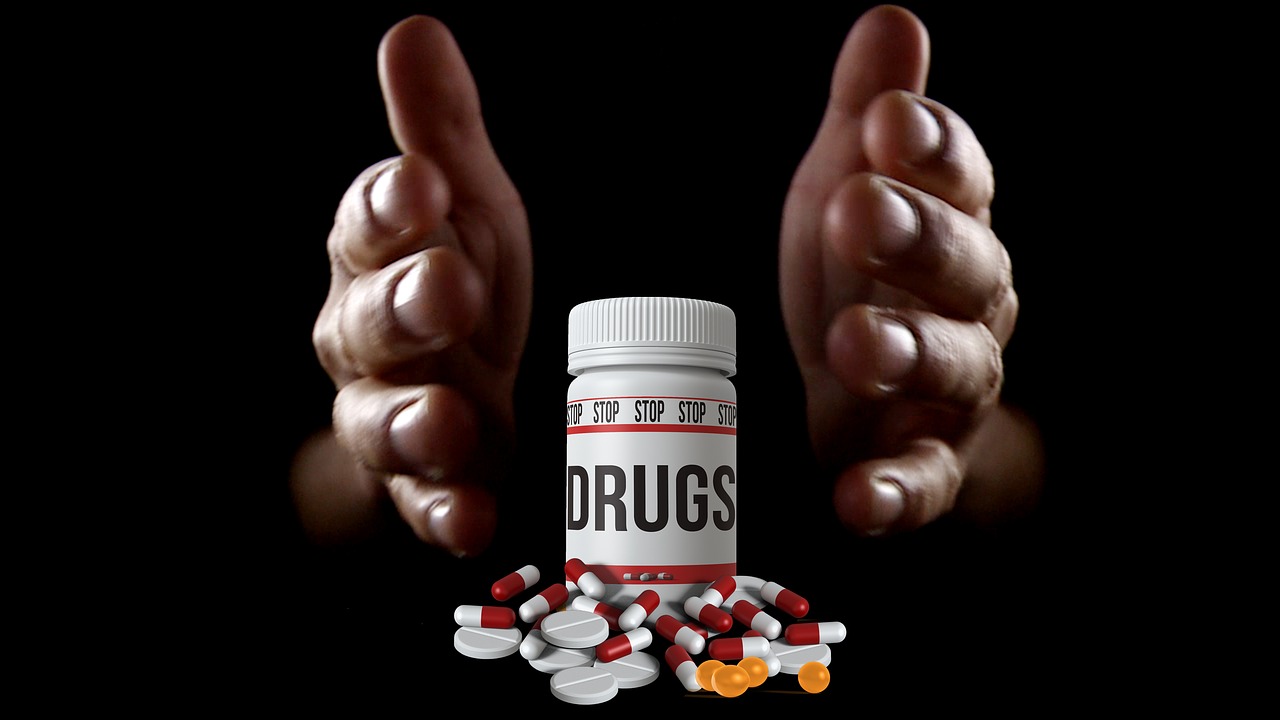
Drugs.

Drugs.
Photo courtesy of Pixabay.

How much do you really know about alcohol and drugs?

Despite the prevalence of drugs and alcohol in our society, many people have never had any formal education about drugs or alcohol. Most people get their education in this area the same way they learn about sex, on the street, and by experimentation.

As a society, we have a love-hate relationship with drugs and alcohol. The consensus seems to be that drinking and doing drugs can be enjoyable, but that “losing control” of that habit can be harmful maybe even deadly. Clearly simplistic solutions, just say no, or saying only bad people have problems is not working.

Ignoring the effects of addiction and alcoholism is easy.

Most people try to ignore the problem until it overwhelms them personally, or someone close to them. It’s reassuring to believe that addiction or alcoholism is something that happens to “those kinds of people,” the weak, or the lazy.

Not everyone who experiments with drugs or alcohol develops a problem. We know that young people are likely to try new and exciting experiences. Initially, it all sounds like fun. Most go on to have typical lives. But increasingly we are seeing people of all ages, including the older generation, whose lives are being damaged by substances.

Most people’s conception of an alcoholic is the homeless bum on the street, someone who can’t work and drinks all day every day. The unpleasant truth is that 95% of all alcoholics have full-time jobs. It’s entirely possible that you meet these hidden alcoholics every day. For every person with a drinking problem, estimates tell us that, 5 to 8 other people are harmed by that person’s drinking.

In some hospitals, half of the beds are taken up by people whose illness is primarily caused by or made worse by the direct results of alcoholism.

The problems with alcoholism and addiction are all around us.

In every city in America of any size, and I feel confident this happens everywhere else on planet Earth, we see the harm caused by the misuse of substances. A quick look at last night’s paper shows several people arrested for DUI. Several accidents in which one or both drivers were intoxicated. And an occasional story about someone dying of a drug overdose.

The war on drugs misled us.

American’s have noticed a staggering increase in the number of people who are dying from overdoses of prescribed opiate drugs. Despite a long-running war on drugs, the devastation is worse now than it was before. Several unpleasant facts emerge from studying substances and substance use disorders.

The majority of drug overdose deaths arise from prescribed medications, not street drugs.

Legal or tolerated drugs, nicotine, and alcohol each kill more people per year than all the illegal street drugs combined. Most of the deaths from drug overdoses involve people who have more than one drug in their bloodstream. Mixing alcohol with other drugs, prescription or street drugs, increases the risk of death.

Many professionals lack education about the effects of drugs and alcohol.

Most professionals working in the mental health field have minimal training in substance-related problems. Most counselors and therapists receive from one to three units in substance-related classes in an entire master’s program. Surveys indicate that the majority of people with substance use disorder, 60% or more, also have a co-occurring disorder. Furthermore, many people with diagnosed mental illness, approximately 50%, also have a substance use disorder.

In my own experience, it is extremely common to find someone with severe depression or high anxiety, who is also abusing substances. Use of alcohol or drugs may temporarily mask symptoms but in the long run, using substances as a crutch makes the problem worse.

Therapists who work with couples often find that one or both parties are using drugs or alcohol, and this is contributing to the marital discord. Unfortunately, many counselors who were not trained in substance use disorders ignore the problem rather than ask about it.

Since I started in the counseling field as a substance use disorder counselor, I’m acutely aware of how commonly mental health problems and alcoholism or addiction occur together. Substance abuse counselors, at least here in California, typically go through a 36-unit program with many of the classes specifically focused on alcohol, drugs, and the process of moving from use to addiction.

Very soon school will be back in session, and this semester I will be teaching several classes in the substance use disorder program. While I don’t want to shift the counselorsoapbox.com blog specifically towards drugs and addiction, I thought it might be useful to share with you some of the material I use in my substance abuse counseling classes. Also, in the near future, I am planning to release some of this material as videos on our very own counselorssoapbox YouTube channel. Stay tuned, and I will let you know how the videos are progressing.

If you made it this far, thanks for reading, and please remember to click like if you enjoyed this post and please leave comments. Talk to you again soon.

Staying connected with David Joel Miller

Seven David Joel Miller Books are available now!

My newest book is now available. It was my opportunity to try on a new genre. I’ve been working on this book for several years, but now seem like the right time to publish it.

Story Bureau.

Story Bureau is a thrilling Dystopian Post-Apocalyptic adventure in the Surviving the Apocalypse series.

Baldwin struggles to survive life in a post-apocalyptic world where the government controls everything.

As society collapses and his family gets plunged into poverty, Baldwin takes a job in the capital city, working for a government agency called the Story Bureau. He discovers the Story Bureau is not a benign news outlet but a sinister government plot to manipulate society.

Bumps on the Road of Life. Whether you struggle with anxiety, depression, low motivation, or addiction, you can recover. Bumps on the Road of Life is the story of how people get off track and how to get your life out of the ditch.

Dark Family Secrets: Doris wants to get her life back, but small-town prejudice could shatter her dreams.

Casino Robbery Arthur Mitchell escapes the trauma of watching his girlfriend die. But the killers know he’s a witness and want him dead.

Planned Accidents  The second Arthur Mitchell and Plutus mystery.

Letters from the Dead: The third in the Arthur Mitchell mystery series.

What would you do if you found a letter to a detective describing a crime and you knew the writer and detective were dead, and you could be next?

Sasquatch. Three things about us, you should know. One, we have seen the past. Two, we’re trapped there. Three, I don’t know if we’ll ever get back to our own time.

For these and my upcoming books; please visit my Author Page – David Joel Miller

Want the latest blog posts as they publish? Subscribe to this blog.

For videos, see: Counselorssoapbox YouTube Video Channel

Alcohol Changes Your Blood.

By David Joel Miller, MS, Licensed Therapist & Licensed Counselor.

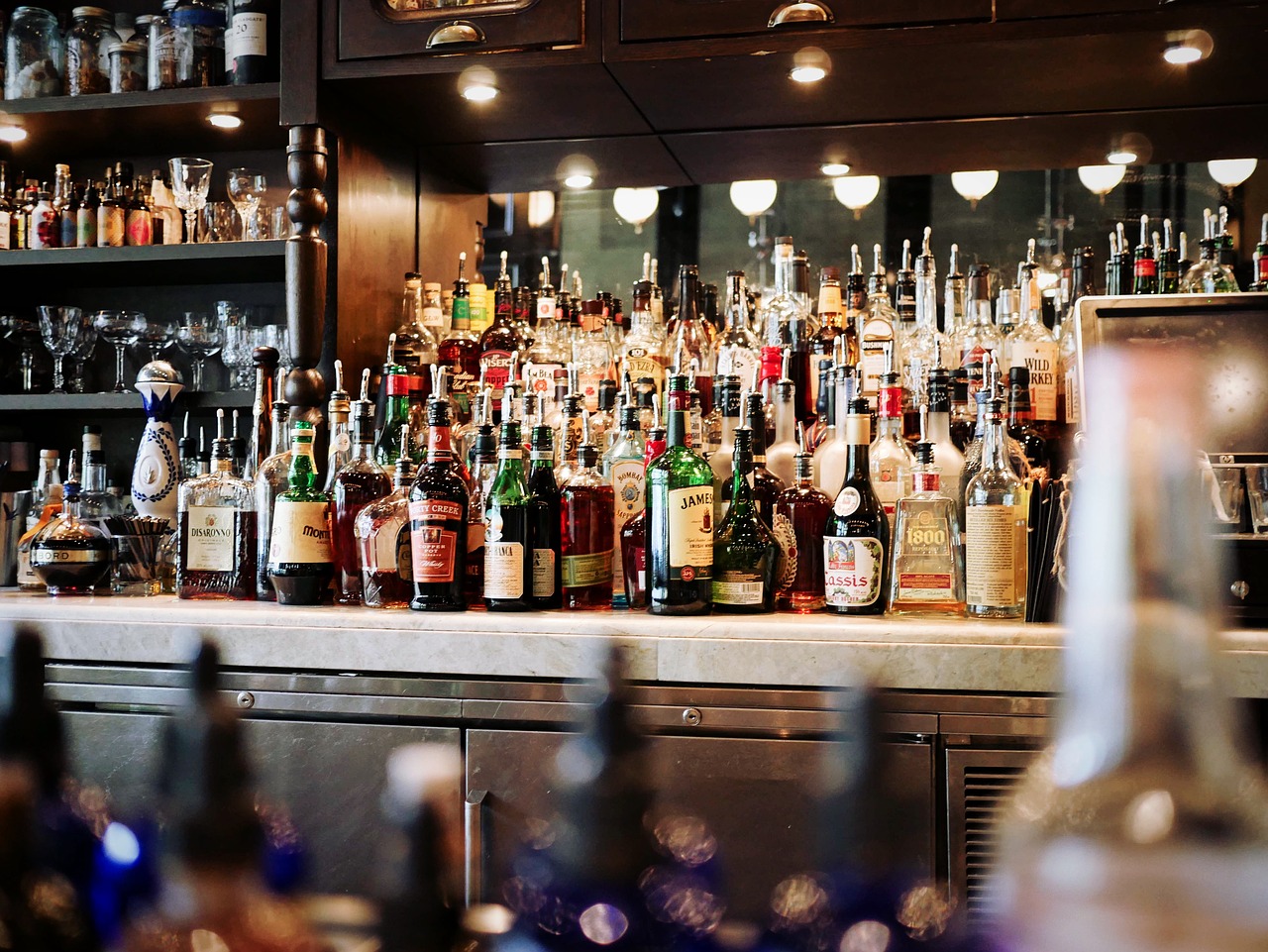
Liquor

Alcoholic beverages.
Photo courtesy of Pixabay.com

Alcohol can affect your body in a great many ways.

Alcohol is so much a part of our society that we tend to take it for granted. That can be a costly mistake. The World Health Organization recently reported that one in every 20 deaths each year was attributable to problems caused or made worse by alcohol consumption. VA hospitals said that more than half of their hospital beds were occupied by people with issues connected to alcohol use.

Many people are poorly informed about alcohol and the problems it can cause. It’s easy to believe that alcohol-related issues only happen to alcoholics or people who frequently get drunk. Even small amounts of alcohol can make medical issues worse.

Alcohol affects your blood in several ways.

Alcohol is highly water-soluble, meaning it mixes readily with your blood. Blood flows throughout your body reaching every cell. Consumption of alcohol may interfere with some of the vital functions of your hematological or blood system.

Alcohol can contribute to anemia in several ways.

Alcohol contributes to anemia by interfering with the production of red blood cells. Alcohol in the bloodstream interferes with the healthy nutrition needed to produce red blood cells. One of the breakdown products of alcohol metabolism, acetaldehyde, is believed to interfere with the ability to utilize iron, an essential part of red blood cells ability to distribute oxygen throughout the body.

Alcohol can result in defective red blood cells.

Many people are familiar with the way doses of alcohol can result in infants born with fetal alcohol syndrome. Alcohol, and its breakdown products, poison and deform growing cells. Deformed red blood cells can’t do their job. Some alcoholic beverages contain lead or other heavy metals further damaging blood cells.

Alcohol damages white blood cells.

White blood cells are an essential part of your immune system, your body’s defense against infection. Chronic alcohol use affects white cells. Just how much alcohol, spread out over how what amount of time, it takes to damage white blood cells is hard to estimate.

Once white cells are damaged or destroyed, they can no longer fight infections. Alcohol consumption increases the risk of severe infections, especially in the respiratory tract. Alcohol reduces the effectiveness of white cells both by reducing their number and interfering with their ability to adhere to bacteria. When you drink, your white cells get intoxicated and can’t do their job.

Alcohol damages platelets and increases bleeding.

Platelets are an important part of your blood clotting system. As alcohol consumption increases, the likelihood of developing bleeding problems increases. People with severe alcohol use disorders are likely to bleed in the intestinal tract, these gums, the nose, and many other places. Heavy drinkers are likely to bruise easily. Alcohol interferes with the production of platelets.

Alcohol interferes with the liver’s metabolism disrupting blood clotting factors.

Alcohol the bloodstream interferes with the production of blood clotting factors. Not only can it reduce the ability for the blood to clot where needed, but it can also result in clots forming where they shouldn’t be created.

Alcohol damages the immune system in several ways.

The body has two separate immune systems alcohol interferes with the functioning of both. Excessive alcohol consumption has been found to increase both the severity and the progression of HIV/AIDS.

Much of the damage alcohol does to the hematological system is reversible with abstinence. The primary connection between alcohol and its effect on the hematological system is because of alcohol’s impact on the liver. Heavy Alcohol consumption is well-known to cause cirrhosis of the liver. But alcohol consumption is connected to four separate liver ailments. Some of these liver impairments can be by as little as one or two binge drinking episodes.

Once alcohol consumption has damaged the liver damage to other systems in the body may not be reversible.

Who’s most likely to have alcohol caused hematological problems?

Not everyone who consumes alcohol will develop permanent damage to the body. Two groups are at exceptionally high risk. 20% of the US population consumes 80% of all the alcohol drunk in America, these heavy drinkers are highly likely to develop alcohol-related issues as they age and the liver function declines.

The second high-risk group for alcohol-related problems is those people who may not drink on a regular basis but when they do drink and up intoxicated. The damage alcohol does to the body on anyone drinking occasion is related to how high the blood alcohol content goes on that occasion. In addition to the well-known problems connected to getting drunk, like DUI’s and violence, binge drinking can also result in damage to the body and an increased risk of being infected if you are exposed to bacteria or viruses.

Want to know more?

Many of the students in my substance abuse counseling classes are surprised at the many ways alcohol can affect the body, emotions, relationships, and society. If you’re interested in more information on this topic you might want to take a look at the book we use for that class; Loosening the Grip. A Handbook of Alcohol Information, 11th edition, Jean Kinney, MSW.

Staying connected with David Joel Miller

Seven David Joel Miller Books are available now!

My newest book is now available. It was my opportunity to try on a new genre. I’ve been working on this book for several years, but now seem like the right time to publish it.

Story Bureau.

Story Bureau is a thrilling Dystopian Post-Apocalyptic adventure in the Surviving the Apocalypse series.

Baldwin struggles to survive life in a post-apocalyptic world where the government controls everything.

As society collapses and his family gets plunged into poverty, Baldwin takes a job in the capital city, working for a government agency called the Story Bureau. He discovers the Story Bureau is not a benign news outlet but a sinister government plot to manipulate society.

Bumps on the Road of Life. Whether you struggle with anxiety, depression, low motivation, or addiction, you can recover. Bumps on the Road of Life is the story of how people get off track and how to get your life out of the ditch.

Dark Family Secrets: Doris wants to get her life back, but small-town prejudice could shatter her dreams.

Casino Robbery Arthur Mitchell escapes the trauma of watching his girlfriend die. But the killers know he’s a witness and want him dead.

Planned Accidents  The second Arthur Mitchell and Plutus mystery.

Letters from the Dead: The third in the Arthur Mitchell mystery series.

What would you do if you found a letter to a detective describing a crime and you knew the writer and detective were dead, and you could be next?

Sasquatch. Three things about us, you should know. One, we have seen the past. Two, we’re trapped there. Three, I don’t know if we’ll ever get back to our own time.

For these and my upcoming books; please visit my Author Page – David Joel Miller

Want the latest blog posts as they publish? Subscribe to this blog.

For videos, see: Counselorssoapbox YouTube Video Channel
Assessment – a core drug counselor function.

By David Joel Miller, MS, Licensed Therapist & Licensed Counselor.

Counseling questions

Counseling questions.
Photo courtesy of Pixabay.com

Assessment doesn’t mean the same thing to everyone.

Anytime counselors get together you’re likely to hear the word assessment.

Unfortunately, it means so many different things to so many different counseling specialties it’s as if we are not speaking the same language.

There are two primary ways that the word assessment is used. One is to describe the form the counselor fills out during the initial part of treatment.

The other meaning of the word assessment is the ongoing process counselors use to try to identify the client’s problem and find ways to be helpful.

Assessment may mean the assessment form.

Often a form is completed either during the initial intake of very soon after that. The information is gathered on this form should be used to develop a treatment plan, part of the next core drug counselor function designing a comprehensive recovery plan. It’s common to hear counselors referred to filling out this form as “doing an assessment.” If you use an assessment form that should be thought of as a tool you use to gather the information you need to assess the client’s issues.

One danger of relying too heavily on a particular form is that the process of filling out the form can turn into an interrogation of the client rather than a conversation. One simple way to tell a good assessment from a poorly done one, especially in the drug counseling field, is to look at the bottom of the page for the comments. Anything the client says that’s out of the ordinary should call for follow-up questions to get more information. Under the pressure of a lot of work to do it’s easy for the staff member doing the initial intake and assessment to rush through the form and get only surface information.

Assessment in substance abuse counseling is very different from the type of assessment done in mental health settings. In a mental health setting, the goal is to collect enough information to rule in or out various diagnoses and then to design a treatment plan to treat that illness. The various license types are likely to have been trained in very different ways of doing an assessment. How the assessment is done also varies with the setting. Therapists working for a public agency are likely to have a specific form they must fill in. In private practice, they’re more likely to use a more conversational approach to assessment.

Clinical psychologists do a great deal of testing and often have the clients fill out a large quantity of paper and pencil “assessment instruments.” Clinical counselors are likely to use a very limited number of brief screening tools. In California licensed professional clinical counselors are limited by the licensing law to using only a couple of instruments and then only for diagnosing. Mental health counselors and therapists are generally not allowed to do testing and report the results to outside parties. Marriage and family therapists, of course, emphasize assessing the client’s relationships and the connections between their “presenting problem” and their relationships with family, friends, and the people they interact with in the work setting.

Drug counselors are assessing the client’s drug use and its consequences.

Drug counselor should limit their scope of practice to working on the client’s issues as they relate to substance use disorders. They can be some fuzziness around the edges of their scope of practice. The assessing drug counselor needs to develop a picture of the client’s drug use, both current and past. Many clients abused multiple substances at various times in their life. The drug counselor is assessing for what drugs the client has used recently and what drugs they used in the past that they may be at risk to resume using.

The drug counselor also assesses all the various aspects of the client’s life to see how problems in other areas may have influenced the client’s drug use and how that drug use may have affected all those other parts of the client’s life.

There are two primary assessment tools I’ve seen used in drug and alcohol counseling, although individual programs may design their own written tools drawing on either or both models.

Assessment using the biopsychosocial-spiritual model.

The biopsychosocial assessment understands the healthy, or recovered life as requiring balance in all the various aspects of the person’s life. Drug and alcohol use has probably bent the wheel of life completely out of balance. Assessing all these various areas of the client’s life helps to develop not only a treatment plan for the current substance use disorder but a recovery plan for the client putting their lives back in balance.

The Addiction Severity Index or ASI.

The ASI is a widely used assessment tool for drug and alcohol counseling. The ASI is a copyrighted instrument with both paper and electronic online versions available. Students can look at an online sample by searching for the Addiction Severity Index – training edition.

American Society of Addiction Medicine Patient Placement Criteria (ASAM.)

This is another assessment tool that may or may not be used during intake. The goal of the American Society of Addiction Medicine Patient Placement Criteria (ASAM) is to create objective criteria for how much and what kind of treatment a client might need.

These criteria have various levels ranging from a high of long-term residential treatment to a low of psychoeducation. Programs that plan to bill medical insurance are likely to need to complete this measure to justify the level and intensity of treatment for insurance reimbursement.

For more on the drug counselor domains and the core functions see John W. Herdman’s book Global Criteria; the 12 Core Functions of the Substance Abuse Counselor

Staying connected with David Joel Miller

Seven David Joel Miller Books are available now!

My newest book is now available. It was my opportunity to try on a new genre. I’ve been working on this book for several years, but now seem like the right time to publish it.

Story Bureau.

Story Bureau is a thrilling Dystopian Post-Apocalyptic adventure in the Surviving the Apocalypse series.

Baldwin struggles to survive life in a post-apocalyptic world where the government controls everything.

As society collapses and his family gets plunged into poverty, Baldwin takes a job in the capital city, working for a government agency called the Story Bureau. He discovers the Story Bureau is not a benign news outlet but a sinister government plot to manipulate society.

Bumps on the Road of Life. Whether you struggle with anxiety, depression, low motivation, or addiction, you can recover. Bumps on the Road of Life is the story of how people get off track and how to get your life out of the ditch.

Dark Family Secrets: Doris wants to get her life back, but small-town prejudice could shatter her dreams.

Casino Robbery Arthur Mitchell escapes the trauma of watching his girlfriend die. But the killers know he’s a witness and want him dead.

Planned Accidents  The second Arthur Mitchell and Plutus mystery.

Letters from the Dead: The third in the Arthur Mitchell mystery series.

What would you do if you found a letter to a detective describing a crime and you knew the writer and detective were dead, and you could be next?

Sasquatch. Three things about us, you should know. One, we have seen the past. Two, we’re trapped there. Three, I don’t know if we’ll ever get back to our own time.

For these and my upcoming books; please visit my Author Page – David Joel Miller

Want the latest blog posts as they publish? Subscribe to this blog.

For videos, see: Counselorssoapbox YouTube Video Channel