
Why Pharmacokinetics matters.

By David Joel Miller, MS, Licensed Therapist & Licensed Counselor.

Drugs affect the body.

Why Pharmacokinetics matters.
Drugs affect the body.
Photo courtesy of Pixabay.com

What is pharmacokinetics and why does it matter?

Drugs are everywhere in our society. Not just Street drugs, or the legal drugs such as tobacco and alcohol. Most of us are exposed to drugs all day, every day. Even the people who say they “don’t do drugs” should be concerned about drugs and pharmacokinetics. When we hear about drugs, most of us think illegal drugs. It’s easy to overlook the long-term effects of use and abuse of prescription medication, over-the-counter medication, and the vitamins and herbal remedies all around us every day.

Pharmacokinetics deals with how drugs enter the body, how they get absorbed, how they get transported and delivered throughout the body, and ultimately how are drugs eliminated from the body. In a past post, we talked about routes of administration; the way drugs get into the body.

How much of that drug did you take?

For most drugs the more you take, the stronger the effect. Let’s take a simple, common drug, alcohol to illustrate this principle. If someone drinks a twelve-ounce beer, they consume about half an ounce of pure alcohol. Drinking twelve ounces of whiskey will result in the consumption of about six ounces of alcohol. With whiskey, you drink the same amount of liquid, but because the whiskey is more concentrated, you received a much higher dose of Alcohol than the beer drinker does. Measurement of alcohol consumption requires the use of an idea called the standard drink.

Drug dose is computed based on body weight.

A three-hundred-pound man will need to take a higher dose of medicine than a twenty-pound child. Heavier people contain more volume of liquids, so any chemical they take into their system becomes more dilute. For most medications, your doctor will want to know your body weight, so they know how much medication to give you.

When it comes to Street drugs or even alcohol, most people don’t consider the effect that body weight has on the drug-using experience. Thin people will get higher blood concentrations of the drug even when they take the same amount. Recently we have seen many people who had weight loss surgery, lost a large amount of weight, and developed a significant problem when they consume alcohol or other drugs.

Drug absorption matters.

Some drugs are readily absorbed into the bloodstream. When you consume liquid drugs or very soluble ones, they readily pass through the stomach, into the intestine, and are absorbed into the bloodstream. Solid drugs vary a great deal in their bioavailability, which is the part of the drug that becomes absorbed into the bloodstream and reaches the site of action.

An example of the problem of bioavailability involves pregnant women. Calcium is often added to the diet of a pregnant woman to help the fetus develop strong bones. Limestone is high in calcium, but no matter how much you grind it up, most of the limestone will pass through the body undigested. How much of the calcium in your vitamin supplement will be absorbed into your bloodstream, it’s bioavailability, matters.

Drug distribution varies from drug to drug.

Drugs that are highly water-soluble travel readily throughout the body. Blood nourishes all the cells in the body, and the parts of the body that received the most blood also received the largest doses of drugs. Drugs tend to accumulate in the heart, brain, kidney, and liver. Parts of the body that get little blood flow, the muscles and fat, received little of the active drug. Can you see why taking an oral supplement to “melt away fat” is unlikely to work?

A few drugs, such as THC in marijuana, are fat-soluble. These drugs will tend to accumulate in the parts of the body which have the largest fat content.

Drug elimination – how the drug leaves the body.

Eventually, any drugs that go into your body will get broken down and eliminated. Many drugs are metabolized by enzymes produced in the liver. These drugs are especially hard on the liver when taken in excessive quantities. This process is the reason heavy alcohol consumption increases the risk of four separate types of liver disease.

Some drugs are metabolized in the kidneys or the G.I. tract. Regardless of where the metabolism takes place, the majority of all drugs are removed from the body by the kidney. Some drugs, especially in large quantities, can be very hard on the kidneys. Drug abuse can result in impaired kidney function resulting in the need for kidney dialysis.

Drug metabolism is a sequential process.

Many drugs are broken down in stages. The first breakdown product is then metabolized into a second breakdown product and so on. These breakdown products or metabolic byproducts may also be psychoactive. When both cocaine and alcohol are present in the system, they and their metabolic byproducts can combine to produce Cocaethylene which is even longer lasting than the original cocaine and alcohol.

For more on this topic see – Drug Use, Abuse, and Addiction and Recovery

David Joel Miller MS is a Licensed Marriage and Family Therapist (LMFT) and a Licensed Professional Clinical Counselor (LPCC.)  Mr. Miller provides supervision for beginning counselors and therapists and teaches at the local college in the Substance Abuse Counseling program.

Staying connected with David Joel Miller

Seven David Joel Miller Books are available now!

My newest book is now available. It was my opportunity to try on a new genre. I’ve been working on this book for several years, but now seem like the right time to publish it.

Story Bureau.

Story Bureau is a thrilling Dystopian Post-Apocalyptic adventure in the Surviving the Apocalypse series.

Baldwin struggles to survive life in a post-apocalyptic world where the government controls everything.

As society collapses and his family gets plunged into poverty, Baldwin takes a job in the capital city, working for a government agency called the Story Bureau. He discovers the Story Bureau is not a benign news outlet but a sinister government plot to manipulate society.

Bumps on the Road of Life. Whether you struggle with anxiety, depression, low motivation, or addiction, you can recover. Bumps on the Road of Life is the story of how people get off track and how to get your life out of the ditch.

Dark Family Secrets: Doris wants to get her life back, but small-town prejudice could shatter her dreams.

Casino Robbery Arthur Mitchell escapes the trauma of watching his girlfriend die. But the killers know he’s a witness and want him dead.

Planned Accidents  The second Arthur Mitchell and Plutus mystery.

Letters from the Dead: The third in the Arthur Mitchell mystery series.

What would you do if you found a letter to a detective describing a crime and you knew the writer and detective were dead, and you could be next?

Sasquatch. Three things about us, you should know. One, we have seen the past. Two, we’re trapped there. Three, I don’t know if we’ll ever get back to our own time.

For these and my upcoming books; please visit my Author Page – David Joel Miller

Want the latest blog posts as they publish? Subscribe to this blog.

For videos, see: Counselorssoapbox YouTube Video Channel
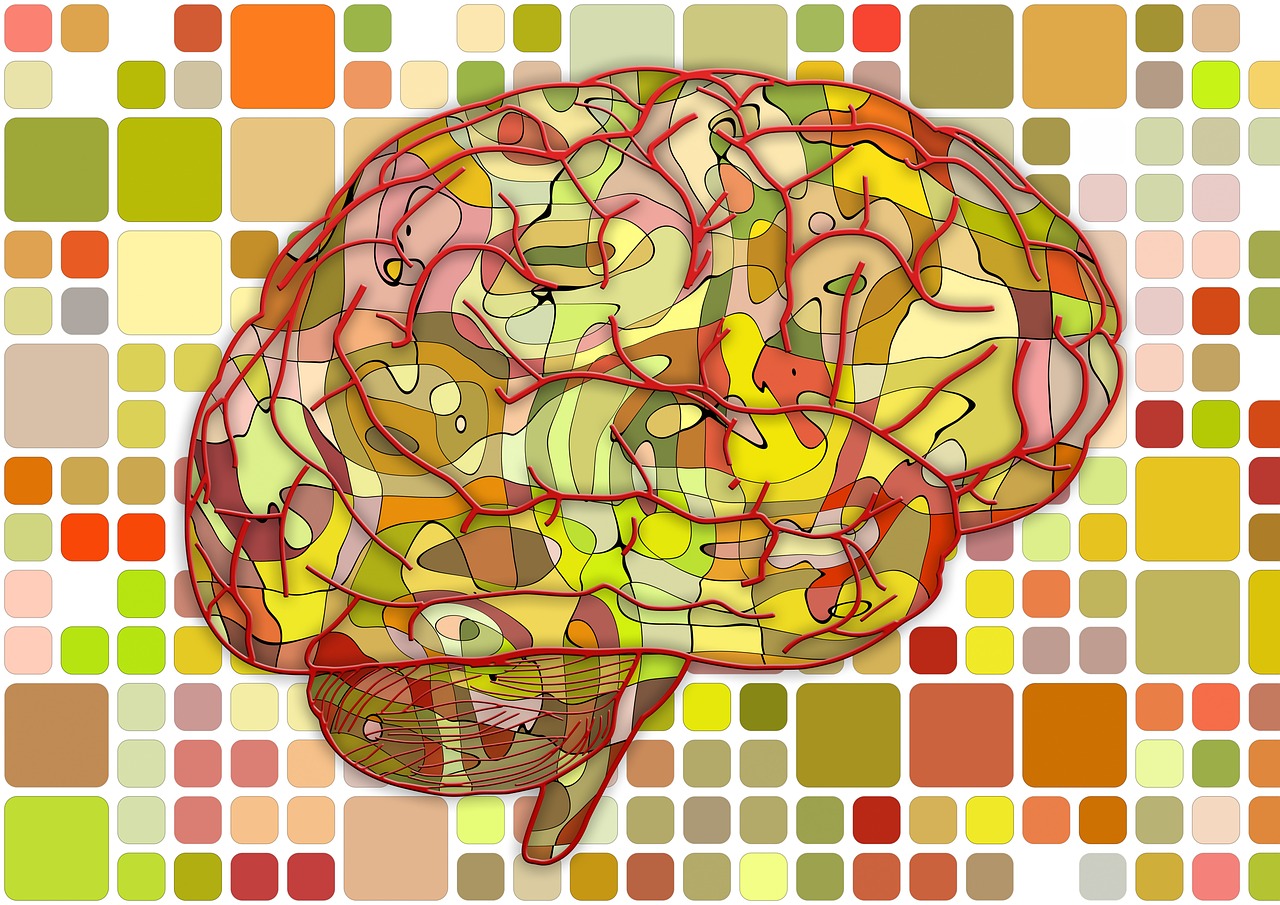
How drugs change your feelings.

By David Joel Miller, MS, Licensed Therapist & Licensed Counselor.

Brain circuits.

Brain.
Photo courtesy of Pixabay.com

Drugs of abuse alter the chemical balance in your brain.

The human brain is a very complex organ. Everything you think, feel, experience, or do is the result of brain activity. Drugs, especially drugs of abuse, can alter the chemical balance in your brain either temporary or sometimes permanently.

The brain is made up of millions of tiny nerve cells called neurons. These nerve cells connect to each other through billions of tiny nerve endings. In the early days of physiological psychology, this all seemed so simple.

Electricity moves information within a nerve cell.

Early on, we discovered that a nerve cell can develop an electrical charge and when this charge moved down the nerve cell, it transmitted information. Electrically stimulating a rat’s brain might cause him to move the leg.

Electrical stimulation doesn’t explain everything. Between one nerve cell and the next, there are infinitesimal, small gaps. Scientists refer to those gaps as synaptic gaps, or sometimes they speak of the connections between cells as synapses. It turns out that electricity doesn’t flow very well from one brain cell to another through the brain fluid.

Information moves from one nerve cell to another chemically.

The human nervous system manufacturers a large number of chemicals, some of which are called neurotransmitters. When I first studied the subject in the 1960s, we study two neurotransmitters. Today hundreds of neurotransmitters have been identified and studied. The more research I read, the more newly identified neurotransmitters I encounter.

Drugs of abuse alter the way information moves between cells chemically.

For a drug of abuse to affect the way you think, feel, or behave, it needs to do two things. First, it needs to get into your brain. The brain contains a large amount of fluid. Protecting that fluid from contamination is the blood-brain barrier. This membrane is designed to keep undesirable material out of your brain. All drugs of abuse must have molecules that can get through this blood-brain barrier.

Each neurotransmitter has a shape which fits a receptor in the next cell.

You hear a gun go off and your nervous system produces a stimulant chemical that gets your heart pounding and prepares you for action. That stimulant chemical is sometimes called adrenaline. A similar chemical is found in the nervous system. We, here in the US, call that chemical norepinephrine, in some other countries it is called noradrenaline. This chemical fits into receptors on other cells and causes them to act.

One of the explanations for how drugs of abuse affect your nervous system is called the “lock and key theory.” Each naturally occurring neurotransmitter has a shape, and other cells have a receptor designed to accept that shape. So, when your nervous system sends out norepinephrine, it fits into receptors throughout your nervous system to prepare you to take immediate action.

Drugs of abuse mimic the shapes of naturally occurring neurotransmitter.

Stimulant drugs, such as cocaine or methamphetamine, are shaped in a way that is similar to norepinephrine. Because they mimic a natural neurotransmitter’s shape, they can make all the circuits in your nervous system fire.

Drugs of abuse not only activate a few cells, but they can activate many cells in far more emphatic ways than your naturally occurring neurotransmitters do. Because of this, drugs of abuse can feel very pleasurable, but only for brief periods of time. Each time you use a drug, it changes the chemical balance in your brain. Over time it changes the balance so much, you are unable to feel the things you used to feel unless the drug is present in your system.

Of course, the process in the brain is far more complicated than this simple description. Many other things are taking place every time you think a thought or the chemistry in your brain changes. Understanding how drugs of abuse mess with the way your nervous system works helps to explain a large part of how those drugs can lead to abuse, dependence, addiction, and a whole range of disorders we call substance use disorders.

For more on this topic see – Drug Use, Abuse, and Addiction and Recovery

David Joel Miller MS is a Licensed Marriage and Family Therapist (LMFT) and a Licensed Professional Clinical Counselor (LPCC.)  Mr. Miller provides supervision for beginning counselors and therapists and teaches at the local college in the Substance Abuse Counseling program.

Staying connected with David Joel Miller

Seven David Joel Miller Books are available now!

My newest book is now available. It was my opportunity to try on a new genre. I’ve been working on this book for several years, but now seem like the right time to publish it.

Story Bureau.

Story Bureau is a thrilling Dystopian Post-Apocalyptic adventure in the Surviving the Apocalypse series.

Baldwin struggles to survive life in a post-apocalyptic world where the government controls everything.

As society collapses and his family gets plunged into poverty, Baldwin takes a job in the capital city, working for a government agency called the Story Bureau. He discovers the Story Bureau is not a benign news outlet but a sinister government plot to manipulate society.

Bumps on the Road of Life. Whether you struggle with anxiety, depression, low motivation, or addiction, you can recover. Bumps on the Road of Life is the story of how people get off track and how to get your life out of the ditch.

Dark Family Secrets: Doris wants to get her life back, but small-town prejudice could shatter her dreams.

Casino Robbery Arthur Mitchell escapes the trauma of watching his girlfriend die. But the killers know he’s a witness and want him dead.

Planned Accidents  The second Arthur Mitchell and Plutus mystery.

Letters from the Dead: The third in the Arthur Mitchell mystery series.

What would you do if you found a letter to a detective describing a crime and you knew the writer and detective were dead, and you could be next?

Sasquatch. Three things about us, you should know. One, we have seen the past. Two, we’re trapped there. Three, I don’t know if we’ll ever get back to our own time.

For these and my upcoming books; please visit my Author Page – David Joel Miller

Want the latest blog posts as they publish? Subscribe to this blog.

For videos, see: Counselorssoapbox YouTube Video Channel
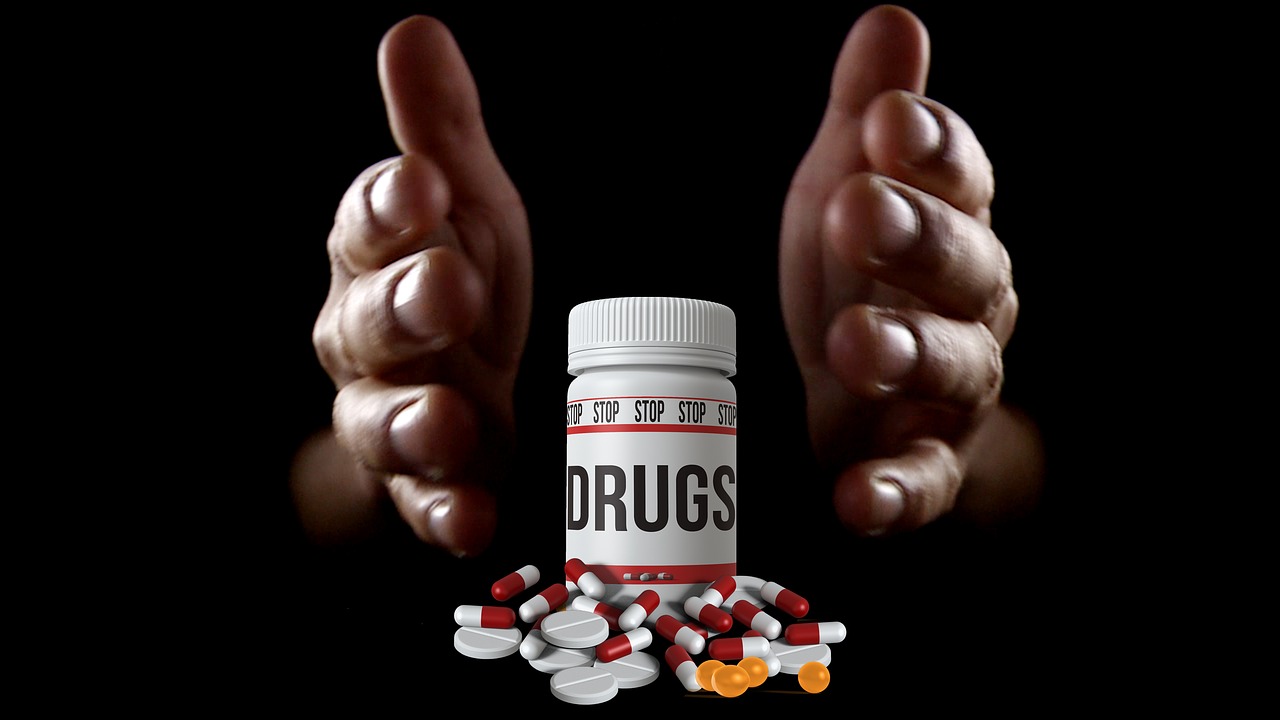
Schedules of Controlled Substances.

By David Joel Miller, MS, Licensed Therapist & Licensed Counselor.

Drugs.

Drugs.
Photo courtesy of Pixabay.

How drugs are classified for legal purposes.

The Controlled Substances Act of 1970 created another way to classify drugs. In another post, I talked about some of the ways drugs can be classified, by their origin, by their medical effect, or by the experience the user has. For legal purposes, some drugs are scheduled on one of five separate schedules of controlled substances.

The criteria for placing drugs on a particular schedule include whether they have an accepted medical use, their potential to be abused, and the likelihood they will produce dependence. Many people refer to drugs with a high abuse potential as narcotics. Narcotics technically are drugs that will put you to sleep, knock you out, and may potentially cause death. Many of the scheduled drugs are stimulants or Hallucinogens. When talking about the legal regulation of drugs, it is important to know that the correct term is, controlled substances.

Here’s a brief description of the five drug schedules and some examples of drugs on each schedule.

Schedule I drugs.

These drugs have an extremely high abuse potential. They are likely to cause dependence, have withdrawal effects, and produce cravings. They are not currently accepted for medical use in the United States. These drugs are not believed to be safe even when used under medical supervision.

An example of the need for scheduling some drugs on schedule one is illustrated by the drug thalidomide. This drug was approved and widely used in Europe, where it was often prescribed to women for the treatment of morning sickness. There was a good deal of pressure for it to be approved in the United States. One doctor at the FDA resisted the pressure to approve the drug for use in the US because of safety concerns.

After this drug was used in Europe for some time, it was discovered that the drug would produce serious birth defects when women who were pregnant were exposed to the drug. Even handling the medication could produce birth defects. Today this drug is used for treating cancers, but it continues to carry warnings that women who may become pregnant should not come in contact with this drug.

Some examples of drugs currently on schedule I include, heroin, peyote, psilocybin, ecstasy, LSD, methcathinone, marijuana, and most other products containing THC.

Schedules II drugs.

These drugs have a high abuse potential. They must have a recognized medical use, though it may require severe restrictions. Abuse of these drugs can result in either physical or psychological dependency. To prescribe these drugs, doctors must have a DEA number and use a triplicate prescription pad. One copy of each prescription stays with the doctor; one is given to the patient who must take it to the pharmacy, the third copy is sent to the DEA.

Examples of schedule two drugs include morphine, codeine, methadone, other opiates, Ritalin, methamphetamine, cocaine, PCP, and many other similar drugs.

Schedule III drugs.

Drugs on this schedule are more widely used for medical purposes. There are less likely to be abused than drugs on schedule II. These drugs can still be abused and may produce a mild to moderate substance use disorder.

Examples of schedule III drugs include Vicodin, Tylenol with codeine, Marinol a synthetic capsule containing THC, Ketamine, anabolic steroids, and similar drugs.

Schedule IV drugs.

These drugs have wide medical applications in the US. They have a low potential for abuse when compared to drugs on schedules I, II, or III. People may build up some tolerance to these drugs and experience withdrawal, resulting in physical or psychological dependence, but these drugs are less likely to produce cravings than the drugs on the earlier schedules.

Examples of schedule IV drugs are Darvon, Valium, Librium, Ativan, Xanax, and similar drugs.

Schedule V drugs.

These drugs have many accepted medical uses in the US. They have the lowest abuse potential of all the scheduled drugs. Abuse of the drug may lead to some types of dependency. Some drugs on schedule V are available in both prescription strength and an over-the-counter version. For example, some pain relievers are available over-the-counter in two hundred milligrams strengths, the stronger six hundred and eight hundred milligrams versions require a prescription.

Just because drugs are on schedule V does not mean they are totally safe. Many people abuse over-the-counter pain relievers. Taking too many of these medications can result in permanent damage to either the liver or the kidney.

Some problems with drug schedules.

Despite the movement towards legalizing marijuana for medical and recreational use, the federal government continues to keep it on schedule I. This creates conflict between the federal government and state or local governments. Doctors who prescribe medical marijuana are likely to lose their DEA numbers. Doctors who work in hospitals or chronic pain clinics are unable to prescribe marijuana without losing their ability to prescribe stronger opiate pain medications.

Heroin continues to be a schedule I drug. This has prevented doctors from prescribing heroin to people who are addicted to opiates. In other countries, addicts, can receive their drugs by prescription and can administer them in safe injection sites where the used needles are properly disposed of. Because heroin stays on schedule I, addicts are prescribed methadone a drug which is even harder to withdraw from than heroin.

For more on this topic see – Drug Use, Abuse, and Addiction and Recovery

David Joel Miller MS is a Licensed Marriage and Family Therapist (LMFT) and a Licensed Professional Clinical Counselor (LPCC.)  Mr. Miller provides supervision for beginning counselors and therapists and teaches at the local college in the Substance Abuse Counseling program.

Staying connected with David Joel Miller

Seven David Joel Miller Books are available now!

My newest book is now available. It was my opportunity to try on a new genre. I’ve been working on this book for several years, but now seem like the right time to publish it.

Story Bureau.

Story Bureau is a thrilling Dystopian Post-Apocalyptic adventure in the Surviving the Apocalypse series.

Baldwin struggles to survive life in a post-apocalyptic world where the government controls everything.

As society collapses and his family gets plunged into poverty, Baldwin takes a job in the capital city, working for a government agency called the Story Bureau. He discovers the Story Bureau is not a benign news outlet but a sinister government plot to manipulate society.

Bumps on the Road of Life. Whether you struggle with anxiety, depression, low motivation, or addiction, you can recover. Bumps on the Road of Life is the story of how people get off track and how to get your life out of the ditch.

Dark Family Secrets: Doris wants to get her life back, but small-town prejudice could shatter her dreams.

Casino Robbery Arthur Mitchell escapes the trauma of watching his girlfriend die. But the killers know he’s a witness and want him dead.

Planned Accidents  The second Arthur Mitchell and Plutus mystery.

Letters from the Dead: The third in the Arthur Mitchell mystery series.

What would you do if you found a letter to a detective describing a crime and you knew the writer and detective were dead, and you could be next?

Sasquatch. Three things about us, you should know. One, we have seen the past. Two, we’re trapped there. Three, I don’t know if we’ll ever get back to our own time.

For these and my upcoming books; please visit my Author Page – David Joel Miller

Want the latest blog posts as they publish? Subscribe to this blog.

For videos, see: Counselorssoapbox YouTube Video Channel

Hard drugs used to be legal in the U. S.

By David Joel Miller, MS, Licensed Therapist & Licensed Counselor.

Drugs of addiction

Addiction.
Photo courtesy of Pixabay.com

Making drugs illegal is a new thing.

It’s roughly 400 years since the Europeans arrived in America. For seventy-five percent of the time since that arrival drugs have been legal. The path from full legality to today’s many restrictions on drugs has been a long and involved one.

In early American history, first the colonial governments, and then the federal government not only allowed drug use but encouraged it. In colonial times, there were laws on the books requiring farmers to grow cannabis (Hemp) on a specific percentage of their land. During the US, Civil War more men died in camp of diseases than died in battle. Officers would routinely hand out opium gum for soldiers to chew. Whiskey was the primary painkiller. With the discovery of morphine, it became common to mix morphine into the whiskey to produce a beverage called laudanum. Between 1860 and 1900 the use of morphine, cocaine, and other drugs mixed in alcoholic beverages became commonplace.

Laws regulating drug use are a recent development in American history. Here are some of the more significant drug laws from US history.

The San Francisco Ordinance.

The first notable US drug law was an ordinance passed in San Francisco, California. Interesting to note that while today California takes a more lenient view of drug use, San Francisco is the first place to pass a significant drug regulation ordinance.

The San Francisco Ordinance, passed in 1875, banned the smoking of opium, in an opium den. Opium could still be smoked in private homes and beverages containing opium, or its derivative compound morphine could still be consumed. The main thrust of the ordinance was to try to keep white people, especially young females, from frequenting Chinese opium businesses. This ordinance only applied to the city and County of San Francisco. It would be over thirty years before another law was passed regulating drugs.

The Pure Food and Drug Act.

This law was passed by Congress in 1906. The Pure Food and Drug Act was primarily aimed at controlling opiate addiction. The belief was that by labeling products which contained drugs people would be less likely to consume them. Between the US Civil War and 1906, products containing morphine and cocaine had become extremely popular. Many women consumed tonics containing morphine and babies were often given soothing syrups which contained morphine and alcohol.

The early thinking was that if a parent had a choice between a baby product containing one percent morphine and another containing two percent morphine, the parent would probably choose the product with a lower percentage of drugs. Unfortunately, many parents thought that if one percent morphine stopped the baby from crying and allowed them to sleep, then two percent morphine would be even better.

The Harrison Narcotic Tax Act.

Many laws regulating drugs and alcohol began as taxation. Once you can tax something, you can also regulate its use. Raising taxes has repeatedly been tried in efforts to reduce drug consumption. Besides imposing regulations and taxes on drugs, the Harrison Narcotic Tax Act, passed in 1914, just before World War I, restricted sales of drugs to licensed pharmacies and required a doctor’s prescription.

One provision in the law continues to cause problems. Doctors are not supposed to prescribe drugs to maintain a drug addict’s addiction. Rather than prescribed heroin addicts heroin, or morphine addicts morphine, doctors now switch opiate addicts to methadone an even more addicting drug.

Alcohol Prohibition.

Prohibition was inducted in 1920 with the passage of the eighteenth amendment. At the time, it was described as the Great Experiment. The effects of the Great Experiment continue to be debated. There were widespread efforts to evade the law. The law did not prohibit the consumption of alcoholic beverages or the home manufacture of beer and wine. What it did prohibit was the commercial manufacturing, transporting, and sale of alcoholic beverages.

During prohibition, hospital admissions for alcohol-related health problems declined significantly. What didn’t decline during prohibition was illegal activity. Because of the widespread violence and the unpopularity of the law, prohibition was repealed by the twenty-first amendment passed in 1933.

The Controlled Substance Act.

The Controlled Substance Act passed in 1970 created a system of classifying or scheduling drugs which continues to this day. The period since 1970 has seen the passage of many additional laws attempting to regulate drug use. These laws include the law creating the Drug Enforcement Administration, anti-trafficking laws, Analog Act, Anti-Drug Abuse Act, and specific laws providing additional regulation and enforcement activities involving methamphetamine, ecstasy, tobacco smoking, and synthetic drug abuse.

Much of the legal activity in the period from 1970 to today was a part of the well-publicized “War on Drugs.”

That’s a little of the background on drug laws which people who work in the substance abuse treatment and prevention fields are expected to know. In a future post, we should take a closer look at the current system of scheduling drugs and why some of the newer laws have created enforcement problems.

For more on this topic see – Drug Use, Abuse, and Addiction and Recovery

David Joel Miller MS is a Licensed Marriage and Family Therapist (LMFT) and a Licensed Professional Clinical Counselor (LPCC.)  Mr. Miller provides supervision for beginning counselors and therapists and teaches at the local college in the Substance Abuse Counseling program.

Staying connected with David Joel Miller

Seven David Joel Miller Books are available now!

My newest book is now available. It was my opportunity to try on a new genre. I’ve been working on this book for several years, but now seem like the right time to publish it.

Story Bureau.

Story Bureau is a thrilling Dystopian Post-Apocalyptic adventure in the Surviving the Apocalypse series.

Baldwin struggles to survive life in a post-apocalyptic world where the government controls everything.

As society collapses and his family gets plunged into poverty, Baldwin takes a job in the capital city, working for a government agency called the Story Bureau. He discovers the Story Bureau is not a benign news outlet but a sinister government plot to manipulate society.

Bumps on the Road of Life. Whether you struggle with anxiety, depression, low motivation, or addiction, you can recover. Bumps on the Road of Life is the story of how people get off track and how to get your life out of the ditch.

Dark Family Secrets: Doris wants to get her life back, but small-town prejudice could shatter her dreams.

Casino Robbery Arthur Mitchell escapes the trauma of watching his girlfriend die. But the killers know he’s a witness and want him dead.

Planned Accidents  The second Arthur Mitchell and Plutus mystery.

Letters from the Dead: The third in the Arthur Mitchell mystery series.

What would you do if you found a letter to a detective describing a crime and you knew the writer and detective were dead, and you could be next?

Sasquatch. Three things about us, you should know. One, we have seen the past. Two, we’re trapped there. Three, I don’t know if we’ll ever get back to our own time.

For these and my upcoming books; please visit my Author Page – David Joel Miller

Want the latest blog posts as they publish? Subscribe to this blog.

For videos, see: Counselorssoapbox YouTube Video Channel

Why do drugs affect people differently?

By David Joel Miller, MS, Licensed Therapist & Licensed Counselor.

Drugs.

Drugs.
Photo courtesy of Pixabay.

Many factors affect the way people experience drugs.

Whether it’s legally obtained drugs, or the prescription kind, obtained from a drugstore with a doctor’s prescription, the way people experience those drugs varies widely. Recently we’ve seen an epidemic of deaths because of the use and abuse of prescription pain medication. Some people are in chronic pain; pain medications alleviate their suffering and allow them to function. Other people like the way those drugs make them feel or the way they keep them from having to feel anything.

People who take powerful painkillers for emotional reasons, to get high, run a high risk of becoming addicted. Three characteristics of addiction tell us that as people develop tolerance, experience withdrawals, and begin to have cravings for a drug of abuse, the risk that will take larger and larger amounts increases.

What are some of the factors that affect the drug using experience and may result in drug use turning into abuse, addiction, and the development of the drug use disorder?

Drug dosage influences the using experience.

With most drugs, small amounts of drugs produce smaller effects. Common over-the-counter pain relievers a relatively safe and not likely to cause addiction when taken as directed. Take large amounts of over-the-counter pain relievers and the risk of permanent damage to your liver or kidney, possibly even death, becomes a real possibility.

Drink one standard drink, let’s say a single twelve-ounce beer, each day, and you’re not likely to develop an alcohol use disorder. Drinking a six-pack a day and you will begin to build tolerance. Eventually, that drinker will need to drink a case of beer a day to feel the same effect. The higher the blood alcohol content goes on anyone drinking occasion, the more the risks.

A large percentage of the people in America have tried marijuana. Most find it doesn’t affect their lives. But a small number of marijuana smokers voluntarily seek treatment for cannabis use disorder.  What is different about the people who seek out treatment for a marijuana-related problem? Most of the people who develop problems with marijuana smoke every day and the quantity they smoke has increased over time.

When it comes to opiates, stimulant drugs, or other recreational drugs, the higher the dose, the more the risk.

How the drug gets into your body affects the experience.

The way in which drugs enter the body is referred to as route of administration.

Let’s use opiates as an example. It’s possible to smoke heroin, the high is experienced almost instantaneously, but a lot of the potency is lost in the process of smoking. Any drug that is smoked produces a rapid high and equally rapid withdrawal.

An equal amount of heroin mixed into a beverage and swallowed will be slower to take effect. Much of the potency is destroyed as the drug goes through the stomach. Stomach acids neutralize a large part of the potency of many drugs.

That same dose of heroin can be injected, producing a much more intense effect when the large dose reaches the brain. People who inject drugs experience much more intensive effects.

Psychological factors alter the experience of drug use.

Psychological set, the mood someone is in impacts the drug using experience. Someone who is in a happy mood and drinks alcohol may feel an increase in their happiness. They are celebrating. Someone who was angry and drinks may become angrier and more likely to act on that anger as the alcohol disinhibits them. A person who is sad and depressed who drinks alcohol is at an increased risk of developing severe depression and possibly making a suicide attempt.

Setting, the place where someone uses the drug, also alters the effects of the user experiences. Millions of people receive painkillers while in the hospital. Most of them do not become addicted. But the same quantity of drugs, purchased in an alley from a drug dealer for recreational use, are much more likely to result in a substance use disorder.

Other psychological factors that alter the drug using experience are the placebo effect and the Nocebo effect.

Your belief that the drug will have a beneficial effect is likely to produce that effect, whether that effect is positive or negative. If you think a pill will cure your headache, it probably will, even if it does not contain any active ingredient. People who believe that a particular medication will give them headaches are more likely to get headaches even when the pill is a sugar pill.

For more on this topic see – Drug Use, Abuse, and Addiction and Recovery

David Joel Miller MS is a Licensed Marriage and Family Therapist (LMFT) and a Licensed Professional Clinical Counselor (LPCC.)  Mr. Miller provides supervision for beginning counselors and therapists and teaches at the local college in the Substance Abuse Counseling program.

Staying connected with David Joel Miller

Seven David Joel Miller Books are available now!

My newest book is now available. It was my opportunity to try on a new genre. I’ve been working on this book for several years, but now seem like the right time to publish it.

Story Bureau.

Story Bureau is a thrilling Dystopian Post-Apocalyptic adventure in the Surviving the Apocalypse series.

Baldwin struggles to survive life in a post-apocalyptic world where the government controls everything.

As society collapses and his family gets plunged into poverty, Baldwin takes a job in the capital city, working for a government agency called the Story Bureau. He discovers the Story Bureau is not a benign news outlet but a sinister government plot to manipulate society.

Bumps on the Road of Life. Whether you struggle with anxiety, depression, low motivation, or addiction, you can recover. Bumps on the Road of Life is the story of how people get off track and how to get your life out of the ditch.

Dark Family Secrets: Doris wants to get her life back, but small-town prejudice could shatter her dreams.

Casino Robbery Arthur Mitchell escapes the trauma of watching his girlfriend die. But the killers know he’s a witness and want him dead.

Planned Accidents  The second Arthur Mitchell and Plutus mystery.

Letters from the Dead: The third in the Arthur Mitchell mystery series.

What would you do if you found a letter to a detective describing a crime and you knew the writer and detective were dead, and you could be next?

Sasquatch. Three things about us, you should know. One, we have seen the past. Two, we’re trapped there. Three, I don’t know if we’ll ever get back to our own time.

For these and my upcoming books; please visit my Author Page – David Joel Miller

Want the latest blog posts as they publish? Subscribe to this blog.

For videos, see: Counselorssoapbox YouTube Video Channel
Urge Surfing Prevents Relapses.

By David Joel Miller, MS, Licensed Therapist & Licensed Counselor.

Urge Surfing Prevents Relapses.

Urge Surfing Prevents Relapses.
Photo courtesy of Pixabay.com

Don’t let urges knock you down.

Urge surfing is an idea that comes from substance use disorder treatment. Learning to cope with urges can help prevent relapses into depression, anxiety, substance use disorders, and many other mental, emotional, and behavioral disorders.

A coworker and I discussed the similarities between surfing on the ocean and surfing urges. He is an avid surfer and tells me that not having a good relationship with the waves can leave scars. Ignoring urges and what is causing them can leave mental and emotional scars.

What is an urge?

Urges are sudden, intense impulses to do something. People with urges often feel compelled to act. When the idea enters the mind, it can become a compulsion. Urges can be intense, unpleasant sensations. Once the urge arises, it is hard to avoid acting on it. Wrestling with urges results in a lot of relapses into unhelpful thinking, and unhealthy behaviors.

Urges rise and fall.

Urges, in the early stages, can come on slowly and gradually, other times they rise rapidly, like a heavy ocean swell. You could easily be swept away before you realize the danger of the urge. The challenge with urges is to maintain your position without being carried away by the urge. Typically urges last 20 to 30 minutes.

Concentrating too much on ocean waves leaves you unprepared when they arrive. You should prepare for the rising and falling urges ahead of time also.

Wrestling urges, wears you out.

The typical response to urges is to try to avoid thinking about them and resist acting. The more you struggle, the more tired you become. Trying to not think about something makes the thought grow. To defeat urges you need to do two things. First, do not give in. Sometimes giving in and sometimes not amounts to intermittent reinforcement, one of the hardest things to overcome. Second, don’t exhaust yourself swimming directly into the urge. Practice floating above the surface, riding out the comings and goings of urges.

Urges can affect your thinking, your feelings, and your behavior.

Surfers who develop a negative attitude don’t last long. If you engage in self-criticism, telling yourself you should have caught the last wave, you need to wait for the next one; you don’t surf, you get washed ashore. Having cravings and urges is a natural part of recovery. Don’t beat yourself up for having urges. Having urges can make you feel like you’re not doing recovery correctly. Don’t let your urges take you places you should not go. Stick to the behaviors that will further your recovery.

Make peace with your urges.

Surfing the urges allows you to reach a place of neutrality where you neither wrestle the urge nor give in to it. What you need to do is to step back from the urge and begin to watch it as an outside observer. From this vantage point, you will see that your urges rise and fall. If you can stay in this relaxed state for a time, the urge recedes.

Accept that it is okay to feel however you are feeling.

You do not have to take action to change your feelings. Your life is a real life. There are things you like about it, and there are things that you will not like. Sometimes you will feel happy, and sometimes sad. Sometimes you will be calm, and sometimes you will be anxious. The key to making peace with your feelings, and not being swept away by urges, is to learn to recognize what you are feeling without rushing to change that feeling.

What feeling is coming up for you?

As you feel the urges rising, work on identifying what that feeling is. Are you feeling anxious, depressed, or frustrated? When urges rise, you may be thinking about others. Are you telling yourself it’s not fair that you must quit drinking or drugging, while others are continuing to do these things?

Learn the signs of oncoming cravings.

A water surfer notices the wave coming. Begins to paddle before the wave reaches them. They are up to speed when the wave reaches them. Notice the onset of uncomfortable feelings when urges are on the rise. Pay attention to increases in unhelpful thoughts. Watch your body for signs of negative emotions, that pain in the neck, the queasy stomach.

Practice urge reduction skills before the urge waves wash over you. Learn grounding techniques, scanning your body for tension, and use other relaxation methods. Breathing is especially important when it comes to keeping your head above water. Positive self-talk, affirmations, and grounding techniques can keep you prepared for the next round of urges.

Staying connected with David Joel Miller

Seven David Joel Miller Books are available now!

My newest book is now available. It was my opportunity to try on a new genre. I’ve been working on this book for several years, but now seem like the right time to publish it.

Story Bureau.

Story Bureau is a thrilling Dystopian Post-Apocalyptic adventure in the Surviving the Apocalypse series.

Baldwin struggles to survive life in a post-apocalyptic world where the government controls everything.

As society collapses and his family gets plunged into poverty, Baldwin takes a job in the capital city, working for a government agency called the Story Bureau. He discovers the Story Bureau is not a benign news outlet but a sinister government plot to manipulate society.

Bumps on the Road of Life. Whether you struggle with anxiety, depression, low motivation, or addiction, you can recover. Bumps on the Road of Life is the story of how people get off track and how to get your life out of the ditch.

Dark Family Secrets: Doris wants to get her life back, but small-town prejudice could shatter her dreams.

Casino Robbery Arthur Mitchell escapes the trauma of watching his girlfriend die. But the killers know he’s a witness and want him dead.

Planned Accidents  The second Arthur Mitchell and Plutus mystery.

Letters from the Dead: The third in the Arthur Mitchell mystery series.

What would you do if you found a letter to a detective describing a crime and you knew the writer and detective were dead, and you could be next?

Sasquatch. Three things about us, you should know. One, we have seen the past. Two, we’re trapped there. Three, I don’t know if we’ll ever get back to our own time.

For these and my upcoming books; please visit my Author Page – David Joel Miller

Want the latest blog posts as they publish? Subscribe to this blog.

For videos, see: Counselorssoapbox YouTube Video Channel
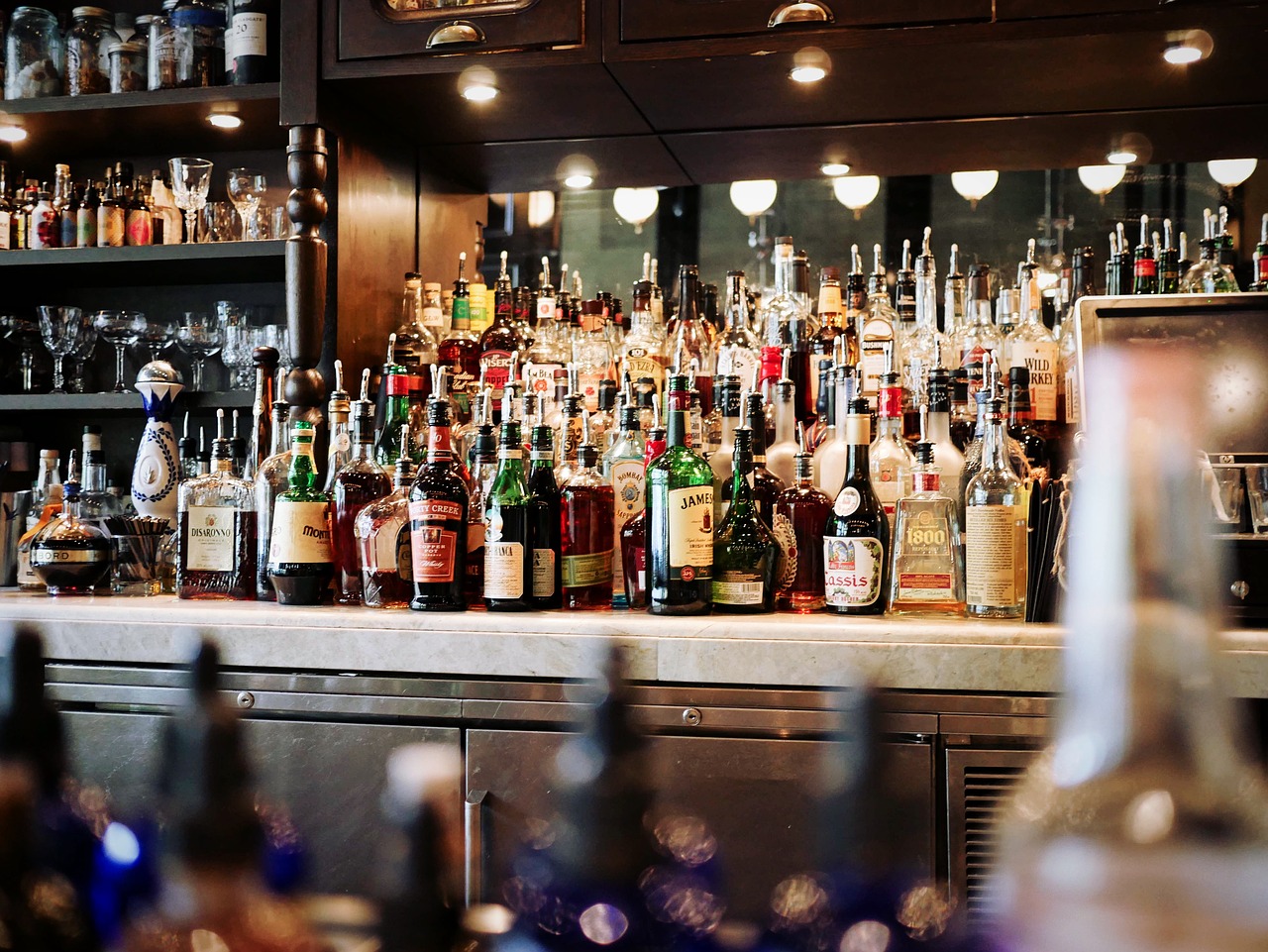
Alcohol Myths

By David Joel Miller, MS, Licensed Therapist & Licensed Counselor.

Liquor

Alcoholic beverages.
Photo courtesy of Pixabay.com

How many alcohol myths do you believe?

Alcohol is a stimulant.

Many people think and alcohol stimulates them and gives them more energy.  This belief was so common in the past among newspaper reporters and writers that these professions developed high rates of alcoholism.  The truth is alcohol is not a stimulant.  Alcohol is a depressant and while it may initially disinhibit you, the more you drink, the less energy you will have.  Over the long run drinking alcohol results in depression.

Alcohol makes you sexy or more sexual.

Alcohol shuts off the part of the brain that tells you “hey stupid don’t do that.”  As a result, when drinking people are more likely to engage in sexual behavior.  The truth is drunk people do not look sexy to sober people.  While having high levels of alcohol in your bloodstream makes you more likely to act on your sexual thoughts it also reduces the ability to engage in sex.  In men, regular alcohol consumption may result in impotence.

Alcohol makes you more of a man or a woman.

The ability to drink, and to drink large quantities, increases the likelihood you will do things you would not do when sober.  This increased alcohol consumption results in tolerance to alcohol and requiring ever-increasing quantities to create the same effect.  Taking action after having a few drinks is sometimes described as “liquid courage.” Being intoxicated or frequently drunk does not produce the qualities that we think of as being either masculine or feminine.

Alcohol will cure your ills.

It’s common to think that having a few drinks will solve all your physical or emotional problems.  The truth is that using alcohol to regulate emotions leaves you dependent on alcohol and less able to handle life without it.  Alcohol has some germ-killing properties when used externally.  But when used internally, alcohol can cause damage to every cell it touches.

Alcohol will make you less anxious or scared.

Temporarily alcohol can make you feel less anxious.  In the long run, however, using alcohol to treat anxiety makes it worse, not better.  When you drink to cope with anxiety, the alcohol quickly wears off.  This leaves you more anxious than before.  The result is that you will need ever-increasing amounts of alcohol to cope with your anxiety.

Alcohol will make you function better.

Drinking alcohol, especially drinking it heavily, only makes people think they are performing better.  Having alcohol in the bloodstream interferes with coordination, memory, and judgment.

Alcohol makes you warmer.

Alcohol dilates the blood vessels close to the skin.  This results in a temporary feeling of warmth.  It also results in a rapid loss of heat from the core of the body.  Drinking alcohol when you are cold actually, causes the body to lose heat more rapidly.

Most people drink alcohol on a regular basis.

The truth is that more than half of the adults in America have not had a drink of alcohol in the last month.  Many Americans only have a drink of alcohol once or twice in any one year.  A handful of alcohol drinkers, the 20% heaviest drinkers, consumed 80% of all the alcohol that is drunk.

How many of these alcohol myths do you believe?  Have you discovered any other alcohol myths?

Staying connected with David Joel Miller

Seven David Joel Miller Books are available now!

My newest book is now available. It was my opportunity to try on a new genre. I’ve been working on this book for several years, but now seem like the right time to publish it.

Story Bureau.

Story Bureau is a thrilling Dystopian Post-Apocalyptic adventure in the Surviving the Apocalypse series.

Baldwin struggles to survive life in a post-apocalyptic world where the government controls everything.

As society collapses and his family gets plunged into poverty, Baldwin takes a job in the capital city, working for a government agency called the Story Bureau. He discovers the Story Bureau is not a benign news outlet but a sinister government plot to manipulate society.

Bumps on the Road of Life. Whether you struggle with anxiety, depression, low motivation, or addiction, you can recover. Bumps on the Road of Life is the story of how people get off track and how to get your life out of the ditch.

Dark Family Secrets: Doris wants to get her life back, but small-town prejudice could shatter her dreams.

Casino Robbery Arthur Mitchell escapes the trauma of watching his girlfriend die. But the killers know he’s a witness and want him dead.

Planned Accidents  The second Arthur Mitchell and Plutus mystery.

Letters from the Dead: The third in the Arthur Mitchell mystery series.

What would you do if you found a letter to a detective describing a crime and you knew the writer and detective were dead, and you could be next?

Sasquatch. Three things about us, you should know. One, we have seen the past. Two, we’re trapped there. Three, I don’t know if we’ll ever get back to our own time.

For these and my upcoming books; please visit my Author Page – David Joel Miller

Want the latest blog posts as they publish? Subscribe to this blog.

For videos, see: Counselorssoapbox YouTube Video Channel

Do you have an acute or a chronic illness?

By David Joel Miller, MS, Licensed Therapist & Licensed Counselor.

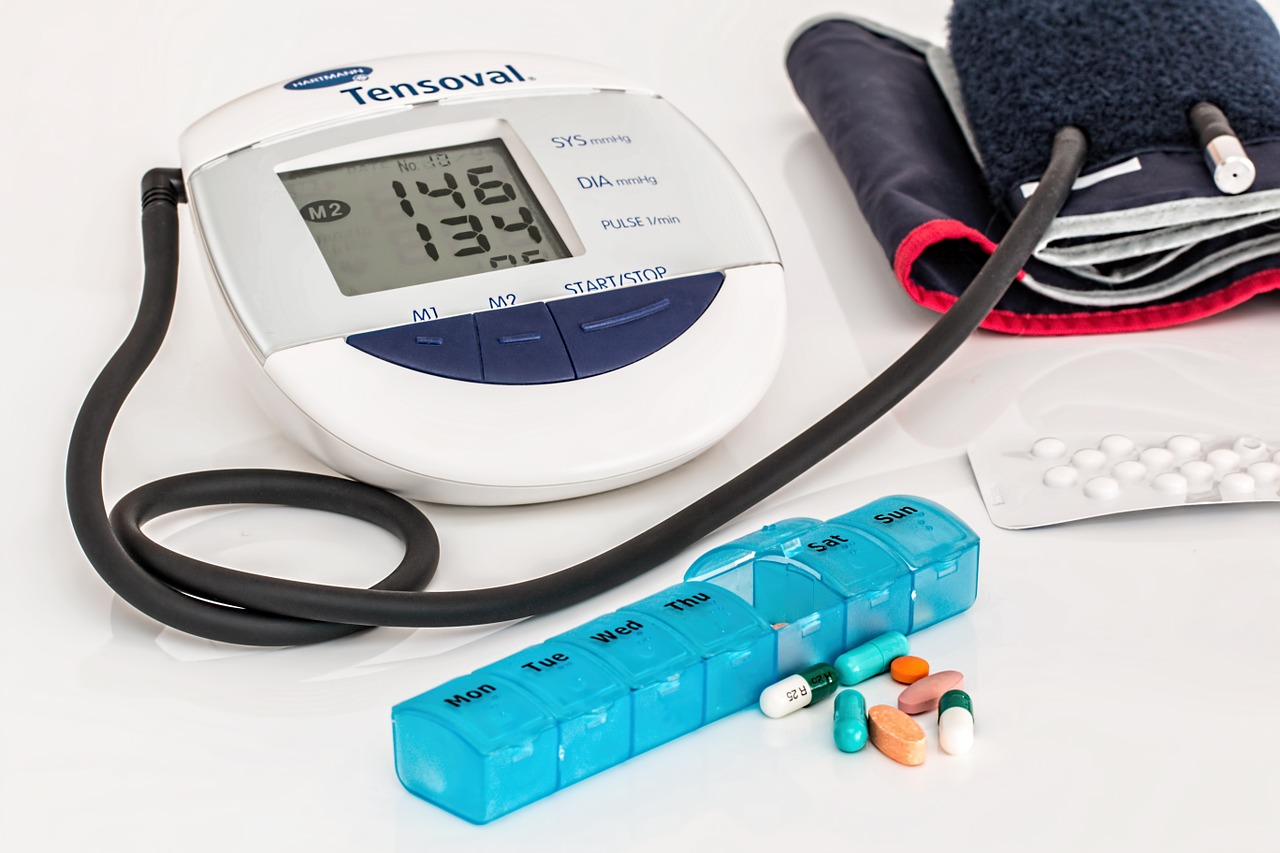
medical

Acute or Chronic Illness?
Photo courtesy of Pixabay.com

Getting the right kind of treatment for your illness is important.

Whether it’s a physical, emotional, or mental disorder, getting the right treatment makes all the difference.

One of the problems we have in the behavioral health field is a tendency to treat chronic illnesses as if they were acute illnesses.

What is an acute illness?

Acute illness is something like breaking your leg. It happened suddenly, you go to the hospital and the Doctor sets it in a cast.  Eventually, the broken leg heals and you walk normally. Another example of an acute illness would be a case of pneumonia.  This can be quite serious and may result in a hospital stay.  You may need emergency treatment.  When that pneumonia goes away and you can return home.  You may have some after effects, But at some point, you will be pronounced cured of your pneumonia.

How is a chronic illness different?

Chronic illnesses have to be managed not cured.  Things like diabetes and heart disease are managed.  With a chronic illness, the Doctor continues to provide care and monitoring to keep the disease from getting worse.  In the past, acute illnesses were the main things doctors treated, today more than 75% of what doctors treat are chronic illnesses.

Mental health and substance use disorders are chronic illnesses.

For years we’ve made a mistake by thinking that we can treat mental and emotional illnesses as if they were acute. Someone is under the influence of a substance and are sent to detox for 72 hours.  As if substance use disorders were the same sort of things as a broken leg or an overdose of poison.

The belief used to be that once the drugs were out of their system that person was cured.  If the substance use disorder was an acute disorder, like poisoning, that would have work.  It is common for people straight out of detox to pick up drugs again within a few days. Detoxification does not work to cure substance use disorders because they are chronic illnesses.

The person sent to the psychiatric hospital for a suicide attempt might be released after two or three days when they no longer were feeling suicidal.  Sometimes that person gets additional care after the hospitalization.  But not always.

This is often another case of treating a chronic illness as if it were an acute illness. Without further treatment, after the brief hospitalization, there is a good chance that the depression and thoughts of suicide will return.

Mental health problems and substance use disorders require long-term treatment.

Repeatedly we have found that people with mental health problems who get treatment over a longer period of time are less likely to have a return of symptoms. Those people who continue to stay in treatment for up to two years after an episode of depression are less likely to have a recurrence of that depression.

With substance use disorders we find that those people who continue to stay in some form of continuing care are less likely to have a relapse.  Staying connected to whatever program or treatment helped you to recover from your substance use disorder improves the chances that you will stay recovered. In drug and alcohol treatment this continuing care is often referred to as aftercare.

One thing that has been sorely missing in mental health treatment is some form of continuing care after the initial episode. Far too often mental health issues are treated as if they were acute illnesses rather than the chronic conditions they are. Providing some kind of continuing support, groups, or individual counseling, reduces the risk of relapse into an active state of mental illness.

One highly effective continuing care system is the development of a written wellness and recovery plan.

For more about aftercare see the post in the “What is.” series.

Staying connected with David Joel Miller

Seven David Joel Miller Books are available now!

My newest book is now available. It was my opportunity to try on a new genre. I’ve been working on this book for several years, but now seem like the right time to publish it.

Story Bureau.

Story Bureau is a thrilling Dystopian Post-Apocalyptic adventure in the Surviving the Apocalypse series.

Baldwin struggles to survive life in a post-apocalyptic world where the government controls everything.

As society collapses and his family gets plunged into poverty, Baldwin takes a job in the capital city, working for a government agency called the Story Bureau. He discovers the Story Bureau is not a benign news outlet but a sinister government plot to manipulate society.

Bumps on the Road of Life. Whether you struggle with anxiety, depression, low motivation, or addiction, you can recover. Bumps on the Road of Life is the story of how people get off track and how to get your life out of the ditch.

Dark Family Secrets: Doris wants to get her life back, but small-town prejudice could shatter her dreams.

Casino Robbery Arthur Mitchell escapes the trauma of watching his girlfriend die. But the killers know he’s a witness and want him dead.

Planned Accidents  The second Arthur Mitchell and Plutus mystery.

Letters from the Dead: The third in the Arthur Mitchell mystery series.

What would you do if you found a letter to a detective describing a crime and you knew the writer and detective were dead, and you could be next?

Sasquatch. Three things about us, you should know. One, we have seen the past. Two, we’re trapped there. Three, I don’t know if we’ll ever get back to our own time.

For these and my upcoming books; please visit my Author Page – David Joel Miller

Want the latest blog posts as they publish? Subscribe to this blog.

For videos, see: Counselorssoapbox YouTube Video Channel

What is Amotivational Syndrome?

By David Joel Miller, MS, Licensed Therapist & Licensed Counselor.

Unmotivated.
Photo courtesy of Pixabay.com

Have you lost your drive or your desire to do something?

Amotivational Syndrome is often connected with the smoking of marijuana.  This is something quite different from what we see in depression.  In depression, people lose the desire to do things they use to make them happy.  We call that loss of pleasure anhedonia.

In Amotivational Syndrome people seem to spend more time looking inward and contemplating things and less time actively doing them.  This syndrome was originally recognized in younger, marijuana smokers who were heavier daily users.

Does marijuana smoking cause a loss of motivation?

Things that are, or were, associated with Amotivational Syndrome include the development of apathy and loss of ambition.  Heavy smokers just seem to become indifferent and stop caring about anything except smoking.  They seem to have fewer goals and decreased effectiveness.  Problems with attention and concentration have also been attributed to heavy marijuana smoking and Amotivational Syndrome.

Many of these characteristics are seen in daily, heavy, marijuana smokers.  What is unclear is whether marijuana smoking causes this cluster of symptoms or whether those people who are low in motivation like to smoke marijuana.  At one point it was commonly accepted that some marijuana smokers are likely to suffer from Amotivational Syndrome.

Not all marijuana smokers are low in motivation.

Because of the many famous, popular people, who have been reported to be regular marijuana smokers, the connection between smoking marijuana and low motivation has come into question. It is unclear how common this condition is, or even if this is a valid syndrome.  Amotivational Syndrome has not been reported in countries other than the United States.  There’s some question whether Amotivational Syndrome is, in fact, a cultural rather than a mental condition.

Animals on marijuana don’t lose motivation.

Laboratory studies of both humans and animals have not found evidence of the Amotivational Syndrome for those using marijuana.  Amotivational Syndrome or loss of goals and direction has been found in many groups of young people who are not using marijuana on a regular basis.  This has led some writers to conclude that Amotivational Syndrome is a personality characteristic rather than the result of smoking marijuana.  It may be that those people with low motivation are attracted to using marijuana and other intoxicating substances.

One other possibility that has been suggested is that those people who are under the influence of drugs and alcohol or other substances may have low motivations to do anything while under the influence.  What we may be seeing in those people who were described as having Amotivational Syndrome may, in fact, be the effects of intoxication and withdrawal from marijuana or other substances.

As with the other things we are calling a mental illness or symptoms of a mental illness Amotivational Syndrome would need to interfere with your ability to work or go to school, your relationships, your enjoyable activities, or cause you personal distress for it to be the focus of clinical attention. Otherwise, while you may have lost some motivation you will not be identified as someone needing clinical assistance.  If the only time you have low motivation is when you are under the influence of marijuana or another drug this would be diagnosed as drug intoxication.

For more on this and related topics see the other posts on counselorssoapbox.com under        Drug Use, Abuse, and Addiction

FYI These “What is” sometimes “What are” posts are my efforts to explain terms commonly used in Mental Health, Clinical Counseling, Substance Use Disorder Counseling, Psychology, Life Coaching, and related disciplines in a plain language way. Many are based on the new DSM-5; some of the older posts were based on the DSM-IV-TR, both published by the APA. For the more technical versions please consult the DSM or other appropriate references.

Staying connected with David Joel Miller

Seven David Joel Miller Books are available now!

My newest book is now available. It was my opportunity to try on a new genre. I’ve been working on this book for several years, but now seem like the right time to publish it.

Story Bureau.

Story Bureau is a thrilling Dystopian Post-Apocalyptic adventure in the Surviving the Apocalypse series.

Baldwin struggles to survive life in a post-apocalyptic world where the government controls everything.

As society collapses and his family gets plunged into poverty, Baldwin takes a job in the capital city, working for a government agency called the Story Bureau. He discovers the Story Bureau is not a benign news outlet but a sinister government plot to manipulate society.

Bumps on the Road of Life. Whether you struggle with anxiety, depression, low motivation, or addiction, you can recover. Bumps on the Road of Life is the story of how people get off track and how to get your life out of the ditch.

Dark Family Secrets: Doris wants to get her life back, but small-town prejudice could shatter her dreams.

Casino Robbery Arthur Mitchell escapes the trauma of watching his girlfriend die. But the killers know he’s a witness and want him dead.

Planned Accidents  The second Arthur Mitchell and Plutus mystery.

Letters from the Dead: The third in the Arthur Mitchell mystery series.

What would you do if you found a letter to a detective describing a crime and you knew the writer and detective were dead, and you could be next?

Sasquatch. Three things about us, you should know. One, we have seen the past. Two, we’re trapped there. Three, I don’t know if we’ll ever get back to our own time.

For these and my upcoming books; please visit my Author Page – David Joel Miller

Want the latest blog posts as they publish? Subscribe to this blog.

For videos, see: Counselorssoapbox YouTube Video Channel

What is a Standard Drink?

By David Joel Miller, MS, Licensed Therapist & Licensed Counselor.

The taste may change but the alcohol stays the same.

What is a Standard Drink?
Photo courtesy of Pixabay.com

Only one kind of alcohol, ethanol, is drinkable. Ethanol or ethyl alcohol is made from fermenting a liquid made from fruit, grains, or similar vegetative products. Sometimes this chemical is called grain alcohol. While chemically similar, all the types of alcohol other than Ethanol can do significant harm, including cause blindness or death, when consumed. From here on, when I say alcohol, I am talking exclusively about the ethanol type.

The folk-lore of drinking contains lots of myths about what to drink and how to drink it. People may think that if they only drink beer or wine then they can’t become alcoholics. Some people give up “the hard stuff” thinking this will prevent them from having a problem with alcohol. Most of this belief that one alcoholic drink is better or worse than another is based on misconceptions about the content of alcoholic drinks.

No matter what we call an alcoholic beverage, what it is made from or what flavorings and additives are included, the pure alcohol part of alcoholic beverages is the same. All drinkable alcoholic beverages contain ethanol. Ethanol is the component that gets you drunk and withdrawal from ethanol, no matter the source, is what causes a hangover.

In order to compare the amount of pure alcohol contained in various beverages we use a concept called a “standard drink.” That standard drink is the amount of a beverage that contains one-half an ounce of pure ethanol.

In some places, the alcohol content is calculated by weight and in other places, it is calculated by volume. Depending on whether the alcohol is measured by weight or by volume and depending on who does the measuring we can get slightly different numbers here. Either way, the results of alcohol are pretty much the same.

Beer has the smallest percentage of alcohol.

Beers can vary between three and seven percent alcohol. Most of the major commercial beers in the U. S. are at the low end, close to 3 % and a twelve-ounce beer is considered a standard drink. Many people believe that because beer has a lower alcohol content it is safer and less likely to lead to problems. Unfortunately, that turns out to not be true. Because beer has a lower alcohol content per standard drink most people just drink more volume of beer than they would if drinking another alcoholic beverage. More than half the pure alcohol consumed every year here in the U. S. comes from beer.

Wine is a little stronger and can vary more.

Typical wines come in at eight to fourteen percent alcohol. The various textbooks I consulted gave between four and five oz. of wine as a standard drink. Wine can be fortified by adding alcohol distilled from some other alcoholic beverage. By fortifying a wine it can be pushed up to as much as twenty-two percent ethyl alcohol.

Spirits or Hard Liquor are the result of distillation.

As the fermentation progresses the alcohol begins to prevent the yeast from working so the process of fermentation stops. To get stronger alcoholic beverages some manipulation is required. If the liquid is heated, the alcohol evaporates faster than the water and other components. Catch this steam which is largely alcohol, condense it, and you get a beverage with a higher concentration of alcohol. We call this product with the concentrated levels of alcohol, spirits, or hard liquor.

A standard drink containing spirits is about one “shot” of an 86 proof liquor. Proof numbers are twice the percentage numbers so this shot contains about half an ounce of pure alcohol.

Glass size and proof matter.

In trying to compare the amount of alcohol in one drink with another it is important to keep in mind that a glass of wine is defined as a 4 to 5 ounce glass size.  Pouring the wine into a 32-ounce tumbler does not mean a tumbler full is still one standard drink.

When the “proof” changes so should the size of the drink. Stronger spirits should be served in smaller glasses. In practice, people still pour more than one standard drink into their glass resulting in some drinks that contain way more than “one standard drink.” Even beer can become deceptively intoxicating if served in a mug that holds more than 12 ounces.

The problem with counting standard drinks.

The whole idea of standard drinks was to predict the effects of drinking a glass of a particular alcoholic beverage. In practice, most people are taking in more alcohol than they realize and the heavy or binge drinkers are drinking way more drinks than they planned.

If you are having a problem with controlling your drinking the answer is not in measuring standard drinks. If when you drink you consume more than intended or bad things happen to you, there is a good chance that you have an Alcohol Use Disorder. Stop trying to find a way to beat the game and drink more but not get drunk and get some help from a support group like A. A. or a professional counselor.

For more on this topic see:  Alcoholism       Drug Use, Abuse, and Addiction

Terms and their meaning can differ with the profession using them. The literature from the Rehab or AOD (Alcohol and Other Drug) field may be very different from that in the mental health field. There is still a large gap between recovery programs and AOD professionals and the terms and descriptions used in the DSM.

FYI These “What is” sometimes “What are” posts are my efforts to explain terms commonly used in Mental Health, Clinical Counseling, Substance Use Disorder Counseling, Psychology, Life Coaching, and related disciplines in a plain language way. Many are based on the new DSM-5; some of the older posts were based on the DSM-IV-TR, both published by the APA. For the more technical versions please consult the DSM or other appropriate references.

See Recommended Books.     More “What is” posts will be found at “What is.”

Staying connected with David Joel Miller

Seven David Joel Miller Books are available now!

My newest book is now available. It was my opportunity to try on a new genre. I’ve been working on this book for several years, but now seem like the right time to publish it.

Story Bureau.

Story Bureau is a thrilling Dystopian Post-Apocalyptic adventure in the Surviving the Apocalypse series.

Baldwin struggles to survive life in a post-apocalyptic world where the government controls everything.

As society collapses and his family gets plunged into poverty, Baldwin takes a job in the capital city, working for a government agency called the Story Bureau. He discovers the Story Bureau is not a benign news outlet but a sinister government plot to manipulate society.

Bumps on the Road of Life. Whether you struggle with anxiety, depression, low motivation, or addiction, you can recover. Bumps on the Road of Life is the story of how people get off track and how to get your life out of the ditch.

Dark Family Secrets: Doris wants to get her life back, but small-town prejudice could shatter her dreams.

Casino Robbery Arthur Mitchell escapes the trauma of watching his girlfriend die. But the killers know he’s a witness and want him dead.

Planned Accidents  The second Arthur Mitchell and Plutus mystery.

Letters from the Dead: The third in the Arthur Mitchell mystery series.

What would you do if you found a letter to a detective describing a crime and you knew the writer and detective were dead, and you could be next?

Sasquatch. Three things about us, you should know. One, we have seen the past. Two, we’re trapped there. Three, I don’t know if we’ll ever get back to our own time.

For these and my upcoming books; please visit my Author Page – David Joel Miller

Want the latest blog posts as they publish? Subscribe to this blog.

For videos, see: Counselorssoapbox YouTube Video Channel