Relationship or being right?

By David Joel Miller, MS, Licensed Therapist & Licensed Counselor.

Can't stop fighting?

Trapped in conflict?
Photo courtesy of Pixabay.com

Which is more important, a relationship, or being right?

The conflicts between people often revolve around who is right. Reminder, relationships do not all need to be primarily romantic or sexual ones. We have relationships all the time with people. Counselors spend a lot of time thinking about and working on something called the “therapeutic relationship.” The relationship between you and your therapist or doctor matters immensely.

Sometimes the most impactful relationships are the ones we have with people we say we are not in a relationship with. A lot of time in therapy is spent on the remnants of relationships past. You may still need support and healing from things that happened in that past relationship. You may have frustrations and anger from trying to deal with that ex now in the present.

Couples coming in for therapy wants to know who is right.

Don’t spend your time going for counseling to have a third-party decide who is right. It is a waste of your time. Sometimes a counselor can help a bit with a thing called “reality testing.” This means if someone’s thinking is a bit off we can give you some perspective. How does an outsider see things? That does not automatically mean that anyone is right or wrong.

What often should be on the table is the question, “Which is more important to you, proving you are right or saving the relationship?” Some people would rather toss the relationship than admit they were wrong about anything.

If you are thinking that describes you to a “T” then consider if you need to always be right, even at the cost of a friendship or relationship, may be saying volumes about the issues you should be working on in therapy. Mainly this means you need to work on you not them.

When you get into a disagreement is it important for you to be right?

If in a disagreement you feel you always need to be right, you may need to be right, and alone, a lot. People with intact egos can admit when they are wrong. Those who feel confident in their position do not need to prove others are wrong to validate themselves. It is usually the very insecure that need to stay on the argument until they force the other person to agree.

Right is in the eye of the beholder.

Two people can disagree and both of them can be right. Perspective makes all the difference. A couple comes in for relationship counseling. Over the weekend they went shopping for a new car. New to them anyway. They have no car and riding on the bus is making their work lives more difficult.

One of them, probably the man, picked out a car and insists they need to buy this one. His partner is insisting that they can’t afford the car it costs too much. This conflict has rapidly escalated from problem-solving to who is right and then heads for the stratosphere when they each begin attacking the other.

Things like “you only think about yourself” and “you are so selfish” get said. Who is right? How would the therapist know? You can ride the bus, maybe, but how long does it take to get there with the transfers? Does the bus even go to the place you work at? How far will you have to walk and so on? It is also very likely that this car is too expensive given this couple’s income.

The trap here is that each has a stake in being right rather than in solving the problem. Some of these need-to-be-right arguments tear relationships apart and may even end in divorce. See it was never about buying the car, it was always the emotions behind being right and having the other person support you.

You can’t beat someone into believing what you believe.

This form of conflict resolution and the need to have others agree with you has been going on as long as humans have walked on two legs. At least I believe it has.

We see this playing out on a horrific scale in the Middle East. From where I sit in the western world all members of the Islamic religion seem very alike. The differences between them seem minor. But they can see differences that lead them to violence in an effort to make everyone else believe what they believe.

Less we get smug about this, Christianity has a long history of fighting to get everyone to believe what they see as the absolute truth. Unfortunately, the Catholics see one truth and the Protestants see another. The Protestants have always prided themselves on being able to divide up into increasingly small groups and exclude all who do not believe correctly.

Despite our efforts to have a pluralistic society, there are plenty of conflicts over who’s belief about what is the correct one. When countries, religions, and political parties are so quick to fight it out over who’s belief is correct, is there any wonder why people extend this to closer relationships, like partners and friends?

Getting the other person to stop arguing with you does not make you right.

It is tempting to believe that if the other person or country stops fighting you then you have won and that means you were right. Neither of these things may be true. My earnest hope is that our leaders, political and religious, will find a way to get countries and religions to stop fighting over who’s belief is right. My efforts are more directed to helping couples, families, and individuals to work on putting their relationship before their need to be right about everything.

On the personal relationship level, when the other person stops expressing their opinion you have probably damaged the relationship.

Consider for yourself – is it more important to be right, win the argument even if this ends the relationship?  Win enough arguments and you can end up in a very lonely isolated world.

Staying connected with David Joel Miller

Seven David Joel Miller Books are available now!

My newest book is now available. It was my opportunity to try on a new genre. I’ve been working on this book for several years, but now seem like the right time to publish it.

Story Bureau.

Story Bureau is a thrilling Dystopian Post-Apocalyptic adventure in the Surviving the Apocalypse series.

Baldwin struggles to survive life in a post-apocalyptic world where the government controls everything.

As society collapses and his family gets plunged into poverty, Baldwin takes a job in the capital city, working for a government agency called the Story Bureau. He discovers the Story Bureau is not a benign news outlet but a sinister government plot to manipulate society.

Bumps on the Road of Life. Whether you struggle with anxiety, depression, low motivation, or addiction, you can recover. Bumps on the Road of Life is the story of how people get off track and how to get your life out of the ditch.

Dark Family Secrets: Doris wants to get her life back, but small-town prejudice could shatter her dreams.

Casino Robbery Arthur Mitchell escapes the trauma of watching his girlfriend die. But the killers know he’s a witness and want him dead.

Planned Accidents  The second Arthur Mitchell and Plutus mystery.

Letters from the Dead: The third in the Arthur Mitchell mystery series.

What would you do if you found a letter to a detective describing a crime and you knew the writer and detective were dead, and you could be next?

Sasquatch. Three things about us, you should know. One, we have seen the past. Two, we’re trapped there. Three, I don’t know if we’ll ever get back to our own time.

For these and my upcoming books; please visit my Author Page – David Joel Miller

Want the latest blog posts as they publish? Subscribe to this blog.

For videos, see: Counselorssoapbox YouTube Video Channel
Possibilities

Sunday Inspiration    Post By David Joel Miller.

Possibilities

Possibilities
Photo courtesy of Pixabay.com


“If we all did the things we are really capable of doing, we would literally astound ourselves.”

― Thomas A. Edison

Wanted to share some inspirational quotes with you.  Sunday seemed like a good time to do this. If any of these quotes strike a chord with you please share them.

What is Recycling?

By David Joel Miller, MS, Licensed Therapist & Licensed Counselor.

Recyclable materials

Recycling.
Photo courtesy of Pixabay.com

Do you really believe in recycling?

We have heard a lot about recycling in the last few years. Containers are marked recyclable. There are recycling centers and articles galore on the internet about how to recycle and what to recycle. Some people even describe themselves as “recyclers.” The biggest question in my mind is what precisely is getting recycled. Is recycling about things or about people?

People who talk recycling may be speaking many different languages.

It recently came to my attention that when people say recycle they may be talking about many totally different behaviors. They are also not in agreement on what needs to be recycled. Let me explain.  I have been in the habit of thinking of myself as a recycler for a long time. Other people just recently joined the recycling activity. We don’t all approach recycling in the same way or for the same reasons.

Cities have put on a big push to encourage recycling.

Cities, counties, sanitation districts, and so on have been pushing recycling because they needed to reduce the amount of materials entering landfills. Eventually, the dumps get full, and then we need to create another. All this, burying things, and then digging new holes for the next batch costs money. Bury less stuff and the agency involved spends less money. Money matters, but it is not the only thing that should matter.

All that waste that gets buried and then some of it decomposes. That results in gasses. Some of those gasses are flammable, some dumps are burning underground and some have exploded. Avoiding these problems is a good thing but that alone does not motivate a lot of people to recycle.

The residues of all that buried stuff are full of chemicals. Some of these substances are toxic and if water flows through all that rubbish it can reach the groundwater.  I am OK with drinking bottled water but do we really want to have to use that bottled stuff for cooking and bathing? How much caustic chemical do you want to rub all over your body in your morning shower?

All these are wonderful reasons to recycle, but that is not what most people in my town, and I will guess yours also, are thinking about when they talk about being recyclers.

Recycling centers pay cash for bottles and cans.

Paying cash for glass, metals and some plastics has really increased the amount of material getting recycled and this has kept a lot of stuff out of our landfills. It has also created a sort of marginal form of employment.

What many people mean when they say they recycle is that they separate out the part of their trash that they can sell to someone and get cash for. The rest of that stuff may be reusable but unless they are getting paid for it, they couldn’t be bothered.

Nowadays lots of people are picking up bottles and cans along the roadside and going through trash cans digging out things they can take somewhere and get money for.

I have witnessed “recyclers” who pull a couple of cans from the trash can for the few cents they will bring all the while tossing an armload of paper which could have been remanufactured into that self-same trash.

Thrift stores and charities do another kind of recycling.

There was a time when things were scarcer and it paid to repair broken items. Becoming a “repair” person was a potential occupation. Today many things are less expensive to replace than to repair. Worn or unwanted items get donated to thrift stores and charities.

Those items that are still in usable condition can be resold to fund future operations. Most charities receive a whole lot of donations that are hardly usable or which would require more cost and effort to repair than what they will bring. Disposing of the unsalvageable donations has become a significant problem for many charities.

Lots of waste materials can be used to create new things.

Paper can be reprocessed to make the next generation of paper. My belief is that many more things could be reprocessed or reused but the economics of collecting enough material and then reprocessing that material exceeds the cost of just making new items from scratch.

Briefly, we flirted with the idea of using garbage and waste food products to make alcohol. Vegetable-based fuel can be made but with the increased production of petroleum products and the decline in prices alternative fuels are becoming less and less viable.

Recycling may be useful to mankind in improving the environment, but to the individual, unless the recycling center will pay you to bring things in most people do not see these items as in any way recyclable.

Sometimes people need to recycle themselves.

People that were discarded by society because of their problems can be recycled also.

The mentally ill can recover. The addict and the alcoholic can get clean and sober and resume their place in society.

Staying connected with David Joel Miller

Seven David Joel Miller Books are available now!

My newest book is now available. It was my opportunity to try on a new genre. I’ve been working on this book for several years, but now seem like the right time to publish it.

Story Bureau.

Story Bureau is a thrilling Dystopian Post-Apocalyptic adventure in the Surviving the Apocalypse series.

Baldwin struggles to survive life in a post-apocalyptic world where the government controls everything.

As society collapses and his family gets plunged into poverty, Baldwin takes a job in the capital city, working for a government agency called the Story Bureau. He discovers the Story Bureau is not a benign news outlet but a sinister government plot to manipulate society.

Bumps on the Road of Life. Whether you struggle with anxiety, depression, low motivation, or addiction, you can recover. Bumps on the Road of Life is the story of how people get off track and how to get your life out of the ditch.

Dark Family Secrets: Doris wants to get her life back, but small-town prejudice could shatter her dreams.

Casino Robbery Arthur Mitchell escapes the trauma of watching his girlfriend die. But the killers know he’s a witness and want him dead.

Planned Accidents  The second Arthur Mitchell and Plutus mystery.

Letters from the Dead: The third in the Arthur Mitchell mystery series.

What would you do if you found a letter to a detective describing a crime and you knew the writer and detective were dead, and you could be next?

Sasquatch. Three things about us, you should know. One, we have seen the past. Two, we’re trapped there. Three, I don’t know if we’ll ever get back to our own time.

For these and my upcoming books; please visit my Author Page – David Joel Miller

Want the latest blog posts as they publish? Subscribe to this blog.

For videos, see: Counselorssoapbox YouTube Video Channel

Types of auditory hallucinations – hearing voices.

By David Joel Miller, MS, Licensed Therapist & Licensed Counselor.

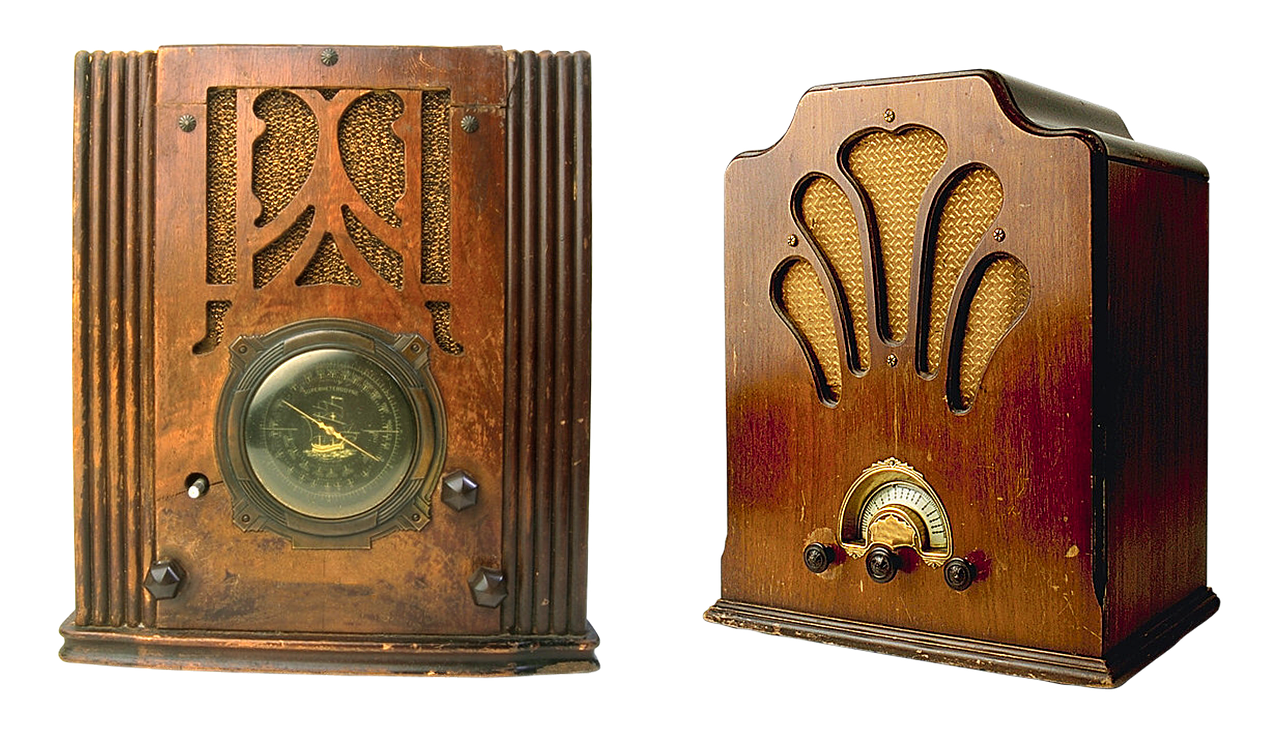
All radios

Hearing voices.
Photo courtesy of Pixabay.com

How many types of auditory hallucinations are there?

Hearing voices or sounds that no one else hears occurs in people both with and without a diagnosable mental illness. Originally this question came in from a reader who asked about types of voices. What that reader was asking about was, voices that speak in the first, second, or third person, a very different discussion from what we are talking about here. Their question got me thinking that all those things that get referred to as “auditory hallucinations” can be quite different experiences.

Since these auditory events can vary so much it may be useful to consider some types of auditory hallucinations, “hearing voices” as the auditory hallucinations are often referred to, and we can see just how different these auditory hallucinations might be. Some of these events are easily explained and other sound events are reasons to suspect a long-term mental illness is present.

Some “voices” are misinterpreted sounds.

Hearing voices or other sounds and then finding out that others did not hear what you heard, happens more often than most people realize. At several times in the human lifespan, this is so common that it appears normal. In children and adolescents and then again among the elderly these auditory hallucinations type “hearing voices” are common enough that we are inclined to think this is a normal developmental event.

Mistaking one sound for another is a type of auditory hallucination.

Say you are sitting at a table eating lunch and then you think you hear someone calling your name. You look around and no one is there. Leaving out religious or supernatural interpretations here, you have just had an “auditory hallucination.”  If you hear an indistinct sound, your brain is likely to interpret this sound as something familiar, like your own name.

We have limited information on what these auditory hallucinations are like.

Auditory hallucinations are very individual experiences. Since part of the definition of auditory hallucinations is that they are heard by one person and not others we have only two sources of information most of the time. We, as in counselors, can rely on the reports of those who hear them or we can have observers who see people they believe are having auditory hallucinations describe how this is affecting the person who presumably is hearing voices. More information is coming in from brain scans but it will be some time before this begins to be widely used for diagnosis.

This more “objective” evidence of auditory hallucinations based on professional’s observations is subjective and involves a lot of guesswork and inferences. Clinicians may refer to a client as “internally preoccupied” and the presumption is that the client is listening to voices but they may also be lost in thought or because of concussions or dementia be unable to think coherently.

The experience of having an auditory hallucination has many personal features. The voice can vary in frequency from one time only to constant running commentary that never stops. Voices or other sounds can vary in intensity. Some voices are louder than others. Those hearing voices report varying degrees of ability to control the voices.

A person hearing voices may develop unique or special relationships with the voices for good or bad. Young children, especially those who have been under stress or traumatized, can begin to hear voices.

Here are some of the possible auditory hallucinations that have been reported by both clinical and non-clinical populations. Auditory hallucinations have been described in many ways and this list is far from inclusive.

Hearing hums or rhythmic sounds.

People who later develop distinct voices sometimes have told me that the “voices” began as indistinct humming or tapping sounds. For some people, this progresses and for others, it does not. Hearing issues, tinnitus, and hearing loss have similar symptoms.

Non-word sounds are more commonly heard by seniors, which does not automatically mean they are developing a psychotic condition. One research study I read recently reported that an imbalance in hearing between the two ears increases the risk that sounds will be miss-attributed. This is more pronounced if the left ear has less hearing ability than the right.

For this reason and a bunch of others, seniors are getting prescribed a lot of sedating antipsychotic medication.

Mumbling, whispers, or indistinct conversations or laughter.

Clients whose auditory hallucinations went on to become distinct voices have told me that in the early stages this was more like whispering or several people talking at once. Over time the voices are likely to get more distinct and clearer.

Positive voice or voices.

This kind of voice may be a departed relative or friend, guardian angel, or other spiritual force offering you encouragement. Clients have reported that they hear their grandfather, grandmother, or other relative telling them they can do something.

This coincides with research that reports hearing voices does not appear to make you mentally ill or worsen an existing mental illness if you take the voices to be positive things. Your beliefs about hearing voices determine how much it will bother you when you do hear those voices (Hill, et. al., 2012)

A recognizable person who is known to the client.

Young children especially those who have been under stress or traumatized can begin to hear voices. These voices are often someone who has been negative, criticizing, or even abusive. These kinds of voices may well be more a matter of memory failure, not being able to remember who said this to you in the past, than a current auditory hallucination.

A single unknown voice.

These voices do not appear to be anyone the person recognizes having heard in the past. This voice may be good, bad, or may vary over time. What this voice says and how the person hearing it interprets this experience is important in how it will affect them.

Male only or female-only voices.

This may be a part of a single voice as above or multiple voices described next. Sometimes this connects to a specific life experience and sometimes not. Freudian psychoanalysts can have a field day with these kinds of voices.

Multiple voices speaking at the same time or taking turns.

These voices may be talking to each other or they may be talking to the hearer. What they are talking about is sometimes significant. With this one and most of the ones to follow medication is highly indicated if it has not been tried yet.

A malevolent threatening voice.

This is a bad sign. Especially if the person hearing this voice has lost the ability to shut the voice up.

God or religious figure can talk to you.

Some people find this comforting, others think the devil is in their head and freak out.

Voices from inside the head.

It has been suggested this is the result of an “attribution” error. If you lose track of when you are having internal thoughts and your own thoughts begin to sound like voices this is a problem.

Voices from outside the head.

More problematic, less likely the person hearing these voices will accept that these are their own thoughts or misinterpretations of sounds.

Voices that are only heard in certain situations.

Some people only hear voices when they are very depressed or when they are very anxious. These can be their own depression and anxiety taking on the role of speaking to them or we might interpret this as problems with the brain as a result of a deficit in a neurotransmitter. Treat the depression and these kinds of voices usually go away.

Voices giving commands – command hallucinations.

This is very worrisome to me. How can the person who hears the voices all the time resist these commands? Anyone having command hallucinations, even potentially good commands, needs treatment. If the voices never stop, people will act on the voices, sometimes giving in and sometimes self-harming just to get the voices to shut up.

Voice is part of re-experiencing a past event.

Sometimes voices are the result of re-experiencing the past. An abuser said bad things about you and you remember their voice calling you names. But then again I tell my students that when they take licensing exams I hope they will remember my voice telling them the answers. A good teacher hopes their student will take their voice with them. Bad teachers find the student can’t get that critical voice out of their head.

Hearing voices is not always a bad thing.

I should also mention that not everyone agrees that hearing voices, is a bad nor an abnormal event. Take a look at some of the things that the Hearing Voices Movement has to say about their perspective on hearing voices.

If you have experienced voices or have talked with someone who does feel free to comment. I will get to the comments as quickly as I can and this time of year that may take a while but rest assured eventually I will respond to your comments.

Staying connected with David Joel Miller

Seven David Joel Miller Books are available now!

My newest book is now available. It was my opportunity to try on a new genre. I’ve been working on this book for several years, but now seem like the right time to publish it.

Story Bureau.

Story Bureau is a thrilling Dystopian Post-Apocalyptic adventure in the Surviving the Apocalypse series.

Baldwin struggles to survive life in a post-apocalyptic world where the government controls everything.

As society collapses and his family gets plunged into poverty, Baldwin takes a job in the capital city, working for a government agency called the Story Bureau. He discovers the Story Bureau is not a benign news outlet but a sinister government plot to manipulate society.

Bumps on the Road of Life. Whether you struggle with anxiety, depression, low motivation, or addiction, you can recover. Bumps on the Road of Life is the story of how people get off track and how to get your life out of the ditch.

Dark Family Secrets: Doris wants to get her life back, but small-town prejudice could shatter her dreams.

Casino Robbery Arthur Mitchell escapes the trauma of watching his girlfriend die. But the killers know he’s a witness and want him dead.

Planned Accidents  The second Arthur Mitchell and Plutus mystery.

Letters from the Dead: The third in the Arthur Mitchell mystery series.

What would you do if you found a letter to a detective describing a crime and you knew the writer and detective were dead, and you could be next?

Sasquatch. Three things about us, you should know. One, we have seen the past. Two, we’re trapped there. Three, I don’t know if we’ll ever get back to our own time.

For these and my upcoming books; please visit my Author Page – David Joel Miller

Want the latest blog posts as they publish? Subscribe to this blog.

For videos, see: Counselorssoapbox YouTube Video Channel
Love yourself

Sunday Inspiration    Post By David Joel Miller.

Loving yourself.

Love yourself

Love yourself
Photo courtesy of Pixabay.com

“You yourself, as much as anybody in the entire universe, deserve your love and affection”

― Gautama Buddha

Wanted to share some inspirational quotes with you.  Sunday seemed like a good time to do this. If any of these quotes strike a chord with you please share them.

Relationship not meeting your needs?

By David Joel Miller, MS, Licensed Therapist & Licensed Counselor.

Needs

Not getting your emotional needs met?
Photo courtesy of Pixabay.com

Have you ever thought of ending a relationship that was not meeting your needs?

Your relationships may not meet your needs.

Counselors see a lot of anxious, depressed, unhappy people. Happiness seems to have some common features, but each person’s pain can come in a host of hues. One recurring theme is that this person is not getting their needs met in their relationships.

By relationships, I am not thinking of strictly or exclusively of those primarily romantic and sexual relationships. Sometimes it is friendships that let people down, or it might be that relationship with family and friends. Your relationship with coworkers could be unsupportive or downright hostile. You look to others for emotional support, to get those social and emotional needs met and there is something lacking.

Some of you have wounds from childhood. Parents who were neglectful or even abusive. Even parents who try really hard are not always successful at meeting their children’s needs. Parents who had their own wounds don’t have “it” to give. Some parents are too sick or stressed to attend to their children’s needs.

You thought your partner could make you feel happy.

Most people have unmet emotional needs. The quest to get your needs met is part of that American dream – the pursuit of happiness. People with large unmet needs rush into relationships faster than those who have most of their needs met.

In the early stages of a relationship, you probably were getting your needs met. That other person had a genuine interest in you. If they did anything that made you feel good about yourself or about life, you could easily be convinced that you had finally found the key to a happy life. They probably thought the same thing. Then something went wrong.

Early in romantic relationships, it is all about being together and sharing adventures, then things start to change. One or both of you had to work. Then the kids came along. For many couples, the children became a part of your life even before the two of you had the couplehood thing figured out.

Your partner not meeting your needs, you focus on the children, or work, or whatever.

If you have been disappointed in your primary relationship is easy to shift the focus to the kids. You try to give them everything you never had. You want your children to be better than you so they can have a better life. And then things may start to go wrong.

One way to cope with a disappointing relationship is to work longer and harder. You might decide to be your child’s best friend and go everywhere with them. Others spend all their time rescuing sick friends, you know the kind I mean, the ones with daily drama.

The harder you try to get your needs met by doing for others the harder you crash when, soon or later, you awake to realize that those other people are not meeting your emotional needs either.

Feel like no one loves you or cares about you?

The harder you push to get others to meet your needs the more likely you will be to have a gigantic collapse with the realization comes that these others are not and will not meet your emotional needs.

No one will be able to care more about you than you do. Chasing others to feel good about yourself will leave you behind. The key to feeling loved is to love yourself. If you are emotionally healthy you can attract other healthy people into your life.

That does not mean that two people with challenges can’t be happy together. They both need to work on themselves if they are to have the “what” to give each other.

You may decide to change the people in your life.

Unhappy people end their relationships. Children move out or run away from home. Friends stop talking to friends and many couples pick this moment to end the relationship. You may decide the only way to get your needs met is to find a new partner that can make you feel the way you felt a long time ago when you first fell in love.

Friends made late in life rarely are as close as those made in childhood. Second relationships end more often and faster than first. Clearly, there are times when the relationship is unhealthy and you need to end it, but if you think that by changing people in your life you will automatically start getting those emotional needs met you are likely to be disappointed.

The secret to getting those needs met?

What many find after all their efforts to get others to meet their emotional needs is that the person most able to do that for you is – yourself. Learn to like, love, yourself. Easy to say and sometimes hard to do. If you think that your self-worth and your worthiness for love comes from others it takes an effort to shift that gaze and look inward.

Become your own best friend. Do things that make you happy. Good self-care and doing for yourself is not being selfish. If you do not care for yourself others will never be able to do enough to meet those needs.

What are you doing to meet your emotional needs?

Staying connected with David Joel Miller

Seven David Joel Miller Books are available now!

My newest book is now available. It was my opportunity to try on a new genre. I’ve been working on this book for several years, but now seem like the right time to publish it.

Story Bureau.

Story Bureau is a thrilling Dystopian Post-Apocalyptic adventure in the Surviving the Apocalypse series.

Baldwin struggles to survive life in a post-apocalyptic world where the government controls everything.

As society collapses and his family gets plunged into poverty, Baldwin takes a job in the capital city, working for a government agency called the Story Bureau. He discovers the Story Bureau is not a benign news outlet but a sinister government plot to manipulate society.

Bumps on the Road of Life. Whether you struggle with anxiety, depression, low motivation, or addiction, you can recover. Bumps on the Road of Life is the story of how people get off track and how to get your life out of the ditch.

Dark Family Secrets: Doris wants to get her life back, but small-town prejudice could shatter her dreams.

Casino Robbery Arthur Mitchell escapes the trauma of watching his girlfriend die. But the killers know he’s a witness and want him dead.

Planned Accidents  The second Arthur Mitchell and Plutus mystery.

Letters from the Dead: The third in the Arthur Mitchell mystery series.

What would you do if you found a letter to a detective describing a crime and you knew the writer and detective were dead, and you could be next?

Sasquatch. Three things about us, you should know. One, we have seen the past. Two, we’re trapped there. Three, I don’t know if we’ll ever get back to our own time.

For these and my upcoming books; please visit my Author Page – David Joel Miller

Want the latest blog posts as they publish? Subscribe to this blog.

For videos, see: Counselorssoapbox YouTube Video Channel

Majority of mentally ill do not get treatment.

By David Joel Miller, MS, Licensed Therapist & Licensed Counselor.

Mental Health or Mental Illness

Mental Health or Mental Illness?
Photo courtesy of Pixabay.com

Why is it so hard for the mentally ill and the addicted to get treatment?

Worldwide there is a growing awareness that untreated illness is one of the major problems of our time. There are demonstrable connections between our other major issues and mental illness. Wars and violence are an everyday staple in the news. The trauma and the impact of Post-traumatic Stress Disorder get scant mention and are easily forgotten. Global environmental problems affect physical and mental health.

The heaviest users of physical health services, that 5 percent of the population on which we spend fifty percent of our health budget. The majority of them have either a mental health issue or a substance use disorder. More productivity, measured in days of work missed, is lost due to depression than most of the serious illnesses combined. Why then is it so difficult for those who need treatment for a mental or behavioral disorder to get treatment?

The majority of the mentally ill do not get treatment.

Fifty-five percent of the mentally ill receive no treatment. The statistics for those with a substance use disorder are even worse. Since 2013 the rate of treatment has risen, slightly. But the continuing reality is that majority of mentally ill people do not get treatment.

Every time there is a high-profile violent event, the news asks if that person has a history of mental illness. Even when they have been identified as a mentally ill person the odds are less than fifty-fifty that they were able to access treatment.

People who voluntarily come in for treatment most of the time are those who have depression and they realize they need help. If they are planning on killing themselves or others they may get easier access to the mental health system. If their symptoms are less severe they may be told they are not seriously enough mentally ill to get treated just now. Wait till you begin feeling like killing someone and then call again.

Cost, capacity, and cognitions are keeping people out of treatment.

The cost of treatment has been a major barrier to getting mental health up until now. The expansion of healthcare availability has given a few more people access to behavioral health treatment. Even when someone realizes that they need help their fears about the cost may keep them out of treatment. It is not just direct costs, doctor fees, medications the price of counseling, which is a problem. Some people have copays. There are also travel costs and problems in eating away from home.

The parity provisions in the current law were intended to make sure that behavioral health benefits were just as available as physical health ones. Accessing behavioral health services continue to be a challenge for both client and providers.

Recent surveys tell us that we have at best half the number of therapists that are needed to see the number of people who need services. The result of this imbalance between supply and demand is that there are long waits for services and people who really do need help may get turned away.

Mental illness gets in the way of getting treated.

People with anxiety get nervous around others. They cope by avoiding people. In treatment, they are often too scared to wait in crowded lobbies. They miss appointments and then get dropped for noncompliance. Distance or telemedicine is one possible solution but there are still issues about who can do this and when or if insurance will pay if you just talk with this client by phone or internet.

A symptom of depression is a loss of motivation. Severely depressed people do not have the energy to show up some days. Being symptomatic can get you turned away from treatment.

Drug and alcohol issues get almost no treatment.

Less than 12 percent of those with substance use disorders are getting treatment. Those who do are most frequently referred, mandated, to treatment by the courts or criminal justice system. The days of 28-day inpatient rehabs are largely gone, most insurers want the person using substances to stay in the place where they formerly used a substance and try to get clean there.

Most drug and alcohol treatment is done in outpatient treatment settings. Despite parity laws, it has been increasingly difficult to get insurance to pay for treatment. While we are making some progress at getting a few more of the mentally ill into treatment the percentages of those with a substance use disorder has not changed significantly in recent years.

Among those who really need treatment but don’t get it, a major barrier to treatment is the addict/alcoholics’ own thinking. Most would like to find a way to continue using or drinking and still not be addicted or an alcoholic. Admitting you have an illness, especially the one called addiction is a hard notion for most people to swallow.

More info on the low treatment rates of behavioral health problems can be found at the SAMHSA website.

Staying connected with David Joel Miller

Seven David Joel Miller Books are available now!

My newest book is now available. It was my opportunity to try on a new genre. I’ve been working on this book for several years, but now seem like the right time to publish it.

Story Bureau.

Story Bureau is a thrilling Dystopian Post-Apocalyptic adventure in the Surviving the Apocalypse series.

Baldwin struggles to survive life in a post-apocalyptic world where the government controls everything.

As society collapses and his family gets plunged into poverty, Baldwin takes a job in the capital city, working for a government agency called the Story Bureau. He discovers the Story Bureau is not a benign news outlet but a sinister government plot to manipulate society.

Bumps on the Road of Life. Whether you struggle with anxiety, depression, low motivation, or addiction, you can recover. Bumps on the Road of Life is the story of how people get off track and how to get your life out of the ditch.

Dark Family Secrets: Doris wants to get her life back, but small-town prejudice could shatter her dreams.

Casino Robbery Arthur Mitchell escapes the trauma of watching his girlfriend die. But the killers know he’s a witness and want him dead.

Planned Accidents  The second Arthur Mitchell and Plutus mystery.

Letters from the Dead: The third in the Arthur Mitchell mystery series.

What would you do if you found a letter to a detective describing a crime and you knew the writer and detective were dead, and you could be next?

Sasquatch. Three things about us, you should know. One, we have seen the past. Two, we’re trapped there. Three, I don’t know if we’ll ever get back to our own time.

For these and my upcoming books; please visit my Author Page – David Joel Miller

Want the latest blog posts as they publish? Subscribe to this blog.

For videos, see: Counselorssoapbox YouTube Video Channel

Self-confidence. Believe in yourself.

Sunday Inspiration    Post By David Joel Miller.

Self-confidence. Believe in yourself.

Self-confidence

Self-Confidence
Believe in yourself.
Photo courtesy of Pixabay.com

“Believe you can and you’re halfway there.”

― Theodore Roosevelt

“Once we believe in ourselves, we can risk curiosity, wonder, spontaneous delight, or any experience that reveals the human spirit”

― E.E. Cummings

“Be sure you put your feet in the right place, then stand firm.”

― Abraham Lincoln

Wanted to share some inspirational quotes with you.  Sunday seemed like a good time to do this. If any of these quotes strike a chord with you please share them.

Thanksgiving Day.

Thanksgiving Day.

Post by David Joel Miller.

Happy Thanksgiving

Happy Thanksgiving.
Photo courtesy of Pixabay.com

Today is the traditional Thanksgiving Day celebration here in America. Mostly it is celebrated with lots of food, some family, and assorted other traditions.

For some people, this is a time to eat a lot and watch sports. Other people are planning their “Black Friday” Christmas shopping for tomorrow. A few of us old dinosaurs are remembering that today was created to think about all the things that we have to be grateful for and how this country almost didn’t make it, a couple of times.

Below are a few quotes that remind me of things to think about today.

“After a good dinner, one can forgive anybody, even one’s own relations.”

― Oscar Wilde, A Woman of No Importance

As we express our gratitude, we must never forget that the highest appreciation is not to utter words, but to live by them. ~John Fitzgerald Kennedy

An optimist is a person who starts a new diet on Thanksgiving Day. ~Irv Kupcinet

We can only be said to be alive in those moments when our hearts are conscious of our treasures. ~Thornton Wilder

None is more impoverished than the one who has no gratitude. Gratitude is a currency that we can mint for ourselves, and spend without fear of bankruptcy. ~Fred De Witt Van Amburgh

Thanksgiving is an emotional holiday. People travel thousands of miles to be with people they only see once a year. And then discover once a year is way too often. ~Johnny Carson

Wanted to share some inspirational quotes with you. But these were all I could find. Today seemed like a good time to do this. If any of these quotes strike a chord with you please share them.

When old – you just sit.

By David Joel Miller, MS, Licensed Therapist & Licensed Counselor.

man sitting

When you’re old you just sit.
Photo courtesy of Pixabay.com

Has your life become – just sitting?

Recently I have been talking with and hearing from an increasing number of “older people.” In the past, I have steadfastly avoided learning about the elderly in the belief that I did not know any of them. This belief, that neither I nor anyone I know is yet in that elderly class is constantly getting challenged by people who ask “How old are you?” with an incredulous look.

Those annoying people who sell medical insurance continue to force this topic on me by sending me advertisements asking me to switch my old-age insurance to their company. Worse yet they have been sending those notices to me for some years now. One of my life goals has become to outlive some of these annoying insurance companies.

My thinking, at this junction, is that being old is a combination of the effects of the physical process of aging and the mental attitude one takes towards this process. Self-care along the way is certainly a factor. Unfortunately, I learned that life lesson later rather than earlier. While my body may be accumulating aches and pains, defects of the body, I continue to work on keeping my mental faculties working.

I read somewhere that when you get old you just sit.

This was reported in an article about a woman who had passed her hundredth birthday. Is this a good thing or a bad thing? I can see that it might be nice to be relaxed and no longer stressed running hither and yon. But then it might also be that once you stop moving, at least mentally, your life loses purpose.

I have forgotten who that woman was or what age milestone she had just passed. This is a shame because I have a long-held belief that once you start school you have to stop counting half-years as in four-and-a-half and you do not get to begin counting those half years again until you pass that hundred mark. Anyone who lives past one hundred years ought to be recognized more than once per year.

You are all invited to my one-hundred-and-a-half birthday celebration. My fervent hope is that I will be able to attend it with you and will be lucid enough to realize what this gathering is for.

It has become apparent to me however that a lot of people entering those golden years have neither gold nor years. In fact, one great loss among the elderly is a loss of purpose. What do you do when you can’t go to school or work?

Young people are rushing to enter their disabled-years.

It is fully understandable that as we age we can accumulate injuries and disorders. As life moves on some people find it hard to get up and move around. For them, life’s high point may well be waking up and being able to watch some video entertainment.

What surprises me is the number of very young people who are resigned to sitting worshiping a talking box or a moving wall image. Have you all not heard the more time you spend seated the sooner that chair may become attached to your anatomy?

Despite all the encouragement to get up, out and exercise, more and more people past the age of 5 seem most motivated to sit as much as possible.

Has exercise become a spectator sport?

Lots of people drive in their cars (seated) to a sporting event where they can watch (seated) athletes perform. This is sometimes called “playing” a game.  Though most sporting events past preschool take on all the playfulness of gladiator bouts.

An oft-heard life plan is to work hard enough to make enough money to be able to sit around and do nothing. Once you retire from the active world of work, it would appear that you have to join a gym, take up golf, or otherwise pay others to allow you to exercise.

Why are there so few hero action figures of old people?

There was a time when old people figured prominently in our culture. Think of father time and the Greek god Zeus. Now that I think of it the Christian deity, when he gets any consideration at all is depicted as an elderly man.

It will soon be Christmas. Santa Clause used to be a prominent personality at this time of year. The last few years Saint Nick, and his propensity for generosity has been losing ground to Ghosts, vampires, turkeys, the babies of the New Year, and cupid. Getting the latest entertainment device has supplanted giving the gift of happiness in our common lives.

My suspicion is that one reason for our cultural shift from old people and wisdom to preschool heroes is that giving required getting up and doing, while receiving can be done passively in a seated position.

If, at this time of year you find yourself  “just sitting”, my hope for you is that this is a reward for a lot of lifetime doing, not the beginning of your resignation to spending the rest of your life in the not doing, seated position.

Staying connected with David Joel Miller

Seven David Joel Miller Books are available now!

My newest book is now available. It was my opportunity to try on a new genre. I’ve been working on this book for several years, but now seem like the right time to publish it.

Story Bureau.

Story Bureau is a thrilling Dystopian Post-Apocalyptic adventure in the Surviving the Apocalypse series.

Baldwin struggles to survive life in a post-apocalyptic world where the government controls everything.

As society collapses and his family gets plunged into poverty, Baldwin takes a job in the capital city, working for a government agency called the Story Bureau. He discovers the Story Bureau is not a benign news outlet but a sinister government plot to manipulate society.

Bumps on the Road of Life. Whether you struggle with anxiety, depression, low motivation, or addiction, you can recover. Bumps on the Road of Life is the story of how people get off track and how to get your life out of the ditch.

Dark Family Secrets: Doris wants to get her life back, but small-town prejudice could shatter her dreams.

Casino Robbery Arthur Mitchell escapes the trauma of watching his girlfriend die. But the killers know he’s a witness and want him dead.

Planned Accidents  The second Arthur Mitchell and Plutus mystery.

Letters from the Dead: The third in the Arthur Mitchell mystery series.

What would you do if you found a letter to a detective describing a crime and you knew the writer and detective were dead, and you could be next?

Sasquatch. Three things about us, you should know. One, we have seen the past. Two, we’re trapped there. Three, I don’t know if we’ll ever get back to our own time.

For these and my upcoming books; please visit my Author Page – David Joel Miller

Want the latest blog posts as they publish? Subscribe to this blog.

For videos, see: Counselorssoapbox YouTube Video Channel