How are drugs classified?

By David Joel Miller, MS, Licensed Therapist & Licensed Counselor.
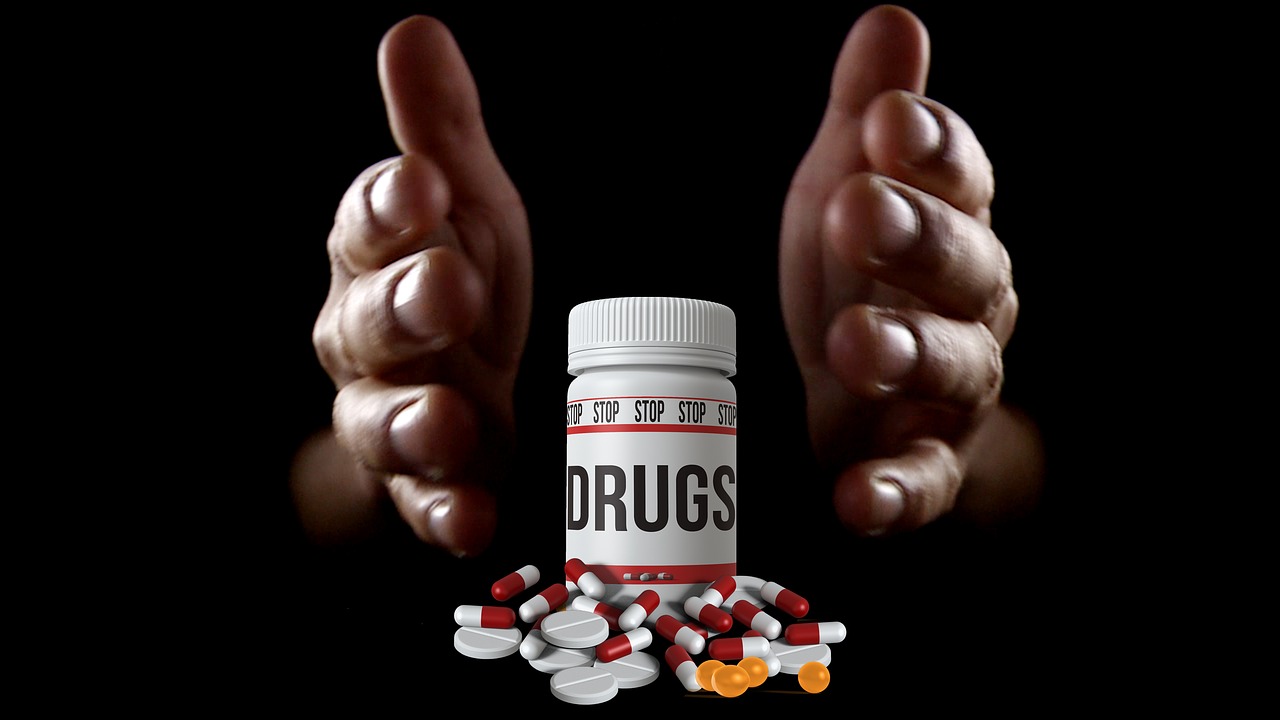
Drugs.

How are drugs classified?
Photo courtesy of Pixabay.

What kinds of drugs are abused?

There are a whole lot of drugs that get abused and they are not all the ones you might recognize. Drugs are classified in a variety of ways. Which classification system you want to use is partially dependent on why you are classifying the drug. For our purpose in this post “drug” includes prescription medications, drugs of abuse, and things people give themselves to alter their sensory perception even if they are not always considered a drug. Here are some ways drugs can be classified.

Is this drug legal?

How law enforcement classifies and regulates drug use behavior impacts how we look at drugs in other contexts. The roots of the current 5 schedule system of drug classification for legal purposes are in the 1970 Controlled Substance act. Who can buy a drug; prescribe a drug and how this needs to be done, all fall under the legal classification system. Laws do not always fit neatly with the scientific evidence.  There are other posts, past and upcoming, about drug laws and regulations. You will find more drug info posts under Drug Use, Abuse, and Addiction.

Where does this drug come from?

Drugs can be plant or animal-based, synthetic as in manufactured in a lab, or semisynthetic, that is a plant-based drug that is modified in the lab.

Some people have tried to make the argument that plant-based drugs are “natural” therefore less dangerous than synthetic or man-made drugs. This is often used as an argument for the legalization of marijuana.

Some natural plant-based drugs are poisonous and can prove fatal even in very small doses. The Opioid’s come from one species of poppy plant but is very addicting and an overdose can be fatal. Other drugs like LSD-25 were originally isolated from plant material (a fungus growing on rye grain) but can easily be synthesized in the lab. Other life-saving drugs are completely synthetic. The plant vs. factory origin way of classifying drugs has not proved useful to my way of thinking.

What is this drug used for?

Is a drug an antidepressant or a blood pressure med? Many dissimilar chemicals may be used to treat the same condition. Drugs to treat ADHD can be stimulant drugs or there are non-stimulant alternatives. Pain relievers include aspirin and Opiates. Aspirin can be used to treat heart issues and Opiates can be listed as a drug of abuse. The same medication may help treat depression or be used to help you stop smoking. Classifying drugs by use is problematic at best especially when we are talking about drugs that may be abused.

What part of the body does this drug work on?

Heart med, blood med, or Liver med? Not all meds used to treat the heart do the same thing. Many drugs work on multiple parts of the body.  Drugs that are helpful in some places in the body eventually get broken down to be eliminated. A drug that is great for back pain may be harmful or even toxic to the kidney or liver where it needs to be removed from the body.

What is the chemical structure?

Some chemical structures have similar effects. There are a great many Barbiturates that are all similar in action. The contrary is that there are a great many compounds that end with “hydrochloride.” These can have extremely different properties.

What is its mechanism of action?

Drugs can be studied by how they do the things they do. Reuptake inhibitors stop the breakdown and recycling of neurotransmitters. While they may have similar mechanisms of action it matters which neurotransmitter they are prolonging.

What is its name?

Street names often describe the primary effects. Drugs can also be classified by chemical name, formula, or brand name.

Other possibilities for classifying drugs.

Uppers Downers and All Arounders.

Inaba in his book Uppers, Downers and All Arounders simplified drugs, particularly drugs of abuse, into three primary categories. Uppers mean drugs used for their stimulant properties. Downers are depressant drugs. All-Arounders are drugs that alter perception including hallucinogens and Deliriants.

People who abuse stimulant drugs may switch between cocaine and amphetamine depending on the price and availability but they like the stimulant feeling. Downers, those drugs used for their depressant characteristics, include Alcohol, Heroin, and other Opioids, and other central nervous system depressants.

The newest edition of his book also discusses some additional drugs that have mixed effects or do not fit neatly into the three group system but among drugs of abuse, the use of uppers and downers continues to be the largest part of what the substance use disorder treatment field treats.

Route of administration or method of use.

Inhalants can be any number of very dissimilar chemicals. Oral medications have in common only the way they enter the body as do injectable drugs.

You might also want to check out these other counselorssoapbox posts.

Drug Use, Abuse, and Addiction

More “What is” posts will be found at “What is.”

Staying connected with David Joel Miller

Seven David Joel Miller Books are available now!

My newest book is now available. It was my opportunity to try on a new genre. I’ve been working on this book for several years, but now seem like the right time to publish it.

Story Bureau.

Story Bureau is a thrilling Dystopian Post-Apocalyptic adventure in the Surviving the Apocalypse series.

Baldwin struggles to survive life in a post-apocalyptic world where the government controls everything.

As society collapses and his family gets plunged into poverty, Baldwin takes a job in the capital city, working for a government agency called the Story Bureau. He discovers the Story Bureau is not a benign news outlet but a sinister government plot to manipulate society.

Bumps on the Road of Life. Whether you struggle with anxiety, depression, low motivation, or addiction, you can recover. Bumps on the Road of Life is the story of how people get off track and how to get your life out of the ditch.

Dark Family Secrets: Doris wants to get her life back, but small-town prejudice could shatter her dreams.

Casino Robbery Arthur Mitchell escapes the trauma of watching his girlfriend die. But the killers know he’s a witness and want him dead.

Planned Accidents  The second Arthur Mitchell and Plutus mystery.

Letters from the Dead: The third in the Arthur Mitchell mystery series.

What would you do if you found a letter to a detective describing a crime and you knew the writer and detective were dead, and you could be next?

Sasquatch. Three things about us, you should know. One, we have seen the past. Two, we’re trapped there. Three, I don’t know if we’ll ever get back to our own time.

For these and my upcoming books; please visit my Author Page – David Joel Miller

Want the latest blog posts as they publish? Subscribe to this blog.

For videos, see: Counselorssoapbox YouTube Video Channel

7 Top self-improvement mistakes.

By David Joel Miller, MS, Licensed Therapist & Licensed Counselor.

Mistakes.
Photo courtesy of Pixabay.com

7 Top things to avoid in recovery and self-improvement programs.

Whether you are in recovery or just thinking that this would be a good time to make some changes in your life, it helps to develop a self-change plan that has a chance of working. Resolve and willpower will only take you so far. You will need to watch out for some self-change mistakes that doom your change project before it ever gets off the ground.  Here are some common beginner’s mistakes that may undermine your self-change program.

1. Losing hope reduces possibilities.

One of the hallmark characteristics of depression is feeling hopeless.  Nurture your hopes and dreams. By hope, I am not suggesting that pie in the sky thinking will get you where you want to be. What you do need is the belief that this goal you are pursuing is possible. Hold on to the hope that a better future is possible.

There will be setbacks, learn from them. Do not stay focused on what did not happen. Just because everything did not get done the first week does not mean that things will never happen. Have a well thought out plan for what you want to change and how you will do this self-improvement project and then stick to it. Believe that things can get better and work to make those positive events a reality.

2. Cultivating hope is a critical part of any change process.

Encourage and nurture hope in your life. Select friends and allies who have hope for you enough to share. Surround yourself with others that will encourage your hope. What you attend to you get more of, make sure that you are keeping your eyes on the end result and not down at the dirt along the way.

Change cannot be all negative and suffering. You need to build rewards and encouragement into your program to keep growing your hope and self-confidence.

3. Negative self-talk is a recovery barrier.

Tell yourself you can’t and you won’t, tell yourself that this thing is possible and you are already headed in the direction of self-improvement. What you tell yourself has a powerful impact on the successes of your efforts to change. Tell yourself that you can and you make it so.

Your brain holds onto self-talk and works overtime to make those things you are thinking about happen. Be sure you have given your unconscious thoughts the right goal to focus on. Do not ever call yourself names or beat yourself up for mistakes. Learn from missteps and keep moving forward.

4. Excuses keep you stuck– too old etc.

We can all find plenty of excuses for why we can’t do things. You can say you’re too old. Say it to yourself often enough and you make it so. Remember that old children’s story about the wee engine. Tell yourself you can and you are halfway there.

Setting low expectations and collecting alibis do not get things accomplished. Do not look for the reasons you can’t do something. Look insisted for the things that you can do and get those done.

For every excuse you use to avoid trying and failing, there are people who refused to think that way. Because they did not know they couldn’t do something they accomplished it.

5. Expecting results overnight will discourage you.

You have decided to get in shape. You start dieting and exercising, some of the time, and then when a week or two goes by, you are feeling tired and see no change in weight. It would be easy to give up and fall back on those old excuses. Change of any sort takes time and it takes rehearsal. Humans revert to their usual and customary ways of doing things. To make a change and have it stick you need to practice that new way of being long enough that it becomes your default setting.

To perfect a skill takes many long hours of dedicated work. It may also require working with a coach or adviser who can see the things you can improve on. Improvement comes in small increments. Have patience with yourself and the process, but always keep moving towards those goals.

6. Going too fast – overdoing things will undermine your efforts.

You decide you want to change yourself and change your life. You get a new job, go back to school, and start a new relationship, all in the same week. A common recovery mistake is to try to change everything all at once. Working on too many goals all at once results in none of them coming to be.

Prioritize, work on the important things first. Do those “must do’s” and check them off your list. Set goals for the steps along the way so you can see the progress, not the distance that still remains. Include time to savor the results of your efforts. As time passes you will be able to add more to your goals.

Having a list of accomplishments that you can reflect back on and feel pride can fuel your future change process.

7. Thinking that believing in yourself means being selfish.

You are far more likely to be affected by a case of self-doubt than by a case of too much confidence. Taking good care of yourself is not being selfish, neither is believing in yourself.

The winners always have self-confidence. That self-confidence does not come from bragging or expectations of successes without work. True self-confidence consists of setting challenges for yourself, acknowledging your progress, and then setting a new goal.

To build self-esteem do positive things and give yourself credit for what you have accomplished.

Staying connected with David Joel Miller

Seven David Joel Miller Books are available now!

My newest book is now available. It was my opportunity to try on a new genre. I’ve been working on this book for several years, but now seem like the right time to publish it.

Story Bureau.

Story Bureau is a thrilling Dystopian Post-Apocalyptic adventure in the Surviving the Apocalypse series.

Baldwin struggles to survive life in a post-apocalyptic world where the government controls everything.

As society collapses and his family gets plunged into poverty, Baldwin takes a job in the capital city, working for a government agency called the Story Bureau. He discovers the Story Bureau is not a benign news outlet but a sinister government plot to manipulate society.

Bumps on the Road of Life. Whether you struggle with anxiety, depression, low motivation, or addiction, you can recover. Bumps on the Road of Life is the story of how people get off track and how to get your life out of the ditch.

Dark Family Secrets: Doris wants to get her life back, but small-town prejudice could shatter her dreams.

Casino Robbery Arthur Mitchell escapes the trauma of watching his girlfriend die. But the killers know he’s a witness and want him dead.

Planned Accidents  The second Arthur Mitchell and Plutus mystery.

Letters from the Dead: The third in the Arthur Mitchell mystery series.

What would you do if you found a letter to a detective describing a crime and you knew the writer and detective were dead, and you could be next?

Sasquatch. Three things about us, you should know. One, we have seen the past. Two, we’re trapped there. Three, I don’t know if we’ll ever get back to our own time.

For these and my upcoming books; please visit my Author Page – David Joel Miller

Want the latest blog posts as they publish? Subscribe to this blog.

For videos, see: Counselorssoapbox YouTube Video Channel
Taking chances.

Sunday Inspiration    Post By David Joel Miller.

Getting out of your shell.

taking chances

Taking chances
Getting out of your shell.
Photo courtesy of Pixabay.com

“Make your mistakes, take your chances, look silly, but keep on going. Don’t freeze up.”

― Thomas Wolfe, You Can’t Go Home Again

“In case you never get a second chance: don’t be afraid!” “And what if you do get a second chance?” “You take it!”     ― C. JoyBell C.

“I’ve found that luck is quite predictable. If you want more luck, take more

chances, Be more active, Show up more often.”     ― Brian Tracy

Wanted to share some inspirational quotes with you.  Sunday seemed like a good time to do this. If any of these quotes strike a chord with you please share them.

What is Abstinence Syndrome?

By David Joel Miller, MS, Licensed Therapist & Licensed Counselor.

What is

What is abstinence syndrome?
Photo courtesy of Pixabay.

How is Abstinence Syndrome different from withdrawals?

Abstinence syndrome is a group of symptoms that occur when someone is suddenly without a drug that has previously been in their system. In substance abuse counseling this term is often interchanged with the term withdrawal. Withdrawal from Heroin or related drugs is the classic example of withdrawal or abstinence syndromes.

Generally, the symptoms seen in withdrawal or Abstinence Syndrome are exactly the opposite of those experienced while under the influence. Opiates such as heroin, for example, are very constipating, people in opiate withdrawals encounter diarrhea. Less dramatic symptoms may go unrecognized as withdrawal symptoms.

Someone who uses sleeping pills may experience insomnia when they stop taking the medication. Discontinuation of Anti-anxiety medications may result in a rebound of Anxiety. If you smoke marijuana to relax expect to be more anxious or agitated than before when you discontinue smoking. Coffee drinkers have almost universally experienced headaches when deprived of their regular dose of caffeine.

Abstinence Syndrome has taken on added meaning when applied to those who do not intend to withdraw but are deprived of a drug they have become dependent on. Newborn infants may experience an abstinence syndrome from drugs which they were exposed to pre-birth. Neonatal Abstinence Syndrome is a term commonly used to describe babies born to women who were dependent on opiates, principally heroin or prescribed opiates.

People who stop taking or have a sudden decrease in the dosage of their antidepressant medication can develop a very specific type of abstinence syndrome called Antidepressant Discontinuation Syndrome. More on Antidepressant Discontinuation Syndrome in an upcoming post.

Animals can also undergo abstinence syndrome when they have been administered a drug and then it was withdrawn.

Many people will deny having ever had withdrawals from a drug, but almost everyone has experienced Abstinence Syndrome when they were deprived of a chemical they use on a regular basis, such as caffeine, sugar, or nicotine. In terms of Substance Use Disorders, Abstinence syndrome and withdrawal are about the same thing.

These “What is” sometimes “What are” posts are my efforts to explain terms commonly used in Mental Health, Clinical Counseling, Substance Use Disorder Counseling, Life Coaching, and related disciplines in a plain language way. For the more technical versions please consult the DSM or other appropriate references.

Staying connected with David Joel Miller

Seven David Joel Miller Books are available now!

My newest book is now available. It was my opportunity to try on a new genre. I’ve been working on this book for several years, but now seem like the right time to publish it.

Story Bureau.

Story Bureau is a thrilling Dystopian Post-Apocalyptic adventure in the Surviving the Apocalypse series.

Baldwin struggles to survive life in a post-apocalyptic world where the government controls everything.

As society collapses and his family gets plunged into poverty, Baldwin takes a job in the capital city, working for a government agency called the Story Bureau. He discovers the Story Bureau is not a benign news outlet but a sinister government plot to manipulate society.

Bumps on the Road of Life. Whether you struggle with anxiety, depression, low motivation, or addiction, you can recover. Bumps on the Road of Life is the story of how people get off track and how to get your life out of the ditch.

Dark Family Secrets: Doris wants to get her life back, but small-town prejudice could shatter her dreams.

Casino Robbery Arthur Mitchell escapes the trauma of watching his girlfriend die. But the killers know he’s a witness and want him dead.

Planned Accidents  The second Arthur Mitchell and Plutus mystery.

Letters from the Dead: The third in the Arthur Mitchell mystery series.

What would you do if you found a letter to a detective describing a crime and you knew the writer and detective were dead, and you could be next?

Sasquatch. Three things about us, you should know. One, we have seen the past. Two, we’re trapped there. Three, I don’t know if we’ll ever get back to our own time.

For these and my upcoming books; please visit my Author Page – David Joel Miller

Want the latest blog posts as they publish? Subscribe to this blog.

For videos, see: Counselorssoapbox YouTube Video Channel

What is the Addiction Severity Index (ASI)?

By David Joel Miller, MS, Licensed Therapist & Licensed Counselor.

What is

What is the addiction severity index?
Photo courtesy of Pixabay.

Assessment in substance abuse counseling has a different focus.

The Addiction Severity Index (ASI) is an instrument that is used in assessing the extent of a substance use disorder that has resulted in someone being referred to treatment. Sometimes it may be required by a governmental agency to help them determine if they will require a person to undergo addiction (chemical dependency) treatment. I have written elsewhere about the shift from the terms addiction, alcoholism, and chemical dependency to the new DSM-5 term Substance Use Disorders. See recommended books for more on the DSM-5 and the APA.

The ASI is a proprietary instrument, if you use it commercially, you need to buy it from the owner or license an online version. You can take a look at a sample at ASI Training Edition.

The primary goals of the ASI are, as I see them, to develop a comprehensive picture of the client’s alcohol and drug use and how this use has affected other parts of their life. Once you see what substances they have used, how much and for how long, you can more effectively move on to exploring the parts of their life that have been affected by substance use and abuse.

The ASI can be used to develop a comprehensive treatment plan. Recovery involves a lot more than just not using substances. The client may have many aspects of their life they need to work on to stabilize that recovery.

Areas of concern on the ASI include medical issues, employment, and financial issues, legal issues. Specifically, crimes, incarcerations, and parole or probation status are areas of concern.

Relationships with family, friends, and primary sexual partners have all likely been disrupted or created by drug-using affiliations. The last area the ASI explores is psychiatric issues. This page of the ASI is brief and is not intended to diagnose mental illness but having yes answers about symptoms on this page is common.  Mental health symptoms reported on the ASI should trigger a longer and more complete psychiatric evaluation to look for issues that may impact substance use or have been caused by that use.

Is the ASI a good assessment tool?

In my opinion, the ASI is a useful tool but like any other tool, the skilled craftsman gets better results from it than the beginner.

When I mentor beginning counselors I caution them about over-reliance on an assessment form. Whether you are using the ASI, a biopsychosocial assessment form, or any other one, the form never gives you an absolutely full picture of the person. Clinical psychologists not only give “batteries” of tests but also spend a lot of time learning to interpret those tests.

The difference between a good assessment and a just so-so assessment is not the instrument you use. If the client says something unexpected I like to follow-up with more questions. I want to know what the client thinks about this item. The really good counselors who use the ASI also include some “stuff” in the comment sections where they tell me more about this person. When I read a client’s assessment I want to know more than just which boxes got checked. It helps me and them if the assessment paints a clear picture of the person and their problem.

If you’re doing assessments, make more comments so we can better help that client. If you are the one being “assessed” the more you tell that clinician the more they can help you.

FYI These “What is” sometimes “What are” posts are my efforts to explain terms commonly used in Mental Health, Clinical Counseling, Substance Use Disorder Counseling, Psychology, Life Coaching, and related disciplines in a plain language way. Many are based on the new DSM-5; some of the older posts were based on the DSM-IV-TR, both published by the APA. For the more technical versions please consult the DSM or other appropriate references.

You might also want to check out these other counselorssoapbox posts.

Drug Use, Abuse, and Addiction

More “What is” posts will be found at “What is.”

Staying connected with David Joel Miller

Seven David Joel Miller Books are available now!

My newest book is now available. It was my opportunity to try on a new genre. I’ve been working on this book for several years, but now seem like the right time to publish it.

Story Bureau.

Story Bureau is a thrilling Dystopian Post-Apocalyptic adventure in the Surviving the Apocalypse series.

Baldwin struggles to survive life in a post-apocalyptic world where the government controls everything.

As society collapses and his family gets plunged into poverty, Baldwin takes a job in the capital city, working for a government agency called the Story Bureau. He discovers the Story Bureau is not a benign news outlet but a sinister government plot to manipulate society.

Bumps on the Road of Life. Whether you struggle with anxiety, depression, low motivation, or addiction, you can recover. Bumps on the Road of Life is the story of how people get off track and how to get your life out of the ditch.

Dark Family Secrets: Doris wants to get her life back, but small-town prejudice could shatter her dreams.

Casino Robbery Arthur Mitchell escapes the trauma of watching his girlfriend die. But the killers know he’s a witness and want him dead.

Planned Accidents  The second Arthur Mitchell and Plutus mystery.

Letters from the Dead: The third in the Arthur Mitchell mystery series.

What would you do if you found a letter to a detective describing a crime and you knew the writer and detective were dead, and you could be next?

Sasquatch. Three things about us, you should know. One, we have seen the past. Two, we’re trapped there. Three, I don’t know if we’ll ever get back to our own time.

For these and my upcoming books; please visit my Author Page – David Joel Miller

Want the latest blog posts as they publish? Subscribe to this blog.

For videos, see: Counselorssoapbox YouTube Video Channel
Overcoming your fears.

By David Joel Miller, MS, Licensed Therapist & Licensed Counselor.

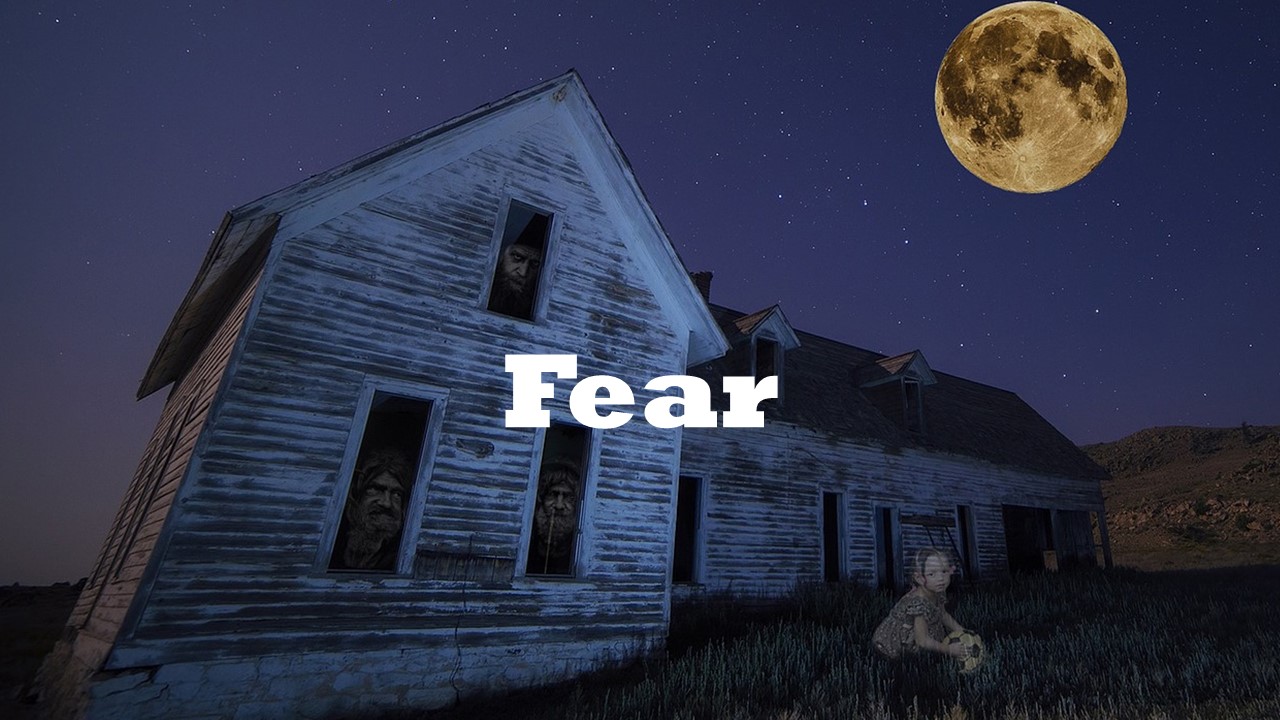
Fear.

Fear.
Photo courtesy of Pixabay.com

Ways to keep fear from controlling you.

Don’t let your fears hold you back. Fear is a hard friend to have. It tells you to play it safe and not try or you might fail. Fear and its cousins, anxiety and worry, can rob you of the meaningful life you were meant to have.

If fear has been your all too frequent companion and is keeping you from creating the happy life you would like to have here are some tips for quieting those troublesome fears. Tell yourself these fear busting principles and see what other possibilities open up in your life.

Most of the things you are afraid of will never happen.

Many of the everyday fears you commonly have are very unlikely to happen. People who spend a lot of time entertaining fear and anxiety, continually expand the list of things that they worry about. Most of those things have a low probability of ever happening. For a maximally happy, productive life spend your time on the things that you have control over not the uncontrollable events that are unlikely to happen.

The things that happen in my house are far more important to my well-being than the things happening half a world away. Yes, care about others and do what you can to make the world a better place, but know your worry will not accomplish great things.

Shift your focus from what awful things might happen that you can worry about to the things you have control over, and if you are like me you will find that most of life is outside your control.

Many fears are irrational. Because it scares you does not mean it is dangerous.

Remember the cat that was scared of its own shadow? Many scary things in life turn out to be far less awful than we think they will be. Just because something scares you does not mean it is dangerous.

Motion dissolves the paralysis of fear.

Walk towards that hissing monster of fear and what you will find is your courage. Courage will tell you that fears shrink as you take action. It is common to be afraid of things that are different. Don’t let fear tell you that something is scary only because you have never tried it.

It may be hard, but you can get through it.

Courage is not a lack of fear, it is doing the scary stuff anyway. Great things can happen when you do something worthwhile despite the fear. If you say you can’t do something you are creating it being so. Continue to tell yourself you can get through it and you will. Once you have tackled a scary situation and overcome it, it becomes less daunting from then on.

The fears you beat make you stronger.

Unconfronted fears grow and take over your life. Confront your fear and conquer it and it will not return to haunt you. Each thing you try and endure will make you a stronger more purposeful person. Strength comes from successfully overcoming life’s obstacles and learning in the process.

Many of the things you avoid you can do just fine.

Often times people let their fear of things they have never done keep them from trying something new. Many of the things you are afraid of trying for fear of failing will, in fact, turn out just fine. You do not need to be perfect at things to enjoy new experiences.

You may have hidden talents and unknown strengths just waiting to be discovered. Try something new and see if you can’t surprise yourself by discovering a new ability.

The best way to beat fear is to do more stuff.

The wider your experiences the more life skills you will develop. Seeing how others do things gives you options for your own life. Be a keen observer of the novel. Try more things and you will discover that you have many underdeveloped talents. You will never find your greatness if you never attempt new things.

It is absolutely OK to fail some of the time.

Failure in many people’s minds is as simple as aiming for a target and missing it. Better to have made the effort and had the experience than to let fear keep you out of the game altogether.

Recognize your successes. Enjoy the applause and accept the compliments.

Many people hold onto the things that they are less than perfect at but ignore their successes. Learn to recognize and build on the things you do well. Accept the compliments, give yourself a round of applause for things well done, and build on those accomplishments.

Fear is a robber who takes the life you should have had.

Live your life. You are the only one who can. In a few short years, we are all gone and no one will remember the things you didn’t do. Your bloopers can get you on a T. V. show but the things you didn’t do? No one will notice them.

Do not let your fears and anxiety keep you from taking the chances on which a joyful life is constructed. How have you overcome a fear? How will you get the upper hand on those anxieties of yours?

Staying connected with David Joel Miller

Seven David Joel Miller Books are available now!

My newest book is now available. It was my opportunity to try on a new genre. I’ve been working on this book for several years, but now seem like the right time to publish it.

Story Bureau.

Story Bureau is a thrilling Dystopian Post-Apocalyptic adventure in the Surviving the Apocalypse series.

Baldwin struggles to survive life in a post-apocalyptic world where the government controls everything.

As society collapses and his family gets plunged into poverty, Baldwin takes a job in the capital city, working for a government agency called the Story Bureau. He discovers the Story Bureau is not a benign news outlet but a sinister government plot to manipulate society.

Bumps on the Road of Life. Whether you struggle with anxiety, depression, low motivation, or addiction, you can recover. Bumps on the Road of Life is the story of how people get off track and how to get your life out of the ditch.

Dark Family Secrets: Doris wants to get her life back, but small-town prejudice could shatter her dreams.

Casino Robbery Arthur Mitchell escapes the trauma of watching his girlfriend die. But the killers know he’s a witness and want him dead.

Planned Accidents  The second Arthur Mitchell and Plutus mystery.

Letters from the Dead: The third in the Arthur Mitchell mystery series.

What would you do if you found a letter to a detective describing a crime and you knew the writer and detective were dead, and you could be next?

Sasquatch. Three things about us, you should know. One, we have seen the past. Two, we’re trapped there. Three, I don’t know if we’ll ever get back to our own time.

For these and my upcoming books; please visit my Author Page – David Joel Miller

Want the latest blog posts as they publish? Subscribe to this blog.

For videos, see: Counselorssoapbox YouTube Video Channel
Martin Luther King Jr. Day.

Inspirational    Post  From David Joel Miller.

MLJ Day 2015

Today we celebrate Martin Luther King Jr. Day

Martin Luther King Jr. Day.

“I have decided to stick to love…Hate is too great a burden to bear.”

― Martin Luther King Jr., A Testament of Hope: The Essential Writings and Speeches

“If you can’t fly then run, if you can’t run then walk, if you can’t walk then crawl, but whatever you do you have to keep moving forward.”

― Martin Luther King Jr.

“We must come to see that the end we seek is a society at peace with itself, a society that can live with its conscience.”

― Martin Luther King Jr.

Wanted to share some inspirational quotes with you. Today seemed like a good time to do this. If any of these quotes strike a chord with you please share them.

Experiencing Change.

Sunday Inspiration.   Post By David Joel Miller.

Change.

Change

Experiencing change.
Photo courtesy of Pixabay.com

Change can be scary, frightening, until after you experience the results.https://counselorssoapbox.com/category/self-help/self-help-skills/

“Life is a series of natural and spontaneous changes. Don’t resist them; that only creates sorrow. Let reality be reality. Let things flow naturally forward in whatever way they like.”

― Lao Tzu

“Love can change a person the way a parent can change a baby – awkwardly, and often with a great deal of mess.”

― Lemony Snicket, Horseradish

Wanted to share some inspirational quotes with you.  Today seemed like a good time to do this. If any of these quotes strike a chord with you please share them.

What is Abnormal Psychology?

By David Joel Miller, MS, Licensed Therapist & Licensed Counselor.

What is

What is Abnormal Psychology?
Photo courtesy of Pixabay.

How is Abnormal Psychology related to mental illness?

Abnormal Psychology used to be a chapter in psychology tests, sometimes it was a separate class. Personally, I am becoming increasingly uncomfortable with the whole idea of normal versus abnormal when it comes to psychology.

We used to think there were two kinds of people, normal and abnormal. Presumably the abnormal had something wrong with them and the rest of the people were just fine. The more we study people the more convinced we become that there is a very wide range of what is normal.

Wikipedia has an extended discussion of Abnormal Psychology, though as a note to students be careful with this article, it is not up to date on the recent changes taking place in the field of mental health. For example, the DSM-5 has eliminated the use of the five axes system.

The working definition Wikipedia is using, at least as of today, appears to be more in the realm of “unusual behavior” as opposed to what gets diagnosed as a mental or emotional illness. In psychology, there is this tendency to look at behaviors as either adaptive or maladaptive. In mental health, we think that “adaptive” may well be in the eye of the beholder.

Think back to that “bell-shaped curve.”  When people are so variable how are we to tell how abnormal is abnormal? I have written elsewhere about how along the way psychology and counseling, mental health, in particular, got a divorce. Rather than try to figure out whether atypical ways of thinking were “abnormal” we are looking at – does this different way of thinking help you, as in Steve Jobs or Bill Gates, or is this abnormality hurting you.

So the criteria for calling the behavior a mental illness is not that it’s an abnormality, but does this behavior, normal or not bother you, interfere with your working, school, or relationships, or does it interfere with other important areas of your life, like hobbies and so on.

The criteria for mental illness are about functioning and how do you feel about yourself. Those kinds of things. It is not about are you left-handed or extroverted.

People are not abnormal all the time about everything.

You can be very different about one thing and quite typical, I hesitate to use the word normal here, about other things. People can move around on this continuum we call recovery and wellness. So being abnormal about one thing, today, does not mean this abnormality applies to everything all the time. Even if it did, this is not necessarily a bad thing unless you think it is.

 Will studying Abnormal Psychology fix you?

Lots of students, typically first-year ones, find they are having emotional problems and they take a class in psychology, maybe become psychology majors, thinking this will “fix” them. They learn a lot of stuff but usually, none of this helps with the problems they are having.

Much of what you experience in life has to do with developmental stages. That high school to college transition can be a difficult time. Lots of stress, the competition to do well. There are also those things about getting into relationships, trying out drugs and alcohol, and figuring out who you are.

Some people get through, pass this hurdle, and some do not. Rarely does knowing that you are introverted or extroverted or exploring your thinking, knowing, perceiving, ENTI or other psychological theories help explain your depression or anxiety.

That normal think just does not always explain why some people do what they do. Really odd people become great successes and very normal people get angry about their partner’s behavior and show up at worksites with guns.

If you are feeling “different” consider talking with a professional who can explain what kinds of abnormal are OK and what kinds deserve treatment. No, you do not need to be crazy to get counseling. In fact, if you are having problems it makes sense to get help.

These “What is” sometimes “What are” posts are my efforts to explain terms commonly used in Mental Health, Clinical Counseling, Substance Use Disorder Counseling, Life Coaching, and related disciplines in a plain language way. For the more technical versions please consult the DSM or other appropriate references.

More “What is” posts will be found at What is.

Staying connected with David Joel Miller

Seven David Joel Miller Books are available now!

My newest book is now available. It was my opportunity to try on a new genre. I’ve been working on this book for several years, but now seem like the right time to publish it.

Story Bureau.

Story Bureau is a thrilling Dystopian Post-Apocalyptic adventure in the Surviving the Apocalypse series.

Baldwin struggles to survive life in a post-apocalyptic world where the government controls everything.

As society collapses and his family gets plunged into poverty, Baldwin takes a job in the capital city, working for a government agency called the Story Bureau. He discovers the Story Bureau is not a benign news outlet but a sinister government plot to manipulate society.

Bumps on the Road of Life. Whether you struggle with anxiety, depression, low motivation, or addiction, you can recover. Bumps on the Road of Life is the story of how people get off track and how to get your life out of the ditch.

Dark Family Secrets: Doris wants to get her life back, but small-town prejudice could shatter her dreams.

Casino Robbery Arthur Mitchell escapes the trauma of watching his girlfriend die. But the killers know he’s a witness and want him dead.

Planned Accidents  The second Arthur Mitchell and Plutus mystery.

Letters from the Dead: The third in the Arthur Mitchell mystery series.

What would you do if you found a letter to a detective describing a crime and you knew the writer and detective were dead, and you could be next?

Sasquatch. Three things about us, you should know. One, we have seen the past. Two, we’re trapped there. Three, I don’t know if we’ll ever get back to our own time.

For these and my upcoming books; please visit my Author Page – David Joel Miller

Want the latest blog posts as they publish? Subscribe to this blog.

For videos, see: Counselorssoapbox YouTube Video Channel

What is Acetaldehyde?

By David Joel Miller, MS, Licensed Therapist & Licensed Counselor.

What is

What is Acetaldehyde?
Photo courtesy of Pixabay.

The more Acetaldehyde the sicker you get.

If you have ever had a really good time, drank a lot of alcohol to celebrate, and then experienced a hangover afterward you can in large measure thank Acetaldehyde.

Acetaldehyde is the first breakdown product as your liver starts to go to work on that alcohol. You and your liver are not in agreement on the consumption of alcoholic beverages by the way. For the liver, not much is worse than alcohol. So no matter what noxious, poisonous, or even used and expendable chemicals your liver detects it generally goes to work on the really bad stuff, meaning alcohol, first.

The first time your liver experiences alcohol it may be mystified by how this poisonous substance got into the bloodstream. But it will quickly gear up and produce ever-increasing amounts of alcohol dehydrogenase (ADH) the enzyme that breaks down the alcohol.

This first step in the processing and elimination is why disulfiram, trade name Antabuse, by interfering with that first step in the breakdown, makes people who take disulfiram become very sick when they drink. The theory was that this would be an adverse experience that stopped the person with the alcohol use disorder from drinking. In practice, those with an alcohol use disorder will avoid taking the med or they will endure the adverse effects so that they can still drink. Disulfiram has helped some people but it does not seem to be the magic cure we had hoped for.

Men’s stomachs produce some ADH, you ladies should know that your stomachs produce little or no ADH. The result of this gender difference is women get higher doses of alcohol entering the intestine than men do even if you drink the same amount.

Once the alcohol is broken down to produce acetaldehyde the liver kind of kicks back and takes its time working on that acetaldehyde. Turns out that the acetaldehyde is more poisonous to the body than the alcohol was, but it takes more time for your liver to gear up and get that stuff broken down.

So despite all those hangover remedies, you will need to wait while your liver prioritizes the processing of the alcohol before it gets going full steam on the Acetaldehyde.

Eventually, your body will produce other enzymes related to ADH to break down the acetaldehyde into acetic acid and then ultimately that will be processed into water and carbon dioxide. The liver has only one speed when it comes to using ADH to break down Alcohol. No matter how much alcohol you put in the bloodstream your liver just works at its one speed. This whole chemical manufacturing process going on inside your body just takes time.

Putting up with the hangover is just a small price to pay for having a liver that works so hard getting all those toxins out of your body.

Please treat that liver well because if it ever gets damaged and goes on strike your whole interior neighborhood will become polluted and eventually your body may become uninhabitable.

FYI These “What is” sometimes “What are” posts are my efforts to explain terms commonly used in Mental Health, Clinical Counseling, Substance Use Disorder Counseling, Psychology, Life Coaching, and related disciplines in a plain language way. Many are based on the new DSM-5; some of the older posts were based on the DSM-IV-TR, both published by the APA. For the more technical versions please consult the DSM or other appropriate references.

Staying connected with David Joel Miller

Seven David Joel Miller Books are available now!

My newest book is now available. It was my opportunity to try on a new genre. I’ve been working on this book for several years, but now seem like the right time to publish it.

Story Bureau.

Story Bureau is a thrilling Dystopian Post-Apocalyptic adventure in the Surviving the Apocalypse series.

Baldwin struggles to survive life in a post-apocalyptic world where the government controls everything.

As society collapses and his family gets plunged into poverty, Baldwin takes a job in the capital city, working for a government agency called the Story Bureau. He discovers the Story Bureau is not a benign news outlet but a sinister government plot to manipulate society.

Bumps on the Road of Life. Whether you struggle with anxiety, depression, low motivation, or addiction, you can recover. Bumps on the Road of Life is the story of how people get off track and how to get your life out of the ditch.

Dark Family Secrets: Doris wants to get her life back, but small-town prejudice could shatter her dreams.

Casino Robbery Arthur Mitchell escapes the trauma of watching his girlfriend die. But the killers know he’s a witness and want him dead.

Planned Accidents  The second Arthur Mitchell and Plutus mystery.

Letters from the Dead: The third in the Arthur Mitchell mystery series.

What would you do if you found a letter to a detective describing a crime and you knew the writer and detective were dead, and you could be next?

Sasquatch. Three things about us, you should know. One, we have seen the past. Two, we’re trapped there. Three, I don’t know if we’ll ever get back to our own time.

For these and my upcoming books; please visit my Author Page – David Joel Miller

Want the latest blog posts as they publish? Subscribe to this blog.

For videos, see: Counselorssoapbox YouTube Video Channel