Self-Exploration

Sunday Inspiration      Post By David Joel Miller.

Self-Exploration

Self-Exploration
Photo courtesy of Pixabay.com

Self-Exploration

Life isn’t about finding yourself. Life is about creating yourself.”

― George Bernard Shaw

Wanted to share some inspirational quotes with you.  Sunday seems like a good time to do this. If any of these quotes strike a chord with you please share them.

Contentment

Sunday Inspiration      Post By David Joel Miller.

Contentment

Contentment
Photo courtesy of Pixabay.com

“Because one believes in oneself, one doesn’t try to convince others. Because one is content with oneself, one doesn’t need others’ approval. Because one accepts oneself, the whole world accepts him or her.”

― Lao Tzu

Wanted to share some inspirational quotes with you.  Sunday seemed like a good time to do this. If any of these quotes strike a chord with you please share them.

Sleep Skills – Sleep hygiene

By David Joel Miller, MS, Licensed Therapist & Licensed Counselor.

sleep

Child sleeping.
Photo courtesy of Pixabay.com

Do you have good sleep skills?

How did you learn to get a good night’s sleep? If you are like many of us, the sleep skills you learned taught you how to have insomnia, bad dreams, and a host of other sleep issues.

When you are young you do not want to go to sleep. Many children resist sleep and bedtimes with a vengeance. What you may have been taught, by example if not by words, was that sleeping was a punishment, and staying awake as long as possible was some sort of reward for becoming that mythical creature we all aspire to become “an adult.”

Sleep, too many of us, appears to be the result of doing and going until you wear yourself out and then you drop into an exhausted state of unconsciousness that passes for sleep. What gets missed in this equation are the many benefits of getting a good night’s sleep and how you develop the skills to have that restful sleep. One name for sleep skills is sleep hygiene.

The benefits of being a good sleeper.

Lots of good things happen to you when you sleep. Memories get consolidated and stored. Poor sleep reduces your ability to remember things and make sense of the world around you. A well-rested person is more alert and finds it far easier to “pay attention.”

During the day your brain does a lot of work. Even if you are engaged in a physically demanding endeavor you mind still consumes a lot of calories thinking about and directing all the other things you do. Your brain consumes somewhere between 20% and 25% of all the calories you use every day. Burning all those calories creates a lot of waste.

Most people understand that more exercise means more waste products. You eliminate the waste and you feel better. Exercise more and if calories taken in stay constant, you can expect to lose some weight. Wastes accumulated in your brain get cleared out at night while you sleep.

Poor sleep and you end up with a “trashy” mind which has difficulty with focus, concentration, and creativity.

Sleep skills can be learned.

Being a good sleeper is a matter of choices you make. There are secrets to most things in life. A good teacher or coach can show you how to improve your game. You can learn how to be a better, more rested sleeper by learning and then practicing a few basic sleep skills. Here are a few of the basic sleep skills.

To sleep, you need a cool-down period.

Between running around and falling asleep give yourself some time to decompress. Most people go and go and then leap into bed expecting to fall right to sleep. You need some cooldown time. Stop activities thirty to sixty minutes before bedtime. If you do any exercise do the slow mindful type not the strenuous kind in those last few minutes.

Unplug from electronics. Those bright lights hitting your eye condition you for more awake time. Reduce the light. Relax and get yourself in the state to sleep.

Avoid stimulants at bedtime.

Do not drink coffee, tea, energy drinks, or other stimulant beverages in the afternoon. Pay attention to the last one you had and see how this impacts your sleep. Some people can drink coffee late in the day and still sleep, others are more sensitive and even coffee at lunch will impact their sleep.

Train your brain to expect to sleep in bed.

Our brains quickly associate places with the thing you do there. Do not abuse the bed. Lounging around in bed reduces the sleep-bed connection. Use the bed only for sleep and sex. Your brain can connect sex with lots of locations but it won’t connect sleep with standing up. Do not confuse the default setting in your brain by expecting it to stay awake and social media surf one time while another time you ask it to sleep in bed.

Clear your mind of worries before going to bed.

Use whatever practice works best for you to clear out the problems and worries from the day before trying to sleep. Pray and turn the worries over to your higher power, journal out those thoughts. You may be able to call someone and talk about your concerns before bedtime.

Empty your head of things you need to remember to do in the future. Writing this down can help get them off your mind.

Have a set bedtime and a time to get up.

It can be hard to adjust to changes. Sleep is no exception to that rule. If every night you hit the sack at a different time your brain does not know when to let you get sleepy. Set a constant time and do your best to stick to it. People who stick to a wake-up time even on the days off find that their body adjusts and lets them know when it is time to sleep.

If you have different times for getting up and going to bed on the weekend it makes it more difficult to switch back and forth. The result may be waking up at the right time despite staying up late. Many people create a sleep deficit over the weekend.

Avoid daytime naps.

Taking daytime naps results in not being able to sleep when bedtime comes. Staying up till your tired can leave you exhausted the next day. Over time these daytime naps shift your schedule and can make it harder to switch back when you have to stay awake for the full day.

Develop a bedtime routine.

Running around frantically at bedtime wakes you up. You need a routine to let you wind down and get ready to sleep. Having a pre-bed routine reduces those last-minute things that need to be done and keep you up late.

Create a comfortable sleep place.

Dark sleep places help you sleep. Look for ways to reduce stray light. Turn off the electronics. Screen light tricks your brain into thinking you need to stay up a bit longer.

Do you sleep better when it is quiet? Do your best to curtail ambient noise. Earplugs work for some. If you prefer noise to drown out other sounds around you look for something that will not be diverting your attention. Background music may be helpful in managing the sound environment.

Cool temperatures help get the body ready for sleep. In hot climates or in the summer mouths coolness may be at a premium. If you don’t have or can’t afford air conditioning opt for a fan or fans that move the air over you. Feeling cooler at night than you did while awake will increase the chances of a restful night’s sleep.

Weed out life factors – shift work or recent stressful events.

Shift work can alter your sleep cycle. Some people can adjust while others never seem to. If you work when others sleep and sleep when others are up you will need to look for ways to accommodate that schedule. Some of these will be environmental things like darkness and consistency.

If you find that stress, anxiety, or trauma is impacting your ability to sleep, consider counseling or other help in reducing that stress. Mindfulness or meditation training can help.

Those are some thoughts on developing good sleep skills. Have you found any other things that improve your ability to sleep?

You might want to take a look at other posts on:

Sleep

Dreams and Nightmares 

Staying connected with David Joel Miller

Seven David Joel Miller Books are available now!

My newest book is now available. It was my opportunity to try on a new genre. I’ve been working on this book for several years, but now seem like the right time to publish it.

Story Bureau.

Story Bureau is a thrilling Dystopian Post-Apocalyptic adventure in the Surviving the Apocalypse series.

Baldwin struggles to survive life in a post-apocalyptic world where the government controls everything.

As society collapses and his family gets plunged into poverty, Baldwin takes a job in the capital city, working for a government agency called the Story Bureau. He discovers the Story Bureau is not a benign news outlet but a sinister government plot to manipulate society.

Bumps on the Road of Life. Whether you struggle with anxiety, depression, low motivation, or addiction, you can recover. Bumps on the Road of Life is the story of how people get off track and how to get your life out of the ditch.

Dark Family Secrets: Doris wants to get her life back, but small-town prejudice could shatter her dreams.

Casino Robbery Arthur Mitchell escapes the trauma of watching his girlfriend die. But the killers know he’s a witness and want him dead.

Planned Accidents  The second Arthur Mitchell and Plutus mystery.

Letters from the Dead: The third in the Arthur Mitchell mystery series.

What would you do if you found a letter to a detective describing a crime and you knew the writer and detective were dead, and you could be next?

Sasquatch. Three things about us, you should know. One, we have seen the past. Two, we’re trapped there. Three, I don’t know if we’ll ever get back to our own time.

For these and my upcoming books; please visit my Author Page – David Joel Miller

Want the latest blog posts as they publish? Subscribe to this blog.

For videos, see: Counselorssoapbox YouTube Video Channel

7 Relationship Destroyers.

By David Joel Miller, MS, Licensed Therapist & Licensed Counselor.

Family torn apart

Divorce.
Photo courtesy of Pixabay.com

How many of these relationship destroying skills do you practice?

Couples slip into patterns of behavior over time. Some of these repetitive behaviors make their relationship stronger, other relationship habits destroy your togetherness.

What one partner does the other tends to copy. Over time using these relationship destroying skills becomes a habit.

Do you and your partner practice relationship destruction on a regular basis?

Attacking your partner devastates the relationship.

You want one thing and your partner wants another. It is easy to slip from disagreement to seeing your partner as the obstacle to getting what you want. Many couples start out with a conflict about a simple thing, household chores for example, but this conflict quickly escalates to an all-out attack on the partner.

Moving from complaining that your partner does not clean up after themselves in the kitchen to an all-out global condemnation of them as a filthy, dirty slob is sure to damage your relationship.

Focus on the blame and make each other wrong.

Life can be hard. Bad things happen even to good people. When those inevitable difficulties come do you focus on making things better, what needs to be done, or do you slip into the blame game telling your partner it is all their fault.

Even if your partner has made a serious mistake, staying stuck on the blaming part keeps you two from working together to figure out how you will get past this.

Control your partner for a one-person relationship.

Many couples’ disagreements are not about the facts but about who gets to decide, who will be in control. Happy couples work together to make joint decisions. Generally, they delegate some things to each person. If one of you is better at organization and scheduling let them set the schedule. If one person handles money better, then they may be the one to manage the finances.

Avoid arguments about who is in control of what and try to negotiate this. When someone is a “control freak” this often comes from a place of anxiety and fear. Help them to see that they can relax and let you do things and their world will still be fine.

Stop looking at control conflicts as who wins and who loses. Look for solutions where you both win and no one has to be the loser.

Insisting on total control in the relationship is a formula for a dysfunctional, unhappy relationship. If one person in the relationship has “control issues” consider getting professional help to work through this.

If you can’t win the argument enjoy the martyrdom. Placating and the victim stance.

Placating, giving in, and taking on the victim role may work for a while. In the long run, being the constant victim is a damaging part to play. Couples that adapt the winner and the loser way of communicating are less happy in their interactions. Playing the victim may take some of the stings out of not getting your way, but it undermines the relationship over the long haul.

Build walls to keep your partner out.

Relationships, primary sexual ones, and even friendships can open you up to emotions. Wall building, cutting parts of who you are off from others can feel protective at the time. Over time the person who puts up the walls becomes progressively more isolated.

Put up enough walls and you end up living a lonely isolated life even in the midst of a relationship.

Avoiding the problems any way you can, destroys relationships.

There are innumerable ways to avoid problems. Some people turn to drugs and alcohol to avoid painful feelings, others bounce from relationship to relationship. Affairs are a common way of avoiding dealing with the core issues a couple is experiencing.

When you use these negative coping strategies to avoid dealing with the problems you dig the hole deeper. Learning problem-solving skills requires practice. If you don’t deal with an issue now you will need to deal with it later after it has grown to humongous proportions.

Resentments will keep you warm at night.

Resentments are a sorry companion. The feeling that it is someone else’s fault, refusing to let go of past hurts, will make you feel justified in staying stuck. Resentments can prevent any healing from taking place.

Holding onto resentments, large and small can isolate you, and eventually, Mr. or Miss Resentment becomes your primary friendship. It takes courage to let go of resentments but hanging on to them is a sure relationship destroyer.

Ready to let go of the resentment destroyers?

If you see that these relationship destroyers have taken up residence in your relationship, now is the time to start working on them. If possible talk with your partner about these issues and see if you can work through them. Pick a time when you are both calm and receptive.

If your relationship has been so badly damaged that fixing it is no longer a “do it yourself project” look for professional help, a Marriage or Couples Therapist before the whole relationship gets condemned and torn down.

Staying connected with David Joel Miller

Seven David Joel Miller Books are available now!

My newest book is now available. It was my opportunity to try on a new genre. I’ve been working on this book for several years, but now seem like the right time to publish it.

Story Bureau.

Story Bureau is a thrilling Dystopian Post-Apocalyptic adventure in the Surviving the Apocalypse series.

Baldwin struggles to survive life in a post-apocalyptic world where the government controls everything.

As society collapses and his family gets plunged into poverty, Baldwin takes a job in the capital city, working for a government agency called the Story Bureau. He discovers the Story Bureau is not a benign news outlet but a sinister government plot to manipulate society.

Bumps on the Road of Life. Whether you struggle with anxiety, depression, low motivation, or addiction, you can recover. Bumps on the Road of Life is the story of how people get off track and how to get your life out of the ditch.

Dark Family Secrets: Doris wants to get her life back, but small-town prejudice could shatter her dreams.

Casino Robbery Arthur Mitchell escapes the trauma of watching his girlfriend die. But the killers know he’s a witness and want him dead.

Planned Accidents  The second Arthur Mitchell and Plutus mystery.

Letters from the Dead: The third in the Arthur Mitchell mystery series.

What would you do if you found a letter to a detective describing a crime and you knew the writer and detective were dead, and you could be next?

Sasquatch. Three things about us, you should know. One, we have seen the past. Two, we’re trapped there. Three, I don’t know if we’ll ever get back to our own time.

For these and my upcoming books; please visit my Author Page – David Joel Miller

Want the latest blog posts as they publish? Subscribe to this blog.

For videos, see: Counselorssoapbox YouTube Video Channel

What can you imagine?

Sunday Inspiration      Post By David Joel Miller.

Imnagination

What can you Imagine?
Photo courtesy of Pixabay.com

“Everything you can imagine is real.”
― Pablo Picasso

Wanted to share some inspirational quotes with you.  Sunday seemed like a good time to do this. If any of these quotes strike a chord with you please share them.

Do you have Borderline Personality Disorder?

By David Joel Miller, MS, Licensed Therapist & Licensed Counselor.

personality disorder

What is borderline personality disorder?
Photo courtesy of Pixabay.com

What are the signs and symptoms of Borderline Personality Disorder?

Problems with identifying Borderline Personality Disorder.

Borderline Personality Disorder formerly called Borderline conditions has received a lot of attention recently. It is one of those troubling conditions that looks different to different people.

If you have Borderline Personality Disorder you know the suffering having this disorder can cause. If you have lived with someone who has Borderline Personality Disorder you know how frustrating this can be. This difference in perspective is one of the problems with the increased attention to the disorder.

Many of the symptoms of Borderline Personality Disorder overlap or are the same as symptoms of other disorders. So when should someone get a Borderline diagnosis and when should we call it something else? Sometimes those iffy cases get a notation put on their chart “Borderline traits” rather than the full diagnosis. Electronic medical records are making it harder to leave notes like that and this may result in more people getting the full diagnosis.

For the record, diagnosis is not a do it yourself project. Mental Health, as well as physical health diagnosing, should be done by a professional. But so many people out there are being called Borderline these days and talking about it is so common, it is worth looking at the whole “what is Borderline Personality Disorder?” question.

There are efforts to come up with some kind of definitive test for borderline and other mental health conditions. At this time we can read research reports of “markers” and risk factors for many mental illnesses but we can’t be sure what is causing them. For example over 95% of people with Borderline Personality Disorder also have a sleep disorder.

Lacking a good test, mental conditions are diagnosed by looking at symptoms and seeing if someone has enough symptoms and if they are severe enough to need treatment.

With so many Borderline symptoms overlapping or look just like symptoms of other mental illnesses, what name something gets called may depend on which symptoms are seen at any given appointment and the perspective of the viewer. We want to avoid normal problems of life being called diseases but this causes another problem.

Many mental illnesses are caused by identifiable life events. PTSD and other stress disorders need an identifiable stressor to get diagnosed. Many, but not all, people with Borderline Personality Disorder can point to some life event that started their symptoms.

As more people know about Borderline Personality Disorder more people are coming to believe that they have the condition. Family, Friends, and relationship partners are likely to blame all the interpersonal or relationship problems on someone having Borderline Personality Disorder. I suspect that professionals are going along with this and giving the diagnosis out more often.

Is Borderline Personality Disorder an illness or a lack of mental wellness?

Symptoms of Borderline personality disorder can vary from person to person and they may vary in intensity. This has resulted in an increasing amount of discussion, and a past counselorssoapbox blog post about whether there may be Levels or Types of Borderline Personality Disorder.  There has also been some professional discussion about whether some clients have been given the diagnosis because they angered the treating professional.

Some of you have noticed from my other writings that I believe strongly in Wellness and Recovery. (See post on Mental Illness or Mental Health.)

Many of the things we call “Mental illness” are on a continuum. Those problems get better or they get worse. Sometimes in life, we get sad. When that sadness keeps you from working or enjoying life we call it depression and it deserves to get treated. The same thing is true of Borderline Personality Disorder. Many people with this condition do get better.

As we look at the symptoms of Borderline Personality Disorder below I will comment on some of the questions you might have about each one of the symptoms. This discussion is based on the SAMHSA publication titled An Introduction to Co-Occurring Borderline Personality Disorder and Substance Use Disorders. This publication was written primarily for professionals but I include it here in case any of you want to see the original source. The SAMHSA publication draws on the DSM-5 (DSM is a registered trademark of the APA,which some of you may also want to consult. The paraphrasing and comments are mine, so let’s hope I get this right. If you have or think you may have this condition please see a professional in your area.

Below are some of the typical features of Borderline Personality Disorder.

Borderline Personality is not common except in psychiatric hospitals.

Estimates of how common Borderline Personality really vary. In the general population, it is estimated at around one to two percent. In inpatient psychiatric facilities the rate of Borderline Personality Diagnosis can reach 20%. That suggests to me that this is a very impairing condition.

Notice as we go through these symptoms that many of these are things that have been considered “female” characteristics. Turns out that three out of every four people who get the Borderline Personality Disorder Diagnosis are female. Also, many of these symptoms are exactly what we would expect in someone with a Stress or Trauma-Related Disorder as in Posttraumatic Stress Disorder or a Dissociative Disorder.

Borderline Personality Disorder is not simply a matter of being overly dramatic or wanting attention. Most, about 80%, attempt suicide and they die from suicide attempts at about 50 TIMES the rate of the general population. This does not need to happen as there are effective treatments for Borderline Personality Disorder available. Additionally about 80 percent of those with this diagnosis cut on themselves, which is often called Non-Suicidal Self Injury. Some people with this condition both cut and attempt suicide.

Symptom – Intense fear of abandonment and efforts to avoid it.

Many, not all, people with Borderline Personality Disorder were abused or neglected as children. Some had this experience in adult life. This suggests that these fears are both rationally based on experience and learned. If you learned to be fearful you can learn to not be fearful. But lessons learned very early in life may be much more difficult to unlearn. For many this fear of abandonment makes sense.

Borderline symptom – troubled, vacillating relationships with others.

In a single session with a therapist, someone high in borderline traits may tell the therapist that they love them and they are the only on that ever understood them and then later they will say that they hate the therapist and “you just don’t understand at all.”

The same thing happens in their personal relationships. They fall in love quickly and they fall out just as rapidly. They have overinflated views of their potential partners and then they feel tricked, deceived, and angry. Relationships with someone who has Borderline Personality Disorder can include fabulous sex followed by violent fights.

Don’t know who you are and who you are keeps changing.

People with borderline conditions have more difficulty than others in telling you what they like, who they are and they look to others to define themselves.

Impulsive acts are common in Borderline Personality Disorders.

Risky sexual behaviors are the most commonly noted behaviors. Over-spending and reckless driving are also included in this definition. Frequent conflicts with others are common.

Suicidal Behaviors or Self-Mutilation.

People with borderline personality disorder are often overwhelmed by emotion and then hurt themselves rather than express their anger towards the person that angered or hurt them. This kind of sudden flip in their feelings towards others and then their impulsive behavior can look a lot like Bipolar and turns out that many people get both diagnoses or they are moved back and forth. It is of course very possible for someone to have more than one disorder.

Borderline makes people feel empty.

Since people with Borderline do not know who they are and they fear being abandoned, this makes sense. If you look for your self-worth from others and then feel empty or nothing at all when you are not getting positive interactions from those others you can feel empty. Some of these characteristics may sound like an immature or selfish person. If you did not get enough food as a child you may be physically stunted. If you are abused or neglected as a child or abused drugs and alcohol, then you may not have learned the lessons you need to learn back then. The result is continuing to use coping strategies that may have kept you alive or got some of your needs met as a child but they are not working now. This is true of some people with Borderline Personality Disorder but not all.

Remember that these explanations are ideas about how things could happen but not precise formulas for how it did happen to any one particular person.

Episodes of strong, excessive anger.

There is no specific diagnosis for “anger issues” despite how common referrals to therapy for “Anger Management” are. Anger is a symptom reported in many other mental or emotional issues. What further clouds this picture is the high rate of Bipolar Disorder and Substance Use Disorders among those with Borderline Personality Disorder. Depression can also lead to irritability and then anger. What is looked for in Borderline Personality Disorders is sudden explosive anger often with fights and violence, that come on unexpectedly with someone who shortly before was a close friend or loved one.

Borderline may include Stress-related Dissociation or Paranoia.

This can be a problematic symptom in practice. Part of the way we identify paranoia is that the fear is excessive. Men are taught to approach things they fear. Kill it if possible. This results in men getting acting out, violence-related diagnoses. Women are taught to avoid danger and if you have been victimized in the past you recognize danger coming. So if you have been abused once the fear that your new boyfriend will abuse you sounds reasonable, not paranoid. See how this can be an issue?

It is also possible that “dissociation” gets pathologized. Some dissociating or “spacing out” is normal in children or those who are overwhelmed. People who suffer trauma may well dissociate. So it seems to me that cases of excessive dissociation may get swept into the Borderline Personality Disorder category rather than being recognized for what they are. As before someone could have both Borderline Personality Disorder and Dissociative Disorder.

Those are my thoughts on recognizing Borderline Personality Disorder and how it and other conditions may be getting mixed together. If you or someone you care about may have this condition consider professional help. If they do not have this problem please stop calling everyone you dislike Borderline. You may also want to check out other counselorssoapbox posts on Personality Disorders.

Staying connected with David Joel Miller

Seven David Joel Miller Books are available now!

My newest book is now available. It was my opportunity to try on a new genre. I’ve been working on this book for several years, but now seem like the right time to publish it.

Story Bureau.

Story Bureau is a thrilling Dystopian Post-Apocalyptic adventure in the Surviving the Apocalypse series.

Baldwin struggles to survive life in a post-apocalyptic world where the government controls everything.

As society collapses and his family gets plunged into poverty, Baldwin takes a job in the capital city, working for a government agency called the Story Bureau. He discovers the Story Bureau is not a benign news outlet but a sinister government plot to manipulate society.

Bumps on the Road of Life. Whether you struggle with anxiety, depression, low motivation, or addiction, you can recover. Bumps on the Road of Life is the story of how people get off track and how to get your life out of the ditch.

Dark Family Secrets: Doris wants to get her life back, but small-town prejudice could shatter her dreams.

Casino Robbery Arthur Mitchell escapes the trauma of watching his girlfriend die. But the killers know he’s a witness and want him dead.

Planned Accidents  The second Arthur Mitchell and Plutus mystery.

Letters from the Dead: The third in the Arthur Mitchell mystery series.

What would you do if you found a letter to a detective describing a crime and you knew the writer and detective were dead, and you could be next?

Sasquatch. Three things about us, you should know. One, we have seen the past. Two, we’re trapped there. Three, I don’t know if we’ll ever get back to our own time.

For these and my upcoming books; please visit my Author Page – David Joel Miller

Want the latest blog posts as they publish? Subscribe to this blog.

For videos, see: Counselorssoapbox YouTube Video Channel

Can’t sleep? Is it Insomnia Disorder?

By David Joel Miller, MS, Licensed Therapist & Licensed Counselor.

Insomnia.
Photo courtesy of Pixabay.com

Frequently poor sleep might be Insomnia Disorder.

Most people have an occasional night with poor sleep. That does not rise to the level of being a diagnosable illness. But if you have those nights often, you just might be having Insomnia Disorder. There are many connections between your physical health, mental health, and biological functions. Sleep is a very important one of these connections.

Poor sleep can be a symptom of a mental or emotional disorder.

Poor sleep often accompanies Major Depressive Disorder. People who are depressed either sleep way too much or they find it hard to sleep at all. High levels of anxiety, any of the anxiety disorders, may interfere with your ability to sleep. Low need for sleep can be a part of bipolar disorders. Lack of sleep now can also be a warning sign that an emotional problem is just around the next bend in the road of life.

Poor sleep can be a primary disorder all by itself.

Poor sleep, if it gets to be a big enough problem, needs to be treated before it disrupts the rest of your life. Treating poor sleep is often a problematic issue. Medical doctors may treat it with medication which is a temporary solution but long-term you need to look at the connection between your sleep disorder and your mental and emotional health.

Counselors often see the connection between your sleep and your anxiety, depression or other mental illness but what may be missing is counseling about how to reduce the impact of your Insomnia or other sleep disorder on your life. Treating both problems at the same time is the recommended approach most of the time.

Mental Health practitioners use the DSM-5 as their guide to diagnosing and treating mental, emotional, and behavioral disorders. (DSM is a registered trademark of the APA.)

For a full description of the way Insomnia Disorder gets diagnosed you should look at the DSM-5 but below is my plain language explanation of some of the things that would make a professional think that your sleep problems might justify a separate diagnosis of insomnia disorder.

Can’t fall asleep?

Most people experience occasional times when they have difficulty falling asleep. But if this happens to you a lot you should start looking at why. For many people, this is simply a lack of good sleep skills sometimes referred to as poor sleep hygiene.

Sleep hygiene involves things like having a regular bedtime, avoiding caffeine and other drugs that interfere with sleep close to bedtime, not watching an exciting sports event, and then rushing to bed while still all wound up and so on.

Many people can cure their insomnia issues by practicing good sleep skills. Watch for an upcoming post on how you could do this.

If you have an anxiety, Major Depressive Disorder, or another mental illness, getting that emotional issue treated can improve your sleep. Nightmares, Bad Dreams, and Sleep Terrors also need treatment. The nightmares that accompany Posttraumatic Stress Disorder (PTSD) especially need treatment. You can treat those nightmares without having to relive all those traumatic life events. More on that also in an upcoming post.

A rough rule of thumb is, if it routinely takes more than a half-hour to get to sleep, you need to take a look at why.

Can’t stay asleep, could be Insomnia Disorder.

People with Insomnia Disorder wake up a lot throughout the night. This frequent wakening reduces the quality of their sleep. Awakenings also reduce the total amount of sleep. Get poor quality sleep or too little sleep and you will be tired all day. These sleep deficits pile up over time. Sleeping in on the weekend may feel like it helps a little but just like overdrawing your bank account cost you fees, overdrawing your sleep accounts all week comes with costs that can’t be made up with a few extra minutes on the weekend.

People with Insomnia Disorder will find that even when they stay in bed extra time they can’t sleep anyway.

Is your poor sleep or lack of sleep a problem?

If you find that your concentration is off all day that may be because of sleep issues. Do you find yourself getting sleepy or dozing off during the day? Look at your nighttime sleep. If you are one of those people who can get by on less sleep and still feel fine then you probably will not get a sleep disorder diagnosis. If the number of hours of sleep gets too low and you think you are fine but others tell us you are off the hook we may start looking at a bipolar disorder as a possibility.

Take a hard look at your daytime problems and consider if many of your emotional problems may be connected to your insomnia or other sleep problem.

Insomnia disorder can look like ADHD.

Poor sleep can also impair your attention. Lots of clients referred for ADHD treatment turn out to have insomnia disorder or another sleep-related problem. I have lost track of the number of people who came in for an assessment, especially teens, and it turned out they were staying up all night on social media, texting, or the internet. That is a lack of sleep skills, not ADHD.

Drugs, medications, and foods can keep you from sleeping.

Most people know that street drugs, methamphetamine, and cocaine, will keep you from sleeping. When you are high you don’t sleep. Then when you come down you crash and sleep for a very long time trying to make up for the awake run.

Caffeine from many sources can interfere with sleep. We miss how high the doses of caffeine little children are getting. Most sodas are loaded with caffeine. More and more people are drinking energy drinks and those beverages can also keep you awake long after you wish the effects had worn off.

There are lots of other medications that can mess up your sleep-wake cycle. If you are experiencing insomnia or another sleep problem talk with your doctor about the possibility that something you are talking is causing that. Do not forget to mention over-the-counter and herbal products also. Remember those over the counter headache pills you take? Some of them are high in caffeine also.

You can’t sleep if you do not go to bed.

Lots of people who complain about insomnia, poor sleep quality, and bad dreams are chronically sleep-deprived. They are stressed or anxious about their awake life. Do not expect to fall asleep the second your head hits the pillow. Budget enough hours of your life to getting sleep if you want to have a happy, productive life.

Sleep times and cycles change as we age.

Sorry folks all of us are getting older. When we are young most of us want to stay up all night despite needing more than average sleep. Young kids need more sleep. If they do not get it they get grouchy, irritable and can’t concentrate.

Seniors and the elderly may need less sleep, they may also develop more sleep disorder problems.

What should you do if you have Insomnia Disorder?

Good treatment for most people with Insomnia Disorder involves three things. Talk with your medical doctor and see if there are underlying medical issues. Work on sleep skills, sleep hygiene, relaxation, and other skills. Get your mental health issues treated. Nightmares, trauma, anxiety, and depression are all treatable and they all interact with sleep quality.

Thanks for reading all this way. Sleep well and live well.

You might want to take a look at other posts on:

Sleep

Dreams and Nightmares 

Staying connected with David Joel Miller

Seven David Joel Miller Books are available now!

My newest book is now available. It was my opportunity to try on a new genre. I’ve been working on this book for several years, but now seem like the right time to publish it.

Story Bureau.

Story Bureau is a thrilling Dystopian Post-Apocalyptic adventure in the Surviving the Apocalypse series.

Baldwin struggles to survive life in a post-apocalyptic world where the government controls everything.

As society collapses and his family gets plunged into poverty, Baldwin takes a job in the capital city, working for a government agency called the Story Bureau. He discovers the Story Bureau is not a benign news outlet but a sinister government plot to manipulate society.

Bumps on the Road of Life. Whether you struggle with anxiety, depression, low motivation, or addiction, you can recover. Bumps on the Road of Life is the story of how people get off track and how to get your life out of the ditch.

Dark Family Secrets: Doris wants to get her life back, but small-town prejudice could shatter her dreams.

Casino Robbery Arthur Mitchell escapes the trauma of watching his girlfriend die. But the killers know he’s a witness and want him dead.

Planned Accidents  The second Arthur Mitchell and Plutus mystery.

Letters from the Dead: The third in the Arthur Mitchell mystery series.

What would you do if you found a letter to a detective describing a crime and you knew the writer and detective were dead, and you could be next?

Sasquatch. Three things about us, you should know. One, we have seen the past. Two, we’re trapped there. Three, I don’t know if we’ll ever get back to our own time.

For these and my upcoming books; please visit my Author Page – David Joel Miller

Want the latest blog posts as they publish? Subscribe to this blog.

For videos, see: Counselorssoapbox YouTube Video Channel

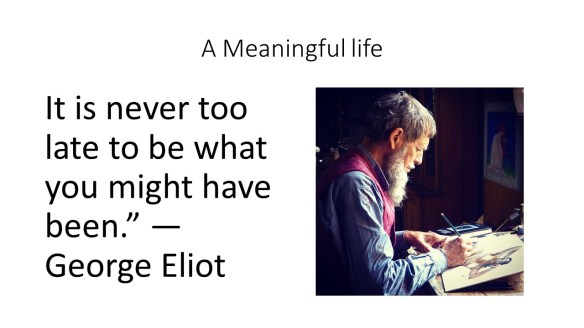
A meaningful life

Sunday Inspiration

Photo courtesy of Pixabay.com

Photo courtesy of Pixabay.com

What life awaits you?

Wanted to share some inspirational quotes with you.  Sunday seemed like a good time to do this. If any of these quotes strike a chord with you please share them.

Being successful takes more than money.

By David Joel Miller, MS, Licensed Therapist & Licensed Counselor.

Success or failure sign

Success or failure.
Photo courtesy of Pixabay.com

Money alone won’t make you successful.

Very often we hear about people who had far more money than the average and still, their lives turned out to be disasters. When you think of successful people do you only think about how much money they have?

Past posts here on counselorssoapbox.com have talked about having a successful life. After many of those posts, I get comments from readers that they are not concerned about success because their lives are not all about money. It is as if, in their own heads they so equate lots of money with success, they have given up on believing they can have money. This means they will avoid efforts to make their life a success because they think successes for them is unattainable.

Success means a lot more than just your bank account balance. You can have piles of cash and still, your life can be in ruins. Success comes from having and accomplishing goals. There are many worthy goals in life that have very little to do with money. Money is an abstract thing. It is a medium of exchange. What matters is not how much money you have but what you can do with it.

Money is a tool that you might use to increase your successes but money can also be a stumbling block to those very important successes in the other areas of your life.

Here are some things, other than money, you need to be successful.

Good relationships with family and friends equal success.

It is a dismal failure who has piles of cash and no one who wants to be around them for any reason other than that money. Having good friends makes you rich in spirit.

One of the great fallacies of modern life has been the idea that men should go out and work, make lots of money, which they send home to their family to support them. Men equated the things they give their families with being successful. What many men tell me is that they learned too late that buying their children things was not a measure of success. What matters more than what you buy them is the time you spend them.

Sacrificing those precious hours of your life for money is of no value if you gave up time with people to get it.

A purpose for your life makes you successful.

If you can find a purpose for your life you are well along the road to happiness. If your purpose is money then once you get there you will have no purpose. If your purpose is to be of service there will always more opportunities to fulfill your purpose.

At the end of your life, the things you owned will be gone but the experiences you had will remain. Invest in a life well lived and you will get many rewards that can’t be measured dollars or yen.

Having a purpose for living makes your life a success.

Self-esteem, feeling good about what you do marks success.

Self-esteem ought not to be based on what you have. Things come and go. You might lose your things tomorrow. But who you are and how you have lived that will continue.

In the recent economic downturn, a lot of people lost a lot of things. Homes and cars can go into foreclosure. You may need to make do with what you have. Having is not the measure of success. Doing those things that matter, that marks a successful person.

Success is maximizing your health.

Good health is not a universal gift. Money may buy you a good doctor or even a transplant but it can’t assure you good health.

Clearly, some people will do all they can to be healthy and still ill-health finds them. But you should never consider exchanging your health for cash to be a good bargain.

That need to keep yourself as healthy as possible is not exclusive to your physical health. If that job or career is harmful to your mental health the money you are receiving is inadequate compensation for a mentally unhealthy life.

Are you walking along the pathways to success? How will you know when you have reached it?

Staying connected with David Joel Miller

Seven David Joel Miller Books are available now!

My newest book is now available. It was my opportunity to try on a new genre. I’ve been working on this book for several years, but now seem like the right time to publish it.

Story Bureau.

Story Bureau is a thrilling Dystopian Post-Apocalyptic adventure in the Surviving the Apocalypse series.

Baldwin struggles to survive life in a post-apocalyptic world where the government controls everything.

As society collapses and his family gets plunged into poverty, Baldwin takes a job in the capital city, working for a government agency called the Story Bureau. He discovers the Story Bureau is not a benign news outlet but a sinister government plot to manipulate society.

Bumps on the Road of Life. Whether you struggle with anxiety, depression, low motivation, or addiction, you can recover. Bumps on the Road of Life is the story of how people get off track and how to get your life out of the ditch.

Dark Family Secrets: Doris wants to get her life back, but small-town prejudice could shatter her dreams.

Casino Robbery Arthur Mitchell escapes the trauma of watching his girlfriend die. But the killers know he’s a witness and want him dead.

Planned Accidents  The second Arthur Mitchell and Plutus mystery.

Letters from the Dead: The third in the Arthur Mitchell mystery series.

What would you do if you found a letter to a detective describing a crime and you knew the writer and detective were dead, and you could be next?

Sasquatch. Three things about us, you should know. One, we have seen the past. Two, we’re trapped there. Three, I don’t know if we’ll ever get back to our own time.

For these and my upcoming books; please visit my Author Page – David Joel Miller

Want the latest blog posts as they publish? Subscribe to this blog.

For videos, see: Counselorssoapbox YouTube Video Channel

Why are sleep disorders listed as mental illnesses?

By David Joel Miller, MS, Licensed Therapist & Licensed Counselor.

View of dreamland.

Dreamland.

What are Sleep-Wake Disorders?

Are problems with sleeping or staying awake making a mess of your life? Then you may have a sleep-wake disorder on top of all your other problems. Why does this matter? Because an untreated sleep-wake disorder will make all your other problems worse.

These issues turn up in the therapist or mental health counselor’s office when people start talking about their concerns with both the quality and the quantity of their sleep. Often this is because those sleep issues are impacting their wide-awake life. When sleep issues start interfering with your job, relationship, or just plain making you not care anymore it needs attention.

This group of disorders sits at the intersection of mental and physical problems and reminds us that the distinction between body and mind is not all that clear-cut. The nervous system connects with the limbic system so your thoughts and feelings impact your immune system. Your body’s physical ailments affect your mood.

With the introduction of the DSM-5 clinicians in the mental health, area are getting a chance to take another look at the connections between sleep and mental health. One rule for therapists is to not be practicing medicine. If a therapist has any doubts, they should refer you to a medical doctor to get a purely medical cause of your issues ruled out or treated before using a primarily talk method to help you.

Some sleep disorder problems can best be determined by sleep specialists. These issues look differently when you try to describe them the next day versus when you are being monitored in a sleep lab and they can be detected right then and there. Your diagnosis may depend on whether the problem occurs during REM sleep or non-REM sleep. Even medical doctors can’t get this part sometimes without sleep tests. The International Classification of Sleep disorders – 2 is far more exhaustive than the DSM or other possible lists, but it requires a sleep specialist to run tests to get this right.

Poor sleep can be a symptom of a mental disorder. Changes in sleep and appetite are one of the things that professionals look for in diagnosing depressive disorders. But poor sleep is not specific to depression or any one particular mental disorder. Sleep-wake cycle disorders affect a host of mental, emotional, and behavioral disorders.

Poor sleep, especially distressing dreams, bad dreams, and nightmares have been connected to depression, anxiety disorders, panic attacks, ADHD, borderline personality disorder, dissociative disorders, substance use disorder, substance withdrawal, an increase in suicide risk, PTSD, and non-suicidal self-injury also known as cutting.

While poor sleep is found in conjunction with a lot of mental illnesses, it has also been suspected to cause mental illnesses. For example, nightmares are a key factor in maintaining Posttraumatic Stress Disorder (PTSD.) Having frequent distressing dreams in childhood predicts the development of an anxiety disorder 5 years later. While nightmares and bad dreams may change and decline as you age, the majority of people who will get diagnosed with an anxiety disorder will have symptoms in middle school at just the time disturbing dreams are at their worst.

Sleep problems are also connected to behavioral problems. Children who are treated for behavioral issues also have nightmares or bad dreams on a regular basis. People with insomnia are at risk to have more nightmares and more nightmares increase the risk of developing a stress-related disorder like PTSD.

It is easy for a therapist or counselor to overlook sleep-wake disorders. If you have depression or anxiety, those sleep issues may be considered symptoms of your depression or anxiety. Make sure you mention the sleep problems to your therapist. If you have sleep-wake cycle problems, whether they are caused by another mental illness or not, if they bother you they should get diagnosed and treated along with the other issue.

Some Nightmares are harder to treat than others. The ones found in PTSD about things that have really happened to you are harder to get rid of than other bad dreams, but there are treatments for these nightmares that do work. Bad dreams based on generalized anxiety have been treated in children with as little as one therapy session. There will be more on treatments for sleep-wake cycle issues in upcoming posts.

Here is the list of Sleep-Wake disorders based on the DSM with their most current numbers.

Scary list isn’t it? For a full discussion, you would need to check out the APA’s book DSM-5. I will try to give you the short plain language versions of these issues in upcoming posts.

Sleep-Wake Disorders

Insomnia Disorder 780-52 (G47.00)

Hypersomnolence 780.54 (G47.10)

Narcolepsy (subtypes/specifiers have different numbers.)

Breathing-Related Sleep Disorders

Obstructive Sleep Apnea-Hypopnea 327.23 (G47.33)

Central Sleep Apnea (subtypes/specifiers have different numbers.)

Sleep-Related Hypoventilation (subtypes/specifiers have different numbers.)

Circadian Rhythm Sleep-Wake Disorders (subtypes/specifiers have different numbers.)

Parasomnias

Non-Rapid Eye Movement Sleep Arousal Disorders

Nightmare Disorder 307.47 (F51.5)

Rapid Eye Movement Sleep Behavior disorder 327.42 (G47.52)

Restless Legs Syndrome 33.94 (G25.81)

Substance/Medication-Induced Sleep Disorder (you need a number chart for this one)

Other Specified/ Other unspecified – Insomnia/ Hypersomnolence or Sleep-Wake Disorder (6 total)

Which sleep-wake disorders are mental health issues?

Some of these disorders are pretty straightforward, some are medical issues, some are psychological and a few are mixed, other sleep-wake disorders are even more complex. Nightmare disorder is a good example of the confusion. In common speech, nightmares are those bad dreams you have that upset you. In technical terms, bad dreams, nightmares, night terrors are all different things, sometimes. Even the researchers use different definitions in their articles.

In coming posts let’s look at the various sleep-wake disorders and treatments for them. Until then sleep well or consider getting help.

You might want to take a look at other posts on:

Sleep

Dreams and Nightmares 

Staying connected with David Joel Miller

Seven David Joel Miller Books are available now!

My newest book is now available. It was my opportunity to try on a new genre. I’ve been working on this book for several years, but now seem like the right time to publish it.

Story Bureau.

Story Bureau is a thrilling Dystopian Post-Apocalyptic adventure in the Surviving the Apocalypse series.

Baldwin struggles to survive life in a post-apocalyptic world where the government controls everything.

As society collapses and his family gets plunged into poverty, Baldwin takes a job in the capital city, working for a government agency called the Story Bureau. He discovers the Story Bureau is not a benign news outlet but a sinister government plot to manipulate society.

Bumps on the Road of Life. Whether you struggle with anxiety, depression, low motivation, or addiction, you can recover. Bumps on the Road of Life is the story of how people get off track and how to get your life out of the ditch.

Dark Family Secrets: Doris wants to get her life back, but small-town prejudice could shatter her dreams.

Casino Robbery Arthur Mitchell escapes the trauma of watching his girlfriend die. But the killers know he’s a witness and want him dead.

Planned Accidents  The second Arthur Mitchell and Plutus mystery.

Letters from the Dead: The third in the Arthur Mitchell mystery series.

What would you do if you found a letter to a detective describing a crime and you knew the writer and detective were dead, and you could be next?

Sasquatch. Three things about us, you should know. One, we have seen the past. Two, we’re trapped there. Three, I don’t know if we’ll ever get back to our own time.

For these and my upcoming books; please visit my Author Page – David Joel Miller

Want the latest blog posts as they publish? Subscribe to this blog.

For videos, see: Counselorssoapbox YouTube Video Channel