
Lonely Holidays

By David Joel Miller, MS, Licensed Therapist & Licensed Counselor.

Woman alone at the beach

Alone for the holiday.
Photo courtesy of Pixabay.com

The holidays can be a tough time for many people.

The season comes with high expectations. Things you should do should have and should be. Compared to your expectations this season can be a disappointment. It doesn’t have to be that way. If you are thinking about who you wish you were with and they are not there it can be sad.

For some folk the only visitors this season will be the demons: sadness, depression, guilt, and self-doubt. Rumination and revisiting the past can generate all forms of unhelpful thoughts.

Loneliness is often accompanied by his pal, emptiness, that giant-sized hole in your middle. There are a host of ways you might try to fill that hole and keep the loneliness at bay. Most of these loneliness cures promise to make you feel better for a moment but at a long-term price. They will reach for the things that only work for a short while. Let’s talk first some things that are unhelpful then review some suggestions for coping with holiday loneliness.

Spending your way to happiness is unhelpful in the longer run.

This season is the time for the annual binge behavior. Many people expect to gorge themselves on things in an effort to make themselves feel better, feel adequate. It is a short trip from treating yourself to a new gadget to thinking that your self-worth depends on your ability to spend and spend.

Don’t have the cash? You can dine on a diet of debt. Many people will be vomiting up their money for the year to come after the overindulgence of debt spending.

There is no magic pill for feeling lonely.

This holiday season people around the globe will look for all manner of substances to satiate that uneasy feeling that they are not what they should be or that what they are is not good enough. Drugs and alcohol are chief among those things that will be abused aplenty.

Some people will discover this holiday season that they too are candidates for an addiction or alcoholism. One dose of your drug of choice makes you forget what is bothering you but at the price of becoming dependent on that drug. Addiction is a gift that keeps on taking.

If you have a health challenge, physical or mental, a diagnosed illness, medication can be important. But no medication changes your unhelpful thoughts and makes your loneliness vanish.

The kind of drug most people will take this year, the self-prescribed alcohol or street drugs will let you forget your discomfort for a moment at a high long-term cost.

Do not let the wolves in the door.

When you start to feel that loneliness knocking at your door it is tempting to let all kinds of harmful people in. People will hook up and reconnect, often with the people who have caused them the most pain. It is tempting to let a dangerous person into your life to keep loneliness at bay, but that creature may destroy you later.

Avoid dogmatism, fanaticism, and revenge.

Dedicating yourself to a cause and trying to annihilate those who disagree is an intoxicant. Trying to make yourself less alone by launching a program of forcing others to agree with your politics, religion, or other dogma may divert your attention from your unhappiness for a while. Inflicting pain on others will never heal the wound in your heart.

Stalking and seeking revenge keeps you connected to the person who harmed you and maintains the pain. Do not believe that someone’s departure from your life is the sole cause of your loneliness. Living the best life possible now is the cure for the loss of someone from your life.

What does work to keep loneliness from entering your life?

Being alone does not equal being lonely.

If whenever you are alone you find yourself feeling lonely and frantically looking for something or someone to help you feel better, the problem is that you have not learned to be comfortable in your own company. Learn to like yourself, become your own best friend. Discover the ways that you can please yourself. In other posts past and future we can talk about things to do when you are alone that are positive and nurturing of you.

Reconnect with positive people.

The holidays are a good time to reach out. Mail or email someone who was a positive influence in your life that you have not talked with in a while. Plan to visit some old friends and some younger ones. Take yourself back to some places that are filled with happy memories.

Pain, loneliness, and regret have a way of pounding on your door. Happy memories wait patiently outside that door for you to invite them in.

Seek out supportive people and give them the opportunity to feel good by being of service.

Self-help groups, 12 step groups, in particular, have all kinds of events this time of year. They conduct marathon meetings, potlucks, and social events so that recovering people do not need to be alone for the holidays. Seek out others in recovery.

Visit a positive online community.

Leave comments, read blog posts, interact with other recovering people. Know that others may be waiting for the blessing of your comment. Look for the good in others and share the best in you.

Practice your religious or spiritual tradition.

Feeling that you are connected to something greater than yourself is an antidote to that empty feeling. Make time this holiday season to think about what you think is important and why you chose that belief.

Feeling a connection to a power greater than yourself can help turn that feeling of loneliness into a feeling of purpose. Practice those ceremonies that make meaning for you. Prayer, meditation, and ritual all put you in a proper connection to your higher power.

Alone need not mean lonely.

Just because you are alone this holiday season does not mean you have to be lonely. Alone is on the outside and lonely is on the inside.

What will you do this holiday season to help your recovery and thwart the loneliness, creature?

Staying connected with David Joel Miller

Seven David Joel Miller Books are available now!

My newest book is now available. It was my opportunity to try on a new genre. I’ve been working on this book for several years, but now seem like the right time to publish it.

Story Bureau.

Story Bureau is a thrilling Dystopian Post-Apocalyptic adventure in the Surviving the Apocalypse series.

Baldwin struggles to survive life in a post-apocalyptic world where the government controls everything.

As society collapses and his family gets plunged into poverty, Baldwin takes a job in the capital city, working for a government agency called the Story Bureau. He discovers the Story Bureau is not a benign news outlet but a sinister government plot to manipulate society.

Bumps on the Road of Life. Whether you struggle with anxiety, depression, low motivation, or addiction, you can recover. Bumps on the Road of Life is the story of how people get off track and how to get your life out of the ditch.

Dark Family Secrets: Doris wants to get her life back, but small-town prejudice could shatter her dreams.

Casino Robbery Arthur Mitchell escapes the trauma of watching his girlfriend die. But the killers know he’s a witness and want him dead.

Planned Accidents  The second Arthur Mitchell and Plutus mystery.

Letters from the Dead: The third in the Arthur Mitchell mystery series.

What would you do if you found a letter to a detective describing a crime and you knew the writer and detective were dead, and you could be next?

Sasquatch. Three things about us, you should know. One, we have seen the past. Two, we’re trapped there. Three, I don’t know if we’ll ever get back to our own time.

For these and my upcoming books; please visit my Author Page – David Joel Miller

Want the latest blog posts as they publish? Subscribe to this blog.

For videos, see: Counselorssoapbox YouTube Video Channel

Do these 12 things for a better life.

By David Joel Miller, MS, Licensed Therapist & Licensed Counselor.

Happy children

Happy.
Photo courtesy of Pixabay.com

Want a better, more successful life? Try out these prescriptions.

  1. Do more stuff.

The more you do the more you will get accomplished.

Take some chances.

Do some new things. Learn from your mistakes and then stop making the same old mistakes.

To get more out of life you need to put more living in the life you have.

  1. Embrace change.

Doing one thing over and over leads to making deep ruts. Those ruts better be in the place you want them. Life is change. You will change. Your relationships will change, for the better or the worse. Embrace the process of change and see that you continue to change for the better. Make change your helper, not your destroyer.

  1. Become more confident.

Want to be more? Feel better about the things you do. To feel better about yourself do more and better things. Do new worthwhile things. Do things of service to others and you will grow.

  1. Develop a positive support system.

We all tend to rise or fall to the levels of those around us. Pick good friends, pick people on the way up, spiritually, and intellectually.

  1. Get honest with yourself.

It is easy to lie to yourself. Tell you that someone else is to blame. You can think of all kinds of excuses why things are others fault and why you don’t need to do things. Honesty is an important part of any recovery. One of the most important aspects of honesty is getting honest with yourself. There are some things you will never be able to do. There are things you like that you need to get out of your life. Get rigorously honest with yourself and things will begin to change.

  1. Be where you are, do what you do. – Mindfulness.

Lives that are less than they should be are often lives lived jumping between the regrets of the past and the fears of the future. Stay in the present. Think about the now. Whatever you are doing be doing that thing. Mindfulness, meditation, or just old fashion “pay attention to what you are doing” will all add to your ability to focus on the present and make progress on creating the life you want to live.

  1. Pay attention to the good stuff. Study happiness.

Our brains attend to pain and suffering. It is our mind’s way of trying to protect us from the bad stuff. You learned from birth to recognize and attend to the painful. What many of us did not learn is that happiness, positive memories, are not that sticky. They slip right on off the brain. If you want a good life, a happy life, a fulfilling life, you need to pay extra attention to the good things that are going on all around you. Become a happiness expert and learn to recognize the positive when it happens in your world.

  1. Let go of the past.

The past is over. Learn the lessons you need to learn. Hold fast to the memories and release the pain. Living in the past prevents having a full life in the now. And really the now is the only time you will ever be fully there.

  1. Do what you love. Love what you do.

Spend as much of your life as possible doing things that you truly love. If you can’t do your passion all the time then find ways to enjoy the things you do most of the time to provide the necessities of life and then make time for those things you do feel passionate about.

    10. Be a good person. Be kind, give out compliments.

Be generous with praise for others. Compliments, honest sincere ones, cost you nothing and are worth a priceless amount to those who may need a kind word today. Fake praise debases you and your relationships. Do not say something is great if it isn’t. Do look for the good in everyone and everything and praise those things you can appreciate.

    11. Be teachable, seek out good teachers. – Mentors.

Want a good life? Surround yourself with those who know more than you do and are willing to teach. Can’t find people who know more than you? Then look for good students to teach and in the process, you will learn more than you ever thought possible.

    12. Take care of your body.

You can’t do good work without tools. Your body is the tool you will use and the place you will live your whole life. Take care of it. Eat well. Sleep when tired and rest when you need to. Do not expect to get service out of a tool that has been abused.

Make sure you exercise and keep all the body parts in good working order. For a happy life keep all your needs in balance. These are just some of the things I have found useful in creating my happy life. What things have you found helpful in making your life the best it can be?

Staying connected with David Joel Miller

Seven David Joel Miller Books are available now!

My newest book is now available. It was my opportunity to try on a new genre. I’ve been working on this book for several years, but now seem like the right time to publish it.

Story Bureau.

Story Bureau is a thrilling Dystopian Post-Apocalyptic adventure in the Surviving the Apocalypse series.

Baldwin struggles to survive life in a post-apocalyptic world where the government controls everything.

As society collapses and his family gets plunged into poverty, Baldwin takes a job in the capital city, working for a government agency called the Story Bureau. He discovers the Story Bureau is not a benign news outlet but a sinister government plot to manipulate society.

Bumps on the Road of Life. Whether you struggle with anxiety, depression, low motivation, or addiction, you can recover. Bumps on the Road of Life is the story of how people get off track and how to get your life out of the ditch.

Dark Family Secrets: Doris wants to get her life back, but small-town prejudice could shatter her dreams.

Casino Robbery Arthur Mitchell escapes the trauma of watching his girlfriend die. But the killers know he’s a witness and want him dead.

Planned Accidents  The second Arthur Mitchell and Plutus mystery.

Letters from the Dead: The third in the Arthur Mitchell mystery series.

What would you do if you found a letter to a detective describing a crime and you knew the writer and detective were dead, and you could be next?

Sasquatch. Three things about us, you should know. One, we have seen the past. Two, we’re trapped there. Three, I don’t know if we’ll ever get back to our own time.

For these and my upcoming books; please visit my Author Page – David Joel Miller

Want the latest blog posts as they publish? Subscribe to this blog.

For videos, see: Counselorssoapbox YouTube Video Channel

8 Ways to improve your couple’s communication.

By David Joel Miller, MS, Licensed Therapist & Licensed Counselor.

Talking to yourself

Communication.
Photo courtesy of Pixabay.com

Improving couple’s communication takes time and practice.

Problems communicating is a common complaint in distressed couples. To improve communication between you and your partner will involve a lot more than simply spending more time talking with each other. If your communication is conveying the wrong message more of the same is only rehearsing the problem.

Here are 8 tips to see that your communication with your partner takes you in the direction you want to go.

1. Develop a “fund” of positive feelings in your relationship.

If all you ever hear from an important person in your life is negativity, you stop listening. Your relationship needs to include lots of positive communication with your partner when times are good.

Create happy interactions as frequently as possible to carry you through the times of conflict. If the only time you communicate with your partner is when you “need to talk” talking becomes painful and eventually stops.

It only takes a few angry hurtful statements to wash away the love in a relationship. Make sure you have communicated the positive messages frequently so that they do not get lost during the conflicts.

2. Discover ways to make your partner feel loved.

Communication can’t be restricted to the verbal channel. What your partner sees you doing and how you act carries a lot of the communication burden. Some people feel really loved when they receive gifts. But if you work all the time to pay for presents, your lack of presence in the relationship can damage your ability to communicate.

3. Ask for what you need.

If your relationship is not meeting your needs, consider that it may be because you are not asking to have your needs met.

Far too many people believe that their partner should know what they need and provide it without them asking. Unfortunately, we often have difficulty figuring out what we need and want, let alone know how to meet our partner’s needs.

Very few people are successful at reading their partner’s mind. Thinking that your partner should have that ability if they really love you will result in poor communication.

4. Fight fair – do not criticize your partner.

Many couples use a scorched earth approach to their disagreements. When there are conflicts limit your communication to the topic at hand.

The goal should be to resolve the disagreement not to see how much damage you can inflict on your partner. Keep your comments on the behaviors you want the partner to change not global descriptions of their character.

Saying that you feel more loved when he cleans up after himself can be helpful. Telling him he is a pig, was raised in a barn and his mother is the biggest sow around, are all the sort of personal attacks that will cut off communication.

If you try to destroy your partner during conflicts, your relationship, along with your couple’s communication will be collateral damage.

5. Look for win-win solutions to improve communication.

Winning arguments at the cost of your partner losing results in an impoverished relationship. Work on finding ways you both can get your needs met in the relationship rather than keeping score on who is winning the most.

Listening to really understand your partner’s wants and needs will improve communication. Finding solutions to disagreements where you both win will make your relationship a winner.

6. Make “I” statements to improve communications.

To improve communication talk about how you feel.  Rather than saying that your partner “makes you feel -” Let them know that you feel sad, hurt, etc. when they do a particular action.

Own your feelings and your partner will learn how you are feeling. More understanding is the road to empathy. More criticism and blame will not improve your couple’s communication.

7. Avoid going for the jugular when you two disagree.

When conflicts grow heated and intense the temptation is to say and do the thing that will hurt your partner the most. It may feel good at the moment to get even and inflict some pain on your partner but over the long run, the thing that gets destroyed is your relationship.

8. Pick a good time for important communications.

When your partner is running late for work is not the time to start a serious conversation. Just before lovemaking is not the time to bring up your complaint about their behavior. When people are under stress, are sad, depressed, hungry, or feeling other intense emotions they will find it hard to consider their partner’s point of view.

Pick a time when you two can have a leisurely conversation to work on areas that require deep communication.

If you discover that your joint life is always full of hurry and conflict? What then? Do you just keep putting off that communication? You shouldn’t. Many relationship failures are the result of conversations that couples should have had but never got around to.

Set a time and stick to it. This joint problem solving to set that time to discuss couples communication may be just the impetus to get your communication back on track.

If you have been trying to get your couple’s communication on track but it does not appear to be getting better consider seeing a professional relationship counselor. Seeing a couple’s counselor does not mean your relationship is over. It may be just the thing you need to repair the breaches.

Staying connected with David Joel Miller

Seven David Joel Miller Books are available now!

My newest book is now available. It was my opportunity to try on a new genre. I’ve been working on this book for several years, but now seem like the right time to publish it.

Story Bureau.

Story Bureau is a thrilling Dystopian Post-Apocalyptic adventure in the Surviving the Apocalypse series.

Baldwin struggles to survive life in a post-apocalyptic world where the government controls everything.

As society collapses and his family gets plunged into poverty, Baldwin takes a job in the capital city, working for a government agency called the Story Bureau. He discovers the Story Bureau is not a benign news outlet but a sinister government plot to manipulate society.

Bumps on the Road of Life. Whether you struggle with anxiety, depression, low motivation, or addiction, you can recover. Bumps on the Road of Life is the story of how people get off track and how to get your life out of the ditch.

Dark Family Secrets: Doris wants to get her life back, but small-town prejudice could shatter her dreams.

Casino Robbery Arthur Mitchell escapes the trauma of watching his girlfriend die. But the killers know he’s a witness and want him dead.

Planned Accidents  The second Arthur Mitchell and Plutus mystery.

Letters from the Dead: The third in the Arthur Mitchell mystery series.

What would you do if you found a letter to a detective describing a crime and you knew the writer and detective were dead, and you could be next?

Sasquatch. Three things about us, you should know. One, we have seen the past. Two, we’re trapped there. Three, I don’t know if we’ll ever get back to our own time.

For these and my upcoming books; please visit my Author Page – David Joel Miller

Want the latest blog posts as they publish? Subscribe to this blog.

For videos, see: Counselorssoapbox YouTube Video Channel
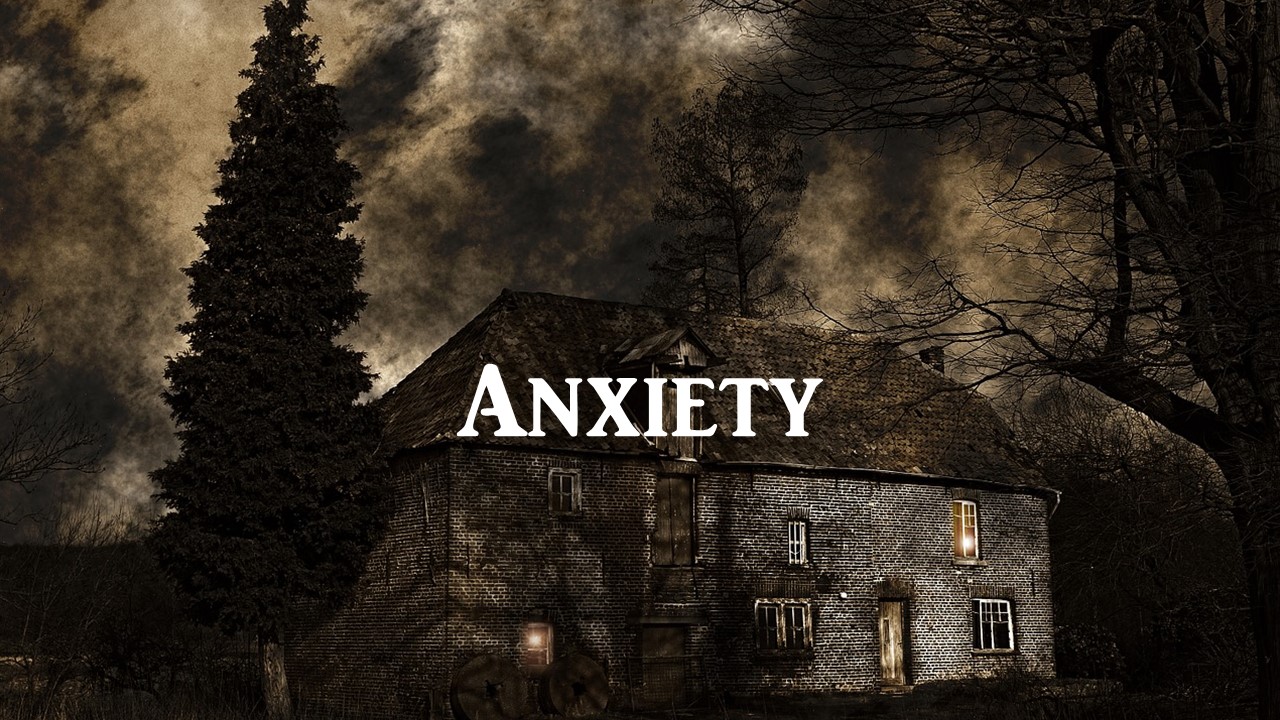
Your thoughts making you anxious?

By David Joel Miller, MS, Licensed Therapist & Licensed Counselor.

Anxiety provoking.

Anxiety.
Photo courtesy of Pixabay.com

9 ways to tell if your thoughts are causing your anxiety.

Is anxiety a constant feature in your life? Anxiety has its place. It tells you if you are in a dangerous situation and keeps you alert. But if you are always in an anxious state you will wear yourself out and anxiety no longer becomes protective, it becomes your tormentor.

If you have a pattern of thinking anxious thoughts even when they are not necessary then you may be training your brain to maintain an anxious state at times you should be relaxed and calm.

How many of these over-anxious thoughts are you practicing?

1. Your negative thoughts have become a habit.

Is your default brain setting to look for the danger, for what could go wrong? Have you made looking for the negative a habit? Start looking for the good, the unexpected. Meditate on the positive things in your life and challenge yourself to stop ruminating on what could go wrong and begin looking for all the constructive things in your life.

Developing a list of things you are grateful for can increase the habit of seeing the good and reduce the tendency to look for the anxiety-provoking cues in your environment.

2. A recurring thought interferes with your life.

Do you have a recurring fear that you are or will get sick? Do you worry about finances and think you will go broke? Do you practice the thoughts you will have when something bad might happen?

Look for the facts in these situations. See a doctor. Get your health checked out. Work on your finances. Look for ways to earn more, spend less, and save some. Buy some insurance.

Stop practicing that fearful, anxious thought and begin to take action. Include in those actions learning to relax and to look for the positive. Give yourself credit for the things you have accomplished.

3. You worry about things that don’t really matter.

Do you worry that something will happen, somewhere, to someone, and you do not even know why? Do you worry that characters on shows will die or fictional couples will break up?

When you find yourself worrying, ask yourself, does this matter? Does it matter to you? Does it matter right now?

Do you worry about whether to buy one kind of vegetable or the other? Make a choice and the worry ends. For many of life’s choices, there is no correct answer. Pick the thing you want and move forward.

4. Your need for everything to be perfect makes you anxious.

You are a human, aren’t you? No human is perfect. We learn from our mistakes. Learn from your mistake and do better next time. Everything can never be perfect. Your perfect will not be someone else’s.

5. Your worry about things that are out of your control makes you anxious.

Some things are your job. Some things are not. Worrying about someone else’s job is unproductive. You may think about what would happen, you may even make contingency plans, but let others worry about their stuff.

Worrying about things over which you have no control does not protect you from danger. It diverts resources from doing the things you need to do into unproductive worrying.

6. You beat yourself up about things everyone does – normal behavior.

Accept your humanness, embrace it. Sometimes you will burp, sometimes you will pass gas, possible at the most embarrassing moment. All humans sometimes trip or fall.

We all make errors and do uncomfortable things. Try to minimize your number and the nature of your embarrassing moments but do not beat yourself up.

Hint here. Turn your cell phone off during church services and do not eat beans just before an important meeting. Do things proactively to reduce your embarrassing moments, but once they happen, accept that you to are blessed with those normal human moments.

7. Calling yourself names increases your anxieties.

Call a child stupid often enough and they believe you. Eventually, they will stop trying to learn. You can do the same thing to yourself. Calling yourself names is not helpful. It will result in anxiety over your self-worth. You are worthwhile simply because you are you.

8. Second-guessing decisions will paralyze you with anxiety.

Once a decision is made move forward. There are times when situations change when you get new information, and you need to reevaluate. If you find yourself rethinking every decision realize that this is wasting time looking back over your shoulder at the past and you should be living in the present.

9. Telling yourself that good things will never happen for you feeds the anxiety.

What you tell yourself over and over your brain believes. If you say you can’t your brain will avoid trying. If you repeatedly tell yourself things will never get better, they won’t. This is a negative affirmation. Negative affirmations like positive ones work. Try telling yourself that you can do things and good things become possible.

Do you practice any of those 9 thinking patterns that cause anxiety? Would you be willing to part with some of your fearfulness? Try practicing more positive and more helpful ways of thinking. Practice helpful thoughts over and over and see if your anxieties don’t melt away.

Staying connected with David Joel Miller

Seven David Joel Miller Books are available now!

My newest book is now available. It was my opportunity to try on a new genre. I’ve been working on this book for several years, but now seem like the right time to publish it.

Story Bureau.

Story Bureau is a thrilling Dystopian Post-Apocalyptic adventure in the Surviving the Apocalypse series.

Baldwin struggles to survive life in a post-apocalyptic world where the government controls everything.

As society collapses and his family gets plunged into poverty, Baldwin takes a job in the capital city, working for a government agency called the Story Bureau. He discovers the Story Bureau is not a benign news outlet but a sinister government plot to manipulate society.

Bumps on the Road of Life. Whether you struggle with anxiety, depression, low motivation, or addiction, you can recover. Bumps on the Road of Life is the story of how people get off track and how to get your life out of the ditch.

Dark Family Secrets: Doris wants to get her life back, but small-town prejudice could shatter her dreams.

Casino Robbery Arthur Mitchell escapes the trauma of watching his girlfriend die. But the killers know he’s a witness and want him dead.

Planned Accidents  The second Arthur Mitchell and Plutus mystery.

Letters from the Dead: The third in the Arthur Mitchell mystery series.

What would you do if you found a letter to a detective describing a crime and you knew the writer and detective were dead, and you could be next?

Sasquatch. Three things about us, you should know. One, we have seen the past. Two, we’re trapped there. Three, I don’t know if we’ll ever get back to our own time.

For these and my upcoming books; please visit my Author Page – David Joel Miller

Want the latest blog posts as they publish? Subscribe to this blog.

For videos, see: Counselorssoapbox YouTube Video Channel

What does my dream mean?

By David Joel Miller, MS, Licensed Therapist & Licensed Counselor.

Dreams

Dream On!
Photo courtesy of Pixabay.com

Ever wondered what your dream meant?

Many readers email me about what their dream may mean. They want answers and hope I can provide them. Dreams can provide useful information for your awake life. Over simplistic interpretations can be harmful. I have written previously about some common drug-using dreams that clients have reported to me and what I and they thought these dreams meant.

Dreams about relationships and life events seem, to me, to be open to a lot more possible interpretations than the common drug use dreams I wrote about in those posts.

Dream interpretation used to get more attention.

First I will offer some thoughts on the topic of dream interpretation, then some suggestions for interpreting your particular dreams.

There was a time when interpreting dreams was a large part of what people in the psychology field did. The key concept in dream interpretation was the Freudian interpretation of mental processes and the role that was ascribed to the unconscious. Jung wrote about the collective unconscious and there are “depth” psychologists today that work in this area.

Interpreting dreams went out of fashion.

Somewhere along the line the study of normal psychology and the study of mental health and mental illness, sometimes called “abnormal psychology” were divorced.

Today the predominant model for treatment of mental illness or improving mental wellness is cognitive-behavioral therapy. Rather than looking for answers to life problems in the place of an unknowable and uncontrollable unconscious most therapy and counseling looks at very visible processes like learning and cognitive distortions. The emphasis is on things you think and believe, that are unhelpful, not on things your unconscious mind is making you do.

Most of the cognitive interventions, like reframing and challenging faulty assumptions are relatively straightforward. Interpreting dreams is far more subjective and less certain. While interpreting dreams and exploring your unconscious can be personally rewarding it is not the sort of brief, medically necessary, intervention a lot of insurance companies will pay for.

Personally, I have some dreams. Some of those are a bit disturbing and others are happy memories, so yes I may look at them. I find I need to be careful in interpreting my dreams and feel you should be careful with anyone who offers you a quick interpretation of your dreams. Especially be suspicious of those popular books that list a whole lot of things and if you dream of a lake it means one thing and if you dream of a river it means something else.

One thing does not always have one definite meaning for everyone. I am told that Freud, that believer in all things sexual, once replied that sometimes a cigar is just a cigar. He was, according to some reports, highly addicted to tobacco, so dreaming of cigars makes sense in a drug-using context.

Dream meanings are very personal.

Your past life experiences, in real life, and vicariously in movies and books can color your dreams. For example, back in High School, I raised some birds, Pigeons, and parakeets, if I dream about those birds it may have one meaning for me and quite another one for a person who was bitten by a bird and as a result is frightened of birds. The important thing is what does this dream mean to you?

Most of us have far more dreams than we remember. Even people who say they do not dream seem to enter dream states when hooked up to machines during sleep studies. Ever had a dream, awakened, and ran for the bathroom and when you got back to bed could not remember that dream? The majority of us forget more dreams than we remember. Some people forget almost all of their dreams.

It is the very unusual or frightening dreams that get remembered. If you keep a pad by the bed and write the dream down upon awakening you will discover you are having and remembering a lot more dreams.

From a cognitive perspective, we think that during dreams memories are taken out, processed, and then restored. There are opportunities for memories to undergo some alteration as in Lucid dreaming an intervention proposed to help with dreams that maintain PTSD symptoms. 

Things that happen in dreams do not have to follow logic or even the laws of time and space. So you may, in your dream, step out a door and be in another country. So you saw something in your dream, someone did something or something happened to you or a person close to you what does that mean?

Dreams have layers of interpretation.

Recently I read a book on dream interpretation by Jeremy Taylor, Where water runs up hill; he suggests that dreams have many layers of meaning. So the dreams about the parakeets many just be about a fond memory of childhood but it might also have to do with existential things like living, having children, and eventually dying, or it might have another meaning altogether.

What he suggests we should do is look at the dream, talk with others you trust about the dream, and then look at possible interpretations. What do you think it means at a superficial level, what it could mean at a deeper level, and so on. Some of these meanings will not make much sense and some will really speak to you.

So if you comment or use the “contact me” form, I can offer you a possible meaning to two for what you ask about, but I make no pretense that mine is the “correct” interpretation. If when someone tells you that your dream might mean a particular thing and you feel in your gut, your felt-sense, intuition, that this is correct, that meaning is probably part of your truth.

Hope this brief explanation of dreams from purely my perspective might be helpful.

Enjoy your dreams but seek help for disturbing nightmares.

Staying connected with David Joel Miller

Seven David Joel Miller Books are available now!

My newest book is now available. It was my opportunity to try on a new genre. I’ve been working on this book for several years, but now seem like the right time to publish it.

Story Bureau.

Story Bureau is a thrilling Dystopian Post-Apocalyptic adventure in the Surviving the Apocalypse series.

Baldwin struggles to survive life in a post-apocalyptic world where the government controls everything.

As society collapses and his family gets plunged into poverty, Baldwin takes a job in the capital city, working for a government agency called the Story Bureau. He discovers the Story Bureau is not a benign news outlet but a sinister government plot to manipulate society.

Bumps on the Road of Life. Whether you struggle with anxiety, depression, low motivation, or addiction, you can recover. Bumps on the Road of Life is the story of how people get off track and how to get your life out of the ditch.

Dark Family Secrets: Doris wants to get her life back, but small-town prejudice could shatter her dreams.

Casino Robbery Arthur Mitchell escapes the trauma of watching his girlfriend die. But the killers know he’s a witness and want him dead.

Planned Accidents  The second Arthur Mitchell and Plutus mystery.

Letters from the Dead: The third in the Arthur Mitchell mystery series.

What would you do if you found a letter to a detective describing a crime and you knew the writer and detective were dead, and you could be next?

Sasquatch. Three things about us, you should know. One, we have seen the past. Two, we’re trapped there. Three, I don’t know if we’ll ever get back to our own time.

For these and my upcoming books; please visit my Author Page – David Joel Miller

Want the latest blog posts as they publish? Subscribe to this blog.

For videos, see: Counselorssoapbox YouTube Video Channel

15 ways to improve your attention and stay focused

By David Joel Miller, MS, Licensed Therapist & Licensed Counselor.

Focus

Focus.
Photo courtesy of Pixabay.com

15 ways to boost your ability to pay attention and stay focused.

Most of us were never taught how to stay focused and pay attention. We were told to “pay attention” and if you didn’t or couldn’t you were told that there was something wrong with you. Maybe you were even told you had ADD/ADHD. You may have that disorder and need professional help, but my suspicion is that a lot of us could stay more focused and pay better attention if we tried a few simple techniques.

Getting organized and staying organized are skills you can learn and practice to keep yourself focused and on track. Here are some tools that well-organized and focused people use to keep themselves moving forward.

1. Tell yourself you can do this – not that you can’t focus.

Tell yourself that with or without an attention issue you can and will learn ways to improve your focus. Self-talk is powerful. If you say you will improve your abilities in this area you will. Continue to say you can’t and you will not ever improve in this area.

If you find it is difficult for you, find out why. What is the thing you still need to do or learn to be more focused and better organized?

2. Make lists of to-dos.

If your mind is full you can’t process new information. Trying to remember all you have to do today will reduce your ability to pay attention to the task at hand.

Making a list of what you need to do and writing it down will help you get organized. You can pick from the list the most important thing to do first and then move on down the list. What you do not get to was probably not that important. That or if you still are not getting to everything on your list – too much to do is the problem.

3. Prioritize to help you remember what is important.

Which thing needs to be done first? You need to write a report. You decide you need to look for sources, write an introduction, and then complete the report.

Bouncing all over the place doing one thing and then another leaves you with lots not done and increases the chances you will forget things.

4. Do the most difficult thing first.

Leaving large tasks for last means they never get done. Your mind will protect you by taking you off task. Go after the big one first and once this is out-of-the-way the other things you need to do will be the more manageable.

Whenever possible avoid all those have-to-do things that people do before the project. Doing too much getting ready puts off the task until you run out of oomph.

Forget sharpening all the pencils and cleaning off the desk before you can start to write. Write first and then sharpen those pencils or clean off unneeded things during the breaks.

5. Set a specific goal first to stay on task.

Decide what you want to do. Work on that goal as long as possible. If you find yourself off task relax for a moment and then refocus on the original task.

For very large projects build in some step back and think some more time. This keeps you from wearing yourself out working on things that do not help you achieve your ultimate goal.

6. Break your task up into small size parts.

Slice big tasks up into small chunks. This coupled with the list-making technique can allow you to do small things and do them one at a time rather than becoming overwhelmed trying to stay on task over a large task and a long time frame.

7. Do not let your mind distract you – add things to your list and keep going.

If your mind keeps talking to you about other things you need to do, avoid thinking about those other tasks right now. Write them down on your to-do list and clear your mind then refocus on the original task.

8. Plan what you will be attending to ahead of time.

Are you listening to a talk on your favorite topic? Will you be learning a new skill? In what area? Knowing why you are going to need to pay attention lets you stay focused when you need to and lets you go on autopilot when this is a fun attention-is-optional activity.

9. Set a routine that gets you in the groove.

If we humans had to think over each and every thing we were going to do today many of us would still be in bed. If you have a routine way you do routine things you can get more accomplished and leave mental capacity for the new tasks you will need to tackle today.

Whenever possible establish a set procedure for things you do often. Having a set do-step-one then step two, the process helps you stay focused.

10. Practice your routine until it becomes automatic.

Professional athletes, Olympic hopefuls, and other performers know this well. When the ball is coming towards you is no time to have to think about what you will need to do. Practice your skills. Practice them over and over until they become automatic. When they are automatic moves practice some more.

Over-learning, continuing to practice skills that you have already learned is the key to being able to stay on track during times of stress or excitement.

11. Do not try to do two things at once.

There are very few times that people can really do two things at once. Good multitaskers are even rarer. Multitasking is the great myth of our times. Focus on one thing at a time for optimum performance. Do not be thinking about what you will do after work while working.

The time needed to switch back and forth and decide what task to do next takes time away from all the tasks you are working on. Do one thing at a time for best results.

12. Avoid sounds that will pull you away, use white noise and background music to neutralize the distractions.

Some people can focus best with background noise. If you do this look for instrumental music or white noise sounds. Avoid talk radio or interview shows where you will be tempted to switch your attention back and forth between the noise and the task.

Mindless sounds, instrumental music, or other non-interfering sounds can help drown out distracting sounds.

Some tasks are best performed in low noise environments with the door closed.

 13. Plan breaks and movement.

Frequent breaks do not interfere with attention, they improve it. Move around in your chair, get up and walk, take a mental break and your overall attention will improve. Every few minutes look far away and blink. Give yourself a small diversion to improve your concentration. If you try to stay in one position and focus your eyes on one task for too long you will discover that your body will develop aches and pains to draw your attention away.

14. Do not stay stuck on something you can’t do – try skipping it and coming back later.

Avoid getting stuck in a loop going over and over something you are unable to do. Take a break, move on to another task, and plan on returning to the project later.

Sometimes a break will allow your subconscious mind to keep working on the issue and the solution will suddenly come to you. At other times you may decide you need to seek out help or advice from someone who knows how to accomplish this task.

15. Simplify your life to improve your attention.

If you find you are chronically off task. If you bounce from thing to thing but rarely get anything done or if you are always forgetting things, the problem may well be that you are trying to do too many things and that they are all getting the same priority. Sometimes more is less, especially in the area of staying on task and being productive.

Staying connected with David Joel Miller

Seven David Joel Miller Books are available now!

My newest book is now available. It was my opportunity to try on a new genre. I’ve been working on this book for several years, but now seem like the right time to publish it.

Story Bureau.

Story Bureau is a thrilling Dystopian Post-Apocalyptic adventure in the Surviving the Apocalypse series.

Baldwin struggles to survive life in a post-apocalyptic world where the government controls everything.

As society collapses and his family gets plunged into poverty, Baldwin takes a job in the capital city, working for a government agency called the Story Bureau. He discovers the Story Bureau is not a benign news outlet but a sinister government plot to manipulate society.

Bumps on the Road of Life. Whether you struggle with anxiety, depression, low motivation, or addiction, you can recover. Bumps on the Road of Life is the story of how people get off track and how to get your life out of the ditch.

Dark Family Secrets: Doris wants to get her life back, but small-town prejudice could shatter her dreams.

Casino Robbery Arthur Mitchell escapes the trauma of watching his girlfriend die. But the killers know he’s a witness and want him dead.

Planned Accidents  The second Arthur Mitchell and Plutus mystery.

Letters from the Dead: The third in the Arthur Mitchell mystery series.

What would you do if you found a letter to a detective describing a crime and you knew the writer and detective were dead, and you could be next?

Sasquatch. Three things about us, you should know. One, we have seen the past. Two, we’re trapped there. Three, I don’t know if we’ll ever get back to our own time.

For these and my upcoming books; please visit my Author Page – David Joel Miller

Want the latest blog posts as they publish? Subscribe to this blog.

For videos, see: Counselorssoapbox YouTube Video Channel
5 Reasons Mental Illness and drug use hangout together.

By David Joel Miller, MS, Licensed Therapist & Licensed Counselor.

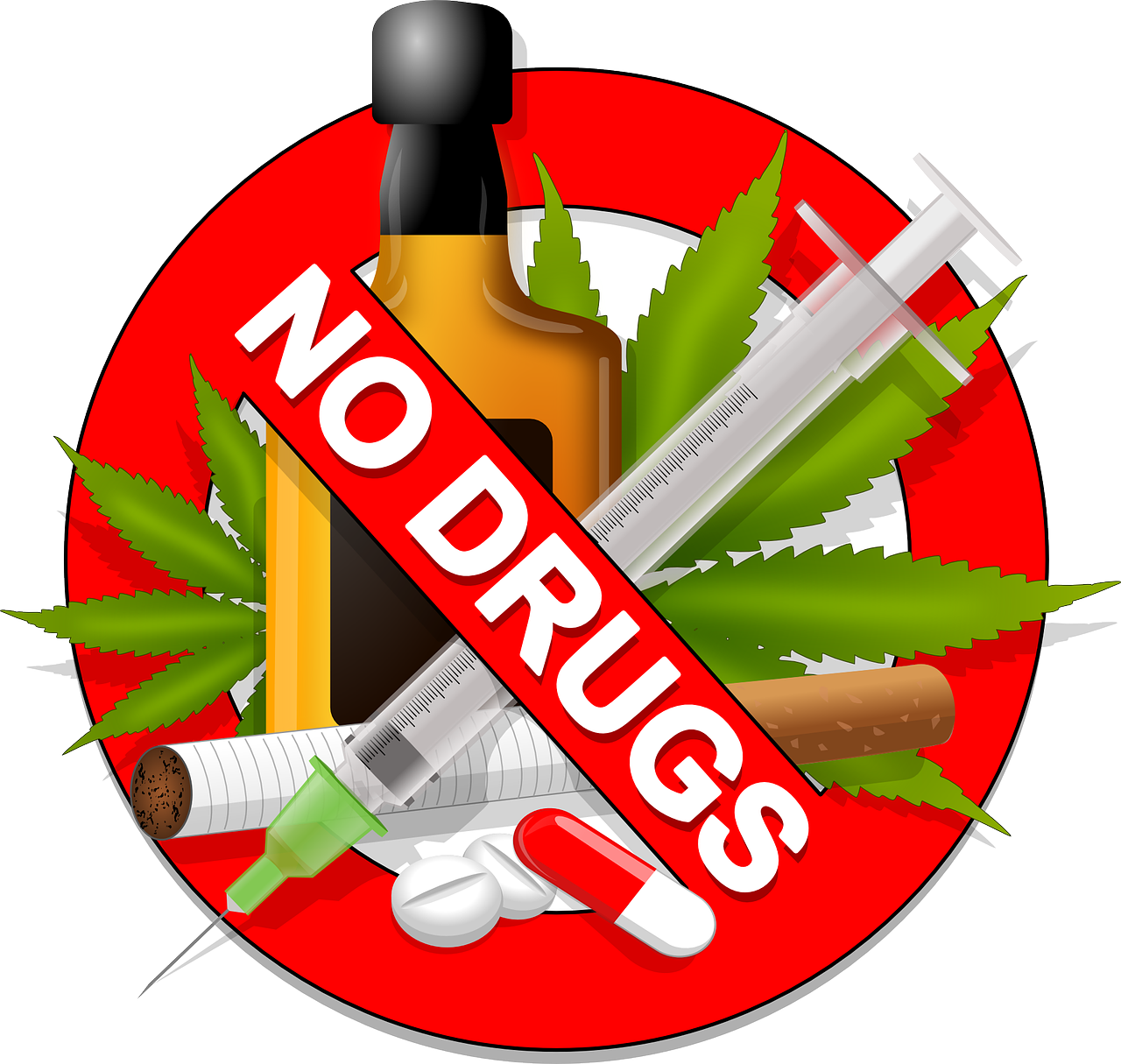
sign

No Drugs.
Photo courtesy of Pixabay.com

Why do so many people have both Substance Use Disorders and a Mental Illness?

Having multiple problems is so common today that we are surprised when someone shows up looking for help for one and only one problem. People who have a mental illness often abuse drugs or alcohol. People with a Substance abuse disorder frequently have one or more mental illnesses.

The overlap is so common we have come to expect that someone who has one life problem is at risk to develop another. When people have more than one problem it is hard to recover from one unless the other gets treated.

The old method was to ask the mentally ill to give up drugs and alcohol, stay clean 30 days, and then they could get help for their mental illness. Substance abuse clients were told to go get their depression or anxiety treated and then come back for drug treatment. The result was people with multiple problems who were ping-ponged back and forth between providers and many never got the help they needed.

The newer approach is to treat multiple problems all at once and improvements in one life area help recovery in other areas. So why are mental health problems so very common among those with substance use disorders? Here are some of those reasons.

A prior Mental illness puts you at risk to abuse substances.

Having a mental health problem puts you at risk to use substances to cope with your issue. Someone with anxiety finds that alcohol or drugs help them get past the anxiety and be more outgoing. The more of a drug they do the better they feel. Before long this use is out of control and becomes first a habit and then an addiction.

A person with Post Traumatic Stress Disorder will find that chemicals, alcohol or drugs, numb the symptom. Some people drink to forget the depression. All of these uses of chemicals to cope with a mental health issue could fit under the idea of self-medication. Using drugs and alcohol can help the person cope for a while, but since this is an unsafe coping strategy eventually the person’s solution becomes a second problem.

Common stressors and environments increase risks for both.

Living in poor neighborhoods increases the risk that you will have life difficulties. More crime more mental health issues and more drug and alcohol abuse in your neighborhood. Poverty is depressing and substances are a way to cope, temporarily, with poverty and unemployment.

Substances change your brain and induce mental health disorders.

People try drugs for all sorts of reasons. Many people have had the experience of a hangover. After that experience, a common treatment for the hangover is the hair of the dog that bit you, more alcohol.

Substance use progresses from experimentation to habitual use. The more of a drug someone uses the more their brain chemistry changes. At some point, not a planned occurrence, this habit becomes a mental need, a psychological addiction to the substance. Eventually, this progresses to a psychical addiction, a chemical dependency.

Excessive substance abuse results in long-term changes in the functioning of the brain. Depression, anxiety, or even psychosis may develop as a result of using, being under the influence, and withdrawing from substances.

Life experiences from either increase the risk of the other problem.

People with serious mental illnesses are more likely to be the victim of crime than the perpetrator. Being mentally ill makes you vulnerable. Having a mental illness increases the risk that you will be unemployed, have a psychical illness, and die at an earlier age. All of these are risk factors for substance abuse.

The life experiences that drug users have, poor neighborhoods, crime, and poverty are all risk factors for poor mental health. The drug-using experience increases the risk of traumatic experiences. Rapes, robberies, assaults, and incarcerations all can accompany substance use disorders.

The experience of having a substance use disorder increases the risk of a mental illness. Trying to live with a mental illness increases the risk that you will abuse substances.

Giving up a drug of choice is painful.

For most substance abusers their drug of choice becomes their best friend. Women come and go but Sherry is always waiting in the bottle for you. A man may leave you but Jose and Jack will always be in the bottle when you need them.

Crystal is always ready for your next date with the pipe.

People become closer to their drug of choice than to their family or friends. Giving up drugs or alcohol means losing that best friend. This loss of a friend and support system can leave the substance user alone with no coping mechanism and at high risk to develop a mental health problem or return to active use.

Hope that these 5 ideas will help to explain why having both a substance use disorder and a mental illness at the same time is so very common. If you or someone you know has one or both of these issues help is available. If that person has both conditions, look for a treatment provider who is comfortable with working on both issues at the

Staying connected with David Joel Miller

Seven David Joel Miller Books are available now!

My newest book is now available. It was my opportunity to try on a new genre. I’ve been working on this book for several years, but now seem like the right time to publish it.

Story Bureau.

Story Bureau is a thrilling Dystopian Post-Apocalyptic adventure in the Surviving the Apocalypse series.

Baldwin struggles to survive life in a post-apocalyptic world where the government controls everything.

As society collapses and his family gets plunged into poverty, Baldwin takes a job in the capital city, working for a government agency called the Story Bureau. He discovers the Story Bureau is not a benign news outlet but a sinister government plot to manipulate society.

Bumps on the Road of Life. Whether you struggle with anxiety, depression, low motivation, or addiction, you can recover. Bumps on the Road of Life is the story of how people get off track and how to get your life out of the ditch.

Dark Family Secrets: Doris wants to get her life back, but small-town prejudice could shatter her dreams.

Casino Robbery Arthur Mitchell escapes the trauma of watching his girlfriend die. But the killers know he’s a witness and want him dead.

Planned Accidents  The second Arthur Mitchell and Plutus mystery.

Letters from the Dead: The third in the Arthur Mitchell mystery series.

What would you do if you found a letter to a detective describing a crime and you knew the writer and detective were dead, and you could be next?

Sasquatch. Three things about us, you should know. One, we have seen the past. Two, we’re trapped there. Three, I don’t know if we’ll ever get back to our own time.

For these and my upcoming books; please visit my Author Page – David Joel Miller

Want the latest blog posts as they publish? Subscribe to this blog.

For videos, see: Counselorssoapbox YouTube Video Channel

Useful information about Alcohol Use and Abuse

Looking for information about Alcohol Use and Abuse?

Liquor

Alcoholic beverages.
Photo courtesy of Pixabay.com

By David Joel Miller, MS, Licensed Therapist & Licensed Counselor.

Ever hear of the Alcoholism Awareness Council? I hadn’t. Recently I found this site, or more precisely they found me. Looks like a good source for information on alcohol use, alcohol use disorders, and what we used to refer to as alcohol abuse and dependence. They publish information, both statistics, and the latest research, in the field of alcohol use and abuse. Lots of links on this site to other sources, both researchers and government publications.

So if you are researching the state of alcohol use in America or working on a paper for a substance use class this site might be helpful.

Oh yes – sure, you can read counselorssoapbox.com also. I will do my best to keep you posted on the latest information in the fields of substance use disorders, mental health, and co-occurring disorders. But when you are not here at counselorssoapbox.com reading this blog, you might also want to check out the resources at Alcoholism Awareness Council           http://www.alcohol.org/

If you do check out the Alcoholism Awareness Council, please let me know what you think.

Staying connected with David Joel Miller

Seven David Joel Miller Books are available now!

My newest book is now available. It was my opportunity to try on a new genre. I’ve been working on this book for several years, but now seem like the right time to publish it.

Story Bureau.

Story Bureau is a thrilling Dystopian Post-Apocalyptic adventure in the Surviving the Apocalypse series.

Baldwin struggles to survive life in a post-apocalyptic world where the government controls everything.

As society collapses and his family gets plunged into poverty, Baldwin takes a job in the capital city, working for a government agency called the Story Bureau. He discovers the Story Bureau is not a benign news outlet but a sinister government plot to manipulate society.

Bumps on the Road of Life. Whether you struggle with anxiety, depression, low motivation, or addiction, you can recover. Bumps on the Road of Life is the story of how people get off track and how to get your life out of the ditch.

Dark Family Secrets: Doris wants to get her life back, but small-town prejudice could shatter her dreams.

Casino Robbery Arthur Mitchell escapes the trauma of watching his girlfriend die. But the killers know he’s a witness and want him dead.

Planned Accidents  The second Arthur Mitchell and Plutus mystery.

Letters from the Dead: The third in the Arthur Mitchell mystery series.

What would you do if you found a letter to a detective describing a crime and you knew the writer and detective were dead, and you could be next?

Sasquatch. Three things about us, you should know. One, we have seen the past. Two, we’re trapped there. Three, I don’t know if we’ll ever get back to our own time.

For these and my upcoming books; please visit my Author Page – David Joel Miller

Want the latest blog posts as they publish? Subscribe to this blog.

For videos, see: Counselorssoapbox YouTube Video Channel

Problems staying motivated?

By David Joel Miller, MS, Licensed Therapist & Licensed Counselor.

Motivation

Motivation.
Photo courtesy of Pixabay.com

Do you keep running out of motivation?

At the beginning of a new project or a new relationship, we all think we have plenty of motivation. Down the road, the motivation runs out and the forward progress stops. Here are some reasons you may be short on motivation and ways to overcome those obstacles.

What is keeping you from staying motivated and how do you overcome these obstacles?

The task is bigger than you thought.

Ten-minute jobs often take all day. At the start, we think things will be easier than they really are. When launching out on a new endeavor spend some time planning all the parts and how long each one will take. Having a written plan can reveal some of the steps you are not thinking of and can help you get a more realistic idea of how long something will really take.

Doing one large task straight through may be more than your daily ration of motivation will cover. Try breaking the task up into “chunks” bit size portions. Do a small part of this larger task each day and make it a point to notice the progress you are making.

Underestimated the time needed to complete this project reduces motivation.

If you underestimate the number of steps involved in getting this project completed it is likely that your time element is way off. Having taken a closer look at the steps involved you can devise a more realistic plan.

Wearing yourself out reduces motivation.

Failure to do good self-care and reward yourself along the way can take all the joy out of moving towards your goal. Trying to do too much too quickly is a formula to use up all your motivation.

Try to work in bursts with frequent breaks or days off in-between.

Lack of an essential skill interferes with your motivation.

Not having the needed skills makes everything you do harder. In life, as in business, we sometimes need to add more skills to our repertoire. Developing a needed skill can result in accomplishing more in less time.

When things are not working, your working harder will wear you out while accomplishing nothing. Do not try to push over a stone wall by pushing harder. Get a bigger bulldozer.

If you are short on motivation you may need to work on yourself.

If you have “anger issues” or suffer from depression, an unhappy relationship, substance abuse, or another personal problem you need to get help for these issues.

Take a good look at yourself and you may see it is those personal issues that you have avoided working on that are interfering with your progress. Remove those obstacles and your motivation can spring back.

Develop the most essential tool for every job – you.

It is hard to stay motivated if you are working now for something later.

It is hard to stay motivated now when all the payoffs are way off in the distance. Set small goals along the way and reward yourself as you reach them. Breaking up the task into its elements makes it more manageable and giving yourself small rewards along the way keeps you motivated.

You won’t stay motivated if your heart is not in the task.

If you are doing something to please another and this not what you want, you will continue to run out of motivation. Just because you “can” do something does not mean you “should” do it. Pick goals in life that are consistent with who you are and what you want. Look for things that you feel passionate about and your motivation will stay high more of the time.

Small rewards will not motivate you.

Low motivation comes from having rewards at the end of projects that are not big enough. Make sure that the goal you are working towards really matters to you. Do not set your sights on getting a particular job if you do not want to work there once they hire you. Avoid getting a degree in something that you will not enjoy doing, no matter how well that field may pay.

Especially avoid going after a partner just because they are popular and other people want to them. For rewards to motivate you then need to be the kind of rewards that are special to you.

Not liking the process interferes with motivation.

You may want to lose some weight but if you hate the gym or find the exercise you are doing painful you will not keep it up. Pick life activities that you enjoy doing and the work will motivate you. Find a form of exercise that you enjoy. Look for people you love to be around and you will stay motivated much longer.

Using pain to motivate you won’t work.

Pain only works to motivate people to avoid the activity. If you want the result you can put up with the hardships along the way because you use the reward at the end to motivate you.

Trying to beat yourself into motivation is setting yourself up for failure. Our brains are wired to avoid pain and the more you beat yourself up trying to make yourself do something, the harder it will become to stay motivated.

Do not use pain to try to force yourself to be motivated.

Have you experienced difficulty staying motivated? Have you used any of these motivation-enhancing methods? What other ways have you found to keep yourself motivated and moving forward?

Staying connected with David Joel Miller

Seven David Joel Miller Books are available now!

My newest book is now available. It was my opportunity to try on a new genre. I’ve been working on this book for several years, but now seem like the right time to publish it.

Story Bureau.

Story Bureau is a thrilling Dystopian Post-Apocalyptic adventure in the Surviving the Apocalypse series.

Baldwin struggles to survive life in a post-apocalyptic world where the government controls everything.

As society collapses and his family gets plunged into poverty, Baldwin takes a job in the capital city, working for a government agency called the Story Bureau. He discovers the Story Bureau is not a benign news outlet but a sinister government plot to manipulate society.

Bumps on the Road of Life. Whether you struggle with anxiety, depression, low motivation, or addiction, you can recover. Bumps on the Road of Life is the story of how people get off track and how to get your life out of the ditch.

Dark Family Secrets: Doris wants to get her life back, but small-town prejudice could shatter her dreams.

Casino Robbery Arthur Mitchell escapes the trauma of watching his girlfriend die. But the killers know he’s a witness and want him dead.

Planned Accidents  The second Arthur Mitchell and Plutus mystery.

Letters from the Dead: The third in the Arthur Mitchell mystery series.

What would you do if you found a letter to a detective describing a crime and you knew the writer and detective were dead, and you could be next?

Sasquatch. Three things about us, you should know. One, we have seen the past. Two, we’re trapped there. Three, I don’t know if we’ll ever get back to our own time.

For these and my upcoming books; please visit my Author Page – David Joel Miller

Want the latest blog posts as they publish? Subscribe to this blog.

For videos, see: Counselorssoapbox YouTube Video Channel

Rules for becoming a success

By David Joel Miller, MS, Licensed Therapist & Licensed Counselor.

Keys

Keys to Success.
Photo courtesy of Pixabay.com

Rules for creating a successful life.

Following a few simple rules increases the chances that you will have a successful life. Keep in mind that it is important that you have defined what success means to you. Too many people have chased success only to find that the thing they had been chasing was not what they really wanted. If you are headed towards something that you call success these are some ways to arrive at that destination.

Having goals increases success.

Knowing where you are going helps you get there. If you aim at nothing, so we are told, you will hit it. You can travel all you want but if you have no destination in mind you will never get anywhere in particular.

Sometimes wandering has its place in your life. Going out and experiencing unexpected things can add variety and excitement to your life, but sooner or later you need to develop a plan, even if that plan is to wander and collect experiences, or you will wake up one day and find that you lived your life but are unhappy with how little you have accomplished.

Having a goal in mind, a goal that is consistent with your values will keep you on track to reach what you view as success.

Enjoying the journey is a form of success.

Successful people discover that the journey is the reward. Happy people enjoy doing the thing they are doing. When you love what you do it is never work even if others pay you to pursue your love.

Sometimes the journey will be difficult, it may be rough, but if you are headed where you want to go and you enjoy doing the things you are doing, the journey will turn out to have been well worth the effort.

Take good companions with you enlarges your success.

Many hands make the load lighter. Have you heard that one? It is true. Even hard work and trying times are more manageable when you are in the company of others that share your values and goals.

For more success keep asking how this could be done better.

Life is a process of growth.  Look for better ways to do things. Especially look for easier ways to do better things. A sometimes success is easier than staying stuck in the old ways you have tried and failed.

To reach success fail early and often.

Failures and mistakes are not optional. Successful people make lots of errors. They try and they learn from the trying. Try lots of things. Discover what works, what needs more practice, and also learn to eliminate those things that were not worth the effort.

Succeed more by know when to give up.

Most very successful people have tried many things before they found the one thing that made them a success. If a business is losing money, change what you are doing or end it. Same with relationships. Some friendships can be repaired and some need to be left behind.

Don’t give up on things because they are hard because others tell you that it can’t be done or because you get tired. Do give up when you decide that this is not a good idea or will not be worth the price you had to pay to accomplish this goal.

Successful people do not give up before it is time.

Don’t stop making the effort just short of the goal. Do not quit college in the last year or stop playing in the last quarter. Put in the effort to see things through to a logical conclusion.

You may not win this game this time but the lessons you learn from seeing something through to the conclusion will be valuable next time. Did not get that job you wanted? Do not stop trying. Each interview should be teaching you skills to make the next one better.

Most would-be writers have books tucked away in drawers or on hard drives that never made it to publication. The ones who succeed keep writing and presumably learn from those early less-than-adequate projects. The ones who stop, they never become writers.

To succeed put in the time and the sweat.

Big successes take a big effort. Give all you have. Some people have misread this principle to mean that you have to sacrifice yourself for your goals. You need to keep your life in balance. There needs to be time for self-care, your family, and recreation.

What putting the time and sweat in means is that when you are there be there. Give totally to doing your best while you are working. When you have unbudgeted time put that in on your project.

Very successful people make commitments to themselves and they show up and do the work fully at each of the scheduled times.

To succeed stop making excuses or blaming others.

If things are not going well, take the responsibility. Had a competitor with an unlimited budget opened up? Do not blame your failure on them. Look for ways to work around this or end this project and move on.

You had a great idea for a book about a boy wizard and a school for young wizards and they tell you that one has already been done? Look for some other great idea.

 Take calculated risks to succeed.

The best kind of risks to take are the ones where you go in eyes wide open, your homework done. but you see a way you can do better at this than others have done. Life has risks. You have to take chances. You can’t win if you don’t play. It helps to know if the odds are one in a billion or there is a 90% chance you can do this.

Rig the odds whenever possible. Get more education than others. Practice more hours. Develop better skills and better connections. Your support system, mentors, and your personal mental wellness all matter.

Look at things with a new set of eyes.

Do not try to succeed solely by working harder, longer, and cheaper than others. Look for other options. Do something new, innovative, and different.

Do not try to do and control everything – delegate, get specialists on your team.

No one has the time in life to develop skills in every aspect. Learning is great but so is recognizing when you need the help of experts. Trying to do everything yourself results in very small projects and little getting done. The most successful people know when they should do something and when they need experts.

See a lawyer, accountant, doctor, or mental health professional. Do not wait for the breakdown to ask for help. Invest in education, financial soundness, and mental wellness and see how far you can go.

How is your journey to success going?

Staying connected with David Joel Miller

Seven David Joel Miller Books are available now!

My newest book is now available. It was my opportunity to try on a new genre. I’ve been working on this book for several years, but now seem like the right time to publish it.

Story Bureau.

Story Bureau is a thrilling Dystopian Post-Apocalyptic adventure in the Surviving the Apocalypse series.

Baldwin struggles to survive life in a post-apocalyptic world where the government controls everything.

As society collapses and his family gets plunged into poverty, Baldwin takes a job in the capital city, working for a government agency called the Story Bureau. He discovers the Story Bureau is not a benign news outlet but a sinister government plot to manipulate society.

Bumps on the Road of Life. Whether you struggle with anxiety, depression, low motivation, or addiction, you can recover. Bumps on the Road of Life is the story of how people get off track and how to get your life out of the ditch.

Dark Family Secrets: Doris wants to get her life back, but small-town prejudice could shatter her dreams.

Casino Robbery Arthur Mitchell escapes the trauma of watching his girlfriend die. But the killers know he’s a witness and want him dead.

Planned Accidents  The second Arthur Mitchell and Plutus mystery.

Letters from the Dead: The third in the Arthur Mitchell mystery series.

What would you do if you found a letter to a detective describing a crime and you knew the writer and detective were dead, and you could be next?

Sasquatch. Three things about us, you should know. One, we have seen the past. Two, we’re trapped there. Three, I don’t know if we’ll ever get back to our own time.

For these and my upcoming books; please visit my Author Page – David Joel Miller

Want the latest blog posts as they publish? Subscribe to this blog.

For videos, see: Counselorssoapbox YouTube Video Channel