
Do you have hidden anger?

By David Joel Miller, MS, Licensed Therapist & Licensed Counselor.

Hidden anger.
Picture courtesy of pixabay.

Hidden anger can poison you and your relationships.

You may not feel comfortable expressing your anger. There may be others around you who try to pretend that they are not angry about things when deep down inside they are seething. Allow that anger to live inside you and no matter how much you try to hide it eventually it will seep out.

Hiding anger and keeping it inside is sometimes called “Stuffing your anger.” Stuffed anger will make you physically ill. Those people who try to pretend they are not angry, find their unacknowledged anger leaking out all over the place. One major way anger leaks out is through passive-aggressive behavior.

Hiding anger does not make it go away. Hidden anger will make you sick or poison your relationships. Expressing it in aggressive ways can destroy you and others. There are ways to avoid letting this anger build up and most of those ways are about seeing things differently before the anger takes hold and resolving conflict in positive ways.

You can’t defuse hidden anger if you do not recognize it. Here is a list of some ways anger stays camouflaged and how hidden anger will leak out. These problems may have started with hidden anger but unrecognized and not dealt with these symptoms can develop into depression, anxiety, or another mental illness.

1. Foot-dragging, lateness, and procrastination may be hidden anger.

Once someone develops a resentment towards you, they may begin expressing that anger in passive ways. They say they will do something or stop doing something but the thing they promised just keeps slipping their mind.

People can develop hidden anger and obstructive behavior even while believing they do mean to do the thing you ask. Passive-aggressive behavior can be an unconscious behavior.

If you find that you are habitually late for an appointment with someone, look carefully and see if you have anger over having to do something for them. Are you procrastinating about doing something? Is it possible that you have some anger over having to do this task?

Take a close look at the things that you never get around to doing and you may be able to diagnose a case of hidden anger.

2. Difficulty falling asleep or frequent awakenings may be the result of hidden anger.

Changes in sleep are often symptoms of an underlying emotional or mental issue. If you find yourself tossing and turning and thinking about someone or something examine this sleep issue and see if it is a hiding place for hidden anger.

3. Bad dreams and nightmares about the person who made you angry.

Bad dreams, nightmares, and their hurtful cousin, night terrors may have their source in anger that you can’t express. Hide that anger and the brain will continue to work on the feeling while you sleep.

Not every dream needs an interpretation, but recurrent disturbing dreams invite a closer look. Dreams that contain the effects of hidden anger are a good place for hidden anger to hide. You will find the hidden anger is readily recognizable when you begin to recall that bad dream.

4. Feeling tired, run down, and like you can’t take any more may be unresolved anger.

Anger that is not recognized continues to try to make itself heard. One theory about the causes of depression is that it may stem from anger that is turned inward rather than outwards towards the real cause of your discomfort.

When someone does something that could be a cause of anger and you are unwilling or unable to express those feeling the result can be a loss of drive. Nothing is fun, you can’t feel happy and all you want to do is lay around and try to rest.

All of those symptoms of hidden anger look like symptoms of depression and underneath a lot of depression, we find some anger.

Consider also that it does not need to be someone else that you are angry at. Anger at yourself is a prime candidate to become hidden anger.

You wish you had not done something, you resent the consequences, but how can you punish yourself for this error? Stuffing a mouth full of anger and making yourself sick in the process is one possibility.

5. Sarcasm, innuendos, and backhanded compliments maybe anger based.

Watch out for those backhanded compliments. When the things that get said to you are full of sarcasm and innuendo suspect that the humor is an attempt to hide some anger that the other person does not want to be direct about.

6. Icky sweet people may be disingenuous and hiding some anger.

You know the people I mean. They smile with even the back teeth showing. There can be something menacing in their smiles and greetings. Despite all their repetition of “dear” and “friend” you feel threatened not welcomed.

If this other person slips your name into sentences more often than a call center person from a third world country, suspect hidden anger.

Are you full of hidden anger? Are you the recipient of hidden or thinly disguised anger? Consider some work on getting the air cleared and the real problems dealt with. Or failing to be able to talk honestly about what is eating you or bugging them, consider if this relationship is really a healthy one.

Are there other varieties of hidden anger you have experienced? What other types can you add to the list?

Staying connected with David Joel Miller

Seven David Joel Miller Books are available now!

My newest book is now available. It was my opportunity to try on a new genre. I’ve been working on this book for several years, but now seem like the right time to publish it.

Story Bureau.

Story Bureau is a thrilling Dystopian Post-Apocalyptic adventure in the Surviving the Apocalypse series.

Baldwin struggles to survive life in a post-apocalyptic world where the government controls everything.

As society collapses and his family gets plunged into poverty, Baldwin takes a job in the capital city, working for a government agency called the Story Bureau. He discovers the Story Bureau is not a benign news outlet but a sinister government plot to manipulate society.

Bumps on the Road of Life. Whether you struggle with anxiety, depression, low motivation, or addiction, you can recover. Bumps on the Road of Life is the story of how people get off track and how to get your life out of the ditch.

Dark Family Secrets: Doris wants to get her life back, but small-town prejudice could shatter her dreams.

Casino Robbery Arthur Mitchell escapes the trauma of watching his girlfriend die. But the killers know he’s a witness and want him dead.

Planned Accidents  The second Arthur Mitchell and Plutus mystery.

Letters from the Dead: The third in the Arthur Mitchell mystery series.

What would you do if you found a letter to a detective describing a crime and you knew the writer and detective were dead, and you could be next?

Sasquatch. Three things about us, you should know. One, we have seen the past. Two, we’re trapped there. Three, I don’t know if we’ll ever get back to our own time.

For these and my upcoming books; please visit my Author Page – David Joel Miller

Want the latest blog posts as they publish? Subscribe to this blog.

For videos, see: Counselorssoapbox YouTube Video Channel

Ways to overcome shyness.

By David Joel Miller, MS, Licensed Therapist & Licensed Counselor.

Shy Person

Shyness.
Photo courtesy of Pixabay.com

Here are some suggestions to get past your shyness.

Shyness can keep you on the sidelines and out of life. Some people have been shy since early childhood and others are only shy in certain social situations. Whatever your personal issues with meeting or being around others these tips can help you get past that shyness and get into a fuller, richer life.

Some people have been shy since early childhood and others are only shy in certain social situations.

Whatever your personal issues with meeting or being around others these tips can help you get past that shyness and get into a fuller, richer life.

1. Positive self-talk – keep telling yourself you can.

Keep telling yourself that you can do this. Have a personal mantra or affirmation that helps you keep your fears at bay and maintains your focus on meeting others and making new friends. Repeat the self-affirmation silently to yourself. Concentration on your coping slogan takes your mind away from your fears.

Remember the children’s story about the train engine that kept saying it could. When you are repeating positive thoughts there is less room for self-doubt.

2. Slip into character.

Some performers, actors, musicians, and even public speakers, are shy people in their personal life. But when they get on stage they think of themselves as filling that role. When you think of yourself as a “rock star” there is no room for shyness.

Create a person for yourself. Become the leader of the group, the den mother, or some other role. When you realize that you are here to represent something it is easier to get into that role and be that outgoing extrovert. Pretend to be extroverted a few times and you will find yourself being transformed from shy to confident.

3. Take a friend along.

A friend is reassuring. You can introduce them and they introduce you. Having someone there as a cheerleader can give the confidence to tackle challenges you might otherwise find impossible.

Two people challenging their fears may be just the strength you have been needing to take that step towards being more outgoing.

4. Play to your strengths.

Engage in activities that make you feel comfortable. Do you like to garden? Join a garden society and you will have like-minded others to talk with. Like to read? Join a book club.

Make it a point to attend activities that you enjoy and feel good about engaging in.

5. Do your homework.

Going somewhere new? Try to learn something about the people you will be meeting and their interests. Attending a charity function? Look up the charity and see what they do and who the leaders of the group are.

Knowing a little about your host’s interest or the place you are going helps you feel more confident in conversation.

6. Ask lots of questions.

Feel embarrassed when talking about yourself? Ask the other people lots of questions about themselves. Most people are delighted to talk about themselves and if you give them the chance they will carry most of the conversation. Once the conversation ball starts to roll you can add value to the conversation as the chances present themselves.

7. Make technology your friend.

Stay connected in between face-to-face meetings by emailing or texting. With email, you get extra time to think about what you want to say and to proofread to get your message right.

Give yourself time to compose your reply. You are not required to engage in Ping-Pong emails.

8. Put your hand out and introduce yourself.

A simple Hi my name is — will go a long way towards breaking the ice. Be the first one to say hi and you will become the sought-after friend of others.

There are 8 short ideas to help you overcome your shyness in positive ways without having to resort to drugs, alcohol, or other negative behaviors. Which one of these suggestions will you try first?  Have you found other ways to overcome your shyness?

Staying connected with David Joel Miller

Seven David Joel Miller Books are available now!

My newest book is now available. It was my opportunity to try on a new genre. I’ve been working on this book for several years, but now seem like the right time to publish it.

Story Bureau.

Story Bureau is a thrilling Dystopian Post-Apocalyptic adventure in the Surviving the Apocalypse series.

Baldwin struggles to survive life in a post-apocalyptic world where the government controls everything.

As society collapses and his family gets plunged into poverty, Baldwin takes a job in the capital city, working for a government agency called the Story Bureau. He discovers the Story Bureau is not a benign news outlet but a sinister government plot to manipulate society.

Bumps on the Road of Life. Whether you struggle with anxiety, depression, low motivation, or addiction, you can recover. Bumps on the Road of Life is the story of how people get off track and how to get your life out of the ditch.

Dark Family Secrets: Doris wants to get her life back, but small-town prejudice could shatter her dreams.

Casino Robbery Arthur Mitchell escapes the trauma of watching his girlfriend die. But the killers know he’s a witness and want him dead.

Planned Accidents  The second Arthur Mitchell and Plutus mystery.

Letters from the Dead: The third in the Arthur Mitchell mystery series.

What would you do if you found a letter to a detective describing a crime and you knew the writer and detective were dead, and you could be next?

Sasquatch. Three things about us, you should know. One, we have seen the past. Two, we’re trapped there. Three, I don’t know if we’ll ever get back to our own time.

For these and my upcoming books; please visit my Author Page – David Joel Miller

Want the latest blog posts as they publish? Subscribe to this blog.

For videos, see: Counselorssoapbox YouTube Video Channel

What is selective tolerance?

By David Joel Miller, MS, Licensed Therapist & Licensed Counselor.

What is

What is selective tolerance?
Photo courtesy of Pixabay.

Not all tolerance is created equal

What is tolerance?

Tolerance, as it applies to medications and drugs, is having less and less of a reaction to a drug the more it is used or having to use increasing amounts of the drug to get the same result. Tolerance, in the sense in which I am using the term here, is the way in which repeated exposures to something produce less and less of a reaction. People get used to things and so does your physical body.

When it comes to substances, whether they are legal, prescribed or street drugs, tolerance is that characteristic of the body to learn to resist things. The body develops an “immunity” or reacts less and less strongly the more times it experiences something.

Over time the drug addict uses more and more of their particular drug of choice. The person taking prescribed medications may also develop a tolerance resulting in needing a larger dose to achieve the same result or eventually they may need to be switched to a different drug.

Tolerance used to be one of the two symptoms that were used to define addiction. Withdrawal was the other one. Because tolerance and withdrawal are characteristics of many substances, not just drugs of abuse, we have had to look at other symptoms to define a problematic use of substances. We now call that problematic use a “substance use disorder.”

What is selective tolerance?

Selective tolerance is those times when someone develops a tolerance to one effect of the drug but not another. The body “selects” one action to develop tolerance to and not another.

A simple example of selective tolerance.

Coffee contains caffeine, a stimulant drug. Many people drink it first thing in the morning to help them wake up and get going. It is also common to find that consuming a caffeinated beverage to late in the evening results in not being able to sleep well that night. It is recommended that you not consume caffeine in the afternoon or evening so that you will get a full night’s sleep.

Have you ever known someone who could drink a lot of coffee or caffeinated soda just before bedtime and still sleep like a rock? Most of us have. That person has “built up a tolerance” to caffeine’s sleep interfering characteristic.

That same person will have some caffeine, probably a lot of it, the next morning, and report that the caffeine helps them wake up and get going.

How can this be? Did they develop a tolerance to caffeine or not?

It appears that they have developed a tolerance to one action of the caffeine but not the other. That is the thing we call selective tolerance.

It is quite possible that psychological factors play a role here, but there are lots of other times when someone develops a tolerance to one of a drug’s effects and not another.

There have been some divided opinions on whether drinking coffee is good or bad. My belief is that for most people, most of the time, coffee has more positive than negatives. The choices it up to you.

Could you develop selective tolerance to the effects of alcohol?

The research says that many people do just that. This may be why we see very inconsistent results in research on some of alcohol’s effects. I am not being an apologist for alcohol by saying this, just trying to get the story right. Despite the problems, alcohol causes our society another round of prohibition is unlikely.

My view is that those countries that have a total ban on alcohol often have high levels of problems with another drug. Many countries with a total ban on alcohol have a worse problem than the U. S. does when it comes to Heroin. The solution, such as it is, seems to be better educated on the effects of drugs on the mind and the body. Hence this blog.

Heavy alcohol drinkers develop tolerance to alcohol’s motor coordination effects.

Those who drink a lot find ways to hide the fact that they are under the influence. More concentration on walking straight may keep the drunk out of jail.  Research shows that many heavy drinkers do develop a tolerance to the motor coordination effects.

Heavy drinkers do not develop a tolerance to the bad decision-making effects

One key result of alcohol’s effects on the brain is disinhibiting the drinker. Under the influence, people say and do things that they would not do when sober. One study reported that they found no tolerance developing to alcohol’s disinhibiting effects in heavy drinkers (Miller, M., et al, 2012, no relation to me I know of.)

This study also notes that recent drinking patterns are predictive of tolerance. You do not need to be an alcoholic, a chronic drinker, or even a heavy lifetime user of alcohol to show tolerance to some of its effects.

So we conclude that people do develop selective tolerance to the effects of alcohol and probably most other drugs. Drinking a lot of alcohol is still not a good idea. While your liver may develop tolerance with repeated doses of alcohol, it can also develop Fatty liver, alcoholic hepatitis, and cirrhosis.

Use all medications and drugs with caution and be aware that while you may be developing some tolerance, getting used to using this drug, there are probably other effects the drug is having on your body and your mind that you are unaware of.

Staying connected with David Joel Miller

Seven David Joel Miller Books are available now!

My newest book is now available. It was my opportunity to try on a new genre. I’ve been working on this book for several years, but now seem like the right time to publish it.

Story Bureau.

Story Bureau is a thrilling Dystopian Post-Apocalyptic adventure in the Surviving the Apocalypse series.

Baldwin struggles to survive life in a post-apocalyptic world where the government controls everything.

As society collapses and his family gets plunged into poverty, Baldwin takes a job in the capital city, working for a government agency called the Story Bureau. He discovers the Story Bureau is not a benign news outlet but a sinister government plot to manipulate society.

Bumps on the Road of Life. Whether you struggle with anxiety, depression, low motivation, or addiction, you can recover. Bumps on the Road of Life is the story of how people get off track and how to get your life out of the ditch.

Dark Family Secrets: Doris wants to get her life back, but small-town prejudice could shatter her dreams.

Casino Robbery Arthur Mitchell escapes the trauma of watching his girlfriend die. But the killers know he’s a witness and want him dead.

Planned Accidents  The second Arthur Mitchell and Plutus mystery.

Letters from the Dead: The third in the Arthur Mitchell mystery series.

What would you do if you found a letter to a detective describing a crime and you knew the writer and detective were dead, and you could be next?

Sasquatch. Three things about us, you should know. One, we have seen the past. Two, we’re trapped there. Three, I don’t know if we’ll ever get back to our own time.

For these and my upcoming books; please visit my Author Page – David Joel Miller

Want the latest blog posts as they publish? Subscribe to this blog.

For videos, see: Counselorssoapbox YouTube Video Channel
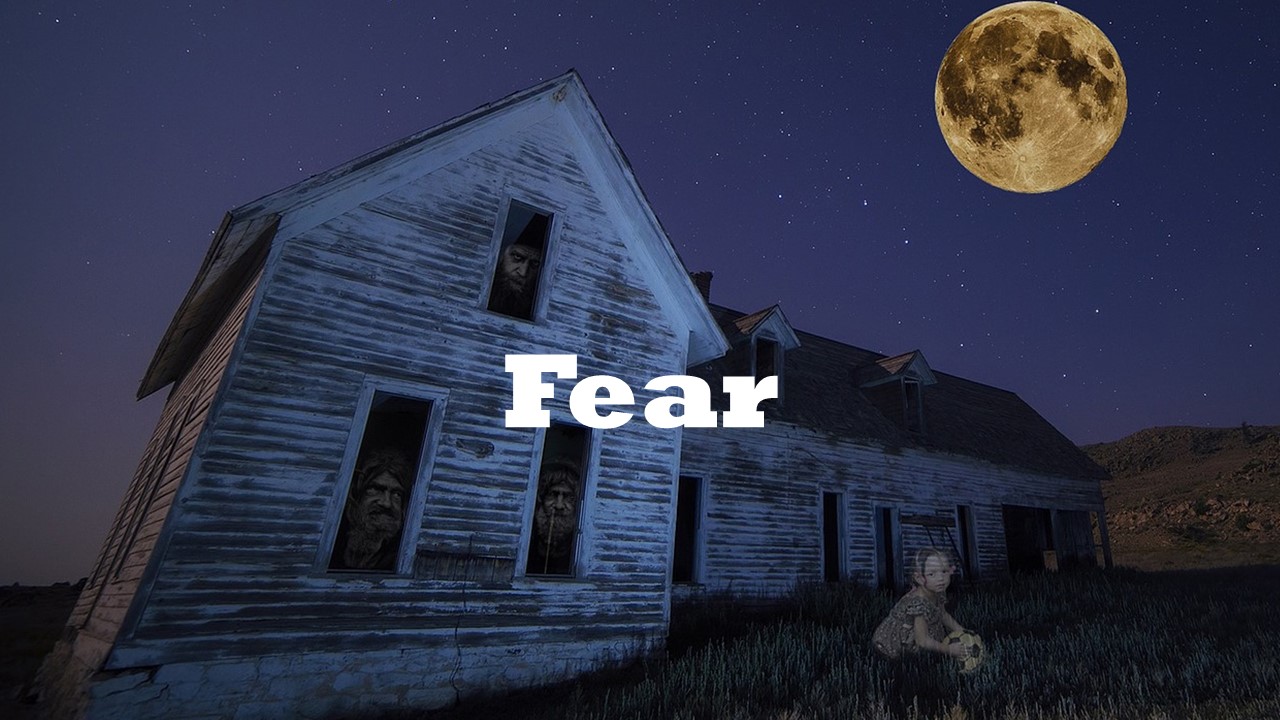
Conquer Your Fears and Anxieties

By David Joel Miller, MS, Licensed Therapist & Licensed Counselor.

Fear.

Fear.
Photo courtesy of Pixabay.com

How do you get past those fear and anxiety feelings?

Fear likes you to think it is a roaring lion.

We all have our fears, but some people let fear stop them while others do things in spite of those fears. Here are some tips to help you manage your fears and anxieties. These are techniques you might use to go about shrinking those anxieties down to kitten size roars.

1. Take a close look at the fear – what are you really afraid of?

Many fears are vague fuzzy creatures. You feel if you do something or don’t do something else, then for sure, something bad will happen. Take another look. What are you really afraid of? If you can’t identify specific, high probability bad possibilities, the chances are that what you are really afraid of is change and the unknown.

What is the worst that could happen? What is the best that might happen? Is it worth the risk?

Take another look at that fear and you may find that it is nothing you really need to let stand in your way.

2. Make an inventory of your fears and anxieties.

If you find that you have lots of fears and anxieties you need to start by learning to identify them. Write them all down by name. What are you afraid of? Give them ratings. How much do you fear each item you have listed? Arrange them in order and start by challenging the least terrifying fear. As you work your way up the list you may find that you were fearing things that are not scary once you bring that fear out of its dark hiding place into the light.

3. Is anxiety telling you the truth?

Challenge each fear. Is it telling you the truth? Just because something seems scary does not mean it is really dangerous. Gather evidence about the real risks of this thing that scares you. Do your friends and other supporters have this same fear? How do they cope despite those fears?

Fear tries to manipulate you by telling you lies. Cross-examine that fear and present it the evidence you have gathered on why this thing is not the awful calamity it pretends to be.

4. Keep your eye on the goal of being fear-free.

When you have your mind set on getting something you will find that fear will get out of your way. Want to help or protect your child from danger, then you will have less difficulty with your anxiety.

How much do you want or need that job? Keep reminding yourself of your goal and the importance of getting where you need to go. Keeping your eye on the prize keeps you moving forward regardless of the fear.

5. Keep stretching your comfort zone.

Our anxieties are at their worst when you get too far outside your comfort zone. Think of the things that you have done in the past that you did not feel comfortable doing, but because of a friend’s encouragement or a real desire you did it anyway.

Having stepped a little outside your comfort zone and realizing things went well can stretch your confront zone.

Keep stretching out that comfort zone a little at a time and see how brave you will become.

6. Do not let fear steal your life.

Fear is a thief. Anxiety is a bully. They want to take your life away from you. Keep control of your life and let your fears and anxieties know that you are in charge. You can choose to do or not do something, but no fear or pint-size anxiety will keep you from having the life you want and deserve.

7. Use positive self-talk.

Keep telling yourself that you can. Remind yourself of what you want and why. Words matter. We humans think in words and what we think tends to come true. Tell yourself you can’t and you create the failure. Tell yourself that you will give it your best effort and see what happens.

Occasionally you will give it the best shot you have and something will still turn out badly. Do not take this as a confirmation of your fears. Believe that no one hits 100% but that if you keep on going despite those fears there is no limit to how far you will go.

What have you done recently to give your fears and anxieties the boot? Leave a comment and let the rest of us know what works to keep the anxiety beast at bay.

Staying connected with David Joel Miller

Seven David Joel Miller Books are available now!

My newest book is now available. It was my opportunity to try on a new genre. I’ve been working on this book for several years, but now seem like the right time to publish it.

Story Bureau.

Story Bureau is a thrilling Dystopian Post-Apocalyptic adventure in the Surviving the Apocalypse series.

Baldwin struggles to survive life in a post-apocalyptic world where the government controls everything.

As society collapses and his family gets plunged into poverty, Baldwin takes a job in the capital city, working for a government agency called the Story Bureau. He discovers the Story Bureau is not a benign news outlet but a sinister government plot to manipulate society.

Bumps on the Road of Life. Whether you struggle with anxiety, depression, low motivation, or addiction, you can recover. Bumps on the Road of Life is the story of how people get off track and how to get your life out of the ditch.

Dark Family Secrets: Doris wants to get her life back, but small-town prejudice could shatter her dreams.

Casino Robbery Arthur Mitchell escapes the trauma of watching his girlfriend die. But the killers know he’s a witness and want him dead.

Planned Accidents  The second Arthur Mitchell and Plutus mystery.

Letters from the Dead: The third in the Arthur Mitchell mystery series.

What would you do if you found a letter to a detective describing a crime and you knew the writer and detective were dead, and you could be next?

Sasquatch. Three things about us, you should know. One, we have seen the past. Two, we’re trapped there. Three, I don’t know if we’ll ever get back to our own time.

For these and my upcoming books; please visit my Author Page – David Joel Miller

Want the latest blog posts as they publish? Subscribe to this blog.

For videos, see: Counselorssoapbox YouTube Video Channel

Effects of Alcohol last long after you sober up

By David Joel Miller, MS, Licensed Therapist & Licensed Counselor.

Alcoholic beverages.
Photo courtesy of Pixabay.com

Alcohol continues to affect you after it has left your bloodstream.

Researchers are finding that the effects of alcohol are not limited to what we see or experience while the alcohol is present in the bloodstream. Those effects continue long after the liver has removed the alcohol from the bloodstream. Here are some of the things researchers are reporting about the effects alcohol leaves behind after it has done its work.

One of these lingering effects increases the risk that alcoholics or those with an alcohol use disorder will drink again.

1. Hangovers impair your driving skills.

One study measured attention, coordination, and vigilance in college students the night after they had consumed enough alcohol to become legally intoxicated. Students were tested one day and then again the next. Some students were instructed to not drink alcohol overnight, others were allowed to drink to intoxication. The following week the groups switched. This allowed a comparison of how students did on the various tests after a night of drinking or no drinking.

This study was done in the college dorm to avoid increasing the number of drunk people out on the roads. I did not do this research, just reporting what I read.

The results?

Students who had drunk to intoxication, that would be enough alcohol to reach a point one zero blood alcohol content (.10), were just as impaired the next morning when their blood alcohol content had returned to zero as they had been the night before.

You are just as impaired with a hangover as when you are legally drunk!

Actually, many of the subjects in this experiment were in worse shape with a hangover than when they were legally drunk. Memory, attention, motor coordination even the ability to plan were all significantly affected.

2. Alcohol causes the blood-brain barrier to “leak.”

The purpose of the blood-brain barrier is to keep things out of the head that does not belong there. It also has to let things in that the brain needs. This functioning as the brain’s border patrol is hard work for that blood-brain barrier. When that Blood-Brain Barrier is under attack, under the influence of alcohol, it has trouble doing its job.

One thing that gets kept out of the brain when you have alcohol in your system is glucose. Your brain may only be 2% of your body but it uses 20% of the energy, so a shortage of fuel develops quickly while all those alien Alcohol molecules are storming the brain’s border.

This is why so many hangover remedies include sweet ingredients. Without energy, the brain can’t work efficiently.

3. Impaired coordination lasts a long time.

At some point, and that precise level is still debatable, high levels of alcohol in the bloodstream alter or damage the part of the brain that controls coordination. Evidence of this comes from several sources.

Chronic alcoholics exhibit unsteady gates even when they have undergone detox and their blood alcohol levels are at zero.

Children born with fetal alcohol syndrome, the most severe form of damage to a child as a result of the mother’s alcohol consumption, exhibit a particular form of uncoordination. When moving their arms they move them much more rapidly when close to the body than when farther away. There is also a decided jerkiness to their arm movements. All of this points to Alcohol causing impairment in the brain’s ability to regulate motion long after there has been any physical presence of alcohol.

This impairment in coordination lasts into adulthood.

4. Alcohol shrinks the brain’s size and volume.

The prefrontal lobes of the brain shrink about 11% in those who have abused alcohol over some period of time. Other parts of the brain shrink also, resulting in an expansion of those blood-filled spaces called Lateral Ventricles by as much as 42%.

I have not found a source that quantifies this as to how much alcohol over how long a time this takes to happen. What has been established, at least tentatively, is how much of the damage to the brain can be repaired.

The size of the lateral ventricles seems to shrink with sustained abstinence. The ventricles shrink and the surrounding brain tissue expands and or grows back a little but not all the way.  The damage to the prefrontal lobes does not seem to be repaired.

This results in many people in alcohol recovery having impaired executive functions. They need to learn or relearn planning, scheduling, and decision-making skills.

Combine the changes in the brain with the loss of coordination and the result is 33% to 50% of all those with an alcohol use disorder will have cognitive or motor disorders in addition to difficulty controlling their consumption of alcohol.

5. Alcohol lowers inhibitions long after it has exited the body.

Most of us know that alcohol lowers inhibitions and allows people to do and say things that they would not otherwise do. What has been discovered recently is that a pattern of recent heavy drinking increases that disinhibited behavior. The result is that drinking heavily even if only for a while increases the risk of your making poor decisions even during times when you are not drinking.

One researcher observed that this residual loss of control is one more reason that people with alcohol use disorders are at high risk of drinking again even when they are trying to stay sober.  The brain really has rewired itself and the part of the brain that says “do not do that” is off-line for an extended period of time after a recent episode of heavy drinking.

There are other long-term consequences of drinking alcohol but let’s leave that for a future post.

Staying connected with David Joel Miller

Seven David Joel Miller Books are available now!

My newest book is now available. It was my opportunity to try on a new genre. I’ve been working on this book for several years, but now seem like the right time to publish it.

Story Bureau.

Story Bureau is a thrilling Dystopian Post-Apocalyptic adventure in the Surviving the Apocalypse series.

Baldwin struggles to survive life in a post-apocalyptic world where the government controls everything.

As society collapses and his family gets plunged into poverty, Baldwin takes a job in the capital city, working for a government agency called the Story Bureau. He discovers the Story Bureau is not a benign news outlet but a sinister government plot to manipulate society.

Bumps on the Road of Life. Whether you struggle with anxiety, depression, low motivation, or addiction, you can recover. Bumps on the Road of Life is the story of how people get off track and how to get your life out of the ditch.

Dark Family Secrets: Doris wants to get her life back, but small-town prejudice could shatter her dreams.

Casino Robbery Arthur Mitchell escapes the trauma of watching his girlfriend die. But the killers know he’s a witness and want him dead.

Planned Accidents  The second Arthur Mitchell and Plutus mystery.

Letters from the Dead: The third in the Arthur Mitchell mystery series.

What would you do if you found a letter to a detective describing a crime and you knew the writer and detective were dead, and you could be next?

Sasquatch. Three things about us, you should know. One, we have seen the past. Two, we’re trapped there. Three, I don’t know if we’ll ever get back to our own time.

For these and my upcoming books; please visit my Author Page – David Joel Miller

Want the latest blog posts as they publish? Subscribe to this blog.

For videos, see: Counselorssoapbox YouTube Video Channel
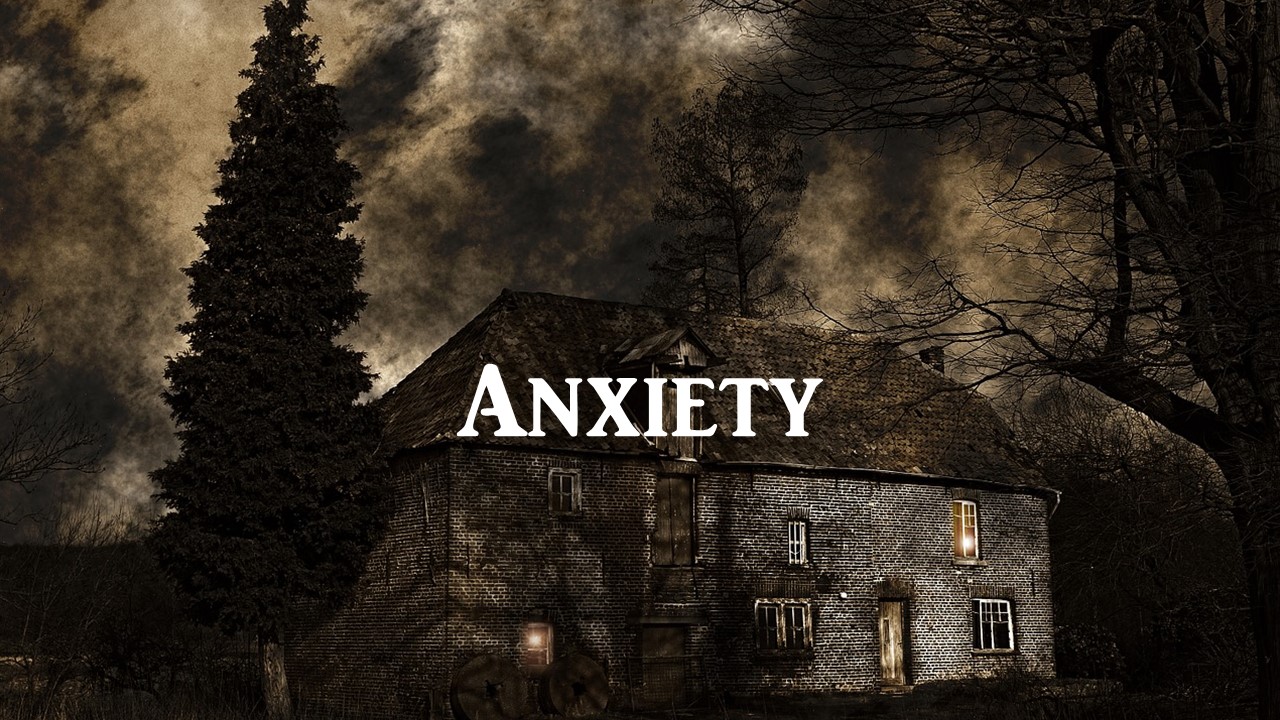
19 Ways to manage your anxiety

By David Joel Miller, MS, Licensed Therapist & Licensed Counselor.

Anxiety provoking.

Anxiety.
Photo courtesy of Pixabay.com

Too much anxiety in your life?

You do not need to let the anxiety monster run your life.

Turn down the volume on that anxiety and take back control of your life.

Anxiety monsters come in all sizes but these tips may help you with the one you are living with. Here are some ways that can help you manage those anxious moments.

1. Make to-do lists.

Trying to remember all the things you need to do will keep your head full of little working memory to keep track of what still needs to be done. The result of all that anxiety in your head is that you will forget something, probably something really important.

Write it all down, prioritize, and start with the most important thing first. Cross things off the list as you get them done. This way you won’t forget to do something and if there is something left on the list at the end of the day it will be a less important thing.

2. Update your calendar.

Like daily list-making, try keeping a longer-term calendar to plan those important must do and must not forget projects. This can help reduce your anxiety over forgetting to do things.

3. Empty your mind – write it down.

Just remembered that you need some milk on the way home? Not sure if you sent the power bill in this month? A coworker mentioned a book and you are thinking you would like to stop on the way home and pick up a copy. Will you really remember all these things at the end of the day?

Writing down these things-to-remember frees more memory space and reduces your fear you will forget to do something important.

4. Be on time for things.

People who get to things on time and are well prepared have less anxiety. Show up late and your anxiety goes up. This is especially true if you are going somewhere for the first time.

Being on time is a skill most of us can learn. For more on being on time see the post about how those punctual people do things titled “How to be on time.”

5. Create routines and rituals.

Having a systematic way you are doing things can help take the stress and worry out of daily life. Clean out a place for something you do often. Have all the parts or ingredients necessary at your fingertips. Having a book bag for school books and a drawer in your desk for your writing things can reduce the last-minute frantic search.

You need rituals and routines, so does your family. See the post – Happy Families have routines and rituals for more on this topic.

6. Interview your anxiety and make it your friend.

Sit down and have a talk with your anxiety. What is it trying to protect you from? Why is it following you around? This may be the result of something that happened in your past that you are resolved to never let happen again. It might, however, be an effort to get total control over the world around you, something you should have left behind in middle school.

7. Sit and hold anxieties hand – learn to be comfortable with anxiety’s presence.

Sometimes anxiety, like fear, is justified. There may be risks involved. Anxiety can help you keep an eye out for unexpected events. Do not let the presence of your anxiety keep you from doing things you might enjoy or that might be beneficial for your life.

It is OK to feel anxious some of the time. Just feel what you are feeling. Say Hi to Mr. Anxiety and then move on.

8. See your doctor.

Some physical conditions can result in an increase in anxiety. Some medications turn up the volume on your anxiety. Worry about your health is a leading cause of needless anxiety.

Work with your doctor on managing your health and on being sure that your medications are not making your anxiety worse.

Finding out if that little pain, you know the one, is a real health challenge or just something common, can reduce your need to worry and feel anxious.

It there is something wrong with your health the sooner you face it the better.

9. Keep your body in good shape – exercise, eat, drink enough water.

A healthy body helps keep your mind running well. A poor diet makes it harder for you to cope with life.

Having energy and feeling healthy can reassure your anxiety that you are back in control and it does not need to protect you anymore. Low blood sugar from not eating right can increase your symptoms of anxiety. Dehydration can put you on edge.

Lack of exercise keeps your body in protection mode. It can’t cope if it never gets to do anything.

10. Prioritize dealing with those high risks issues.

High risk and high priority worries control you until you take control of them. The sooner you take action on these important issues the less time you have to spend worrying about the outcome. Rarely does putting off an important action make it come out better.

11. Discover what relaxes you.

Pay special attention to those times in your life when you feel genuinely relaxed. Where are you? Who are you with? What are you doing when you are at peace? Recreate those moments whenever possible throughout your day. Pay attention to those gifts of calmness. What you notice hangs around longer.

12. Reexamine your habits – caffeine, drugs, alcohol.

Excessive use of stimulants is a real problem for anyone who has an anxiety disorder. Cut out the caffeine and other stimulants. Avoid street drugs. Using drugs and alcohol to cope with your anxiety only makes the situation worse. They work for a while, but when they wear off the anxiety returns worse than ever.

Smoking damages your health, short-term, and long-term. Do not tell yourself that you will quit when you get the anxiety under control. Quitting smoking and those other habits will help turn down the volume on the anxiety.

13. Get more sleep.

Being chronically sleep-deprived makes you irritable and overwhelmed. Being well-rested gives you the confidence to tackle more of life’s challenges. Most of us do not get enough sleep and the sleep we do get is low quality. Work on the things that promote good sleep hygiene.

14. Deal with those nightmares.

Nightmares play a role in maintaining mental health issues. In a previous post “Getting rid of Nightmares that maintain Depression and PTSD,” I wrote about the role of nightmares in depression and PTSD, Nightmares can both reflect and magnify anxiety. The treatment for nightmares is very similar regardless of what your issue is.

15. Systematic Desensitization.

This is a specific treatment that has been shown to be effective in reducing the effects of fears in creating and maintaining anxiety. A similar treatment “Exposure and response prevention therapy” has been effective in treating Obsessive-Compulsive Disorder (OCD.) Generally, these treatments are done with a professional but there are self-help books based on these principles available.

16. Strengthen your support system.

Having a strong support system makes you less at risk to be overwhelmed by anxiety or any other disorder for that matter. There are several posts on counselorssoapbox.com about developing a good support system. The post – 11 rules for Making Friends & Creating a Support System is a good place to start.

17. Pray and meditate to clear out the worries.

Religious and spiritual practices can be helpful in managing your worries regardless of your particular faith. I try not to take sides in the debates on this subject. I am neither a religious expert nor a theologian. What I do know is that consistently clients have told me that religious and spiritual practices are helpful in managing their issues, whatever they chose to call those issues.

People who believe in something have better mental health, as a rule than those who believe in nothing.

19. Get professional help.

See the post – Anxiety – fears and phobias can be treated There are a number of treatments for excess anxiety, some better than others but seeing a professional counselor or therapist can be very helpful in managing your anxiety. Medication can be helpful for short-term or temporary control of anxiety also.

There were some of my suggestions for managing and reducing your anxiety. Have you found others that have been helpful to you?

Staying connected with David Joel Miller

Seven David Joel Miller Books are available now!

My newest book is now available. It was my opportunity to try on a new genre. I’ve been working on this book for several years, but now seem like the right time to publish it.

Story Bureau.

Story Bureau is a thrilling Dystopian Post-Apocalyptic adventure in the Surviving the Apocalypse series.

Baldwin struggles to survive life in a post-apocalyptic world where the government controls everything.

As society collapses and his family gets plunged into poverty, Baldwin takes a job in the capital city, working for a government agency called the Story Bureau. He discovers the Story Bureau is not a benign news outlet but a sinister government plot to manipulate society.

Bumps on the Road of Life. Whether you struggle with anxiety, depression, low motivation, or addiction, you can recover. Bumps on the Road of Life is the story of how people get off track and how to get your life out of the ditch.

Dark Family Secrets: Doris wants to get her life back, but small-town prejudice could shatter her dreams.

Casino Robbery Arthur Mitchell escapes the trauma of watching his girlfriend die. But the killers know he’s a witness and want him dead.

Planned Accidents  The second Arthur Mitchell and Plutus mystery.

Letters from the Dead: The third in the Arthur Mitchell mystery series.

What would you do if you found a letter to a detective describing a crime and you knew the writer and detective were dead, and you could be next?

Sasquatch. Three things about us, you should know. One, we have seen the past. Two, we’re trapped there. Three, I don’t know if we’ll ever get back to our own time.

For these and my upcoming books; please visit my Author Page – David Joel Miller

Want the latest blog posts as they publish? Subscribe to this blog.

For videos, see: Counselorssoapbox YouTube Video Channel

Why you get drunk and they don’t

By David Joel Miller, MS, Licensed Therapist & Licensed Counselor.

Inebriated people.

Alcoholism.
Photo courtesy of Pixabay.

Some people get higher blood alcohol concentrations (BAC) than others.

If a group of people all drink the same number of drinks, even if they are all drinking exactly the same amount of alcohol in those drinks, one person will end up with a higher blood alcohol content than others.

This unequal blood alcohol level is not about tolerance

We are not talking about the subjective feeling of being more or less drunk here. Some people feel it more than others. Some people have practiced drinking so much they have built up tolerance. They don’t look or act drunk even at high blood alcohol concentrations. But if we test them on a machine, that person with the high tolerance, the one that thinks they can hold their liquor, they will be just as uncoordinated and incoherent as anyone else.

The number of drinks is not the only thing that affects how high your blood alcohol content goes.

Here are some of the factors that affect how drunk you actually get as measured by blood alcohol content.

1. More drinks equals a higher BAC.

The more alcohol you consume the drunker you get. But not everyone gets to the same number. Drink an extra drink or a stronger one and you get more alcohol in your bloodstream.

2. Bodyweight influences blood alcohol.

Alcohol mixes very rapidly in water. Most of the body is water. The bigger you are the more that one drink gets diluted and the lower your blood alcohol level will be. A 200-pound person can drink more alcohol than a 100-pound person before they reach that legally drunk point. That big person cannot drink twice as much, by the way, but they can consume slightly more.

3. Gender influences how much you can drink.

Men’s stomach produces more of the enzyme that breaks down alcohol. One book reported that men’s stomachs neutralize 10% of the alcohol before it ever leaves the stomach. This means that women get a higher blood alcohol level than a man even if they are the same weight. Guys have known about this for years but ladies now you know.

4. Older people get higher blood alcohol levels.

As we get older our livers slow down even if it is low mileage and you rarely abused it. One drink per day may be OK for a thirty-something but past age seventy 4 drinks a week will be too much.

4. A damaged liver can’t metabolize alcohol like it used to.

Excessive alcohol consumption is one way to damage a liver, there are others. Viral infections, over the counter and prescribed medications when used in excess can also damage that liver. Add alcohol, a non-prescription pain reliever used in excess, and a viral infection and your liver may go on strike.

5. Just because you stop drinking does not lower your blood alcohol.

This is a common mistake. You feel a bit woozy. You stop drinking alcohol and start drinking coffee. Now feeling fully awake you feel safe to drive. You have not had a drink for an hour or more, it should be safe to drive right?

Most alcohol is absorbed in the small intestine. You stop drinking but the alcohol keeps moving from the stomach to the intestines to the bloodstream. The result? For the next 30 to 90 minutes your blood alcohol content will continue to go up.

An hour and a half after you stopped drinking your blood alcohol content is higher than when you stopped.

This does not mean you should knock down that last one and then drive home as fast as possible before it hits you. What it should tell you is that a whole lot of physical features will conspire to take your blood alcohol level above where you think it is.

One other Alcohol factor can get you.

Drinking energy drinks, strong coffee, and a little eye-opener. People do stimulants, legal and illegal kinds. And then they feel that they are alert enough to drive. Just like the person who has developed tolerance you may feel OK but given a test of reaction time or judgment you will probably fail. Missing a point in a video game is no big deal. Feeling OK and then driving and hurting yourself or others, that is a really big deal.

So there are some reasons why you may be drunker than you think you are and why one person can drink more than you and dot get drunk but you may need to drink less or not at all to avoid the consequences of high blood alcohol contents.

Staying connected with David Joel Miller

Seven David Joel Miller Books are available now!

My newest book is now available. It was my opportunity to try on a new genre. I’ve been working on this book for several years, but now seem like the right time to publish it.

Story Bureau.

Story Bureau is a thrilling Dystopian Post-Apocalyptic adventure in the Surviving the Apocalypse series.

Baldwin struggles to survive life in a post-apocalyptic world where the government controls everything.

As society collapses and his family gets plunged into poverty, Baldwin takes a job in the capital city, working for a government agency called the Story Bureau. He discovers the Story Bureau is not a benign news outlet but a sinister government plot to manipulate society.

Bumps on the Road of Life. Whether you struggle with anxiety, depression, low motivation, or addiction, you can recover. Bumps on the Road of Life is the story of how people get off track and how to get your life out of the ditch.

Dark Family Secrets: Doris wants to get her life back, but small-town prejudice could shatter her dreams.

Casino Robbery Arthur Mitchell escapes the trauma of watching his girlfriend die. But the killers know he’s a witness and want him dead.

Planned Accidents  The second Arthur Mitchell and Plutus mystery.

Letters from the Dead: The third in the Arthur Mitchell mystery series.

What would you do if you found a letter to a detective describing a crime and you knew the writer and detective were dead, and you could be next?

Sasquatch. Three things about us, you should know. One, we have seen the past. Two, we’re trapped there. Three, I don’t know if we’ll ever get back to our own time.

For these and my upcoming books; please visit my Author Page – David Joel Miller

Want the latest blog posts as they publish? Subscribe to this blog.

For videos, see: Counselorssoapbox YouTube Video Channel

Binging on food – Binge Eating

By David Joel Miller, MS, Licensed Therapist & Licensed Counselor.

Food.
Photo courtesy of Pixabay.com

Out of control eating is officially a mental illness.

With the advent of the DSM-5, Binge Eating Disorder (307.51 F50.8), is officially a recognized mental illness. Reading through the description of this newly recognized disorder it occurs to me that this is not what most non-professionals have been thinking of when they talk about people who overeat. What follows is my oversimplified explanation of how I understand this and how it might affect clients I see. For the full official description, you would need to read the APA’s DSM-5 text.

Why does Binge Eating Disorder matter?

Given the APA’s estimates, the number of people in the U. S. who currently have or meet the criteria for Binge Eating Disorder would run from 2 ½ to 5 MILLION people. A look at the criteria also indicates this is a lot more serious condition than we might first think. A lot of the criteria remind me of the features we see in alcoholism. This is more than just liking to eat. Binge Eating Disorder goes all the way to losing control.

First, some things that do not appear to be included in the definition of Binge Eating Disorder and then the things that might define the disorder.

What Binge Eating Disorder is not:

Binge Eating disorder is not being overweight or obese.

We think that excess weight is a medical problem. There are a lot of reasons someone could be overweight or even obese that have nothing to do with binge eating. Mental Health and obesity have a lot of connections but Binge Eating Disorder is not the only one. (More on how mental illness may be making you overweight in an upcoming post.)

Binge Eating Disorder is not Holiday Eating.

That Thanksgiving dinner is a good reason to gorge yourself. It is almost Un-American to eat lightly on that holiday. Lots of families have other traditional family or holiday celebrations and the food is a major part of that celebration. We do not count social eating events as Binge Eating Disorder even if after the holidays you find you have packed on some pounds.

Snacking all day is not Binge Eating Disorder.

Some people have told me that eating small amounts of food at many small meals a day is healthier than a few huge ones. I am also told that eating lots of food is healthy if you can do it all day long. (I am skeptical of that argument.) There was a time when low weight people died every winter and a fat baby was considered a healthy baby. Modern healthcare has severed that connection, but I know new parents often worry if their child is not gaining weight as rapidly as they expected.

Eating because you are chronically hungry is about poverty, famine, or bad nutrition.

If someone is low in body weight and eats a lot that is probably not Binge Eating Disorder. If they are staying low body weight because they do other “compensating” behaviors that is a different kind of eating disorder most likely Bulimia Nervosa.

Eating frequently because you are growing, expending energy, or just plain hungry is not Binge Eating Disorder. Binging is sneakier than that.

What factors do make it Binge Eating Disorder?

 The Binge eater feels bad when they do it.

People with Binge-eating Disorder may eat alone so others do not see how much they eat. This behavior reminds me of the alcoholic sneaking drinks. The Binge Eater does not want others to see them binging. They may eat in solitary, hide the evidence, and feel guilty or ashamed of what they do.

Eventually, that shame and or guilt become a separate problem that needs treatment and may be the thing that keeps the binging behavior going even if they want to stop.

Binge eaters lose control of their eating.

This loss of control takes many forms. The binge eater eats fast, very fast. They eat more than they want. They can’t stop eating even when they are overfull. They may keep on eating to the point of feeling sick to their stomach.

One of the defining features of this disorder is the tendency to eat huge amounts of food in a short period of time. A binge eater will eat enough food for two or three people and do it in 2 hours of mealtime or less.

Binge Eaters do these behaviors a lot.

This is not something that the binge eater does occasionally. To get this new diagnosis a person would need to binge at least 13 times over a three-month period.

The Binge Eating Disorder diagnosis allows for a range of severity.

The minimum is 13 times in three months. Extreme Binge Eating Disorder is binging two times a day all 7 days a week. To meet the 3-month rule and have extreme Binge Eating Disorder would require over 180 episodes of binging with no compensating efforts to lose the calories.

Emotional Eating does not automatically count as a Binge.

Most counselors have heard clients describe times they “emotionally eat.” You have a fight with your partner and there go the whole two gallons of ice cream. Those uses of food to make yourself feel better are more likely a part of depression, anxiety, or that often overlooked but sometimes fatal Adjustment Disorder.

The Binge Eating conclusion?

If you are overweight or obese see your doctor and work on your physical health. If you occasionally use food as a drug to treat your emotional problems work on those problems. But if you find that you or someone you know is repeatedly binging on food, feels shame and guilt about this behavior, or has lost control of how much they eat, it is time for some professional help.

Staying connected with David Joel Miller

Seven David Joel Miller Books are available now!

My newest book is now available. It was my opportunity to try on a new genre. I’ve been working on this book for several years, but now seem like the right time to publish it.

Story Bureau.

Story Bureau is a thrilling Dystopian Post-Apocalyptic adventure in the Surviving the Apocalypse series.

Baldwin struggles to survive life in a post-apocalyptic world where the government controls everything.

As society collapses and his family gets plunged into poverty, Baldwin takes a job in the capital city, working for a government agency called the Story Bureau. He discovers the Story Bureau is not a benign news outlet but a sinister government plot to manipulate society.

Bumps on the Road of Life. Whether you struggle with anxiety, depression, low motivation, or addiction, you can recover. Bumps on the Road of Life is the story of how people get off track and how to get your life out of the ditch.

Dark Family Secrets: Doris wants to get her life back, but small-town prejudice could shatter her dreams.

Casino Robbery Arthur Mitchell escapes the trauma of watching his girlfriend die. But the killers know he’s a witness and want him dead.

Planned Accidents  The second Arthur Mitchell and Plutus mystery.

Letters from the Dead: The third in the Arthur Mitchell mystery series.

What would you do if you found a letter to a detective describing a crime and you knew the writer and detective were dead, and you could be next?

Sasquatch. Three things about us, you should know. One, we have seen the past. Two, we’re trapped there. Three, I don’t know if we’ll ever get back to our own time.

For these and my upcoming books; please visit my Author Page – David Joel Miller

Want the latest blog posts as they publish? Subscribe to this blog.

For videos, see: Counselorssoapbox YouTube Video Channel

What is binge drinking?

By David Joel Miller, MS, Licensed Therapist & Licensed Counselor.

Drinking

Binge drinking.
Photo courtesy of Pixabay.com

Why binge drinking matters.

Binge drinking is a pattern of drinking that has been linked to a host of physical, mental, and behavioral problems.

In the binge drinking pattern, the drinker consumes a large quantity of alcohol on one drinking occasion. Anyone might experience an occasional episode of heavy drinking but with consistently heavy drinkers or binge drinkers, their typical pattern of consumption is that when they drink the get drunk.

The concept of binge drinking relates more to how high the level of alcohol in the bloodstream goes rather than when or how much the drinker consumed over a unit of time.

So if someone chooses to drink a lot one night why is this of any concern to others? Why should it matter to the drinker if their pattern of drinking is a binge-drinking pattern? First the concerns and then some more precise definitions of what qualifies as binge drinking.

There are two principal concerns with binge drinking.

1. Alcohol damages the drinker’s brain and body.

The higher the blood alcohol content (BAC) the more damage to the body. Alcohol and its primary breakdown product, Acetaldehyde, are highly toxic to the body. In small amounts, the body can cope with this foreign substance. Above a certain point, there is damage to the body. A single episode of binge drinking is likely to leave minimal long-term damage. Repeated binge drinking will leave more long-term damage.

At high enough levels many substances can cause death. For alcohol, that point is a blood alcohol content around .60 (point six zero.)

Have one drink per day and it may be healthy, or non-harmful anyway. Save those drinks up and consume them all on one night and the damage may be permanent.

Blood alcohol level is also related to repeated head trauma (Winquist et al., 2008.) Long-term high levels of alcohol damages brain cells in the prefrontal cortex which may decrease by 10% or more. Binge drinking also causes cells surrounding the lateral vertices to shrink resulting in an expansion of this fluid-filled cavity in your brain by about 42%. Alcohol and especially heavy or binge drinking cause these cells in your brain to shrink resulting in more empty, blood-filled spaces in the brain (Wolerock, 2009.)

High blood alcohol levels also result in memory loss and the creation of false memories, a process called confabulation.

2. Intoxicated people hurt themselves and others.

At high blood alcohol levels, there is an increased risk of harming self and others. Most places set strict limits on the legal level of alcohol in the bloodstream you may have and still drive. Those limits are admittedly imprecise. Two people with the same blood alcohol content may not be equally impaired, but the higher the level goes for any given individual the more impaired they become.

Increasing blood alcohol levels reduce coordination, lower inhibitions, and impair judgment and memory. Intoxicated people, those who have binge drank on this occasion are 55 times more likely to attempt suicide. They are the major source of serious and fatal car accidents. They are more likely to commit crimes and harm others.

There are exceptions, sober people can do bad things, many intoxicated people do not commit crimes, but the higher the blood alcohol content the more the risks.

There is also a severe risk if the person binge drinking is or becomes pregnant. The unborn fetus does not have a developed liver. So mom-to-be needs to have her liver do the alcohol detox for this unborn child. We used to think a drink or two each day was OK. Now we are convinced that any alcohol during pregnancy is a bad idea and binge drinking is especially risky for mom and unborn child.

What is the definition of binge drinking?

Most definitions of Binge drinking are common sense approximations. Using blood alcohol content would be more precise but all that blood drawing is inconvenient.

The definition of binge drinking we use here in the United States is five or more standard drinks for a man, 4 or more for a woman on any particular drinking occasion. This is roughly the amount of alcohol that will make you legally too drunk to drive.

Standard drinks are calculated so that regardless of what you are drinking you can estimate how much alcohol is in your drink.

Despite what many people think, the alcohol in any alcoholic beverage is the same substance, ethanol. So this “I only drink Beer” I can’t have a drinking problem is nonsense. All those other statements about why one beverage is better than others, nothing to do with the alcohol.

When it comes to blood alcohol content, alcohol is alcohol.

In the U. S. a twelve-ounce beer is one standard drink. A four or five-ounce glass of wine is also a standard drink. If you are drinking whiskey, scotch, vodka, etc., then one ounce of a 90 to 100 proof beverage is a standard drink.

No cheating here

People will try to fool themselves. You know that drinking a tall can or 40-ounce beer is not one standard drink. Right? Neither is drinking 151 (a beverage with 75 ½ % alcohol.)

Alcohol content can vary from state to state or country to country. Outside the U. S., tell me the alcohol content of beers is higher. Pouring more of a beverage in a glass does not let you count it as one standard drink either.

The amount of alcohol it takes to make one person’s blood alcohol content reach .08 or .10 may vary. Some tell me it’s not fair that others can drink a lot and not get arrested for driving drunk and they ended up in jail after only a few. Why this happens is a subject for another blog post.

Binge drinking is not a moral thing.

Some people have argued that telling people to not binge drink is making a moral judgment. They should be able to tie one on if they choose. Choosing to binge drink, drink till you get legally drunk (or illegally drunk if you prefer that term) does not necessarily make you a bad person.

If you drive 60 miles per hour in a 25 mile per hour school zone and a child runs out, your braking distance is a lot longer than if you were driving the prescribed 25.  There is more likelihood that you will harm a person’s crossing the street and if you hit them you could mess up the rest of your life also.

Similar case with binge drinking. If you binge drink this can increase the risk that you will damage yourself health-wise or harm others if you drive or are around them. We are just saying there is a warning out on this behavior.

Now if this is your typical pattern of behavior, when you drink you always binge and end up drunk this is a worry. If having developed some problems due to your excessive drinking in the past you continue to binge drink then this is a bigger problem.

If your drinking, binge, or otherwise is interfering with your life, consider changing your drinking pattern. If when you try to control your drinking you find you keep losing control, it is time for some professional help.

This blog is largely devoted to the topics of mental health and substance use disorders. Especially those times when people have both issues, which is called co-occurring disorders. Alcohol is one of the top problems in this area. Stay tuned for more on alcohol’s effect on your body, brain, and your mental health.

Past posts on this topic you may want to look at include:

Dangers of Binge Drinking

Alcohol prevents healing

6 Myths about alcoholism

Blackouts – common or rare?

What is confabulation? Relationship to false memories and Wernicke-Korsakoff’s syndrome 

Staying connected with David Joel Miller

Seven David Joel Miller Books are available now!

My newest book is now available. It was my opportunity to try on a new genre. I’ve been working on this book for several years, but now seem like the right time to publish it.

Story Bureau.

Story Bureau is a thrilling Dystopian Post-Apocalyptic adventure in the Surviving the Apocalypse series.

Baldwin struggles to survive life in a post-apocalyptic world where the government controls everything.

As society collapses and his family gets plunged into poverty, Baldwin takes a job in the capital city, working for a government agency called the Story Bureau. He discovers the Story Bureau is not a benign news outlet but a sinister government plot to manipulate society.

Bumps on the Road of Life. Whether you struggle with anxiety, depression, low motivation, or addiction, you can recover. Bumps on the Road of Life is the story of how people get off track and how to get your life out of the ditch.

Dark Family Secrets: Doris wants to get her life back, but small-town prejudice could shatter her dreams.

Casino Robbery Arthur Mitchell escapes the trauma of watching his girlfriend die. But the killers know he’s a witness and want him dead.

Planned Accidents  The second Arthur Mitchell and Plutus mystery.

Letters from the Dead: The third in the Arthur Mitchell mystery series.

What would you do if you found a letter to a detective describing a crime and you knew the writer and detective were dead, and you could be next?

Sasquatch. Three things about us, you should know. One, we have seen the past. Two, we’re trapped there. Three, I don’t know if we’ll ever get back to our own time.

For these and my upcoming books; please visit my Author Page – David Joel Miller

Want the latest blog posts as they publish? Subscribe to this blog.

For videos, see: Counselorssoapbox YouTube Video Channel
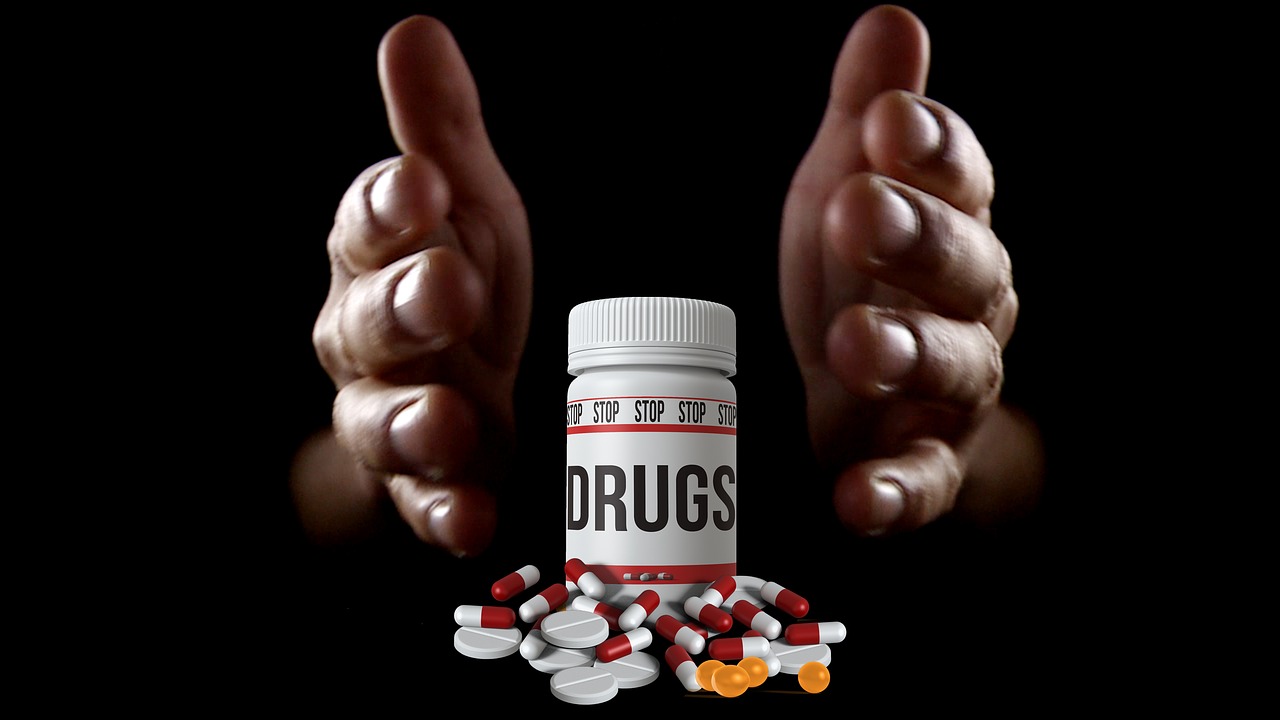
Alcohol, Drugs and Mental Illnesses

By David Joel Miller, MS, Licensed Therapist & Licensed Counselor.

Drugs.

Drugs.
Photo courtesy of Pixabay.

How are alcohol and other drugs connected to mental and emotional problems?

There are clearly a large number of connections between drug and alcohol use and abuse and mental, emotional, and behavioral illness. The recognition of these connections has resulted in a growing emphasis on the relationships between drugs and alcohol and those conditions that we call Mental Illnesses.

This overlap, those times when someone has both a substance use disorder and a mental illness, was called first dual-diagnosis and more recently co-occurring disorders. The overlap is common but not total.

There are people with a mental illness that do not have a substance use disorder. There are also those with a substance use disorder that do not have a mental illness. Over time we have come to see that the overlap is so large that it is more common to see someone with both of these problems than not. The professionals in the field have come to think of co-occurring disorders as an expectation and not an exception.

This understanding that there are reasons for the overlap, or co-occurrence, of these two different disorders has spawned a lot of efforts to find effective treatments for people with multiple disorders. The advances in brain studies have resulted in a lot of research studies on the effects of various drugs and the brain. We now know more than ever before about how drugs and alcohol are affecting people’s thinking, feeling, and behavior.

Alcohol, the drinkable kind, has been around and in use longer than any other drug. We know more about this particular substance and its effect on the brain than probably any other chemical. I recently did a literature search for current scientific articles on the effects of alcohol on the brain and the search returned 28,834 articles. Other searches would, of course, have returned even more.

Given this huge and growing body of research, I thought I should spend some time and some blog posts reviewing some of this new knowledge. While I can’t read every study and surely will only be able to report on a few highlights, I want to tell you about some of the things we know and some of the things I think about the effects of drugs on the brain and on those things we call mental illness.

There are several sources of this new knowledge. These studies, beginning with the ones focused on alcohol come from the following areas.

1. Fetal Alcohol Spectrum Disorders.

Studies of children who have been exposed to Alcohol before birth show changes in the body, brain, learning, and behavior of those children. We used to think that only those children who were exposed to large amounts of alcohol developed problems. The more the research progressed the more we have concluded that any amount of alcohol consumed during pregnancy increased the risks to the child.

Just because a woman drank during pregnancy does not automatically mean that any problems her child has are the result of her drinking. Still, the link is so strong that most authorities now believe that there is no safe level of alcohol consumption for a woman who is or may become pregnant.

One result of the large overlap between substance use disorders and other mental illnesses is that a lot of people with a diagnosed disorder are at extra risk for risky sexual behavior and unplanned pregnancy. Parents with a disorder or two are more likely than others to produce an unplanned child.

2. Binge drinking.

The amount of damage drinking does to the body is correlated with the blood alcohol level. As a society, we have been looking at how much alcohol in the bloodstream is a safe level for someone to have and still drive.

Studies of the effects of various levels of alcohol on brain function have taught us a lot about the way in which increasing the level affects the person.

It looks certain that the higher the blood alcohol content the more the damage to the body and the brain. One drink a day all month may be theoretically safe but 30 drinks on one day is a very hazardous way to drink.

3. Alcohol affects the structure and functioning of the brain.

We have known for a long time that chronic alcoholics have a reduced brain volume. We are now seeing studies of the effects of alcohol on brain regions and on the production of neurotransmitters. One treatment for depression is to increase the levels of serotonin in the brain. This is done by slowing the natural breakdown of serotonin which is one way many antidepressants work.

We know that alcohol is altering these neurochemicals and so may be increasing the risk of developing a mental illness, may make one worse, or may mimic a disorder.

4. Chronic Alcoholics.

Studies of chronic alcoholics, how their brain works, and the changes that the brain undergoes have added to our understandings of what the alcohol may be doing to the other parts of the body and brain. Because alcohol totally mixes with water, and blood contains a lot of water, no part of the body avoids being damaged by drinking.

5. Developmental studies.

Studies of teens have suggested ways in which alcohol consumption may be affecting the development of the brain. The correlations between the amount that a teen drinks and the results of the rest of their lives, while not a proof of cause and effect, makes us think there are more connections than we previously realized.

We know that “F” students typically drink at least twice as much per week as the “A” students.

We also know that heavy drinkers take longer to heal from injuries than nondrinkers.

6. Brain scans and mice studies on the effects of alcohol.

Brain scans typically capture only a moment in time. Mice studies are not proof that what we see in mice is what is happening in humans. But when the two agree it lends credence to the concept that alcohol is fundamentally altering the way in which brains and the nervous systems function.

7. Learning studies and functional studies.

There have been a lot of studies on how alcohol and other drugs have been affecting people’s memory, behavior, visual and special recognition, learning, and other specific brain functions.

Now that you know where the information is coming from let’s begin in future posts to look at why we think mental illness and substance use disorders so often occur together and then what are some of the specific effects of alcohol and other drugs on the body and the brain.

Staying connected with David Joel Miller

Seven David Joel Miller Books are available now!

My newest book is now available. It was my opportunity to try on a new genre. I’ve been working on this book for several years, but now seem like the right time to publish it.

Story Bureau.

Story Bureau is a thrilling Dystopian Post-Apocalyptic adventure in the Surviving the Apocalypse series.

Baldwin struggles to survive life in a post-apocalyptic world where the government controls everything.

As society collapses and his family gets plunged into poverty, Baldwin takes a job in the capital city, working for a government agency called the Story Bureau. He discovers the Story Bureau is not a benign news outlet but a sinister government plot to manipulate society.

Bumps on the Road of Life. Whether you struggle with anxiety, depression, low motivation, or addiction, you can recover. Bumps on the Road of Life is the story of how people get off track and how to get your life out of the ditch.

Dark Family Secrets: Doris wants to get her life back, but small-town prejudice could shatter her dreams.

Casino Robbery Arthur Mitchell escapes the trauma of watching his girlfriend die. But the killers know he’s a witness and want him dead.

Planned Accidents  The second Arthur Mitchell and Plutus mystery.

Letters from the Dead: The third in the Arthur Mitchell mystery series.

What would you do if you found a letter to a detective describing a crime and you knew the writer and detective were dead, and you could be next?

Sasquatch. Three things about us, you should know. One, we have seen the past. Two, we’re trapped there. Three, I don’t know if we’ll ever get back to our own time.

For these and my upcoming books; please visit my Author Page – David Joel Miller

Want the latest blog posts as they publish? Subscribe to this blog.

For videos, see: Counselorssoapbox YouTube Video Channel