Are you at risk for Postpartum or Peripartum Depression?

By David Joel Miller, MS, Licensed Therapist & Licensed Counselor.

Mother with child

Postpartum depression.
Photo courtesy of pixabay.

7 risk factors for Postpartum Depression.

What factors might put you at risk of Peripartum Depression?

When it comes to mental health, why one person gets a disorder and another person does not, is just not all that clear. A life event, something we call a stressor, could push one person into depression and a similar event could leave another person unscathed. Risk factors do not equal getting the disorder. But if you have these factors in your life then you are at more risk of Peripartum Depression than most.

For those not familiar with the term Peripartum depression, it is like Postpartum Depression only it allows for depression that starts in pregnancy rather than restricting the concept to those who become depressed after the birth of a child.

Here are 7 factors that put you at risk.

1. Past Episodes of Depression.

Women who have had episodes of depression in the past are at increased risk to develop Peripartum Depression. The more times someone has been depressed and the longer those episodes, presumably the higher that risk.

If you have had depression and received treatment, think back to what was helpful to you in reducing or controlling that episode of depression and do more of that. If you did not get help for those past episodes of depression or sadness, now is the time.

2. Stress in your life adds risk.

The more stress the woman is under the more the risk. What is stressful to one woman may not be to another. It is far more complicated than just financial stress.

Look for ways to reduce stress. Learn stress reduction and stress management techniques. Also, work on relaxing and being patient. Give your life the time to develop rather than pushing to have everything be done right now.

3. Poor relationship with your partner.

New couples need some time to adjust to each other. Some couples were never meant to be despite getting together and making that baby. Many other couples get off to a rocky start but with work, they develop a good long-term relationship.

Having a second person to share the duties, joys, and trials of child-rearing can be a beneficial thing for all involved. If there are problems in the relationship the sooner you work through those problems the better.

4. Having little social support increases your risks.

One person, your partner, no matter how supportive that person is, will probably not be enough support for the tasks of creating a family and raising children. Being a parent is hard work. Some people make parenting and relationships look easy but for most of us, it takes work.

Your partner will be going through things also. Sometimes you feel and think things your partner is not up to hearing. Work on strengthening your support system to reduce this risk of Peripartum Depression.

There are posts elsewhere on this blog about support systems and how to develop one. Some of those posts can be found here:

How supportive is your support system?

Can one person be a support system?

How do you develop a support system?

5. Your mother’s depression puts you at risk.

A family history of depression, any depression, increases the risk of you developing Depression. Having a mother had Peripartum or postpartum depression adds to the risk that a woman will have an episode of depression during pregnancy and the first year after the delivery of the child.

As with so many other “risk factors,great-grand-mother” a risk factor does not mean that absolutely positively this woman will be depressed, it just means it is one other thing to think about.

We have also seen research that suggests that the life experiences of your great-grandmother and beyond may be affecting your emotions. See the post – Pick your grandmas wisely – their life affects your feelings. 

6. Being poor – low SES.

Along with all the other burdens that come with being poor, living in bad neighborhoods, or being of low socioeconomic status there is the extra risk of developing postpartum depression.

Absolutely there are poor families that are happy and where there is little or no depression. Having money does not deter depression. But all things being equal having some money, at least enough to get by on sure relieves a lot of the stress of being a new parent.

Couples who are able to delay that first child until they have a job or career path do better. It helps if you have stable housing and something saved up. Many young parents have to rely on family, friends, or government programs to make ends meet.

Not having the money to get by on can strip the joy of a new child right out of your grasp.

7. Having a difficult infant.

There are those babies who from day one just are crankier than others. That child may have an illness or just an irritating disposition. Hard to care for children make their parent’s life more difficult. This is an extra burden on young or inexperienced parents.

These are the most commonly recognized risk factors for Postpartum or Peripartum Depression. I suspect there are other factors that up this risk, especially personal life experience factors. When you have come through difficult times or are still going through them, life’s challenges can be more difficult to manage.

If you or someone you know has a lot of these risk factors, look for ways to manage the stress of going through the pregnancy or being a new parent. Support systems can help so can professionals. And if you are feeling overwhelmed just now consider a help hot-line or reaching out for professional help.

Staying connected with David Joel Miller

Seven David Joel Miller Books are available now!

My newest book is now available. It was my opportunity to try on a new genre. I’ve been working on this book for several years, but now seem like the right time to publish it.

Story Bureau.

Story Bureau is a thrilling Dystopian Post-Apocalyptic adventure in the Surviving the Apocalypse series.

Baldwin struggles to survive life in a post-apocalyptic world where the government controls everything.

As society collapses and his family gets plunged into poverty, Baldwin takes a job in the capital city, working for a government agency called the Story Bureau. He discovers the Story Bureau is not a benign news outlet but a sinister government plot to manipulate society.

Bumps on the Road of Life. Whether you struggle with anxiety, depression, low motivation, or addiction, you can recover. Bumps on the Road of Life is the story of how people get off track and how to get your life out of the ditch.

Dark Family Secrets: Doris wants to get her life back, but small-town prejudice could shatter her dreams.

Casino Robbery Arthur Mitchell escapes the trauma of watching his girlfriend die. But the killers know he’s a witness and want him dead.

Planned Accidents  The second Arthur Mitchell and Plutus mystery.

Letters from the Dead: The third in the Arthur Mitchell mystery series.

What would you do if you found a letter to a detective describing a crime and you knew the writer and detective were dead, and you could be next?

Sasquatch. Three things about us, you should know. One, we have seen the past. Two, we’re trapped there. Three, I don’t know if we’ll ever get back to our own time.

For these and my upcoming books; please visit my Author Page – David Joel Miller

Want the latest blog posts as they publish? Subscribe to this blog.

For videos, see: Counselorssoapbox YouTube Video Channel
.

17 Ways to de-stress

By David Joel Miller, MS, Licensed Therapist & Licensed Counselor.

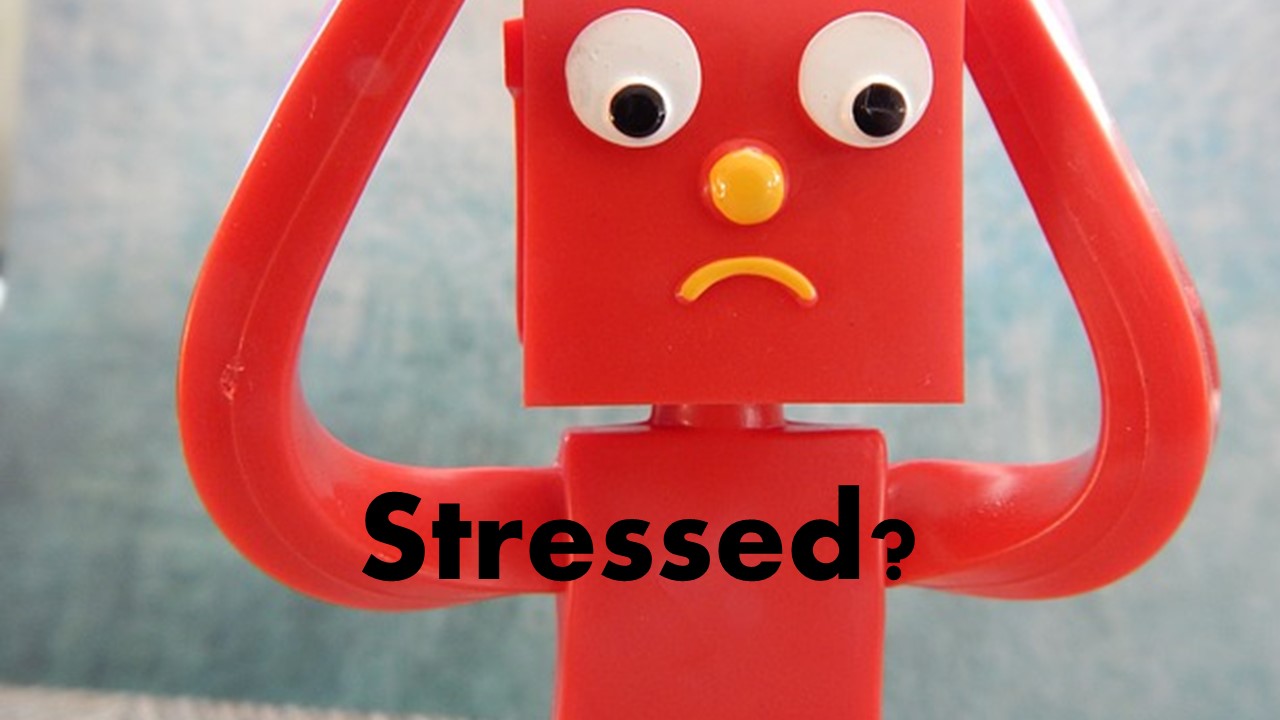
Stressed

Feeling stressed out?
Photo courtesy of Pixabay.com

How do you manage stress?

Stress can overwhelm you at any time or anywhere – Here are some suggested ways to turn down the stress volume.

1. Breath.

Under stress, most of us forget to breathe. The result is fewer shorter breathes and an overwhelming sense of panic that can follow a lack of air in your lungs.

Slow your breathing down. Take deep breaths from the diaphragm. You should feel your stomach moving in and out. Short fast breaths from high up in your chest can increase the feelings of stress.

Breathe slowly and deeply, pause between breaths. Watch your stress move out each time you breathe out and pause before taking in that next deep breath.

2. Make friends with silence.

There is noise everywhere. We have our radios and our televisions, our iPad’s and other electronics all screaming away at once. Add on people talking at you all day long and a few people screaming for whatever reason and you are bound to feel the stress meter rise.

Think back to that last time you felt really relaxed and distressed. Maybe a vacation in the mountains or at the beach. One thing you are likely to remember about that time is how quiet it was.

Those voices in your head can get awfully loud some days. Learn to quiet your mind down and embrace the silence. I keep a set of headphones at my desk to minimize the noise. Soft nature sounds help, sometimes no sound at all helps even more to reduce my stress.

3. Say a positive affirmation.

Affirmations are those little saying you tell yourself that help you to cope. Don’t lie to yourself or the whole affirmation will backfire. Tell yourself that this may be stressful but you can handle it. This too shall pass or whatever other saying works for you to put this current stress in perspective.

4. Make a list of the good things in your life.

If you keep thinking about all the problems your life story gets soaked through with problems. Most of us have lots of positive things going on. Take those little sparkling moments and hold on to them.

Writing out a list of things that are good, things you are grateful for can put the rest of your life in perspective. This list, sometimes called a gratitude list, can be a reference guide when things get tough.

The very act of writing down positive things in your life reinforces those things. Thinking saves the thought briefly in one part of the brain. Writing stores these blessings in a second part of the brain. Sharing them out loud with a friend stores them in a third part of the brain. The more of your brain that is full of happiness the less room there is for stress.

5. Stand more.

Stand and get the body moving. Stretch and relax those tense muscles. Tight muscles can be a result of stress but they can also be the cause of your body thinking that the stress is worse than it really is.

People who stand burn more calories than those who sit. Standing is a quick easy way to relax and reduce the stress of the moment.

6. Walk more.

Walking can be very effective in reducing depression. When the body shares the load the mind can get a rest. A quick walk to the end of the hall, the water cooler, or the bathroom can refocus the mind and move the stress off the front burner.

7. Make prioritized lists.

The human brain has a limit on the number of things you can keep in conscious memory at any one time. The more you try to keep in the front of the mind the less space is available to work on the current task.

Writing down a “to-do list” can free up space in your brain to get this task done. It also reduces the anxiety you may be feeling that you might forget something.

Once the list is down on paper, prioritize those things. Do one big hard thing first and leave the long list of quick things for later when you may only have a few minutes left.

Check those items off your list as you do them and by the end of the day you may find that you are far more productive and less stressed than when you were spending all that time trying to remember all those things you needed to get done today.

8. Feel what you’re feeling.

Feelings are not the enemy. They can convey much-needed information. Feelings like human friends are not always right. Because something scares you does not mean it is dangerous. Listen to the feelings but then make informed decisions on how you will handle those feelings.

See the post Making Friends with Feelings

9. Look at things that make you happy.

If you run from place to place with no time to take in the joys of life you will only accumulate more stress. Slow down sometimes and notice the pleasant things. Take an extra second or two and taste the thing you are eating. Pause to notice those flowers growing outside your office.

Accumulating those brief doses of pleasure can make the rest of the day less stressful.

Ever stop to really look at the pictures your workplace put up in the hall?

10. Carry a worry stone

A worry stone, religious symbol, or other personal object carried in your pocket can absorb a lot of that stress you are holding onto.

11. Make time for family and friends.

When you don’t have friends and family around you, then you are all alone. Seek out positive people for a role in your stress reduction plan.

12. A pet can help you reduce stress.

When no one else listens, when you feel all alone, that pet, a dog or cat, is waiting at the door when you come home. A pet is a great example of unconditional love.

13. Be an indoor explorer – look for new experiences.

Check out a new deli or other places to eat. Visit a new store or library. Keep an eye peeled for things you might try that you have never done. A local adult education or college class may offer all kinds of opportunities for new experiences.

There are lots of resources on the internet these days to allow you to take a class at a far off university or learn about something that interests you.

14. Develop a skill.

Is there a new skill you might develop? Something you always wanted to do but never got around to? Take the time to develop that skill and see where it takes you. Those breaks while you practice that skill reduce stress and challenge you to keep working on your self-improvement.

15. Do self-care.

The more stressed-out people get the less time they take for self-care. Do something nice for yourself. Look for ways to treat yourself well.

16. Practice your spirituality.

If you have a faith, practice it. Religion or spirituality are comforting when times are tough. If you have a belief make sure that your actions are consistent with that belief. Pray, meditate, or engage in other spiritual practices. Those moments of faith can get that stress volume down to a realistic size.

17. Express Yourself.

Write not because you have to but because you chose to. Draw if that interests you. Do this for yourself, not for the approval of others. Dance, pantomime or practice any other expressive skill.

There are my suggestions of 17 ways to reduce stress. Do you have other ways you have found to help you manage your stress?

Staying connected with David Joel Miller

Seven David Joel Miller Books are available now!

My newest book is now available. It was my opportunity to try on a new genre. I’ve been working on this book for several years, but now seem like the right time to publish it.

Story Bureau.

Story Bureau is a thrilling Dystopian Post-Apocalyptic adventure in the Surviving the Apocalypse series.

Baldwin struggles to survive life in a post-apocalyptic world where the government controls everything.

As society collapses and his family gets plunged into poverty, Baldwin takes a job in the capital city, working for a government agency called the Story Bureau. He discovers the Story Bureau is not a benign news outlet but a sinister government plot to manipulate society.

Bumps on the Road of Life. Whether you struggle with anxiety, depression, low motivation, or addiction, you can recover. Bumps on the Road of Life is the story of how people get off track and how to get your life out of the ditch.

Dark Family Secrets: Doris wants to get her life back, but small-town prejudice could shatter her dreams.

Casino Robbery Arthur Mitchell escapes the trauma of watching his girlfriend die. But the killers know he’s a witness and want him dead.

Planned Accidents  The second Arthur Mitchell and Plutus mystery.

Letters from the Dead: The third in the Arthur Mitchell mystery series.

What would you do if you found a letter to a detective describing a crime and you knew the writer and detective were dead, and you could be next?

Sasquatch. Three things about us, you should know. One, we have seen the past. Two, we’re trapped there. Three, I don’t know if we’ll ever get back to our own time.

For these and my upcoming books; please visit my Author Page – David Joel Miller

Want the latest blog posts as they publish? Subscribe to this blog.

For videos, see: Counselorssoapbox YouTube Video Channel

Reduce Stress by saying NO!

By David Joel Miller, MS, Licensed Therapist & Licensed Counselor.

Just say no.
Photo courtesy of Pixabay.com

Ways to say no and cut down on your stress.

There will always be more to do that there will be time to do it. The ability to say no and keep the stress in your life to a minimum is an important component of good mental health. Other people, of course, want you to do the things they want and so they take your yes for a given. Not telling people no can become the same as saying yes. Learning to be more assertive and to tell people no can help you keep your emotional life in balance.

Saying yes too much steals time from the things you really want to do. We would all like to make others happy. Sometimes it feels uncomfortable to say no to others. Every time you say yes or more importantly fail to say no you give up a little bit of you.

You get 168 hours of time each week. Spend them wisely. There will always be competing requests for your time. Your boss wants some, so does your spouse or partner. If you have kids they want all of your time they can get, at least until they become teens.

Your friends and family will also want some of your time. So do these people who call you on the phone or pound on your door wanting to sell you something.

Each time you let them have some time because you do not want to be rude or curt, you risk giving away some of the time you had planned to spend on something else.

When your life is over-full there is no room for new people or new activities.

If you let casual acquaintances take up your time, you spend that precious resource on them. If those people in your life ask you for money, whether you have it or not, remember that most of us have to give up some of our time to get that money. The more they ask of you the less there is for yourself or others.

If you have people in your life that take up your time and do not add value to your life, they are taking the place that could belong to someone else. Until you end a bad relationship there is no time or room in your life for a new one.

You can’t start something new till you end something you are doing now.

Any new activity will take time. Going back to school, starting a hobby, doing some traveling, they all require time.

You will not get any younger

Doing things you do not want to do spends your time. You will run out of that time reserve eventually.

Saying yes comes at a cost.

Saying yes creates an obligation, to yourself and others. The more the obligations the less the resources you have for you and the things that really matter. No not create obligations and then develop resentments because those other people are taking up your time.

Saying no does not make you a bad person.

If you feel that saying no is selfish or makes you a bad person think again. There are lots of good reasons to tell others no. Having good boundaries protects you and it protects others. Your children need to learn the word no and who but you are better qualified to teach them the power of no?

Giving reasons for your no sounds like you want to be talked into it.

If you have decided that the answer to this request should be no, state that answer and leave it at that. Offering reasons why you would like to do something but can’t just open the door for the other person to offer ways you can do what they requested.

Ever tell a salesman you do not have the money for something right now? And did they suggest using a credit card or time payments? See how your no’s may sound more like “talk me into it’s?”

Offer choices if you might want to do something another time or way.

In getting out of things, offering alternative choices can be a close cousin to saying no. The answer may be more like “I can’t do what you are asking but I can do —.” Consider this option if you do have something you would like to do with or for the person making the request but the original request is something you chose to not do.

Give yourself time to think it over.

You do not have to give everyone an answer the moment they ask the question. Many people have one of two default responses. They either say no to everything and regret it or they say yes to everything and regret a lot of those yes’s.

You can answer that you need time to think it over and then make that decision at your leisure.

Talk or write the decision out.

If you find it hard to make a decision and then stick to it consider writing out the request, the possible options, and then what will happen if you say yes, no or yes with some changes and qualifications.

Writing things out can often bring the correct responses into focus. Talking things out with a trusted friend or adviser can help clarify both the right decision and why it may be difficult for you to tell this other person the “No!” you are really feeling.

Do you have difficulty telling people no? How might your life be different if you practiced the “saying no” skill?

Staying connected with David Joel Miller

Seven David Joel Miller Books are available now!

My newest book is now available. It was my opportunity to try on a new genre. I’ve been working on this book for several years, but now seem like the right time to publish it.

Story Bureau.

Story Bureau is a thrilling Dystopian Post-Apocalyptic adventure in the Surviving the Apocalypse series.

Baldwin struggles to survive life in a post-apocalyptic world where the government controls everything.

As society collapses and his family gets plunged into poverty, Baldwin takes a job in the capital city, working for a government agency called the Story Bureau. He discovers the Story Bureau is not a benign news outlet but a sinister government plot to manipulate society.

Bumps on the Road of Life. Whether you struggle with anxiety, depression, low motivation, or addiction, you can recover. Bumps on the Road of Life is the story of how people get off track and how to get your life out of the ditch.

Dark Family Secrets: Doris wants to get her life back, but small-town prejudice could shatter her dreams.

Casino Robbery Arthur Mitchell escapes the trauma of watching his girlfriend die. But the killers know he’s a witness and want him dead.

Planned Accidents  The second Arthur Mitchell and Plutus mystery.

Letters from the Dead: The third in the Arthur Mitchell mystery series.

What would you do if you found a letter to a detective describing a crime and you knew the writer and detective were dead, and you could be next?

Sasquatch. Three things about us, you should know. One, we have seen the past. Two, we’re trapped there. Three, I don’t know if we’ll ever get back to our own time.

For these and my upcoming books; please visit my Author Page – David Joel Miller

Want the latest blog posts as they publish? Subscribe to this blog.

For videos, see: Counselorssoapbox YouTube Video Channel

What is Postpartum or Peripartum Depression?

By David Joel Miller, MS, Licensed Therapist & Licensed Counselor.

Is this postpartum depression or just the baby blues?

Postpartum depression.
Photo courtesy of Pixabay.

The idea that a woman can get sad, blue, even depressed as a result of giving birth has been around for a long time. Professionals have struggled with what this is and how to be helpful and we continue to struggle with those issues.

We knew that depression around the time of delivery causes a lot of suffering for the mother. Sometimes it becomes a problem for the father and other family members. And yes, we now know that having a depressed mother, immediately after birth, or later in childhood, can affect the child, possible for the rest of that child’s life.

There has been a reluctance to keep creating new disorders for each and every cause of depression. One way out of this dilemma has been to keep the same set of symptoms for depression regardless of what has caused the depression.

For depression, there is a list of specifiers for types. Most of those specifiers have to do with the way the symptoms present. Some people eat more and some eat less and so on.

Only two causes have gotten their own specifiers, seasonal pattern as in seasonal affective disorder and Postpartum Depression. Postpartum Depression is now called Peripartum Depression to also include depression that sets in before the birth of the child.

Symptoms of Peripartum Depression.

Symptoms of Peripartum depression are very similar to the symptoms of other forms of depression. Sleep disturbance, if it is over and above that caused by having a newborn who cries when it has needs, is one symptom. Changes in appetite and loss of interest in things that used to make you happy are other common signs this is depression and not just the normal getting used to being a parent.

Feeling hopeless or like a bad mother are serious symptoms of depression. Some women will become much more irritable or anxious than before pregnancy. You may also feel numbed out or disconnected from life and from those around you. Worrying, excessively about the child’s safety can also be a symptom of a mental health issue.

The new DSM (DSM-5) reports the frequency of Peripartum Depression at 3% to 6% of all women. The sheer fact that it gets its own separate specifiers suggests to me that the rate of women with depression during and after the birth of a child is higher than any 6%.

Some studies have followed women for the first year after the birth of the first child and they find significant stress and higher rates of depression over that year time period.

Research studies have reported that rates of “Baby Blues” those brief episodes of sadness that occur during and after pregnancy can run as high as 80% in some populations.

One reason for the discrepancy in the numbers is that we used to talk about mood disorders and treat Depression and Bipolar as part of the same mood disorder family. These two conditions have gotten a divorce and are now living in separate chapters in the new DSM-5. While Postpartum or Peripartum depression may only get 6% the new Peripartum Bipolar Disorder should also have some numbers. So far I have not seen any statistics on the number of women who develop Peripartum Bipolar Disorder but the new DSM-5 clearly allows for this possibility.

Some of these cases in which a woman develops symptoms during and after pregnancy also reach the point of having delusional or psychotic features. In these cases, the mother may believe there is something wrong with the child, that the child is evil or a similar delusion. Women who develop psychosis after the birth of one child have a risk (from 30% to 50%) of having psychotic symptoms during each pregnancy thereafter.

Another reason the rates of Peripartum Depression may be understated is that some women do not develop symptoms quickly enough to get the diagnoses in the first 4 to 6 weeks. After that, the diagnoses will probably be Major Depression and the Peripartum specific will get left off.

Those milder cases of sadness that happen during pregnancy and after delivery, the things that are popularly called baby blues, they most likely will not get a diagnosis at all. For a while there was a study of something called Minor Depression, there was even a set of proposed symptoms for minor depression in the older DSM-4. That has now been dropped.

While some cases of baby blues may not get the official nod of a diagnosis of “with Peripartum onset,” they need treatment. If you have been sad or depressed during pregnancy or afterward, consider getting professional help. Let the professional worry about what the correct diagnosis code should be.

If you have ever thought that your child was cursed or evil, get help fast before you harm that child and yourself.

What causes a woman to be at high risk for Peripartum or Postpartum Depression? There are at least 7 factors that put you at risk for postpartum depression. More on those factors in a coming blog post.

Staying connected with David Joel Miller

Seven David Joel Miller Books are available now!

My newest book is now available. It was my opportunity to try on a new genre. I’ve been working on this book for several years, but now seem like the right time to publish it.

Story Bureau.

Story Bureau is a thrilling Dystopian Post-Apocalyptic adventure in the Surviving the Apocalypse series.

Baldwin struggles to survive life in a post-apocalyptic world where the government controls everything.

As society collapses and his family gets plunged into poverty, Baldwin takes a job in the capital city, working for a government agency called the Story Bureau. He discovers the Story Bureau is not a benign news outlet but a sinister government plot to manipulate society.

Bumps on the Road of Life. Whether you struggle with anxiety, depression, low motivation, or addiction, you can recover. Bumps on the Road of Life is the story of how people get off track and how to get your life out of the ditch.

Dark Family Secrets: Doris wants to get her life back, but small-town prejudice could shatter her dreams.

Casino Robbery Arthur Mitchell escapes the trauma of watching his girlfriend die. But the killers know he’s a witness and want him dead.

Planned Accidents  The second Arthur Mitchell and Plutus mystery.

Letters from the Dead: The third in the Arthur Mitchell mystery series.

What would you do if you found a letter to a detective describing a crime and you knew the writer and detective were dead, and you could be next?

Sasquatch. Three things about us, you should know. One, we have seen the past. Two, we’re trapped there. Three, I don’t know if we’ll ever get back to our own time.

For these and my upcoming books; please visit my Author Page – David Joel Miller

Want the latest blog posts as they publish? Subscribe to this blog.

For videos, see: Counselorssoapbox YouTube Video Channel

Recovery is where you’re going – not where you’ve been

By David Joel Miller, MS, Licensed Therapist & Licensed Counselor.

Road to a happy life.
Photo courtesy of Pixabay.com

If things are bad keep moving.

Recovery is about the future and the process of getting where you want to be.

When things are at their worse don’t look down, don’t look back, keep looking forward.

If right now things in your life look bad and you are tempted to give up, keep reminding yourself that your future is more important than your past. No matter how bad things may look from where you’re standing recovery is possible.

Whatever your issue, an emotional problem, an addiction, or a severe mental illness, you should know that lots of others have had that problem or similar ones, and they have moved from being in the problem to being in the solution.

When things are bad it is easy to look down and see where you are and feel stuck in this terrible situation. You may be telling yourself that things “can’t” get better or that they will “always” be this way for you. You may feel that you are somehow different or that your issues are unique and that others are not having to struggle with the things you have to cope with.

The reality of this situation is that lots of people struggle with issues every day. Some stay stuck in the problem and some keep moving and eventually things change. The way of things is to change. People, on the other hand, they have to work at changing themselves.

We all have pasts. Some people’s pasts are a whole lot worse than others. Your past may have determined who you are today. It made you the person you are. It does not have to determine the person you become.

Whether you are 16 or 86, you can spend the rest of your life looking back over your shoulder at your past and wishing it had been different. But looking over that shoulder and saying, because a particular thing happened to you, nothing better can ever be, that keeps you stuck in the pain.

Embrace the future. Believe that change is possible. Change starts with changing you. Do new things if you want a new result. Keep your eyes focused down the road on where you want to go and see where the path of life might take you.

Without a dream, a vision of the future life can be a nightmare.

If you feel stuck look for some help. Here are some suggestions for getting that help.

Develop a support system

Getting help

Professional help.

12 step or other self-help groups.

Just because you have been in a bad place in the past does not mean your future is set in stone. There are no guarantees but people who keep moving towards recovery get a lot farther than those who give up and stay stuck in the past.

When you are living in the past you have no future. Where would you like your road of recovery to take you?

Staying connected with David Joel Miller

Seven David Joel Miller Books are available now!

My newest book is now available. It was my opportunity to try on a new genre. I’ve been working on this book for several years, but now seem like the right time to publish it.

Story Bureau.

Story Bureau is a thrilling Dystopian Post-Apocalyptic adventure in the Surviving the Apocalypse series.

Baldwin struggles to survive life in a post-apocalyptic world where the government controls everything.

As society collapses and his family gets plunged into poverty, Baldwin takes a job in the capital city, working for a government agency called the Story Bureau. He discovers the Story Bureau is not a benign news outlet but a sinister government plot to manipulate society.

Bumps on the Road of Life. Whether you struggle with anxiety, depression, low motivation, or addiction, you can recover. Bumps on the Road of Life is the story of how people get off track and how to get your life out of the ditch.

Dark Family Secrets: Doris wants to get her life back, but small-town prejudice could shatter her dreams.

Casino Robbery Arthur Mitchell escapes the trauma of watching his girlfriend die. But the killers know he’s a witness and want him dead.

Planned Accidents  The second Arthur Mitchell and Plutus mystery.

Letters from the Dead: The third in the Arthur Mitchell mystery series.

What would you do if you found a letter to a detective describing a crime and you knew the writer and detective were dead, and you could be next?

Sasquatch. Three things about us, you should know. One, we have seen the past. Two, we’re trapped there. Three, I don’t know if we’ll ever get back to our own time.

For these and my upcoming books; please visit my Author Page – David Joel Miller

Want the latest blog posts as they publish? Subscribe to this blog.

For videos, see: Counselorssoapbox YouTube Video Channel

Adult problems have been with you from childhood

By David Joel Miller, MS, Licensed Therapist & Licensed Counselor.

Crying child

Youth mental health.
Photo courtesy of Pixabay.com

You grew up – your problems didn’t.

Most adult problems are lessons you learned between 8 and 18 that you learned incorrectly or are no longer true.

If you got it wrong back then and are still holding on to those unhelpful beliefs about yourself and others, you are headed for a painful adulthood.

I think of this process as like trying to memorize the blueprints for a house and then, thinking you have them committed to memory, you toss those blueprints away. A year goes by, then more years, and now you start trying to build that house. What happens if you forgot a line or two? What if you build something where it shouldn’t be and leave something else out?

A very large number of adult problems, the kind of serious, painful things that bring people to therapy, are the result of things that you learned in childhood which are no longer true or helpful.

Some of those things are painful experiences that left scars, but a whole lot of other things are beliefs that you stored away in your brain, the result of those life experiences. You have been carrying around those beliefs about how life worked since you were small and you keep trying to make your adult life work using those rules you learned back then.

If you grew up in a negative hostile environment you may find it hard to relax and feel safe even when as an adult you have moved to a very safe location. If you came to believe that an adult’s bad moods were your fault you may be spending all your adult life trying to “make” people feel good.

Teased or Bullied?

If you were teased as a child, you may have come to believe the things others said to you. People called you fat and you have been worried about your weight ever since. You may even have stopped caring for your health because you formed this image of yourself that you were a “fat person.” As a result of this image you, somewhere along the line, stopped trying to live a healthy lifestyle.

Plenty of adults believe that they are “stupid” or incompetent because they were told they were slow so much that they adopted that as part of their persona. You may be used to thinking of yourself as the unpopular one that no one likes, long after the popular crowd from school has disappeared into the pages of old yearbooks.

You may have had problems and found that drugs, alcohol, sex, or gambling helped you feel better about yourself, at least temporarily. As a result of using negative coping tools, you came to believe that you could not do things without those harmful tools. You went from leaning on a crutch to believing you could not walk without that prop.

Part of recovery, from whatever challenge you are struggling with, is to take a fresh look at yourself and decide if all those lessons you learned back when you were small are still true today. Plenty of adult learners have discovered that they were a lot smarter and more capable than they thought.

A very large part of learning is interest. If you like something you can learn it. If you become discouraged and believe that you will never “get” a particular subject you make it so. Having been told you were not “good” at something you may have lost interest and given up before you ever learned how to do that skill.

Making friends, paying attention, and having self-confidence, those are all skills people have to learn. If you concluded you had no aptitude for something or could never do something your belief learned as a child has created that situation.

The good thing about having learned things as a child is – if those beliefs or behaviors are no longer working for you, if your head is full of unhelpful beliefs, you can change those beliefs. What you learned back as a child you can unlearn. Those unhelpful beliefs about yourself can be modified.

Whenever you find yourself having unhealthy thoughts, ask yourself where those thoughts came from? Is this something you are sure about or could you have learned this part of your happy life blueprint incorrectly and by learning a new skill could you change the way things are now in your present?

You might want to take a look at a past post: Why can’t we forget the painful past?

Coming up soon is a post on how to close the door on your past and stop those old experiences from continuing to govern your present and future.

Staying connected with David Joel Miller

Seven David Joel Miller Books are available now!

My newest book is now available. It was my opportunity to try on a new genre. I’ve been working on this book for several years, but now seem like the right time to publish it.

Story Bureau.

Story Bureau is a thrilling Dystopian Post-Apocalyptic adventure in the Surviving the Apocalypse series.

Baldwin struggles to survive life in a post-apocalyptic world where the government controls everything.

As society collapses and his family gets plunged into poverty, Baldwin takes a job in the capital city, working for a government agency called the Story Bureau. He discovers the Story Bureau is not a benign news outlet but a sinister government plot to manipulate society.

Bumps on the Road of Life. Whether you struggle with anxiety, depression, low motivation, or addiction, you can recover. Bumps on the Road of Life is the story of how people get off track and how to get your life out of the ditch.

Dark Family Secrets: Doris wants to get her life back, but small-town prejudice could shatter her dreams.

Casino Robbery Arthur Mitchell escapes the trauma of watching his girlfriend die. But the killers know he’s a witness and want him dead.

Planned Accidents  The second Arthur Mitchell and Plutus mystery.

Letters from the Dead: The third in the Arthur Mitchell mystery series.

What would you do if you found a letter to a detective describing a crime and you knew the writer and detective were dead, and you could be next?

Sasquatch. Three things about us, you should know. One, we have seen the past. Two, we’re trapped there. Three, I don’t know if we’ll ever get back to our own time.

For these and my upcoming books; please visit my Author Page – David Joel Miller

Want the latest blog posts as they publish? Subscribe to this blog.

For videos, see: Counselorssoapbox YouTube Video Channel

Reasons Marriage Counseling will not help you

By David Joel Miller, MS, Licensed Therapist & Licensed Counselor.

End of Marriage

Marriage mistakes.
Photo courtesy of Pixabay.com

Are there reasons to avoid Marriage Counseling?

Marriage counseling can save your marriage. It can also hasten the end to that relationship. I see many couples who have used marriage counseling to strengthen and improve their relationship. There are also those couples, up to half of all couples who attend couples counseling, who end up divorcing soon after the marriage counseling experience.

How can you tell if you are one of those couples that can be helped by marriage counseling or if you are one of those couples who were attending a counseling session might end your relationship?

Here are the reasons some people need to avoid marriage counseling.

1. You want the Marriage Counselor to decide who is right and who is wrong.

Specifically, you want the therapist to tell your partner that they are the one causing the problem.

If you want a right and wrong decision, see a judge for the divorce. Couplehood is a partnership. To be effective the counselor needs to stay neutral and rather than solving problems for you, they need to help you learn ways to resolve these disagreements in a more positive way.

2. You want the counselor to change your partner.

Change is an inside job. Changing a relationship requires the people involved to each work on changing themselves.

3. You have already decided to divorce and you want to prove that you did all you can to save the marriage.

A significant number of clients come to the first therapy session already having decided that they want a divorce. They want to be able to say to their friends and family that they did all they could. The truth is they didn’t want to fix or save this relationship.

If you already have your stuff packed and plan to move on no matter what happens in therapy, going for marriage counseling is just one more trial that you will need to get over to start your new life.

Counseling can be helpful when both parties know that this is coming and they are trying to work out some end of relationship issues, like co-parenting.

Counselors can and do work in the area of divorce counseling. But before you turn your marriage counseling session into negotiating a divorce talk to the lawyer types first.

4. You are making your partner go so you can punish them for their misdeeds.

The couple shows up for counseling often at the insistence of one partner who has demanded that they attend counseling as a condition of staying together. This can work if both parties are committed to changing themselves and things in their relationship.

What will not work is to inflict X sessions of therapy in which one partner beats the other up over the “guilty” person’s transgressions.

If there was an affair you can work on the reasons it happened in the first place or how to rebuild the relationship and trust. What is not helpful is just to use counseling as a way to flog the affair partner for their misdeeds.

An ordeal in the therapy room results in more resentments in the relationship and additional problems in the future.

5. You expect everything to happen in the sessions and are opposed to doing any “homework” outside of sessions.

Relationships need maintenance. Sometimes in sessions, you can get some of the “garbage” out. You can also learn some new ideal relationship skills.

What you are likely to hear in the couples counseling session is that relationships take work. You need to make repair efforts when things go wrong and there is work to do to maintain a relationship.

Expect that your convalescent period for an ailing relationship will include homework and skills practice you need to do outside the counseling session.

A good marriage counselor will make suggestions and may well suggest some homework assignments outside of the session. Do not expect your therapist to do all the work. You need to practice good relationship skills between sessions.

6. There are topics that are off-limits and you are unwilling to talk about.

Couples come to therapy saying they have poor “communication” and they want to learn to communicate better. The next part of this conversation is that there are topics they do not want to talk about.

Some topics probably should be off the table. You like coffee and your partner is a tea drinker. You can share and each try the others beverage or you can fight forever over who is right. Some disagreements have no resolution and it is a waste of time to continue to fight over things for which there is no solution.

The off the table topics that cause relationship counseling to be unproductive are the big issues that stand in the way of having a good relationship.

Additions, drugs, alcohol, shopping, gambling, pornography, those things undermine any relationship. So you come to couples counseling and say you want to communicate better, only he won’t talk about his drinking and she won’t discuss her affair.

Is this situation likely to get better? Not unless the unresolved issues get handled. That resolution could be he stops drinking or tries to anyway. It could also be that she just has to accept she married an alcoholic and accept that if she wants to stay married. Either way, the topic can’t be off the table if they want this relationship to get better.

7. You expect your partner to do all the work and make all the changes.

A relationship involves people, more than one, so any real change in your relationship will involve both of you making changes. If you think that your partner changing will solve all the problems consider that each year we see a great many people who divorce and remarry.

Before long those new relationships are fighting and there may be second, and third divorces.

Pick a partner and you get a set of problems. Learn problem-solving in your relationship, not problem switching.

8. Your relationship is not worth the cost of marriage counseling.

Marriage counseling is often not covered by insurance. If you are mentally ill your medical insurance should cover the treatment. But if you are unhappy do not expect the insurance company to pay for dating services or marriage counseling.

A lot of people who spend a great amount of time complaining about their relationship are unwilling to spend money to work through their conflicts.

Before you say you can’t afford couples counseling, consider that the average couples come in about six times. The cost of six or even twelve sessions with most therapists would not equal the cost of the retainer for the divorce lawyer.

How much is it worth to you to end your relationship? How much might it be worth to transform the relationship you have into the one you would like?

9. You already have a replacement partner lined up.

If you already have a new partner waiting in the wings. Not much rational thinking takes place in the early stages of love. After six to eighteen months the love neurochemicals wear off. At that point, you will discover that this new partner is a lot less perfect than you thought. But while you are in the throes of a new love it is hard to see the good things you are leaving behind.

If you can’t give yourself a year or two to try to work out the problems in the current relationship – well then you will get to do the work later.

Marriage or relationship counseling can be very helpful in transforming a relationship into the one you want. But if you go into relationship counseling with any of the 9 problems listed above you are not likely to get much help from being in couples therapy and the therapy may well leave you with one extra “relationship trauma” to deal with after your relationship ends.

Staying connected with David Joel Miller

Seven David Joel Miller Books are available now!

My newest book is now available. It was my opportunity to try on a new genre. I’ve been working on this book for several years, but now seem like the right time to publish it.

Story Bureau.

Story Bureau is a thrilling Dystopian Post-Apocalyptic adventure in the Surviving the Apocalypse series.

Baldwin struggles to survive life in a post-apocalyptic world where the government controls everything.

As society collapses and his family gets plunged into poverty, Baldwin takes a job in the capital city, working for a government agency called the Story Bureau. He discovers the Story Bureau is not a benign news outlet but a sinister government plot to manipulate society.

Bumps on the Road of Life. Whether you struggle with anxiety, depression, low motivation, or addiction, you can recover. Bumps on the Road of Life is the story of how people get off track and how to get your life out of the ditch.

Dark Family Secrets: Doris wants to get her life back, but small-town prejudice could shatter her dreams.

Casino Robbery Arthur Mitchell escapes the trauma of watching his girlfriend die. But the killers know he’s a witness and want him dead.

Planned Accidents  The second Arthur Mitchell and Plutus mystery.

Letters from the Dead: The third in the Arthur Mitchell mystery series.

What would you do if you found a letter to a detective describing a crime and you knew the writer and detective were dead, and you could be next?

Sasquatch. Three things about us, you should know. One, we have seen the past. Two, we’re trapped there. Three, I don’t know if we’ll ever get back to our own time.

For these and my upcoming books; please visit my Author Page – David Joel Miller

Want the latest blog posts as they publish? Subscribe to this blog.

For videos, see: Counselorssoapbox YouTube Video Channel

Tools to help reach your goals

By David Joel Miller, MS, Licensed Therapist & Licensed Counselor.

Ball recovery

Recovery and Resiliency.
Photo courtesy of Pixabay.com

What tools would help you reach your goal?

Ask someone what they need to reach their perfect, happy life goal and there is a good chance they will talk about one of those rare events like winning the lottery or marrying a movie star.

In real life reaching goals is less a matter of luck and more the result of using the right tools and applying the necessary effort.

What are tools that can move you in the direction of accomplishing your life goals?

1. Have the right friends.

Sometimes described as having an effective support system, positive friends can make a lot of difference. Your success is not something friends can do for you, but having the wrong friends can sure get in the way of any life achievement goal.

Hang out with winners and you begin to emulate their behaviors. The result is that you start acting like a success and the behaviors you practice result in reaching more of your life goals.

Avoid people who you have to “live down to.” If your successes challenge your friendships, those are not real friends. They are acquaintances. Real friends want the best for you.

2. Read a book.

There are lots of self-help and personal success books. Some better than others. No one book is the right fit for everyone. Read widely and be on the lookout for the things you need to learn.

Very successful people often take ideas from one field and apply them to another. Learn all you can, it will make you a well-rounded person.

Especially read books that will make you a better person. Work on healing from your painful past experiences and growing as a person.

3. Work with a coach.

A coach or a mentor is someone who can see the things in you that you may not be able to see. Practice the things you do well. Work on improving the things you do poorly. Doing the same thing over and over, when it is not working is unlikely to get you where you want to go.

A good coach or mentor can help you decide what to practice and improve and what to change.

4. Take a class.

We are never too old or too knowledgeable to take a class or attend a training. Learning is a lifelong adventure. Learn not just for the necessities on your job but look for the ways you can expand your competencies in new areas.

Classes and trainings are great places to meet new people and make new friends.

5. Reexamine what is not working.

Do not give up just before the successes happens. If more practice or learning new skills will get you there then keep up the work.

Sometimes it pays to take a second look with a dose of reality. If you are attempting something that can’t work, that depends more on luck and less on effort, eventually, you may need to give it up.

Do not look at the things in your life that do not meet expectations as failures. Look for the lesson you needed to learn. One setback does not equal a failed life. The winners find the things they need to change and then move forward.

6. See a Counselor or Therapist.

Seeing a Therapist does not mean that there is something wrong with you. Everyone has rough patches along the road of life. A good counselor can help you see which things you are going through are a normal part of the lifespan and which are the times you need to work on yourself.

Smart people know when to ask for help and how to make use of that help to sharpen their goals and their efforts.

Staying connected with David Joel Miller

Seven David Joel Miller Books are available now!

My newest book is now available. It was my opportunity to try on a new genre. I’ve been working on this book for several years, but now seem like the right time to publish it.

Story Bureau.

Story Bureau is a thrilling Dystopian Post-Apocalyptic adventure in the Surviving the Apocalypse series.

Baldwin struggles to survive life in a post-apocalyptic world where the government controls everything.

As society collapses and his family gets plunged into poverty, Baldwin takes a job in the capital city, working for a government agency called the Story Bureau. He discovers the Story Bureau is not a benign news outlet but a sinister government plot to manipulate society.

Bumps on the Road of Life. Whether you struggle with anxiety, depression, low motivation, or addiction, you can recover. Bumps on the Road of Life is the story of how people get off track and how to get your life out of the ditch.

Dark Family Secrets: Doris wants to get her life back, but small-town prejudice could shatter her dreams.

Casino Robbery Arthur Mitchell escapes the trauma of watching his girlfriend die. But the killers know he’s a witness and want him dead.

Planned Accidents  The second Arthur Mitchell and Plutus mystery.

Letters from the Dead: The third in the Arthur Mitchell mystery series.

What would you do if you found a letter to a detective describing a crime and you knew the writer and detective were dead, and you could be next?

Sasquatch. Three things about us, you should know. One, we have seen the past. Two, we’re trapped there. Three, I don’t know if we’ll ever get back to our own time.

For these and my upcoming books; please visit my Author Page – David Joel Miller

Want the latest blog posts as they publish? Subscribe to this blog.

For videos, see: Counselorssoapbox YouTube Video Channel

Innocence

Well worth the time to read.


Scott Williams's avatar

howbigisyourbraveI like doing groups. Usually, at the beginning, I dread losing another night of my week for something that resembles work. I wonder why I volunteered again. Here we go… again.

But something happens after a few weeks. People begin to open up. The group starts to jelly. Friendships are born and confidences given. One by one the participants let us into their pain, their dysfunction, and their beauty. I begin to count the weeks differently – now I’m counting down the days until the group is over. I’m not sure what will happen, this time. What if we decide it shouldn’t end?

One of the groups I created, that I do from time to time, it called “Welcome to Normie Land”. I hold it at the Addictions Centre where I spend some of my week, usually for a room full of people who are living in transitional housing, trying to swim…

View original post 800 more words

Meth, Cocaine and Ecstasy really do cook your brain

By David Joel Miller, MS, Licensed Therapist & Licensed Counselor.

egg cooking

Drugs can fry your brain.
Photo courtesy of Pixabay.com

Stimulant drugs cause overheating of the brain.

Your brain’s temperature does vary. The temperature in your brain can fluctuate a whole lot. Some things cause your brain to heat way up and other things cause it to cool down a lot.

Most of what we know about brain temperatures comes from studies of rats but it looks like the human brain runs at a temperature very close to the rat’s brain.

When Mr. Rat is sleeping his brains temperature cools down to about 95 (35C.) During the day Rat’s brain will mostly be around 98.6 (37C) which is what we expect the human brain and body to be.

When drugs are introduced into a mammals system, as they are metabolized, the brain’s temperature will shift to reflect that metabolism. Physical exercise and emotions alter this brain temperature also.

The way that a drug affects the brain’s temperature is, as are many other effects of drugs, very dependent on the dose of drugs and the route of administration.

Mr. Rat’s max brain temperature reaches an extreme high of 103 (39.5) during extremely vigorous rat sex.

That was his top brain temp without drugs. But let Mr. Rat, and presumably, humans, start tweaking on Meth and his brain temp cranks up to an over-the-top level of 104 (40C.)

At that point, the brain temp has begun to damage Mr. Rat and his larger human cousin’s brain. From here on as the brain temperature rises, the blood-brain barrier, the thing that protects your brain from infection and other damage, begins to leak. At this temperature, the very structure of the brain begins to “cook” as in there are structural changes.

I am not making this stuff up. I found this is in Kiyatkin’s article “The hidden side of drug action: brain temperature changes induced by neuroactive drugs,” from Psychopharmacology (2013) 225:765–780

Kiyatkin also points out that while the human brain only contains 2% of your body weight it uses up to 20% of the energy you use every day. This may explain why since T. V. came on the scene humans are thinking less and weighing more, but that is a topic for another blog post. (The T. V. part is my theory, not Kiyatkin’s.)

He does point out that the brain holds heat and the temperature there is likely to run hotter than the body temp, the center of the brain runs hotter yet as it takes a lot of blood flow to cool that part of your brain down. So if someone is doing (abusing) a drug like meth, ecstasy, or molly, the temperature in their brain center is likely to be higher than the rest of them.

The hotter the temperature of the brain the more severe any brain injury is likely to be.

This same study looked at rats trained to press a lever to get Cocaine and those rats who just had to wait around for an injection. The rats who self-injected or were drug-seeking – guess what? The temperature in the brains of addicted rats goes up when they are looking for cocaine. This suggests, at least the way I read this study, that the stimulant drug had changed the way the brain utilizes neurotransmitters and regulates temperature.

Both Meth and MDMA (Ecstasy or Molly) induce strong peripheral vasoconstriction. So while they increase the temperature in the brain they reduce the ability of the body to get rid of this heat.

In male rats when the room temperature went up to 29C (84.4) and they had social interactions with female rats, something that would normally raise the temperature of their brain slightly, Meth raised their brain temperature to dangerous levels (42C, 107.6F.) and within 6 hours 5 out of 6 rats died.

This brain cooking phenomenon may well explain the reports of deaths at human social events from dehydration despite efforts to drink water and stay cool.

Humans can tolerate Meth and other stimulant drug doses better than rates and we humans are better at regulating temperature. Still, above 104F (40C) high brain temperatures are implicated in permanent damage to the brain. (See (Chen et al. 2003; Iwagami1996; Oifa and Kleshchnov 1985; Lepock 2003; Sharma and Hoopes 2003; Yamamoto and Zhu 1998) quoted by Kiyatkin,)

So when people tell you that Meth, Ecstasy, or Molly is cooking your brain, they are telling it right.

Staying connected with David Joel Miller

Seven David Joel Miller Books are available now!

My newest book is now available. It was my opportunity to try on a new genre. I’ve been working on this book for several years, but now seem like the right time to publish it.

Story Bureau.

Story Bureau is a thrilling Dystopian Post-Apocalyptic adventure in the Surviving the Apocalypse series.

Baldwin struggles to survive life in a post-apocalyptic world where the government controls everything.

As society collapses and his family gets plunged into poverty, Baldwin takes a job in the capital city, working for a government agency called the Story Bureau. He discovers the Story Bureau is not a benign news outlet but a sinister government plot to manipulate society.

Bumps on the Road of Life. Whether you struggle with anxiety, depression, low motivation, or addiction, you can recover. Bumps on the Road of Life is the story of how people get off track and how to get your life out of the ditch.

Dark Family Secrets: Doris wants to get her life back, but small-town prejudice could shatter her dreams.

Casino Robbery Arthur Mitchell escapes the trauma of watching his girlfriend die. But the killers know he’s a witness and want him dead.

Planned Accidents  The second Arthur Mitchell and Plutus mystery.

Letters from the Dead: The third in the Arthur Mitchell mystery series.

What would you do if you found a letter to a detective describing a crime and you knew the writer and detective were dead, and you could be next?

Sasquatch. Three things about us, you should know. One, we have seen the past. Two, we’re trapped there. Three, I don’t know if we’ll ever get back to our own time.

For these and my upcoming books; please visit my Author Page – David Joel Miller

Want the latest blog posts as they publish? Subscribe to this blog.

For videos, see: Counselorssoapbox YouTube Video Channel