
Wait and see makes mental illness worse.

By David Joel Miller, MS, Licensed Therapist & Licensed Counselor.

Crying child

Youth mental health.
Photo courtesy of Pixabay.com

Have you been putting off getting help for an emotional problem?

Some problems go away on their own if you just let them be others do not. Mental illness or emotional issues are not problems that benefit from delaying treatment. The majority of mental illnesses begin much earlier than we thought. Half of all those who get diagnosed with a mental illness have those symptoms by age fourteen.

Three out of four people who will develop a mental or emotional illness will have symptoms by age 24.

As early as the end of the third grade, eight years of age, we can already identify students who are at high risk for mental illnesses, emotional problems, and a future of substance abuse, dropping out of school and ending up in jails and prisons.

The conventional wisdom has been that you should not give in to an emotional problem.  The truth is that walking around on a broken leg makes the damage worse. The earlier that cancer is detected and treated the better the prognosis.

Early detection and treatment of mental, emotional, and behavior problems results in a reduction in illness severity and saves lives and futures.

A whole lot of mental and emotional disorders turn up in a severe enough condition to get diagnosed way earlier than we used to think. The myth of childhood being all happy times has not proved to be true for a lot of children.

That does not mean that parents caused all these early-onset mental or emotional problems. We are still a long way away from knowing precisely why one person gets an illness and another does not. Current theories tell us that most of this is the result of the interaction of risk factors and environmental factors. Every time a cell divides there is a risk of mutation. Genetics play a role. So too does early experiences and learning. Trauma can rewire the brain.

Whatever the cause, early identification and treatment is superior to the wait and see attitude.

So what disorders are most likely to show up and at what ages?

These are lifespan issues. Preschool children get seen by medical doctors, primarily for developmental issues. Failure to eat or eliminate as others or walking and talking issues get recognized early on.

By age 6 anxiety symptoms are noticeable. Some children outgrow the shyness; some get more withdrawn as they age. Hoping they will grow out of anxiety is a risky approach.

At age 11, Behavior disorders, acting out, disruptive behavior, and ADHD start getting diagnosed.

Beginning in the teen years, about age 13, mood disorders become more recognizable. Some of the children who were being given behavioral diagnosis get their code change to a mood issue as the symptoms of depression or Bipolar disorder become clearer.

Some small number of children will get their diagnosis changed from Depression to Bipolar once they have the first manic or hypomanic episode. No mania or near mania and they should not be getting labeled bipolar no matter how moody they are. Reduced need for sleep and pressured driven behaviors also point in the direction of bipolar disorders.

The number of people diagnosed with a mood disorders increases as people get older. The number of Anxiety disorders stays relatively constant regardless of the age of the person.  Exceptions to this are the increase in stress-related diagnoses as a group ages.

The younger someone is when they first develop a mental illness the more severe it is likely to be, especially if their problem goes untreated.

The same mechanism applies to learning disabilities. If they can’t read at grade level in third grade the child will continue to fall farther and farther behind until one day they give up and discontinue their education.

Anxious children give up trying new things and retreat into more and more isolation. People with depression are likely to stop trying.

Having an early onset of an emotional problem also sets up a high risk of trying drugs and alcohol as ways to cope. The earlier someone starts abusing substances the more likely they are to develop a substance use disorder.

Identification and treatment of mental health problems in young people have been woefully inadequate. The average person with a serious mental illness has the illness ten years from the onset until they arrive at treatment. Many do not get treatment until they end up in jails, prisons, or other institutions.

The cost of undiagnosed and untreated mental and emotional disorders does not solely fall on the person with the mental illness.

The mentally ill have higher rates of unemployment and underemployment.

They are more likely to be arrested. They have unstable housing and frequent changes of address. Having a mental health diagnosis is associated with poorer physical health and a shortened lifespan. This trend becomes worse the longer the delay between the onset of the disorder and the treatment.

The mentally ill also have more emergency room visits.

All these costs impact the person with the mental illness, their friends, family, and society in general.

Whether we like it or not the cost of every person with an untreated mental illness is paid for by the portion of society who is not having an illness in that particular year.

Early identification and treatment of mental and emotional disorders result in a reduced amount of suffering and countless benefits to the mentally ill, their families, and society.

If you or someone you know seem to be having emotional or mental problems seek out help as soon as possible.

Staying connected with David Joel Miller

Seven David Joel Miller Books are available now!

My newest book is now available. It was my opportunity to try on a new genre. I’ve been working on this book for several years, but now seem like the right time to publish it.

Story Bureau.

Story Bureau is a thrilling Dystopian Post-Apocalyptic adventure in the Surviving the Apocalypse series.

Baldwin struggles to survive life in a post-apocalyptic world where the government controls everything.

As society collapses and his family gets plunged into poverty, Baldwin takes a job in the capital city, working for a government agency called the Story Bureau. He discovers the Story Bureau is not a benign news outlet but a sinister government plot to manipulate society.

Bumps on the Road of Life. Whether you struggle with anxiety, depression, low motivation, or addiction, you can recover. Bumps on the Road of Life is the story of how people get off track and how to get your life out of the ditch.

Dark Family Secrets: Doris wants to get her life back, but small-town prejudice could shatter her dreams.

Casino Robbery Arthur Mitchell escapes the trauma of watching his girlfriend die. But the killers know he’s a witness and want him dead.

Planned Accidents  The second Arthur Mitchell and Plutus mystery.

Letters from the Dead: The third in the Arthur Mitchell mystery series.

What would you do if you found a letter to a detective describing a crime and you knew the writer and detective were dead, and you could be next?

Sasquatch. Three things about us, you should know. One, we have seen the past. Two, we’re trapped there. Three, I don’t know if we’ll ever get back to our own time.

For these and my upcoming books; please visit my Author Page – David Joel Miller

Want the latest blog posts as they publish? Subscribe to this blog.

For videos, see: Counselorssoapbox YouTube Video Channel

What is Dissociation?

By David Joel Miller, MS, Licensed Therapist & Licensed Counselor.

Confusion.

Confusion.
Photo courtesy of Pixabay.com

Does Dissociation really happen? What causes it?

Personally, I think there is more misunderstanding around this condition than most other mental health issues. First off Dissociation is way more common than most people realize. It comes in varying intensities; much of it is mild and goes unrecognized, denied and undiagnosed.

Dissociation, particularly Dissociative Identity Disorder has so much stigma around it that when we see it in clinical practice, I believe most clinicians call it something else more acceptable, like stress or Posttraumatic Stress Disorder, and let it go at that. This leaves people with more severe cases of dissociation with less than adequate treatment.

My view is that milder forms of dissociation are a normal protective behavior for most vertebrates, humans included. Under stress, the brain stem engages the “F’s” and takes over the functions of the brain to ensure survival.

Dissociation in its milder forms is, as I understand it, a functional survival mechanism. It is a close cousin to daydreaming and alcoholic blackouts.

Some simple examples of Dissociation.

I am driving along, I am thinking about something I need to do tonight. In my mind, I am picturing a set of slides that I want to create for the PowerPoint. I realize all of a sudden that I am miles past my freeway exit and I have no memory of driving this way. My mind has blanked out.

At this point, I turn around, drive as fast as I can, and reach my destination. Do I tell everyone about my “zoning out?” Not a chance. I make some lame excuse about traffic and getting off work late.

Next example, more severe

A woman who was gang-raped in the past is walking around downtown. She sees some men who are wearing gang colors and look kind of like the men that assaulted her. She becomes frightened and crosses the street, she begins walking fast to get away. A few minutes later she slows down. Her panic is subsiding. She looks around and finds she is walking through a neighborhood and she has no idea where she is or how she got here.

So now we can see a mechanism by which someone who is upset might do actions like run away and be functioning essentially on autopilot. High levels of stress, like high levels of alcohol in blackouts, might shut off the connection between current functioning and memory.

Does that mean this woman has some form of Dissociative Disorder?

Maybe, maybe not. The new DSM-5 lists five major kinds of Dissociative Disorders plus some specifiers and or sub-types.

This woman, now upset because this past problem, memories of the rape, is messing up her life and also a lot worried because she ended up in a strange neighborhood with no memory of how she got there comes to see a therapist.

She begins to talk about her experience. She had an experience that brought back memories of her rape (Intrusive thoughts.) She tried to avoid things, ran away (avoidance, yes.) She has been anxious for several nights since and has lost sleep over this. Maybe even had a nightmare and this has been affecting her home life and her relationship.

At this point she gets assessed, a treatment plan created and treatment begins.

She was embarrassed so she left out the part about walking for a while and having no memory how she got there.

Her diagnosis – it’s likely to be Posttraumatic Stress Disorder.

In clinical settings, stress-related disorders get diagnosed a lot more than dissociative disorders. Sometimes it is a judgment call. Which disorder are this woman’s symptoms more like? But I think we professionals may be overlooking a lot of dissociative symptoms. The result may be that in outpatient settings we are under-diagnosing Dissociative Disorder and over-diagnosing PTSD.

In carefully controlled research the prevalence of Dissociative Disorders of all 5 types exceeded 5% of the population. That makes dissociation up to 17 times more common than Schizophrenia.

Dissociative Disorders are the next chapter over in the DSM-5 from stress-related disorders. We see a huge overlap between those two groups. There is also an overlap with Borderline Personality Disorder another misunderstood condition.

If we think of all these conditions as reasonable responses to stress given the person’s biology and experiences we can see how some of the things that occur to a person with dissociation make sense.

Dissociative Disorders are most commonly found in the aftermath of traumatic events. Some of the symptoms of dissociation are embarrassment, confusion, and a desire to hide the existence of your symptoms. If you are the victim of trauma and let on how much the trauma affected you, this might put you at risk to be revictimized.

People under stress will have gaps in their memory. People with dissociation may also not know they have those gaps until someone asks about something they can’t remember. This is referred to in the literature as “amnesia about the amnesia.”

Dissociative Disorders, all 5 of them according to the DSM-5, include both positive and negative symptoms. In the past the only other disorder that I remember being described that way was Schizophrenia, but as I think about them other disorders have both also.

Positive and negative symptoms do not mean they are good and bad. What this means is that people with a disorder lose the ability to do some things others can do. This loss is called negative symptoms.

They also develop symptoms that others do not have. These added symptoms are called positive symptoms.

Since I believe people can and do recover I think that these areas of altered functioning can vary in intensity and can get better or worse depending on time, traumas, conditions, and treatment. More on negative and positive symptoms in future posts.

Another area of concern in talking about dissociation is something called state or trait theory. Trait would imply that once you got it you always got it. So if you dissociate then you are a goner and who wants to believe that. But if dissociation is a state then you can move into and out of it.

One other cause of Dissociative symptoms are efforts to reprogram or expose someone to “thought reform.” This mental reprogramming, like brainwashing, results in a brain that at some level believes two contradictory things. Can you see how that brain could pop in and out of contact with others?

Last, despite all the press about extreme cases of dissociation and the recurrent belief that this is something that only happens to women, the research tells me it is, in fact, more common among men than women. I have some theories about why that might be but that like the rest of this needs to wait till another post.

Dissociative disorders vary from person to person and from time to time. Nothing I can say will fit everyone and there is a lot to be said for listening to the “lived experience” of those who have these disorders. More to come on this topic, but in the meantime what do all of you think about this?

Staying connected with David Joel Miller

Seven David Joel Miller Books are available now!

My newest book is now available. It was my opportunity to try on a new genre. I’ve been working on this book for several years, but now seem like the right time to publish it.

Story Bureau.

Story Bureau is a thrilling Dystopian Post-Apocalyptic adventure in the Surviving the Apocalypse series.

Baldwin struggles to survive life in a post-apocalyptic world where the government controls everything.

As society collapses and his family gets plunged into poverty, Baldwin takes a job in the capital city, working for a government agency called the Story Bureau. He discovers the Story Bureau is not a benign news outlet but a sinister government plot to manipulate society.

Bumps on the Road of Life. Whether you struggle with anxiety, depression, low motivation, or addiction, you can recover. Bumps on the Road of Life is the story of how people get off track and how to get your life out of the ditch.

Dark Family Secrets: Doris wants to get her life back, but small-town prejudice could shatter her dreams.

Casino Robbery Arthur Mitchell escapes the trauma of watching his girlfriend die. But the killers know he’s a witness and want him dead.

Planned Accidents  The second Arthur Mitchell and Plutus mystery.

Letters from the Dead: The third in the Arthur Mitchell mystery series.

What would you do if you found a letter to a detective describing a crime and you knew the writer and detective were dead, and you could be next?

Sasquatch. Three things about us, you should know. One, we have seen the past. Two, we’re trapped there. Three, I don’t know if we’ll ever get back to our own time.

For these and my upcoming books; please visit my Author Page – David Joel Miller

Want the latest blog posts as they publish? Subscribe to this blog.

For videos, see: Counselorssoapbox YouTube Video Channel
Does Multiple Personality Disorder really exist?

By David Joel Miller, MS, Licensed Therapist & Licensed Counselor.

personality disorder

What Causes DID Disorder?
Photo courtesy of Pixabay.com

Are Multiple Personality Disorder, Manic-Depressive Disorder, and Addiction real illnesses?

There have been some books, articles, and blog posts recently saying that many things we are calling illness either do not exist or if they do exist they are not really illnesses but choices people make.

Some of the arguments these people are making seem to have some merit on the face, but when I look deeper there are some serious flaws in this kind of reasoning. All good lies have some truth in them and so these misconceptions about illnesses take some sorting out. Most of these efforts to deny the existence of a particular illness are cases of – if I do not believe in this it can’t hurt me.

Let’s look at some examples of ways people try to deny the existence of mental disorders.

1. Change the name and the illness ceases to exist – Denial one.

“There is no such thing as Consumption. When people believed in consumption they got it and died. No one gets it now because we know it does not exist.”

You buying that?

Consumption is the old name for Tuberculosis. Yes, people still get T. B. and die from it. We do have medication to treat it, but if you take no meds, you still can die from this illness. Changing the name did not erase the disease.

What about Manic-Depressive Disorder? No such thing right?

Well, we changed the name of that one to Bipolar Disorder so in that sense there is no such thing as Manic Depressive Disease. No difference really in the condition. Still, a serious illness and still needs treating, but not in the strictly literal sense, there is no such thing as Manic Depressive disorder anymore at least not in the DSM.

Which brings us to Multiple Personality Disorder.

The name misled a lot of people into thinking that everyone who had this issue would look like Sybil.  The truth is that there are lots of variations. The new name is “Dissociative Identity Disorder” so while technically, semantically, Multiple Personality Disorder no longer exists, there are still millions of people living with exactly these symptoms; we just call this condition by a new name.

Watch for an upcoming post on Dissociation Disorders. (Yes, there are more than one of these creatures.)

2. Second denial – There is no such thing as mental illness.

The argument runs – mental illness is not a “real disease” these are just people who think or behave differently from the rest of us and we want to force them to act and think like the rest of us.

A lot was made of this a few years back. Again in a strictly semantically way, this has some truth to it. Just enough truth to be misleading.

One definition of illness or disease is a process of an organism, bacteria, or virus, invading the body, and damaging cells. The proponents of this “no mental illness” idea argued that if mental illness was a real illness we should be able to find the bug that caused it and a drug that removed this infection from the body.

Newer research on the brain is chipping away at this one. There are lots of changes that nerve cells undergo that cause a change in functioning. Thoughts and traumatic experiences can change the wiring and the chemistry of the brain.

Most mental issues are correctly referred to as “disorders” not technically diseases. The specific definition of a disorder is essentially something that causes you a thinking, feeling, or behavioral issue.

So if the emotional, mental, or behavior problem cause you to have impairment in Social functioning, (You can’t get along with family and or friends) occupational functioning (the ability to hold a job) of subjective distress (You say it bothers you) then we diagnose it as a mental disorder. The DSM-5 adds “other important area of functioning” I am still not sure what all that might be but if we find that we can give you the diagnosis also.

So while there does not appear to be any Dissociative Disorder germ, I still think that the effects of trauma can alter your emotions sufficiently that we can say you have a disorder.

3. Denial three – I do not believe in Dissociative Disorders so they do not exist.

I take this to be the funniest reason of all to pretend that disorders do not exist. Still, some people cling to the notion that there was no evolution or that the sun does, in fact, revolve around the earth.

Personally, I have taken to believing that Arizona does not exist. California just runs all the way to New Mexico. Those of you that think you live in Arizona knock that foolishness off and start sending your taxes my way.

People have denied the existence of addiction for years saying those people just chose to be that way. Some of them say the same thing about schizophrenia. Now the medical people are saying almost all medications including prescribed ones can cause tolerance and withdrawal so they all met the old definition for addiction.

We are getting around this one by eliminating addiction – it is no more. All of you that thought you knew someone with an addiction you were wrong – there is no such thing as addiction – We will, however, be treating a lot of people next year for substance use disorders and the key characteristic of that disorder will be a loss of control over their use of a substance.

See how this works.

4. Straw man argument.

The way this one goes is: When you talk about Multiple Personality Disorder or Dissociative Disorder what you really mean is –

They then proceed to spend the rest of their post arguing about things that you never said and wouldn’t have said, but it makes them feel better to win an argument even if they need to misrepresent what you think to win one.

Oh, my – another long post. So in the future let’s talk some more about all the things that we have been learning about stress, trauma, and dissociation.

Staying connected with David Joel Miller

Seven David Joel Miller Books are available now!

My newest book is now available. It was my opportunity to try on a new genre. I’ve been working on this book for several years, but now seem like the right time to publish it.

Story Bureau.

Story Bureau is a thrilling Dystopian Post-Apocalyptic adventure in the Surviving the Apocalypse series.

Baldwin struggles to survive life in a post-apocalyptic world where the government controls everything.

As society collapses and his family gets plunged into poverty, Baldwin takes a job in the capital city, working for a government agency called the Story Bureau. He discovers the Story Bureau is not a benign news outlet but a sinister government plot to manipulate society.

Bumps on the Road of Life. Whether you struggle with anxiety, depression, low motivation, or addiction, you can recover. Bumps on the Road of Life is the story of how people get off track and how to get your life out of the ditch.

Dark Family Secrets: Doris wants to get her life back, but small-town prejudice could shatter her dreams.

Casino Robbery Arthur Mitchell escapes the trauma of watching his girlfriend die. But the killers know he’s a witness and want him dead.

Planned Accidents  The second Arthur Mitchell and Plutus mystery.

Letters from the Dead: The third in the Arthur Mitchell mystery series.

What would you do if you found a letter to a detective describing a crime and you knew the writer and detective were dead, and you could be next?

Sasquatch. Three things about us, you should know. One, we have seen the past. Two, we’re trapped there. Three, I don’t know if we’ll ever get back to our own time.

For these and my upcoming books; please visit my Author Page – David Joel Miller

Want the latest blog posts as they publish? Subscribe to this blog.

For videos, see: Counselorssoapbox YouTube Video Channel
Recovery starts when you stop falling.

By David Joel Miller, MS, Licensed Therapist & Licensed Counselor.

Ball recovery

Recovery and Resiliency.
Photo courtesy of Pixabay.com

Recovery begins when you stop getting worse.

How do you measure recovery from anxiety, depression, stress, or trauma? The whole concept of recovery is relatively new to the mental health field. Substance abuse people have been thinking in terms of recovery for a long time. But if you have anxiety, depression, PTSD, or another mental illness how do you know if you have begun to recover?

There are those who question the whole notion of recovery. Once you have a disorder, addiction, or PTSD, they say you are stuck with it forever. I do not believe that. I have seen too many people recover to buy that myth.

In addiction treatment, there is a saying that you “hit bottom” when you stop digging. The belief is that there is no set level of pain and suffering you need to endure before you begin the journey of recovery. Once you decide to stop doing things that are not healthy the process of recovery begins.

Recovery to me does not mean a cure. If you have been in an accident, been injured by things others did to you, or by things you did, the scars may fade but never go away completely.

What recovery does mean is the ability to live your life in the best way possible regardless of whatever you chose to call your challenge.

How might someone with a stress-related disorder know when they are moving in the direction of recovery?

For someone with a mental health challenge, recovery might begin at the point when they get stable, when they stop sliding farther down.

For people who suffer from “complex trauma” a cousin of PTSD, caused by repeated traumatic experiences, one way of describing the beginnings of recovery is reaching a place of safety.

Najavits in her book “Seeking Safety” talks about the need for people in recovery from stress and anxiety issues to create a safe place, to get stable, as the way to begin your process of recovery from complex trauma. People with depression or substance abuse issues may call this a “supportive environment.” What follows is my version of her ideas from the book and from some published journal articles on Complex Trauma. I hope I have not harmed them in the transformation.

Recovery requires the creation of safety in three different areas of our lives, our thinking, our behavior, and our relationships.  Professionals, like Najavits, might refer to these areas as cognitive, behavioral, and interpersonal domains.

Safe thinking supports recovery.

A saying you might hear in recovery groups is “when I am in my own head I am in a really bad neighborhood.” It is common to collect a lot of really scary negative thoughts that we find it hard to let go of.

In a previous post, I wrote about the need to do some neighborhood cleanup” so that your head can be a safe neighborhood to live in. Recovery begins with changing your thinking. Often this is hard. You do not know what you do not know and you may believe some things that made sense in the past but are no longer working for you. Working with a professional or a supportive person can help you figure out which of these thoughts you need to toss and which you need to revise and renovation.

Safe behavior builds recovery.

If you want your life to change you need to create safe environments and safe actions. This may involve avoiding certain people, places, and things or it may mean learning to set better boundaries in the places and relationships you find yourself.

Using drugs or alcohol to cope often puts people in a much riskier position. Some behaviors will make your symptoms worse and some will make you feel and be safer. Learning from experience and close observation (sometimes referred to as mindfulness) will help you in your effort to stay safe while still getting out there and enjoying life.

Safe relationships nurture recovery.

Some people are safe and supportive. Some are dangerous and disaffirming. There are a whole lot of others in between these poles. Recovery can involve avoiding or limiting unsafe relationships. It can also mean working on improving those relationships that are supportive.

Friends and recovery supporters do not automatically appear when we need them. Developing good friendships requires effort. I see many clients who pursue a romantic interest actively even when others around them see that this is an unhealthy relationship. If you want healthy relationships you need to seek them out and spend time with those friends just as you might spend time with a new romantic partner. Time together builds a closer relationship.

Recovering people also need to learn that there must be degrees of trust and closeness. Some people are fine to spend time with, in short segments. We have work friends and hobby friends but only a few of these people may become “over to the house” friends.

So if you are setting out on the path of recovery from an emotional problem, a mental illness, or a behavioral issue. Make certain that you work on creating safe thoughts, behaviors, and relationships. A happy life awaits you.

Staying connected with David Joel Miller

Seven David Joel Miller Books are available now!

My newest book is now available. It was my opportunity to try on a new genre. I’ve been working on this book for several years, but now seem like the right time to publish it.

Story Bureau.

Story Bureau is a thrilling Dystopian Post-Apocalyptic adventure in the Surviving the Apocalypse series.

Baldwin struggles to survive life in a post-apocalyptic world where the government controls everything.

As society collapses and his family gets plunged into poverty, Baldwin takes a job in the capital city, working for a government agency called the Story Bureau. He discovers the Story Bureau is not a benign news outlet but a sinister government plot to manipulate society.

Bumps on the Road of Life. Whether you struggle with anxiety, depression, low motivation, or addiction, you can recover. Bumps on the Road of Life is the story of how people get off track and how to get your life out of the ditch.

Dark Family Secrets: Doris wants to get her life back, but small-town prejudice could shatter her dreams.

Casino Robbery Arthur Mitchell escapes the trauma of watching his girlfriend die. But the killers know he’s a witness and want him dead.

Planned Accidents  The second Arthur Mitchell and Plutus mystery.

Letters from the Dead: The third in the Arthur Mitchell mystery series.

What would you do if you found a letter to a detective describing a crime and you knew the writer and detective were dead, and you could be next?

Sasquatch. Three things about us, you should know. One, we have seen the past. Two, we’re trapped there. Three, I don’t know if we’ll ever get back to our own time.

For these and my upcoming books; please visit my Author Page – David Joel Miller

Want the latest blog posts as they publish? Subscribe to this blog.

For videos, see: Counselorssoapbox YouTube Video Channel
What are you wishing for? What is on your holiday list?

By David Joel Miller, MS, Licensed Therapist & Licensed Counselor.

What is on your holiday wish list this year?

As we kick off the run-up to Christmas, the stores are getting busy. There are black-whatever deals and there are wish lists for Santa, mom, dad, and the government.

Watching the news this season has made me wonder whether we should be so disappointed about what we do not have or grateful for the things we do have.

Are you saying that you need a newer larger house?

No Roof.

No Roof.
Photo courtesy of Pixabay.com

OR – Do you wish your house had a roof?

Are you griping about the electricity bill?

No Power.
Photo courtesy of Pixabay.com

OR – Do you wish you had electricity?

Are you carving Chocolate?

Empty Refrigerator.
Photo courtesy of Pixabay.com

OR – Are you carving some food for your children?

Are you wishing for more time off from work?

Unemployed.
Photo courtesy of Pixabay.com

OR – Do you wish you had a job?

Maybe this season we should continue to remember the lists we made of things to be thankful for and expand our gratitude lists at a faster rate than we add to our wish lists.

Staying connected with David Joel Miller

Seven David Joel Miller Books are available now!

My newest book is now available. It was my opportunity to try on a new genre. I’ve been working on this book for several years, but now seem like the right time to publish it.

Story Bureau.

Story Bureau is a thrilling Dystopian Post-Apocalyptic adventure in the Surviving the Apocalypse series.

Baldwin struggles to survive life in a post-apocalyptic world where the government controls everything.

As society collapses and his family gets plunged into poverty, Baldwin takes a job in the capital city, working for a government agency called the Story Bureau. He discovers the Story Bureau is not a benign news outlet but a sinister government plot to manipulate society.

Bumps on the Road of Life. Whether you struggle with anxiety, depression, low motivation, or addiction, you can recover. Bumps on the Road of Life is the story of how people get off track and how to get your life out of the ditch.

Dark Family Secrets: Doris wants to get her life back, but small-town prejudice could shatter her dreams.

Casino Robbery Arthur Mitchell escapes the trauma of watching his girlfriend die. But the killers know he’s a witness and want him dead.

Planned Accidents  The second Arthur Mitchell and Plutus mystery.

Letters from the Dead: The third in the Arthur Mitchell mystery series.

What would you do if you found a letter to a detective describing a crime and you knew the writer and detective were dead, and you could be next?

Sasquatch. Three things about us, you should know. One, we have seen the past. Two, we’re trapped there. Three, I don’t know if we’ll ever get back to our own time.

For these and my upcoming books; please visit my Author Page – David Joel Miller

Want the latest blog posts as they publish? Subscribe to this blog.

For videos, see: Counselorssoapbox YouTube Video Channel
All about A.A. and N.A.

About A.A. and N.A.

By David Joel Miller.

AA big book

Alcoholics Anonymous big book.

Questions about 12 step meetings?

There have been a lot of counselorssoapbox.com posts about 12 step meetings, A.A. in particular.

As a Licensed Professional Clinical Counselor and a Licensed Marriage and Family Therapist, I work with a lot of people who have substance use issues and mental health issues. We refer to people with both problems as having a “Dual Diagnosis” or more recently as having “Co-occurring disorders.”

People with substance use problems are encouraged to attend 12 step meetings. I wish there were more meetings and support groups for people with mental health issues and dual diagnoses issues.

Mostly, people with multiple problems end up attending 12 step groups. To try to help them feel more comfortable, I have written a number of posts about what they should expect at a meeting. To make these posts easier to find I decided that I should list them all in one place.

Here then are the posts about 12 step groups. If I missed any feel free to remind me and if you have other questions about how A.A. or other 12 step groups work feel free to contact me.

What will you have to do if you go to an A.A. meeting?

What is an Alcoholics Anonymous (A.A.) meeting like?

Is A.A. a religious group?

How do you become a member of A.A.?

What does carrying a court card mean?

What goes on at an A. A. meeting?

What is hitting bottom?

The posts I write about A.A. are from my perspective as a therapist and clinical counselor and do not necessarily reflect the views of A.A. World Services. For more on A.A. and their program of recovery check out the “A.A. Big Book” titled Alcoholics Anonymous at the links below or contact A.A. World Services at their website.

The Big Book of Alcoholics Anonymous

The classic text on Alcoholism, recovery this is the book that started off the whole 12 step phenomenon.

Alcoholics Anonymous from The Anonymous Press

One of the Kindle editions – At 99 cents this is such a bargain. This edition needed a separate listing. No Kindle reader? No Problem, if you have a computer you can download a free Kindle reader.

http://www.aa.org

Staying connected with David Joel Miller

Seven David Joel Miller Books are available now!

My newest book is now available. It was my opportunity to try on a new genre. I’ve been working on this book for several years, but now seem like the right time to publish it.

Story Bureau.

Story Bureau is a thrilling Dystopian Post-Apocalyptic adventure in the Surviving the Apocalypse series.

Baldwin struggles to survive life in a post-apocalyptic world where the government controls everything.

As society collapses and his family gets plunged into poverty, Baldwin takes a job in the capital city, working for a government agency called the Story Bureau. He discovers the Story Bureau is not a benign news outlet but a sinister government plot to manipulate society.

Bumps on the Road of Life. Whether you struggle with anxiety, depression, low motivation, or addiction, you can recover. Bumps on the Road of Life is the story of how people get off track and how to get your life out of the ditch.

Dark Family Secrets: Doris wants to get her life back, but small-town prejudice could shatter her dreams.

Casino Robbery Arthur Mitchell escapes the trauma of watching his girlfriend die. But the killers know he’s a witness and want him dead.

Planned Accidents  The second Arthur Mitchell and Plutus mystery.

Letters from the Dead: The third in the Arthur Mitchell mystery series.

What would you do if you found a letter to a detective describing a crime and you knew the writer and detective were dead, and you could be next?

Sasquatch. Three things about us, you should know. One, we have seen the past. Two, we’re trapped there. Three, I don’t know if we’ll ever get back to our own time.

For these and my upcoming books; please visit my Author Page – David Joel Miller

Want the latest blog posts as they publish? Subscribe to this blog.

For videos, see: Counselorssoapbox YouTube Video Channel
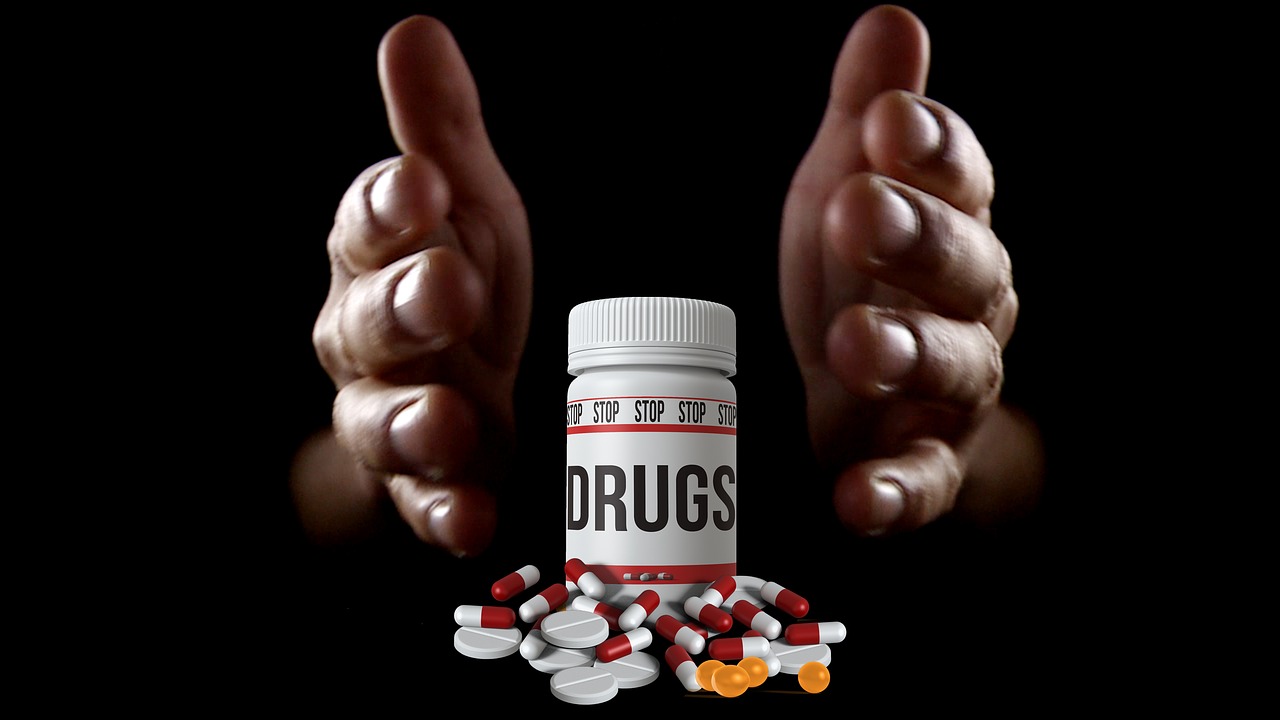
Do only White Turkeys get pardons?

By David Joel Miller, MS, Licensed Therapist & Licensed Counselor.

Don’t turkeys of color get pardons?

Wild turkeys.
Photo courtesy of Pixabay.com

It struck me this morning as a watched the news that the president of these United States had pardoned not one but two national turkeys this year. Again, as in past years, all the turkeys that received pardons were white.

Does this bother any of the rest of you?

Now, this is not meant to be racist. Not with respect to the human type races anyway. Just I personally have a fondness for turkeys (Birds) of color.

Turkeys of Color, wild turkeys that are, have a long association with our country. Again I am talking about the birds, not the beverage. Benjamin Franklin, I believe it was him, suggested the Turkey of color as our national bird. No pale-skinned fowl for him.

Among the Native Americans, turkeys of the more colorful than white varieties were kept as a pet and the feathers used for weaving warm clothing by the Pueblo peoples. One author I read, I forget who reported that young women who could raise turkeys, grind corn, and weave warm clothing were considered highly desirable as wives.

I am thinking that the ability to take care of animals and feed you is still a sought-after quality.

I do not mean to pick on the current president. I kind of like the guy, (except for his administration’s involvement in the equal opportunity spying on citizens and friends alike.) Why I even voted for him.

That voting for him should not be taken as a too much of a recommendation though. I once voted for both McGovern and Nixon in the same election cycle. Can’t I get anything right?

After all, this practice of pardons being only for white national turkeys has been going on for a long time. I seem to remember that the Republican presidents have pardoned a whole lot of white turkeys, fowl, and otherwise.

This whole turkey pardon may not matter to the rest of you. I realize I tend to see things backward. Remember I have a slight disability, I am left-handed and the whole world seems to be run the opposite of what I would have expected on a rational planet.

Still, I am just saying, next year how about we pardon at least one Turkey of color?

And while we are at it lets pardon some other creatures of all varieties just on the principle that we are a great enough country to hand out some extra mercy occasionally.

Giving thanks or gobbling turkey?

By David Joel Miller, MS, Licensed Therapist & Licensed Counselor.

Happy Thanksgiving

Happy Thanksgiving.
Photo courtesy of Pixabay.com

What motivates you today on this launch of the Holiday season?

Some people used to call this next month the Christmas season, now it is a pure electronics consumer feast. So before you rush off to capture and kill the latest i-creature, let’s consider what Thanksgiving is and whether we are really thankful for what we have, or are we just craving more?

Thanksgiving is, according to the Century Dictionary of 1891:

1. The act of rendering thanks or expressing gratitude for favors, benefits or mercies. An acknowledgment of benefits received. It cites an older Biblical use of the word to mean acknowledgment by offering.

The illustrative text for this?

Every creature of God is good and nothing to be refused, if it be received with thanksgiving.       1 Tim. iv 4.

2. A public celebration of divine goodness; specifically in the United States.

3. A form of words expressive of thanks to God; a grace.

The first U. S. celebration – 1621 in Plymouth by the Pilgrims and Strangers. (See the book Saints and Strangers by Willison.)  Saints and Strangers, Being the Lives of the Pilgrim Fathers and Their Families

My fun old book, The Century Dictionary, also includes a definition for a “thanksgiver” who is defined as:

One who gives thanks, or acknowledges a benefit, a kindness, or a mercy.

I realize my old Century Dictionary is now a dinosaur, full of words that are no longer in use. Despite the fact that each of the six volumes weighs more than my tower computer and my laptop put together, I still find comfort in knowing that there are good old words there, just waiting for another chance to be used by humans.

So on this day, with its historical connections, I just wonder if some of us could spend some time thinking about what we are thankful for and are we thanksgivers before we all rush off to celebrate the Black Friday and the Cyber Monday festivities?

Staying connected with David Joel Miller

Seven David Joel Miller Books are available now!

My newest book is now available. It was my opportunity to try on a new genre. I’ve been working on this book for several years, but now seem like the right time to publish it.

Story Bureau.

Story Bureau is a thrilling Dystopian Post-Apocalyptic adventure in the Surviving the Apocalypse series.

Baldwin struggles to survive life in a post-apocalyptic world where the government controls everything.

As society collapses and his family gets plunged into poverty, Baldwin takes a job in the capital city, working for a government agency called the Story Bureau. He discovers the Story Bureau is not a benign news outlet but a sinister government plot to manipulate society.

Bumps on the Road of Life. Whether you struggle with anxiety, depression, low motivation, or addiction, you can recover. Bumps on the Road of Life is the story of how people get off track and how to get your life out of the ditch.

Dark Family Secrets: Doris wants to get her life back, but small-town prejudice could shatter her dreams.

Casino Robbery Arthur Mitchell escapes the trauma of watching his girlfriend die. But the killers know he’s a witness and want him dead.

Planned Accidents  The second Arthur Mitchell and Plutus mystery.

Letters from the Dead: The third in the Arthur Mitchell mystery series.

What would you do if you found a letter to a detective describing a crime and you knew the writer and detective were dead, and you could be next?

Sasquatch. Three things about us, you should know. One, we have seen the past. Two, we’re trapped there. Three, I don’t know if we’ll ever get back to our own time.

For these and my upcoming books; please visit my Author Page – David Joel Miller

Want the latest blog posts as they publish? Subscribe to this blog.

For videos, see: Counselorssoapbox YouTube Video Channel
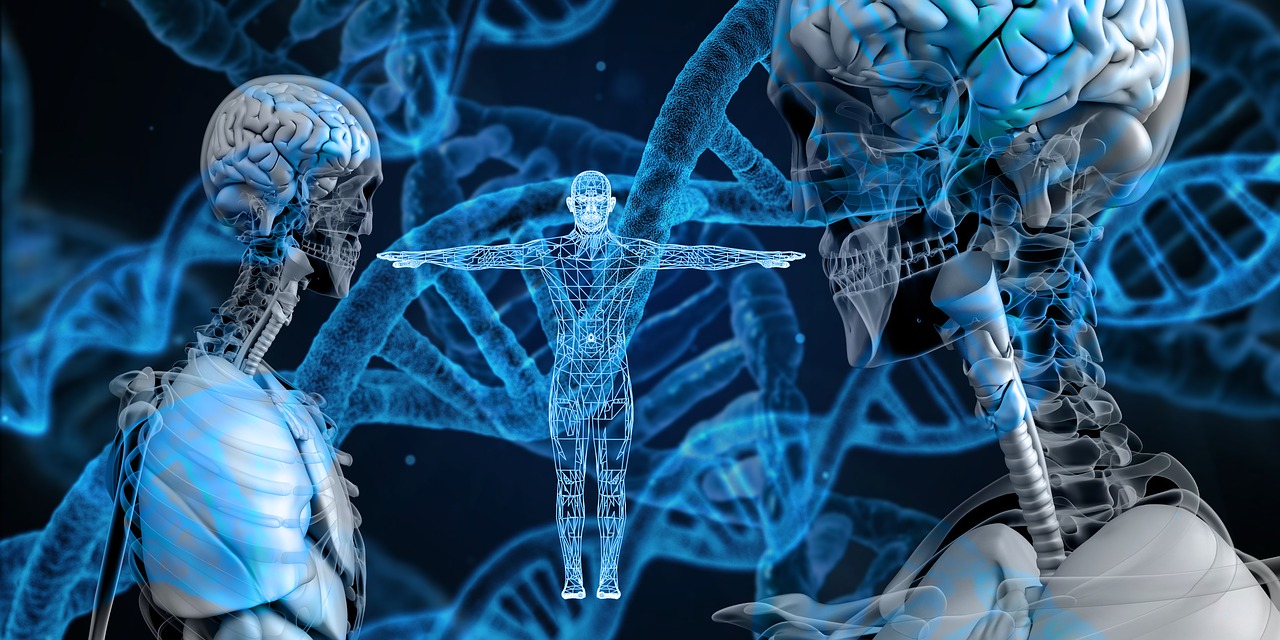
Are you lonely?

By David Joel Miller, MS, Licensed Therapist & Licensed Counselor.

Loneliness.
Photo courtesy of Pixabay.com

Some tools to combat loneliness.

This is a time of the year when loneliness walks among us and it can swallow up the unwary. There are more people than ever on the earth, the stores are packed, and yet one place loneliness lurks is in the crowd.

Loneliness is a major cause of relapse, relapse to drug and alcohol use, relapse to depression, relapse on any part of your recovery.

Feeling lonely is not about the number of people in your world. It is about the connections you have with those people. As we get older it becomes harder to make new friends. Over the holidays everyone is so very busy. It is easy to become isolated – then depressed.

This time of year people are prone to start evaluating their relationships. Are they what you want? Some family dinners will be full of love, others will be full of recrimination and fault-finding. More than a few will be drunken brawls.

Your romantic relations may be under strain. You might look around and see presumably happy couples and we wonder if your relationship measures up. When we are lonely we can easily believe it is our partner or our family’s fault.

What are some ways to defeat loneliness if you find yourself feeling alone in your relationship or lonely in the crowd?

1. Get out of your routine.

It is easy to stay home and avoid situations where others will be around. We call that isolating. It is a symptom of depression. It can also be a cause of sadness and depression. Getting out and mingling is a good way to put yourself in contact with others if only for a while.

Try to do this with a hopeful attitude. Expect to talk to others and to make connections.

2. Reach out to someone else.

One really fast way to make new friends is to reach out to others. Put your hand out and introduce yourself. Say something kind or nice to someone around you.

Start a conversation with someone about where you are or what you are doing.

3. Spend time at a fellowship.

If you are a member of a religious group make it a priority to attend their functions this holiday. When there participate in something.

If you are in recovery attend a 12 step or other support group meeting. In many places, there are “Alchathons” or marathon meetings. These meetings occur every hour round the clock and provide a safe place for people in recovery to hang out over the holidays and not be alone in their own heads.

4. Reconnect with old friends.

Call someone you haven’t talked with in a while. Send out some emails. Do not let yourself dwell on the people who do not respond or who do not have time to talk. Focus on those people who stop and talk with you.

5. Reach out to someone else who may be feeling down and lonely.

In twelve steps groups, the advice is to call one other recovering person each day. That provides support for you in times of need. You may also find that other person needed the call even more than you did.

6. Do something nice for someone else.

Reaching out to others to help them – be of service – this can make you feel connected to others and far less lonely.

How will you defeat loneliness this holiday season? Do you have any other suggestions, not on my list?

Staying connected with David Joel Miller

Seven David Joel Miller Books are available now!

My newest book is now available. It was my opportunity to try on a new genre. I’ve been working on this book for several years, but now seem like the right time to publish it.

Story Bureau.

Story Bureau is a thrilling Dystopian Post-Apocalyptic adventure in the Surviving the Apocalypse series.

Baldwin struggles to survive life in a post-apocalyptic world where the government controls everything.

As society collapses and his family gets plunged into poverty, Baldwin takes a job in the capital city, working for a government agency called the Story Bureau. He discovers the Story Bureau is not a benign news outlet but a sinister government plot to manipulate society.

Bumps on the Road of Life. Whether you struggle with anxiety, depression, low motivation, or addiction, you can recover. Bumps on the Road of Life is the story of how people get off track and how to get your life out of the ditch.

Dark Family Secrets: Doris wants to get her life back, but small-town prejudice could shatter her dreams.

Casino Robbery Arthur Mitchell escapes the trauma of watching his girlfriend die. But the killers know he’s a witness and want him dead.

Planned Accidents  The second Arthur Mitchell and Plutus mystery.

Letters from the Dead: The third in the Arthur Mitchell mystery series.

What would you do if you found a letter to a detective describing a crime and you knew the writer and detective were dead, and you could be next?

Sasquatch. Three things about us, you should know. One, we have seen the past. Two, we’re trapped there. Three, I don’t know if we’ll ever get back to our own time.

For these and my upcoming books; please visit my Author Page – David Joel Miller

Want the latest blog posts as they publish? Subscribe to this blog.

For videos, see: Counselorssoapbox YouTube Video Channel

Your emotional tape measure – scaling

By David Joel Miller, MS, Licensed Therapist & Licensed Counselor.

Emotional measurement.
Photo courtesy of Pixabay.com

What tool should we be using to measure emotions?

Most of us know that we can measure a board with a tape measure. There is a big difference between a shelf that is 6 inches long and one that is 72 inches long.

We can check a child’s fever with a thermometer. It matters if your child’s temperature is 98.6 or 106.

You can see if you’re overweight or underweight by standing on a scale. Please fill in the weights as needed.

Does it matter how much of an emotion you are feeling? It may be the difference between ignoring what was said to you and getting into a fight.

What tool do you use to measure the size and shape of your emotions?

Emotions like so many other things in life come in sizes and shapes. We get ourselves into a peck of trouble by equating all emotions as being the same size and importance.

Take anxiety for instance. Most of us are either anxious or we are not anxious. Anxiety is sneaky that way. There is that little kitten size anxiety and there is that big hungry lion size anxiety. It is important to know which is which.

If every time you feel the sound of hissing you run for your life you will be hiding from a lot of kittens. We talked a little about developing a scale of anxiety and learning to adjust the volume in a previous post on “selective desensitization.”

Anger is a similar creature. Lots of people have only two extremes when it comes to anger, not-angry, and violently angry. People caught in these two extreme modes of feeling anger jump from not-angry to furiously angry at the drop of a – well it could be a drop of almost anything.

One method used in anger management is to develop a scale. Say your anger is at zero when you are feeling happy and loved. When you “lose your temper” your anger is at a ten. How might you develop a scale of degrees of anger in-between?

One way of developing this scale or tape measure for your emotions is to find other similar words for your anger and place them on a scale. First, let’s scale the anger creature, and then our old sometimes-friend anxiety.

What other words might describe feeling sort of like anger but more or less intense?

How about – annoyance, irritation, fury, rage, antagonism, ire, wrath, dander, exasperation, rile, aggravate, provoke, and so on. While these words may not say anger to all of you, you can see that there is a lot of difference between rage and irritation. If you go looking I bet you can find more words that describe feelings similar to anger.

Take your list and arrange them by intensity from the most awful total feeling to a very mind form of anger.

Now comes the challenge. When you find yourself going from not-angry to furiously rage-full how can you turn the volume down on that anger and move from an anger rating of 10 to say a 6 or 5?

Learning to turn the volume up and down on emotions is a skill called emotional regulation. Being able to feel the necessary level of feelings when you need them can make your life a whole lot better.

Now, what about reducing anxiety?

Words for your scale might include nervousness, worry, concern, unease, apprehension, disquiet, fretful, angst, fear, terror, dread, horror, distress, panic, alarm, trepidation, and so on.

Again there is a lot of distance between being uneasy and being panicked-in-terror. Work out your own list and then consider – is this anxiety you have right now a 10 or a 9. How might you learn to turn your anxiety volume down?

It is worth noting here that we have talked about two scales, words and numbers. What most people find is that by changing the word they used to describe a feeling it also changes the number they would give it.

So if you are feeling panic but tell yourself well this is not really the worse panic I have ever had so maybe it is really worrying, you may find that the anxiety meter 10 turns down to a 5 or even a 4.

Try constructing an emotional tape measure and learning to scale your feelings and see if this does not help you learn to turn the volume down on negative feelings and turn the volume up on those happy positive feelings.

Staying connected with David Joel Miller

Seven David Joel Miller Books are available now!

My newest book is now available. It was my opportunity to try on a new genre. I’ve been working on this book for several years, but now seem like the right time to publish it.

Story Bureau.

Story Bureau is a thrilling Dystopian Post-Apocalyptic adventure in the Surviving the Apocalypse series.

Baldwin struggles to survive life in a post-apocalyptic world where the government controls everything.

As society collapses and his family gets plunged into poverty, Baldwin takes a job in the capital city, working for a government agency called the Story Bureau. He discovers the Story Bureau is not a benign news outlet but a sinister government plot to manipulate society.

Bumps on the Road of Life. Whether you struggle with anxiety, depression, low motivation, or addiction, you can recover. Bumps on the Road of Life is the story of how people get off track and how to get your life out of the ditch.

Dark Family Secrets: Doris wants to get her life back, but small-town prejudice could shatter her dreams.

Casino Robbery Arthur Mitchell escapes the trauma of watching his girlfriend die. But the killers know he’s a witness and want him dead.

Planned Accidents  The second Arthur Mitchell and Plutus mystery.

Letters from the Dead: The third in the Arthur Mitchell mystery series.

What would you do if you found a letter to a detective describing a crime and you knew the writer and detective were dead, and you could be next?

Sasquatch. Three things about us, you should know. One, we have seen the past. Two, we’re trapped there. Three, I don’t know if we’ll ever get back to our own time.

For these and my upcoming books; please visit my Author Page – David Joel Miller

Want the latest blog posts as they publish? Subscribe to this blog.

For videos, see: Counselorssoapbox YouTube Video Channel