
People are like them trees.

By David Joel Miller, MS, Licensed Therapist & Licensed Counselor.

Tree

Tree.

“People are like them trees,” the old man said as he pointed out the window. I must have looked at him like he was crazy because he started to explain.

“Ain’t a one of them that grows straight up to the sky, not one! Some of them look straight from far off but when you get to looking right up close they everyone gots their scars.”

“They start off all looking straight; we stake them up nice and neat but sooner or later we takes the stakes off and then the tree has to grow on their own. People try to do that with their kids, stake them up, fence them round and keep them growing up on the straight. But eventually, the parents got to back off and let the kids grow on their own just like we do them trees.”

“Trees grow for a while and then they take off in one direction or other, eventually they end goin off this way or that and then they head back towards the light and grow a different way. Lots of twists and turns in direction we all have.” Had to agree with that one, not many people grow up and grow out in the same direction I thought. “We need to change direction from time to time just like them trees.”

“Sometimes them trees get pruned back, branches cut off. Life done pruned me some, recon it pruned you too” he said and gave me a glance. I had to agree my life had changed direction, been pruned a few times too. Some of that pruning hurts at the time even when it makes you grow straighter, I thought.

“Look at that one there,” he said, pointing to one large tree with a lot of branches going every which way. “He been reaching out for a long time trying to find the sun when all the time it is up there above him. We peoples look all around for happiness and don’t even know it is there like the sun for the taking long as we don’t keep grown after every which way thing.”

The longer I looked the more I could see how he was right. Trees have knots and scars just like us. But they keep on growing, growing towards the light. Trees like people grow up or we die.

“What kind of tree are you?” He asked. I said I didn’t know exactly, just one that kept changing direction looking for the light.

Never thought about it that way I said to the old man. Mind if I share the “people are like trees” idea with some other folks? “Go right ahead,” he said. “Can’t recall who told me.”

Ever since our talk, I have been thinking about the way my life keeps changing direction but keeps reaching for the sky. What will this tree of my life look like when it is done growing?

Say what do you think? What kind of tree are you?

Staying connected with David Joel Miller

Seven David Joel Miller Books are available now!

My newest book is now available. It was my opportunity to try on a new genre. I’ve been working on this book for several years, but now seem like the right time to publish it.

Story Bureau.

Story Bureau is a thrilling Dystopian Post-Apocalyptic adventure in the Surviving the Apocalypse series.

Baldwin struggles to survive life in a post-apocalyptic world where the government controls everything.

As society collapses and his family gets plunged into poverty, Baldwin takes a job in the capital city, working for a government agency called the Story Bureau. He discovers the Story Bureau is not a benign news outlet but a sinister government plot to manipulate society.

Bumps on the Road of Life. Whether you struggle with anxiety, depression, low motivation, or addiction, you can recover. Bumps on the Road of Life is the story of how people get off track and how to get your life out of the ditch.

Dark Family Secrets: Doris wants to get her life back, but small-town prejudice could shatter her dreams.

Casino Robbery Arthur Mitchell escapes the trauma of watching his girlfriend die. But the killers know he’s a witness and want him dead.

Planned Accidents  The second Arthur Mitchell and Plutus mystery.

Letters from the Dead: The third in the Arthur Mitchell mystery series.

What would you do if you found a letter to a detective describing a crime and you knew the writer and detective were dead, and you could be next?

Sasquatch. Three things about us, you should know. One, we have seen the past. Two, we’re trapped there. Three, I don’t know if we’ll ever get back to our own time.

For these and my upcoming books; please visit my Author Page – David Joel Miller

Want the latest blog posts as they publish? Subscribe to this blog.

For videos, see: Counselorssoapbox YouTube Video Channel

What is self-care?

By David Joel Miller, MS, Licensed Therapist & Licensed Counselor.

Self-care.
Photo courtesy of Pixabay.com

Do you take care of yourself?

In recovery and resilience literature we talk a lot about self-care, how you do it, what you do, and most importantly why it is important. In a previous blog post, we talked about the connection between PTSD and sleep. There is a lot more to self-care than just lying in bed enough hours or eating the right food. Let’s look at some of the areas of self-care that are important for mental and emotional health.

For people in recovery from substance abuse or from mental illness, sometimes from both, self-care is of vital importance. We talk about it but rarely get specific about just what that means. Recovering people often make excuses for a lack of self-care. Good self-care does not have to be expensive. I wrote in a previous post about ways to find help and counseling if you have little income and no health insurance. But let’s be honest here. I see people who have money for their addiction, money for their hobbies or entertainment but say they have no money for self-care. Make self-care a priority. It is extremely important for your recovery.

Keeping your life in balance is the first rule of self-care. An excess of emphasis in any one area is likely to throw your emotional balance and your recovery off. Too much nicotine is a problem. Emotional problems can result in a sharp increase in smoking. I think any smoking is too much, but if you have not yet reached the point of quitting, monitor your consumption, and keep it to a minimum.

Physical health.

Your insides are important. Make time to see a doctor and address your physical health concerns.  Sometimes things we worry about turn out to be unimportant. I have never seen a serious illness that got better without treatment. Putting off finding out if you have a disease or condition does not prevent it. Not treating an illness allows it to become more serious.

Physical health is also about having your vision and hearing checked. Children who need glasses and don’t get them are at high risk to fall behind in school and not achieve their full potential. Adults who can’t see or hear don’t succeed as well in jobs or life.

Besides wearing glasses makes you look smarter and cooler!

Outward appearance.

One way recovering people can judge their progress is by their appearance. When you are depressed fixing yourself up does not matter. It may even require more effort than you can muster. A lack of attention to your appearance is an indicator of your low mental state; it can also affect that state. Spending more time on grooming and shopping for new clothes can also make you feel better about yourself.

Nutrition.

Poor nutrition can make your mental condition worse. There is lots of material out there on the internet and in books about diet. Spending some time reading about better health and working to improve that health can improve your outlook on life. Don’t neglect the most vital of all nutrients. Lack of adequate water can make you fuzzy-headed. A large number of people think they are hungry when in fact they are thirsty. This leads to weight gain and poor mental health. Diet experts suggest drinking a glass of water and then waiting a few minutes to see if your hunger goes away on its own.

Exercise.

Taking care of your body is more than just maintaining your weight. As we age the percentage of the body that is fat increases and the muscle mass declines. Even if your diet and don’t gain weight, you are becoming less fit. Make sure you get enough physical exercise to keep your muscles working. Feeling healthy will improve your mood.

If you are in early recovery, don’t overdo the exercise either, you can’t undo a long period of neglect by running a marathon on the first day. The key to exercising as with all other recovery activities is to keep your life in balance and build up to doing more gradually. Do a little each day and slowly increase the amount and intensity of exercise.

Improvements in mood and self-esteem come from the trying and appear long before any changes in the body become noticeable.

Time off –vacations and pleasure.

Make sure you plan for some enjoyable events in your life. People in early recovery often try to make up for the lost time by working several jobs, going back to school, and paying off old debts. If recovery becomes unpleasant it will be harder to sustain. Remember that your illness also has resulted in a deficit of fun and enjoyment. Recovery should be an adventure. Anything that is enjoyable is more likely to be maintained.

Reward yourself.

One way we humans show our affection to others is to give them gifts. Most of us forget to love ourselves as if taking good care of us is not important. Some people were taught that doing nice things for yourself was selfish. Good self-care is not selfish.

Taking good care of yourself is important. One way you can do that is to reward yourself with positive gifts. The key here is to keep your life in balance. A new piece of clothing is one thing a whole new wardrobe is something else. In disciplining children we find that all punishment means the level of punishment needs to keep increasing. All rewards result in ever more reward until it becomes bribery. Discipline yourself in the same way. Give yourself small rewards for things well done and small consequences for things that you could do better. Remember also that harsh parenting can result in abused children. Don’t abuse yourself.

Mental Health.

Recovery is about staying mentally healthy. Sort out your thoughts. Avoid unhealthy thoughts, ruminations, and self-doubt. Whatever you did to begin your recovery, counseling, self-help groups, or religious practice, keep doing the things that started you on the recovery road.

Encouragement – self-affirmation.

Being told that you are worthwhile and that what you are doing is good and appreciated is important for self-esteem and self-efficacy. Some of us didn’t get much praise when we were young. If there is no one in your life who tells you they value you it is hard to feel good about yourself.

Give yourself the affirmation you deserve. If you don’t think you deserve it work on improving yourself and work with a professional on these issues.

Some people find it helpful to make up a list of the positive things about themselves. Get help on making this list if you can. Post the list in a prominent place and read it early each day.

Take time for yourself.

Make time for yourself. You are worth it. We all have responsibilities but self-care is also a responsibility. Family members come to me about how to help their loved one who is in some form of recovery. One of the first questions I ask them is what they are doing to care for themselves.

You can’t help others if you are neglecting yourself. Make self-care a priority not a second thought.

Avoiding excess of nicotine – food – soda and caffeine.

It is easy to trade one addiction for another. Problems often occupy a central place in our lives. What would you do if your problem were suddenly solved? Would you find another issue to take its place? Replace problems with positive activities, not new problems.

Finances and savings.

Getting your finances in order is a part of self-care.  How can you be happy if you are stressed by money problems? Get professional help here if you need to. Read about money management.

The difference between the richest half of all Americans and the poorest half is having even a few dollars in a savings account.

Make paying off credit cards and old bills a priority. Getting out of debt can take a lot of worries off your plate.

There is a lot of emotional pain around financial losses. Losing a job or a home in foreclosure is often heartbreaking. Financial events may force drastic changes in your life. We all resist changes. Sometimes change is also an opportunity. Resolve to be happy with or without money but do your best to get your financial life in recovery also.

Quality relationships.

People who have good quality relationships with other people are more successful in recovery than those who don’t. Nurture positive relationships. Spend time with family members who are positive. Make new friends. Get a sponsor in recovery.

Just be careful not to be so needy that you let unhealthy people back into your life. Part of self-care is avoiding people who are bad for your recovery and increasing contact with people who help build your recovery.

Make good self-care a priority.

Staying connected with David Joel Miller

Seven David Joel Miller Books are available now!

My newest book is now available. It was my opportunity to try on a new genre. I’ve been working on this book for several years, but now seem like the right time to publish it.

Story Bureau.

Story Bureau is a thrilling Dystopian Post-Apocalyptic adventure in the Surviving the Apocalypse series.

Baldwin struggles to survive life in a post-apocalyptic world where the government controls everything.

As society collapses and his family gets plunged into poverty, Baldwin takes a job in the capital city, working for a government agency called the Story Bureau. He discovers the Story Bureau is not a benign news outlet but a sinister government plot to manipulate society.

Bumps on the Road of Life. Whether you struggle with anxiety, depression, low motivation, or addiction, you can recover. Bumps on the Road of Life is the story of how people get off track and how to get your life out of the ditch.

Dark Family Secrets: Doris wants to get her life back, but small-town prejudice could shatter her dreams.

Casino Robbery Arthur Mitchell escapes the trauma of watching his girlfriend die. But the killers know he’s a witness and want him dead.

Planned Accidents  The second Arthur Mitchell and Plutus mystery.

Letters from the Dead: The third in the Arthur Mitchell mystery series.

What would you do if you found a letter to a detective describing a crime and you knew the writer and detective were dead, and you could be next?

Sasquatch. Three things about us, you should know. One, we have seen the past. Two, we’re trapped there. Three, I don’t know if we’ll ever get back to our own time.

For these and my upcoming books; please visit my Author Page – David Joel Miller

Want the latest blog posts as they publish? Subscribe to this blog.

For videos, see: Counselorssoapbox YouTube Video Channel

What is Reactive Depression?

By David Joel Miller, MS, Licensed Therapist & Licensed Counselor.

Depressed person

Depression.
Photo courtesy of Pixabay.com

Do you have Reactive Depression?

Reactive depression is one of those terms, like Manic-Depressive Disorder, that still gets used even though we have come up with new, presumably more precise names. The underlying assumption, which is often hiding here, is that if we could find ways to categorize the various mental, emotional and behavioral problems, we should be able to find precise treatments, medication, or therapy for your specific ailment. If only it was that simple.

The Reactive Depression terms meaning has changed over time. Most recently it was in use to describe times when a person became depressed as a result of a specific stressor. Say you lose your job, that loss might make you sad. A small amount of sadness for a while is normal. Staying a lot sad for a long time is excessive and so you are sort of depressed. In this view reactive depression is depression caused by your specific reaction to an identifiable event. That event might be a one-time thing or it might be repeated exposure to the same sorts of events. Some people have called this Situational Depression.

This is not the same thing as Posttraumatic Stress Disorder (PTSD.) A person with PTSD may or may not have depression but Depression is not part of the definition of PTSD. People with PTSD can’t get the thoughts of the event out of their heads. It is as if they are continually re-experiencing the trauma. Anything that reminds them of the trauma is upsetting and they will try to avoid things that trigger those reminders. PTSD usually disturbs sleep. Other symptoms include disturbing dreams, nightmares, trouble falling asleep and more trouble staying asleep. PTSD is an ANXIETY disorder as opposed to an Anxiety disorder. It also includes a lot of stress and trauma-related features.

There is another idea, similar to reactive depression, currently called Minor Depressive Disorder which is currently listed as a disorder listed for further study. While Reactive Depression is in response to something that happened to you, Minor Depressive Disorder is a sad or depressed period with some symptoms but it is just not as deep or severe a depression as a Major Depressive Disorder. So far neither of these ideas is an accepted diagnosis under the current text, the DSM-4-TR. Some of these ideas will change when the DSM-5 comes out but that is very controversial at this time.

There is another name and criteria set that we are currently using to cover both of these issues. We call this disorder or group of six disorders – Adjustment Disorders. There are good reasons why people might suffer from adjustment disorders and need treatment but still not have all the symptoms of Major Depressive Disorder or Bipolar Disorder.

In my experience, Adjustment Disorders result in more people in crisis than most of the other disorders. By definition, Adjustment Disorders should be time-limited. If it goes on too long after the event or if the symptoms continue to be severe or worsen, then the diagnosis will get increased to Major Depressive Disorder.

That does not mean that a Reactive Depression or Adjustment Disorder is not dangerous. People, who find out their partner is leaving them or has cheated or those who lose a job or house they love, can and sometimes do get violent towards themselves and others.

So let’s return to the person who just lost their job, or spouse or has a sick family member. Might that make them sad? Might they be scared and anxious? Hey, what if they got both depressed and anxious?

This is why we have diagnoses of Adjustment Disorder with Depressed Mood, with Anxiety, and with Anxiety and Depressed Mood. What else might happen?

Could a person who lost their spouse start drinking and get arrested?  Maybe a teen that fails a class or gets in trouble might run away from home or get mad and break windows? So one reaction to a problem, one adjustment difficulty, could be to behave in ways that make society disapprove of you. We would call that Adjustment Disorder with Disturbance of Conduct.

Think about this for a moment. That teen, might he be depressed, anxious, and act badly? What about his unemployed father who gets scared he won’t find another job, starts drinking, and gets into a fight. We call these sets of behavior Adjustment Disorder with Disturbance of Emotions and Conduct. Lots of names for the ways in which adjusting to a problem could affect someone.

If you have been counting that is only five diagnoses and I promised you six.

We always need a loophole. We call that Adjustment Disorder Unspecified when we can’t figure out which other one it is.

Regardless of the name the preferred treatment for these issues in counseling. Cognitive Behavioral Therapy or solution-focused counseling is recommended. The main direction of this kind of therapy is on problem-solving and changing the ways in which you think about your problems.

So whether you call it Reactive Depression, Minor Depression, or an Adjustment Disorder, the way we react to life’s stresses can result in crises that require and often bring people to counseling.

Staying connected with David Joel Miller

Seven David Joel Miller Books are available now!

My newest book is now available. It was my opportunity to try on a new genre. I’ve been working on this book for several years, but now seem like the right time to publish it.

Story Bureau.

Story Bureau is a thrilling Dystopian Post-Apocalyptic adventure in the Surviving the Apocalypse series.

Baldwin struggles to survive life in a post-apocalyptic world where the government controls everything.

As society collapses and his family gets plunged into poverty, Baldwin takes a job in the capital city, working for a government agency called the Story Bureau. He discovers the Story Bureau is not a benign news outlet but a sinister government plot to manipulate society.

Bumps on the Road of Life. Whether you struggle with anxiety, depression, low motivation, or addiction, you can recover. Bumps on the Road of Life is the story of how people get off track and how to get your life out of the ditch.

Dark Family Secrets: Doris wants to get her life back, but small-town prejudice could shatter her dreams.

Casino Robbery Arthur Mitchell escapes the trauma of watching his girlfriend die. But the killers know he’s a witness and want him dead.

Planned Accidents  The second Arthur Mitchell and Plutus mystery.

Letters from the Dead: The third in the Arthur Mitchell mystery series.

What would you do if you found a letter to a detective describing a crime and you knew the writer and detective were dead, and you could be next?

Sasquatch. Three things about us, you should know. One, we have seen the past. Two, we’re trapped there. Three, I don’t know if we’ll ever get back to our own time.

For these and my upcoming books; please visit my Author Page – David Joel Miller

Want the latest blog posts as they publish? Subscribe to this blog.

For videos, see: Counselorssoapbox YouTube Video Channel
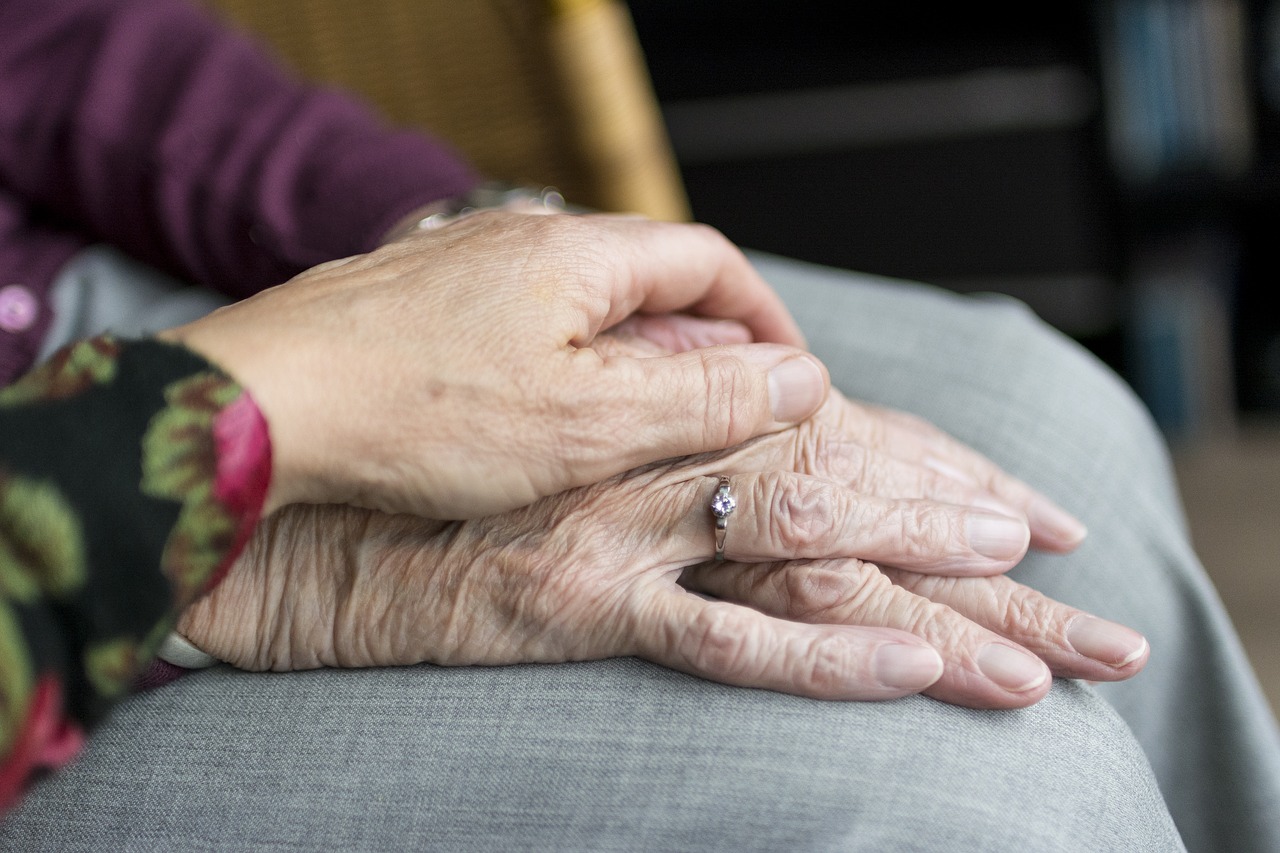
Where do you belong?

By David Joel Miller, MS, Licensed Therapist & Licensed Counselor.

Family of teddy bears.

Belonging.
Photo courtesy of Pixabay.com

“I don’t belong here.”

Lots of people say they don’t belong here. Have you ever felt that way? Sometimes people who say and think that, mean here, now, in the present situation or place. Sometimes they mean on this earth.

When you don’t feel like you belong it is hard to be motivated, to have a purpose. Some people despair of ever finding a place where they can belong.

We talk about our “belongings,” the things we own. But feeling like someone’s possession, that can’t make us feel like we belong. Feeling that you are where you should be is not about things.

For some people belonging is about being tucked safely and securely in a close affectionate group. It might also mean feeling like we are the same as those around us. For other people belonging is being surrounded by people who accept us for who we are and encourage us to be ourselves even if that self is different from the self they have.

Some kids who have moved a lot tell me they feel this lack of belonging. People from families that never accepted them for whom and what they are; say they don’t feel like they belong also. If your family does not affirm you or if you have no friends it is not likely you can feel that you belong there. But where do you belong?

When you are always moving, starting over with new friends, new routines, it is hard to feel like you fit in. Some people find that right place, that time they fit in, early in life. Some of us spend our lifetimes looking for that place.

It is not just kids; adults say the same thing. They have spent their lives looking for that one place they fit in, that belief, cause, or activity that makes them feel that this is their one special place, the place they belong, the place they ought to be.

Sometimes it is a relationship where we belong, which gives out lives meaning. But relationships can end and then we ask if we still belong.

Elizabeth Lesser in her book Broken Open says it this way. “The first time I assisted at a birth, I had that feeling that I belonged exactly where I was, that there was nowhere else I would rather be.”

Some of us grow up not knowing where we ought to be. We may travel the world only to return to the place where we started and find there the place we always belonged, the place we needed to be.

Others of us travel and somewhere in those moves we find a place where we finally can say this is where I belong.

People will tell us that they find that belonging feeling in a spiritual place, a church, temple, mosque, or a clearing in the woods. We might find the place we belong in a cause or political movement. Why it is that one person feels at home in one place and another in a quite different setting I cannot say.

Recovering people have told me that the first time they ever felt at home, like they belonged there, was in a twelve-step meeting, among other people who understood their struggles and who welcomed them home.

Many among us will work their whole lives at a job so that they can finally retire and go on their quest for the place they belong, the thing that gives their life meaning. Others find that calling early in life and belong doing what they do their whole life. Sadly some people never do find that place where they belong.

Have you found that place where your life has meaning and purpose, a place where people accept you, that one place where you belong?

Staying connected with David Joel Miller

Seven David Joel Miller Books are available now!

My newest book is now available. It was my opportunity to try on a new genre. I’ve been working on this book for several years, but now seem like the right time to publish it.

Story Bureau.

Story Bureau is a thrilling Dystopian Post-Apocalyptic adventure in the Surviving the Apocalypse series.

Baldwin struggles to survive life in a post-apocalyptic world where the government controls everything.

As society collapses and his family gets plunged into poverty, Baldwin takes a job in the capital city, working for a government agency called the Story Bureau. He discovers the Story Bureau is not a benign news outlet but a sinister government plot to manipulate society.

Bumps on the Road of Life. Whether you struggle with anxiety, depression, low motivation, or addiction, you can recover. Bumps on the Road of Life is the story of how people get off track and how to get your life out of the ditch.

Dark Family Secrets: Doris wants to get her life back, but small-town prejudice could shatter her dreams.

Casino Robbery Arthur Mitchell escapes the trauma of watching his girlfriend die. But the killers know he’s a witness and want him dead.

Planned Accidents  The second Arthur Mitchell and Plutus mystery.

Letters from the Dead: The third in the Arthur Mitchell mystery series.

What would you do if you found a letter to a detective describing a crime and you knew the writer and detective were dead, and you could be next?

Sasquatch. Three things about us, you should know. One, we have seen the past. Two, we’re trapped there. Three, I don’t know if we’ll ever get back to our own time.

For these and my upcoming books; please visit my Author Page – David Joel Miller

Want the latest blog posts as they publish? Subscribe to this blog.

For videos, see: Counselorssoapbox YouTube Video Channel

Think yourself sick – Nocebo Effect

By David Joel Miller, MS, Licensed Therapist & Licensed Counselor.

Woman thinking

Thinking.
Photo courtesy of Pixabay.com

The Nocebo Effect.

Did you know that thinking you will get sick, can make it so? Most of us are familiar with the Placebo effect in which someone who thinks they are taking powerful medication will get better even if the pill has nothing in it. There is an opposite but not so equal effect called the Nocebo effect in which we can make ourselves sick when the risk factors say we should not have gotten ill.

In one study of women with a family history of heart disease, women who expected to have heart problems – eventually developed them.  Thinking they were prone to heart disease made them four times more likely to develop the disease than those who did not think they would get it. That difference persisted even when we compared the results of diet, exercise, weight, blood pressure, and cholesterol.

This does not mean you should give up efforts to control your weight or improve your health. What it does tell us is that while positive thoughts can make you happier, negative thoughts can kill you.

Doctors have known about the existence of the Nocebo effect for a long time. Surgeons know that people who do not expect to survive an operation are much more likely to die. If the patient has had a loved one who died recently and they want to be with that loved one, the risk of death increases dramatically even when the operation is not that risky. Still, it is hard to measure something that makes the body sick but is centered in the mind, not the body.

Is this a new idea? No, not really. We have all talked or thought about someone who “makes me sick.” Brian Reid wrote an interesting article called The Nocebo Effect: Placebo’s Evil Twin for The Washington Post on April 30, 2002. He is not the only one to tackle this subject. Penny Sarchet discussed research on the ‘Nocebo’ effect in her winning essay for the Wellcome Trust science writing prize in November of 2001. There have been lots of other references to this phenomenon but it hasn’t been widely noticed.

One reason is that we like to give people credit for healing themselves through their beliefs or positive thinking but we are reluctant to criticize someone for having negative thoughts. Depressed people, for example, can’t be positive. Acknowledging the Nocebo effect feels like blaming the victim.

Many of the side-effects reported for medications may be the result of Nocebo effects. Burns, Meichenbaum, and others have talked about the way in which beliefs about the effectiveness of a medication or negative beliefs about the med can change the results of studies even when there are no active ingredients in the pill. For example, always buy multi-colored capsules if you can; they work better than white tablets regardless of what is in them.

Reid also pointed out in his article that doctors don’t like to warn patients about potential side effects because telling the patient about that side-effect makes the patient much more likely to have that side effect.

We know that thoughts are transmitted in the brain chemically. Now with various sorts of brain scans, we can see what happens in the brain. Tell someone that the medication they are taking will have a painful effect and the parts of the brain that process pain will light up.

We also know that what you are thinking, good or bad has an effect not just on your thoughts and mood but also on the production of chemicals that make you better or worse.

Have you ever awakened one morning and thought you were going to have a bad day? Have you known someone who was always negative and expected the worst? How does it usually turn out? Expecting the worst increases the chances that you will experience it.

Thinking is not a substitute for proper medical treatment, but your attitude towards that treatment may influence the effectiveness of the treatment no matter what your doctor does. Your thoughts can influence the results.

So how do you banish Nocebo?

Try to keep your thoughts positive. Read inspirational books. Spend time with friends. Having positive people around you can make you more positive. If you don’t have a positive support system, develop one. Go to religious services, do hobbies and activities where you might see people and make friends. Having good friends can lengthen your life.

Pay more attention to the benefits of things than the negative. Whatever you focus on you will get more of. Constantly worrying about side effects will make them larger. Focusing on any progress no matter how small will magnify that progress.

If something is concerning you, capture that thought, write it down, type it on the computer whatever it takes to get it recorded, and then out of your head. Trying to remember for a month all the things you need to discuss with your doctor will keep you focused on your pain and symptoms. Writing it down gets the disturbing thought out of your head and gives you something to take with you when you talk to your provider.

Work with a counselor or therapist on improving your outlook. Self-help groups, religious leaders, and trustworthy friends can also be helpful in banishing negative thoughts.

Be aware of the Nocebo effect and don’t become its next victim.

Staying connected with David Joel Miller

Seven David Joel Miller Books are available now!

My newest book is now available. It was my opportunity to try on a new genre. I’ve been working on this book for several years, but now seem like the right time to publish it.

Story Bureau.

Story Bureau is a thrilling Dystopian Post-Apocalyptic adventure in the Surviving the Apocalypse series.

Baldwin struggles to survive life in a post-apocalyptic world where the government controls everything.

As society collapses and his family gets plunged into poverty, Baldwin takes a job in the capital city, working for a government agency called the Story Bureau. He discovers the Story Bureau is not a benign news outlet but a sinister government plot to manipulate society.

Bumps on the Road of Life. Whether you struggle with anxiety, depression, low motivation, or addiction, you can recover. Bumps on the Road of Life is the story of how people get off track and how to get your life out of the ditch.

Dark Family Secrets: Doris wants to get her life back, but small-town prejudice could shatter her dreams.

Casino Robbery Arthur Mitchell escapes the trauma of watching his girlfriend die. But the killers know he’s a witness and want him dead.

Planned Accidents  The second Arthur Mitchell and Plutus mystery.

Letters from the Dead: The third in the Arthur Mitchell mystery series.

What would you do if you found a letter to a detective describing a crime and you knew the writer and detective were dead, and you could be next?

Sasquatch. Three things about us, you should know. One, we have seen the past. Two, we’re trapped there. Three, I don’t know if we’ll ever get back to our own time.

For these and my upcoming books; please visit my Author Page – David Joel Miller

Want the latest blog posts as they publish? Subscribe to this blog.

For videos, see: Counselorssoapbox YouTube Video Channel
Caustic Bath Salts Kill

By David Joel Miller, MS, Licensed Therapist & Licensed Counselor.

New drugs

Bath salts.
Photo courtesy of Pixabay.com

Calling these things bath salts is fiction if I ever heard a fanciful tale.

There are also called plant foods. No one I know of is putting this stuff in water and plants that get this stuff aren’t long for this world. What these so-called “bath salts” do is put people in the hospital emergency room. Sometimes they are fatal.

By calling them bath salts or plant food and putting a notice on the label that says “not intended for human consumption” the manufacturers and sellers of these products are getting around the Controlled Substances Act. These products are often found in head shops and boutiques along with glass pipes and “body detox” products. That the sellers know what people will do with these products is clear.

There are no specific ingredients for these products and manufacturers keep changing their formula to keep ahead of the laws. In the process, one key ingredient is becoming the dominant one. Most of the bath salts contain Methcathinone in one form or another.

Don’t confuse Methcathinone with Methamphetamine or Methadone. Pseudoephedrine is a precursor for both Methcathinone and Methamphetamine but the similarities don’t go much farther than that.

Dr. Smith of the Cookeville (Tennessee) Regional Medical Center wrote a two-part series on bath salts recently which appeared in the drugfree.org newsletter. He reports that the effects of Methcathinone are like those of Ecstasy (MDMA) in the early stages but as time goes on the effects become more like Methamphetamine. While Methcathinone was a rare event in the past Dr. Smith reports that he regularly sees people in the emergency room as a result of bath salts.

Methcathinone is a synthetic version of Khat which I mentioned in my recent post 7 New drugs Parents should be aware of.

The effects Dr. Smith reported seeing in the ER from bath salt users included sweating, high body temperature, high blood pressure, low thirst, paranoia, hallucinations, seizures, violence, and self-injurious behavior, including suicidal thoughts and actions.

Deaths have been reported as a result of smoking bath salts, but how common this is, remains unknown. Most toxicology screens are not intended to pick up these rapidly changing synthetic chemicals and they are probably being under-reported.

A further concern is that people who buy their drugs in head shops are consuming an ever-increasing number of synthetic chemicals. The belief here, especially among teens is that since they are being sold legally they are safe or relatively safe. Most young people have no sense of the amount of risk they are taking by using these products.

Adding to their popularity is the belief, not always correctly, that these products will not show on a drug test and therefore are not going to cause any problems.

The American Academy of Pediatrics (AAP) has issued a report to physicians on spotting the side effects from smoking synthetic drugs. These drugs, particularly “synthetic marijuana” or synthetic cannabinoids resulted in over 4,500 calls to poison control centers in the United States in a one-year period.

Among the reported symptoms of high levels of synthetic cannabinoids are agitation, excess sweating, and inability to speak.

The sale and use of synthetic recreational drugs, both bath salts, and synthetic marijuana, is an evolving problem that is currently poorly recognized or treated.

Staying connected with David Joel Miller

Seven David Joel Miller Books are available now!

My newest book is now available. It was my opportunity to try on a new genre. I’ve been working on this book for several years, but now seem like the right time to publish it.

Story Bureau.

Story Bureau is a thrilling Dystopian Post-Apocalyptic adventure in the Surviving the Apocalypse series.

Baldwin struggles to survive life in a post-apocalyptic world where the government controls everything.

As society collapses and his family gets plunged into poverty, Baldwin takes a job in the capital city, working for a government agency called the Story Bureau. He discovers the Story Bureau is not a benign news outlet but a sinister government plot to manipulate society.

Bumps on the Road of Life. Whether you struggle with anxiety, depression, low motivation, or addiction, you can recover. Bumps on the Road of Life is the story of how people get off track and how to get your life out of the ditch.

Dark Family Secrets: Doris wants to get her life back, but small-town prejudice could shatter her dreams.

Casino Robbery Arthur Mitchell escapes the trauma of watching his girlfriend die. But the killers know he’s a witness and want him dead.

Planned Accidents  The second Arthur Mitchell and Plutus mystery.

Letters from the Dead: The third in the Arthur Mitchell mystery series.

What would you do if you found a letter to a detective describing a crime and you knew the writer and detective were dead, and you could be next?

Sasquatch. Three things about us, you should know. One, we have seen the past. Two, we’re trapped there. Three, I don’t know if we’ll ever get back to our own time.

For these and my upcoming books; please visit my Author Page – David Joel Miller

Want the latest blog posts as they publish? Subscribe to this blog.

For videos, see: Counselorssoapbox YouTube Video Channel

Blaming obese older parents.

By David Joel Miller, MS, Licensed Therapist & Licensed Counselor.

Older people

Elderly couple.
Photo courtesy of Pixabay.com

Do overweight older parents produce kids with birth defects?

There have been a lot of articles recently telling us that older parents are more likely to have children with autism, schizophrenia, and birth defects. Is this true? And if it is true how do we explain what is going on here. Clearly, not every older parent has a child with a mental illness or birth defects. Nor do all offspring from obese parents develop autism or schizophrenia, not by a long shot. But the studies suggest an increased risk here. What is really going on? Here is my oversimplified counselor – metaphor explanation.  For a more scientific explanation, you may want to talk with or read doctors and geneticists explanations.

My grandmother would be horrified with the thought that there could be such a thing as a baby or a mother being too fat. In her time skinny babies died a lot more than plump babies. Skinny mothers died more often too.

She was right about that, as far as it goes. Women who are significantly underweight from poverty, illness, or an eating disorder are more likely to have a miscarriage, a low birth weight baby, or a child with birth defects. Not eating as a result of anxiety or depression can cause these problems also. But too skinny mothers are not the major source of problems. Not in this century anyway.

Grandma also had lots of aunts and cousins who had very large families. Women had children starting as young as they could and kept it up as long as they were fertile. That was before birth control. She just might have been right about baby’s needing to have some weight on their bones to survive. But there were some things grandma didn’t know.

Grandma wasn’t near as concerned about the age of the parents either. Older men marrying a very young woman was the norm and for good reasons. In colonial days there were forty sometimes fifty or more men for every woman. So the day that a woman began to have her period the men started calling on this marriage prospect. Lots of women married much older men because the men were financially secure. They married older men and then outlived them and married again.

Men remarried a whole lot more then than now also. People didn’t need to divorce then, their partners kept dying.

Women used to be a lot more delicate than they are now. They died in childbirth and they died every spring of the milk sickness. There were also food shortages and epidemics. Skinny people died a lot. Hence the belief that fat was healthy. Now we know that is not the whole story.

We have long suspected that the father’s age was a factor in some things like schizophrenia or autism. This became more of a theory as there were plenty of young men and fewer old men on their third fourth or fifth wife. Women did not use to have so many children late in life. Now with birth control, postponing children, and fertility treatments there are, percentage-wise, more children born to older mothers. That has started us wondering if the mother’s age matters also.

Grandma would have said that healthy kids and long life were in the genes. She would have been partially right.

Genes are not the whole answer! The same gene can do different things at different times in your life. So there are genes and there is gene expression, how the gene acts when in a certain time and place. Think of this as manners for genes.

My genes gave me that nice dark hair when I was young. Somewhere along the way, they decided I was old enough I needed to look the part so now they give me gray hair. I am pretending they are not turning the gray to white. The Same gene for hair color but different age and different hair color. If I had a child at this age they could inherit the dark black hair of my youth but I am stuck with the old man color for no better reason than that I am getting – well older.

Now no cell is made to last forever. Cells like people need to reproduce. I hear that cells replace themselves every seven years. For argument’s sake let’s say that this is true. Why do cell mutilations keep happening? Why do cells have birth defects?

Think of this as the “copier theory of cells.” Every time a cell reproduces it makes a copy of its self. Have you ever made a copy and then when you can’t find the original had to make a copy of a copy? The more generations the copy goes through the more chance it will be fuzzy and someone will read it wrong. Older cells may get fuzzy also. The more copies the more chance for changes – mutations to creep in. Some of those changes in humans may be good things, adaptive changes. But most gene changes cause birth defects.

So what does being overweight or drinking alcohol have to do with birth defects? Alcohol for the record causes more preventable birth defects than anything else. Why is this?

Ever seen someone mark up an original before copying it? Imagine with me an original with white-out on it and some highlighter marks. Now before this stuff can dry the person puts the original on the copier glass and makes their copy. That messy stuff gets all over the glass. Every copy we make now has all those marks on it. They are all hard to read.

So when there are chemicals in the parents’ bloodstream, like alcohol, the copies that get made are fuzzy. More alcohol and the copies get worse. We know alcohol and drugs blur the mother’s contribution to the child’s genes. We also suspect that some chemicals may blur the father’s contribution also.

We used to think that if the mother took in too few calories bad things happened to her and the potential baby. Excess calories were stored as fat in the mother. No harm to the baby there right? Not so fast.

If the mother develops diabetes that high blood sugar could have an effect. So could all sorts of other hormones. So we think that the more overweight the mother the more the risks to the child. Now, remember risks do not equal disease. You can have a risk factor for a disorder and not get it. Strenuous excesses and severe dieting during pregnancy or when you are trying to get pregnant are not recommended. But the mother’s overall health, her efforts to keep her blood sugar under control, and to avoid toxins, especially alcohol, just may increase the chances of a healthy child.

Being older or overweight may not be reasons to avoid having children but the increase in risk factors may explain why we are seeing more children born with certain mental and physical illnesses like autism, psychosis, and ADHD.

Staying connected with David Joel Miller

Seven David Joel Miller Books are available now!

My newest book is now available. It was my opportunity to try on a new genre. I’ve been working on this book for several years, but now seem like the right time to publish it.

Story Bureau.

Story Bureau is a thrilling Dystopian Post-Apocalyptic adventure in the Surviving the Apocalypse series.

Baldwin struggles to survive life in a post-apocalyptic world where the government controls everything.

As society collapses and his family gets plunged into poverty, Baldwin takes a job in the capital city, working for a government agency called the Story Bureau. He discovers the Story Bureau is not a benign news outlet but a sinister government plot to manipulate society.

Bumps on the Road of Life. Whether you struggle with anxiety, depression, low motivation, or addiction, you can recover. Bumps on the Road of Life is the story of how people get off track and how to get your life out of the ditch.

Dark Family Secrets: Doris wants to get her life back, but small-town prejudice could shatter her dreams.

Casino Robbery Arthur Mitchell escapes the trauma of watching his girlfriend die. But the killers know he’s a witness and want him dead.

Planned Accidents  The second Arthur Mitchell and Plutus mystery.

Letters from the Dead: The third in the Arthur Mitchell mystery series.

What would you do if you found a letter to a detective describing a crime and you knew the writer and detective were dead, and you could be next?

Sasquatch. Three things about us, you should know. One, we have seen the past. Two, we’re trapped there. Three, I don’t know if we’ll ever get back to our own time.

For these and my upcoming books; please visit my Author Page – David Joel Miller

Want the latest blog posts as they publish? Subscribe to this blog.

For videos, see: Counselorssoapbox YouTube Video Channel
Why can’t we forget the painful past?

By David Joel Miller, MS, Licensed Therapist & Licensed Counselor.

Why can’t we forget the painful past?
Photo courtesy of pixabay

Are there some things you just can’t get over?

Why is it so hard to forget the pain of the past and so hard to remember times when things go well? Your brain is hard at work here, reminding you of your mistakes, not letting you get over the past. Why can’t we forget?

It is as if the brain stores memories in two different ways. Pleasant experiences, our successes in life get filed in boxes somewhere in the back of the brain. They take work to find. Not so with the pain.

Pain is grooved into the brain, great deep gashes in our consciousness. That one argument, that one mistake, and your mind just won’t let you forget. The unhappiness just doesn’t want to let you go.

There are good reasons for the brain to store memories that way. By emphasizing pain, keeping it close to the surface where it can be easily found again, your brain is trying to protect you from making the same mistake again. We should learn from our mistakes. Learn from what happened but not be controlled by the past.

This also means that if you are under the influence of drugs or alcohol you may not remember the pain, your brain was anesthetized.

Say you eat a hot-fudge-sundae. You will probably eat a number of those or some similar treat, in your lifetime. Think back on the times you ate one. Can you remember which one was better? How did the tenth one taste? The eleventh?  Pleasure is stored in the brain in a general way.

Unfortunately, most of us store our successes in the same way. We can’t seem to remember anything positive about our lives. It takes work to find that happy life events file.

What if something bad happens? Say you are driving along the freeway that takes you to work. You have driven this way every day for years. Can’t remember which day was sunny and when was that day you saw the deer up on the hill as you drove by. But one day there is an accident, you see people hurt, maybe killed. Will you forget that day? Not likely.

Painful memories are stored in extra easy to find files. Sometimes they aren’t filed away at all. They lay there open. You see that accident over and over in your mind. Some small details you may never be able to forget even when you try.

Your mind may remind you of that one day and the crash so much the memories intrude on your sleep. Some people will become so fearful that they will no longer take that freeway. They may decide to avoid freeways altogether. They may only use surface streets. Some people give up driving altogether. These extreme reactions to trauma take on a life of their own. If the fear and efforts to avoid things that remind you of the event last a long time this may become Posttraumatic Stress Disorder.

If you were in a war zone, were abused or neglected as a child, this makes sense. Treatment for PTSD is available but it is not a one size fits all treatment. Some people need to talk it out, some people get worse when forced to talk about horrific experiences. This calls for professional help.

But if this constant negative thought is the result of your focusing only on the pain and forgetting the positive then there are many things you can do about it.

In marriages, we believe that the couple needs seven or more positive experiences for every negative one. The brain has trouble remembering the good times. For children we tell parents to “catch your child doing something right” you won’t spoil them and they need that much positive attention from you to offset the times you will need to tell them they did something wrong.

What if your parents didn’t tell you that you had ever done something right? How about those who are their own worst enemies and never give themselves a break? Being over hard on yourself is not likely to make you try harder. Constant criticism can cause people to give up and stop trying, even when the blame comes from within.

Give yourself a pat on the back for anything you do well. Keep a list in a journal of all the things in your life large or small you have done well. Say positive self-affirming things to yourself every day. Post those affirmations in places you will see.

If you can’t remember a time you succeeded, when it is really hard to give yourself credit, ask yourself what would your best friend say? Don’t discount the praise you get. Accept the compliments and praise without discounting it.

While you may never be able to forget the pain of the past completely, focusing on the positive in the present and future will shrink those old memories.

This post was featured in “Best of Blog – May 2012

Staying connected with David Joel Miller

Seven David Joel Miller Books are available now!

My newest book is now available. It was my opportunity to try on a new genre. I’ve been working on this book for several years, but now seem like the right time to publish it.

Story Bureau.

Story Bureau is a thrilling Dystopian Post-Apocalyptic adventure in the Surviving the Apocalypse series.

Baldwin struggles to survive life in a post-apocalyptic world where the government controls everything.

As society collapses and his family gets plunged into poverty, Baldwin takes a job in the capital city, working for a government agency called the Story Bureau. He discovers the Story Bureau is not a benign news outlet but a sinister government plot to manipulate society.

Bumps on the Road of Life. Whether you struggle with anxiety, depression, low motivation, or addiction, you can recover. Bumps on the Road of Life is the story of how people get off track and how to get your life out of the ditch.

Dark Family Secrets: Doris wants to get her life back, but small-town prejudice could shatter her dreams.

Casino Robbery Arthur Mitchell escapes the trauma of watching his girlfriend die. But the killers know he’s a witness and want him dead.

Planned Accidents  The second Arthur Mitchell and Plutus mystery.

Letters from the Dead: The third in the Arthur Mitchell mystery series.

What would you do if you found a letter to a detective describing a crime and you knew the writer and detective were dead, and you could be next?

Sasquatch. Three things about us, you should know. One, we have seen the past. Two, we’re trapped there. Three, I don’t know if we’ll ever get back to our own time.

For these and my upcoming books; please visit my Author Page – David Joel Miller

Want the latest blog posts as they publish? Subscribe to this blog.

For videos, see: Counselorssoapbox YouTube Video Channel

Grandma is the drug connect.

By David Joel Miller, MS, Licensed Therapist & Licensed Counselor.

Drugs

Drug counseling.
Photo courtesy of Pixabay.com

Grandparents are some teens drug supplier of choice.

Medicine cabinet.

Bathroom medicine cabinets. Photo courtesy of Pixabay.com

Grandmas. along with grandpas, mothers and dads are becoming the major suppliers of illicit drugs for today’s teens. Grandma may not know it yet, but the drugs she supplied could put her grandkids in the hospital emergency room. This hasn’t happened just once; it has occurred repeatedly all across America. Teens are getting their drug supplies by raiding the old people’s medicine cabinets and dresser drawers.

This is not an isolated incident. Abuse of prescription medications, popping the old folk’s pills, is replacing Methamphetamine as the drug of choice for today’s teens in many places across America.

Kids have always raided the old folk’s stash, purloined the liquor and smoked dads weed, but this is different and more ominous. Kids are ending up in emergency rooms from overdoses of unknown prescription medication. Frequently the teens don’t know what they have taken. Not the pharmaceutical names or the consequences. With the rapid increase in prescription drugs on the market the standard drug tests don’t begin to detect all the life-threatening drugs or combinations teens may have taken.

Combine unknown prescription drugs with alcohol or the new synthetic drugs and the results can be fatal. The casualties add up at an ever more rapid rate. Today’s teens are more likely to become addicted to prescription painkillers than to illegal street drugs.

The liver may work hard, but put alcohol in the bloodstream and that poor little liver is overwhelmed. It just can’t cope with all those pills. Lots of bad things including death can happen.

We try to control this. At least I hope doctors are trying. When they see someone who is abusing prescription drugs, or just that grandma is using too many, they may not write more prescriptions. Grandchild’s supply may dry up.

Deprive a hooked person of their prescription Opiates or Opioids and it is a short progression to the illegal ones. You can buy the pills on the street, but Vicodin and Oxycodone sold at the bus stop don’t come cheap.

Teens in my town have caught on to smoking heroin to avoid the withdrawal symptoms from the prescribed opiates. Smoking heroin gets expensive fast. They soon find that most of the potency goes up in smoke. So the new connection, the one grandma never expected, is all too ready to show the new addict how to assemble a rig and how to shoot up a vein.

There is a solution to the problem of keeping kids out of the old folk’s pills. Lock the meds up and keep the key a secret. Unfortunately, we older types forget where we put the key. We also don’t remember that there are leftover meds for all sorts of things, in cabinets, drawers, and on the kitchen table. We used to have to take these pills but stopped taking them. We still have pills left.

Some people try flushing them down the toilet. Not recommended. It does all sorts of things to the environment. There are other ways I have heard of, but I won’t tell you about those ways here as they are also not recommended.

There is a much better solution. Surrender unused medication at the next:

NATIONAL PRESCRIPTION DRUG TAKE BACK DAY on April 28, 2012.

A list of the collection sites is found at Collection sites. 

Please consider – This is no small thing!

Over the last 13 months, the American public has turned in almost 500 TONS of unneeded prescription drugs. That is – for us non-math majors just short of ONE MILLION POUNDS of drugs that were lying around the house. These were drugs that might have ended up sending your kids or grandkids to the hospital emergency room or worse.

Please turn your unneeded drugs in and don’t become the next grandma drug connect.

This post was featured in “Best of Blog – May 2012

Staying connected with David Joel Miller

Seven David Joel Miller Books are available now!

My newest book is now available. It was my opportunity to try on a new genre. I’ve been working on this book for several years, but now seem like the right time to publish it.

Story Bureau.

Story Bureau is a thrilling Dystopian Post-Apocalyptic adventure in the Surviving the Apocalypse series.

Baldwin struggles to survive life in a post-apocalyptic world where the government controls everything.

As society collapses and his family gets plunged into poverty, Baldwin takes a job in the capital city, working for a government agency called the Story Bureau. He discovers the Story Bureau is not a benign news outlet but a sinister government plot to manipulate society.

Bumps on the Road of Life. Whether you struggle with anxiety, depression, low motivation, or addiction, you can recover. Bumps on the Road of Life is the story of how people get off track and how to get your life out of the ditch.

Dark Family Secrets: Doris wants to get her life back, but small-town prejudice could shatter her dreams.

Casino Robbery Arthur Mitchell escapes the trauma of watching his girlfriend die. But the killers know he’s a witness and want him dead.

Planned Accidents  The second Arthur Mitchell and Plutus mystery.

Letters from the Dead: The third in the Arthur Mitchell mystery series.

What would you do if you found a letter to a detective describing a crime and you knew the writer and detective were dead, and you could be next?

Sasquatch. Three things about us, you should know. One, we have seen the past. Two, we’re trapped there. Three, I don’t know if we’ll ever get back to our own time.

For these and my upcoming books; please visit my Author Page – David Joel Miller

Want the latest blog posts as they publish? Subscribe to this blog.

For videos, see: Counselorssoapbox YouTube Video Channel

Getting emotionally better

By David Joel Miller, MS, Licensed Therapist & Licensed Counselor.

Life pie

Healthy Pie of Life.
Photo courtesy of Pixabay.com

How do we get better emotionally?

There are so many people telling us we should do this or not do that it is hard to know what to do to really see an emotional recovery. Which method works best?  Recovery is a process. So is resilience. Most of the self-help blogs and books focus on one of the things you need to do to get better but not many integrate all three processes.

1. Become aware that you are feeling something.

This is the providence of mindfulness. Dan Siegel calls this “monitoring.” People who had unhappy experiences in early childhood, we sometimes call this “attachment problems” – they often are numb. Ask someone with emotional numbness what they are feeling and they can’t tell you. So the first step in emotional recovery is simply to become aware that you are feeling something.

Ask yourself where in your body are you feeling this sensation? Is it pleasant or unpleasant? It is not important to name this feeling just yet. Sit with the feeling a while. What else is associated with this feeling? Is it memories? Do you see pictures from your past? Maybe the feeling is part of a story in your head.

In anger management or impulse control treatment this is a common first step. Often people react to an outside event with no realization that they have had a feeling that propelled them into action.

There is also an important connection between feelings and thoughts. We interpret events based on a “schema” or blueprint that is stored in our nervous system. We rarely recognize that this emotional blueprint was created a long time ago and has been biasing our reactions in one direction or another.

Becoming aware of your feelings can involve a variety of data collection techniques. Mindful meditation, thought records and journals, can all be used to capture the fact that you are having feelings. Not sure what you are feeling? Try drawing a picture of your feeling. Crayons are not just for our kids anymore.

2. Find a label for what you are feeling.

In group therapy, particularly with men’s only groups, we find that people have a limited vocabulary to describe their feelings. Developing a larger vocabulary for feelings allows you to discriminate between the various shades of feeling. Many groups use a chart that shows drawings of people’s faces that portray a variety of feelings; all neatly labeled under the picture with a name we can call this expression.

Many people have only three names for their feelings, good, bad, and pissed off. Good and bad are judgments about the feelings not really names of feelings. Does good mean content or excited? There is a world of difference between those two. People have a need for security but too much security may become boredom. We all like a little excitement but too much coming at us can be terrifying.

3. Transform or modify the feeling

This is the tricky part. As long as you insist that you don’t feel but that others “make you feel” you are in a reactive victim place. It is likely that there are some feelings that are primary biological functions but our responses to those sensations are learned. CBT therapists tell us that our thoughts heavily influence our feelings.

For example, when your stomach has a non-pleasant sensation we try to do something to relieve that feeling. Most people who have that feeling think they are hungry and they eat. Research has shown that more than a third of people who think they are hungry are in fact thirsty, they are dehydrated. If they learn to try drinking water first, wait a while, say thirty minutes, many times what they thought was hunger goes away, dissolved by the water.

We learn to interpret body sensations and we also learn to interpret emotional ones. If we have limited names for these feelings we start putting the wrong label on the feeling and we respond incorrectly.

Narrative therapists think we create stories for ourselves about how we “should be” or how things “are.” Creating new stories for ourselves allows us to do new behaviors. So if the schema or blueprint in our head is fuzzy we need to take another look at how it was drawn, correct the faulty parts, and develop a new way of relating to our feelings.

Most thinking is done with words. The more words you know the more potential thoughts you might have. Most of us have learned a lot of technical words, about our jobs, sports, and hobbies. But we lack the vocabulary to talk about feelings.

This three-step process, feel, identify, and transform can go a long way to help us heal from emotional pain.

Staying connected with David Joel Miller

Seven David Joel Miller Books are available now!

My newest book is now available. It was my opportunity to try on a new genre. I’ve been working on this book for several years, but now seem like the right time to publish it.

Story Bureau.

Story Bureau is a thrilling Dystopian Post-Apocalyptic adventure in the Surviving the Apocalypse series.

Baldwin struggles to survive life in a post-apocalyptic world where the government controls everything.

As society collapses and his family gets plunged into poverty, Baldwin takes a job in the capital city, working for a government agency called the Story Bureau. He discovers the Story Bureau is not a benign news outlet but a sinister government plot to manipulate society.

Bumps on the Road of Life. Whether you struggle with anxiety, depression, low motivation, or addiction, you can recover. Bumps on the Road of Life is the story of how people get off track and how to get your life out of the ditch.

Dark Family Secrets: Doris wants to get her life back, but small-town prejudice could shatter her dreams.

Casino Robbery Arthur Mitchell escapes the trauma of watching his girlfriend die. But the killers know he’s a witness and want him dead.

Planned Accidents  The second Arthur Mitchell and Plutus mystery.

Letters from the Dead: The third in the Arthur Mitchell mystery series.

What would you do if you found a letter to a detective describing a crime and you knew the writer and detective were dead, and you could be next?

Sasquatch. Three things about us, you should know. One, we have seen the past. Two, we’re trapped there. Three, I don’t know if we’ll ever get back to our own time.

For these and my upcoming books; please visit my Author Page – David Joel Miller

Want the latest blog posts as they publish? Subscribe to this blog.

For videos, see: Counselorssoapbox YouTube Video Channel