Happy enough to make the bed?

By David Joel Miller, MS, Licensed Therapist & Licensed Counselor.

Happy faces

Happiness.
Photo courtesy of Pixabay.com

So how do you know when you are happy?

What things say for you “today I am doing well; today my recovery is on track?” It is most often not the big things, the jobs or relationships. It is easy to feel happy when something great, new, and novel happens. People, most of the time, get happy when something good happens. Not being able to take joy or pleasure out of something that used to make you happy is a sure sign of depression setting in.

Not being able to feel pleasure, professional counselors call that anhedonia is one of the things we look for in diagnosing depression. Happiness is about more than just not being clinically depressed. How do you tell if you are really happy deep down? If someone were visiting with you how would they know today was one of those happy days?

In interviews, I ask clients “What makes you happy.” They tell me not about big things, but mostly about little things, everyday things, that results in them feeling happy. Those things also reflect happiness. Most times it is those little things that are making them happy.

When someone is functioning well, when life is worth living, they take better care of themselves. One way we as outsiders looking in can tell if someone is happy is to look at how they care for themselves. We call these self-care habits “activities of daily life.” Someone who is able to do their “activities of daily life” is headed in a good direction. They are having a good day.

Someone who is unable to do those same activities, we worry about them.

So did you make your bed today? People who get up and make the bed may have a large head start on happiness compared to those who don’t. You need to decide for yourself if making your bed says “happy day” to you. But many people find that on the days they are able to make their bed, this says to them today will be a good day.

It goes farther than making the bed is a barometer for happiness. People tell me that when they get into a habit of doing things to care for themselves it becomes easier to keep up that habit.

Do you feel better or worse on days that you brush your teeth, fix your hair and put on your good clothes? Doing self-care even on days you don’t feel like it can improve your mood.

One client told me he and his partner used to go for walks every morning. He could judge the quality of their relationship by how often they walked. During periods of conflict, they just did not feel like going for the daily walk. If one of them was depressed they did not feel like a morning walk that day. The result was that their communication got worse, the depression increased and the happiness disappeared.

Once we discovered this connection between the morning walk and the feeling of happiness with the relationship, they made a commitment to walk together every morning whether they felt like it or not. They found that more walk time resulted in more and better communication and that created more happiness on both people’s part.

There is an old twelve step expression “fake it till you make it.” That expression is not about being dishonest or showing a false face to others. It is telling us that when we go through the actions of a happy person we become happy. The opposite can happen also. Isolate, avoid others and you become lonely and sad.

So what daily rituals tell you that you are on the right track? Will you commit to yourself to take better care of yourself? Try it for a week and tell us how your commitment to self-care affected your mood and your success.

Are you happy enough to make your bed today?

Staying connected with David Joel Miller

Seven David Joel Miller Books are available now!

My newest book is now available. It was my opportunity to try on a new genre. I’ve been working on this book for several years, but now seem like the right time to publish it.

Story Bureau.

Story Bureau is a thrilling Dystopian Post-Apocalyptic adventure in the Surviving the Apocalypse series.

Baldwin struggles to survive life in a post-apocalyptic world where the government controls everything.

As society collapses and his family gets plunged into poverty, Baldwin takes a job in the capital city, working for a government agency called the Story Bureau. He discovers the Story Bureau is not a benign news outlet but a sinister government plot to manipulate society.

Bumps on the Road of Life. Whether you struggle with anxiety, depression, low motivation, or addiction, you can recover. Bumps on the Road of Life is the story of how people get off track and how to get your life out of the ditch.

Dark Family Secrets: Doris wants to get her life back, but small-town prejudice could shatter her dreams.

Casino Robbery Arthur Mitchell escapes the trauma of watching his girlfriend die. But the killers know he’s a witness and want him dead.

Planned Accidents  The second Arthur Mitchell and Plutus mystery.

Letters from the Dead: The third in the Arthur Mitchell mystery series.

What would you do if you found a letter to a detective describing a crime and you knew the writer and detective were dead, and you could be next?

Sasquatch. Three things about us, you should know. One, we have seen the past. Two, we’re trapped there. Three, I don’t know if we’ll ever get back to our own time.

For these and my upcoming books; please visit my Author Page – David Joel Miller

Want the latest blog posts as they publish? Subscribe to this blog.

For videos, see: Counselorssoapbox YouTube Video Channel

Gloomy day in my head

By David Joel Miller, MS, Licensed Therapist & Licensed Counselor.

Tree

Tree.

Weather influences our mood.

When I left the house today it was gloomy. Before I knew it I was gloomy. Guess that’s the way it works. The wind was blowing and everything is wet. For most of you that won’t sound unusual, for me it is. I live in a very dry part of Central California; water does not fall from the sky and get everything wet all that often. I checked to see if my neighbor turned his sprinkler up to high. He hadn’t. The street was wet everywhere.

The last time my car was this wet was when I went through the car wash. Why did a little bit of rain put me in such a dark mood?

This would be a nice day to sit curled up by a fire. I used to love to sit by the fire in another place, long ago, when we had that fireplace. How primitive. I imagined how long ago people might gather around the fire in their cave. Now we have houses with fireplaces. Today might be a “no burn” day because of the air pollution. We have more bad air alerts than before. I would huddle around the fire but I have central heat and air. Huddling around a floor vent just isn’t the same. Besides, I have to go to work.

Does the weather really affect my mood that much?

Was it just a few days ago that we changed the clocks? Ever since the time change, everyone at work has been complaining that they have not been able to sleep right.  Is it because the weather warmed and the days are getting brighter? Do my moods really change at the drop of a few sunbeams or raindrops? All this civilization and my mood changes with the weather like a plant growing towards the light. Does today know it is gloomy?

The birds are missing from the tree today. I miss the birds. Most days they are up and cooing when I leave for work. I have not seen them nesting yet. I know that when they build their nests the male will be missing all day sitting on the nest. Then only the female will come around in the daylight looking for food.

I have had a fondness, a sense of connection to the birds, the pigeons, and doves, ever since my father and I built that building in the backyard to house my first two pigeons. And that day he told me the story of how his father, my grandfather, used to raise birds in his backyard. Birds mostly nest alone. They must have hunkered down somewhere. The world seems so empty when the birds are away. Do the birds get lonely when the sky turns gloomy?

The Camellias look so defeated. The rain in the night has beaten them down. I remember other camellia bushes from long ago. Sitting under the windows at the high school I used to attend. They looking forlorn another day I remember so long ago, the day the loudspeakers in the school told us that the president had been shot. That day was gloomy also. The blooms remind me of my youth, the blossoms knocked to the ground tell me of things past.

There are no squirrels out today. They must all be snug in some nest in a hole in the ground. The idea of crawling into a hole in the ground does not make me feel any less gloomy. Maybe you need to be a squirrel to understand the comforts of holes. Do squirrels get gloomy?

As I drive through the rain, I think about the way I feel. There is that friend I haven’t seen in a long time. I need to make the time to see friends again. I think about an old friend, No emails between us for a long time. Maybe tonight after work I will write that email I have been putting off. Maybe I will talk with someone today while we work.

Is that the difference between animals and people?  They say animals when frightened or upset look for things, holes, nests, and caves. People, when we are gloomy and sad look for other people.

My cat stares at me from the window and watches as I drive away.

Staying connected with David Joel Miller

Seven David Joel Miller Books are available now!

My newest book is now available. It was my opportunity to try on a new genre. I’ve been working on this book for several years, but now seem like the right time to publish it.

Story Bureau.

Story Bureau is a thrilling Dystopian Post-Apocalyptic adventure in the Surviving the Apocalypse series.

Baldwin struggles to survive life in a post-apocalyptic world where the government controls everything.

As society collapses and his family gets plunged into poverty, Baldwin takes a job in the capital city, working for a government agency called the Story Bureau. He discovers the Story Bureau is not a benign news outlet but a sinister government plot to manipulate society.

Bumps on the Road of Life. Whether you struggle with anxiety, depression, low motivation, or addiction, you can recover. Bumps on the Road of Life is the story of how people get off track and how to get your life out of the ditch.

Dark Family Secrets: Doris wants to get her life back, but small-town prejudice could shatter her dreams.

Casino Robbery Arthur Mitchell escapes the trauma of watching his girlfriend die. But the killers know he’s a witness and want him dead.

Planned Accidents  The second Arthur Mitchell and Plutus mystery.

Letters from the Dead: The third in the Arthur Mitchell mystery series.

What would you do if you found a letter to a detective describing a crime and you knew the writer and detective were dead, and you could be next?

Sasquatch. Three things about us, you should know. One, we have seen the past. Two, we’re trapped there. Three, I don’t know if we’ll ever get back to our own time.

For these and my upcoming books; please visit my Author Page – David Joel Miller

Want the latest blog posts as they publish? Subscribe to this blog.

For videos, see: Counselorssoapbox YouTube Video Channel

What if your parents got it wrong?

By David Joel Miller, MS, Licensed Therapist & Licensed Counselor.

Parenting.

Parenting.
Photo courtesy of Pixabay.com

Humans have a significant design flaw.

If I had been the engineer working on the human design team I would have done it differently. Consider for a moment that we put our youngest most inexperienced humans in charge of keeping the species going. Wouldn’t you think we should have the oldest most experienced people in charge of bearing and raising the children? It is a wonder the human species survived.

Fertility is highest among the very young, teens and twenties. Neuroscience tells us that the frontal lobe of the brain is not fully formed until the mid-twenties. Couples get together, have children, and just about the time they get the process down and start to be credible parents they have passed the child-bearing prime and move to being grandparents. Wouldn’t it make more sense to have children late in life when you have the process of growing up figured out?

Most of the time young parents raise their kids exactly the way they were raised or exactly the opposite. So we keep repeating the same excess of behaviors that produced dysfunctional families.

We are told that if parents get it half right their kids will think they are great parents, but what do kids know? And clearly, way too many parents have children at a young age when they are unable to get even half the parent role right.

Did you ever get 100% on a test? Ten years later could you still get one hundred percent? I do pretty well on written tests most of the time. But I do not remember very many 100 %s. So If I only get part of what I am supposed to learn about being a parent and then only pass on half of that – well pretty soon the whole human tribe will be totally ignorant about child-rearing.

Consider the math, if we get it half right and then teach what we know and they get half of what we know and then they pass it on and the third person only gets half of that half we are now down to 12 ½%. Pretty soon at this rate, we are approaching zero. This is the learning curve we used to have on sex education when we avoided telling kids about that all together.

This is an especially large problem for children who grow up in dysfunctional families. Their parents did not know how to be good parents and these children when they become adults have so much trouble caring for themselves there is not much left to use in caring for offspring. But because of that trick of our genes, these uneducated adults reproduce first and then grow up second.

Now don’t get me wrong here – I am not pointing any fingers. I did the “experiment on the first one and see if I can figure this out” method of parenting, just like a lot of my generation.

A few hundred years back they had some mechanisms to reduce the number of children who were reproducing and the problems of young parents who had to learn their parenting skills while on the job of raising kids. First, they used to starve young people, feed the older workers first. And we had lots of childhood mortality. I am not suggesting that we should try this, just saying. Poor diets kept fertility low until people got older and reduced the number of really young people who were giving birth.

More importantly, than late-onset fertility and high death rates among children and young mothers was another factor called relatives. Not just grandparents but other more distant relatives. There was a time when everyone in a town knew each other and they were all connected. That was sometimes good when they supported the younger parents in being better parents and sometimes bad when a dysfunctional pattern, like child abuse or molestation, became common in a small community.

At this point, some of you readers will be saying aren’t people waiting longer to have children? Won’t that solve the problem?  Yes, some people are waiting until they are older to start families. That will help with the better parenting problem if and only if they had good teachers or if they have grown up and matured enough to have learned those how to be better parent lessons. Also, take note there are way too many cases of twelve and thirteen-year-old mothers and fathers. Sometimes these extra young people have help from older adults. In my state, that kind of help is called child sexual abuse and is both illegal and reportable. Not everywhere is it illegal though.

So what is the solution if your parents did not know how to be good enough parents or if you became a parent way too young? I suggest that it is never too late to take a parenting class or read a book on parenting. If you did not learn the lessons you should have learned from your parents you need to learn them and teach yourself first.

One first step in healing the pain of dysfunctional parenting is to learn what good parenting looks like and then to be a good nurturing parent for yourself. As you learn to care for yourself you will get better at caring for others.

Anyone know a good parenting book?

Staying connected with David Joel Miller

Two David Joel Miller Books are available now!

Bumps on the Road of Life. Whether you struggle with anxiety, depression, low motivation, or addiction, you can recover. Bumps on the Road of Life is the story of how people get off track and how to get your life out of the ditch.

Casino Robbery is a novel about a man with PTSD who must cope with his symptoms to solve a mystery and create a new life.

For these and my upcoming books; please visit my Amazon Author Page – David Joel Miller

Want the latest blog posts as they publish? Subscribe to this blog.

Want the latest on news from recoveryland, the field of counseling, my writing projects, speaking and teaching? Please sign up for my newsletter at – Newsletter. I promise not to share your email or to send you spam, and you can unsubscribe at any time.

For more about David Joel Miller and my work in the areas of mental health, substance abuse, and Co-occurring disorders see my Facebook author’s page, davidjoelmillerwriter. A list of books I have read and can recommend is over at Recommended Books. If you are in the Fresno California area, information about my private practice is at counselorfresno.com.

Health Improvement programs – what works what doesn’t

By David Joel Miller, MS, Licensed Therapist & Licensed Counselor.

Full ashtray

Smoking cigarettes.
Photo courtesy of Pixabay.com

Have you seen any shortage of weight loss programs?

Not from what I can see. Weight loss especially quick weight loss and get in shape fast programs are everywhere. In the vast literature of “self-improvement,” weight loss and fitness is king. Some programs work, at least a little. Many do not, especially in the long run.

SAMHSA recently looked at health improvement programs targeted towards the mentally ill. It is especially difficult for people on psychiatric meds to maintain or reduce their weight. Fitness is a goal that eludes many mentally ill. Psychiatric meds pack on the pounds or demolish the appetite and result in severe weight loss. There seems to be no middle ground.

So what worked and what did not?

Short-term improvement programs did not work!

The longer the program the better! We have all heard about quick weight loss programs. A very few really do take some weight off quickly in time for that reunion. The problem with quick weight loss programs is that the weight comes right back on a, d usually brings some of its friends. The net result – you weigh more after the crash diet than before.

For long-term permanent weight loss, even weight management to stabilize weight, six months was a minimum time. The longer the length of time in the program the more effective it was.

Wellness education by itself did not work!

Reading books and taking classes do not work unless coupled with a set of activates that produce the desired results. Having a guide or a partner who does the activities with you is much more effective than listening to a teacher tell you how to do something healthy and then having to do the activity on your own.

Diet alone rarely works.

Programs that include diet or improved nutrition were only effective when they also included an increase in activities. Conversely, an increase in activity is often offset when the increase in appetite which makes you hungry and you eat more. It takes both an increase in activity and a reduction in food intact to result in significant weight loss.

Interestingly though, people who increased their activity and exercised more had improved health even when they did not diet and lost no weight.

Conclusions about health improvement programs for the mentally ill.

While these are important ideas for everyone, they are especially important to those with mental illnesses. More than 42% of adults with serious mental illness are obese. Over 80 % of those with schizophrenia do not physically exercise despite the fact the anti-psychotics are notorious for causing weight gain. Research suggests that as little as a 5% weight loss improves health.

It is important to reiterate that more than half of all the cigarettes smoked in America are consumed by someone with a mental health or substance abuse disorder. There has been some research that suggests that nicotine is soothing to those with emotional problems. Anyone who has worked in the mental health field learns to identify the person with psychosis by the scent of tobacco even before they see the client. People with psychosis often are two and three packs per day smokers. Even if nicotine may have an effect on some of the brain’s receptors and make people with psychosis feel better I remain concerned about the poisonous effects of nicotine. Additionally, anything on fire is likely to cause damage to the body when sucked into the lungs.

A healthy lifestyle for someone with a mental illness should include not just weight loss but an improved activity level and other lifestyle changes that result in a healthier life. Those changes are more likely to be effective when the health improvement program includes others as active participants, continues over a long time frame, and involves exercise, diet, and improved lifestyle choices.

Staying connected with David Joel Miller

Seven David Joel Miller Books are available now!

My newest book is now available. It was my opportunity to try on a new genre. I’ve been working on this book for several years, but now seem like the right time to publish it.

Story Bureau.

Story Bureau is a thrilling Dystopian Post-Apocalyptic adventure in the Surviving the Apocalypse series.

Baldwin struggles to survive life in a post-apocalyptic world where the government controls everything.

As society collapses and his family gets plunged into poverty, Baldwin takes a job in the capital city, working for a government agency called the Story Bureau. He discovers the Story Bureau is not a benign news outlet but a sinister government plot to manipulate society.

Bumps on the Road of Life. Whether you struggle with anxiety, depression, low motivation, or addiction, you can recover. Bumps on the Road of Life is the story of how people get off track and how to get your life out of the ditch.

Dark Family Secrets: Doris wants to get her life back, but small-town prejudice could shatter her dreams.

Casino Robbery Arthur Mitchell escapes the trauma of watching his girlfriend die. But the killers know he’s a witness and want him dead.

Planned Accidents  The second Arthur Mitchell and Plutus mystery.

Letters from the Dead: The third in the Arthur Mitchell mystery series.

What would you do if you found a letter to a detective describing a crime and you knew the writer and detective were dead, and you could be next?

Sasquatch. Three things about us, you should know. One, we have seen the past. Two, we’re trapped there. Three, I don’t know if we’ll ever get back to our own time.

For these and my upcoming books; please visit my Author Page – David Joel Miller

Want the latest blog posts as they publish? Subscribe to this blog.

For videos, see: Counselorssoapbox YouTube Video Channel

More ways to mess up your mind

By David Joel Miller, MS, Licensed Therapist & Licensed Counselor.

Drugs.

Drugs.
Photo courtesy of Pixabay.

Drug use articles making news – parents beware.

Over the last week, a lot of articles have appeared in the news about the effects of new trends in drug use. In a previous post, I talked about new drugs and drug trends. Here are the latest developments on that front.

Drug use during pregnancy.

A recent study reported that there are more and longer-term effects of methamphetamine use on children. My experience in counseling in California’s central valley led me to expect to see more of this and now we are. A large multi-site study shows that children with perinatal exposure to Meth have long-term problems with behavior. The symptoms look a lot like ADHD but include lots of other behavior problems and learning disabilities.

Counselors have learned to be skeptical of these kinds of studies, but this one is different. A lot was made out of the phenomenon of “Crack babies.”  Long-term studies were not as certain. Crack babies were being born prematurely and with low birth weight, but given good care, they did catch up. Many of the early problems in “Crack babies” diminished as the child matured. Not so with meth babies.

Meth babies are often born prematurely with low birth weight also. Yes given good care, they put on the weight and mature also. But unlike Crack babies, the Meth children do not seem to be outgrowing their problems.

Now in all fairness and the interest of honesty here, pregnant women who knowingly use meth during pregnancy are not the largest part of the problem.

The injury done to the unborn by the mother’s use of drugs depends on the point in the pregnancy at which the mother consumes the drugs. A whole lot of damage gets done during the first trimester of pregnancy when women do not yet know they are pregnant. This is particularly an issue for young women who may underestimate the chance of getting pregnant for the first time.

We should also remember that no matter how serious the damage which was done to the unborn by meth or cocaine, there is another drug that is doing more damage. One drug alone accounts for more than half of all the avoidable birth defects – and that one drug is – Alcohol.

Kratom use is picking up in the U. S.

This drug is banned in its native country but is being produced in the U. S. now. It is also more available than ever via the internet. Like most other drugs that some people use to get high, this drug now has a fan club that wants to promote the benefits of “Medical Kratom.”

Synthetic Marijuana use goes up.

Doctors in emergency rooms are seeing and sometimes missing overdoses of synthetic marijuana. Clients in substance abuse programs have been caught smoking these products to get high because they think they will not get detected by drug tests. The synthetic marijuana’s does show up in the toxicology screens but E. R. doctors are missing this because the symptoms can vary so much from one person to another. Over ten percent of high school students are reporting they have smoked synthetic marijuana. Symptoms go anywhere from a mild high to psychosis and catatonia. Hearing voices and not being able to move is not what people expect from smoking this drug but it can happen.

Energy drinks send their users to the E. R.

Getting your energy from a bottle or a can may not be all we thought it was. Hospital emergency room visits for people, mainly men, under the influence of energy drinks has gone up 1,000% since 2005. Some brands contain not only caffeine but lots of other stimulant chemicals. When the stimulants kick in especially when combined with coffee or other caffeinated beverages the symptoms can look like a heart attack.

Even more serious is the combination of energy drinks and alcohol. People think they are ok because of the stimulant in the energy drink but are impaired by the alcohol without knowing it.

Khat may be banned in the Netherlands.

Now when a country with notoriously liberal drug laws bans a new drug we have to wonder what is up with this one. Some people are suggesting that the reason the Netherlands is banning Khat is racially motivated, most Khat users are also ethnic Somali or from eastern African. The official government version is that this is not about race but because of the problems they are seeing with those who use Khat on a regular basis.

The liberal drug laws of Amsterdam may be fading away. What the Netherlands has found is that while liberal drug laws may have helped control some diseases in the population it has also attracted a lot of drug addicts from other European countries. Some articles suggest that even Amsterdam is no longer enthralled with being the drug tourist attraction it once was.

So there you have it. Some updates to my last post about new drug trends parents should keep in mind.

Till next time, David Miller, LMFT, LPCC

Staying connected with David Joel Miller

Seven David Joel Miller Books are available now!

My newest book is now available. It was my opportunity to try on a new genre. I’ve been working on this book for several years, but now seem like the right time to publish it.

Story Bureau.

Story Bureau is a thrilling Dystopian Post-Apocalyptic adventure in the Surviving the Apocalypse series.

Baldwin struggles to survive life in a post-apocalyptic world where the government controls everything.

As society collapses and his family gets plunged into poverty, Baldwin takes a job in the capital city, working for a government agency called the Story Bureau. He discovers the Story Bureau is not a benign news outlet but a sinister government plot to manipulate society.

Bumps on the Road of Life. Whether you struggle with anxiety, depression, low motivation, or addiction, you can recover. Bumps on the Road of Life is the story of how people get off track and how to get your life out of the ditch.

Dark Family Secrets: Doris wants to get her life back, but small-town prejudice could shatter her dreams.

Casino Robbery Arthur Mitchell escapes the trauma of watching his girlfriend die. But the killers know he’s a witness and want him dead.

Planned Accidents  The second Arthur Mitchell and Plutus mystery.

Letters from the Dead: The third in the Arthur Mitchell mystery series.

What would you do if you found a letter to a detective describing a crime and you knew the writer and detective were dead, and you could be next?

Sasquatch. Three things about us, you should know. One, we have seen the past. Two, we’re trapped there. Three, I don’t know if we’ll ever get back to our own time.

For these and my upcoming books; please visit my Author Page – David Joel Miller

Want the latest blog posts as they publish? Subscribe to this blog.

For videos, see: Counselorssoapbox YouTube Video Channel

Trauma Steals Your Sleep

By David Joel Miller, MS, Licensed Therapist & Licensed Counselor.

sleep

Child sleeping.
Photo courtesy of Pixabay.com

Trauma alters your sleep.

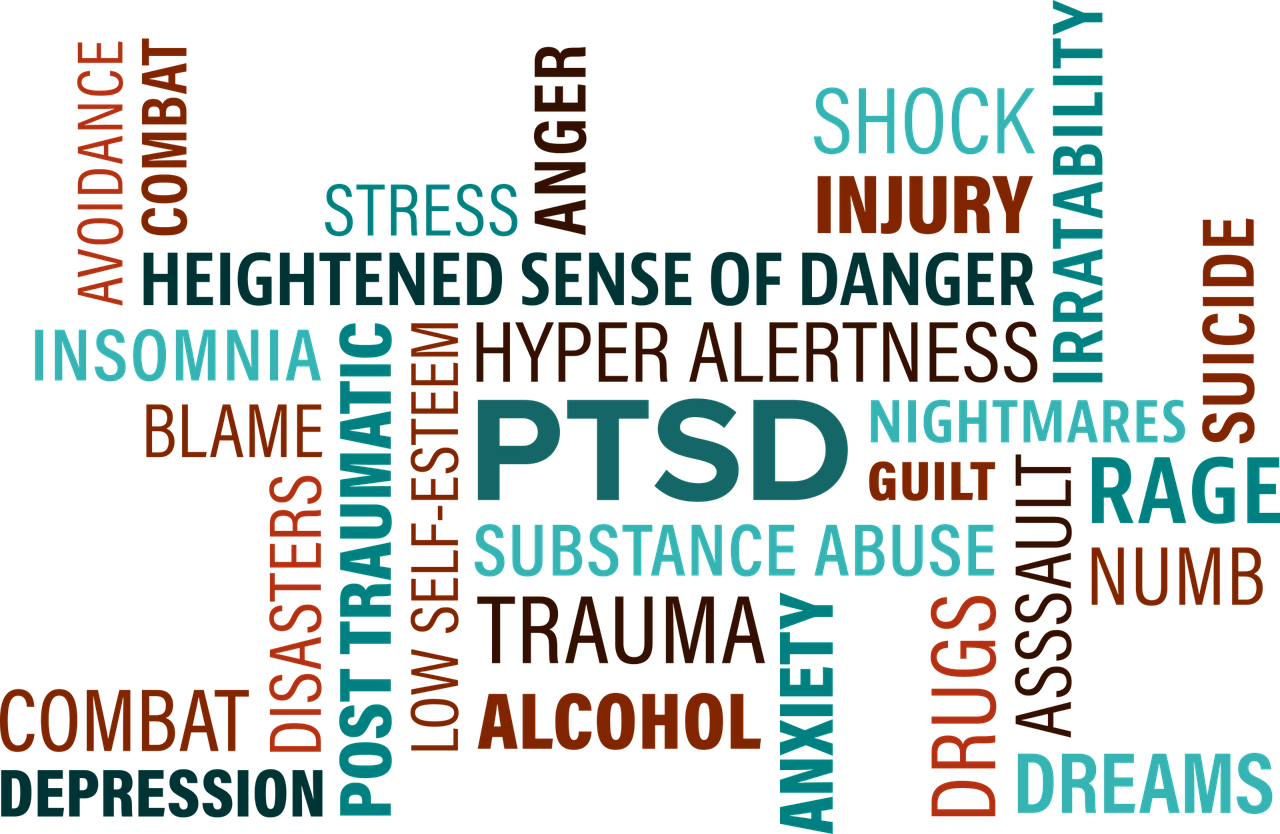
Trauma, especially the kind that produces Post Traumatic Stress Disorder (PTSD) alters the brain in a host of ways. One major result of trauma is a change in sleep patterns. Those changes in sleep result in a host of other mental and behavioral changes. Children who are abused or neglected or witness a traumatic event have problems sleeping. Rates of sleep disorders in abused children and adults with PTSD range from 50% to 90%. The majority of all people who experience trauma have a sleep disruption that causes other mental health problems.

While the trauma and the resulting change in sleep often go unreported, other changes in behavior get noticed. These issues frequently follow child victims of trauma into adulthood. Adult victims of trauma have the same types of outcomes and they or others may think they are just acting childish. There are reasons the brain changes and things that can be done about those changes.

Not everyone who witnesses a traumatic event develops PTSD- we know that. There is a whole area of study on the topic of resilience and why some people can bounce back and others become “traumatized.” Even people with very high resilience can develop PTSD if they experience enough trauma often enough. Children who are abused, molested, or neglected are at high risk, so are women who are abused and anyone witnessing the horrors of modern warfare often enough is likely to develop PTSD.

One result of exposure to trauma is an increase in attention to things that look like the cause of the trauma. We call this hypervigilance and many times it is a good thing.

Say you walk into the street and are hit by a car. In the future, you will be much more careful. If it happens to you as a child you may grow up to be afraid to cross streets. You may even become fearful when your children need to walk to school and feel the need to go with them to keep them safe.

A woman who is beaten and raped by some men wearing a particular color of clothing, something gang-related or a sports team’s logo, will be very careful when she sees that style of clothing again. This may keep her safe if she avoids dangerous situations. But sometimes the increased vigilance becomes a problem.

When someone becomes afraid to leave the house or to go where there are crowds because that feared person can’t be seen? What if they become afraid of all people? What if a dangerous person changes their clothing and they do not get recognized because that woman is looking out for only one clothing style? The vigilance is now turned up too high and focused on too little.

A child who is punished for a poor score on a test may try harder the next time. But if the punishment is excessive – if it turns to abuse – that child may do anything to avoid taking a test – for the rest of their life!

How does this excess vigilance, which started out to protect the person begin to rob them of sleep and undermine their mental health?

The human body and brain move through a series of sleep stages during the night. Some stages are deep and some are shallow. Most people reach a shallow stage and then fall back asleep. Not someone with PTSD.

Children with PTSD as a result of abuse have difficulty falling asleep. Their sleep is shallower all through the night because of the hypervigilance. They wake up many times during the night. When they wake up they become fearful. Is something dangerous about to happen? Was there a sound that woke them up?

Children with disrupted sleep as a result of past trauma are more likely to wet the bed. They are also more likely to get up and check the house to see if they are safe. They may sleepwalk. They may have sudden awakenings as a result of the smallest of noise and it may be hard to get to sleep again after the awakenings. They often have nightmares and sometimes night terrors when they awaken suddenly screaming in fear.

Now a lack of sleep at night makes the person with PTSD very tired the next day. They often get diagnosed with ADHD or Bipolar disorder. I question sometimes, with the clients I see, if a large amount of trauma they experienced in childhood did not cause the brain to grow and connections to form that resulted in the Bipolar condition. Since there is a genetic component to many mental illnesses, and children who have a genetic risk factor may also have parents who have a mental illness. This is not an argument for taking more children away from parents. What I am suggesting is that we need more early intervention. Kids who grow up with PTSD may have trouble being appropriate parents and the problem gets passed on before it is recognized.

During the REM sleep stage, memories are moved from short-term memory to long-term memory. Poor sleep can result in things that were learned one day being forgotten when the person gets up the next morning. Lack of sleep can also result in conditions that look like psychosis.  Staying awake too long by choice or from PTSD results in the brain making things up. Before long you can have problems telling if something is real or if you are dreaming it up. You may walk around all day more than half asleep.

People who are traumatized, with or without PTSD, and who have a sleep disruption, as a result, are much more likely to abuse alcohol or drugs. In many drug treatment programs, clients who report trauma in the past exceed 50%, sometimes the rate approaches 100%.

When the thoughts of the past keep you awake at night it appears to make sense to take something to help you sleep. Many people turn to alcohol which does not make things better, it makes them worse.

As a person drinks more the body develops a tolerance to the alcohol. It takes more and more alcohol to knock the drinker out. Being unconscious is not the same thing as sleeping. This is one reason a person who drinks and passes out is so tired the next morning.

So there you have it. Trauma especially in large doses, the PTSD kind, results in poor sleep. The poor sleep results in lots of symptoms that look like other problems. The treatment of choice here is to work with someone who specializes in treating the Trauma or PTSD and at the same time make getting lots of good sleep a priority.

Staying connected with David Joel Miller

Seven David Joel Miller Books are available now!

My newest book is now available. It was my opportunity to try on a new genre. I’ve been working on this book for several years, but now seem like the right time to publish it.

Story Bureau.

Story Bureau is a thrilling Dystopian Post-Apocalyptic adventure in the Surviving the Apocalypse series.

Baldwin struggles to survive life in a post-apocalyptic world where the government controls everything.

As society collapses and his family gets plunged into poverty, Baldwin takes a job in the capital city, working for a government agency called the Story Bureau. He discovers the Story Bureau is not a benign news outlet but a sinister government plot to manipulate society.

Bumps on the Road of Life. Whether you struggle with anxiety, depression, low motivation, or addiction, you can recover. Bumps on the Road of Life is the story of how people get off track and how to get your life out of the ditch.

Dark Family Secrets: Doris wants to get her life back, but small-town prejudice could shatter her dreams.

Casino Robbery Arthur Mitchell escapes the trauma of watching his girlfriend die. But the killers know he’s a witness and want him dead.

Planned Accidents  The second Arthur Mitchell and Plutus mystery.

Letters from the Dead: The third in the Arthur Mitchell mystery series.

What would you do if you found a letter to a detective describing a crime and you knew the writer and detective were dead, and you could be next?

Sasquatch. Three things about us, you should know. One, we have seen the past. Two, we’re trapped there. Three, I don’t know if we’ll ever get back to our own time.

For these and my upcoming books; please visit my Author Page – David Joel Miller

Want the latest blog posts as they publish? Subscribe to this blog.

For videos, see: Counselorssoapbox YouTube Video Channel
Is Behavioral health related to Behavior or Health?

By David Joel Miller, MS, Licensed Therapist & Licensed Counselor.

Mental Health or Mental Illness

Mental Health or Mental Illness?
Photo courtesy of Pixabay.com

What is Behavioral Health?

The term “Behavioral health” is getting associated with anything from a place that treats mental illness to healthy lifestyles. Additional areas of concern have been added to the things the local mental health agency concerns itself with and some of the old concerns are getting eliminated. The further we stretch the term behavioral health, the more it includes, the less meaning it has.

Some consumers, who were used to going to mental health, resent the name change to Behavioral Health. They point out that they are not their behavior and that being depressed anxious etc is not a behavior. At the same time, consumers are complaining about the new “behavioral healthcare” name, a major national group, the National Council for Community Behavioral Healthcare is pushing forward with programs aimed at reducing the stigma of mental illness and informing the community about mental illness and related issues. So why the need for a name change?

You would think that Behavioral Health and Healthy Behaviors would somehow be related. There are lots of programs, blogs, and books on living and behaving in a healthy manner. Adult-onset Diabetes is highly correlated with being overweight and with having a sedentary lifestyle. So exercising is a part of healthy behaviors but not part of most Behavioral Health Departments program. We keep changing the names for a reason.

We have a tendency to avoid words that have unpleasant connotations. First, we see someone with a disability or problem. Next, we try to define what exactly is their difficulty. Defining requires a word or term. Before long the word goes from defining this person’s challenge to being a label people attach to the person, not the condition. So the term that began as a definition of an issue someone was experiencing became a negative derisive term that we can no longer say.

Consider a historical example. We discovered that given two people, both age twenty, one might be able to do advanced Calculus and another might still be struggling with basic addition. To explain this we invented the concept of I. Q. or intelligence quotation. IQ was understood as the number that resulted from dividing their mental age by their chronological age.  Let’s avoid the math and the changes in the test that measure this idea for now.

So people with a high score were called geniuses, or gifted. For people with a low score, we needed terms that described just how much lower their score was than the average.  So at first, some people used terms to describe a particular range of low scores with terms like moron or imbecile. Before long these terms moved from describing a score on a piece of paper to describing people. Calling people by those labels was offensive to them and to others and we don’t use the labels anymore.  We invented new labels.

So the new terms became Mild, Moderate, Severe, and Profound Mental Retardation. This set of terms is still in use in the most recent DSM diagnostic manual but already I notice people are uncomfortable describing anyone with these terms and we are using newer labels to avoid describing people by their IQ score.

For a long time, the same social service department that worked with the mentally ill also worked with people with lower than average IQ scores. We had places called the “X county department of mental illness and mental retardation.” Someplace changed that name to the department “FOR the mentally retarded and mentally ill,” because the first name sounded like all the employees had a mental illness or low IQ scores. Many people with a mental illness like depression or anxiety avoided going to a place for the mentally retarded because they were “not like that.” So recently we have split off the services for those with low IQ scores. They now go to special places which in my area are called “regional centers.” I expect before long all places called regional or centers will have to change their names when people find out that regional centers serve those with low IQ’s and their families. This separation creates another problem. People with low IQ scores can and do get Anxious or Depressed and they need both kinds of help.

So we have started using another term “Developmentally delayed,” which is also fuzzy because this can be applied to a lot of things besides low IQ. Eventually, we will have to stop using this term when people catch on that some “Developmentally Delayed” people have physical or learning problems and some have low IQ scores. I have written before about the trend to diagnose all people with a low IQ as having ADHD and then give them a stimulant med. We keep hoping there will be a pill that will make all people geniuses.

But our story does not end there.

Over the last few years, mental health and substance abuse programs have begun to integrate. So the mental illness label, while it did fit some substance abusers, did not fit all. And other times we find high but not universal levels of substance abuse among clients who have mental illnesses. So we started looking for a name that might be inclusive of everyone the agency was trying to serve.

The prevalent form of therapy these days is not the traditional Freudian model but the newer Behavioral and cognitive-behavioral types. My understanding of thoughts is that they are also events. Electricity moves through nerve cells and chemicals (neurotransmitters) move between cells. So every thought also involves an event and is a behavior we could see and measure. Yanking your hand out of a fire is a behavior but it is not likely to be something you think over and decide to do. So I can easily see how someone who starts out drinking can reach a point where they are dependent on alcohol. Someone who thinks about negative events in their life may become depressed. In both cases, there are behaviors going on but in neither case do I think the person is choosing to be sick.

Among children “behavioral health” diagnoses mostly include bad behavior like being very oppositional or not meeting parent’s and teacher’s requirements. So some people have started to think that people who go to “Behavioral Health” for help are just poorly behaved and need to knock it off. I can assure you they would if they could. Having a mental illness or an addiction is not fun.

People can also get knocked down by life events like losing a loved one. The ability to get back up is called resiliency. People who have trouble getting back up may need help in the form of counseling. It is hard to see how those problems are “behavioral health” problems except in terms of an event of thoughts moving around in the head. Very often clients who can’t get back up are referred to Behavioral health. They are certain they are not crazy and know they are not doing this deliberately so they tell us they don’t need to see a counselor.

I agree with them, they are not crazy, and being depressed or anxious or having another life problem does not mean you are behaving badly. But you still just might benefit from counseling. Things will get even more complicated in the future when Behavioral Health becomes more fully integrated with physical health. Negative thoughts can actually really make you sick and physical illnesses can change your mood.

Until we find a better name for the way in which we try to help people by teaching and talking – Behavioral Health just may have to do.

Staying connected with David Joel Miller

Seven David Joel Miller Books are available now!

My newest book is now available. It was my opportunity to try on a new genre. I’ve been working on this book for several years, but now seem like the right time to publish it.

Story Bureau.

Story Bureau is a thrilling Dystopian Post-Apocalyptic adventure in the Surviving the Apocalypse series.

Baldwin struggles to survive life in a post-apocalyptic world where the government controls everything.

As society collapses and his family gets plunged into poverty, Baldwin takes a job in the capital city, working for a government agency called the Story Bureau. He discovers the Story Bureau is not a benign news outlet but a sinister government plot to manipulate society.

Bumps on the Road of Life. Whether you struggle with anxiety, depression, low motivation, or addiction, you can recover. Bumps on the Road of Life is the story of how people get off track and how to get your life out of the ditch.

Dark Family Secrets: Doris wants to get her life back, but small-town prejudice could shatter her dreams.

Casino Robbery Arthur Mitchell escapes the trauma of watching his girlfriend die. But the killers know he’s a witness and want him dead.

Planned Accidents  The second Arthur Mitchell and Plutus mystery.

Letters from the Dead: The third in the Arthur Mitchell mystery series.

What would you do if you found a letter to a detective describing a crime and you knew the writer and detective were dead, and you could be next?

Sasquatch. Three things about us, you should know. One, we have seen the past. Two, we’re trapped there. Three, I don’t know if we’ll ever get back to our own time.

For these and my upcoming books; please visit my Author Page – David Joel Miller

Want the latest blog posts as they publish? Subscribe to this blog.

For videos, see: Counselorssoapbox YouTube Video Channel

Lonely Fruit Flies get drunk

By David Joel Miller, MS, Licensed Therapist & Licensed Counselor.

Fruit fly

Lonely Fruit flies drink.
Photo courtesy of Pixabay.com

Lonely fruit flies get drunk.

Lonely fruit flies drink almost 50% more alcohol than fruit flies with mates. Maybe this should reassure us, maybe not. We have known for a long time that some other mammals will get drunk. Check the internet and you will find videos of drunken monkeys. So far the question was, do monkeys drink like humans, or do humans who drink act like monkeys? Maybe both?

There are reports also of elephants that raid villager’s beer and get drunk. This is the first time I have seen an account of drunken fruit flies. And this account gives us the reason for the fruit flies drinking.

Did we really need a study of fruit flies drinking? Does this sound like something we thought we should know without a study? I had to read it twice to see why they did this study. Then I started thinking they may be on to something. If lonely fruit flies drank more maybe it is not just us humans that would drink given the chance. Hang with me on this.

This study, done in San Francisco, where else, compared the drinking of two groups of fruit flies. Knowing that part of the world the way I do I am surprised that this experiment has not already been repeated using fraternity men. Maybe it has. Send in your comments if you know of a repeat of this experiment using some other animal.

Saying the fruit flies were lonely is, of course, my interpretation. They are really hard to interview and fruit flies rarely talk about their feelings. We have to guess from their actions how fruit flies are feeling, which may be another way in which fruit flies and male humans are alike.

One way in which fruit flies are unlike humans – sort of – is that female fruit flies who have mated once lose interest in mating again. So the researchers let the female fruit flies breed, presumably without the benefit of alcohol to make the male fruit flies look better.

Then they let some more male fruit flies have a go at the lady flies. The late-arriving male flies got turned down. This is where it starts to get interesting and makes some sense of why all the flies and the alcohol.

When the males who got to mate when offered the alcohol could take it or leave it. But the male fruit flies who got turned down drank a lot more.

The unmated male flies, I prefer to think of them as lonely, had much lower levels of one specific brain chemical. A similar chemical called Neuropeptide Y is found in humans. When humans are sad or depressed the levels of Neuropeptide Y drop.

The conclusion I draw from this research is that sadness, depression, and loneliness causes a physical craving for alcohol whether you are a human or a fruit fly.

Now that is no excuse for drinking, particularly excessive drinking. In humans, we know that sex alone is not enough to reduce the urge to drink. But what stands out most for me is that a lack of warm close relationships increases the risks of a negative emotion and that predisposes a human to substance abuse.

There you have it, get depressed, Neuropeptide Y drops, and you crave alcohol whether you are a man or fruit fly.

As for those lonely fruit flies, what should we do? Maybe start a charity to form fruit fly bowling leagues or quidditch tournaments?  Anyone know of a dating service for lonely fruit flies?

Till next time, keep working on your happy relationships.

Staying connected with David Joel Miller

Seven David Joel Miller Books are available now!

My newest book is now available. It was my opportunity to try on a new genre. I’ve been working on this book for several years, but now seem like the right time to publish it.

Story Bureau.

Story Bureau is a thrilling Dystopian Post-Apocalyptic adventure in the Surviving the Apocalypse series.

Baldwin struggles to survive life in a post-apocalyptic world where the government controls everything.

As society collapses and his family gets plunged into poverty, Baldwin takes a job in the capital city, working for a government agency called the Story Bureau. He discovers the Story Bureau is not a benign news outlet but a sinister government plot to manipulate society.

Bumps on the Road of Life. Whether you struggle with anxiety, depression, low motivation, or addiction, you can recover. Bumps on the Road of Life is the story of how people get off track and how to get your life out of the ditch.

Dark Family Secrets: Doris wants to get her life back, but small-town prejudice could shatter her dreams.

Casino Robbery Arthur Mitchell escapes the trauma of watching his girlfriend die. But the killers know he’s a witness and want him dead.

Planned Accidents  The second Arthur Mitchell and Plutus mystery.

Letters from the Dead: The third in the Arthur Mitchell mystery series.

What would you do if you found a letter to a detective describing a crime and you knew the writer and detective were dead, and you could be next?

Sasquatch. Three things about us, you should know. One, we have seen the past. Two, we’re trapped there. Three, I don’t know if we’ll ever get back to our own time.

For these and my upcoming books; please visit my Author Page – David Joel Miller

Want the latest blog posts as they publish? Subscribe to this blog.

For videos, see: Counselorssoapbox YouTube Video Channel

Bipolar Disorder Genetics Research Study- Come one come all

By David Joel Miller, MS, Licensed Therapist & Licensed Counselor.

Person with masks

Bipolar.
Photo courtesy of Pixabay.com

Here is another Bipolar research study that I thought was worth passing along.

This was announced last month but I just came across the post.  While it may not help anyone with their current symptoms these kinds of studies help us understand more about

This was announced last month but I just came across the post.  While it may not help anyone with their current symptoms these kinds of studies help us understand more about Bipolar disorder and other conditions that just look like bipolar but aren’t. Here is the full press announcement from the March 1, 2012, update from the NIMH partner’s email. Let me know what you think of these blog entries on Bipolar research programs. Are they helpful? Have you heard about this before? Feel free to leave a comment on the counselorssoapbox.com blog.

“Nationwide Recruitment: Bipolar Disorder Adult Research Study

Bipolar Disorder Genetics: A Collaborative Study

Individuals diagnosed with bipolar disorder may be eligible to participate in a research study at the NIH Clinical Center. The purpose of this study is to identify genes that may contribute to the development of bipolar disorder (manic depression), and related conditions. Bipolar disorder is a common and potentially life-threatening mood disorder. The tendency to develop bipolar disorder can be inherited, but this is poorly understood and probably involves multiple genes. This study will use genetic markers to map and identify genes that contribute to bipolar disorder.

Families and individuals who have the disorder are asked to contribute personal information and a blood sample to an anonymous national database. This information will aid scientists around the world who are working together to develop better treatments for this serious mood disorder.

To find out more information, please call 1-866-644-4363 or email kazubad@mail.nih.gov.

National Institute of Mental Health, National Institutes of Health, Department of Health and Human Services

For more information on research conducted by the National Institute of Mental Health in Bethesda, MD click here http://patientinfo.nimh.nih.gov.”

Staying connected with David Joel Miller

Seven David Joel Miller Books are available now!

My newest book is now available. It was my opportunity to try on a new genre. I’ve been working on this book for several years, but now seem like the right time to publish it.

Story Bureau.

Story Bureau is a thrilling Dystopian Post-Apocalyptic adventure in the Surviving the Apocalypse series.

Baldwin struggles to survive life in a post-apocalyptic world where the government controls everything.

As society collapses and his family gets plunged into poverty, Baldwin takes a job in the capital city, working for a government agency called the Story Bureau. He discovers the Story Bureau is not a benign news outlet but a sinister government plot to manipulate society.

Bumps on the Road of Life. Whether you struggle with anxiety, depression, low motivation, or addiction, you can recover. Bumps on the Road of Life is the story of how people get off track and how to get your life out of the ditch.

Dark Family Secrets: Doris wants to get her life back, but small-town prejudice could shatter her dreams.

Casino Robbery Arthur Mitchell escapes the trauma of watching his girlfriend die. But the killers know he’s a witness and want him dead.

Planned Accidents  The second Arthur Mitchell and Plutus mystery.

Letters from the Dead: The third in the Arthur Mitchell mystery series.

What would you do if you found a letter to a detective describing a crime and you knew the writer and detective were dead, and you could be next?

Sasquatch. Three things about us, you should know. One, we have seen the past. Two, we’re trapped there. Three, I don’t know if we’ll ever get back to our own time.

For these and my upcoming books; please visit my Author Page – David Joel Miller

Want the latest blog posts as they publish? Subscribe to this blog.

For videos, see: Counselorssoapbox YouTube Video Channel

Overcoming anxiety by computer

By David Joel Miller, MS, Licensed Therapist & Licensed Counselor.

Computer

Internet.
Photo courtesy of Pixabay.com

Treating anxiety by Computer.

There is an interesting new study on an experimental treatment for anxiety using an interactive computer program. The study, done in Israel and partially funded and conducted by U. S. researchers looked at treating teenagers for anxiety using a new computerized treatment. Anxiety disorders are the most common mental health diagnoses in America and approximately 25% of teens are diagnosed with an anxiety disorder at some point in their teenage years.

Cognitive Behavioral Therapy (CBT) is commonly used to treat anxiety disorders and has been shown to be especially successful at reducing anxiety symptoms. About 70% of the time CBT reduces or eliminates anxiety symptoms in children and teens. Unfortunately, CBT treatment is not available to all the teens that need it. Without therapy, the only alternatives are medications, which may have strong and permanent side effects or letting the child suffer untreated. Most adults who suffer from anxiety disorders first experienced the symptoms as children or teens but the symptoms when untreated or undertreated.

Why factors might explain why CBT helps only 70% of those who go for therapy? How can we explain that a computer program worked to treat anxiety disorders?

People with anxiety disorders unconsciously pay more attention to threatening things than non-anxious people. Paying attention to threats and having some anxiety is protective when you are in a dangerous situation. The problem for chronic anxiety sufferers is that they pay too much attention to threats in situations that are not that threatening. People with anxiety disorders have difficulty moving their focus from a potential threat to another non-threatening item.

Now this problem of focusing on the negative is not limited to anxiety provoking things. The same principle has turned out to be effective for treating chronic pain and depression. People with chronic pain are extra attuned to their pain. They tend to focus on the pain to the exclusion of everything else.

When people with chronic pain are taught to focus on other things, pleasant positive things and they learn techniques to shift their focus from the pain to something positive they report the pain is reduced or eliminated. When you are having fun you forget your pain if only for a moment. This ability to shift focus also may explain why laughter and jokes are also an effective treatment for reducing symptoms of many common mental health problems.

Reducing symptoms is not the same as a permanent cure. But not having anxiety or pain even for a while is a great thing. And the more the symptoms are reduced the more likely you will be able to live with your condition. Recovery from many conditions does not mean completely eliminating the problem. Recovery may mean for some people an improvement in their quality of life.

We have known that thinking has a huge impact on feelings for a very long time. People with a negative bias, they think everything about themselves, the world, and the future is bad, are more likely to be depressed.

So if you are anxious, depressed, or in a lot of pain and your current treatment is not helping, consider working on changing the things you focus on. Working with a good counselor or therapist can help you learn to shift focus. So can a good self-help book.  However, you learn the techniques you will need to practice shifting your focus from the negative problem-based view to the positive recovery and resiliency point of view. My thought is that the computer-based system helped people with excess anxiety because it included a lot of practice at changing their focus in a short period of time. Even without the computer program, the more you practice shifting your attention the better you can become about changing the way you look at things.

The full article on the computer based anxiety treatment experiment is available at the NIMH site.

http://www.nimh.nih.gov/science-news/2012/computer-based-treatment-eases-anxiety-symptoms-in-children.shtml

Try this experiment, try shifting the things you pay attention to and see if your anxiety, pain, or depression shrinks. If you do this experiment leave a comment on this blog and let the rest of us know how it worked out.

Staying connected with David Joel Miller

Seven David Joel Miller Books are available now!

My newest book is now available. It was my opportunity to try on a new genre. I’ve been working on this book for several years, but now seem like the right time to publish it.

Story Bureau.

Story Bureau is a thrilling Dystopian Post-Apocalyptic adventure in the Surviving the Apocalypse series.

Baldwin struggles to survive life in a post-apocalyptic world where the government controls everything.

As society collapses and his family gets plunged into poverty, Baldwin takes a job in the capital city, working for a government agency called the Story Bureau. He discovers the Story Bureau is not a benign news outlet but a sinister government plot to manipulate society.

Bumps on the Road of Life. Whether you struggle with anxiety, depression, low motivation, or addiction, you can recover. Bumps on the Road of Life is the story of how people get off track and how to get your life out of the ditch.

Dark Family Secrets: Doris wants to get her life back, but small-town prejudice could shatter her dreams.

Casino Robbery Arthur Mitchell escapes the trauma of watching his girlfriend die. But the killers know he’s a witness and want him dead.

Planned Accidents  The second Arthur Mitchell and Plutus mystery.

Letters from the Dead: The third in the Arthur Mitchell mystery series.

What would you do if you found a letter to a detective describing a crime and you knew the writer and detective were dead, and you could be next?

Sasquatch. Three things about us, you should know. One, we have seen the past. Two, we’re trapped there. Three, I don’t know if we’ll ever get back to our own time.

For these and my upcoming books; please visit my Author Page – David Joel Miller

Want the latest blog posts as they publish? Subscribe to this blog.

For videos, see: Counselorssoapbox YouTube Video Channel