
Third Hand Smoke.

By David Joel Miller, MS, Licensed Therapist & Licensed Counselor.

Cigarette

Cigarette smoking is addictive.
Photo courtesy of Pixabay.com

Have you ever heard of third-hand smoke?

Most people haven’t. There is a lot more awareness of second-hand smoke these days, but not third hand.

It took us a long time to recognize the health damages of smoking. There are still some people who try to argue that smoking is not harmful to health. They can point to some old person who lived a long life and smoked every day. They can also show us instances of people who never smoked and developed lung or another cancer anyway. But the studies continue to pile up that show that for any group of people we look at, the non-smokers, overall, have fewer health challenges than the smokers.

Smoking mental health connection.

This is especially important to me as a counselor because there is a strong connection between smoking and mental and emotional disorders. Substance abusers and the mentally ill smoke a lot, as any counselor who works around this group can tell you. It is not just the act of smoking that causes problems, which is where second-hand and third-hand smoking comes into play.

Now cigarettes are not the only problem. Areas with high air pollution and poor air quality are likely to have increased rates of people with respiratory problems. Anything on fire is likely to cause problems. One stud, I read, said that people who burn a lot of incense can develop respiratory problems also. Sure smoke from a poorly set fireplace can fill a room with smoke, though most of this goes up the chimney. Forest fires and structure fires are not good for the lungs either. But cigarettes are the major cause of indoor air pollution.

Smoke goes where it wants to.

The smoke, fine particles, and hot gas from the cigarette, are not the only problem. The basic chemicals in cigarettes are also significant issues. Tar and nicotine in the air don’t know to only go into the smoker’s lungs. They float around and fill everyone in the room’s lungs. Now we know about the risk of second-hand smoke in restaurants and bars. We are also connecting the dots that show that kids who live with smokers have more asthma and other breathing problems. Parents and other adults should not smoke in an enclosed space where kids, the elderly, or other susceptible people are present. Waiting till the kids leave is not enough though.

Where is the smoke when you can’t see it?

Eventually, the “smoke” in the air disappears. Where does to go? Some of it sticks to the walls and the ceiling, a lot of it settles to the floor. Now that residue, that tar, nicotine, ash, and other nasty stuff waits patiently in the carpet and stuck to the floor.

Eventually, someone walks on the carpet, maybe a child crawls around in the shag. This could be weeks or months after the smoker has left the room.  The longer the smoker was in the room the more gunk is in the carpet. Shampooing and vacuuming get some of it out but there is still plenty left.

When that child crawls around they are stirring up a lot of that residue. They are only inches from the surface and the little particles find their way into their lungs. Now they are exposed to the smoke of a smoker who has not lived in the house since they moved in. They may never have met that smoker but they are impacted by that residual smoke.

So there you have it. Third-hand smoke is breathing in the residue from smoking that is stirred up from surfaces long after the smoker has left. It may not be possible to ever completely decontaminate the room. This has led to a movement to keep some rooms forever uncontaminated by anyone who has smoked.

We would like to think that this would solve the problem. But we know that despite all the warnings parents still smoke in the car with their kids present and we know that if they smoke in the house even when the kids are not home those kids and other people long after will be exposed to the toxins from that smoke.

Quitting cigarettes is hard.

Now I know that quitting smoking is not easy. Former Heroin addicts tell me it was easier to kick heroin than cigarettes and I believe them. But maybe the idea that long after the smoker has gone their children or grandchildren may still be breathing in the results of their smoking will spur some people to try to quit.

This blog is about having a happy life. So if you chose to keep smoking that is on you. But as hard as it is to quit I can’t think of anyone who has stopped smoking and stayed quit that has ever told me they regretted quitting. That is my encouragement on making the change if you decide to do so.

If you are still smoking, isn’t it time for you to quit?

Staying connected with David Joel Miller

Seven David Joel Miller Books are available now!

My newest book is now available. It was my opportunity to try on a new genre. I’ve been working on this book for several years, but now seem like the right time to publish it.

Story Bureau.

Story Bureau is a thrilling Dystopian Post-Apocalyptic adventure in the Surviving the Apocalypse series.

Baldwin struggles to survive life in a post-apocalyptic world where the government controls everything.

As society collapses and his family gets plunged into poverty, Baldwin takes a job in the capital city, working for a government agency called the Story Bureau. He discovers the Story Bureau is not a benign news outlet but a sinister government plot to manipulate society.

Bumps on the Road of Life. Whether you struggle with anxiety, depression, low motivation, or addiction, you can recover. Bumps on the Road of Life is the story of how people get off track and how to get your life out of the ditch.

Dark Family Secrets: Doris wants to get her life back, but small-town prejudice could shatter her dreams.

Casino Robbery Arthur Mitchell escapes the trauma of watching his girlfriend die. But the killers know he’s a witness and want him dead.

Planned Accidents  The second Arthur Mitchell and Plutus mystery.

Letters from the Dead: The third in the Arthur Mitchell mystery series.

What would you do if you found a letter to a detective describing a crime and you knew the writer and detective were dead, and you could be next?

Sasquatch. Three things about us, you should know. One, we have seen the past. Two, we’re trapped there. Three, I don’t know if we’ll ever get back to our own time.

For these and my upcoming books; please visit my Author Page – David Joel Miller

Want the latest blog posts as they publish? Subscribe to this blog.

For videos, see: Counselorssoapbox YouTube Video Channel

Finding happiness

By David Joel Miller, MS, Licensed Therapist & Licensed Counselor.

Happy faces

Happiness.
Photo courtesy of Pixabay.com

It is hard to find a thing if you don’t know what it looks like. People who are unhappy can find the pain anywhere but can’t find happiness. A happiness expert can find a happy thing a mile away. Which are you?

Why is it so hard to find happiness, financial security or so many of those other things clients who come to see me say they are looking for? There is a simple phenomenon, called the “expert effect,” which explains one reason it is so hard to find those things were are looking for in life. Let me tell you a story that illustrates a real-world example of “expert effect” that happened to me and then let’s look at how this phenomenon may be keeping you from getting the things you want, like happiness, out of life.

Once I had a friend who was very into antiques. We decided to go antique shopping together. We went from shop to shop and looked around. Several times as we left a store this friend would say to me something like “Did you see that Fenton Glass?” “They had some nice Murano glass in there, did you like it?” Each time I had to admit I had not noticed the glass piece my friend had asked about. This was very frustrating for me.

So over the next few weeks, I checked some books on collectible glass out of the library and read them. This was in the ancient days when people went to buildings called libraries to get books instead of reading books on their e-reader. After reading several of these books about the collectible glass I began to know some of the different kinds of glass that might be in antique and collectible stores.

A few weeks later this friend of mine and I ended up downtown for lunch and decided to check out a couple of antique stores. The same thing happened as last time, they commented on some glass pieces they had liked. Only this time my response was different. I had indeed seen the piece they mentioned and now I even had an opinion on the ones I liked and the ones that did not strike my fancy. I had become enough of an “expert” to at least recognize a piece of glass when I saw one. Please don’t email me with questions on collectible glass. The only thing I may be able to tell you is that piece looks like glass to me. But at least now I know glass when I see it, most of the time.

Now that I am a counselor I realize that for many of my clients this “expert effect” is what is holding them back. How can you find happiness if you don’t know what it looks like?

Lots of people think that if they get a new job or a larger house or say a new romantic partner then they will be happy. They come to see me when they get one or more of these things and then discover they are still not happy. So the first step in finding a happy life would be to find out what it looks like, for you and for others who seem to have a lot of it. See happiness is a feeling, not a thing. Many people know what things look like but they can’t tell a feeling from a piece of collectible glass.

This is a special problem for people in recovery, recovery from substance abuse, dysfunctional relationships, or other problems. To find recovery I believe that you need to get to know three things.

First, you need to really know what your problem looks like. Lots of substance abusers spend years trying to avoid looking at their problems. So what does the disease of addiction look like? How would you know a good relationship from a dysfunctional one? How would you really know if you were happy?

Second, you need to know what recovery looks like. Let me give you a hint here. Recovery is not a list of “things” that you will have. Recovery is not a cure or a cure-all, it is being restored to sanity or restored to a functioning life.

Lastly, you need to get to know yourself. What are you like when you are happy? What makes you sad? What do you like? I tell clients you will spend more time with yourself than with anyone else in your life and you need to really get to know you. You should be the world expert on you.

Have you begun your study of you? Have you started to study the truly happy life? Let me know if you have, and what you have learned about happiness.

Staying connected with David Joel Miller

Seven David Joel Miller Books are available now!

My newest book is now available. It was my opportunity to try on a new genre. I’ve been working on this book for several years, but now seem like the right time to publish it.

Story Bureau.

Story Bureau is a thrilling Dystopian Post-Apocalyptic adventure in the Surviving the Apocalypse series.

Baldwin struggles to survive life in a post-apocalyptic world where the government controls everything.

As society collapses and his family gets plunged into poverty, Baldwin takes a job in the capital city, working for a government agency called the Story Bureau. He discovers the Story Bureau is not a benign news outlet but a sinister government plot to manipulate society.

Bumps on the Road of Life. Whether you struggle with anxiety, depression, low motivation, or addiction, you can recover. Bumps on the Road of Life is the story of how people get off track and how to get your life out of the ditch.

Dark Family Secrets: Doris wants to get her life back, but small-town prejudice could shatter her dreams.

Casino Robbery Arthur Mitchell escapes the trauma of watching his girlfriend die. But the killers know he’s a witness and want him dead.

Planned Accidents  The second Arthur Mitchell and Plutus mystery.

Letters from the Dead: The third in the Arthur Mitchell mystery series.

What would you do if you found a letter to a detective describing a crime and you knew the writer and detective were dead, and you could be next?

Sasquatch. Three things about us, you should know. One, we have seen the past. Two, we’re trapped there. Three, I don’t know if we’ll ever get back to our own time.

For these and my upcoming books; please visit my Author Page – David Joel Miller

Want the latest blog posts as they publish? Subscribe to this blog.

For videos, see: Counselorssoapbox YouTube Video Channel

Two kinds of fear

By David Joel Miller, MS, Licensed Therapist & Licensed Counselor.

Fear.

Fear.
Photo courtesy of Pixabay.com

Underneath many of life’s problems is an ancient enemy – fear.

It is at the bottom of most negative emotions, the ones that infect our lives and undermine our happiness. Fear is at the bottom of anxiety, depression, and the problems of daily living that keep knocking us off the road to happiness. Whatever disguise fears are wearing, we each have our own special boogeyman, there seem to be two primary species of fear. This is not a new idea, I heard it a long time ago in a self-help meeting, but the more I have thought about it, the truer it seems to me.

We are usually either afraid of not getting something we want or afraid of losing something we have.

Most often we are afraid of not getting something we want. The fear that you will not get your needs or desires met is a powerful one. Unfortunately the more we have the more we need.

Think about stalkers here. They become obsessed with wanting someone, usually someone that is out of reach. I know there are stories about someone who pursued a romantic interest over a long time and much difficulty and in the end, the relationship happened. But once your intended romantic partner has gotten married, had children, and gotten a restraining order against you, it is time to give it up.

Some people try so hard for a particular job only to fall into a deep depression when it doesn’t come through. Wanting a career is wonderful. Pursuing your dream is great. But what will happen if that doesn’t pan out? You might be surprised at how many kids tell me they plan to go into major league sports. Most don’t make it. Some can’t make it and it ruins their whole life. What is really sad is when they become so fearful about failure that they self-sabotage and destroy their chances.

Ever hear the story of – well the name doesn’t matter – He was so sure his girlfriend was going to break up with him that he broke up with her first. Do you ever do that? Let your fear get control of you and destroy your chances before they began?

Therapists see some very sad cases of this fear. We see people who are not happy when alone, jump into a relationship because they are afraid that they will never be happy without a partner. Often they settle for a partner, any partner, and a relationship that is far short of what they wanted or deserved. Not surprisingly, to their counselor, they find that their partner is not happy either. Two unhappy people rarely make a happy relationship.

The second big cause of fear: We can be so in fear of losing something we have we forget to notice what we do have.

We old people have trouble keeping up. Two kids are sitting on a bench, each busily texting, neither one is speaking. I look over their shoulders. What could be so engrossing they don’t have time to talk? They are texting each other. I remember a time when my grandparents got a phone. Not everyone in the town had one. They felt lucky to be one of the first families to have one. I see a teen come into the psychiatric hospital, she cut her wrists, her parents had taken away her cell phone and she felt she had nothing to live for.

An old saying, only the rocks, and the hills are forever. Today with strip mining that may not be true. But we can get so into fear of losing something we miss out on the joy of having it. Remember in a hundred years not very many people, maybe no one will remember. For everything we have, we probably gave up something else that could have been.

Yes eventually that old car of yours, the one you saved to buy, it will break down. Keep it in the garage and never drive it and it will not get wrecked until your descendants take it out and drive it if it still runs then.

So have your fears controlled you? Do you fear you won’t get something you want and does that lead to anger, depression, or anxiety? Is that fear keeping you from trying?

Do you fear losing something so much that you can’t enjoy what you have? Is it time to challenge your fears? Don’t let fear keep you from having a happy life.

More on this is at 2 large reasons for your fear and Anxiety

Staying connected with David Joel Miller

Seven David Joel Miller Books are available now!

My newest book is now available. It was my opportunity to try on a new genre. I’ve been working on this book for several years, but now seem like the right time to publish it.

Story Bureau.

Story Bureau is a thrilling Dystopian Post-Apocalyptic adventure in the Surviving the Apocalypse series.

Baldwin struggles to survive life in a post-apocalyptic world where the government controls everything.

As society collapses and his family gets plunged into poverty, Baldwin takes a job in the capital city, working for a government agency called the Story Bureau. He discovers the Story Bureau is not a benign news outlet but a sinister government plot to manipulate society.

Bumps on the Road of Life. Whether you struggle with anxiety, depression, low motivation, or addiction, you can recover. Bumps on the Road of Life is the story of how people get off track and how to get your life out of the ditch.

Dark Family Secrets: Doris wants to get her life back, but small-town prejudice could shatter her dreams.

Casino Robbery Arthur Mitchell escapes the trauma of watching his girlfriend die. But the killers know he’s a witness and want him dead.

Planned Accidents  The second Arthur Mitchell and Plutus mystery.

Letters from the Dead: The third in the Arthur Mitchell mystery series.

What would you do if you found a letter to a detective describing a crime and you knew the writer and detective were dead, and you could be next?

Sasquatch. Three things about us, you should know. One, we have seen the past. Two, we’re trapped there. Three, I don’t know if we’ll ever get back to our own time.

For these and my upcoming books; please visit my Author Page – David Joel Miller

Want the latest blog posts as they publish? Subscribe to this blog.

For videos, see: Counselorssoapbox YouTube Video Channel
Wall Street is crazy!

By David Joel Miller, MS, Licensed Therapist & Licensed Counselor.

Mental Health or Mental Illness

Mental Health or Mental Illness?
Photo courtesy of Pixabay.com

Have you noticed that Wall Street has gone crazy?

Not the prices or the up and down of the market, more the way they are talking. I used to think all the “loony tunes” were in Washington. Have they moved to Wall Street?

Have you noticed they keep stealing our words – depression, schizophrenia even bipolar have turned into market terms.

I noticed it the other day. I was looking for articles on Major Depressive Disorder. Every article I came up with was about the economy. Suddenly depression is about a slow economy and not about a mental illness. Who do they think they are fooling?

With the exception of the “Great Depression” of 1929 past economic slowdowns were not called depressions. Even that one got the term because of the widespread sadness in the country as a result of the economic slowdown.

I even got a nasty comment on my blog, which I did not approve thank you very much, from a broker who was upset that we called sadness – depression. He did not like the idea that people could be sad. Investments – yes. People – no.

I read about the “occupy movement.” I can understand why they might want to occupy some places. Anyone for occupying Hawaii? But really guys – why occupy Wall Street? Would you occupy a VD clinic? Aren’t you afraid of catching something while on Wall Street? Something for which there is no treatment?

Let me remind those financial types that business slowdowns used to be called “Commercial Revulsions.” Look it up on Wikipedia if you doubt me. The idea was that purchasers became repulsed by the goods offered for sale. If you have looked at some of the cheap, tacky stuff in your local “Walleye World Store” or the “Cheaper Than a Buck Place” you would know what I mean. Some of that stuff makes me sick. In fact, I got so “commercially revulsed” that I wanted to vomit.

After “Commercial Revulsion” some smart ad man went to calling these downturns “Panics” they had a whole bunch of “Panics” up until our financial leaders decided that having a biannual “Panic” might not be good for consumer confidence.

We called them recessions off and on but that designation got to be so watered down we were having annual rescissions every time some retailer did not make a profit projection. So this time around they decided to borrow some mental health terms to explain why so many people are out of work and sad. In therapy we call these problems “Adjustment Disorders,” so far Wall Street hasn’t stolen that name. They are not used to adjusting to anything that is not their way but give them time.

We also used to have lots of bubbles. Remember the South Sea Bubble? (See Wikipedia again.) I remember sales on Arizona swampland and Florida homesites that were underwater. Wait a minute did that just happen again? Is this a rerun? This time underwater means they owe more than the stuff is worth. Last time it meant there was seawater on your home site. Another way to fleece a –

They have also taken to calling some CEO’s and CFO’s schizophrenic because they can’t seem to make up their minds. There is more to schizophrenia than indecisiveness. There are auditory hallucinations and there are things we call negative symptoms. Come to think of it some of those Wall Street types must have been hearing voices all through the housing boom. And now they have started making me real negative. Still not sure they should get the diagnosis of schizophrenia though.

And when did bipolar get to mean moody? I wrote a post about that but still, some stock guy wants us to think that today’s up and down market price is a sign of bipolar.

Next week I expect to read about a stock with “Dissociative Identity Disorder” or a CEO who has an “attachment disorder.”

Could you Wall Street types leave our vocabulary alone?

Could it get any worse? I just e-searched for more depression articles. Our depression word has been hijacked by a group of meteorologists. There was a whole page of articles on “Tropical Depressions.” What is so sad about going to the tropics it would make a meteorologist depressed?

Until next time, safeguard your illness from theft and have the happiest life you can.

Staying connected with David Joel Miller

Seven David Joel Miller Books are available now!

My newest book is now available. It was my opportunity to try on a new genre. I’ve been working on this book for several years, but now seem like the right time to publish it.

Story Bureau.

Story Bureau is a thrilling Dystopian Post-Apocalyptic adventure in the Surviving the Apocalypse series.

Baldwin struggles to survive life in a post-apocalyptic world where the government controls everything.

As society collapses and his family gets plunged into poverty, Baldwin takes a job in the capital city, working for a government agency called the Story Bureau. He discovers the Story Bureau is not a benign news outlet but a sinister government plot to manipulate society.

Bumps on the Road of Life. Whether you struggle with anxiety, depression, low motivation, or addiction, you can recover. Bumps on the Road of Life is the story of how people get off track and how to get your life out of the ditch.

Dark Family Secrets: Doris wants to get her life back, but small-town prejudice could shatter her dreams.

Casino Robbery Arthur Mitchell escapes the trauma of watching his girlfriend die. But the killers know he’s a witness and want him dead.

Planned Accidents  The second Arthur Mitchell and Plutus mystery.

Letters from the Dead: The third in the Arthur Mitchell mystery series.

What would you do if you found a letter to a detective describing a crime and you knew the writer and detective were dead, and you could be next?

Sasquatch. Three things about us, you should know. One, we have seen the past. Two, we’re trapped there. Three, I don’t know if we’ll ever get back to our own time.

For these and my upcoming books; please visit my Author Page – David Joel Miller

Want the latest blog posts as they publish? Subscribe to this blog.

For videos, see: Counselorssoapbox YouTube Video Channel

.

Healthy relationships

By David Joel Miller, MS, Licensed Therapist & Licensed Counselor.

Couple

Relationship.
Photo courtesy of Pixabay.com

Searching for happiness.

Type into a search engine almost any term about happiness or relationships and you find a whole lot of links to dating sites right at the top. Those dot com places, you know the ones I mean, make it sound like the only relationship that matters is a romantic partner one, and if you don’t have one you are somehow incomplete and unhealthy.

Most of the articles on these sites are about how to attract a partner. How to do the right things say the right things and wear the right things to be desirable. The inference here is that if you just got someone to be your partner you would be happy. If selling sex wasn’t illegal in most places I think they would flat do that also. Some get awfully close to selling relationships. So with so many people hooking up for more or less time, why are so many people so unhappy? Is a romantic partner relationship really the only one that matters?

Why do so many people in unhappy marriages divorce and remarry, only to be unhappy again? Because they never learned that happiness was inside and unhappiness was everywhere. That does not mean that sometimes relationships need to end or that having had one bad relationship you should never try again. It does mean that you need to learn to be healthy and happy or you won’t be able to be in a healthy happy relationship. Two mentally unhealthy people do not make for a healthy relationship.

People with some pretty extreme disabilities can and do have great healthy relationships. Schizophrenics who have a supportive person living with them are about half as likely to end up back in the hospital. Just be sure you are together because you both can contribute to the relationship.

So where do you start to have a great relationship? I suggest first try getting to be your own best friend, which is not an excuse for self-centeredness. I often ask clients if they would want themselves as a friend. Clients with deep depression or lots of anxiety usually say no. In fact, I continue to be surprised by how many people would not want themselves for a best friend.

If you sell someone something you would not buy yourself we think you are a lot dishonest. So how could you possibly get someone to be your friend if you wouldn’t want to be a friend to that kind of person? Now please do not give up here and say it is hopeless. Lots of mothers bring in their children and want me to change them. People in unhappy relationships come in and want us to change their partner. How about doing the remodeling program on yourself first?

Can you believe there are people who have been married to not one but two or three alcoholics? After a lot of pain and suffering, they get out of their relationship. They decide to get back out there, they go out for a night on the town with some friends and they meet a new romantic interest. Then what happens? That person, the one they met in the bar, guess what? They turn out to be an alcoholic also.

Women who have been abused and men also, often find they get into a new relationship and that person is abusive. Why?

Because unless we take the time to look at ourselves we keep being attracted to the same dysfunctional types. If you keep hooking up with drug addicts, you either need to change whom you are attracted to or get yourself a drug addict with fifteen or twenty years clean and sober.

Think back to a time in your life you met a new friend. You wanted to know all about them. Didn’t you? Why is it that my clients can tell me all about their significant other and their kids and often their parents but they have no answers to questions about themselves?

Ever heard the saying that beauty is skin deep, but ugly goes all the way to the bone? Despite the fact that what is inside counts, far more than you may think, most people think that the way to be more attractive is to lose weight or change their look. Attractive people go through messy painful divorces also. Most women are surprised to find out that a happy smiling woman is a lot more attractive than an angry hostile one, regardless of their figure and their “look.”

Before I leave this topic, for now, I need to remind you that good relationships include the way in which you relate to your children, your parents, your boss, and sometimes even your ex.

The take away from this? Before you are likely to be happy in a romantic relationship you need to learn to be happy with yourself and then learn to be happy in those relationships with family and friends you already have. Only after you have learned to master these challenges are you likely to be successful at having a happy romantic relationship.

Staying connected with David Joel Miller

Seven David Joel Miller Books are available now!

My newest book is now available. It was my opportunity to try on a new genre. I’ve been working on this book for several years, but now seem like the right time to publish it.

Story Bureau.

Story Bureau is a thrilling Dystopian Post-Apocalyptic adventure in the Surviving the Apocalypse series.

Baldwin struggles to survive life in a post-apocalyptic world where the government controls everything.

As society collapses and his family gets plunged into poverty, Baldwin takes a job in the capital city, working for a government agency called the Story Bureau. He discovers the Story Bureau is not a benign news outlet but a sinister government plot to manipulate society.

Bumps on the Road of Life. Whether you struggle with anxiety, depression, low motivation, or addiction, you can recover. Bumps on the Road of Life is the story of how people get off track and how to get your life out of the ditch.

Dark Family Secrets: Doris wants to get her life back, but small-town prejudice could shatter her dreams.

Casino Robbery Arthur Mitchell escapes the trauma of watching his girlfriend die. But the killers know he’s a witness and want him dead.

Planned Accidents  The second Arthur Mitchell and Plutus mystery.

Letters from the Dead: The third in the Arthur Mitchell mystery series.

What would you do if you found a letter to a detective describing a crime and you knew the writer and detective were dead, and you could be next?

Sasquatch. Three things about us, you should know. One, we have seen the past. Two, we’re trapped there. Three, I don’t know if we’ll ever get back to our own time.

For these and my upcoming books; please visit my Author Page – David Joel Miller

Want the latest blog posts as they publish? Subscribe to this blog.

For videos, see: Counselorssoapbox YouTube Video Channel
Should you be happy?

By David Joel Miller, MS, Licensed Therapist & Licensed Counselor.

Happy faces

Happiness.
Photo courtesy of Pixabay.com

Are you comfortable feeling happy?

There are lots of articles on the net and lots of blog posts about depression and anxiety, but not much being written these days about being happy. We can’t blame those people who are focused on their depression or anxiety for this state of affairs.

If you ask people what makes them happy, many people can’t answer that question. Most people have never even thought about what might make them happy. In therapy sessions, I often ask people to describe some basic emotions, things like happy, sad, afraid, or mad. Most people in crisis can’t tell what makes them feel the way they do. They just know they are in pain and turmoil.

When I ask them what would make them happy, they often sit and look at me for a long time without an answer. The question stumps them. They have never considered just what it would take to make them happy. Usually, the pain is so acute that just ending the pain is all they can think about.

Loss of pleasure is one of the symptoms of Major Depressive Disorder, that I know. Yes, sure, in my practice I work with many people who are so depressed or anxious that they can’t even think about happiness just now. What surprises me the most is that most of them have never stopped to think about what it would take to make them happy.  Many times they are not even sure they should be happy. What would you say if I asked you that question?

Do you deserve to be happy?

There are those people who hold the religious view that the time on earth is a trial and they expect to suffer. They tell me they expect to suffer. Unfortunately, they frequently mean that they want everyone else to suffer. I see their kids in therapy after the kid has given up on life and wants to die. Please, if suffering makes you happy, try to do it in a joyous manner and let those around you have the happy life they deserve.

Now I know there are lots of challenges in this world. There are families that live in poverty.  There are single parents struggling to provide for their families on one low paying income. Families have sick children. Sometimes one or both parents are ill. Sometimes awful things happen to these people. Some people suffer horrifically.

The surprise here is that sometimes in two houses, side by side, both undergoing hardships, one family is happy and the other is miserable. Why?

How is it that some people can go through life’s trials and still values their existence while another person will suffer terribly?

One major difference between those who walk through a trial and continue to be happy and those who are overwhelmed is the mental attitude they have. I know that this is so easy to say and so very hard to do. Fortunately, there are people who are willing to help you change your view of the world if you are willing to change. I am not just talking about professional counselors and therapists here, though that is their job in my opinion. There are also self-help groups, books, and support systems of friends. The key is to be willing to give up our attachment to suffering and to embrace the idea that it is possible to have a happy life.

There are at least three things that can move you towards a happy life.

1. Give up the notion that you need to suffer and embrace the idea that it is possible for you to be happy and that you deserve this happiness not because of what you do or have but simply because you are the one unique you. Embrace the quest for a happy life. A happy life is not all about pleasure. Drugs and things are not likely to make you happy.

2. Change your thinking. Most of us have a whole pack of must’s, should’s, and have-to’s that we hold onto. Being able to let go of things and move on is critical.

3. Nurture your resilience, that ability to bounce back. This is a real life. It has its ups and downs. I can guarantee that things will happen to you that you will not like. But then if you keep on track those good things will happen also. So if you keep looking at the failures you will grow them. Learn from life’s trials but grow from them also.

You and I both know that if you are down right now all this is hard to do. When you lose your job, end a relationship, become homeless, or are struggling with sickness it is easy to get down and depressed. It is easy to get into fear and worry. Look for help. Find someone that you can talk to that will understand and support you.

In future blog posts, I want to talk to you about all these issues and many more. As our country struggles with a great economic illness we seem to have neglected the mental and emotional health of our people. Do all you can to fight mental and emotional illness by carving out all the happy life you can. And share that happiness. Happiness shared is not diminished it is multiplied.

See also:

Finding happiness

How to be happy

Buying happiness

13 ways to make yourself miserable

Till next time. Wishing you the happy life you deserve.

Staying connected with David Joel Miller

Seven David Joel Miller Books are available now!

My newest book is now available. It was my opportunity to try on a new genre. I’ve been working on this book for several years, but now seem like the right time to publish it.

Story Bureau.

Story Bureau is a thrilling Dystopian Post-Apocalyptic adventure in the Surviving the Apocalypse series.

Baldwin struggles to survive life in a post-apocalyptic world where the government controls everything.

As society collapses and his family gets plunged into poverty, Baldwin takes a job in the capital city, working for a government agency called the Story Bureau. He discovers the Story Bureau is not a benign news outlet but a sinister government plot to manipulate society.

Bumps on the Road of Life. Whether you struggle with anxiety, depression, low motivation, or addiction, you can recover. Bumps on the Road of Life is the story of how people get off track and how to get your life out of the ditch.

Dark Family Secrets: Doris wants to get her life back, but small-town prejudice could shatter her dreams.

Casino Robbery Arthur Mitchell escapes the trauma of watching his girlfriend die. But the killers know he’s a witness and want him dead.

Planned Accidents  The second Arthur Mitchell and Plutus mystery.

Letters from the Dead: The third in the Arthur Mitchell mystery series.

What would you do if you found a letter to a detective describing a crime and you knew the writer and detective were dead, and you could be next?

Sasquatch. Three things about us, you should know. One, we have seen the past. Two, we’re trapped there. Three, I don’t know if we’ll ever get back to our own time.

For these and my upcoming books; please visit my Author Page – David Joel Miller

Want the latest blog posts as they publish? Subscribe to this blog.

For videos, see: Counselorssoapbox YouTube Video Channel

More depression these days?

By David Joel Miller, MS, Licensed Therapist & Licensed Counselor.

Depressed person

Depression.
Photo courtesy of Pixabay.com

Is there more depression now than they used to be?

More anxiety? More ADHD or PTSD? In fact, could we say there are more diseases like cancer now than in the past? Is the increase in disorders the result of chemicals or toxins or something else?

Let me be radical and suggest something here. Now remember I am coming at this from a therapist’s, this therapist’s to be more precise, viewpoint. I am not a medical researcher and I do not have data to back up this viewpoint, though I can cite some authorities in those fields who seem to explain this issue.

There are probably less of most diseases than ever before! Does that surprise you?  What has changed is the salience of diseases. Salience is a new word, relatively. It first started being used in 1836. FYI the word allergy did not make the dictionaries till much later. Before 1900 presumably, no one had allergies because there was no word in the dictionary for this. Lots of people had hay fever though. So does changing the word for something change the number of people diagnosed with a condition, yes. Does changing a name alter the amount of human suffering, I think not. What about mental illnesses and depression in particular?

The ancient Greek writers talked about bile and humors. One-color made you sad and depressed another made you overactive and impulsive. The descriptions remind me of depression and mania. I suspect there was a lot of depression during the great ice age but they didn’t blog about it.

Sapolsky tells us that one reason for the increase of certain disorders is that we are living longer.  When the average lifespan of Americans was 40, most people did not live long enough for us to worry about cancer or Alzheimer’s. Many of our current physical health issues are the result of people living long enough to be diagnosed with diseases of old age. For the record, they may not have had Alzheimer’s way back when but my great-grandmother died of senile dementia. Not sure what the difference is but I want to live long enough to find out.

When half the people in town die one summer from the black plague no one worries about the person who killed themselves as a result of depression.

Depression is a new name. In older books, they wrote about Melancholy (literally black bile.) But that disorder was usually reserved for the upper or aristocratic class. Poor people were too busy dying of dysentery and milk sickness to live long enough to be depressed.

If you read journals of the early American settlers you would find plenty of stories about suffering, just back then we all accepted suffering as inevitable, just part of God’s will. People began to distrust that bad things might be part of some higher powers plan and started thinking that we just might be able to reduce human suffering without challenging the power of the Almighty. Then we started looking for cures to conditions that might have been considered normal in the past.

Until this last century, we thought mental illness was incurable. There were only two choices, pray over them and hope or chain them to the wall. Then we discovered that there were medications that could turn previously “crazy” people into functioning members of society.  This discovery took mental illness out of the demon possession category and moved it over into the treatable illness category.

There are still some people, politicians mostly, that think that people with mental illnesses are faking it to get out of work and just need to snap out of their disorder.  Other times they will tell you that these people are really just criminals and need to be locked up. There are lazy people and there are criminals for sure, but that is a different group than the mentally ill, though sometimes a person can have two or three conditions.

For sure there are toxins and environmental hazards. Some of these things have increased the rates of specific illnesses. But I can’t blame them for depression or anxiety.

The last century was a turning point in the fight to control diseases. We began to use antibiotics, vaccines and now we have advanced diagnoses and treatment. The next century holds promise for the integration of mental and emotional disorders into the mainstream of care. Let’s hope that the increased awareness and detection of mental health and substance abuse disorders increases society’s willingness to tackle these sources of human suffering.

So for the record, I don’t think there is significantly more depression or more of most other diseases. The numbers of people diagnosed with a particular illness do go up and down. But as we are able to see them, the diseases become more important. But isn’t ending suffering, both physical and mental a part of having a happy life?

Staying connected with David Joel Miller

Seven David Joel Miller Books are available now!

My newest book is now available. It was my opportunity to try on a new genre. I’ve been working on this book for several years, but now seem like the right time to publish it.

Story Bureau.

Story Bureau is a thrilling Dystopian Post-Apocalyptic adventure in the Surviving the Apocalypse series.

Baldwin struggles to survive life in a post-apocalyptic world where the government controls everything.

As society collapses and his family gets plunged into poverty, Baldwin takes a job in the capital city, working for a government agency called the Story Bureau. He discovers the Story Bureau is not a benign news outlet but a sinister government plot to manipulate society.

Bumps on the Road of Life. Whether you struggle with anxiety, depression, low motivation, or addiction, you can recover. Bumps on the Road of Life is the story of how people get off track and how to get your life out of the ditch.

Dark Family Secrets: Doris wants to get her life back, but small-town prejudice could shatter her dreams.

Casino Robbery Arthur Mitchell escapes the trauma of watching his girlfriend die. But the killers know he’s a witness and want him dead.

Planned Accidents  The second Arthur Mitchell and Plutus mystery.

Letters from the Dead: The third in the Arthur Mitchell mystery series.

What would you do if you found a letter to a detective describing a crime and you knew the writer and detective were dead, and you could be next?

Sasquatch. Three things about us, you should know. One, we have seen the past. Two, we’re trapped there. Three, I don’t know if we’ll ever get back to our own time.

For these and my upcoming books; please visit my Author Page – David Joel Miller

Want the latest blog posts as they publish? Subscribe to this blog.

For videos, see: Counselorssoapbox YouTube Video Channel

Best of Blog Recap – January 2012

Counselorssoapbox.com

Thanks to all of you that read this blog. Some of you have been with me from the beginning and some just joined. I appreciate each and every one of you. This month has marked a change in the blog. My original plan was to increase the number of posts from one or so per week to at least three. Along the way, the comments came in both on the blog and off, so did a lot more likes. It is always nice to be liked and to know that what you are trying to do is of interest to someone. As a result, this month I wrote some articles that turned into series and the final result was a lot more than the three a week I had planned on. We will see if time permits me to keep up the writing at this level.

The theme of this blog continues to be – having a happy life. That topic includes issues related to mental health, substance abuse, parenting, recovery, and resiliency.

Here are the top read blogs of the last month.

1. How does therapy help people?

2. Stages of Change – Early action

3. Is relapse a part of recovery?

About the author and Bipolar – misdiagnosed or missing diagnosis? Where close to the top also. Thanks for all your interest.

From the last year the top posts were:

1. How does therapy help people?

2. Treatment for teen’s risky behavior

3. Post Traumatic Stress Disorder – PTSD and bouncing back from adversity

4. 7 “new drugs” parents should be aware of.

Over time lots of you have viewed the home page and “about the author” page also.

Thanks to all my readers for being part of this effort.

Next month we will explore some other topics and see what we come up with.

Till next time, David Jole Miller, LMFT, LPCC.

How many mental illnesses are there?

By David Joel Miller, MS, Licensed Therapist & Licensed Counselor.

Confused brain

Mental illness.
Photo courtesy of Pixabay.com

How many mental illnesses do you know about?

Most people are familiar with a few mental illnesses. We have an official book called the DSM-4-TR which lists all the ones that are currently recognized, but professionals all know that sometime very soon there will be a new list and then this will all change (UPDATE now the DSM-5). Sometimes, as with manic-depressive disorder, we change the way people think about an illness by changing the name. The new name for this is Bipolar Disorder and that lets us start drawing small distinctions between people who get the same diagnosis but their symptoms are so very different. Then there are a lot of things we might call “problems of daily living.” These problems send more people to counseling than most of the well known mental illnesses.

Now in addition to this, there are a lot of things in the back of the DSM (pick an edition here) that are only recognized in a particular culture. There is also a long list of diagnoses suggested for further research, which means some professionals think it should be a disorder and other professionals don’t.

So currently the DSM lists about 400 give or take mental, emotional, or behavioral disorders. Even professionals forget to use all these codes a lot of the time.

When I teach classes in substance abuse counseling, I try to give prospective substance abuse counselors an overview of all these disorders. We don’t expect them to learn to diagnose disorders, just to recognize when a problem might be a mental illness and need a referral to a mental health professional. Here is that very oversimplified way of understanding mental illnesses. We will reduce that list of 400 to about 6. For the rest of the list read the book or better yet go to a professional.

1. Problems of daily living.

These are the most common. That does not mean they are the least important. This includes adjustment disorders and relationship problems. Job loss, breakups, and divorces, and parenting issues are common but they can be fatal. Ever hear of a person going through a divorce who kills themselves or others? These adjustments to life’s changes can throw people for a loop and result in severe disability. They result in the majority of referrals to therapists in private practice. Despite the fact that these problems can cause death, violence, and lots of suffering, not all insurance covers this kind of counseling. Publicly funded programs for adults often require that you actually try to kill yourself before they will treat you. Kids get a break most of the time. We need to make therapy and counseling more available but you knew I would say that. Didn’t you?

2. Anxiety disorders.

Does it surprise you that anxiety is in second place? It would be the first place in those disorders most programs are set up to treat. Lots of anxiety out there. PTSD (Post Traumatic Stress Disorder) is on the rise. Lots of shades of anxiety from phobias like fear of snakes to panic attacks.

3. Mood disorders.

This includes depression, bipolar disorder, and a whole bunch of other labels we use less often. I have written several blog posts on these disorders and how we fail to catch them early. If you feel that you or someone around you have emotions that they can’t control, seek professional help.

4. Substance use disorders.

This includes addiction or substance abuse and dependence as we are now calling it. Some of you will argue that this is not a mental illness. Taking drugs or drinking is a choice right? Well not exactly. Think of substance abuse in the same way we might look at type two diabetes. This has been characterized as a “disease of excess calories.” So if you exercise more and eat less you may not get it. But the truth is that whatever the reason you got it, voluntary or not, once you have it, you have it.

Substance use disorder is like that. It is characterized by an increase in tolerance to a drug, a physical or psychological withdrawal, and a loss of control over the amount the client uses once they start using. Once they get it they need treatment or help to stop.

P.S. on this – in the DSM-5 there is more emphasis on the cravings that go with chemical and behavioral disorders.

5. Psychoses.

Most people would immediately think of a “paranoid schizophrenic” as an example of this. That would be wrong. Most people would also have started the list with this one. People think psychosis is a lot more common than it is. For the record, there are lots of psychoses other than Schizophrenia. Not all paranoids have schizophrenia by the way, and not all people with schizophrenia are paranoid.

Psychosis is a distortion of reality, sometimes referred to as a loss of touch with reality. That sounds more like a politician than a mentally ill person to me.

6. Problems of kids and growing up.

Things like developmental delays and mental retardation show up most often before a child goes to school. Learning disabilities and ADHD get diagnosed in the early grades and behavioral problems get diagnosed in middle school most often. This is not because these problems develop then but because as the child ages our expectations of them change and we notice different problems. Autism, Asperger’s Disorder, and Pervasive Developmental Delay NOS also get diagnosed most often when the child is young. Of course, most any of these conditions could show up in adulthood if they had not been spotted before. A group of issues we call attachment disorders could show up here but many adult clients are just now dealing with issues that began when they were very young. Things like abusive or neglectful parents. They have just managed to hide and put off dealing with these problems until a life stressor brings then out.

P.S. on that one also. In the DSM-5 we see a recognition that while something like ADHD may be first recognized in childhood it can continue your whole life. Just cause you never got this diagnosed in childhood should not keep it from getting recognized and treated later in life.

So there you have them – 6 broad categories of mental illnesses. I am sure I have left some other things out but these are the biggies that bring lots of suffering and drive people to therapy or meds. If any of these issues are affecting you or someone you care about, consider therapy, counseling, or possible meds.  There is help out there and most of the time suffering in silence does not make the pain go away.

Staying connected with David Joel Miller

Seven David Joel Miller Books are available now!

My newest book is now available. It was my opportunity to try on a new genre. I’ve been working on this book for several years, but now seem like the right time to publish it.

Story Bureau.

Story Bureau is a thrilling Dystopian Post-Apocalyptic adventure in the Surviving the Apocalypse series.

Baldwin struggles to survive life in a post-apocalyptic world where the government controls everything.

As society collapses and his family gets plunged into poverty, Baldwin takes a job in the capital city, working for a government agency called the Story Bureau. He discovers the Story Bureau is not a benign news outlet but a sinister government plot to manipulate society.

Bumps on the Road of Life. Whether you struggle with anxiety, depression, low motivation, or addiction, you can recover. Bumps on the Road of Life is the story of how people get off track and how to get your life out of the ditch.

Dark Family Secrets: Doris wants to get her life back, but small-town prejudice could shatter her dreams.

Casino Robbery Arthur Mitchell escapes the trauma of watching his girlfriend die. But the killers know he’s a witness and want him dead.

Planned Accidents  The second Arthur Mitchell and Plutus mystery.

Letters from the Dead: The third in the Arthur Mitchell mystery series.

What would you do if you found a letter to a detective describing a crime and you knew the writer and detective were dead, and you could be next?

Sasquatch. Three things about us, you should know. One, we have seen the past. Two, we’re trapped there. Three, I don’t know if we’ll ever get back to our own time.

For these and my upcoming books; please visit my Author Page – David Joel Miller

Want the latest blog posts as they publish? Subscribe to this blog.

For videos, see: Counselorssoapbox YouTube Video Channel

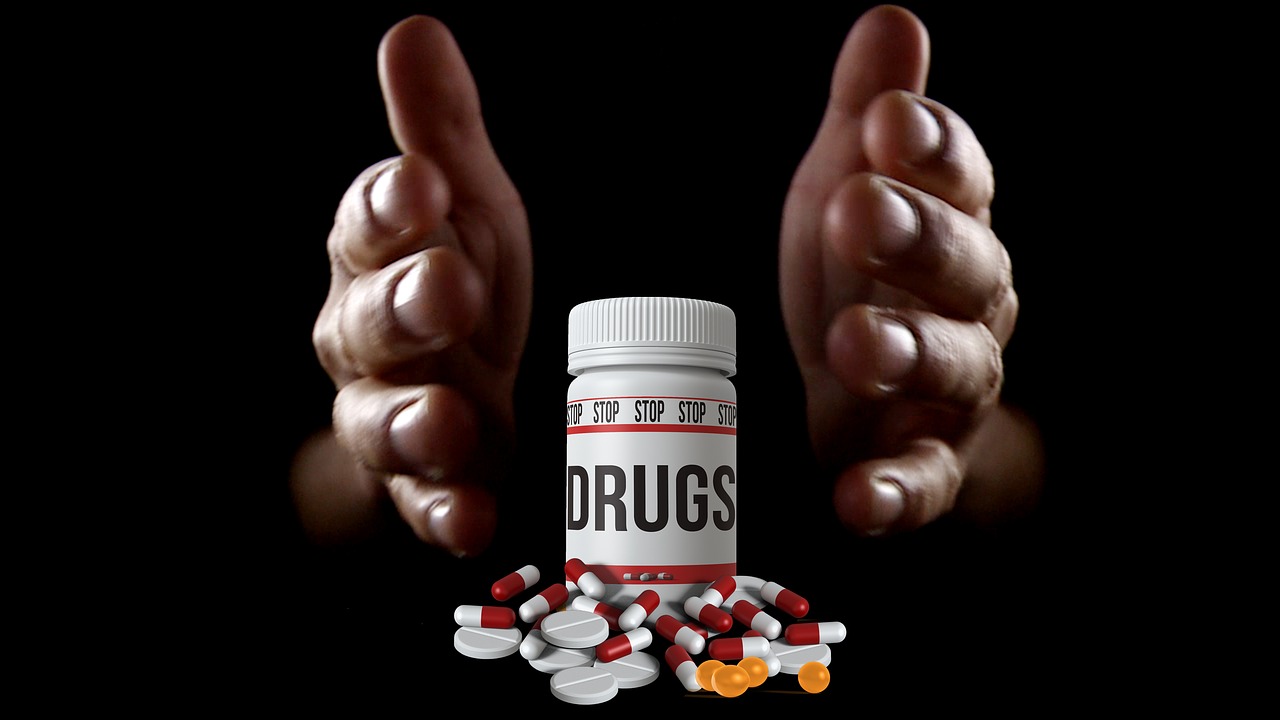
Do drugs cause mental illness?

By David Joel Miller, MS, Licensed Therapist & Licensed Counselor.

Drugs

Drugs.
Photo courtesy of Pixabay.com

What is the connection between drugs and mental illness?

By drugs here I am talking about illegal or street drugs, though prescription drugs can be misused and create the same effects. The relationship between drug use and mental illness is not so clear-cut as first glance would suggest. Not all mentally ill people use street drugs and many of them did not try street drugs until after they had an episode of mental illness.

1. Drugs can cause a mental or emotional problem.

There is a clear connection between some drugs of abuse and some mental emotional and behavioral disorders. We call these problems “substance-induced disorders.”

That connection can include emotional problems caused by prescription medications. Stimulant abuse, especially Methamphetamine can cause full-blown psychosis. Currently, we think there are several connections between Marijuana and psychosis. That would be a subject for another post, maybe even a book.

Drugs of many kinds can cause or exacerbate depression and other mood disorders. They can also cause or increase anxiety. There are several ways drugs can cause an emotional problem.

A. Intoxication.  People may behave differently when under the influence. Alcohol is an easy to see case of this. So is Phencyclidine abuse. People who rarely have caffeine may have an intoxication reaction if they suddenly ingest a large amount.

B. Withdrawal – They may have problems when they are withdrawing from drugs. Heroin or opiate-dependent people get very physically ill. Meth users crash, become depressed, and sleep for extended periods of time.

C. Substance-induced disorders. They may also develop long-term issues as a result of drug use. Meth-induced psychosis is becoming more common in my area. The central valley of California was described in a recent news article as “The Meth Capital of America.”  It is clear that people under the influence of meth can be psychotic. It is also beginning to be clear that the psychosis does not always go away once they stop using Meth. The way in which Meth damages some parts of the brain more than others, those changes on brain scans, are making some researchers look at specific structures in the brain as possible causes for many cases of psychosis.

There is a difference in the hallucinations experienced by drug abusers and those reported by people with psychosis. People with Schizophrenia most often report hearing voices, auditory hallucinations. Meth-induced psychosis is most often visual. They see Meth monsters or pet shadow puppies. Meth users also report that their visions do not go away when they close their eyes. So while the two types of psychosis are similar they are not identical. Maybe future research will answer all these questions.

2. People with a mental or emotional problem may be more attracted to a particular drug.

People with chronic episodes of depression may be attracted to stimulants. The quick lift of caffeine or cocaine can make your depression more manageable – temporarily, very temporarily. Freud, the father of modern psychiatry experimented with Cocaine as a way to treat depression and produce overall happiness. What we found out was that while there might be a lift of mood, there was always a crash afterward.  So the use of stimulants is no longer accepted practice because it leaves the user in a worse state than where they started.

Other examples of ways in which people with particular mental illness might be attracted to a particular drug are the way in which people with psychosis, meaning schizophrenia, schizoaffective disorder, sometimes Bipolar disorder, etc. are highly attracted to smoking. The nicotine may have some effects on the disorder. I am not suggesting anyone should take up smoking; the bad health results far outweigh the current pleasant feelings.

While we are on the subject of smoking, however briefly, I need to mention one report I read that said that more than half the cigarettes smoked in America are consumed by people with a DSM-4-TR diagnosis. Some writers have suggested that cigarette companies have deliberately added things and marketed their products to people with mental illness and substance abuse disorders. I do not know if that is true but I do know many clients with severe mental illnesses and substance abusers are heavy smokers. Remember this blog is called counselors soapbox for a reason.

In residential substance abuse facilities, we find that many clients entering treatment had the symptoms of a mental or emotional disorder before they ever started abusing substances. One theory to explain this is that some substance abusers are “self-medicating.”

3. Giving up your drug of choice can result in severe depression, anxiety, and other emotional problems.

Most long-term users get closer to their drug of choice than to other people. All their friends are involved with the same drug. So once they quit they are very alone.

This process of giving up your drug of choice is a lot like grieving over the loss of a family member or friend. The alcoholic might tell you that women come and go but “Sherry is always there.” The Meth user describes their effort to quit as “Crystal is always there.” And they remind us that “She,” whichever she that is, is jealous and didn’t want them having any other relationships.

So there you have some thoughts on the relationships between drugs and mental illness. There are other relationships but I need to stop for now.

Hoping to hear from you about your thoughts on the topic of the connections between drugs and mental illness.

Staying connected with David Joel Miller

Seven David Joel Miller Books are available now!

My newest book is now available. It was my opportunity to try on a new genre. I’ve been working on this book for several years, but now seem like the right time to publish it.

Story Bureau.

Story Bureau is a thrilling Dystopian Post-Apocalyptic adventure in the Surviving the Apocalypse series.

Baldwin struggles to survive life in a post-apocalyptic world where the government controls everything.

As society collapses and his family gets plunged into poverty, Baldwin takes a job in the capital city, working for a government agency called the Story Bureau. He discovers the Story Bureau is not a benign news outlet but a sinister government plot to manipulate society.

Bumps on the Road of Life. Whether you struggle with anxiety, depression, low motivation, or addiction, you can recover. Bumps on the Road of Life is the story of how people get off track and how to get your life out of the ditch.

Dark Family Secrets: Doris wants to get her life back, but small-town prejudice could shatter her dreams.

Casino Robbery Arthur Mitchell escapes the trauma of watching his girlfriend die. But the killers know he’s a witness and want him dead.

Planned Accidents  The second Arthur Mitchell and Plutus mystery.

Letters from the Dead: The third in the Arthur Mitchell mystery series.

What would you do if you found a letter to a detective describing a crime and you knew the writer and detective were dead, and you could be next?

Sasquatch. Three things about us, you should know. One, we have seen the past. Two, we’re trapped there. Three, I don’t know if we’ll ever get back to our own time.

For these and my upcoming books; please visit my Author Page – David Joel Miller

Want the latest blog posts as they publish? Subscribe to this blog.

For videos, see: Counselorssoapbox YouTube Video Channel