An extra post

By David Joel Miller, MS, Licensed Therapist & Licensed Counselor.

Found a really good post over at another blog and needed to pass it on.

The post was about the relationship between smoking, nicotine and mental health.

An interesting post and some good comments from consumers. Thought I would share this with you.

I left my comments over at James Claims blog so I will not repeat them here.

And just for the record, don’t get spoiled by all these extra posts, it may not happen again for a while, but then it just might.

The link is

http://jamesclaims.wordpress.com/2011/11/08/nicotine-may-help-bipolar-disorder-and-schizophrenia/

Mindfulness on a full brain

By David Joel Miller, MS, Licensed Therapist & Licensed Counselor.

Waterlily

Mindfulness and meditation.
Photo courtesy of Pixabay.com

What is all this mindfulness stuff?

And how can I possibly include that in with my cognitive behavior therapy?

Problem-solving in mental health as in life has always been pretty straightforward for me. If we are applying the wrong formula to a problem then we keep getting the wrong answer. Once we learn an improved formula all we need to do is turn the crank and out comes an answer.  Get a head change, a new way of seeing things and the problem changes from unsolvable to a manageable size. So we work on core schemas, automatic thoughts, irrational or dysfunctional beliefs. And we work on acceptance – radical acceptance. So the whole mindfulness thing troubled me—until-

There have been a lot of articles recently on mindfulness. Now I feel that this has its uses. Religious and spiritual practices have their place. And I am as much in favor of candles and herbal scents as the next person. All this has its time and place. And we know that if the client believes in something it will probably help. But do mindfulness techniques have a place in modern scientific, best practices, forms of treatment. Then I read some things that made me think.

Siegal has written and talked about mindfulness and recently I happened to read some things he had written on the subject. They made sense to me from a logical rational perspective.  Let me try to explain this as I get it and hope not to do too much violence to the science.

Scientists have discovered mirror neurons in the brain. Now if all they did was see someone else doing something and result in us knowing how to do the same thing that would be the end of it, one more way to learn stuff.  But these mirror neurons detect patterns that allow us to infer why someone is doing what they are doing. Learning these patterns makes our world a more secure and predictable place. This has a lot to do with understanding attachment theory.

If when we reach for more food at the table we get slapped – we learn to not reach but ask which may be a valuable learning experience for a young unsocialized child. But if the response varies depending on the amount of alcohol mom has consumed, what we may learn is the pattern that the world is a scary and inconsistent place. The pattern of asking may be adaptive and is quickly forgotten if we encounter a situation where it is not expected. The pattern of seeing the world as a frightening place is likely to last a lifetime.

So the mirror neurons help to explain how we learn basic core ways of relating to the world.

But there is more.

Mindfulness teaches the practice of paying attention to how we feel inside. As we come to recognize how we are feeling it becomes easier to recognize feelings in others. This is sometimes called the “expert” effect. If you are an expert on antiques you will spot them and probably will notice the cheap reproductions also. If you are not an antique expert you will see things you like or don’t like but lots of stuff will go unnoticed in the piles of other stuff. Same thing with feelings and empathy.

Seeing people express love will teach you the pattern of love.  But if the people you live with don’t show love or show it inconsistently then you may be unable to recognize the pattern and to replicate it. This does not mean that people whose early caregivers did not love them as much as they wanted will be unable to love. What it does mean is that it may be harder to recognize and express love in later life.

Lots of people in recovery, from drugs, alcohol, mental illness, or dysfunctional caregivers report they have difficulty with trust issues. Most came from situations where it was not safe to trust on a regular basis so they never learned the pattern.  Some recovering people have spent so much time being deceitful to cover up and continue their addiction they no longer recognize the truth when they hear it. Their mirror circuits have not had trust images to reflect back and incorporate into their catalog of patterns.

So how will mindfulness techniques help someone who has trust issues, attachment problems, or dysfunctional behaviors? How might these approaches help counselors in helping clients?

By becoming aware of our inner feelings and thoughts we can begin to dispute dysfunctional beliefs. We can learn new more functional patterns of meaning in life. We can recognize our feelings of anger, mistrust, and fear and test these feelings to see if they have a basis in reality. And we can learn from recognizing our own feelings to have empathy for others.

Counselors can especially benefit from mindfulness techniques by becoming better able to present an empathetic other who can participate in a corrective emotional experience with the client.

More to come as I research for that book I am writing on resilience.

Wishing you all the mindfulness you care to have. Hope to hear from some of you.

Staying connected with David Joel Miller

Seven David Joel Miller Books are available now!

My newest book is now available. It was my opportunity to try on a new genre. I’ve been working on this book for several years, but now seem like the right time to publish it.

Story Bureau.

Story Bureau is a thrilling Dystopian Post-Apocalyptic adventure in the Surviving the Apocalypse series.

Baldwin struggles to survive life in a post-apocalyptic world where the government controls everything.

As society collapses and his family gets plunged into poverty, Baldwin takes a job in the capital city, working for a government agency called the Story Bureau. He discovers the Story Bureau is not a benign news outlet but a sinister government plot to manipulate society.

Bumps on the Road of Life. Whether you struggle with anxiety, depression, low motivation, or addiction, you can recover. Bumps on the Road of Life is the story of how people get off track and how to get your life out of the ditch.

Dark Family Secrets: Doris wants to get her life back, but small-town prejudice could shatter her dreams.

Casino Robbery Arthur Mitchell escapes the trauma of watching his girlfriend die. But the killers know he’s a witness and want him dead.

Planned Accidents  The second Arthur Mitchell and Plutus mystery.

Letters from the Dead: The third in the Arthur Mitchell mystery series.

What would you do if you found a letter to a detective describing a crime and you knew the writer and detective were dead, and you could be next?

Sasquatch. Three things about us, you should know. One, we have seen the past. Two, we’re trapped there. Three, I don’t know if we’ll ever get back to our own time.

For these and my upcoming books; please visit my Author Page – David Joel Miller

Want the latest blog posts as they publish? Subscribe to this blog.

For videos, see: Counselorssoapbox YouTube Video Channel

Teens, drugs and resiliency

By David Joel Miller, MS, Licensed Therapist & Licensed Counselor.

Teenagers.
Photo courtesy of Pixabay.com

Some new developments in the area of teens, drugs, and resiliency

Energy drinks:

These drinks have been involved in a large increase in hospital emergency room visits. Many young people and some adults think that energy drinks since they are sold in food and convenience stores are safe. Maybe they are in and of themselves but the way many people are using them is not safe. In a five-year period, hospital emergency room visits involving energy drinks have increased more than 1,000 % from just over 1100 to 13,000. The majority of these incidents, more than half, involved using energy drinks with drugs and alcohol. Males were more likely to mix energy drinks with illegal drugs and alcohol while females mixed them with prescription drugs.

A single can of the stronger energy drinks contains up to ten times as much caffeine and other stimulants than a caffeinated soda. People who consume energy drinks with alcohol are more likely to be involved in accidents as they do not feel impaired and over-estimate their abilities to drive or engage in other dangerous activities. The full report is available from SAMHSA, in the DAWN report (Drug Abuse Warning Network.)

New synthetic drugs.

In the race to create new drugs and the efforts to control or ban them, we are not sure who is winning. These products often sold as “bath salts” or incense but commonly abuse by younger consumers by smoking, continues to be a problem. Despite analog and similar laws that say that even if you paint the duck red it is still a duck, manufacturers are finding ways to make and market new synthetic drugs that are different enough to escape the net of banned substances.

Join Together, (join together at the partnership at drugfree.org.)  a great source of information on the latest drug trends, reports that 43 states have laws regulating synthetic drugs. Some laws list specific chemicals as illegal. The manufacturers of synthetic drugs keep changing to new chemicals, not on the list. Other localities have listed categories of chemicals as illegal. Under these laws, prosecution is more difficult as the chemical may have legitimate uses that are not related to drug abuse.

Occasionally one of these new synthetic drugs results in a rash of hospitalizations or even deaths. Often these incidents are confined to a small area or a particular supplier of the product. The risks here are real but the problem keeps changing.

Volunteering reduces teen drug use and increases resilience.

In a previous blog, I wrote about the role of sleep in reducing teen problem behaviors and increasing resilience. There is more.

Another simple low-cost prevention measure for reducing teen drug use and improving resilience has been found. Surprising how simple some of these ideas are. The report, again by Join Together staff, reported that kids who regularly volunteer to help others are less likely to use drugs and get into trouble. This sounds a little twelve stepish.

The study they reported about was conducted with rural teens. Rates of drug use among rural teens are rising rapidly. No folks you can’t protect your kids from drugs by moving to the country, and the country folk isn’t just drinking whiskey anymore.

The economy and government budget cuts have reduced or eliminated many after-school programs and activities for kids. There are almost always opportunities to volunteer to help others. Not only did volunteering to help others reduce rates of teen drug use, the results continued into their young adult years, possibly beyond.

Food is also a treatment for teen drug use and promotes resilience.

While I am on the subject, I recall a study that reported that teens that sat down around one of those old fashion dining room table things, no T. V. mind you, that is kids who regularly eat dinner with their parents, they have fewer drug problems, better grades, more resilience and so on.

The conclusion

The risks and dangers for kids continue to grow. We can’t always protect them, probably parents have always been less able to protect kids than the adults would have liked. What we are seeing are research studies that show what a lot of folks always knew. Plenty of sleep, regular family meals, being taught right from wrong, and volunteering to help others, all these things result in a teen who is less likely to take excessive risks and more likely to develop resilience and bounce back from adversity.

Till next time, I will keep working on that elusive book and writing this blog. Your comments are welcome. What do all of you think about adolescent drug use, risk, and resilience?

Staying connected with David Joel Miller

Seven David Joel Miller Books are available now!

My newest book is now available. It was my opportunity to try on a new genre. I’ve been working on this book for several years, but now seem like the right time to publish it.

Story Bureau.

Story Bureau is a thrilling Dystopian Post-Apocalyptic adventure in the Surviving the Apocalypse series.

Baldwin struggles to survive life in a post-apocalyptic world where the government controls everything.

As society collapses and his family gets plunged into poverty, Baldwin takes a job in the capital city, working for a government agency called the Story Bureau. He discovers the Story Bureau is not a benign news outlet but a sinister government plot to manipulate society.

Bumps on the Road of Life. Whether you struggle with anxiety, depression, low motivation, or addiction, you can recover. Bumps on the Road of Life is the story of how people get off track and how to get your life out of the ditch.

Dark Family Secrets: Doris wants to get her life back, but small-town prejudice could shatter her dreams.

Casino Robbery Arthur Mitchell escapes the trauma of watching his girlfriend die. But the killers know he’s a witness and want him dead.

Planned Accidents  The second Arthur Mitchell and Plutus mystery.

Letters from the Dead: The third in the Arthur Mitchell mystery series.

What would you do if you found a letter to a detective describing a crime and you knew the writer and detective were dead, and you could be next?

Sasquatch. Three things about us, you should know. One, we have seen the past. Two, we’re trapped there. Three, I don’t know if we’ll ever get back to our own time.

For these and my upcoming books; please visit my Author Page – David Joel Miller

Want the latest blog posts as they publish? Subscribe to this blog.

For videos, see: Counselorssoapbox YouTube Video Channel

Post Traumatic Stress Disorder – PTSD, and bouncing back from adversity

By David Joel Miller, MS, Licensed Therapist & Licensed Counselor.

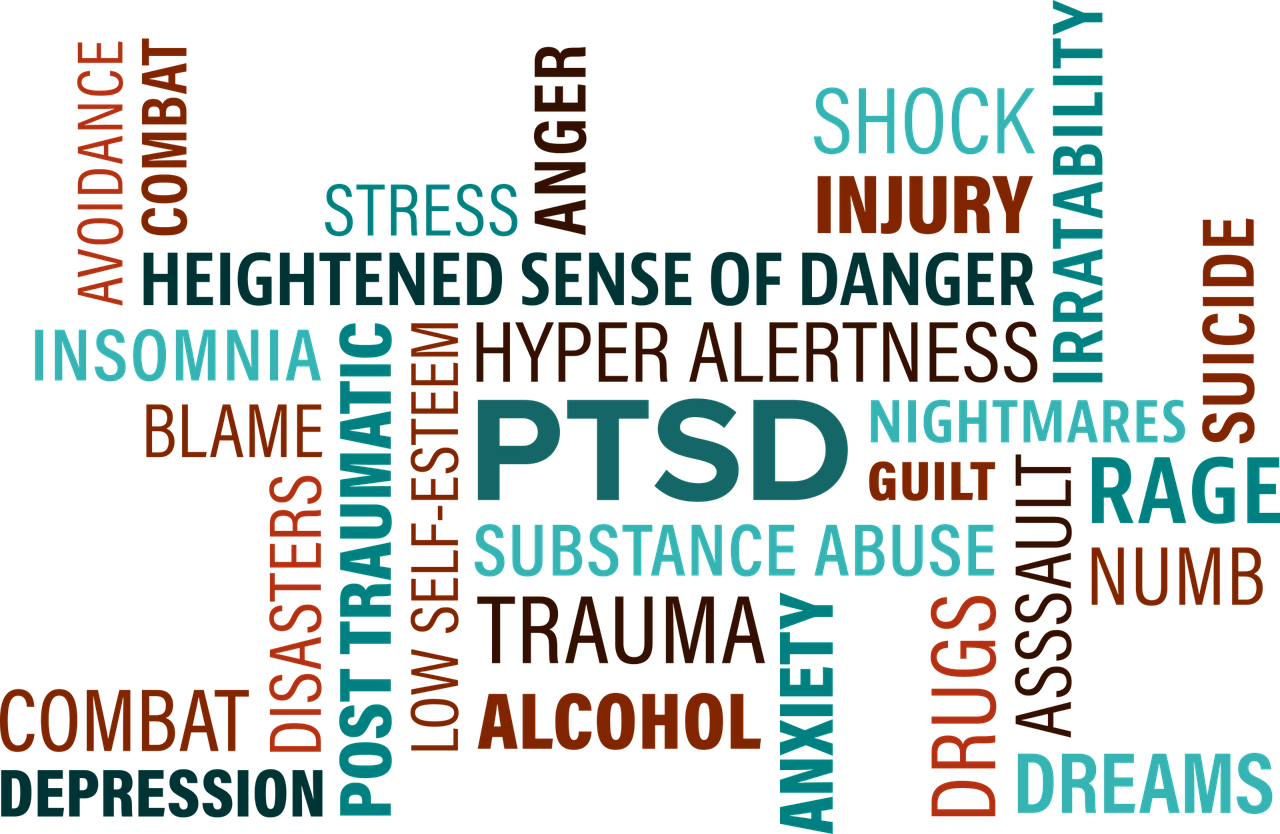
Words about PTSD

PTSD.
Photo courtesy of Pixabay.com

We have been hearing a lot more about PTSD these days.

The returning military is experiencing this problem in larger numbers than in the past. The military is not the only place we see PTSD. Children who have been abused, battered women and men, and people who have lived through traumas like hurricanes and tornadoes are also experiencing PTSD. The counseling profession, as well as society in general, is looking for solutions to this problem.

Recently at a convention for therapists and counselors, PTSD and the need to improve treatment was a major topic. I listened to the big-name people; the ones who have written books and given lectures, as they talked about how we should treat the disorder. Two of the biggest names in therapy did not agree on the best treatment. If they disagree, what is the person with PTSD to think? This made me start searching for answers.

Why do some people get PTSD and others do not experience it. In combat, let’s say ten men are in the same incident some get PTSD and some do not, why? Stix in a Scientific American article reported that of people who were traumatized by a single traumatic event, 90 % recovered from the trauma without therapy. So some people have concluded that PTSD is not a normal response to trauma. Maybe some form of resiliency is more common than PTSD. Maybe we have been doing it backward by studying the few who get PTSD instead of the many who bounce back from adversity.

We know from another study that kids who grow up in dysfunctional homes are more likely to suffer from PTSD, depression, and anxiety. From 50% to 67% of exposed kids develop some mental health issue, but the other one-third to one-half does not. Kids from this sort of background have repeated trauma and they have less social support. I wanted to know why some got PTSD and others did not.

There is a lot of research going on right now into the area of resilience. Some people seem to not develop PTSD when exposed to trauma. Others bounce back quickly. A few have lifelong problems. We need to know why these variations and how do we improve the ability to bounce back from adversity. A quick check of one journal database disclosed over 1400 articles about resiliency. I haven’t read them all yet but I will try to tell you the things I learn as I read them.

One thing seems clear from the articles I have read so far, and I am always comparing the research I read to what my clients tell me. Resilience, that ability to bounce back from adversity, is not something we are born with. Resilience can be learned and it can vary from situation to situation.

The subject is of such importance that I think there needs to be a book or books on how people can increase their resilience. So my plan at this stage is to share with you the things I learn and to add your comments and suggestions to what I find. In the process there just might be a book that needs writing. I will keep you posted on my efforts to write that book.

There are lots of writings on recovery, particularly from substance abuse or dependence, what it means to recover and be recovered. We are concluding that many people have both substance abuse disorders and mental health issues. It would be important to know how recovery is like resilience and how it is different, assuming these two terms do not describe the same thing.

One more thing I need to tell you about at this time. Some people experience a traumatic event and it changes their lives forever in a positive way. We call this Post Traumatic Growth (PTG). This intrigued me. Why and how is it that some people use a traumatic experience to transform their lives and grow into a stronger better person? We talk a lot about the way PTSD damages people but not much about the way in which it might inspire them. So I have been reading everything I can find on PTG. But I am also listening with new ears to the stories people tell about their life-changing experiences.

There is more to come on this subject so I hope you stay tuned for my postings and a possible book on Posttraumatic Stress Disorder (PTSD), Posttraumatic Growth (PTG), and the whole issue of how resilience is created and how you or someone you know can learn to bounce back from adversity.

For more information on Stress and PTSD see:

8 warning signs you have PTSD

Posttraumatic Growth (PTG) vs. Posttraumatic Stress Disorder

Acute Stress Disorder vs. PTSD 

Staying connected with David Joel Miller

Seven David Joel Miller Books are available now!

My newest book is now available. It was my opportunity to try on a new genre. I’ve been working on this book for several years, but now seem like the right time to publish it.

Story Bureau.

Story Bureau is a thrilling Dystopian Post-Apocalyptic adventure in the Surviving the Apocalypse series.

Baldwin struggles to survive life in a post-apocalyptic world where the government controls everything.

As society collapses and his family gets plunged into poverty, Baldwin takes a job in the capital city, working for a government agency called the Story Bureau. He discovers the Story Bureau is not a benign news outlet but a sinister government plot to manipulate society.

Bumps on the Road of Life. Whether you struggle with anxiety, depression, low motivation, or addiction, you can recover. Bumps on the Road of Life is the story of how people get off track and how to get your life out of the ditch.

Dark Family Secrets: Doris wants to get her life back, but small-town prejudice could shatter her dreams.

Casino Robbery Arthur Mitchell escapes the trauma of watching his girlfriend die. But the killers know he’s a witness and want him dead.

Planned Accidents  The second Arthur Mitchell and Plutus mystery.

Letters from the Dead: The third in the Arthur Mitchell mystery series.

What would you do if you found a letter to a detective describing a crime and you knew the writer and detective were dead, and you could be next?

Sasquatch. Three things about us, you should know. One, we have seen the past. Two, we’re trapped there. Three, I don’t know if we’ll ever get back to our own time.

For these and my upcoming books; please visit my Author Page – David Joel Miller

Want the latest blog posts as they publish? Subscribe to this blog.

For videos, see: Counselorssoapbox YouTube Video Channel
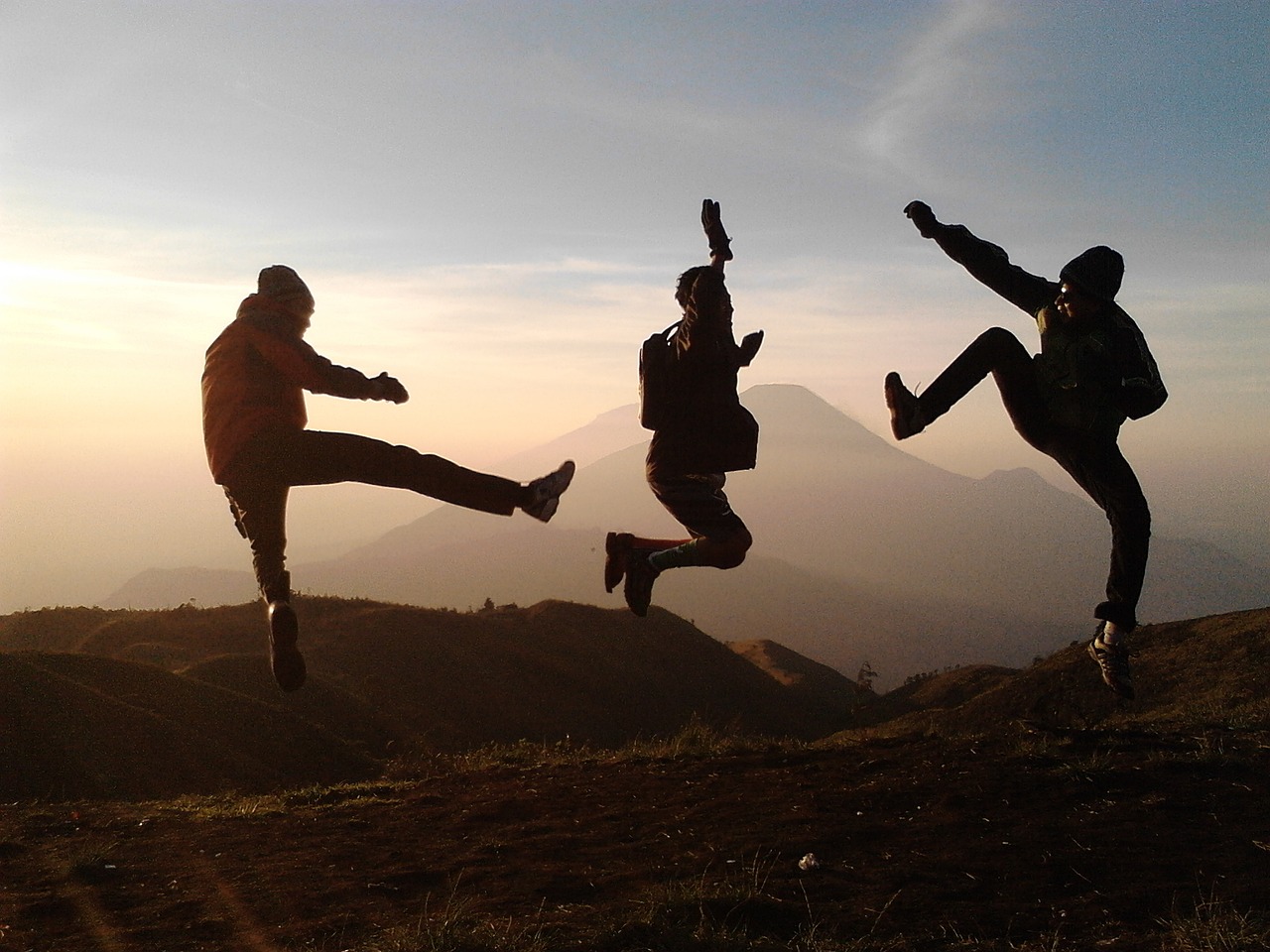
Treatment for teen’s risky behavior

By David Joel Miller, MS, Licensed Therapist & Licensed Counselor.

Teens

Teenagers.
Photo courtesy of Pixabay.com

An amazing discovery in the treatment of risky teen behavior was reported over the last several weeks. It went largely unnoticed by most mainstream media.

Furthermore, one single treatment has been shown to have high efficacy in treating teen risky behavior. It is extremely inexpensive and can be obtained and applied without a prescription. The treatment, while often resisted by teens with high-risk behaviors, has been shown to not only be effective under a wide range of conditions but to treat a large number of undesirable teen behaviors at a very minimal expense.

In a startling report, two researchers for the Center for Disease Control in Atlanta Georgia found after studying data for over 12,00 U. S. high school students that a single deficiency coexisted with a huge increase in teen’s risky behavior. While the government report was reluctant to say that this deficiency was the cause of risky teen behavior, they speculate that this one key ingredient might reduce overall risk-taking in teens significantly.

Unfortunately, this key ingredient cannot be prescribed directly because it is not USDA approved for over-the-counter sales and is, in fact, available without a prescription. This one single item, not yet patented by a drug company, is available to almost all U. S.citizens for free.

High School students who were deficient in this one key item, and almost 70 percent of our teens were deficient, were almost two times more likely to be smokers. A continued deficiency if this ingredient, reported being necessary for happiness, resulted in a 50% increase in marijuana and alcohol use.

Long-term deficiencies in this factor were correlated with a huge increase in teen sexual activity. That was surprising since we most often have studied added factors that might cause an increase in sexual activity. Not many people would believe that a deficiency in a single ingredient necessary for life might increase the sexual activity of teens.

But wait – there is more, this deficiency doubled the risk for a suicide attempt. It was also related to getting into physical fights and being sad and hopeless. Kids who had this deficiency were also likely to be overweight, get less exercise, and generally have a less healthy lifestyle.

So what was this deficiency? And how can we supplement teen’s lives to overcome this insufficiency?

The deficiency was a lack of sleep! Sleep deprivation was significant in kids with all these problems. And the one simple cure was more sleep!

Now teens will resist sleeping more, especially sleeping during the night. It appears that most teens are truly nocturnal creatures. More than one adolescent who was brought in to the psychiatric facility has confided to me that they rarely get much sleep at night. An increasing number of kids have T. V.’s and computers in their bedrooms. Many are online texting friends or playing games until close to morning. They have to set alarm clocks to wake up and even then they often can’t quite get it together in the morning.

Eventually, a teen who stays up most of the night finds they can’t function in the daytime. They are at risk to fall asleep at school, cut class or just plain be grouchy and get into fights and other negative behavior.

So it just might be that one thing a parent might do to improve their teen’s life is to make sure that child is getting enough sleep, even if that means restricting electronic avoidance of sleep.

Be careful if your teen has been avoiding sleep on a regular basis. If you suddenly try to take away their electronic addiction your teen may go into electronic withdrawal. During withdrawal from electronic sleep avoidance teens have been known to become grouchy, throw things break things, swear or even threaten to harm themselves or others. In extreme cases, you may need professional help to get the teen back on a night-time sleep schedule. But if your teen is having difficulties in life you just might want to examine their sleep habits and see if more sleep might improve their mood and behavior.

More sleep might improve your mood and emotions also. What do you think?

Till next time. David Joel Miller, LMFT, LPCC

Staying connected with David Joel Miller

Seven David Joel Miller Books are available now!

My newest book is now available. It was my opportunity to try on a new genre. I’ve been working on this book for several years, but now seem like the right time to publish it.

Story Bureau.

Story Bureau is a thrilling Dystopian Post-Apocalyptic adventure in the Surviving the Apocalypse series.

Baldwin struggles to survive life in a post-apocalyptic world where the government controls everything.

As society collapses and his family gets plunged into poverty, Baldwin takes a job in the capital city, working for a government agency called the Story Bureau. He discovers the Story Bureau is not a benign news outlet but a sinister government plot to manipulate society.

Bumps on the Road of Life. Whether you struggle with anxiety, depression, low motivation, or addiction, you can recover. Bumps on the Road of Life is the story of how people get off track and how to get your life out of the ditch.

Dark Family Secrets: Doris wants to get her life back, but small-town prejudice could shatter her dreams.

Casino Robbery Arthur Mitchell escapes the trauma of watching his girlfriend die. But the killers know he’s a witness and want him dead.

Planned Accidents  The second Arthur Mitchell and Plutus mystery.

Letters from the Dead: The third in the Arthur Mitchell mystery series.

What would you do if you found a letter to a detective describing a crime and you knew the writer and detective were dead, and you could be next?

Sasquatch. Three things about us, you should know. One, we have seen the past. Two, we’re trapped there. Three, I don’t know if we’ll ever get back to our own time.

For these and my upcoming books; please visit my Author Page – David Joel Miller

Want the latest blog posts as they publish? Subscribe to this blog.

For videos, see: Counselorssoapbox YouTube Video Channel
Three-year-old judge decides right and wrong

By David Joel Miller, MS, Licensed Therapist & Licensed Counselor.

child

Child.
Photo courtesy of Pixabay.com

6 ways to tell right from wrong.

Preschool kids seem to be so very good at telling what is right or fair. They tell us often enough – “That’s not fair!” So how come they so often do things that we say are wrong? Maybe we should appoint three-year old’s to the Supreme Court? Is the understanding of right and wrong something people are born with or do they learn it? And if they learn moral values, how do they learn it?

In the early grades the ways in which kids decide the difference between right and wrong starts to change, at least for some of them. It is important to understand how it is that people learn right from wrong. Why some don’t seem to learn might also be a good thing to find out.

People who study child development probably learned about some theories of how an understanding of right and wrong developed. Counselors are often taught about the stages of moral reasoning, in some developmental classes and then seem to promptly forget it once they start working with real clients. But isn’t right and wrong, and conflicts over how that should be decided one major reason we see clients in counseling?

Lawrence Kohlberg researched and wrote about moral development. So did Lickona who wrote a very readable book “Raising Good Children.” I would recommend it to any parent struggling to teach their child the difference between right and wrong. Somehow all this work is getting forgotten despite the constant reports of high crime and failure of discipline in the home and school. We spend a lot of time these days emphasizing math and science in schools, but less and less time in our homes and schools is spent on right and wrong. So how is a sense of right and wrong likely to develop? Let me give you a brief description of Lickona’s ideas as I remember them. For the full details you might want to look for the book but here is my short version of the 6 stages of moral reasoning as I understand them. Lickona numbers the stages zero to five. The fact that he arranges them this way does not mean everyone agrees that a lower numbered stage is, in fact, better than another stage with a larger number.

0. Getting what I want is fair!

This is the default way of deciding right and wrong. It’s not fair – I wanted ice cream and I didn’t get any. Some people seem to be able to go through their whole life thinking this way. They take what they want and that is fair to them. Some of them go to prison. Some learn to hide what they are doing. Some of these folks end up elected to public office or working on Wall Street. These folks make lawyers rich when they try to get out of trouble for doing what they want. If we don’t want more of these folks around we need to work on teaching kids the more advanced ways of deciding right from wrong, or we need to build more prisons.

1. The teacher said – the authority approach.

Some kids learn this at home before they go to school, for a variety of reasons. Most kids learn this in school. It starts by learning to do what the teacher says. Eventually, the appeal is to some higher authority like the principal. Some people get really legalistic. It says on the page — of the revenue code, that I can do this so it must be right. In some places, with statute law, if there is no law against it, you can do it. In most places in the United States, we have the common law which says you should use common sense unless there is a law otherwise. Then we have lots of layers of appeals courts because we are so short on common sense. We see lots of people who appeal to religious writings as their rule book, sometimes to good effect and sometimes to some awful results. The problem here is not especially with the particular religious writing, but some of the bizarre ways people can interpret those writings. The philosopher, Charles Shultz once reported, something to the effect that “There is nothing in the book of Leviticus that prohibits the wearing of contact lenses.” See how hard I am trying to be politically correct here?

Some people would separate “The Teacher said.” part, from the “The rule is.” Both are resorting to authority but one is putting your faith in a person and the other in some specific set of rules.

2. One hand washes the other.

This commonly heard, usually, in business, expression says right and wrong is something we trade.  We take turns. Most kids learn this on the playground really fast. If you don’t take turns with the ball you may not get to play at all. In Congress, this is called trading votes. You vote for my bill and I will vote for yours. It is pragmatic, gets things done. But is it the best way to determine right and wrong? We need to study this. Send me a million or so in federal money and I will be glad to work on this approach. At a million dollars a year we may need years of study. See how problematic trading one thing for another might be as a way to separate right from wrong?

3. I want you to like me.

So if I want you to like me I should do what you think is right. This is the “what will people think of me” approach. This type of social conformity can keep people acting in a socially positive manner – sometimes. The issue here is what people’s opinion do I care about? This goes to the discussion of peer pressure which I wrote about in an earlier blog. Take a look at that one – now if you want, it’s ok. I can wait here while you look.

You back? So you see that if my peers are good law-abiding people I probably will follow the law. But if my social circle includes convicts, murders, rapists, bankers, politicians, and other undesirables, I might decide that stealing your money was an acceptable thing to do, so long as I steal it using the same methods as my peers.

So using other people’s behavior as a guide to right and wrong may reduce the conflict we have in life, but it is no sure way to figure out right and wrong or to stay out of prison. Ask the group from Enron.

I may be a little hard on this stage. It is great to be a good son or daughter or a good parent. But that may not be enough, especially if you didn’t have good role models. This step in the development of morals is mostly about your relationships with people close to you.

4.  What is best for all of us?

This is the stage where people may do things that have personal costs because it is the thing that is best for our society. This stage of moral reasoning gets people to join the military or become volunteers. This is an altruistic stage, most of the time. It is also a way of moral reasoning that has been used to excuse some horrific atrocities.

Today in America we value diversity. Some of us do anyway. But can you see how someone in another place and time could do some awful things and justify it as “what is best for us?” Think genocide here. Could someone do that thinking it was what was best for their group? The difference between being a volunteer to work with the poor and trying to run a minority out-of-town hinges on who you define as us.

5. Some things are right just because they are right.

This is an easy one to explain in theory, until you are faced with the choice, then it is easy to default to an earlier stage of moral reasoning. Sometimes people are faced with things going on in their society that are just not right. And often it costs to do the right thing at these times and for sure there is nothing in it for you when you do the right thing at these times. This is about respecting everyone just because they are.

So there is my explanation of stages of moral reasoning as I understand them. Can you see how hard it is to figure out the right thing to do sometimes? Some parents are able to teach their children right from wrong despite all the influences around them to the contrary, but what about the other kids? It feels to me like we should spend more time in our society on the ways to determine right and wrong and less on some celebrity’s outrageous behavior. But that’s just my opinion. What do you think about how we learn to tell right from wrong?

Staying connected with David Joel Miller

Seven David Joel Miller Books are available now!

My newest book is now available. It was my opportunity to try on a new genre. I’ve been working on this book for several years, but now seem like the right time to publish it.

Story Bureau.

Story Bureau is a thrilling Dystopian Post-Apocalyptic adventure in the Surviving the Apocalypse series.

Baldwin struggles to survive life in a post-apocalyptic world where the government controls everything.

As society collapses and his family gets plunged into poverty, Baldwin takes a job in the capital city, working for a government agency called the Story Bureau. He discovers the Story Bureau is not a benign news outlet but a sinister government plot to manipulate society.

Bumps on the Road of Life. Whether you struggle with anxiety, depression, low motivation, or addiction, you can recover. Bumps on the Road of Life is the story of how people get off track and how to get your life out of the ditch.

Dark Family Secrets: Doris wants to get her life back, but small-town prejudice could shatter her dreams.

Casino Robbery Arthur Mitchell escapes the trauma of watching his girlfriend die. But the killers know he’s a witness and want him dead.

Planned Accidents  The second Arthur Mitchell and Plutus mystery.

Letters from the Dead: The third in the Arthur Mitchell mystery series.

What would you do if you found a letter to a detective describing a crime and you knew the writer and detective were dead, and you could be next?

Sasquatch. Three things about us, you should know. One, we have seen the past. Two, we’re trapped there. Three, I don’t know if we’ll ever get back to our own time.

For these and my upcoming books; please visit my Author Page – David Joel Miller

Want the latest blog posts as they publish? Subscribe to this blog.

For videos, see: Counselorssoapbox YouTube Video Channel
Thanks – I think

By David Joel Miller, MS, Licensed Therapist & Licensed Counselor.

Counselorssoapbox.com

Thanks – I think

Even when I don’t agree with someone I appreciate their interest in my blog. Links are even better. I think it was La Guardia that said, it does not matter what you say about me, just spell the name right, or in this case get the link right. But still – something that happened today shows how easy it is to be misleading when you quote someone else. In this case, they were sort of quoting me.

My blog about our tendency to take the easy way out and give kids lots of meds instead of the personal connections they need to develop was quoted on a website about Medicare. That was nice, only the picture they ran with my blog post did not come from my blog which might make it misleading.

Just so everything is clear, I am very much in favor of parity laws. Paying as much to treat mental illness and drug addiction as we do for physical illnesses is an idea whose time has come. I am also in favor of anything that makes sure health care coverage is available to all.

People who do not have health care end up at free county hospitals and most of the time they don’t get to the emergency room until they are critical. People with untreated mental illnesses are clogging up our jails and prisons and medical hospitals. We pay for all this treatment whether the people have insurance or not. So some form of national healthcare preregistration just makes the system more efficient and manageable.

It seems clear that the country cannot retreat to the days of family farms and paying the doctor with chickens. Our future also does not involve making more things for cheaper prices. Our future as a country does depend on developing minds. We need more Ph.D.’s not more press wood furniture.

Some people seem to think that teachers, especially college ones are a waste of resources. They don’t want to pay for medical services for anyone but themselves. If this country is to stay a world leader we need more teachers, more doctors, and more professionals who work in mental health and substance abuse. We also need more engineers and scientists. Developing these specialties requires easily accessible education as well as physical and mental health care.

All of these things, like the military and the coining of money, are things that need to be undertaken by the government for the good of all. The majority of promising candidates for the service industry do not come from the rich. The best and brightest minds come from among the ninety-nine percent and they need the government at all levels to promote the growth of the service industries and education.

The future is in the areas of ideas and services. The government needs to take the lead in growing these sectors. I am not opposed to businesses having a large role in this effort. Non-profit companies are especially good at efficiently providing these services. But the mentally ill, the drug addicts, and the homeless don’t have money to pay for their care and we all pay for it one way or another.

So the association of a picture of President Obama superimposed with a communist flag was not my sentiment. If anything, I think this administration has been too conservative in accommodating the role of large businesses in the economy.

We made progress in the space race because the administration at that time led the country into a new area. Hopefully, our leaders will lead again into the new service-oriented economies of the next few centuries.

The one bright spot in all this, to my way of thinking, is that at least a couple of Republican candidates for our highest office are now sounding like they are more liberal than the current administration. Maybe this veer in the liberal direction will get our nation back on track.

The hummingbird picture came from Wikimedia. It has nothing to do with this post but then the picture someone attached to my last post quoted on their website had nothing to do with my post. So now things are about even.

Hoping you all have a happy and mentally healthy holiday season.

David Miller, LMFT, LPCC

Staying connected with David Joel Miller

Seven David Joel Miller Books are available now!

My newest book is now available. It was my opportunity to try on a new genre. I’ve been working on this book for several years, but now seem like the right time to publish it.

Story Bureau.

Story Bureau is a thrilling Dystopian Post-Apocalyptic adventure in the Surviving the Apocalypse series.

Baldwin struggles to survive life in a post-apocalyptic world where the government controls everything.

As society collapses and his family gets plunged into poverty, Baldwin takes a job in the capital city, working for a government agency called the Story Bureau. He discovers the Story Bureau is not a benign news outlet but a sinister government plot to manipulate society.

Bumps on the Road of Life. Whether you struggle with anxiety, depression, low motivation, or addiction, you can recover. Bumps on the Road of Life is the story of how people get off track and how to get your life out of the ditch.

Dark Family Secrets: Doris wants to get her life back, but small-town prejudice could shatter her dreams.

Casino Robbery Arthur Mitchell escapes the trauma of watching his girlfriend die. But the killers know he’s a witness and want him dead.

Planned Accidents  The second Arthur Mitchell and Plutus mystery.

Letters from the Dead: The third in the Arthur Mitchell mystery series.

What would you do if you found a letter to a detective describing a crime and you knew the writer and detective were dead, and you could be next?

Sasquatch. Three things about us, you should know. One, we have seen the past. Two, we’re trapped there. Three, I don’t know if we’ll ever get back to our own time.

For these and my upcoming books; please visit my Author Page – David Joel Miller

Want the latest blog posts as they publish? Subscribe to this blog.

For videos, see: Counselorssoapbox YouTube Video Channel

.

Is your child taking too many meds? Are you?

By David Joel Miller, MS, Licensed Therapist & Licensed Counselor.

Drugs

Medications.
Photo courtesy of Pixabay.com

Is your child taking too many meds? Are you?

Ever wonder about the amount of medication, especially heavy psychiatric medication, which is being prescribed to very young children, especially foster children? I know I do. How did we get so many children who need that level of medication? What should you think if your child or the child you care for was prescribed that kind of medication?

There was an article on the internet this morning about the large number of prescriptions for antipsychotics to foster children.  These kids were being given not one medication but multiple medications and many of those medications have serious long-term side effects. Some of these side effects do not go away even after the medication is discontinued. So is all that medication really necessary?

The usual warning applies here. No matter what you and I think, it is unwise to stop, start or alter the dose of a medication without talking with your doctor first. If you are not confident with that doctor’s opinion get a second opinion. It is not safe to play doctor and change the meds yourself. But you should question things if the medications are not working or if it appears to be creating serious side effects.

So why so much medication in children? And why foster children in particular?

Now we have been hearing tales about facilities that overmedicate residents to keep them manageable for a long time. Mary Jane Ward in her book “Snakepit” describes patients in a mental hospital who were heavily medicated primarily to keep them from causing the staff problems. We also hear stories about jails and prisons using lots of meds to keep inmates from causing trouble. But is that sort of thing happening to kids? And why foster kids?

Maybe the reason is that foster kids are the ones that have the most problems? Are children in foster care more likely to have serious mental illnesses? There are two reasons to think this is not true.

The study reported that when kids in foster care were compared to other kids who were receiving Medicare the foster kids got a lot more medication that the kids who were not in foster care. Secondly, the kids in foster care should be the ones who would respond to a secure home situation. Foster care is usually looked at as a housing problem, not a mental health problem. So the seriously mentally ill children should and often do end up in group homes and institutions where they can be managed with less, not more medication. So what is going on here?

One problem is that as a society we are increasingly relying on medications, drugs if you will, to fix all our problems. Despite all our programs to get people off drugs, there are countless commercials that try to convince us to go to the local drug store and get some pills to cure all that ails us. Try counting the number of pro-drug ads on the television on any given night and then tell me that we as a society are opposed to drugs. In this country we love drugs so much, are so convinced there is a chemical that can cure whatever is wrong with us that we now want all our children to take all the drugs they can. We just want them to get their drugs from a drug store not a drug dealer in an alley.

So why are children being given so many drugs? To relieve suffering? Not a chance!

Kids are getting prescribed drugs to make them smarter and to make them behave.

Kids are being prescribed powerful stimulants for ADHD. Even kids with mental retardation and developmental delays are getting ADHD medication. This makes me question the accuracy of some ADHD diagnoses. And if the pills make one kid smarter shouldn’t all children take them?  Here is hoping you read that blog post also.

The other reason kids get so much psychiatric medication is to make them behave. I thought not always behaving properly was a symptom of childhood? Can’t we teach them to behave without sedating medications?

Children are being given lots of sedating antipsychotics mostly because their behavior is causing some adult a problem. Some of my colleagues will argue that if the child does poorly in school or gets in trouble for bad behavior they will end up suffering so by giving them medication we are preventing suffering. For me, that would make sense if there were no other alternatives. But there are other options.

Many of the problems of children for which we give them medication can be controlled, even cured by giving them attention in the proper way. Therapy and counseling are especially helpful for treating many emotional problems. ADHD can be treated by training parents as I wrote about in a previous blog. But far more kids get a prescription for a medication than are getting a session with a caring adult.

Yes, there are professional counselors and therapists; I do that for a living. But the benefits of other adults in a child’s life should not be underestimated. Teachers, grandparents, natural or foster, and friends all are helpful in a child’s learning emotional regulation. So why do we reach for meds first instead of human contact for all the emotional and behavioral problems?

Some people have suggested that counseling is just too expensive. I am not buying that argument and you won’t either if you see how much agencies are spending on medications.

Despite all the things we have learned over the last couple of centuries about the benefits of counseling in overcoming life’s problems we as a society still seem to think that if something bothers you there should be a drug to fix that.

My conclusion from all this is that a lot of kids and some adults are being given lots of medication instead of human contact. It appears that we as a society and some people individually just don’t care enough to bother with anything more than a pill to make the kid behave.

So what do you think? Could we try another approach? Are kids and adults taking too much psychiatric medication because we don’t care enough to do better?

Staying connected with David Joel Miller

Seven David Joel Miller Books are available now!

My newest book is now available. It was my opportunity to try on a new genre. I’ve been working on this book for several years, but now seem like the right time to publish it.

Story Bureau.

Story Bureau is a thrilling Dystopian Post-Apocalyptic adventure in the Surviving the Apocalypse series.

Baldwin struggles to survive life in a post-apocalyptic world where the government controls everything.

As society collapses and his family gets plunged into poverty, Baldwin takes a job in the capital city, working for a government agency called the Story Bureau. He discovers the Story Bureau is not a benign news outlet but a sinister government plot to manipulate society.

Bumps on the Road of Life. Whether you struggle with anxiety, depression, low motivation, or addiction, you can recover. Bumps on the Road of Life is the story of how people get off track and how to get your life out of the ditch.

Dark Family Secrets: Doris wants to get her life back, but small-town prejudice could shatter her dreams.

Casino Robbery Arthur Mitchell escapes the trauma of watching his girlfriend die. But the killers know he’s a witness and want him dead.

Planned Accidents  The second Arthur Mitchell and Plutus mystery.

Letters from the Dead: The third in the Arthur Mitchell mystery series.

What would you do if you found a letter to a detective describing a crime and you knew the writer and detective were dead, and you could be next?

Sasquatch. Three things about us, you should know. One, we have seen the past. Two, we’re trapped there. Three, I don’t know if we’ll ever get back to our own time.

For these and my upcoming books; please visit my Author Page – David Joel Miller

Want the latest blog posts as they publish? Subscribe to this blog.

For videos, see: Counselorssoapbox YouTube Video Channel

6 Rules for surviving your teen

By David Joel Miller, MS, Licensed Therapist & Licensed Counselor.

Teens

Teenagers.
Photo courtesy of Pixabay.com

When the teen years arrive, armed combat begins.

How do you survive your teen unharmed?

Sometime between eleven and thirteen that cute cuddly kid turns into an unrecognizable scratching clawing creature. Once in a while, the parent gets away unharmed but not often.  Parents say they don’t know what happened to their child. They don’t recognize this kid. So what happened?

How do you survive the teen years and is there a life after teens? Here are some ideas; maybe we could call then rules for those years.

1. Don’t try to hold the lid on the boiling pot.

You have spent a decade on more raising a generally civilized child, as the teen years approach and the emotions boil parents often make the mistake of clamping down. Suddenly the cute little daughter who everyone likes – well – the everyones who likes her, are no one you would want around. The result is trying to keep her in. “No dating till you’re thirty,” the parent says. Then the battle ensues. Parents try bolting the windows in her room shut, but like a magician, she somehow gets out. Parents put kids on monitoring. Call me every hour. The kids retaliate with more excuses than a congressman.

Controlling a teen, especially an older one by force is likely to wear you out and have no effect. Sometimes parent’s efforts to make the kid behave turn into violence. Sometimes the parent resorts to hitting the child, always a bad idea. You may discover you no longer have it in you to go ten rounds with a younger and stronger opponent. I have seen parents seriously hurt by their kids. The other, more serious problem with using force on a child is it teaches them to use force and there is no end to how far this will go. So rather than trying to keep the steam in the kettle by holding the lid down, try directing the steam where you want it to go.

As the teen approves adulthood parents may need to learn to discuss and even negotiate things with their offspring. I am not saying let the kids take over the house, but you do need to teach them how to handle more adult responsibilities. By sixteen or seventeen you should have taught your child the difference between right and wrong. If you haven’t it is probably too late and someone with more control than you will need to take on the job, someone like the police or parole. You need to keep up hope that the child will survive, unharmed, the episode of moral amnesia that so many of them experience.

2. Do not try to overprotect them!

You spent ten or more year protecting your child, every “good enough parent” does. Suddenly the experts tell you to stop trying to protect them. I know they will be sixty and you will still feel protective towards them but the teen years are the time for loosening the restrictions, not tightening them. You had to let them ride their bike without your hand on the seat, now you need to let them try some more adult things.

Every night in crisis centers around America we see kids whose parents have always been supportive or permissive, who suddenly engage in a life or death struggle for control with their teen. Kids who had no curfew now chaff as the parents set limits.  Parents worry about drugs, alcohol, driving, and mostly sex. They try to keep their kids safe by keeping them away from the risks – that won’t work.

One day they will turn eighteen and then they will be allowed to make all their own decisions. Some kids start before that. There is no magic cloak of maturity you can give them on that occasion.  You need to begin now teaching them how to be responsible adults and one way they learn that is to try things and see what works and what doesn’t. Increasing rules and restrictions may feel like it is protecting your child but it may also be delaying the growth of maturity.

3. Notice when your child does something right.

Many kids report the only time their parents notice them is when they are correcting them. Constantly finding fault with teens is not likely to make them perfect. It often results in kids who are highly anxious, afraid to do anything because they are sure they will never be able to do it right, or you get kids who give up trying. If the only way to get your attention is to mess up, they will mess up on a daily basis. They are after all giving you what you are requesting. You will get more of whatever you attend to.

Now I am not suggesting hollow praise here. Kids can see right through praise that was given to increase self-esteem but which they see as just something everyone is able to do. What I am suggesting is that you need to pay close enough attention to your child to know when they do something noteworthy and then let them know that you noticed and approved of that.

4. Be their parents, not their friends.

Kids should be kids and parents should be parents. Sharing your drugs with your child does not make for a good relationship. It makes for a child who does not know how to observe boundaries. And even worse are the parents who flop back and forth. One day you want to be the kid’s best friend, maybe even keep a secret from the rest of the family, the next they come down on the kid with all their force because the kid is not doing what they want.

5. Know the difference between rewards and punishments and bribes and abuse.

Lots of people in our society don’t seem to know this one. From the way we see celebrities and politicians acting you would think they are the same thing. They are not.

Rewards and punishment should be directly related to the person’s actions. For adults, this is easy to explain. If I show up for work on time and do my job I get a check. If I am late, I get docked some pay. If I keep coming in late I may lose my job. Parents get this confused and send the child to their room for getting bad grades. Bad grades should get more study time. Going to your room should be a punishment for not behaving around others. See there is some connection between the two.

Do I need to say that some of the punishments I see require me to report the parent to child protective services? Don’t ever let the punishment get out of proportion to the action. When it does it can turn into abuse. This is especially true of physical punishment and name-calling. Calling your child stupid will not improve their grades; it will make many of them stop trying.

6 Pick your battles

Parents, especially of late teens begin to get desperate. Time is running out to teach your child how to behave, especially if you have a strong feeling they should behave exactly the way you want them to. So every day becomes a battleground. The chances that your child will turn out perfectly are not especially good. They all have their flaws. So do their parents.  Unless you really like to fight, day and night, I suggest you reserve your line in the sand efforts for the really big things. Which is more troublesome, your teen’s messy room, or their drug habit?

Like all advice, these rules are easier to say than to do. My hope is that this is helpful to someone out there. If you have comments or suggestions please comment on this blog.

So there you have them, 6 rules for surviving your teen.

Staying connected with David Joel Miller

Seven David Joel Miller Books are available now!

My newest book is now available. It was my opportunity to try on a new genre. I’ve been working on this book for several years, but now seem like the right time to publish it.

Story Bureau.

Story Bureau is a thrilling Dystopian Post-Apocalyptic adventure in the Surviving the Apocalypse series.

Baldwin struggles to survive life in a post-apocalyptic world where the government controls everything.

As society collapses and his family gets plunged into poverty, Baldwin takes a job in the capital city, working for a government agency called the Story Bureau. He discovers the Story Bureau is not a benign news outlet but a sinister government plot to manipulate society.

Bumps on the Road of Life. Whether you struggle with anxiety, depression, low motivation, or addiction, you can recover. Bumps on the Road of Life is the story of how people get off track and how to get your life out of the ditch.

Dark Family Secrets: Doris wants to get her life back, but small-town prejudice could shatter her dreams.

Casino Robbery Arthur Mitchell escapes the trauma of watching his girlfriend die. But the killers know he’s a witness and want him dead.

Planned Accidents  The second Arthur Mitchell and Plutus mystery.

Letters from the Dead: The third in the Arthur Mitchell mystery series.

What would you do if you found a letter to a detective describing a crime and you knew the writer and detective were dead, and you could be next?

Sasquatch. Three things about us, you should know. One, we have seen the past. Two, we’re trapped there. Three, I don’t know if we’ll ever get back to our own time.

For these and my upcoming books; please visit my Author Page – David Joel Miller

Want the latest blog posts as they publish? Subscribe to this blog.

For videos, see: Counselorssoapbox YouTube Video Channel

Am I a quart low on serotonin?

By David Joel Miller, MS, Licensed Therapist & Licensed Counselor.

Depressed person

Depression.
Photo courtesy of Pixabay.com

Low on Serotonin?

There has been a lot of talk about the way in which neurotransmitters affect the brain. Some of this has been helpful in understanding mental illness and some have not helped at all. On common expression has been that someone had a “chemical imbalance in the brain.” I wanted to talk about that and some other issues related to psychiatric medication in today’s blog. Please keep in mind that this is a highly simplified explanation. Remember I am a therapist and counselor, not a doctor so I need to find simple explanations for clients and myself without misleading them. If you have a background in biochemistry or research skip this blog now. If the doctor has told you to do or not do something please follow the doctor’s instructions or at the least talk with your doctor about these issues. The rest of you let me know if this helps explain things.

The expression chemical imbalance is a bit misleading. The frequent use of that expression has resulted in a lot of people coming in and asking to be tested to see if they have a chemical imbalance and if so what chemical do they need more of.  They get quite upset when we say that we can’t do that kind of test. Here are some of the problems with that approach.

Thoughts in my brain and yours also, are carried from one nerve (brain) cell to another by chemicals. So when I think something, anything, my brain sends out chemicals to carry that message. Once the thought has come and gone the chemicals are broken down and reused or disposed of. So as fast as I can think of something my brain chemistry is changing.

Now different brains may make, transport, and use chemicals at varying rates but we all use chemicals to move thoughts. This is why talk therapies like Cognitive Behavior Therapy can help to change someone’s thinking which results in a change in their brain chemistry. Now medication can also help and research seems to show that doing both medication and therapy for your problems can result in changes that are more rapid and longer lasting than either treatment alone.

Most everyone has heard of anti-depressants. So they think that if I am short on a brain chemical I should be able to take a pill, replace the missing chemical, and – presto – I am cured. Wish it was that simple. Let me give you one exaggerated example of how an antidepressant might work.  The most well known and widely prescribed antidepressants right now are ones called SSRI. SSRI stands for Selective Serotonin Reuptake Inhibitors. This has resulted in a lot of people thinking that the reason they are depressed is a shortage of Serotonin. Let me try to explain how this works. You will need to unpack your imagination for this one.

I once drove a car that had a leaky radiator. At the time money was tight, still is a lot of the time but that is another story. So I kept putting water in the radiator. This is sort of like the way my brain might try to keep putting serotonin into use. But as fast as I filled the radiator the water kept leaking out. So my engine overheated. When I get low on Serotonin my brain overheats (not really don’t get the thermometer to check for depression) and then I get depressed.

So every few miles I had to find a place to stop and put water in the radiator and still it didn’t last long, kept overheating.

So this friend of mine tells me there is this thing you can get at the auto store that stops the radiator from leaking. I get some, put it in the radiator and the leak slows down. A second dose and the radiator stops leaking altogether, well almost stopped but at that point, I only have to put water in the radiator once a week, not every day.  So it wasn’t the amount of that stop leak stuff that mattered. I didn’t need to fill the radiator up with it. It just helped me get more use out of the water I had already put in my radiator.

The SSRI works that way on our brains. It doesn’t put more serotonin in the brain but it slows down the leak so we get more miles or smiles out of the serotonin we already have.

Now, let’s say for illustration purposes here, I am bragging to my friend about what a great job that stops leak stuff did and he doesn’t believe me. So I do a demonstration. I get my trusty old shotgun out. Point it at the radiator and let it rip. Now the radiator starts to leak again. So out comes a can of stop up the radiator stuff and I pour it in. Only this time the stuff doesn’t work. The radiator keeps right on leaking.

This is exactly what happens to the brains of people who are on SSRIs or other antidepressants and then they drink alcohol. Alcohol, remember, is a depressant substance. Why we so rarely call it a drug is beyond me, given that it causes more problems with abuse, dependence, and suicide than all the other drugs. But that is just the way it is.

So the point of this story is that the problem for most people is not that the brain is low on serotonin but that the things we do to our brains use up the serotonin way to fast.  A good diet, plenty of sleep, avoiding drugs, and alcohol can all help you produce more serotonin. So can changing your thinking because happy thoughts release more neurotransmitters into the brain. But calling this problem a chemical imbalance shouldn’t take away the responsibility to get our thinking and our living fixed.

Staying connected with David Joel Miller

Seven David Joel Miller Books are available now!

My newest book is now available. It was my opportunity to try on a new genre. I’ve been working on this book for several years, but now seem like the right time to publish it.

Story Bureau.

Story Bureau is a thrilling Dystopian Post-Apocalyptic adventure in the Surviving the Apocalypse series.

Baldwin struggles to survive life in a post-apocalyptic world where the government controls everything.

As society collapses and his family gets plunged into poverty, Baldwin takes a job in the capital city, working for a government agency called the Story Bureau. He discovers the Story Bureau is not a benign news outlet but a sinister government plot to manipulate society.

Bumps on the Road of Life. Whether you struggle with anxiety, depression, low motivation, or addiction, you can recover. Bumps on the Road of Life is the story of how people get off track and how to get your life out of the ditch.

Dark Family Secrets: Doris wants to get her life back, but small-town prejudice could shatter her dreams.

Casino Robbery Arthur Mitchell escapes the trauma of watching his girlfriend die. But the killers know he’s a witness and want him dead.

Planned Accidents  The second Arthur Mitchell and Plutus mystery.

Letters from the Dead: The third in the Arthur Mitchell mystery series.

What would you do if you found a letter to a detective describing a crime and you knew the writer and detective were dead, and you could be next?

Sasquatch. Three things about us, you should know. One, we have seen the past. Two, we’re trapped there. Three, I don’t know if we’ll ever get back to our own time.

For these and my upcoming books; please visit my Author Page – David Joel Miller

Want the latest blog posts as they publish? Subscribe to this blog.

For videos, see: Counselorssoapbox YouTube Video Channel