“The Constitution is not an instrument for the government to restrain the people, it is an instrument for the people to restrain the government – lest it come to dominate our lives and interests.”
― Patrick Henry
“I think it only makes sense to seek out and identify structures of authority, hierarchy, and domination in every aspect of life, and to challenge them; unless a justification for them can be given, they are illegitimate, and should be dismantled, to increase the scope of human freedom.”
― Noam Chomsky
“The strategic adversary is fascism… the fascism in us all, in our heads and in our everyday behavior, the fascism that causes us to love power, to desire the very thing that dominates and exploits us.”
― Michel Foucault
Wanted to share some inspirational quotes with you. Today seemed like a good time to do this. There are an estimated 100,000 words in the English language that are feelings related. Some emotions are pleasant, and some are unpleasant, but all feelings can provide useful information. If any of these quotes strike a chord with you, please share them.
Look at these related posts for more on this topic and other feelings.
“As a nation, we began by declaring that ‘all men are created equal.’ We now practically read it ‘all men are created equal, except negroes.’ When the Know-Nothings get control, it will read ‘all men are created equal, except negroes, and foreigners, and Catholics.’ When it comes to this I should prefer emigrating to some country where they make no pretense of loving liberty – to Russia, for instance, where despotism can be taken pure, and without the base alloy of hypocrisy.”
― Abraham Lincoln, Lincoln Letters
“America will never be destroyed from the outside. If we falter and lose our freedoms, it will be because we destroyed ourselves.”
― Abraham Lincoln
“Those who deny freedom to others, deserve it not for themselves”
― Abraham Lincoln, Complete Works – Volume XII
Wanted to share some inspirational quotes with you. Today seemed like a good time to do this. If any of these quotes strike a chord with you, please share them.
Look at these related posts for more on this topic and other feelings.
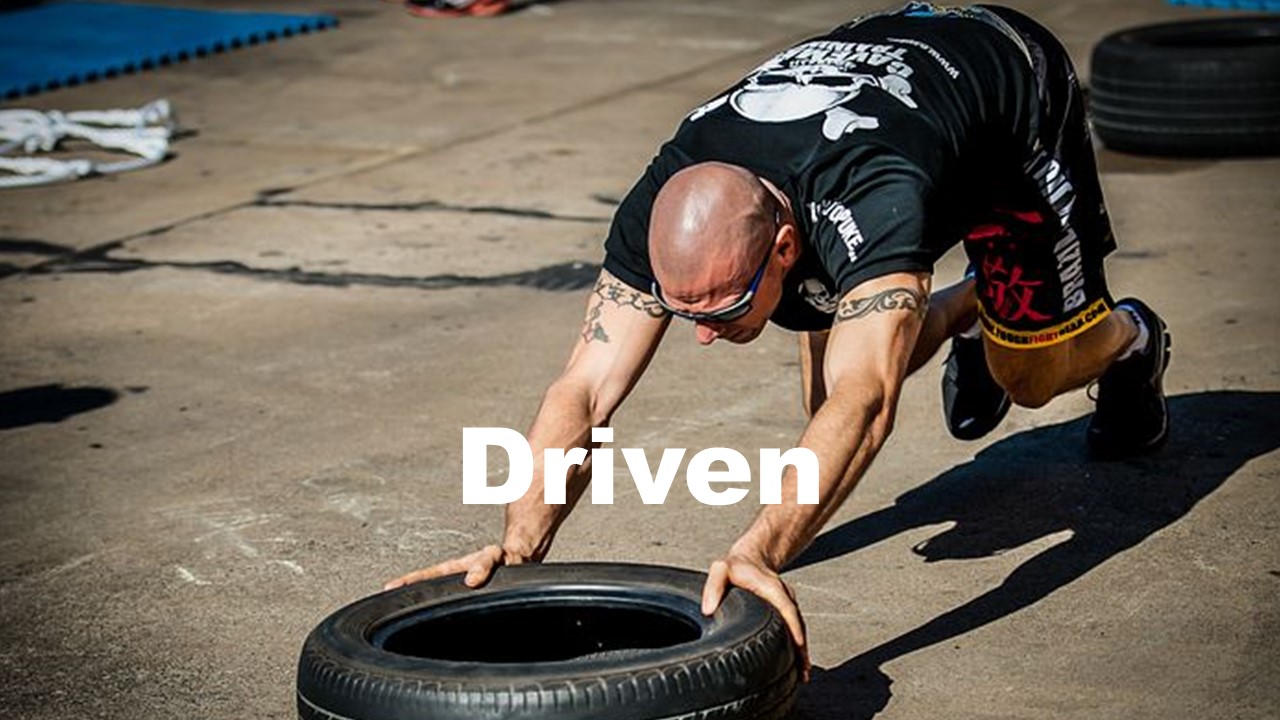
“I have been driven many times upon my knees by the overwhelming conviction that I had no where else to go. My own wisdom and that of all about me seemed insufficient for that day.”
― Abraham Lincoln
“Writing a book is a horrible, exhausting struggle, like a long bout with some painful illness. One would never undertake such a thing if one were not driven on by some demon whom one can neither resist nor understand.”
― George Orwell
“Men are driven by two principal impulses, either by love or by fear.”
― Niccolò Machiavelli, The Discourses
Wanted to share some inspirational quotes with you. Today seemed like a good time to do this. There are an estimated 100,000 words in the English language that are feelings related. Some emotions are pleasant, and some are unpleasant, but all feelings can provide useful information. If any of these quotes strike a chord with you, please share them.
Look at these related posts for more on this topic and other feelings.
By David Joel Miller, MS, Licensed Therapist & Licensed Counselor.
Someone seems to have turned up the speed on the merry-go-round.
If you are a subscriber to the counselorssoapbox blog or a regular reader, you probably noticed that I missed posting my regular Monday mental health posts for the last few weeks. I have been posting pretty regularly on Mondays ever since 2012. But with all the changes over the last year and having produced more than 1800 posts, I’ve been finding it increasingly difficult to come up with new topics every Monday. If you have questions you’d like to pose, please send them to me, and I’ll try to work that into future posts.
Now seems like a good time to tell you about some of the changes I’ve been through over the last year. Some of these changes, I think, are predictors of what life will be like in the future. My future anyway.
Moving my classes online has been a challenge.
I typically teach 2 to 3 classes per semester. A little over a year ago, when Covid was raging, and any solution to the pandemic seemed far off in the distance, the safest thing to do, particularly for somebody my age, was to hunker down and avoid going out where you might be exposed to the virus.
Just for the record, I think of myself as a relatively young 73-year-old. While I am now fully vaccinated, I am still being cautious. If you’re wondering, I took the two-dose Moderna vaccine. The only side effect I experienced was a minor muscle soreness at the injection site. I usually get the flu shot every year, and the Covid vaccine was not much worse than my annual flu shot.
So, what’s different about teaching online?
Some of my students did exceptionally well in the online format, and others did not. If you’re internally motivated, online education has a lot of advantages. Online education varies considerably. Since I teach for two different colleges, I experienced at least four different ways of doing online education. To further complicate this picture while converting my own classes to an online format, I was busily taking several courses in how to teach online.
Synchronous versus asynchronous classes.
One of the classes I taught was synchronous. Every Monday night, I met online with a group of graduate students, and I ran through my PowerPoints and delivered my lecture via Zoom. The students were asked to read the chapter in the textbook before that night’s class session. After I was done, there was plenty of time for students to ask questions, and occasionally, we even had a lively discussion.
Two of the classes I taught at the City College were set up as asynchronous. Each week’s work began at 12:01 Monday morning and was available to students until midnight Sunday night. Just as in the regular classroom, the students had a section in the textbook to read each week. I also used a weekly discussion question to see if students were participating. Students frequently got into lively discussions with each other about the weekly discussion question. Answering the discussion question counted as attendance in class. If you didn’t comment on the question, you are absent that week.
Students in the asynchronous class also had a brief quiz each week. The material on the quiz or similar questions reappeared on both the midterm and the final. I hoped that if I tested a student often enough, they would retain the material even after the class was over. Quizzes and tests had time limits though most students didn’t require the full allotted time. Initially, I had some worries about students googling or checking the textbook for answers to the questions. But I quickly realized in the time they had to do it; they couldn’t be doing much looking for answers.
How did the students do when learning online?
When we got to the end of the classes, both the synchronous and the asynchronous, the grade distribution was pretty much the same thing I had seen in my regular in-person courses. Students who read the book, answered the discussion questions, and submitted the required paperwork, received relatively good grades. Just as when we were in the classroom. Students who failed to participate during several weeks, did not do the assigned quizzes and discussion questions, or did not turn in the required term paper, receives substantially lower grades.
What was the biggest challenge I experienced in teaching online?
The largest challenge both for students and me was technology. Between taking online classes and teaching online at two different colleges, I had to learn many different technologies.
Just a short list of the new technologies I had to learn. I’ve used Blackboard, Moodle, Canvas, Canvas companion, and Zoom. Each one had a learning curve, and switching from one system to another in the same week sometimes gets confusing. But if an old guy like me can figure it out, I think college students and high school students should be able to.
What have I learned about online classes?
My conclusion about online classes is that if the students are motivated to learn the material online learning can be every bit as beneficial as in-class sessions. Some students need in-person or individual encouragement, which is easier to do when you see them each week in class. If someone is taking an online class and needs help, they should reach out to their instructor and let them know they’re having difficulty. Of course, having reliable access to technology platforms and the Internet is essential. I also think both teachers and students need more help in learning the platform they’re going to use before they launch into remote education.
Is online education a second-class method?
Not at all. I think I learned just as much, possibly more, in the online classes I took as I used to learn using in-class education. I found it very convenient to teach online, and many of my students reported that it worked better for them than having to drive to and from campus. I can see from the logins that some students worked on their assignments during the day, some worked late into the night, and some students primarily completed their assignments on the weekend. The flexibility in learning when you have the time and for me in grading assignments when I had the time was very beneficial.
Like all the other technological advances, I think it will take some time for this to be absorbed into our culture. It was a real challenge for me to learn to use a cell phone and then learn to receive and send texts. But now that I know how to do all those things, I’m not sure how we ever got by without them. I firmly believe that we will see a time in the future when online–distance learning is just as common, maybe even more common, than in-class learning.
Were the main changes in my life over the last year moving into the field of online education?
Don’t I wish? Just as the pandemic impacted education, it has also had an immense effect on the counseling field. Over the last year, I’ve been doing online or distance counseling and doing group clinical supervision remotely. Because of not being physically present, I’ve also learned to pre-record material and create videos. If you’d like to look at the videos I’ve produced so far, please check out Counselorssoapbox YouTube Video Channel.
The frantic pace of the last year has also significantly influenced my writing. I’ve had less time for writing blog posts, and the two books I was working on have not made it to completion at this point. I’ve been seriously rethinking what I want to write, given the limited time I have and the messages or themes that I want to write about.
In future posts, I’ll talk to you a little more about all these other changes.
Please feel free to leave comments about this blog post and about how this last year living in a time of Covid has affected you. You can either use the comment box or send me a personal message using the contact me form.
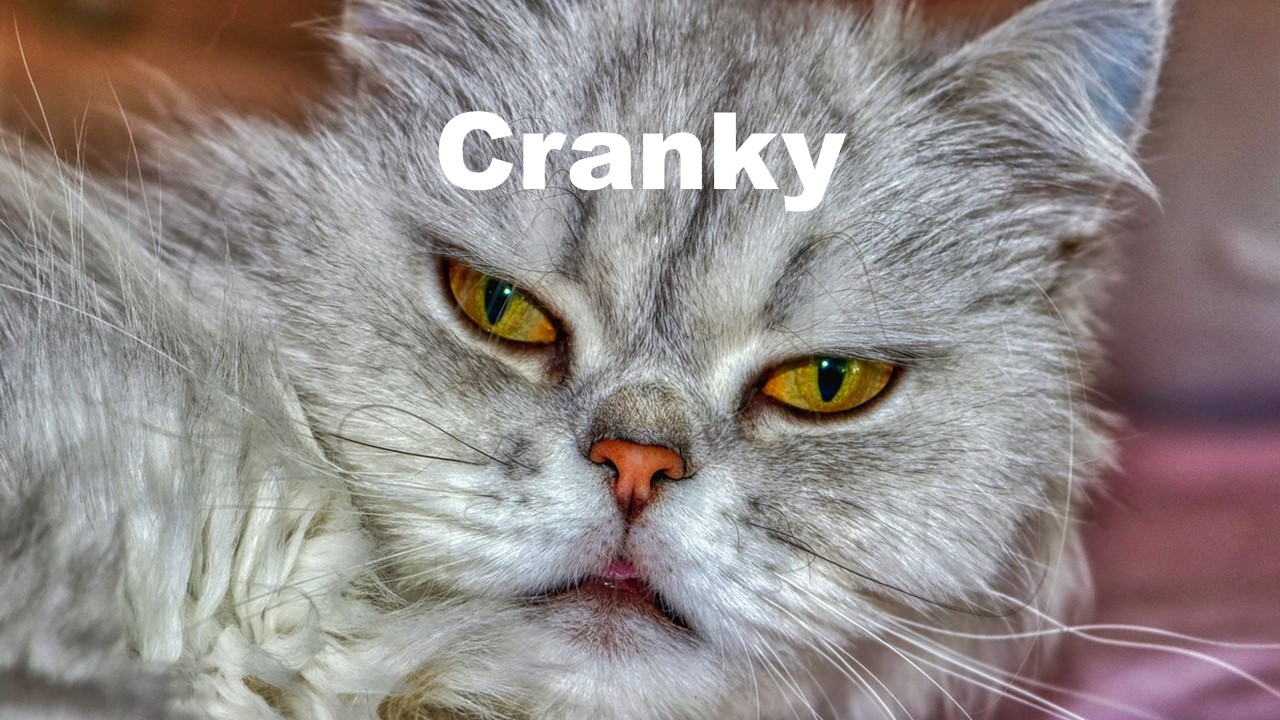
“Thank God. Now maybe he’ll stop acting like a cranky toddler that skipped nap time.”
― Jay Crownover, Rule
“A rose is not its thorns, a peach is not its fuzz and a human being is not his or her crankiness.”
― Lisa Kogan
“Better cranky and alive than cheerful and dead.”
― Seanan McGuire, Late Eclipses
Wanted to share some inspirational quotes with you. Today seemed like a good time to do this. There are an estimated 100,000 words in the English language that are feelings related. Some emotions are pleasant, and some are unpleasant, but all feelings can provide useful information. If any of these quotes strike a chord with you, please share them.
Look at these related posts for more on this topic and other feelings.
“I don’t say women’s rights—I say the constitutional principle of the equal citizenship stature of men and women.”
― Ruth Bader Ginsburg
“In a composite nation like ours, as before the law, there should be no rich, no poor, no high, no low, no white, no black, but common country, common citizenship, equal rights and a common destiny.”
― Frederick Douglass
“As soon as any man says of the affairs of the State “What does it matter to me?” the State may be given up for lost.”
― Jean-Jacques Rousseau, The Social Contract
Wanted to share some inspirational quotes with you. Today seemed like a good time to do this. There are an estimated 100,000 words in the English language that are feelings related. Some emotions are pleasant, and some are unpleasant, but all feelings can provide useful information. If any of these quotes strike a chord with you, please share them.
Look at these related posts for more on this topic and other feelings.
By David Joel Miller, MS, Licensed Therapist & Licensed Counselor.
Happy Mother’s Day
To all the mothers out there who have given their unconditional love regardless of what your children look like or do here is wishing you a happy mother’s day.
If you didn’t have a mother like that, then work on giving yourself that love on this day devoted to the way a caring mother can make us all happy.
“Happiness is not something ready made. It comes from your own actions.”
― Dalai Lama XIV
“The most important thing is to enjoy your life—to be happy—it’s all that matters.”
― Audrey Hepburn
“When one door of happiness closes, another opens; but often we look so long at the closed door that we do not see the one which has been opened for us.”
― Helen Keller
Wanted to share some inspirational quotes with you. Today seemed like a good time to do this. There are an estimated 100,000 words in the English language that are feelings related. Some emotions are pleasant, and some are unpleasant, but all feelings can provide useful information. If any of these quotes strike a chord with you, please share them.
Look at these related posts for more on this topic and other feelings.
“Nobody believes me when I say that my long book is an attempt to create a world in which a form of language agreeable to my personal aesthetic might seem real. But it is true.”
― J. R. R. Tolkien
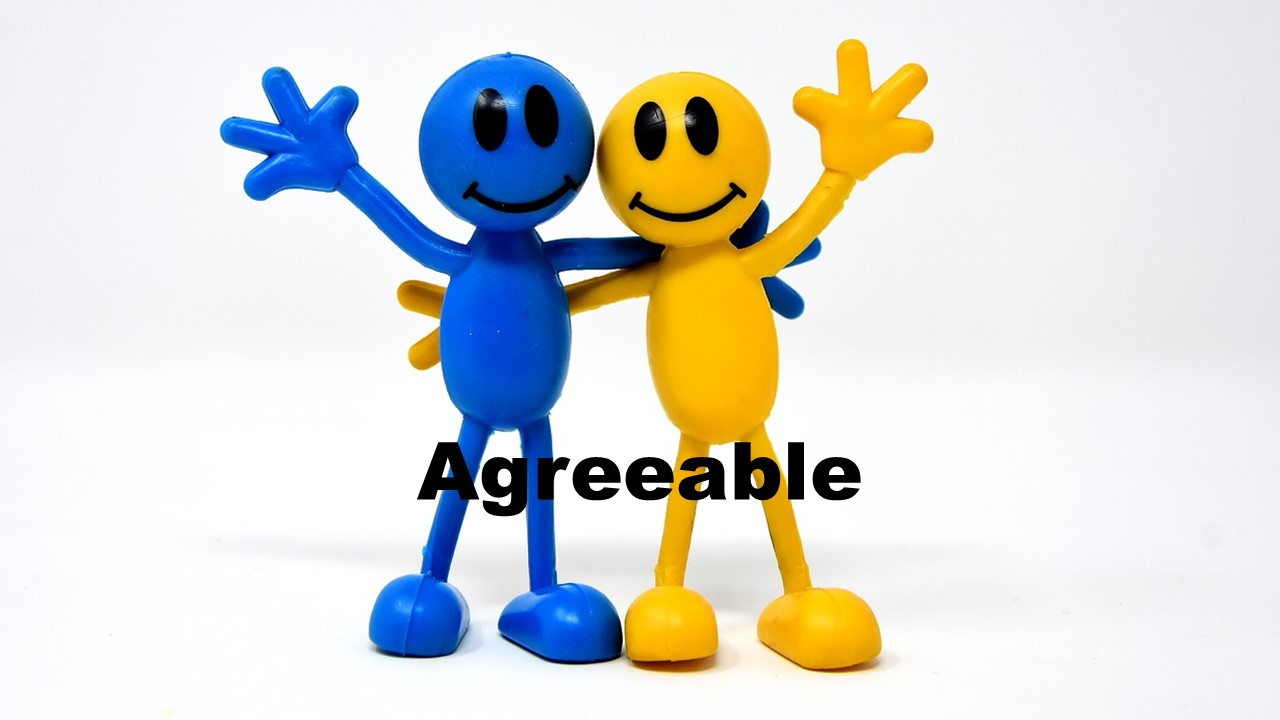
“Animals are such agreeable friends―they ask no questions, they pass no criticisms.”
― George Eliot, Mr Gilfil’s Love Story
“Friendship is the source of the greatest pleasures, and without friends even the most agreeable pursuits become tedious.”
― St. Thomas Aquinas
Wanted to share some inspirational quotes with you. Today seemed like a good time to do this. There are an estimated 100,000 words in the English language that are feelings related. Some emotions are pleasant, and some are unpleasant, but all feelings can provide useful information. If any of these quotes strike a chord with you, please share them.
Look at these related posts for more on this topic and other feelings.
By David Joel Miller, MS, Licensed Therapist & Licensed Counselor.
What is self-soothing, and why is it important?
Self-soothing is the things you do to help yourself calm down and relax. These techniques are useful for regulating your emotions. We readily recognize these behaviors when we see a parent rocking their baby or patting them on the back. Unfortunately, most people weren’t taught how to self-soothe. As people grow older, it becomes increasingly beneficial to develop appropriate self-soothing behaviors.
It’s easier to activate the threat system than the self-soothing system.
Our emotional systems have developed over considerable lengths of time to aid in our survival. Recognizing when there is a threat can keep you alive in a dangerous situation. The threat system is on automatic and has relatively few responses to choose from. The threat system largely depends on a few behaviors.
Freezing is the most primitive of those behaviors. People who have a history of having been abused or neglected frequently freeze when the situation looks dangerous. Freezing can lead to the inability to think or spacing out, which is technically called dissociation. If when you get upset, you find that chunks of time are missing, you’ve probably been experiencing some form of freezing or dissociation.
Fleeing, which is running away, is another primitive threat system response to anything that seems dangerous. Running away might increase your chances of survival in a hazardous situation, but if your flight response is always on alert you are likely to become increasingly limited in your options. Fleeing can keep you from having good relationships or even prevent your being able to hold a job.
The fight response is the threat system’s last line of defense. People with a history of traumatic experiences may violently explode each time their threat system is activated. Continually engaging your fight system drives other people away. When you have constant conflicts with others, you may end up doing things you later regret.
If your threat system is easily activated, especially when the threats you experience in life are minimal, you can get yourself in a lot of trouble.
The solution to an overactive threat system is to learn to self-soothe and reduce the activation of your threat system. Here are some techniques which might help you reduce the threat system’s hyperarousal.
Slowing your roll with deep breathing.
Deep breathing is an extremely simple technique that can almost instantly calm you down. The simple version of learning deep breathing consists of a few simple steps. Breathe very deeply from your diaphragm. When upset, most people take short, frequent breaths from very high up in their chest the way a puppy would pant.
Take that deep breath in slowly and thoroughly. Hold it for several seconds. When you exhale, pause for several seconds before the next breath. With a little practice, you can lengthen the intervals between breaths. As you increase the intervals, your activated threat system will decline. Deep breathing can lower your heart rate, which is another signal to your brain to calm down because the threat has passed.
Remembering your happy place.
When your threat system is activated, but it’s not appropriate or possible to freeze, flee, or fight, creating a mental image of a calming, happy place can reduce the threat system activation. Many people have difficulty thinking of a happy place when the threat system is activated. Practice visualizing your happy place frequently, so you’re able to remember it when the time comes. If you look back through recent posts on this blog, you will find one in which I shared some pictures of happy places that people have suggested.
Becoming more self-compassionate.
One cause of an overactive threat circuit is being too hard on yourself. Many people find it easy to be compassionate towards others. Think of the way you would show compassion to a baby or small child if they were in pain—practice showing yourself Self-Compassion. Taking care of yourself is not being selfish. If you don’t love yourself and take care of yourself, you make it hard for other people to show you compassion.
Changing your thinking.
Many people think that it is another person or event which has triggered their threat system. If you look carefully at your thinking, you will find that whenever something upset you, it was followed immediately by a belief about why that happened. If you re-examine that belief, you’re likely to find an alternate belief that will reduce your threat response system’s activation. This system of challenging beliefs is frequently referred to as the ABCDE technique. It’s extremely useful for helping people overcome excess anger.
There are several other “unhelpful thoughts” which function to maintain negative emotions. Learn to recognize these unhelpful thoughts, challenge them, and watch your self-soothing system take control. Unhelpful thoughts are sometimes also called “dysfunctional thoughts” or “irrational thoughts.” Whether they are dysfunctional or irrational or not, if you have automatic thoughts that keep your threat system activated, you may want to take another look at those thoughts.
Watch your self-talk.
Negative self-talk can work you up into a frenzy. Telling yourself that this can’t be happening will put you on high arousal. Make a habit of practicing helpful self-talk. Tell yourself that while this is something you would prefer not happening, you can handle it. Even in worst-case scenarios, people who tell themselves they are survivors and that they will get through this fare better than those who tell themselves I can’t do this, or I won’t be able to handle this.
My newest book is now available. It was my opportunity to try on a new genre. I’ve been working on this book for several years, but now seems like the right time to publish it.
Story Bureau is a thrilling Dystopian Post-Apocalyptic adventure in the Surviving the Apocalypse series.
Baldwin struggles to survive life in a post-apocalyptic world where the government controls everything.
As society collapses and his family gets plunged into poverty, Baldwin takes a job in the capital city, working for a government agency called the Story Bureau. He discovers the Story Bureau is not a benign news outlet but a sinister government plot to manipulate society.
Bumps on the Road of Life. Whether you struggle with anxiety, depression, low motivation, or addiction, you can recover. Bumps on the Road of Life is the story of how people get off track and how to get your life out of the ditch.
Dark Family Secrets: Doris wants to get her life back, but small-town prejudice could shatter her dreams.
Casino Robbery Arthur Mitchell escapes the trauma of watching his girlfriend die. But the killers know he’s a witness and want him dead.
What would you do if you found a letter to a detective describing a crime and you knew the writer and detective were dead, and you could be next?
Sasquatch.Three things about us, you should know. One, we have seen the past. Two, we’re trapped there. Three, I don’t know if we’ll ever get back to our own time.
For these and my upcoming books; please visit my Author Page – David Joel Miller
Want the latest blog posts as they publish? Subscribe to this blog.







 counselorssoapbox