Don’t you ever sleep?

By David Joel Miller, MS, Licensed Therapist & Licensed Counselor.

Man sleeping

Sleeping person.
Photo courtesy of Pixabay.com

Don’t you ever sleep?

I thought I should answer this question since 2 people have asked me this recently. The answer is yes, I do sleep. Typically, I sleep 8 or so hours a night. Sometimes I sleep 9 hours a night if I am feeling particularly ambitious.

I think the reason people ask me this is because I teach classes in the evening and then my students discover a video posted to the counselorssoapbox YouTube channel at 1 AM, followed by the counselorssoapbox.com blog post which appears at 2 AM.

No people, I do not stay up till 2 AM to get all this done. As much possible, I try to write these posts and produce these videos, weeks, or even months in advance. Both WordPress and YouTube have a wonderful feature that allows me to upload material and schedule it to appear at a future date.

When I first started the blog, I had to decide when I wanted my posts to appear. I discovered that I had more than a few readers in the United Kingdom and even Europe. It made sense to me to schedule my posts to appear relatively early in the day so that they would be morning posts across the United States and appear in the UK and Europe before the workday was over. Since then I found I have readers and over 130 countries. Thank you to all of you readers wherever you are on planet Earth. Whatever time you see my post know that I’m going to bed and sleeping through the night by a clock set to Pacific Standard Time here in California.

As of today, I have scheduled posts for the counselorssoapbox blog all the way out through the end of December, and videos are scheduled through the end of November. I will continue to write and produce videos as rapidly as possible in the hopes that I can keep the hoppers full so that you can enjoy my musings without interruption.

Many thanks to all of you who were worried about me getting enough sleep. You can rest easy knowing I have not had to sacrifice my sleeping hobby in order to produce blog content or videos.

Staying connected with David Joel Miller

Seven David Joel Miller Books are available now!

My newest book is now available. It was my opportunity to try on a new genre. I’ve been working on this book for several years, but now seem like the right time to publish it.

Story Bureau.

Story Bureau is a thrilling Dystopian Post-Apocalyptic adventure in the Surviving the Apocalypse series.

Baldwin struggles to survive life in a post-apocalyptic world where the government controls everything.

As society collapses and his family gets plunged into poverty, Baldwin takes a job in the capital city, working for a government agency called the Story Bureau. He discovers the Story Bureau is not a benign news outlet but a sinister government plot to manipulate society.

Bumps on the Road of Life. Whether you struggle with anxiety, depression, low motivation, or addiction, you can recover. Bumps on the Road of Life is the story of how people get off track and how to get your life out of the ditch.

Dark Family Secrets: Doris wants to get her life back, but small-town prejudice could shatter her dreams.

Casino Robbery Arthur Mitchell escapes the trauma of watching his girlfriend die. But the killers know he’s a witness and want him dead.

Planned Accidents  The second Arthur Mitchell and Plutus mystery.

Letters from the Dead: The third in the Arthur Mitchell mystery series.

What would you do if you found a letter to a detective describing a crime and you knew the writer and detective were dead, and you could be next?

Sasquatch. Three things about us, you should know. One, we have seen the past. Two, we’re trapped there. Three, I don’t know if we’ll ever get back to our own time.

For these and my upcoming books; please visit my Author Page – David Joel Miller

Want the latest blog posts as they publish? Subscribe to this blog.

For videos, see: Counselorssoapbox YouTube Video Channel

Drug Counseling Video #6 counseling sessions.

Drug Counseling Video #6. Individual and group counseling sessions.

Drug and alcohol counselors need to become skilled in both individual counseling and group counseling. They should be familiar with best practices, multicultural counseling, counseling theories, counseling techniques, and feelings work.

How do you break a bad habit?

By David Joel Miller, MS, Licensed Therapist & Licensed Counselor.

Breaking Bad Habits.
Photo courtesy of Pixabay.com

Do you have some bad habits you’d like to stop?

Many people have behaviors they would call a “bad habit,” they say they would like to stop. Habits by their very nature are things we do automatically, without thought, which makes them extra challenging to stop. Psychologists have studied habits, how to create them, and how to break them. There are some things you need to consider if you want to change a habit.

You have been doing the things that have become a habit for a long time. In the early stages of habit formation, it may not take long for something to become a new habit. If a fast-food restaurant gets you to come in for three visits in a row you will probably be a regular customer. Breaking that habit will probably take a lot longer. Highly reinforcing habits such as drugs and alcohol will require even more effort to end.

Is this habit something you can really stop?

There’s a difference between changing a habit that you need and want you don’t need. Many people would like to stop overeating or reduce the amount of food they eat. Humans must eat some food so the techniques you would use to reduce the amount of food you’re eating, would be very different from the methods you would use to end a bad habit such as drug use, that needs to be stopped completely.

Do you really want to stop this “bad habit?”

I’ve mentioned more than once that my purchasing of books has become a bad habit. I buy a lot of books. Sometimes more than I can read. I also download quite a few free Kindle e-books. While I say I need to stop accumulating books faster than I can read them, this is not a habit I especially want to break. It’s easy for me to excuse this habit on the grounds that I’m an author with at least six publish books, and if I’m going to write books, I need to read a great many also. I don’t actually want to stop this habit.

Many of the clients I work with, in my therapy practice, have bad habits such as drug use, which they want to stop completely. The techniques you use for ending a bad habit altogether, are different from the methods you use if you’re only trying to keep your habit from getting out of control.

What techniques can be used to end a bad habit?

First, let’s look at the ways to end a bad habit you want to eliminate entirely. Second, we will look at some techniques for modifying “bad habits” you want to reduce or control. Lastly, let’s look at some methods that might be useful regardless of whether you want to stop altogether or want to reduce the time and money you spend on the “bad habit.”

Eliminate cues that remind you to engage in this bad habit.

Most habits have cues that automatically trigger a response. Your phone rings and you reach and answer it. It’s hard to ignore that ringing phone even when you want to do something else. Turning off the ringing sound may help you avoid answering it when you need to focus on something else. Reducing or eliminating cues is an essential step in ending a bad habit.

People in substance abuse recovery are encouraged to get rid of drugs, alcohol, and any paraphernalia they might use. For recovering alcoholic, that means getting rid of your collection of beer-themed decorations or your collection of shot glasses. People use other drugs should get rid of things like pipes.

Avoid places you used to go to engage in this bad habit.

For an alcoholic stopping at the liquor store, even to pick up a gallon of milk, or some bread is a risky behavior. Hanging out in the bar, even if it’s only to play pool is likely to trigger urges to drink. Hanging out with people who drink or use drugs is also a risky behavior. Seeing them engage in the action you’re trying to stop is likely to cue intense cravings.

How might you alter a habit you don’t want to end completely?

Here are some suggestions for modifying a habit when you don’t want to end completely. Psychologists have suggested these for things such as eating less or not drinking as much.

To eat less, reduce the amount available.

Serving food on smaller plates can help you cut down on how much you consume. Using smaller size glasses can reduce the volume of fluids you drink. Purchasing things like chocolate in smaller container sizes can reduce your consumption. Limiting the amount of food or beverages you consume by using smaller containers will only work if you don’t make repeated trips back to refill.

Use your nondominant hand for eating or drinking.

Using your nondominant hand slows down the eating or drinking process. People who ate popcorn with their nondominant hand ate smaller amounts, especially when the popcorn was stale. Changing how you do something, slows the process down, and may result in doing less of it.

Driving the “mindbus” can help you ignore automatic thoughts.

Sometimes it feels as if they’re a bunch of voices in your head urging you to do things you don’t want to do. I’m not talking about the voices that people with a serious mental illness experience. When you have those automatic thoughts telling you to do things you know, they are thoughts coming from your own brain. But when your mind is telling you that you need some more chocolate or another drink, it’s hard to ignore those automatic thoughts.

In the mindbus technique, you picture yourself as the driver of a bus taking yourself somewhere you want to go. All those loud voices in your head that are trying to distract you are the passengers on your bus. Ignore the noisy urges clamoring for you to turn the bus and take it in a different direction and stick to the route you have selected.

Substitute a positive behavior for a negative one.

If you have urges to eat some more chocolate, select a carrot or other fruit instead. Instead of heading to the bar go to an AA meeting or religious service. Rather than eat mindlessly go for a walk or do another exercise. By substituting positive behaviors for negative behaviors, you reduce your bad habits and improve the quality of your life.

What bad habits do you want to modify or end altogether?

For more on this topic, you might want to check out the British Psychological Society podcast on Breaking Bad Habits.

Staying connected with David Joel Miller

Seven David Joel Miller Books are available now!

My newest book is now available. It was my opportunity to try on a new genre. I’ve been working on this book for several years, but now seem like the right time to publish it.

Story Bureau.

Story Bureau is a thrilling Dystopian Post-Apocalyptic adventure in the Surviving the Apocalypse series.

Baldwin struggles to survive life in a post-apocalyptic world where the government controls everything.

As society collapses and his family gets plunged into poverty, Baldwin takes a job in the capital city, working for a government agency called the Story Bureau. He discovers the Story Bureau is not a benign news outlet but a sinister government plot to manipulate society.

Bumps on the Road of Life. Whether you struggle with anxiety, depression, low motivation, or addiction, you can recover. Bumps on the Road of Life is the story of how people get off track and how to get your life out of the ditch.

Dark Family Secrets: Doris wants to get her life back, but small-town prejudice could shatter her dreams.

Casino Robbery Arthur Mitchell escapes the trauma of watching his girlfriend die. But the killers know he’s a witness and want him dead.

Planned Accidents  The second Arthur Mitchell and Plutus mystery.

Letters from the Dead: The third in the Arthur Mitchell mystery series.

What would you do if you found a letter to a detective describing a crime and you knew the writer and detective were dead, and you could be next?

Sasquatch. Three things about us, you should know. One, we have seen the past. Two, we’re trapped there. Three, I don’t know if we’ll ever get back to our own time.

For these and my upcoming books; please visit my Author Page – David Joel Miller

Want the latest blog posts as they publish? Subscribe to this blog.

For videos, see: Counselorssoapbox YouTube Video Channel

Loneliness.

Loneliness.

Person alone

Loneliness.

Sunday Inspiration.     Post by David Joel Miller.

“The most terrible poverty is loneliness, and the feeling of being unloved.”

― Mother Teresa

“The worst loneliness is to not be comfortable with yourself.”

― Mark Twain

“Loneliness does not come from having no people about one, but from being unable to communicate the things that seem important to oneself, or from holding certain views which others find inadmissible.”

― Carl Gustav Jung

“If you’re lonely when you’re alone, you’re in bad company.”

― Jean-Paul Sartre

Wanted to share some inspirational quotes with you.  Today seemed like a good time to do this. There are an estimated 100,000 words in the English language that are feelings related. Some emotions are pleasant, and some are unpleasant, but all feelings can provide useful information. If any of these quotes strike a chord with you, please share them.

Look at these related posts for more on this topic and other feelings.

Emotions and Feelings.

Inspiration

Drug Counseling Video #5. Case Management, Crisis Intervention, and Education.

Drug Counseling Video #5. Case Management, Crisis Intervention, and Education.

Drug counselors need to understand the tasks involved in case management, crisis intervention, and education. This video discusses how to determine the dangers in the situation evaluate client’s resiliency and the process of placing clients on a legal hold or involuntary commitment. Drug and alcohol counselors often need to provide education to the client, their family, and the community.

What is your stress mindset?

By David Joel Miller, MS, Licensed Therapist & Licensed Counselor.

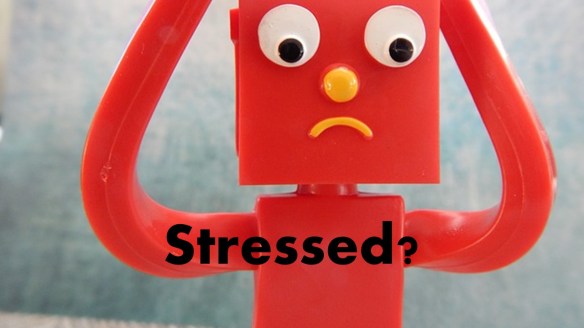
Stressed

Feeling stressed out?
Photo courtesy of Pixabay.com

How stress affects you depends on your stress mindset.

When we say something is stressful, most people think of this as a bad thing. Some stress is harmful. But sometimes stress can be helpful. Research tells us that without stress hormones, you might have difficulty getting out of bed in the morning. Stress hormones can divert blood flow to muscles, making you run faster. A little bit of stress can also improve your alertness and attention. How your stress affects you depends on your stress mindset.

We experience stress in two different situations. There’s the ongoing kind of stress that comes from a demanding job or challenging home situation. If you’re unemployed, that’s stressful. Stress can also be the result of a sudden need to perform well. Going for that big job interview, that can be significantly stressful also. Having an unexpected significant challenge, making a speech, finishing a project, or taking a big test can all be stressful.

What will happen to you when you’re faced with a challenge? Are you one of those people who fall apart under stress? Or are you the type of person that can rise to the occasion, for whom stress brings out the best in you? How stress will affect you is likely to be the result of the thing some psychologists describe as your stress mindset.

Do you have a negative stress mindset?

If you face stress with the belief that this is awful, harmful, and debilitating, you have a negative stress mindset. People with a negative stress mindset repeatedly experience stressful events as unpleasant or debilitating. They worry about things in advance. A negative stress mindset makes it more difficult to cope with a challenging task.

People with a negative stress mindset often believe they do not have the resources necessary to cope with the stressor and experience the challenge as exhausting. If you expect things to be stressful, you will try to avoid them rather than trying something new, which may be beneficial.

What’s a positive stress mindset?

People who see stress positively believe that it can improve their focus. They see challenges as opportunities to up their game. For them, stress increases their motivation. The challenging activity provides them a chance to learn and grow as well as to display their talents to others. As the pressure rises, their performance improves.

People who have a positive stress mindset, when faced with a difficult task, look for ways to cope with the challenge. They view this challenge as an opportunity for learning and growth. They are likely to come out of the experience energized regardless of the outcome.

People who believe in the potential positive outcomes from stress are less likely to be overwhelmed by difficult life circumstances.

How can you cope with pressure?

Developing a positive stress mindset can improve your ability to cope with pressure. Think of pressure as another form of exercise. Avoiding exercise results in you becoming weaker. Avoiding anything stressful reduces your ability to cope. Look for small things that you can do to challenge herself to develop better coping skills when under stress.

Learn to interpret those butterflies in your stomach as excitement rather than thinking of them as a warning of danger. Preparing in advance for the possible stressful event can reduce that feeling of stress. A big test will be more stressful if you haven’t studied for the exam. Practicing needed skills until they are automatic will make you more confident in performance situations. But all that preparation will not help you if you interpret challenges with a negative stress mindset.

Look for the positive benefits of challenging situations.

Developing a positive stress mindset includes learning to view each new challenge as an opportunity to grow and improve. When faced with the unexpected situation, look for the potential positive outcomes. Ruminating about what could go wrong will make the event more stressful. Focusing on opportunities will reduce the feeling of stress.

To reduce stress, don’t listen to your inner critic.

Putting yourself down doesn’t improve your performance. Most of us have an inner critic telling us we are not good enough. Critics criticize. Those who accomplish things in life ignore their inner critic and move forward. If you expect to do poorly, your performance will sink to the level your brain expects.

For more on this topic, see:     Stress or Productivity

Recommended Mental Health Books

David Miller at counselorssoapbox.com is an Amazon Affiliate and may receive a small Commission if you purchase a book or product using the link on this page. Using the link will not increase the cost to you.

Staying connected with David Joel Miller

Seven David Joel Miller Books are available now!

My newest book is now available. It was my opportunity to try on a new genre. I’ve been working on this book for several years, but now seems like the right time to publish it.

Story Bureau.

Story Bureau is a thrilling Dystopian Post-Apocalyptic adventure in the Surviving the Apocalypse series.

Baldwin struggles to survive life in a post-apocalyptic world where the government controls everything.

As society collapses and his family gets plunged into poverty, Baldwin takes a job in the capital city, working for a government agency called the Story Bureau. He discovers the Story Bureau is not a benign news outlet but a sinister government plot to manipulate society.

Bumps on the Road of Life. Whether you struggle with anxiety, depression, low motivation, or addiction, you can recover. Bumps on the Road of Life is the story of how people get off track and how to get your life out of the ditch.

Dark Family Secrets: Doris wants to get her life back, but small-town prejudice could shatter her dreams.

Casino Robbery Arthur Mitchell escapes the trauma of watching his girlfriend die. But the killers know he’s a witness and want him dead.

Planned Accidents  The second Arthur Mitchell and Plutus mystery.

Letters from the Dead: The third in the Arthur Mitchell mystery series.

What would you do if you found a letter to a detective describing a crime and you knew the writer and detective were dead, and you could be next?

Sasquatch. Three things about us, you should know. One, we have seen the past. Two, we’re trapped there. Three, I don’t know if we’ll ever get back to our own time.

For these and my upcoming books; please visit my Author Page – David Joel Miller

Want the latest blog posts as they publish? Subscribe to this blog.

For videos, see: Counselorssoapbox YouTube Video Channel

Risk.

Risk.

Risk.
Photo courtesy of Pixabay.com

Sunday Inspiration.     Post by David Joel Miller.

“Never was anything great achieved without danger.”

― Niccolò Machiavelli

“Take into account that great love and great achievements involve great risk.”

― Dali Lama

“He who is not courageous enough to take risks will accomplish nothing in life”

― Muhammad Ali

Wanted to share some inspirational quotes with you.  Today seemed like a good time to do this. There are an estimated 100,000 words in the English language that are feelings related. Some emotions are pleasant, and some are unpleasant, but all feelings can provide useful information. If any of these quotes strike a chord with you, please share them.

Look at these related posts for more on this topic and other feelings.

Emotions and Feelings.

Inspiration

Drug Counseling Video #4 Treatment Planning.

Drug Counseling Video #4 Treatment Planning.

Treatment planning for drug and alcohol counseling. Planning for treatment of all the parts of the client’s life that have been affected by a drug and alcohol use disorder. Services the drug program will provide, and services to which the client will be referred. The difference between referrals and linkages. Consent to release confidential information. Referrals and consultation.

How to stop procrastination.

By David Joel Miller, MS, Licensed Therapist & Licensed Counselor.

Time running out

Procrastination.

To avoid procrastination, do the hardest thing first.

Having an unpleasant chore hanging over your head creates a lot of stress. Doing things that are unpleasant now for a future benefit tends to get put off. Putting off that unpleasant chore and dealing with what is hanging over your head uses up a lot of energy. You’re only going to have so much willpower, and when it’s gone, nothing gets accomplished. By doing the hard thing first, you make the rest of your day that much easier. Completing a task you didn’t want to do can give you a feeling of accomplishment and make you feel extra productive. With that one big thing off your list, you can breeze through several smaller chores.

Increase your productivity by creating a second morning.

If you’re one of those people who is most productive first thing in the day, but your productivity drops off as the day progresses, consider breaking your day into two segments. When you come back from lunch or shortly after that, revise your to-do list. Crossing off the things you’ve already completed will give you a sense of accomplishment. Begin the second part of your day by tackling the remaining “hardest to do” task.

If a new challenging project has cropped up, you can get it out of the way while you still have some energy rather than carrying it over until a tomorrow, which may never arrive. This two-part day will leave you with primarily smaller, easier-to-do things to tackle at the end of your day when your energy is running low.

To defeat procrastination, break difficult projects into chunks.

When we are faced with large projects, they seem overwhelming. It’s natural to procrastinate when you’re overwhelmed. Breaking a large project into smaller parts allows you to whittle that project down to a manageable size. Tackle the overwhelming the same way you would eat an elephant, one bite at a time.

Do a time challenge to reduce procrastination.

Your day can slip by in those short 10-minute intervals between other things. When you have 10 or 15 minutes left before the next thing you need to do, or the place you need to go, set a time challenge. Don’t tell yourself you don’t have enough time. Ask yourself how much of this project can I get done in these 10 or 15 minutes that I have available to work on my project.

Increase your focus by reducing your distractions.

Close your email browser. Turn off your cell phone. Close the door to your office if you can. When I’m writing, I wear a pair of headphones playing relaxing background music. This keeps me from being distracted by conversations and sounds in the environment. If you’re only going to have 10 minutes to work on something, give it your full attention.

Perfection is the enemy of productivity.

Trying to do everything perfectly can result in you getting nothing accomplished. The illusion that you need to write a perfect book has kept many a would-be writer from ever finishing their book. Some things only need to be good enough. Productive writers know that they must start by producing a messy, imperfect first draft before they have something to revise and edit. Ask yourself just how perfect this project needs to be. Invest your time and energy into the important things rather than trying to do less critical tasks perfectly.

Don’t wait until you can make time to do something.

The idea that you can “make time” to do something you have been putting off is a mirage. There’s no way to make any more time. Each week consists of 168 hours. If you want to be financially stable, you need a money budget. If you’re going to be productive, you need to budget your time. You may be able to borrow money, but you can’t borrow time and pay it back next week. Create a time budget. Invest a little of your time each day into getting something accomplished, and at the end of the week, you can see how small investments of time compound.

Focus on what you can do, not what you can’t do.

Focusing on how much you must do and how hard it will be to do it uses up a lot of time that could be better spent working on the tasks at hand. Narrow your vision to the one thing on your to-do list. Get as much done on that thing as you can, using the time and resources you have. If you tell yourself you can’t do something, you won’t be able to do it. Tell yourself you can do it and watch what can happen.

Avoid procrastination by making a public commitment.

Announce your projects to the world. Tell a friend. Tell your family. Tell someone at work. Once you’ve announced that you are going to do something positive, peer pressure will increase your motivation to get it done. When we tell ourselves what we are going to do, it’s easy to lie to ourselves. When you have told someone else what you plan to do, there’s an extra incentive to get it done.

Plan a project-marathon.

If you’re the type of person who works best in chunks, block off an afternoon or a day, and challenge yourself to see how much you can get done when you work on one thing and only that one thing for a set period. I sign up each year for NaNoWriMo (the National Novel Writing Month contest), I commit to trying to write a 50,000-word novel during the 30 days of November. Having that self-imposed deadline has resulted in my finishing novels three years in a row. These novels are first drafts and need a lot of revision, but participating in these writing marathons gets something accomplished.

Why do you procrastinate?

Most people procrastinate because they have too many things on their to-do list. Why you procrastinate is not as important as learning how to put an end to the procrastination monster. Learn to say no. Scratch some things off that to-do list. Make it a point to decide what’s important and do that first. Once you’ve simplified your to-do list, apply some of the anti-procrastination tips in this blog post, and watch your productivity soar.

Recommended Mental Health Books

David Miller at counselorssoapbox.com is an Amazon Affiliate and may receive a small Commission if you purchase a book or product using the link on this page. Using the link will not increase the cost to you.

Staying connected with David Joel Miller

Seven David Joel Miller Books are available now!

My newest book is now available. It was my opportunity to try on a new genre. I’ve been working on this book for several years, but now seems like the right time to publish it.

Story Bureau.

Story Bureau is a thrilling Dystopian Post-Apocalyptic adventure in the Surviving the Apocalypse series.

Baldwin struggles to survive life in a post-apocalyptic world where the government controls everything.

As society collapses and his family gets plunged into poverty, Baldwin takes a job in the capital city, working for a government agency called the Story Bureau. He discovers the Story Bureau is not a benign news outlet but a sinister government plot to manipulate society.

Bumps on the Road of Life. Whether you struggle with anxiety, depression, low motivation, or addiction, you can recover. Bumps on the Road of Life is the story of how people get off track and how to get their life out of the ditch.

Dark Family Secrets: Doris wants to get her life back, but small-town prejudice could shatter her dreams.

Casino Robbery Arthur Mitchell escapes the trauma of watching his girlfriend die. But the killers know he’s a witness and want him dead.

Planned Accidents: The second Arthur Mitchell and Plutus mystery.

Letters from the Dead: The third in the Arthur Mitchell mystery series.

What would you do if you found a letter to a detective describing a crime, and you knew the writer and detective were dead, and you could be next?

Sasquatch. Three things about us, you should know. One, we have seen the past. Two, we’re trapped there. Three, I don’t know if we’ll ever get back to our own time.

For these and my upcoming books, please visit my Author Page – David Joel Miller

Want the latest blog posts as they publish? Subscribe to this blog.

For videos, see: Counselorssoapbox YouTube Video Channel
Impulsive.

Impulsive.
Photo courtesy of Pixabay.com

Impulsive.

Sunday Inspiration.     Post by David Joel Miller.

“Great things are not done by impulse, but by a series of small things brought together.”

― Vincent Van Gogh

“Men are driven by two principal impulses, either by love or by fear.”

― Niccolò Machiavelli, The Discourses

“…our impulses are too strong for our judgment sometimes”

― Thomas Hardy, Tess of the D’Urbervilles

Wanted to share some inspirational quotes with you.  Today seemed like a good time to do this. There are an estimated 100,000 words in the English language that are feelings related. Some emotions are pleasant, and some are unpleasant, but all feelings can provide useful information. If any of these quotes strike a chord with you, please share them.

Look at these related posts for more on this topic and other feelings.

Emotions and Feelings.

Inspiration