Why you shouldn’t trust psychological research.

By David Joel Miller, MS, Licensed Therapist & Licensed Counselor.

The Psyche

Why you shouldn’t trust psychological research.
Photo courtesy of Pixabay.com

Do not trust psychological research.

Much psychology research is unhelpful.

In writing this blog, I read a lot of research. I’m looking for ideas and suggestions for ways to be helpful to people struggling with life’s problems.

Occasionally I find some extremely well-done research that is enlightening and helpful. Much of the time, what I encounter is a lot of published studies of dubious value. Let’s look at the problems with much psychological research and why it may be less than helpful.

Most of the research is not about you or your problems.

If you are a person struggling with depression, anxiety, loneliness, or low self-esteem most psychological research will not help you. If you’re encountering memory problems, you may find a lot of studies about how rat’s memory works. Don’t expect a whole lot of practical help. If you’re a businessman looking for ways to convince people to buy your product, skip the psychology research and take a good look at marketing research.

For a discipline that began with the lofty ideal of being the science of thinking and behavior how did it get so far off into academic research with so little value to people in distress?

Psychology research often is performed on a select group of people who are very different from the general population and predominantly different from those people who struggle with mental, emotional, and behavioral disorders. People most likely to seek treatment for problems are systematically excluded from many research studies.

A recent study I read about attitudes towards relationships that highlight this issue: this research was conducted using a convenience sample of students in a psychology class. The majority of the respondents were 18 to twenty-year-old female college students at a private 4-year college who were living at home, were unmarried, and had never been in a relationship for more than two years. While this study may tell you something about the attitude of young women who are not yet in a relationship, towards relationships it is not very applicable to working with couples who have relationship issues. Here is a highlight of the problems you may encounter when reading psychological research.

Psychological research is often conducted in fantasy land.

A lot of research is done by professors at four-year colleges. Much of this is driven by their need to create something to publish if they want to keep their jobs. The sample in the studies is often full-time students who attend during the day. Two-thirds of these students are female. This results in excluding most men, most people with full-time jobs, night students, community college students, the employed, and the unemployed, and so on.

Minorities, the elderly, and other special populations are underrepresented.

Our population is aging. Depression is common among the elderly. Repeated studies have found that minority populations are not engaged in treatment. The results of most studies will not generalize to the most impacted people.

Psychological research excludes people who are incarcerated.

Mental health and substance issues are common among incarcerated populations. Excluding those populations biases the results by underestimating the number of people with a problem and by excluding people with multiple issues.

People with substance use disorders are excluded.

The majority of people in treatment for substance use disorder also have a mental illness. At least half the people with a mental illness report a substance use disorder. Counselors working in treatment settings are primarily working with people with one or both problems. While some psychological research may include people with depression or anxiety, most exclude anyone with a diagnosable disorder.

Anyone with less than 12 years of completed education is excluded.

One result of doing psychological research on average people in academic settings is to exclude all those people who dropped out of school or failed to complete a high-school education. As our society has become more technologically focused more years of schooling has become a necessity. Excluding people who are not enrolled in college in research studies has excluded the people most likely to be seeking help in public settings.

The verbal yardsticks used in psychological research may be inaccurate.

One of the significant challenges in treating mental illness is the difficulty of communicating through words. Many clients lack a functional feelings vocabulary. When you try to use words to describe symptoms not everyone agrees on which words describe which symptoms. A great deal has been written about the “big five” psychological constructs. Those Big Five constructs were created from more than 100 different possible constructs. Introverted versus extroverted personality, doesn’t mean the same thing to everyone.

The sample size and research are often microscopic.

Grab any 10 or 20 people off the street and asked them a series of questions about their feelings, their life, and their problems and you can get radically different results. Results done at one school in one district may not reflect results you would obtain at other schools in other areas. When it comes to specific mental health issues, I have seen studies published with fewer than ten people. The chances that those ten people represent in any way millions of other people is nonexistent.

The results of many psychology experiments can’t be replicated.

Back in the 1960s, many people were “psychology majors.” The promise that psychology as a discipline could help us improve ourselves, society, and solve problems seemed great. Unfortunately, much of what people learned back then and since has turned out not to be accurate. Today psychology is experiencing a replication crisis — many of the things I learned in psychology classes were the results of one “landmark” famous experiment. As the years have passed, other experimenters tried to reproduce those results. Unfortunately, doing the same research more than once has produced different results.

Results of psychological research do not generalize to other populations.

The “Psychological principles” we discover in one place and at one time haven’t held true when applied somewhere else or in some other year. Experiments, particularly surveys about attitudes and issues, done in America don’t necessarily hold true in other countries. Results of studies on young, white, female, college students have in no way remain valid when applied to minorities, men, the unemployed, the mentally ill, the addicted, and so many other populations.

Mental health is about abnormal psychology.

One small branch of psychological research deals with “abnormal psychology.” The things we now call mental illness and substance use disorders are included in the field of abnormal psychology. Unfortunately, more than half of all the people in America will experience a mental health or substance use disorder. “Normal psychology” is not about normal people. The majority of normal people will experience one or more episodes of something described by “abnormal psychology.”

The next time you read about a startling new revelation from the field of psychology, you may need to take out your salt shaker. I still read a lot of that research, but I’m much more skeptical now that I was in 1966 when I thought I might want to be a psychology major.

Staying connected with David Joel Miller

Seven David Joel Miller Books are available now!

My newest book is now available. It was my opportunity to try on a new genre. I’ve been working on this book for several years, but now seem like the right time to publish it.

Story Bureau.

Story Bureau is a thrilling Dystopian Post-Apocalyptic adventure in the Surviving the Apocalypse series.

Baldwin struggles to survive life in a post-apocalyptic world where the government controls everything.

As society collapses and his family gets plunged into poverty, Baldwin takes a job in the capital city, working for a government agency called the Story Bureau. He discovers the Story Bureau is not a benign news outlet but a sinister government plot to manipulate society.

Bumps on the Road of Life. Whether you struggle with anxiety, depression, low motivation, or addiction, you can recover. Bumps on the Road of Life is the story of how people get off track and how to get your life out of the ditch.

Dark Family Secrets: Doris wants to get her life back, but small-town prejudice could shatter her dreams.

Casino Robbery Arthur Mitchell escapes the trauma of watching his girlfriend die. But the killers know he’s a witness and want him dead.

Planned Accidents  The second Arthur Mitchell and Plutus mystery.

Letters from the Dead: The third in the Arthur Mitchell mystery series.

What would you do if you found a letter to a detective describing a crime and you knew the writer and detective were dead, and you could be next?

Sasquatch. Three things about us, you should know. One, we have seen the past. Two, we’re trapped there. Three, I don’t know if we’ll ever get back to our own time.

For these and my upcoming books; please visit my Author Page – David Joel Miller

Want the latest blog posts as they publish? Subscribe to this blog.

For videos, see: Counselorssoapbox YouTube Video Channel

Charity.

Charity

Charity.
Photo courtesy of Pixabay.com

Charity            .

Sunday Inspiration.     Post by David Joel Miller.

“It’s not how much we give but how much love we put into giving.”

― Mother Theresa

“When we give cheerfully and accept gratefully, everyone is blessed.”

― Maya Angelou

“You have not lived today until you have done something for someone who can never repay you.”

― John Bunyan

“To ease another’s heartache is to forget one’s own.”

― Abraham Lincoln

Wanted to share some inspirational quotes with you.  Today seemed like a good time to do this. There are an estimated 100,000 words in the English language that are feelings related. Some emotions are pleasant, and some are unpleasant, but all feelings can provide useful information. If any of these quotes strike a chord with you, please share them.

Look at these related posts for more on this topic and other feelings.

Emotions and Feelings.

Inspiration

Alcohol the drug we love and hate – Video.


My promiscuous relationship with punctuation.

By David Joel Miller, MS, Licensed Therapist & Licensed Counselor.

Man writing

Writing.
Photo courtesy of Pixabay.com

Periodically I get in trouble with the punctuation police.

If you’re one of those people who has memorized the entire Code of Federal Regulations section on proper punctuation, you probably have little sympathy for my proclivity for loose relationships with punctuation.

I will plead guilty to abusing commas and neglecting my hyphens, but with an explanation.

I came from a home filled with dysfunctional punctuation.

I grew up without a good role model for punctuation. What I know about her I learned on the streets from certain undesirable types who use punctuation purely for oral communication. I learned early, that people who came from proper punctuation homes followed a certain code. But when you learn your punctuation for use in ordinary conversation, you’re likely to ignore some of the punctuation etiquettes.

Someone who is effective as a public speaker inserts frequent pauses for dramatic effect. The resulting (pregnant pause) often is in no way related to (pause) the proper use of Miss Comma. If you’re used to the looser variety of commas, you would prefer that they spoke plainly, telling you what they mean rather than hiding behind a fan of proper punctuation rules.

Why has Miss Comma fallen out of fashion?

I find it disconcerting, when reading aloud the text of the speech that someone gave, to encounter Miss Commas smiling face in places where the speaker would never have permitted her while eschewing to allow that same Miss Comma to continue to maintain her ongoing relationship with that person’s speech. I realize that proper punctuation is all the rage these days. I prefer my punctuation to be plain-speaking, saying what she means and meaning what she says rather than hiding behind her cousins, dashes, colons, and semicolons.

No matter how much the dictates of fashion might change, my taste seems unchangeably fixed. Despite the current proclivity towards severely underweight women, I continue to prefer women with a little meat on their bones. Likewise, despite frequent opportunities to date some of these newer punctuation marks, I would rather spend my sentences was several commas than to engage in a dalliance with even a single frivolous dash.

I trust you will forgive an old man for this philosophical digression.

You’ll find more posts on this topic under – Writing.

Staying connected with David Joel Miller

Seven David Joel Miller Books are available now!

My newest book is now available. It was my opportunity to try on a new genre. I’ve been working on this book for several years, but now seem like the right time to publish it.

Story Bureau.

Story Bureau is a thrilling Dystopian Post-Apocalyptic adventure in the Surviving the Apocalypse series.

Baldwin struggles to survive life in a post-apocalyptic world where the government controls everything.

As society collapses and his family gets plunged into poverty, Baldwin takes a job in the capital city, working for a government agency called the Story Bureau. He discovers the Story Bureau is not a benign news outlet but a sinister government plot to manipulate society.

Bumps on the Road of Life. Whether you struggle with anxiety, depression, low motivation, or addiction, you can recover. Bumps on the Road of Life is the story of how people get off track and how to get your life out of the ditch.

Dark Family Secrets: Doris wants to get her life back, but small-town prejudice could shatter her dreams.

Casino Robbery Arthur Mitchell escapes the trauma of watching his girlfriend die. But the killers know he’s a witness and want him dead.

Planned Accidents  The second Arthur Mitchell and Plutus mystery.

Letters from the Dead: The third in the Arthur Mitchell mystery series.

What would you do if you found a letter to a detective describing a crime and you knew the writer and detective were dead, and you could be next?

Sasquatch. Three things about us, you should know. One, we have seen the past. Two, we’re trapped there. Three, I don’t know if we’ll ever get back to our own time.

For these and my upcoming books; please visit my Author Page – David Joel Miller

Want the latest blog posts as they publish? Subscribe to this blog.

For videos, see: Counselorssoapbox YouTube Video Channel

Diagnosing Substance Use Disorders Drug Ed Video #5.

How to tell when drug and alcohol use is a problem? How do professionals diagnose Substance Use Disorders? Today’s video looks at the topic of identifying drug and alcohol problems.

Reasons why people avoid therapy.

By David Joel Miller, MS, Licensed Therapist & Licensed Counselor.

Therapist

Therapist.
Photo courtesy of Pixabay.com

Why are you avoiding counseling?

Many people avoid going to the doctor as if seeing a doctor would be the cause of their illness. Avoiding counseling, in one form or another, is even more common than avoiding medical treatment.

Most people who put the effort into counseling see improvement in their lives. Here are some of the reasons people commonly say they are avoiding therapy.

Doesn’t going to therapy mean I am weak or crazy?

Not at all. Going for treatment does not mean you’re weak or giving into your symptoms. What it does say is that you are willing to face your problems. We used to think that there were two kinds of people, normal people, and the mentally ill. We now know that being mentally healthy requires more than a lack of illness. The things we call mental illnesses are treatable. Facing your problems reduces their impact on your life.

The fear of being diagnosed as mentally ill is a throwback to the days when there wasn’t an effective treatment for mental illnesses. Our system of care used to be designed to try to immediately cure people. If you break a leg, a doctor can set it. When we didn’t have effective treatments for mental illness being diagnosed meant there was no hope.

Today we know that there are talk therapies that have been shown to be effective in curing some mental illnesses. Even those that can’t be cured can be made substantially better. Seeking treatment for a mental health challenge does not mean you’re weak. It says you are acting to make your mental life healthier and happier.

Talk therapy resembles coaching.

Highly successful athletes still have coaches. My view of counseling is that it should function in a similar way to coaching. The goal should be more than merely detecting what’s wrong with you. It should also entail finding solutions to your life problems so that you can have a happy, productive life.

In the same way that a baseball player or a golfer can’t see their own swing, many people can’t see the unhelpful thoughts. A counselor can help you with other ways to look at your problems and help you learn the skills to overcome life’s difficulties.

One significant difference between counseling and life coaching is the professional counselors and therapists are specially trained in diagnosing and treating mental illness. In most places, they are also licensed. While some life coaches can help you work on becoming more successful professional counselors can help you with the depression or anxiety that is interfering with your life.

You are afraid your secrets will get out.

Counselors are committed to keeping what you talk about with them confidential. Outside of a few legal exceptions, such as plans to kill yourself or others and abuse of children and the elderly, what you are going to talk to the counselor about will not leave the consulting room. Questions about what is and is not confidential and what counselors would keep confidential is one of the most common reasons people visit the counselorssoapbox.com blog. For more about confidentiality, please look at the posts under Law and Ethics.

Talking about your problems is embarrassing.

Talking about your problem could be embarrassing. During their career, counselors hear a substantial number of secrets. Chances are your counselor has heard something remarkably like what you’re about to tell them. They’ve also studied the kinds of problems to bring people to counseling.

Counselors try to approach people empathetically, being able to mentally put themselves into the client situation. They also try to practice unconditional positive regard. Regardless of your problem or what you have done in the past, the counselor wants to see the best in you and try to help you change and become a better person. It’s not the counselor’s job to judge you.

You believe your problem is beyond help.

Some life problems are more difficult to treat than others. Talk therapy can help even those people with the most severe mental illnesses to improve the quality of their lives. Many people are surprised to find how much their problems are like the problems of others around them. I believe that while some mental illnesses can’t be cured, all of them can be managed. Recovery from mental illnesses just like recovery from addiction and alcoholism is possible.

You’re looking for an instant solution like medication or drugs and alcohol.

Overnight successes are often the result of years of struggle and practice. Medication can help you manage your symptoms, but it won’t eliminate all your problems. Quick fixes like drugs and alcohol can distract you from your life problems for a while, but eventually, they quit working and living with an even more serious problem called addiction.

You believe counseling will cost too much or take too much time.

Counseling for mental health challenges is often covered by insurance. Even if you had to pay out-of-pocket, you should compare the cost of getting counseling with the costs you incur trying to solve the problem with other methods.

Couples sometimes think they can fix the relationship with a romantic weekend somewhere. They spend thousands of dollars on that trip but then tell me they can’t afford to come for marriage counseling. The cost of marriage counseling is substantially less than the price of obtaining a divorce.

Compare what you will spend in time and money to get a two-year or four-year college degree. Education is an investment in yourself. If your mental or emotional problems prevent you from being successful in school or in life, all that effort and money will have been wasted. Investing in your mental health is one of your best investment opportunities.

You don’t believe your life could get any better.

When you’re deep in life’s problems, it’s hard to see how things could get better. Counselors are trained to help people overcome life’s difficulties. If you’ve lost hope, the counselor may help you get it back. If it feels like nothing you’ve done in your life has worked may be working with the counselor can help you find the things that will work.

You’re convinced the solution is moving, changing jobs, or changing partners.

It’s easy to move through life thinking that your problems are where you live. People tell me that they can only move somewhere else then they would be happy. When I asked him why they don’t do it, they give me all kinds of reasons why they must stay where they are and be miserable.

Wherever you are, whatever work you are doing and whoever you are in a relationship with you are responsible for your own feelings. Counseling can help you learn how to make the best out of where you are and how to decide when it’s time for a change.

You believe the problem is someone else.

People often believe that their problems are someone else’s fault. If that person would only change they could be happy, or maybe only less depressed and anxious. Counseling can’t change that other person, but it can help you improve your thinking and behavior. Sometimes if you change the way your living your life, the other person will change. Even when you can’t change others, you can find ways to reduce the impact they’re having on your life.

Have you been telling yourself you need to talk to somebody about your problem? What’s holding you back from finally taking responsibility for your life and seeking out the help you need to create the most effective life possible?

Staying connected with David Joel Miller

Seven David Joel Miller Books are available now!

My newest book is now available. It was my opportunity to try on a new genre. I’ve been working on this book for several years, but now seem like the right time to publish it.

Story Bureau.

Story Bureau is a thrilling Dystopian Post-Apocalyptic adventure in the Surviving the Apocalypse series.

Baldwin struggles to survive life in a post-apocalyptic world where the government controls everything.

As society collapses and his family gets plunged into poverty, Baldwin takes a job in the capital city, working for a government agency called the Story Bureau. He discovers the Story Bureau is not a benign news outlet but a sinister government plot to manipulate society.

Bumps on the Road of Life. Whether you struggle with anxiety, depression, low motivation, or addiction, you can recover. Bumps on the Road of Life is the story of how people get off track and how to get your life out of the ditch.

Dark Family Secrets: Doris wants to get her life back, but small-town prejudice could shatter her dreams.

Casino Robbery Arthur Mitchell escapes the trauma of watching his girlfriend die. But the killers know he’s a witness and want him dead.

Planned Accidents  The second Arthur Mitchell and Plutus mystery.

Letters from the Dead: The third in the Arthur Mitchell mystery series.

What would you do if you found a letter to a detective describing a crime and you knew the writer and detective were dead, and you could be next?

Sasquatch. Three things about us, you should know. One, we have seen the past. Two, we’re trapped there. Three, I don’t know if we’ll ever get back to our own time.

For these and my upcoming books; please visit my Author Page – David Joel Miller

Want the latest blog posts as they publish? Subscribe to this blog.

For videos, see: Counselorssoapbox YouTube Video Channel

Boldness.

Boldness.

Boldness.
Photo courtesy of Pixabay.com

Boldness.

Sunday Inspiration.     Post by David Joel Miller.

“Freedom lies in being bold.”

― Robert Frost

“They did not know it was impossible, so they did it.”

― Mark Twain

“Boldness be my friend.”

― William Shakespeare


Wanted to share some inspirational quotes with you.  Today seemed like a good time to do this. There are an estimated 100,000 words in the English language that are feelings related. Some emotions are pleasant, and some are unpleasant, but all feelings can provide useful information. If any of these quotes strike a chord with you, please share them.

Look at these related posts for more on this topic and other feelings.

Emotions and Feelings.

Inspiration

The pain of revision.

By David Joel Miller, Writer.

Man writing

Writing.
Photo courtesy of Pixabay.com

After the writing comes the revision.

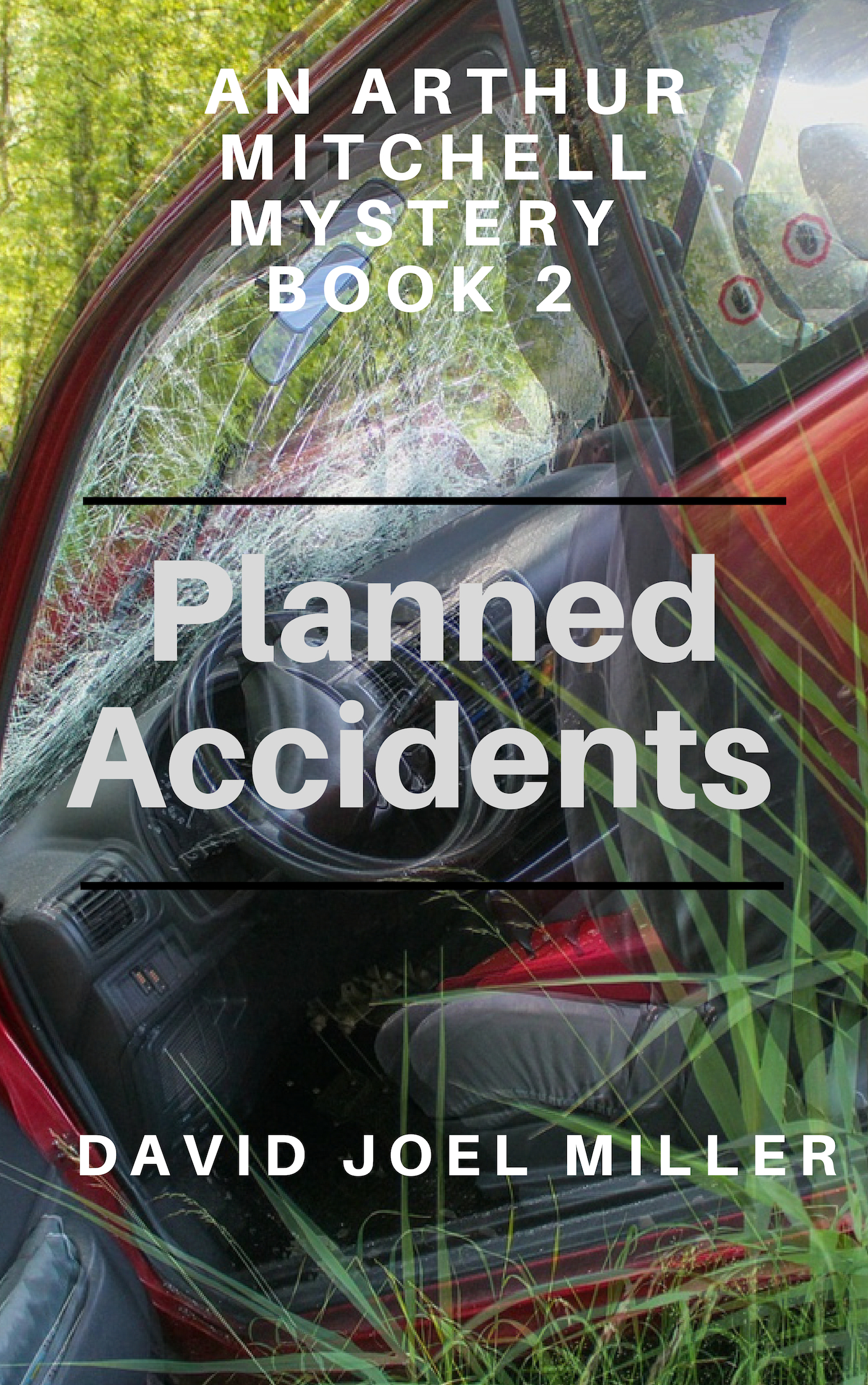
Cover for planned accidents book

Planned Accidents cover

As some of you are aware, I spent the month of November participating in the NaNoWriMo (the National Novel Writing Month) contest. This event is the fourth time I have attempted this and the third time I have succeeded in completing a first draft of a novel in one month.

Participating in the contest has taught me a great deal about writing a novel. What I’m struggling with now, even more than writing a novel, is the process of revision, trying to turn that first rough draft into something worth publishing. I would like to share with you some of the challenges I’m experiencing in revision, but first a little background.

Casino Robbery started the Arthur Mitchell mysteries series.

Planned Accidents is the second in the Arthur Mitchell mystery series. Arthur’s adventures began in the book Casino Robbery. After the financial crisis in 2008 Arthur Mitchell, accountant, gave up working at Fantastic Finance to take what he thought would be a safe and stable job working as an accountant for a Las Vegas casino. Arthur was trying to avoid anything risky. What Arthur hadn’t expected was to be in the middle of taking his fiancée to lunch when the casino was robbed. During the robbery, the criminals shot Arthur and killed his fiancée.

Because of the robbery, Arthur developed a severe case of PTSD. Unable to return to work Arthur opened a small thrift and collectible store on a rural Highway between Las Vegas and Utah. Unfortunately for Arthur, it turned out that as being shot wasn’t accidental, someone had wanted him dead, and he was pulled into investigating the robbery. Arthur became both an amateur and an accidental sleuth.

Planning Accidents turned into Planned Accidents.

Arthur has settled into running his thrift store, thinking the danger is behind him, when someone begins contacting the former employees at Fantastic Finance demanding money. First one and then another of Arthur’s former colleagues dies in mysterious accidents. At least that’s what the police think they are. Arthur’s not so sure any of this is accidental.

I started this novel with the working title Planning Accidents. What I found, as I wrote was that talking too much about planning the accidents took the focus off my hero Arthur and started me writing more about the people who could be planning these accidents. To shift the focus back on to Arthur and how he is drawn into investigating these supposed accidents, I’ve decided to change the title to Planned Accidents.

My first draft ended up with a lot of loose threads.

As I began my revision in January, I discovered I had included a lot of events that had nothing to do with Planned Accidents. Several times in the first draft I had Arthur buy some limited-edition lithographs. When Arthur inspects the lithographs, he discovers he has two copies of the same piece of art both with the same serial number. Somebody has been counterfeiting works of art and selling them directly to collectors. Once Arthur purchases the art from those collectors, the fraud becomes apparent.

Of course, the counterfeiters don’t want to be caught, and they make life extremely dangerous for Arthur Mitchell, as in they try to kill him. Once I realized this whole subplot had nothing to do with the Planned Accidents I pulled out the discovery of the duplicate lithographs and left that for Arthur to encounter in mystery number three or maybe even number four.

What do I do with the letters from the dead person?

One of the lots Arthur buys at an estate sale includes a bunch of letters an elderly lady had written to a police detective which were returned to her unopened. The author of the letters wrote to the detective describing a murder she had witnessed. Again, I discovered I had another crime for Arthur to investigate but trying to send him in that direction while he is trying to avoid being killed by someone who is planning his accidental death just mucked up the plot a little much. I pulled out all the material about the discovery of the letters from the witness, and I’ll save that for another Arthur Mitchell mystery. Once I get Planned Accidents finished, I think I want to start on this mystery, currently with the working title of “Letters from the Dead.” I think once we start opening the letters we will find the elderly lady witnessed more than one shocking crime.

Does this book need another page of description?

In the revision process, I struggle to decide whether I have written too much description or when there are insufficient details. I read a lot of other fiction, particularly in the amateur sleuth category. Occasionally I’m impressed by some extraordinarily brilliant description that produces a vivid image in my brain. More often though, when I reach long passages of description, I find myself speeding up, skimming over the description.

I am starting to feel like description, at least in an amateur sleuth mystery, is like spices in a stew. A little bit of spice, especially chili powder, can enhance the dish. But I don’t want my novel to resemble my stew, the time I accidentally dumped in a whole jar of chili powder.

I have an idea. If any of you readers would like to read draft two of “Planned Accidents” sign up for my mailing list or use the contact form and when it’s ready, I’ll send you an advanced reviewer copy of “Planned Accidents” and you can tell me if I’ve included too much or too little description. Of course, other feedback would be helpful also.

Does that dog ever do anything?

Something else I have been fixing as I’m working on draft number two is sorting out the role of Arthur’s dog Plutus. Plutus was important in the Casino Robbery book because he had belonged to Arthur’s fiancé’s Janet. In this mystery number two, Plutus kept turning up in various chapters but not doing much. As I revised, it became plain that Plutus unquestionably has a part to play in this story. Since Plutus helped Arthur solve the first mystery, I think I should put him to work helping to solve mystery number two and beyond.

There are some early thoughts about my revision project. I’ll share more with you in the future.

Staying connected with David Joel Miller

Seven David Joel Miller Books are available now!

My newest book is now available. It was my opportunity to try on a new genre. I’ve been working on this book for several years, but now seem like the right time to publish it.

Story Bureau.

Story Bureau is a thrilling Dystopian Post-Apocalyptic adventure in the Surviving the Apocalypse series.

Baldwin struggles to survive life in a post-apocalyptic world where the government controls everything.

As society collapses and his family gets plunged into poverty, Baldwin takes a job in the capital city, working for a government agency called the Story Bureau. He discovers the Story Bureau is not a benign news outlet but a sinister government plot to manipulate society.

Bumps on the Road of Life. Whether you struggle with anxiety, depression, low motivation, or addiction, you can recover. Bumps on the Road of Life is the story of how people get off track and how to get your life out of the ditch.

Dark Family Secrets: Doris wants to get her life back, but small-town prejudice could shatter her dreams.

Casino Robbery Arthur Mitchell escapes the trauma of watching his girlfriend die. But the killers know he’s a witness and want him dead.

Planned Accidents  The second Arthur Mitchell and Plutus mystery.

Letters from the Dead: The third in the Arthur Mitchell mystery series.

What would you do if you found a letter to a detective describing a crime and you knew the writer and detective were dead, and you could be next?

Sasquatch. Three things about us, you should know. One, we have seen the past. Two, we’re trapped there. Three, I don’t know if we’ll ever get back to our own time.

For these and my upcoming books; please visit my Author Page – David Joel Miller

Want the latest blog posts as they publish? Subscribe to this blog.

For videos, see: Counselorssoapbox YouTube Video Channel

Why do people use drugs? Video

Why do people use drugs? Is drug use good or bad? In this video, we look at how drug use might progress from initial experimentation to a severe use disorder or addiction. We also examine some other drug-connected problems.


Quotes from Martin Luther King, Jr.

Quotes from Martin Luther King, Jr.

MLJ Day 2015

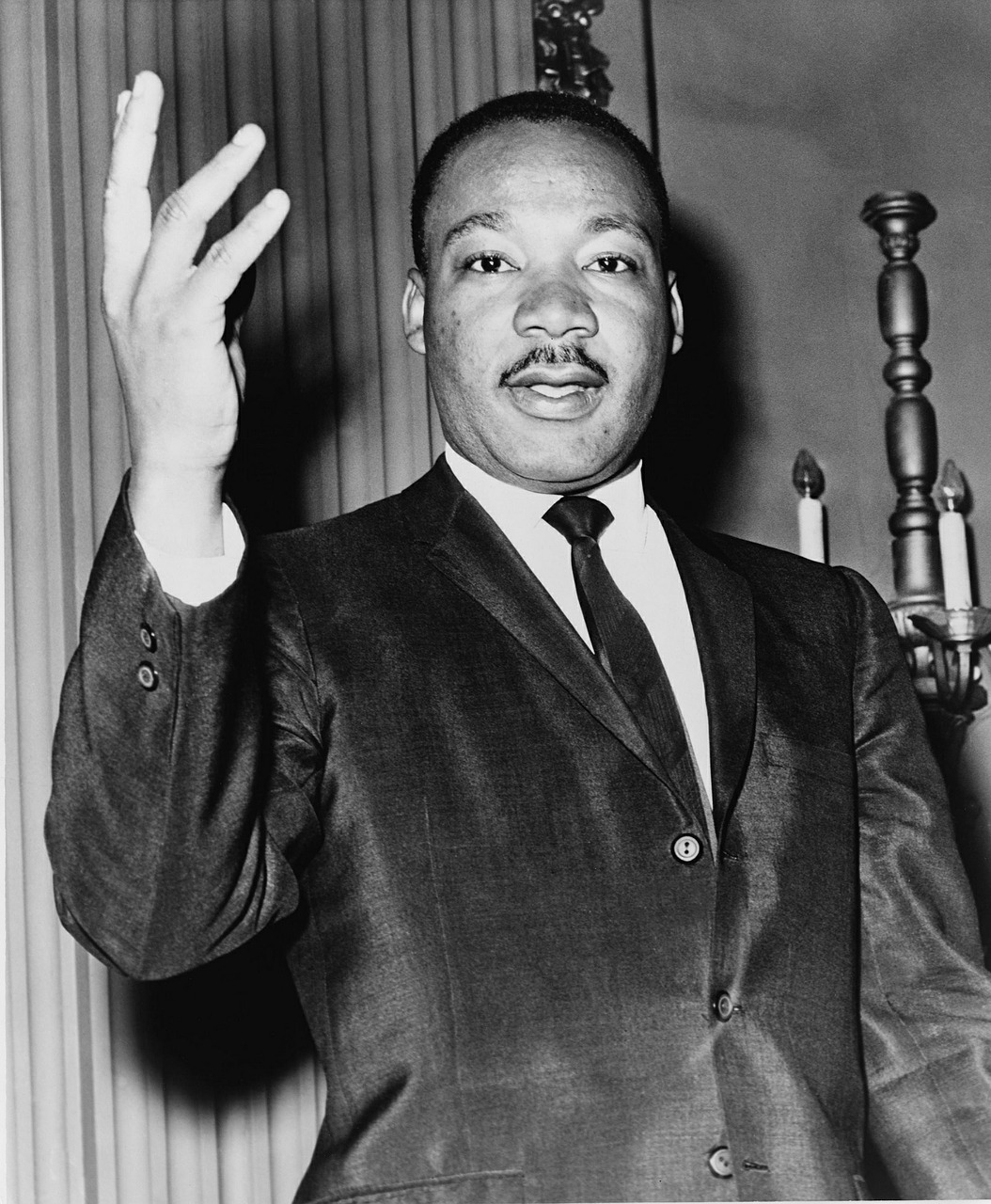
Today we celebrate Martin Luther King Jr. Day

Martin Luther King, Jr.

Martin Luther King, Jr.
Photo courtesy of Pixabay.com

We must build dikes of courage to hold back the flood of fear.

Martin Luther King, Jr.

Injustice anywhere is a threat to justice everywhere.

Martin Luther King, Jr.

Our lives begin to end the day we become silent about things that matter.

Martin Luther King, Jr.

The time is always right to do what is right.

Martin Luther King, Jr.

Our scientific power has outrun our spiritual power. We have guided missiles and misguided men.

Martin Luther King, Jr.

Wanted to share some thought-provoking quotes with you.

Today seemed like a good time to do this.