
Beer DUI- DWI?

By David Joel Miller, MS, Licensed Therapist & Licensed Counselor.
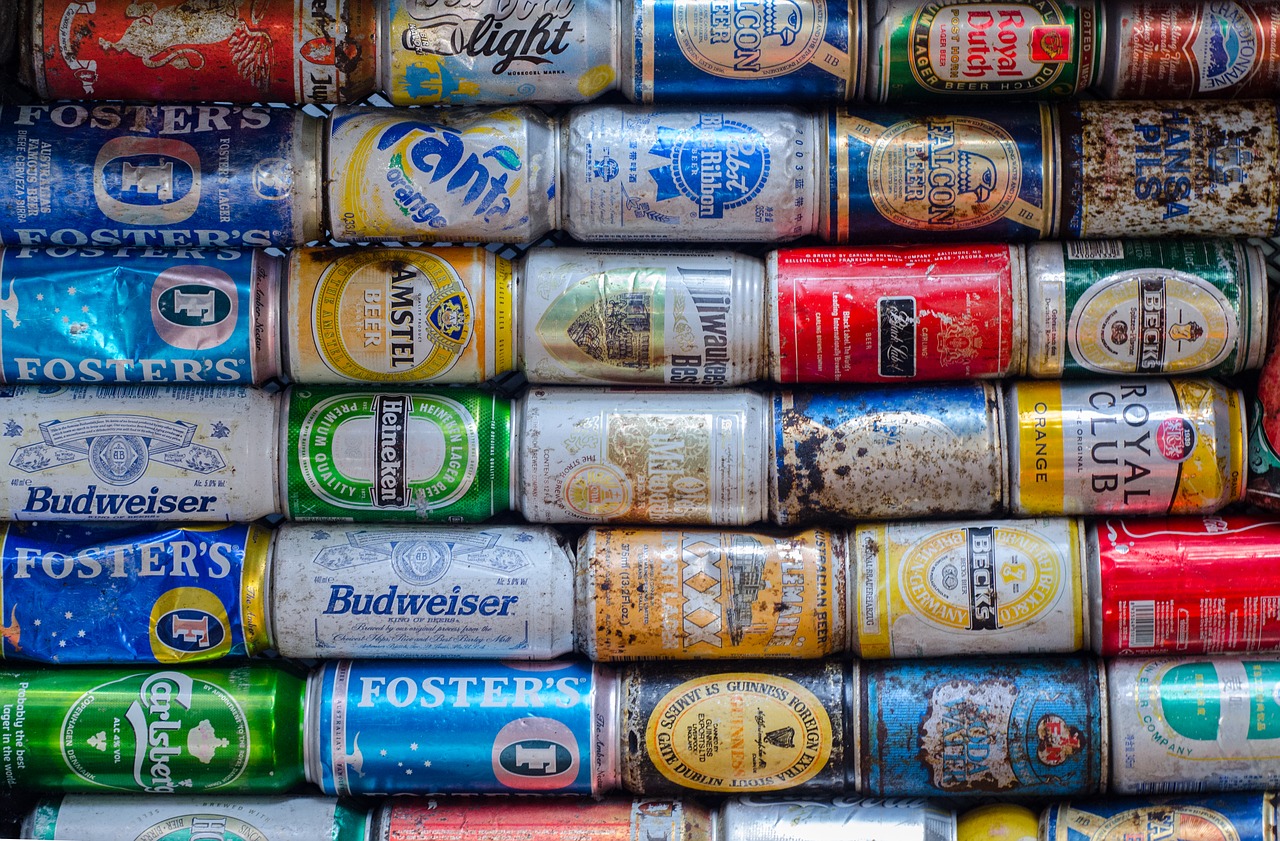
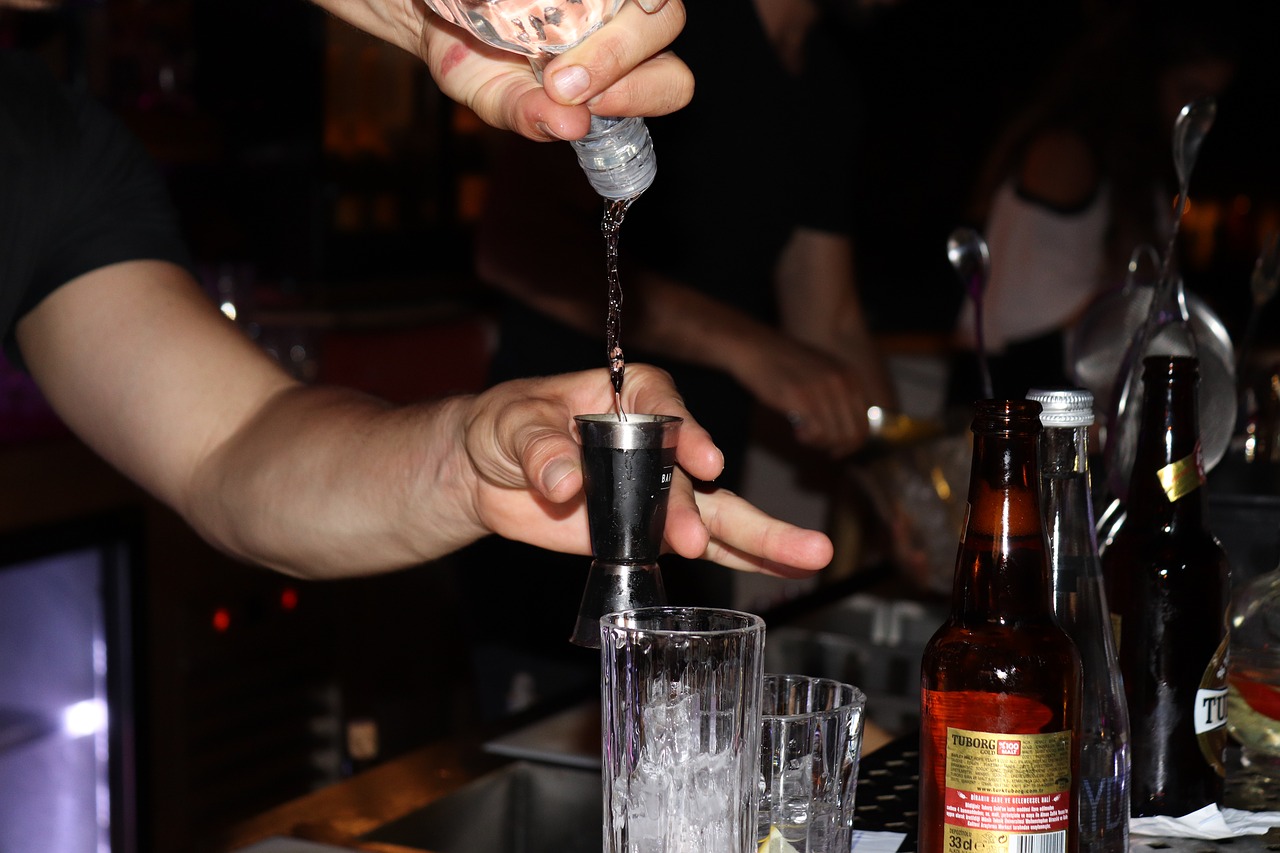
Will four beers get you drunk?
Photo courtesy of Pixabay.com

Can you get a DUI from drinking Beer?

Yes, it is not only possible to get a DUI or DWI while drinking beer, but it is also remarkably common.

Lots of people fool themselves into thinking that if they drink beer or wine they are not going to have a problem. The truth of the matter is that beer contains alcohol and anything that contains alcohol can get you drunk.

It is common for someone who has a problem with intoxication once to tell themselves that if they just skipped the hard stuff they will be all right. Sometimes their family and friends encourage this delusion.

Beer contains ethyl alcohol, ethanol, just like wine and hard liquors. Ethel Alcohol is ethyl alcohol. The rest of the stuff in the beverage is flavorings and water content.

Properly served, one standard drink of an alcoholic beverage contains the same amount of alcohol regardless of the beverage. A twelve-ounce can of beer, a four to five once glass of wine, and a shot of 86 proof liquor, all contain approximately the same amount of alcohol.

One source tells me that 54% of all the alcohol consumed in America is drunk in the form of beer. It is more likely for a beer drinker to down 6 beers than for someone doing shots to down 6 shots. The beer drinker is also less likely to question their ability to drive and hop behind the wheel.

The result is that, yes – being intoxicated as a result of drinking beer is as common, probably more common that intoxication from hard liquor.

There are all sorts of things drinkers try to be able to drink a lot and not be drunk enough to get a DUI. None of those tricks work with any reliability. Switching from other alcoholic beverages to beer will not reduce the risk of you getting a DUI. Drinking beer will not keep you from becoming an alcoholic either.

One solution that drinkers try is to drink but not drive. This does not solve all the intoxication problems.

In a motor vehicle versus bicyclist crash, guess who is most likely to be drunk? Did you guess the bicyclist? You would be right.

And is a passenger in a boat who drowns likely to be drunk? Probably the person who fell in, so not drinking and driving does not help in boating either.

Who is more likely to end up in the hospital emergency room as a result of an accident around the house? The beer drinker or the drug addict? If you guessed the beer drinker then you got extra points for that one.

Who is more likely to get into a barroom fight? The drug addict getting high in the restroom or the beer drinker at the bar? Are you seeing a pattern here?

Binge drinkers are also 55 times more likely to start thinking about suicide, and any heavy drinking, beer included, increases the chances you will develop a co-occurring mental health disorder.

The conclusion here: Drinking beer instead of another alcoholic beverage does not protect you from DUI’s or other negative consequences. Only not drinking will prevent you from getting into trouble.

If when you drink, you end up having problems, then you might have a larger problem than the beverage you are choosing.

Yes, drinking beer can result in a DUI-DWI.

Staying connected with David Joel Miller

Seven David Joel Miller Books are available now!

My newest book is now available. It was my opportunity to try on a new genre. I’ve been working on this book for several years, but now seem like the right time to publish it.

Story Bureau.

Story Bureau is a thrilling Dystopian Post-Apocalyptic adventure in the Surviving the Apocalypse series.

Baldwin struggles to survive life in a post-apocalyptic world where the government controls everything.

As society collapses and his family gets plunged into poverty, Baldwin takes a job in the capital city, working for a government agency called the Story Bureau. He discovers the Story Bureau is not a benign news outlet but a sinister government plot to manipulate society.

Bumps on the Road of Life. Whether you struggle with anxiety, depression, low motivation, or addiction, you can recover. Bumps on the Road of Life is the story of how people get off track and how to get your life out of the ditch.

Dark Family Secrets: Doris wants to get her life back, but small-town prejudice could shatter her dreams.

Casino Robbery Arthur Mitchell escapes the trauma of watching his girlfriend die. But the killers know he’s a witness and want him dead.

Planned Accidents  The second Arthur Mitchell and Plutus mystery.

Letters from the Dead: The third in the Arthur Mitchell mystery series.

What would you do if you found a letter to a detective describing a crime and you knew the writer and detective were dead, and you could be next?

Sasquatch. Three things about us, you should know. One, we have seen the past. Two, we’re trapped there. Three, I don’t know if we’ll ever get back to our own time.

For these and my upcoming books; please visit my Author Page – David Joel Miller

Want the latest blog posts as they publish? Subscribe to this blog.

For videos, see: Counselorssoapbox YouTube Video Channel
Co-occurring Disorders and Dual Diagnosis

By David Joel Miller, MS, Licensed Therapist & Licensed Counselor.

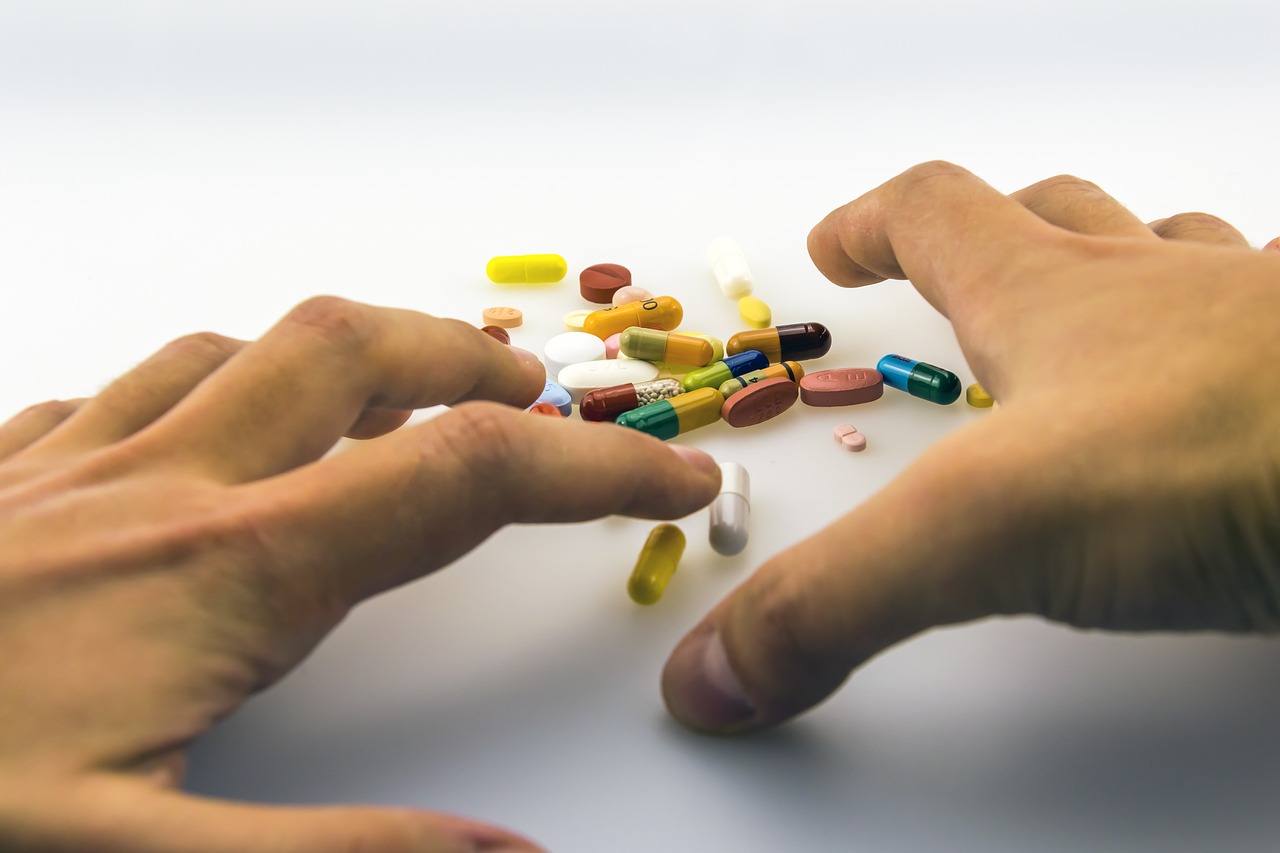
Hands with pills

Addiction and Mental illness. 
Photo courtesy of Pixabay

What are these things? They sound serious. – They are.

Someone who has two problems may have a harder time getting help than people with only one problem. Once society recognized that it was possible to help people with mental and emotional problems instead of just locking them up in an institution, we began to create special programs to deal with these issues.

The problem has been that most programs that were meant to help, was that they were organized around problems and not around people.

Mental Health programs.

Programs for the mentally ill were separated from those that treated other problems. We were afraid the mentally ill would become violent. We were afraid they might hurt themselves. Mostly we were just afraid. If they acted out we arrested them and locked them away.

Then medications for the mentally ill were discovered and we decided that maybe we did not need to keep locking them away. They could be helped in outpatient settings. Mental health clinics were created.

Substance Use Disorders.

Substance abusers were segregated also. At first, the thought was that “those people” chose to do what they do. We arrested and incarcerated the alcoholics and addicts. The thought was “they never get better” or they just need to quit.

Alcoholics Anonymous changed our way of understanding alcoholism. Groups of alcoholics got together and talked about recovery, they got better. After Alcoholics Anonymous came Narcotics Anonymous, followed by hundreds of other 12 step groups and ultimately the creation of substance abuse facilities.

Treatment for addiction and alcoholism worked.

The Silos

The specialized programs quickly evolved into silos. The Mental health programs treated the mentally ill, they sent all substance abusers away – referred them to a substance abuse program.

The substance abuse programs referred the mentally ill to a mental health program.

The programs developed mantras.

If you do drugs, drink alcohol, you can’t be in a mental health program. Get 30 (or 90 or more) days clean and come back.

The substance abuse programs told clients they could not attend drug classes if they took psychiatric medication. Some counselors told clients that “if you take psych meds you are not clean.”

Old-timers grumbled that the Big Book says to follow the doctor’s advice and take your meds as prescribed. Still the programs sent anyone with a mental health problem to mental health.

The client was ping-ponged back and forth between mental health and substance abuse programs often ending up in the hospital emergency room where they received their treatment one E. R. visit at a time.

Dual Diagnosis programs are created.

Over time the number of people who were identified with both mental illness and substance abuse problems began to be recognized as significant. They were seen at the doors of mental health clinics, substance abuse programs, hospitals, homeless shelters, and welfare offices.

People with both a substance abuse disorder and mental illness usually can’t work. They burn out their families. They live on the street and in low-income neighborhoods.

People who live on the street, have no medical care, get sick, and end up in E.R.’s We began to designate this condition as “Dual Diagnosis.”

Books were written on Dual diagnosis, what it is, how to treat it. Some programs began to train beginning professionals on how to recognize the presence of substance abuse and mental illness. Still, most programs were organized as if all clients had one and only one problem.

Dual Diagnosis swells.

Doctors do most of the diagnosing and most of the clients with substance use disorders and a mental illness end up in the emergency clinics, they have few other options. Counselors saw dual diagnoses as one thing, doctors saw another.

The term dual diagnosis began to widen to include anyone with two (or more) diagnoses. From a medical treatment perspective, this makes sense. A client with diabetes or a heart condition and substance abuse has two problems. Someone with a mental illness and hypertension has two problems also. And for the treating physician, this can be very important. Medications for the psychiatric problem or the alcohol and street drugs can interact with the medications for the physical problem. The doctors need to know these things. There are articles now on dual-diagnoses that are about treating two medical problems at the same time.

Co-occurring Disorders emerge.

The term “Co-occurring Disorders” began to be used for that common issue of clients who had both a mental illness and a substance use disorder. Specialized trainings and even programs were created for people with those two problems that occur together so often.

The expression “co-occurring disorders are an expectation, not an exception” was born.

Things have begun to get better for the client who has both of these problems. But there are still clinicians who work in one area and are uncomfortable with clients who have the other problem also. Programs still see themselves as providing service either to substance abusers or to the mentally ill but not both.

Behavioral Health programs.

Behavioral health agencies now exist with the mandate to serve the mentally ill and the substance abuse clients. Some programs also include services for the mentally retarded and the developmentally delayed. Programs continue to be developed around problems and not people.

Could a developmentally delayed person also have a mental illness, say depression, and abuse substances?

Even the term “behavioral health” is problematic. It focuses on the problem as behavior. “Those people” do not do what society wants. It has been taken to mean that the people who receive services at behavioral health chose to be the way they are rather than that they have a disorder that is treatable.

The coordination of substance abuse and mental health services is a step forward but it is far from the end of the journey.

The future.

In the future, we hope to see a time when anyone who needs help gets it regardless of the specific combinations of challenges they are faced with. A time when mental health services and substance abuse treatment is offered alongside physical health services.

We hope the day will come when the largest housing facilities for the mentally ill are not in jails and where the bulk of substance abuse treatment is not done in prisons. Where we as a society provide prevention and treatment in the childhood years before our children have to go to jails and prisons rather than wait to offer services to them in prison.

We have a long way to go before the treatment of dual diagnoses becomes routine, but the fields of mental illness, substance use disorder treatment, and physical health management are changing for the better.

For more on Dual Diagnosis, Co-occurring disorders, substance abuse, and mental health topics see the categories list to the right. Coming soon will be a list of “Dual Diagnosis links and resources.”

Staying connected with David Joel Miller

Seven David Joel Miller Books are available now!

My newest book is now available. It was my opportunity to try on a new genre. I’ve been working on this book for several years, but now seem like the right time to publish it.

Story Bureau.

Story Bureau is a thrilling Dystopian Post-Apocalyptic adventure in the Surviving the Apocalypse series.

Baldwin struggles to survive life in a post-apocalyptic world where the government controls everything.

As society collapses and his family gets plunged into poverty, Baldwin takes a job in the capital city, working for a government agency called the Story Bureau. He discovers the Story Bureau is not a benign news outlet but a sinister government plot to manipulate society.

Bumps on the Road of Life. Whether you struggle with anxiety, depression, low motivation, or addiction, you can recover. Bumps on the Road of Life is the story of how people get off track and how to get your life out of the ditch.

Dark Family Secrets: Doris wants to get her life back, but small-town prejudice could shatter her dreams.

Casino Robbery Arthur Mitchell escapes the trauma of watching his girlfriend die. But the killers know he’s a witness and want him dead.

Planned Accidents  The second Arthur Mitchell and Plutus mystery.

Letters from the Dead: The third in the Arthur Mitchell mystery series.

What would you do if you found a letter to a detective describing a crime and you knew the writer and detective were dead, and you could be next?

Sasquatch. Three things about us, you should know. One, we have seen the past. Two, we’re trapped there. Three, I don’t know if we’ll ever get back to our own time.

For these and my upcoming books; please visit my Author Page – David Joel Miller

Want the latest blog posts as they publish? Subscribe to this blog.

For videos, see: Counselorssoapbox YouTube Video Channel
Pink elephants kill – Dangers of Delirium Tremens (DT’s)

By David Joel Miller, MS, Licensed Therapist & Licensed Counselor.

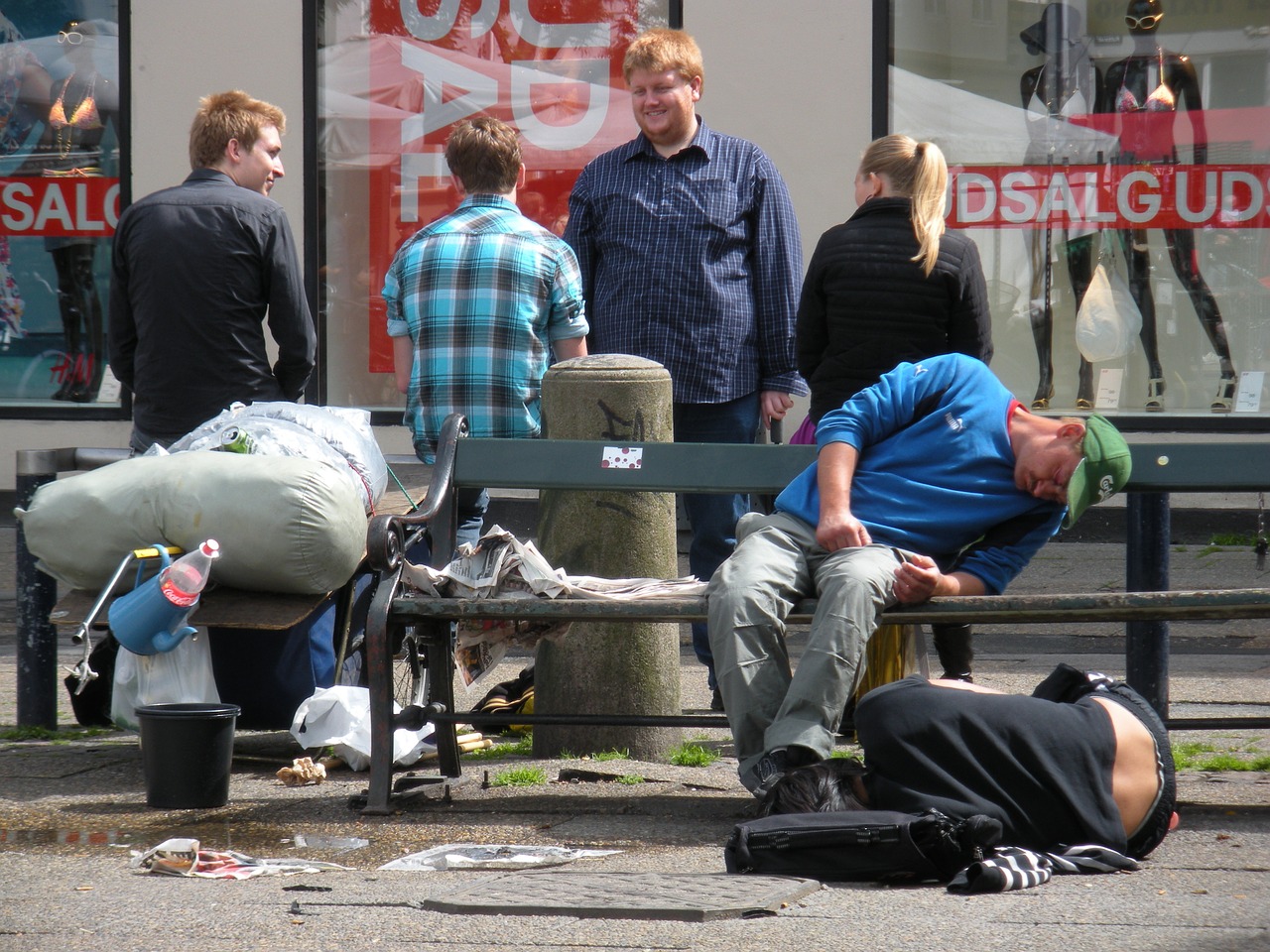
Inebriated people.

Alcoholism.
Photo courtesy of Pixabay.

Seeing bugs when drinking?

There are lots of jokes about people seeing things while drinking. Having Delirium Tremens (D.T.’s) is no joke.

Withdrawal from alcohol can be fatal. When we mention withdrawal from drugs most people think of the physical symptoms of heroin withdrawal. Kicking Heroin can make someone wish they were dead, but alcohol withdrawal is far more likely to kill.

Deaths directly related to alcohol each year exceed all the deaths from other drugs, legal and illegal.

DT’s occur when the drinker is withdrawing from alcohol as the blood level is declining. Before modern medicine was available up to one-third of alcoholics with DTs died during withdrawal. Modern medical treatment has cut that rate dramatically but people do still die while sobering up.

If the drinker has EVER had hallucinations or a seizure when drinking or detoxing they need medical attention and should be detoxed in a hospital.

Other symptoms of DT’s can include fever, shakes, and formication. Tactile hallucinations, bugs or snakes crawling over the skin are commonly associated with the DT’s. These symptoms are sometimes worse at night and can begin to occur days after the last drink as the body attempts to adjust to the absence of alcohol.

Any unusual symptoms that occur when an alcoholic stops drinking should be checked out by a medical professional.

Staying connected with David Joel Miller

Seven David Joel Miller Books are available now!

My newest book is now available. It was my opportunity to try on a new genre. I’ve been working on this book for several years, but now seem like the right time to publish it.

Story Bureau.

Story Bureau is a thrilling Dystopian Post-Apocalyptic adventure in the Surviving the Apocalypse series.

Baldwin struggles to survive life in a post-apocalyptic world where the government controls everything.

As society collapses and his family gets plunged into poverty, Baldwin takes a job in the capital city, working for a government agency called the Story Bureau. He discovers the Story Bureau is not a benign news outlet but a sinister government plot to manipulate society.

Bumps on the Road of Life. Whether you struggle with anxiety, depression, low motivation, or addiction, you can recover. Bumps on the Road of Life is the story of how people get off track and how to get your life out of the ditch.

Dark Family Secrets: Doris wants to get her life back, but small-town prejudice could shatter her dreams.

Casino Robbery Arthur Mitchell escapes the trauma of watching his girlfriend die. But the killers know he’s a witness and want him dead.

Planned Accidents  The second Arthur Mitchell and Plutus mystery.

Letters from the Dead: The third in the Arthur Mitchell mystery series.

What would you do if you found a letter to a detective describing a crime and you knew the writer and detective were dead, and you could be next?

Sasquatch. Three things about us, you should know. One, we have seen the past. Two, we’re trapped there. Three, I don’t know if we’ll ever get back to our own time.

For these and my upcoming books; please visit my Author Page – David Joel Miller

Want the latest blog posts as they publish? Subscribe to this blog.

For videos, see: Counselorssoapbox YouTube Video Channel
Does a drunk suicidal person go to jail?

By David Joel Miller, MS, Licensed Therapist & Licensed Counselor.

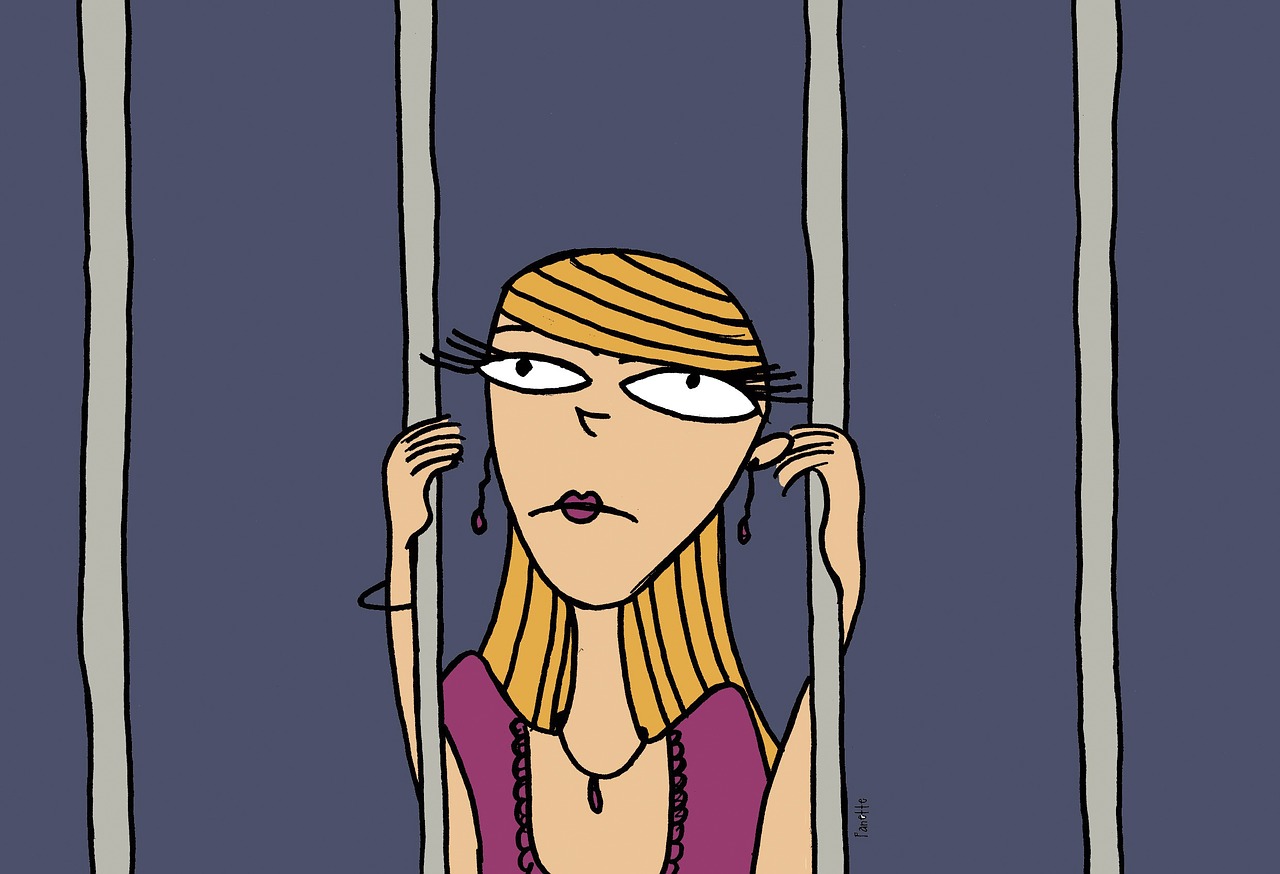
Does a drunk suicidal person go to jail?
Picture courtesy of pixabay

When the law, medicine, and mental health intersect.

Sometimes people have more than one problem.

What happens when someone has a medical problem, a psychiatric problem and they break the law? When something interacts with the law the law usually wins. How these cases at the intersection of disciplines are resolved depends on the laws in your jurisdiction. Most places in the United States have similar statutes often based on uniform law statutes. More and more places on earth are recognizing that mental illness is not a choice and that the mentally ill need special consideration in their encounters with the law. Here are some of the possible outcomes of a drunken suicidal person based on what happens here in my jurisdiction.

Partly this depends on the order in which things happen. Do they go to the hospital for a heart attack and then we discover they are drunk and suicidal? Or have they been arrested for driving under the influence first? What if they killed someone while drunk and now are thinking of killing themselves. All very different scenarios.

While I separate medical, psychiatric, and correction issues, some places may have facilities for several of these issues. Hospitals may have psychiatric units, in custody units, and so on.

Crisis issues should always get the first look.

If someone is having a heart attack or bleeding to death they need immediate medical attention. They go to the hospital. If medical problems show up while they are in jail or the psychiatric facility they should be transferred to a medical hospital unless where they are also offered that second service.

Alcohol is one of the most life-threatening of all the drugs from which to detox. People can and do die from alcohol withdrawal. If someone has ever had the Delirium tremens (DTs) they are at risk to die while sobering up. This needs to be supervised by a medical doctor.

If someone is suicidal they need psychiatric care.

We have a procedure here in California for placing someone on a psychiatric hold (technically a request for evaluation) and getting them sent for an evaluation. That first hold is only good for 72 hours. After that, a psychiatrist needs to say they need to stay or they get discharged. If they committed a crime they might get discharged from the psychiatric facility and still face legal charges.

Once at a psychiatric hospital and under the care of a psychiatrist, they will be evaluated and kept until the crisis resolved. The laws have lots of safeguards to keep people from putting other people they don’t like away and keeping them locked up for long periods of time.

Once upon a time – people stayed in psychiatric hospitals for a long time. Stays of several years or even forever commitments were common. Not anymore. Since the advent of effective medications, stays at psychiatric hospitals are getting shorter and shorter.

Stays of a week or less are now common. A long-term stay in the psychiatric facilities I have worked in would now run two weeks to a month.

Killing yourself or attempting to is illegal in most places, only the most rabid law and order types would even consider chasing someone down and arresting them because they had thought about suicide while drunk.

With the intoxicated person, they are likely to change their mind about suicide once they sober up. Studies show that people who are binge drinkers, when they drink they get drunk, are 55 times more likely to attempt suicide than people with no alcohol in their system.

So generally speaking a drunken suicidal person will not be sent to jail. If nothing else the jail does not want people killing themselves while in jail. Having clients die in your facility is bad for a business even if you run a jail or prison.

No jail for the drunken suicidal person – unless –

If the drunken person has committed a serious crime while intoxicated they are still held liable. Being drunken is not an excuse for bad or illegal behavior. Being mentally ill does not, and should not, get you a pass either.

You may not go to prison, but you will have consequences, like time in a hospital for the criminally insane, until we are sure you understand what you did and are capable of not doing that again.

Jails do have psychiatric units and they do have to put people who were arrested for serious crimes on a suicide watch from time to time. But no, most times, they have no interest in arresting and detaining someone who is suicidal.

For the record – people who are placed on a psychiatric hold are not under arrest. This does not result in a police record or mean you will have to say yes to having been convicted of a misdemeanor or felony on a job application. Your psychiatric treatment record is supposed to be confidential just like your medical treatment record. Do not let the fear of legal consequences stop you from calling for psychiatric help if someone is suicidal. Dead people do not worry about having a record.

One consequence of being in the psychiatric hospital will likely be a form you sign at discharge that tells you that you cannot buy or own a firearm for five years after being in a psychiatric hospital. If you want to get a gun, then you will need to appear before a judge and convince him you have a good reason to own one.

But if you are the sort of person who gets drunk and then thinks about killing yourself and others, you are not the kind of person that I would like running around my neighborhood with a weapon.

If someone is medically sick they need to be in a hospital, someone who is suicidal needs psychiatric care, and someone who breaks the law gets arrested. When someone has more than one of these issues we may have trouble figuring out what to do.

Hope that answers the question a reader sent in “Does a drunk suicidal person go to jail?” If you have more questions or comments on the issues of suicide, intoxication, and our society’s response to people with multiple problems please leave a comment.

Staying connected with David Joel Miller

Seven David Joel Miller Books are available now!

My newest book is now available. It was my opportunity to try on a new genre. I’ve been working on this book for several years, but now seem like the right time to publish it.

Story Bureau.

Story Bureau is a thrilling Dystopian Post-Apocalyptic adventure in the Surviving the Apocalypse series.

Baldwin struggles to survive life in a post-apocalyptic world where the government controls everything.

As society collapses and his family gets plunged into poverty, Baldwin takes a job in the capital city, working for a government agency called the Story Bureau. He discovers the Story Bureau is not a benign news outlet but a sinister government plot to manipulate society.

Bumps on the Road of Life. Whether you struggle with anxiety, depression, low motivation, or addiction, you can recover. Bumps on the Road of Life is the story of how people get off track and how to get your life out of the ditch.

Dark Family Secrets: Doris wants to get her life back, but small-town prejudice could shatter her dreams.

Casino Robbery Arthur Mitchell escapes the trauma of watching his girlfriend die. But the killers know he’s a witness and want him dead.

Planned Accidents  The second Arthur Mitchell and Plutus mystery.

Letters from the Dead: The third in the Arthur Mitchell mystery series.

What would you do if you found a letter to a detective describing a crime and you knew the writer and detective were dead, and you could be next?

Sasquatch. Three things about us, you should know. One, we have seen the past. Two, we’re trapped there. Three, I don’t know if we’ll ever get back to our own time.

For these and my upcoming books; please visit my Author Page – David Joel Miller

Want the latest blog posts as they publish? Subscribe to this blog.

For videos, see: Counselorssoapbox YouTube Video Channel
Blackouts – common or rare?

By David Joel Miller, MS, Licensed Therapist & Licensed Counselor.

Drinking

Binge drinking.
Photo courtesy of Pixabay.com

Are blackouts common?

Morning Question #15.

Blackouts are nothing like passing out or being unconscious. Blackouts involve the ability to walk, talk, and function while intoxicating but to form no memories. The next day the drinker may not know what happened.

Blackouts are relatively common, with up to half of all college students reporting having had an episode of memory loss when drinking. These episodes are highly associated with Binge Drinking. Blackouts range from “brownouts” sometimes called fragmentary blackouts where there are portions of memory mixed with missing facts to full-on blackouts (sometimes called block blackouts) of having lived hours or sometimes days with no memory of where you were or what happened.

Having a blackout especially early in your drinking career indicates a huge risk of developing alcoholism.

Staying connected with David Joel Miller

Seven David Joel Miller Books are available now!

My newest book is now available. It was my opportunity to try on a new genre. I’ve been working on this book for several years, but now seem like the right time to publish it.

Story Bureau.

Story Bureau is a thrilling Dystopian Post-Apocalyptic adventure in the Surviving the Apocalypse series.

Baldwin struggles to survive life in a post-apocalyptic world where the government controls everything.

As society collapses and his family gets plunged into poverty, Baldwin takes a job in the capital city, working for a government agency called the Story Bureau. He discovers the Story Bureau is not a benign news outlet but a sinister government plot to manipulate society.

Bumps on the Road of Life. Whether you struggle with anxiety, depression, low motivation, or addiction, you can recover. Bumps on the Road of Life is the story of how people get off track and how to get your life out of the ditch.

Dark Family Secrets: Doris wants to get her life back, but small-town prejudice could shatter her dreams.

Casino Robbery Arthur Mitchell escapes the trauma of watching his girlfriend die. But the killers know he’s a witness and want him dead.

Planned Accidents  The second Arthur Mitchell and Plutus mystery.

Letters from the Dead: The third in the Arthur Mitchell mystery series.

What would you do if you found a letter to a detective describing a crime and you knew the writer and detective were dead, and you could be next?

Sasquatch. Three things about us, you should know. One, we have seen the past. Two, we’re trapped there. Three, I don’t know if we’ll ever get back to our own time.

For these and my upcoming books; please visit my Author Page – David Joel Miller

Want the latest blog posts as they publish? Subscribe to this blog.

For videos, see: Counselorssoapbox YouTube Video Channel

5 Steps to addiction

By David Joel Miller, MS, Licensed Therapist & Licensed Counselor.

Drugs of addiction

Addiction.
Photo courtesy of Pixabay.com

What does it take to turn a normal person into a drug addict?

I remember some career information when I was in high school. We took a test to see what our abilities were and what careers might interest us the most. I don’t remember a drug addict or alcoholic being on the list of possible careers. Even without any guidance a lot of people end up making a lifetime occupation out of their addiction.

How does addiction develop? Take these five steps to find your chemical dependency.

1. Experimentation with substances.

Involvement with chemicals begins with some experimentation. A friend offers you one of their cigarettes and you try it. Forget all you have heard about this or that drug being a gateway drug. Far and away the “gateway” drugs of choice are nicotine and alcohol.

Lots of kids get their start at abusing drugs by swiping a few cigarettes, maybe a pack if they can, from a family member. A leftover beer, a partial bottle sitting around, that is all it takes. Lots of seasoned drug addicts remember with me the time they took some sips on a family member’s beer or drank from mom and dad’s liquor cabinet when the folks were away.

Boys usually get their start with the help and encouragement of a male friend or an older family member. It’s not a drug pusher that gets the disease of addiction going, it is a brother, uncle, cousin, or another close male.

Girls most often learn how to use drugs from their first boyfriend. They may go on to share this knowledge with other girlfriends but mostly they all compare notes and then get the next lesson from the next man in their life. Keep the learning up long enough and one of those men will teach you how to save money by sharing needles and then you can share everything that man has, especially the diseases.

2. Social drinking and drug use.

After the first trial of drug use, the budding young experimenter is likely to finds some collaborators in drug learning. The guys or gals get together and drink a few beers, sometimes they get wasted. Eventually, sooner probably, rather than later, someone brings some weed, bomb, some 420 to the party. The group has discovered marijuana; they have also discovered doing an illicit or illegal drug.

Some people have to steal the weed, others buy it, a few have “friends” who in the beginning will front it to you for free. This is probably too early in the trip for the aspiring popular person to have heard the old expression “the first one is free; the second will cost you double.”

Every week the group gets together. Say Friday night. Eventually given enough good stuff, the party stretches over into Saturday morning. There may be some getting drunk, some learning to throw up and to treat hangovers the next day.

There may be some violence, some unplanned, even unwanted sex. People may start doing illegal and dangerous things. Occasionally people get in trouble, get arrested, or even killed. Usually, that is someone else in some other town, someone who wasn’t careful enough. It won’t happen to one of your group.

As long as it is social it is all good. But what happens when the group is away?

3. Substance use becomes a habit.

The time will come in everyone’s life when the group is not there that one Friday night.
This is the turning point.

It is Friday. That is the night you drink and party right? Tonight you are alone. What will you do? This is the point where a few will decide enough is enough. A few beers with friends is fine, but this getting drunk and stoned every weekend is too much.

Far too many people at this point decide that it is Friday and on Fridays, we drink and drug. They will go on with the party, friends or no friends. They may look for another group to use with or they may use alone, but at this point, they have turned a social event into a habit. They will use no matter what it takes.

4. Psychological need for substances.

The user will struggle along for a while, months, years, maybe even decades. The use now is accelerating. There is more using alone. The negative consequences begin to mount up.

There may be DUI’s. When using they do things they will regret later. There are fights, violence, possibly arrests. They decide they want to quit. At this point, they have had enough. They vow to stop drinking and drugging, well not stop exactly, but they will cut back.

The person on their way to addiction is at the point where when they try to control their use they find it is so much harder than they thought. They have lost the ability to control their usage. They need to drink more and use more to get the same high. This is called tolerance. They can’t function without the drug.

In those brief periods of not using or drinking they can’t stop thinking about the drug, how long till five and the next time they can drink?

This person is not yet fully psychologically dependent but they have developed a mental need for their drug of choice. Without that drug, they are not happy. Even with the drug they are no longer enjoying the use. They now use just to get back to normal.

5. Physical need for a drug completes the process.

At this juncture, the person is having physical problems. They may get sick when without their drug of choice. They can’t stand the thought of running out. The alcoholic now needs an eye-opener in the morning. The meth addict tries to keep back a taste to help get them out of bed. It is no longer using to feel pleasure, now it is using to get well again.

The alcoholic may have D.T’s. They may risk seizures and death if deprived of their drug. The process has gone to the end. The experiment is over. The drug has taken control of the person.

If you recognize yourself in this story, consider where you are in the process and where you want to go. If you have reached the point where this is a habit or an addiction know that there is help available to stop the disease of addiction before you reach the end.

Beyond psychical addiction, so the story goes, there are three destinations, Jails, institutions, and death.
Changing the outcome is not easy but it is possible.

Are you ready to change your direction or are you on the 5 steps to addiction path?

Staying connected with David Joel Miller

Seven David Joel Miller Books are available now!

My newest book is now available. It was my opportunity to try on a new genre. I’ve been working on this book for several years, but now seem like the right time to publish it.

Story Bureau.

Story Bureau is a thrilling Dystopian Post-Apocalyptic adventure in the Surviving the Apocalypse series.

Baldwin struggles to survive life in a post-apocalyptic world where the government controls everything.

As society collapses and his family gets plunged into poverty, Baldwin takes a job in the capital city, working for a government agency called the Story Bureau. He discovers the Story Bureau is not a benign news outlet but a sinister government plot to manipulate society.

Bumps on the Road of Life. Whether you struggle with anxiety, depression, low motivation, or addiction, you can recover. Bumps on the Road of Life is the story of how people get off track and how to get your life out of the ditch.

Dark Family Secrets: Doris wants to get her life back, but small-town prejudice could shatter her dreams.

Casino Robbery Arthur Mitchell escapes the trauma of watching his girlfriend die. But the killers know he’s a witness and want him dead.

Planned Accidents  The second Arthur Mitchell and Plutus mystery.

Letters from the Dead: The third in the Arthur Mitchell mystery series.

What would you do if you found a letter to a detective describing a crime and you knew the writer and detective were dead, and you could be next?

Sasquatch. Three things about us, you should know. One, we have seen the past. Two, we’re trapped there. Three, I don’t know if we’ll ever get back to our own time.

For these and my upcoming books; please visit my Author Page – David Joel Miller

Want the latest blog posts as they publish? Subscribe to this blog.

For videos, see: Counselorssoapbox YouTube Video Channel

Top 4 reasons people drink or use

By David Joel Miller, MS, Licensed Therapist & Licensed Counselor.

Drugs of addiction

Addiction.
Photo courtesy of Pixabay.com

The top 4 reasons you began to drink or use drugs.

Many people want to find the reasons they drank and used. Here are some common reasons and what to do about them.

1. Good day – celebrate.

In the beginning, it is all good. A little of this or that will help you celebrate. Your drug of choice helped you feel stronger, more attractive, more outgoing, and smarter. No one gives up a substance that makes them feel like that.

Drinking and using is often a social thing, you do it with your friends until your abuse of substances drives friends away and it is just you and your drug.

At the start of addiction, it is all good. As time goes on the wreckage mounts. What the addicted person eventually learns is that the drug was not their friend, making them happy, sharing their happiness. Addiction is a thief that steals your happiness.

Solution? Learn to celebrate without drugs and alcohol.

2. Bad day – drink, use to cheer yourself up.

People drink and use to change their mood. If you are sad, use a chemical to brighten your day. It works for a while. Then the drug or the alcohol stops working. It leaves you still miserable. Eventually, that drug begins to beat you up. The drug becomes the reason you are sad and depressed. The drug makes you anxious and scared.

We hear the refrain everywhere we go. This went wrong – I need a drink. That was late or unpleasant – I need a drink. People around you will tell you “You look like you could use a drink.” Not till years later will you hear “I think you have been drinking too much.”

Solution? – Learn to manage negative emotions without chemicals and learn that sometimes it is normal to feel bad for a while.

3. Boring day use drugs to create excitement.

In the early stages of use, it sounds exciting. Things are dull and boring – get high. Don’t know what you want to do – get high. For everything that is missing the refrain is get high. When there is nothing left and your life has passed by unlived you might realize that getting high day after day is the same old boring thing.

Solution – Learn to become excited about the things you already do and learn to enjoy the benefits of peace and quiet sometimes.

4. Any other reason to use whether it satisfies you or not.

Most addicts or alcoholics have a reason they tell themselves is why they drink. They had a lousy childhood, that’s why they use. They lost a partner and that means they will forever be alone. The drug promises comfort and companionship.

Drugs and alcohol pretend to be your friend. They promise a cure for loneliness, anger, and pain. In the end, they take everything you have and leave you to defeated to care anymore.

Alcohol looks like a cure for anger; it takes your mind off the thing that made you angry for a moment. But it also lowers your inhibitions. People who treat anger with alcohol are more likely to get violent, not less. People who treat depression are at an increased risk to attempt suicide or other self-harming behaviors. Treating negative emotions makes the emotion more of a problem not less.

While many people with a drug or alcohol problem would like to find a hidden reason why they drink and drug – the truth is that even when they think they have discovered the reason they still have the addiction. The reason for addiction is simple, addicts and alcoholics put chemicals in their bodies to change the way they feel and act. Once there the drug turns on the user and takes control of their life.

Solution? Build a life with meaning and purpose that is built on real experiences not the fraud of addiction.

Staying connected with David Joel Miller

Seven David Joel Miller Books are available now!

My newest book is now available. It was my opportunity to try on a new genre. I’ve been working on this book for several years, but now seem like the right time to publish it.

Story Bureau.

Story Bureau is a thrilling Dystopian Post-Apocalyptic adventure in the Surviving the Apocalypse series.

Baldwin struggles to survive life in a post-apocalyptic world where the government controls everything.

As society collapses and his family gets plunged into poverty, Baldwin takes a job in the capital city, working for a government agency called the Story Bureau. He discovers the Story Bureau is not a benign news outlet but a sinister government plot to manipulate society.

Bumps on the Road of Life. Whether you struggle with anxiety, depression, low motivation, or addiction, you can recover. Bumps on the Road of Life is the story of how people get off track and how to get your life out of the ditch.

Dark Family Secrets: Doris wants to get her life back, but small-town prejudice could shatter her dreams.

Casino Robbery Arthur Mitchell escapes the trauma of watching his girlfriend die. But the killers know he’s a witness and want him dead.

Planned Accidents  The second Arthur Mitchell and Plutus mystery.

Letters from the Dead: The third in the Arthur Mitchell mystery series.

What would you do if you found a letter to a detective describing a crime and you knew the writer and detective were dead, and you could be next?

Sasquatch. Three things about us, you should know. One, we have seen the past. Two, we’re trapped there. Three, I don’t know if we’ll ever get back to our own time.

For these and my upcoming books; please visit my Author Page – David Joel Miller

Want the latest blog posts as they publish? Subscribe to this blog.

For videos, see: Counselorssoapbox YouTube Video Channel

Binge drinking, memory loss, cognitive decline and Alzheimer’s

By David Joel Miller, MS, Licensed Therapist & Licensed Counselor.

Drinking

Binge drinking.
Photo courtesy of Pixabay.com

Binge drinking your way to Memory loss, cognitive decline, and Alzheimer’s.

Once you get past age sixty-five, it doesn’t take much in the way of binge drinking to impair your cognitive abilities. A recent study by Dr. Lang of the University of Exeter reports that the threshold for memory loss as a result of binge drinking is a lot lower in senior citizens than previously thought.

Seniors who binge drank TWO times per MONTH were 250% more likely to have memory loss and cognitive decline than those who did not binge drink.

The study defined binge drinking in seniors as four or more drinks on one drinking occasion. Given what other studies have found about the declining tolerance of seniors for alcohol, that four drink figure sounds awfully high. See a previous post on binge drinking for more on the effects of substances on the elderly.

This study does not draw a conclusion about any connection between binge drinking and either dementia or Alzheimer’s. But the conclusion that even occasional episodes of four drinks by seniors can impair the memory makes me question the safety of these promotions trying to get seniors to drink a little for their heart.

This study was presented at the Alzheimer’s Association International Conference. A second study presented at the same conference examined the effects of “moderate” drinking on older women. In this one over 1,300 women age 65 and up were studied for twenty years. The result?

Moderate alcohol consumption did not protect memory in older women.

We also suspect that binge drinking coupled with prescription medications increases the risk of blackouts in Seniors.

The drinking by seniors conclusion?

Alcohol consumption by seniors does not protect the memory and even occasional binge drinking, as few as four drinks in one day, maybe less, can result in memory loss for those in the senior community.

Staying connected with David Joel Miller

Seven David Joel Miller Books are available now!

My newest book is now available. It was my opportunity to try on a new genre. I’ve been working on this book for several years, but now seem like the right time to publish it.

Story Bureau.

Story Bureau is a thrilling Dystopian Post-Apocalyptic adventure in the Surviving the Apocalypse series.

Baldwin struggles to survive life in a post-apocalyptic world where the government controls everything.

As society collapses and his family gets plunged into poverty, Baldwin takes a job in the capital city, working for a government agency called the Story Bureau. He discovers the Story Bureau is not a benign news outlet but a sinister government plot to manipulate society.

Bumps on the Road of Life. Whether you struggle with anxiety, depression, low motivation, or addiction, you can recover. Bumps on the Road of Life is the story of how people get off track and how to get your life out of the ditch.

Dark Family Secrets: Doris wants to get her life back, but small-town prejudice could shatter her dreams.

Casino Robbery Arthur Mitchell escapes the trauma of watching his girlfriend die. But the killers know he’s a witness and want him dead.

Planned Accidents  The second Arthur Mitchell and Plutus mystery.

Letters from the Dead: The third in the Arthur Mitchell mystery series.

What would you do if you found a letter to a detective describing a crime and you knew the writer and detective were dead, and you could be next?

Sasquatch. Three things about us, you should know. One, we have seen the past. Two, we’re trapped there. Three, I don’t know if we’ll ever get back to our own time.

For these and my upcoming books; please visit my Author Page – David Joel Miller

Want the latest blog posts as they publish? Subscribe to this blog.

For videos, see: Counselorssoapbox YouTube Video Channel

Dangers of Binge Drinking

By David Joel Miller, MS, Licensed Therapist & Licensed Counselor.

Drinking

Binge drinking.
Photo courtesy of Pixabay.com

Binge drinking may be more dangerous than we thought.

One drink per day for thirty days, for many people this is no big problem. No drinks for thirty days and then binge drink thirty drinks in one day, that would be a huge, maybe fatal, problem.

Thirty drinks, if consumed rapidly enough and kept down would result in a “theoretical” blood alcohol level of .60 which is enough alcohol in one person to have made seven and a half people legally drunk. At that blood alcohol level, the person would probably not need treatment. They would already be dead.

Blood alcohol levels of .50 to .60 are likely to be fatal. But even lower levels can kill or permanently injure a person. Alcohol kills more people in the United States every year than ALL DRUGS, legal or illegal combined (not counting nicotine.) Even when people die from other drugs, they typically have alcohol in their bloodstream.

To be fair, not everyone who drinks, binge drinks, and gets drunk. About half of all Americans old enough to drink have not had a drink in the last thirty days. Those who drink a lot, damage themselves and others a lot.

The twenty percent of Americans who consume the most alcohol, the frequent binge drinkers, consume 80% of all the alcohol sold. The majority of all the people in prison around here were drunk or high in the 24 hours before they committed the crime that sent them to prison.

People who drink rapidly and reach high blood alcohol levels are likely to have blackouts.

Even at much lower levels, we find that “binge drinkers,” those who consume larger than typical amounts of alcohol on one occasion, are 55 times more likely to attempt suicide.

The damage alcohol does to the body depends on the level of alcohol in the bloodstream. Our way of assessing risk, based on the number of drinks during a single “drinking episode” is biased towards underestimating the extent of binge drinking. Not everyone who drinks gets the same result.

The blood alcohol level is dependent on a number of factors and the number of drinks is only one of those factors.

Body weight influences blood alcohol levels. If a one hundred pound person and a two hundred pound person have the same number of “standard drinks” the one hundred pound person will have a significantly higher blood alcohol level.

Alcohol is soluble in water, the more water in the system the lower the blood alcohol level. Men have more water per pound of weight than women. This means that if a man and a woman of the same weight drink the same amount of alcohol the woman ends up with a higher blood alcohol level.

Liver function also affects the body’s ability to process alcohol. A damaged liver and the drink will stay in your system longer.

Age is a factor. You can put color on your hair but you can’t pretty up your liver. As you age the liver gets old and tired. It won’t process as much alcohol per hour. An old liver will result in higher blood alcohol levels. Studies tell us that the “safe” level of alcohol consumption for an “older person” is maybe half what it was for a younger person.

If one glass of wine a day is good for you at age 30, three glasses a week will be your max at age 80 or so. I know there are exceptions, don’t email about your grandparent who still drinks a tall one every day and is in good health. Studies say that for the elderly, most of them, 3 drinks a week would be all that is safe.

Binge drinking is defined as 4 drinks on one drinking occasion for a woman and five drinks for a man. We have already underscored that for people of low body weight or the elderly or woman these numbers are way too high.

Who is at the highest risk for medical problems from binge drinking? Four groups are at highest risk, the young, the old, the pregnant, and the alcoholic.

The young have more drinking problems.

They don’t know the risks and the results. They can get drunk, hurt someone, be in trouble and there goes the life. Almost all people with a substance use disorder become alcoholics or addicts before the end of their twenties.

The elderly have lots of substance use problems.

These folks are not exempt. In more than half of all hospital emergency room admissions of senior citizens, the elderly person is drunk or high when the accident occurs. One reason seniors are falling down and breaking hips is they are stoned.

Seniors may become depressed when they retire or end up living alone. They may drink; take prescription drugs and even illicit drugs. Put that all together and it is easy to have substance abuse get out of control in the elderly.

The pregnant should not drink.

Any alcohol is bad for the developing fetus, the more alcohol the worse the damage. We can’t always see the damage as it can hide in lower IQs, retardation, and learning disabilities. Alcohol induces “Fetal Alcohol Spectrum Disorder” which is the largest source of preventable birth defects.

The alcoholic will not be able to safely drink.

As many an alcoholic will tell you “one is too many and a thousand is never enough.” The hallmark of alcoholism is the loss of control. An alcoholic has lost control of how much they will drink once they get started. The only “safe amount” for someone with a history of alcoholism to drink is – none.

Many drug addicts get into recovery and then fool themselves by thinking “I never had a problem with alcohol so I can drink safely.” Scratch a drug addict and you will find an alcoholic. The same seems to hold true for anyone who has had any other form of impulse control problem.

Consider for a moment. If you drink multiple drinks, most days or end up drunk when you drink you may have a drinking problem. If you binge drink, drink with the intent to get drunk or buzzed, you are in the highest risk group.

Staying connected with David Joel Miller

Seven David Joel Miller Books are available now!

My newest book is now available. It was my opportunity to try on a new genre. I’ve been working on this book for several years, but now seem like the right time to publish it.

Story Bureau.

Story Bureau is a thrilling Dystopian Post-Apocalyptic adventure in the Surviving the Apocalypse series.

Baldwin struggles to survive life in a post-apocalyptic world where the government controls everything.

As society collapses and his family gets plunged into poverty, Baldwin takes a job in the capital city, working for a government agency called the Story Bureau. He discovers the Story Bureau is not a benign news outlet but a sinister government plot to manipulate society.

Bumps on the Road of Life. Whether you struggle with anxiety, depression, low motivation, or addiction, you can recover. Bumps on the Road of Life is the story of how people get off track and how to get your life out of the ditch.

Dark Family Secrets: Doris wants to get her life back, but small-town prejudice could shatter her dreams.

Casino Robbery Arthur Mitchell escapes the trauma of watching his girlfriend die. But the killers know he’s a witness and want him dead.

Planned Accidents  The second Arthur Mitchell and Plutus mystery.

Letters from the Dead: The third in the Arthur Mitchell mystery series.

What would you do if you found a letter to a detective describing a crime and you knew the writer and detective were dead, and you could be next?

Sasquatch. Three things about us, you should know. One, we have seen the past. Two, we’re trapped there. Three, I don’t know if we’ll ever get back to our own time.

For these and my upcoming books; please visit my Author Page – David Joel Miller

Want the latest blog posts as they publish? Subscribe to this blog.

For videos, see: Counselorssoapbox YouTube Video Channel

Morning Question # 4 – Is there a mental illness you can’t recover from?

By David Joel Miller, MS, Licensed Therapist & Licensed Counselor.

Confused brain

Mental illness.
Photo courtesy of Pixabay.com

That depends on what you mean by recover.

People, in my opinion, can and do recover from a wide range of mental illnesses and substance use disorder problems. Recovery means that you get your hope back and you get your life back. It does not mean that you are cured or can cease your vigilance when it comes to self-care.

Somebody with type-two diabetes can lose some weight; get their blood sugar under control. They may even be able to live without medication. But does that mean they can or should begin to overeat or neglect their health again?

Someone with a serious mental illness may get their condition under control. They may be able to have happy relationships and friends. They get their hope and happiness back. Many people with mental illness are able to work, volunteer, or do productive activities again.

Millions of people have “recovered” from alcoholism, by which they mean they are no longer in a hopeless state of mind or body.”

To me, recovery is a process, not a destination. We can all move from unwell to less well to more well. But recovery only lasts when you continue to do the work to maintain it.

So – NO – I have not seen a mental or emotional illness from which you can’t recover if you are willing to do the work of recovery. Some recovery roads are just longer and more difficult than others.

When a question or comment comes in or someone uses a search term that needs a short answer but not a post. Time permitting; I post answers, like this one to those questions in the early morning.

Staying connected with David Joel Miller

Seven David Joel Miller Books are available now!

My newest book is now available. It was my opportunity to try on a new genre. I’ve been working on this book for several years, but now seem like the right time to publish it.

Story Bureau.

Story Bureau is a thrilling Dystopian Post-Apocalyptic adventure in the Surviving the Apocalypse series.

Baldwin struggles to survive life in a post-apocalyptic world where the government controls everything.

As society collapses and his family gets plunged into poverty, Baldwin takes a job in the capital city, working for a government agency called the Story Bureau. He discovers the Story Bureau is not a benign news outlet but a sinister government plot to manipulate society.

Bumps on the Road of Life. Whether you struggle with anxiety, depression, low motivation, or addiction, you can recover. Bumps on the Road of Life is the story of how people get off track and how to get your life out of the ditch.

Dark Family Secrets: Doris wants to get her life back, but small-town prejudice could shatter her dreams.

Casino Robbery Arthur Mitchell escapes the trauma of watching his girlfriend die. But the killers know he’s a witness and want him dead.

Planned Accidents  The second Arthur Mitchell and Plutus mystery.

Letters from the Dead: The third in the Arthur Mitchell mystery series.

What would you do if you found a letter to a detective describing a crime and you knew the writer and detective were dead, and you could be next?

Sasquatch. Three things about us, you should know. One, we have seen the past. Two, we’re trapped there. Three, I don’t know if we’ll ever get back to our own time.

For these and my upcoming books; please visit my Author Page – David Joel Miller

Want the latest blog posts as they publish? Subscribe to this blog.

For videos, see: Counselorssoapbox YouTube Video Channel